


The aim of every interior decorator is to decorate a home in a way which is unparallel and stands out of all. In achieving this target, many young designers feel intimated and try out different unplanned and unsuitable ventures which result in wasting time, money, efforts and also in ruining a reputation. So to get the best returns for the efforts it is important to channelize them in the perfect direction, which can be achieved by following few do’s and don’ts of basic interior designing.
DO's
The first condition for decorating a home is to understand its architectural design and its location. The basic key factor of every designing is to highlight the natural assets and showcase personal style and preferences in an elegant and classy way
A particular theme is always good for every room. A signature painting or a piece of art should be present to serve as a focal point of the room. The walls should be brightened with significant wall décor, and the rest of the accessories of the room should be purchased in sync with that
One should always have a coordination with colour schemes and use of patterns. The checks, stripes, or geometrical patterns are extensively good to attract the onlookers. However, it must be maintained that the functionality of the room is more important than its aesthetic beauty.

DONT's
Taking suggestions from friends and family is always good but the decoration of a home should ideally be a result of the conversation between the homeowner and the designer. So it is always better to rely on own comfort areas and deliver the best.
Placing furniture’s should be done in accordance to the room size. Especially if it is a larger room, then the sitting arrangement should be done in a close area and not hugging the walls. This is best for socialising and also serving the purpose of the room.
Cheap decorations can destroy the look of the house. It is better to purchase high-end quality art rather than trendy home accessories since trends usually go after few days making the décor outdated. So it is wise to invest in a pricey painting than the cheap items
Repetition of décor items, colours and fabrics should be avoided. It destroys the uniqueness of every room. A new look in every room retains a sense of freshness which is very soothing.
It is never wise to display all collectibles at a time. If a piece of art is glorifying the sitting area, then the same should not be overcrowded with more excellent works of art. This way the original painting will lose its importance. So the best way is to change the same at regular intervals so as to catch the eye of the guests as well as fetch a revised décor for the room.
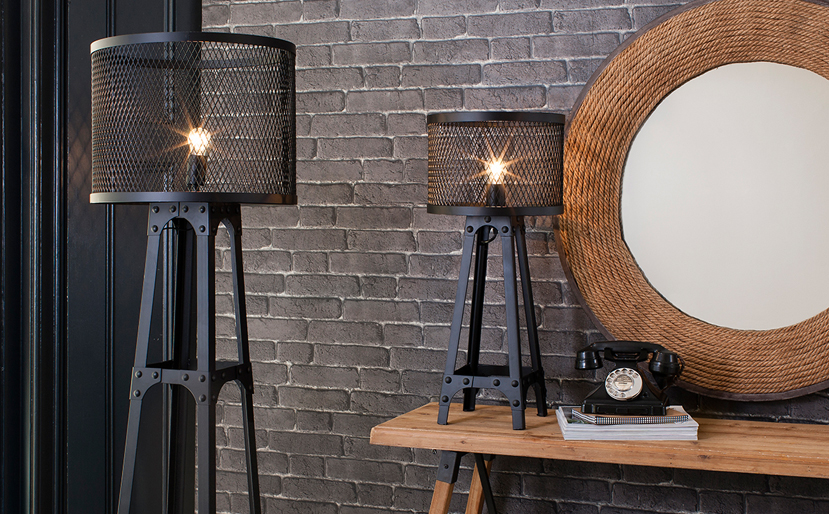
To create an example in the field of interior designing, it is best to read different magazines, understand modern styles and trends to provide contemporary as well as attractive decoration for the house.
Frequently Asked Questions
What are the basic dos of interior decoration?
The key dos include understanding your home's architectural design and location, choosing a particular theme for each room, creating a focal point with signature art, coordinating colour schemes and patterns, and ensuring functionality remains more important than aesthetics. Always prioritise your own comfort and style preferences over trends.
Why should I avoid cheap decorations when decorating my home?
Cheap decorations can destroy the overall look of your house and won't stand the test of time. Investing in high-end quality art and furniture pieces is better than trendy accessories, as trends fade quickly whilst quality pieces maintain their elegance and value.
How should I arrange furniture in a larger room?
In larger rooms, arrange your seating in a close grouping near the centre rather than pushing furniture against the walls. This creates a more inviting social space, improves functionality, and makes better use of your room's layout for conversation and comfort.
Should I follow interior design suggestions from friends and family?
Whilst suggestions can be helpful, your home's decoration should reflect your personal style and comfort preferences rather than others' opinions. Work with a designer or trust your own instincts to create a space that truly suits you and your lifestyle.
What's the importance of colour coordination in interior design?
Colour coordination ensures your room looks cohesive and visually appealing. Using patterns like checks, stripes, or geometrical designs in harmony with your main colour scheme attracts attention and creates a polished, professional look whilst maintaining the room's functionality.