Coffee Tables
Choose a coffee table that suits the scale of your sofa and leaves enough room to move through the seating area. The collection includes round, oval, square and rectangular tables in wood, marble, ceramic, glass, metal, mirrored and mixed-material finishes. You will also find fluted, swivel and storage designs for different room layouts and routines. Measure the table’s width, depth and height, then mark its footprint on the floor before ordering. The top should be easy to reach from the sofa without blocking the walkway or nearby doors. Round and oval tables can reduce hard corners in tighter arrangements, while rectangular tables often follow the length of a sofa. If you need movable surfaces, compare side tables or a nest of tables. Check the surface-care instructions, permitted load, assembly and extension or swivel mechanism where applicable. A correctly sized rug can help define the seating arrangement around the table.
Popular Categories
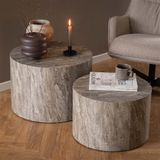
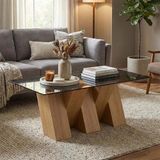
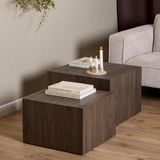
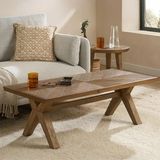
- Beige
- Black
- Blue
- Brown
- Cream
- Green
- Grey
- Red
- Taupe
- White
- Yellow
- Humz
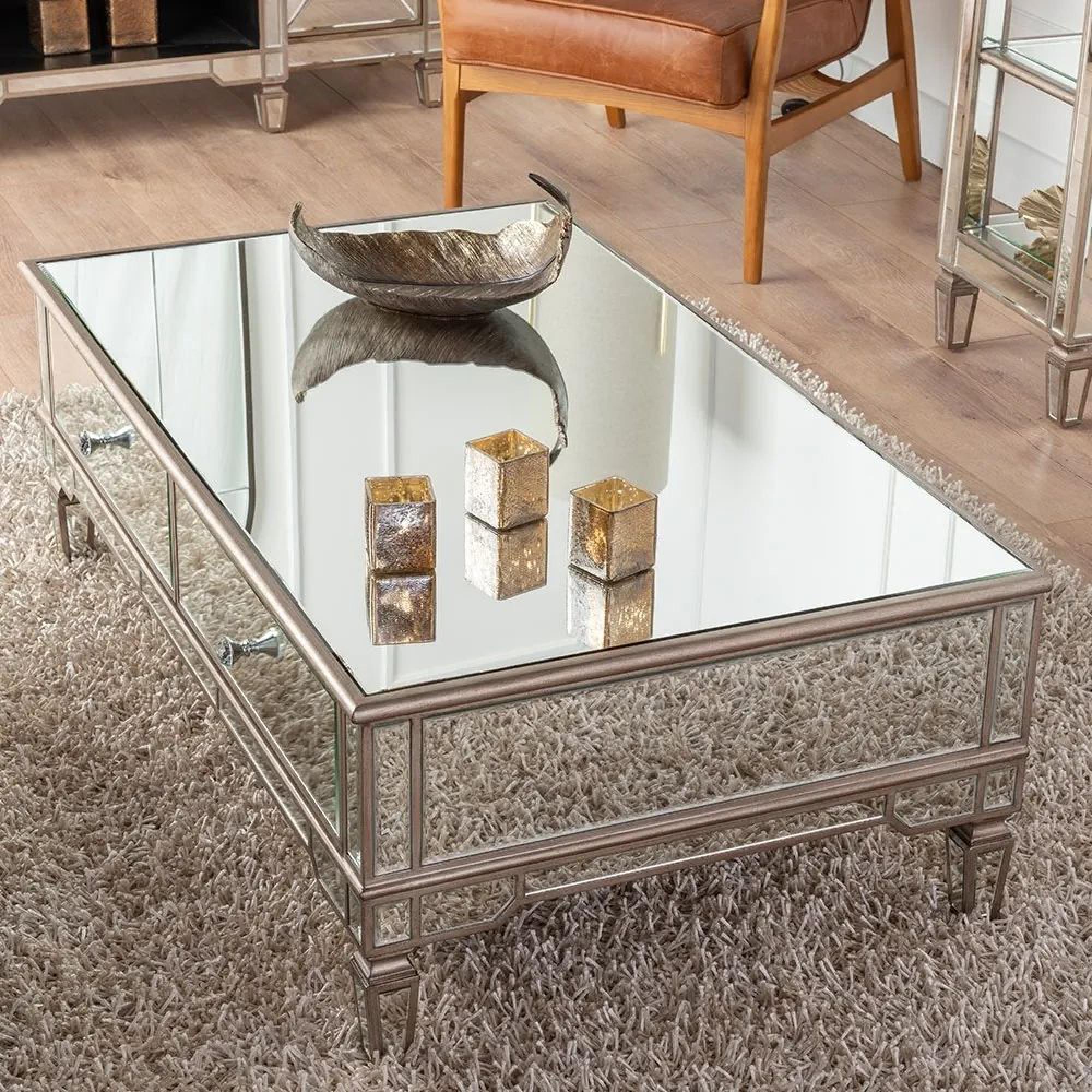
Antoinette Champagne Trim Mirrored 2 Drawer Coffee Table
SAVE £401.19£278.79 £679.98
Free delivery*
Last 2 In Stock - Humz
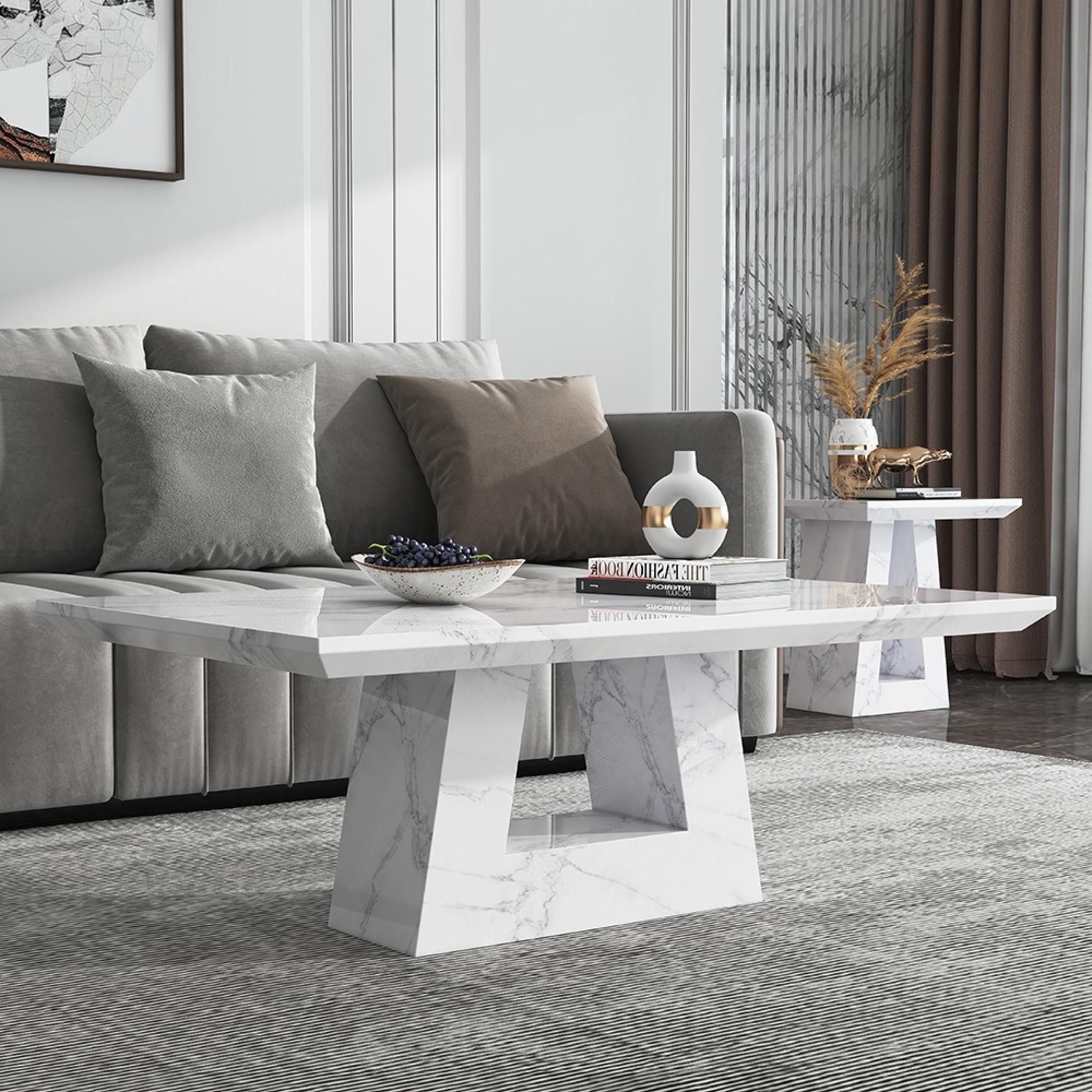
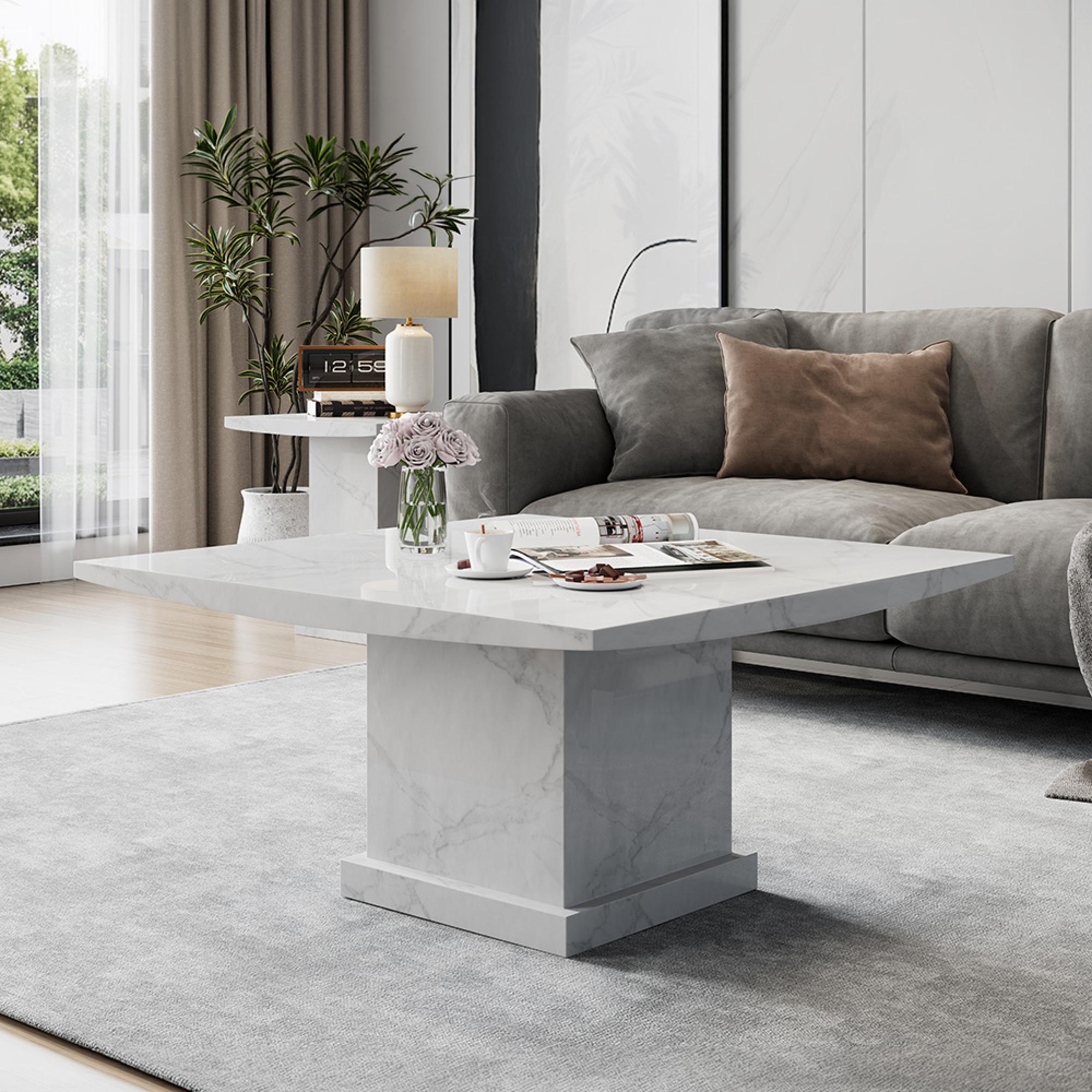
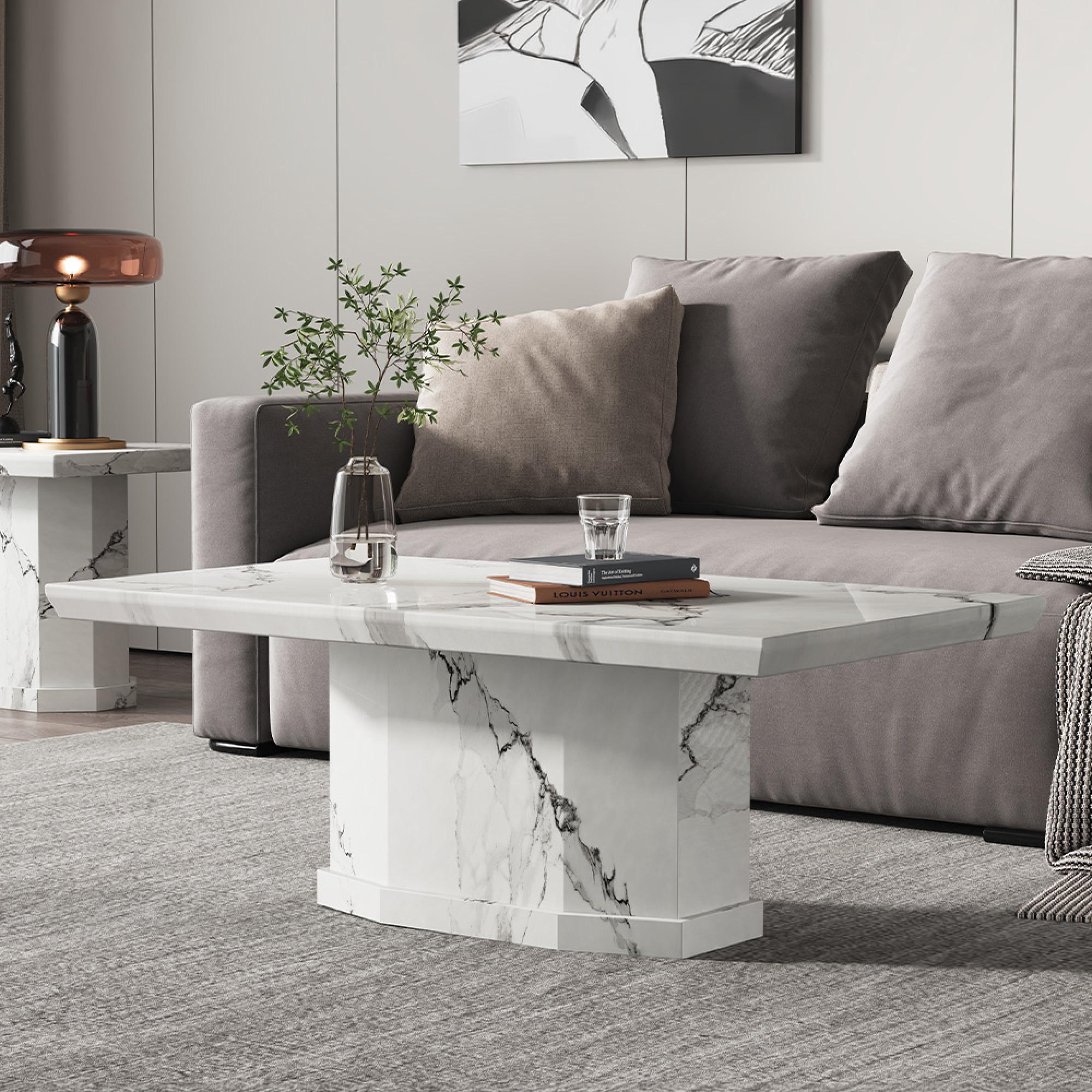
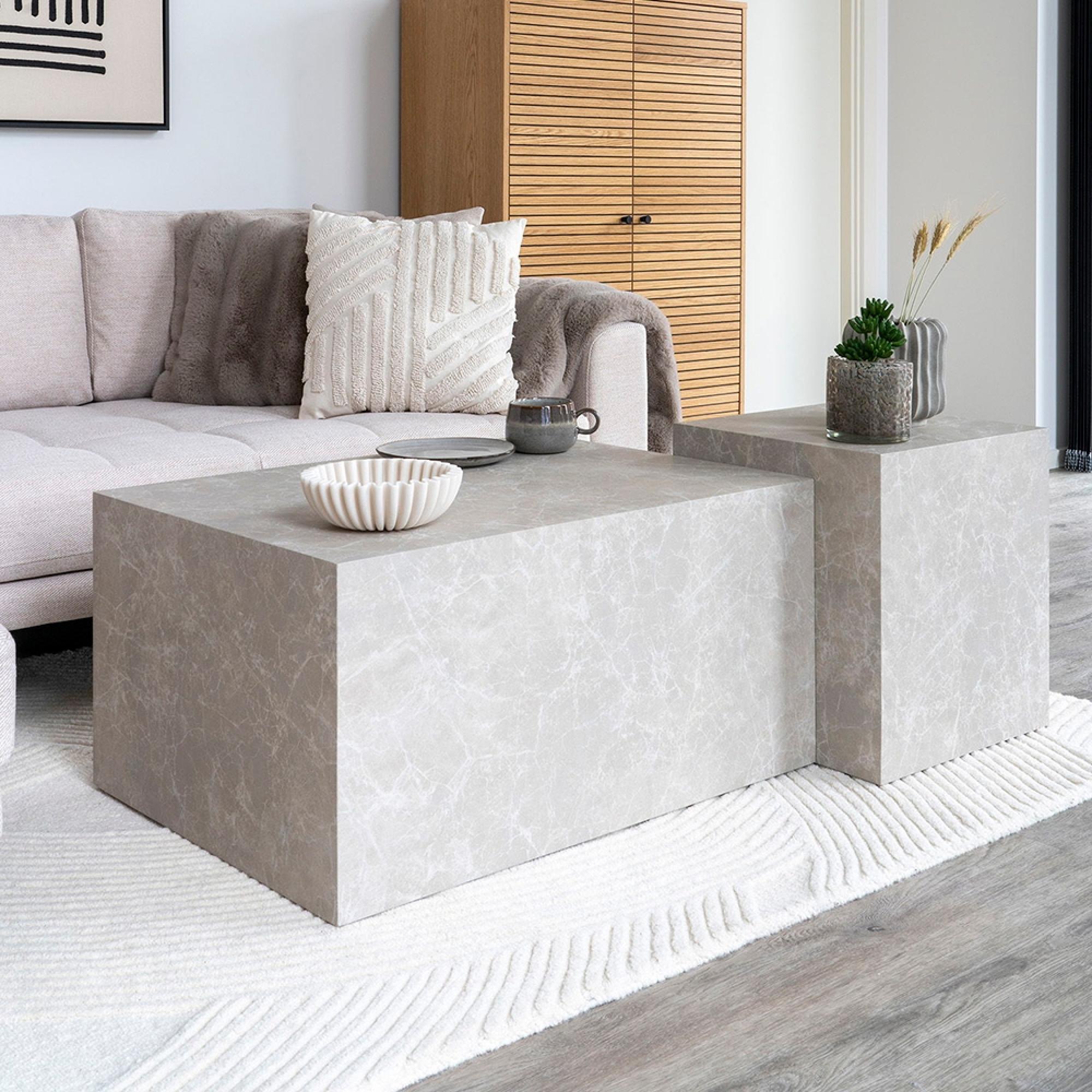
Turin White Marble Square Coffee Table
SAVE £359.99£439.99 £799.98
Free delivery*
Last 1 In Stock - Humz
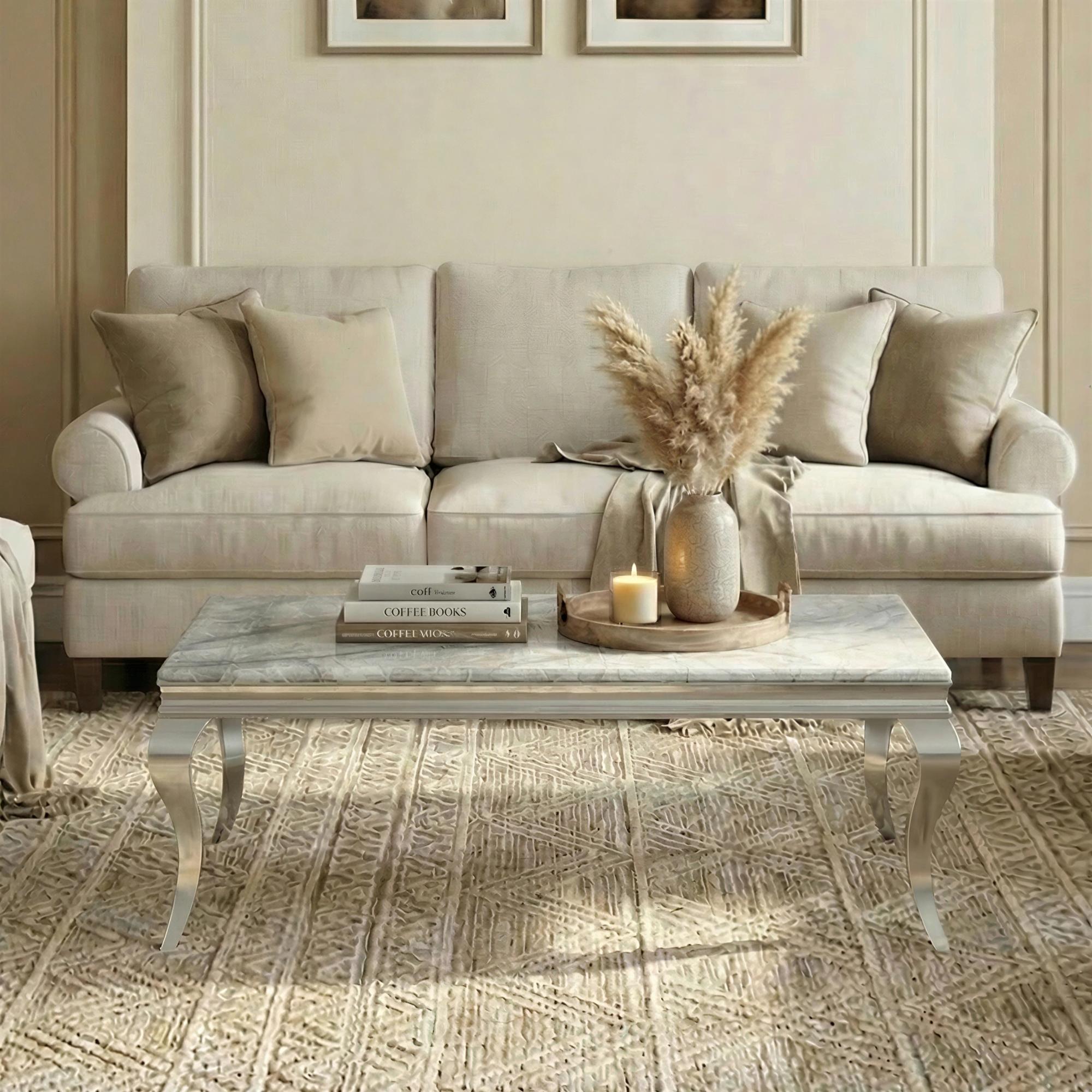
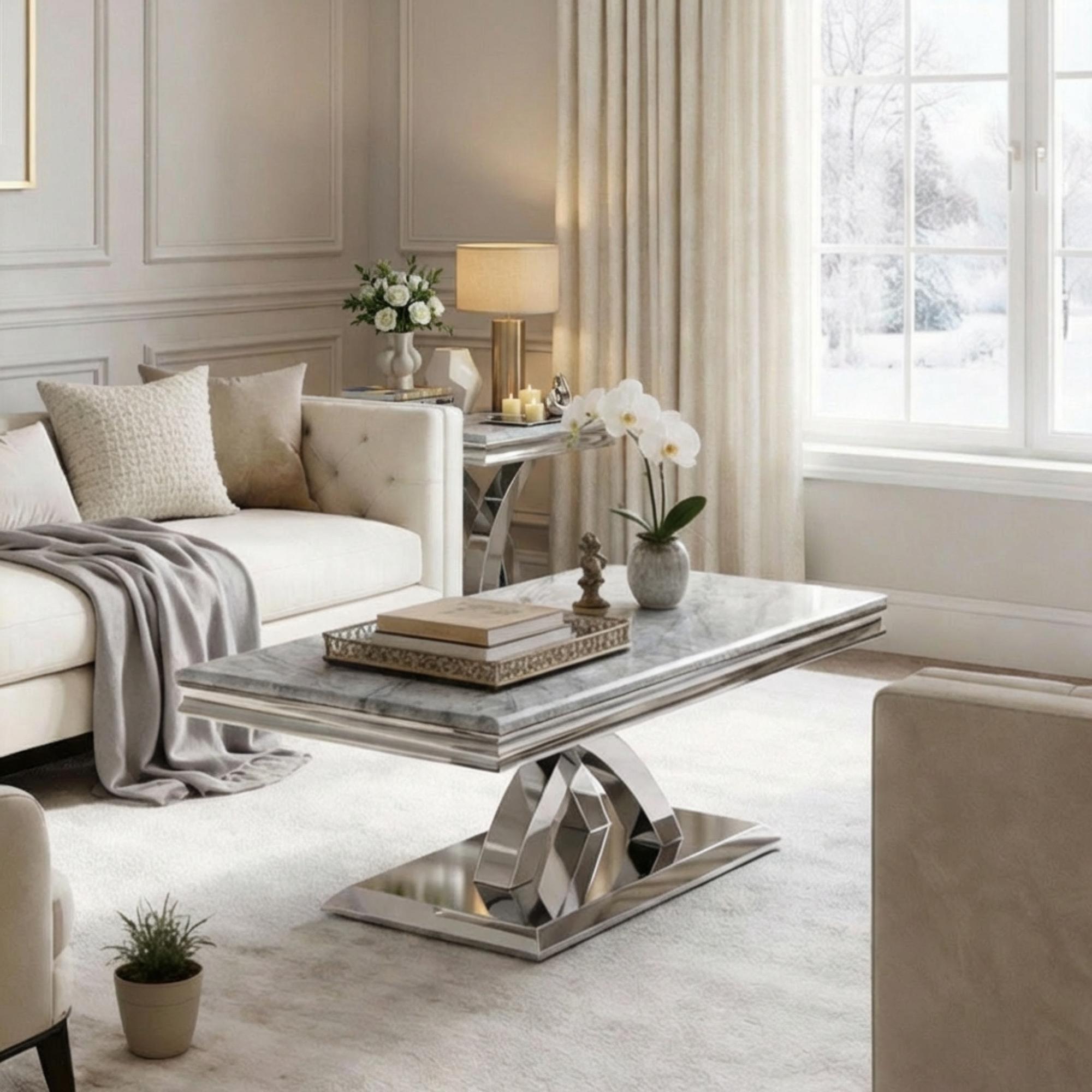
Louis Grey Marble and Chrome Coffee Table
Grey and Chrome, Grey and GoldSAVE £371.99£227.99 £599.98
Free delivery*
In Stock - Humz
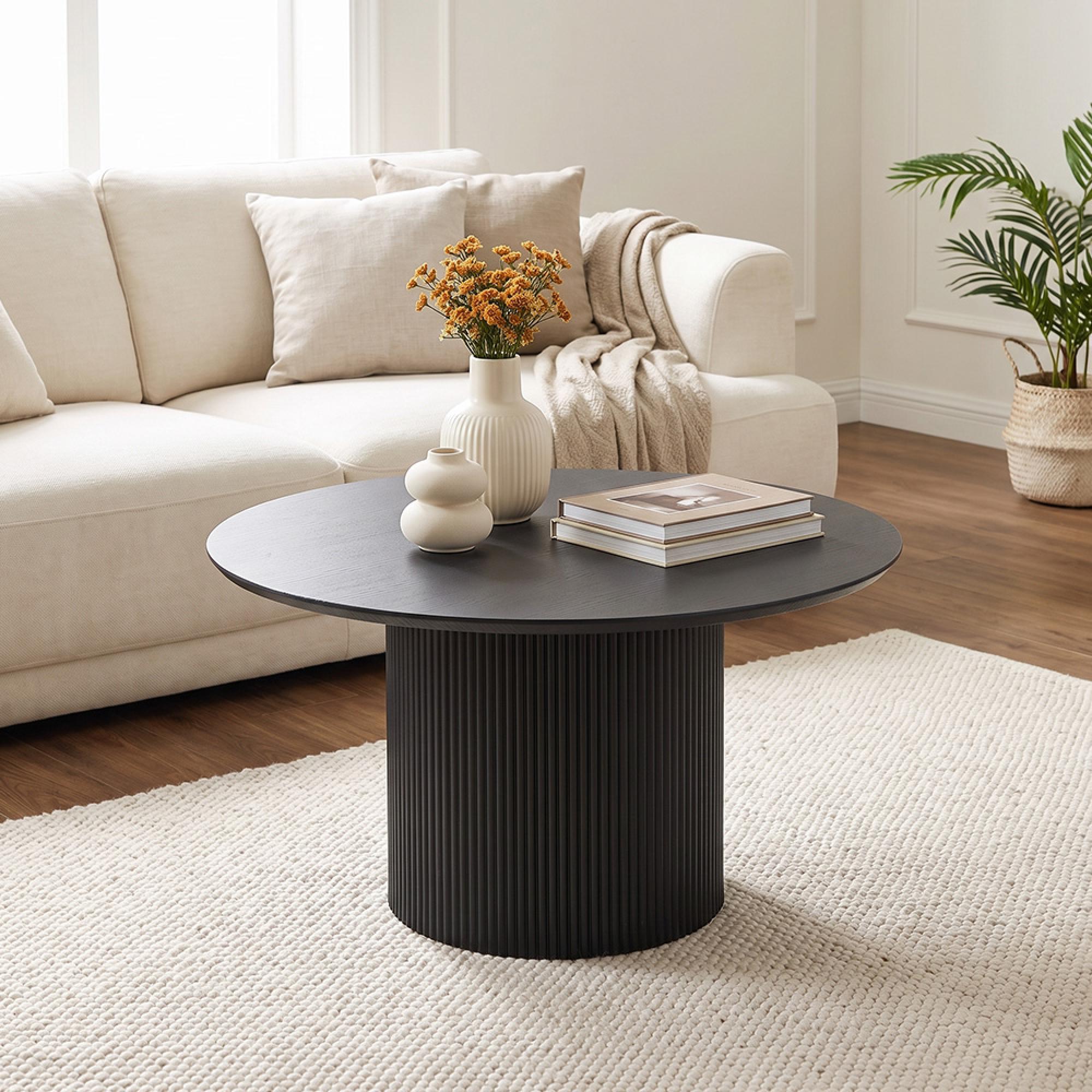
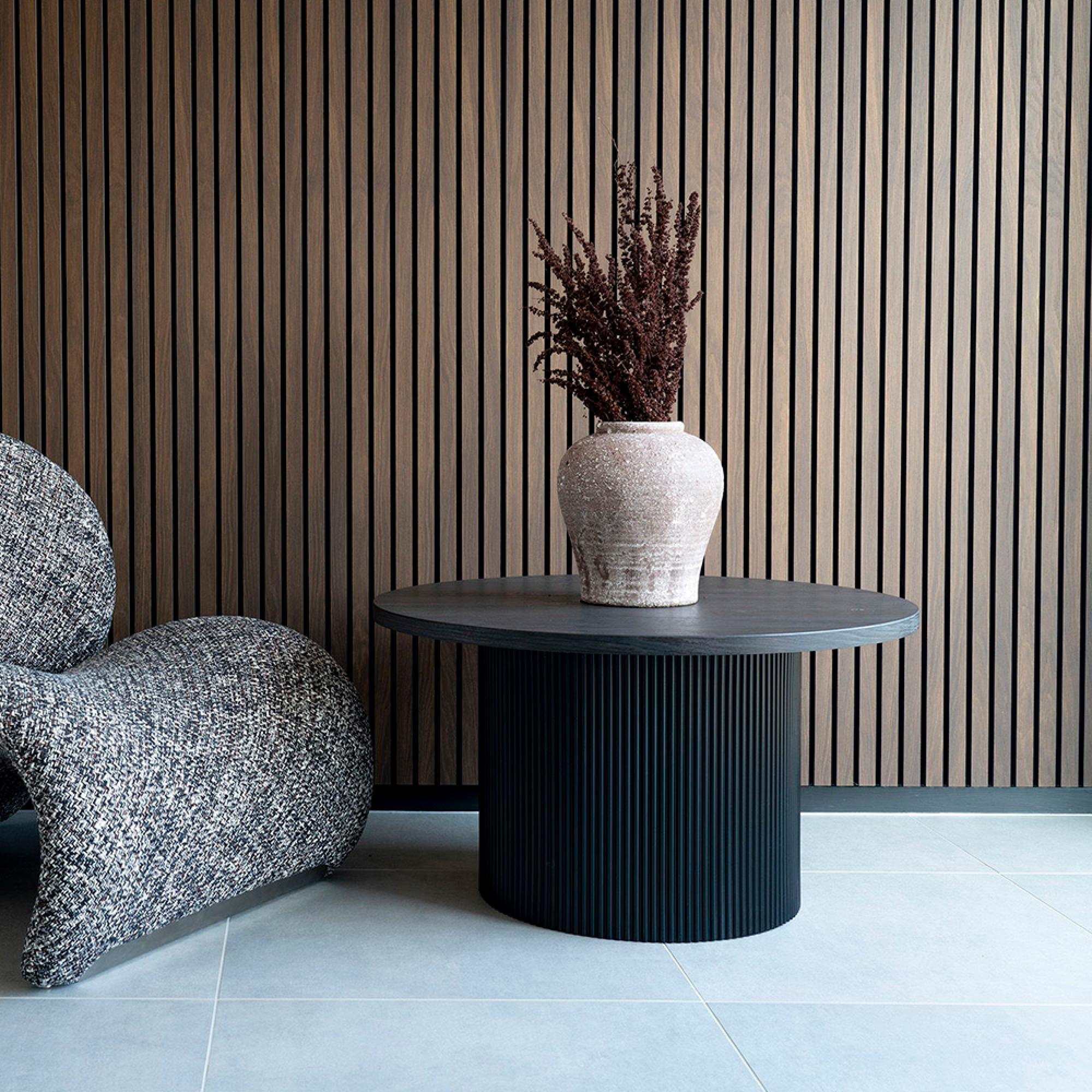
Bern Fluted Drum Base Black Round Coffee Table
Black, Oak +1SAVE £169.59£150.39 £319.98
Free delivery*
In Stock - Humz
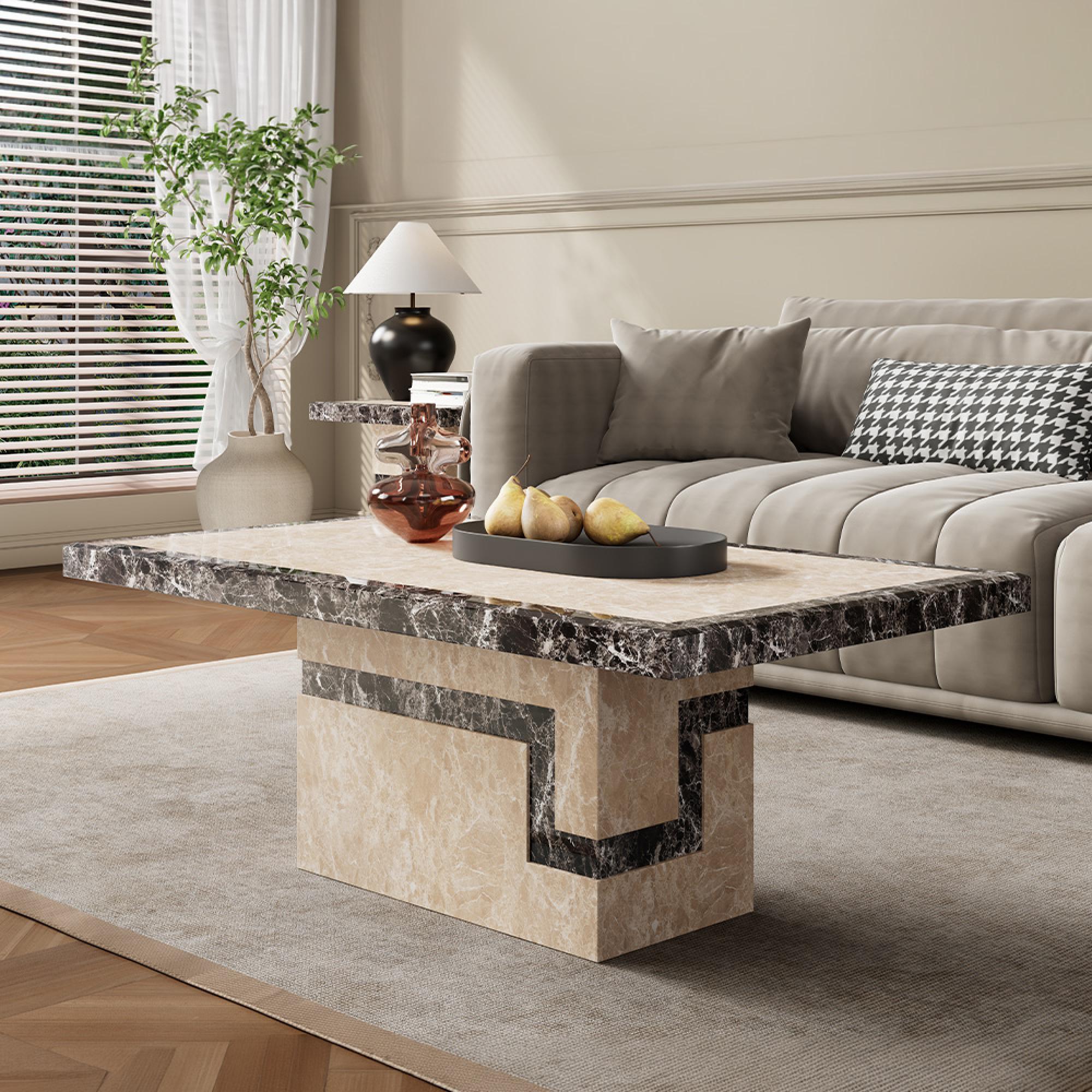
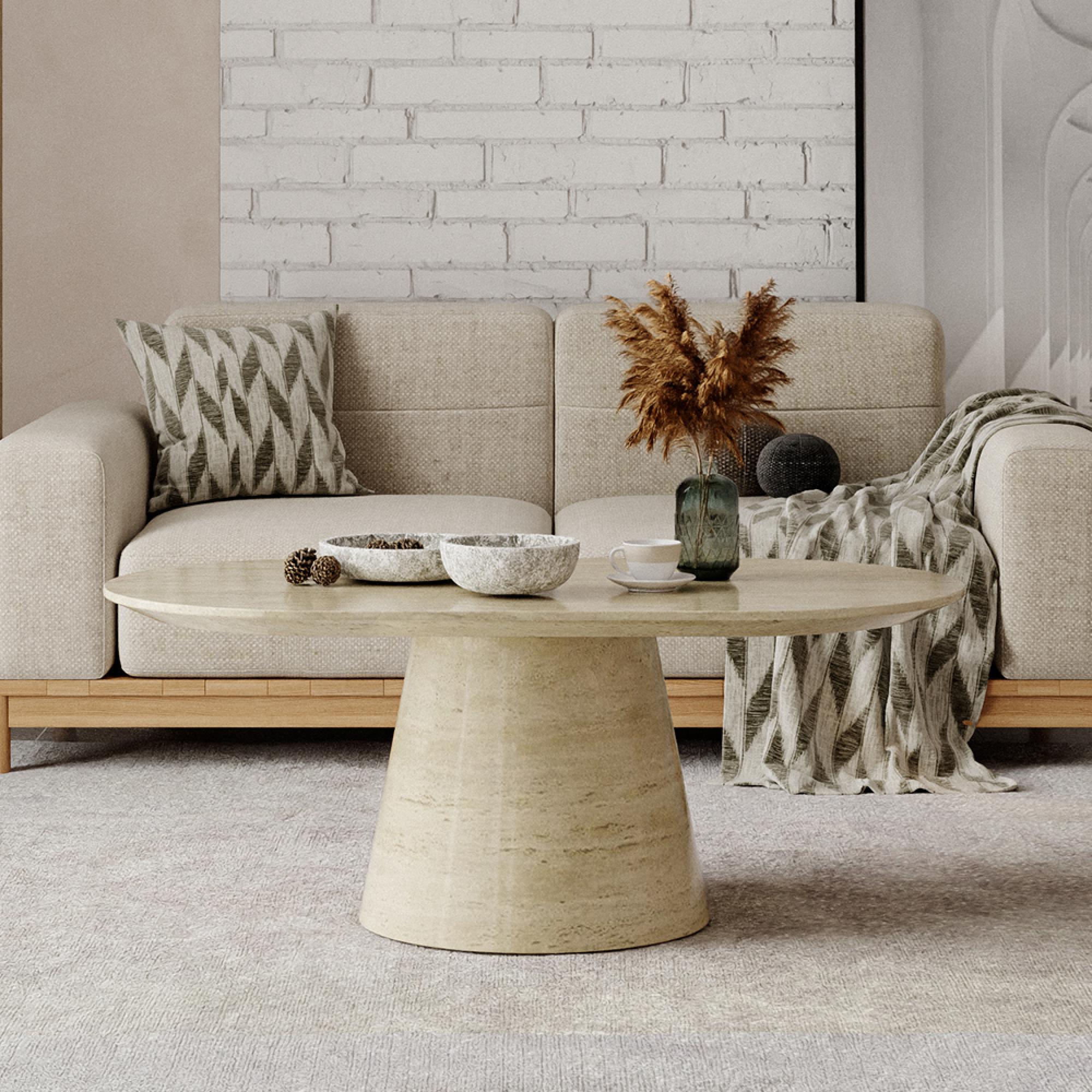
Carrera Travertine Beige Marble Oval Coffee Table
SAVE £198.39£421.59 £619.98
Free delivery*
In Stock - Humz
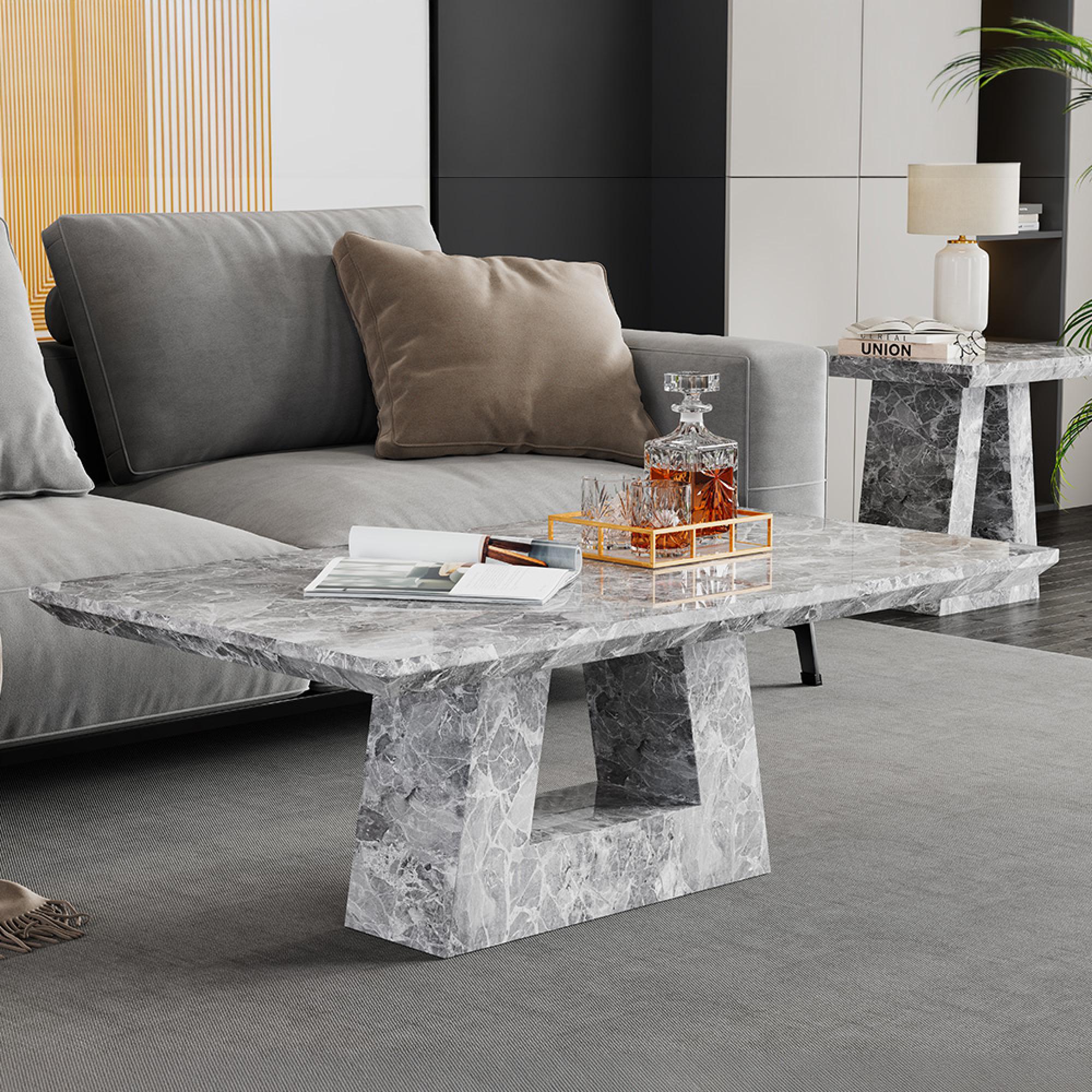
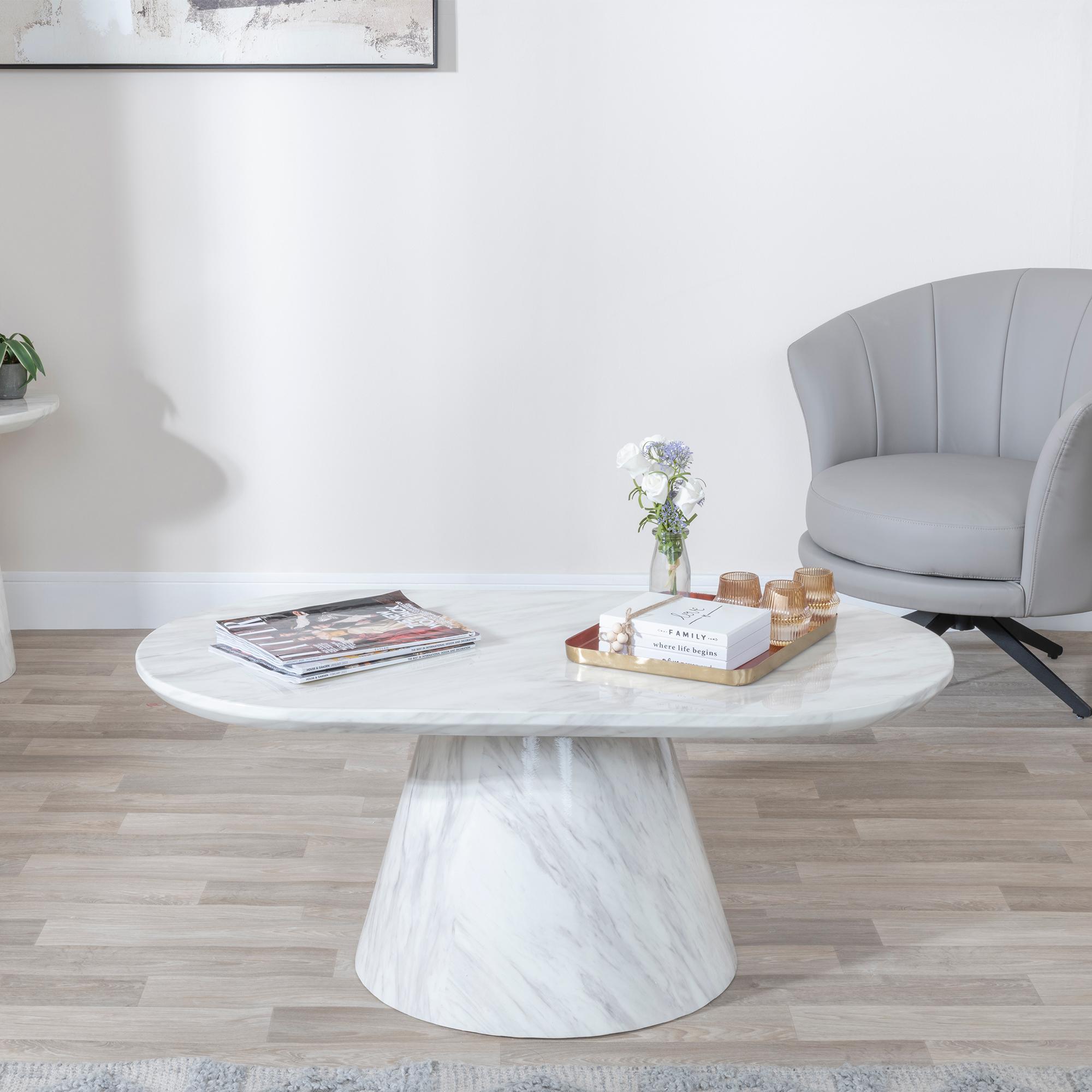
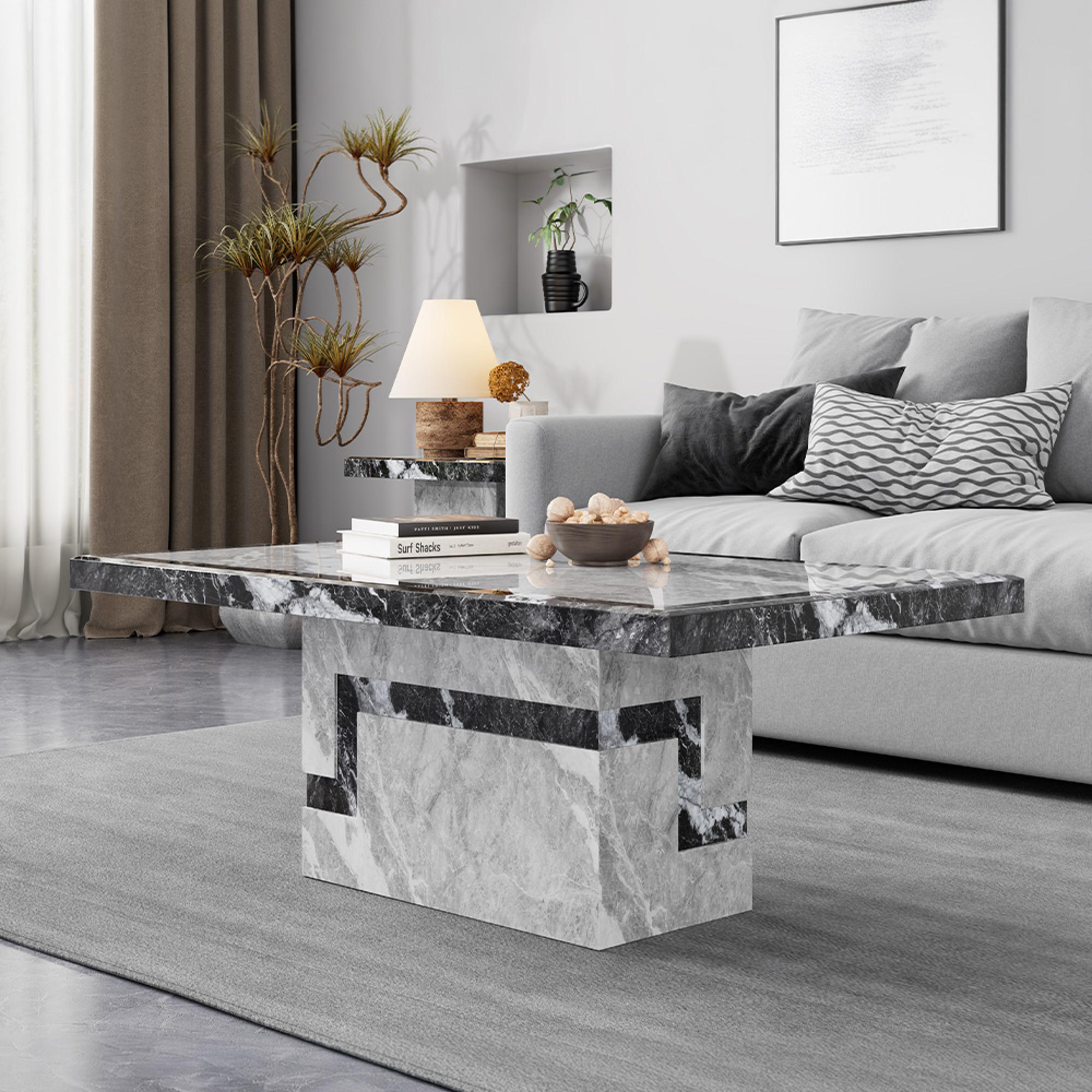
Venice Armani Grey Marble Coffee Table
SAVE £198.39£421.59 £619.98
Free delivery*
Last 3 In Stock - House Nordic
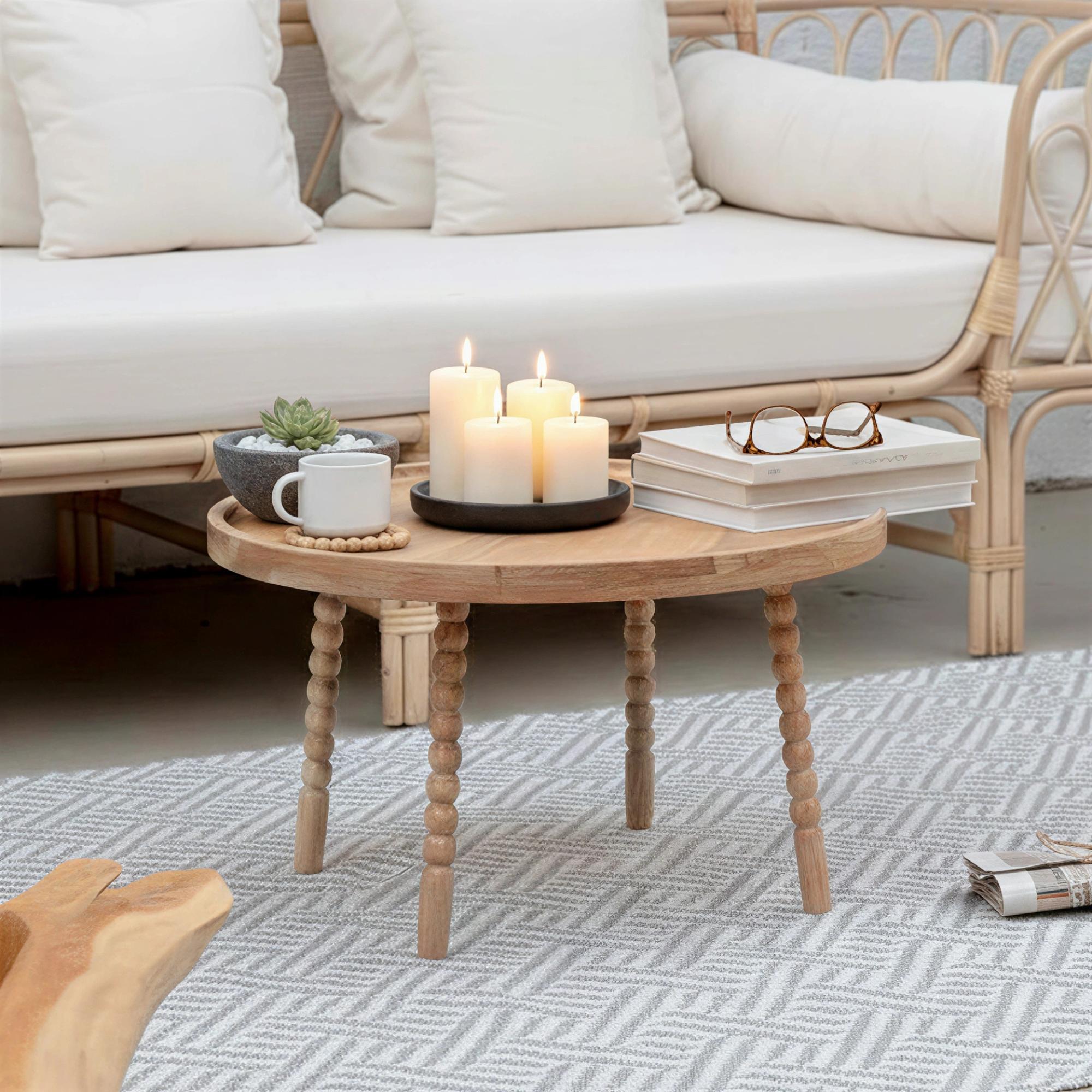
Boavista Fluted Dark Wood Round Coffee Table
Dark Brown, NaturalSAVE £30£169.99 £199.99
Free delivery*
In Stock - House Nordic
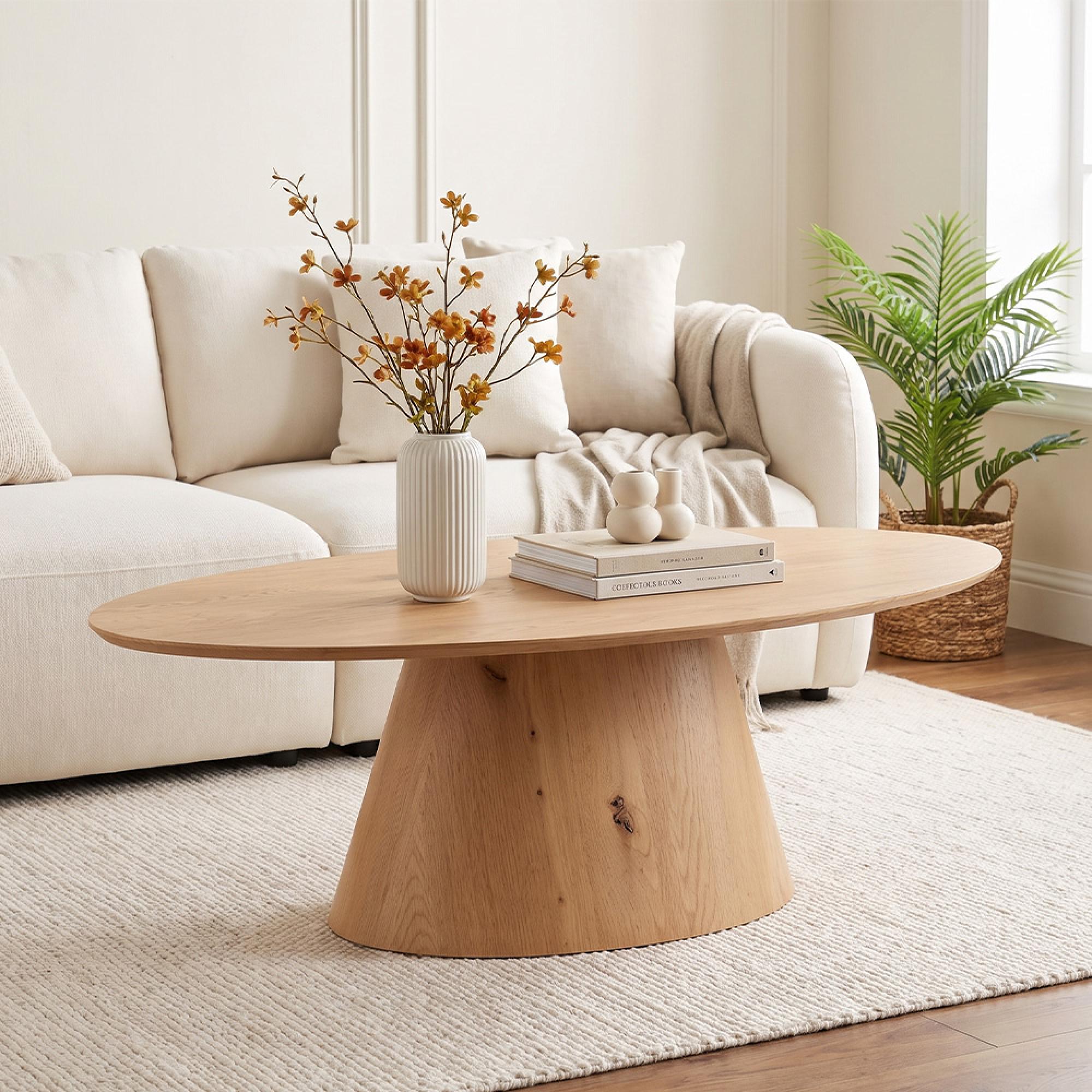
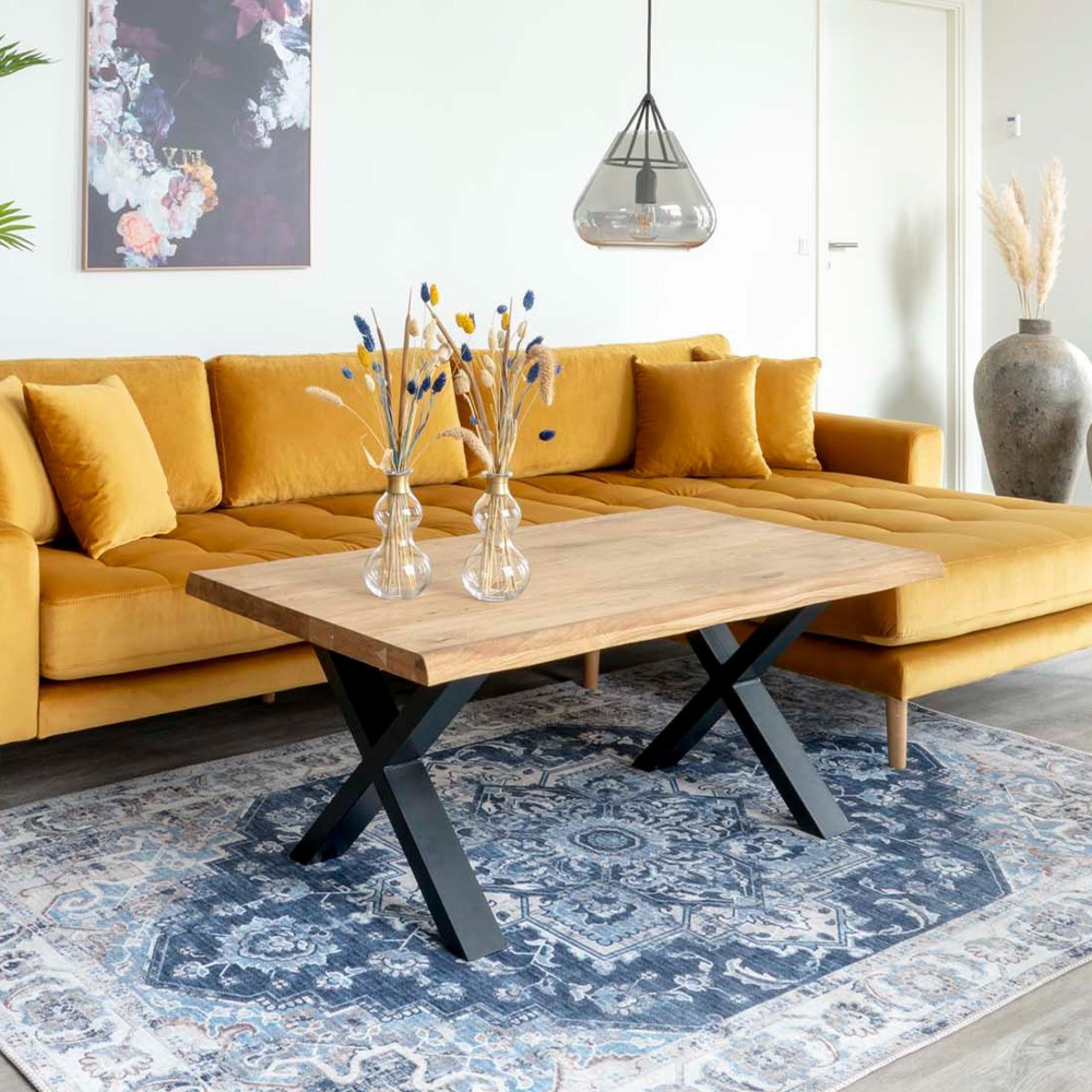
Toulon Live Edge Natural Oak Coffee Table
SAVE £64.50£365.49 £429.99
Free delivery*
In Stock - House Nordic
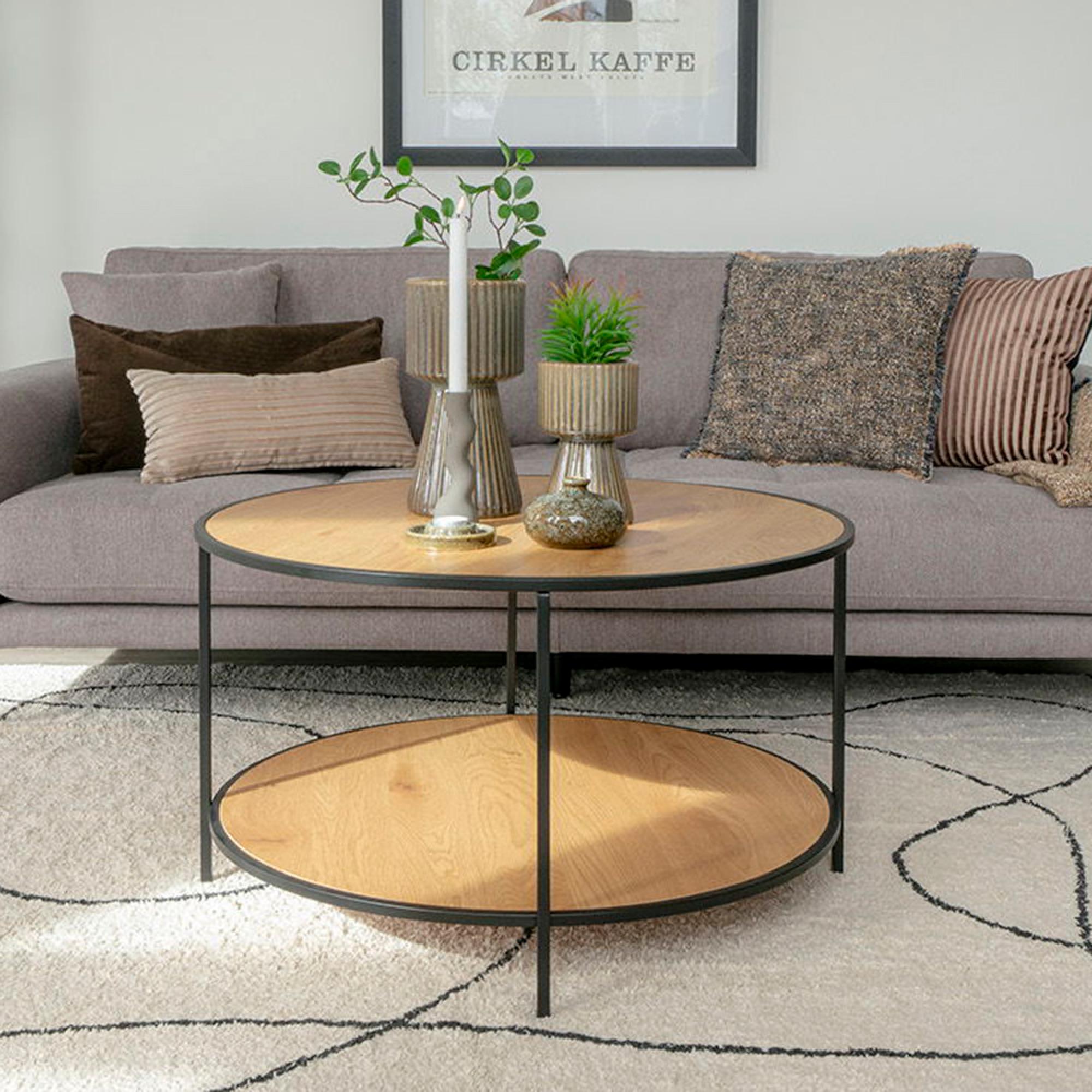
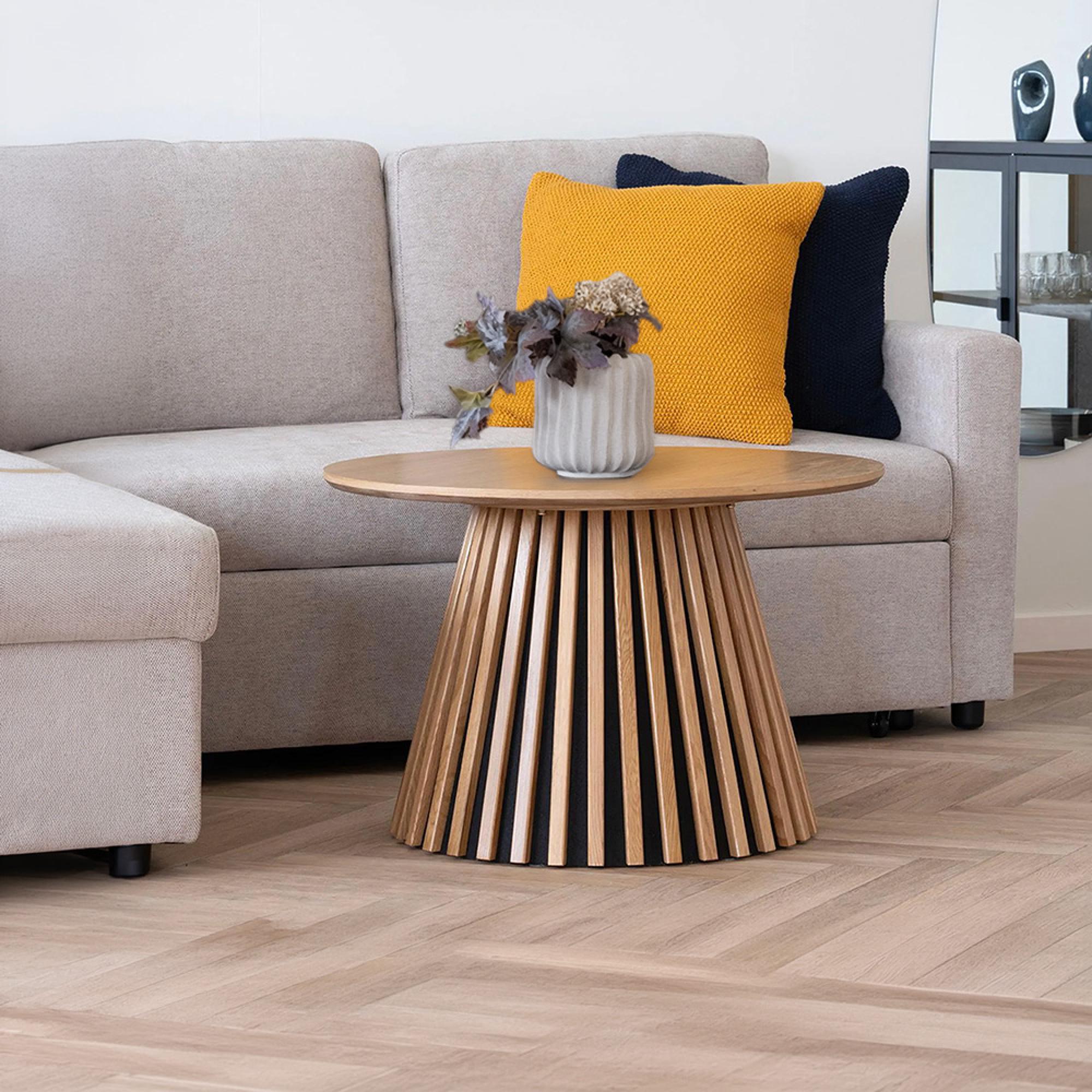
Osaka Slatted Base Oak Round Coffee Table
SAVE £49.50£280.49 £329.99
Free delivery*
In Stock - House Nordic
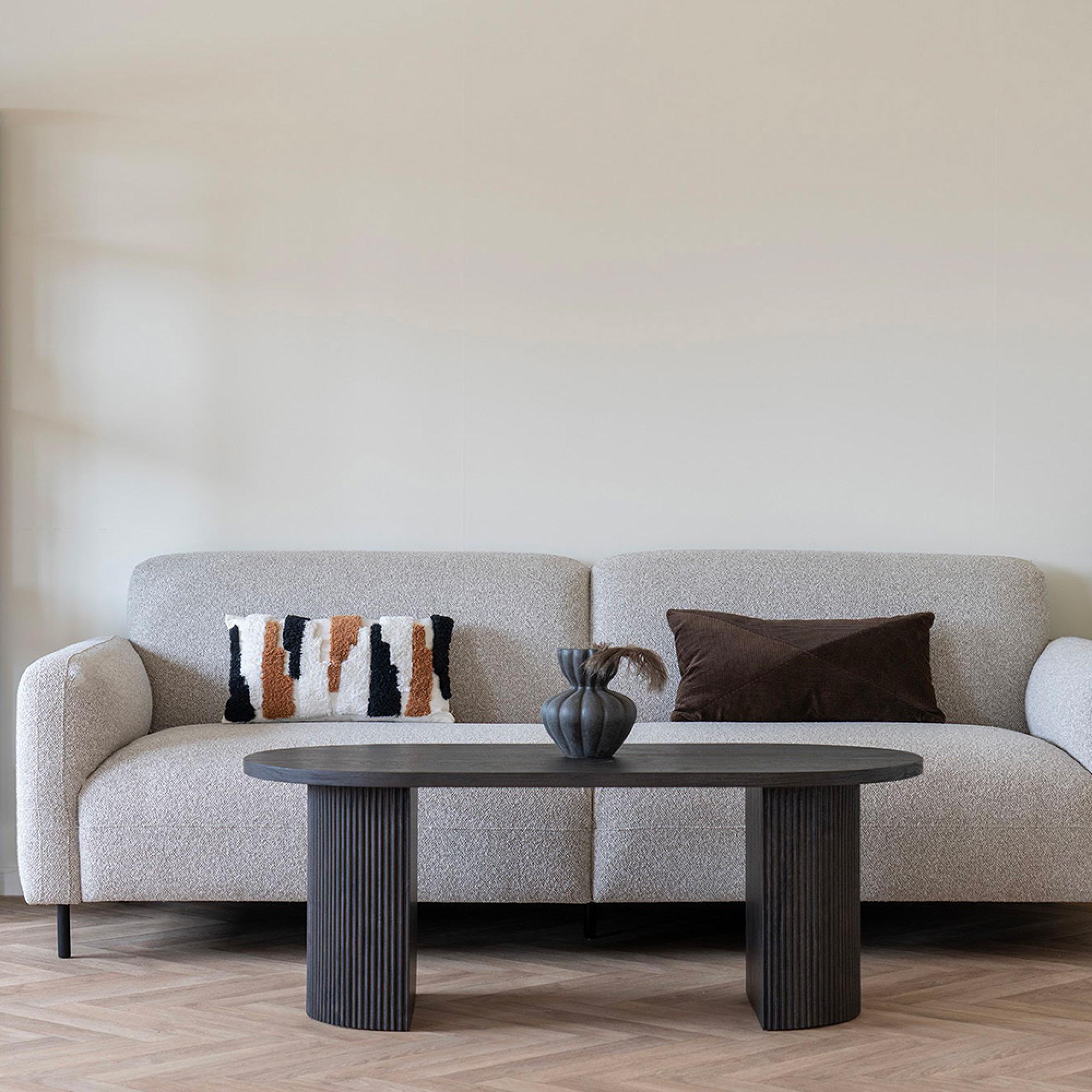
Boavista Fluted Dark Wood Oval Coffee Table
Dark Brown, NaturalSAVE £31.50£178.49 £209.99
Free delivery*
In Stock - House Nordic
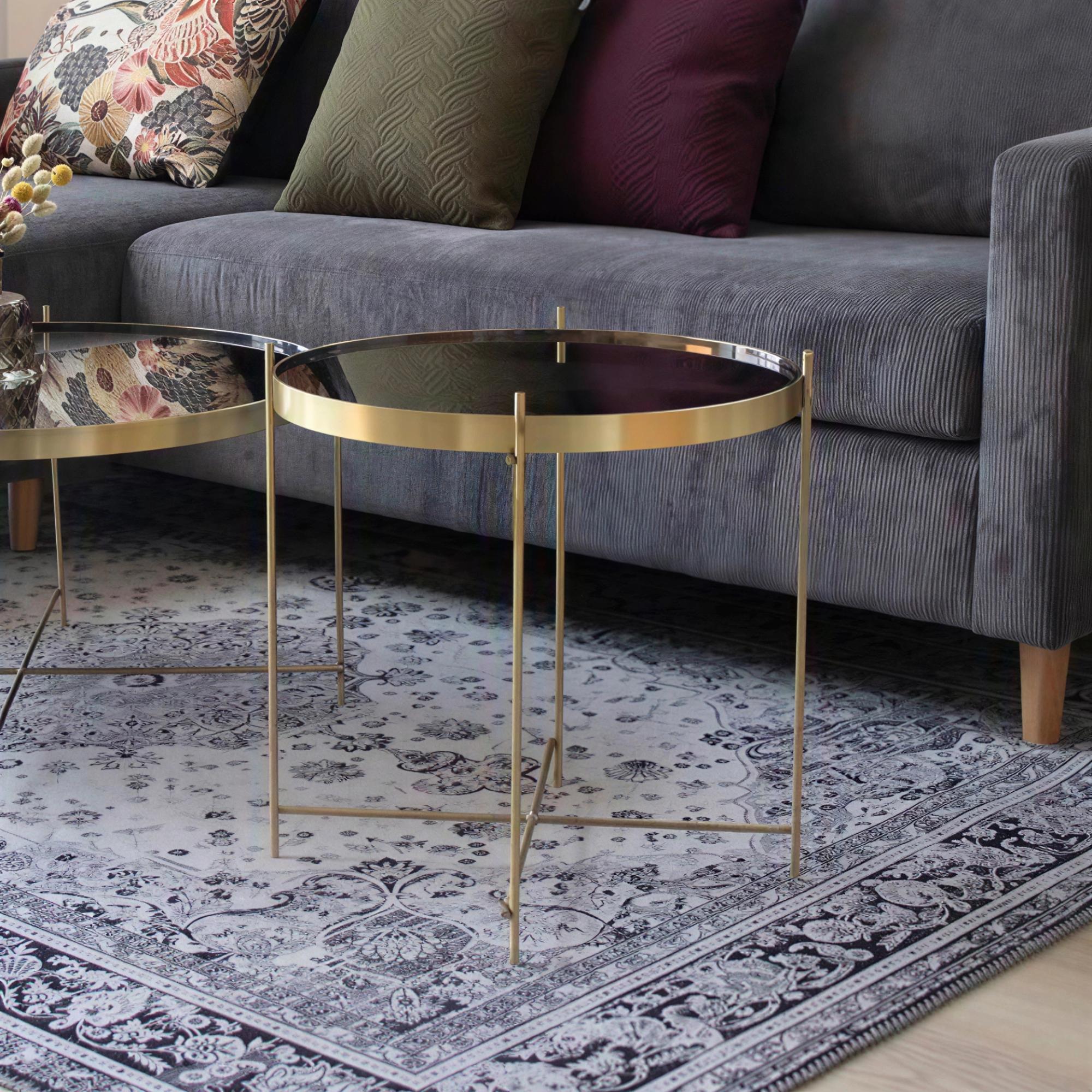
Venezia Brass Glass and Metal Round Coffee Table
SAVE £15£84.99 £99.99
Free delivery*
In Stock - House Nordic
Kyoto Smoked Oak 2 Drawer Coffee Table
SAVE £37.50£212.49 £249.99
Free delivery*
In Stock



24 Products of 1198
Coffee Tables FAQs
Have a different question? Speak to an expert.
Explore More Around Coffee Tables
Browse useful categories chosen for this page.
Shop by colour
Shop by other refinement
Shop by size / capacity
Complete the room
View more categories
Expert Coffee Tables Buying Guides
Everything you need to choose with confidence.
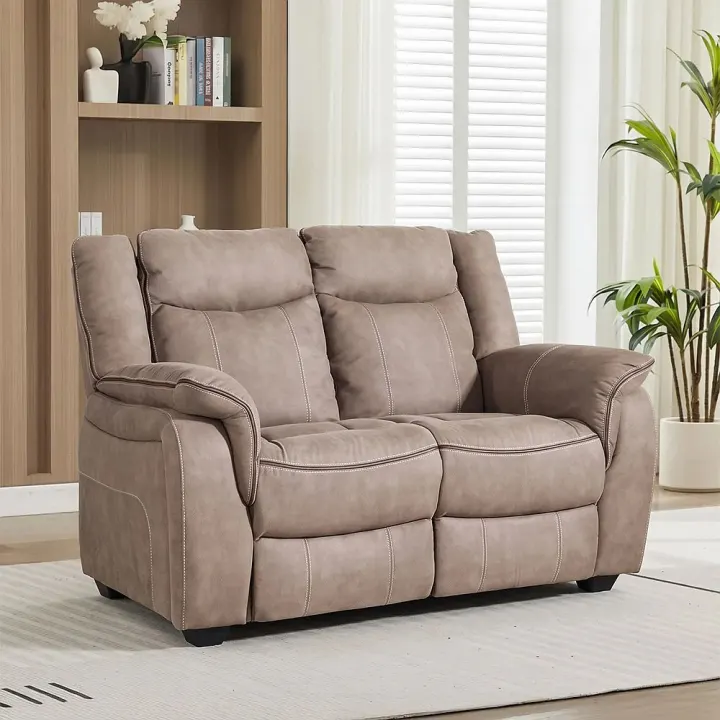
Two-Seater or Three-Seater Sofa: Which Is Right for Your Room?
It is tempting to buy a three-seater “just in case”. Friends might visit....
Read guide ›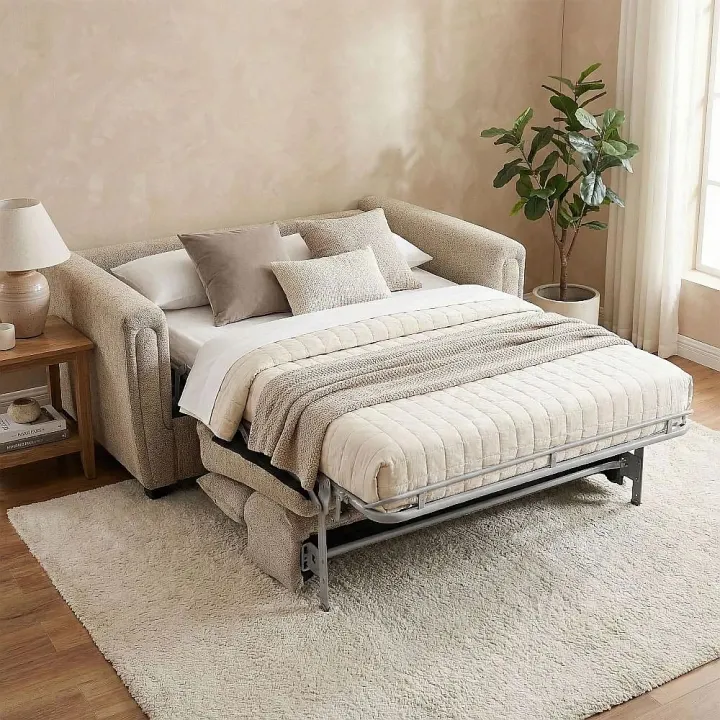
Sofa Bed Buying Guide: What to Look for Before You Buy
A sofa bed has two jobs, and most people have a clear favourite. In a living room, it may...
Read guide ›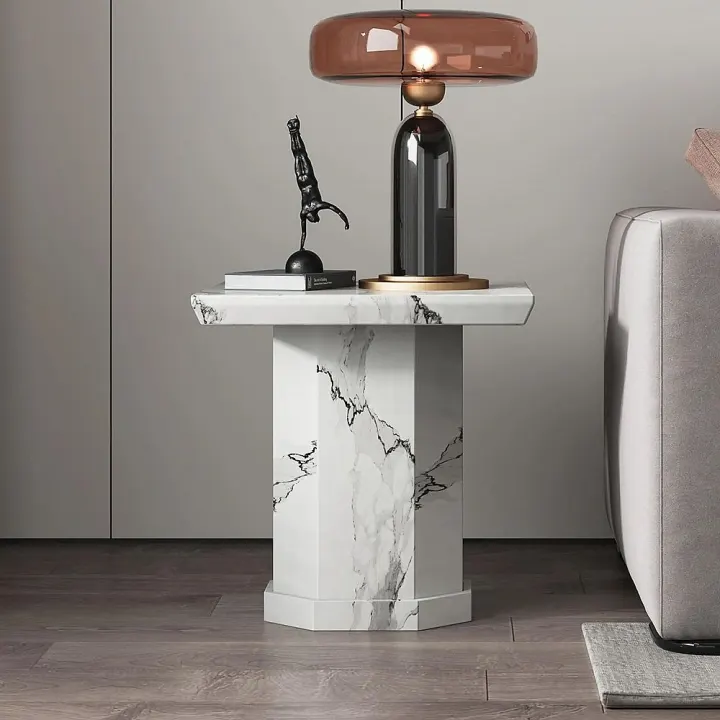
Side Table vs Nest of Tables: Which Is Better for Your Living Room?
A side table gives one seat a permanent surface. A nest of tables gives the room several...
Read guide ›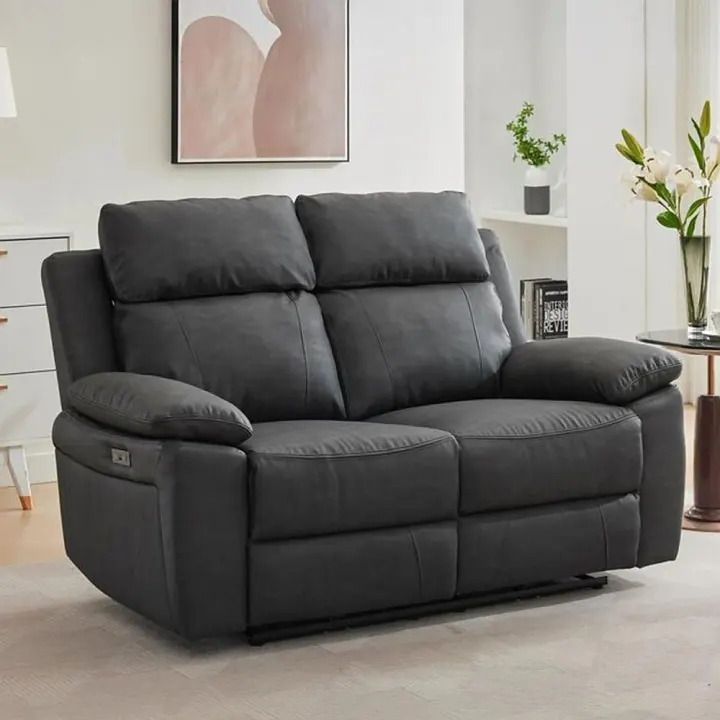
How Much Space Do You Need for a Recliner Sofa?
You measure the wall, find a sofa that fits and think the difficult part is over. Then the...
Read guide ›Coffee Tables and Furniture Online
Coffee Tables buying guide
Our Coffee Tables category brings together designs for everyday living rooms, from simple centre pieces to styles with useful storage. The selection suits shoppers who want a practical surface for drinks, books and remotes, while also matching a room’s shape, finish and layout.
The range leans strongly towards modern styling, but also includes classic, industrial, rustic, Scandinavian and mid century looks. That makes it easier to choose a table that works with your sofa, side furniture and overall scheme without forcing the room into one style.
Coffee Tables sizes and fit
Size is one of the most useful details to check because the observed widths run from 18cm to 198cm, with a typical spread between 60cm and 130cm. Heights usually sit between 35cm and 49.5cm, while depth commonly falls between 50cm and 90cm, so most pieces suit a standard seating area without feeling too tall or too deep.
What shapes suit your room?
Rectangular and round designs appear most often, with square and oval options also represented. A rectangular table can suit longer sofas and narrower seating layouts, while a round or oval shape can feel softer where walkways are tighter or where you want to reduce sharp corners around the seating area.
How to use depth well
If you need a more compact footprint, the depth figures are worth a close look because the shallowest examples sit well below the main cluster. For a room with generous space, a deeper table can provide a more substantial centre point, but it is still sensible to leave enough room to move comfortably around the seating.
Coffee Tables storage options
Most pieces are non-storage designs, so the emphasis is usually on a clean surface and an open look rather than hidden compartments. Where storage is included, it tends to be straightforward, with shelves, drawers or a small door making it easier to keep living room items close at hand.
When storage helps
One-shelf models can give you a lower level for magazines or baskets without making the table feel heavy. Drawer and door options are less common, but they are useful if you want to tuck away everyday clutter and keep the top clear for decorative items or drinks.
Assembly and delivery
CFS offers free UK standard delivery, and optional assembly is available on selected products only. Some tables are assembled, while others are flat packed or part assembled, so it is worth checking the individual product page if you prefer less set-up on arrival.
Coffee Tables materials and finishes
The range covers several familiar materials, including MDF, mango wood, metal, marble, glass and oak veneer. In practical terms, that means you can choose between lighter-looking mixed-material designs and more substantial finishes, with wood and wood-look surfaces giving a warmer feel and metal or glass creating a more open appearance.
Natural, black, brown, white, grey and beige finishes are all common, with some lacquered and painted pieces among the options. If you prefer a calmer scheme, natural and oak tones work well with soft furnishings, while black, grey and metal details can suit a more defined contemporary setting.
For related browsing, you may also want to see Living Room Furniture if you are coordinating several pieces in the same space. If height matters, the dedicated Coffee Tables 40cm to 60cm High and Coffee Tables 20cm to 40cm High pages can narrow the choice further. You can also browse Rectangular Coffee Tables if you know the shape you need.
Finance options and a 50% deposit option are available subject to CFS terms and eligibility, but availability can vary by product and checkout.
Overall, Coffee Tables here cover a balanced mix of everyday practicality and different living room looks, so it is worth comparing size, storage and finish together before you decide.