Dining Benches
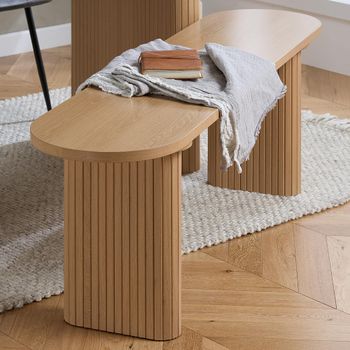
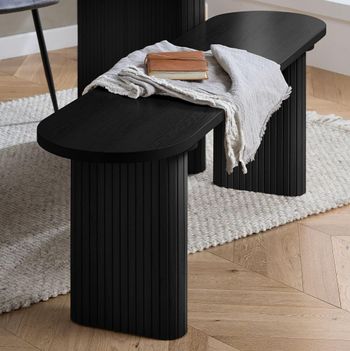
Add flexible seating with a dining bench sized for your table and room. The range includes wooden, painted and upholstered designs in fabric, velvet and faux leather, from compact to extra-large. Measure the usable space between the dining table legs instead of relying on the tabletop length, especially if you want the bench to tuck underneath. Compare the seat height with the table underside and allow enough clearance for movement. Bench depth, leg position and any backrest also affect the space needed when seated. Wooden benches are easy to coordinate with dining tables, while upholstered models provide a softer seat and introduce colour or texture. Explore black dining benches for a darker finish, mango wood dining benches for natural grain, or painted dining benches for easier colour matching. Check the dimensions, seating guidance, permitted load, assembly and care instructions, then read our dining bench buying guide for help before ordering.
Popular Categories
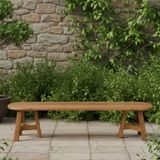
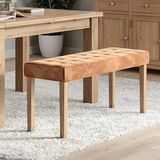
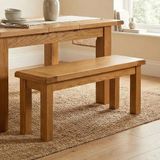

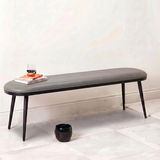
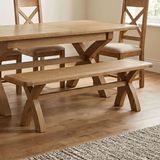
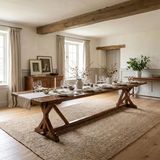
- Beige
- Black
- Blue
- Brown
- Cream
- Green
- Grey
- Orange
- Taupe
- White
- Yellow
- Humz
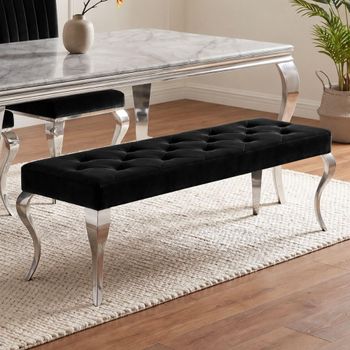
Louis Black Velvet Fabric 170cm Dining Bench
Black and Chrome, Grey and ChromeSAVE £199.99£199.99 £399.98
Free delivery*
Last 4 In Stock - Humz
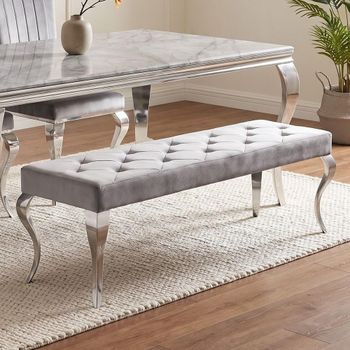
Louis Grey Velvet Fabric Dining 170cm Bench
Grey and Chrome, Black and ChromeSAVE £199.99£199.99 £399.98
Free delivery*
Last 3 In Stock - Country Living
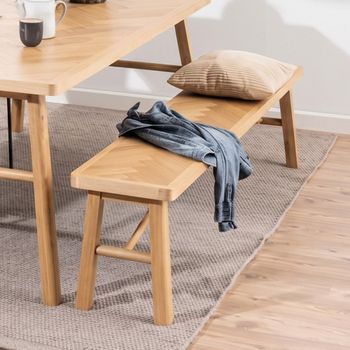
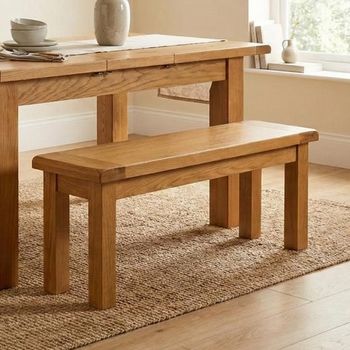
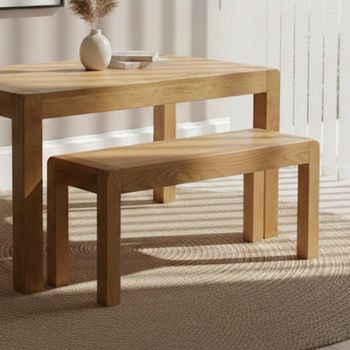
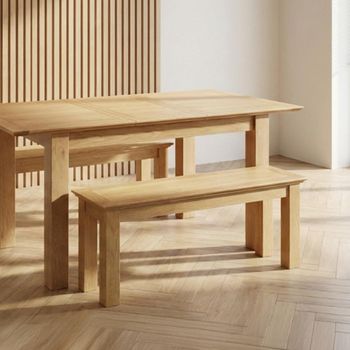
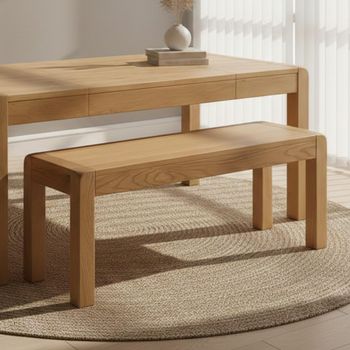
Somer Oak Dining Bench
SAVE £55.20£184.79 £239.99
Free delivery*
In StockChoose Options - Country Living
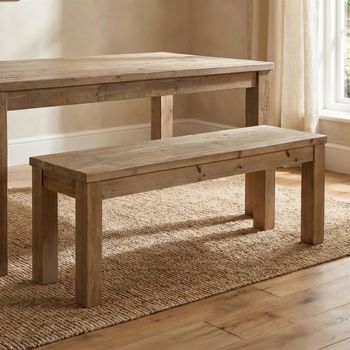
Langley Reclaimed Pine Small Dining Bench
SAVE £32.20£107.79 £139.99
Free delivery*
In Stock - Country Living
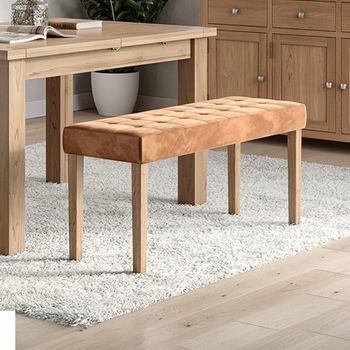
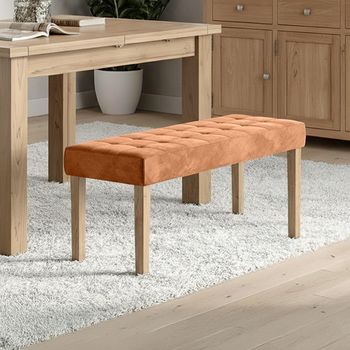
Addisyn Orange Fabric Large Dining Bench
SAVE £25.30£84.69 £109.99
Free delivery*
In Stock - Country Living
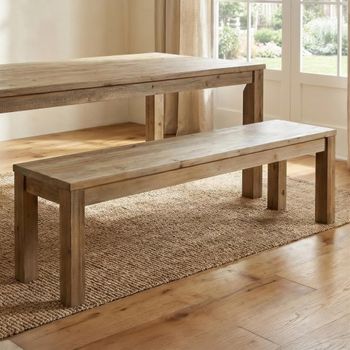
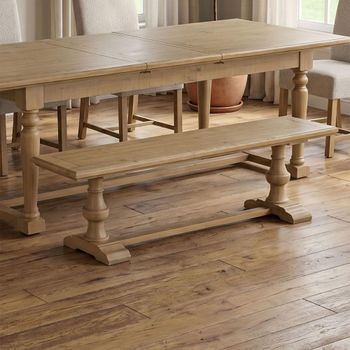
Langley Reclaimed Pine Large Dining Bench
SAVE £36.80£123.19 £159.99
Free delivery*
In Stock - Country Living
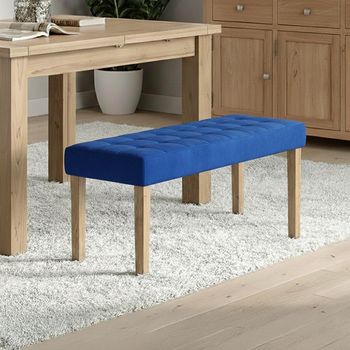
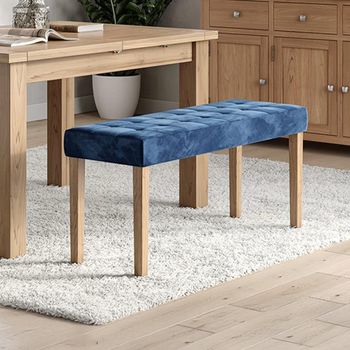
Addisyn Blue Fabric Large Dining Bench
SAVE £25.30£84.69 £109.99
Free delivery*
In Stock - Annaghmore
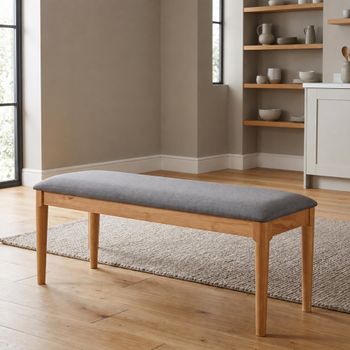
Orlando Oak Padded and Fabric Dining Bench
SAVE £27.60£92.39 £119.99
Free delivery*
In Stock - Annaghmore
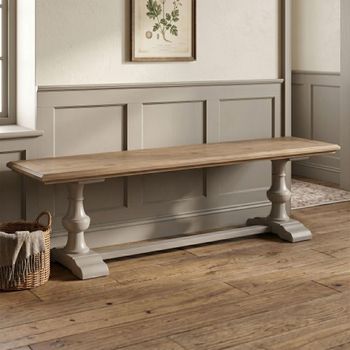
Chateau Grey Painted Pine Dining Bench
Grey Painted, NaturalSAVE £87.40£292.59 £379.99
Free delivery*
In Stock - Annaghmore
Chateau Dining Bench Natural Rustic Pine
Natural, Grey PaintedSAVE £87.40£292.59 £379.99
Free delivery*
In Stock - Annaghmore
Orlando Padded Walnut and Fabric Dining Bench
SAVE £27.60£92.39 £119.99
Free delivery*
In Stock - IFD
Dorset Dining Bench Rustic Mango Wood - Sizes Available
SAVE £80.50£269.49 £349.99
Free delivery*
In StockChoose Options
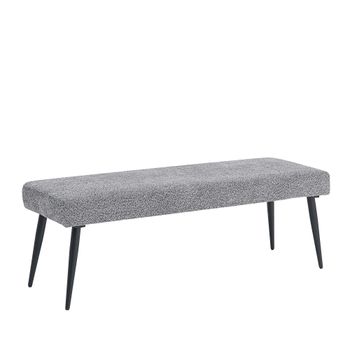
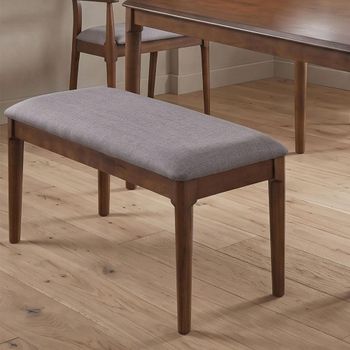
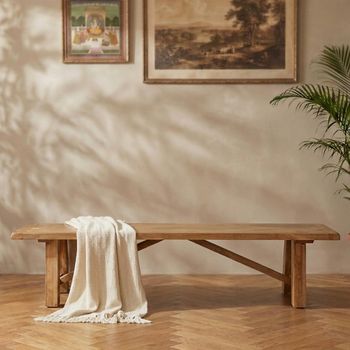
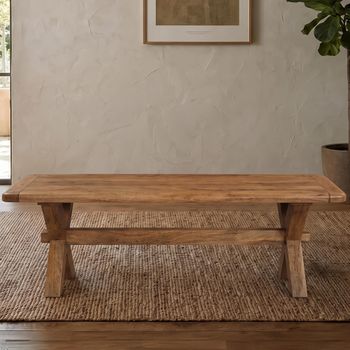

24 Products of 105
Dining Benches FAQs
Have a different question? Speak to an expert.
Explore More Around Dining Benches
Browse useful categories chosen for this page.
Shop by material / finish
Shop by colour
Shop by style
Shop by other refinement
Shop by feature
Complete the room
View more categories
Expert Dining Benches Buying Guides
Everything you need to choose with confidence.
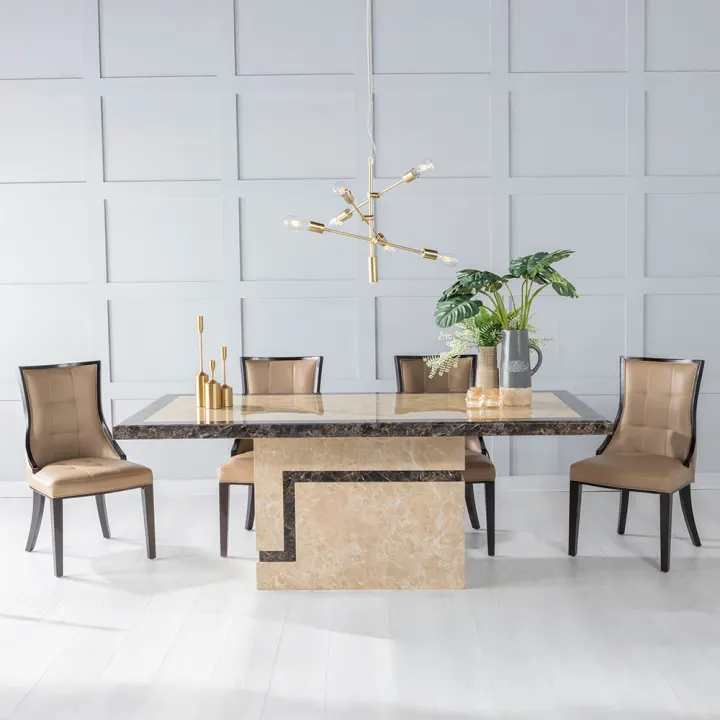
5 IDEAS TO STYLE A MODERN DINING ROOM
Dining room aesthetics play a very important role in life at home because they impact the...
Read guide ›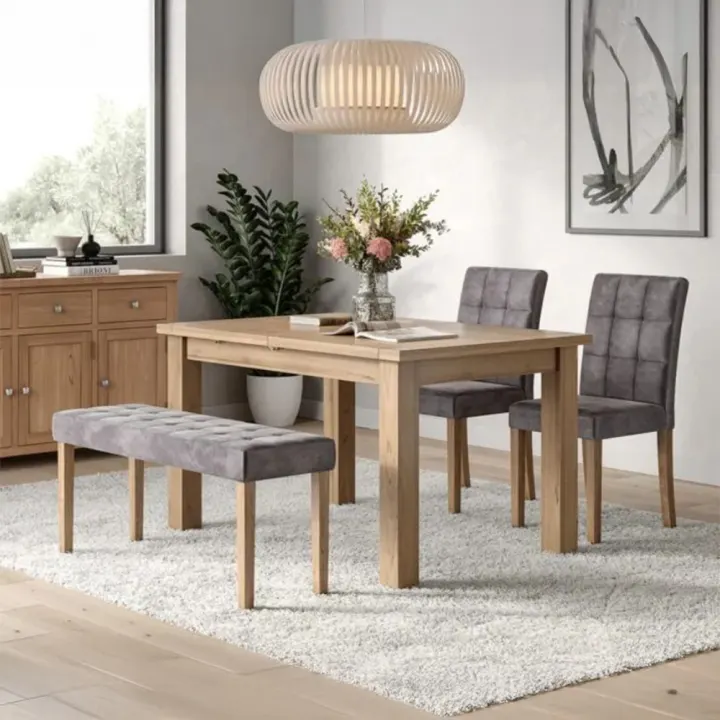
GUIDE TO CHOOSING THE PERFECT DINING BENCH
Have you ever considered adding a bench instead of chairs just for a change? A dining...
Read guide ›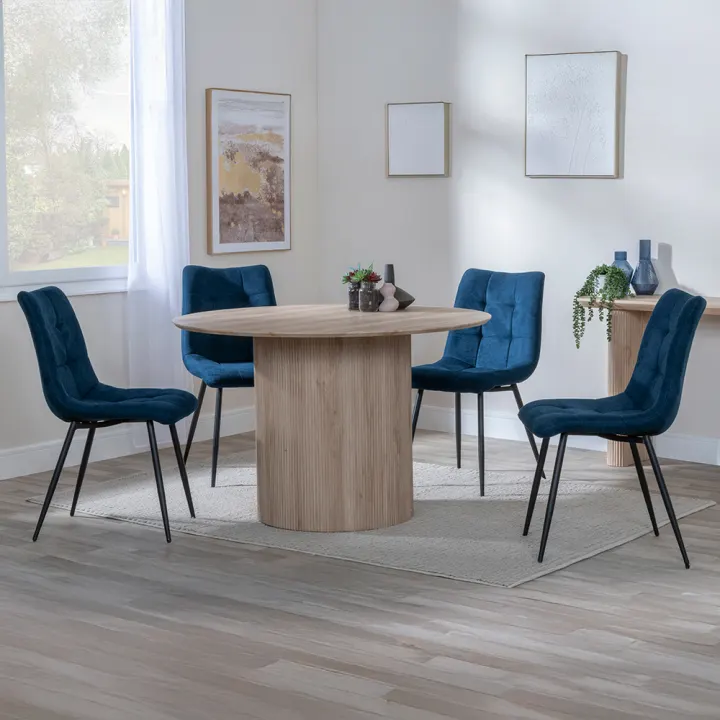
10 SMALL LIVING ROOM IDEAS TO MAKE SPACE FOR A DINING TABLE
Fitting a dining set into a small or compact living room is one of the most challenging...
Read guide ›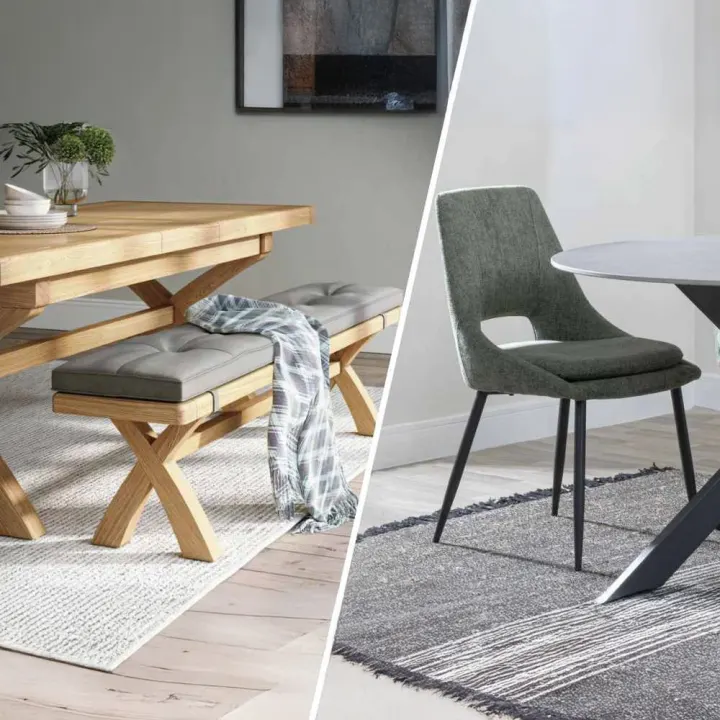
Dining Bench or Dining Chairs? Which is Better for Your Dining Room?
The process of trying to decide between dining benches and dining chairs probably...
Read guide ›Dining Benches and Furniture Online
Dining Benches buying guide
Dining benches are a practical alternative to individual dining chairs when you want flexible seating and a cleaner, more open look around the table. This category brings together simple wooden designs, upholstered options and mixed-material styles, so it suits everything from compact kitchen diners to larger family dining rooms within Dining Room Furniture.
Most pieces in this collection sit at a typical bench height of around 45 to 50cm, with a median height close to 46cm, which is in keeping with standard dining table seating. Widths vary much more, from compact options through to long benches, with a typical span of roughly 94 to 176cm and a median around 140cm. That makes it worth measuring not just the table length, but also the space needed to slide in, sit down and move around comfortably, especially if the bench will sit against a wall.
How long should a bench be?
A good starting point is to compare the bench width with the usable length of your table rather than the table top overhang. Shorter options can work well in tighter layouts or as one-sided seating, while longer benches are better for fuller table runs and more sociable everyday dining. The deepest designs in the category are unusual, but most fall around 35 to 46cm deep, so they are easier to place than bulkier dining seating.
Will it fit through your home?
Access matters because some benches are fairly long even when their profile is slim. Check doorways, hall turns and stair landings before ordering, and remember that a narrower depth can help with manoeuvring even when the overall width is generous.
Dining Benches styles and options
This selection covers several distinct looks, with modern, industrial, rustic, farmhouse, Scandinavian, classic and mid-century styles all represented. If you prefer a streamlined shape for pairing along one side of a table, take a look at Straight Dining Benches. For more character from timber grain and metal detailing, Industrial Dining Benches and Rustic Dining Benches are both relevant routes through the range.
Seat style is one of the clearest practical differences. Flat-seat benches keep the look simple and are easy to tuck in neatly beneath many tables, while padded designs add a softer feel for longer meals and more formal dining spaces. In this category, both plain timber seating and upholstered tops are well represented, so the choice often comes down to whether you want a cleaner, wipe-friendly surface or a more cushioned place to sit.
When does a padded seat make sense?
A padded bench is useful if your dining area doubles as a place for long conversations, homework or occasional laptop use. Many of these designs use fabric or faux leather, which changes the overall feel of the room as much as the comfort level.
When is a flat seat the better option?
A flat wooden seat suits more casual dining and can be easier to coordinate with mixed chair-and-bench layouts. It also keeps the silhouette lighter, which can help a dining area feel less crowded.
Dining Benches materials and finishes
Materials here include fabric, faux leather, solid oak, oak, solid wood, acacia wood, rubberwood, mango wood and pine, with some benches combining upholstery and wood. If timber is your priority, browse Wooden Dining Benches or focus on Oak Dining Benches for a classic natural look. Upholstered choices are also common, and Fabric Dining Benches are a good fit if you want a softer finish around the table.
Finish and colour can shift the look from traditional to more contemporary. Natural and oak tones keep grain patterns visible and sit comfortably with farmhouse, rustic and Scandinavian schemes. Grey, brown and black options are also available, while lacquered, painted, waxed and matt finishes appear across the category. For day-to-day care, wood usually benefits from regular dusting and wiping with a slightly damp cloth, while upholstered seats are worth checking for routine cleaning guidance on the individual product page.
Grey is one of the more visible colours in the collection, so if you are matching an existing painted table or cooler-toned room, Grey Dining Benches may help narrow the choice. Across the broader category, Dining Benches also include brown, blue, green, beige and black options for easier coordination with dining tables, sideboards and flooring.
Dining Benches delivery and assembly
Dining Benches at CFS come with free standard delivery. Assembly varies by product, with flat-packed, assembled and part-assembled options all present in this category, so it is worth checking each product page if you want to minimise setup at home. Optional assembly is available on selected products only, and finance options plus a 50% deposit option are available subject to CFS terms and eligibility shown on the product page and at checkout.