
House Nordic
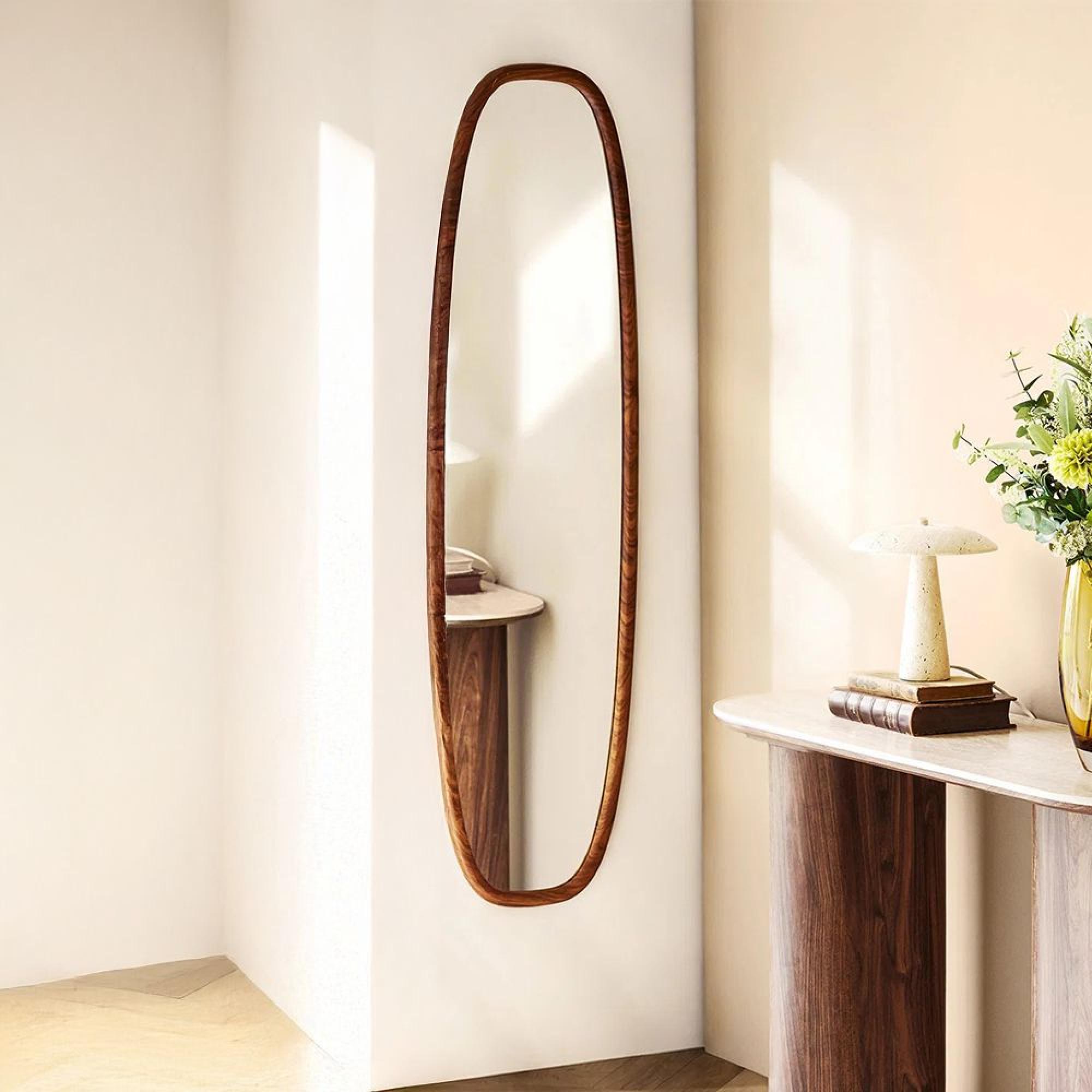
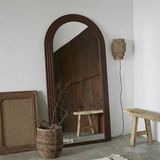
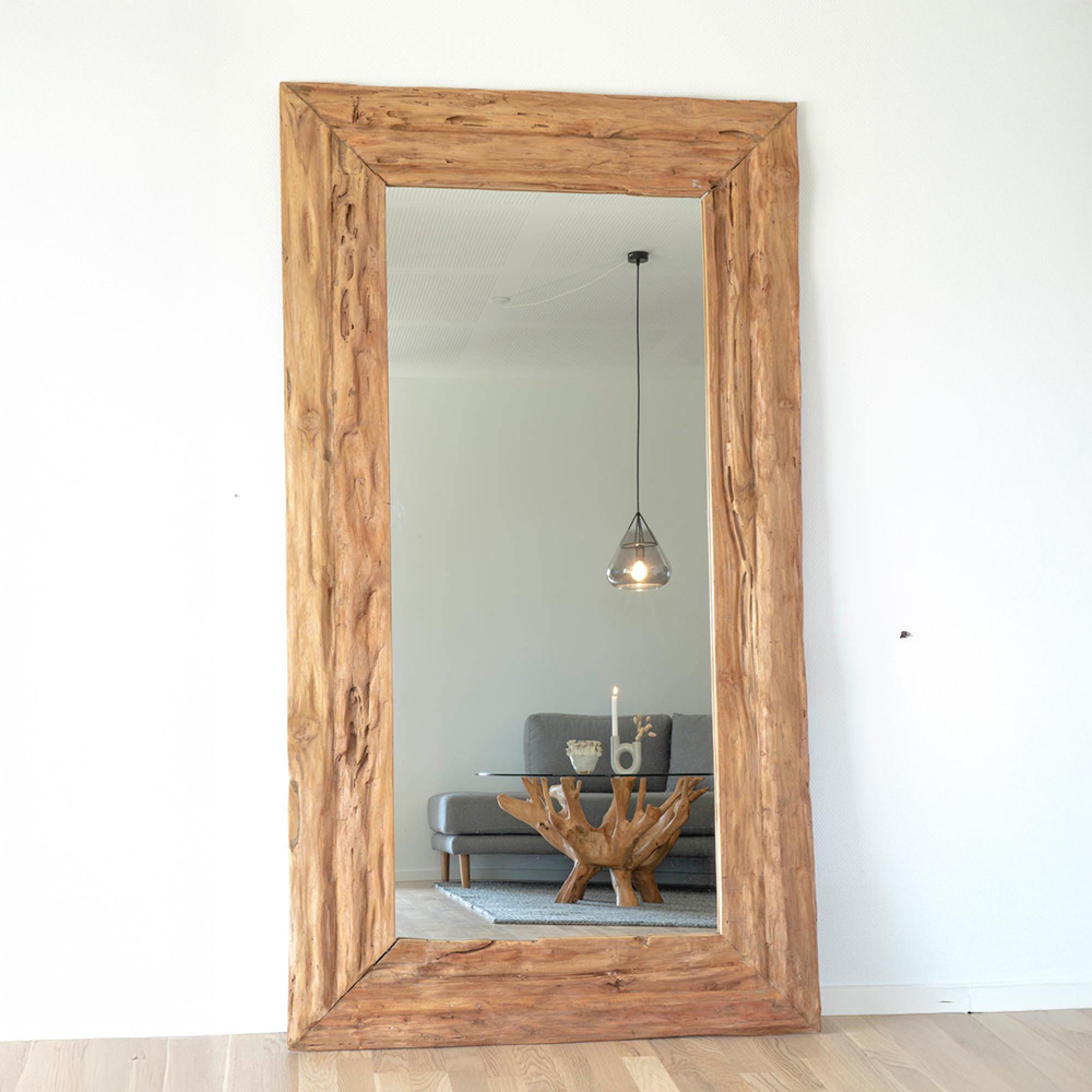
Granada Antique Teak Wood Mirror - 101cm x 180cm
SAVE £73.50
£416.49 £489.99
Free delivery*
In Stock
Search our furniture, categories and brands. Suggestions appear as you type.
Type at least two characters to see suggestions.
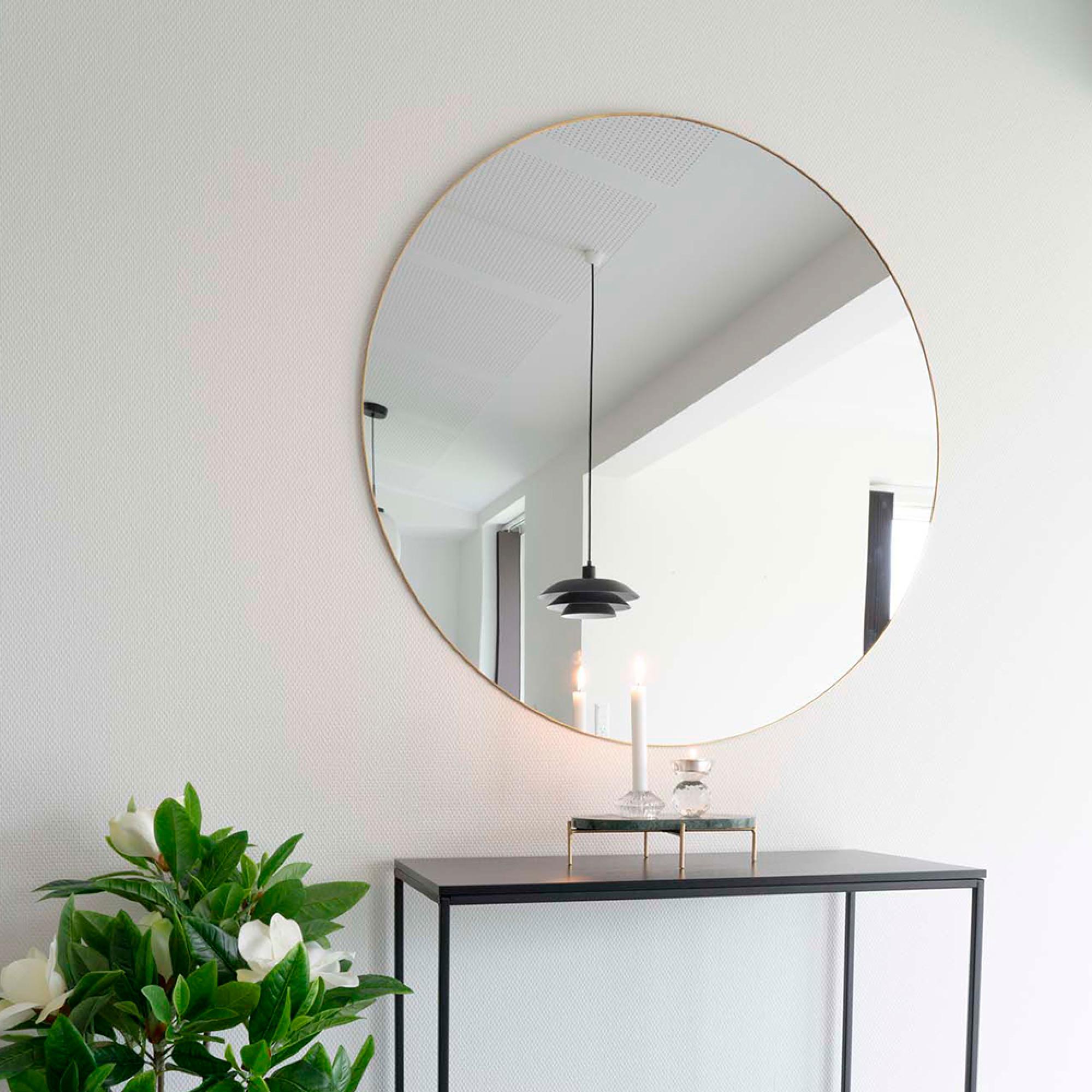
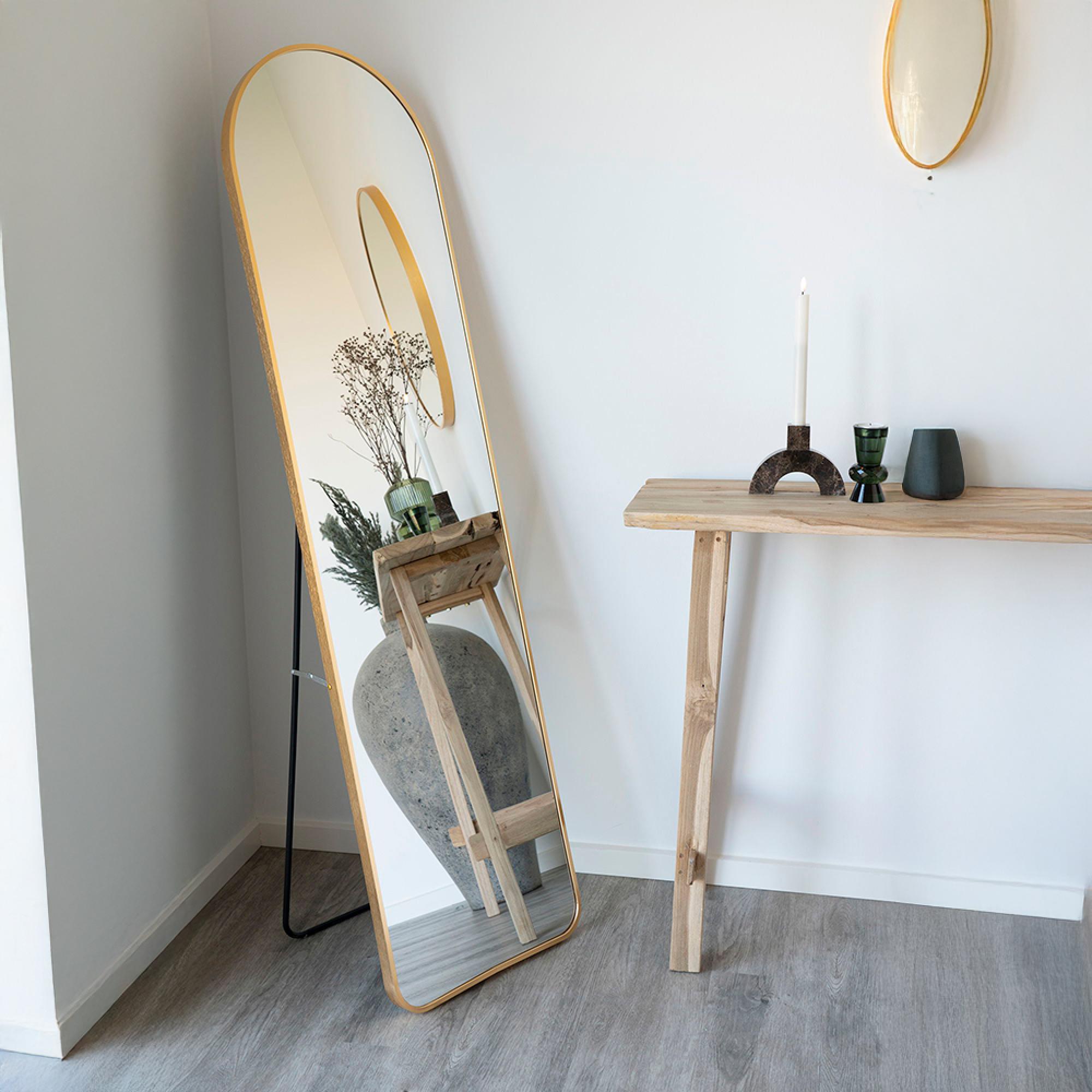
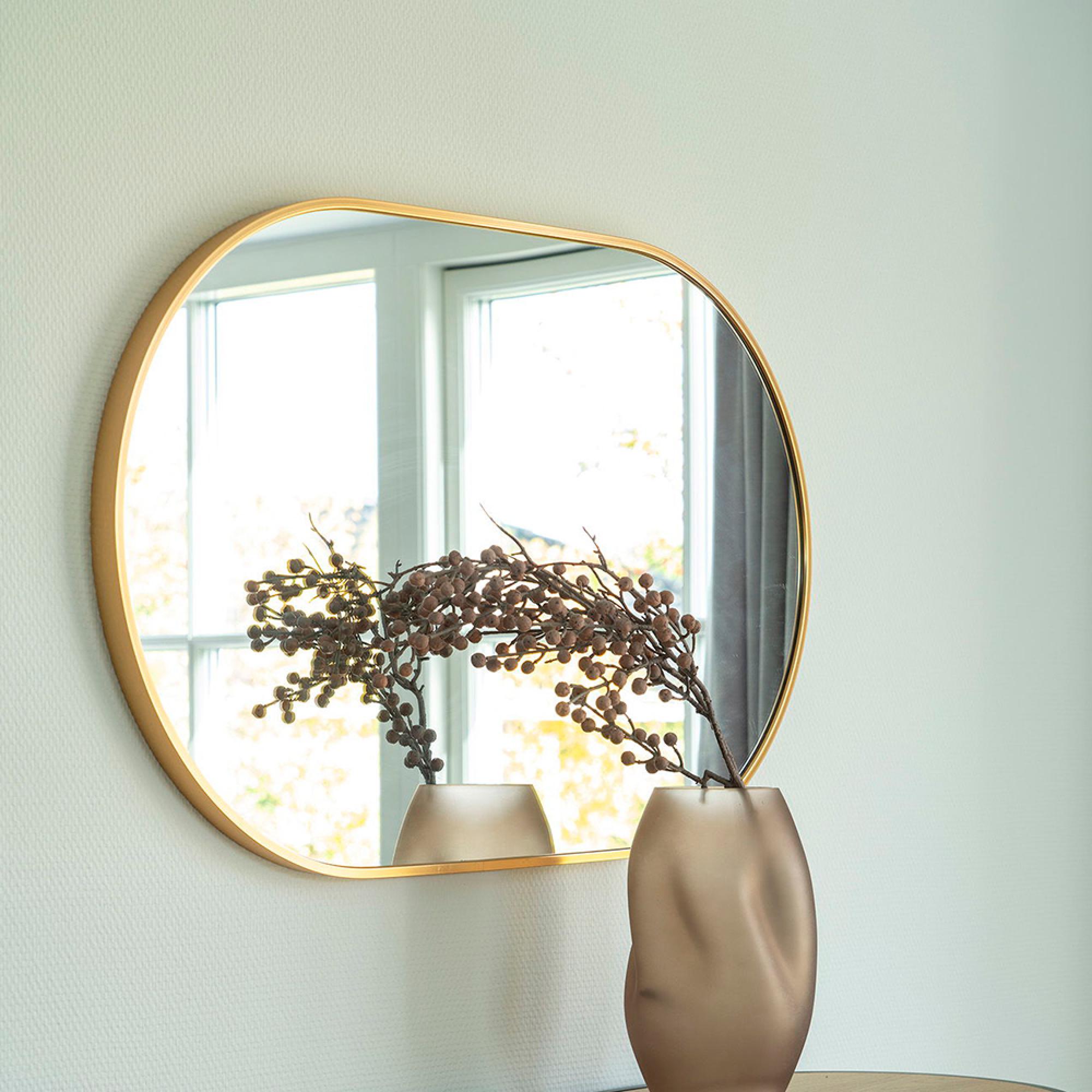
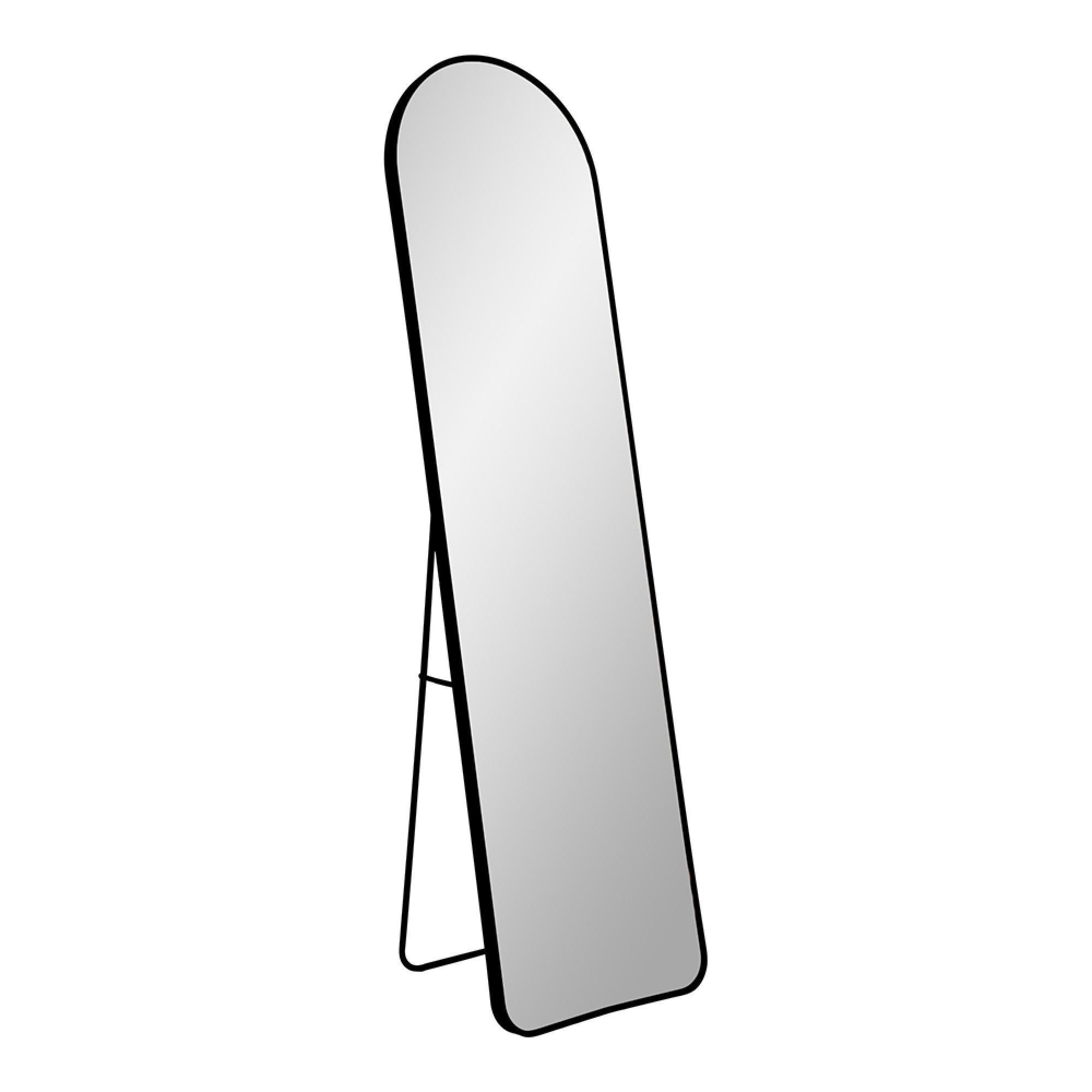
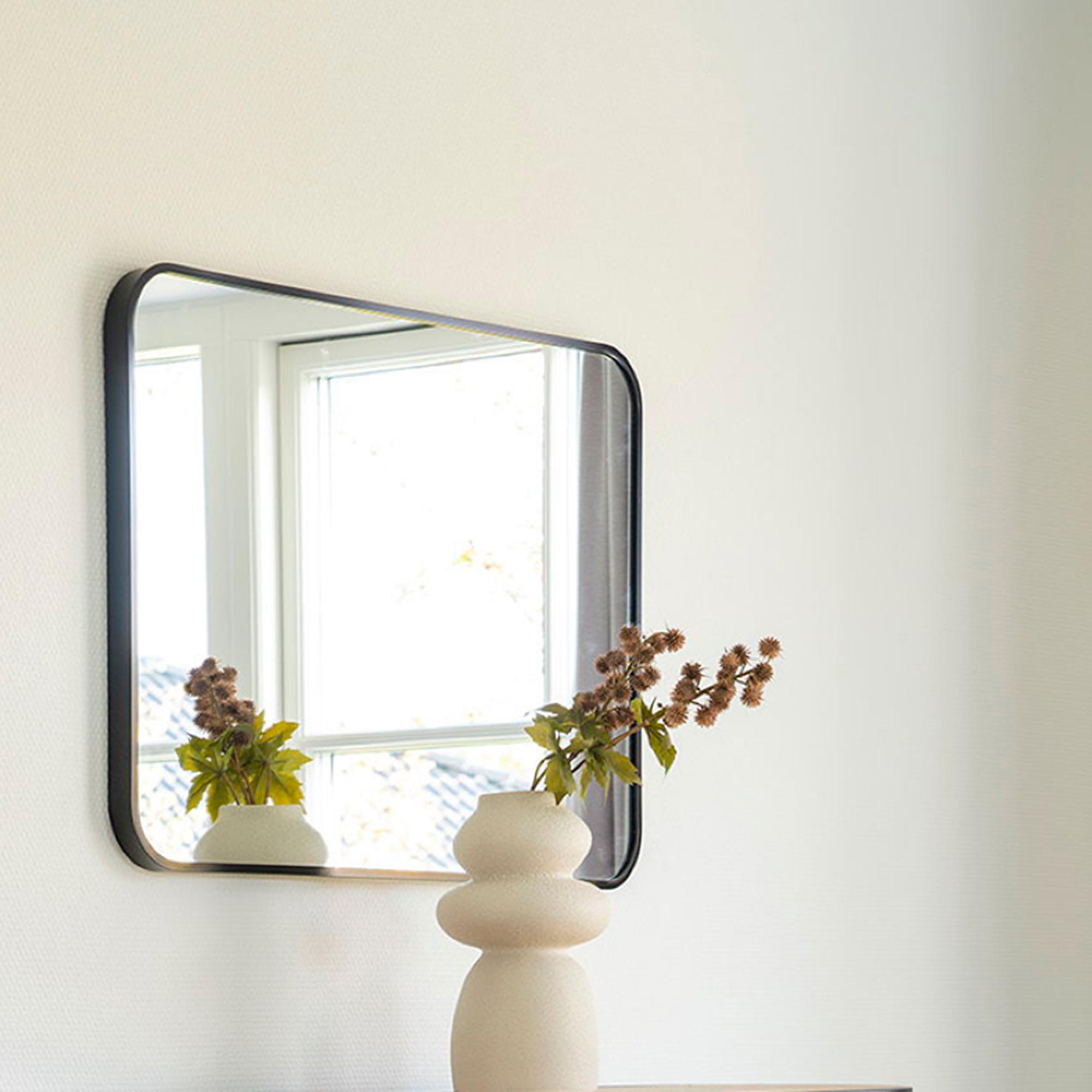
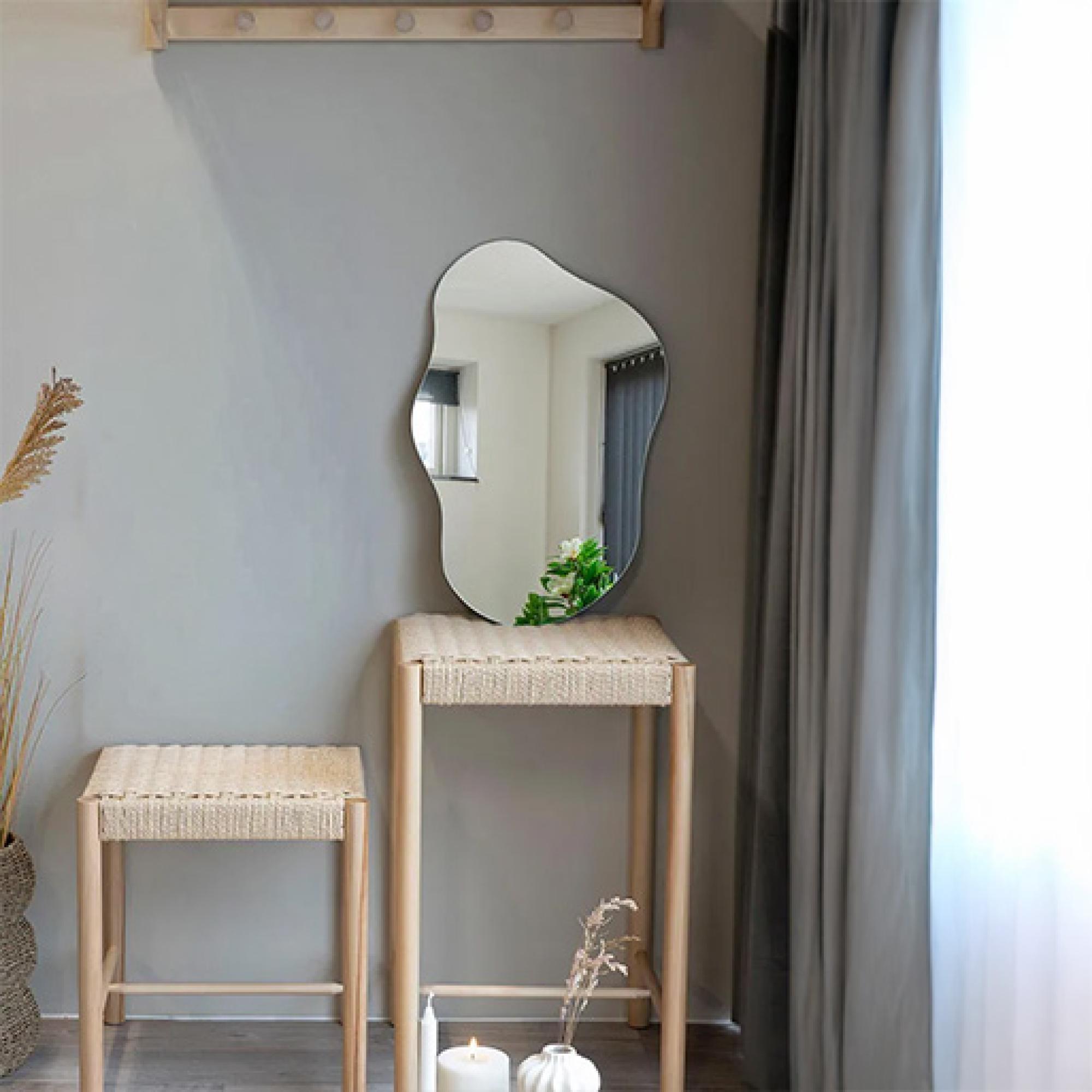
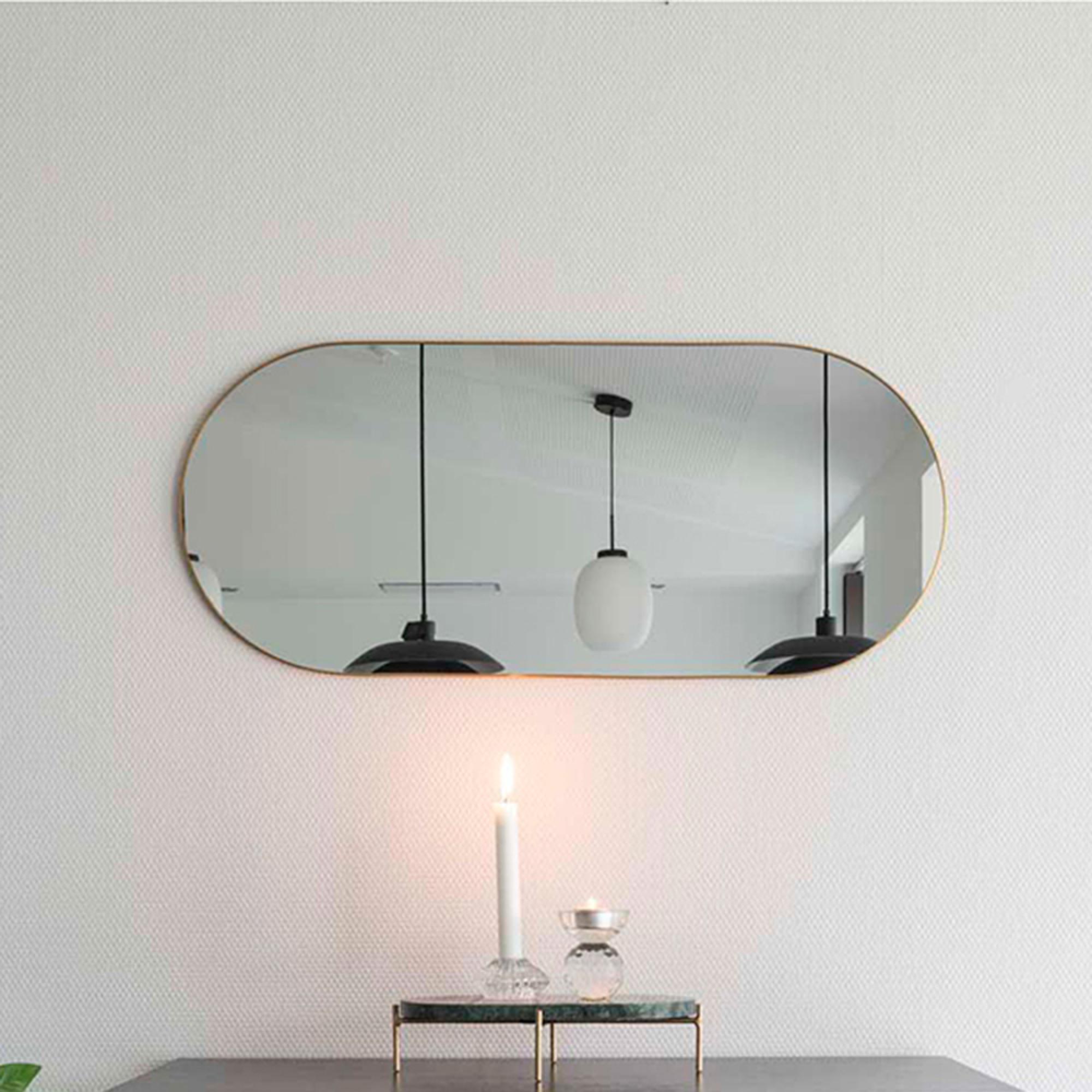
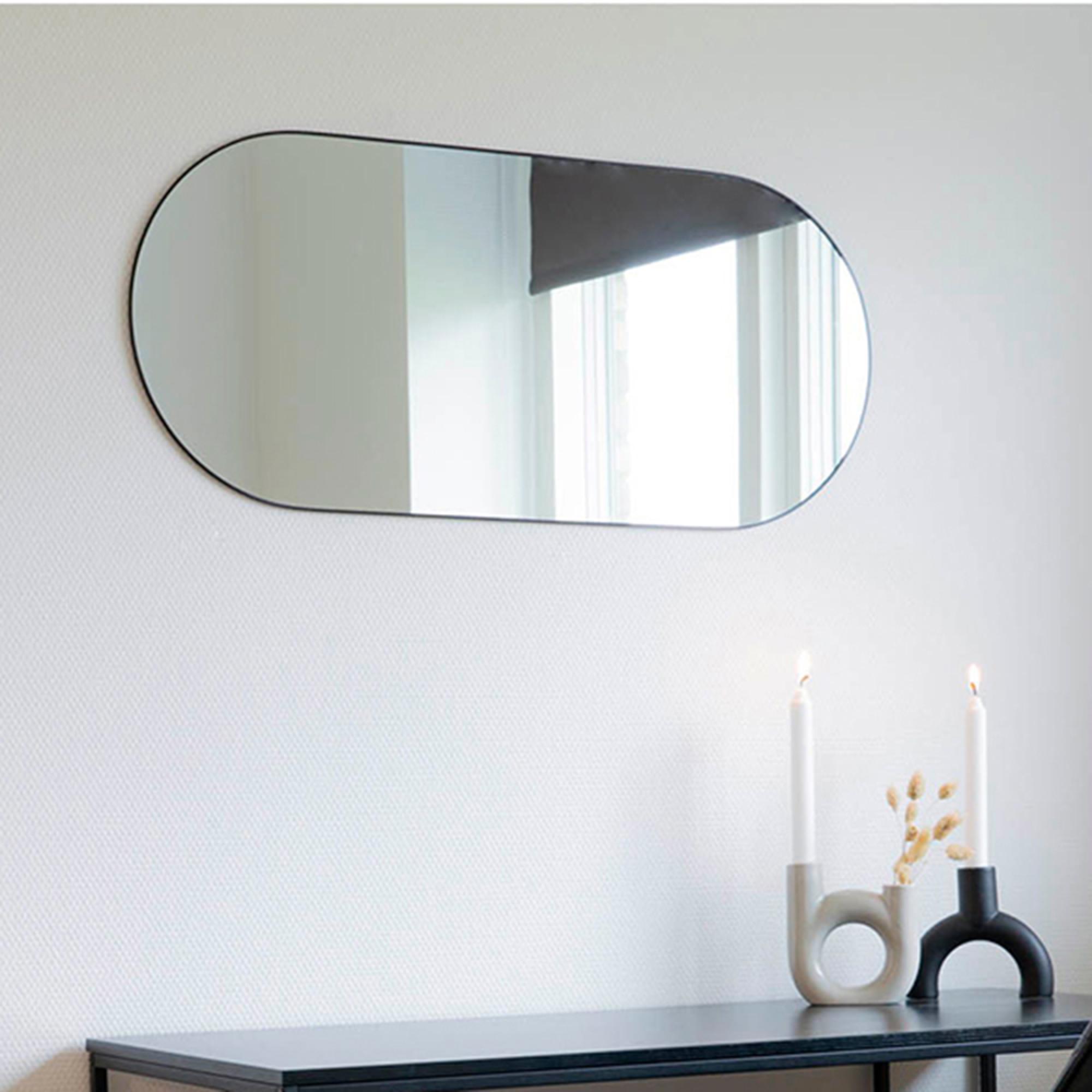
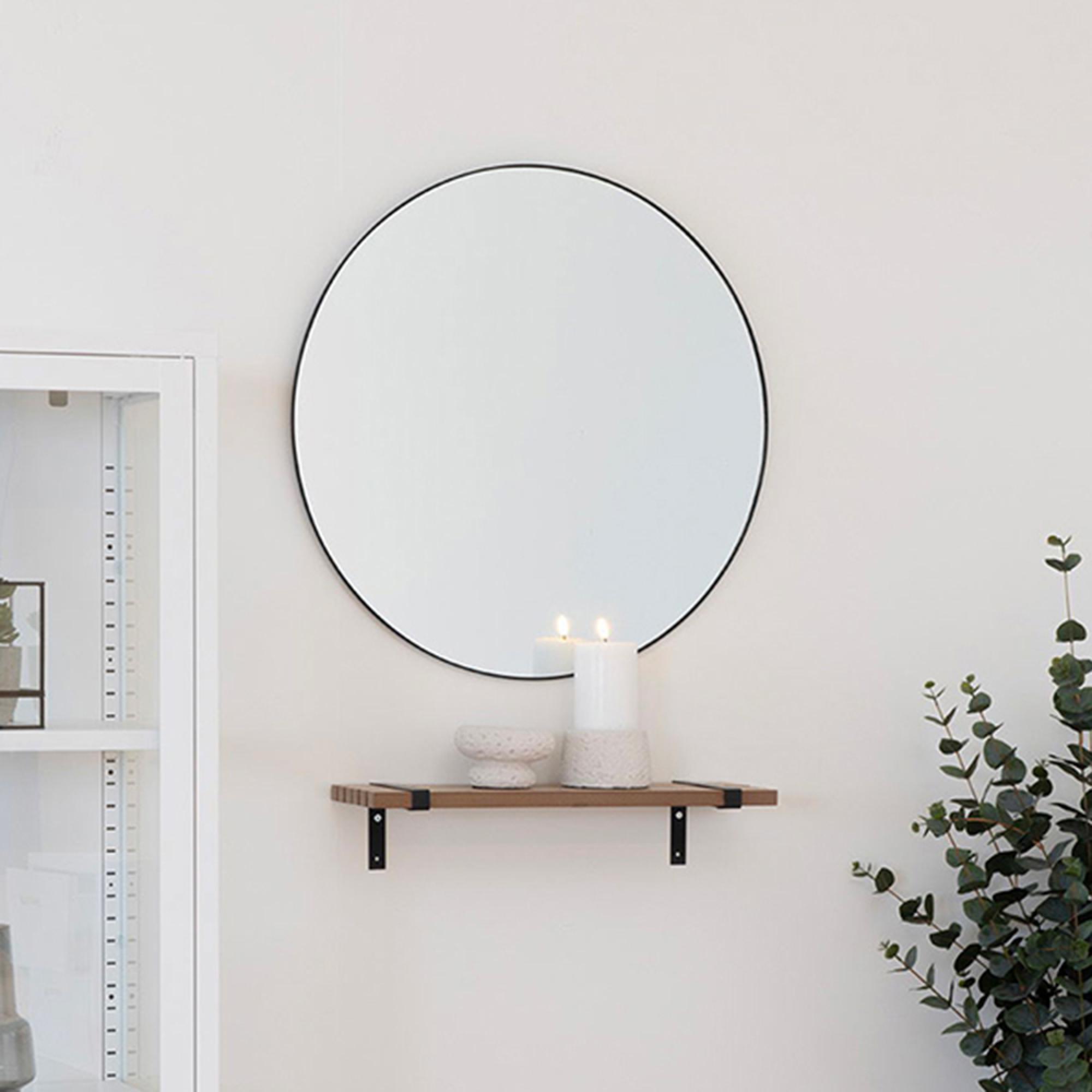
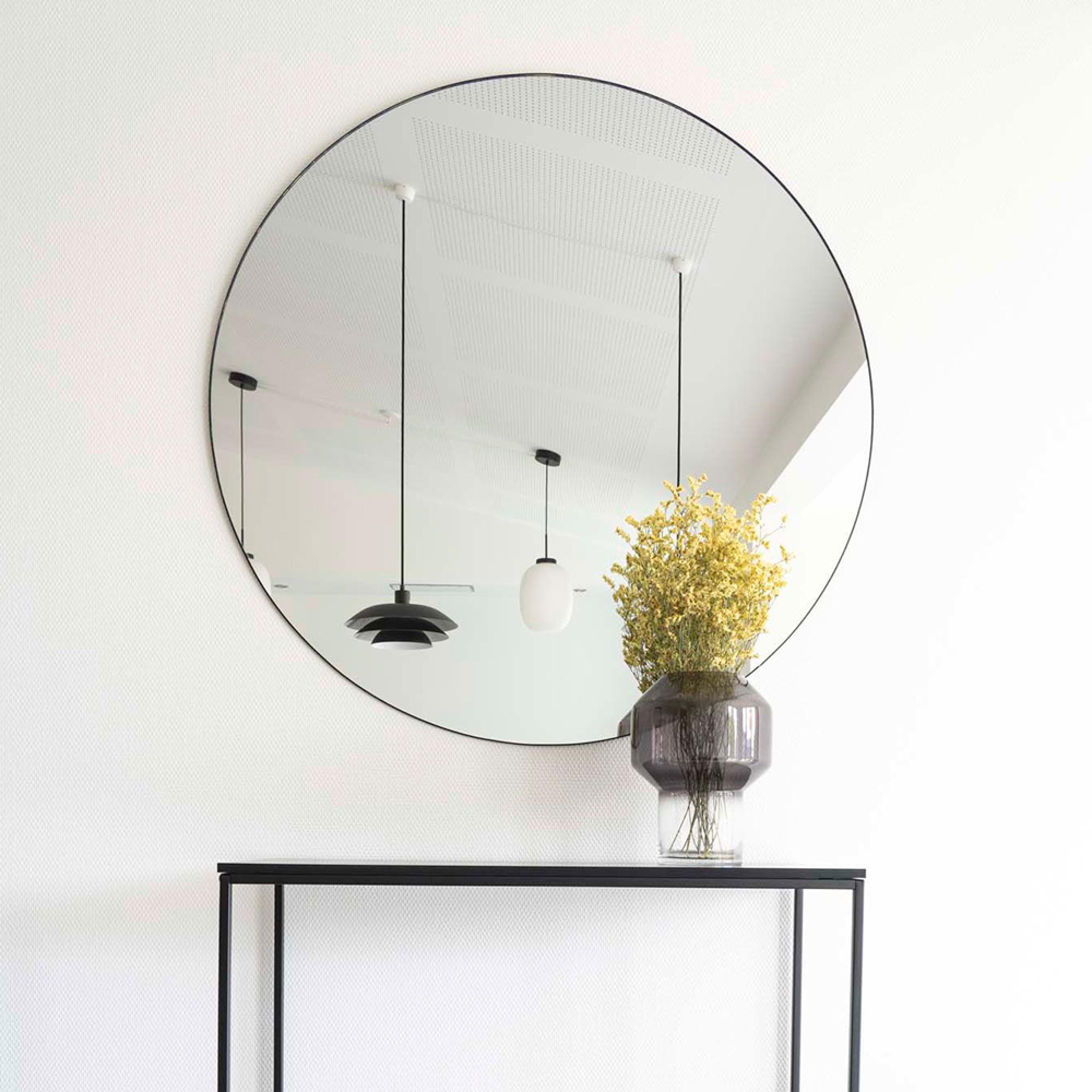
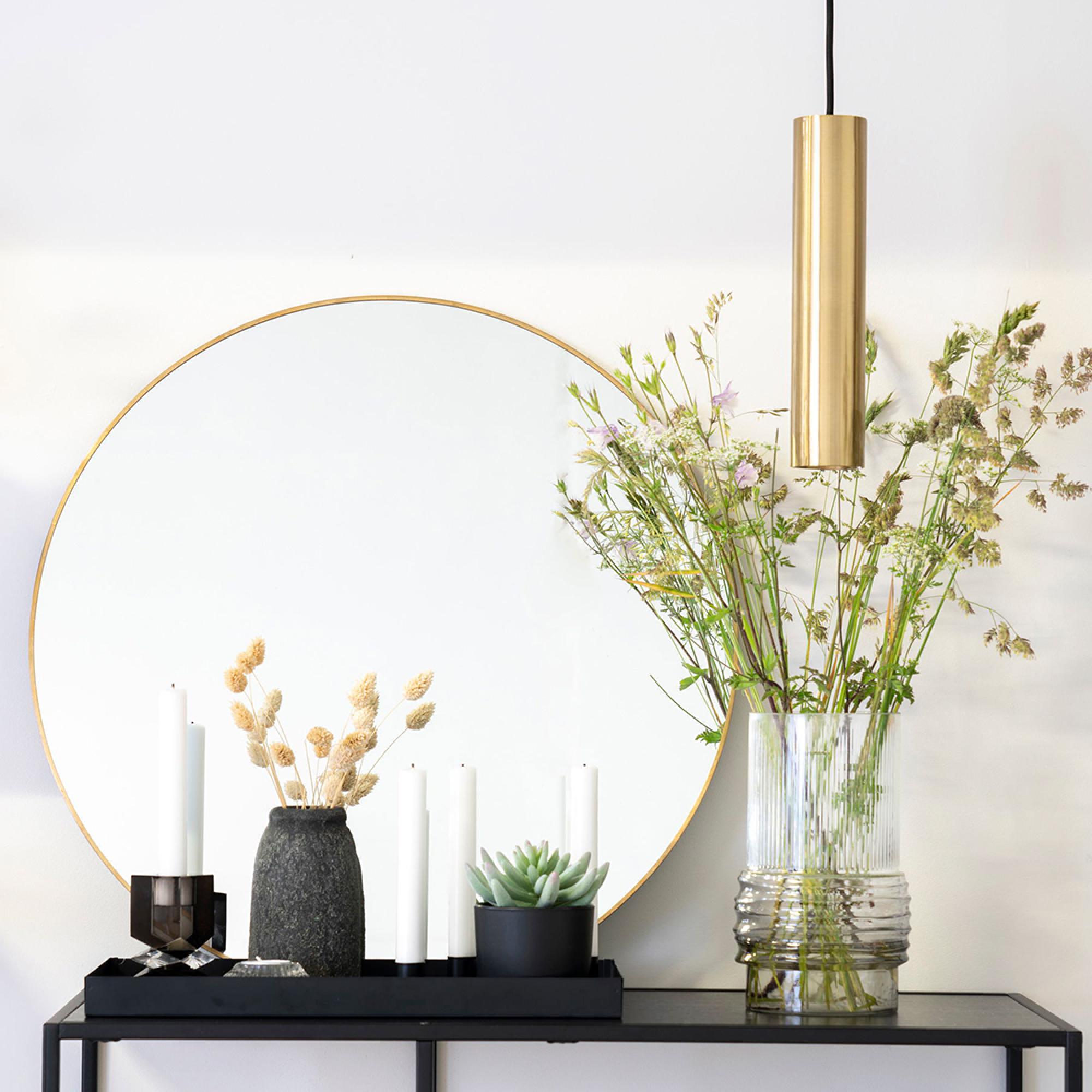
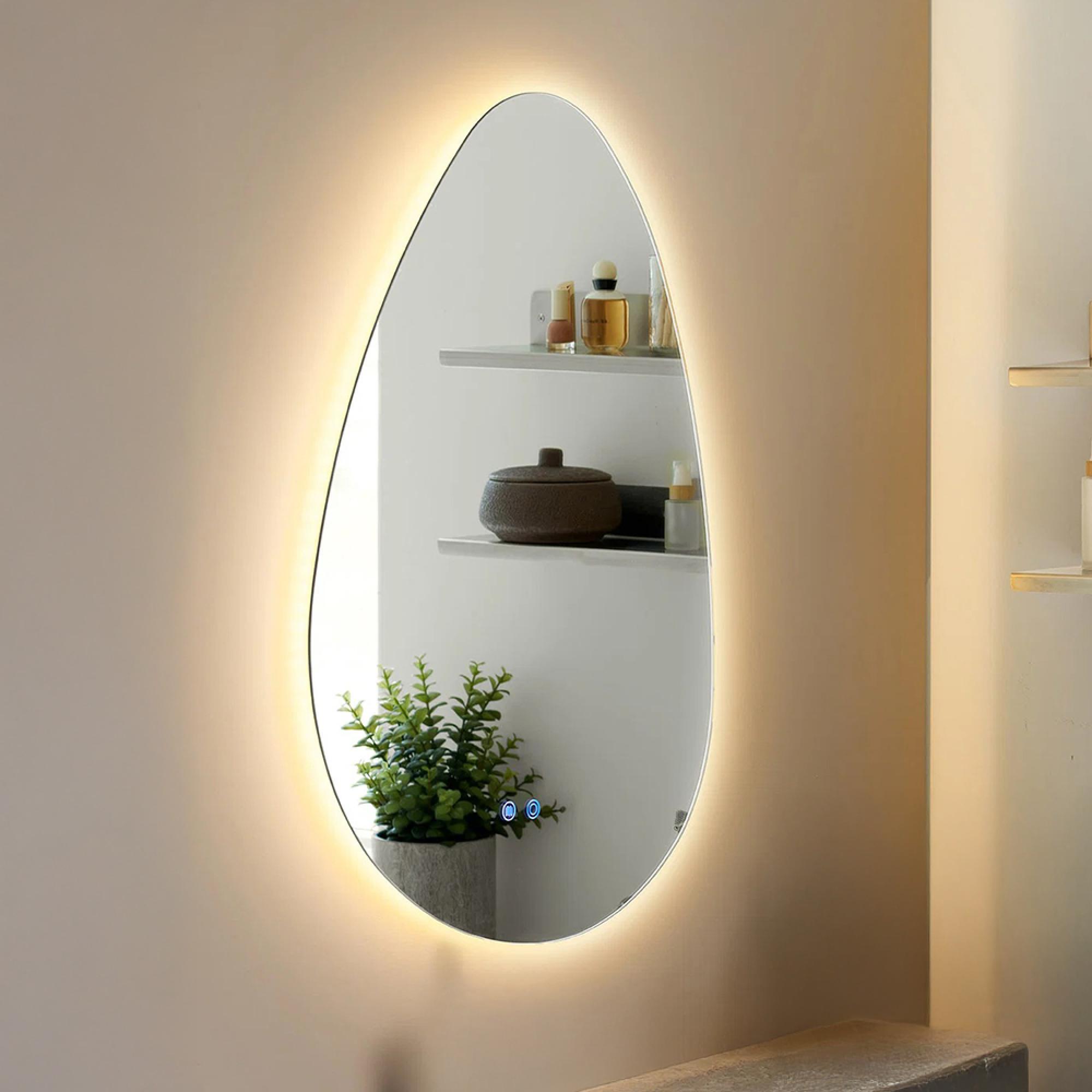
Living room mirrors can reflect daylight, open up a wall and provide a clear focal point above a fireplace, console or sideboard. Choose from round, square, rectangular and full-length designs, including wall-mounted and leaning mirrors with wood, metal, painted, fabric-covered or decorative frames. Scale matters: measure the wall and the furniture below it, then leave enough visual space around the frame. A mirror placed opposite or beside a window can carry light further into the room, but avoid positions that create distracting glare. Always check the hanging orientation, weight, supplied fixings and wall construction before installation; large leaner mirrors may still need securing. Browse more wall mirrors, compare full length mirrors, or create a practical display with console tables and other living room furniture.
£416.49 £489.99
Free delivery*
£110.49 £129.99
Free delivery*
£84.99 £99.99
Free delivery*
£110.49 £129.99
Free delivery*
£93.49 £109.99
Free delivery*
£118.99 £139.99
Free delivery*
£110.49 £129.99
Free delivery*
£93.49 £109.99
Free delivery*
£59.49 £69.99
Free delivery*
£59.49 £69.99
Free delivery*
£67.99 £79.99
Free delivery*
£67.99 £79.99
Free delivery*
£67.99 £79.99
Free delivery*
£101.99 £119.99
Free delivery*
£110.49 £129.99
Free delivery*
£50.99 £59.99
Free delivery*
£67.99 £79.99
Free delivery*
£127.49 £149.99
Free delivery*
£135.99 £159.99
Free delivery*
£118.99 £139.99
Free delivery*
£93.49 £109.99
Free delivery*
£101.99 £119.99
Free delivery*
£118.99 £139.99
Free delivery*
24 Products of 330
Have a different question? Speak to an expert.
Browse useful categories chosen for this page.
Everything you need to choose with confidence.

Thoughtful design goes a long way in creating warm and inviting living rooms. With earthy...
Read guide ›
When it comes to designing a living space that exudes sophistication, versatility, and...
Read guide ›
The living room is the most often used room, where we lounge around individually or with...
Read guide ›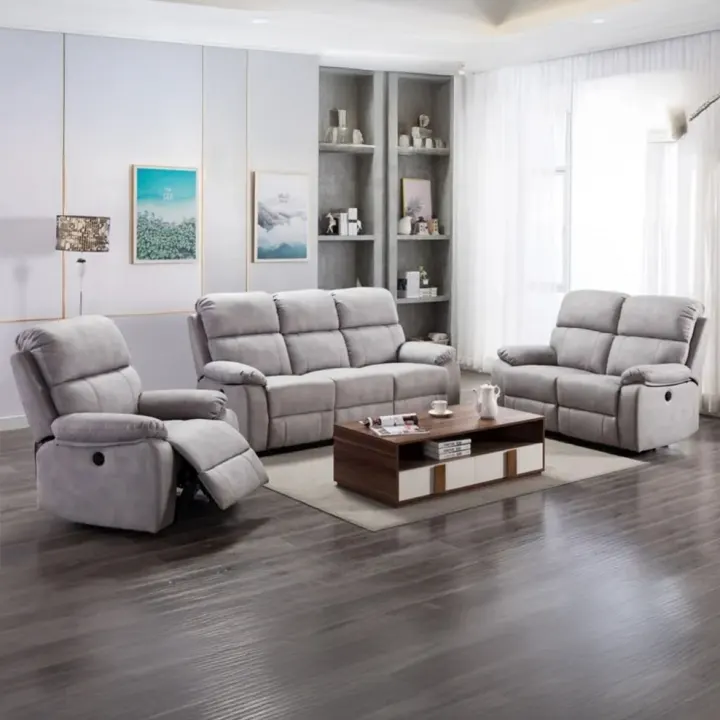
1. Unleash your Living Room with a Statement Recliner Sofa. ...
Read guide ›Living Room Mirrors can do more than fill a blank wall. In this category you will find styles that suit classic spaces, more decorative rooms and cleaner modern schemes, with shapes and finishes that make it easier to match the rest of your lounge furniture.
This collection is especially useful if you are balancing function with appearance. Some shoppers want a practical wall mirror to brighten a seating area or check proportions above a sideboard, while others are choosing a statement piece that helps define the room.
A good living room mirror should fit the wall comfortably and still leave the room feeling easy to move around. Across this category, widths run from 20cm to 188cm, with many sitting around 45cm to 115cm wide and a median width of 80cm, so there are compact pieces for narrower gaps as well as broader designs that can anchor a main wall.
For everyday planning, medium designs around the middle of the size range can work well above console tables, sideboards and fireplaces without overwhelming the wall. Larger options can suit open-plan living spaces or longer walls, but it is worth measuring not just the wall itself but also nearby door openings, radiators and light switches before you choose.
Shape has a big effect on the finished look. Rectangular designs are the most common choice here and tend to give a neater, more architectural feel, especially if you want a mirror to line up with furniture below. If you prefer softer lines, Round Mirrors and oval styles can break up angular layouts, while abstract and arch silhouettes are useful when you want the mirror to act more like wall art.
Height also varies widely, from 5cm to 250cm, with many examples roughly 58.2cm to 173.5cm tall and a median of 95cm. That range means some pieces are better suited to horizontal placement, while taller designs can help draw the eye upward in rooms with generous wall height.
Materials and finish are often what tie living room mirrors into the rest of the space. Metal is a strong theme in this category, alongside wood, MDF, glass, iron and steel, so you can choose between cleaner framed looks and warmer natural textures depending on the furniture already in the room.
Metal Mirrors are a practical choice if you want a crisp outline that works with industrial, modern or contemporary furniture. Black is the most frequently seen finish, so darker framed pieces are a natural fit for monochrome schemes, smoked woods and loft-inspired interiors. Gold, brass and bronze options bring a more decorative edge, which can sit well with glam or art deco influences.
Wood and wood-effect frames offer a gentler, more relaxed finish. Natural tones, oak and mango wood can complement rustic, Scandinavian and traditional rooms, while white and grey options keep the look lighter. In general, framed mirrors only need straightforward care: regular dusting and a soft cloth for the glass, with harsher cleaners avoided on painted, lacquered or metallic finishes.
Style-wise, traditional looks are especially well represented, but there are also industrial, modern, vintage and art deco options. If you already know the direction you want, you can browse Rectangular Mirrors for a more structured layout, or explore Black Mirrors for stronger contrast against pale walls.
Most products in this category are supplied assembled, which is helpful when you are buying a mirror that you want ready to place or mount without much setup. A small number are flat packed or part assembled, so it is worth checking the individual product page if that matters for access into your home.
CFS advertises free UK standard delivery across the site, and optional assembly is available on selected products only. Finance options and a 50% deposit option are also available subject to CFS terms and eligibility, so check the individual item page and checkout for the delivery, assembly and finance details that apply to your chosen piece. You can also continue browsing the wider Living Room Furniture collection to coordinate your mirror with the rest of the room.
Price Promise
Before you order, let us know if you have found the same furniture at a lower price from another UK retailer. Send us the product link and our team will check the offer to see whether we can give you a better price.
A family-run furniture retailer with a team you can speak to before you buy.
Visit our 30,000 sq ft Leicester showroom to explore the furniture currently on display.
Call 0116 296 3800 if you need help checking a product or submitting a price request.
The competitor offer must be for the same brand and model, with matching dimensions, colour, material, finish, specifications and included options or parts.
Products that look similar can have different materials, construction, features or included options. Send the exact competitor listing so our team can make a fair like-for-like comparison.
Please contact us before placing your order and send the information below.
Include the product name, product code or the CFS product-page link.
Include the direct competitor product link and the price including delivery.
Tell us the delivery service and stated lead time. If the price was given by email or phone, send a written quotation showing the product and offer.
Our review includes VAT, delivery charges and the service being supplied. A doorstep-delivery price is not directly comparable with an offer that includes room-of-choice delivery, assembly or another enhanced service.
Important: Please give us the complete competitor price and delivery details—not only the headline product price.
A request does not guarantee approval. Please wait for our response before placing your order. CFS may decline a request where the offers are not genuinely comparable or where matching the price would result in a loss.
Yes. The brand, model, size, colour, material, finish, specifications and included options must match.
Yes. We compare the total delivered price, including VAT and applicable delivery charges, as well as the service provided.
Yes. Send a current written quotation that clearly shows the product and all offer details.
Yes. Send your request and wait for the outcome before placing the order.
No. Every request is subject to verification, genuine like-for-like comparison and approval by CFS.
Found a lower price? Send the details before you order. You can use our enquiry form, email, phone, live chat or WhatsApp.