

Humz
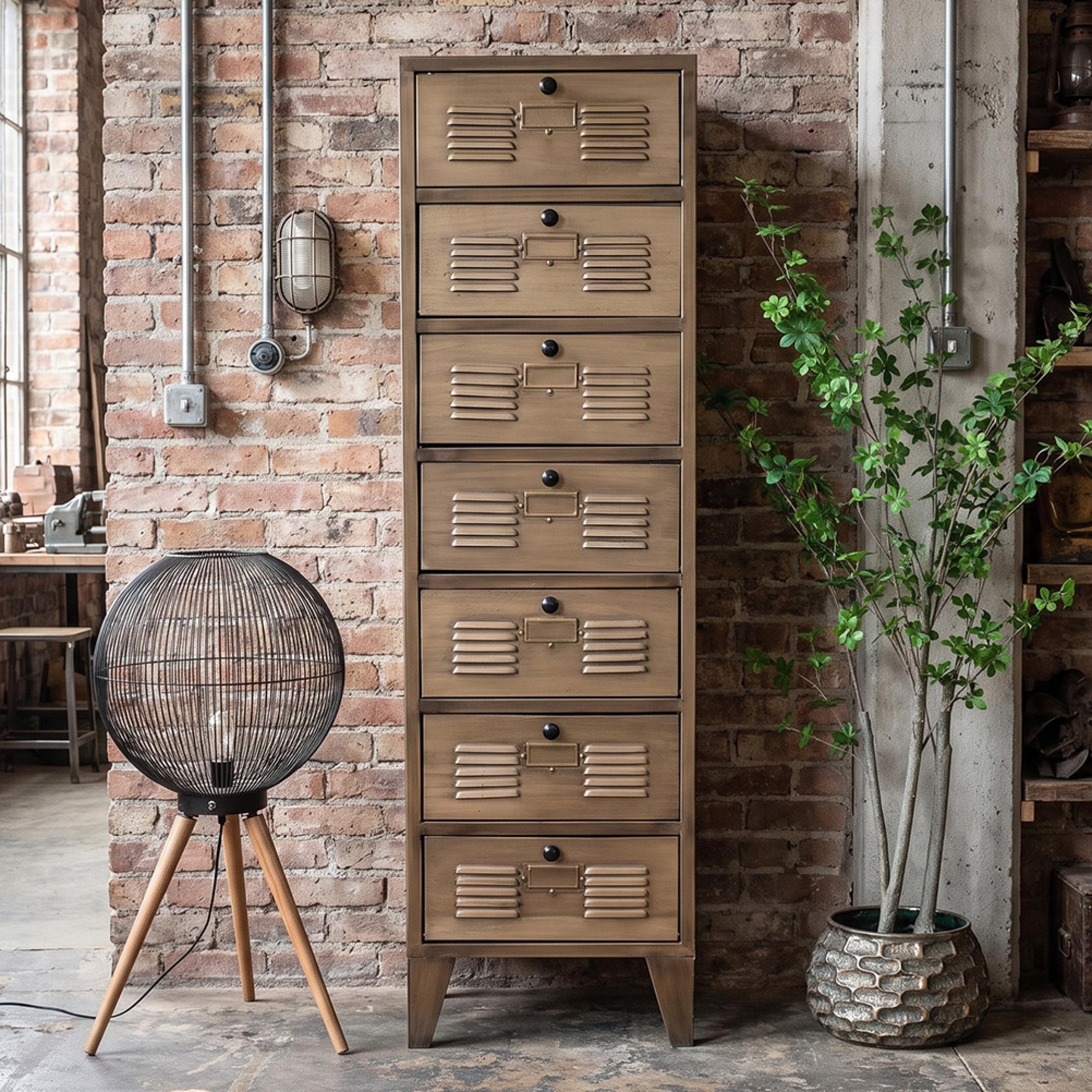
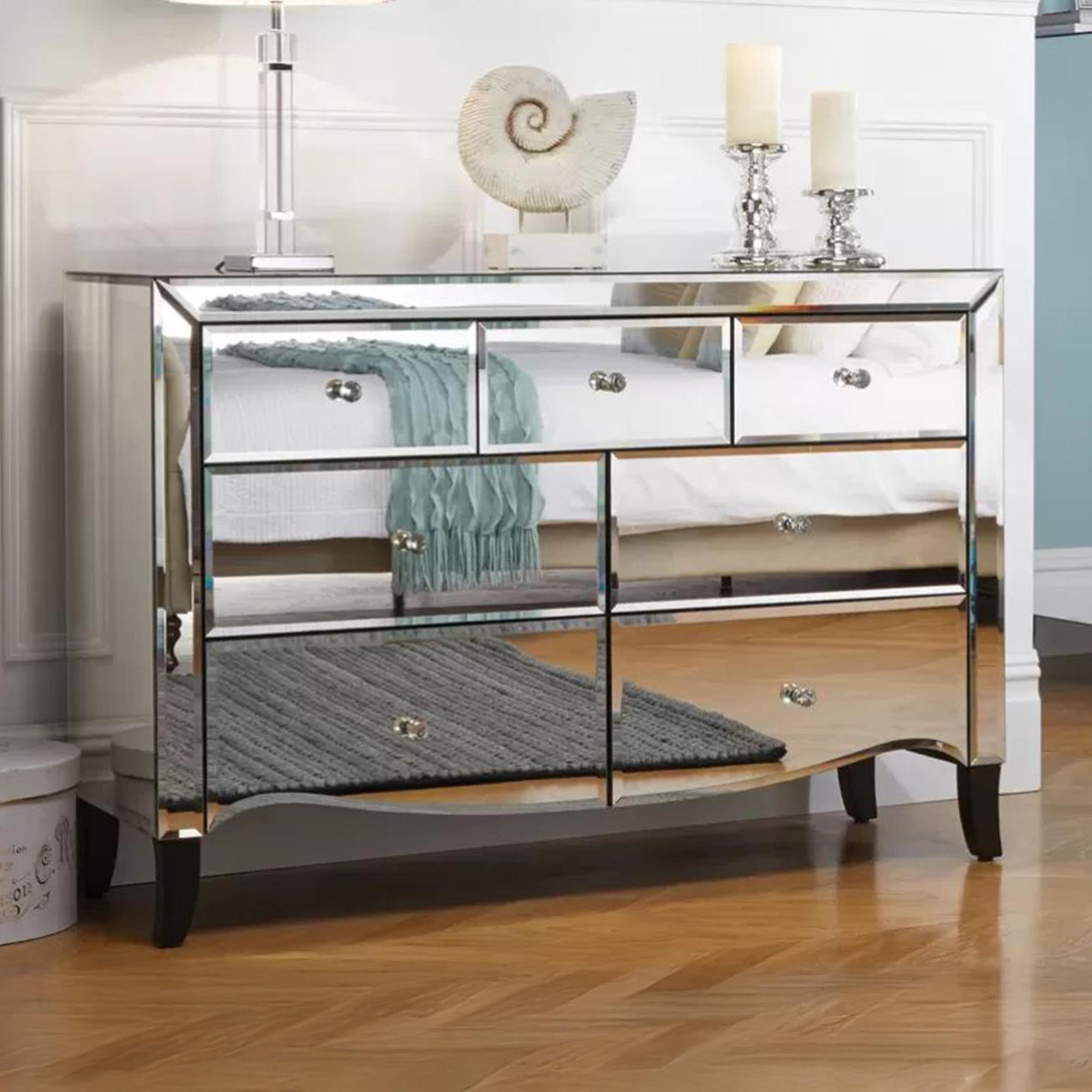
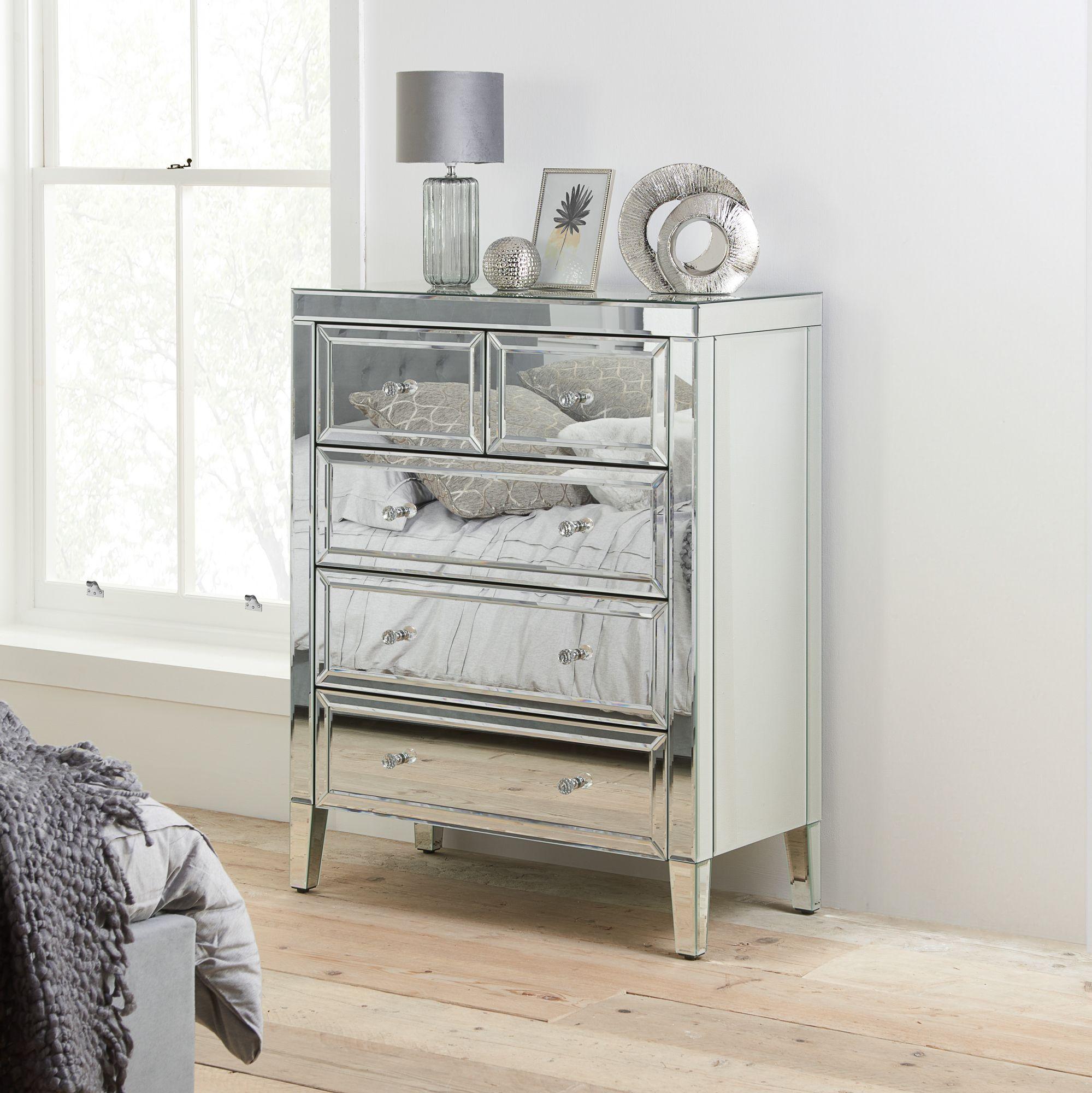
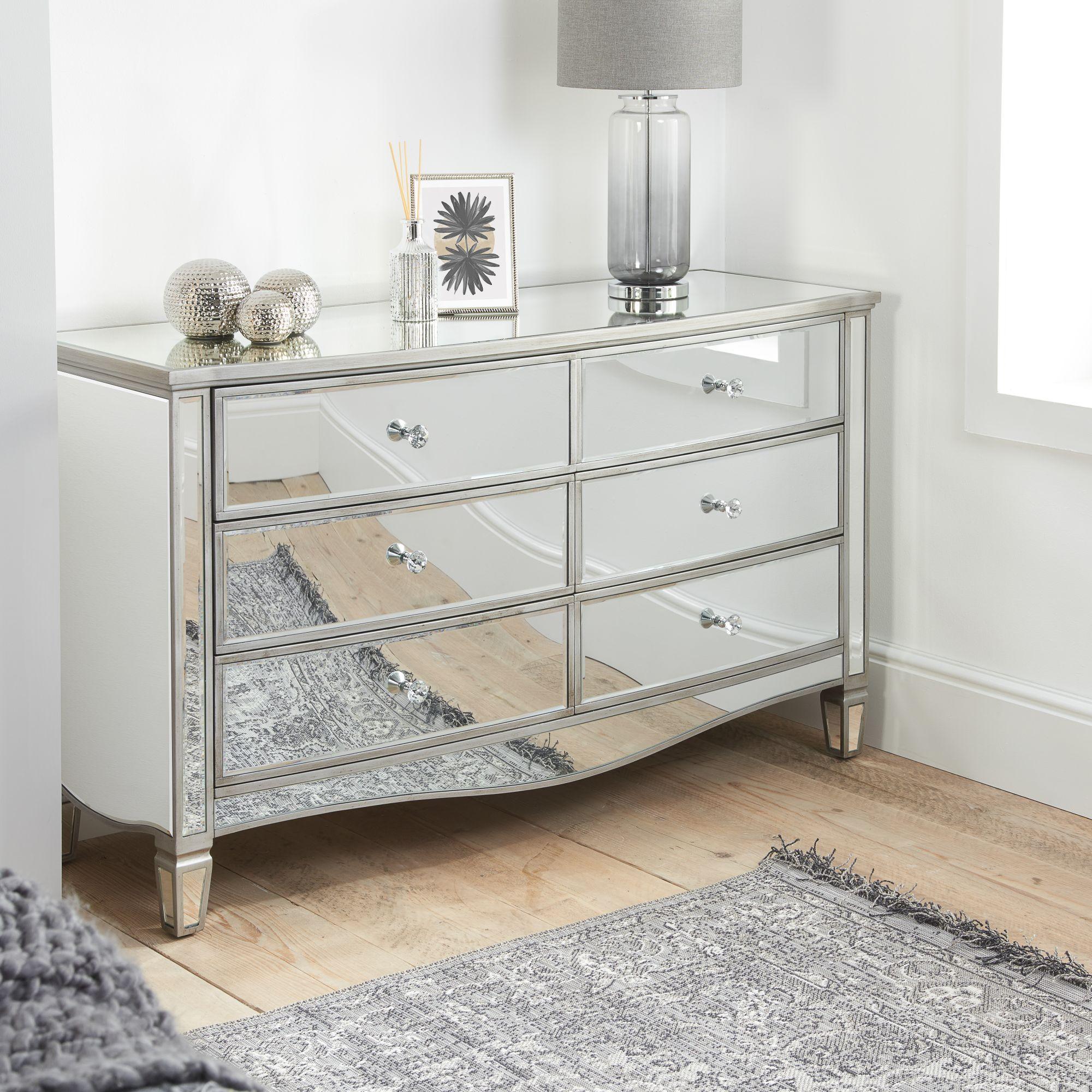
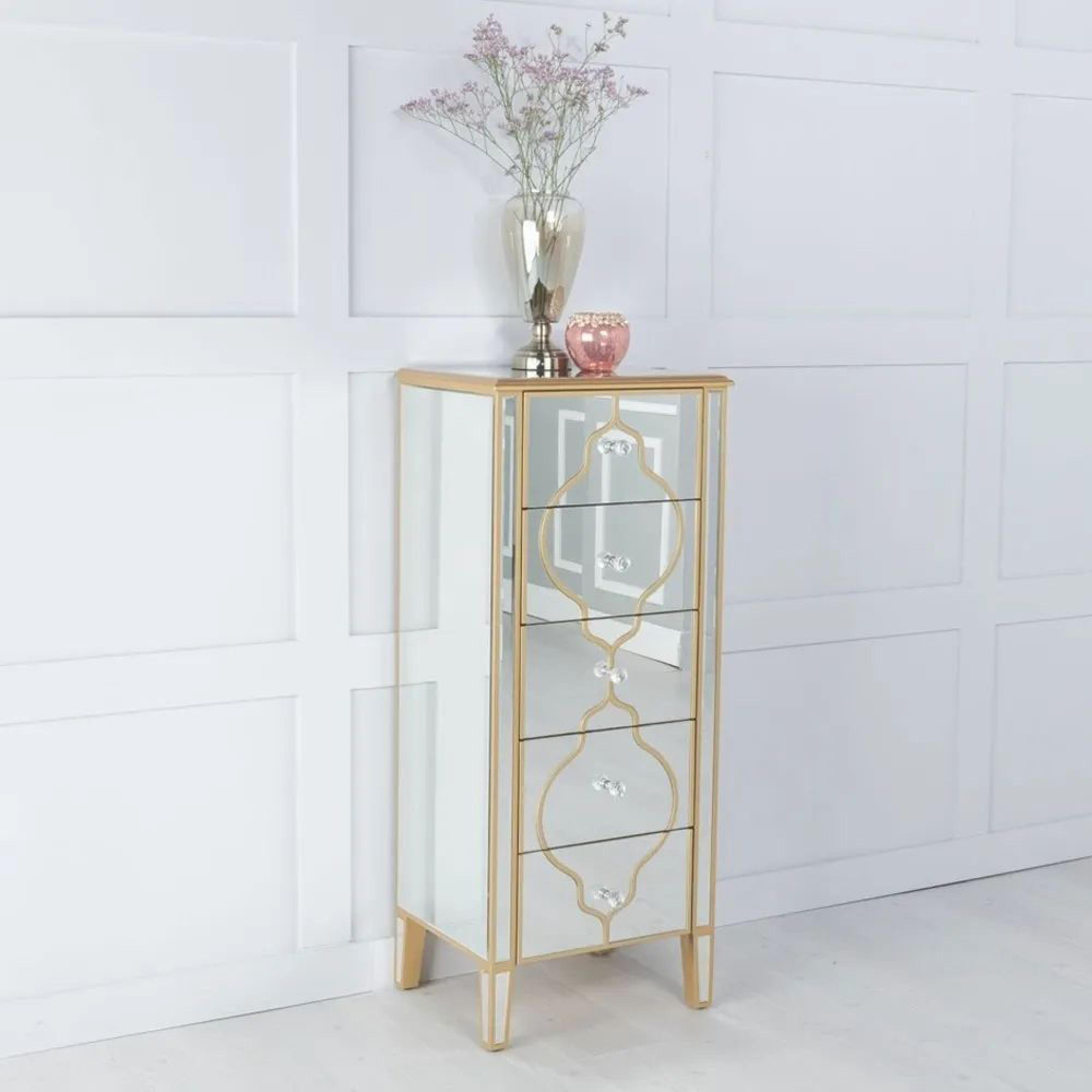
Casablanca Gold Trim Mirrored Narrow 5 Drawer Chest
SAVE £316.79
£403.19 £719.98
Free delivery*
In Stock
Search our furniture, categories and brands. Suggestions appear as you type.
Type at least two characters to see suggestions.
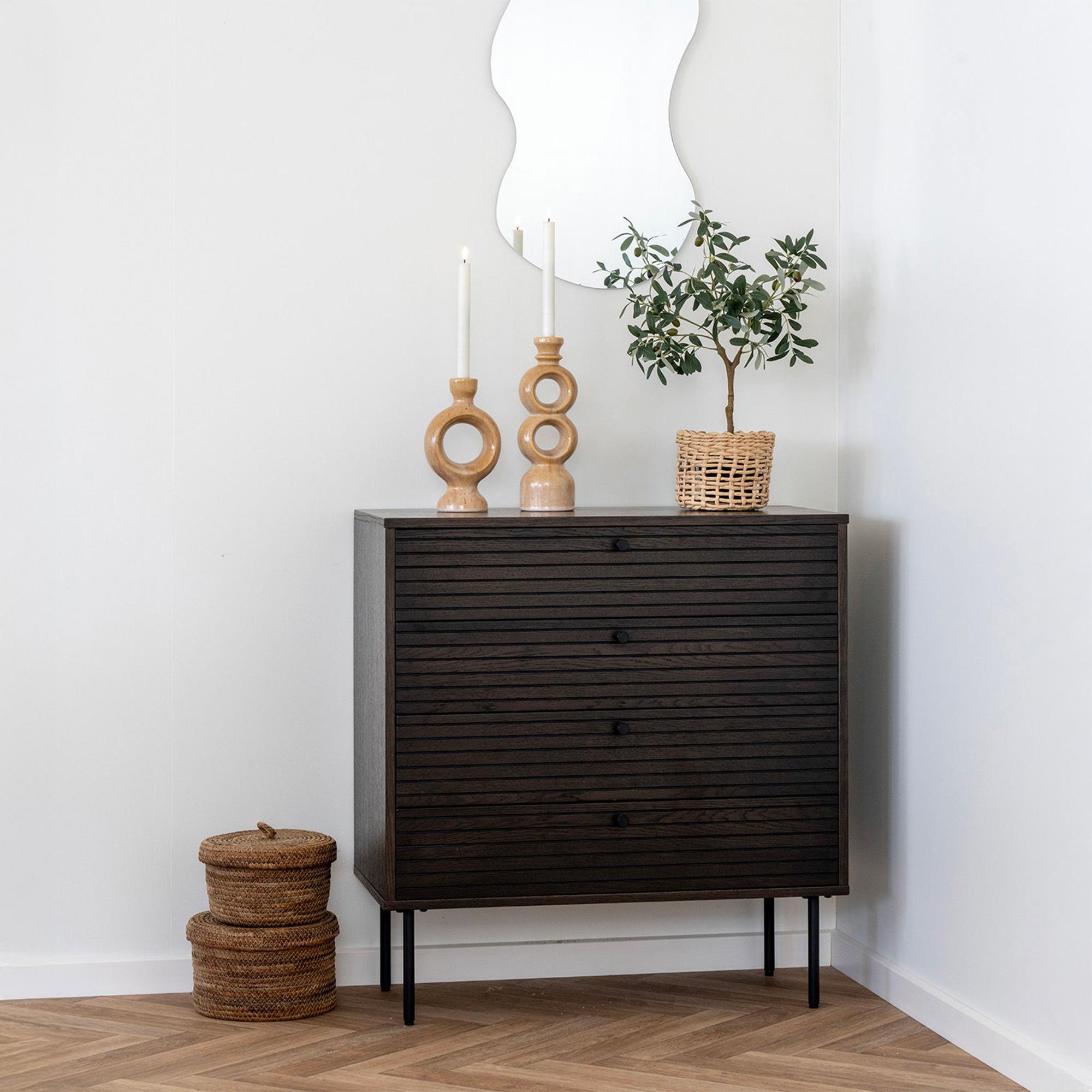
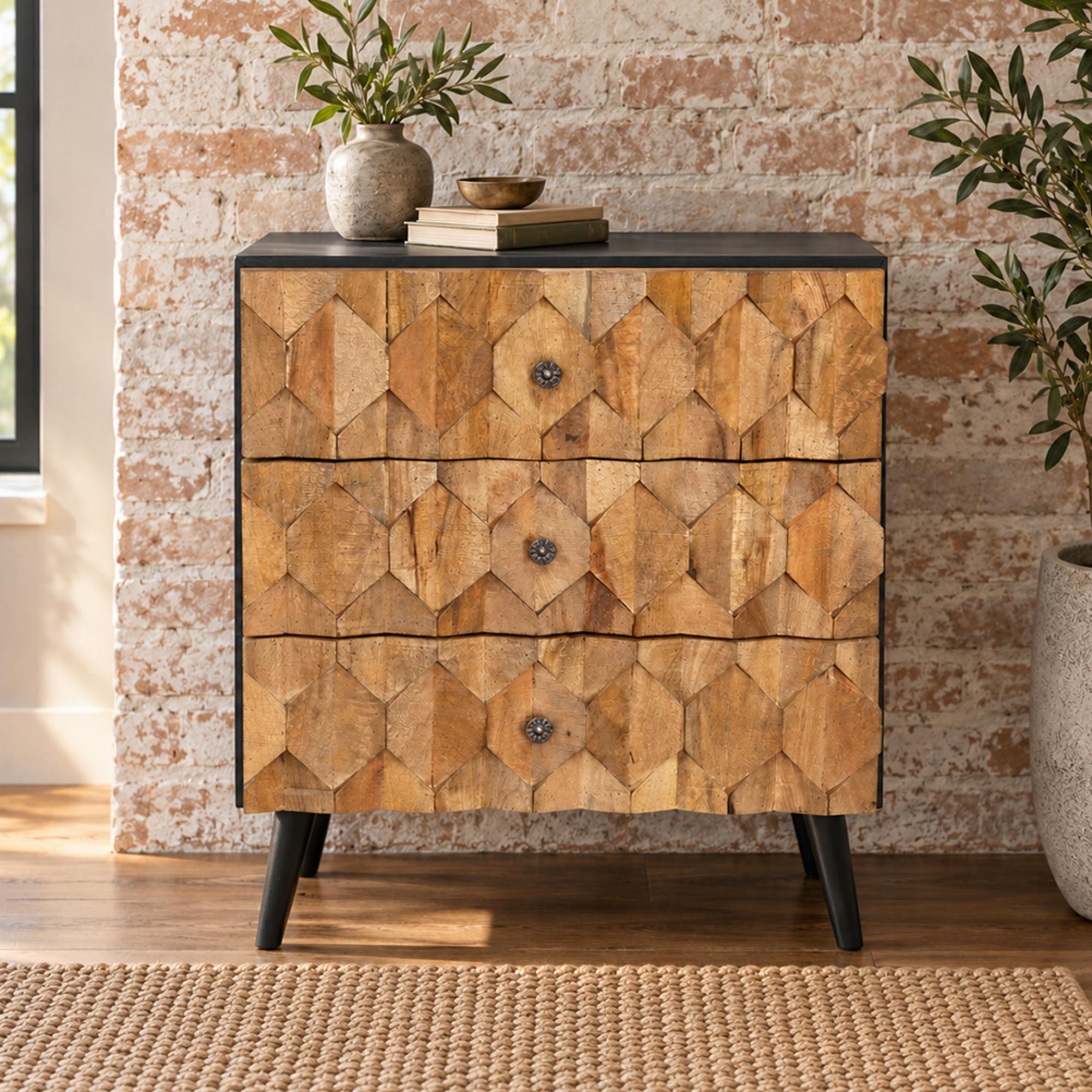
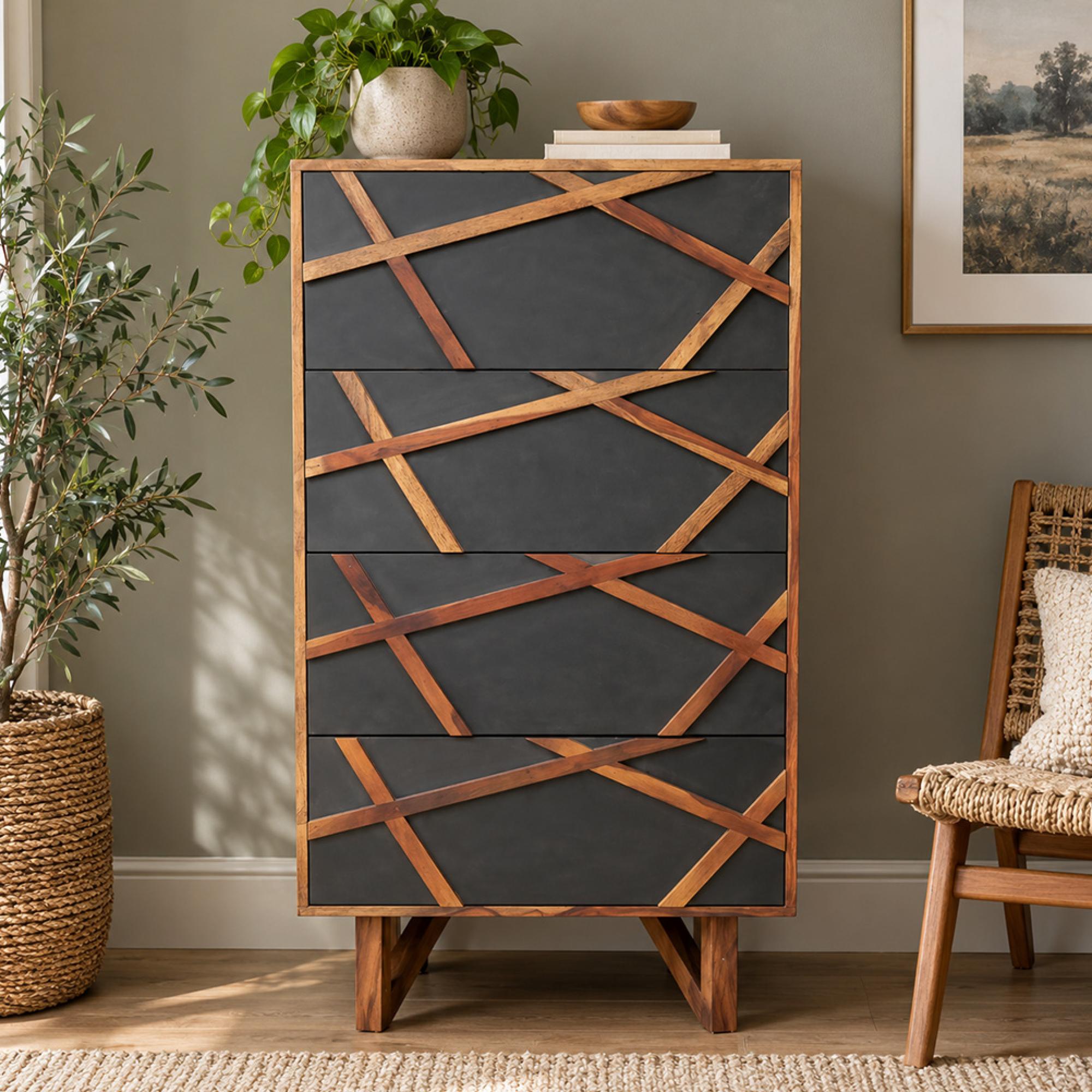
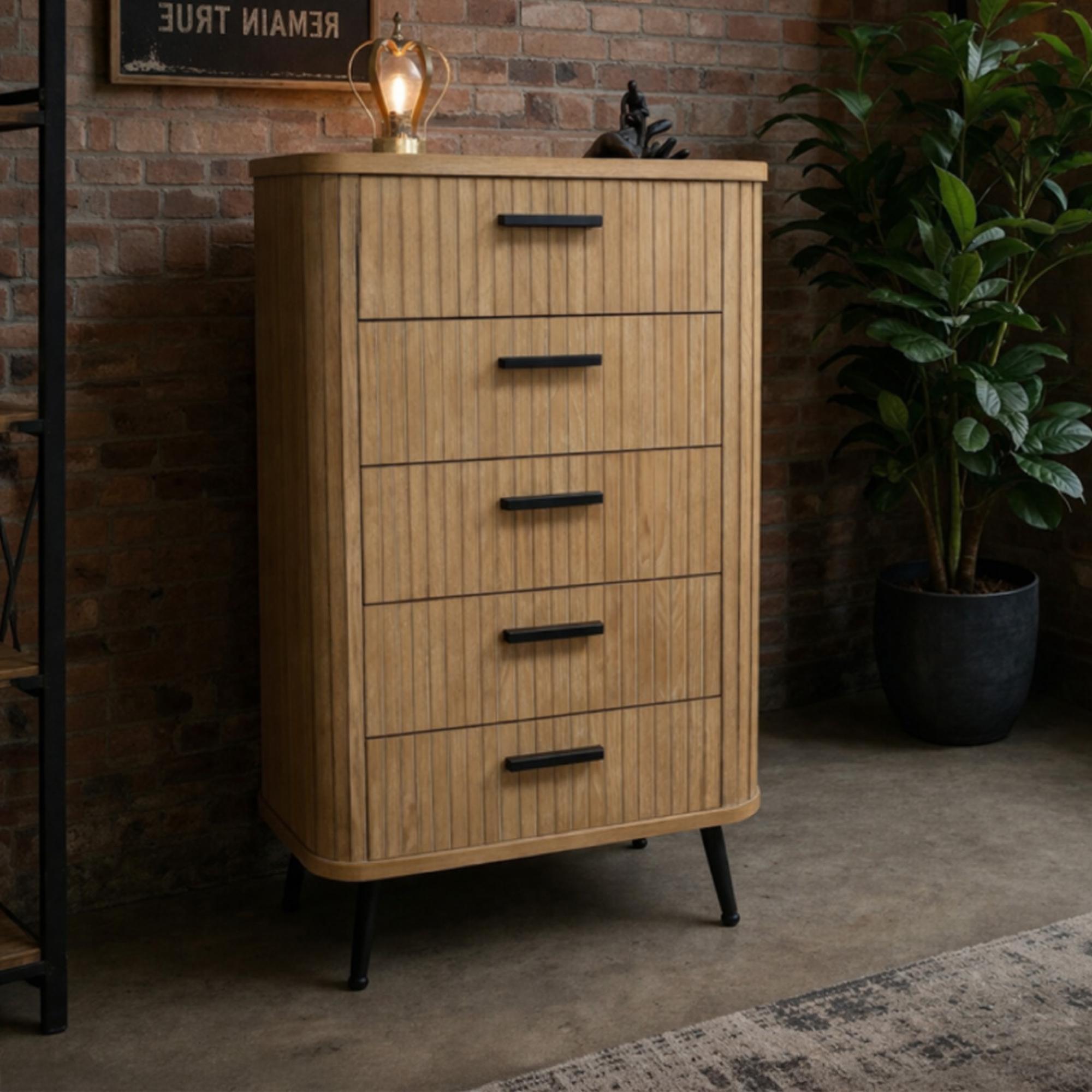
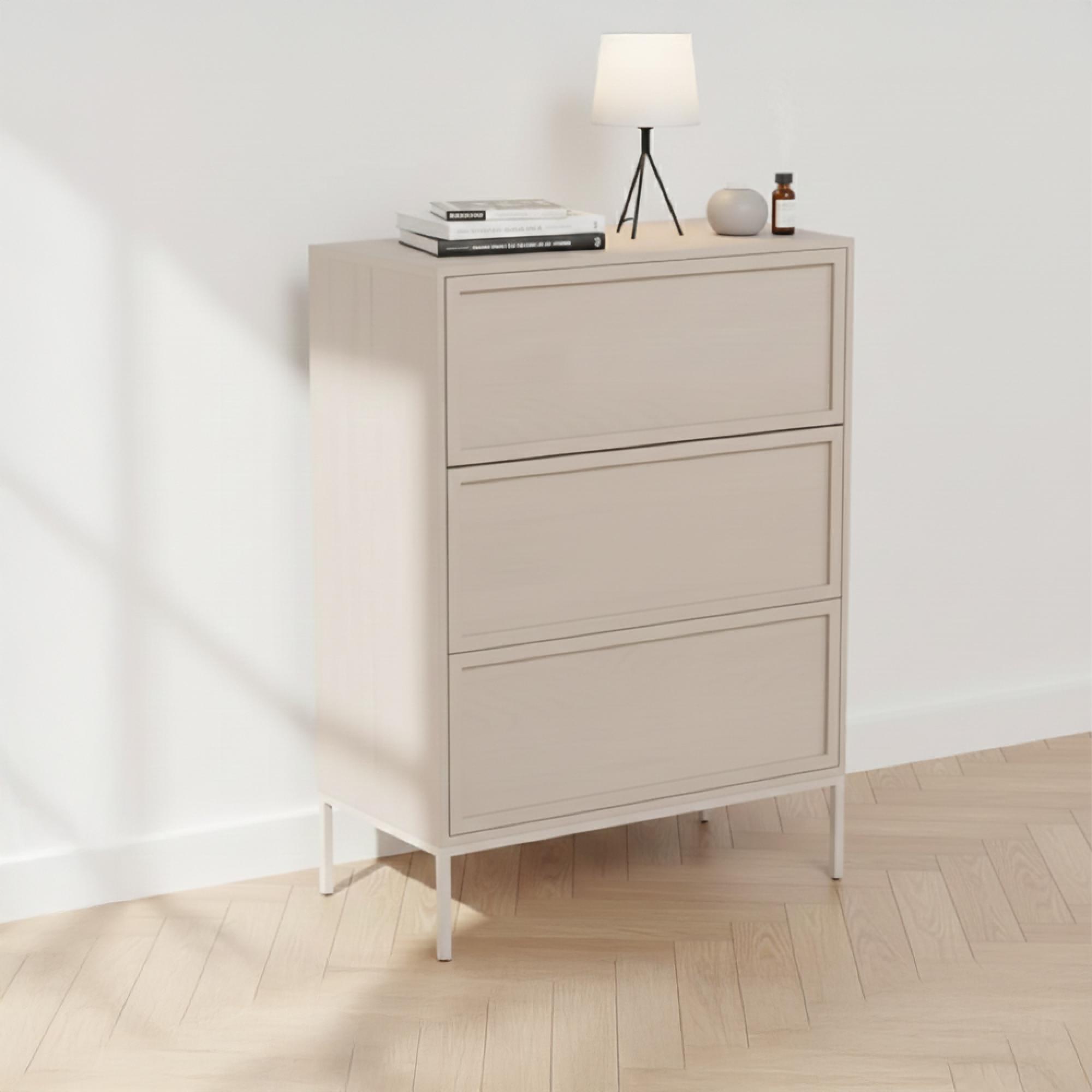
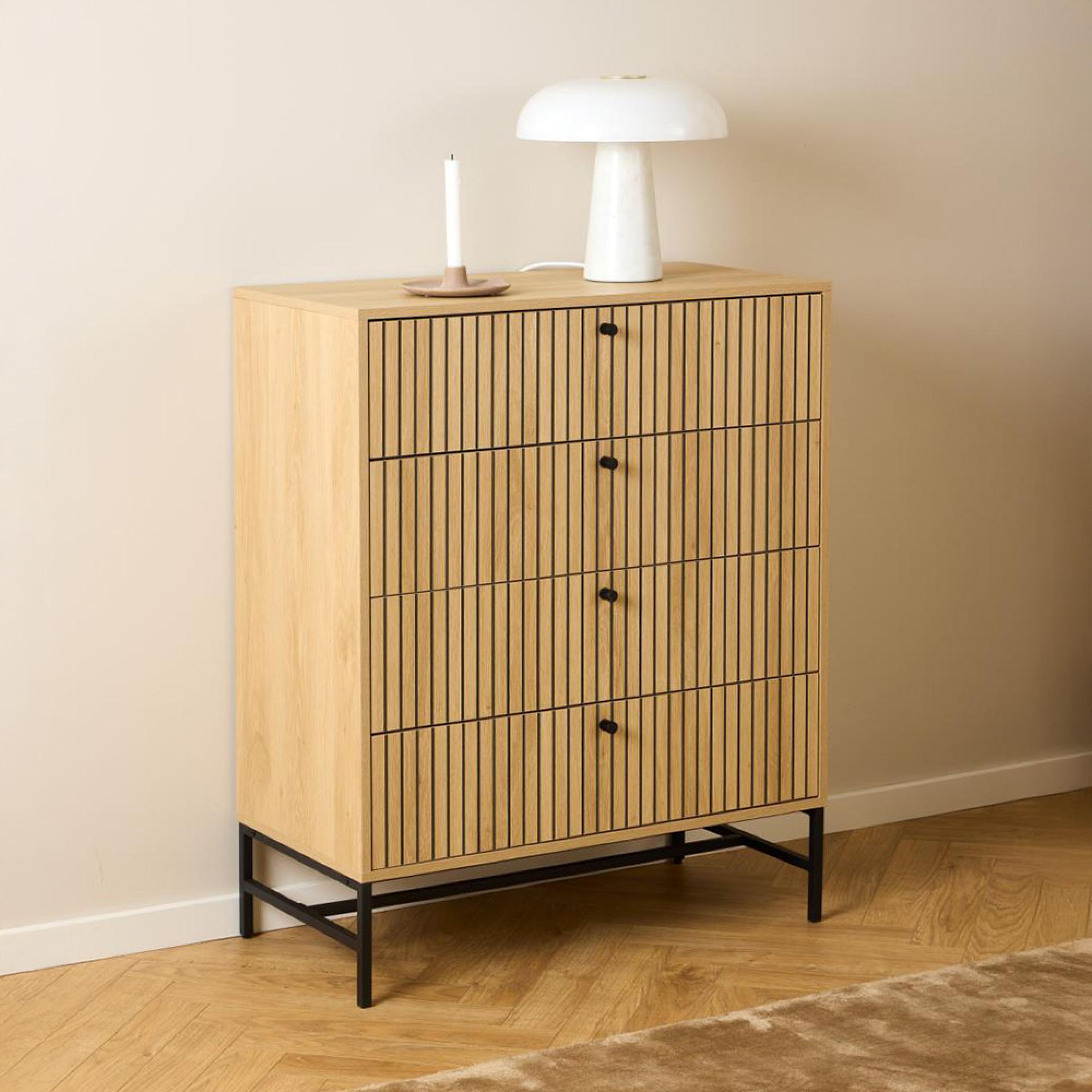
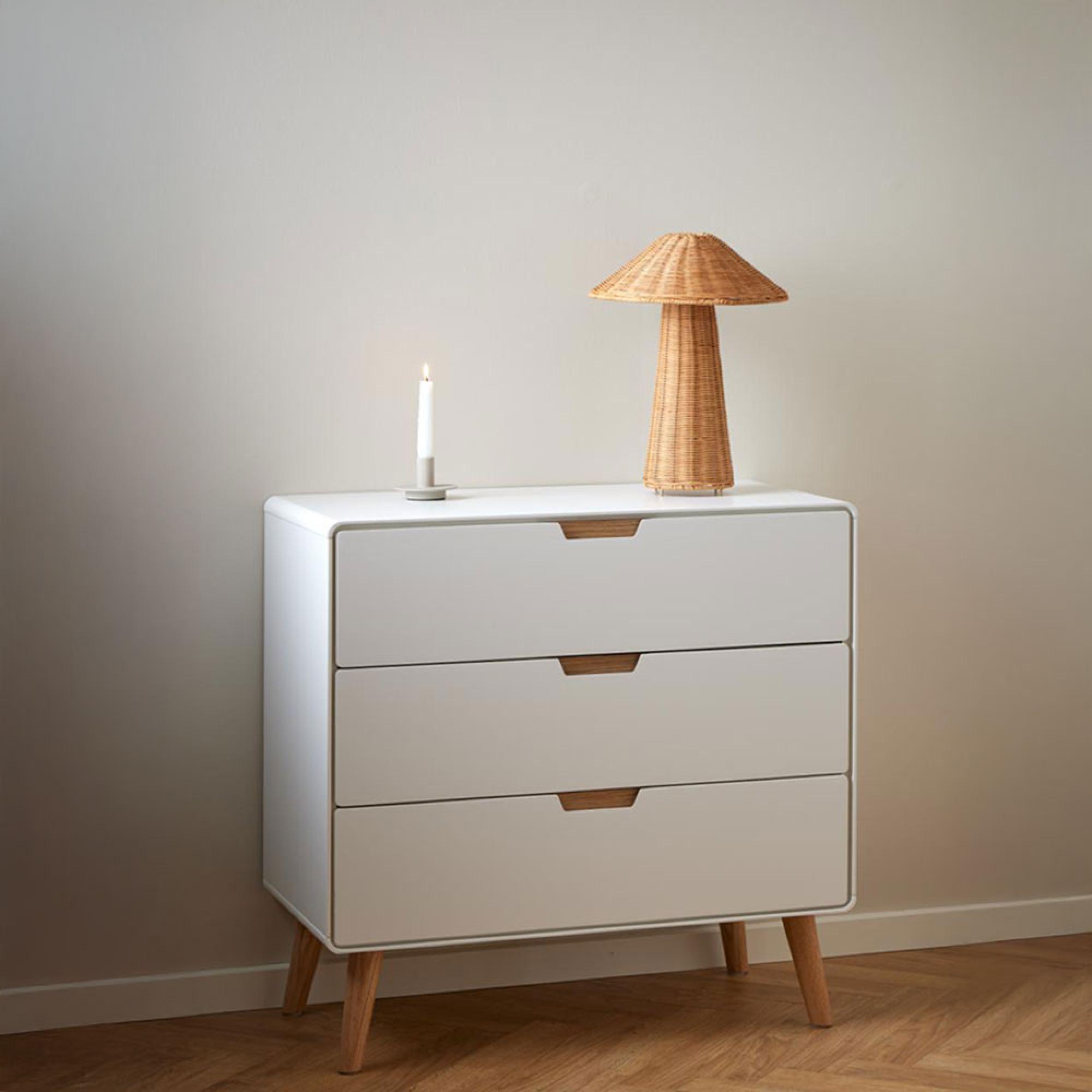
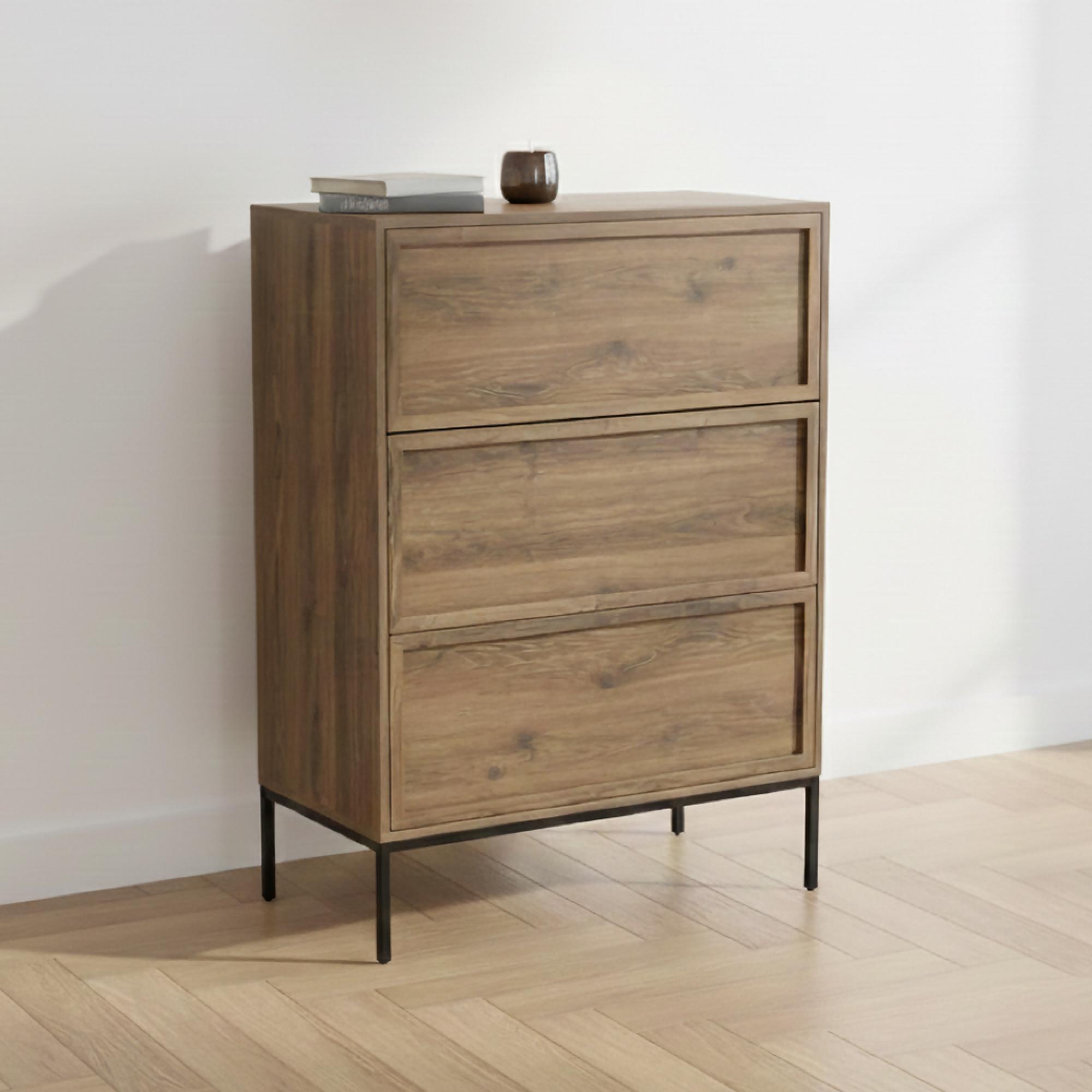
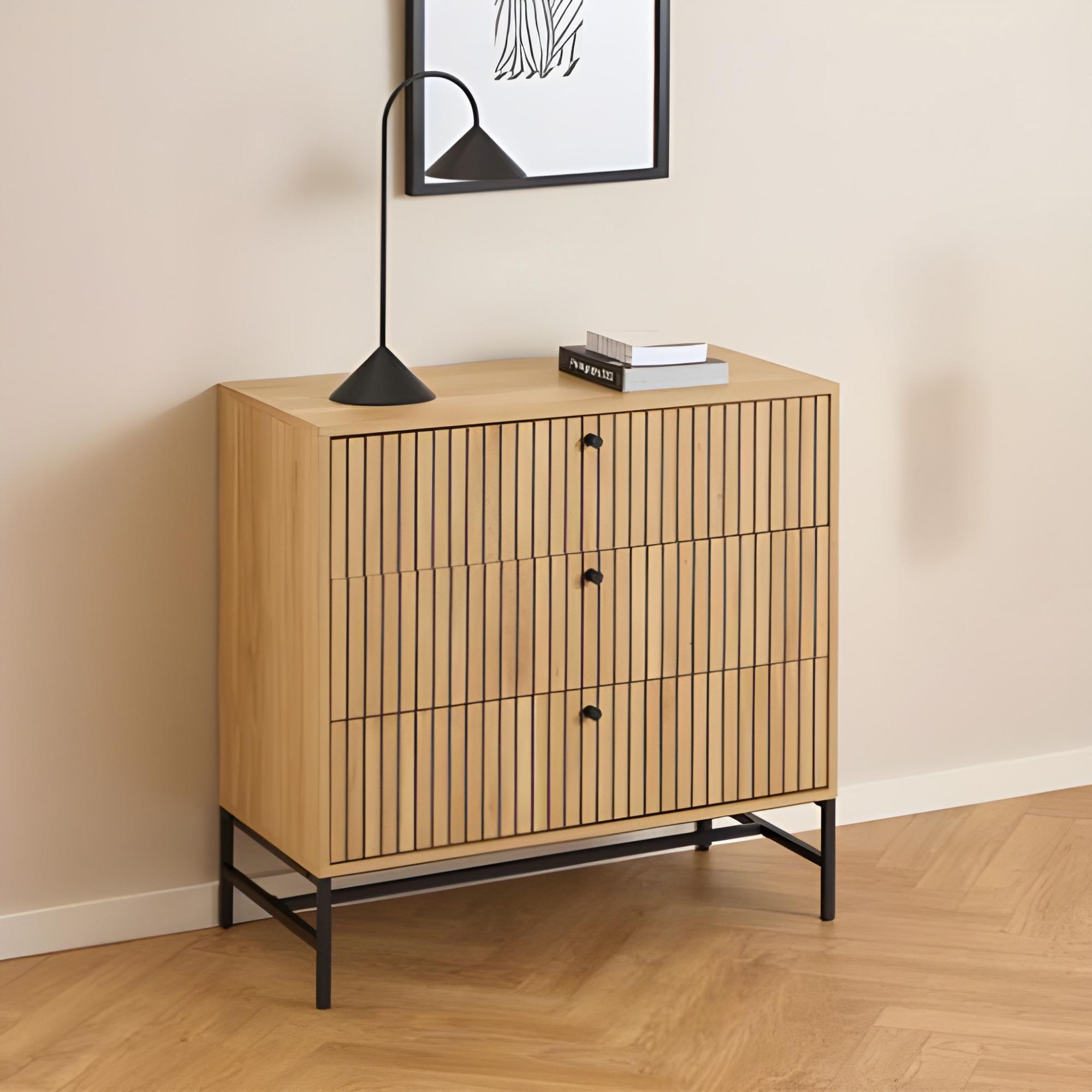
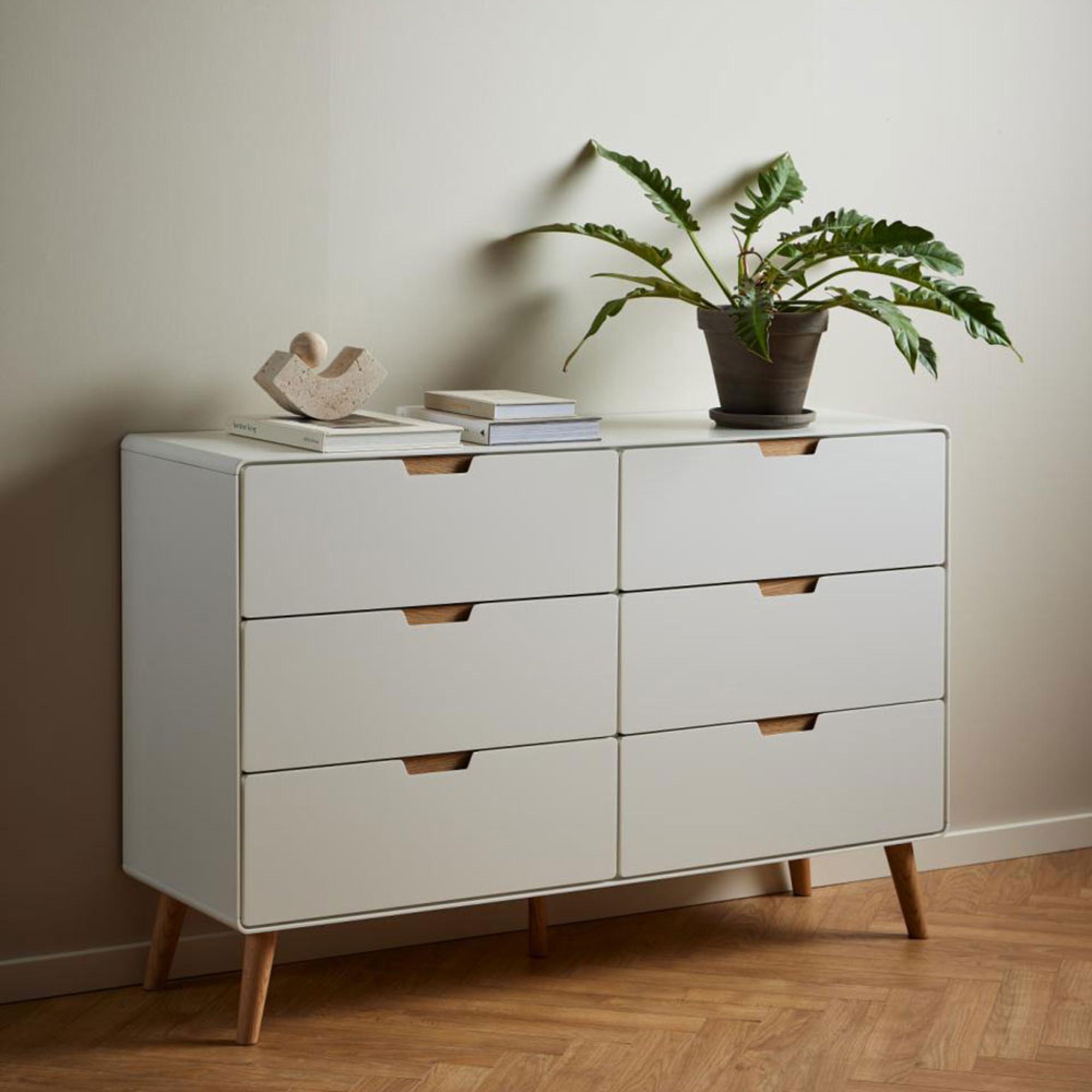
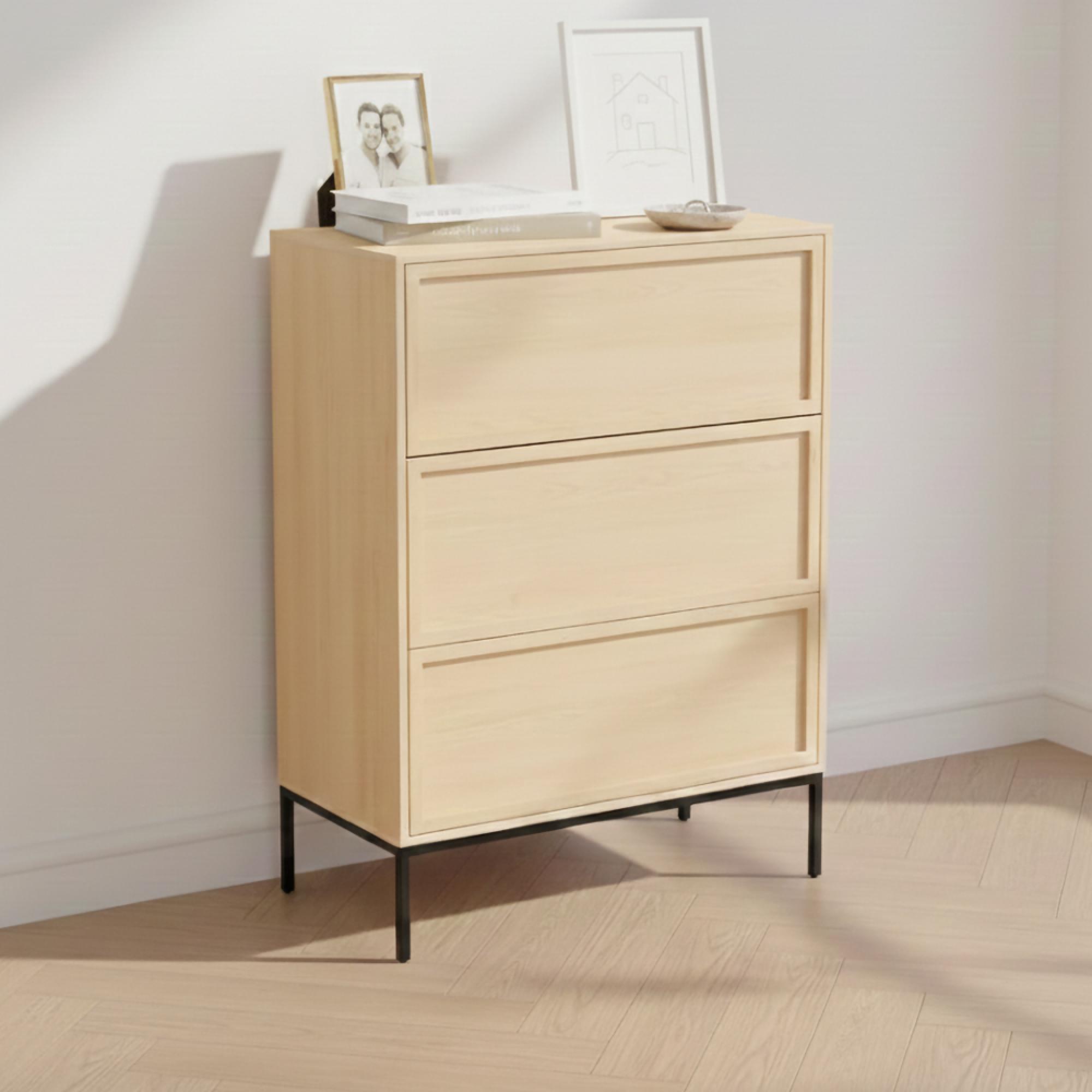
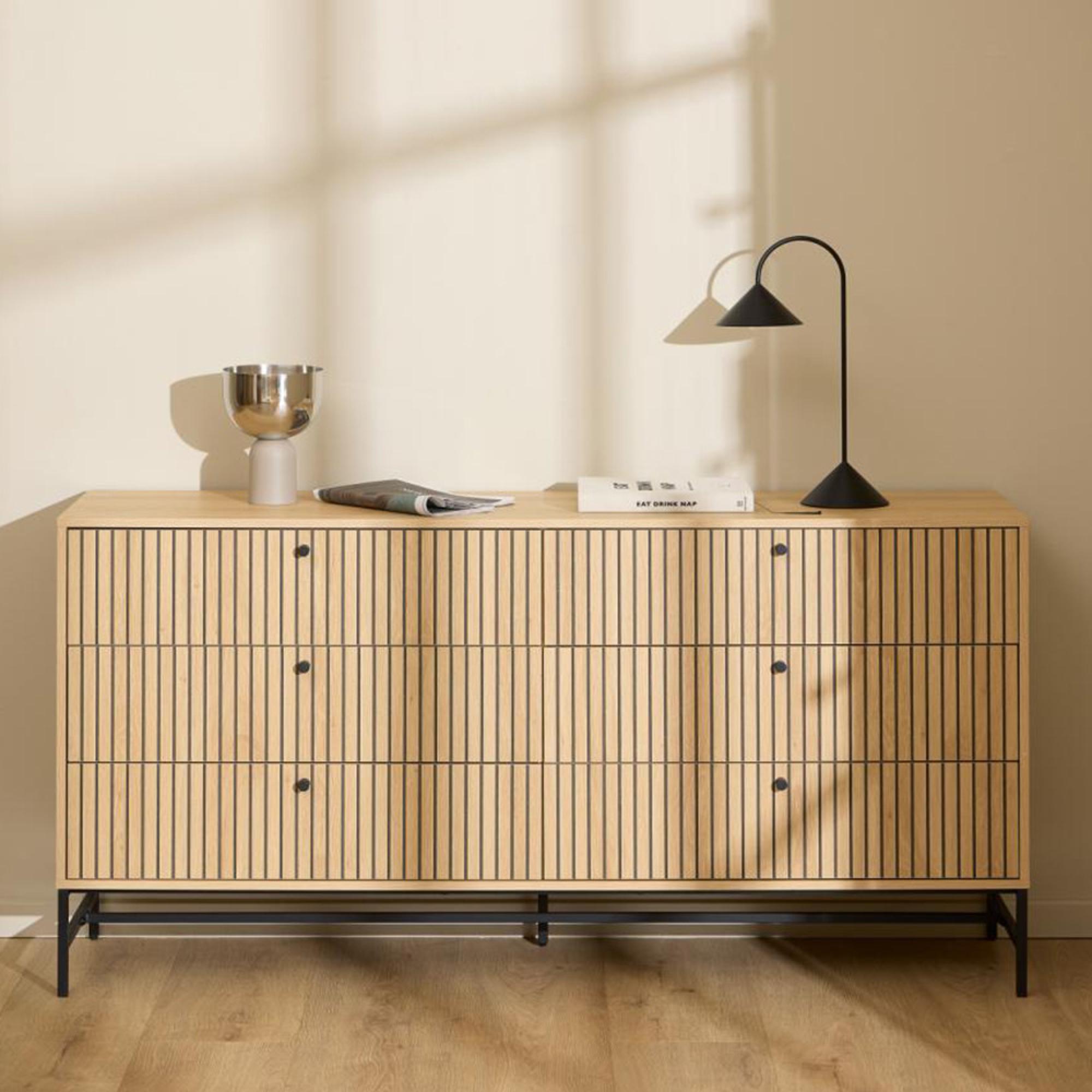
Organise folded clothes and essentials with a chest of drawers selected for your storage needs and available floor space. The range includes compact three-drawer units, tall chests, narrow chests, wide six and seven-drawer designs, and mixed layouts with smaller drawers for accessories. Choose from wood, painted, high-gloss, mirrored, glass, fluted and rattan finishes. Measure the unit’s width, depth and height, then allow enough room for every drawer to open fully without blocking a bed, door or walkway. Tall chests use vertical space efficiently, while wide chests provide a larger top surface and may suit longer walls. For hanging clothes, combine your choice with a wardrobe; smaller bedside cabinets can handle items needed close to the bed. Check internal drawer dimensions, permitted loads, assembly and care instructions before ordering. Secure the chest using the manufacturer’s supplied or recommended anti-tip fittings, use wall-appropriate fixings and keep heavier belongings in the lower drawers.
£403.19 £719.98
Free delivery*
£280.49 £329.99
Free delivery*
£305.99 £359.99
Free delivery*
£212.49 £249.99
Free delivery*
£203.99 £239.99
Free delivery*
£526.99 £619.99
Free delivery*
£186.99 £219.99
Free delivery*
£586.49 £689.99
Free delivery*
£261.79 £339.99
Free delivery*
£261.79 £339.99
Free delivery*
£261.79 £339.99
Free delivery*
£474.49 £649.99
Free delivery*
24 Products of 2153
Have a different question? Speak to an expert.
Browse useful categories chosen for this page.
Everything you need to choose with confidence.
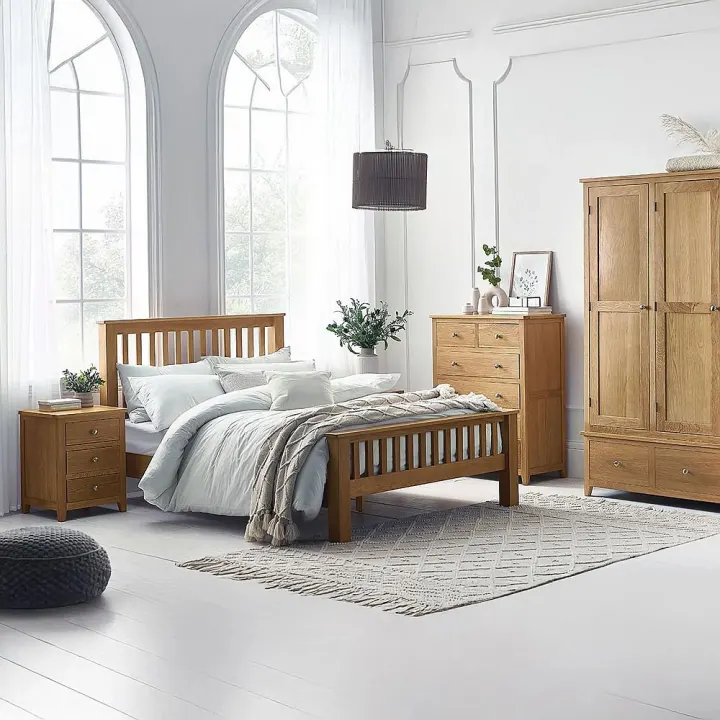
The biggest mistake in a small bedroom is choosing each item separately. A bed fits...
Read guide ›
The chest of drawers is basically a piece of furniture that is used for storing clothing or any...
Read guide ›A good Chest of Drawers helps you organise clothing without taking over the room. In this collection, you can compare compact narrow pieces, wider styles with broader top surfaces, taller options for vertical storage and dresser-style designs, making it easier to match the layout of your bedroom and the amount you need to store alongside other Bedroom Furniture.
Most shoppers start by thinking about floor space, then about how they want storage divided. This category includes everything from smaller units for tighter alcoves to wider formats that suit larger walls, so the best choice often comes down to how much folded storage you want in one place and whether you prefer a lower, broader silhouette or a taller profile.
Wide designs are common here and work well when you want a generous top surface for a lamp, mirror or everyday essentials. Narrow and tall options can make better use of awkward corners or smaller bedrooms because they store upward rather than outward. If you are furnishing a compact space, start with slimmer widths before moving up to broader pieces.
Three-, four-, five- and six-drawer layouts are the main options in this category, with four- and five-drawer designs especially common. Fewer, deeper sections can be useful for bulkier knitwear or bedding, while a greater number of drawers can make it easier to separate socks, nightwear, tops and accessories. If you already know your preferred layout, browse 4 Drawer Chest of Drawers or 5 Drawer Chest of Drawers.
Size matters because a chest needs to fit the room, leave comfortable walking space and still allow drawers to open properly. In this category, widths typically sit between 40cm and 120cm, with a median of 76.5cm, while heights are commonly around 73.5cm to 110cm and depths around 39cm to 48cm.
A unit around the middle of the size range can suit many bedrooms, but it is still worth measuring the full wall area rather than the gap alone. Remember to allow for skirting boards, nearby bedsides and enough room in front so drawers can pull out without blocking the main route through the room. If you need a neater fit for a smaller wall, the Chest of Drawers 40cm to 60cm Wide selection may help, while mid-size options are grouped under Chest of Drawers 80cm to 100cm Wide.
Most designs are not especially deep, which is useful in bedrooms where circulation space matters. Typical depths of 39cm to 48cm are practical for folded clothing without pushing too far into the room, and shoppers looking for a balanced footprint can explore Chest of Drawers 30cm to 50cm Deep. It is also sensible to measure doorways, stairs and tighter turns before ordering, especially if you are choosing a larger or ready-built piece.
Materials in this collection are led by MDF and particle wood, with some oak, solid oak, mango wood, engineered wood and laminated board options as well. In practical terms, painted, matt, gloss, lacquered and natural-style finishes each create a different look, so your choice is often as much about maintenance and appearance as it is about matching the rest of the bedroom.
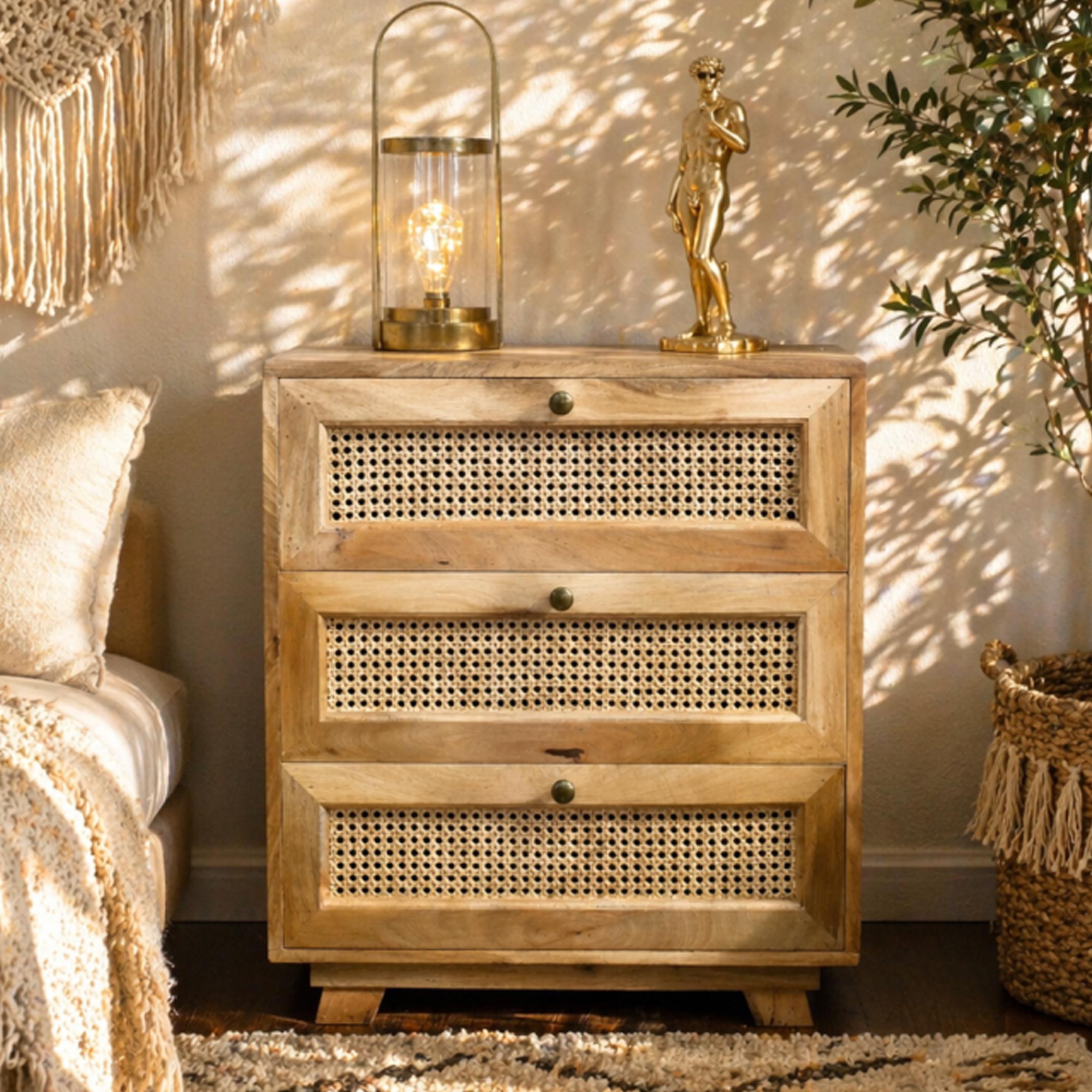
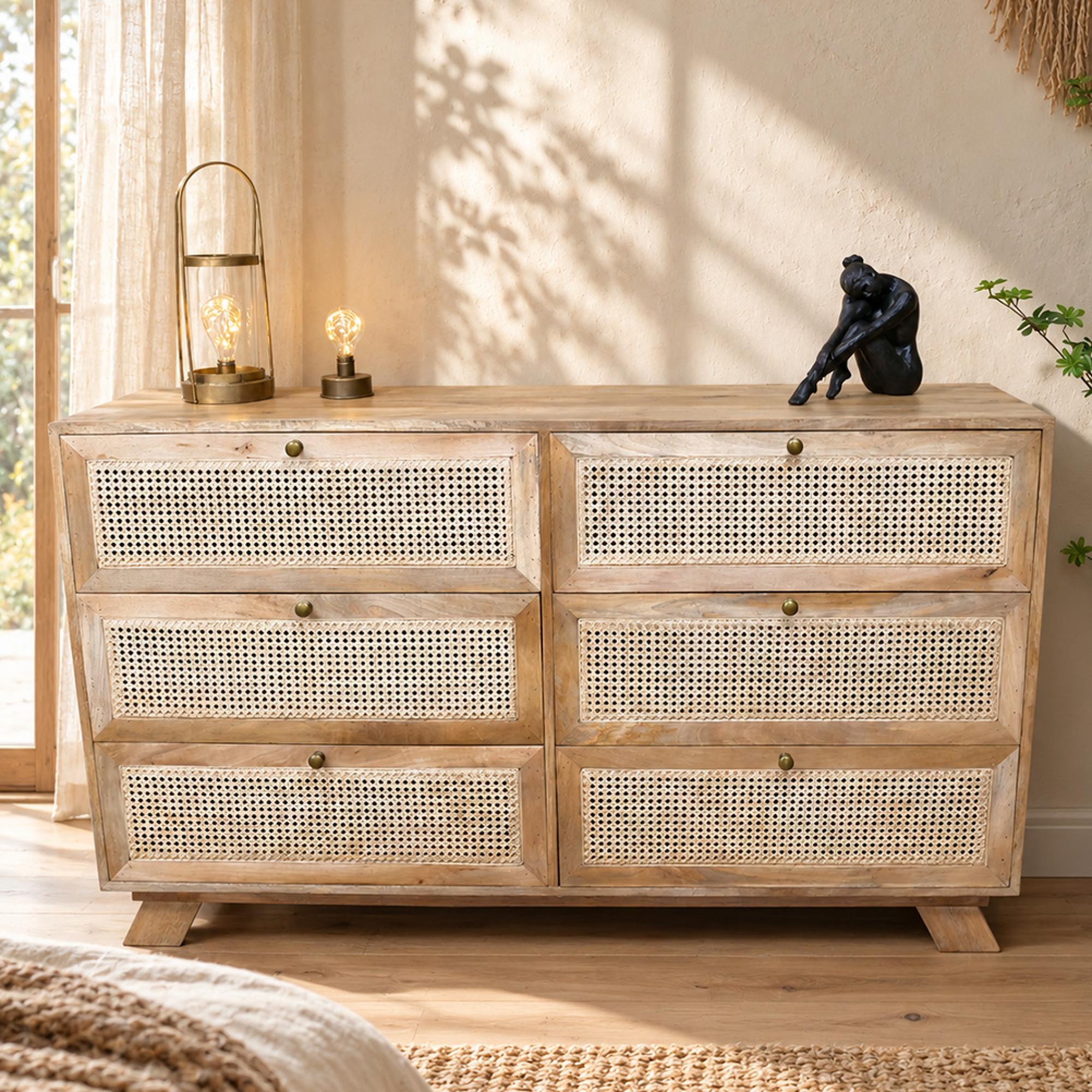
Gloss and white finishes can brighten a cleaner, more contemporary scheme, while graphite, black and grey tones create a stronger modern look. Oak and natural finishes bring more warmth, and details such as rattan or mirrored fronts can shift the feel further towards boho, decorative or light-reflecting styles. Most ranges sit in modern and contemporary design, but there are also Scandinavian, traditional, farmhouse and rustic influences. If you are shopping for cleaner lines, take a look at Modern Chest Drawers.
For everyday care, a soft cloth and prompt attention to spills are sensible for wood-based furniture and finished surfaces. It is also worth thinking about what will sit on top: a lower, wider Chest of Drawers can double as a display surface, while taller designs keep the footprint smaller.
CFS offers free UK standard delivery on this category. Many items are supplied assembled, while others are flat packed or part assembled, so it is worth checking the individual product page if you have limited access, prefer less home assembly or need to confirm whether optional assembly is available for that item. If you want pieces that arrive ready built, see Ready Assembled Chest of Drawers.
Finance options and a 50% deposit option are also available, subject to the terms and eligibility shown by CFS. As delivery details, assembly availability and finance can vary by product, the most accurate place to confirm them is on the product page and at checkout.
Price Promise
Before you order, let us know if you have found the same furniture at a lower price from another UK retailer. Send us the product link and our team will check the offer to see whether we can give you a better price.
A family-run furniture retailer with a team you can speak to before you buy.
Visit our 30,000 sq ft Leicester showroom to explore the furniture currently on display.
Call 0116 296 3800 if you need help checking a product or submitting a price request.
The competitor offer must be for the same brand and model, with matching dimensions, colour, material, finish, specifications and included options or parts.
Products that look similar can have different materials, construction, features or included options. Send the exact competitor listing so our team can make a fair like-for-like comparison.
Please contact us before placing your order and send the information below.
Include the product name, product code or the CFS product-page link.
Include the direct competitor product link and the price including delivery.
Tell us the delivery service and stated lead time. If the price was given by email or phone, send a written quotation showing the product and offer.
Our review includes VAT, delivery charges and the service being supplied. A doorstep-delivery price is not directly comparable with an offer that includes room-of-choice delivery, assembly or another enhanced service.
Important: Please give us the complete competitor price and delivery details—not only the headline product price.
A request does not guarantee approval. Please wait for our response before placing your order. CFS may decline a request where the offers are not genuinely comparable or where matching the price would result in a loss.
Yes. The brand, model, size, colour, material, finish, specifications and included options must match.
Yes. We compare the total delivered price, including VAT and applicable delivery charges, as well as the service provided.
Yes. Send a current written quotation that clearly shows the product and all offer details.
Yes. Send your request and wait for the outcome before placing the order.
No. Every request is subject to verification, genuine like-for-like comparison and approval by CFS.
Found a lower price? Send the details before you order. You can use our enquiry form, email, phone, live chat or WhatsApp.