Free Delivery All Over UK*
close
Top products
SHOW ALL PRODUCTS

Dining Tables

Found 937 Items

The right Dining Table can be a statement piece for the dining room in addition to being a functional part of the interior. Shop from a wide collection of dinner tables that can become the central attraction of a get-together and become a place where you create lasting memories. Whether made of metal, glass, or wood, these tables accentuate the beauty of your dining area and inspire special events with family and friends by contrasting them with colourful chairs or accent decorations. At Choice Furniture Superstore, you can create your perfect dining area by combining style and quality.

Read more X Close

Price

Features

Shape

Seat

Material

Finish

Colour

  • Beige
  • Black
  • Blue
  • Brown
  • Cream
  • Grey
  • White

39 Products of 937

Load More..
Dining Tables

Key Features of a Dining Table

Size and Shape:

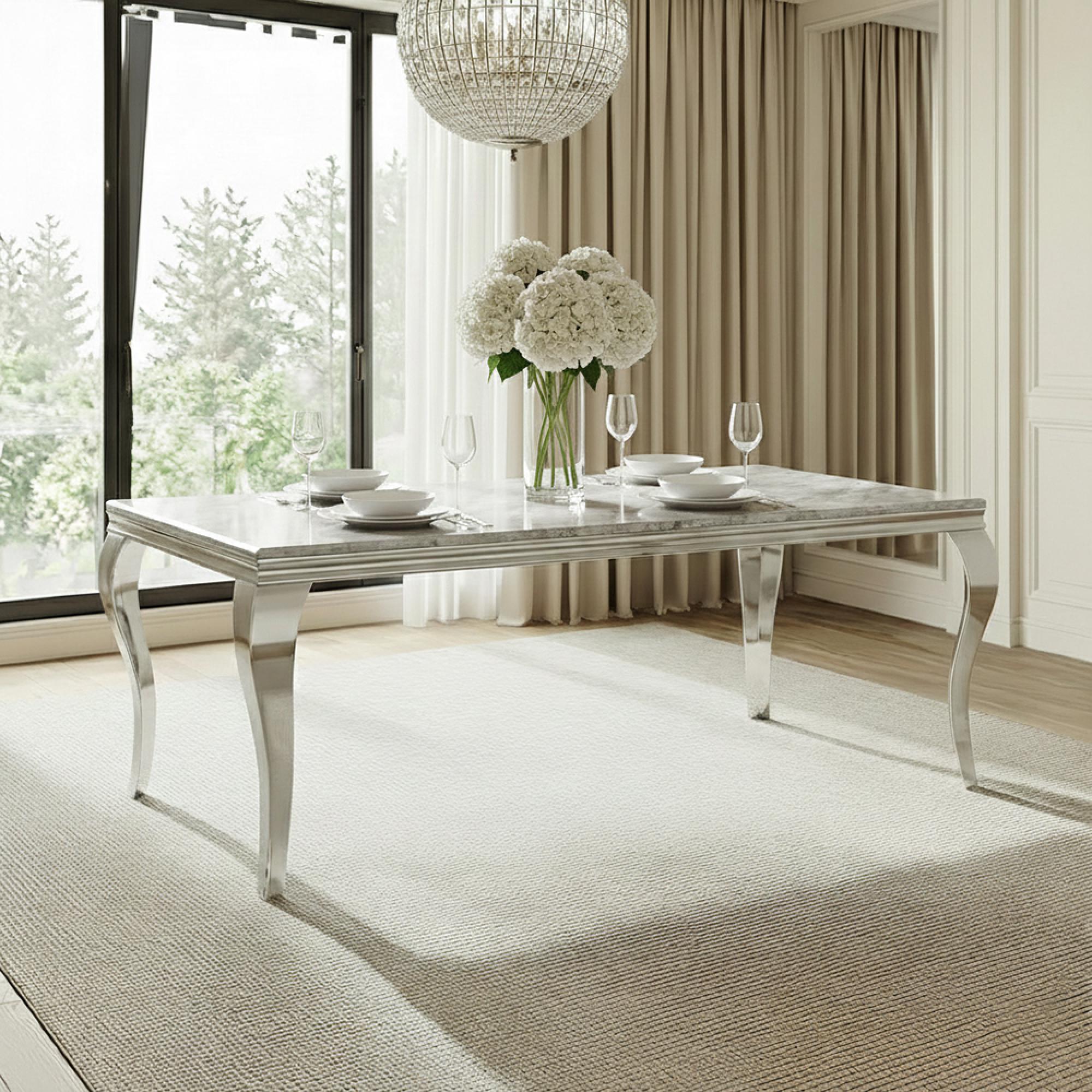
  • Rectangular Tables: These are perfect for more significant meetings and fit in larger environments. They often provide additional surface area for presenting food.
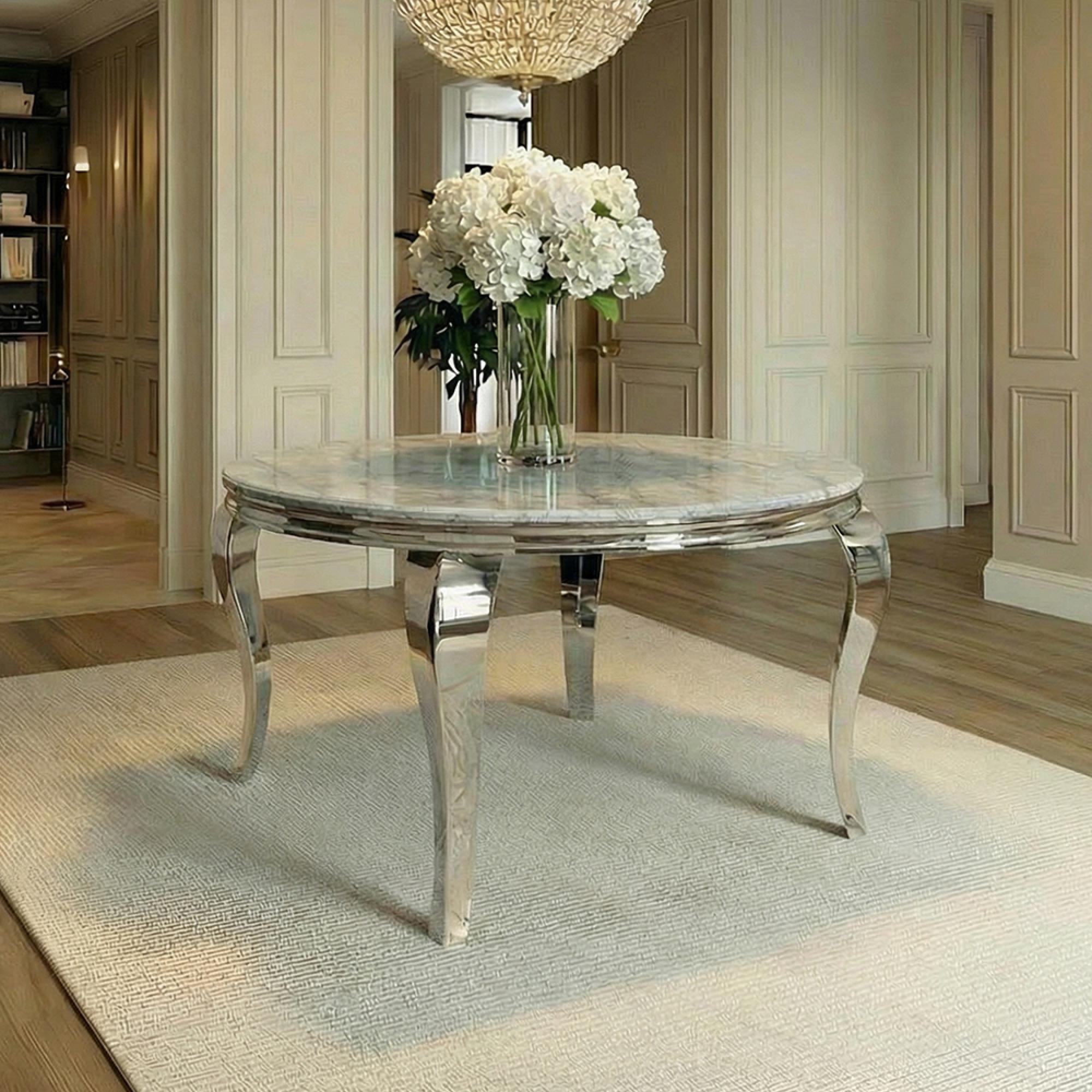
  • Round Tables: Since everyone is at an equal distance, foster communication. It is ideal for informal meals or smaller areas.
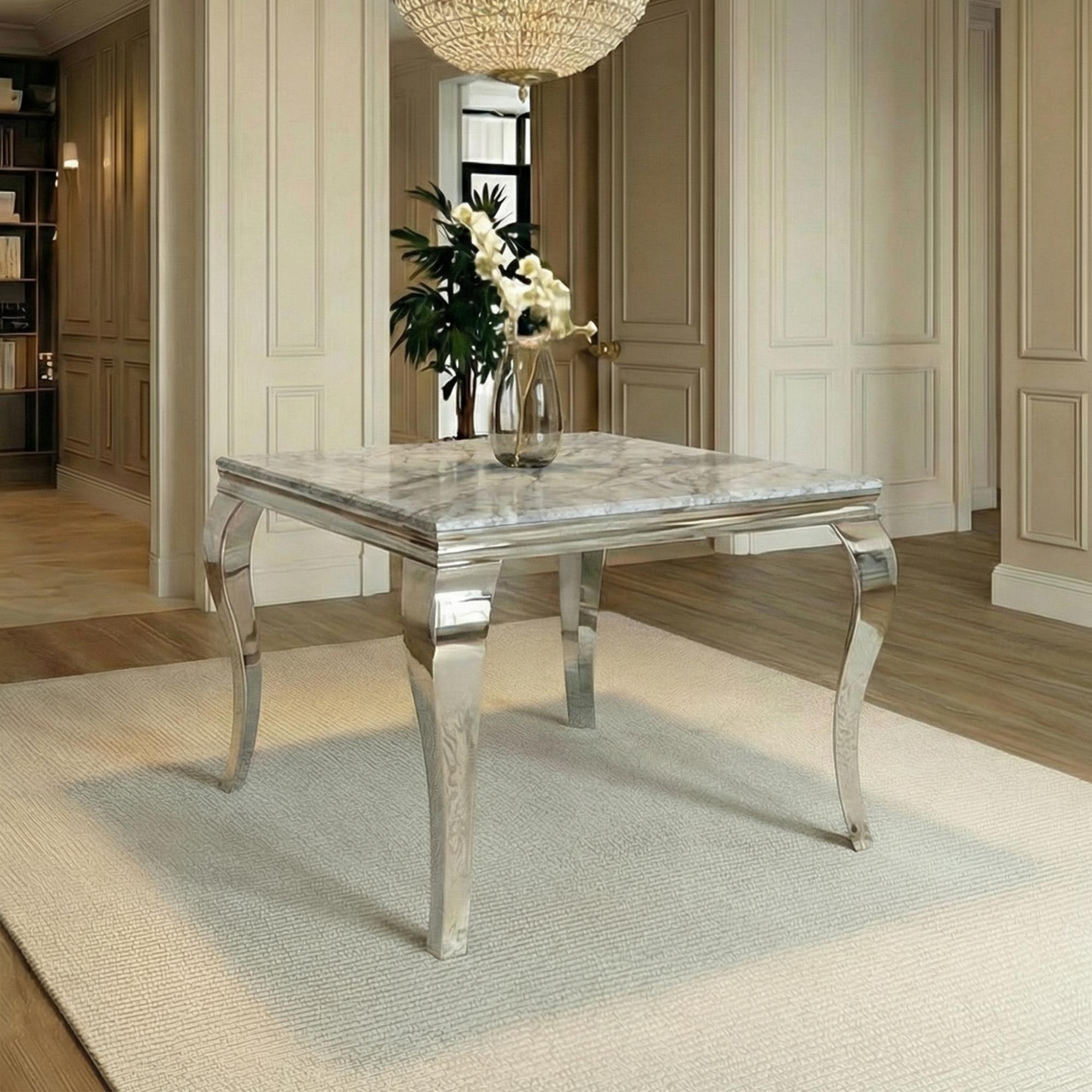
  • Square Tables: Smaller groups find square tables a good fit. When not in use, they can be quickly tucked into corners.
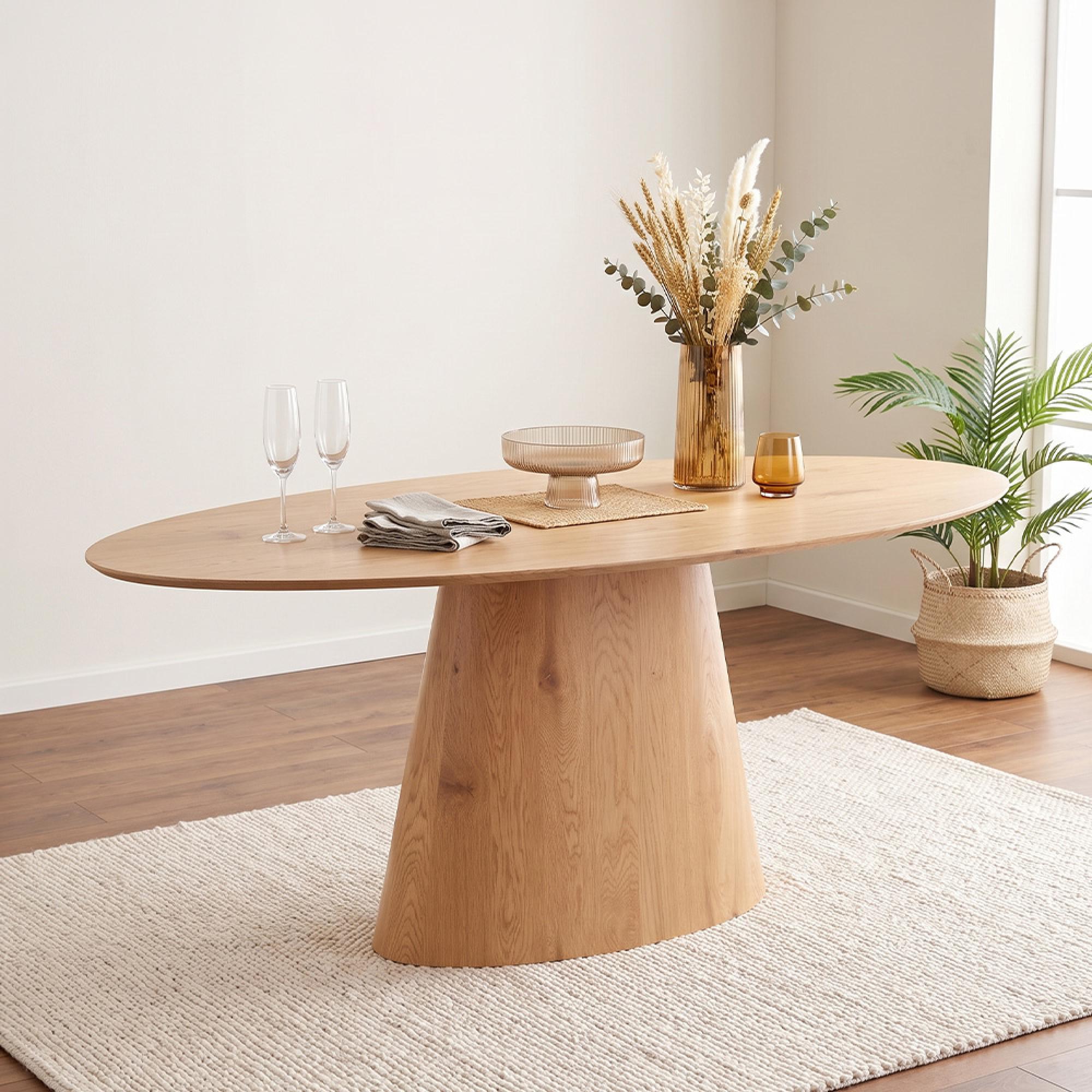
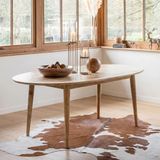
  • Oval Tables: These tables combine the soft aesthetics of a circular table with ample seating of a rectangular table.

Material:

  • Wood often gives a classic look and warmth. Different kinds of wood—oak, walnut, and cherry—often have distinct colours and texture patterns.
  • Metal: Due to its durability and clean finish, metal frequently appears in industrial or simple designs. It also has a modern appeal.
  • Glass gives small rooms an illusion of size. Nevertheless, it needs to be washed more regularly to stay flawless.
  • Composite: Often less expensive and able to resemble wood or other materials, composite is a suitable option for purchasers on a tighter budget.

Finish

  • Distressed: Perfect for casual settings, it adds a rustic appeal and hides marks well.
  • High Gloss: Gives a modern appearance and may brighten and open a room.
  • Matte gives a more subdued, elegant look but could reveal stains more readily.

Height:

  • Standard Height (28-30 inches): Compatible with most dining chairs.
  • Counter Height (34-36 inches): This height is excellent for casual dining experiences and is often paired with taller stools.
  • Bar Height (40-42 inches): Adds a trendy touch, usually suitable for social settings.

Style:

  • Modern: Simple lines and smooth surfaces define minimalist designs.
  • Traditional: Ornate features and dark woods—often with complex carvings—rule.
  • Rustic: Made from recycled wood, these tables exude a warm, homey feel.

Leg Designs:

  • Tapered Legs: Offer a modern style and use tapered legs to give an illusion of more room.
  • Pedestal Legs: More stability without legs at the corners lets one arrange seating more easily.
  • Trestle Base: Great for oversized tables needing more support, Trestle Base is classic and robust.

Functionality:

  • Storage Options: Some tables have shelves or drawers for simple access to table linens or utensils.
  • Multi-Use Tables: Originally intended for dining, multi-use tables can also serve as worktops or craft desks.
Dining Tables

Comfort:

  • Table-to-Chair Height: Leave roughly 10 to 12 inches (ca. 30 cm) between the seat and the table surface to allow for acceptable legroom.
  • Edge Design: Rounded edges help to improve comfort and offer children's safety.

Durability:

  • Finish Type: For family homes, some finishes resist staining or scratching, offering a sensible alternative.
  • Material Choice: Better than flimsy options are thicker, solid wood or premium metals, which will last.
  • These little elements make a dining area vibrant and accommodate design and practicality.

Which Size is Best for a Dining Table?

When it comes to selecting a dining table, size is key. Here's a breakdown to help you decide what works best for your space:

Small Dining Tables

  • Size: Typically ranges from 75 to 90 cm in width and 120 to 150 cm in length.
  • Seating: Ideally accommodates 2 to 4 people. It is an excellent choice for smaller dining areas or as a cosy breakfast nook.

Medium Dining Tables

  • Size: Usually measures between 90 and 120 cm in width and 150 and 180 cm in length.
  • Seating: Comfortably seats 4 to 6 people. This arrangement is ideal for hosting family dinners or entertaining friends without occupying too much space.

Large Dining Tables

  • Size: Generally, these are around 120 cm or wider with lengths of 180 cm or more.
  • Seating: Can fit 6 to 10 people. This seating arrangement is perfect for larger gatherings or family celebrations when you want to spread out.

Which Shape is Best for a Dining Table?

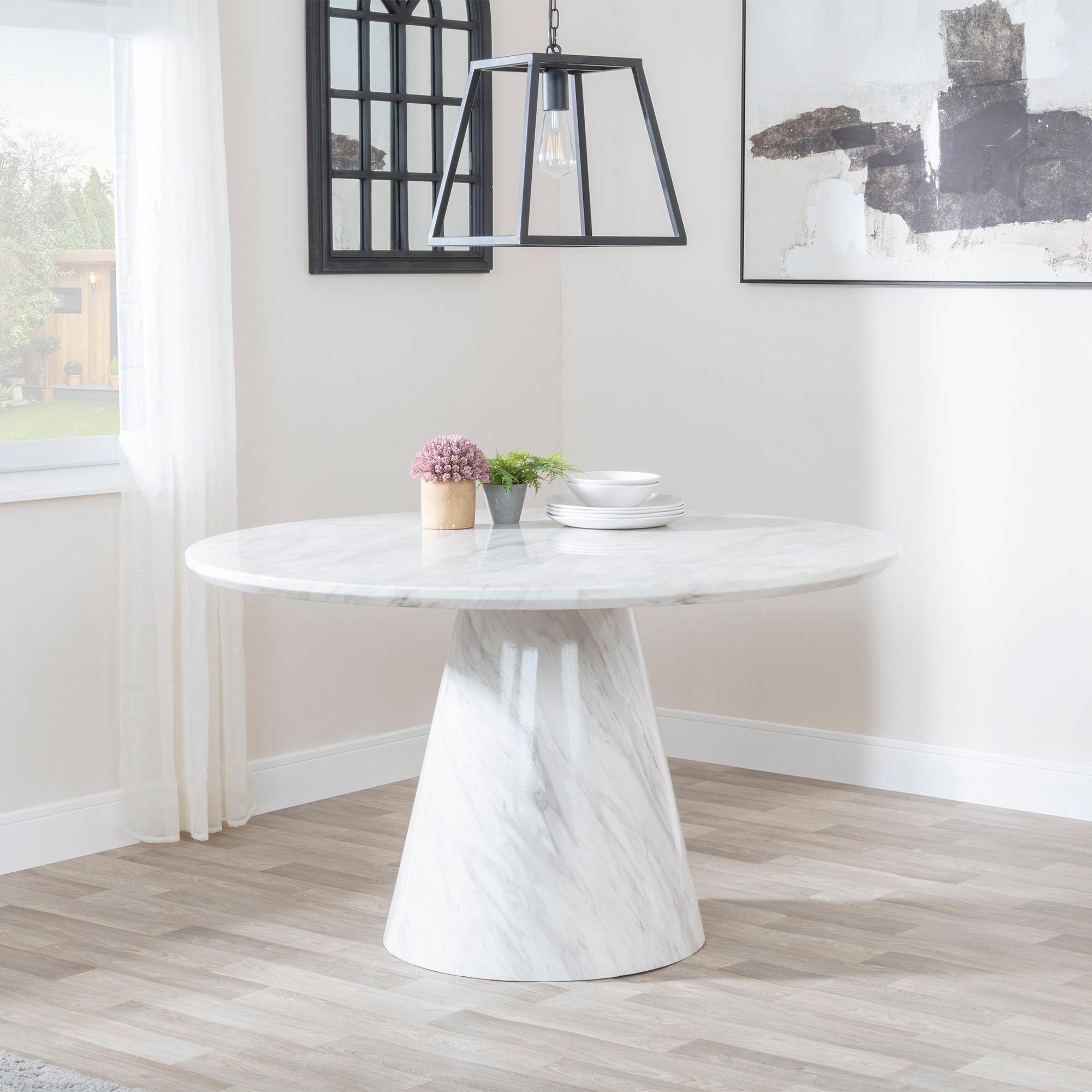
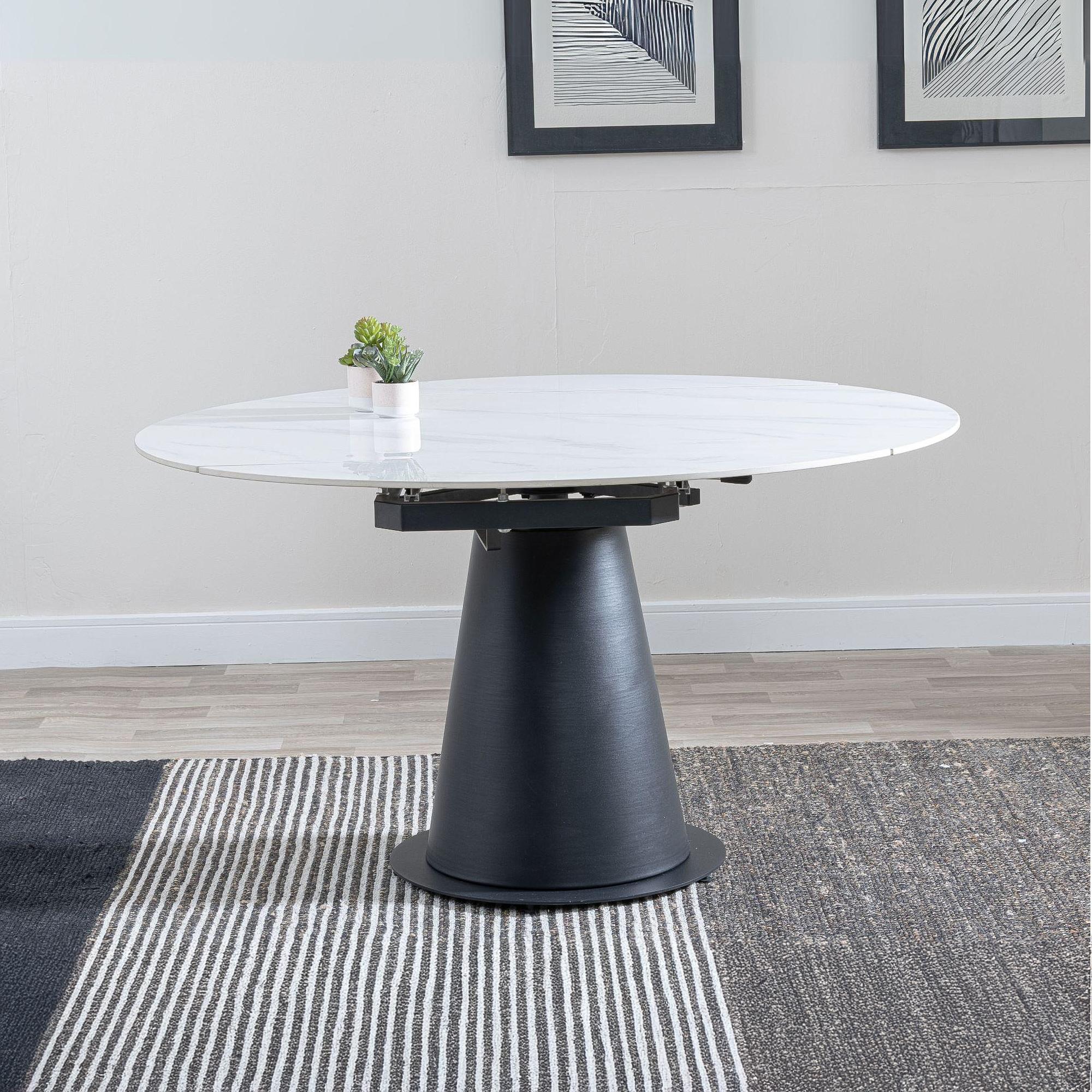
Round Dining Table

Pros:

  • This table is ideal for smaller spaces, allowing for easy movement around it.
  • A Round dining table promotes conversation since everyone is equidistant. The soft edges are also safer for children.

Cons:

  • Limited seating for larger gatherings unless expanded.
  • The surface area may be less for serving multiple dishes.
Dining Tables

Square Dining Table

Pros:

  • Ideal for smaller groups. A Square dining table seats around 2-4 people.
  • It offers a symmetrical look that can fit into various decor styles.
  • It can double as a workspace when not used for dining.

Cons:

  • Not ideal for larger families or groups, as they can feel cramped.
  • It can be challenging to find seating that fits comfortably when expanded.

Rectangular Dining Table

Pros:

  • Rectangular dining table is ideal for larger gatherings; can seat more people with more surface area.
  • It easily fits into narrow spaces and is versatile for different room layouts.
  • Many styles are available, from traditional to modern designs.

Cons:

  • It can create a “long table” syndrome where diners at each end feel distant.
  • It may require careful placement of chairs to avoid overcrowding.

Oval Dining Table

Pros:

  • This table combines the benefits of rectangular and round tables. An oval dining table offers a softer look while maximising seating.
  • More effortless flow around the table due to the lack of sharp corners.

Cons:

  • Finding specific chairs that fit the curve of the table may be tricky.
  • It can fit more people than a round table but is less formal than a rectangular table.

Ultimately, the best shape depends on your space, style, and the guests you typically host. If you entertain often, a rectangular or oval table might be the best choice. A round or square table could be perfect for smaller gatherings or more intimate meals. Consider what suits your lifestyle and aesthetic preferences when making the best choice.

Dining Tables

Different Materials in Dining Tables

Oak Dining Table

Pros:

  • It is robust, long, and scratch-resistant.
  • Its lovely grain allows for several finishing options.

Cons:

  • Might be heavy and needs constant care to remain looking new.

Walnut Dining Table

Pros:

  • One of the pros is its rich, dark hue and beautiful grain patterns.
  • It ages brilliantly and is robust, it develops a patina over time.

Cons:

  • Usually more costly and may be vulnerable to moisture.

Pine Dining Table

Pros:

  • Warm, rustic appeal; reasonably priced and low weight. Paint or stain it to match your décor effortlessly.

Cons:

  • Shows signs of wear over time and as it is a softer wood and more prone to scratching.

Mango Wood Dining Table

Pros:

  • The pros are that it is sustainable, environmentally beneficial, and aesthetically pleasing. 
  • It's sturdy and will add an elegant touch to your dining room.

Cons:

  • To prevent spills, an appropriate method of sealing may be required.

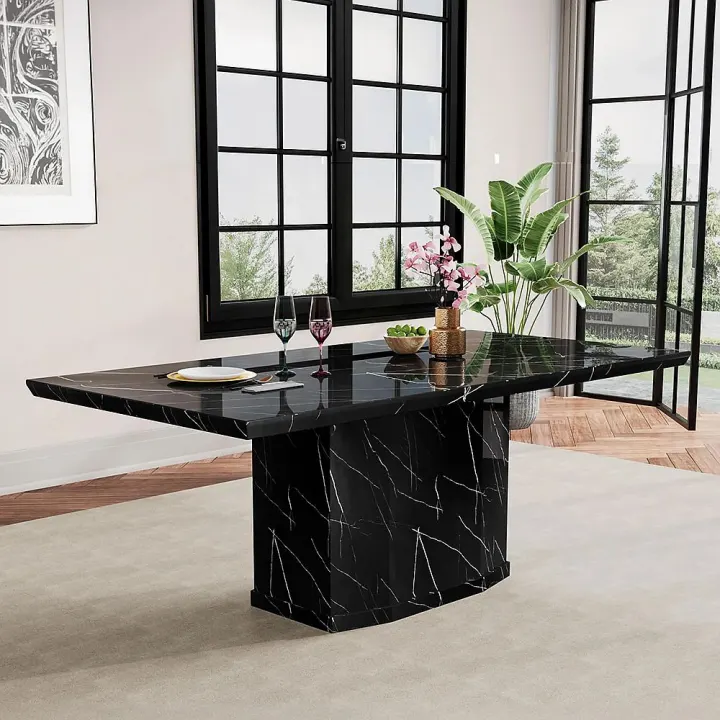
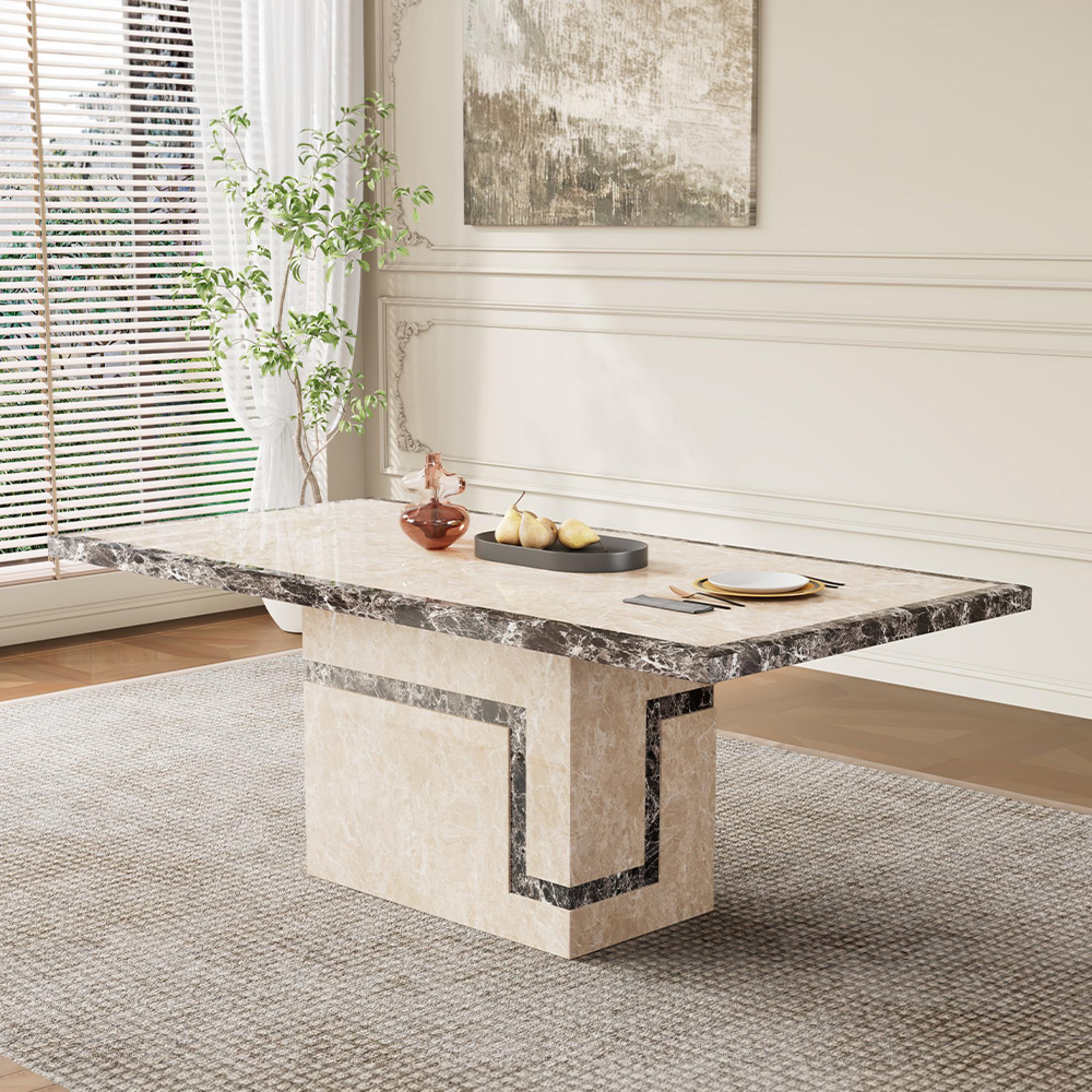
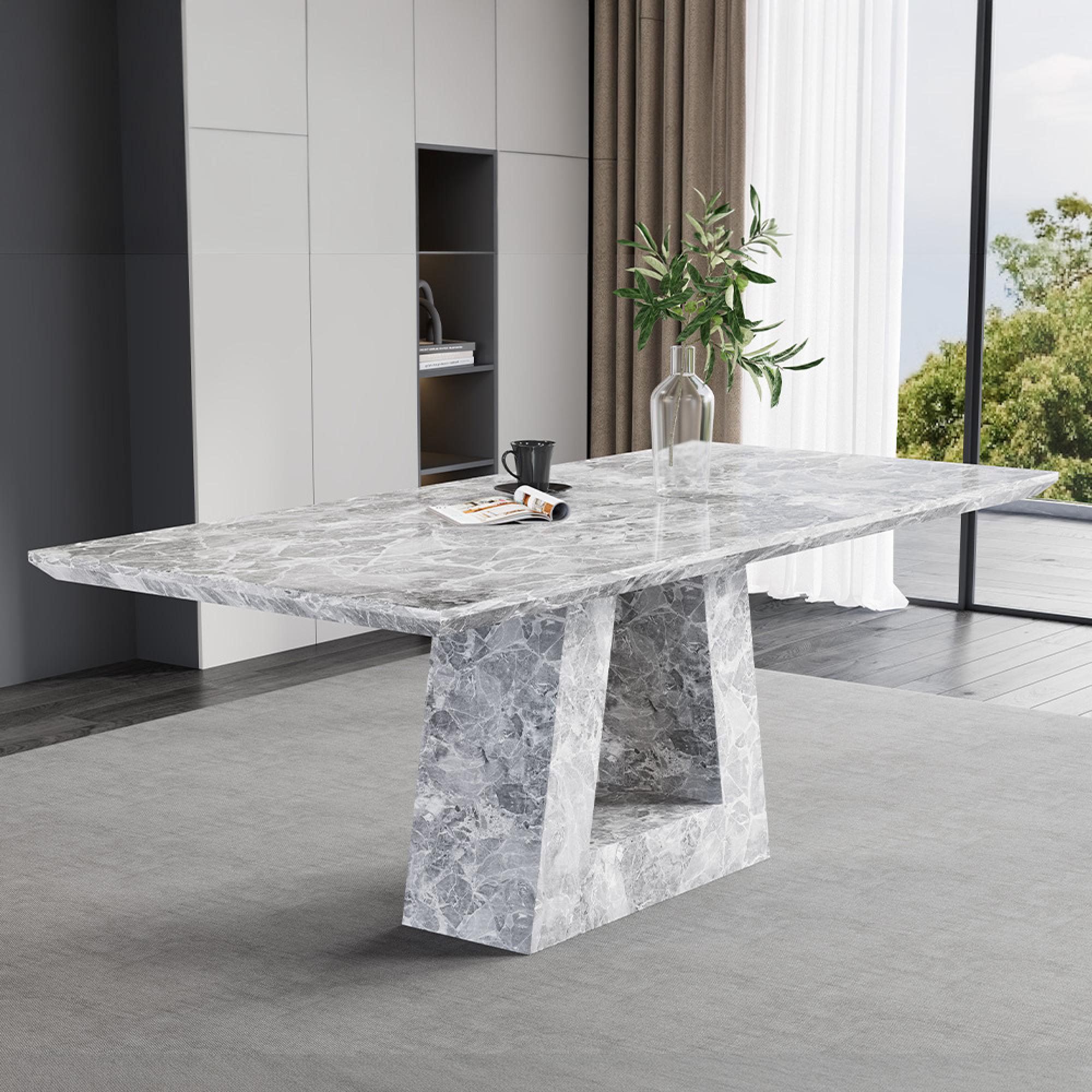
Marble Dining Table

Pros:

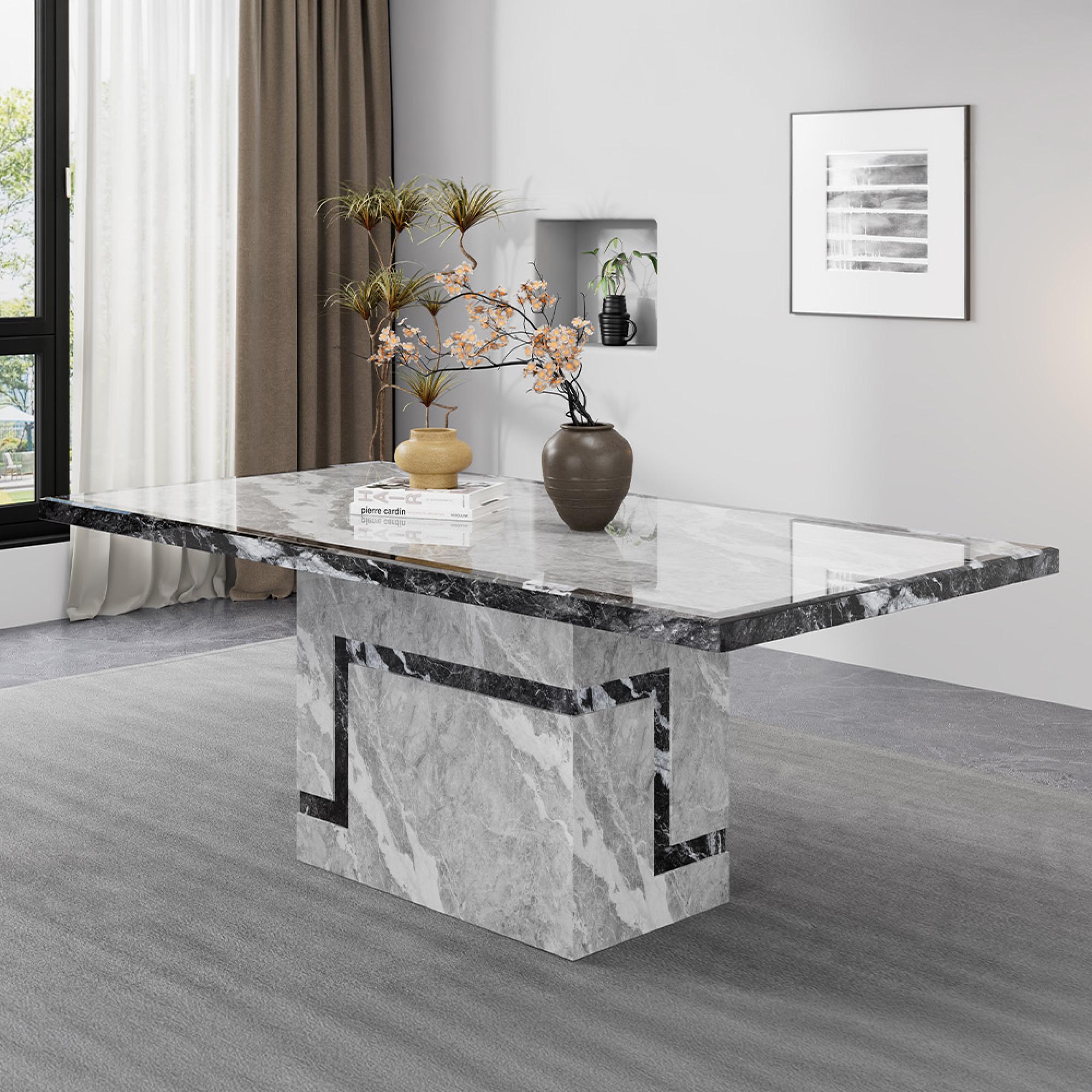
  • One advantage of marble tables is their natural veining, which distinguishes them from others.
  • The luxurious material is also easy to clean and maintain.

Cons:

  • Might be hefty and require sealing to prevent discolouration. They can also get damaged due to heated objects and scratching.
Dining Tables

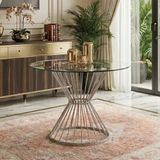
Glass Dining Table

Pros:

  • One advantage of a glass dining table is the created perceived space, making rooms seem more open.
  • It is also simple to clean and a contemporary option that complements several designs.

Cons:

  • It may need more care and is prone to fingerprints and smudges.
  • Safety issues also exist, and it may not be best for homes with small children.

Ceramic Dining Table

Pros:

  • Ceramic dining tables usually have lovely designs and are durable and scratch-resistant.
  • Generally, they are simple to maintain, and they can tolerate heat.

Cons:

  • It might chip if not handled carefully; it can be heavy to carry.

Your style, lifestyle, and maintenance tastes will all help determine the appropriate material for your dining table. Marble and glass add a touch of sophistication, while wooden tables bring warmth and custom. Ceramic is robust and sensible for daily use.

Different Types of Dining Table

Drop-Leaf Dining tables

  • Description: Hinged leaves on either side that can be raised or lowered as necessary.
  • Pros: It is perfect for tiny areas and easily changeable size based on visitor count. It is ideal for daily usage and entertaining and can offer more surface area.
  • Cons: When the leaves are expanded, they may appear less formal and lack stability.

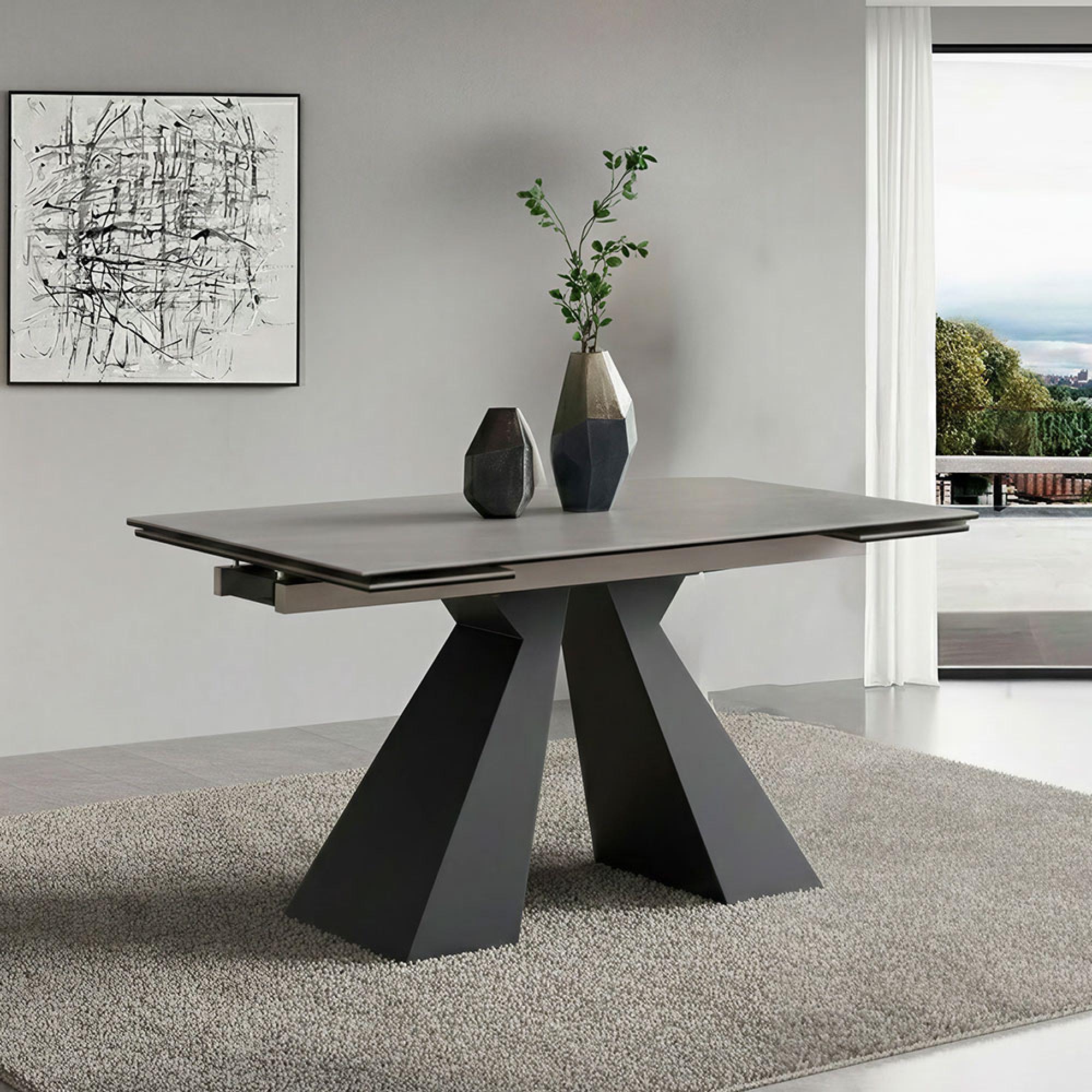
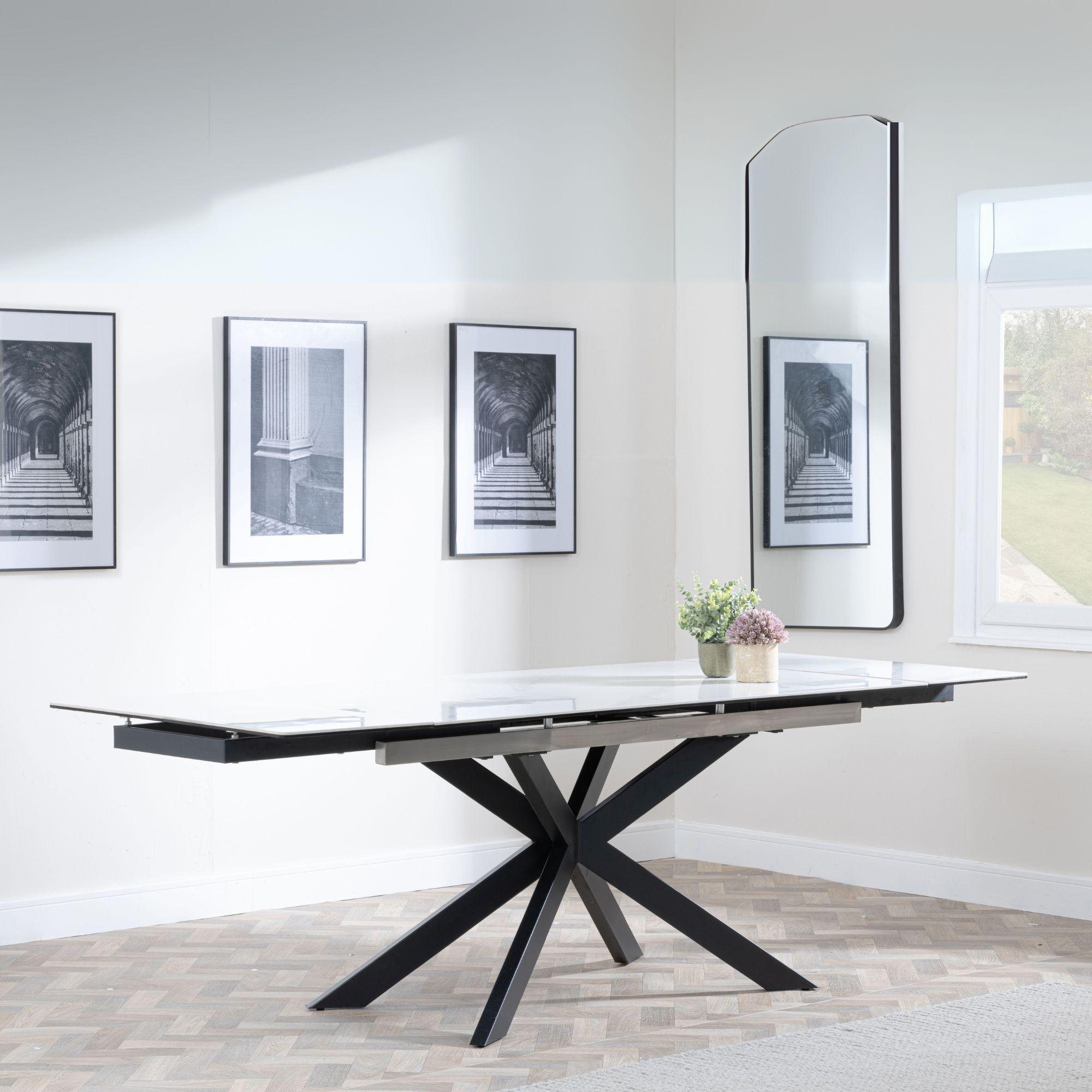
Extending Dining Table

  • Description: Equipped with a mechanism to expand the surface area of the table (such as sliding extensions or detachable leaves).
  • Pros: One advantage is a flexible selection that accommodates many guests. It also looks more formal yet is still helpful for casual use.
  • Cons: Sometimes complicated systems call for maintenance to guarantee seamless operation.

Trestle Dining Table

  • Description: It is characterised by a base design including two parallel supports-the trestles-holding up the tabletop.
  • Pros: Outstanding legroom and the rustic or country appeal. Larger tables fit this style, as strong construction makes sense.
  • Cons: It might be heavy; occasionally, the design limits choices for sitting positions.

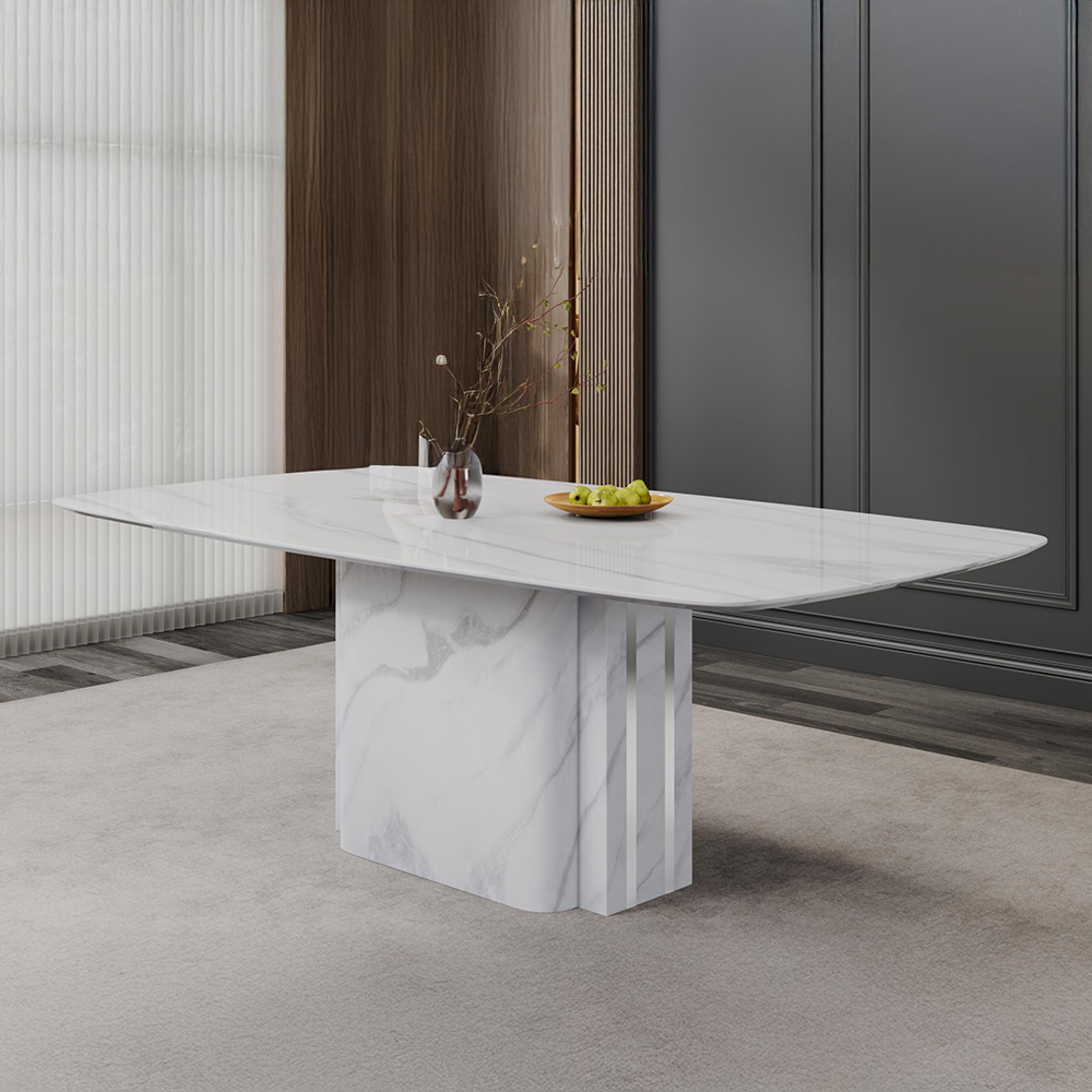
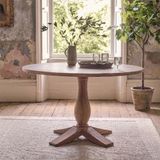
Pedestal Dining Table

  • Description: A slick look from a central base supporting the tabletop without conventional legs at the corners.
  • Pros: There is plenty of legroom, and more chairs can be arranged around the table. This usually shows in more contemporary patterns and styles.
  • Cons: Are that the surface area may seem smaller than in conventional leg designs, and bigger sizes have limited stability.
Dining Tables

Every kind of dining table has a particular functional use and look. While trestle and pedestal tables concentrate on the style and comfort of seats, drop-leaf and extending tables provide versatility for many events. Consider your space, lifestyle, and intended use of the table before deciding what to choose.

Different Styles of Dining Tables

Italian Dining Tables

  • Description: Well-known for their grace and artistry, Italian dining tables can have complex patterns and premium materials.
  • Characteristics: They may feature hand-carved accents and are usually made of rich woods like cherry or walnut. Often, in classic or modern styles, they stress utility and beauty.
  • Pros: Timeless beauty is a plus, it usually takes the front stage in the dining area.
  • Cons: Given excellent artistry, it can be somewhat costly.

Indian Dining Tables

  • Description: Indian dining tables reflect India's rich cultural legacy. They sometimes have unusual designs, vibrant colours, and delicate carvings.
  • Characteristics: Made often from solid wood, ornamented with inlays or artistic designs.
  • Usually, it looks more rustic or traditional, fit for formal and informal environments.
  • Pros: Gives any dining area character and a strong aesthetic.
  • Cons: Styles might not suit contemporary minimalism preferences, and detailed designs could need extra maintenance.

French Dining Tables

  • Description: These range in design from rustic to opulent. French dining tables are defined by elegance, sophistication, and a romantic touch.
  • Characteristics: Often fashioned from oak or another expensive wood, they have elaborate embellishments and curving legs.
  • Styles like Provincial or Louis XVI generally stress charm and grace.
  • Pros: Dining rooms gaining refinement and historical context.
  • Cons: It might be heavier in weight and design, thus perhaps overpowering smaller areas.

Industrial Dining Table

  • Description: Industrial dining tables combine modern and rustic components; their raw materials and simple design define them.
  • Characteristics: Usually created with metal and recycled wood, this design gives an unpolished, rugged look.
  • Usually, simple lines and an open appeal match lofts or modern dwellings.
  • Pros: Durability and simplicity of maintenance, as well as a fashionable edge that accentuates modern furniture.
  • Cons: Unfinished wood could be scratch-sensitive, and the raw look may not suit everyone's taste.

Every kind of dining table has unique appeal and utility. Indian designs honour ethnic wealth, while italian and french tables have a classic elegance. Industrial tables offer a modern twist with endurance. When selecting your dining table, consider the overall look you want for your area.

Dining Tables

Different Types of Bases in Dining Tables

Spider Legs Dining Tables

  • Description: These tables have several thin legs extending from a central point, resembling spider legs.
  • Characteristics: Frequently seen in modern or contemporary architecture.
  • It offers enough legroom and a visually arresting appearance.
  • Pros: It fits in little areas, is lightweight, and is stable.
  • Cons: It might not be as strong as thicker base designs.

Trestle Legs Dining Tables

  • Description: It features a centre beam with two-leg supports, providing a robust and stable foundation.
  • Characteristics: Often used on farmhouse or country-style tables, this earthy, rustic appearance gives the table character.
  • Pros: Perfect for oversized tables, relatively strong and durable.
  • Cons: It might be heavier than regular tables.

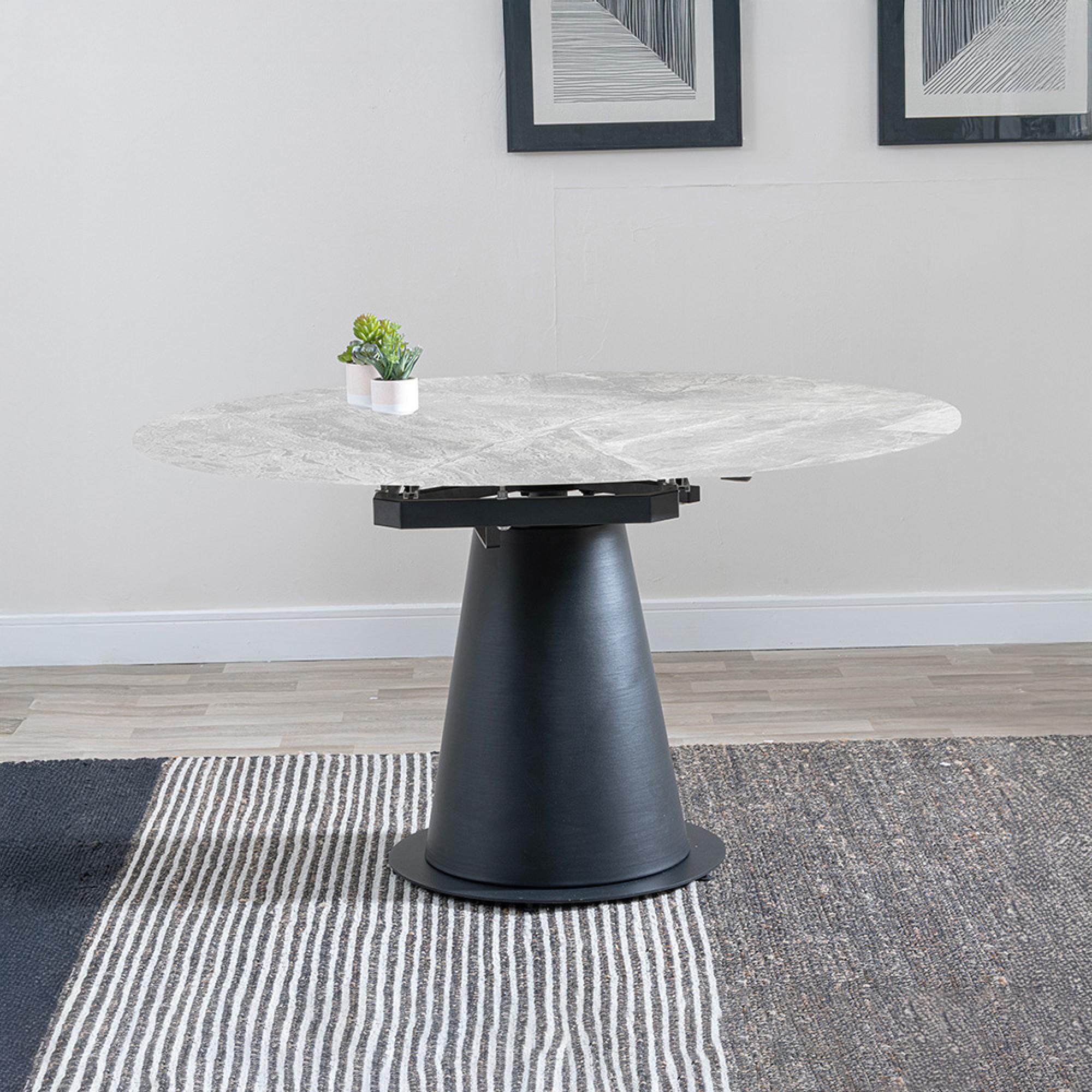
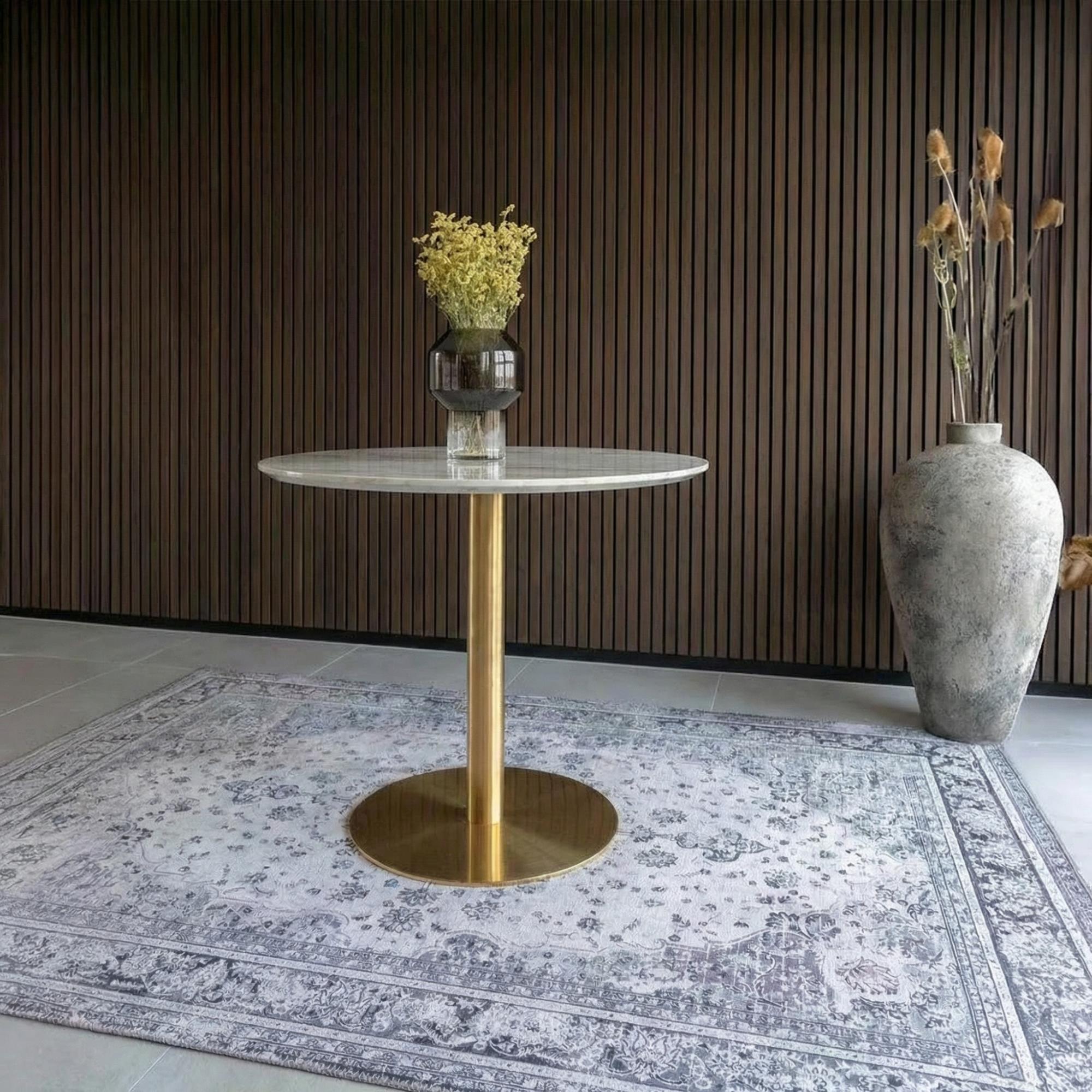
Single Pedestal Base Dining Tables

  • Description: Usually spherical, its central pedestal base offers a distinctive look and plenty of seating.
  • Characteristics: Since there are no legs in the way, it lets one be flexible with the sitting configurations.
  • Pros: Includes a neat, modern look and more straightforward cleaning underneath.
  • Cons: Larger tables may find stability problematic, sometimes, it feels less formal.

Pedestal Base Dining Tables

  • Description: Possibly including more than one column for support, but with single pedestal tables alone
  • Characteristics: It combines sturdiness with a sophisticated form for both classic and modern designs.
  • Pros: It might help bigger tabletops and offers reasonable legroom.
  • Cons: Regular basis tightening may be necessary, depending on the design.

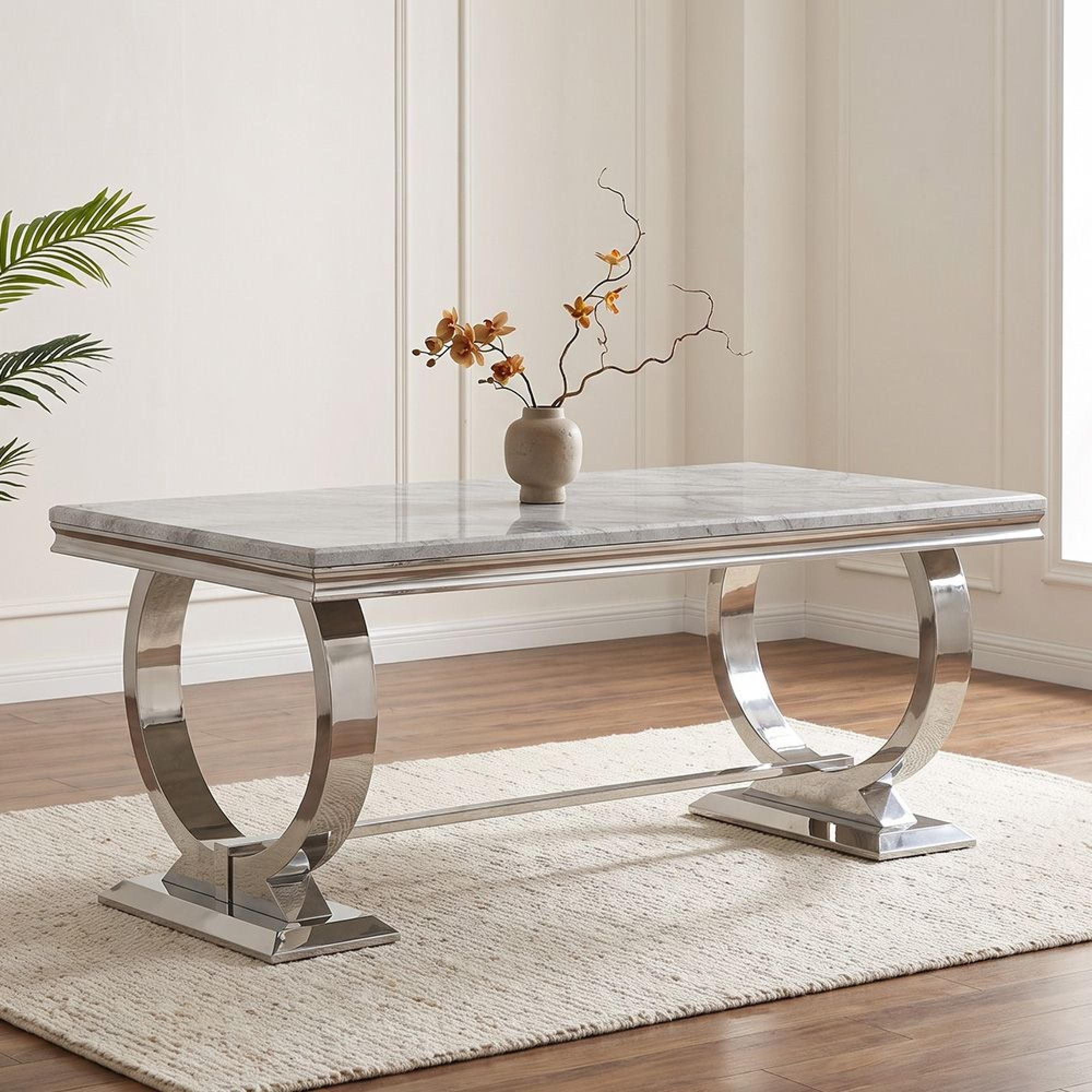
U-Legs Dining Tables

  • Description: Features a distinctive U-shaped leg design offering support and flair.
  • Characteristics: Frequently used in modern and contemporary furniture designs, they provide a neat, energetic appearance.
  • Pros: Include sturdiness and architectural interest.
  • Cons: A few choices in terms of look might not satisfy every design taste.

Chopstick Legs Dining Tables

  • Description: These tables, so named for their similarity to chopsticks, feature thin, tapering legs.
  • Characteristics: Often used in Scandinavian or minimalist designs, this accent on airiness helps define them.
  • Pros: It includes a modern appearance with lightweight and straightforward mobility.
  • Cons: It might feel less solid and less fit for larger tables.
Dining Tables

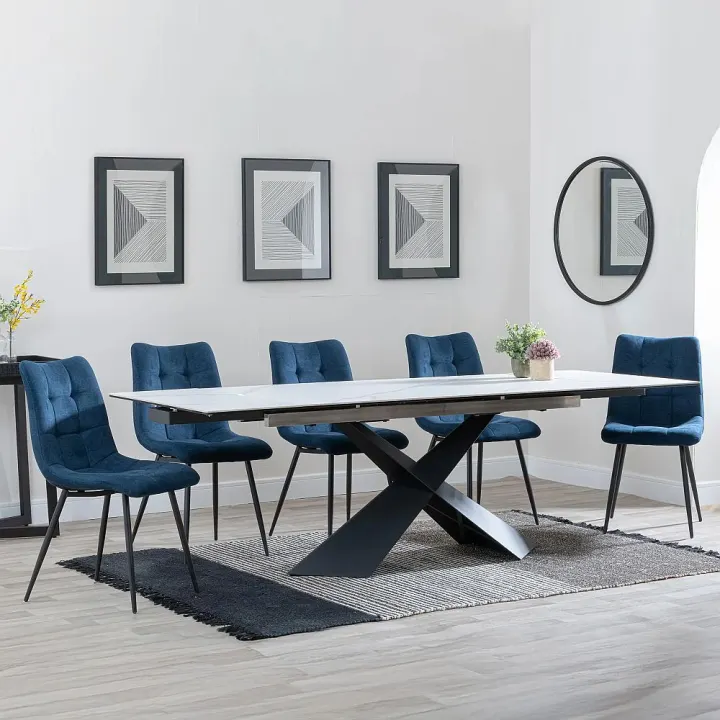
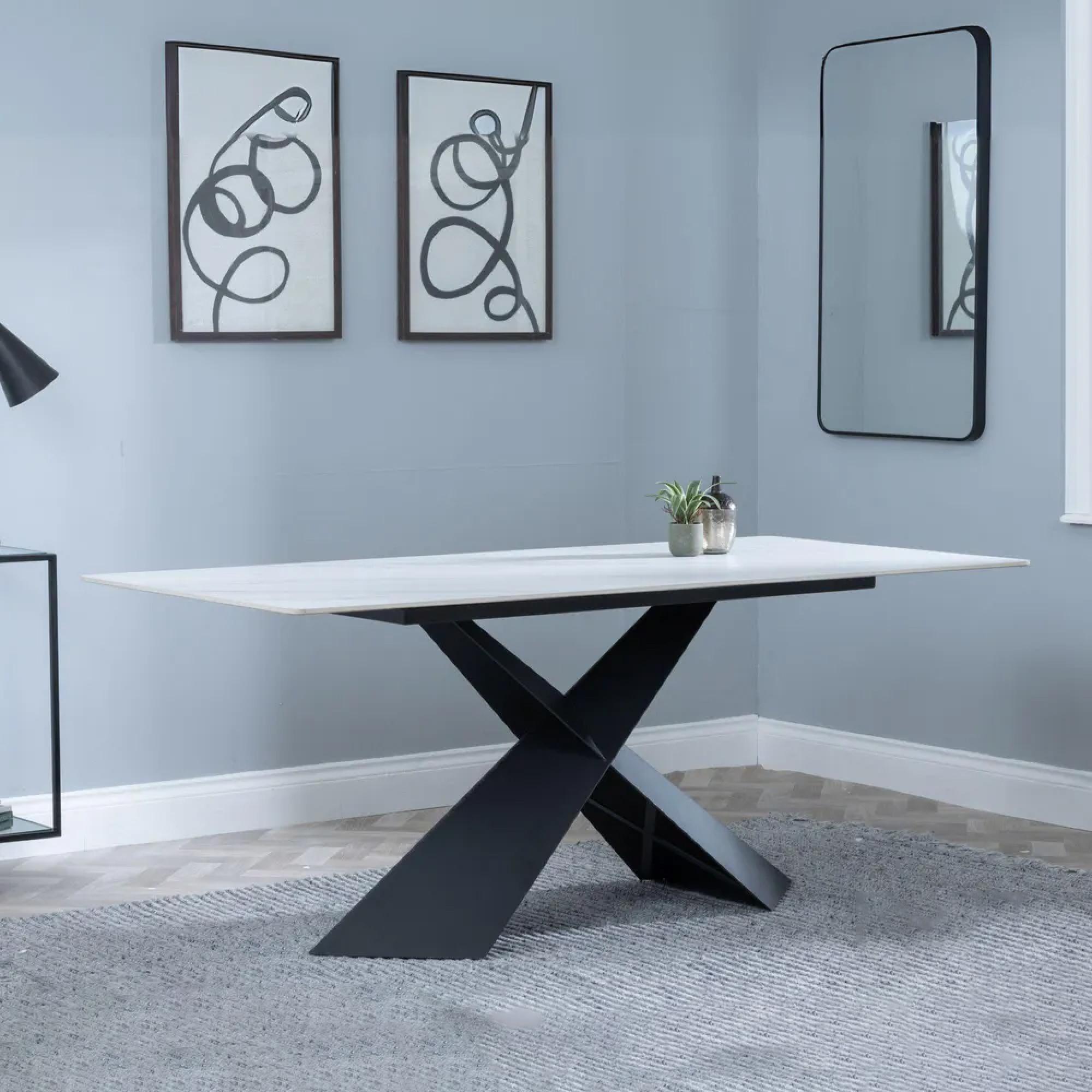
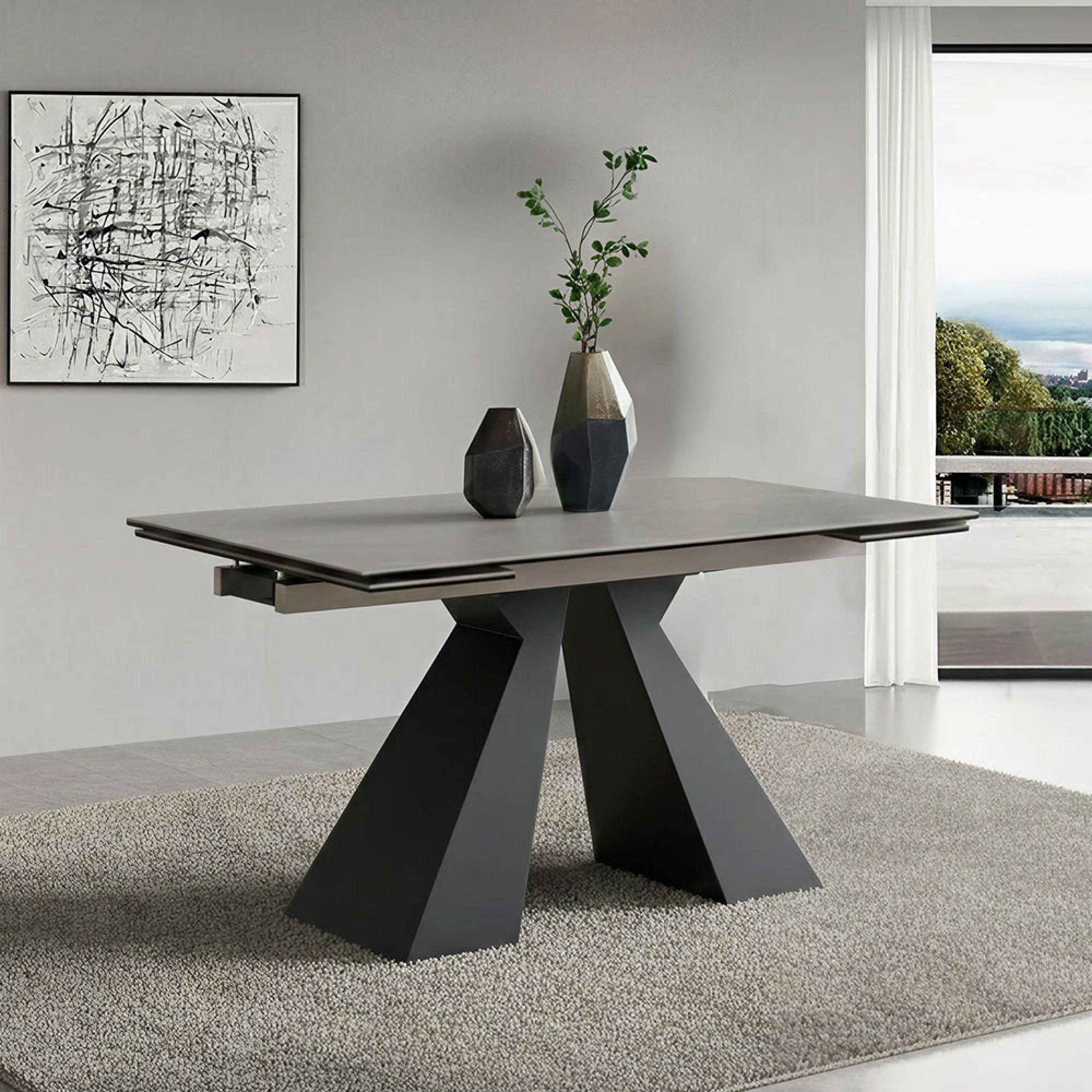
X Base Dining Tables

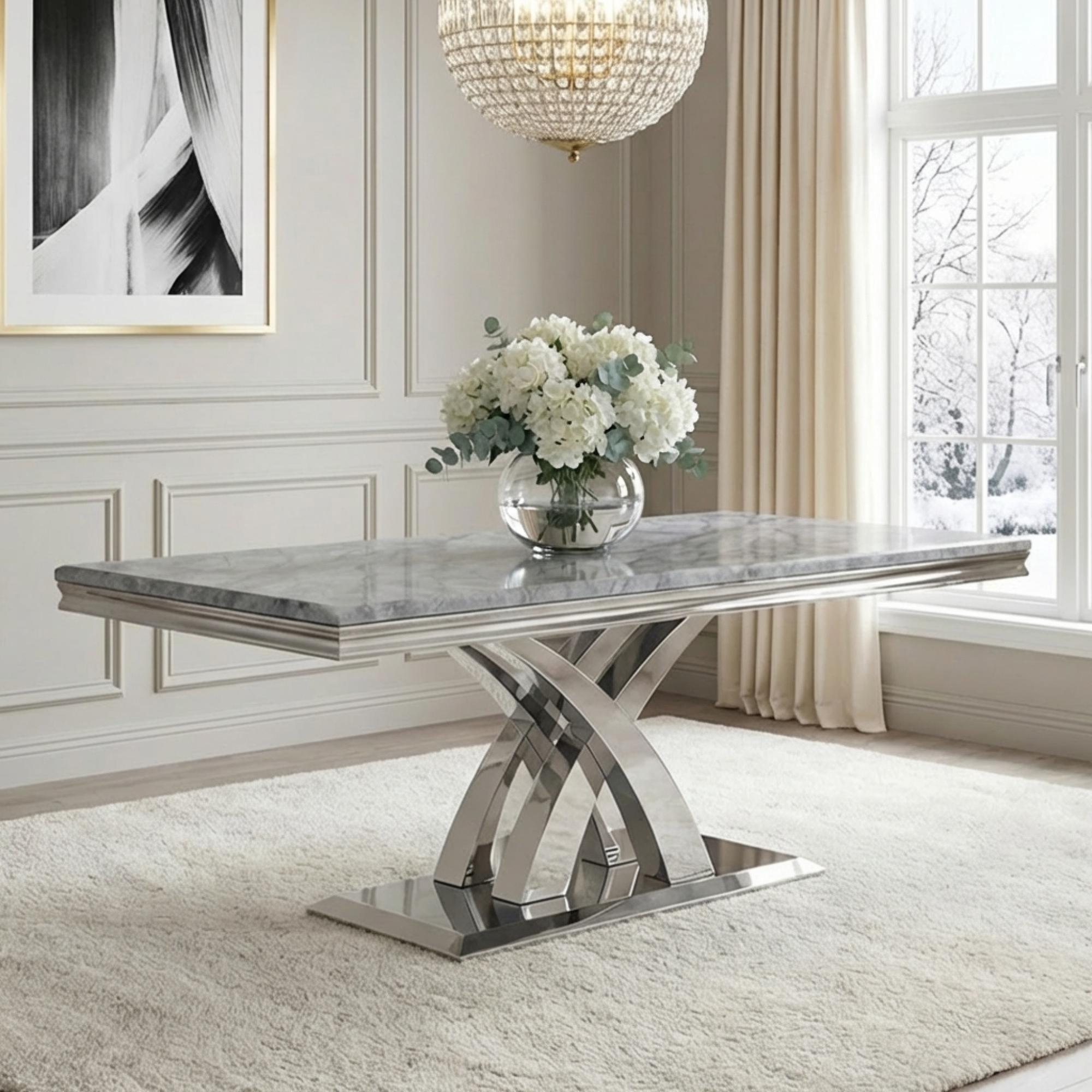
  • Description: It has a captivating "X" form at the base that combines stability with flair.
  • Characteristics: Perfect for industrial or rustic decor, they make a strong impression.
  • Pros: One advantage is excellent support and visual appeal.
  • Cons: It might not meet tastes for simple design and could be heavier.

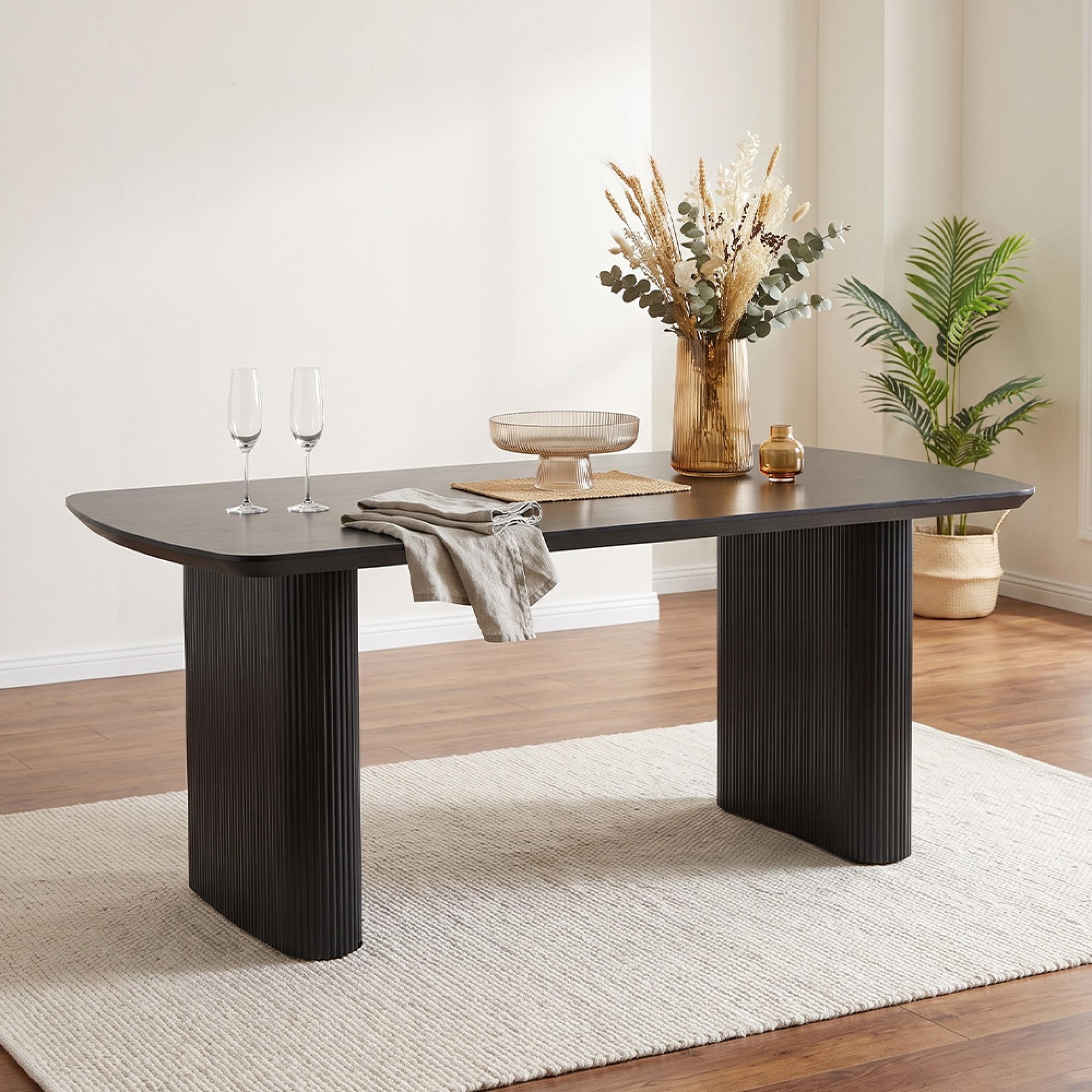
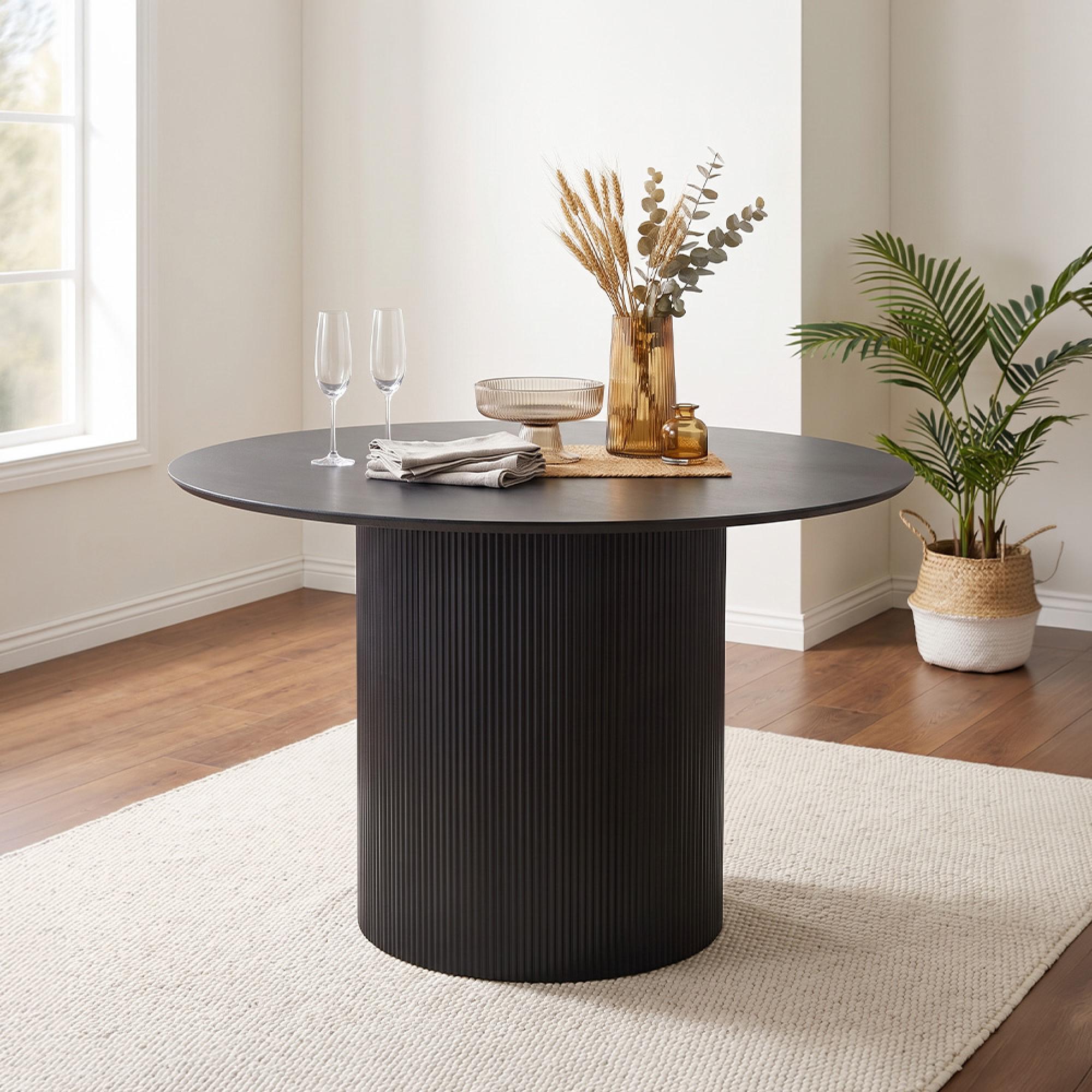
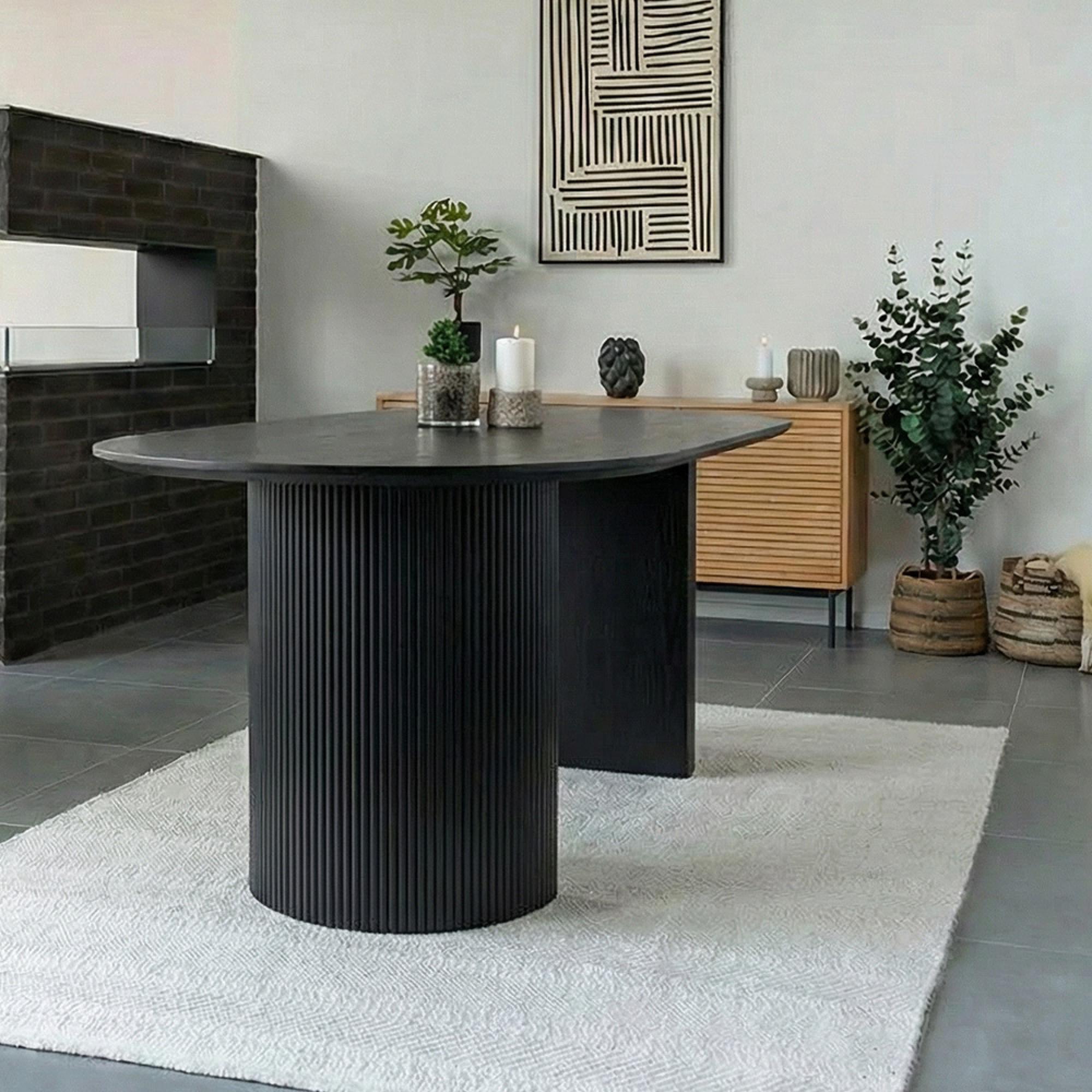
Fluted Base Dining Tables

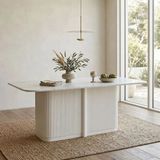
  • Description: Distinguished by elegant and textured ornamental fluted motifs running the base.
  • Characteristics: Usually seen in classic or conventional forms, they are polished.
  • Pros: Perfect focal piece for a dining room, visually rich.
  • Cons: It might need more cleaning because of artistry and could be more costly.

The foundation of your dining table determines both its stability and appearance. From the contemporary flair of spider or chopstick legs to the robust, rustic appeal of trestle legs, think about how each base can fit your decor.

Top Colours on Dining Tables

White:

  • Description: White dining tables are a classic, adaptable colour that will open any area and enhance its features.
  • Characteristics: Often used in modern, seaside, or understated design.
  • Coordinating with other furniture and décor is simple since it pairs with almost any colour scheme.
  • Pros: Include reflecting light, thus making tiny areas seem more significant. If the finish is appropriate, it can be easily cleaned.
  • Cons: Prone to exhibit stains, filth, and scratches; constant cleaning is crucial.

Black

  • Description: Black dining tables are a dramatic and classy choice that contrasts smaller areas.
  • Characteristics: Works wonderfully in modern, industrial, or dramatic décor environments.
  • May give a place grace and depth.
  • Pros: It hides dust and stains better than lighter colours, simplifying maintenance. It can act as a quite arresting focal point.
  • Cons: It may absorb light, so a room seems smaller if not balanced with smaller objects.

Grey

  • Description: Grey dining tables come in a spectrum of tones from light to charcoal, this is a modern, sophisticated style from a current neutral.
  • Characteristics: Provides architectural versatility and fits both modern and classic environments.
  • It works great when you use a variety of colour palettes and textures.
  • Pros: Grey can be warm or chilly, depending on the undertone. It is versatile and classy. Compared to white, grey usually hides wear and tear better.
  • Cons: Depending on the tone, it can sometimes feel chilly or less inviting if it is not matched with warmer colours in the decor.
Dining Tables

Cream

  • Description: Soft, warm substitutes for white-cream dining tables create a cosy, welcoming atmosphere in dining rooms.
  • Characteristics: Perfect for classic, ageless appeal in traditional or country-style settings.
  • This piece is easy to style and complements a great spectrum of colours and textures.
  • The Pros are That it is warmer than pure white yet still reflects light, brightening a room. It can also lend a little grace without being overwhelming.
  • Cons: Like white, cream may need constant maintenance to keep it appearing fresh, and it may exhibit stains.

Choosing the correct colour for your dining table will transform your eating area and influence its mood and appearance. Black and grey offer refinement and depth, while white and milk offer brightness and warmth. Consider how each colour will complement your general décor and desired ambience.

Delivery

Next-Day Delivery Items

You can enjoy your product in just 1 working day if you want next-day delivery items. Perfect for those who need to upgrade their space fast.

Standard Delivery

With standard deliveries, for such orders, you should expect your orders in not more than 7 working days. Please note that this doesn’t factor in any delay from our suppliers.

Made-to-Order Items

If you’ve chosen a made-to-order or customised item, it can take 6 to 8 weeks to arrive at your doorstep. Allow a bit of patience when waiting for your perfect piece.

Do you have any Delivery Charges?

We offer free doorstep delivery across England and Wales with a small charge of £29.99 for deliveries to Scotland. You can contact our sales team for deliveries outside these regions and request a quote. For an additional £19.99, you can also get the product delivered to a room of your choice.

Do you Offer Returns and Refunds?

At Choice Furniture Superstore, we respect our customers and try to maintain fair trade practices. Here is all you need to know about returns and refunds:

7-Day Return Policy

If you change your mind, you can return your purchased items within 7 days after delivery.

Return Charges

A £60 pickup charge will be deducted from your refund upon returning an item, so be sure to factor this into your decision.

Original Packing

For a hassle-free return, keep the product in its original packaging. This way, we can collect your item without any issues.

Faults and Damage

In the unfortunate event of your product(s) arriving damaged or defective, you must notify us immediately. Make sure to inform us about the defect or damage within 14 days after the delivery. Ensure the item is in the original packaging. It’ll be picked up and returned within 14 working days, and a refund will be issued at no extra cost.

I Would like to Visit your Store to Buy a Dining Table

You can visit our store in Leicester at the following location:

Address:

Grosvenor Works, Grosvenor Street, Leicester, LE1 3LR, UK

Working Hours

  • Monday to Saturday: 9:30 am – 6:00 pm
  • Sunday: Closed
  • Bank Holidays: 10:00 am to 4:00 pm

Contact Information

Feel free to get in touch with us if you have questions before your visit:

Why Choose Choice Furniture Superstore?

Our emphasis on great craftsmanship and elegant designs ensures that you obtain an item that not only complements your decor but also serves a utilitarian purpose. In addition, our helpful staff is always available to assist you in finding the best fit for your space. So head on over to the best Dining Tables Shop in Leicester to find the perfect Dining Table for your home today!


Read more X Close

FAQs on Dining Tables

Which is better glass or wood dining table

Choosing between a glass or wooden dining table really comes down to your personal style and lifestyle needs. Here are a few things to think about when making your decision:

•Style: A glass table offers a sleek, modern look, perfect for a contemporary home. On the other hand, a wooden table brings warmth and a more traditional, timeless feel to your space.

•Durability: Both glass and wood can be long-lasting, but wood generally holds up better over time, making it a more durable choice for the long run.

•Maintenance: Glass tables tend to show fingerprints, smudges, and scratches more easily, so they require more regular cleaning and upkeep. Wood, however, needs less day-to-day maintenance just occasional dusting and a light touch-up every six months or so.

•Cost: Wood is usually more expensive than glass due to its durability and the craftsmanship involved, making it a more investment-heavy option.

Choosing between a round or rectangular dining table really comes down to your personal preferences and lifestyle

•Space: Round tables are great for small rooms, while rectangular tables are better suited for longer spaces.

•Style: Round tables fit well in modern, contemporary settings; rectangular tables are ideal for traditional homes.

•Seating: Rectangular tables typically offer more seating capacity than round tables of the same size.

Ultimately, the decision depends on your space, style, and how many people you need to seat.

For a 4-chair dining table, here’s a quick breakdown of typical sizes:

•Square: Usually around 36-48 inches (91-122 cm) on each side.

•Rectangular: Typically 48-60 inches (122-152 cm) long and 30-36 inches (76-91 cm) wide.

•Round: A diameter of 42-48 inches (107-122 cm) works well for four people.

These sizes give everyone enough space to sit comfortably without feeling cramped.

A standard dining table typically stands between 28 to 30 inches (71 to 76 cm) high, offering a comfortable height for most people to sit at. To complement this, dining chairs usually range from 17 to 19 inches (40 to 45 cm) in seat height, ensuring a relaxed and enjoyable dining experience. This combination strikes the perfect balance for comfort and functionality.

You can definitely use your indoor dining table outside for a short time, but if you're planning to enjoy meals outdoors regularly, it's worth considering a table that's made for the outdoors. Look for materials like stainless steel, rattan, or weatherproof fabrics these are designed to handle the elements and will keep your table looking great season after season.

In the UK, you can find a high-quality dining table ranging from around £300 to £1,000, depending on the style, material, and craftsmanship. Investing in a well-made dining table can really elevate your space, and with a range of options available, you're sure to find one that fits both your style and your needs.

On average, a dining table can last anywhere from 5 to 20 years, depending on the material and how well it’s looked after. The material really makes a difference for example, a solid oak dining table can easily last a lifetime. On the other hand, a cheaper MDF or laminate table might not stand the test of time, often showing signs of wear and tear, such as scratches or peeling, within just a few years.

Popular dining table trends include rustic wooden styles for a natural, cozy feel, and French country tables that add timeless charm. Industrial-style tables, with their mix of metal and wood, offer a more modern, urban look. For a touch of luxury, marble and ceramic tables bring sophistication, while real solid oak tables remain a classic choice for durability and beauty. Whatever your style, there’s a table to suit your space.

There are plenty of materials used to make dining tables, but some stand out for their durability, style, and timeless appeal. Marble and ceramic are popular for their elegant, luxurious look, while oak wood offers a classic and long-lasting option. Rattan adds a touch of natural texture, and quartz is growing in popularity for its sleek, modern finish. These materials not only look great but also stand the test of time, making them perfect choices for a dining table that lasts.

Round dining tables are an excellent choice for smaller spaces. Their shape makes it easier to move around, and they create a more open, inviting feel in a room. Without corners, they also maximize seating and allow for better flow, making them a practical yet stylish option when space is limited.

There are several types of table legs available, but two of the most popular choices are wooden and metal legs. Wooden legs offer a timeless, natural look and are known for their stability and durability. Metal legs, on the other hand, provide a modern, industrial feel while also being strong and long-lasting.

There are several trendy and practical table bases to choose from. Popular options include the sleek pedestal base, modern chopstick legs, bold star or spider legs, sturdy U-shaped bases, and space-saving nesting table bases. Each offers a unique style and functionality to suit your space.
Top