

Stone International
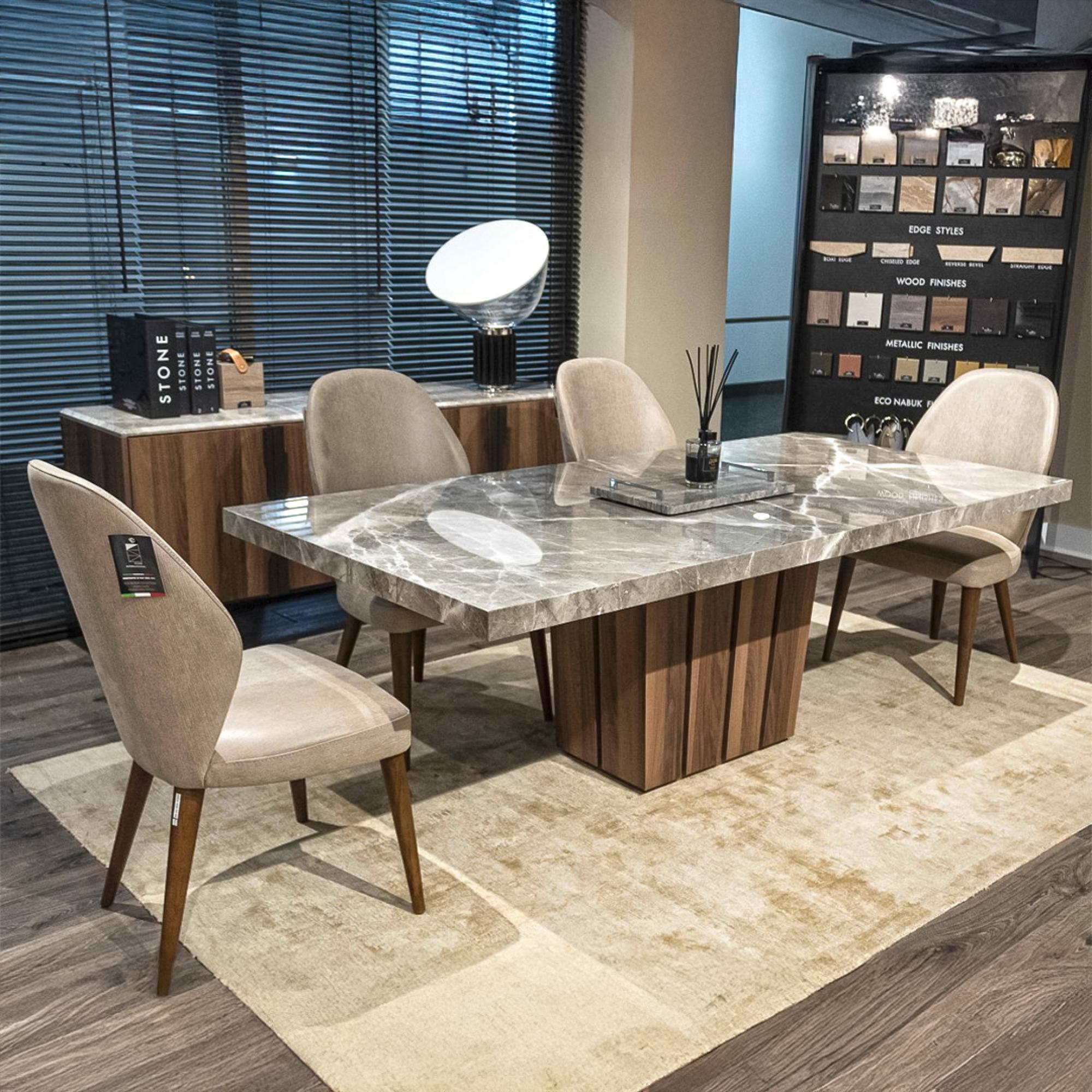
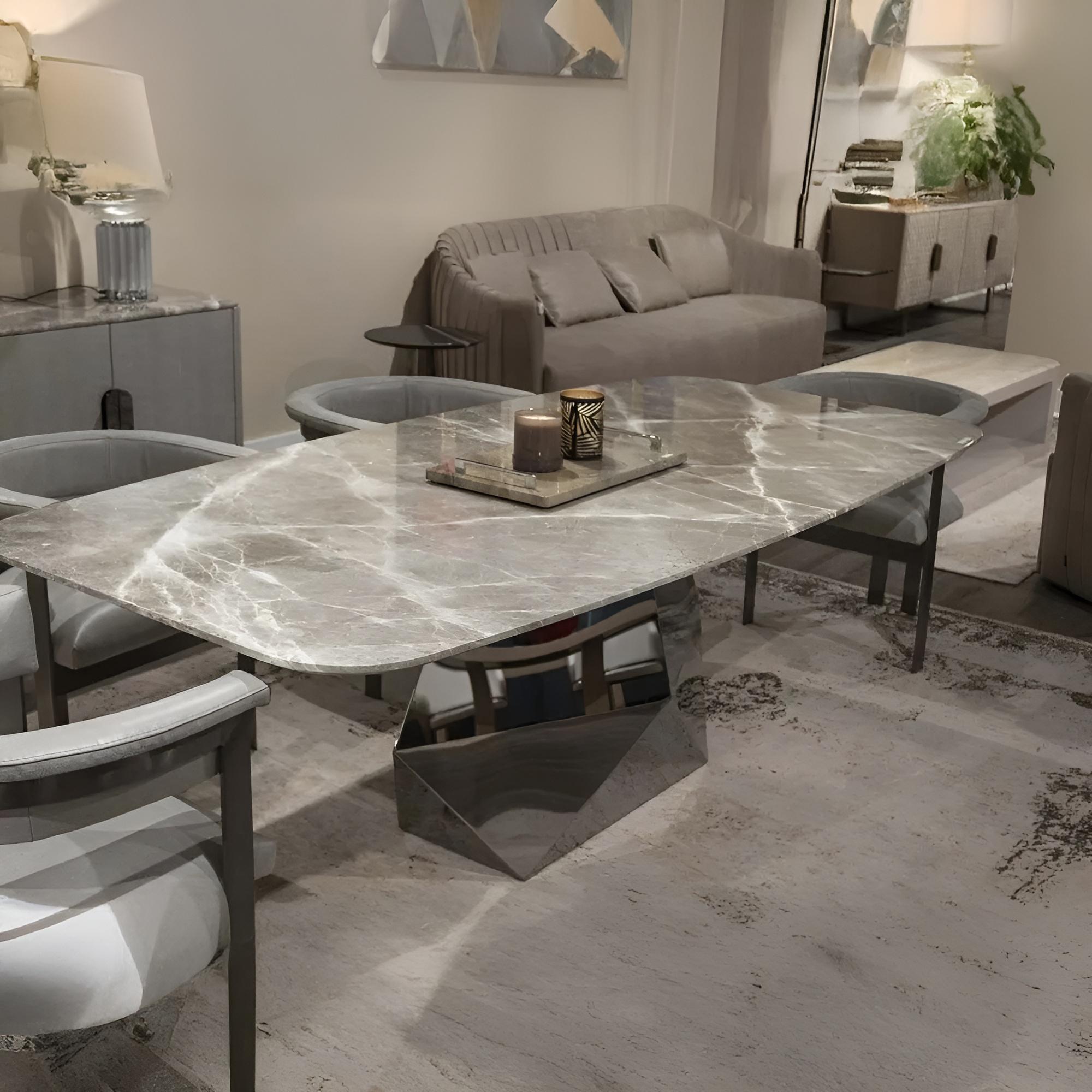
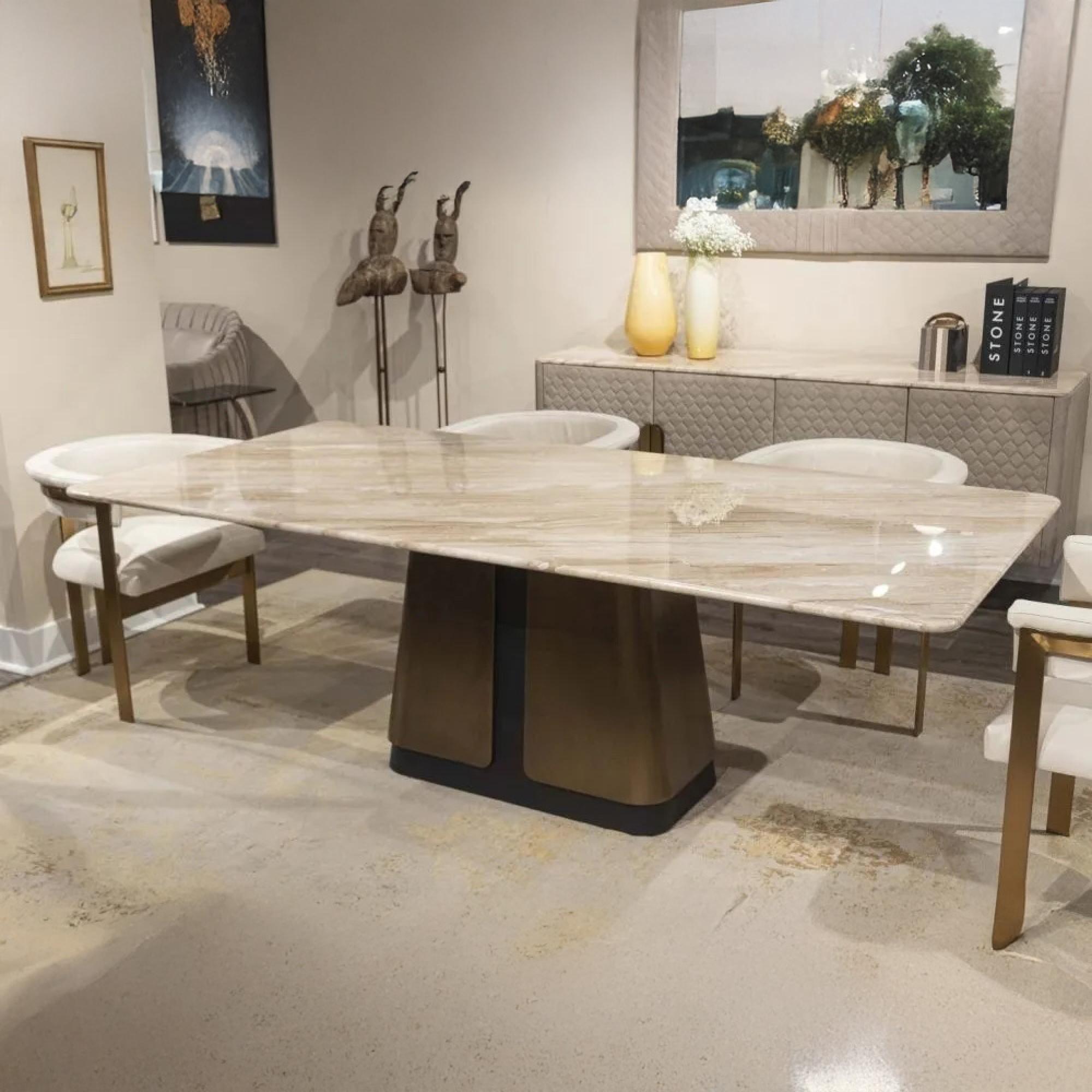
Compass Marble Pedestal Dining Table - Sizes Available
SAVE £640.50
From: £3629.49 £4269.99
Easy Finance Available
Free delivery*
In Stock
Order Now for Christmas Delivery
Choose OptionsSearch our furniture, categories and brands. Suggestions appear as you type.
Type at least two characters to see suggestions.
From: £3629.49 £4269.99
Easy Finance Available
Free delivery*
From: £2651.99 £3119.99
Easy Finance Available
Free delivery*
From: £3340.49 £3929.99
Easy Finance Available
Free delivery*
From: £3527.49 £4149.99
Easy Finance Available
Free delivery*
From: £3391.49 £3989.99
Easy Finance Available
Free delivery*
Have a different question? Speak to an expert.
Browse related categories and complementary furniture.
Everything you need to choose with confidence.

Just like a living room, 2 also plays an important role in your home. It’s the heart of the home...
Read guide ›12 Seater Dining Tables and Above suit larger dining rooms, open-plan spaces and homes that regularly host family meals or group entertaining. This selection focuses on fixed-top rectangular tables with pedestal bases, giving a long, uninterrupted surface and flexible leg room around the centre.
At this size, measurements matter. The current options run from 140cm to 200cm wide, with most around 164cm to 200cm. Depths are generally 100cm to 110cm, and the height is consistently 75cm. If you prefer the shape but want to compare sizes, browse more Rectangular Dining Tables.
12 Seater Dining Tables and Above in this filter use marble with metal, steel or wood, creating a clean, structured look that suits modern, contemporary and glam interiors. Marble gives the top a statement finish, while pedestal bases keep the outline visually tidy in a large room. One current option is grey, and the styling leans mainly modern, with a Scandinavian influence also appearing.
All current models are supplied flat packed. You can also return to the full Dining Tables collection if you want to compare other sizes and materials.
Price Promise
Before you order, let us know if you have found the same furniture at a lower price from another UK retailer. Send us the product link and our team will check the offer to see whether we can give you a better price.
A family-run furniture retailer with a team you can speak to before you buy.
Visit our 30,000 sq ft Leicester showroom to explore the furniture currently on display.
Call 0116 296 3800 if you need help checking a product or submitting a price request.
The competitor offer must be for the same brand and model, with matching dimensions, colour, material, finish, specifications and included options or parts.
Products that look similar can have different materials, construction, features or included options. Send the exact competitor listing so our team can make a fair like-for-like comparison.
Please contact us before placing your order and send the information below.
Include the product name, product code or the CFS product-page link.
Include the direct competitor product link and the price including delivery.
Tell us the delivery service and stated lead time. If the price was given by email or phone, send a written quotation showing the product and offer.
Our review includes VAT, delivery charges and the service being supplied. A doorstep-delivery price is not directly comparable with an offer that includes room-of-choice delivery, assembly or another enhanced service.
Important: Please give us the complete competitor price and delivery details—not only the headline product price.
A request does not guarantee approval. Please wait for our response before placing your order. CFS may decline a request where the offers are not genuinely comparable or where matching the price would result in a loss.
Yes. The brand, model, size, colour, material, finish, specifications and included options must match.
Yes. We compare the total delivered price, including VAT and applicable delivery charges, as well as the service provided.
Yes. Send a current written quotation that clearly shows the product and all offer details.
Yes. Send your request and wait for the outcome before placing the order.
No. Every request is subject to verification, genuine like-for-like comparison and approval by CFS.
Found a lower price? Send the details before you order. You can use our enquiry form, email, phone, live chat or WhatsApp.