

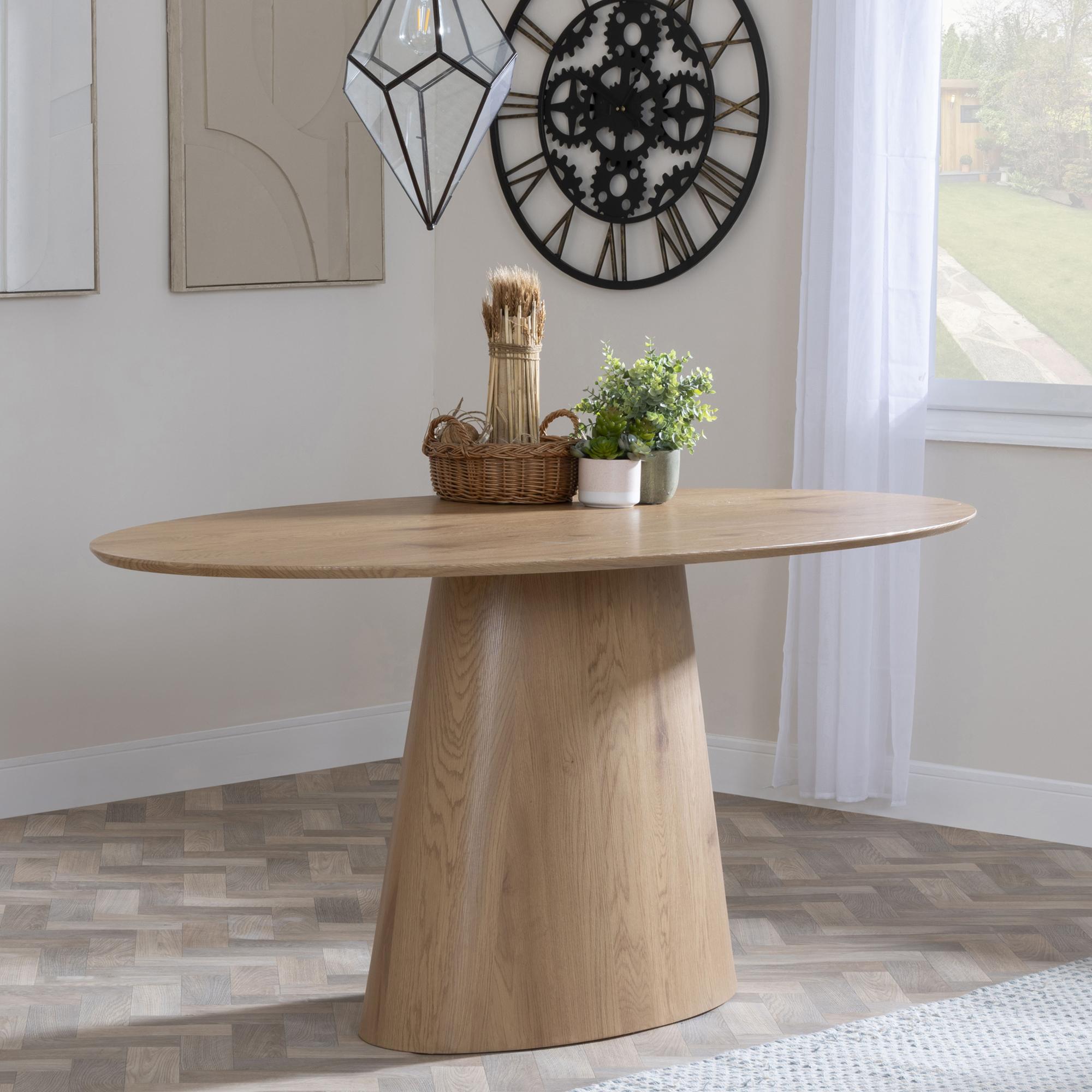
£340.79 £709.98 Save: 52%
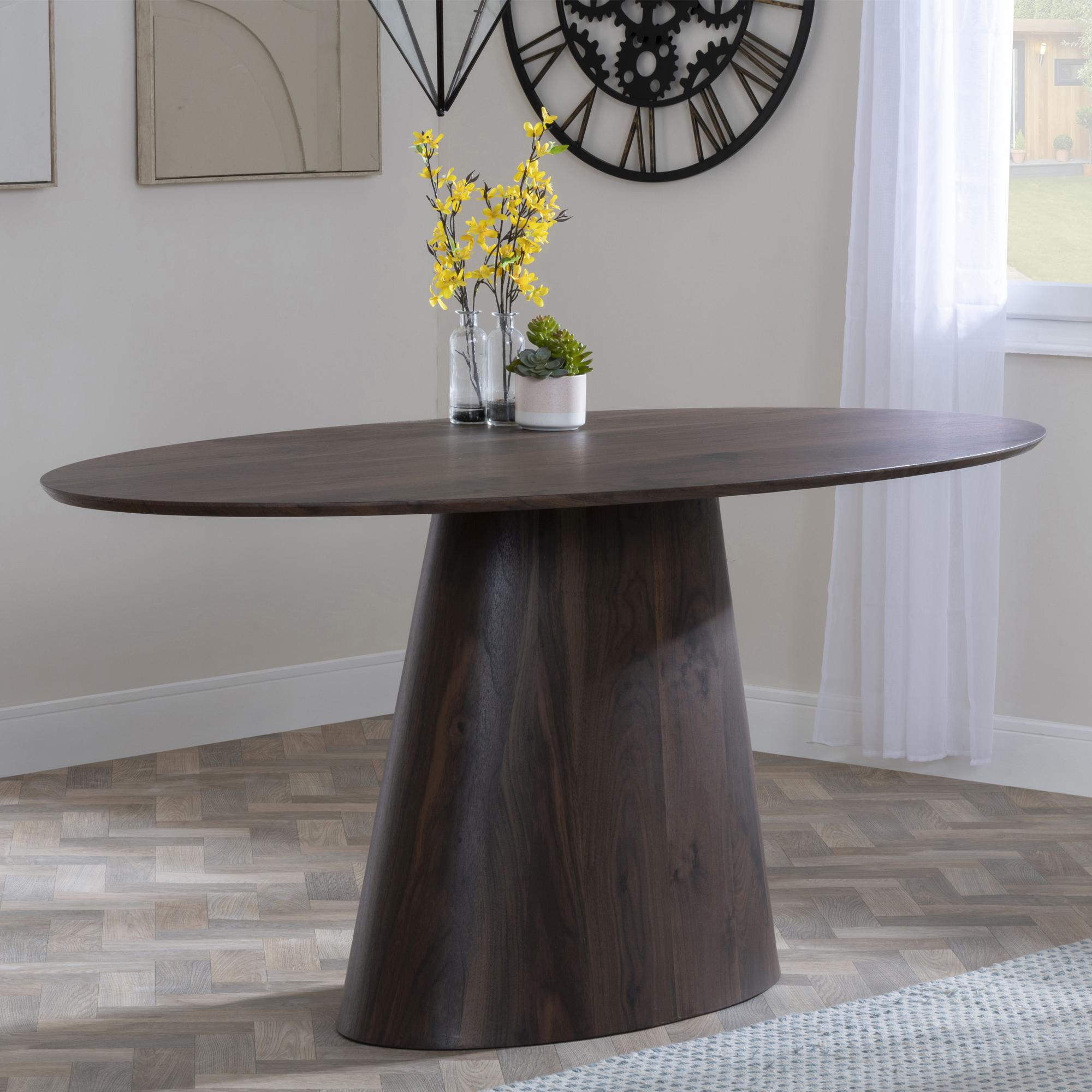
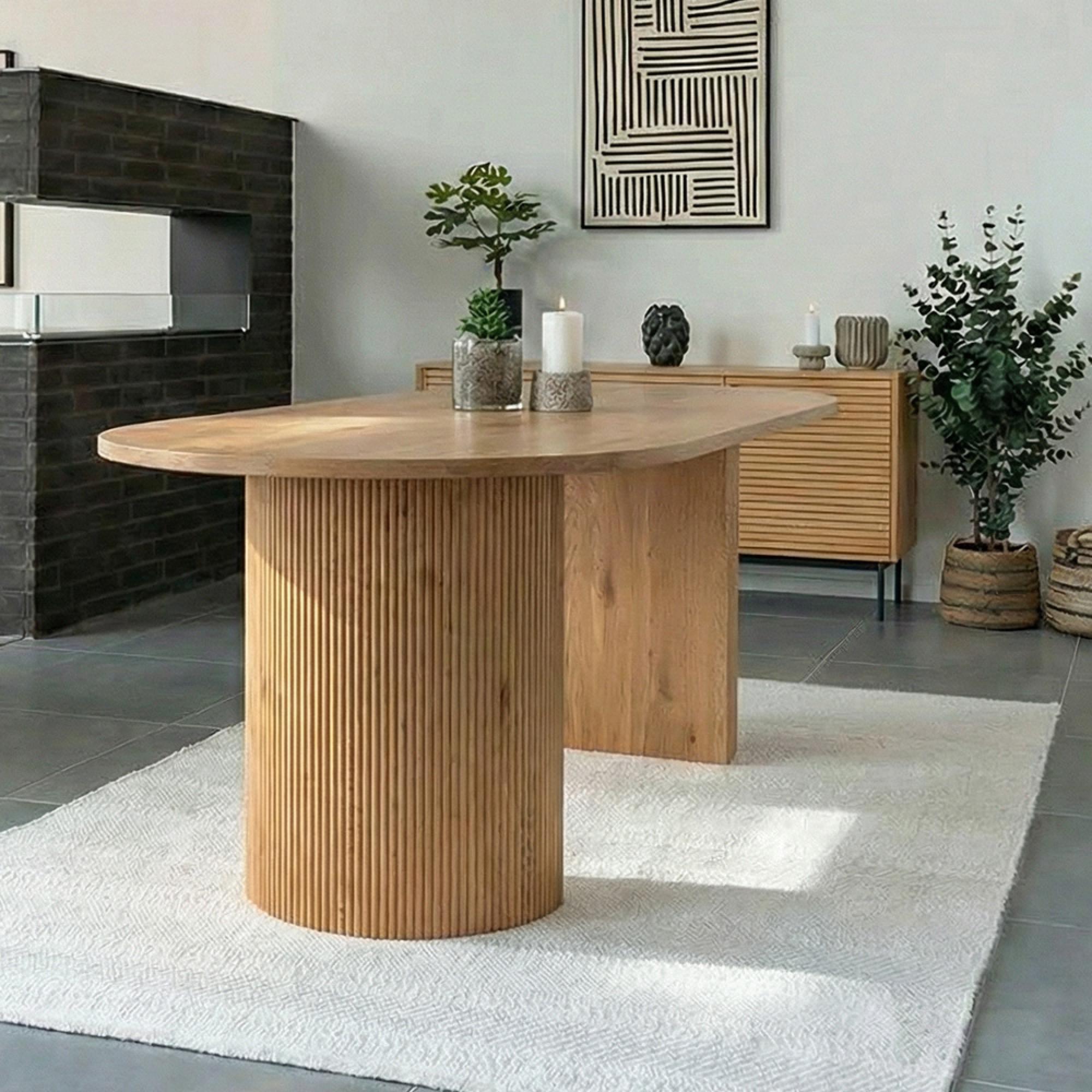
£424.99 £499.99 Save: 15%
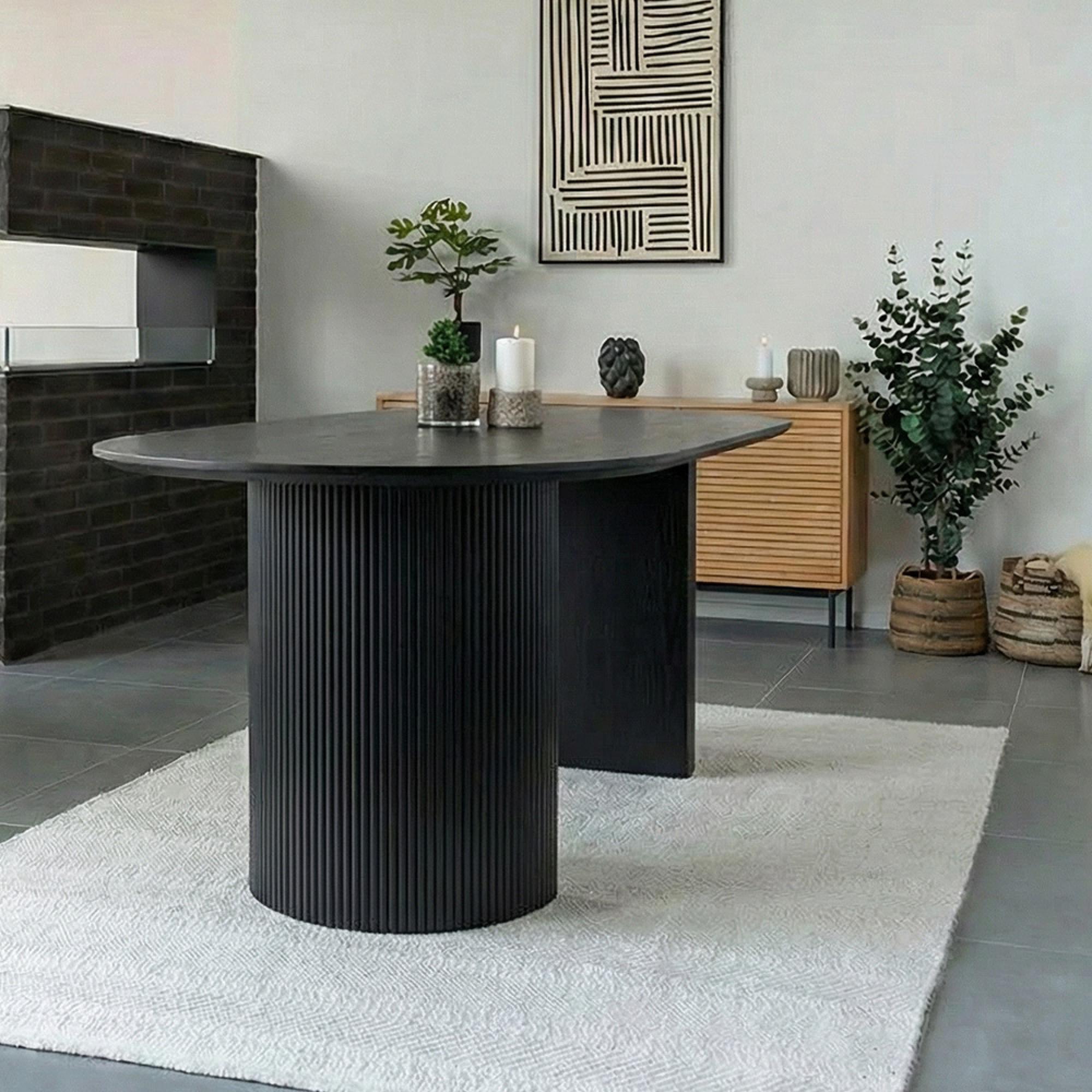
£730.99 £859.99 Save: 15%
£654.49 £769.99 Save: 15%
£883.99 £1039.99 Save: 15%
£467.49 £549.99 Save: 15%
£909.49 £1069.99 Save: 15%

£331.49 £389.99 Save: 15%


£730.99 £859.99 Save: 15%
£679.99 £799.99 Save: 15%
£518.49 £609.99 Save: 15%
£339.99 £399.99 Save: 15%
£1359.99 £1599.99 Save: 15%
£747.99 £879.99 Save: 15%
£628.99 £739.99 Save: 15%
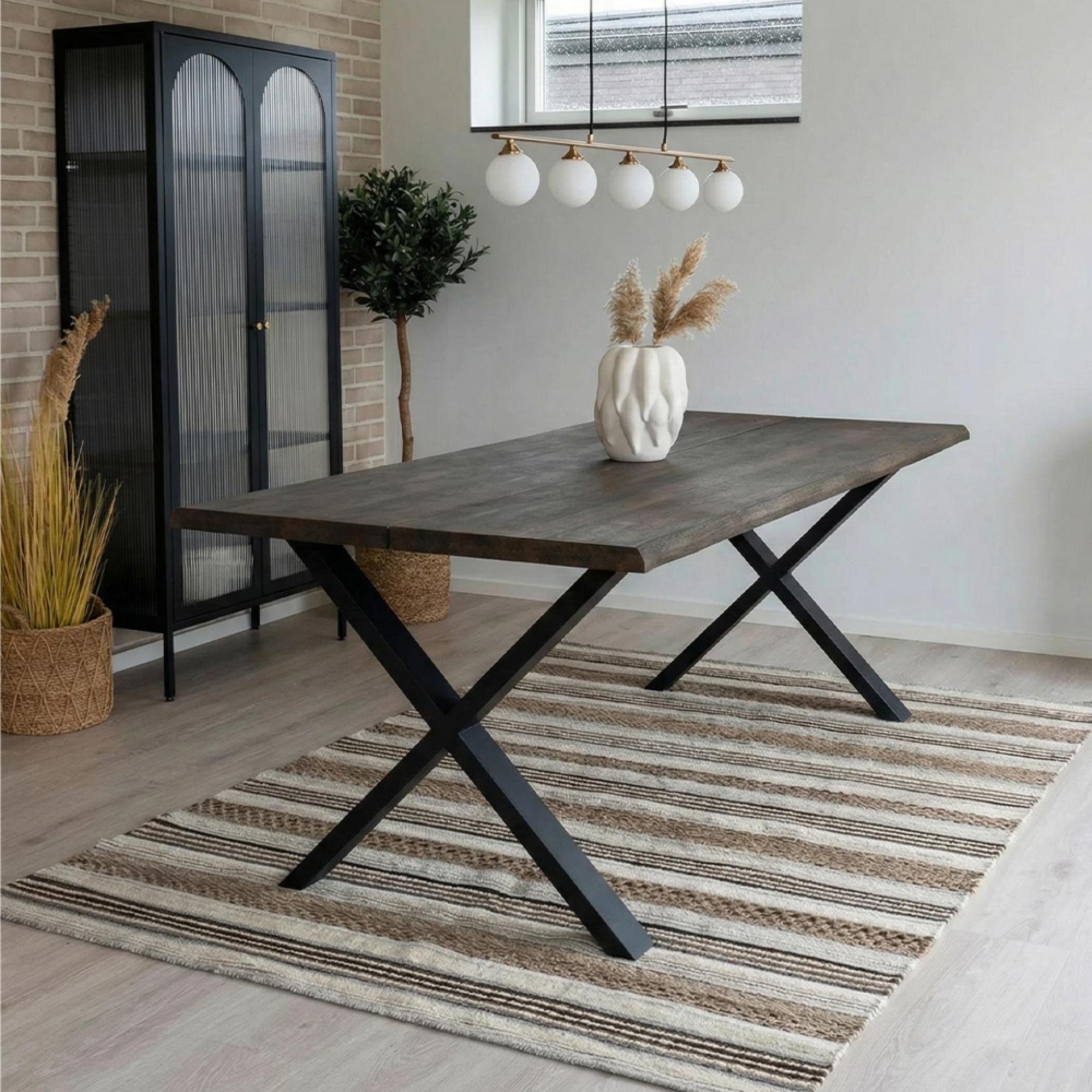
£1283.49 £1509.99 Save: 15%
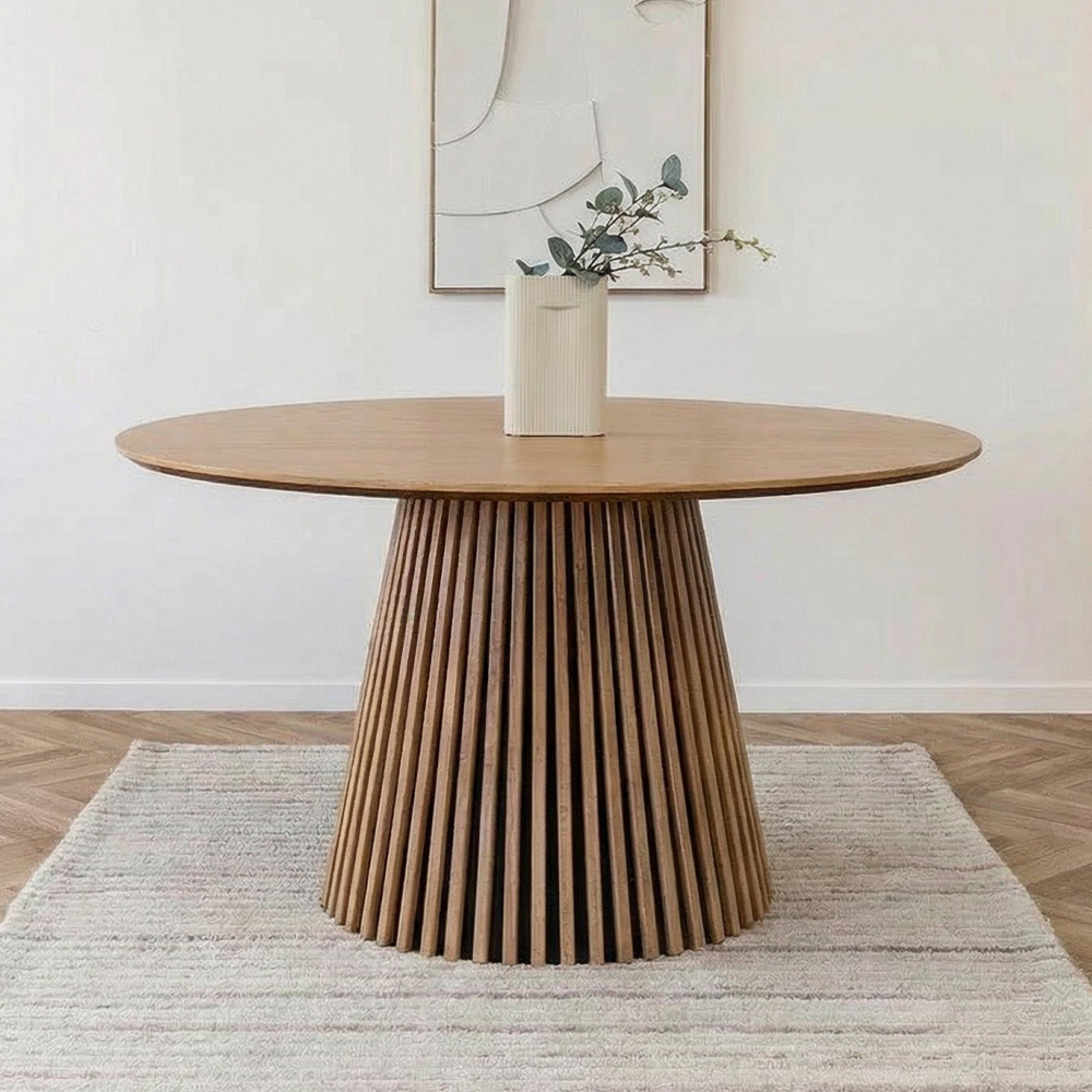
£654.49 £769.99 Save: 15%
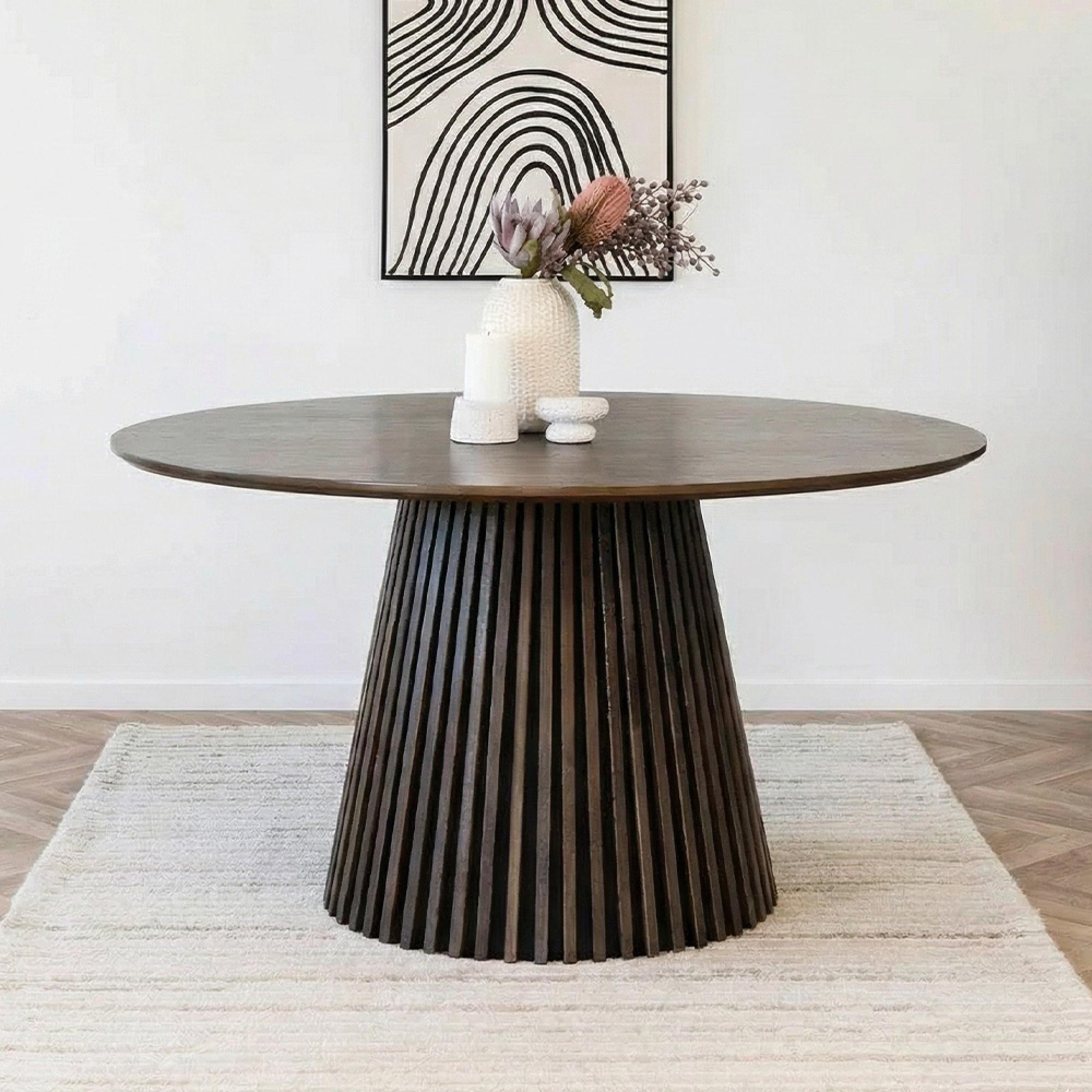
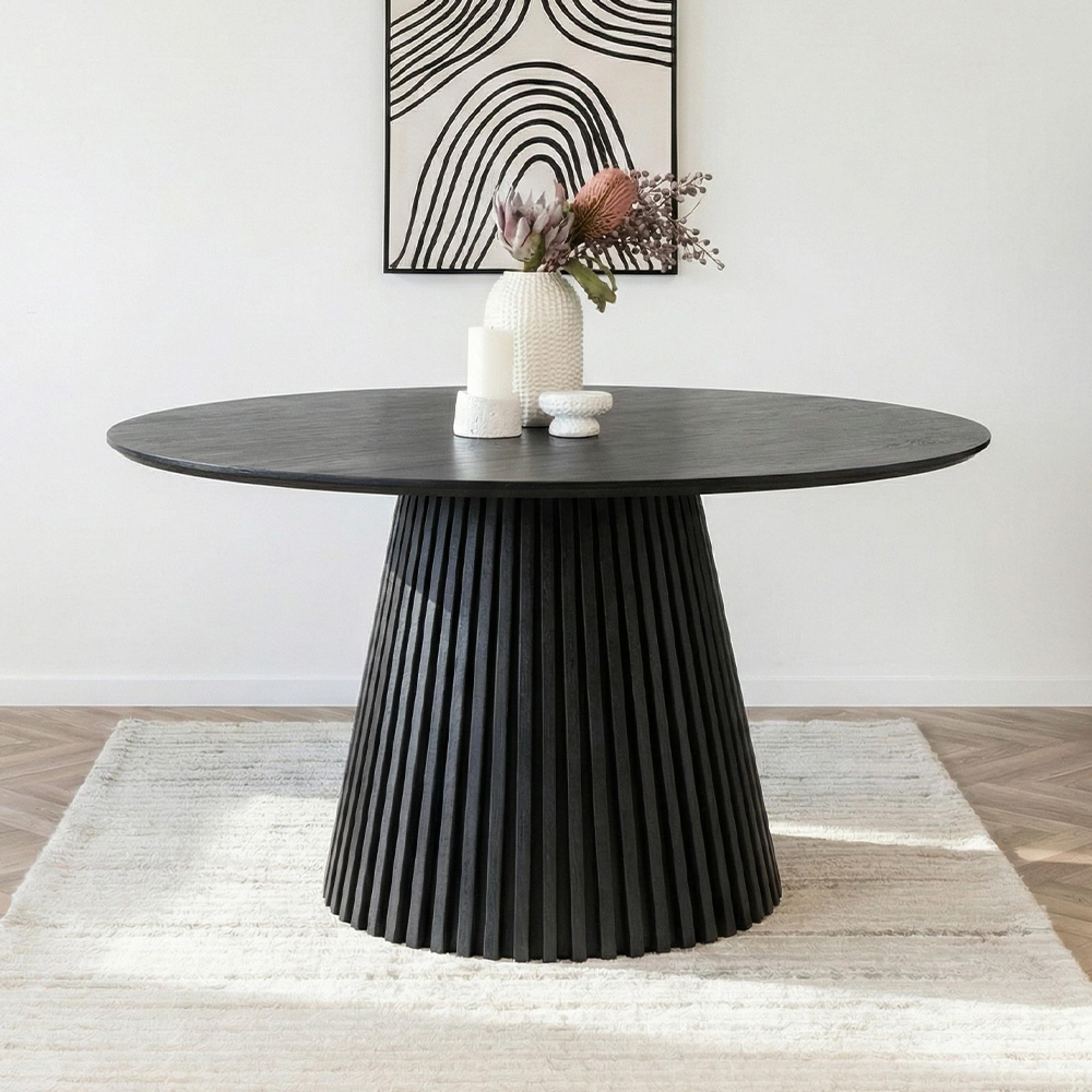
£628.99 £739.99 Save: 15%
£688.49 £809.99 Save: 15%
£450.49 £529.99 Save: 15%
£1104.99 £1299.99 Save: 15%
£688.49 £809.99 Save: 15%
£518.49 £609.99 Save: 15%
£356.99 £419.99 Save: 15%
£331.49 £389.99 Save: 15%
£348.49 £409.99 Save: 15%
£161.69 £209.99 Save: 23%
£839.29 £1089.99 Save: 23%
£546.69 £709.99 Save: 23%
£554.39 £719.99 Save: 23%
£207.89 £269.99 Save: 23%
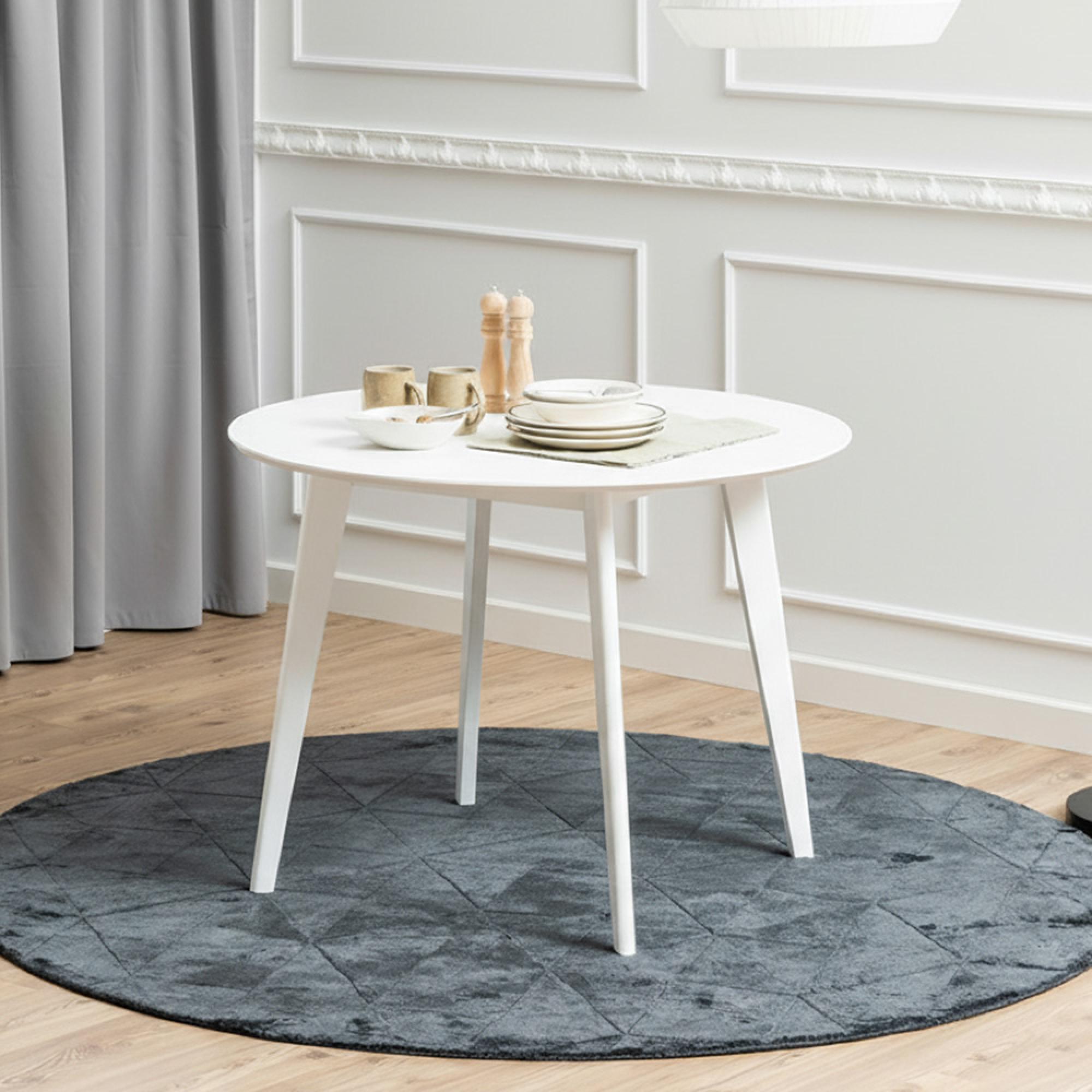
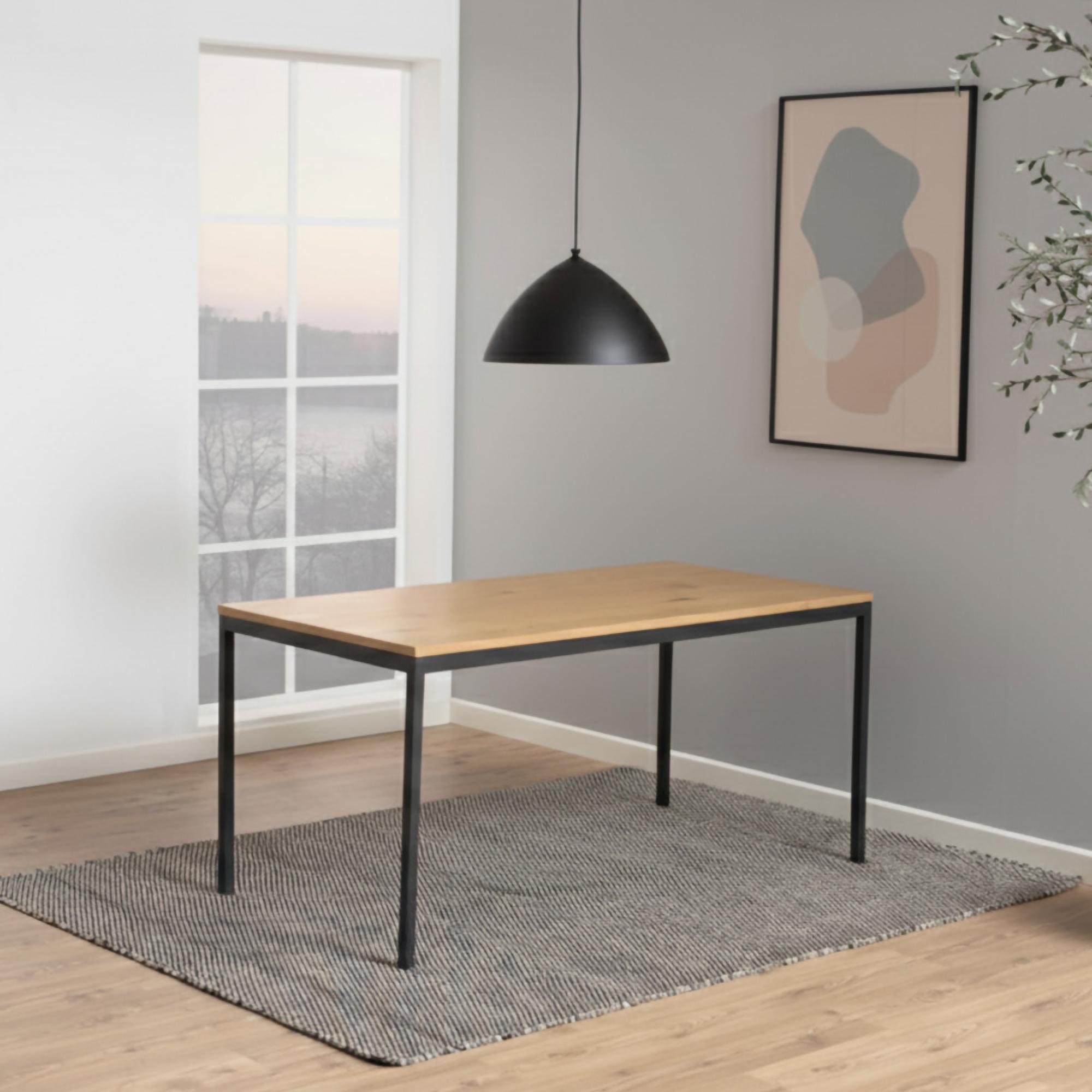
£254 £329.99 Save: 23%
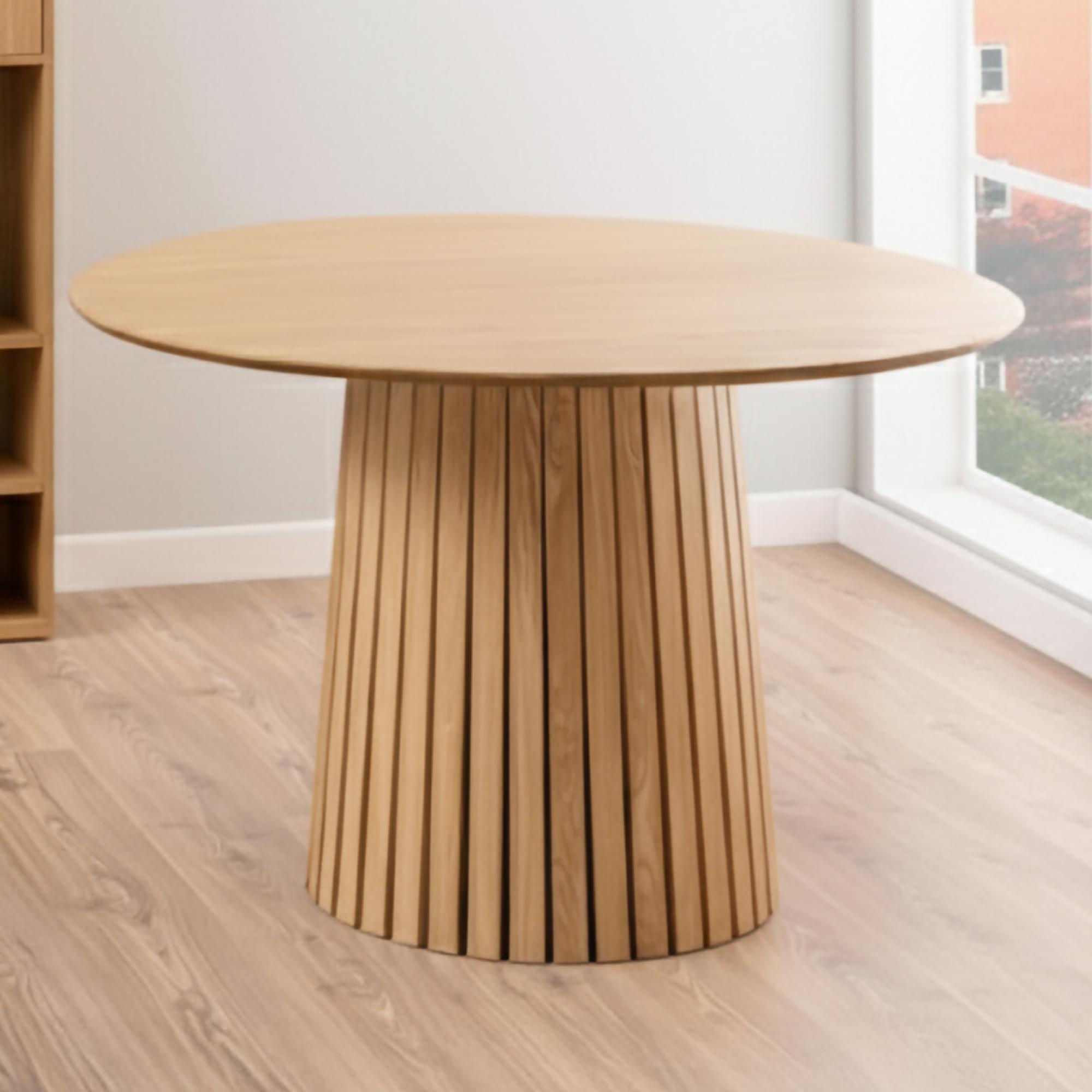
£785.39 £1019.99 Save: 23%
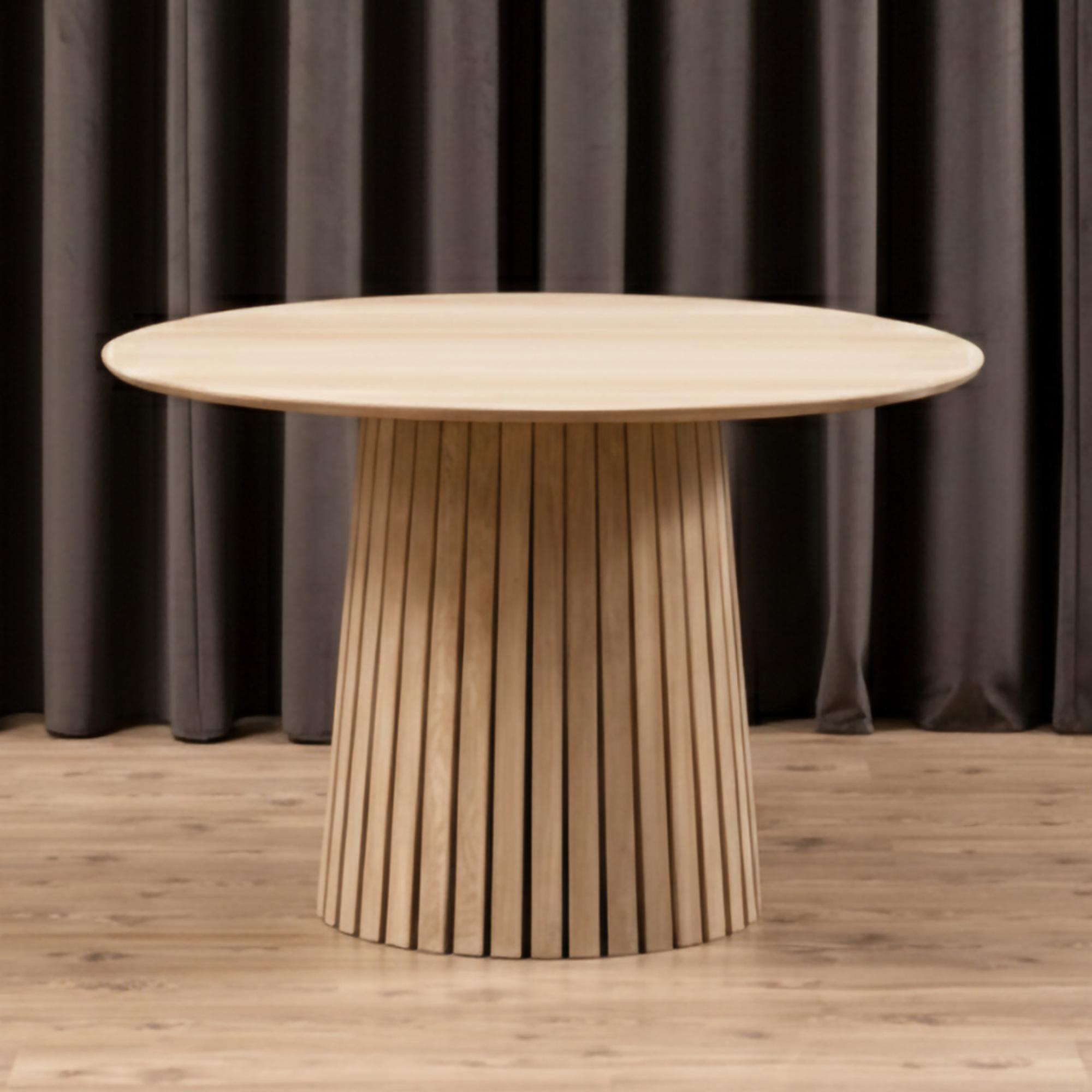
£508.19 £659.99 Save: 23%
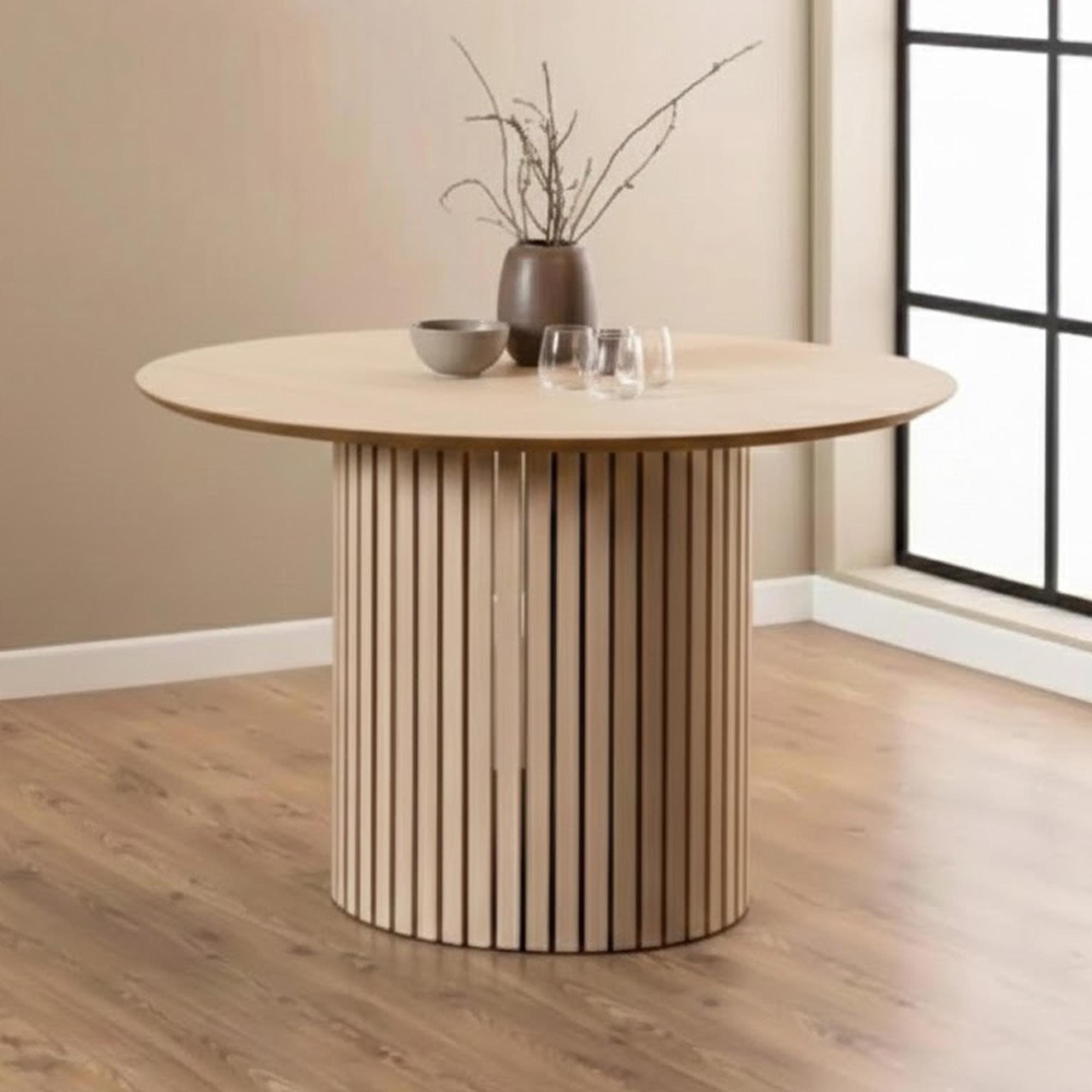
£623.69 £809.99 Save: 23%

£700.69 £909.99 Save: 23%
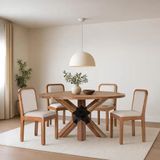
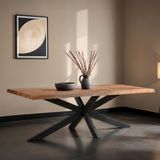
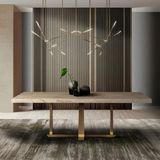
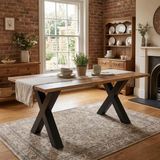
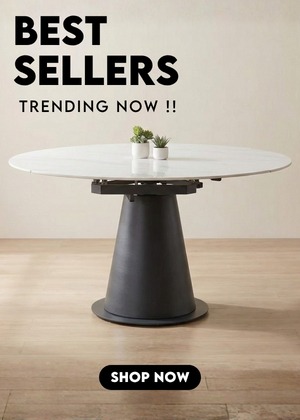
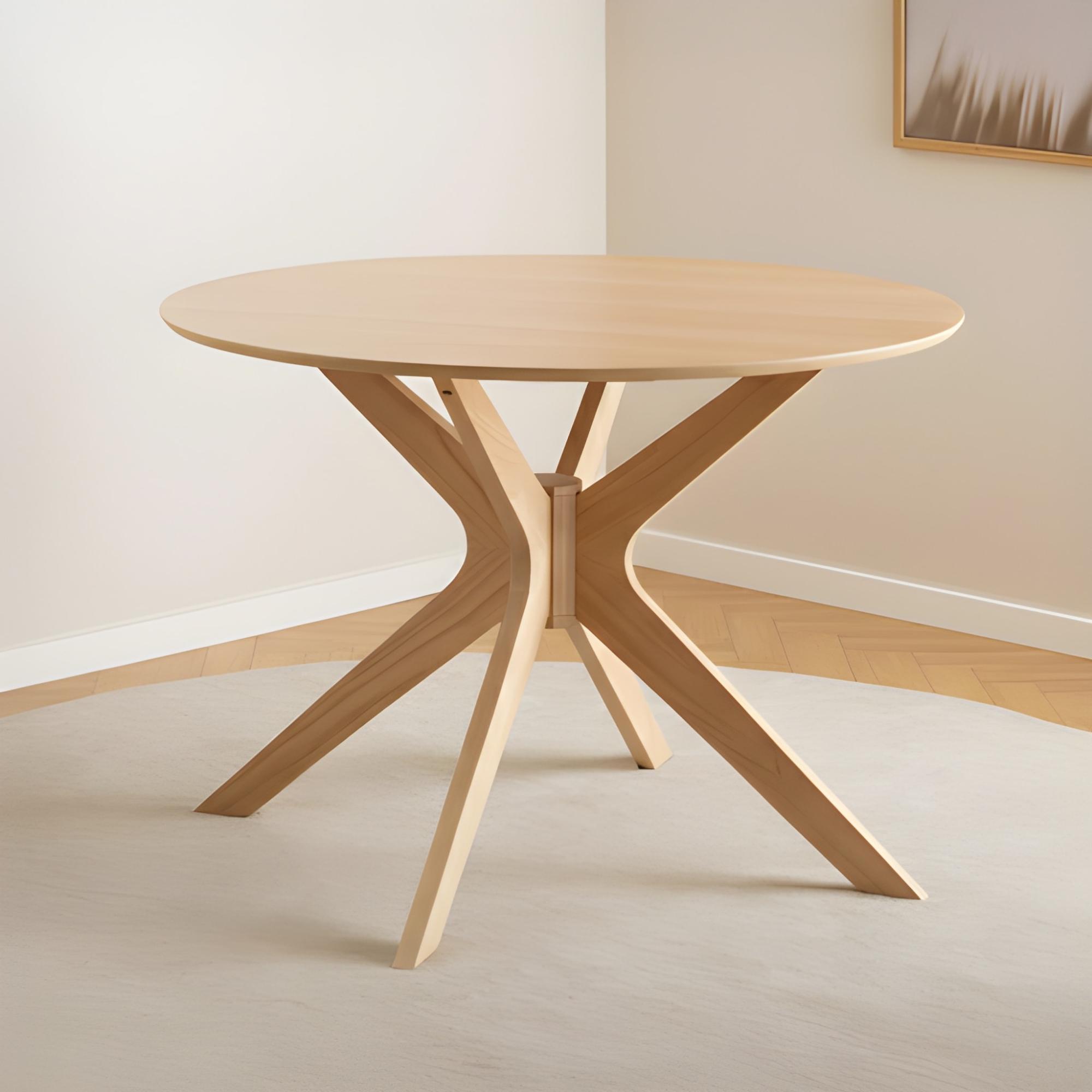
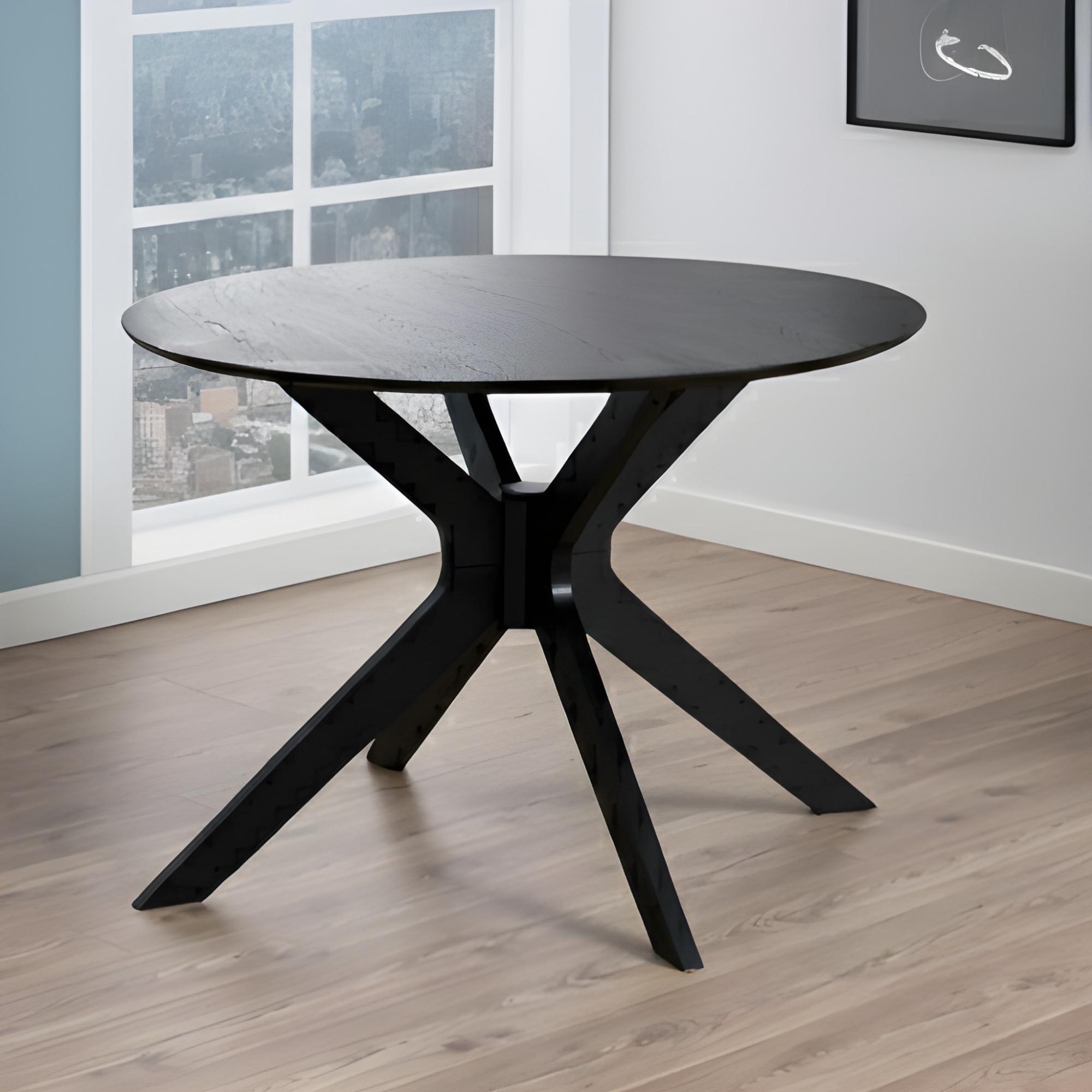
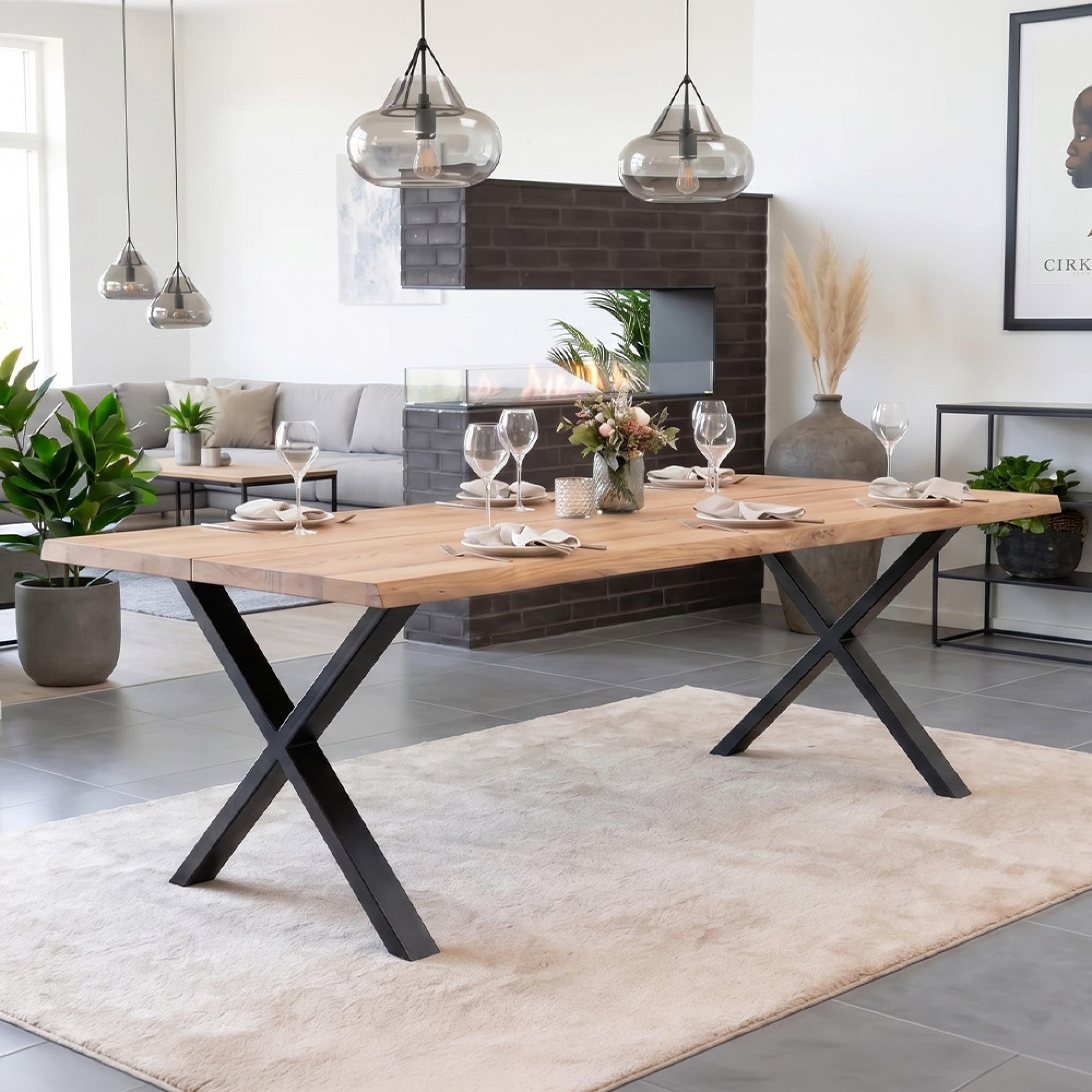
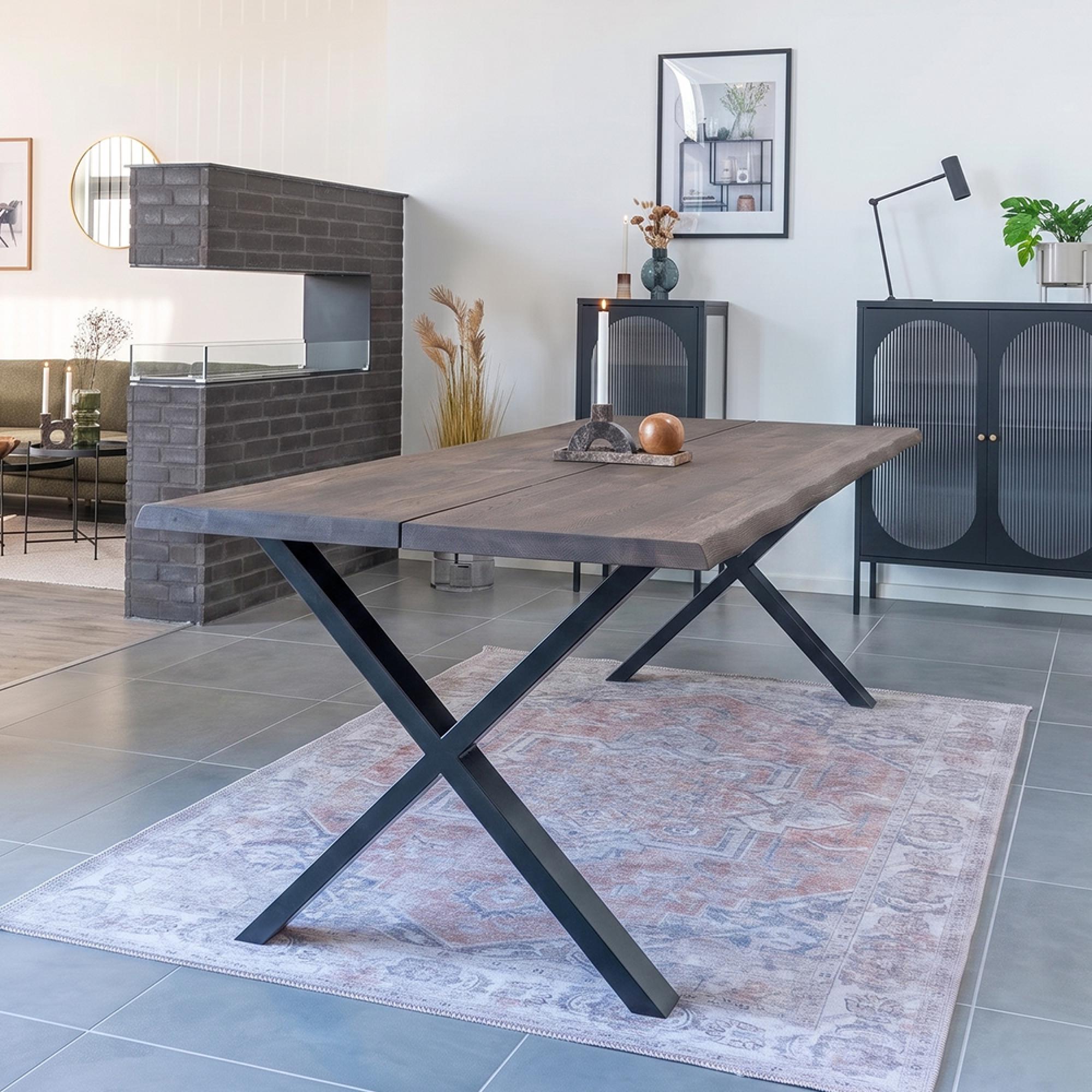
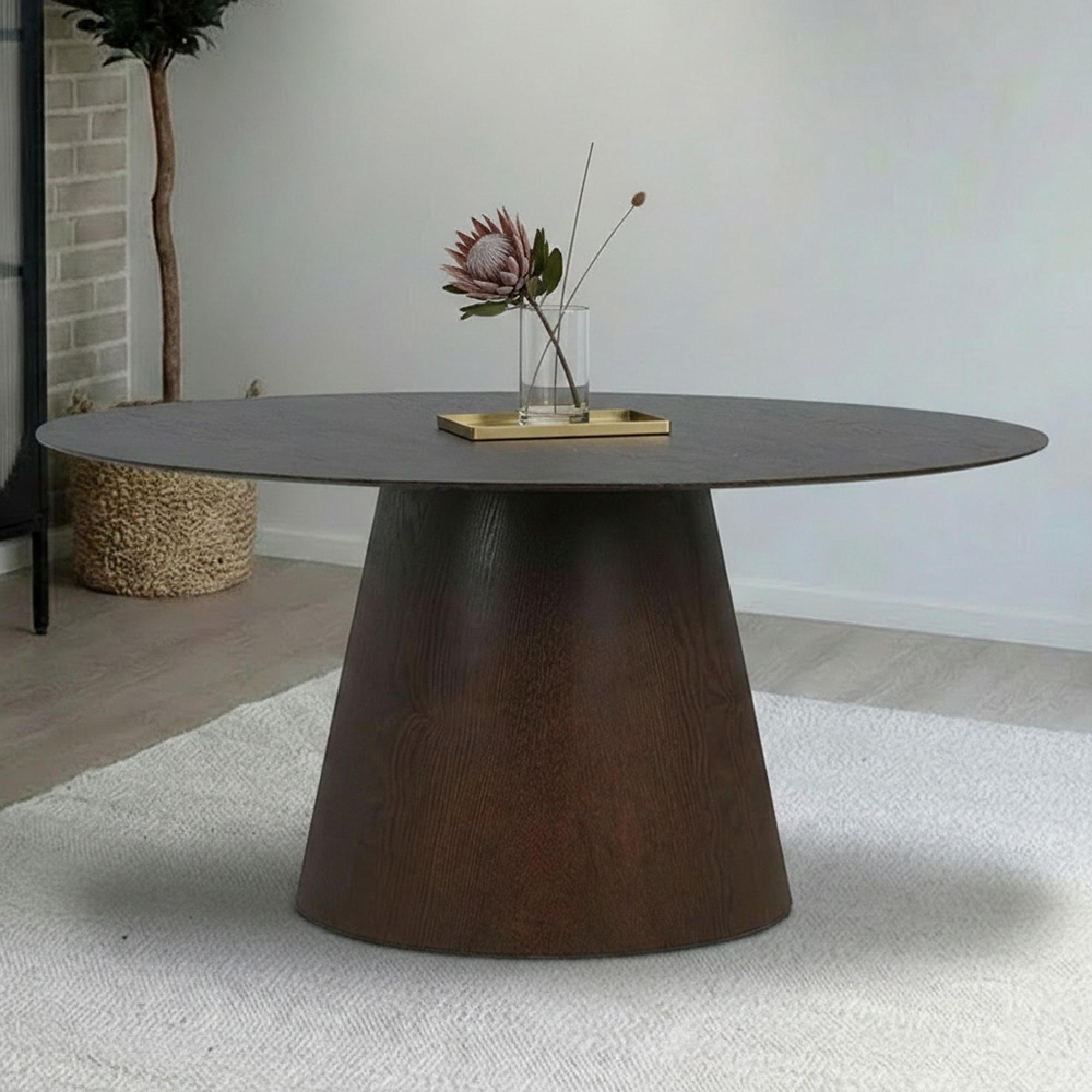
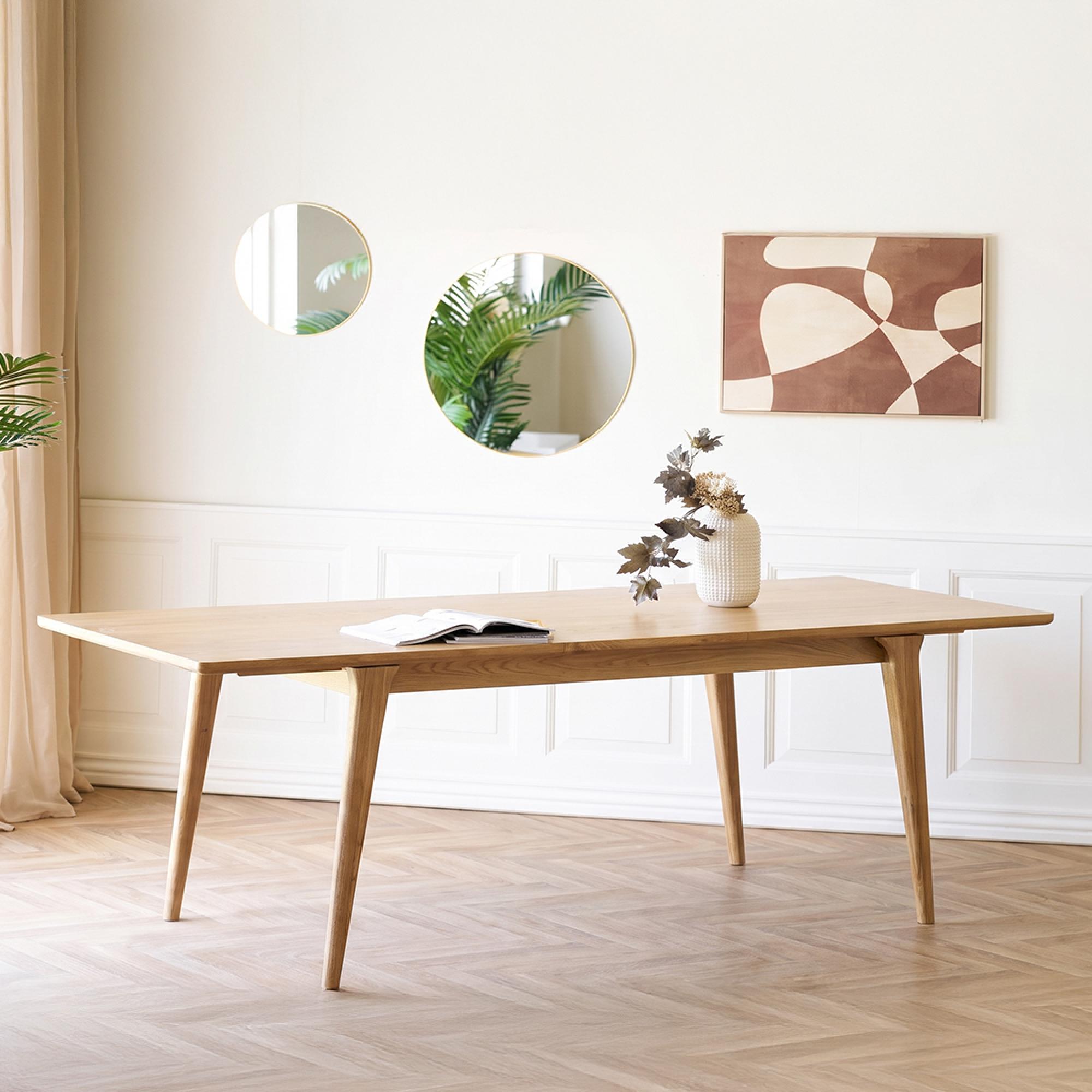
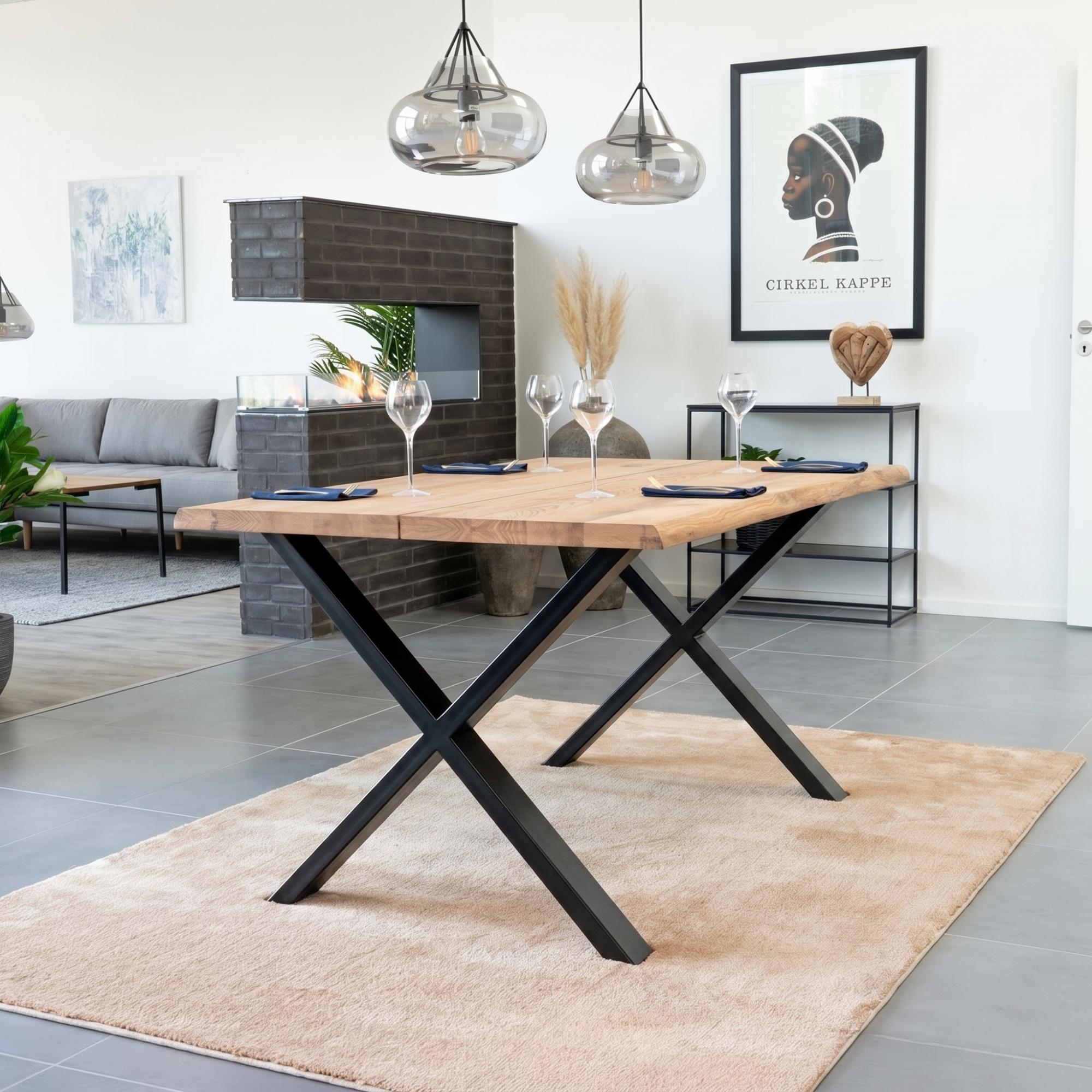
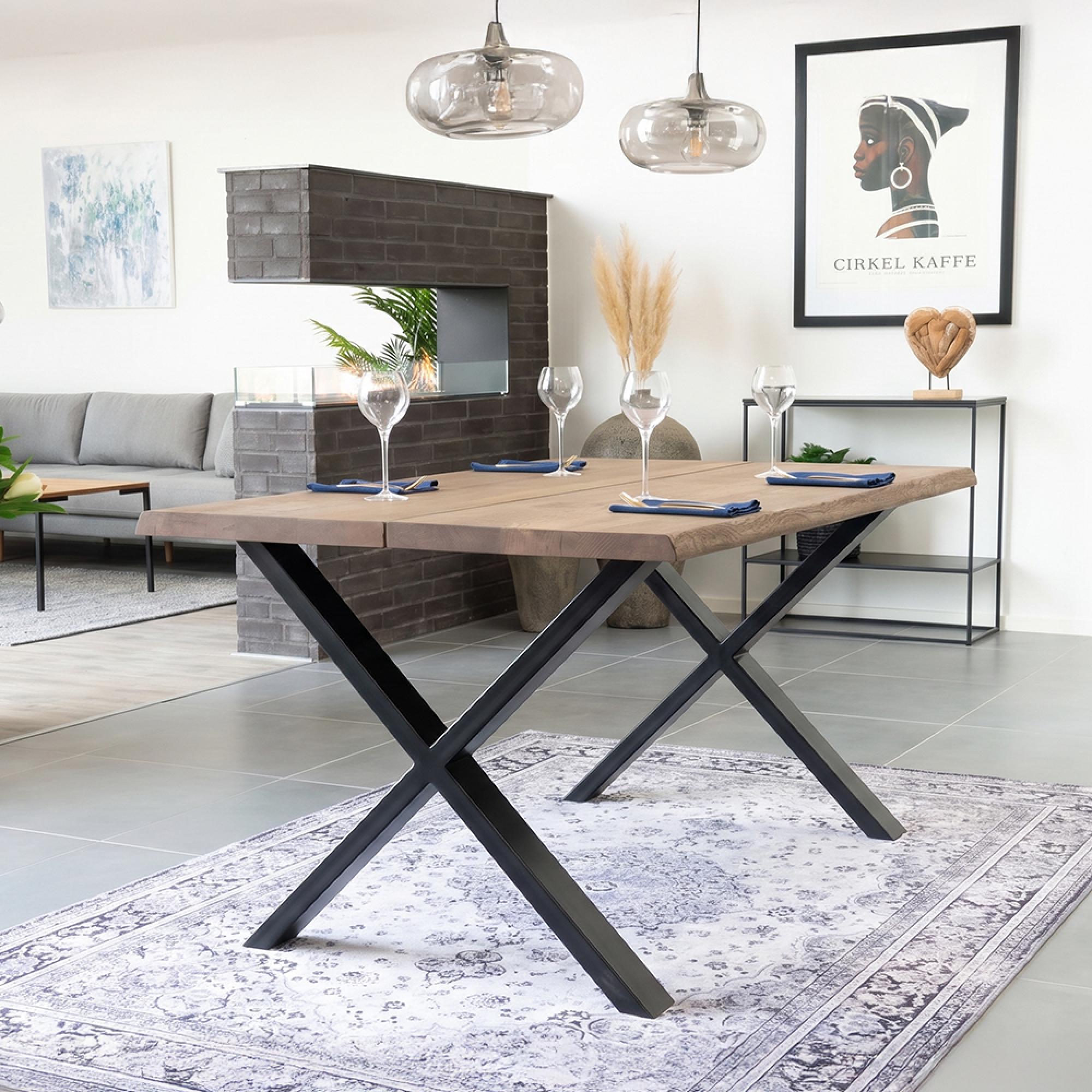
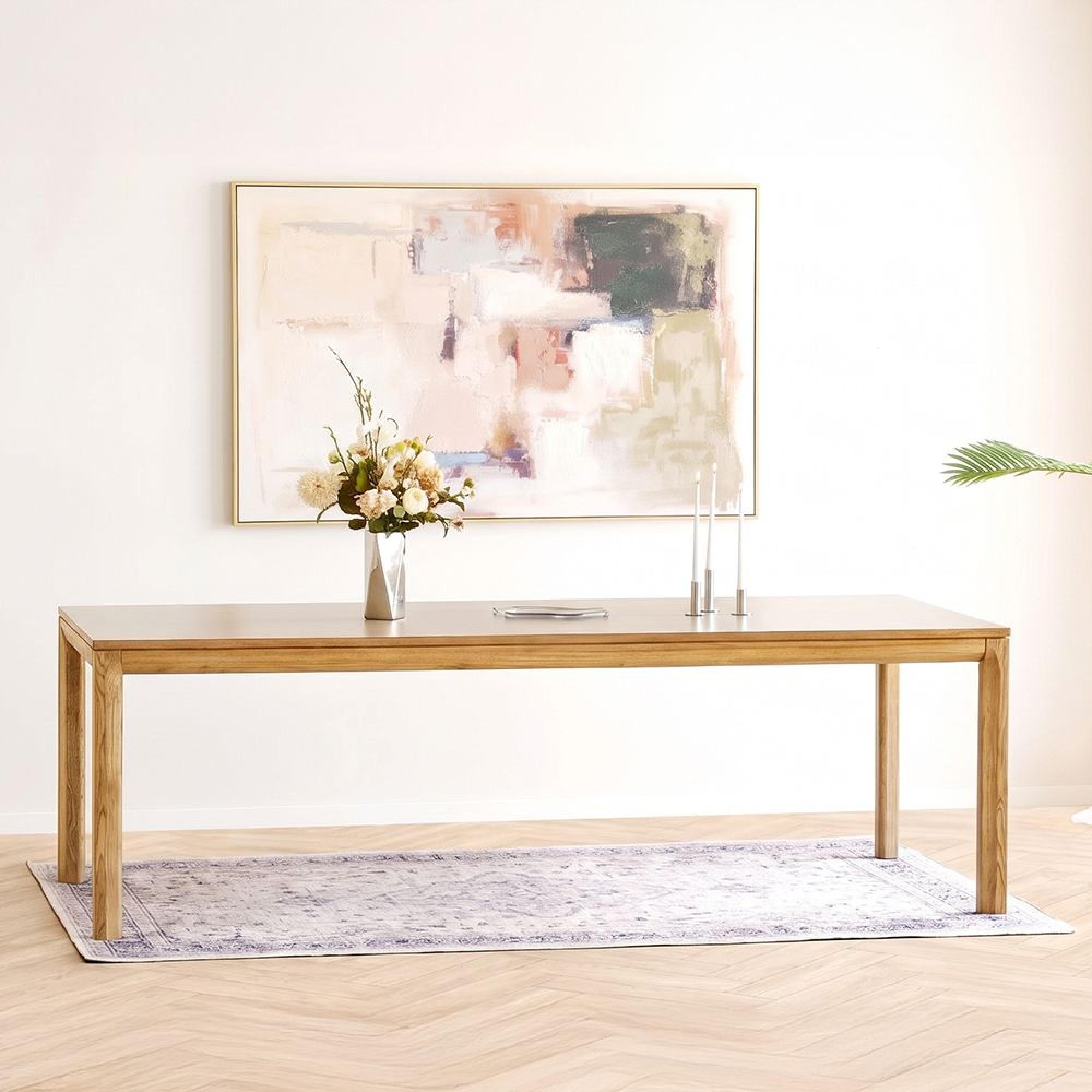
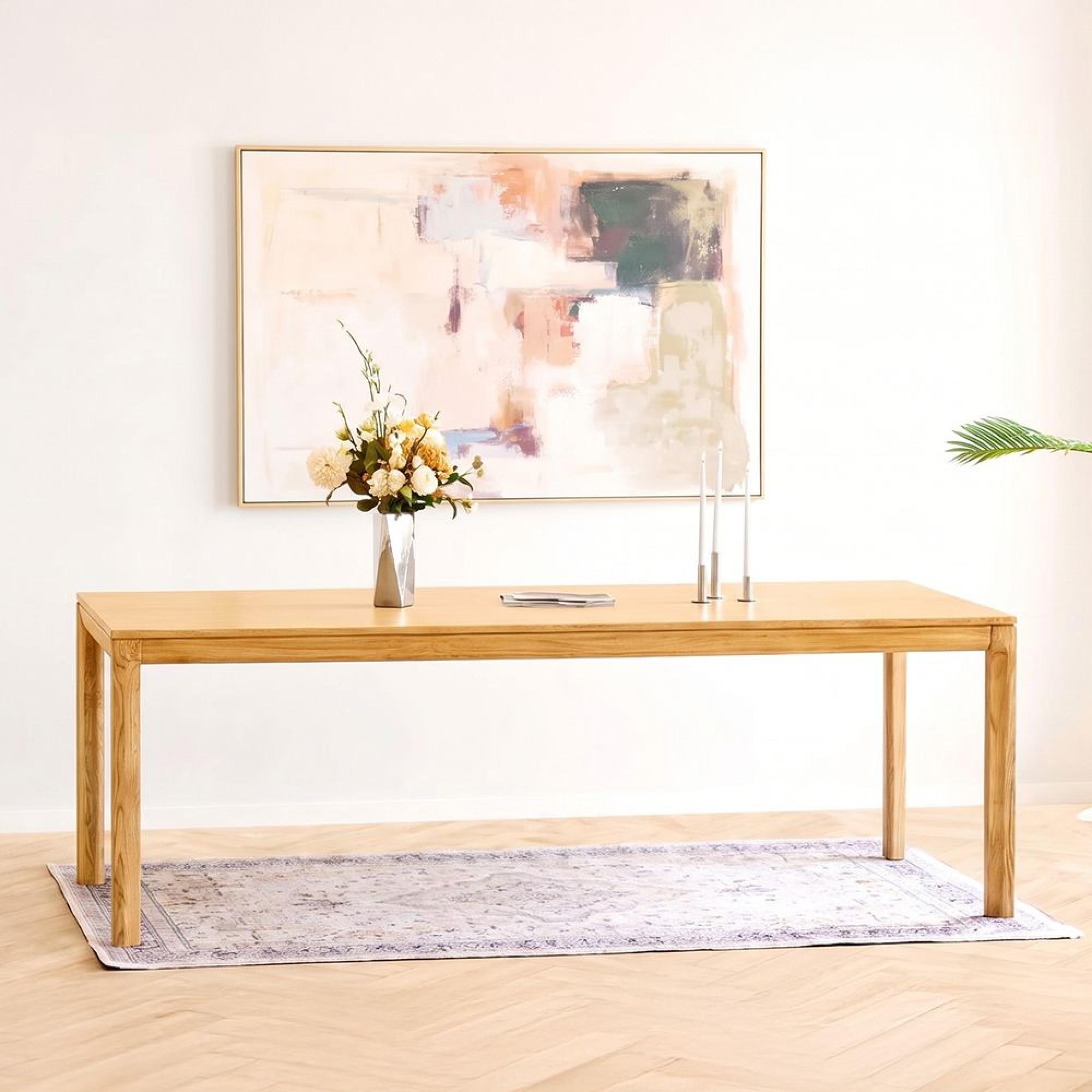
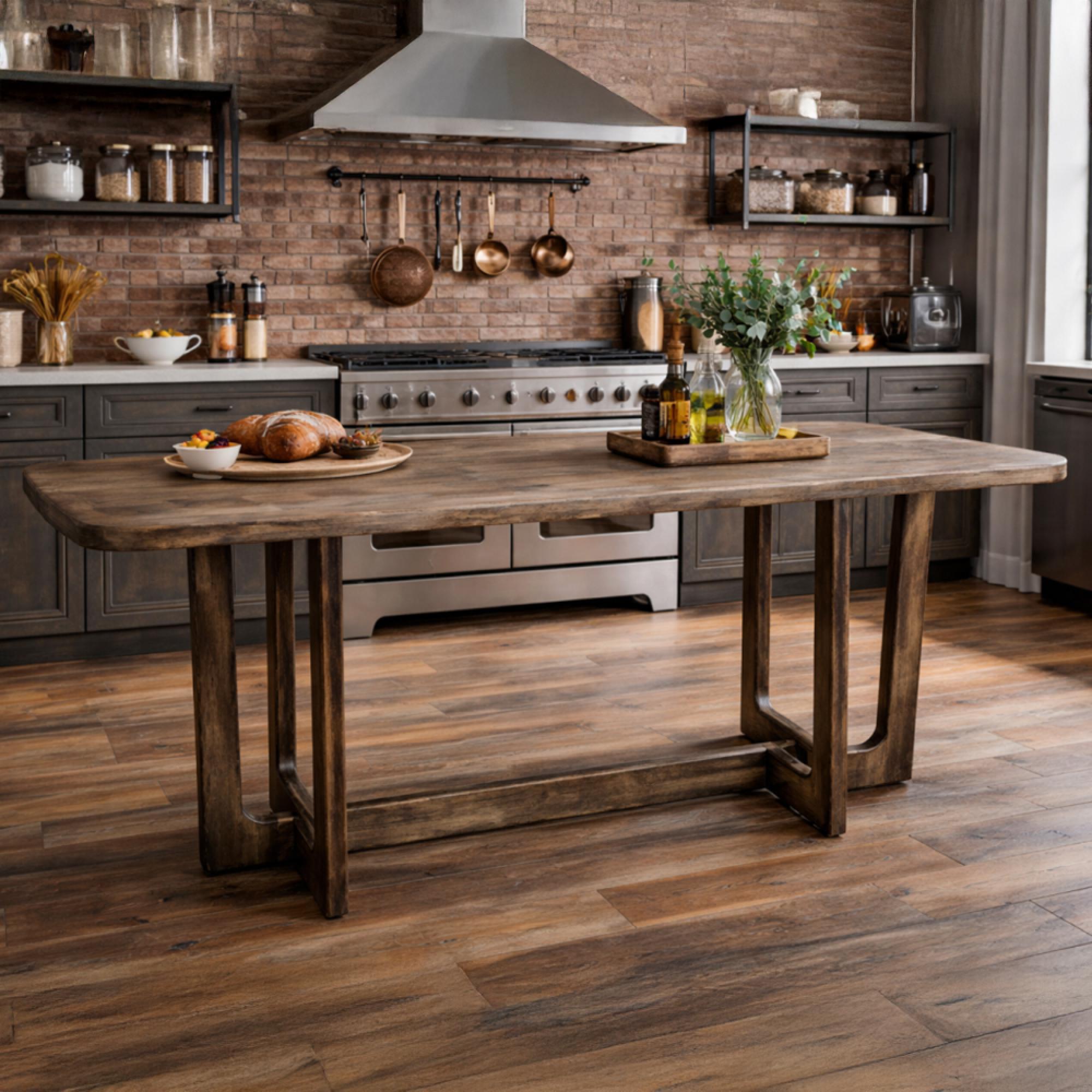
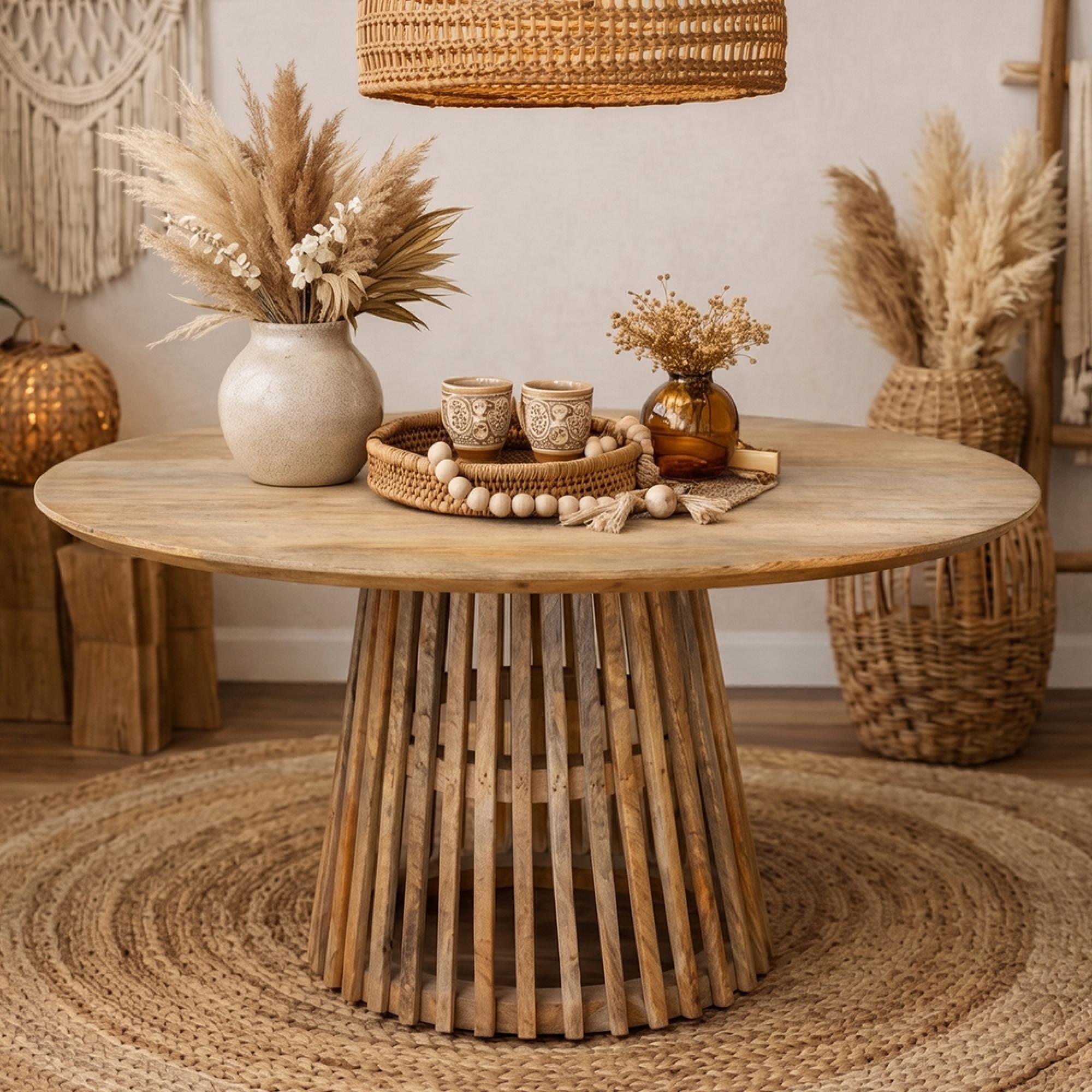
This category focuses on Solid Wood Dining Tables that can create a practical focal point for meals, conversation and entertaining. Start with the room layout and daily use, then compare shape, surface material, base design, seating capacity and any extending mechanism. The wood focus makes material, finish and care especially important when comparing products. This keeps the decision focused on practical suitability as well as style.
Plan for chair clearance as well as the tabletop footprint, especially in a busy dining area. Record the available width, depth and height, including clearance for doors, drawers, reclining parts or extensions where relevant. Account for skirting boards, radiators, sockets and walking routes, then check the access route through doors, halls and stairs.
For adjacent choices, explore Dining Tables, Dark Wood Dining Tables and Reclaimed Wood Dining Tables. Use these comparisons alongside the specifications on each product page.
The Solid Wood Dining Tables category focuses on choices intended to create a practical focal point for meals, conversation and entertaining. A suitable option should respond to the room's proportions, surrounding furniture and practical demands of everyday use. The wood focus makes material, finish and care especially important when comparing products.
When comparing dining tables, look closely at shape, surface material, base design, seating capacity and any extending mechanism. Materials influence appearance, weight and maintenance, while finish affects colour coordination and day-to-day care. Use the written specification to confirm construction and care requirements.
Plan for chair clearance as well as the tabletop footprint, especially in a busy dining area. Mark out the footprint and consider how people move around it. Where a product opens, extends, swivels or reclines, include that working clearance. For storage, seating or sleeping products, match the layout, support and capacity to the needs of regular users.
Build the room around a clear relationship between scale, colour and material. Matching every finish is not essential, but repeating one or two elements can connect separate pieces. You can also compare Dining Tables, Dark Wood Dining Tables and Reclaimed Wood Dining Tables for closely related room and product choices. Use the individual listing to confirm dimensions, included components, assembly and suitability.