Floor Lamps
Popular Categories
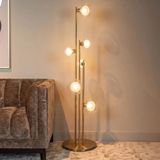
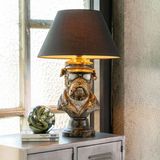
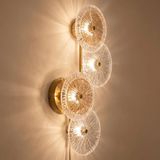
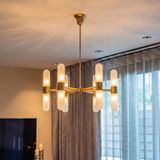
- Beige
- Black
- Brown
- White
- Yellow
- House Nordic
Wattom Beige and Grey Linen and Steel Wave Style Floor Lamp
SAVE £18£101.99 £119.99
Free delivery*
In Stock - Dutch Imports
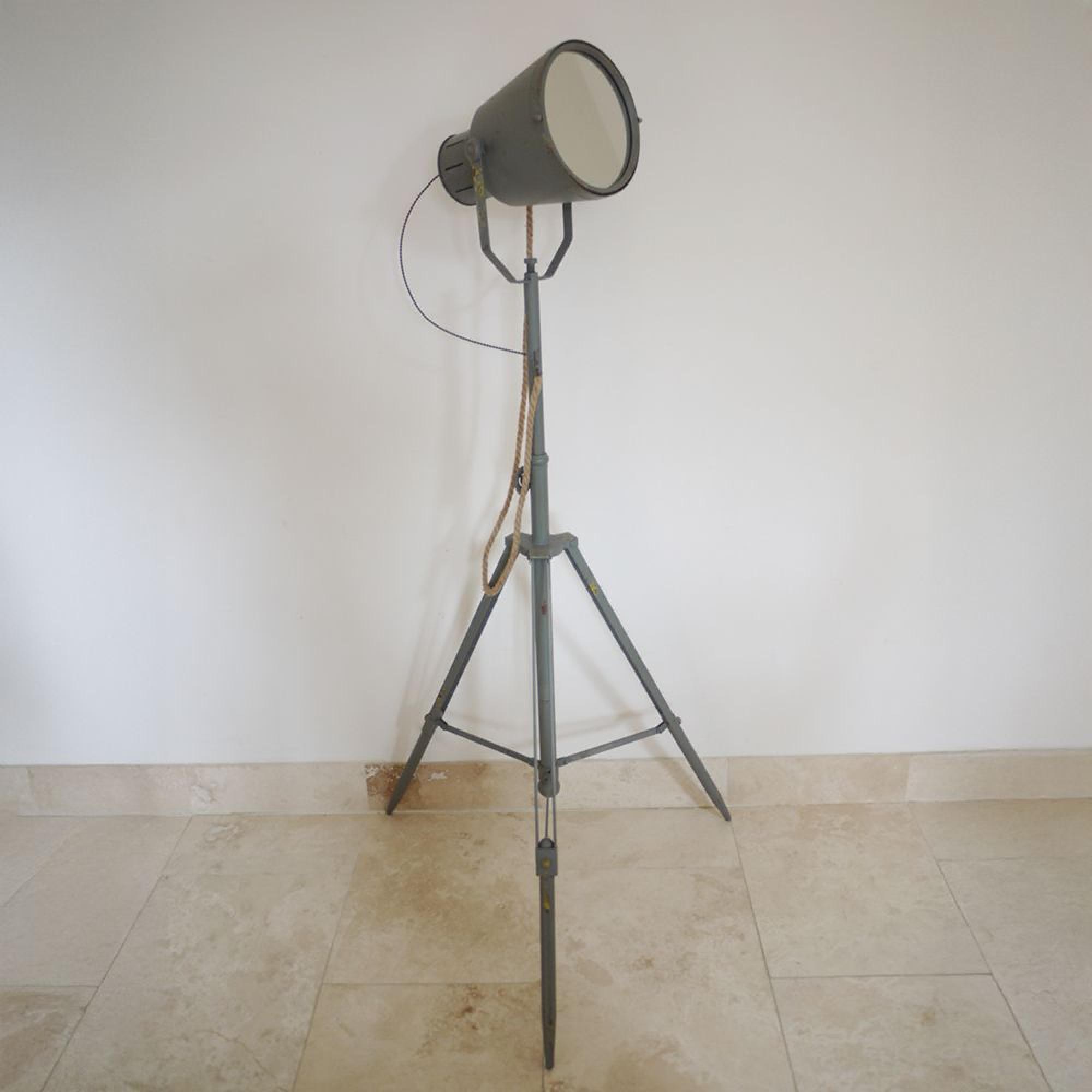
Metal Searchlight Mirror
SAVE £15£84.99 £99.99
Free delivery*
In StockOrder Now for Christmas Delivery - Dutch Imports
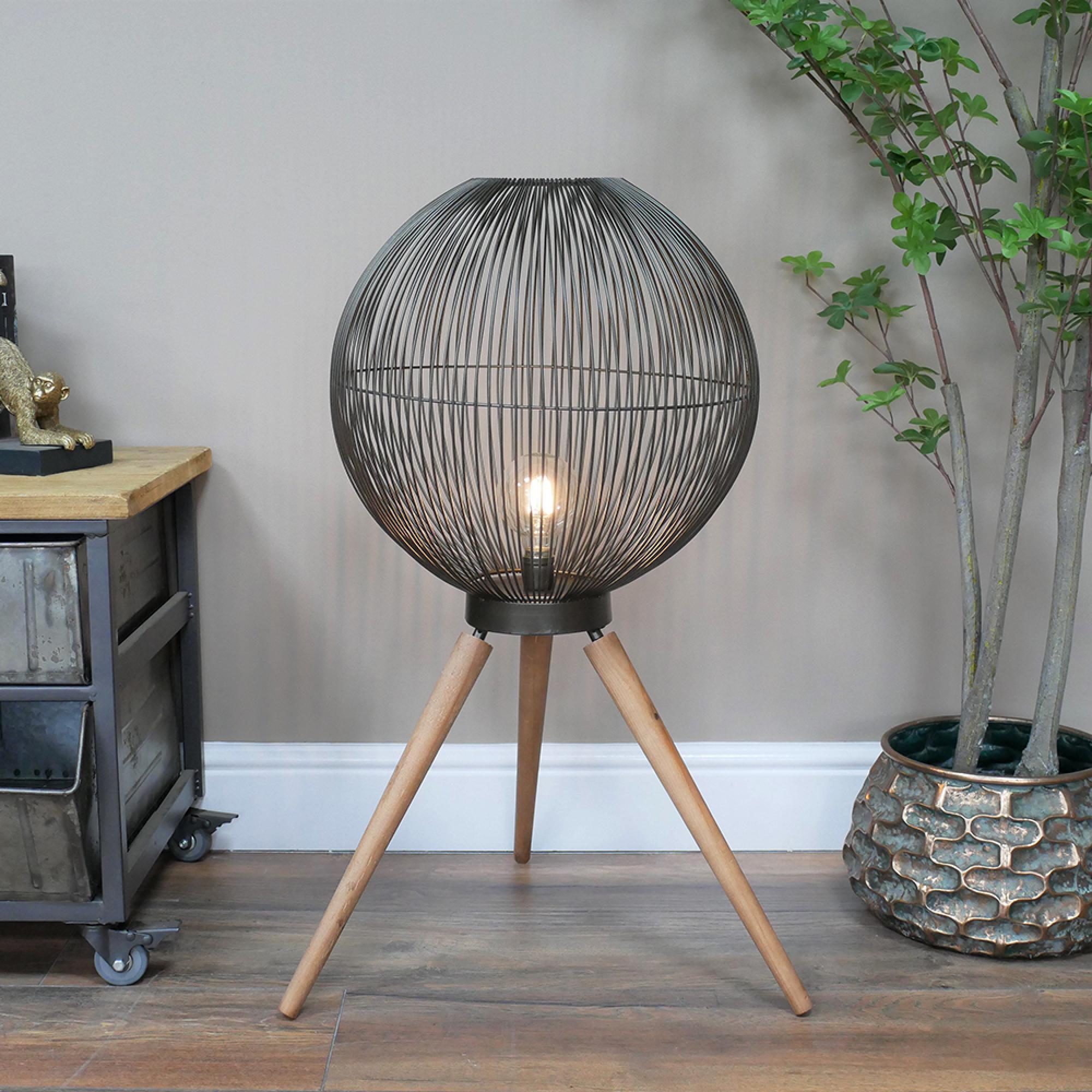
Black Cage Floor Lamp with Wooden Legs
SAVE £21£118.99 £139.99
Free delivery*
In StockOrder Now for Christmas Delivery - J-Line
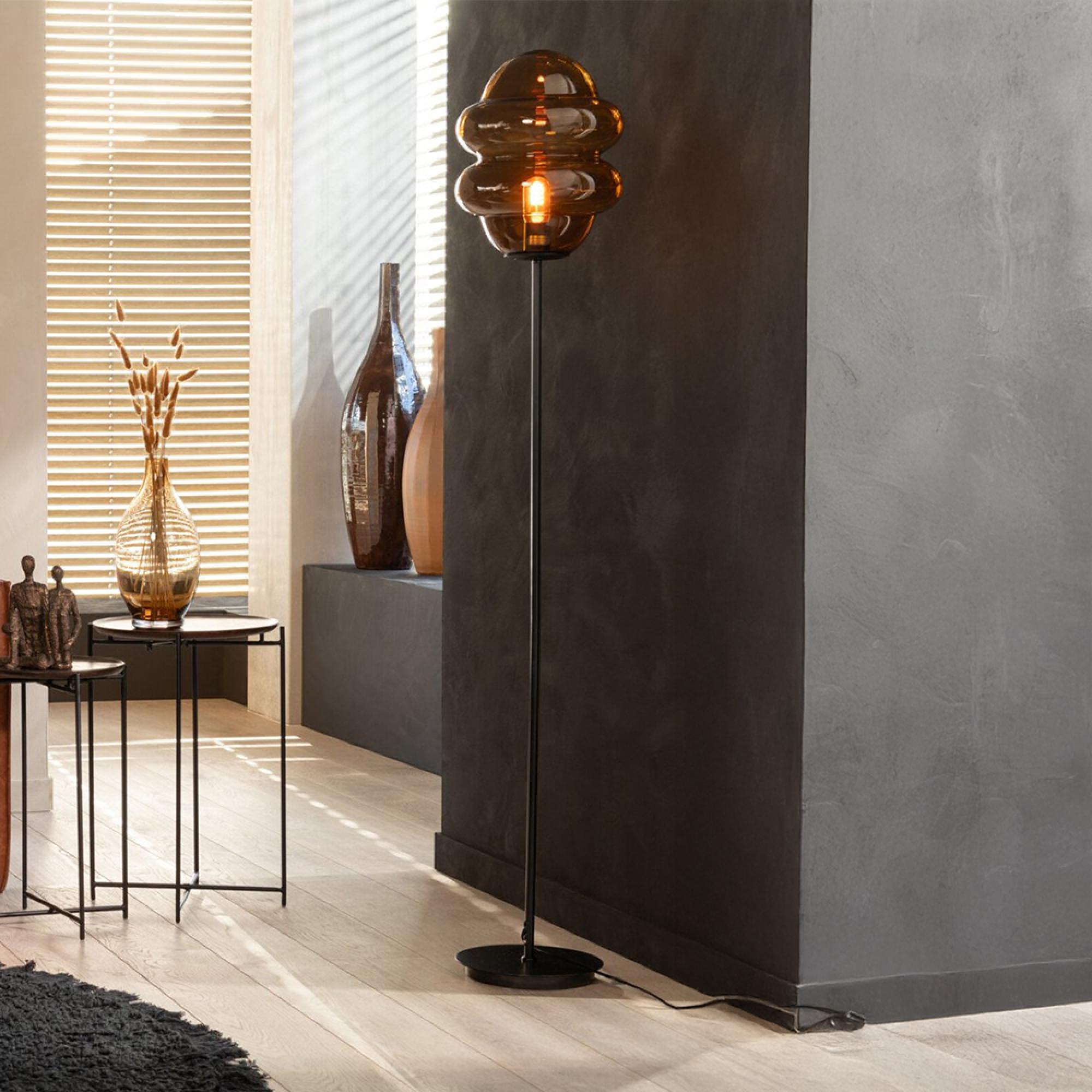
Honeycomb Light Brown and Gold Glass and Metal Floor Lamp
SAVE £71.30£238.69 £309.99
Free delivery*
In StockOrder Now for Christmas Delivery - J-Line
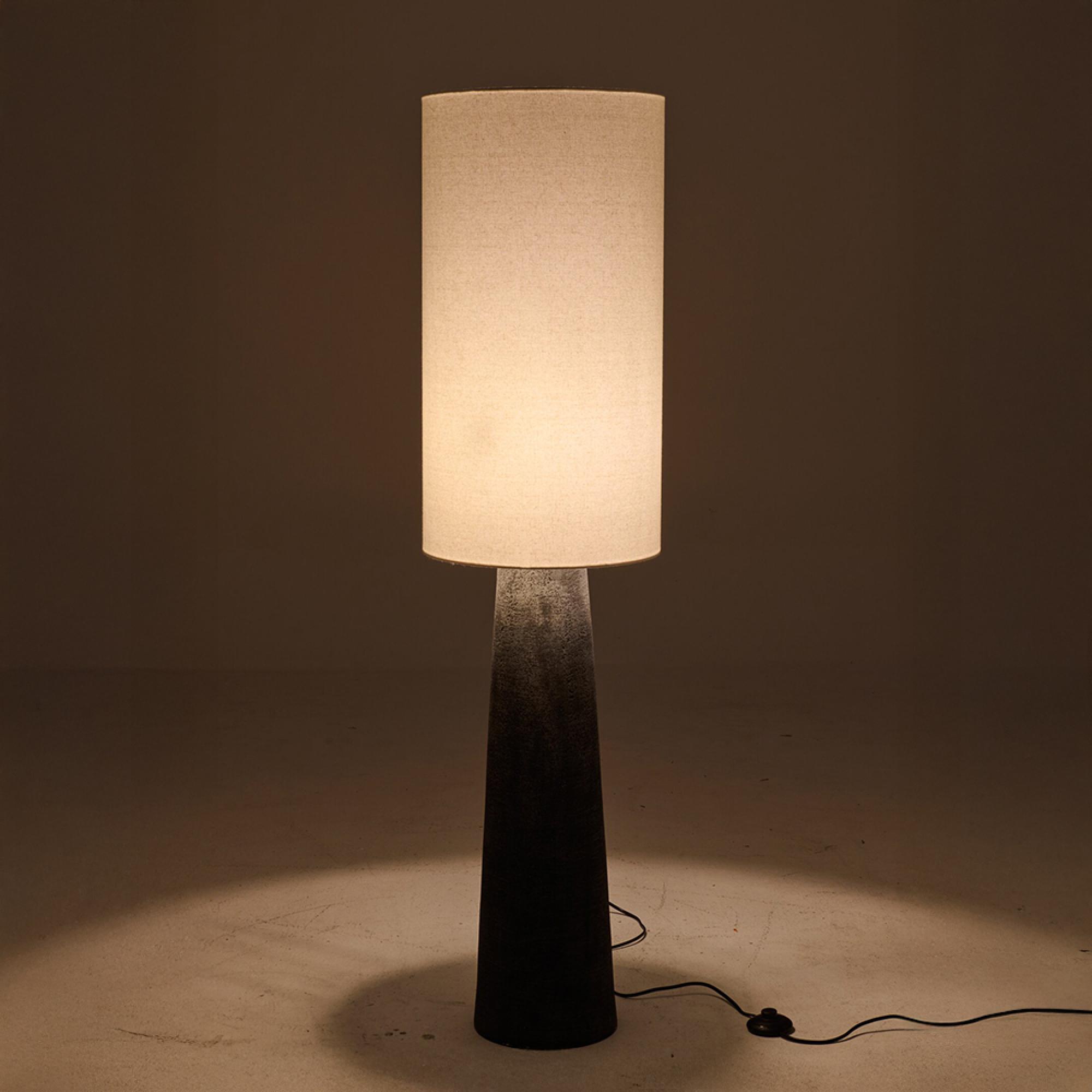
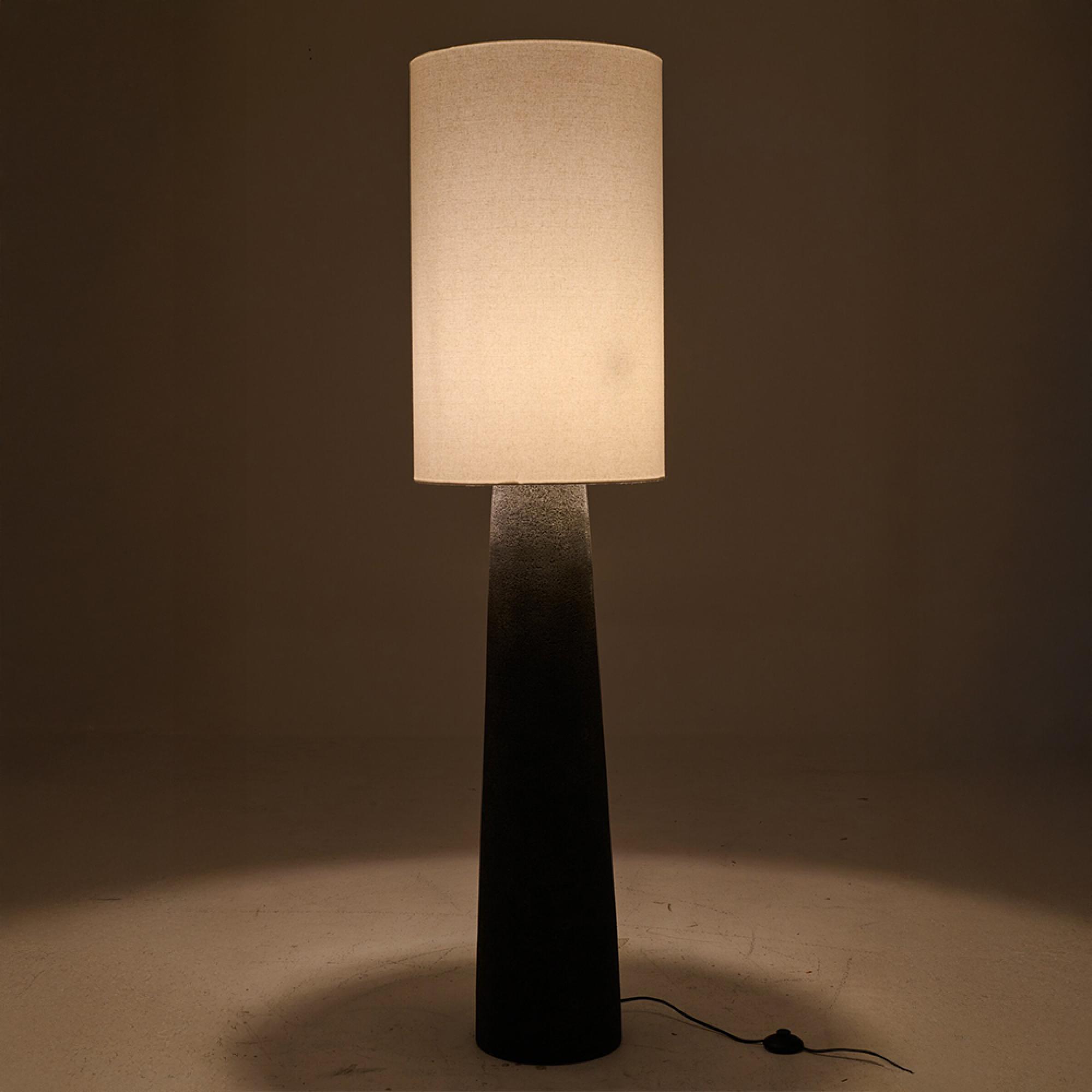
Ava Black and White Fibreglass Medium Floor Lamp
SAVE £55.20£184.79 £239.99
Free delivery*
In StockOrder Now for Christmas Delivery - J-Line
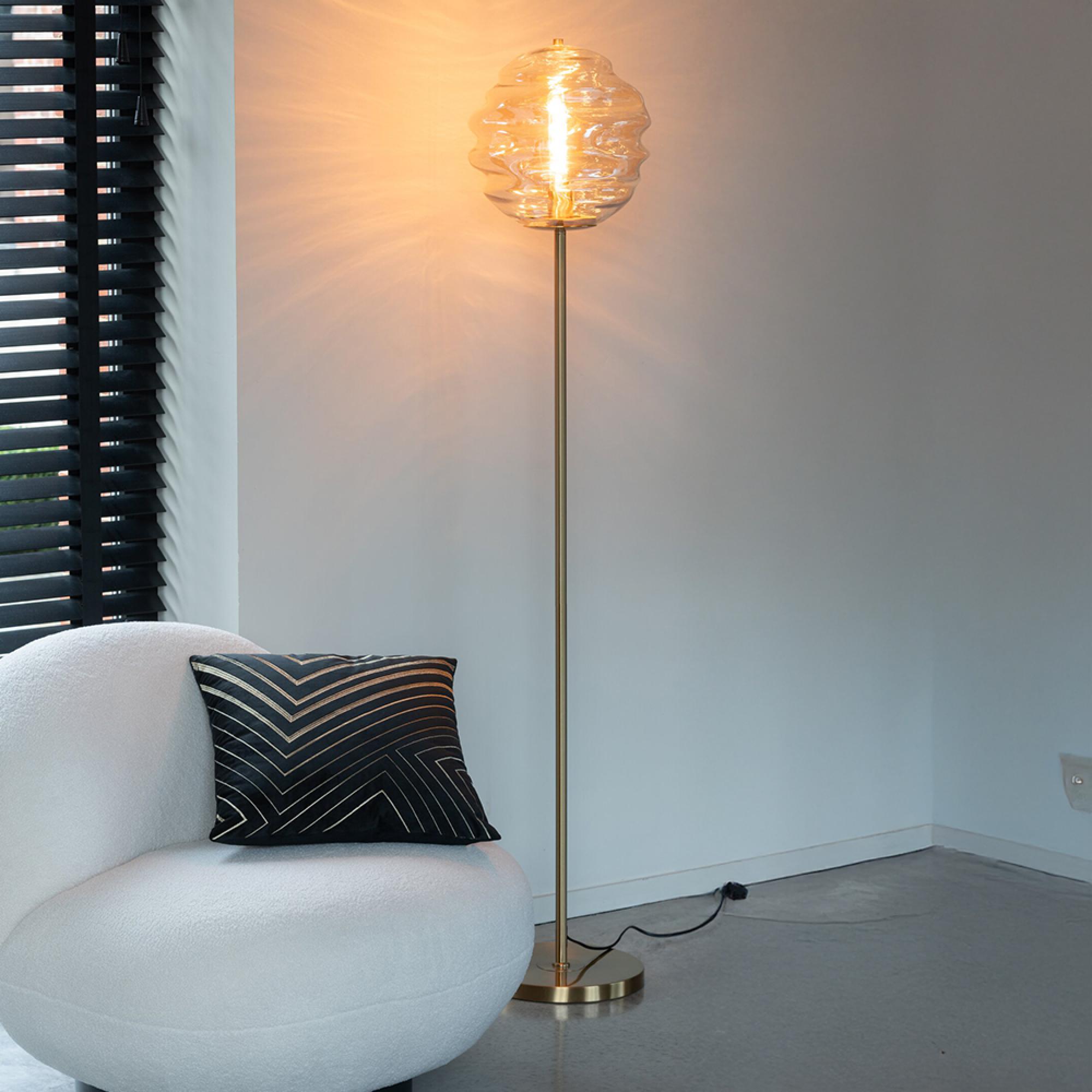
LED Transparent and Gold Glass and Metal Floor Lamp
SAVE £103.50£346.49 £449.99
Free delivery*
In StockOrder Now for Christmas Delivery - J-Line
Honey Spoon Brown Glass Floor Lamp
SAVE £78.20£261.79 £339.99
Free delivery*
In StockOrder Now for Christmas Delivery - J-Line
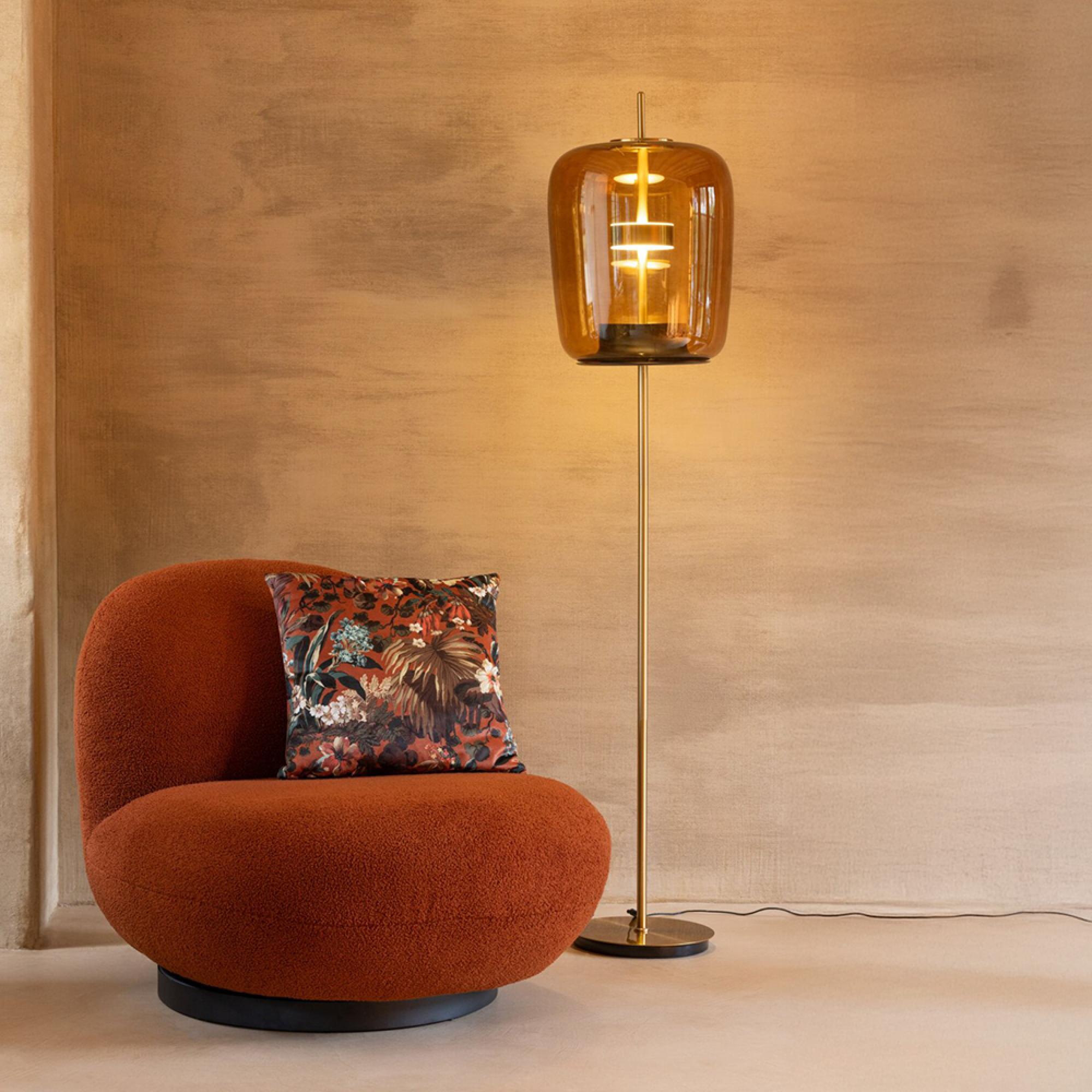
LED Brown Glass Floor Lamp
SAVE £119.60£400.39 £519.99
Free delivery*
In StockOrder Now for Christmas Delivery - J-Line
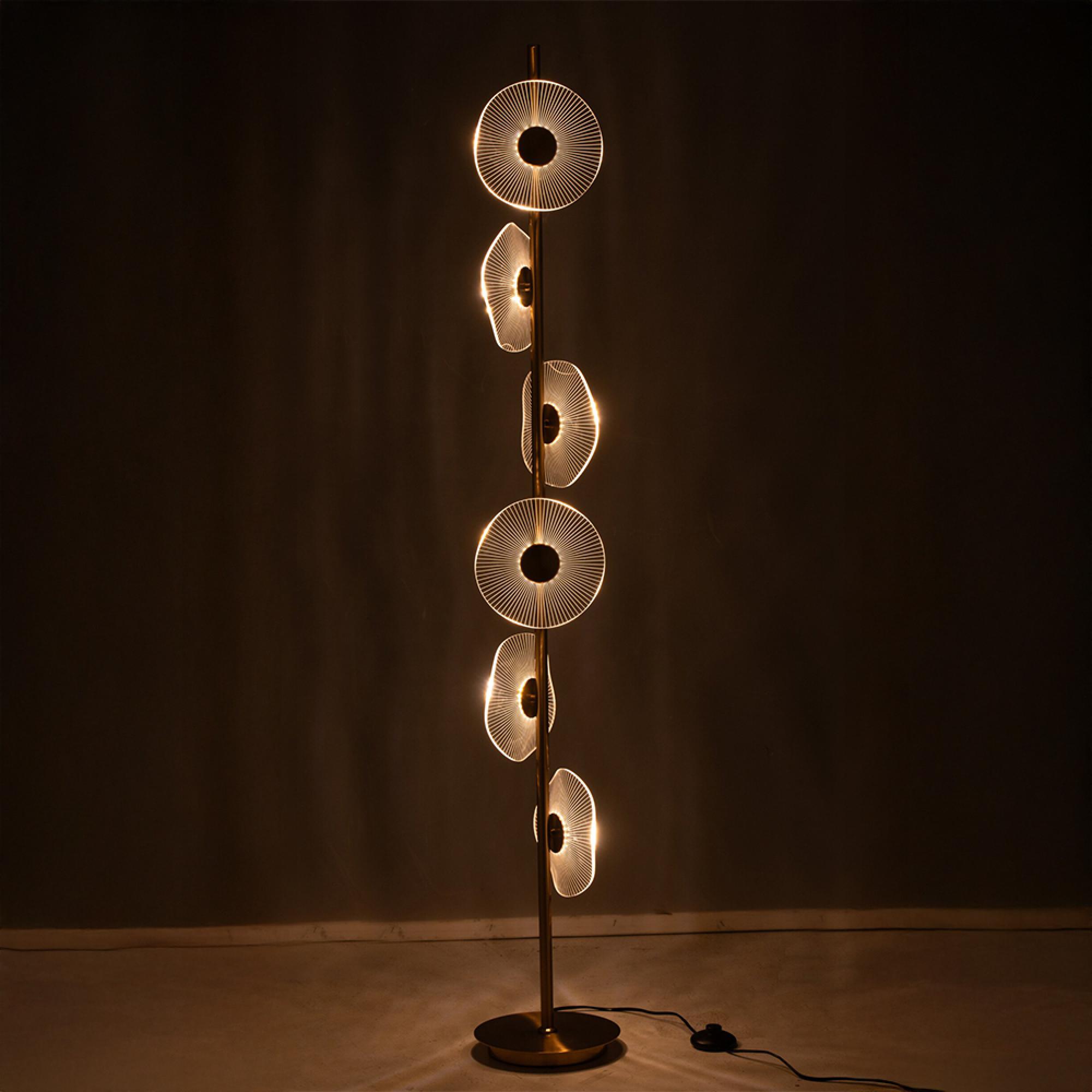
LED Flower Gold Plastic and Metal Floor Lamp
SAVE £87.40£292.59 £379.99
Free delivery*
In StockOrder Now for Christmas Delivery - J-Line
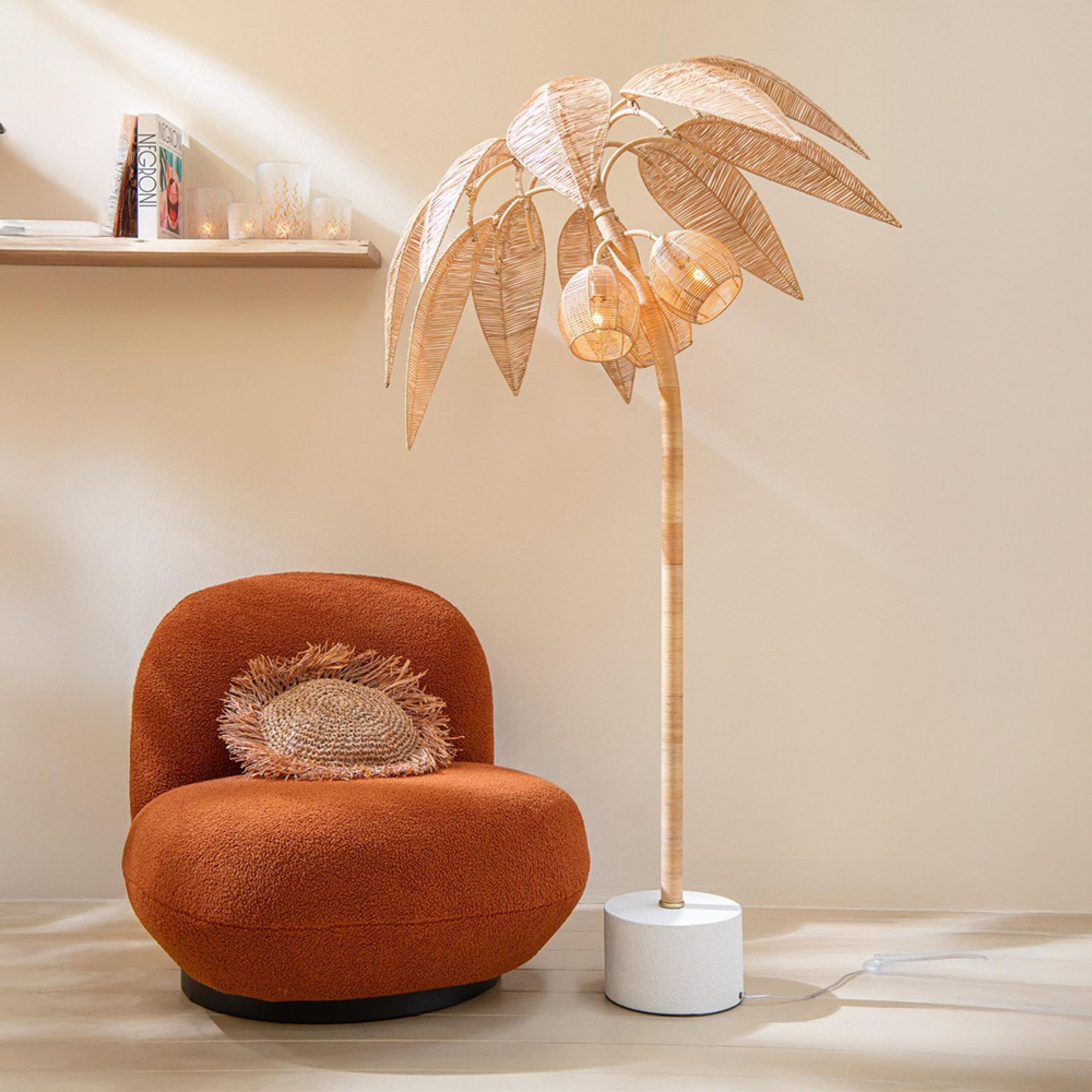
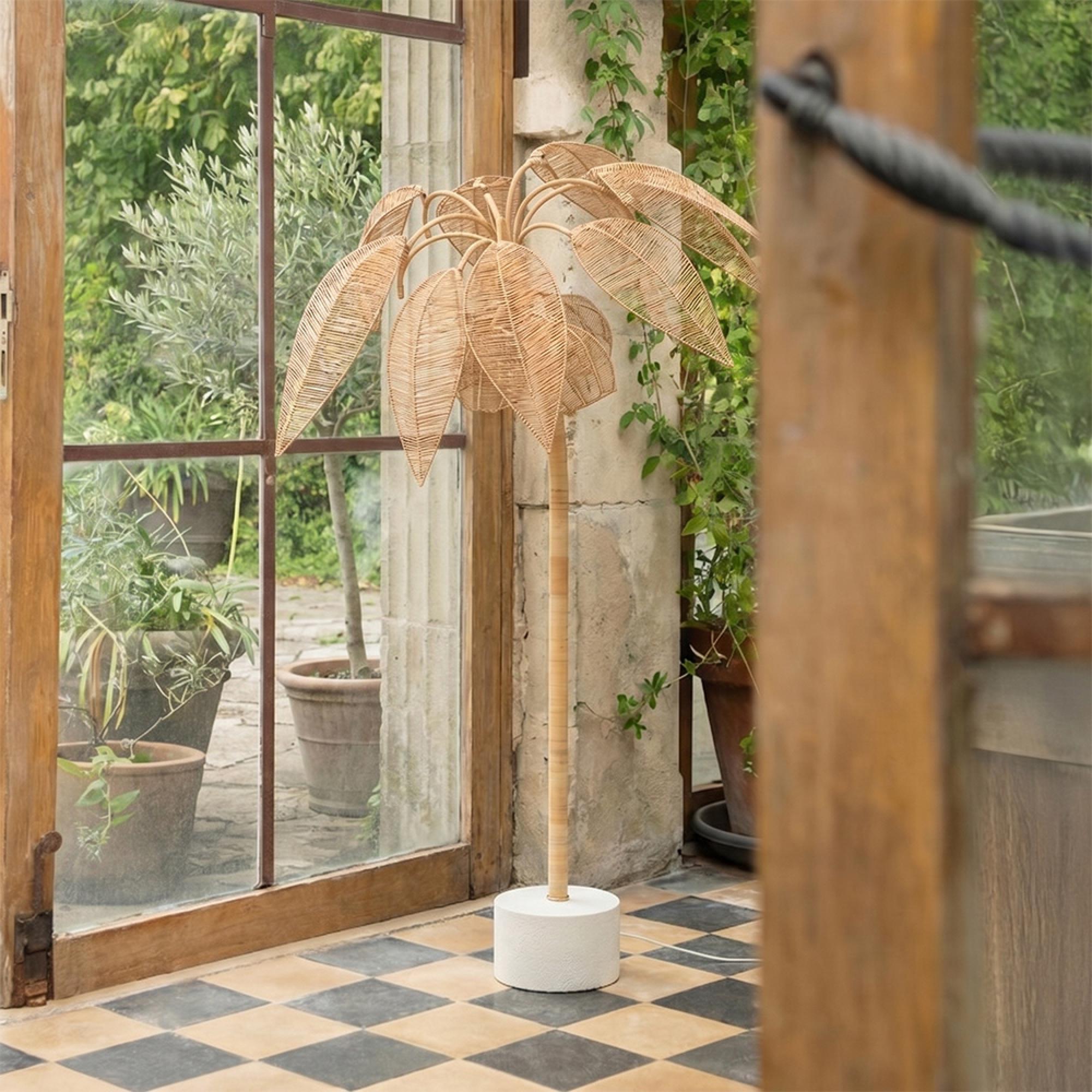
Coconut Tree Natural Cane Webbing and Metal Large Floor Lamp
SAVE £299£1000.99 £1299.99
Easy Finance Available
Free delivery*
In StockOrder Now for Christmas Delivery - J-Line
Coconut Tree Natural Cane Webbing and Metal Small Floor Lamp
SAVE £266.80£893.19 £1159.99
Easy Finance Available
Free delivery*
In StockOrder Now for Christmas Delivery - J-Line
Ava Black and White Fibreglass Large Floor Lamp
SAVE £80.50£269.49 £349.99
Free delivery*
In StockOrder Now for Christmas Delivery - J-Line
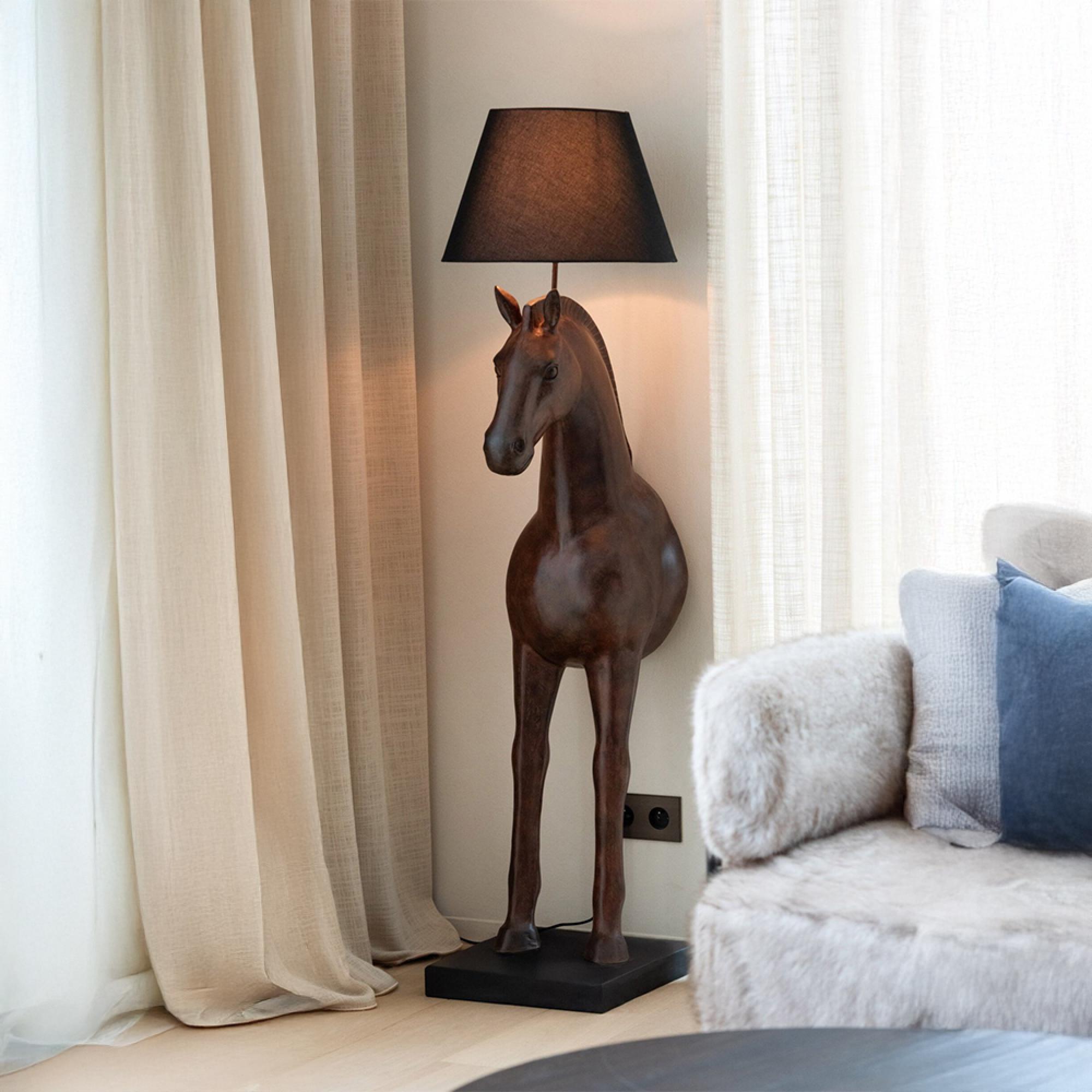
Horse Front Dark Brown Polyresin Floor Lamp
SAVE £124.20£415.79 £539.99
Free delivery*
In StockOrder Now for Christmas Delivery - J-Line
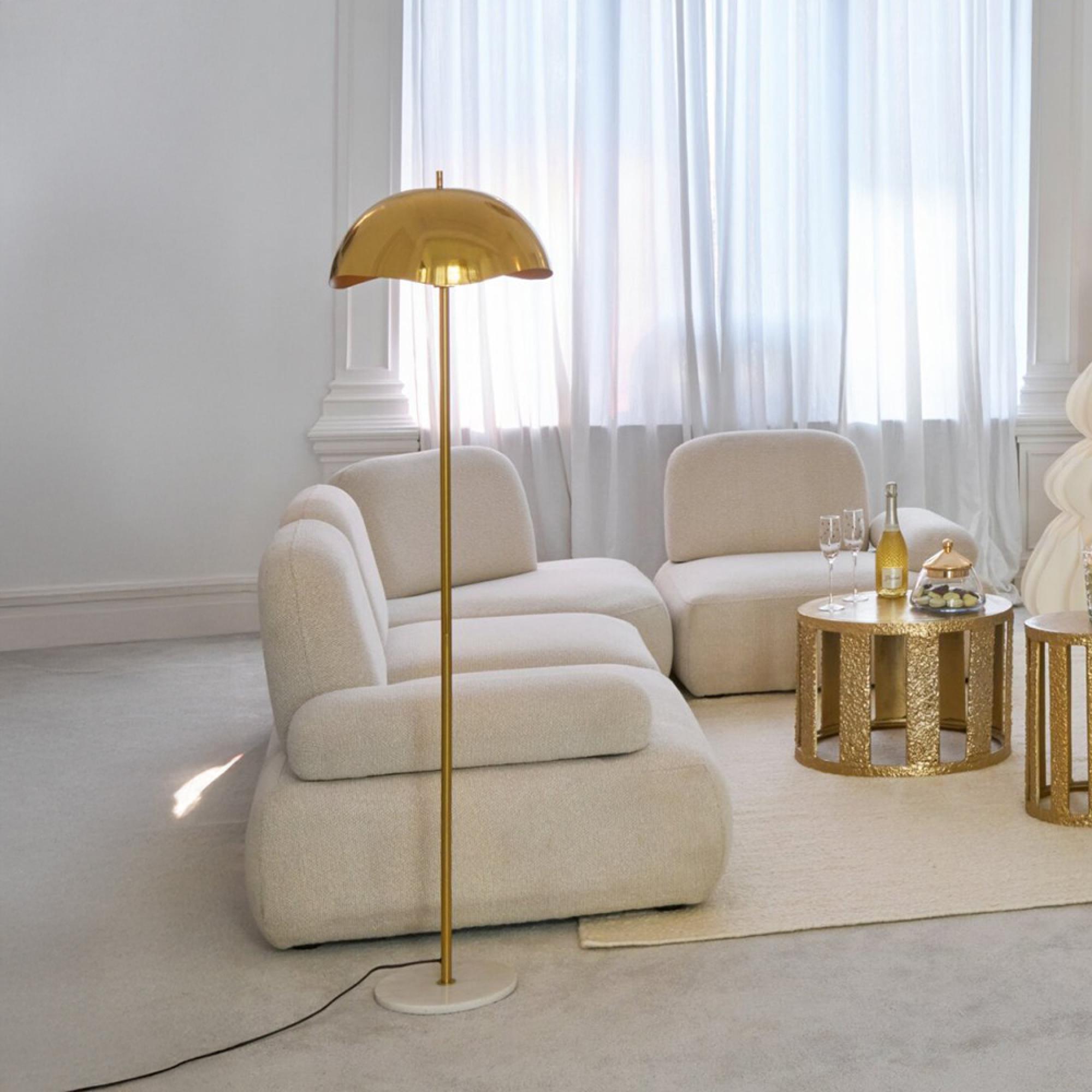
Gold Marble and Metal Floor Lamp
SAVE £55.20£184.79 £239.99
Free delivery*
In StockOrder Now for Christmas Delivery - J-Line
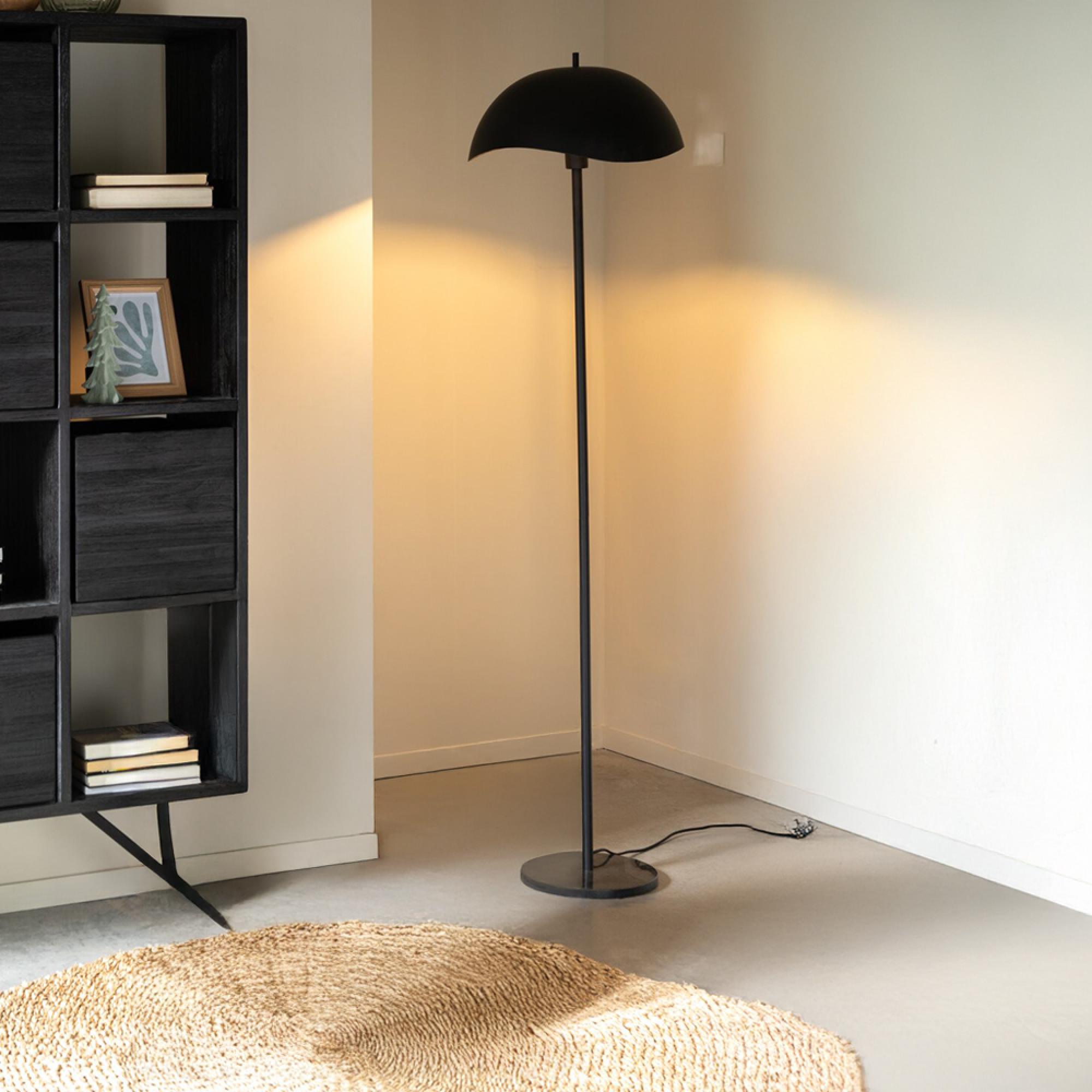
Black Marble and Metal Floor Lamp
SAVE £52.90£177.09 £229.99
Free delivery*
In StockOrder Now for Christmas Delivery - J-Line
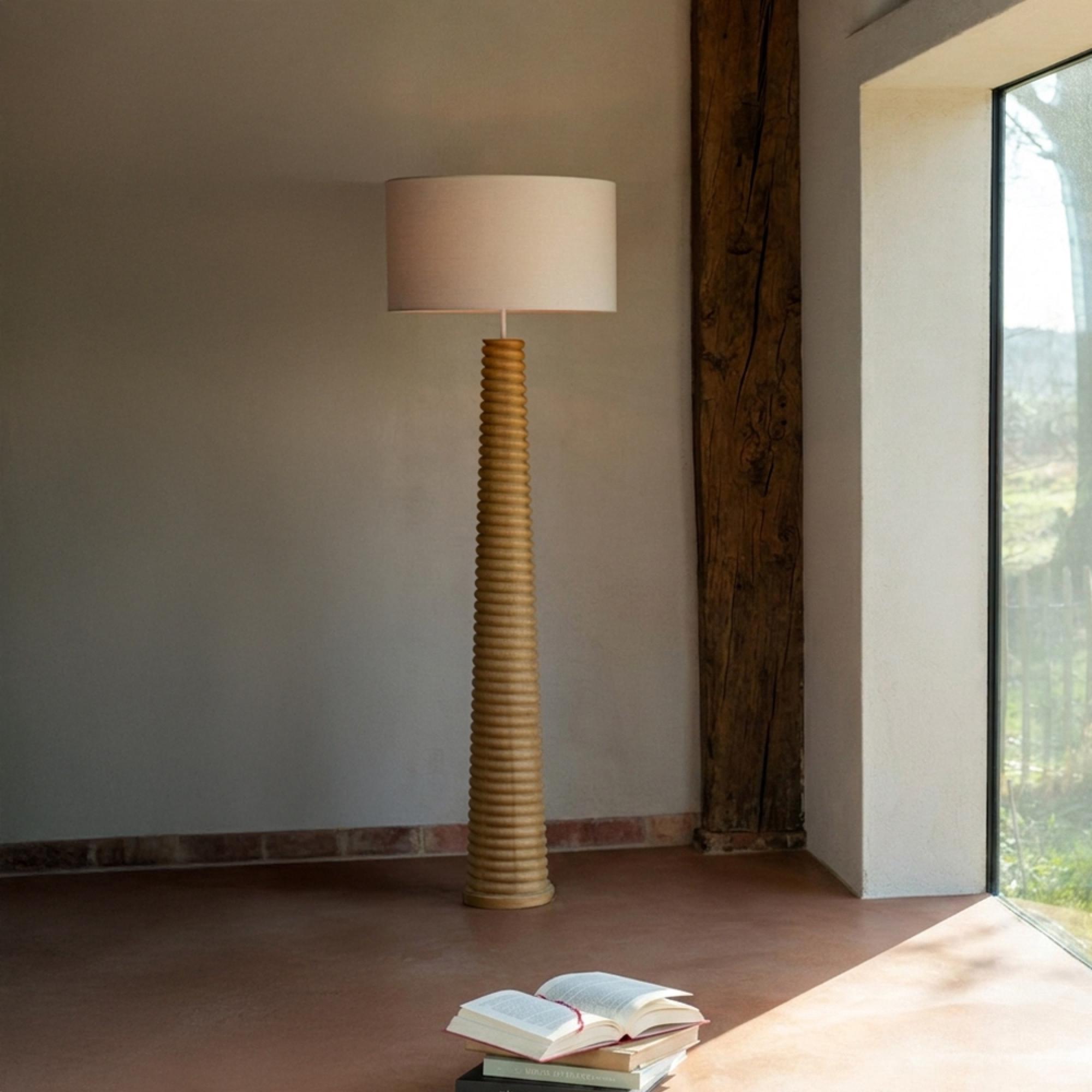
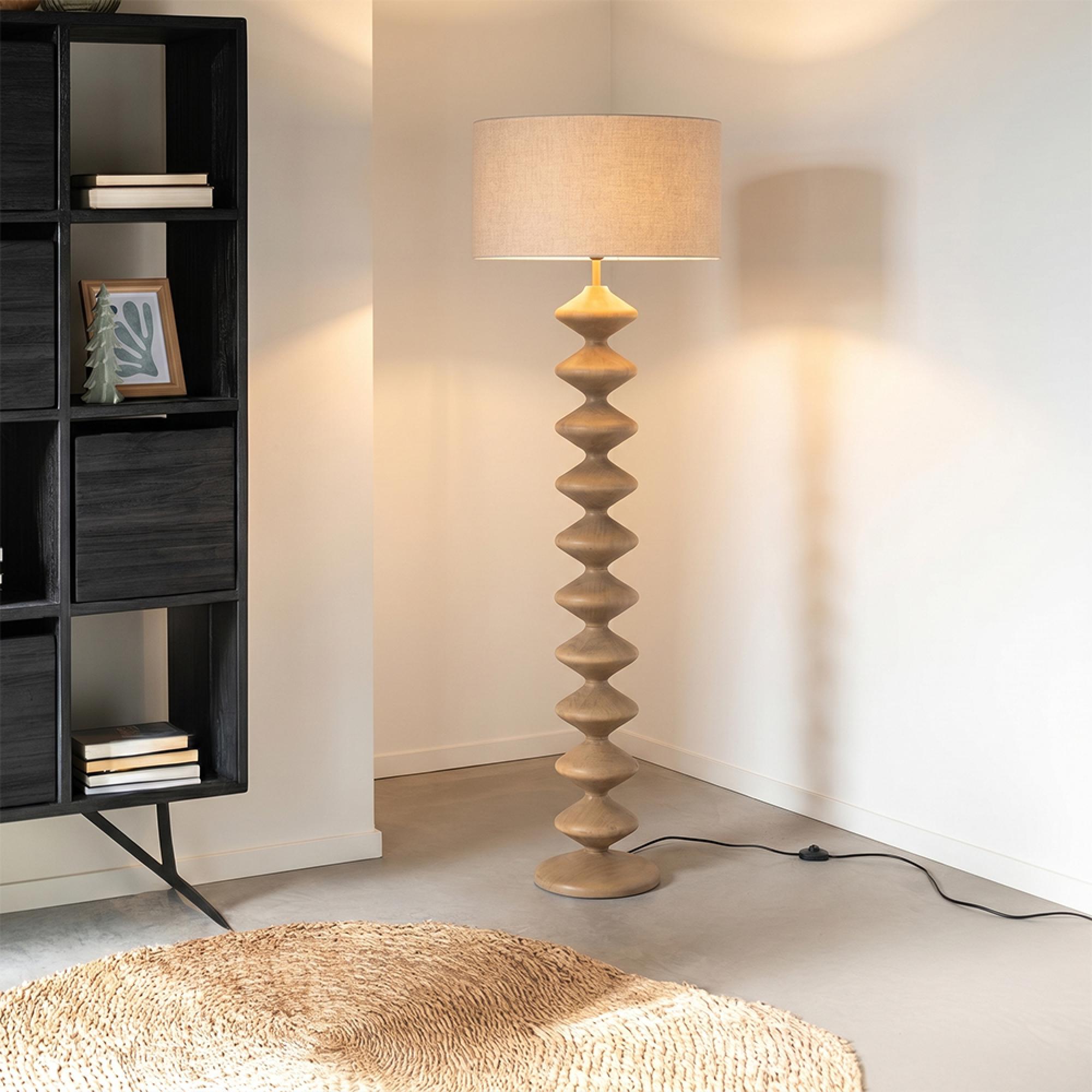
Natural and Grey Threaded Ailanthus Wood Floor Lamp
Natural and Grey, Black and GreySAVE £119.60£400.39 £519.99
Free delivery*
In StockOrder Now for Christmas Delivery - J-Line
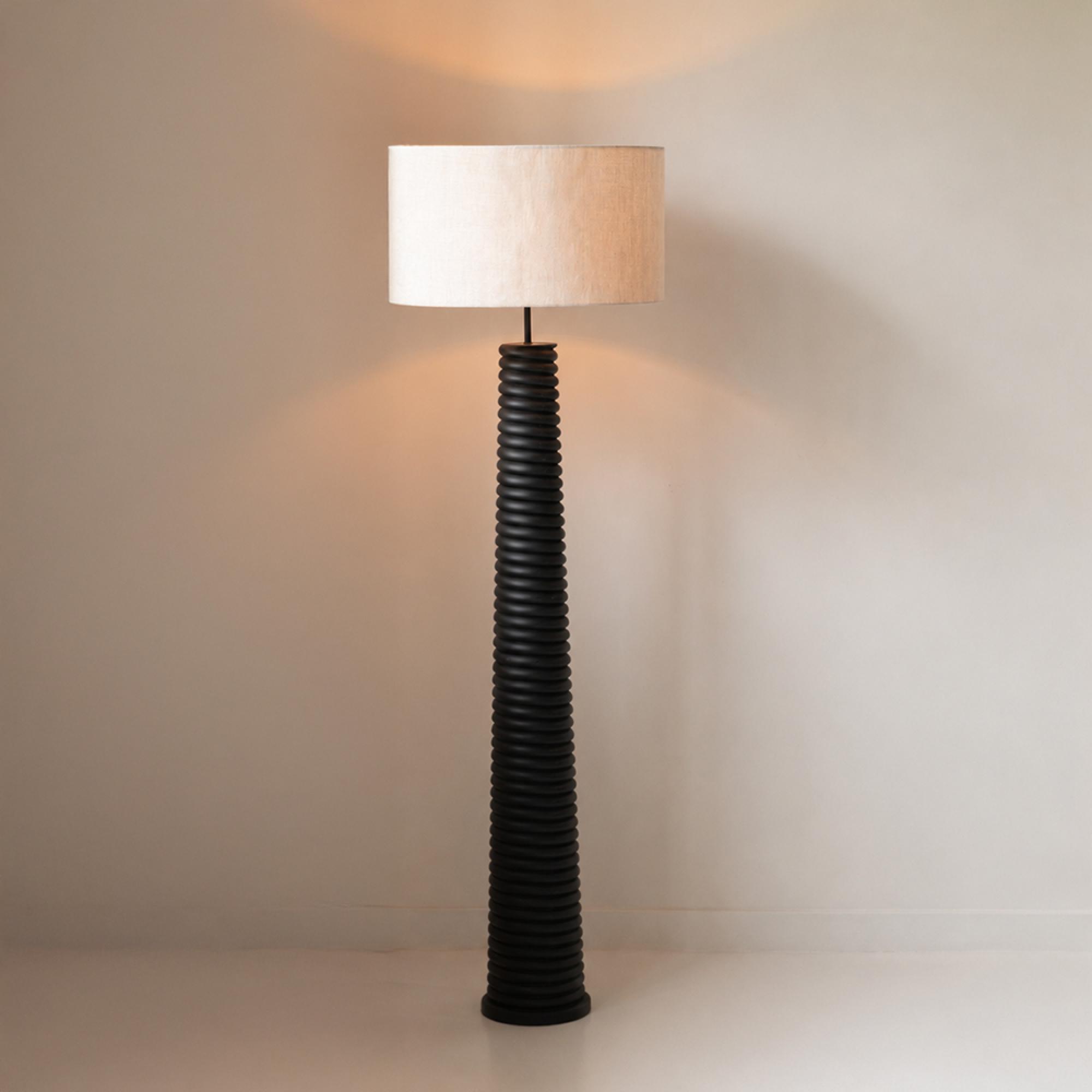
Black and Grey Threaded Ailanthus Wood Floor Lamp
Black and Grey, Natural and GreySAVE £119.60£400.39 £519.99
Free delivery*
In StockOrder Now for Christmas Delivery - J-Line
Caterpillar Natural and Grey Poplar Wood Floor Lamp
SAVE £128.80£431.19 £559.99
Free delivery*
In StockOrder Now for Christmas Delivery - J-Line
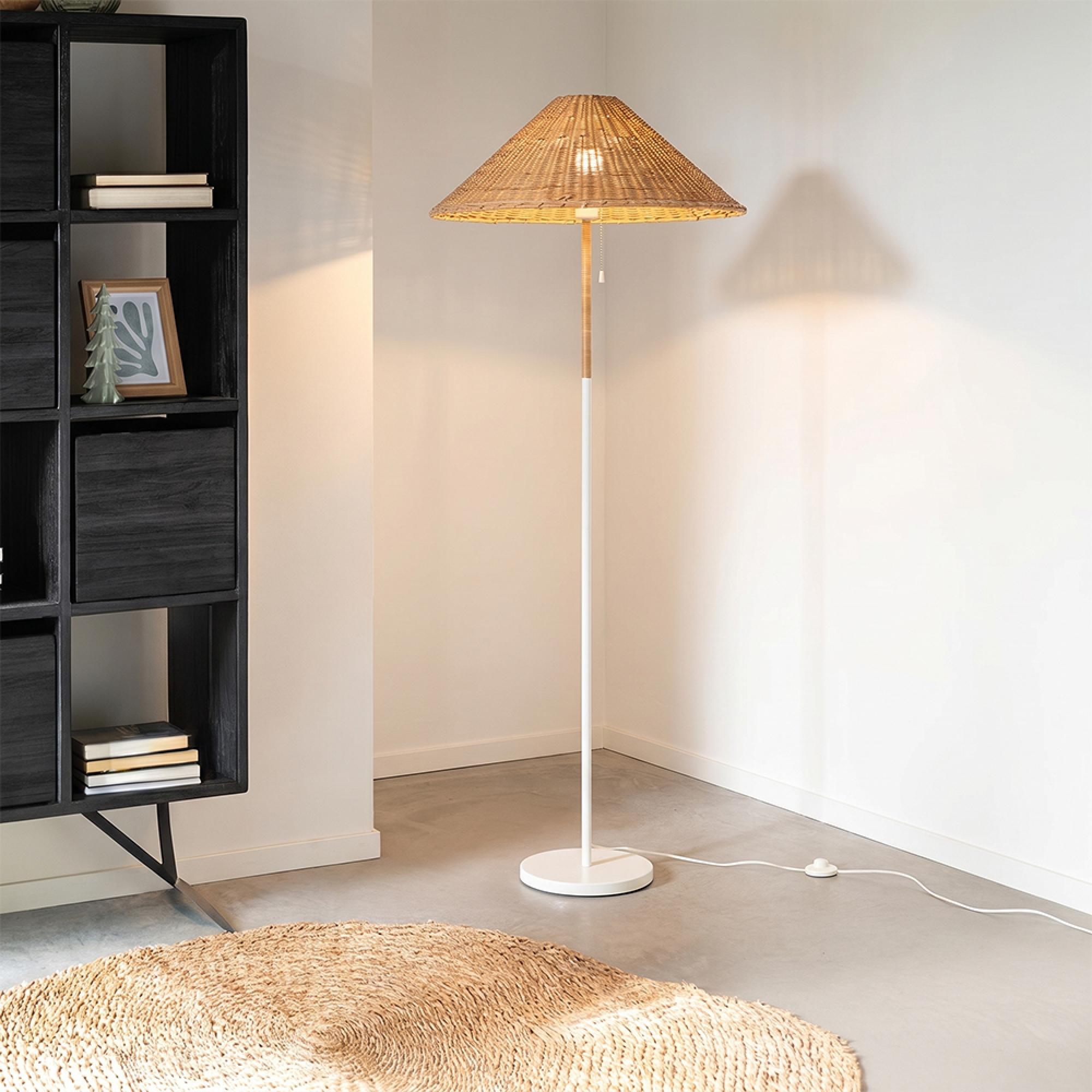
Natural and White Rattan and Metal Floor Lamp
Natural and White, Natural and ...SAVE £62.10£207.89 £269.99
Free delivery*
In StockOrder Now for Christmas Delivery - J-Line
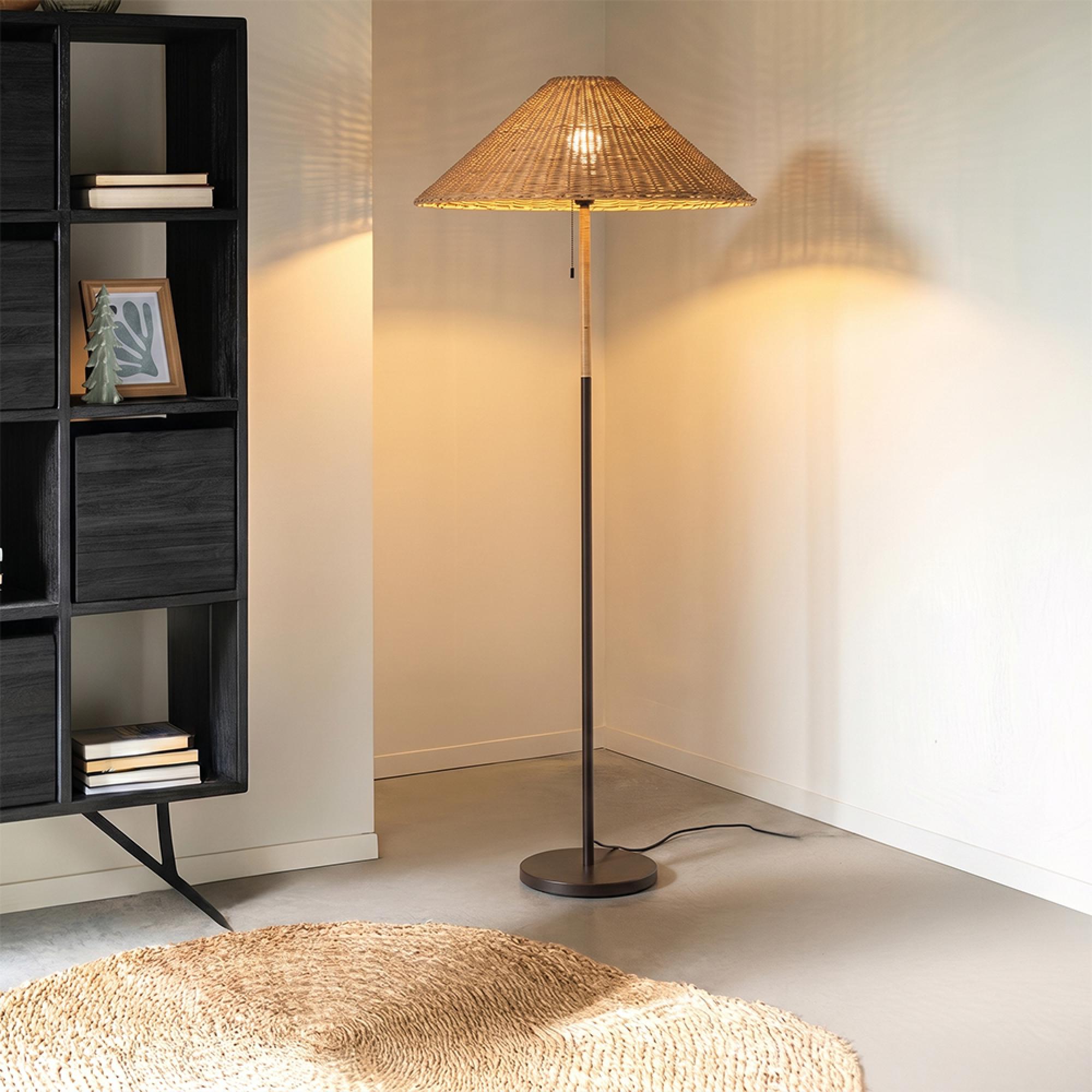
Natural and Black Rattan and Metal Floor Lamp
Natural and Black, Natural and ...SAVE £62.10£207.89 £269.99
Free delivery*
In StockOrder Now for Christmas Delivery - J-Line
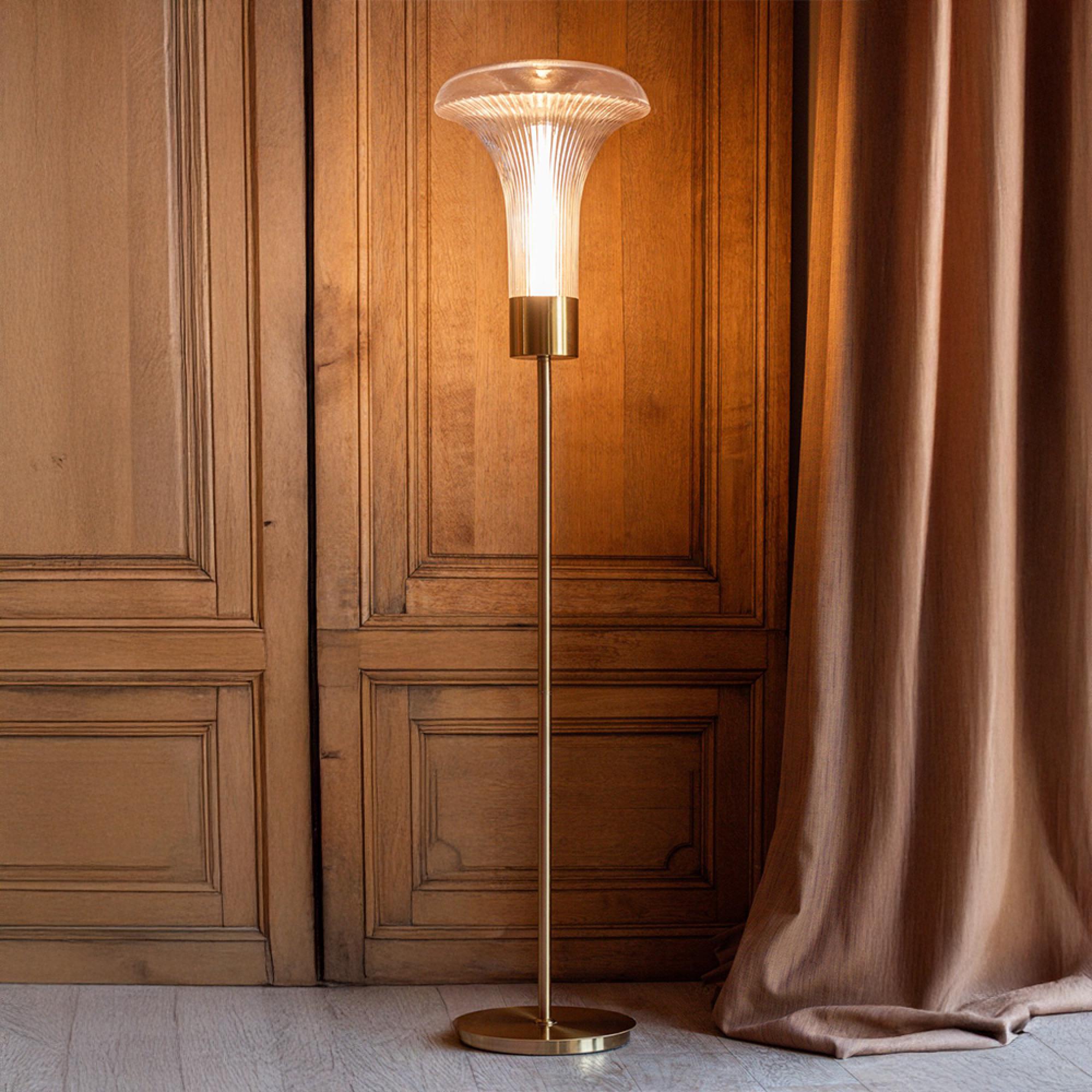
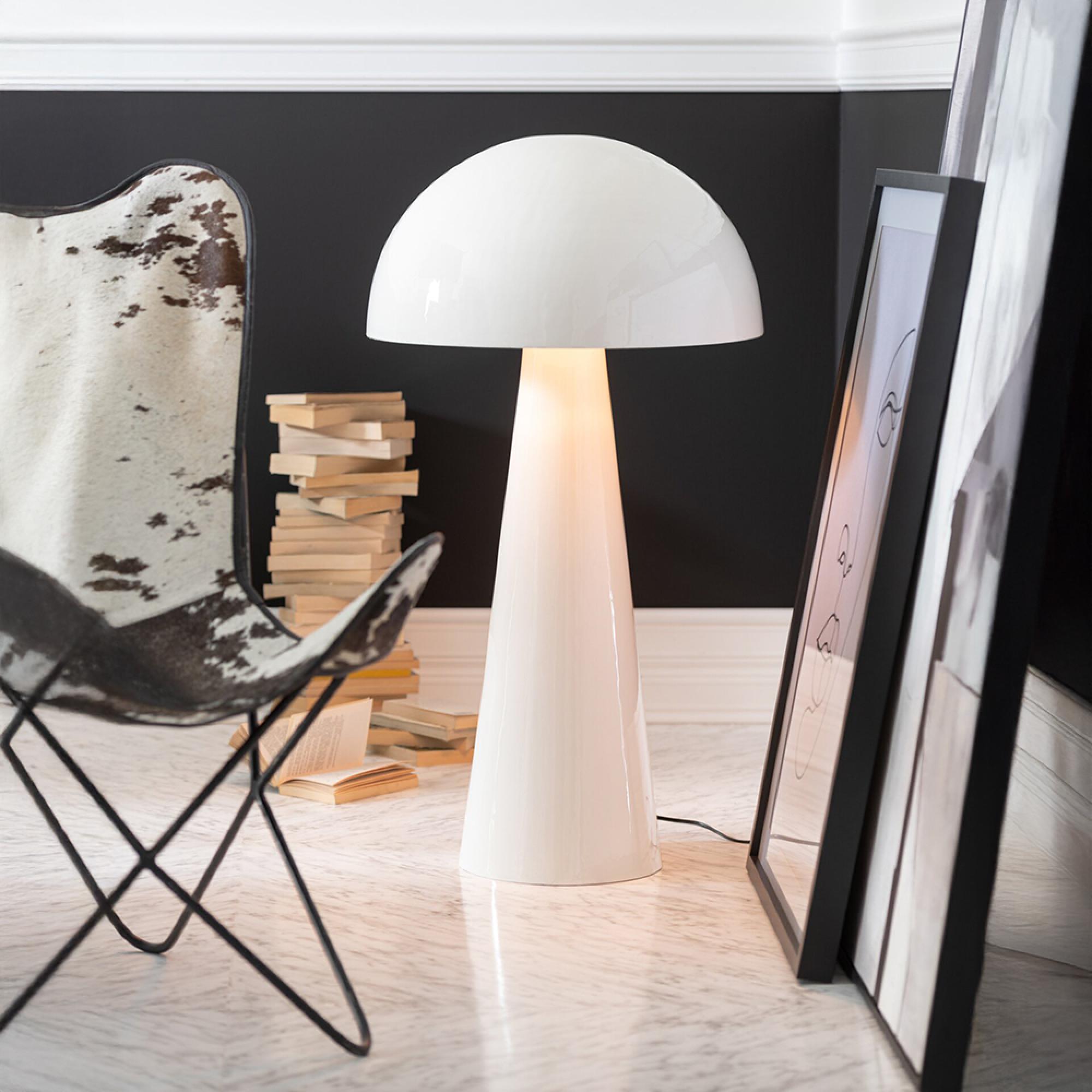
Mushroom Shining White Metal Floor Lamp
Shining White, Gold +1SAVE £82.80£277.19 £359.99
Free delivery*
In StockOrder Now for Christmas Delivery
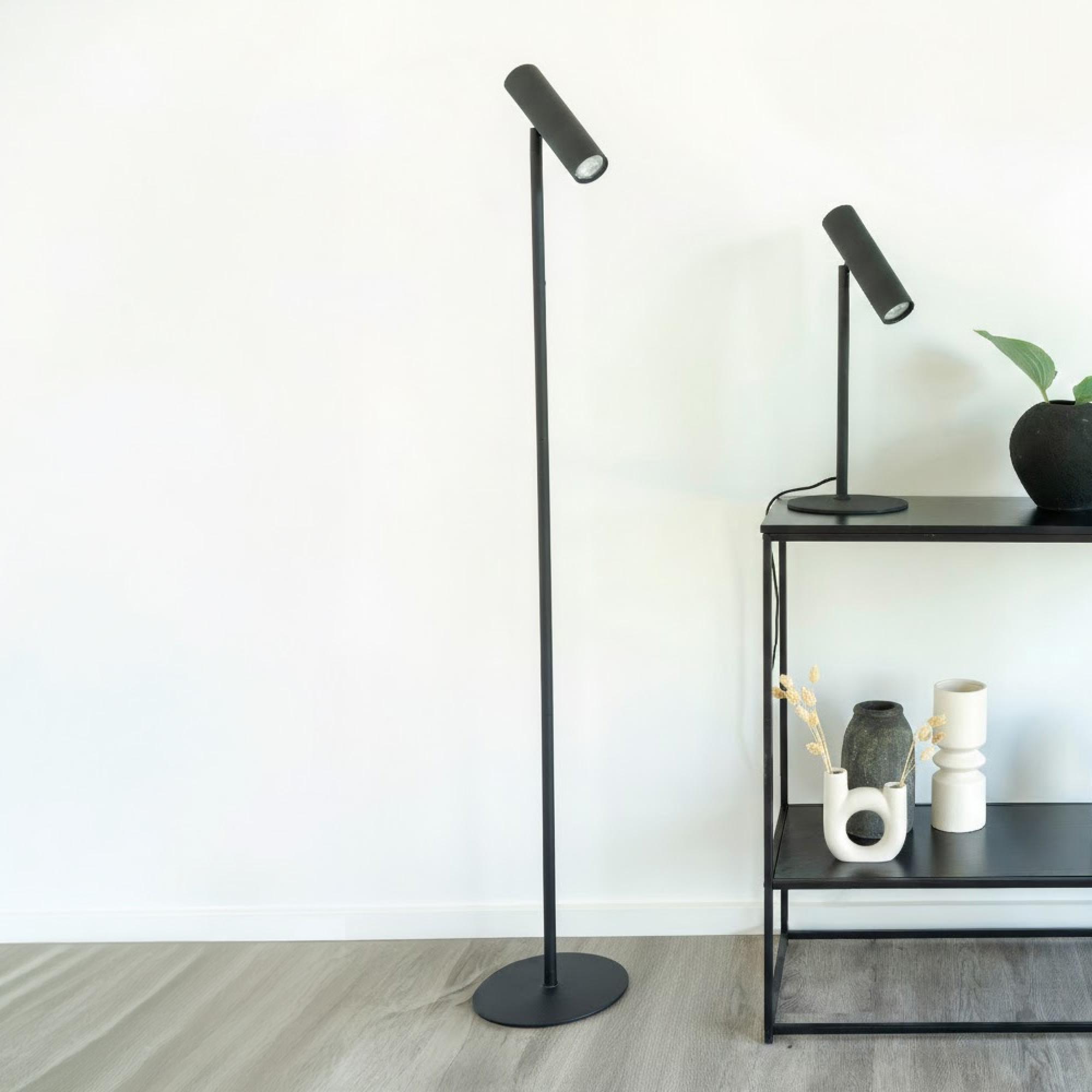
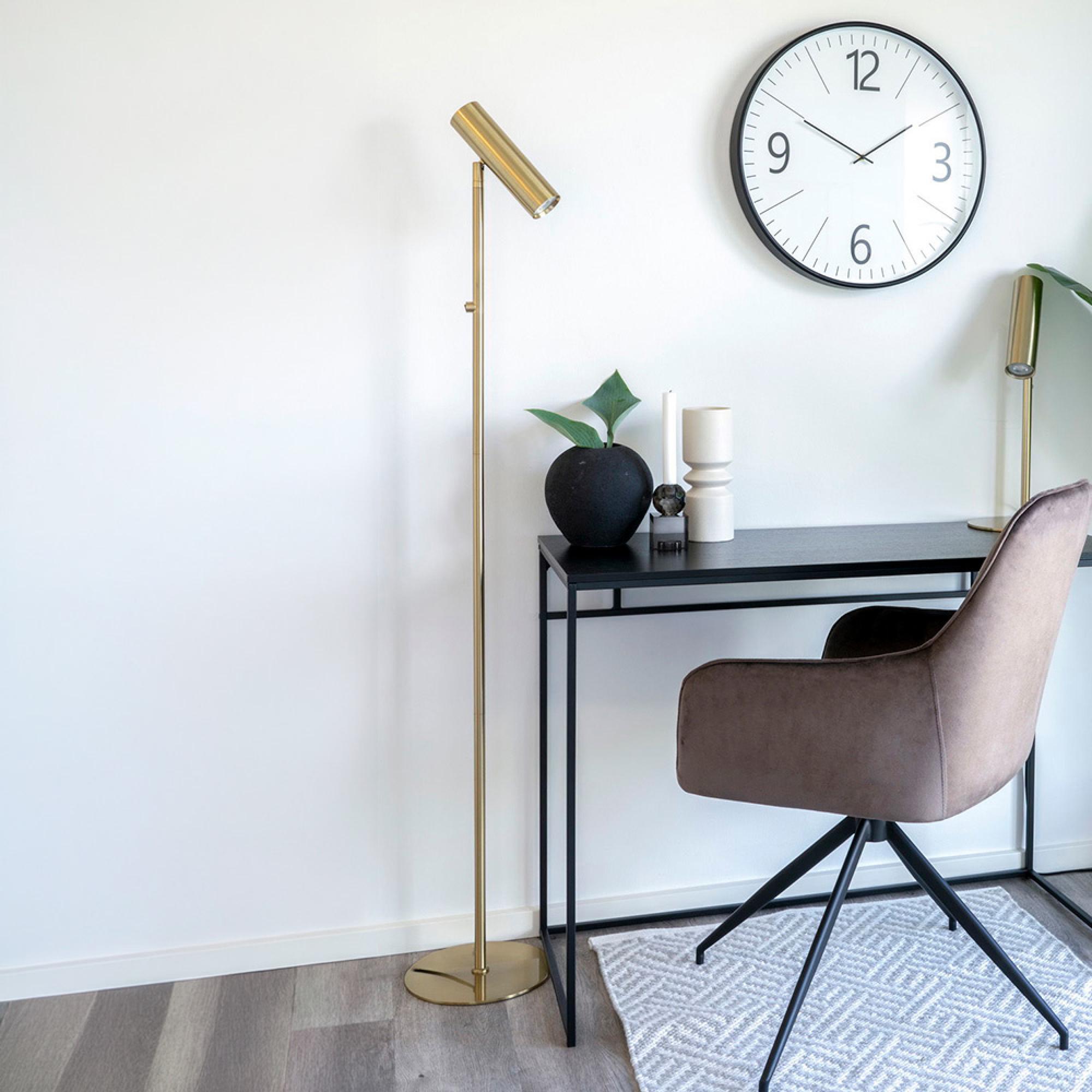
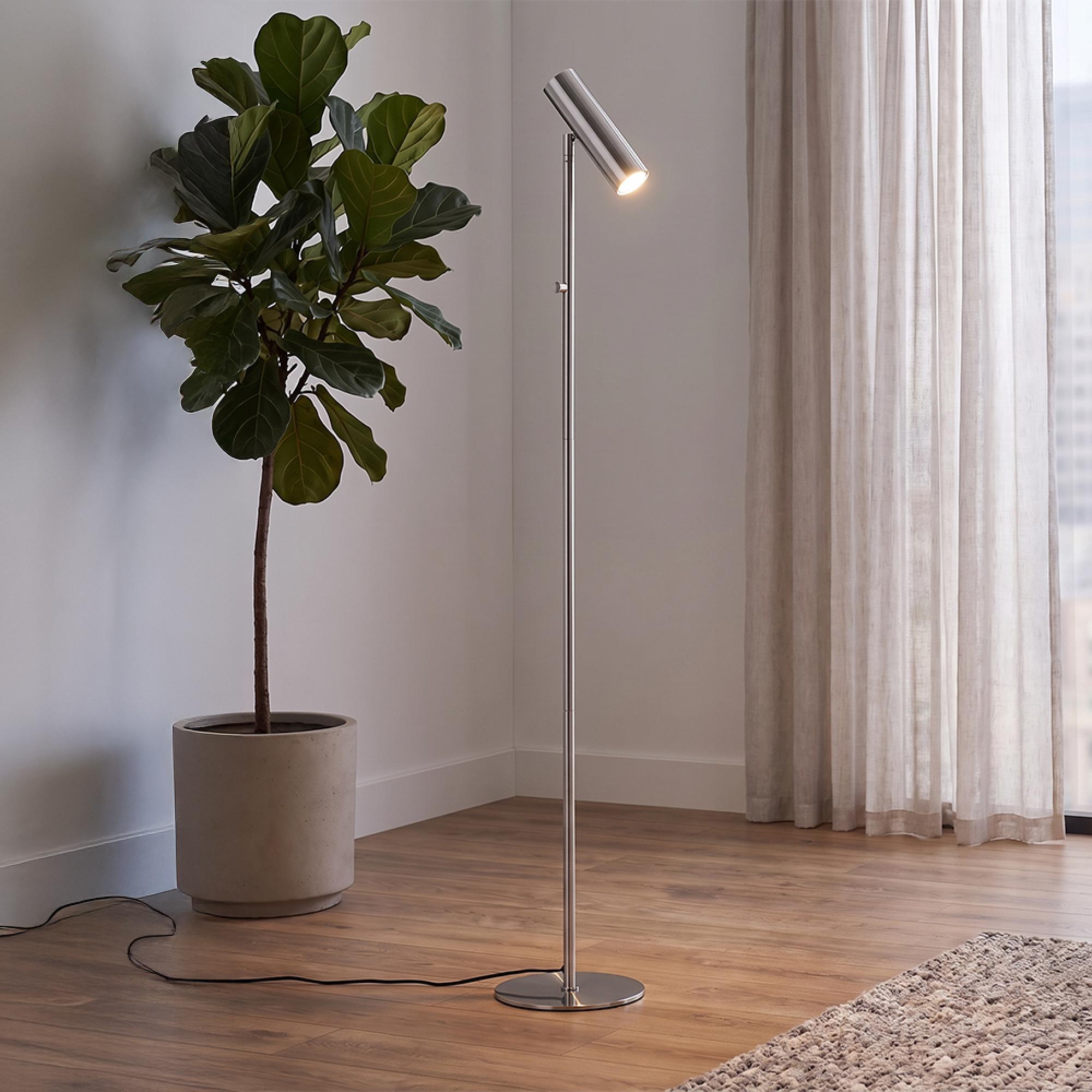
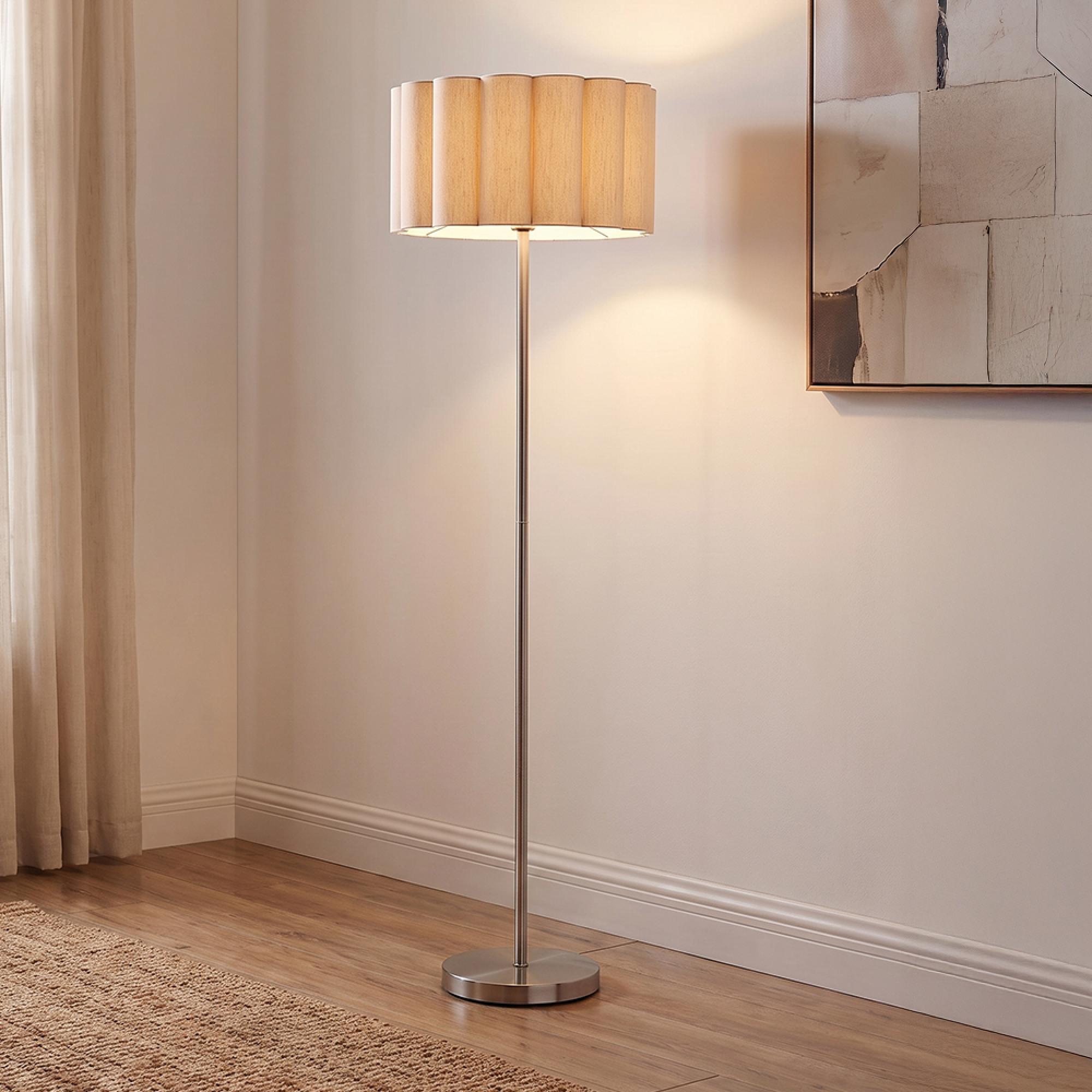

24 Products of 62
Floor Lamps FAQs
Have a different question? Speak to an expert.
Explore More Around Floor Lamps
Browse useful categories chosen for this page.
Related other refinement options
Expert Floor Lamps Buying Guides
Everything you need to choose with confidence.

10 LIVING ROOM IDEAS TO CREATE A COZY SPACE
If there is another room after your bedroom that is special enough to be called the...
Read guide ›
BLACK AND WHITE LIVING ROOM DECOR IDEAS TO TRANSFORM YOUR SPACE
When it comes to designing a living space that exudes sophistication, versatility, and...
Read guide ›
THE ART OF MIXING & MATCHING FURNITURE STYLES
Designing a home that is an extension of your personality is perhaps the most gratifying...
Read guide ›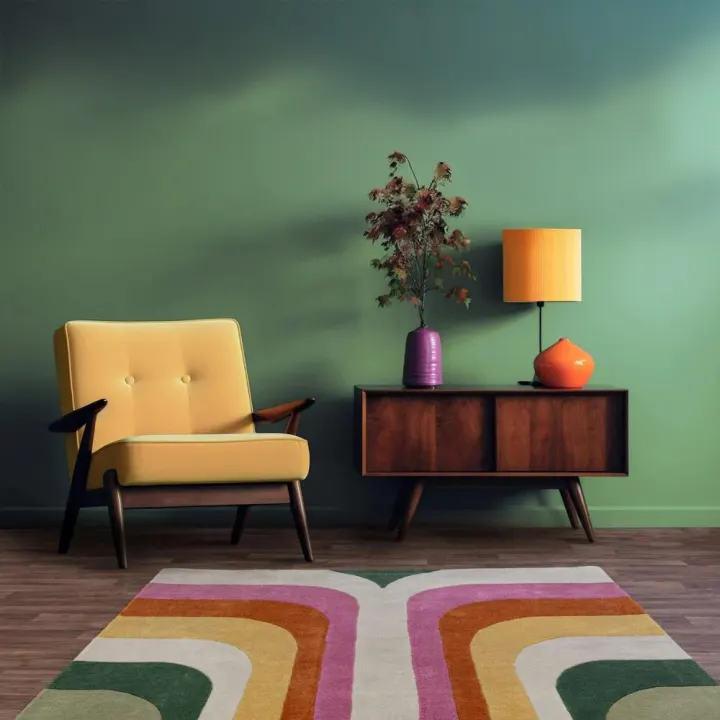
10 Retro Furniture Ideas from the 1970s
Bold designs, unusual forms, and vibrant colours defined the 1970s. This period, from...
Read guide ›Floor Lamps and Furniture Online
Floor Lamps buying guide
Floor Lamps are a practical way to add light without taking up table or wall space. This selection suits reading corners and open-plan living areas, with styles that lean mainly contemporary, plus mid-century, boho and industrial options for a cleaner modern scheme or a decorative accent.
It is worth checking size before you buy. Many designs sit around 150cm high, with typical widths and depths around 30cm to 54cm, so they can work beside a sofa, armchair or console. Smaller pieces start from around 23cm wide and deep, while larger statement lamps can reach 80cm, so allow enough clearance for walkways and nearby furniture.
Floor Lamps materials and finishes
Floor Lamps in this range are often made from iron, metal, glass, marble or steel, with some designs using rope and metal, ceramic or textile details. Finishes include gold, black, bronze, beige, natural tones and dark brown, making it straightforward to coordinate with modern, Scandinavian, coastal or glam interiors.
If you are building a layered lighting scheme, you can pair these designs with Table Lamps or explore the full Lightings collection for other room options. Assembly can vary by item, with assembled, flat packed and part-assembled designs all available.