Free Delivery All Over UK*
close
Top products
SHOW ALL PRODUCTS

Reclaimed Wood Dining Tables

Found 13 Items

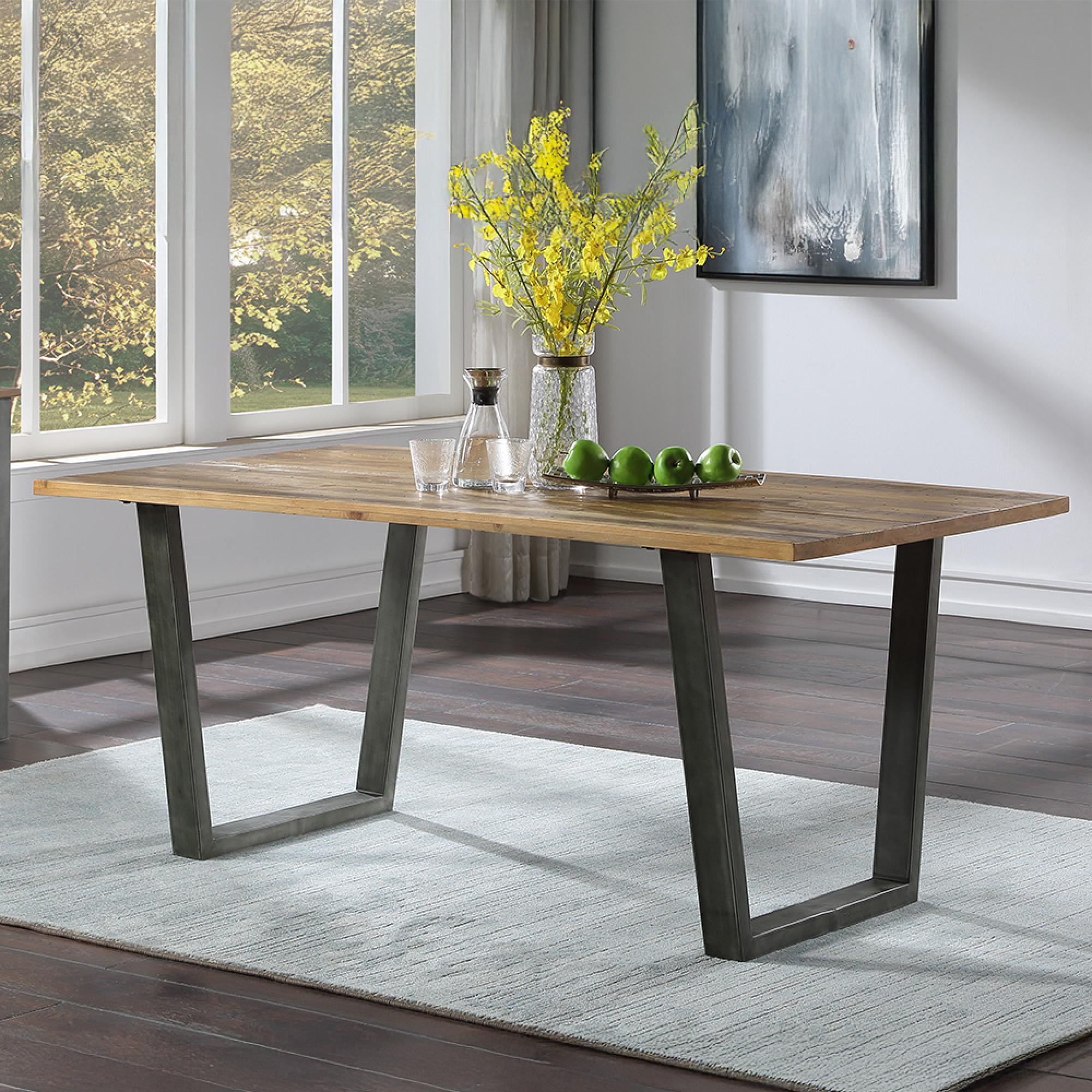
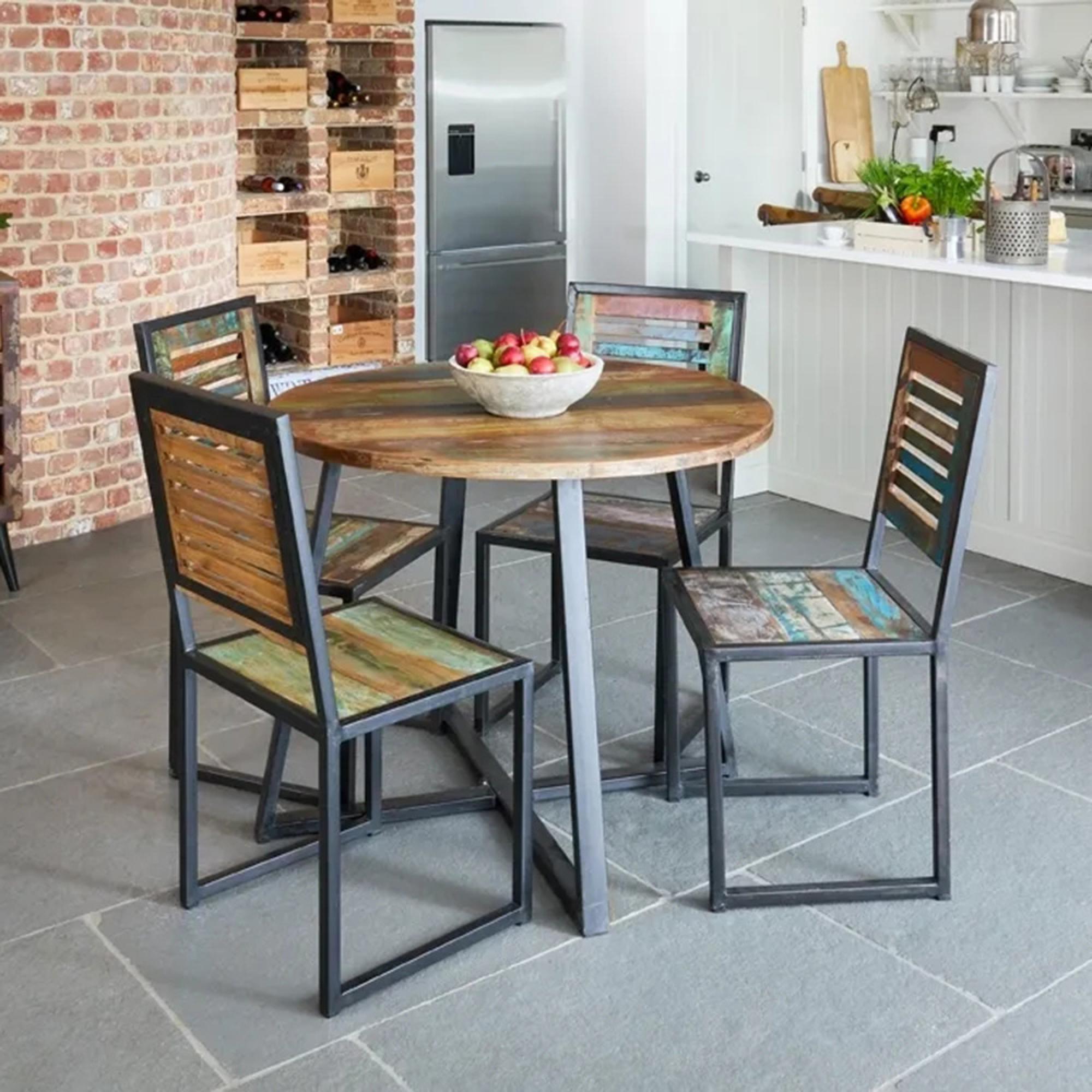
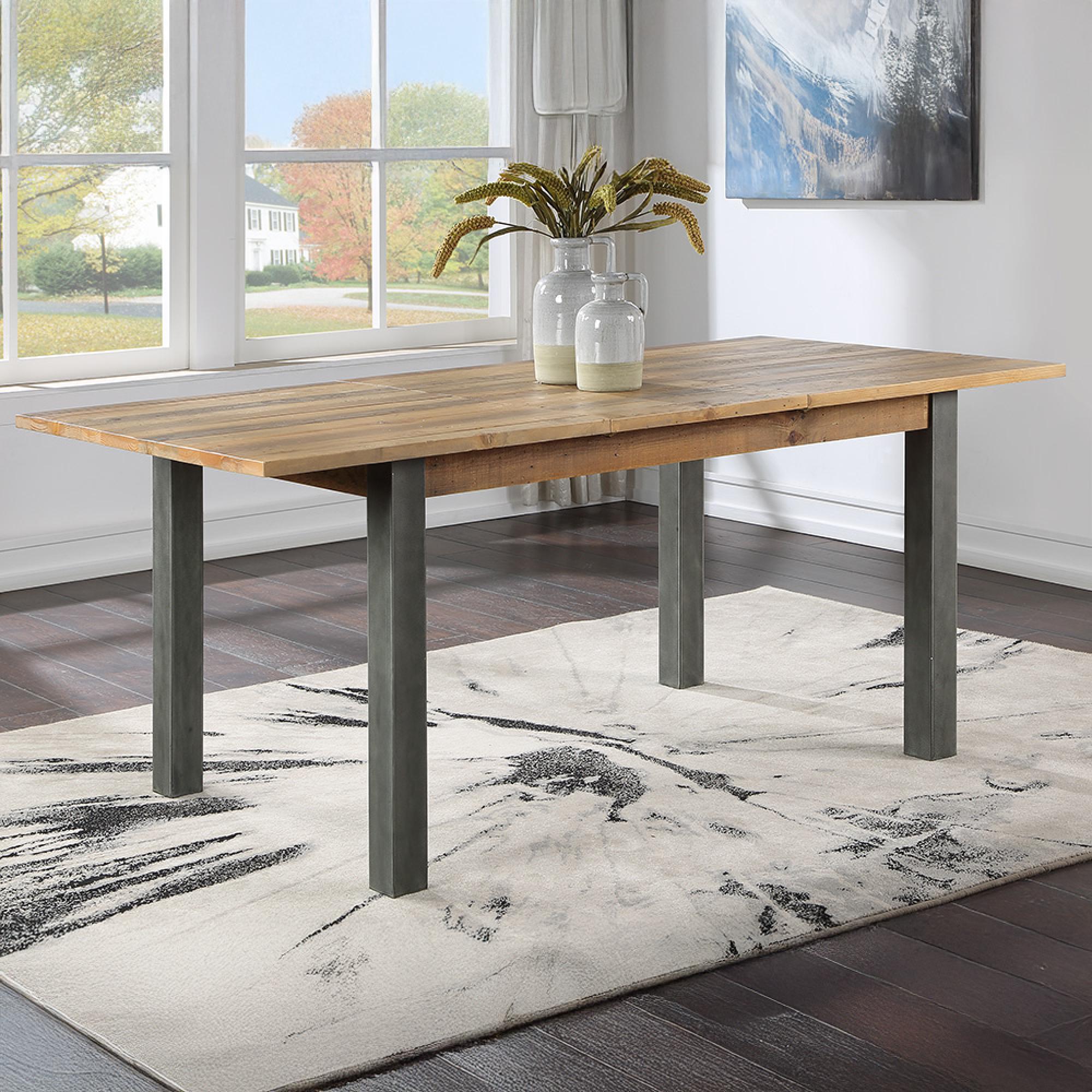
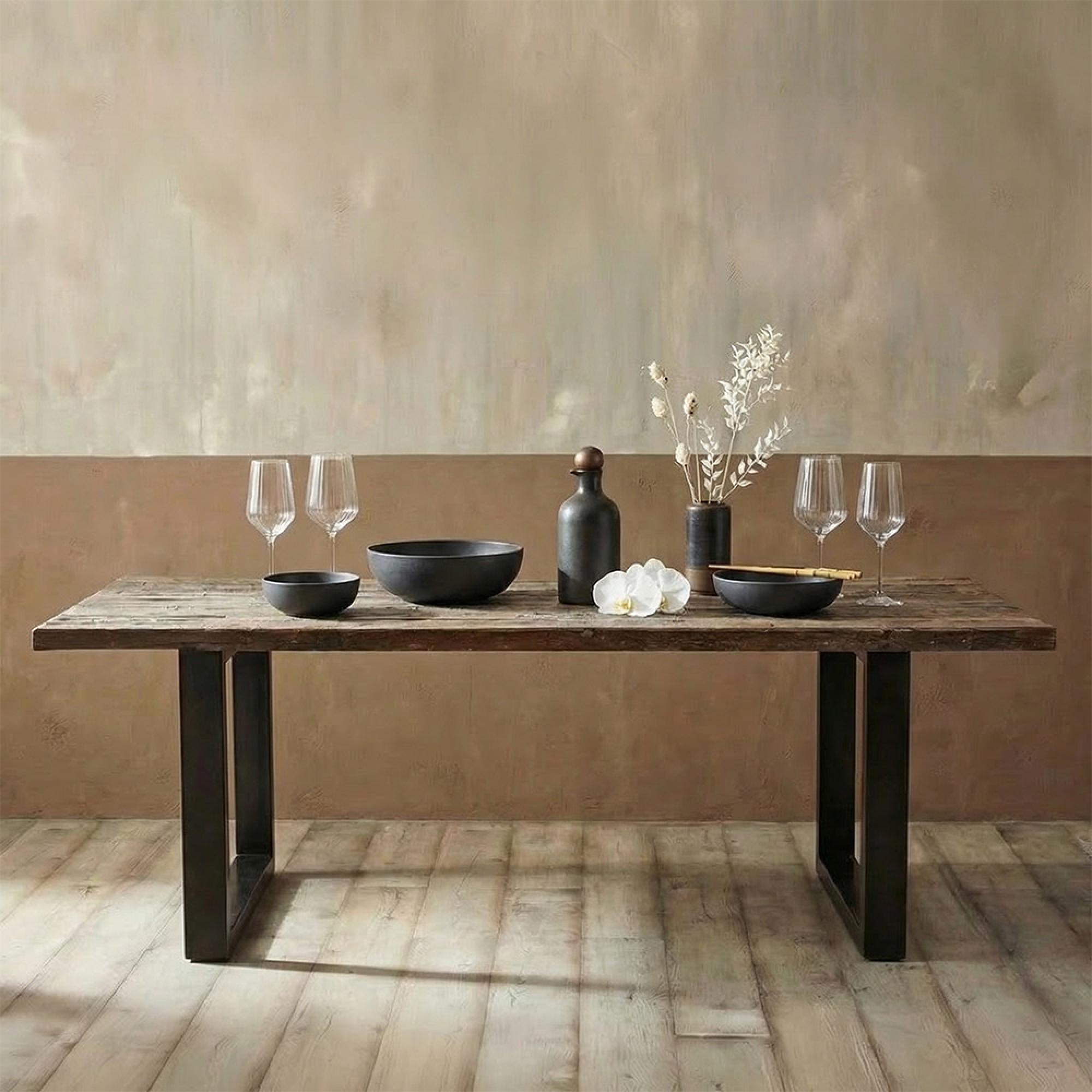
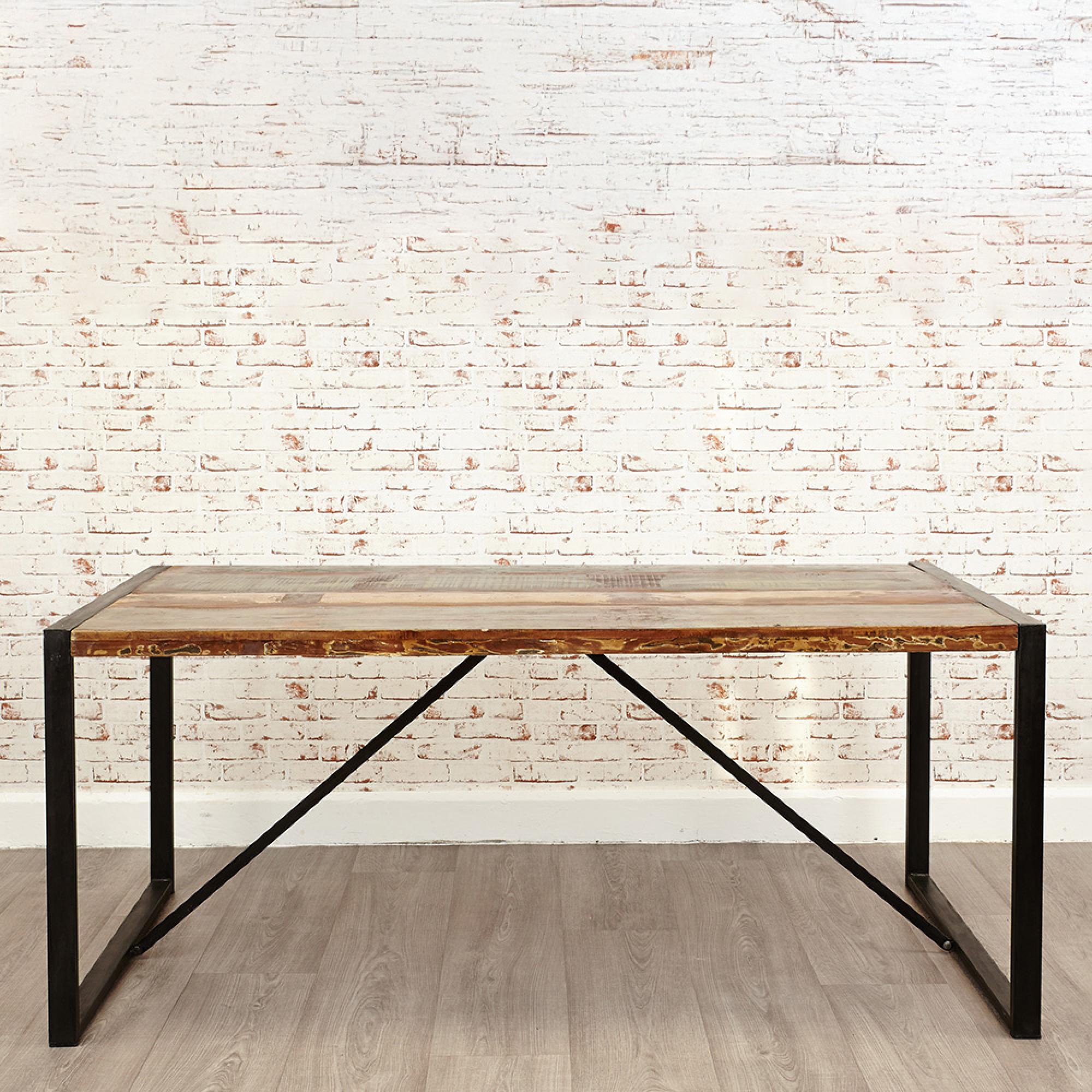
Choose Reclaimed Wood Dining Tables with the room, daily routine and intended use in mind. Compare shape, surface material, base design, seating capacity and any extending mechanism to identify the right balance of appearance and function. The wood focus makes material, finish and care especially important when comparing products. Plan for chair clearance as well as the tabletop footprint, especially in a busy dining area.
Read more X Close

Popular Categories

Price

Features

Shape

Seat

Material

Finish

Choosing Reclaimed Wood Dining Tables

This category focuses on Reclaimed Wood Dining Tables that can create a practical focal point for meals, conversation and entertaining. Start with the room layout and daily use, then compare shape, surface material, base design, seating capacity and any extending mechanism. The wood focus makes material, finish and care especially important when comparing products. This keeps the decision focused on practical suitability as well as style.

Plan the space before choosing

Plan for chair clearance as well as the tabletop footprint, especially in a busy dining area. Record the available width, depth and height, including clearance for doors, drawers, reclining parts or extensions where relevant. Account for skirting boards, radiators, sockets and walking routes, then check the access route through doors, halls and stairs.

For adjacent choices, explore Dining Tables, Dark Wood Dining Tables and Mango Wood Dining Tables. Use these comparisons alongside the specifications on each product page.

Reclaimed Wood Dining Tables for considered interiors

The Reclaimed Wood Dining Tables category focuses on choices intended to create a practical focal point for meals, conversation and entertaining. A suitable option should respond to the room's proportions, surrounding furniture and practical demands of everyday use. The wood focus makes material, finish and care especially important when comparing products.

Material, finish and construction

When comparing dining tables, look closely at shape, surface material, base design, seating capacity and any extending mechanism. Materials influence appearance, weight and maintenance, while finish affects colour coordination and day-to-day care. Use the written specification to confirm construction and care requirements.

Function and room planning

Plan for chair clearance as well as the tabletop footprint, especially in a busy dining area. Mark out the footprint and consider how people move around it. Where a product opens, extends, swivels or reclines, include that working clearance. For storage, seating or sleeping products, match the layout, support and capacity to the needs of regular users.

Creating a coordinated result

Build the room around a clear relationship between scale, colour and material. Matching every finish is not essential, but repeating one or two elements can connect separate pieces. You can also compare Dining Tables, Dark Wood Dining Tables and Mango Wood Dining Tables for closely related room and product choices. Use the individual listing to confirm dimensions, included components, assembly and suitability.

Read more X Close

FAQs on Reclaimed Wood Dining Tables

What is reclaimed wood furniture?

Reclaimed wood furniture is made from timber that has been reused from its original source, such as old buildings or previous furniture, rather than newly felled wood. This means each piece carries natural marks, grain variation and a bit of history unique to that timber. It's a popular choice for anyone wanting a more characterful, individual look.

An extendable table lets you seat more people when needed without permanently taking up extra floor space. Most use a slide-out leaf, which pulls out for larger gatherings and tucks away again for everyday use. It's a practical choice for smaller dining rooms that still need to handle occasional larger gatherings.

This combination pairs a sturdier metal base with a natural reclaimed wood top, giving a slightly industrial contrast against the timber's warmth and texture. The metal base tends to be lighter in appearance than a solid wood base, while still offering strong support. It suits both contemporary and rustic dining rooms depending on the rest of the room's styling.

A pedestal base generally offers more legroom, since it sits centrally under the table rather than at each corner. Standard 4 legs are more traditional and very stable, but can occasionally get in the way of seating at the corners. Metal legs and U legs also tend to free up legroom, similar to a pedestal.

This depends on your household size and how often you entertain — a 2 or 4 seater suits smaller tables or extra seating, while 6, 6-8 and 6-10 seater options work better for larger families or regular guests. Measuring your dining room before choosing helps confirm which size will actually fit comfortably. Extending tables can also offer flexibility between these sizes.

Because reclaimed timber has been reused from its original source, it carries natural marks, colour variation and grain patterns that differ depending on where the wood originally came from. This means no two pieces look exactly alike, even within the same product range. It's part of what gives reclaimed wood furniture its individual character.

Pine tends to have a warmer, lighter tone with visible grain, making it a popular choice for reclaimed dining tables. Other reclaimed wood types can vary in colour and grain depending on their original source and age. Both offer the same natural character and durability associated with reclaimed timber.

Yes, reclaimed wood is generally just as durable as newly sourced timber, since it's already been used and has proven its strength over time. Normal care, such as using coasters and wiping up spills, keeps it looking its best. This makes reclaimed wood a practical choice for long-term everyday dining use.

No, the natural marks, knots and grain variation on reclaimed wood are a feature of the material rather than a defect, reflecting the timber's previous life before being reused. These characteristics are part of what gives each piece its individual, characterful appearance. The furniture is still built and finished to the same quality standards as any other range.

A fixed top stays one consistent size and tends to feel slightly more solid underfoot and at the edges. An extending table trades a small amount of rigidity for the flexibility to seat more people when needed. Both are sturdy enough for everyday dining; the choice depends on whether your seating needs change regularly.

As a general guide, allow around 90cm to 100cm of clearance around the table for chairs to pull out and people to walk past comfortably. Extending tables need extra clearance for the leaf to open fully. Measuring your room before ordering helps avoid a table that looks right on paper but feels cramped in person.

Wiping the surface with a soft, dry cloth regularly helps keep dust from settling into the grain. Avoiding excess moisture and direct sunlight over long periods helps preserve the wood's colour and finish. Using coasters and placemats helps protect the surface from heat and ring marks during meals.

Tables marked as in stock can usually be delivered immediately, without the longer lead times some made-to-order furniture involves. Delivery across the UK is free, so faster availability doesn't come with an added cost. Exact timescales are confirmed at checkout once your postcode's entered.

Yes, 0% finance is available on qualifying orders, letting you spread the cost of a larger table rather than paying everything upfront. It's a straightforward option to select at checkout. Our team can talk you through eligibility if you're unsure.
Top