Free Delivery All Over UK*
close
Top products
SHOW ALL PRODUCTS

White Extending Dining Tables

Found 21 Items

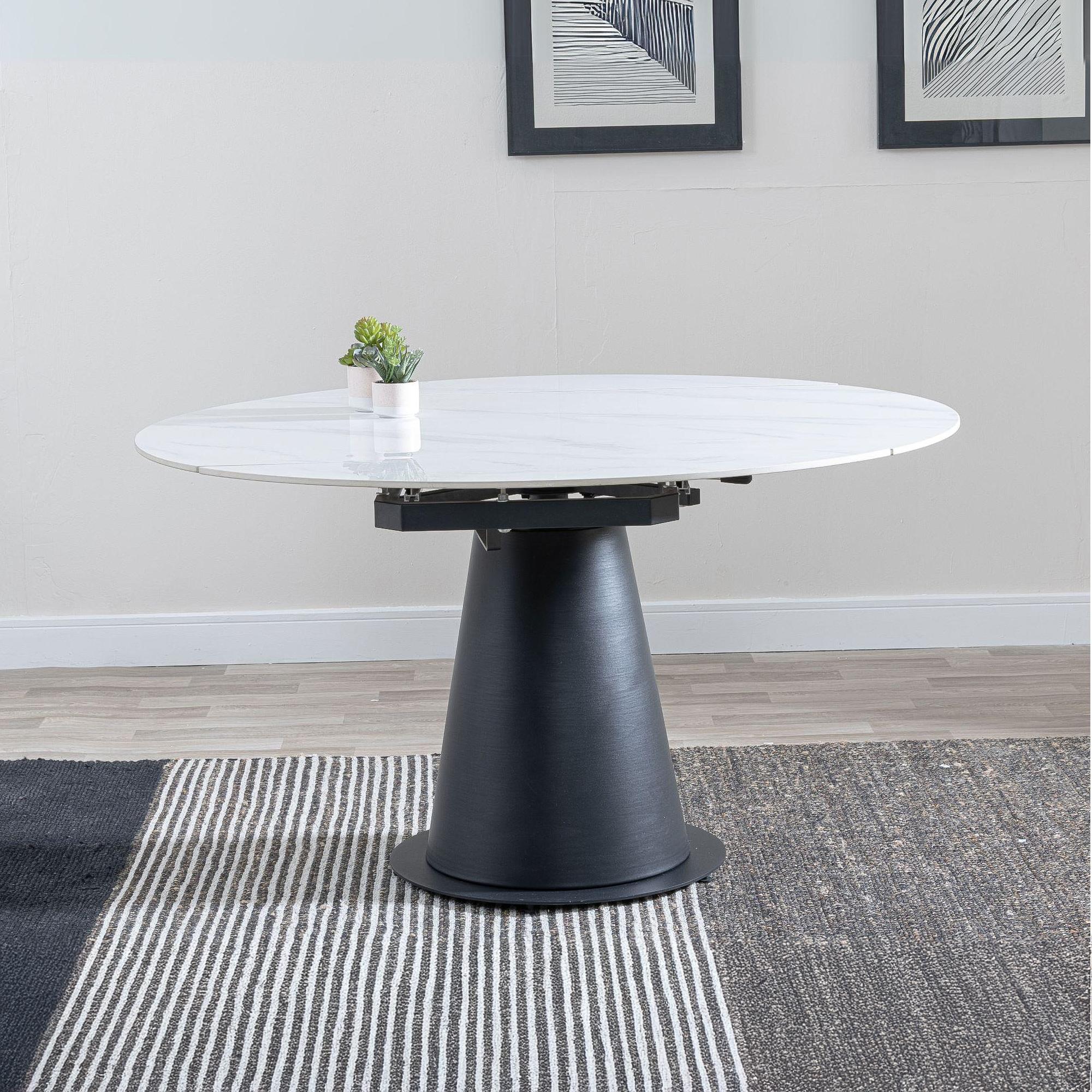
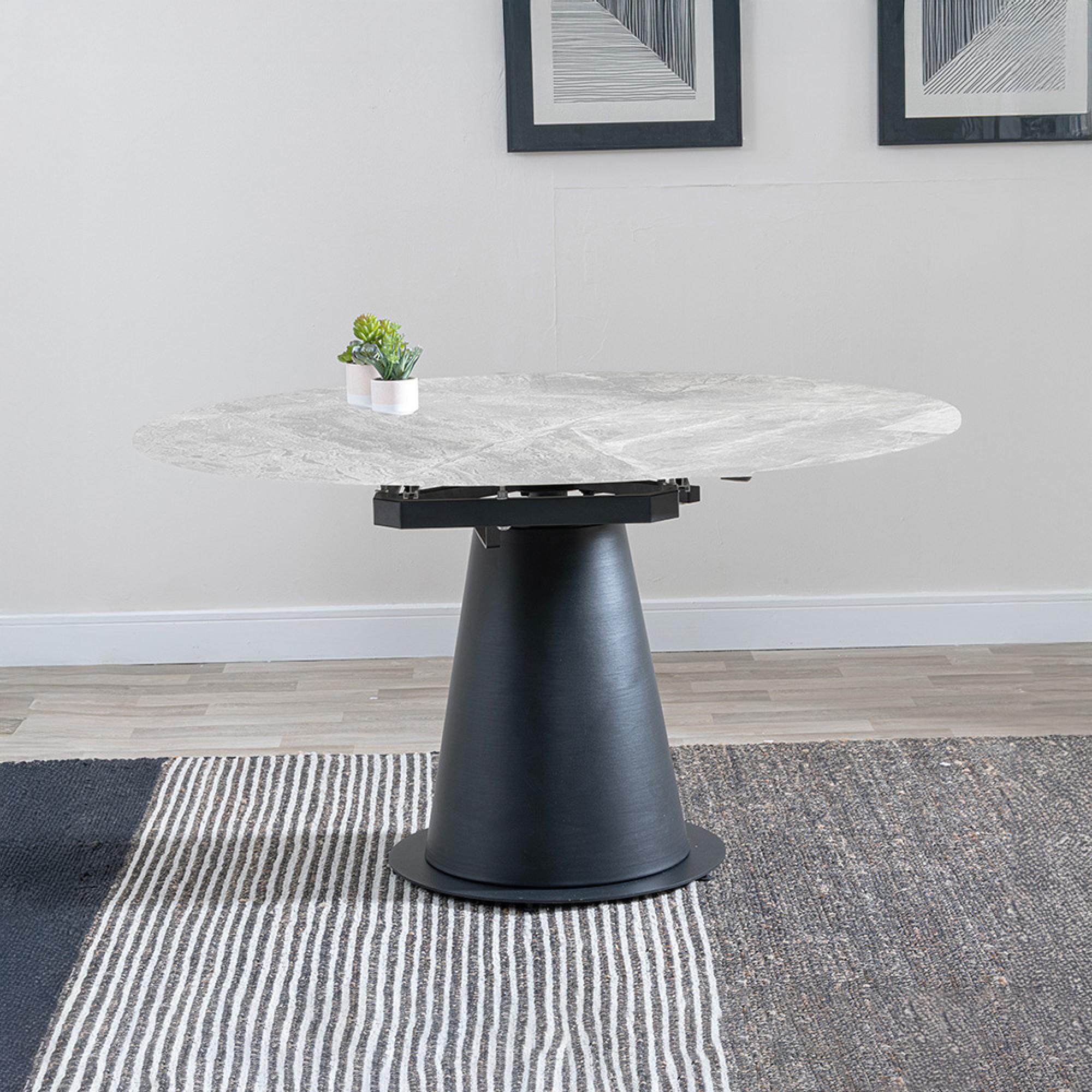
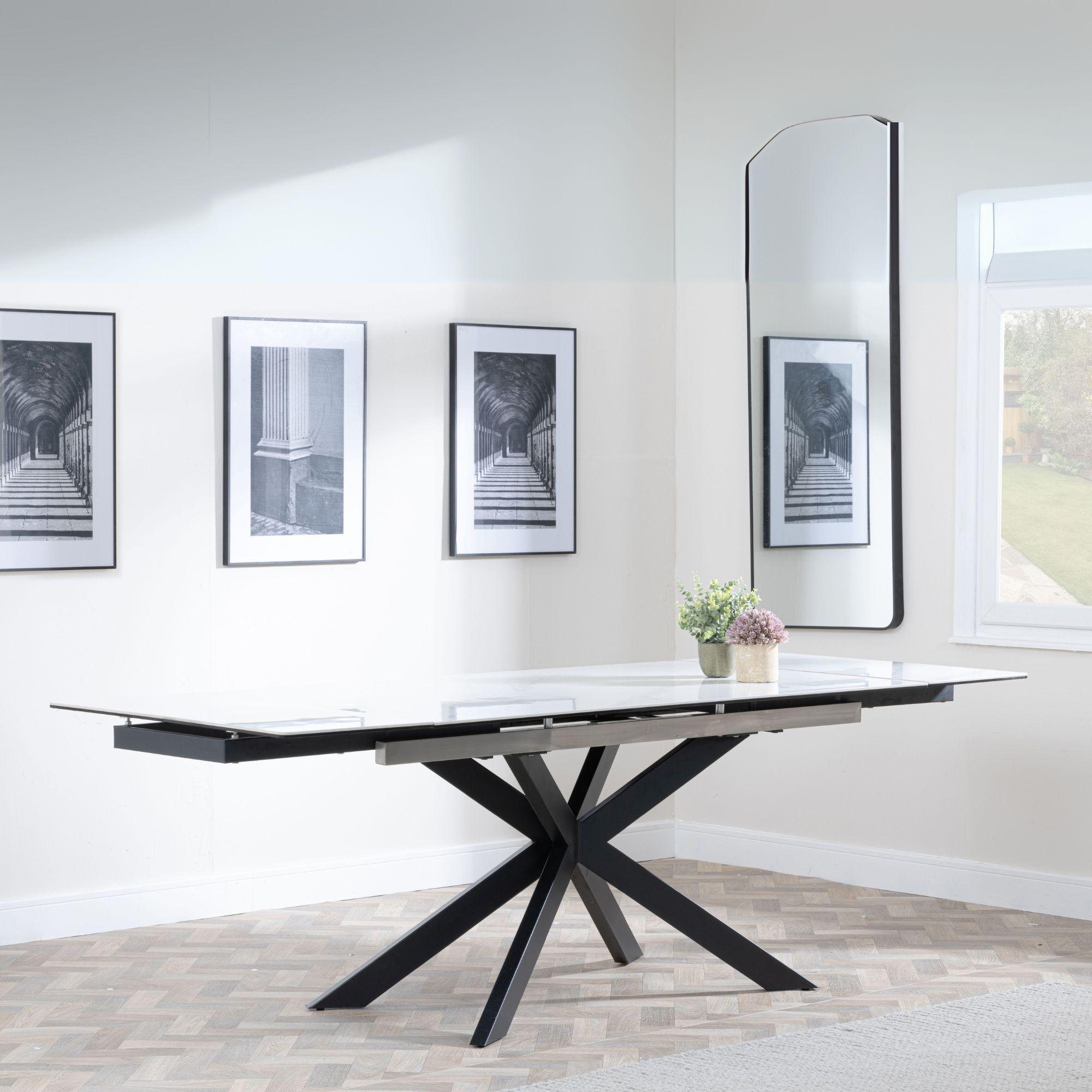
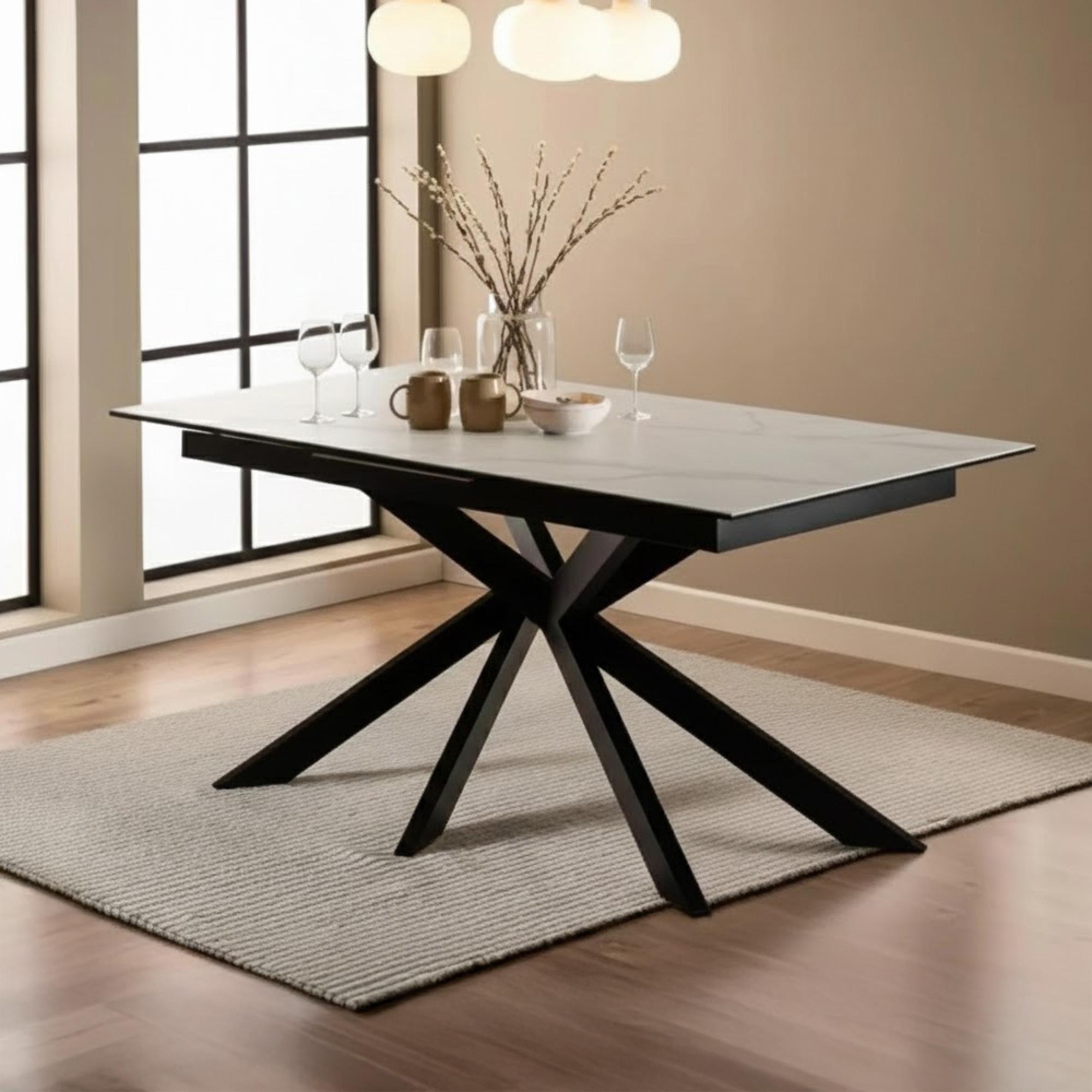
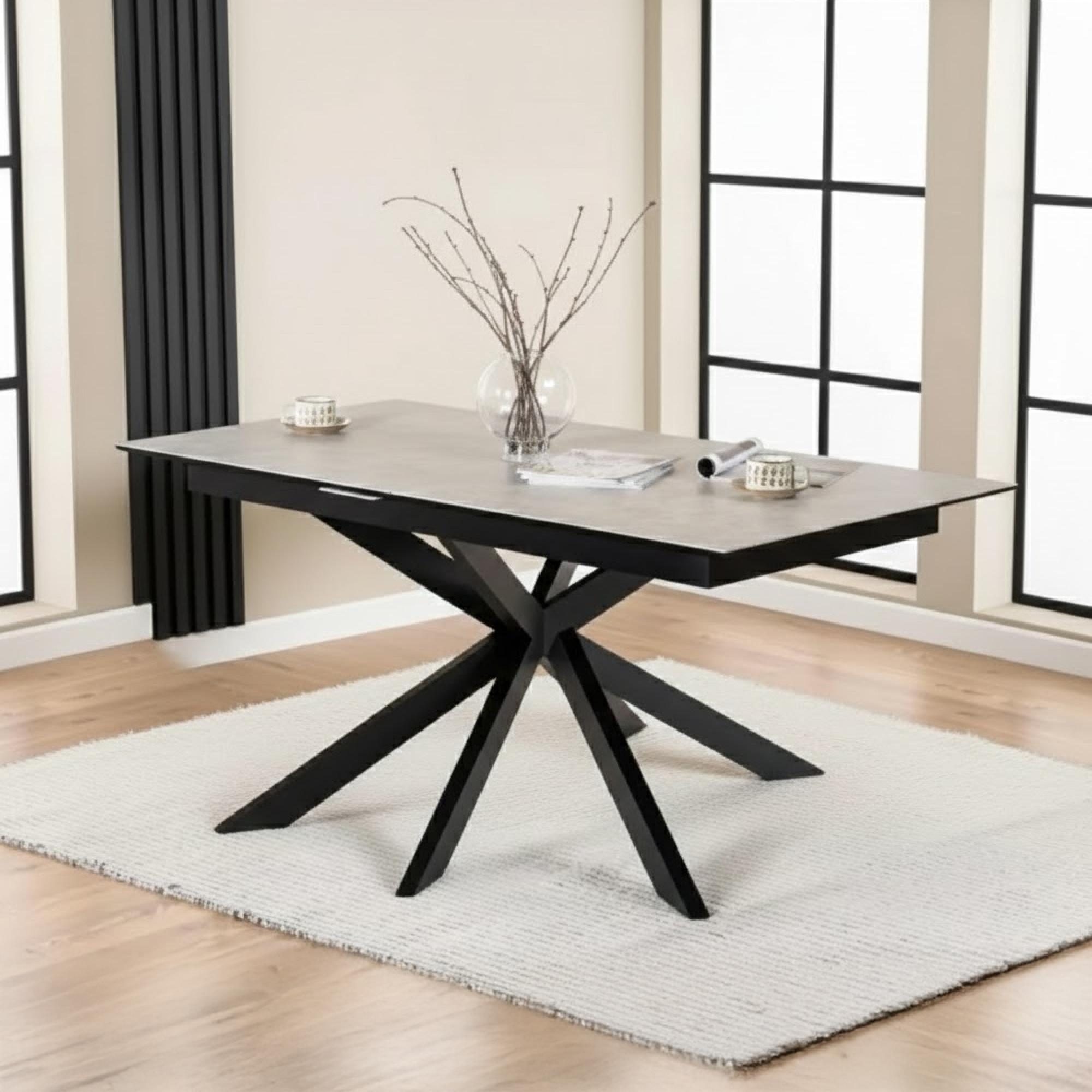
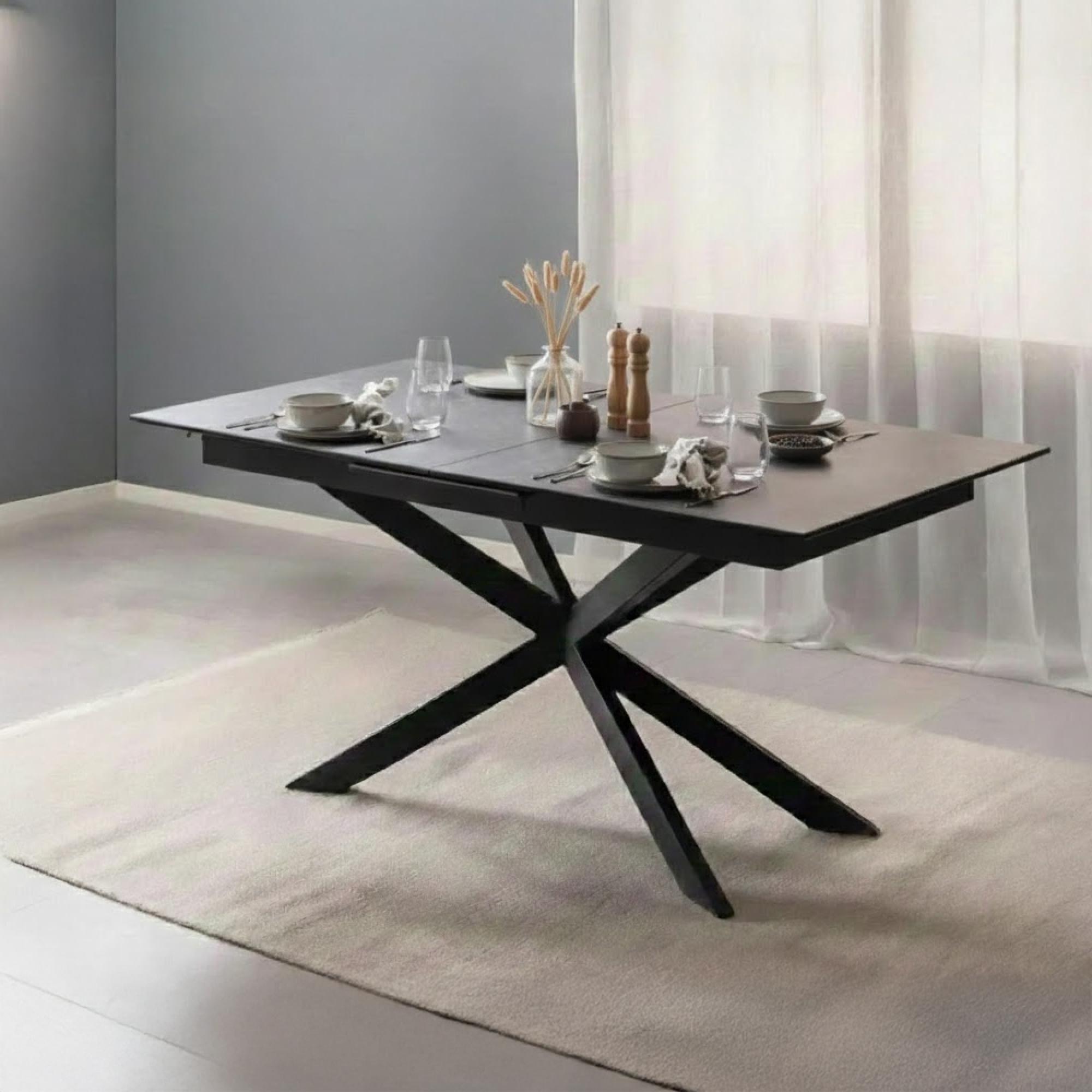
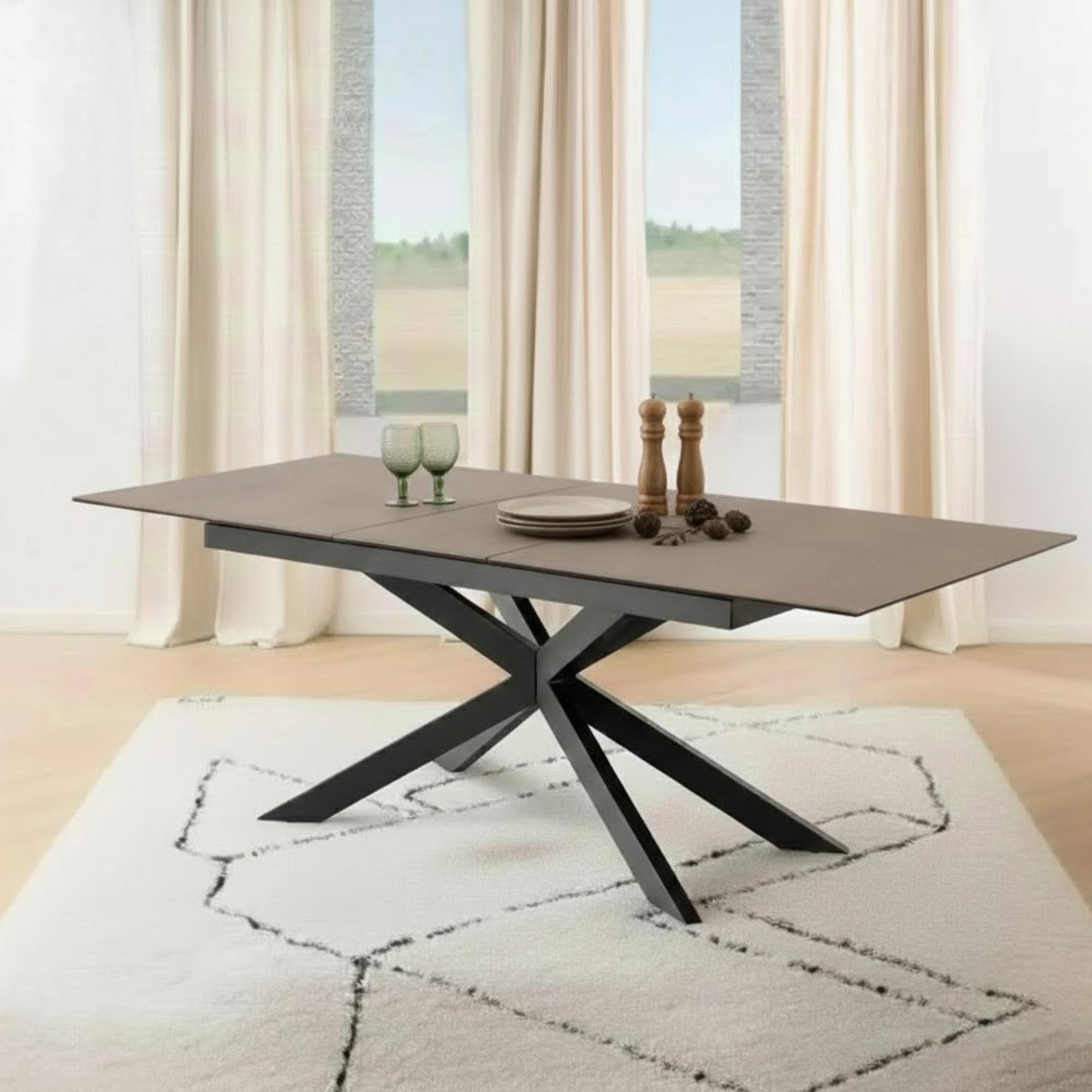
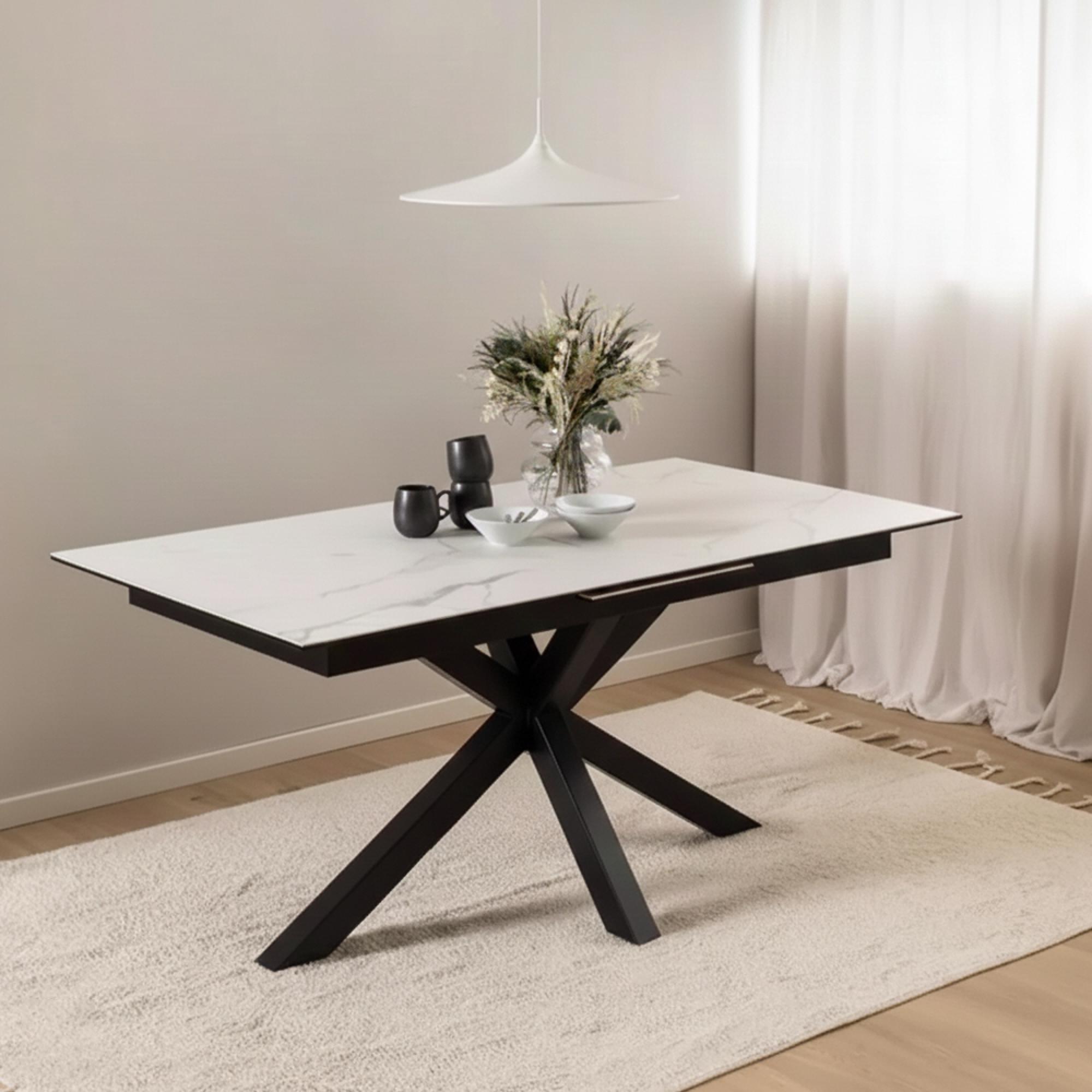
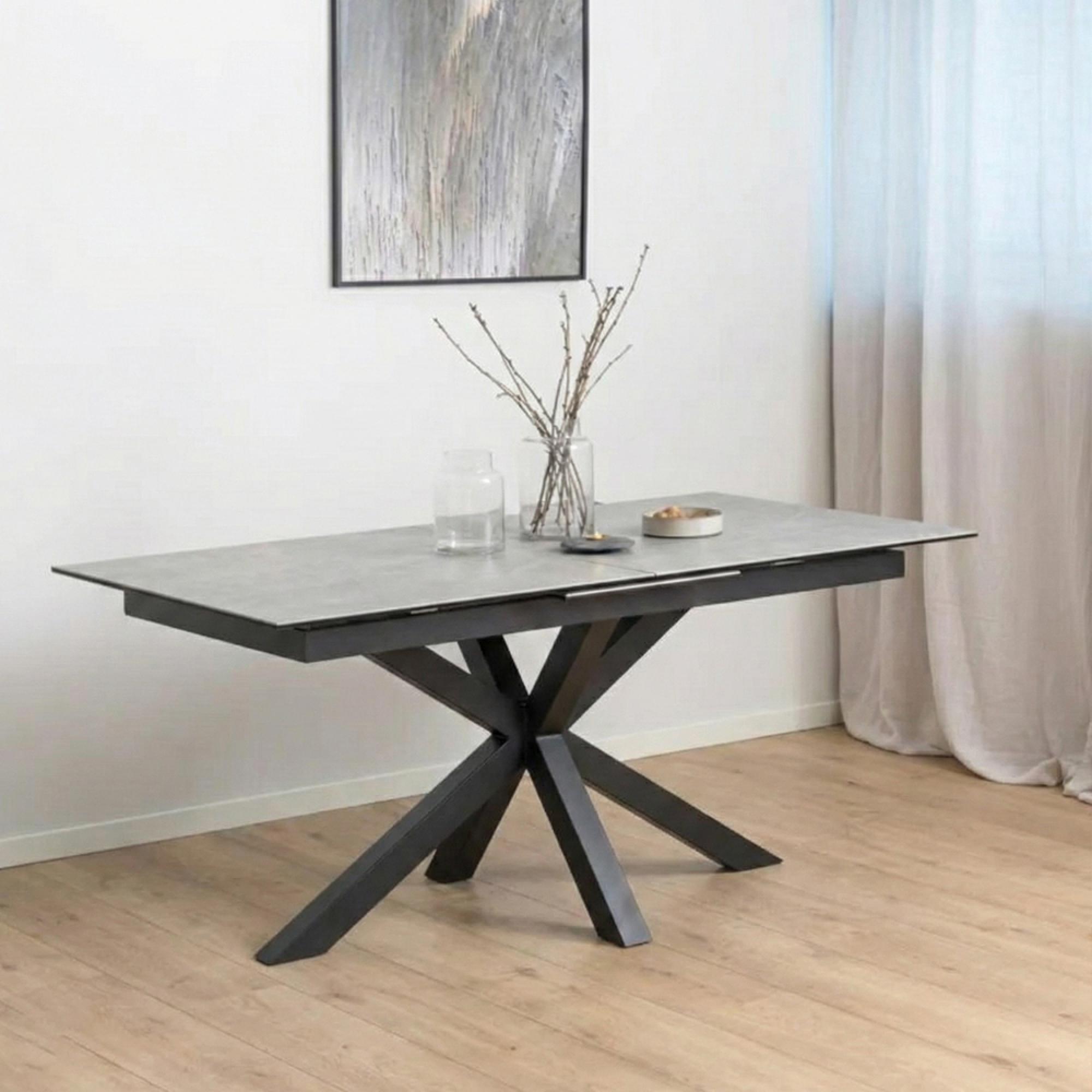
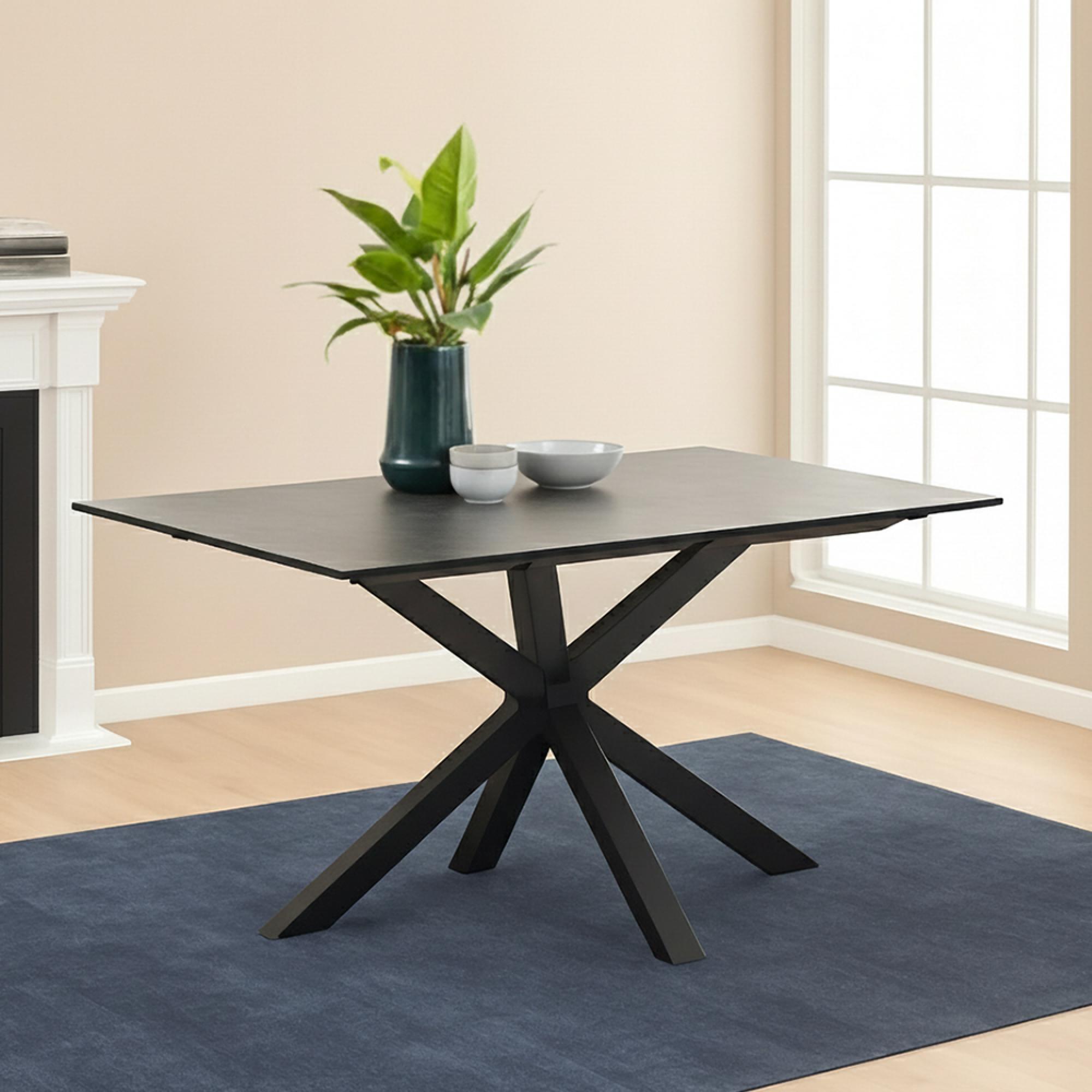
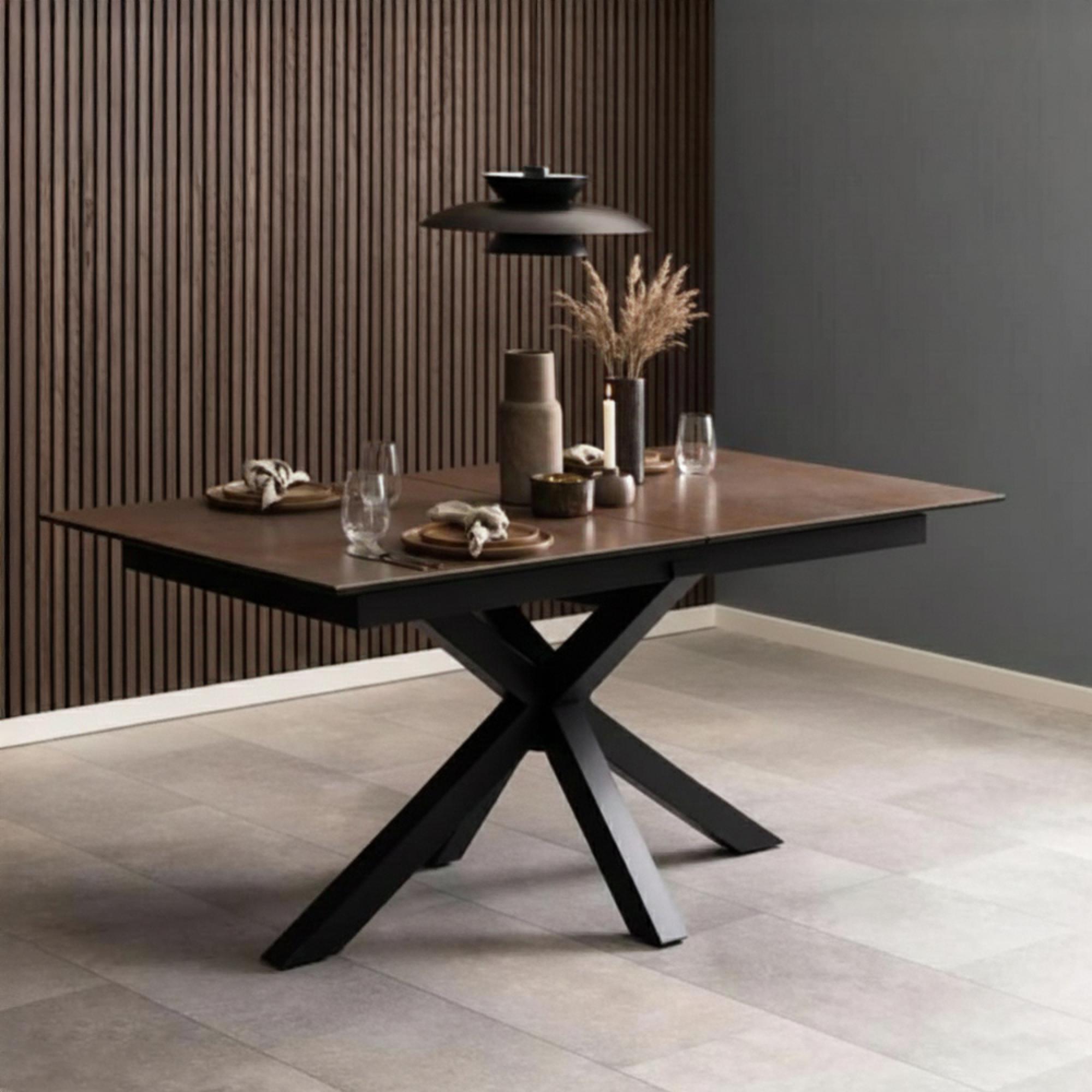
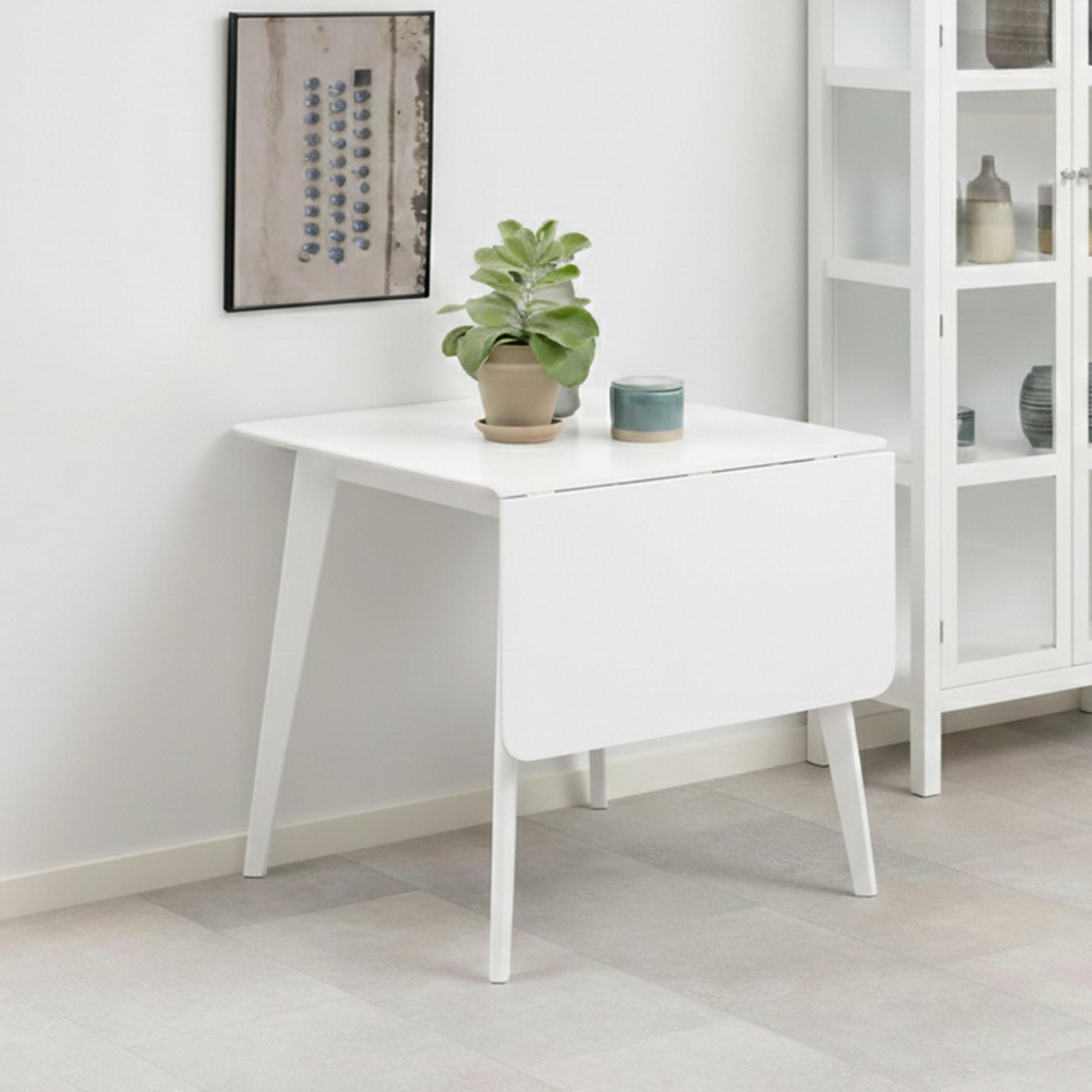
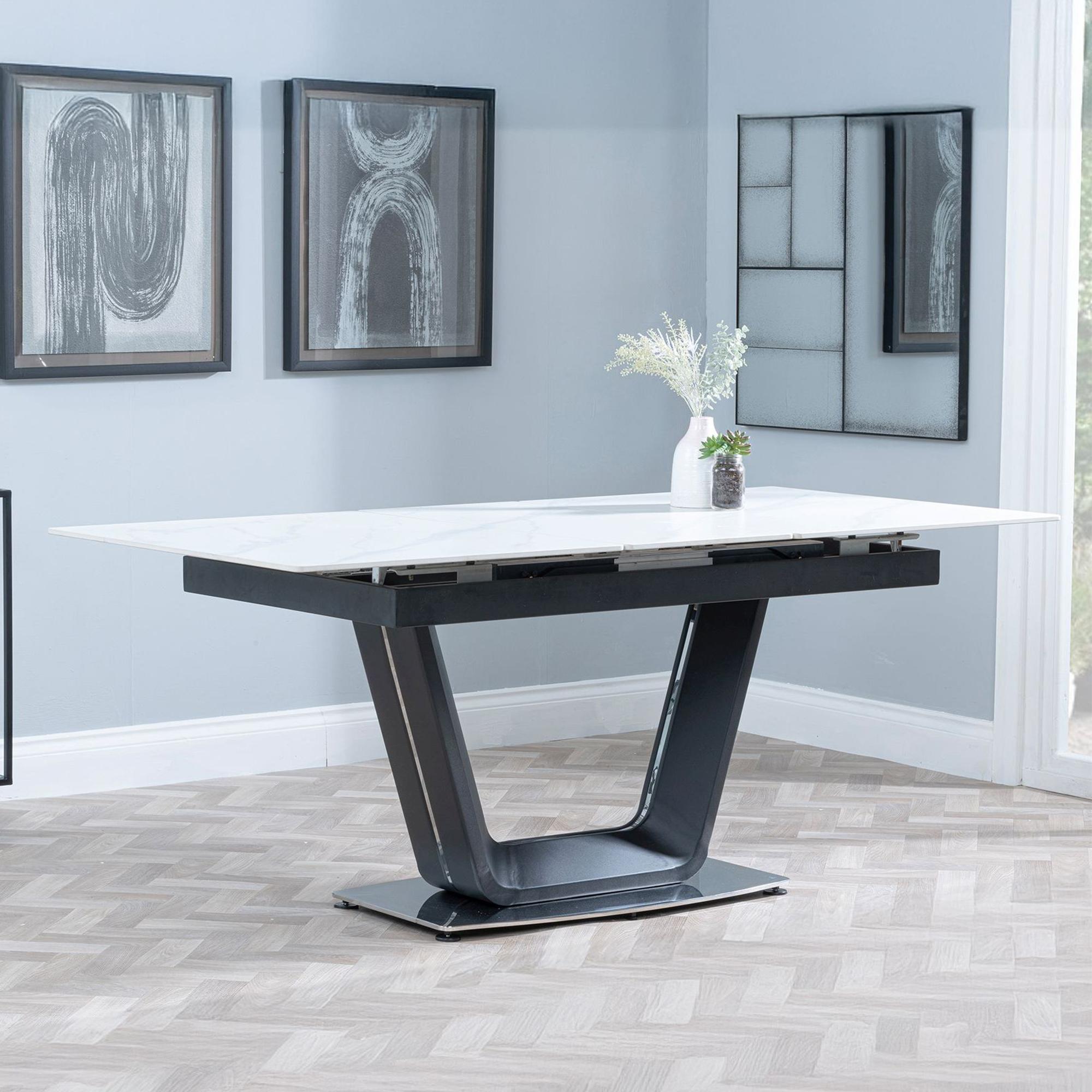
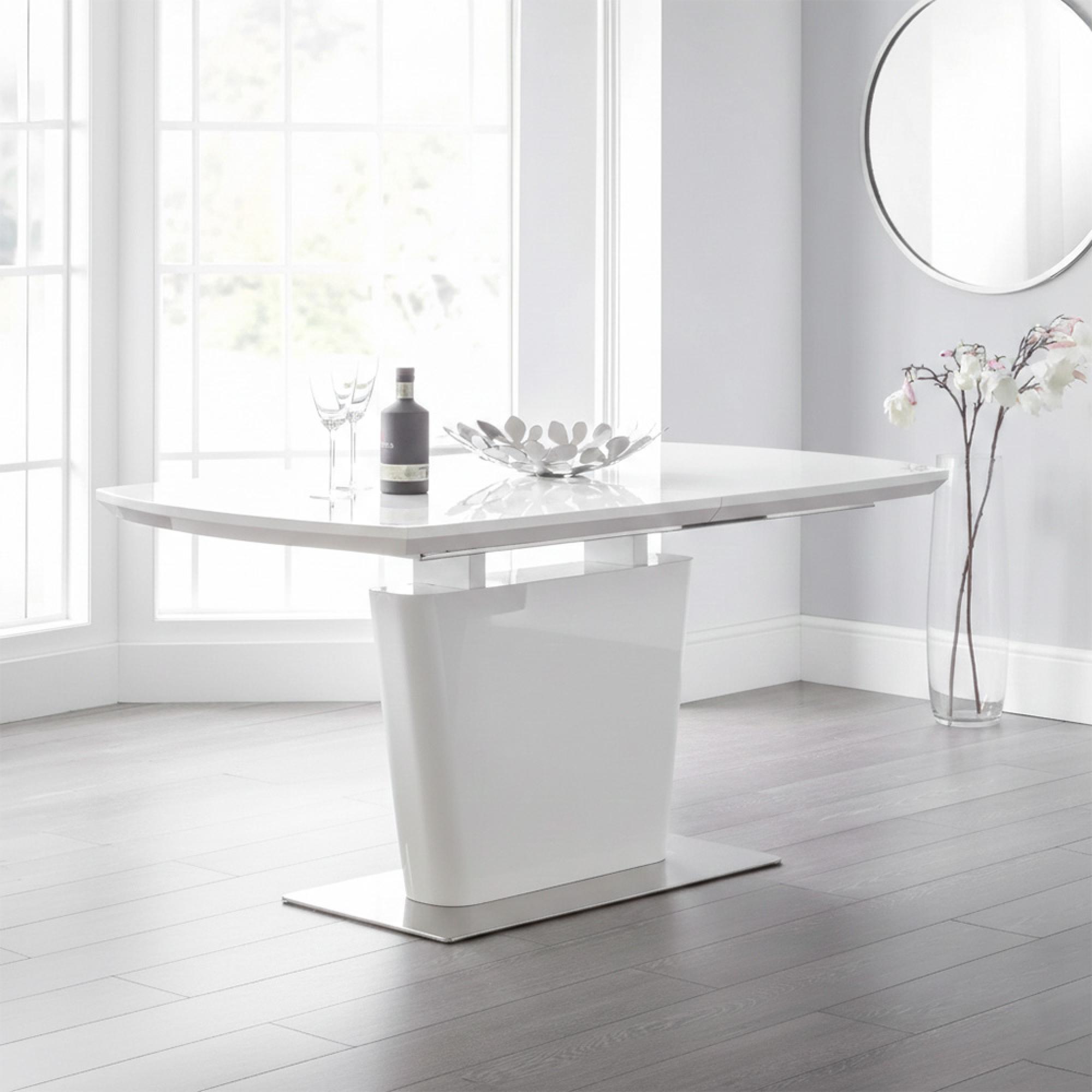
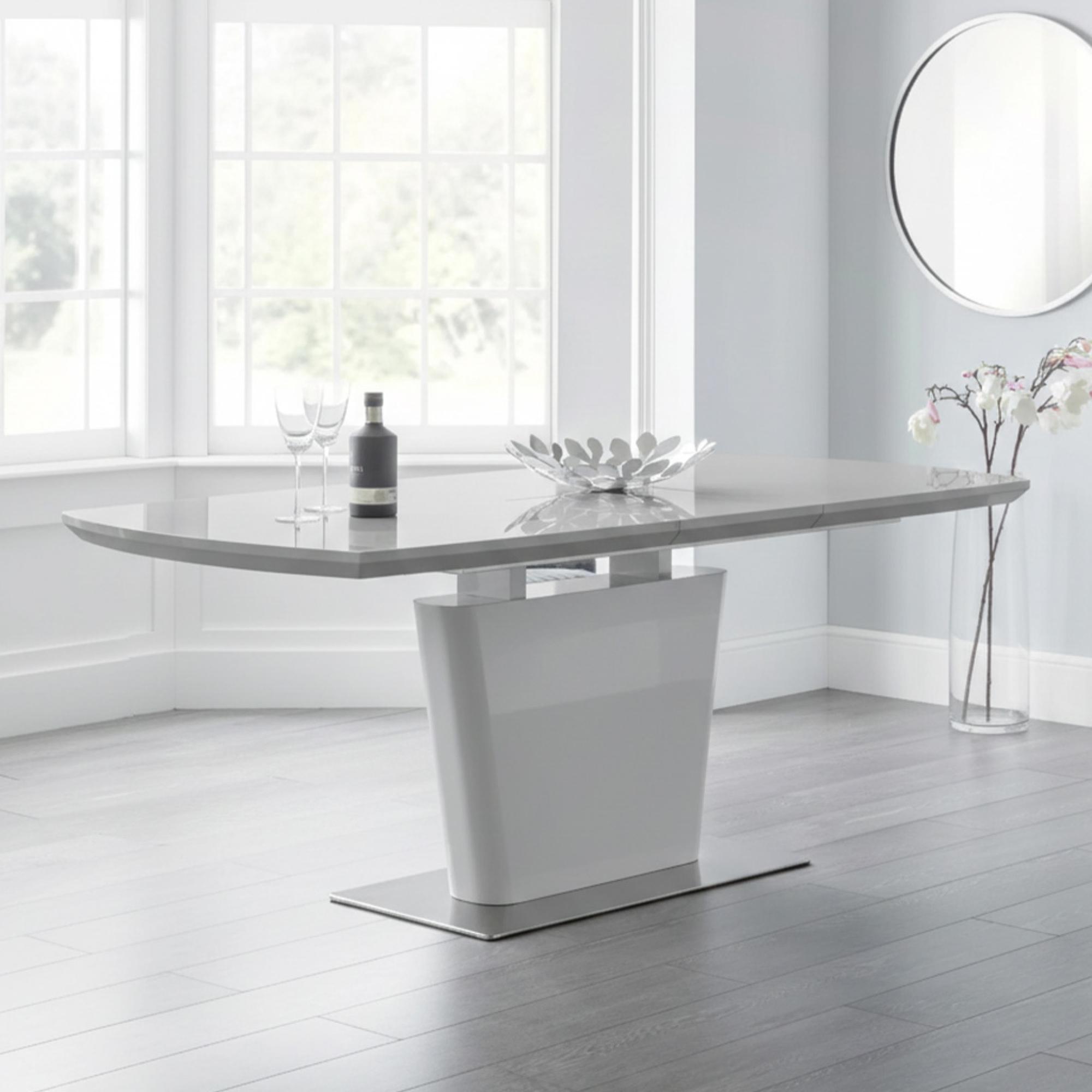
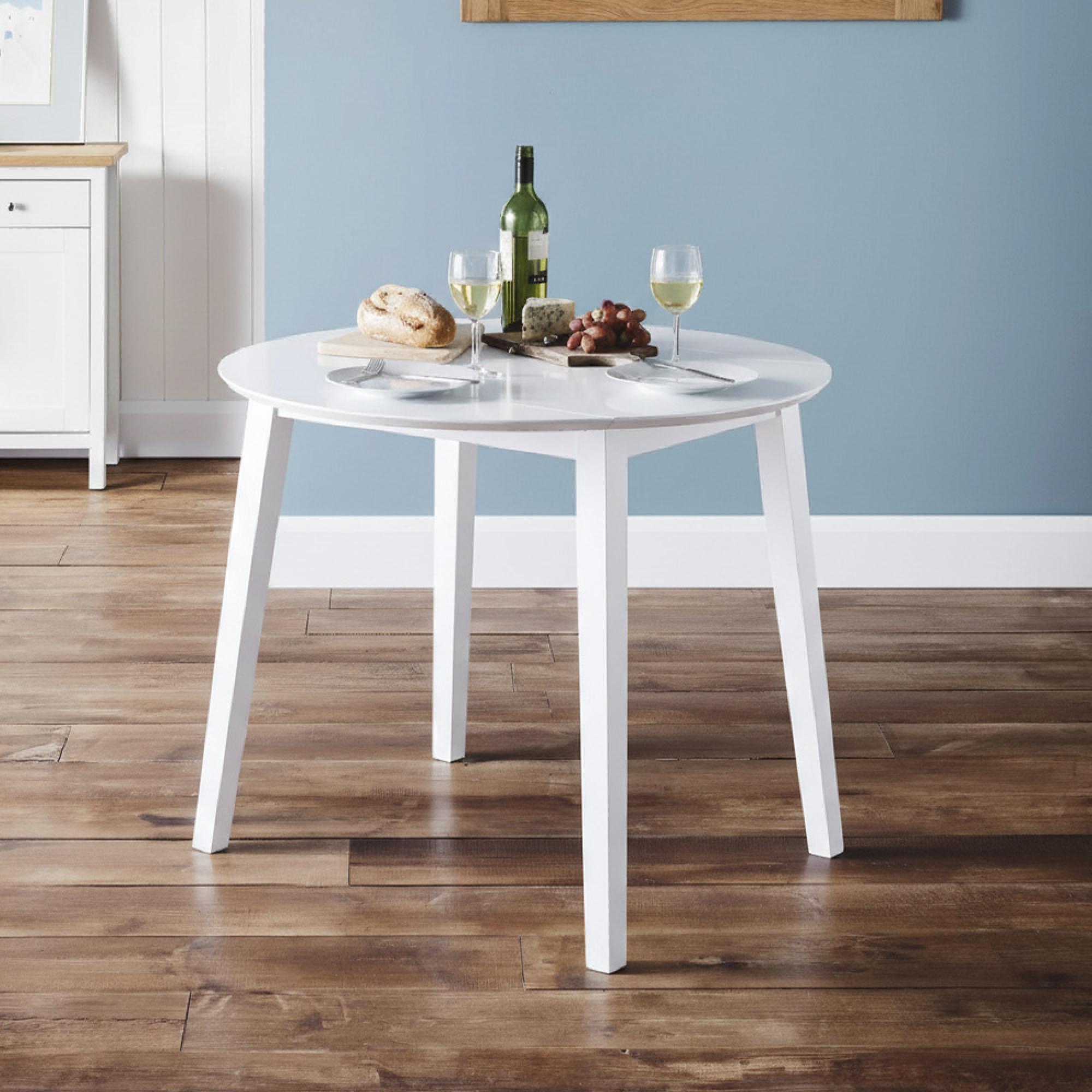
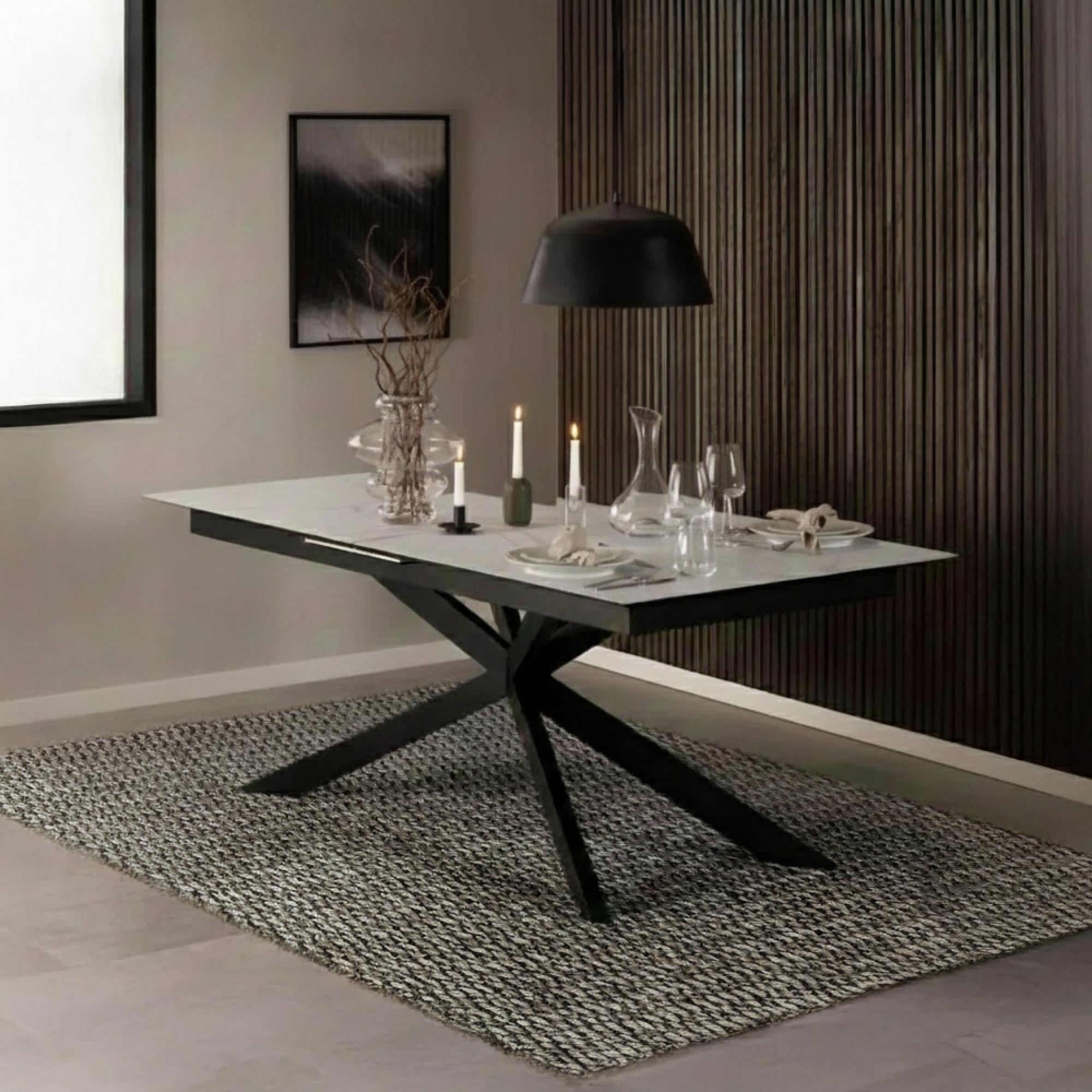
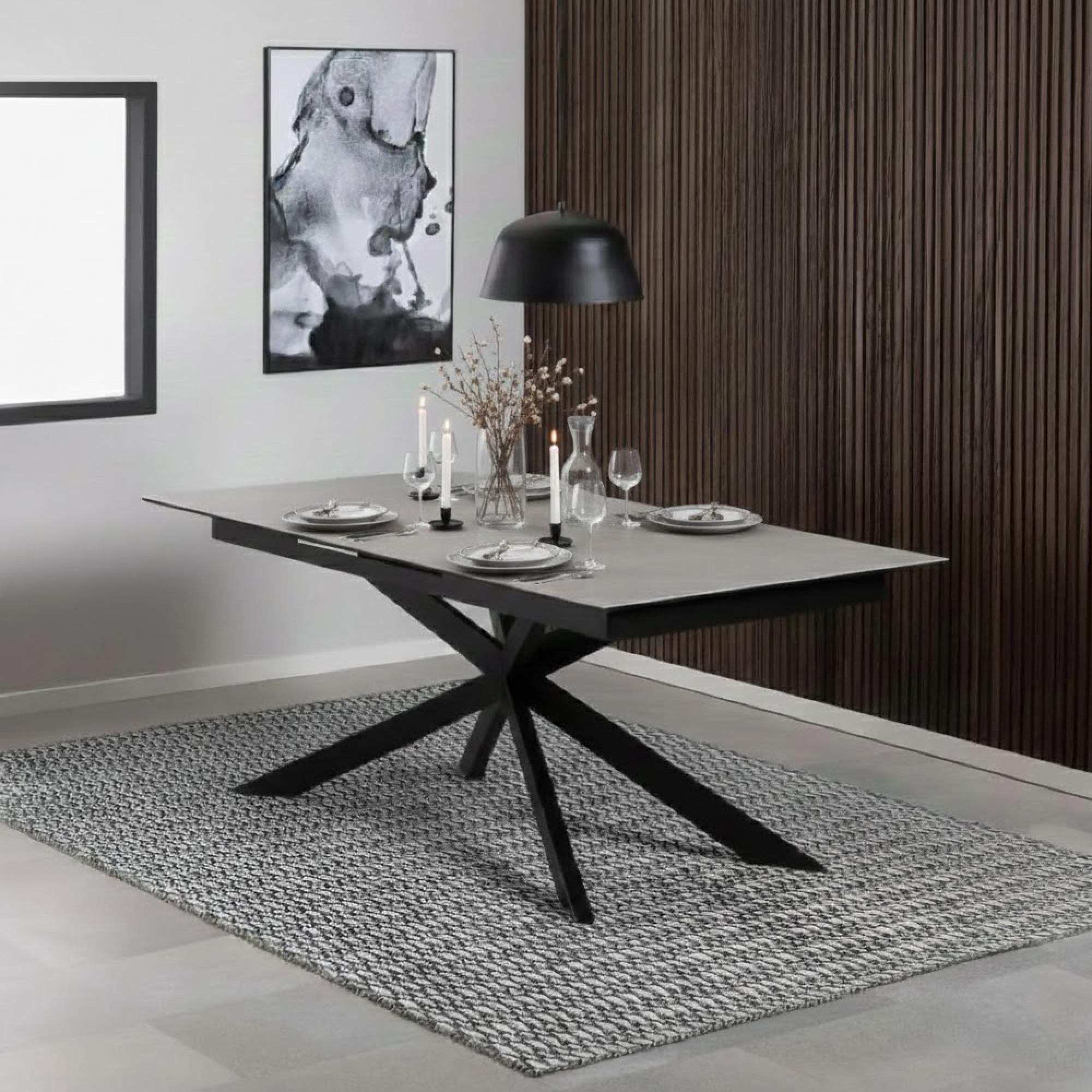
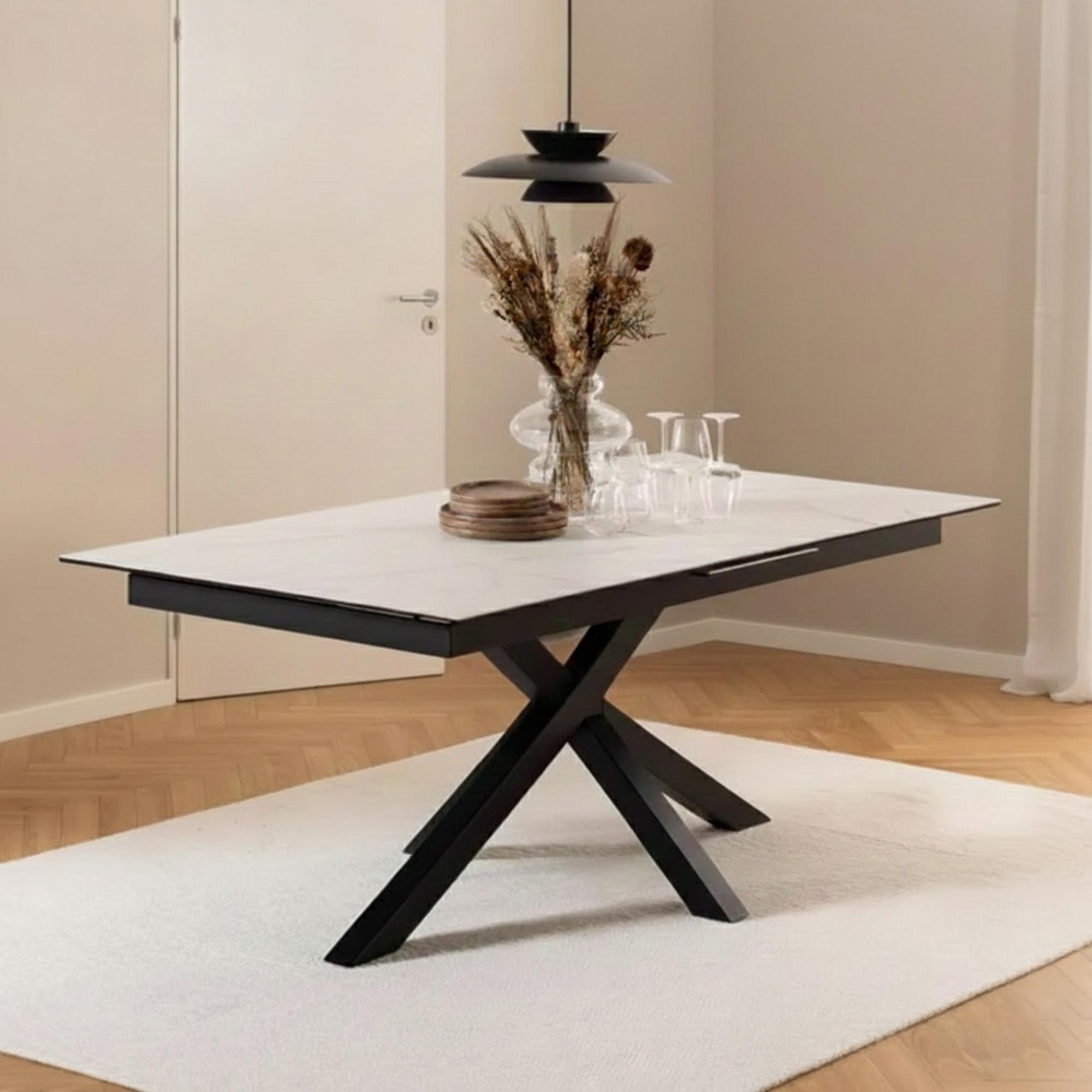
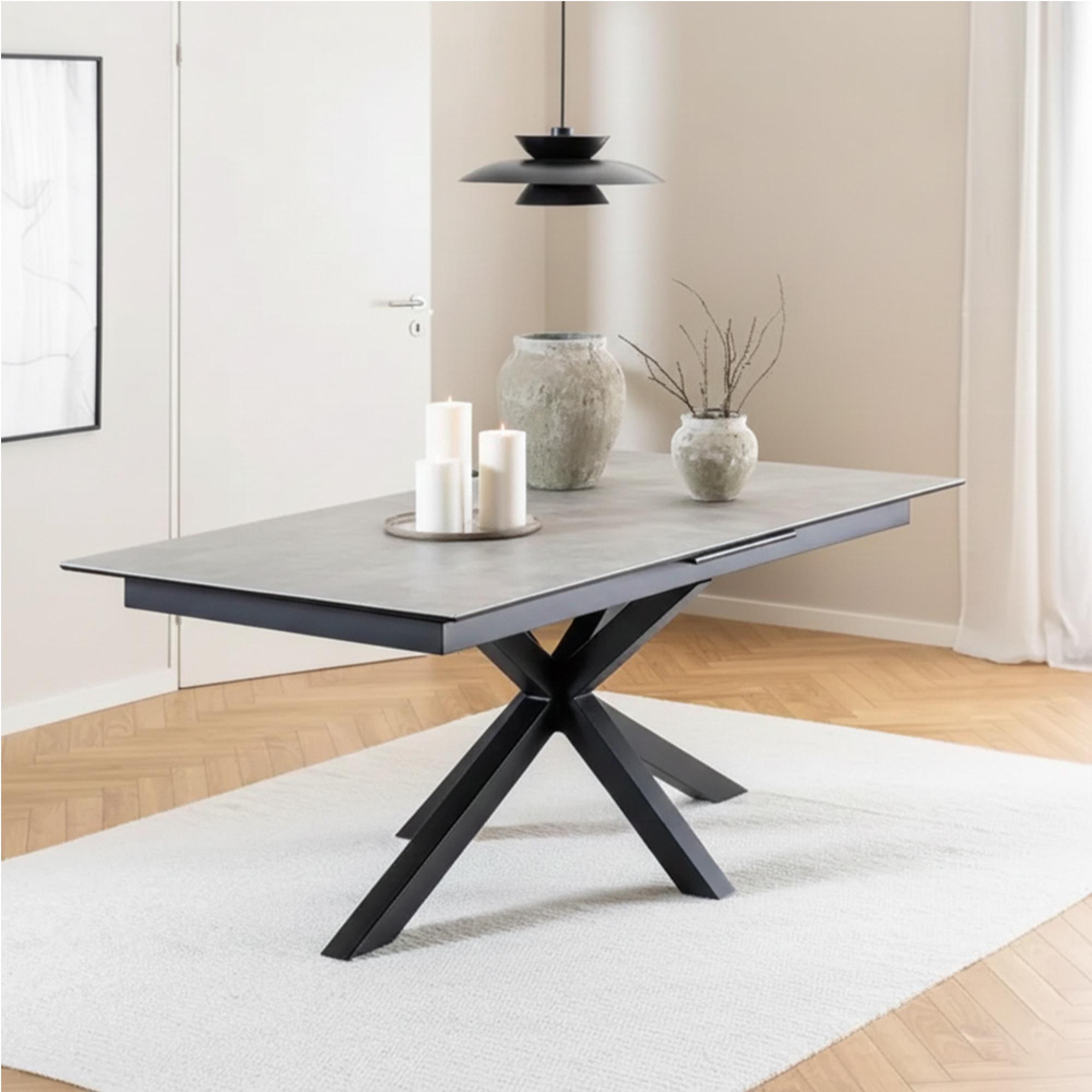
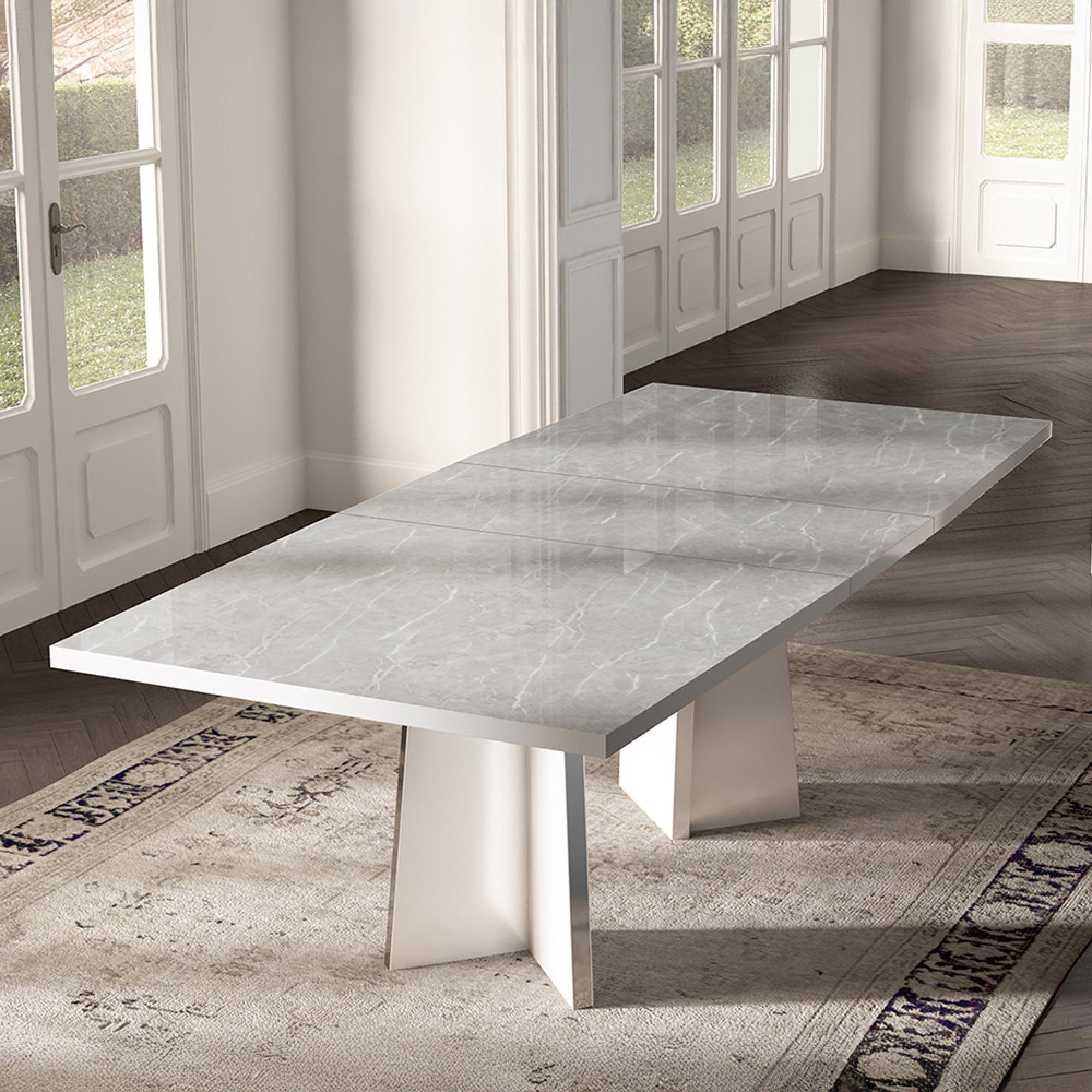
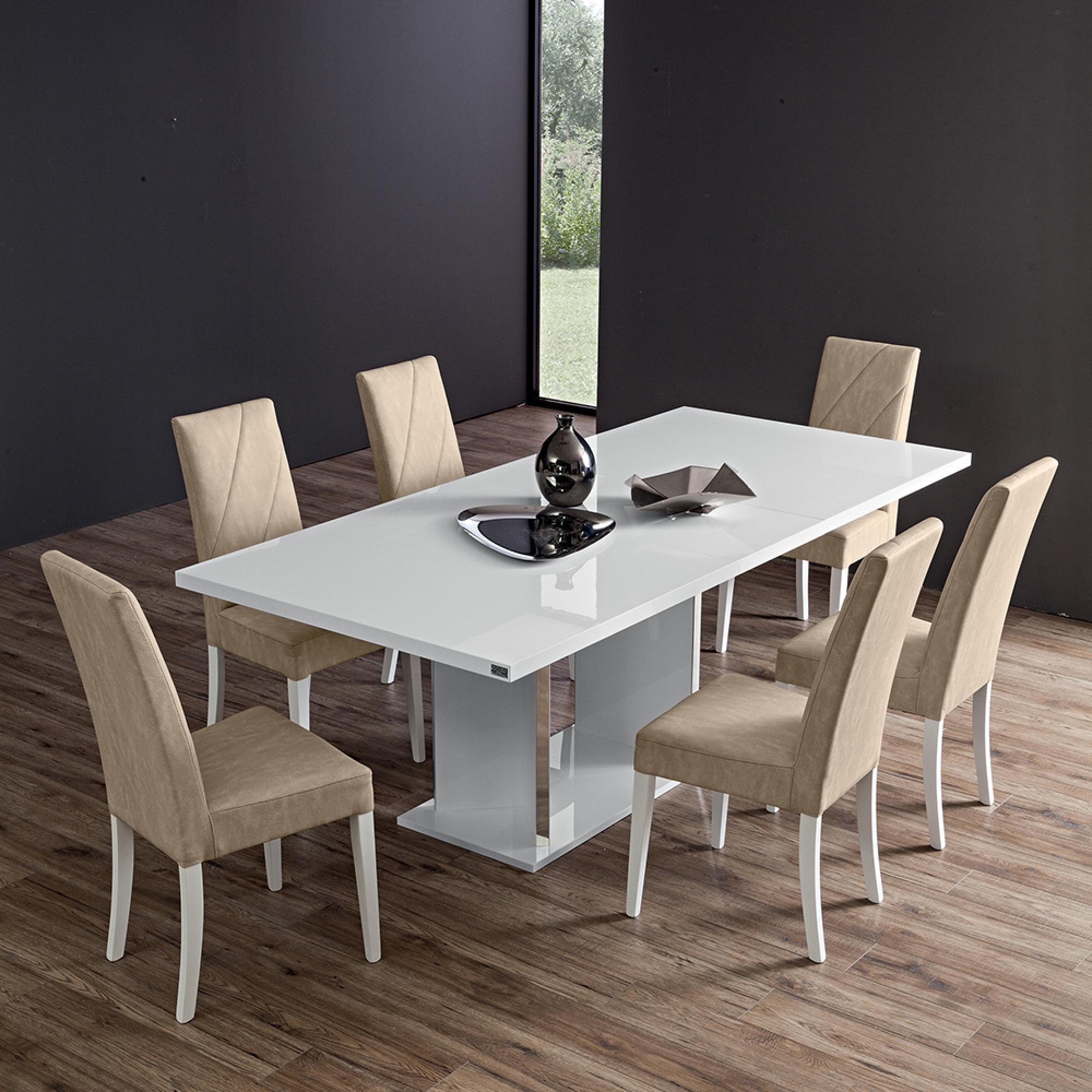
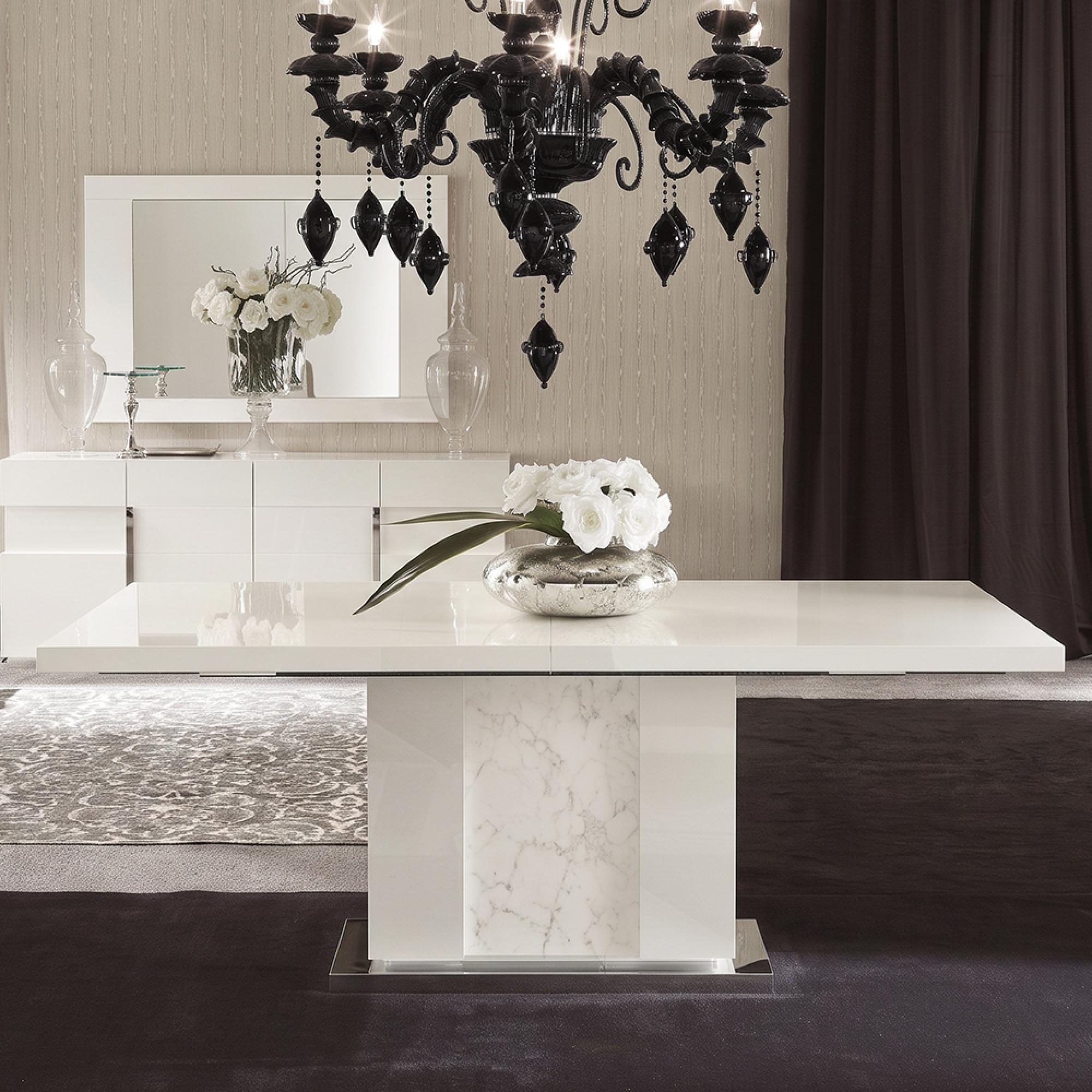
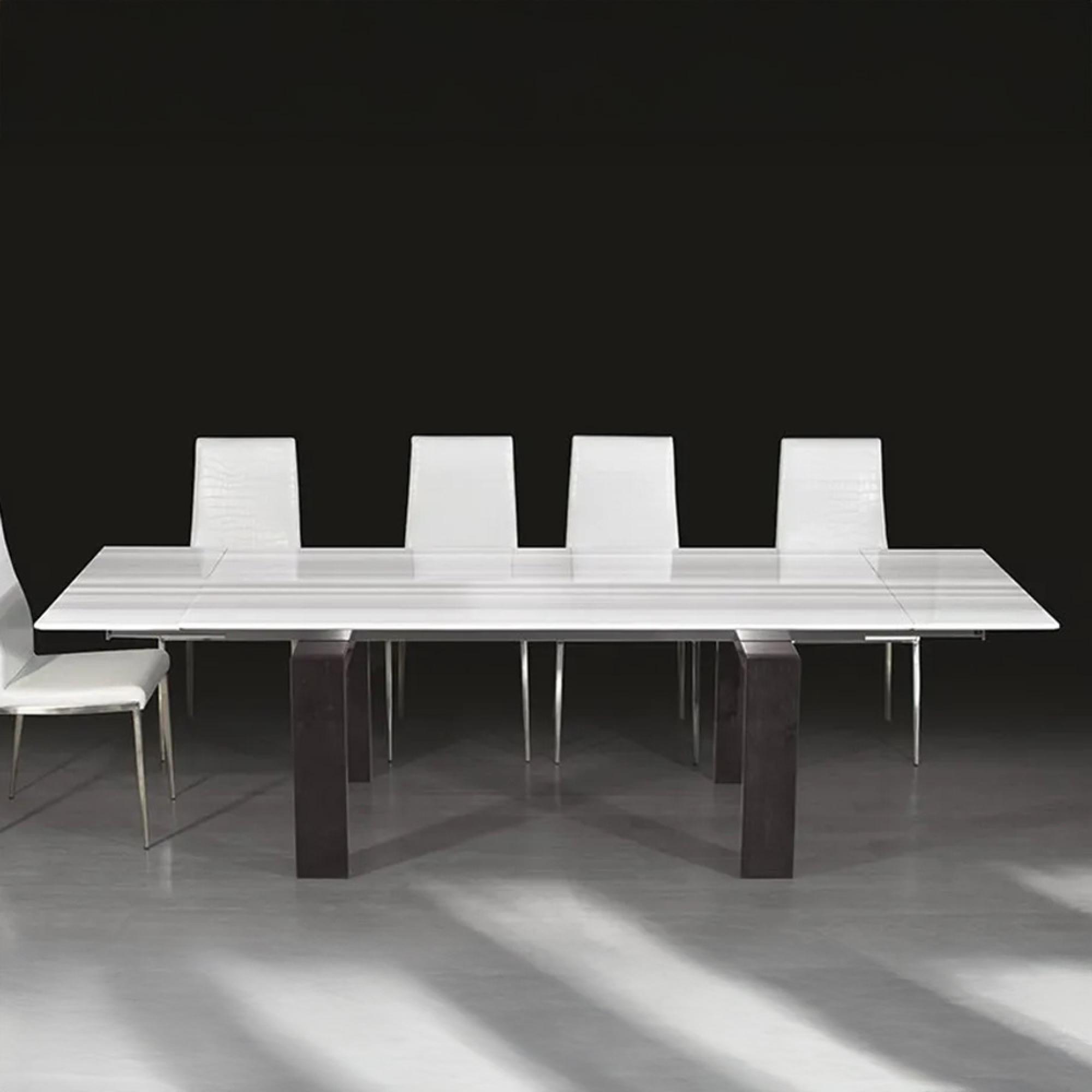
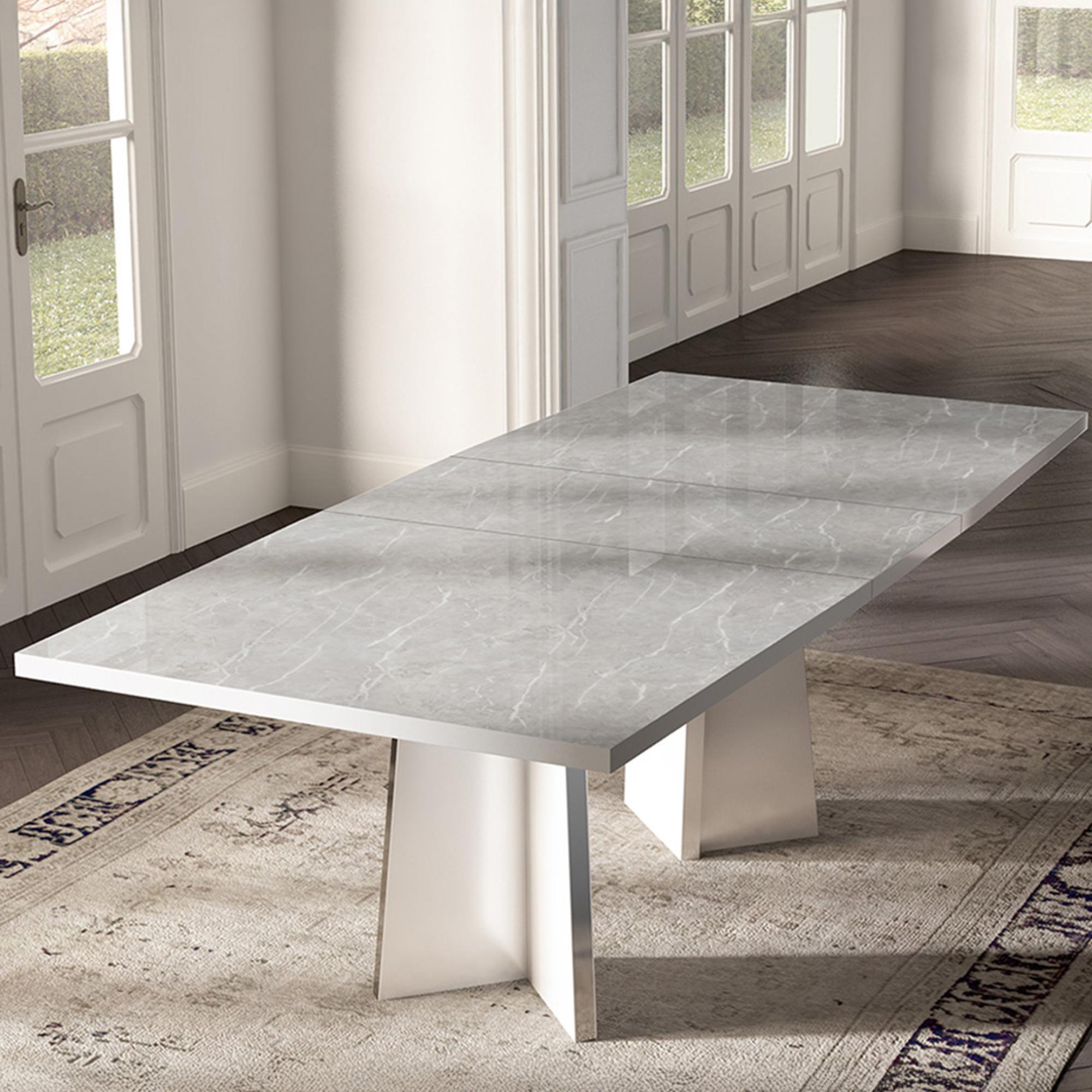
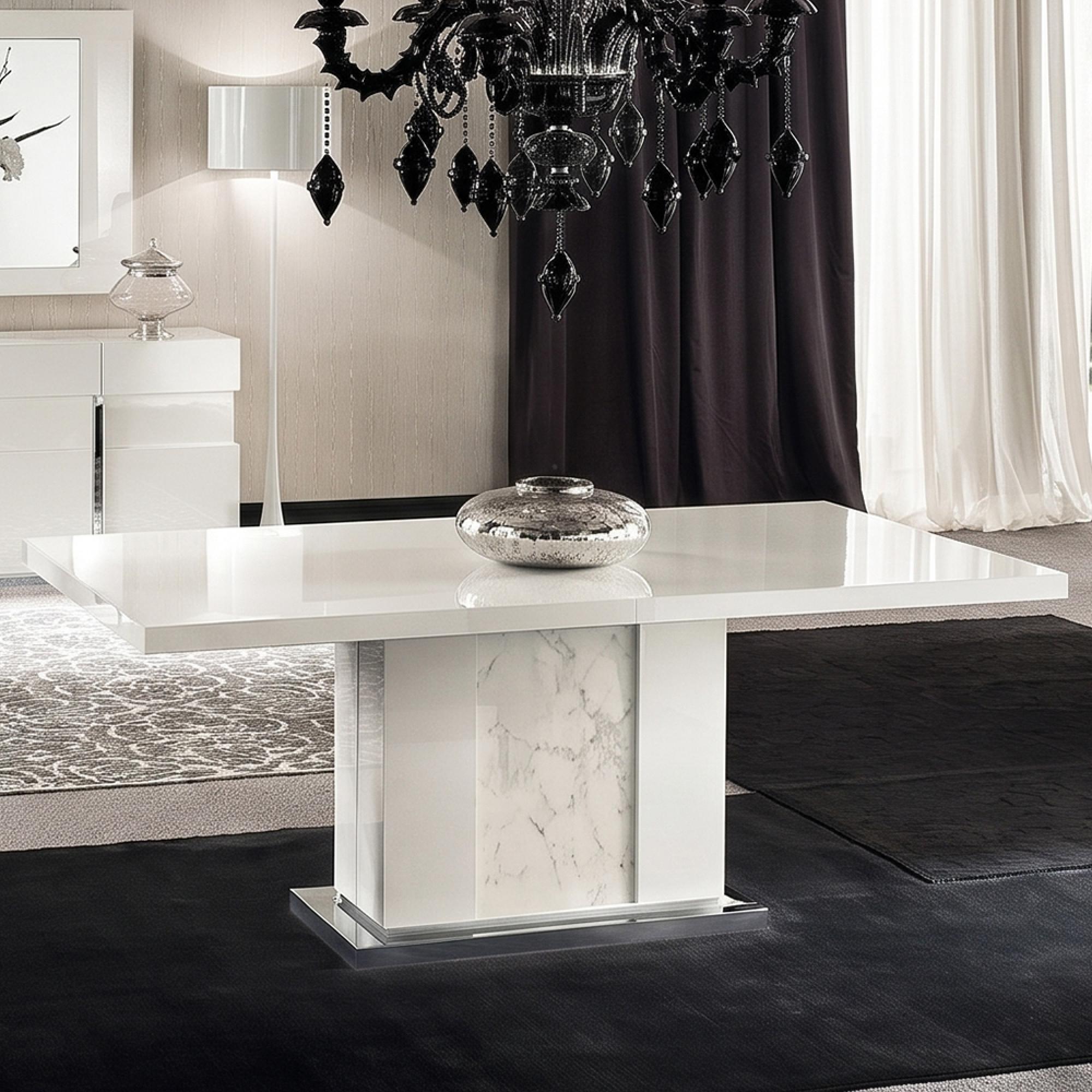
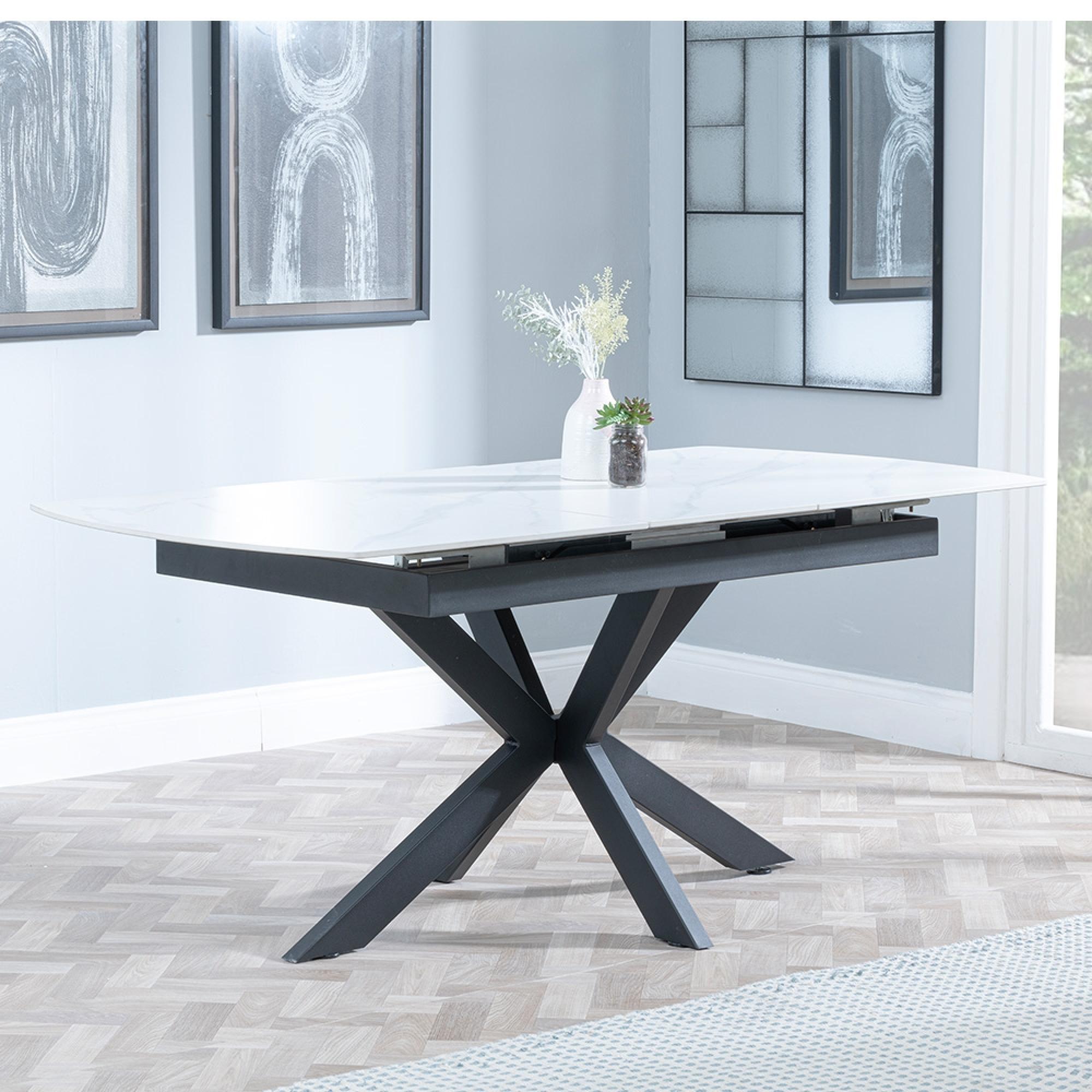
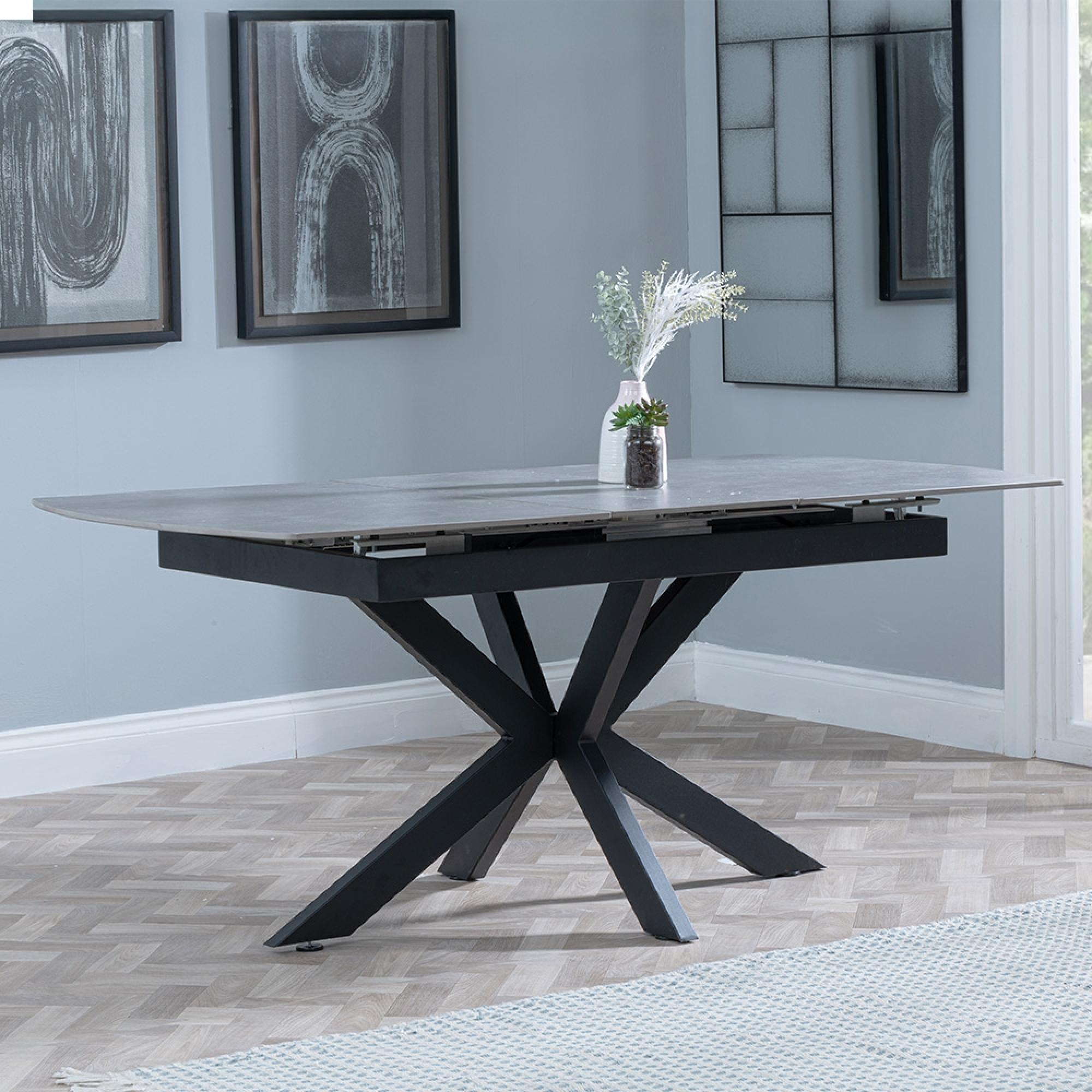
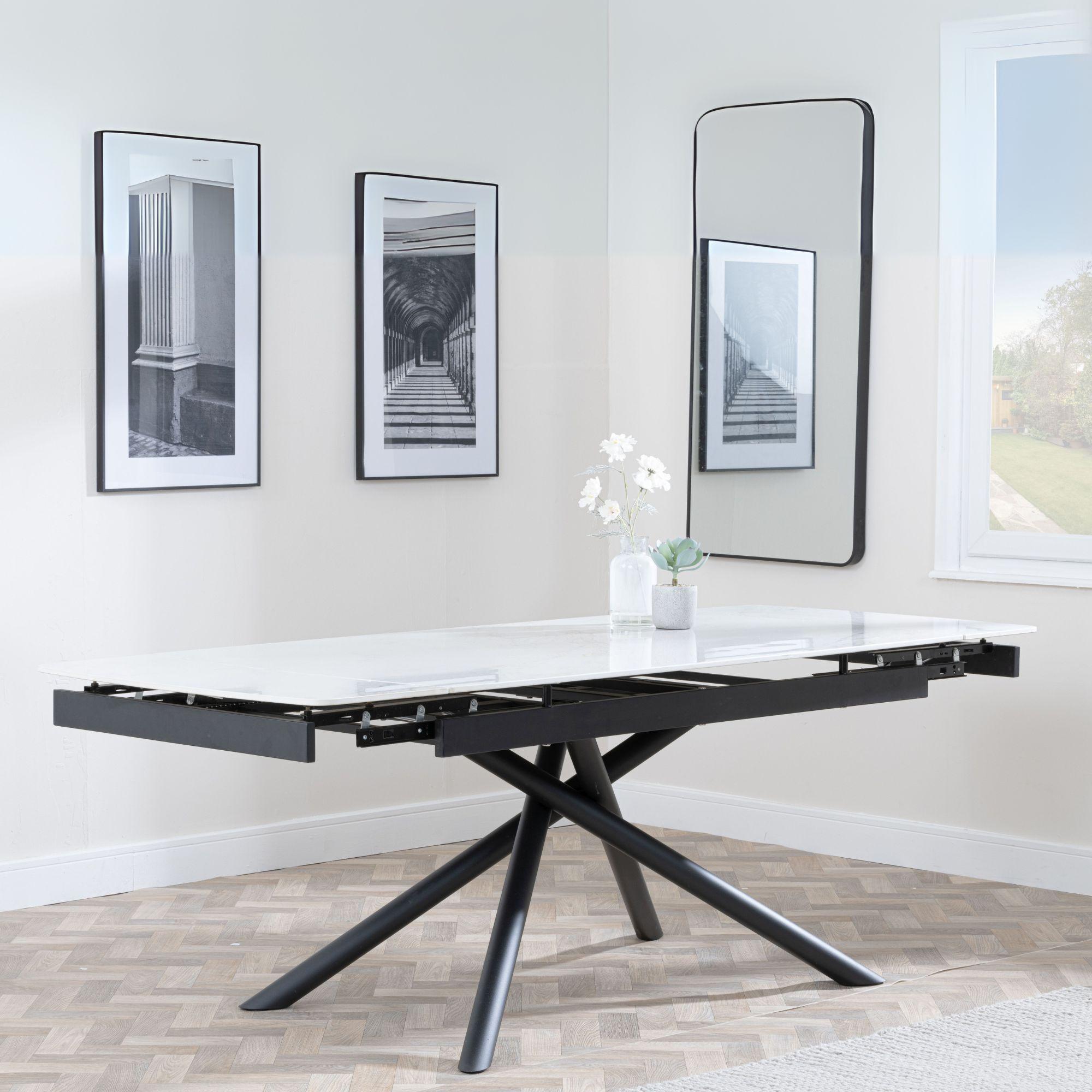
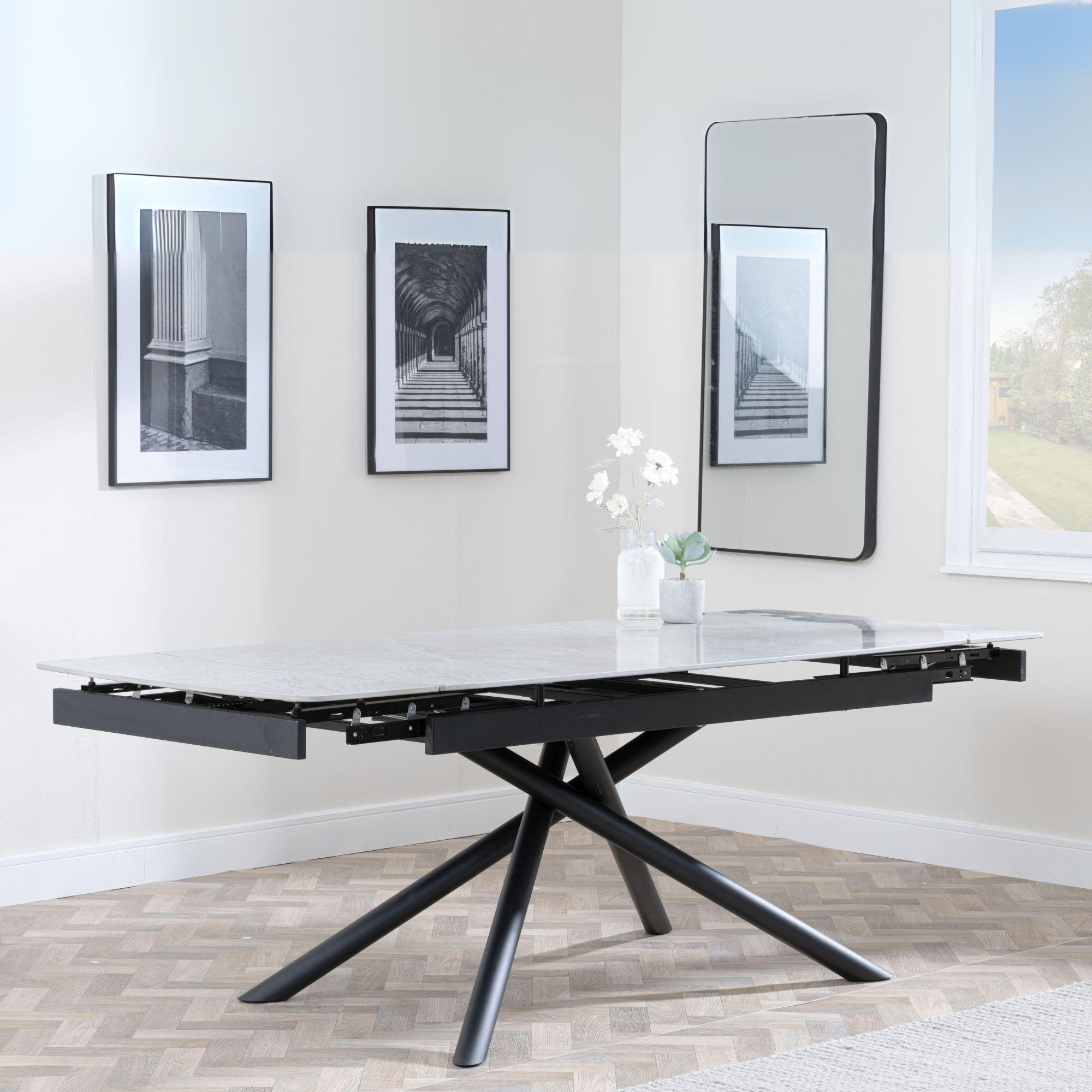
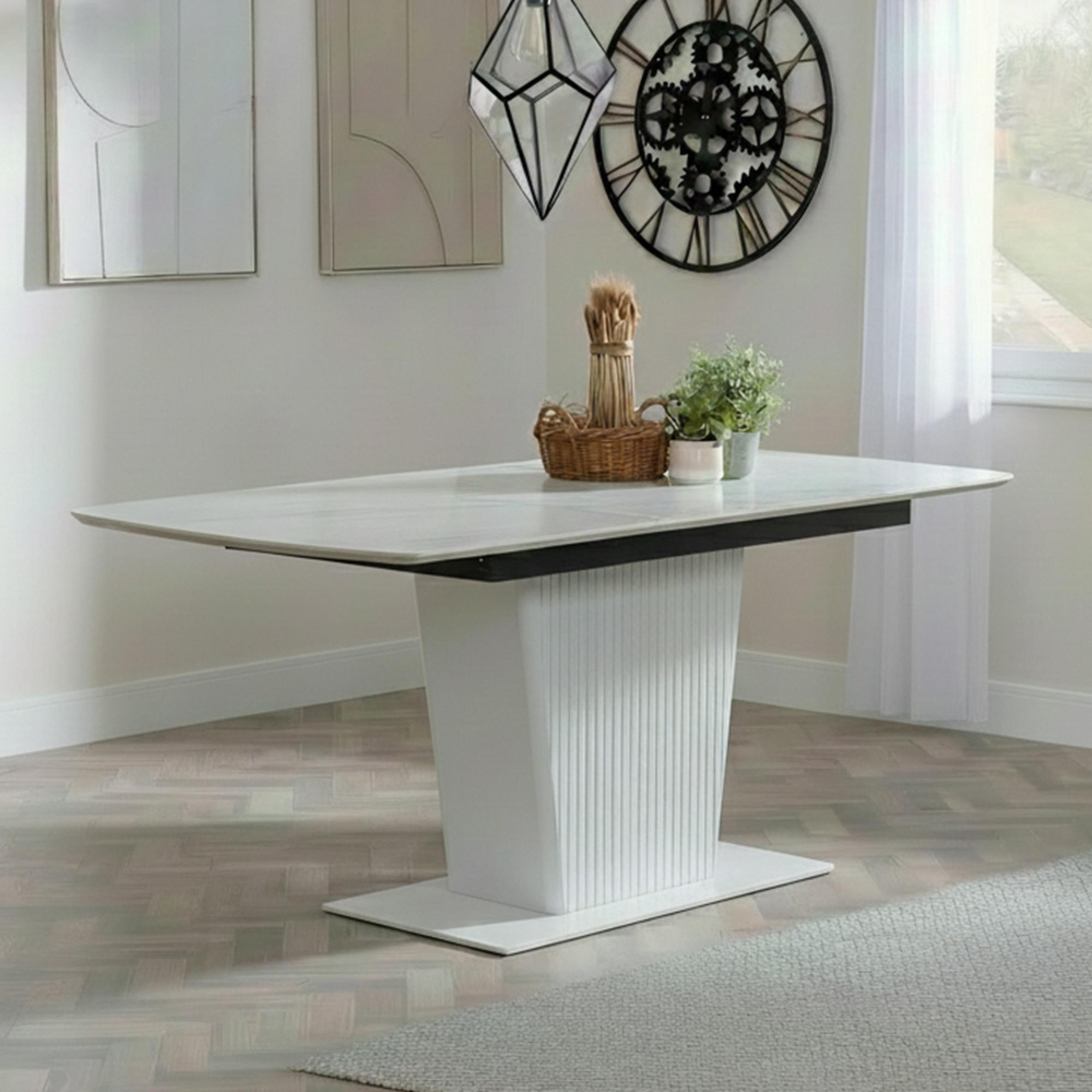
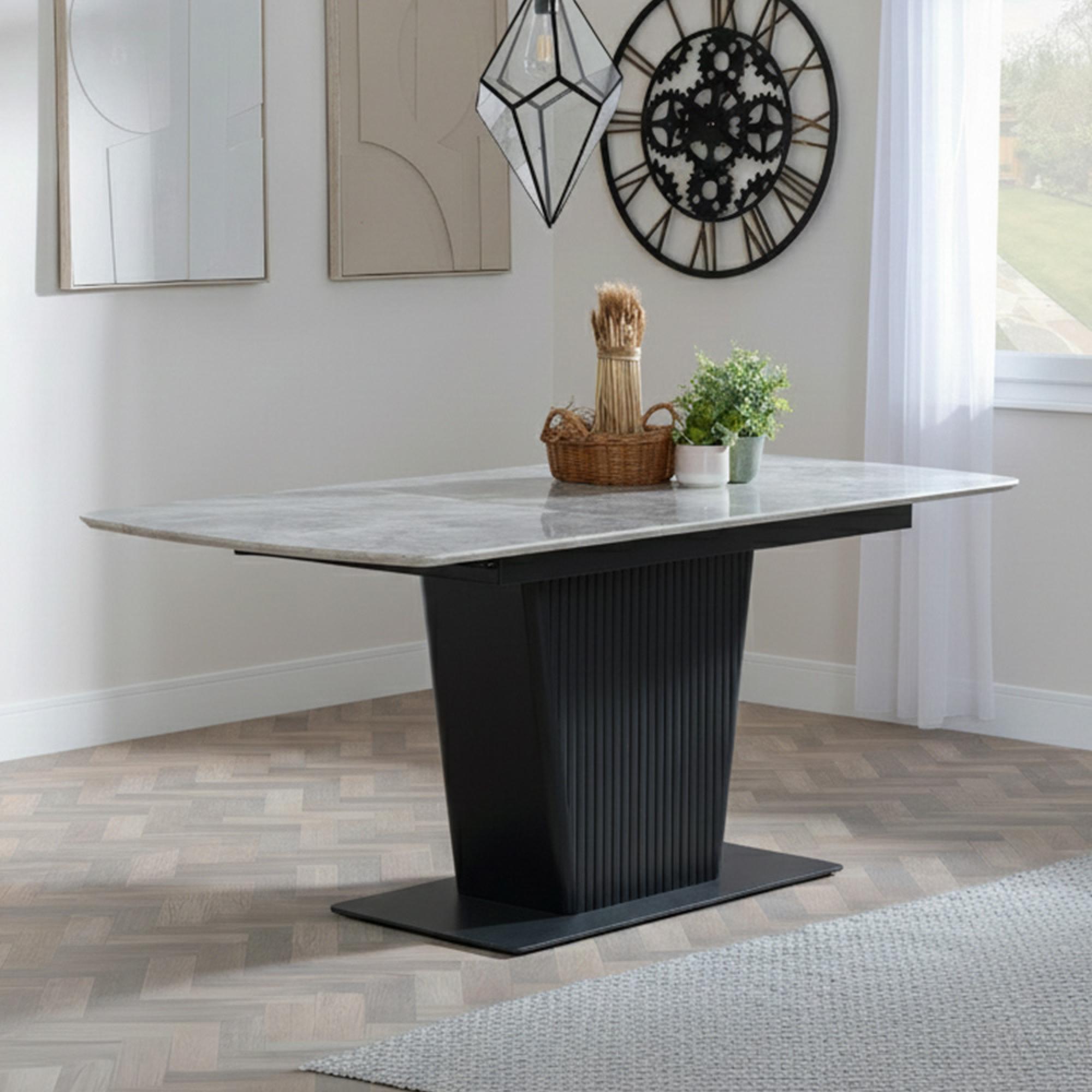
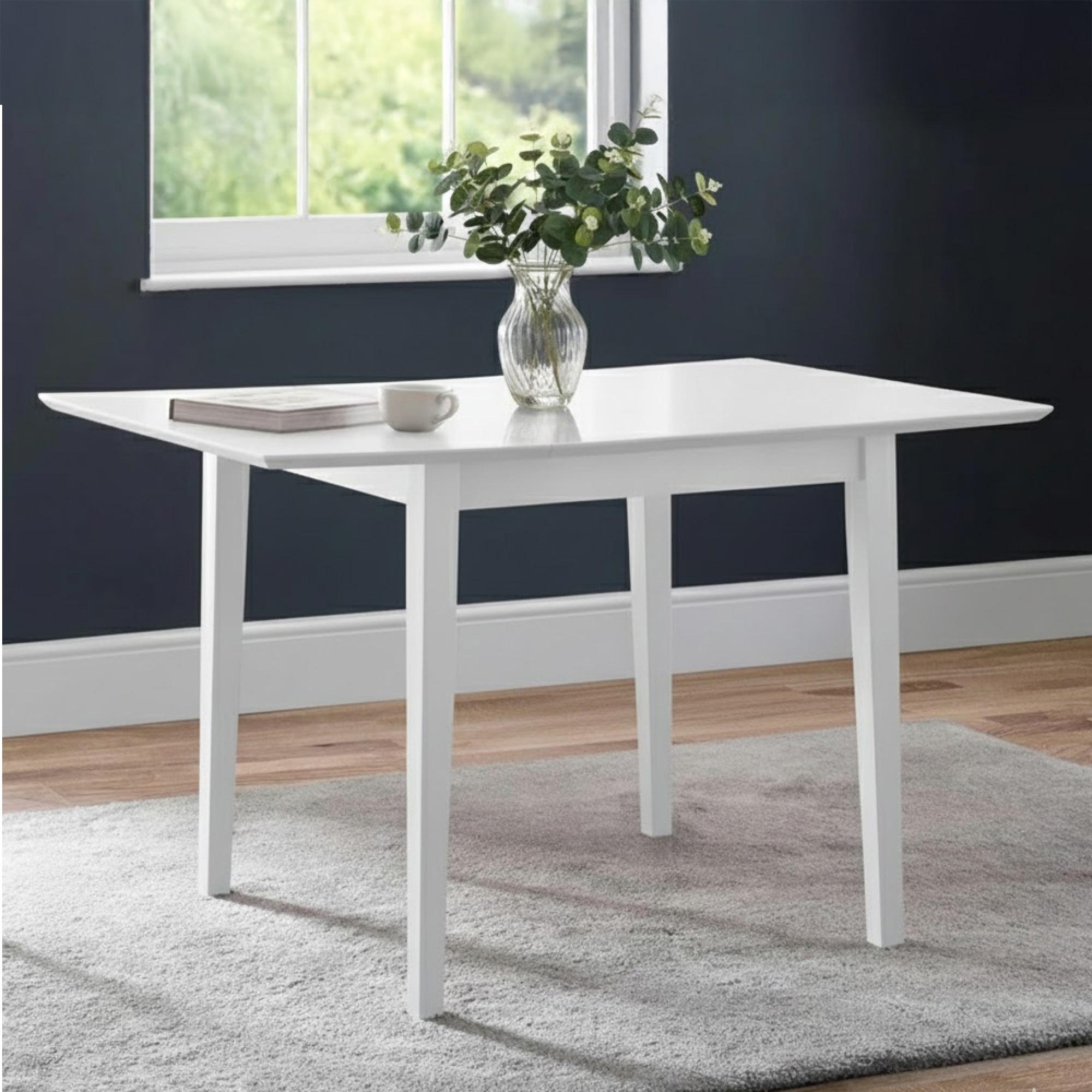
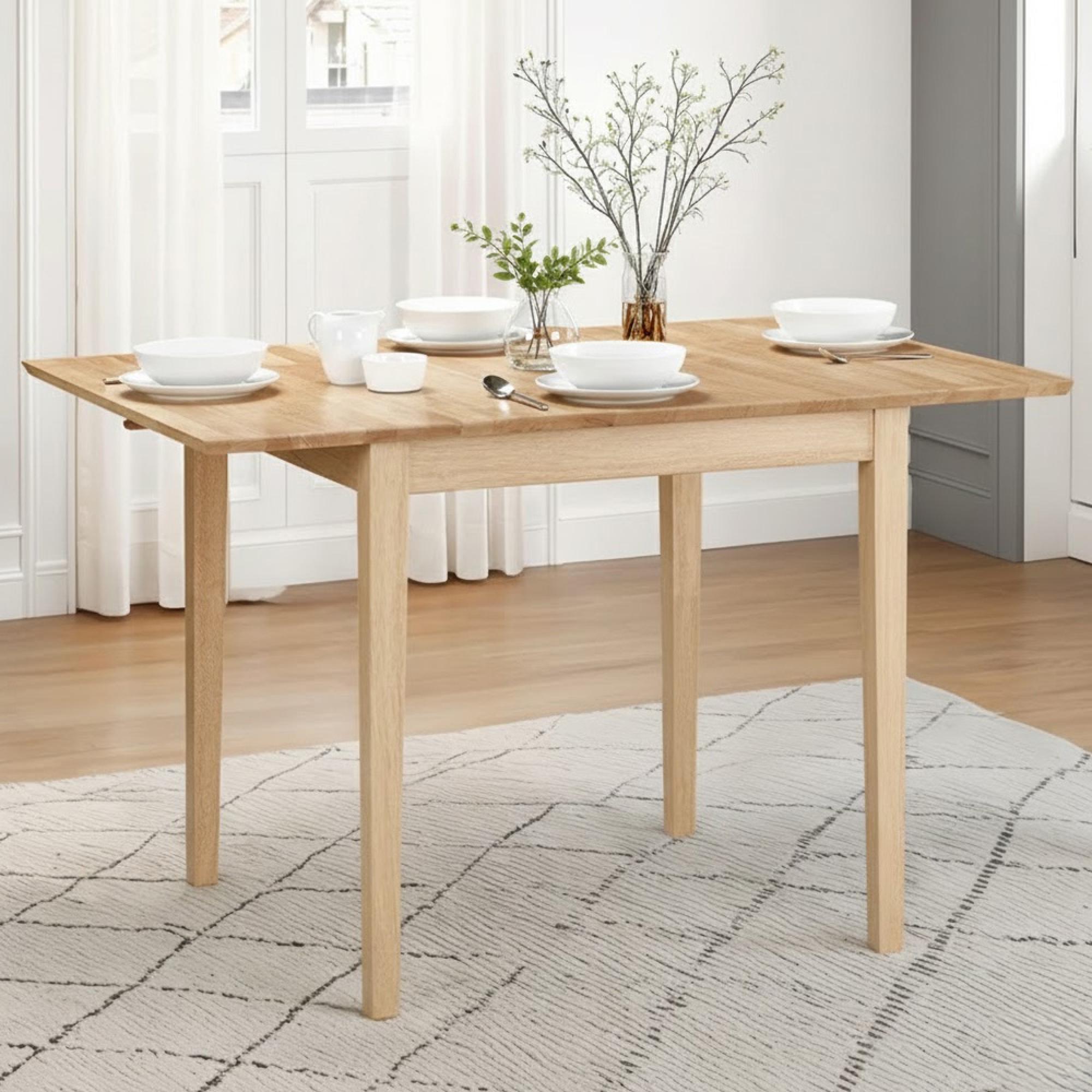
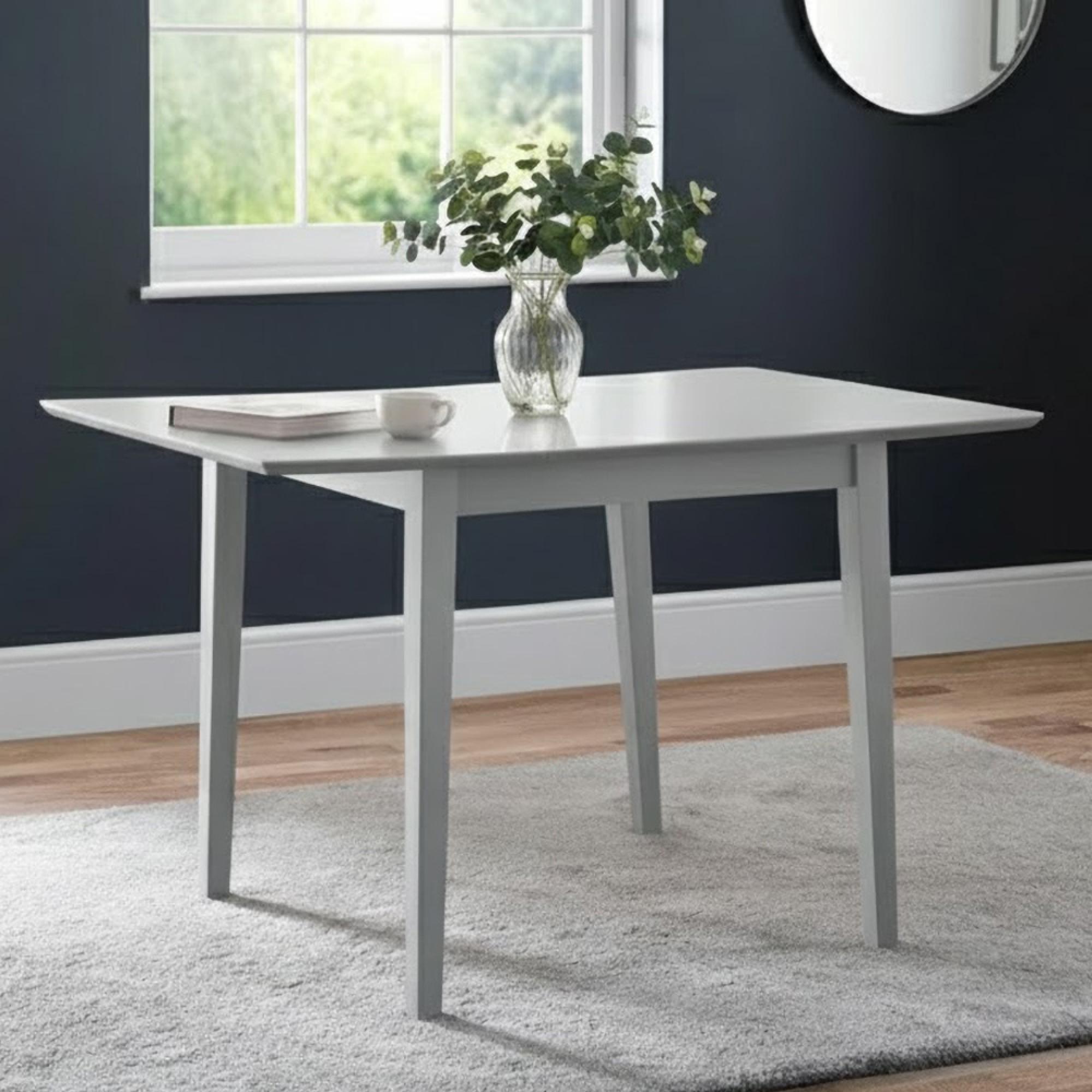
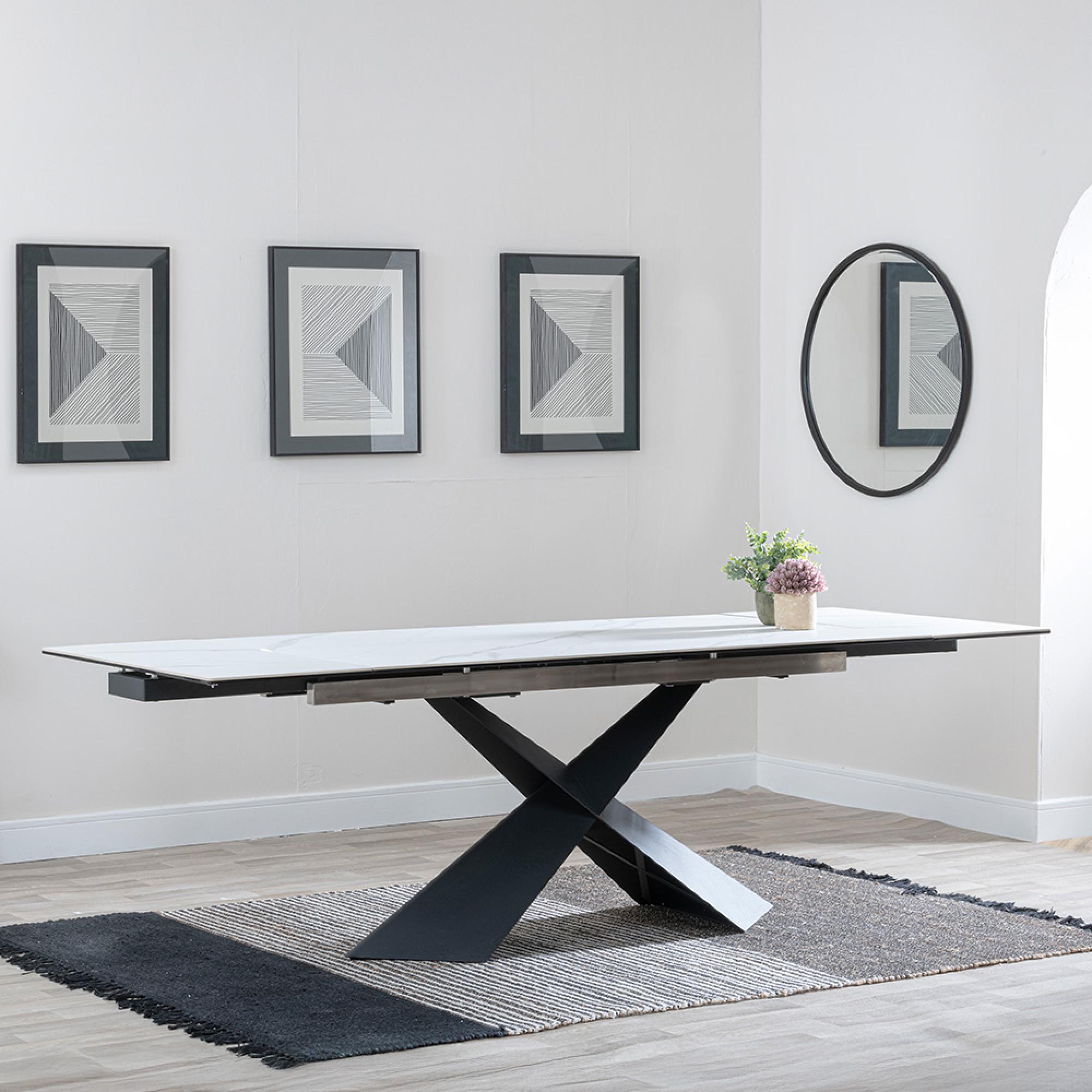
Use the White Extending Dining Tables category to compare choices that create a practical focal point for meals, conversation and entertaining. Compare shape, surface material, base design, seating capacity and any extending mechanism to identify the right balance of appearance and function. Use the white colour direction alongside the rooms flooring, wall colour and existing furniture for a balanced result. Plan for chair clearance as well as the tabletop footprint, especially in a busy.
Read more X Close

Price

Features

Shape

Seat

Material

Finish

Choosing White Extending Dining Tables

This category focuses on White Extending Dining Tables that can create a practical focal point for meals, conversation and entertaining. Start with the room layout and daily use, then compare shape, surface material, base design, seating capacity and any extending mechanism. Use the white colour direction alongside the rooms flooring, wall colour and existing furniture for a balanced result. This keeps the decision focused on practical suitability as well as style.

Plan the space before choosing

Plan for chair clearance as well as the tabletop footprint, especially in a busy dining area. Record the available width, depth and height, including clearance for doors, drawers, reclining parts or extensions where relevant. Account for skirting boards, radiators, sockets and walking routes, then check the access route through doors, halls and stairs.

For adjacent choices, explore Dining Tables, Extending Dining Tables and White Dining Tables. Use these comparisons alongside the specifications on each product page.


White Extending Dining Tables for considered interiors

The White Extending Dining Tables category focuses on choices intended to create a practical focal point for meals, conversation and entertaining. A suitable option should respond to the room's proportions, surrounding furniture and practical demands of everyday use. Use the white colour direction alongside the room's flooring, wall colour and existing furniture for a balanced result.

Material, finish and construction

When comparing dining tables, look closely at shape, surface material, base design, seating capacity and any extending mechanism. Materials influence appearance, weight and maintenance, while finish affects colour coordination and day-to-day care. Use the written specification to confirm construction and care requirements.

Function and room planning

Plan for chair clearance as well as the tabletop footprint, especially in a busy dining area. Mark out the footprint and consider how people move around it. Where a product opens, extends, swivels or reclines, include that working clearance. For storage, seating or sleeping products, match the layout, support and capacity to the needs of regular users.

Creating a coordinated result

Build the room around a clear relationship between scale, colour and material. Matching every finish is not essential, but repeating one or two elements can connect separate pieces. You can also compare Dining Tables, Extending Dining Tables and White Dining Tables for closely related room and product choices. Use the individual listing to confirm dimensions, included components, assembly and suitability.
Read more X Close

FAQs on White Extending Dining Tables

What's the benefit of a white gloss extending dining table?

A white gloss finish reflects light well, helping smaller or darker dining rooms feel brighter, and it wipes clean easily compared with a matt or painted surface. It also gives the table a sharper, more contemporary look. This makes it a popular choice for anyone wanting both a practical and stylish extending table.

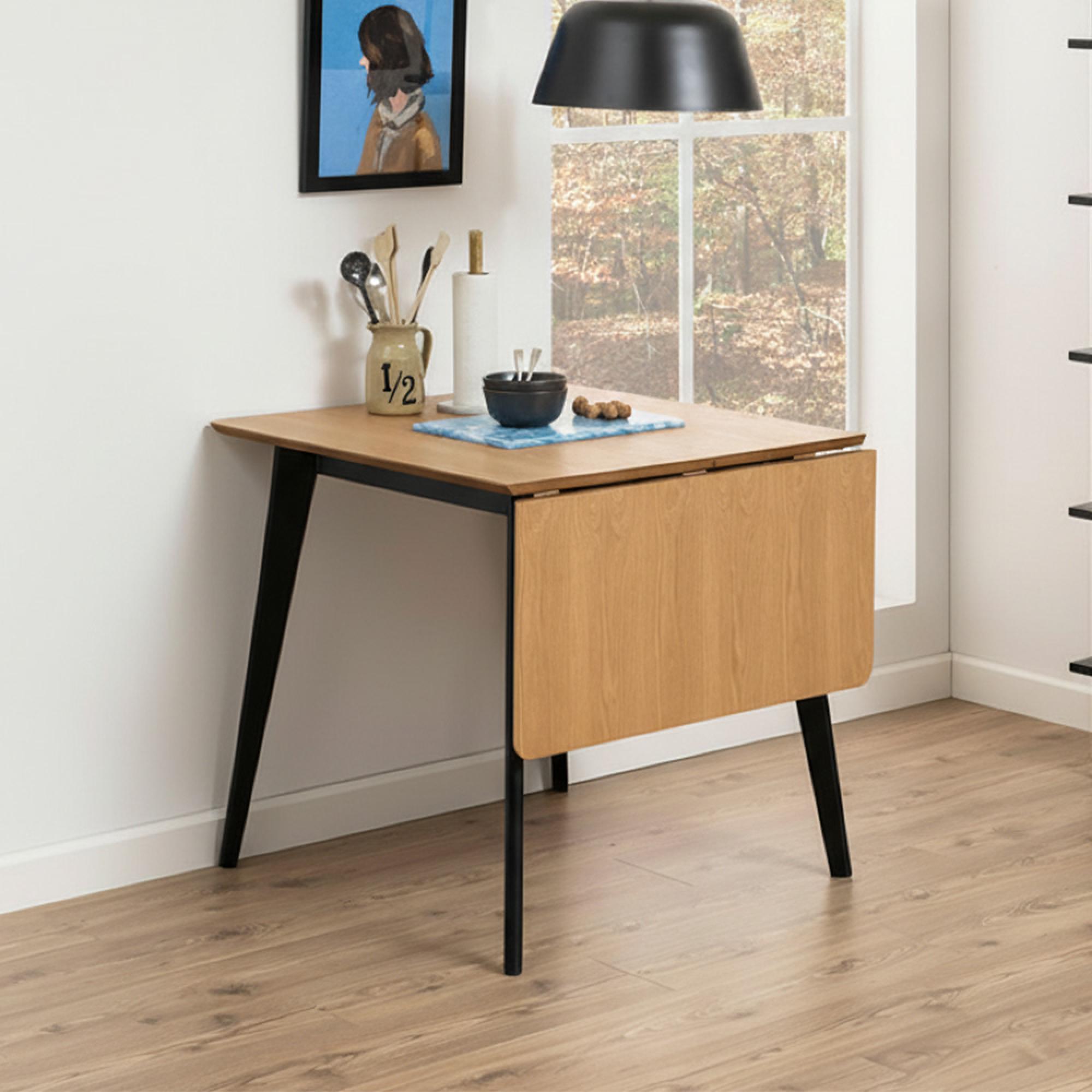
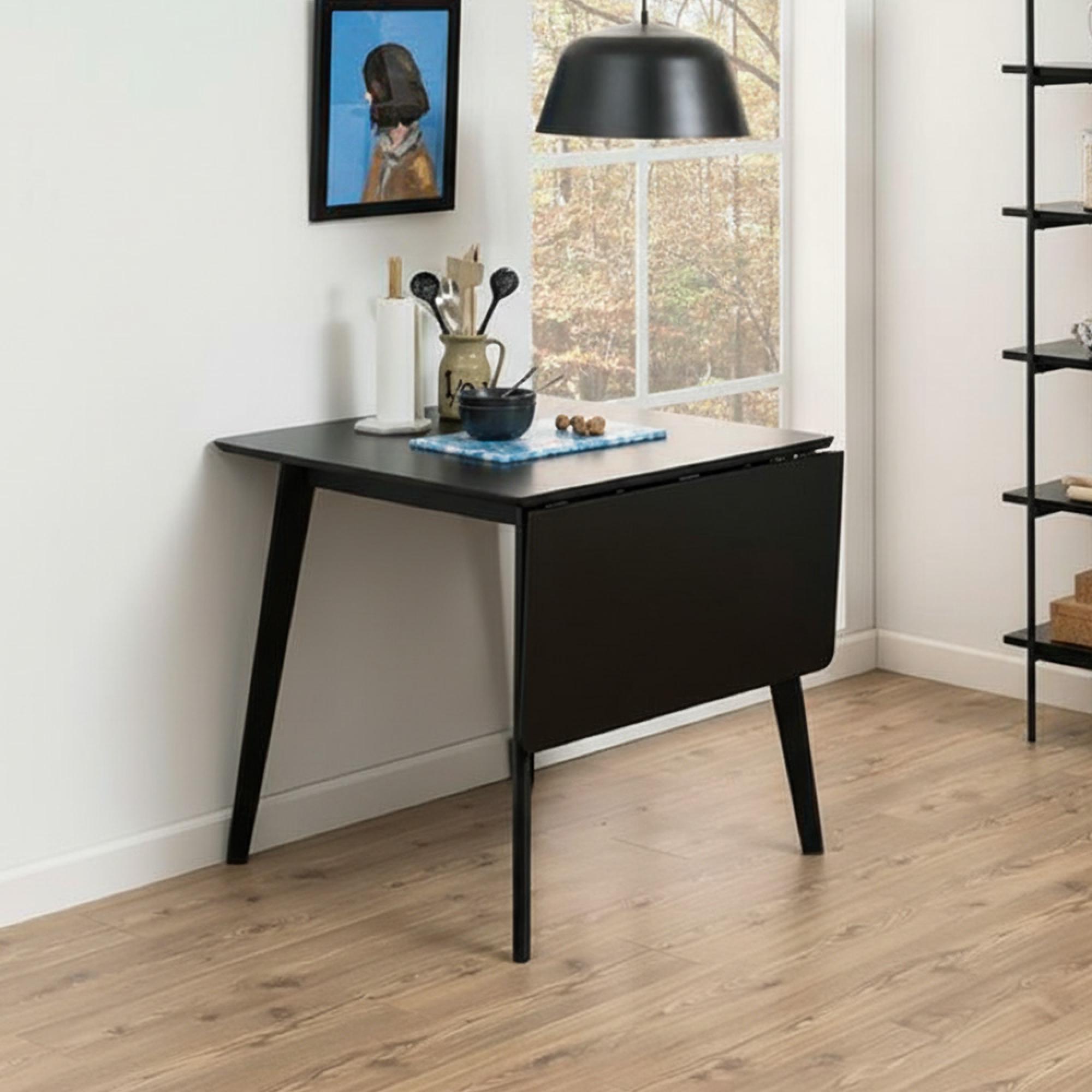
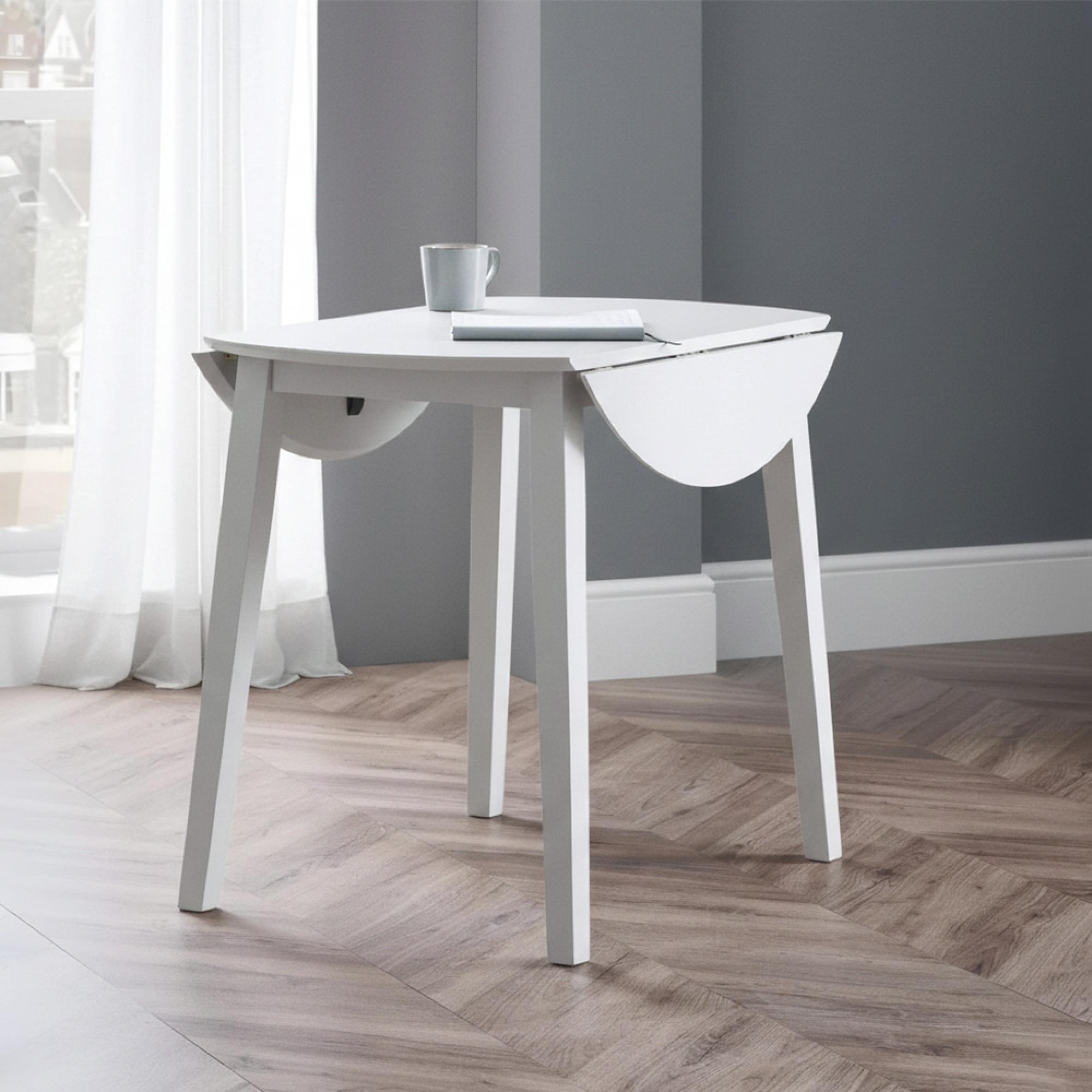
A slide-out leaf is usually stored beneath the tabletop and pulls out to lengthen the table when needed. A drop leaf panel folds down on one or both sides when not in use, rather than sliding away separately. Both achieve a similar result, offering extra seating space without a permanently larger table.

A pedestal base generally offers more legroom, since it sits centrally under the table rather than at each corner, which matters even more once the table is fully extended. Standard 4 legs are more traditional and very stable, but can occasionally get in the way of seating at the corners. Cross leg and star leg designs also free up legroom, similar to a pedestal.

This depends mainly on your room's shape and how you like to seat guests — round tables suit more open, sociable seating, while rectangular and square tables fit against walls more efficiently. Rectangular shapes also tend to extend more naturally, since the leaf simply lengthens the existing shape. Measuring your available floor space first is the most reliable way to decide.

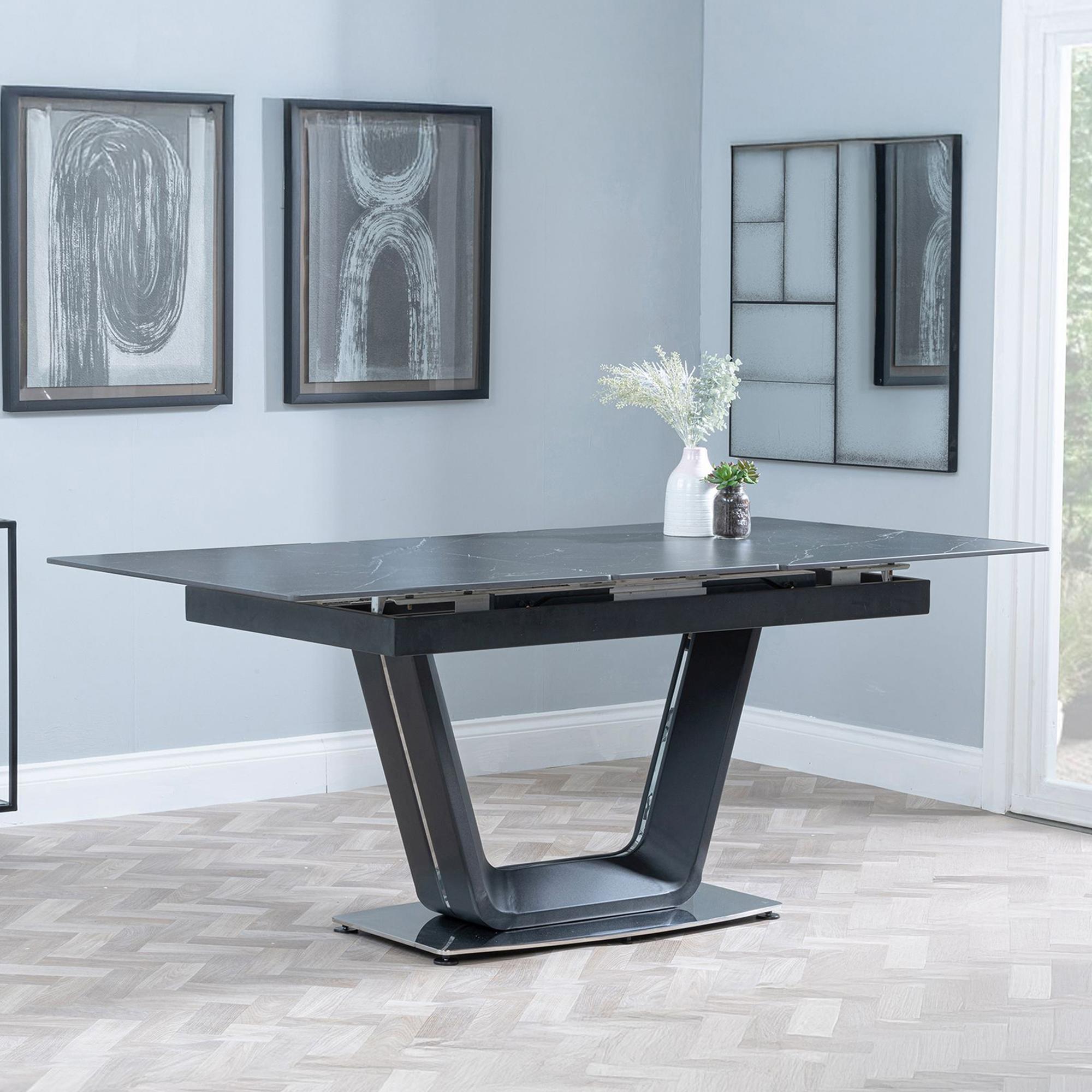
Marble and ceramic tops both resist heat and scratches well, making them practical for everyday dining. Ceramic tends to be slightly more resistant to staining, while marble often has more natural veining variation from piece to piece. Both suit a more contemporary dining room compared with a lacquered or gloss surface.

Yes, lacquered finishes wipe clean easily and resist marks well, similar to a gloss surface but with a slightly heavier, more durable coating. This makes them a practical choice for a table that sees regular use. A soft cloth is usually all that's needed to keep the surface looking sharp.

This varies by design, but most extending tables add somewhere between 40cm and 60cm in length when the leaf is fully out, adding room for two to four extra place settings. Checking the exact extended and closed measurements listed against your room is the best way to confirm how much extra length you'll gain. Extendable designs are generally listed with both sizes clearly stated.

Star legs radiate outward from a central point, offering a lighter, more contemporary look while still providing stable support. Standard 4 legs are more traditional and offer very predictable, even support at each corner. Neither is less sturdy than the other; it's mainly a style preference.

As a general guide, allow around 90cm to 100cm of clearance around the table for chairs to pull out and people to walk past comfortably. Extending tables need extra clearance for the leaf to open fully, so it's worth measuring with the table extended, not just closed. This helps avoid a table that feels cramped once guests arrive.

Yes, a white top works well for daily use, particularly in gloss, lacquered, marble or ceramic finishes, all of which resist marks and are simple to wipe clean. It also brightens the room and pairs easily with most existing dining chairs. Regular wiping keeps the surface looking its best over time.

Tables marked as in stock can usually be delivered immediately, without the longer lead times some made-to-order furniture involves. Delivery across the UK is free, so faster availability doesn't come with an added cost. Exact timescales are confirmed at checkout once your postcode's entered.

Yes, 0% finance is available on qualifying orders, letting you spread the cost of a larger table rather than paying everything upfront. It's a straightforward option to select at checkout. Our team can talk you through eligibility if you're unsure.

Yes, you're welcome to visit our store in Leicester to see the gloss, marble or ceramic finishes in person before deciding. This is useful since colour and texture can look slightly different in photos, particularly with natural materials like marble. Our team can also help with sizing and base type questions in store.

Yes, extending tables are designed to remain stable and secure once the leaf is pulled out or dropped down, with the mechanism supporting the weight of the extended section properly. The main consideration is making sure the leaf is fully engaged before use. This makes them a reliable option for households that need occasional extra seating.
Top