Free Delivery All Over UK*
close
Top products
SHOW ALL PRODUCTS

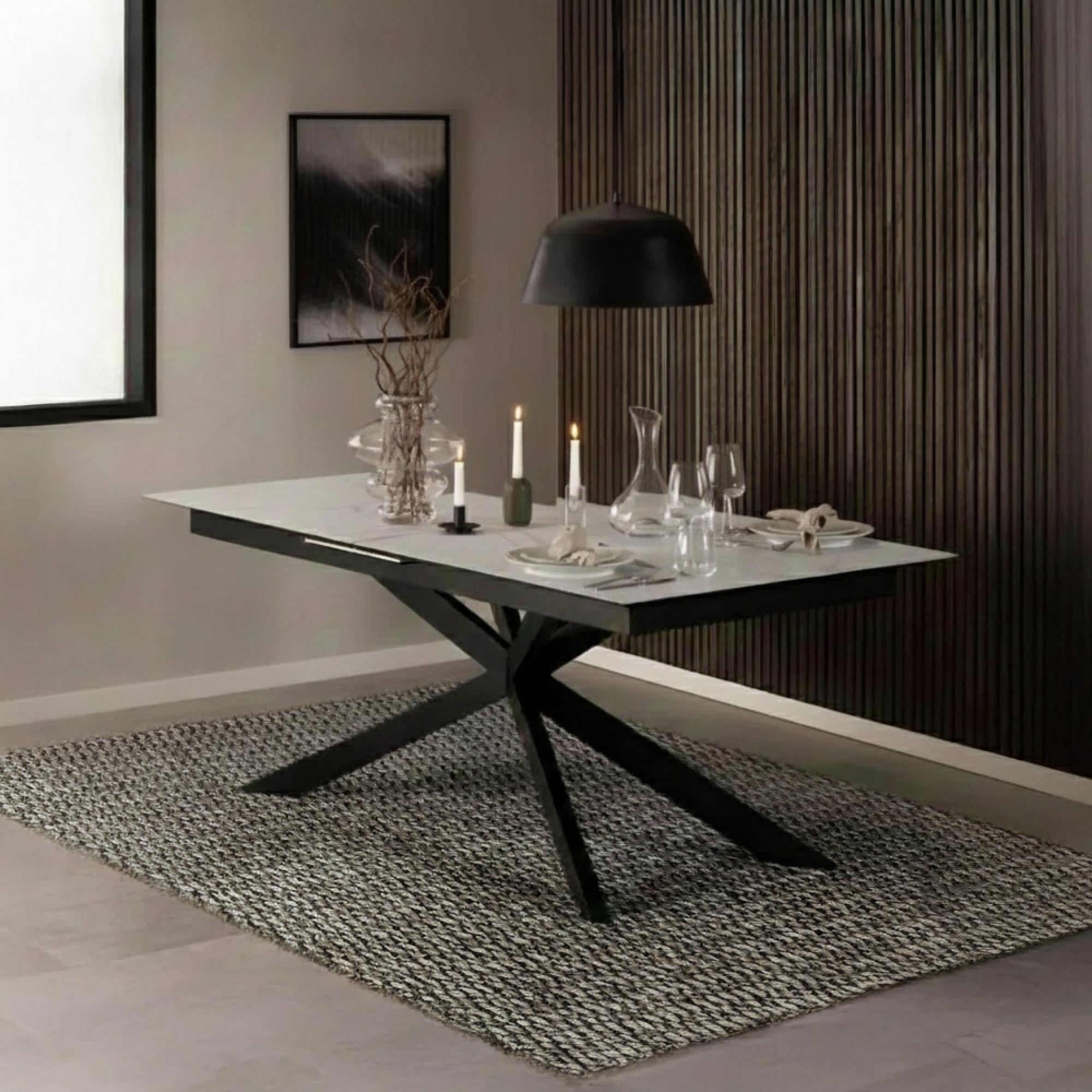
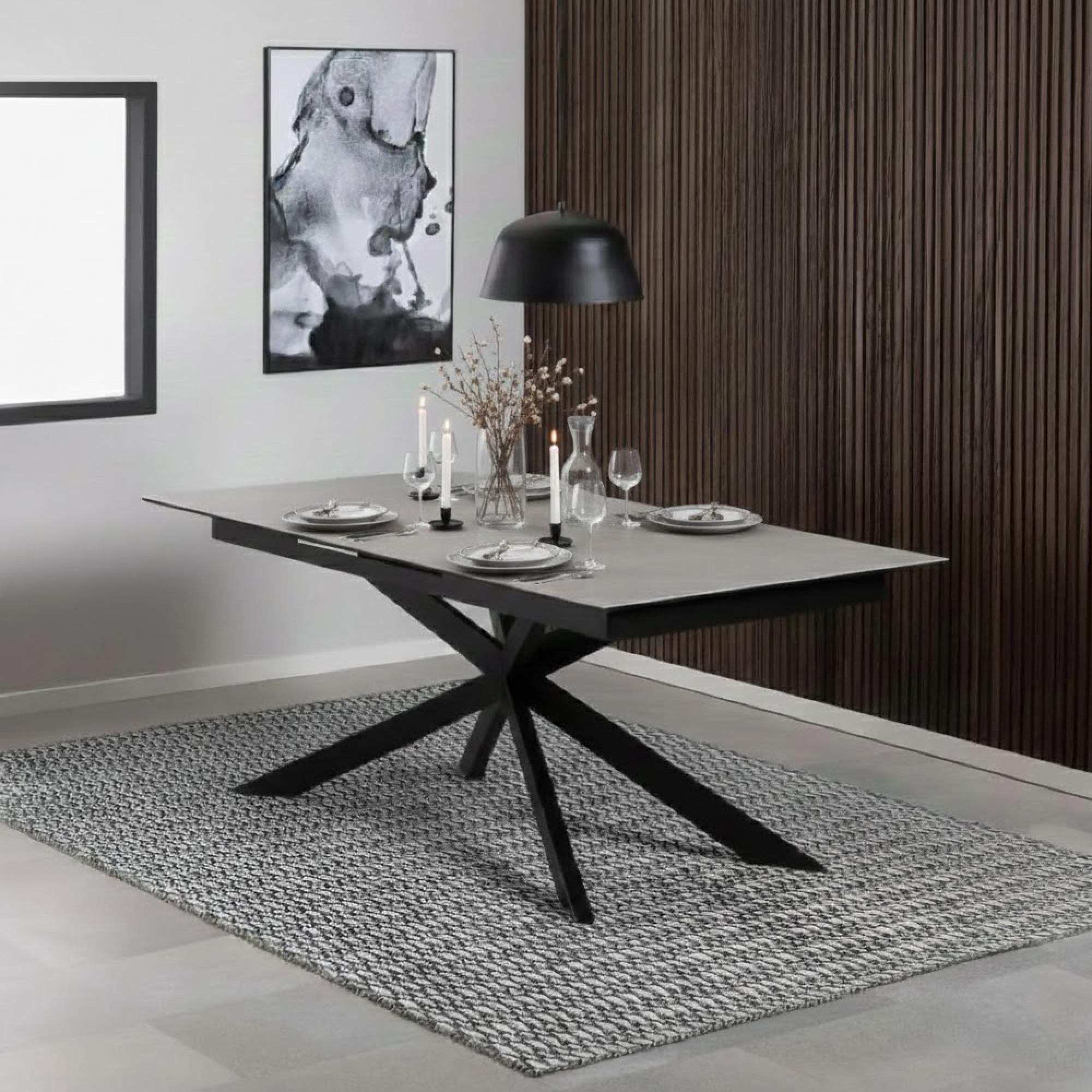
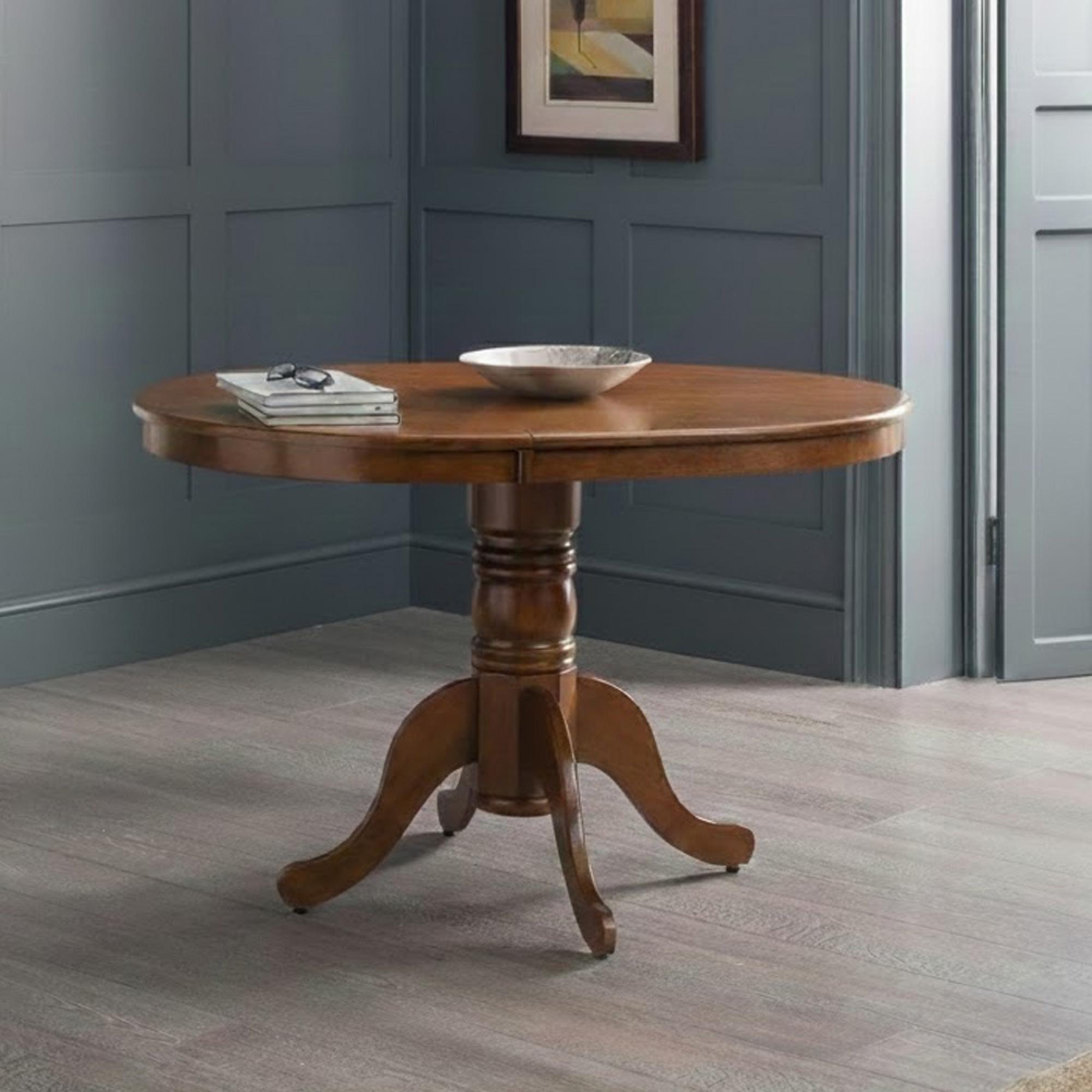
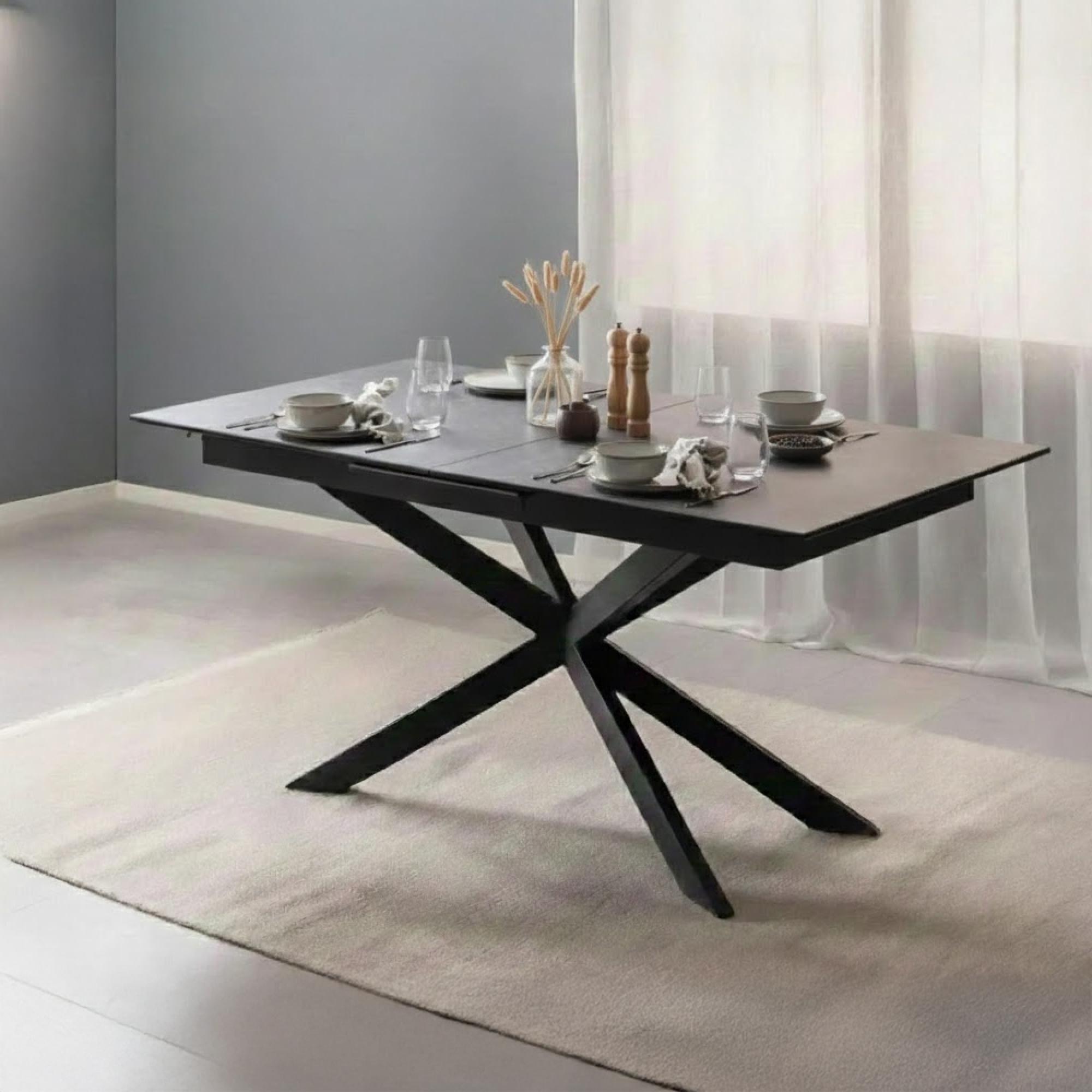
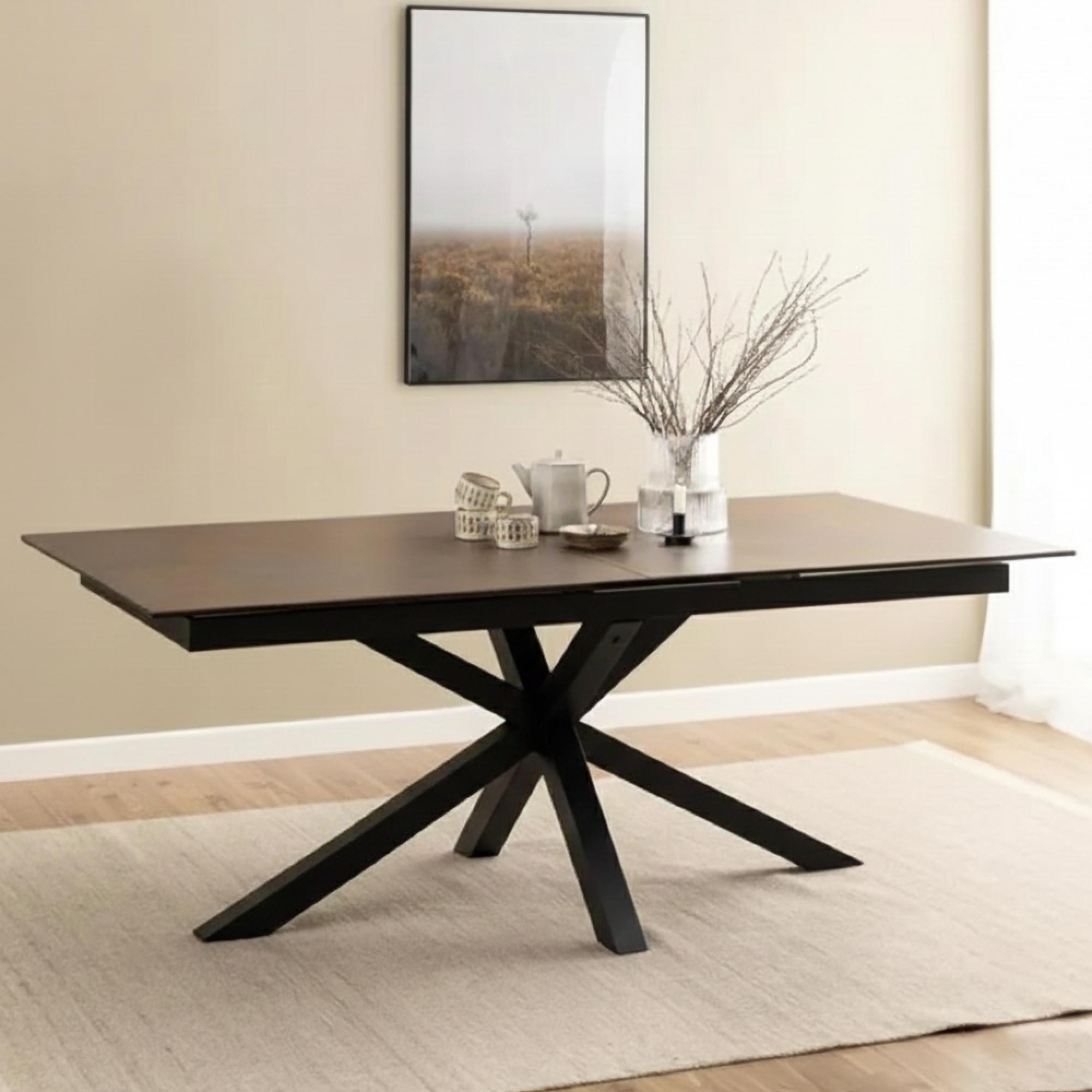
Brown Extending Dining Tables

Found 10 Items

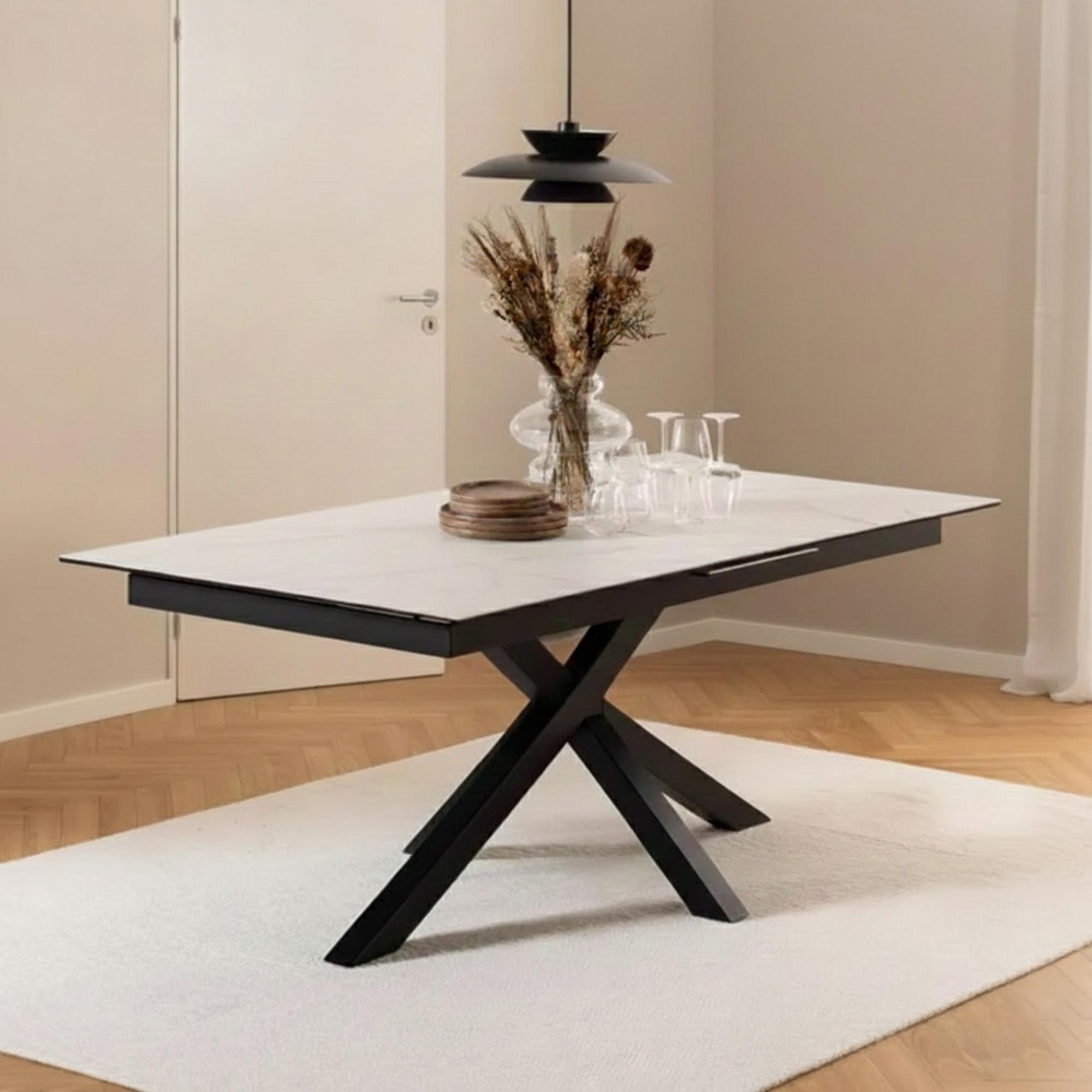
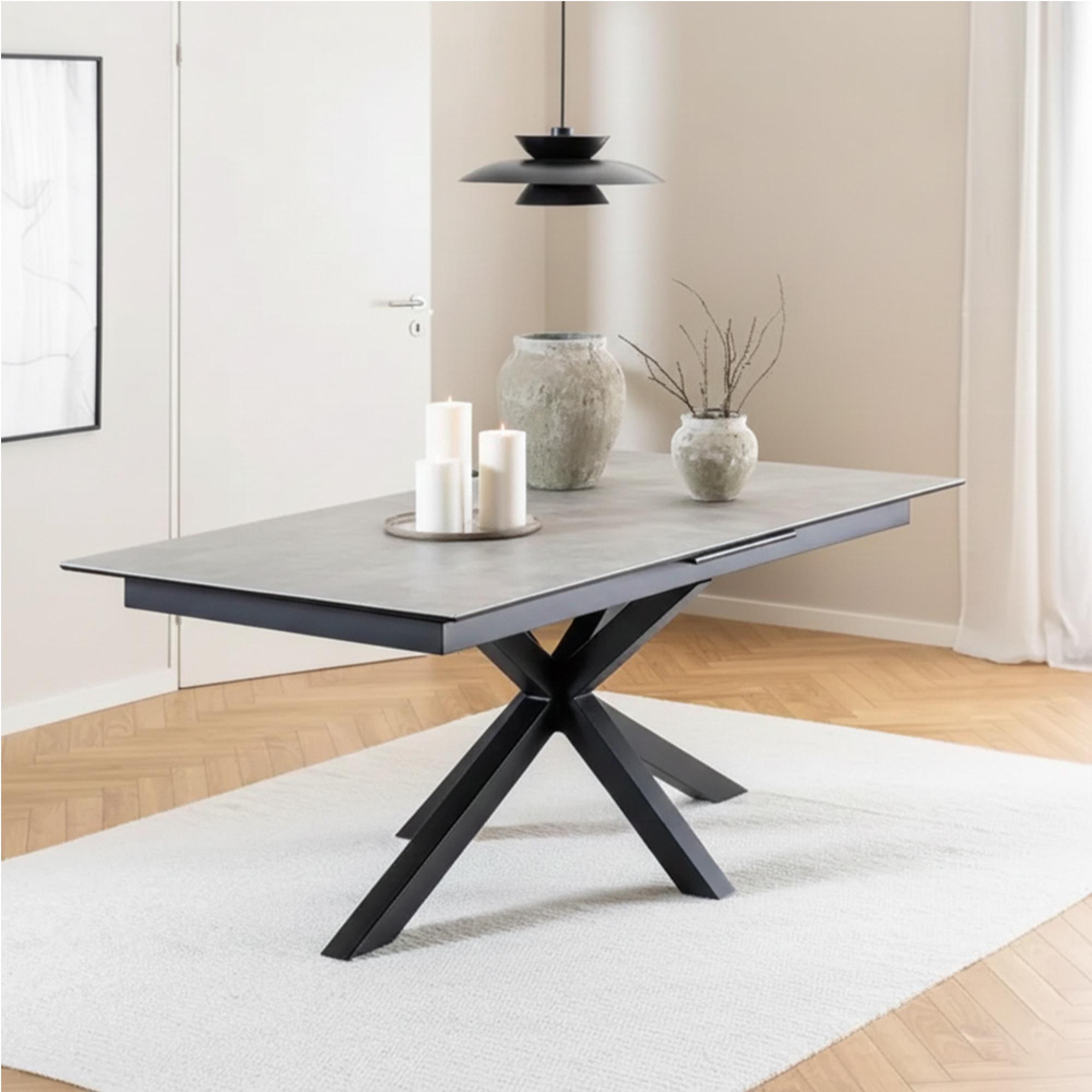
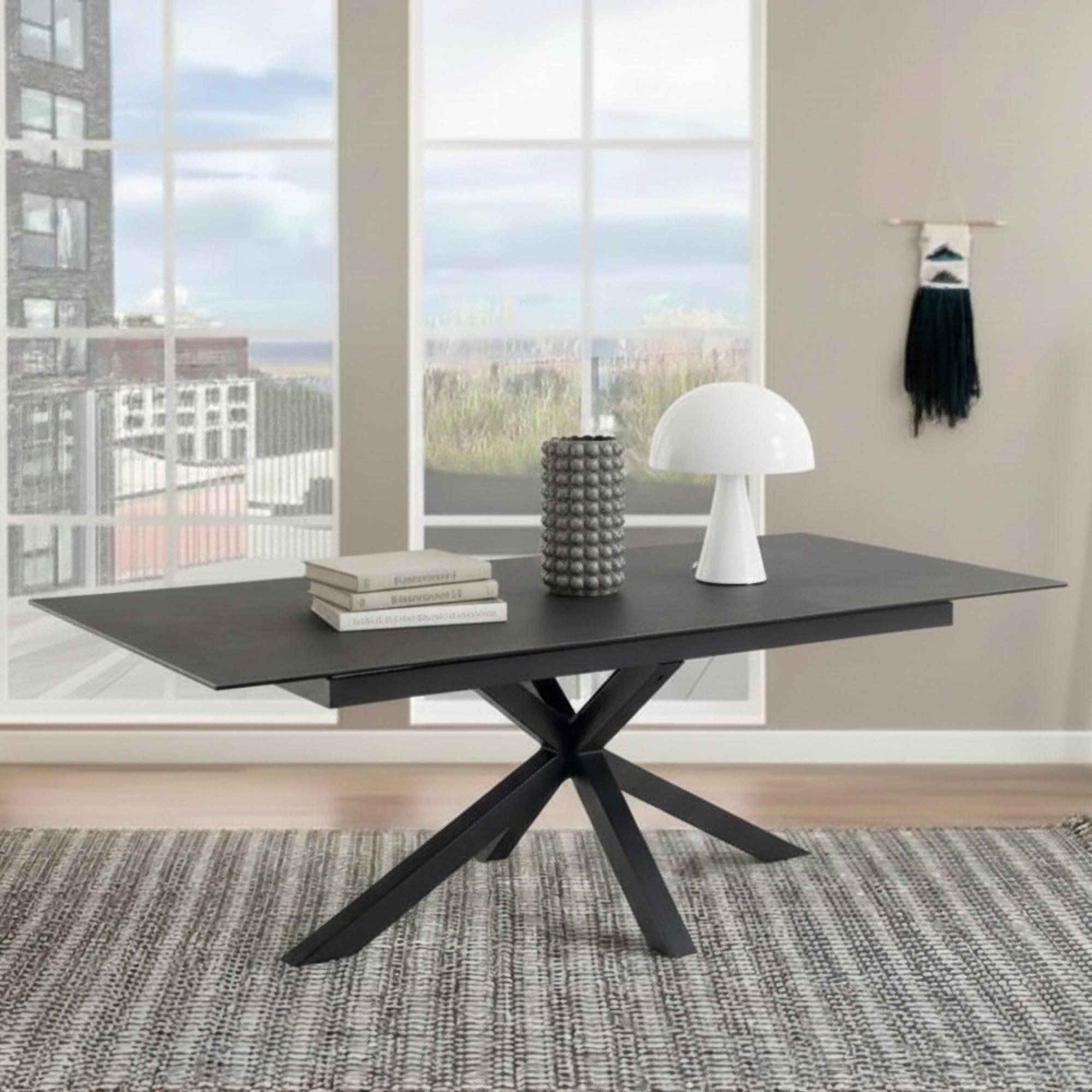
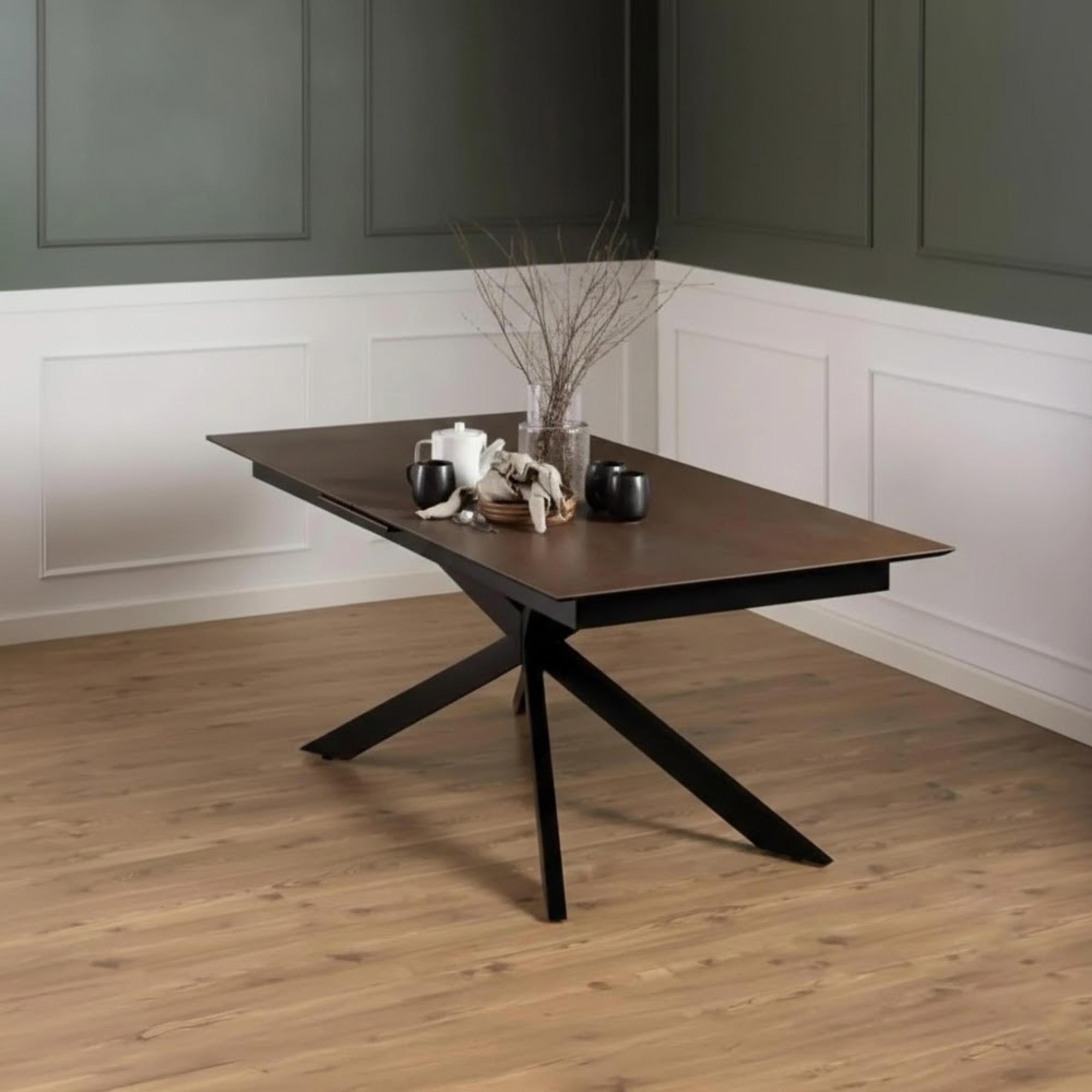
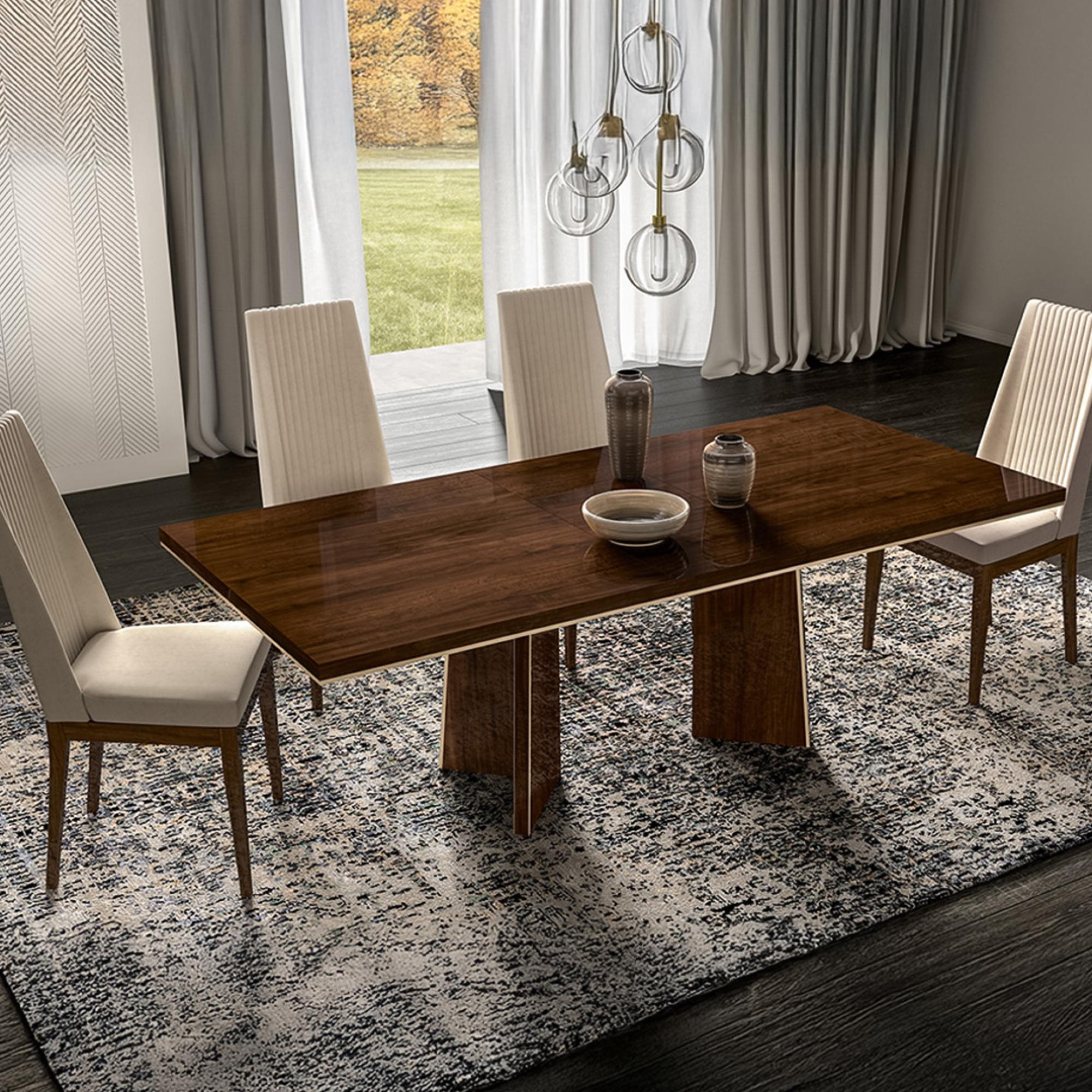
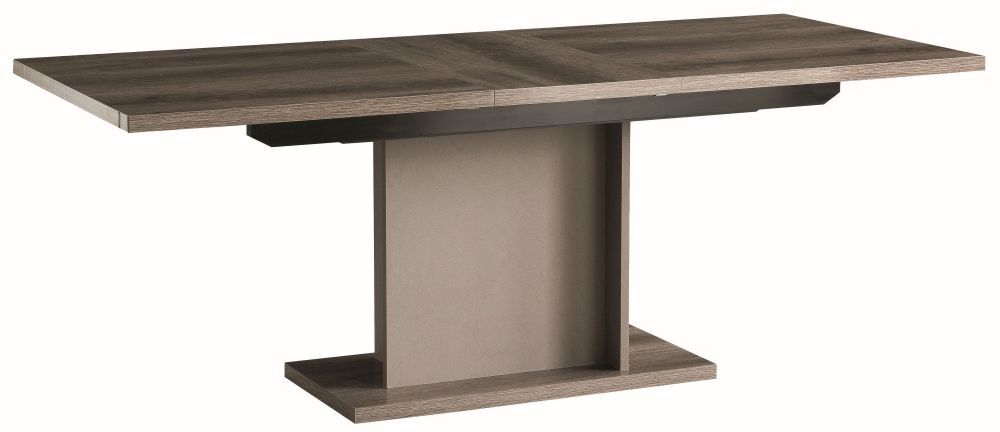
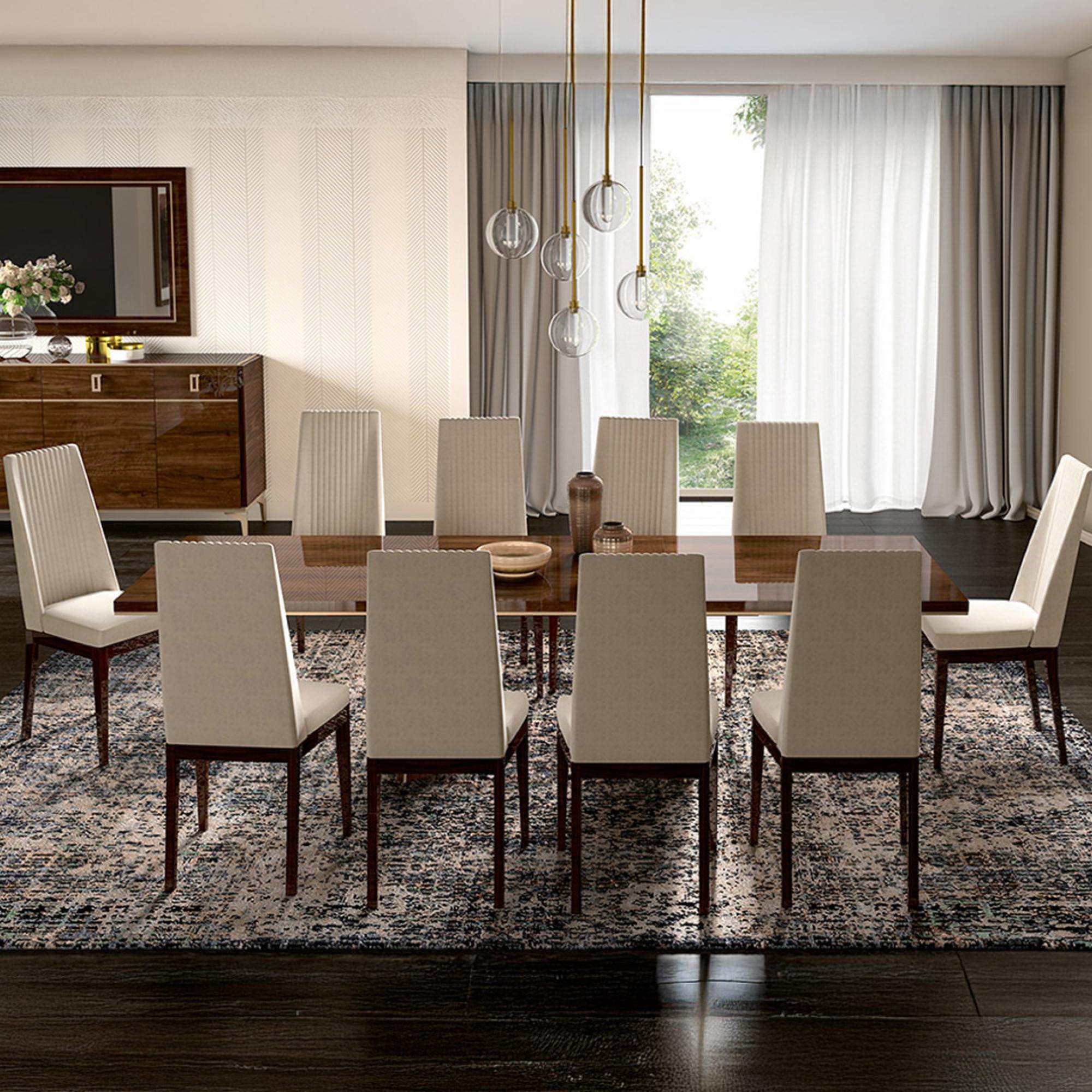
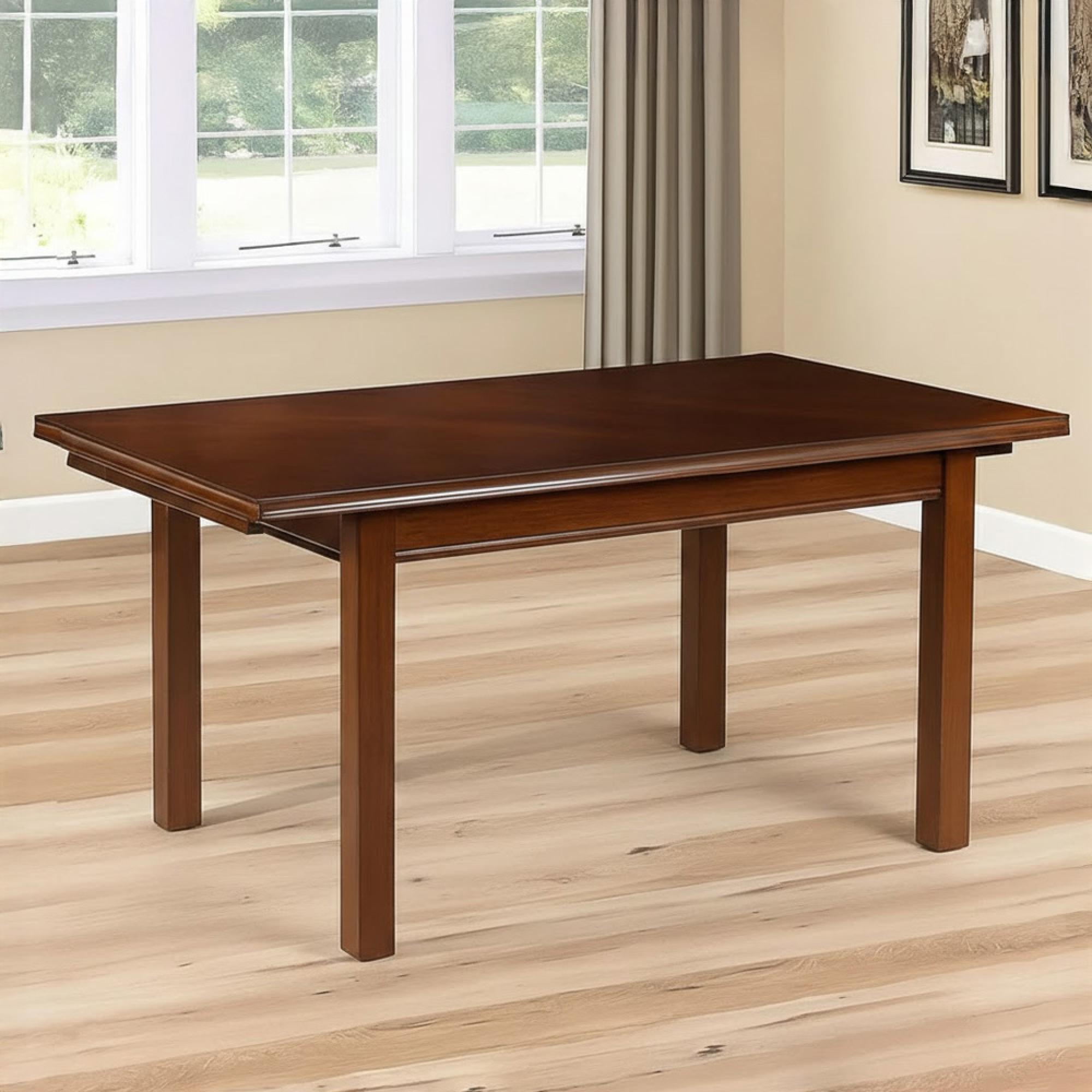
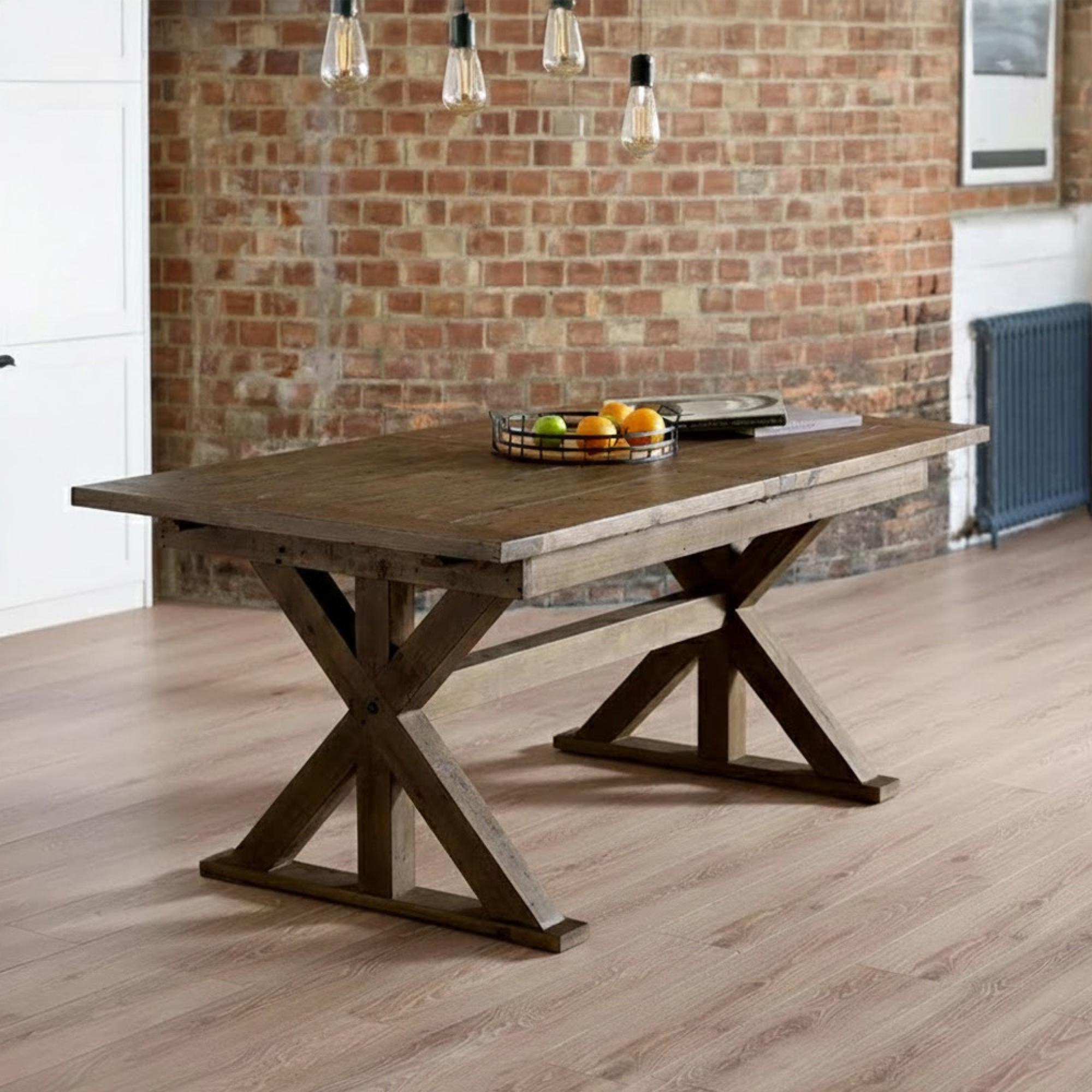
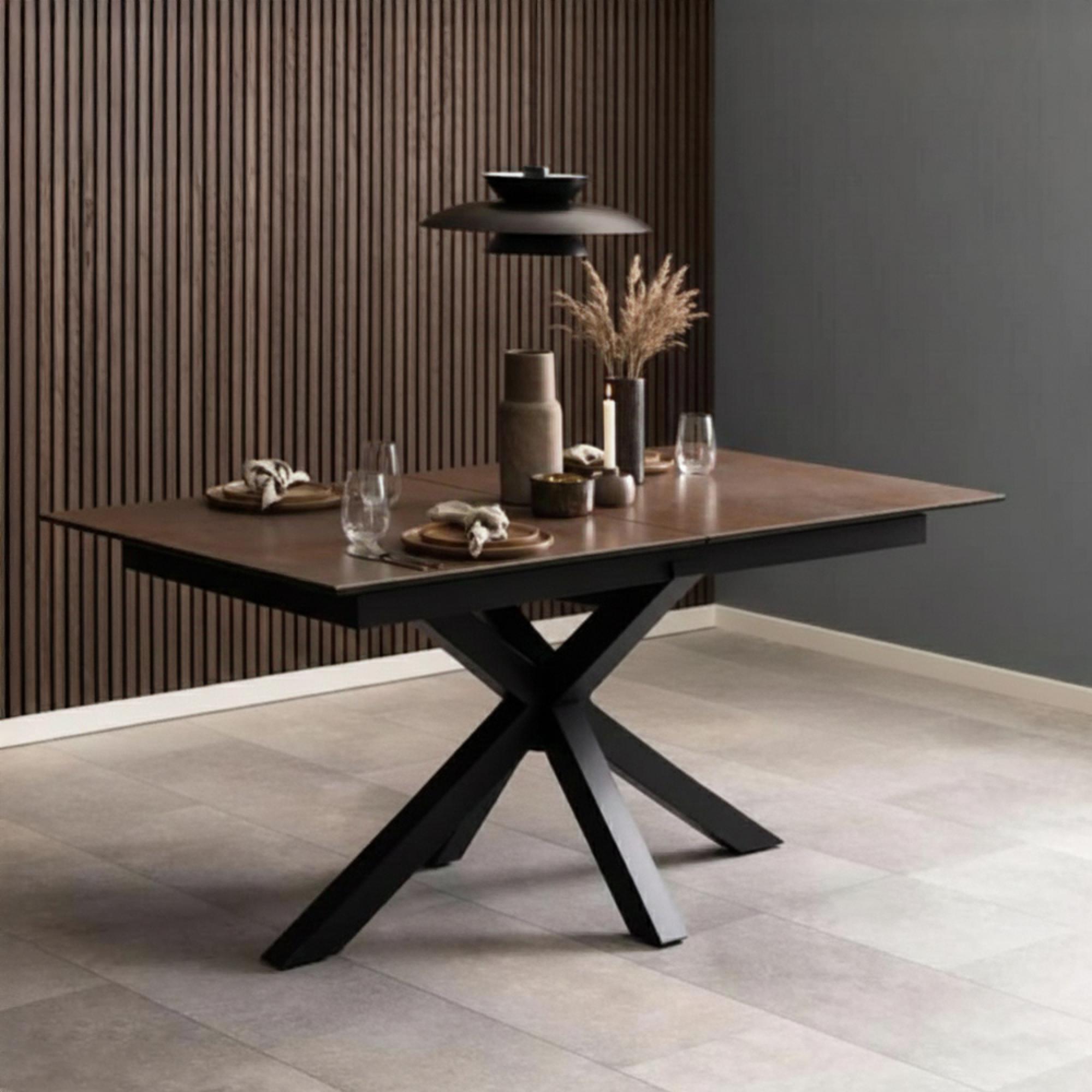
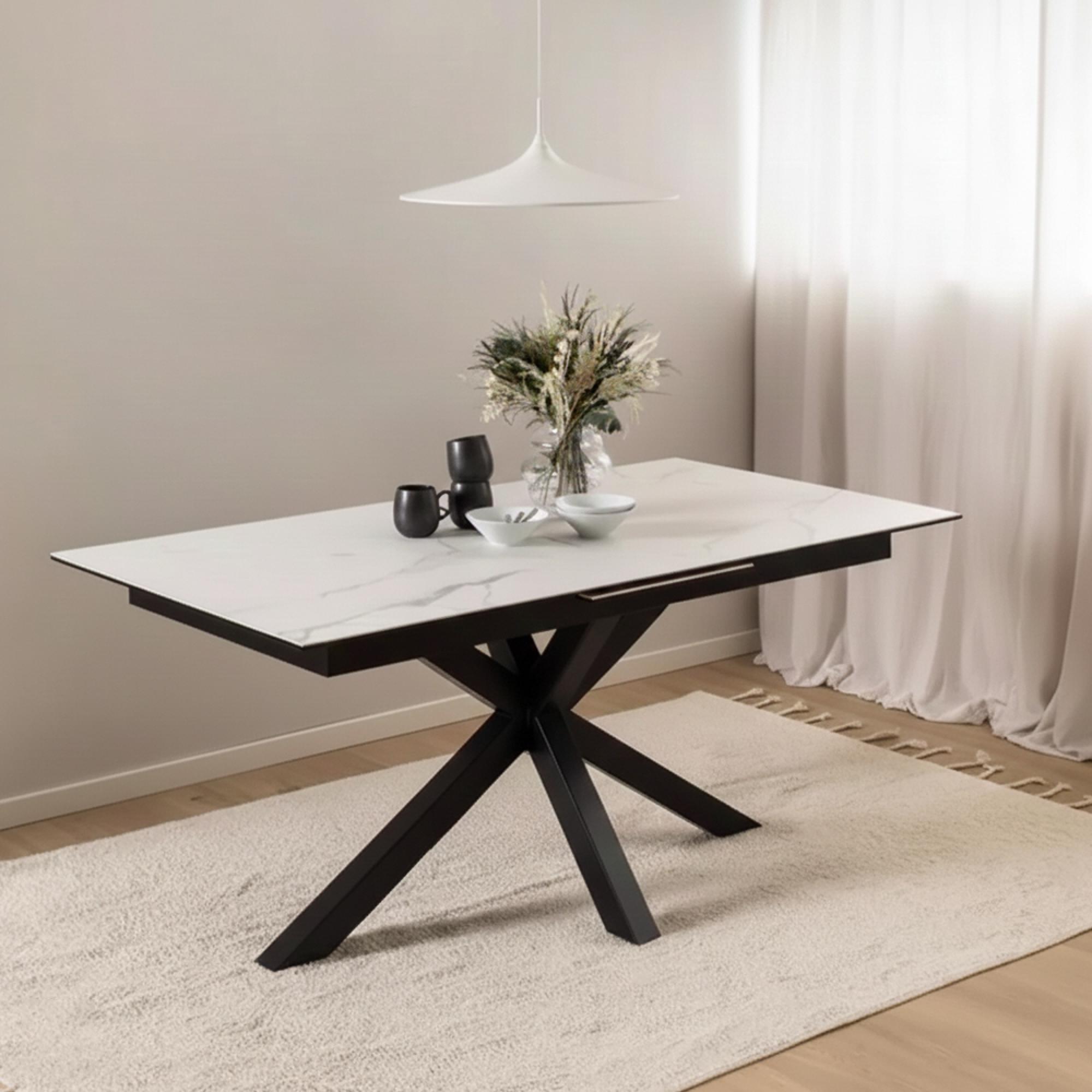
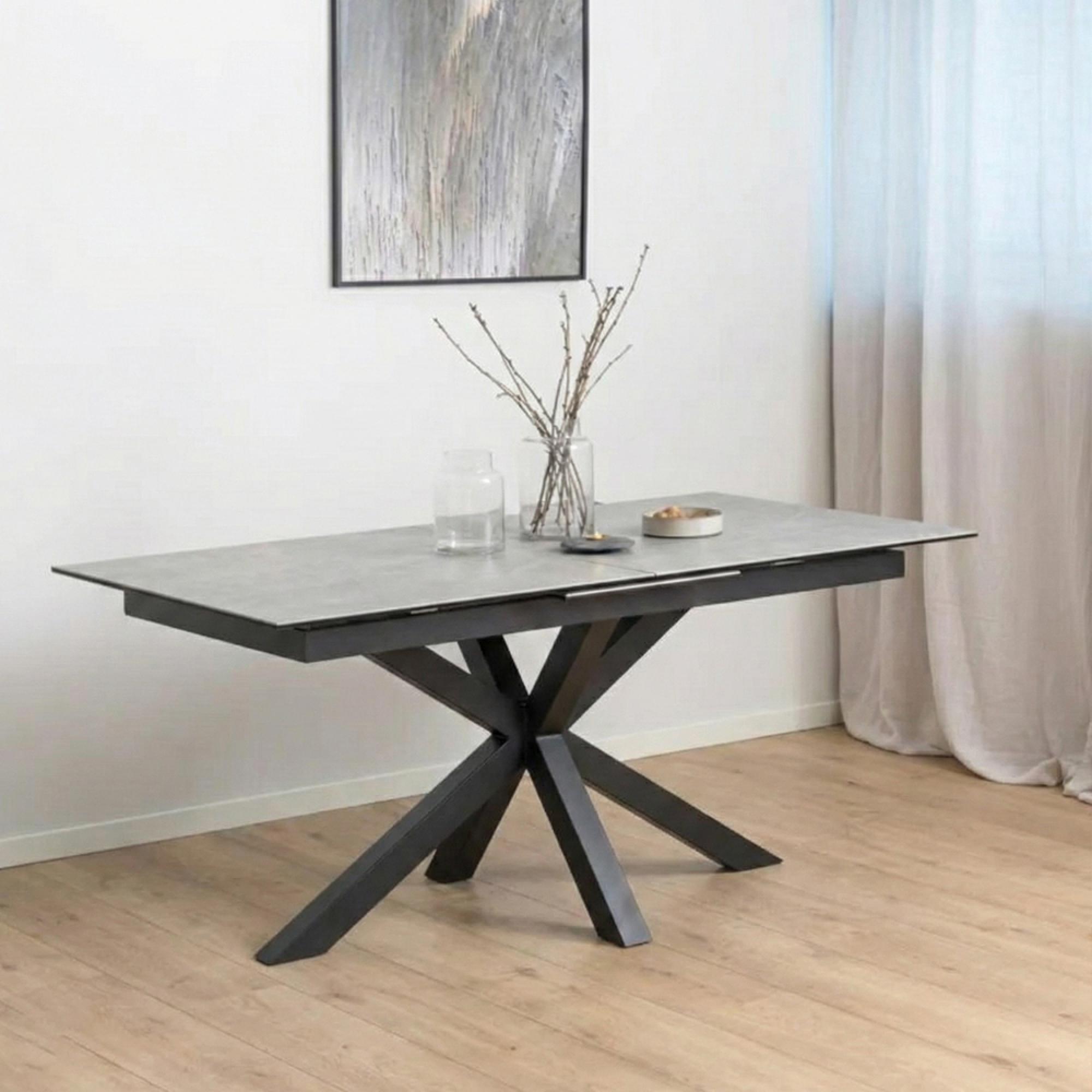
Choose Brown Extending Dining Tables with the room, daily routine and intended use in mind. Compare shape, surface material, base design, seating capacity and any extending mechanism to identify the right balance of appearance and function. Use the brown colour direction alongside the room's flooring, wall colour and existing furniture for a balanced result. Plan for chair clearance as well as the tabletop footprint, especially in a busy dining area.
Read more X Close

Price

Shape

Seat

Material

Finish

Choosing Brown Extending Dining Tables

This category focuses on Brown Extending Dining Tables that can create a practical focal point for meals, conversation and entertaining. Start with the room layout and daily use, then compare shape, surface material, base design, seating capacity and any extending mechanism. Use the brown colour direction alongside the room's flooring, wall colour and existing furniture for a balanced result. This keeps the decision focused on practical suitability as well as style.

Plan the space before choosing

Plan for chair clearance as well as the tabletop footprint, especially in a busy dining area. Record the available width, depth and height, including clearance for doors, drawers, reclining parts or extensions where relevant. Account for skirting boards, radiators, sockets and walking routes, then check the access route through doors, halls and stairs.

For adjacent choices, explore Dining Tables, Extending Dining Tables and 4-6 Extending Dining Tables. Use these comparisons alongside the specifications on each product page.

Brown Extending Dining Tables for considered interiors

The Brown Extending Dining Tables category focuses on choices intended to create a practical focal point for meals, conversation and entertaining. A suitable option should respond to the room's proportions, surrounding furniture and practical demands of everyday use. Use the brown colour direction alongside the room's flooring, wall colour and existing furniture for a balanced result.

Material, finish and construction

When comparing dining tables, look closely at shape, surface material, base design, seating capacity and any extending mechanism. Materials influence appearance, weight and maintenance, while finish affects colour coordination and day-to-day care. Use the written specification to confirm construction and care requirements.

Function and room planning

Plan for chair clearance as well as the tabletop footprint, especially in a busy dining area. Mark out the footprint and consider how people move around it. Where a product opens, extends, swivels or reclines, include that working clearance. For storage, seating or sleeping products, match the layout, support and capacity to the needs of regular users.

Creating a coordinated result

Build the room around a clear relationship between scale, colour and material. Matching every finish is not essential, but repeating one or two elements can connect separate pieces. You can also compare Dining Tables, Extending Dining Tables and 4-6 Extending Dining Tables for closely related room and product choices. Use the individual listing to confirm dimensions, included components, assembly and suitability.
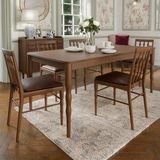
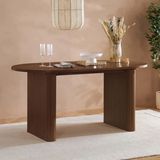
Read more X Close

FAQs on Brown Extending Dining Tables

How do I choose the right size brown extending dining table?

Measure your dining room length and width, allowing 90cm clearance from the table edge to walls. In closed form, it should fit comfortably; extended, allow 60cm per person. Check both dimensions in the product listing before ordering to ensure it suits your space and guest count.

Solid oak is denser, harder-wearing, and develops deeper patina over decades. Mango wood is lighter, warmer-toned, and more affordable, though slightly less durable. Both are sustainable hardwoods. Choose oak for investment longevity; mango wood for budget-conscious buyers wanting real wood character.

Yes, both marble and ceramic are heat-resistant and withstand hot plates and pans. However, marble is porous and can stain from red wine or acidic foods without sealing. Ceramic is non-porous and virtually stain-proof. For low-maintenance dining, ceramic is the better choice.

Allow at least 90cm from the table edge to walls or furniture for comfortable movement and chair clearance. When extended, ensure you have enough floor space for guests to pull chairs out fully. Measure your room before ordering; check the extended dimensions in the product details.

Yes, extending tables are ideal for small spaces. In closed form they occupy minimal footprint for daily use, then expand only when entertaining. Choose a table that closes to under 120cm width, ensuring it leaves adequate walking space (90cm minimum from edge to wall) when compact.

Neutral tones (cream, grey, black, natural wood) pair well with brown tables. Upholstered chairs add comfort; wooden chairs match the aesthetic. Allow 60cm per seat around the extended table. Check product listings for recommended pairings, or mix textures like wood frames with fabric seats.

Dust weekly with a soft cloth. Use coasters and placemats to prevent water rings and heat marks. Polish every 3–6 months with wood-appropriate cleaner. Avoid direct sunlight, which fades colour. Tighten the extending mechanism annually if loose. Treat spills immediately to prevent staining.

Choose extending if you entertain regularly or have variable guest numbers; it maximises space efficiency. Fixed tables suit small rooms where you rarely host large gatherings. Extending tables cost 15–25% more but offer flexibility. Consider your lifestyle and available storage for the removable leaf.

The table base, top, and extension leaf(es) are included. Chairs are usually sold separately unless purchased as a complete dining set bundle. Check the product description for whats in the box. Delivery includes positioning in your chosen room; assembly may be required for some models.

Solid wood tables (oak, mango) last 20+ years with proper care. MDF and veneered tables last 10–15 years. Marble and ceramic tops are durable indefinitely but prone to cracking under impact. Lifespan depends on material quality, maintenance, and use. Hardwood is the best long-term investment.

Yes, if you entertain regularly or need flexible seating. The ability to save space daily whilst accommodating guests justifies the cost premium over fixed tables. Solid wood options hold value and improve with age. Budget models (MDF) offer affordability; hardwood provides durability and investment value.
Top