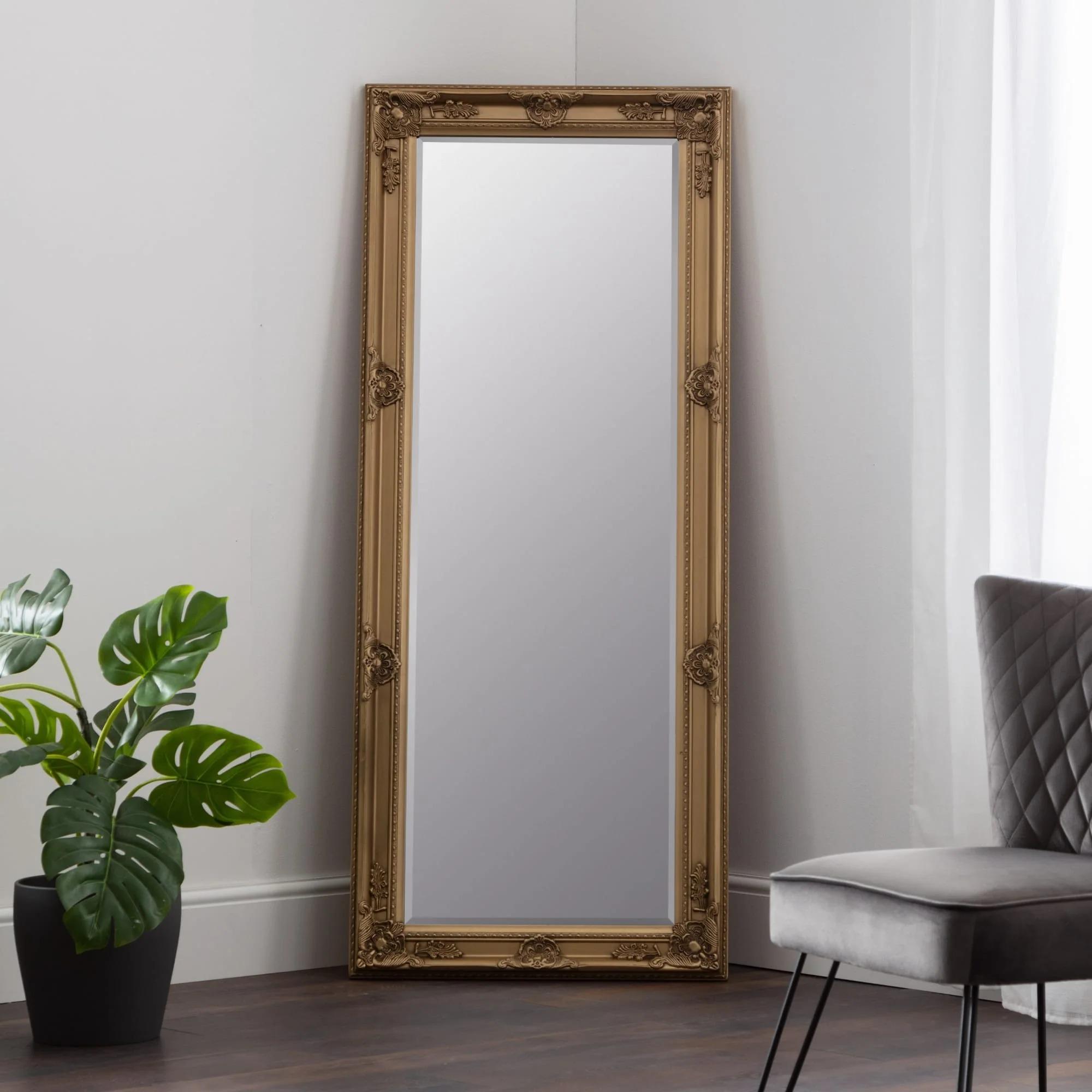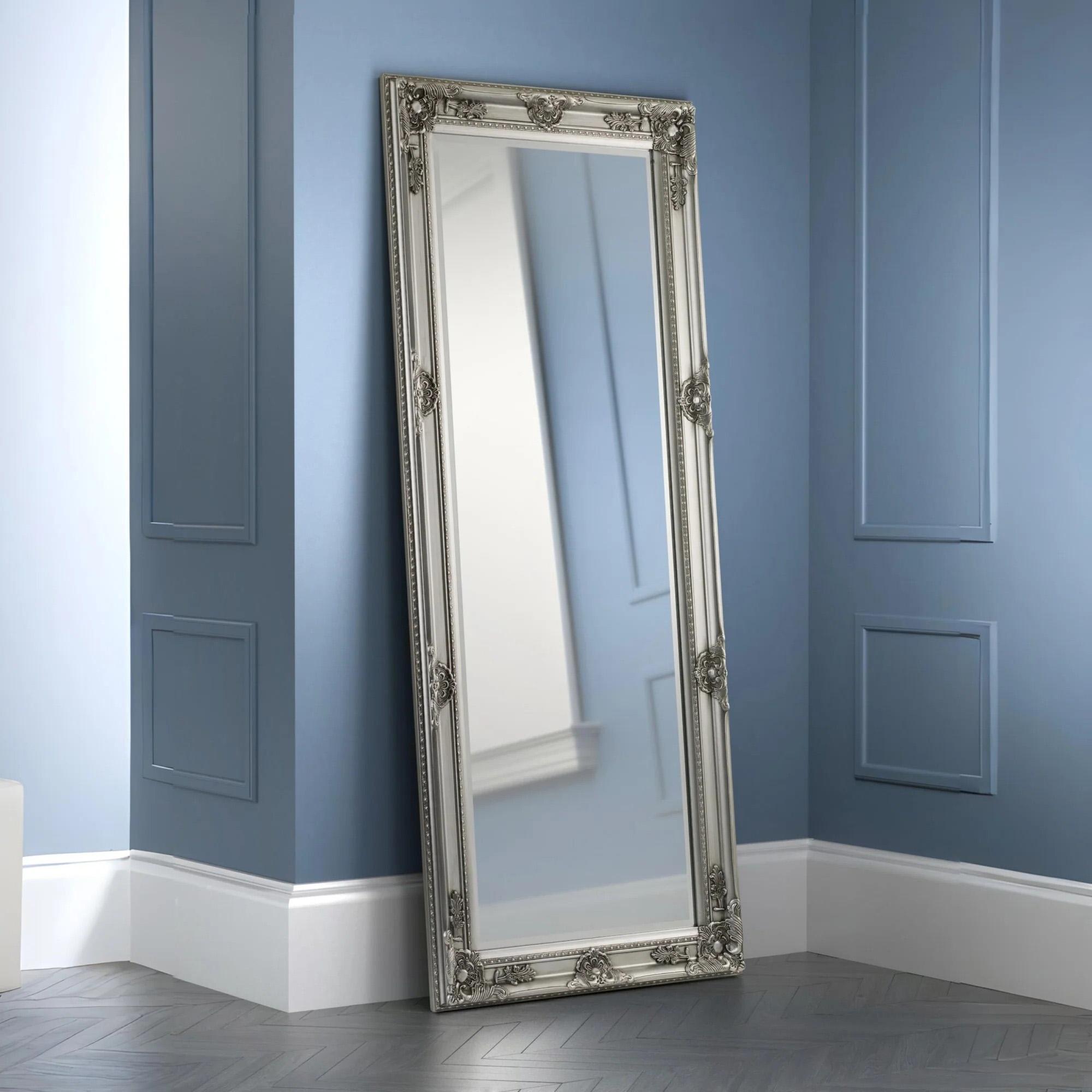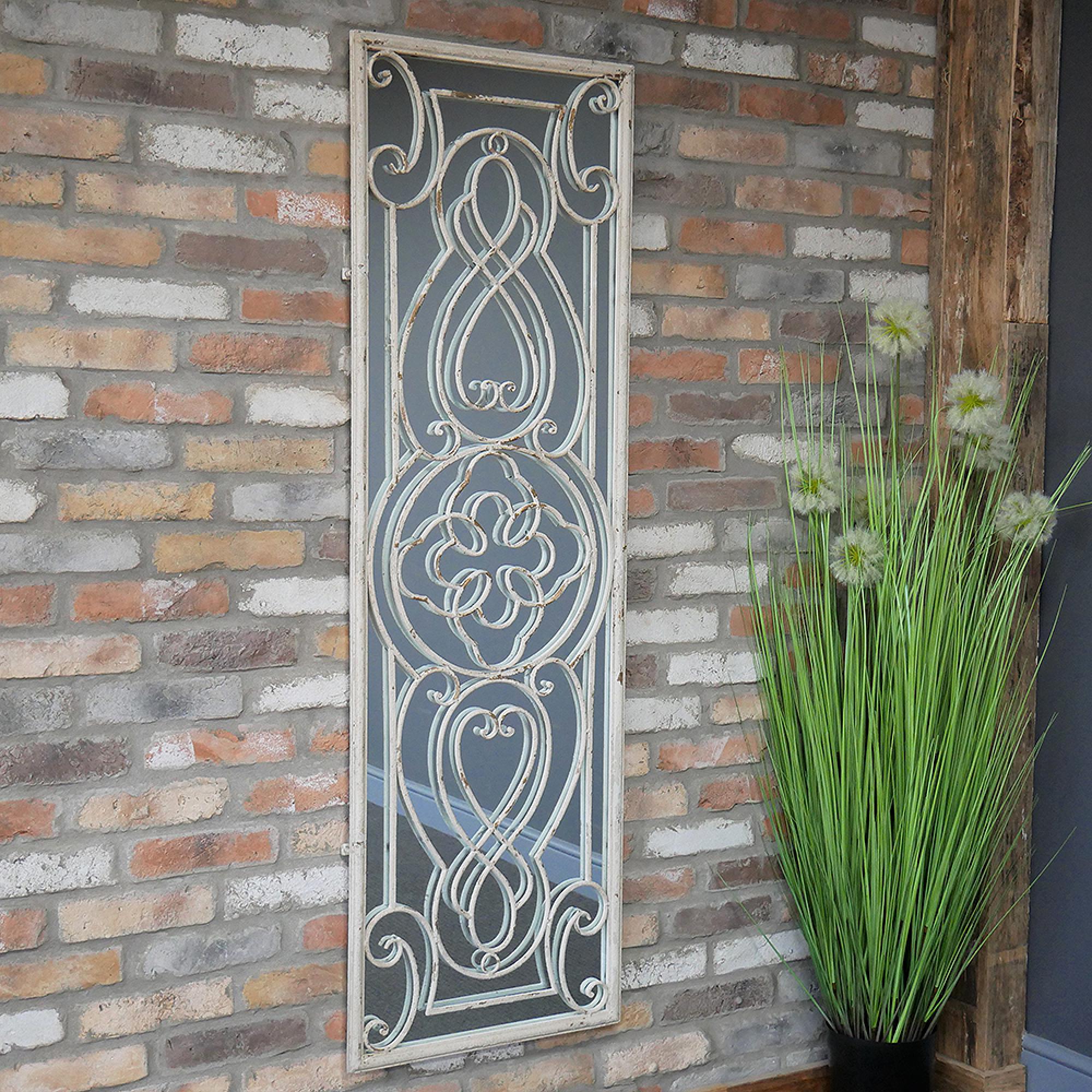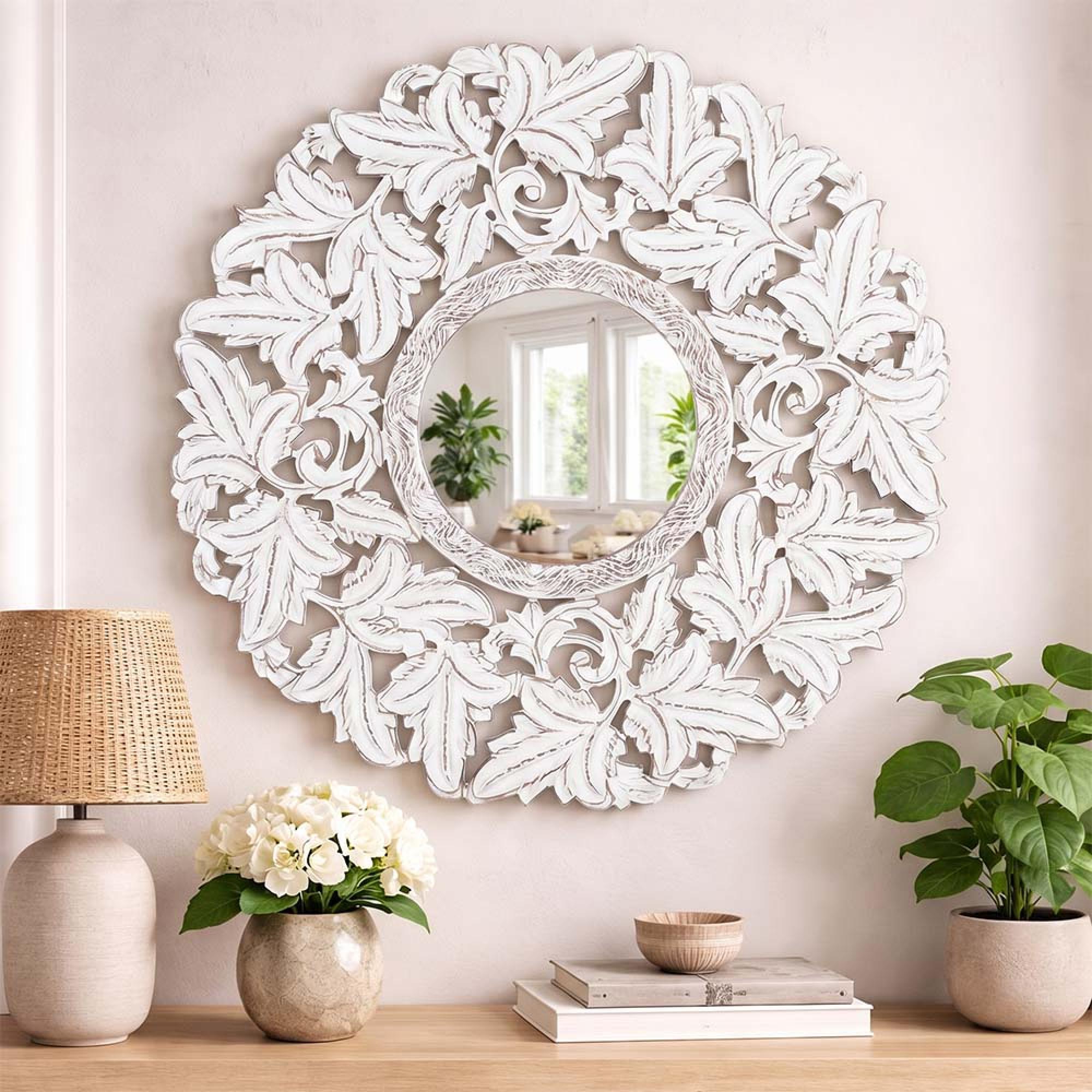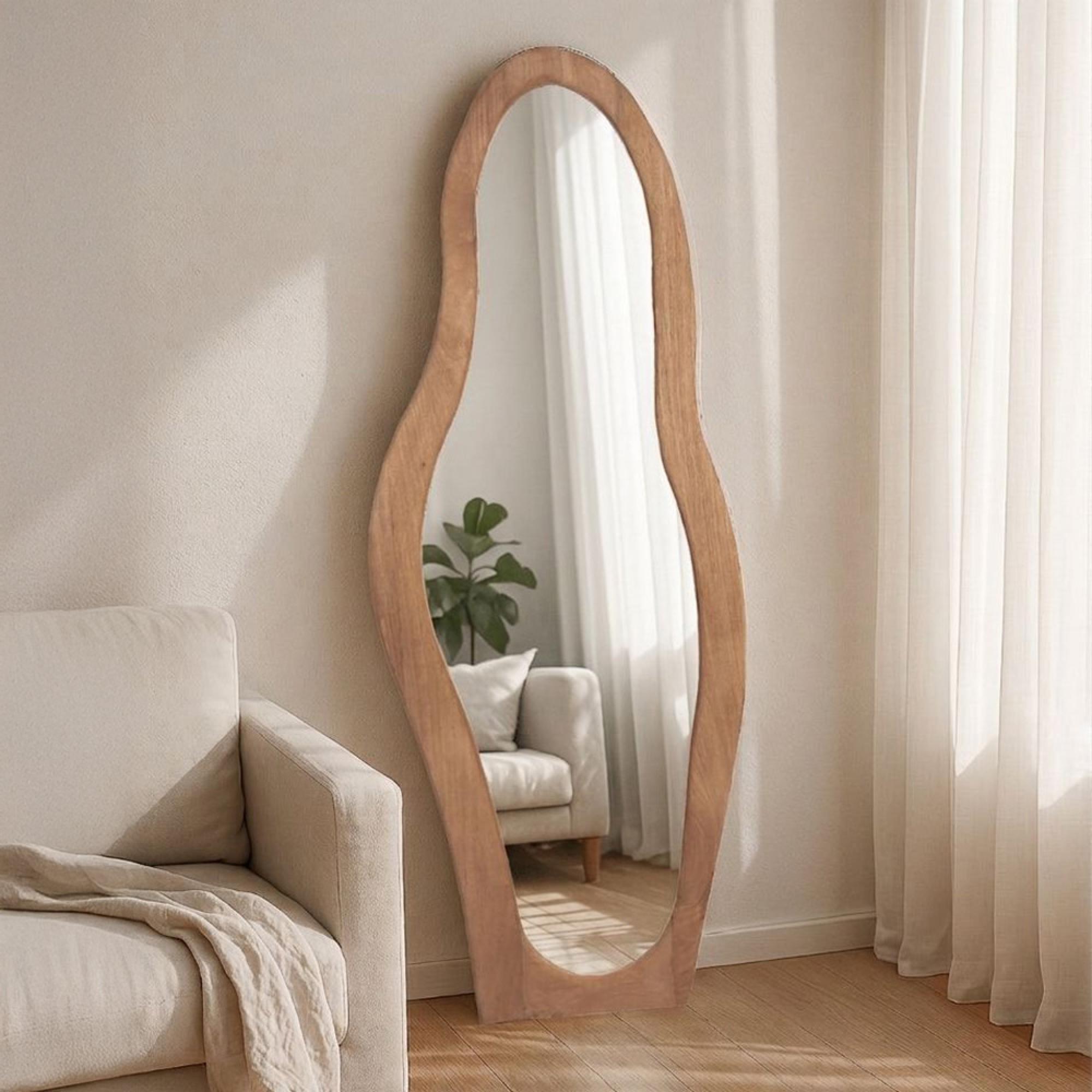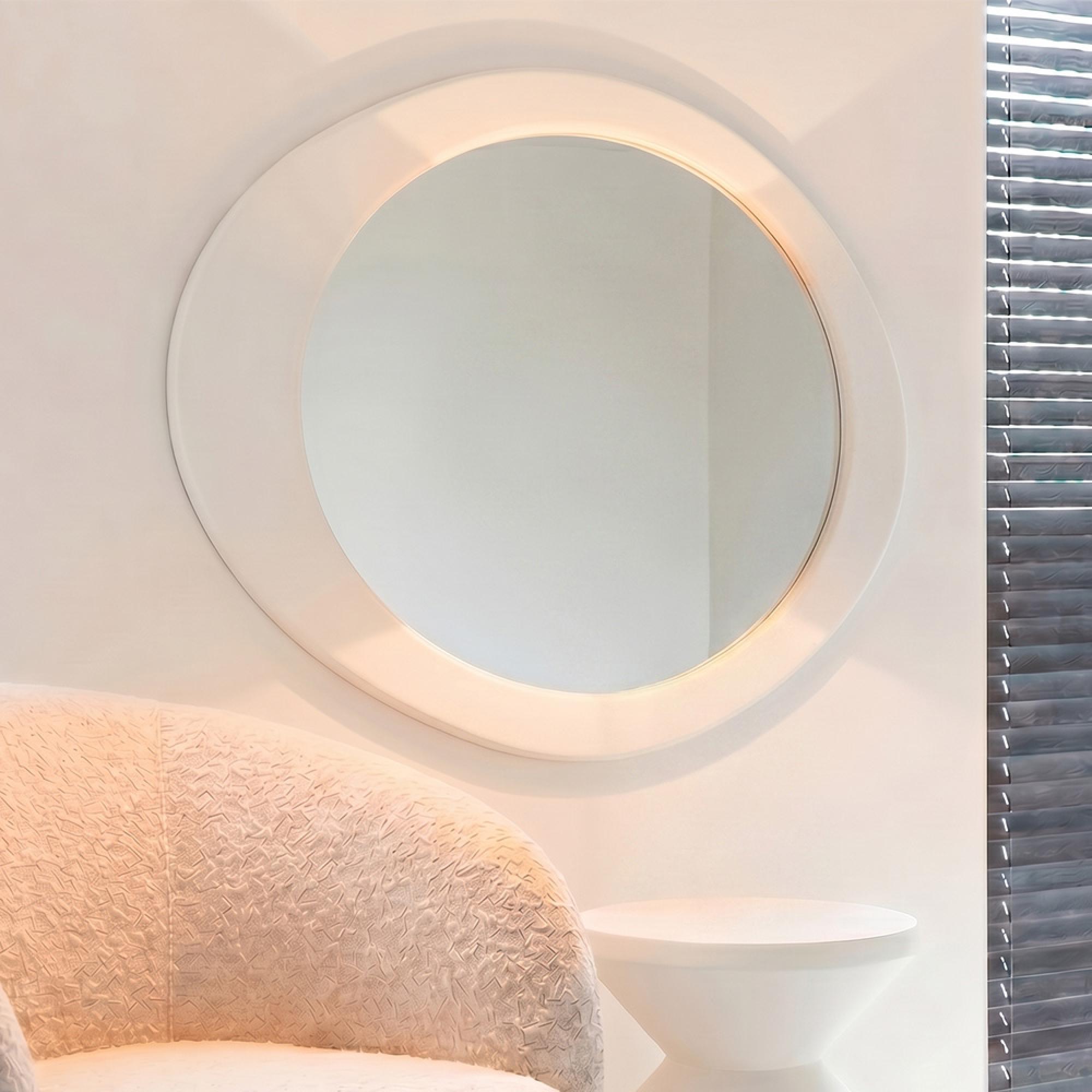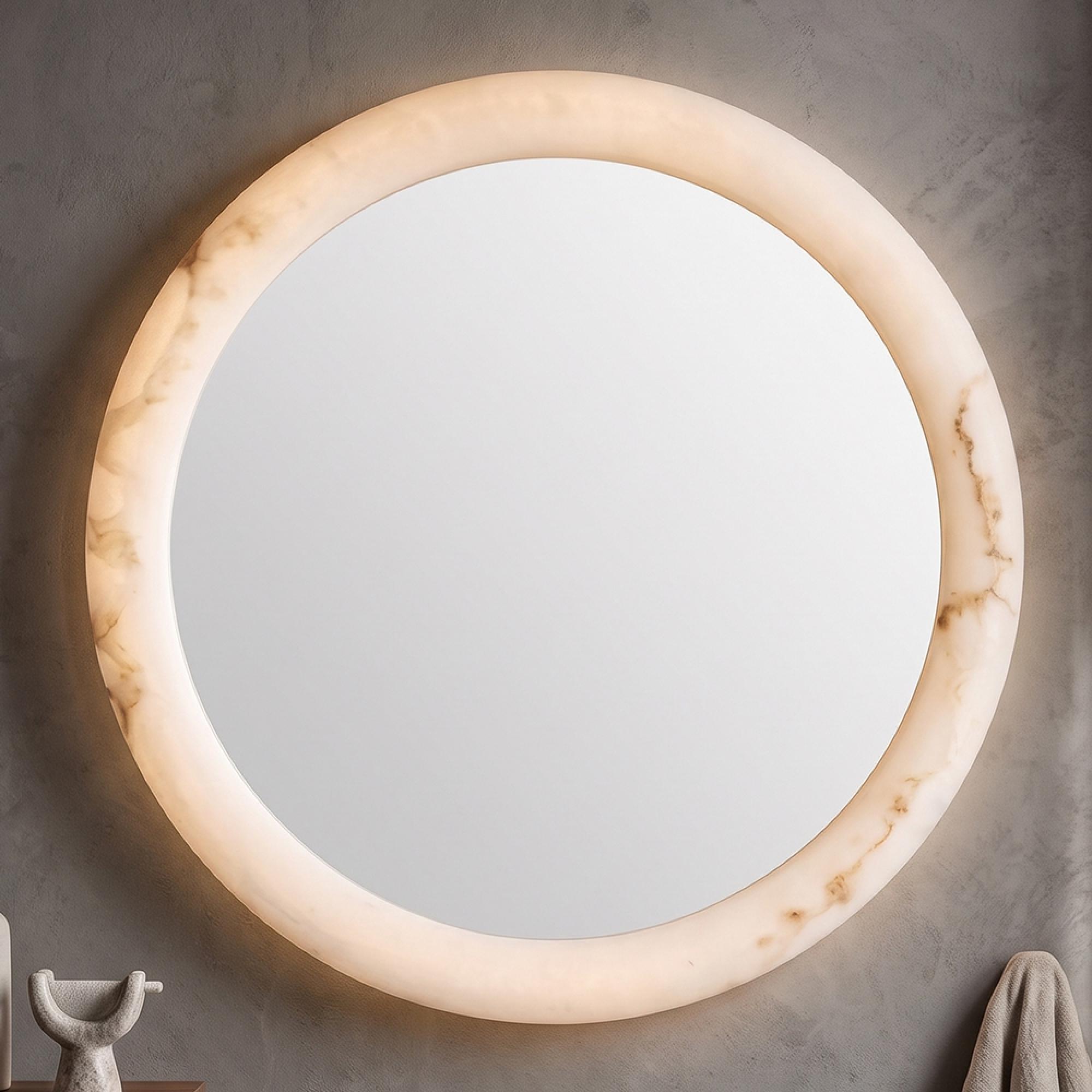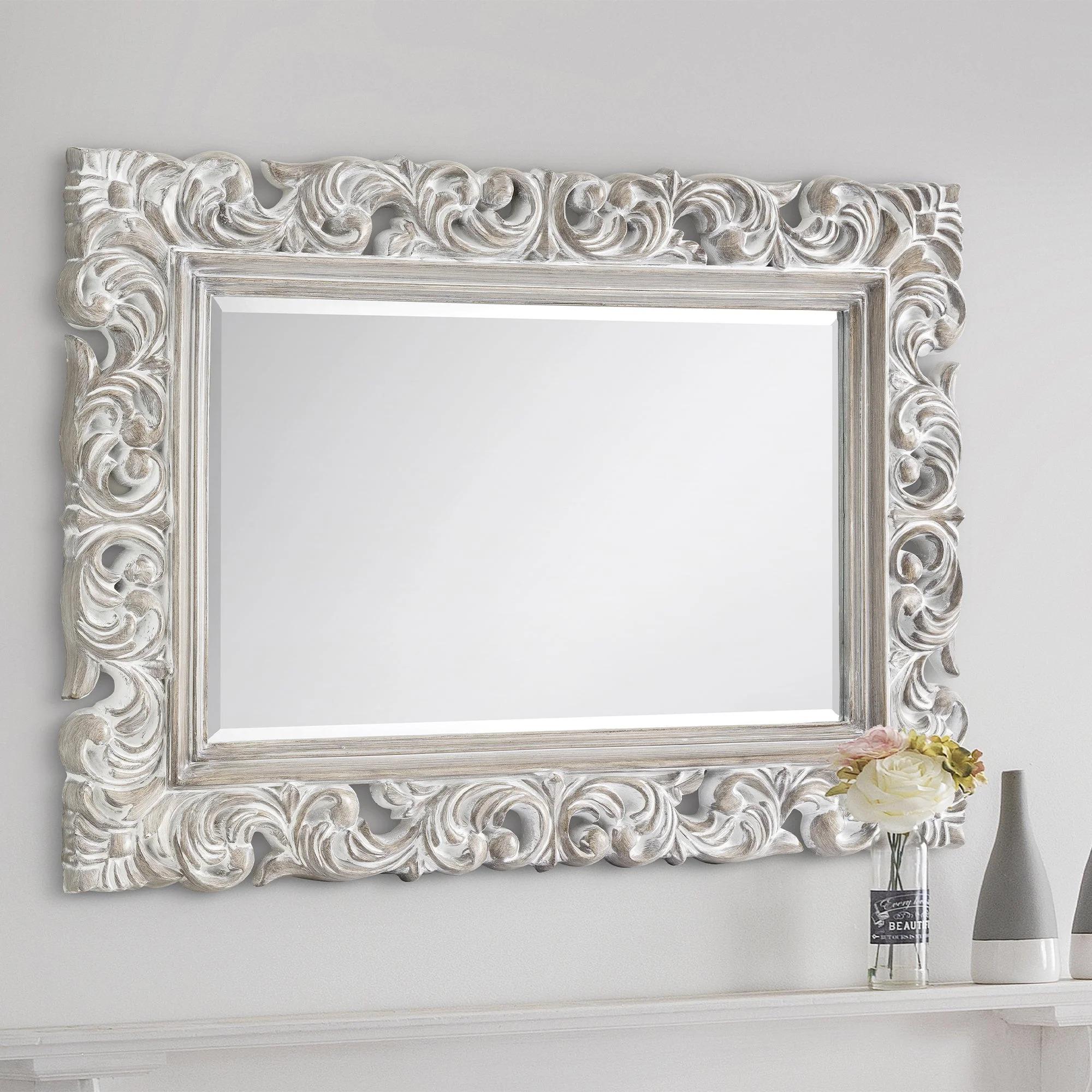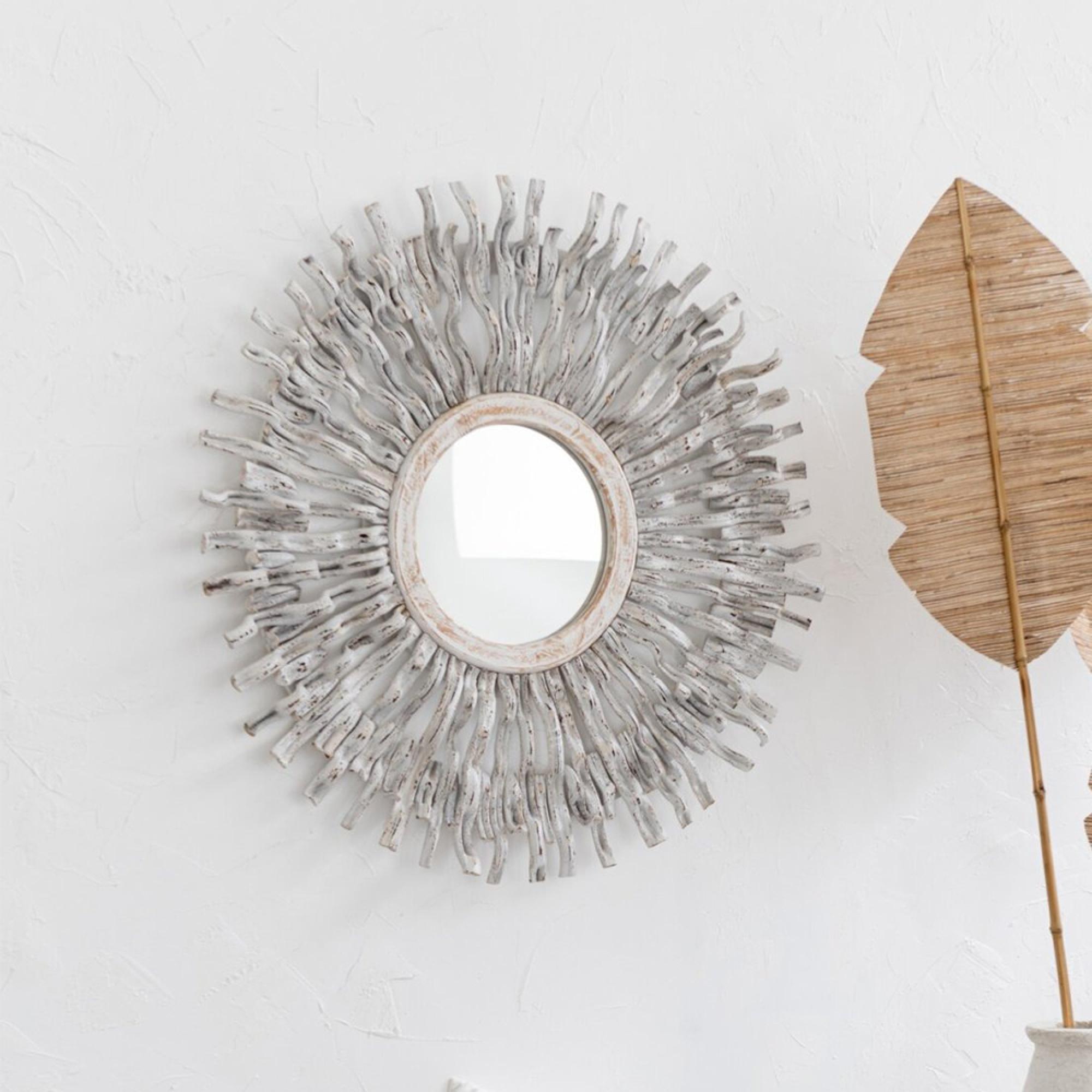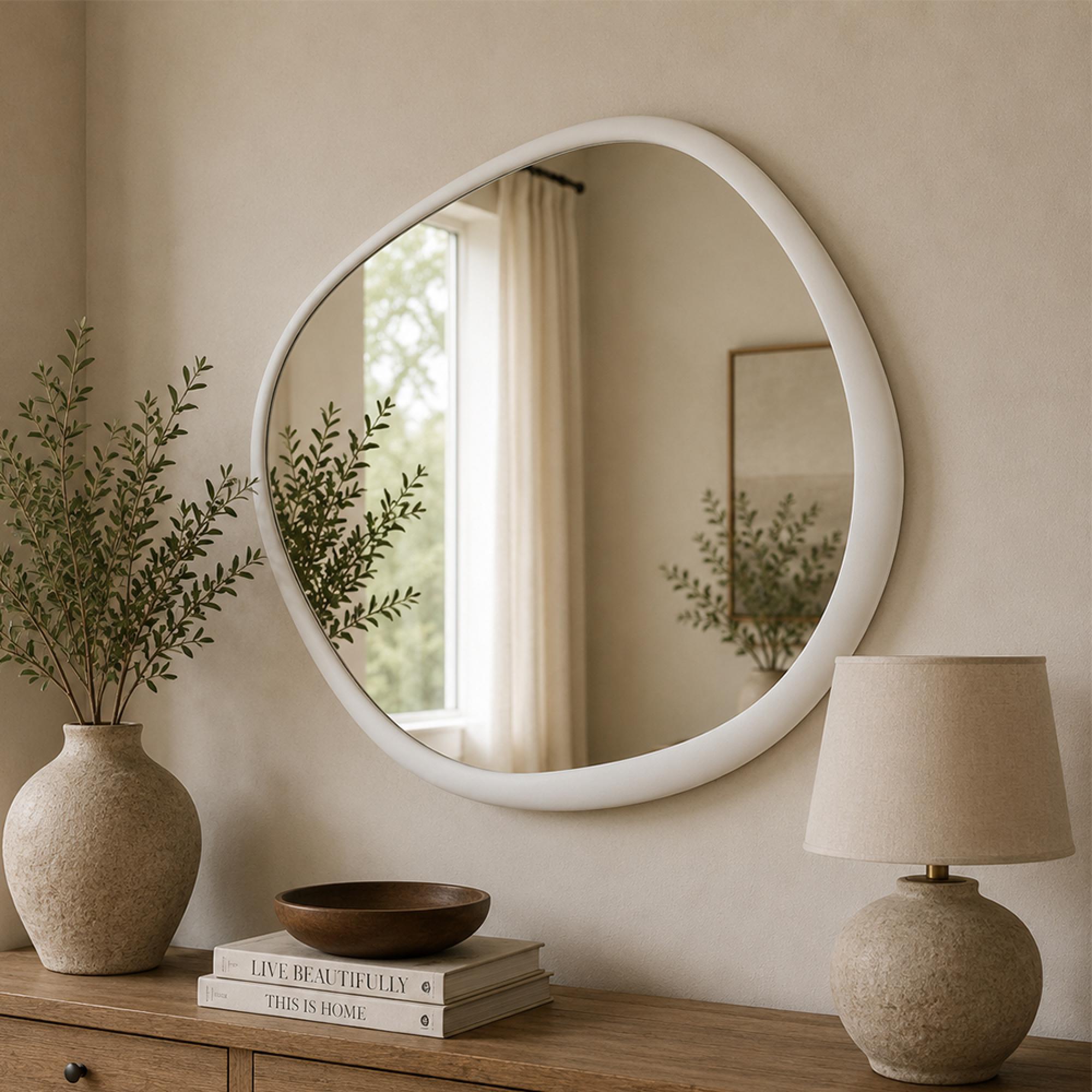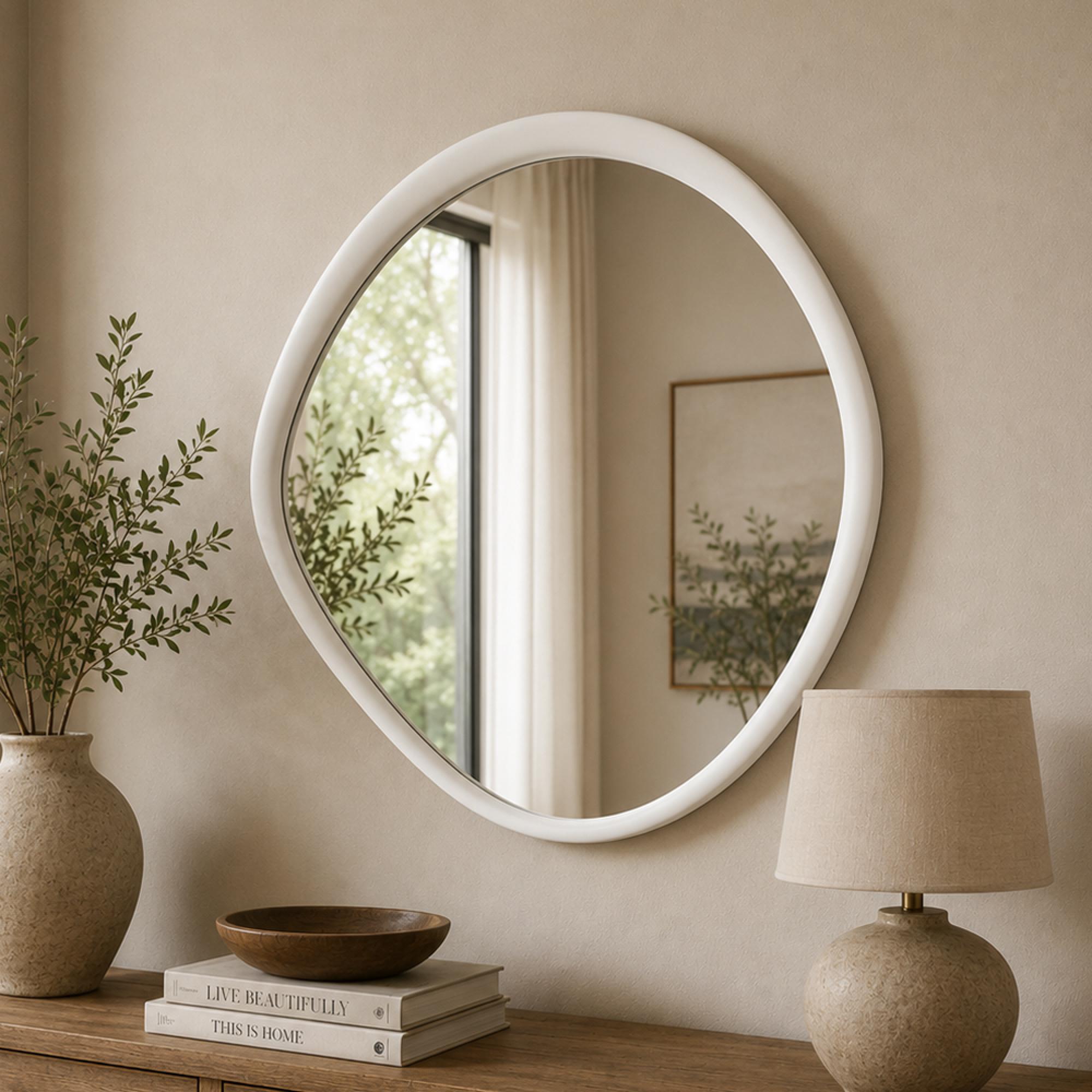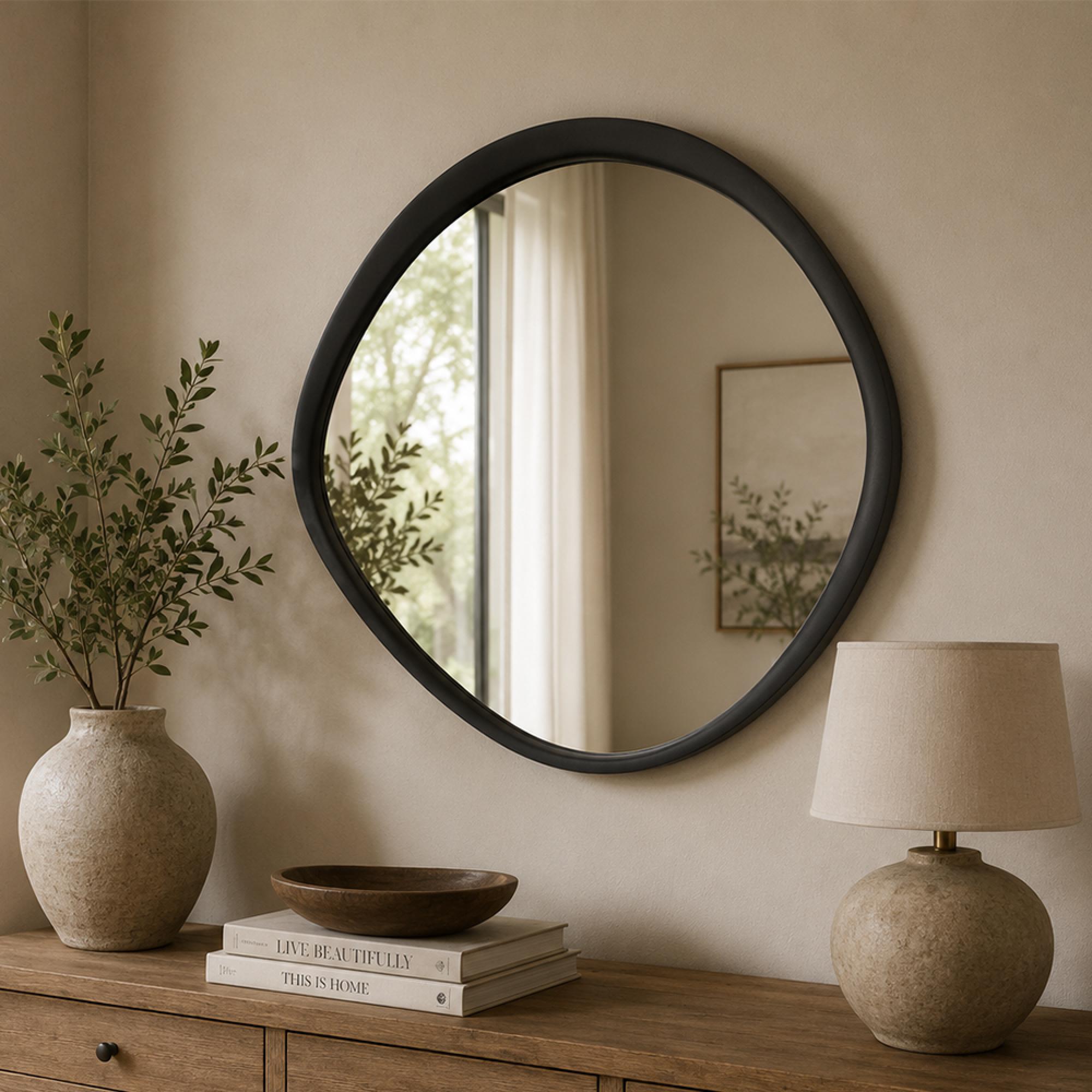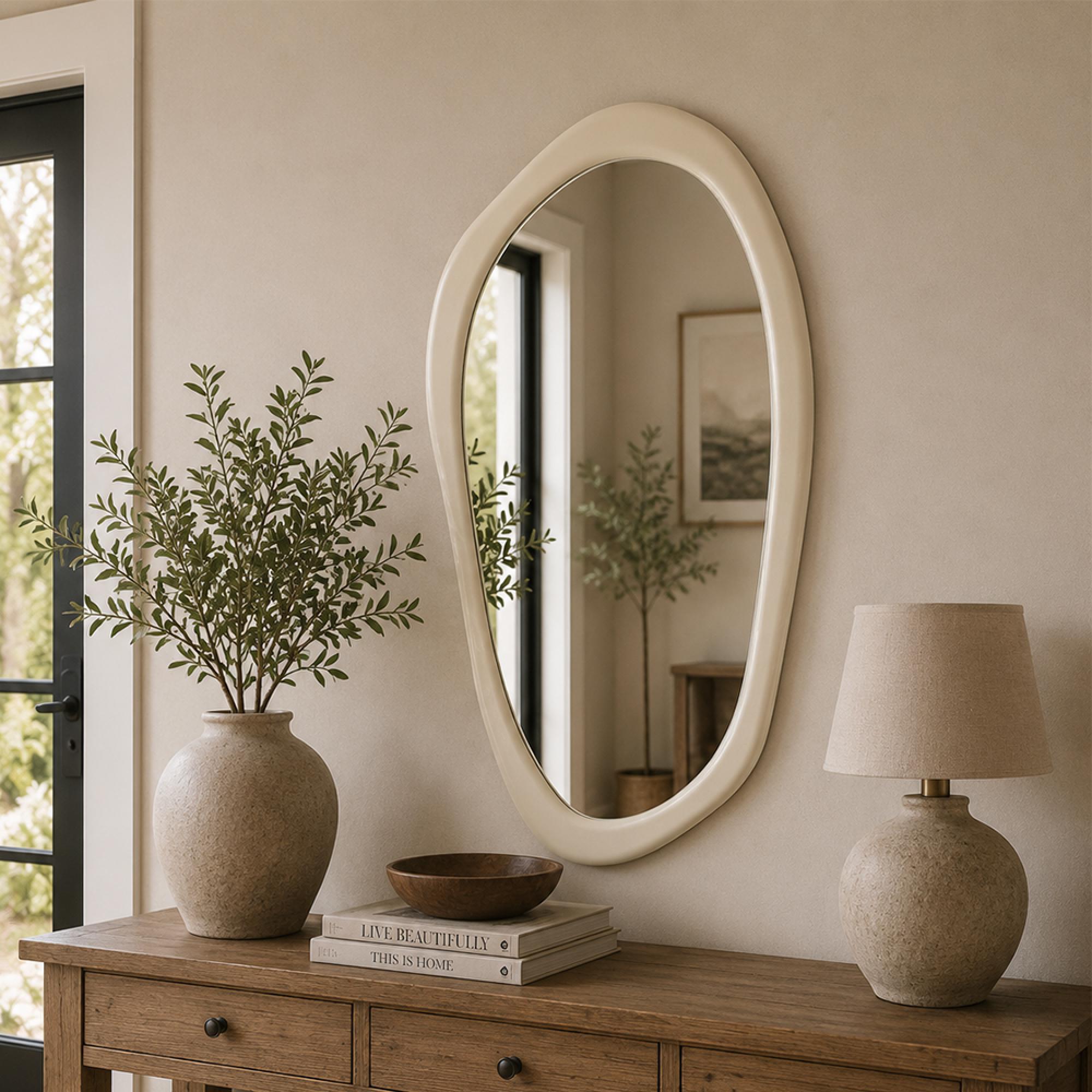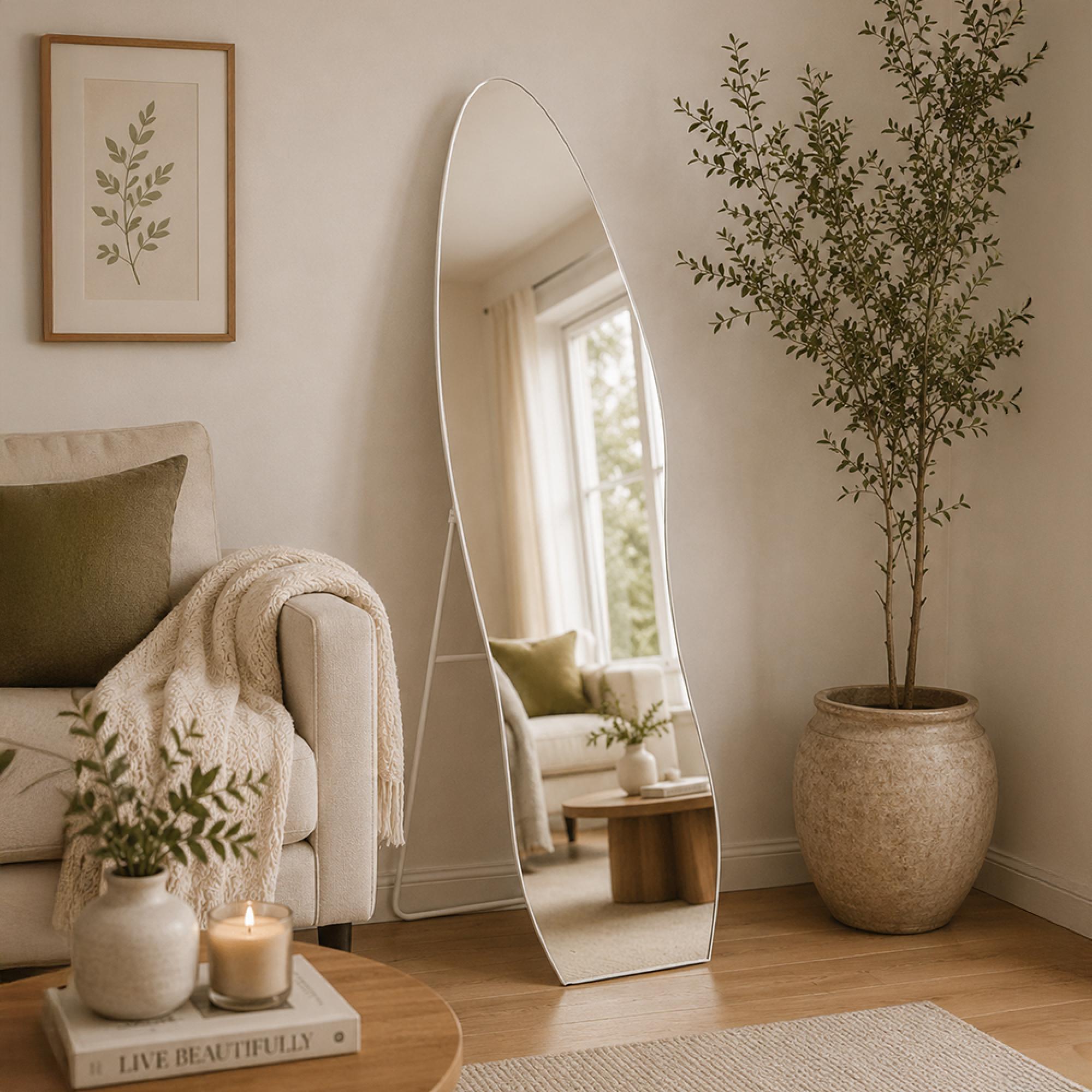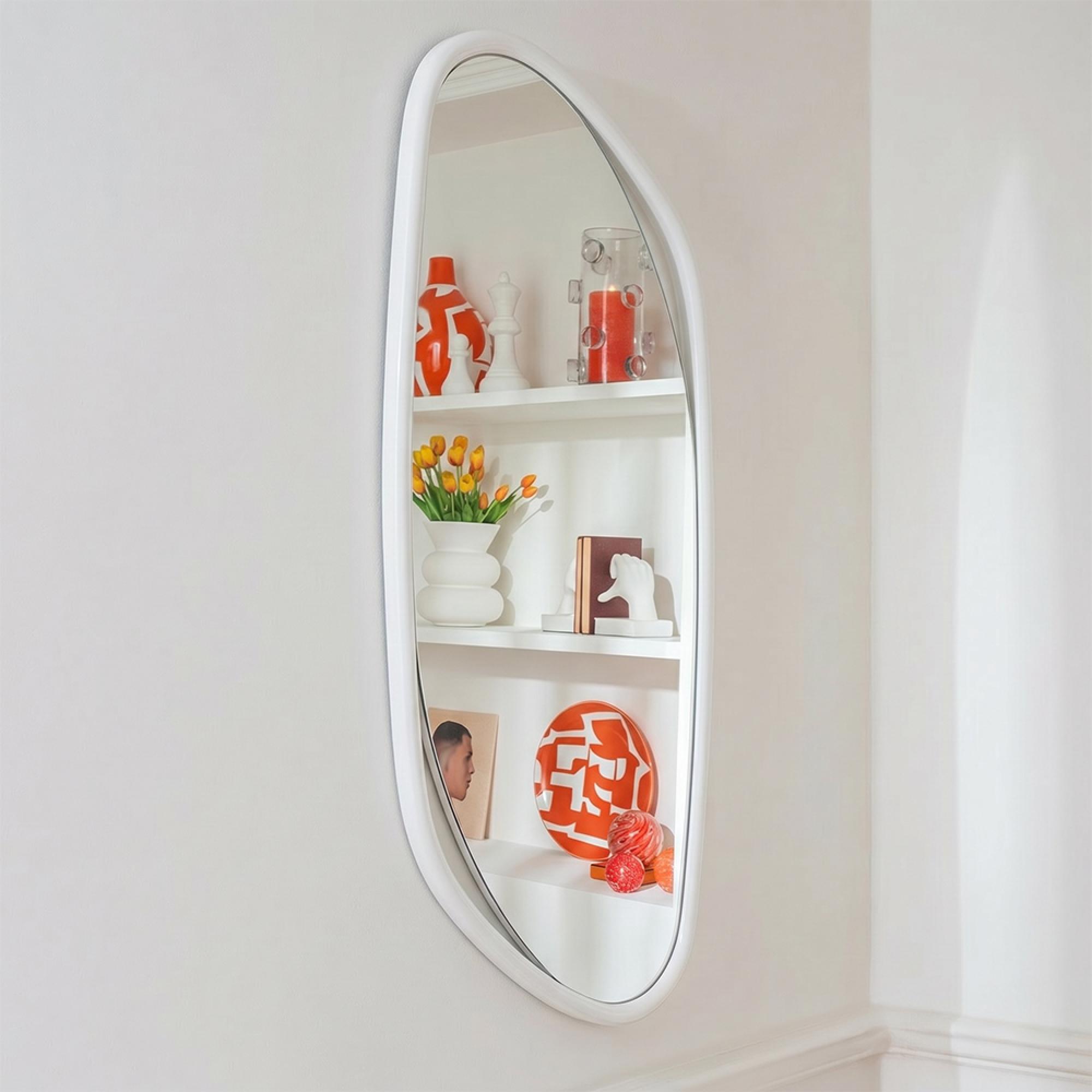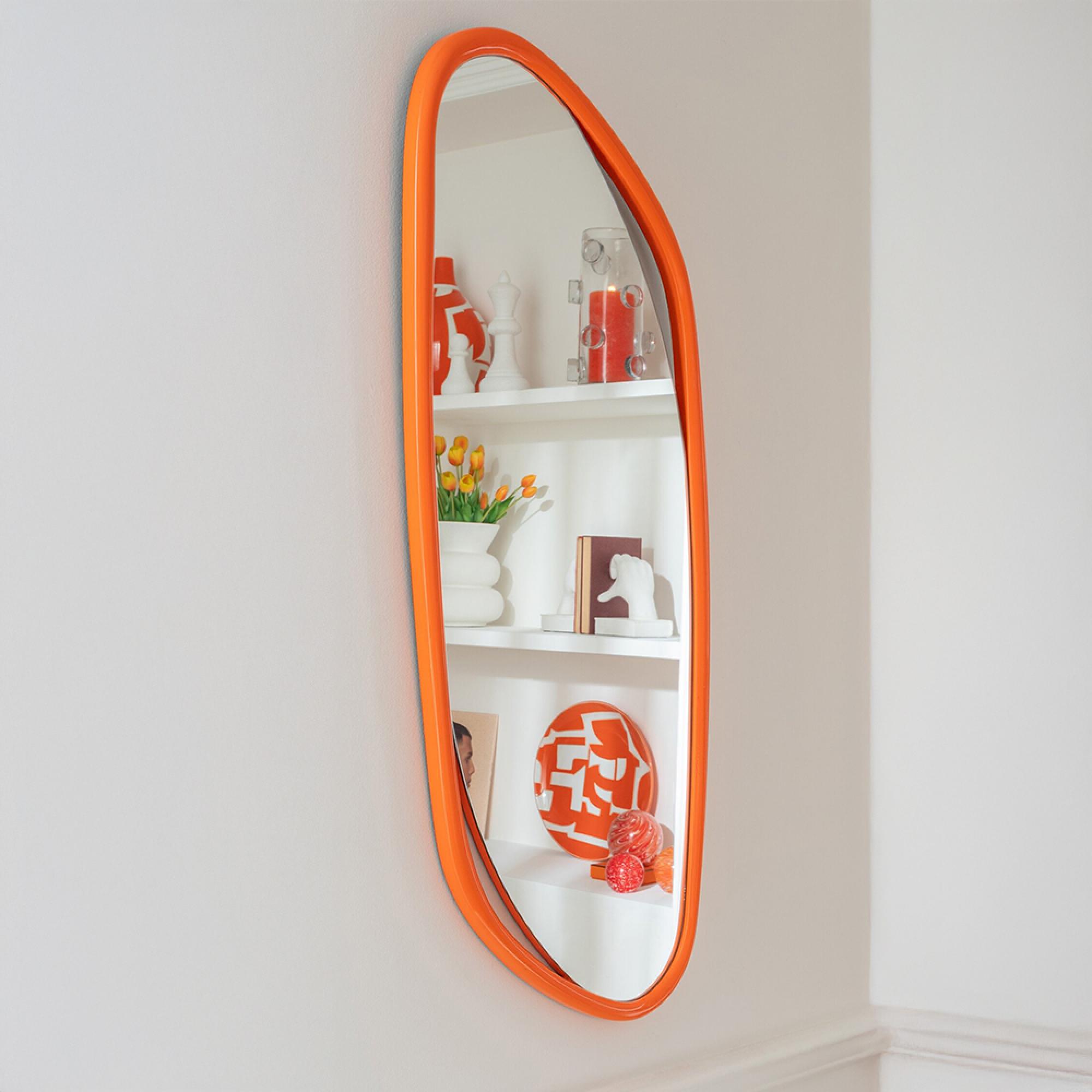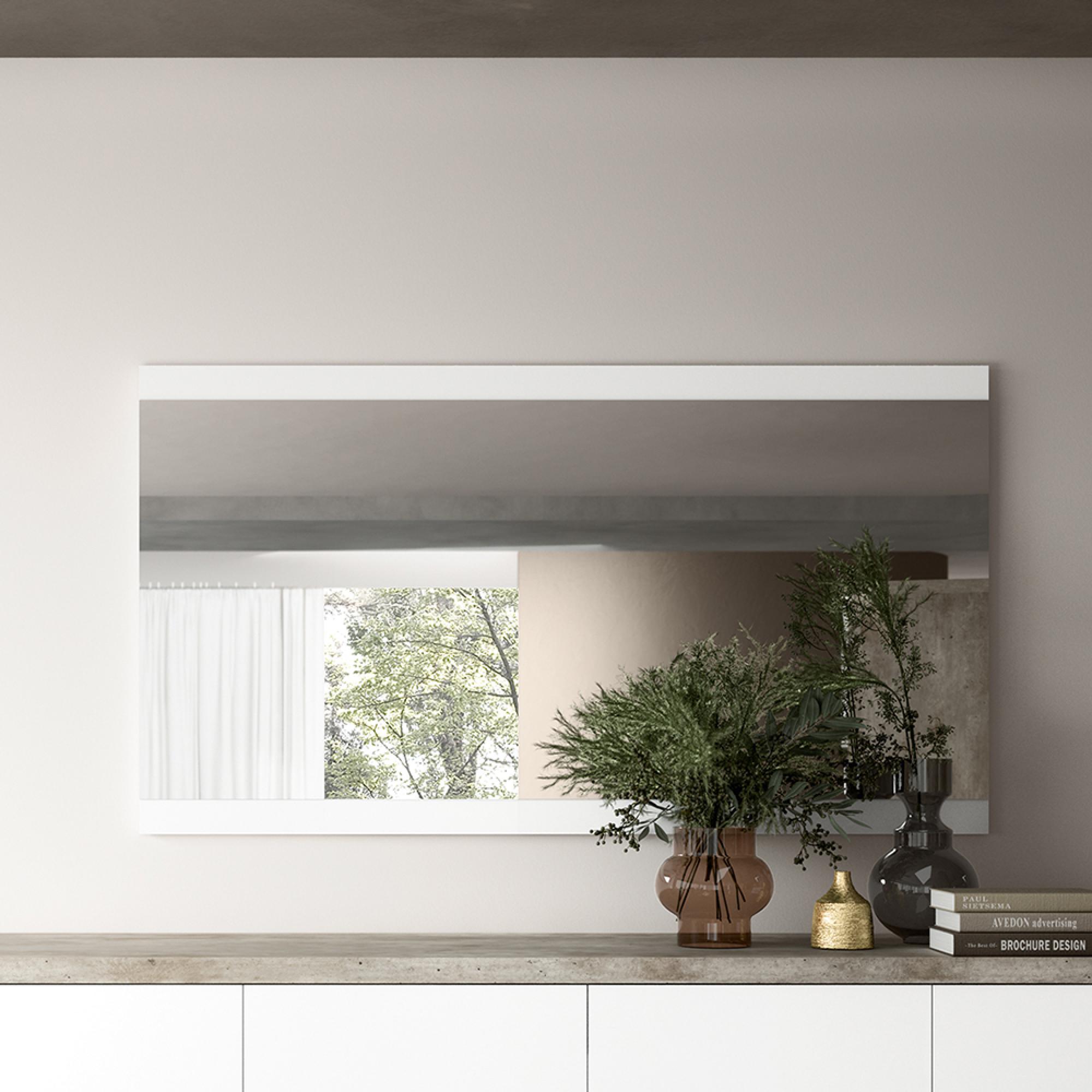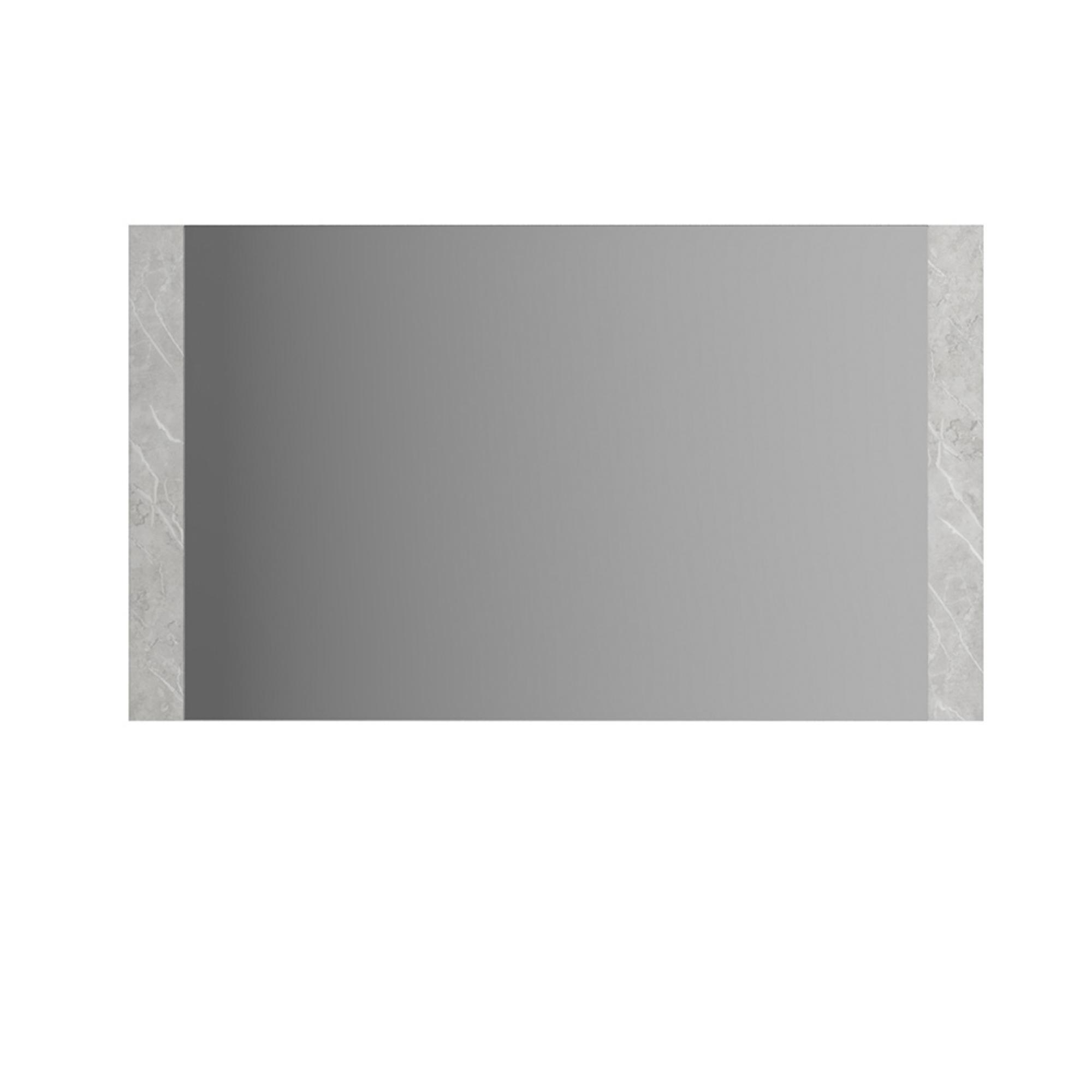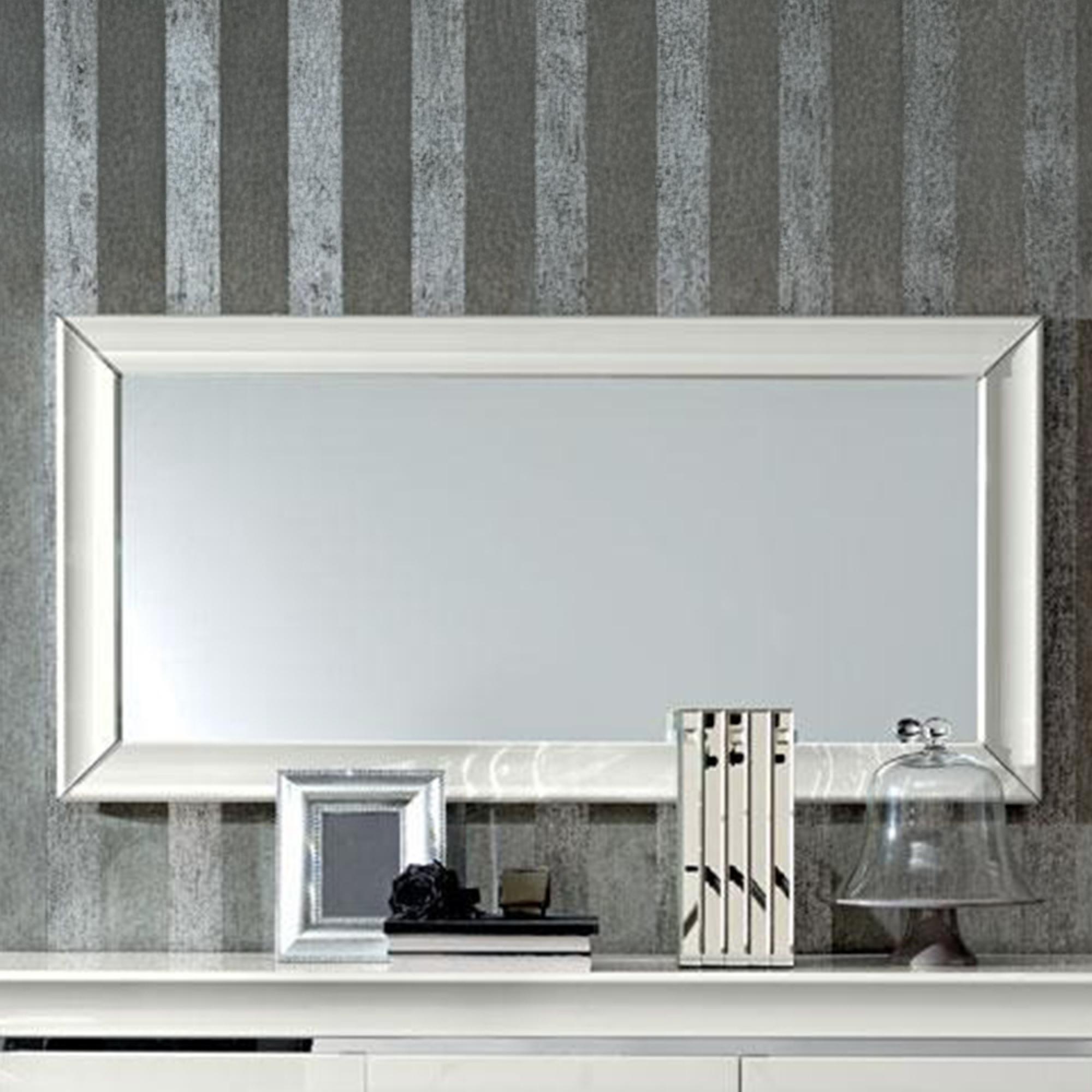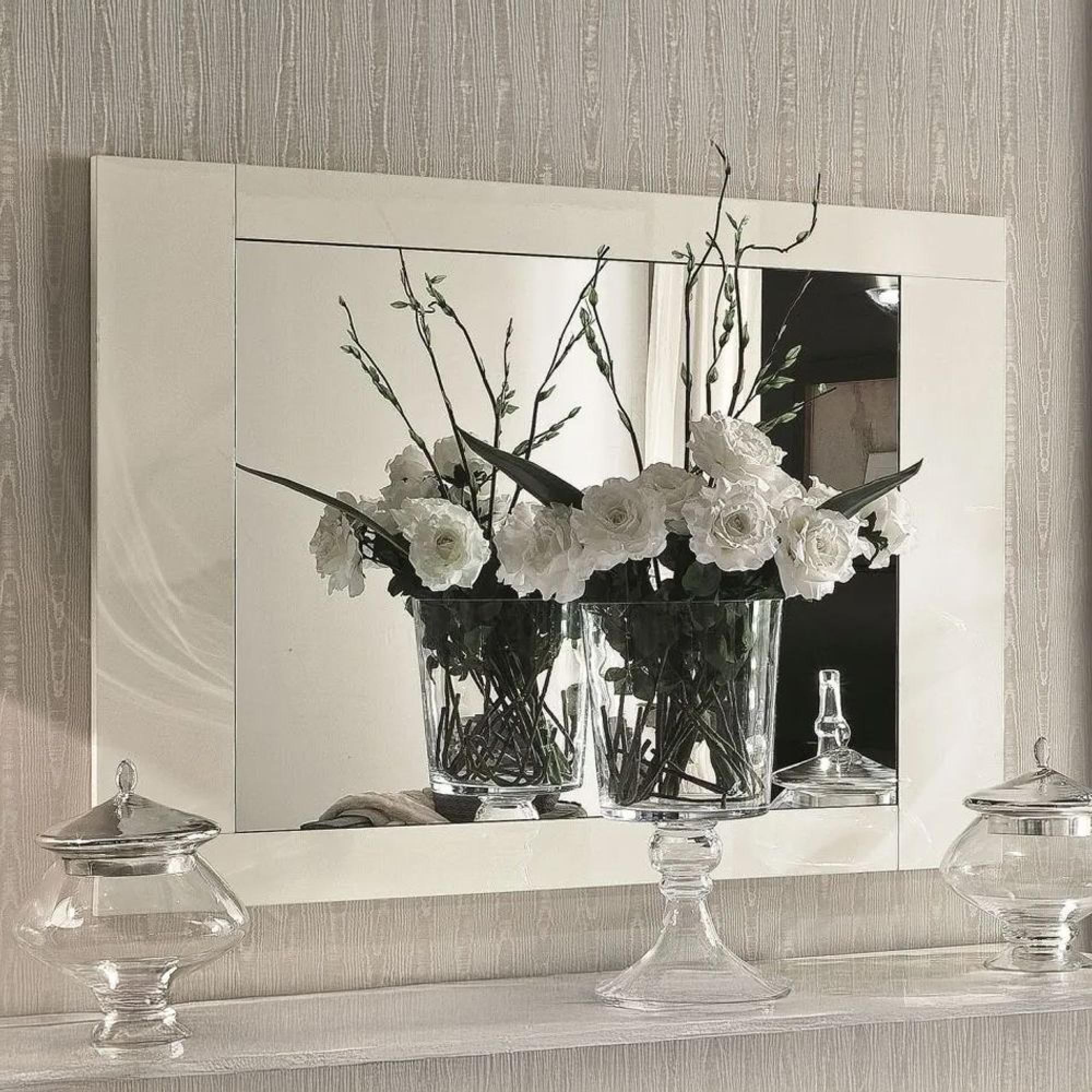
Free Delivery All Over UK*
close
Top products
SHOW ALL PRODUCTS

White Mirrors

Found 29 Items

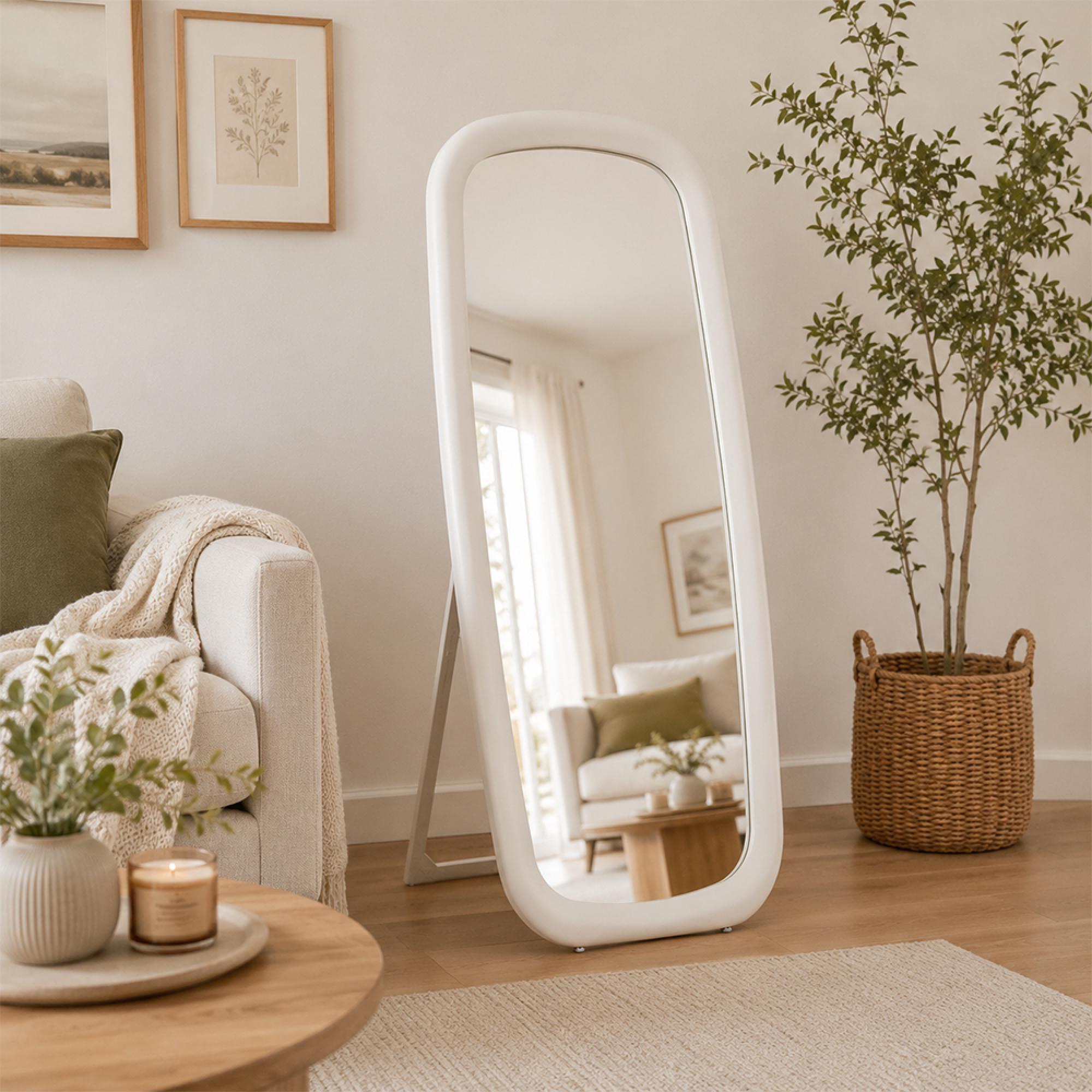
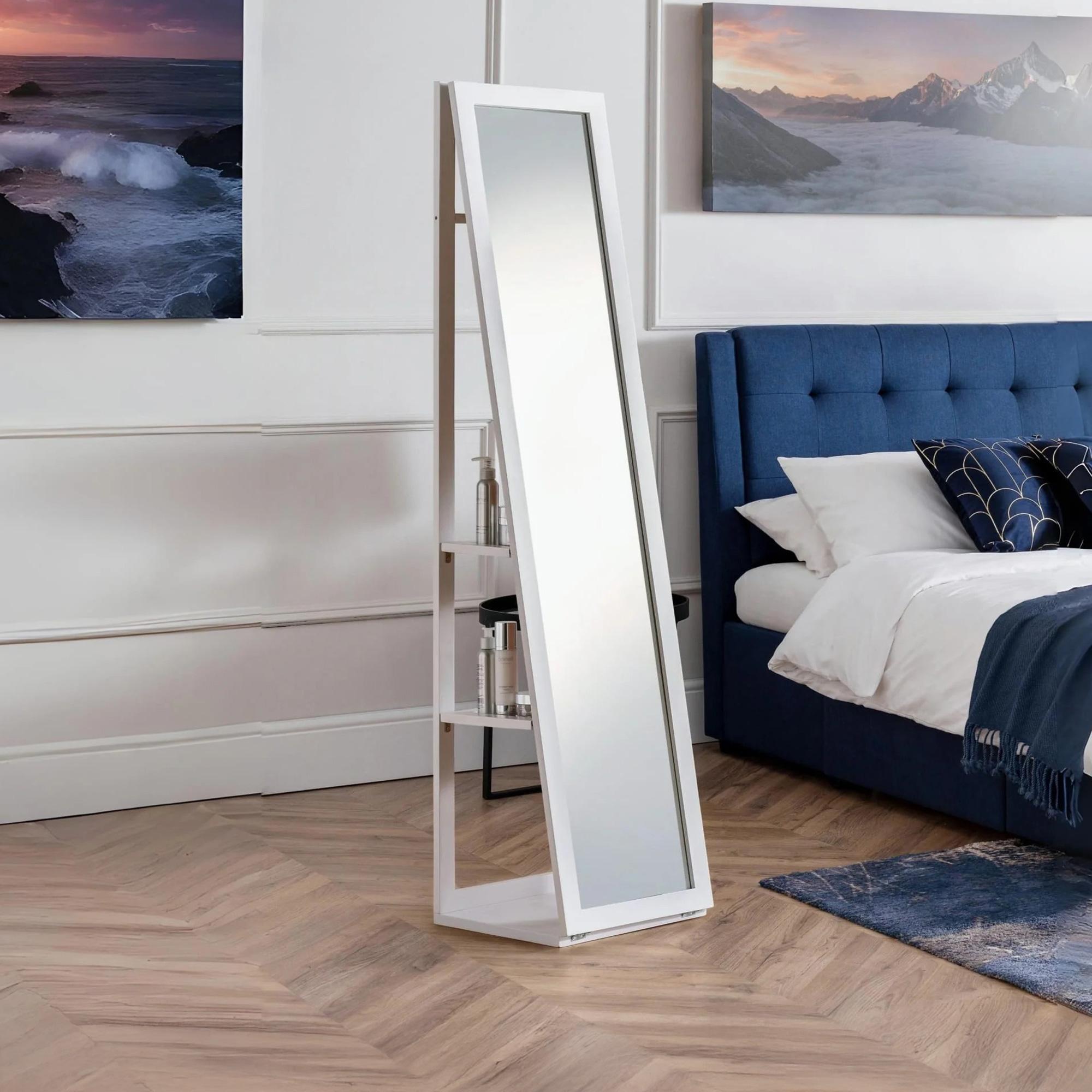
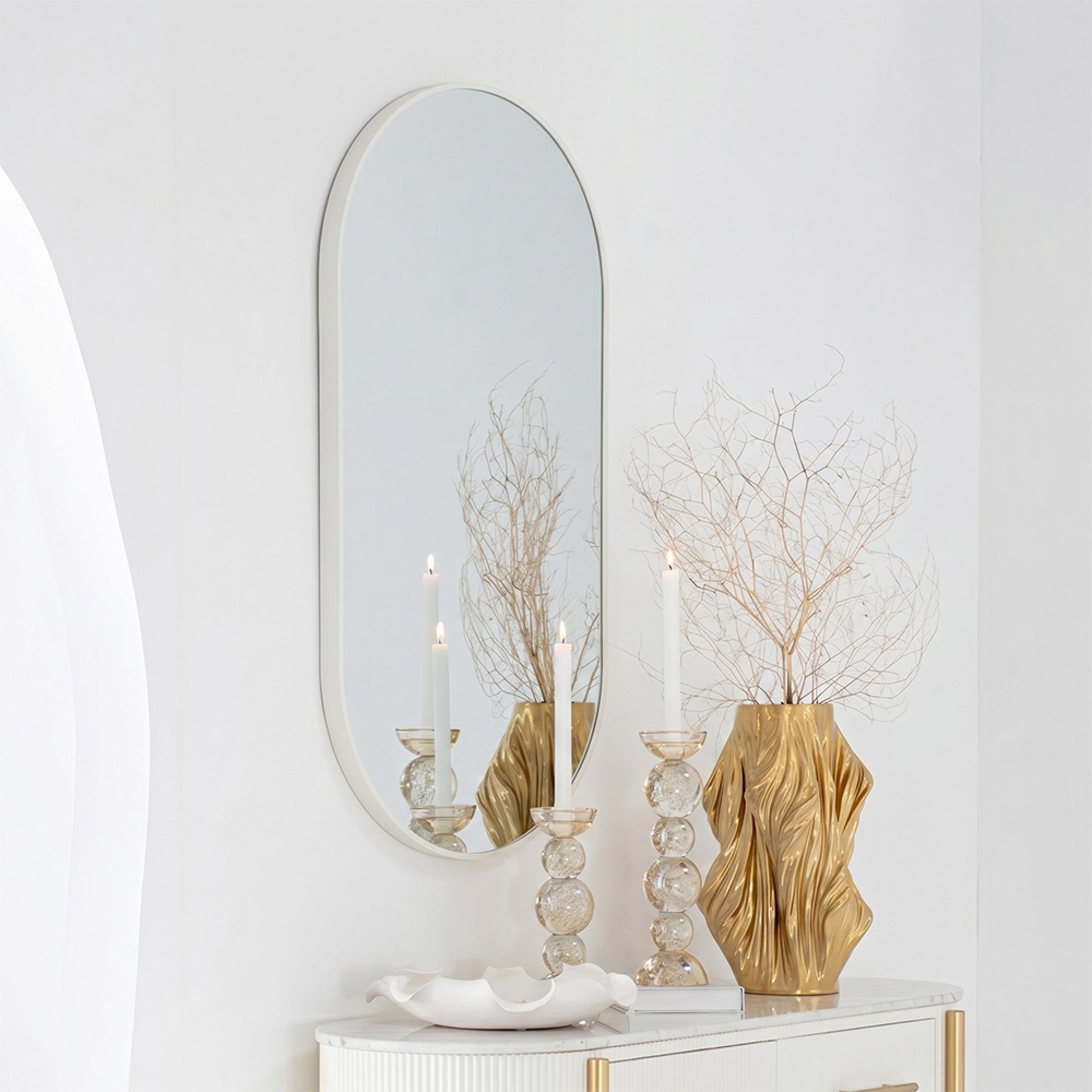
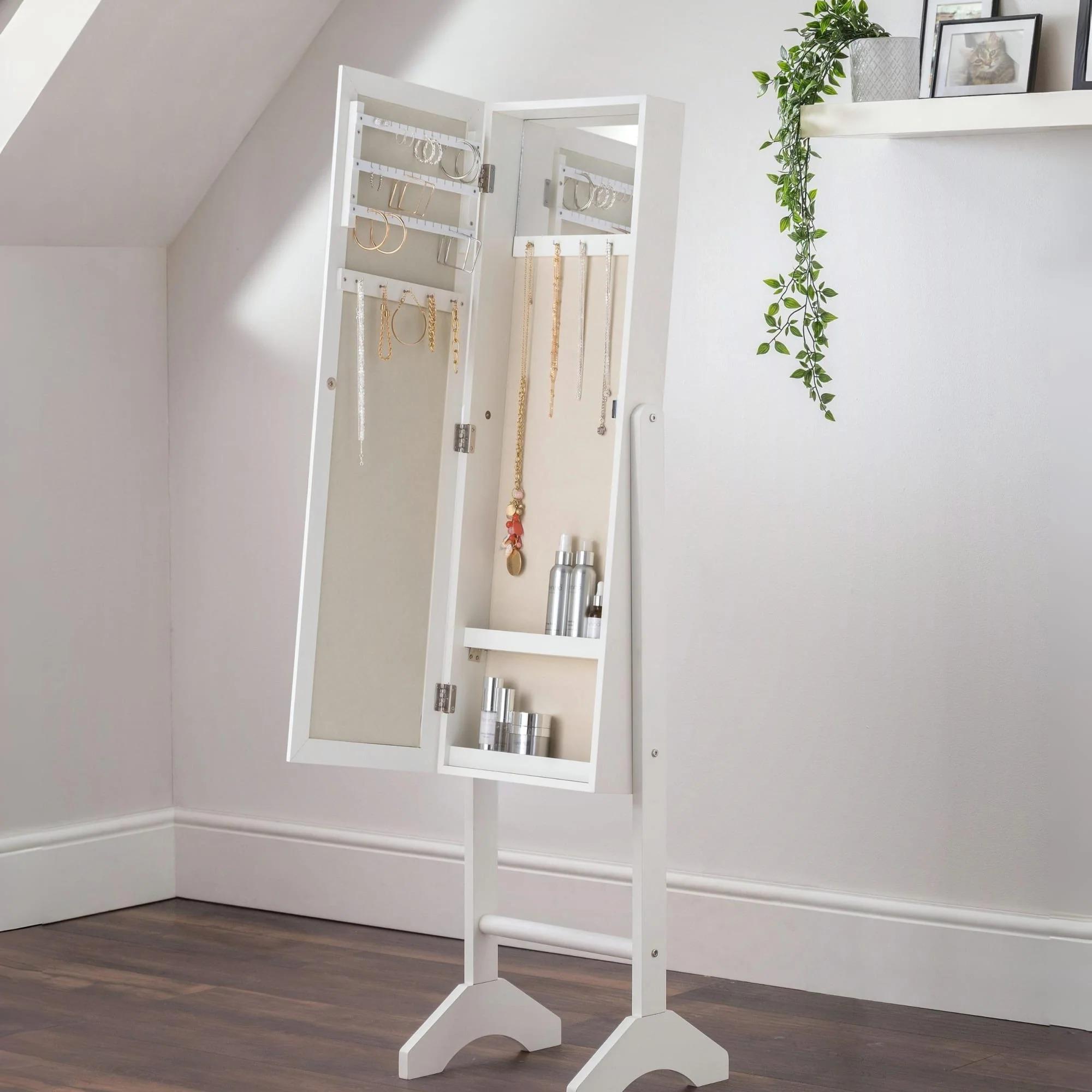
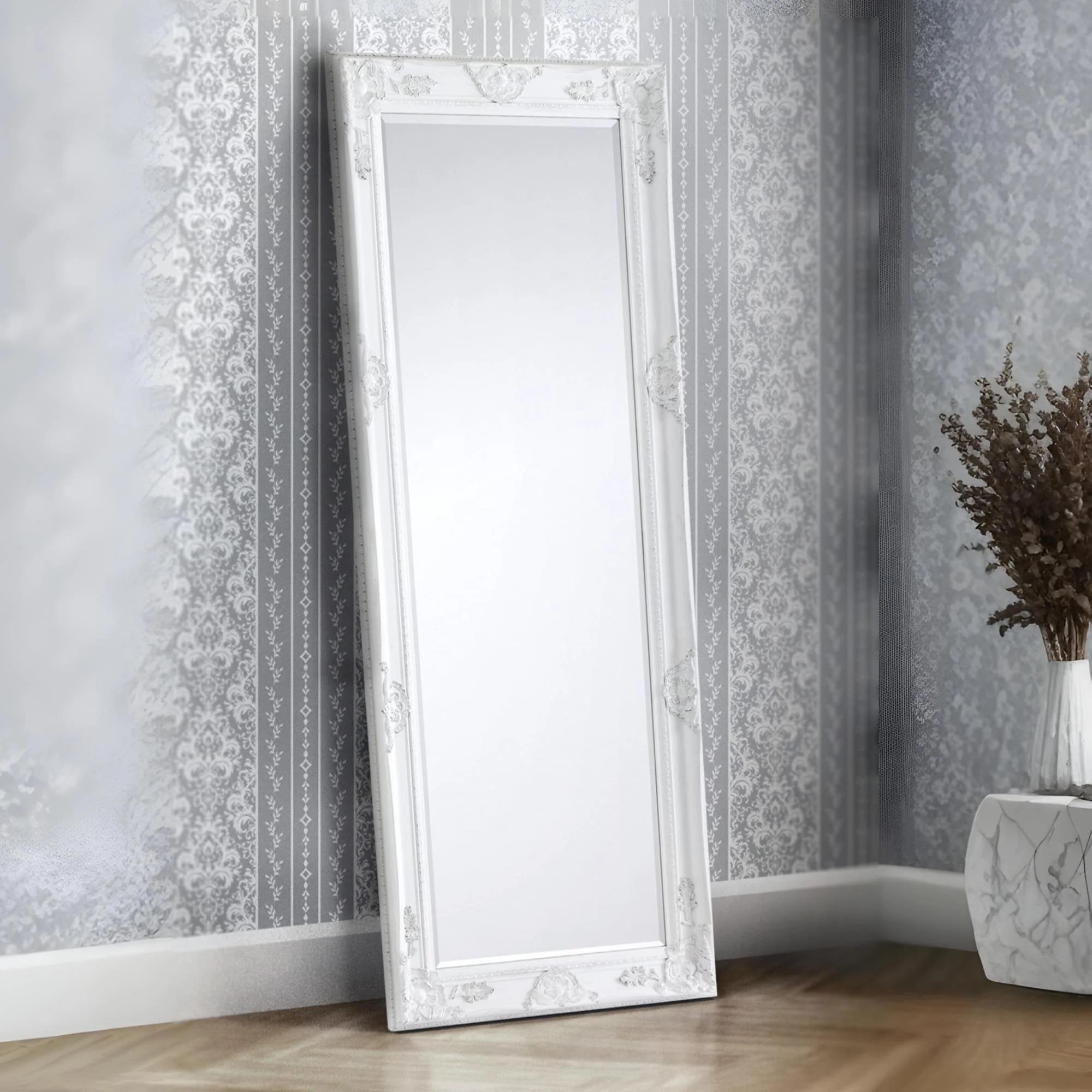
Choose White Mirrors with the room, daily routine and intended use in mind. Compare shape, frame material, mounting orientation, overall scale and fixing requirements to identify the right balance of appearance and function. Use the white colour direction alongside the room's flooring, wall colour and existing furniture for a balanced result. Position the mirror to reflect useful light or a considered view rather than visual clutter.
Read more X Close

Price

Shape

Material

Finish

Choosing White Mirrors

This category focuses on White Mirrors that can provide a useful reflection while helping light move around the room. Start with the room layout and daily use, then compare shape, frame material, mounting orientation, overall scale and fixing requirements. Use the white colour direction alongside the room's flooring, wall colour and existing furniture for a balanced result. This keeps the decision focused on practical suitability as well as style.

Plan the space before choosing

Position the mirror to reflect useful light or a considered view rather than visual clutter. Record the available width, depth and height, including clearance for doors, drawers, reclining parts or extensions where relevant. Account for skirting boards, radiators, sockets and walking routes, then check the access route through doors, halls and stairs.

For adjacent choices, explore Living Room Mirrors, Oak Mirrors and Painted Mirrors. Use these comparisons alongside the specifications on each product page.

White Mirrors for considered interiors

The White Mirrors category focuses on choices intended to provide a useful reflection while helping light move around the room. A suitable option should respond to the room's proportions, surrounding furniture and practical demands of everyday use. Use the white colour direction alongside the room's flooring, wall colour and existing furniture for a balanced result.

Material, finish and construction

When comparing mirrors, look closely at shape, frame material, mounting orientation, overall scale and fixing requirements. Materials influence appearance, weight and maintenance, while finish affects colour coordination and day-to-day care. Use the written specification to confirm construction and care requirements.

Function and room planning

Position the mirror to reflect useful light or a considered view rather than visual clutter. Mark out the footprint and consider how people move around it. Where a product opens, extends, swivels or reclines, include that working clearance. For storage, seating or sleeping products, match the layout, support and capacity to the needs of regular users.

Creating a coordinated result

Build the room around a clear relationship between scale, colour and material. Matching every finish is not essential, but repeating one or two elements can connect separate pieces. You can also compare Living Room Mirrors, Oak Mirrors and Painted Mirrors for closely related room and product choices. Use the individual listing to confirm dimensions, included components, assembly and suitability.
Read more X Close

FAQs on White Mirrors

What is the difference between a full length mirror and a standard wall mirror?

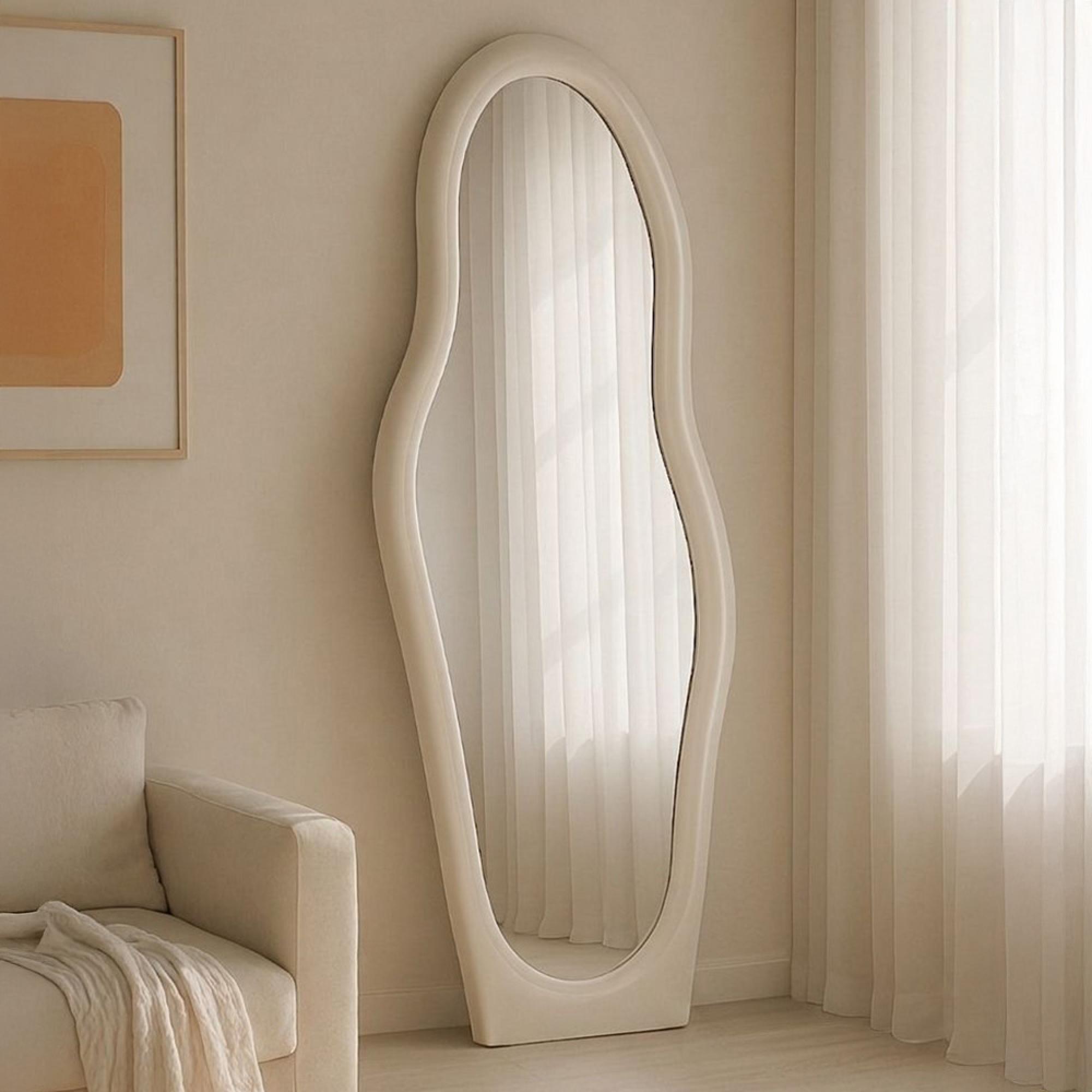
A full length mirror shows a complete head-to-toe reflection, usually mounted on a wall or standing freestanding in a room. A standard wall mirror is generally smaller, positioned for a specific spot such as above a console table or in a hallway. Both serve different everyday purposes, so many homes include a mix of the two.

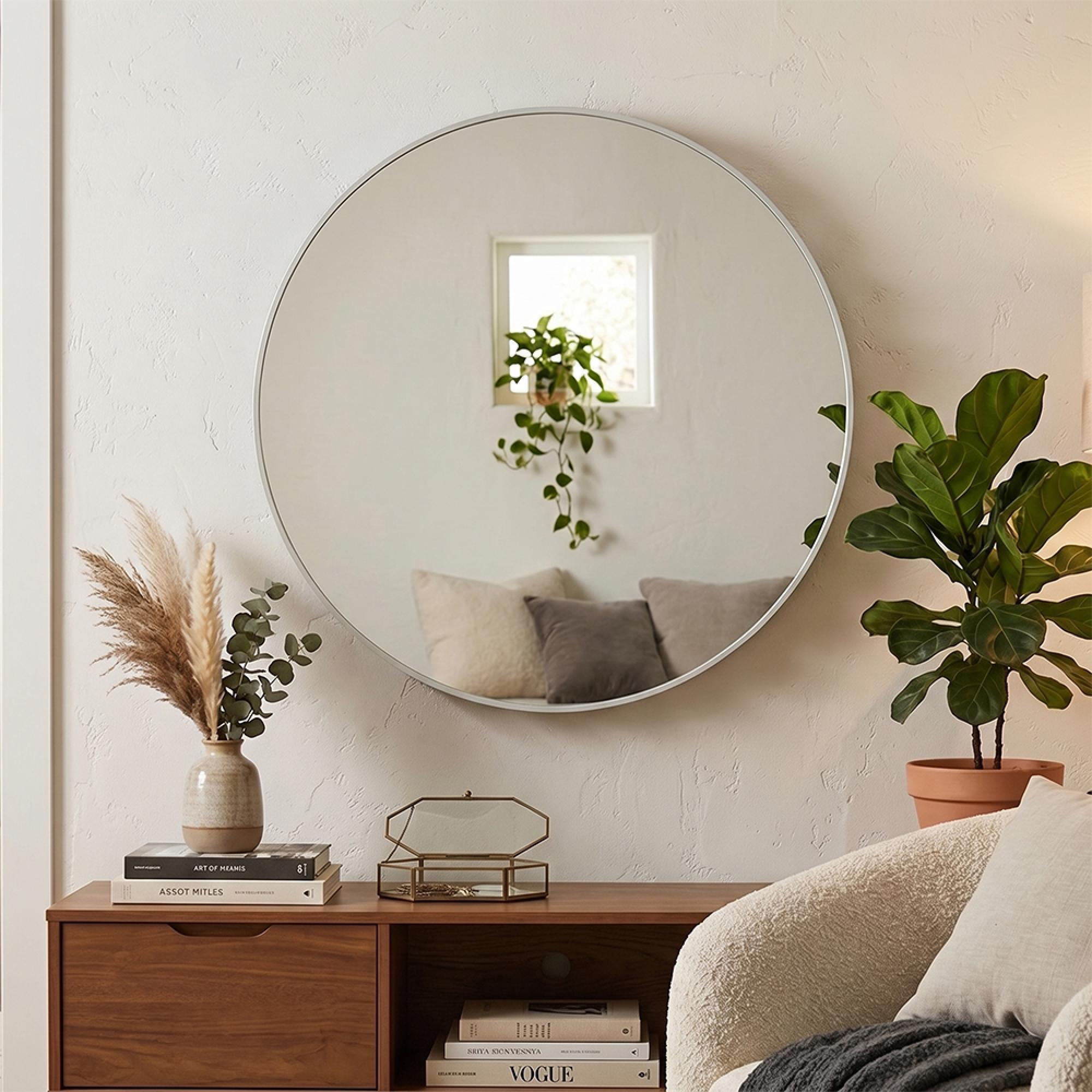
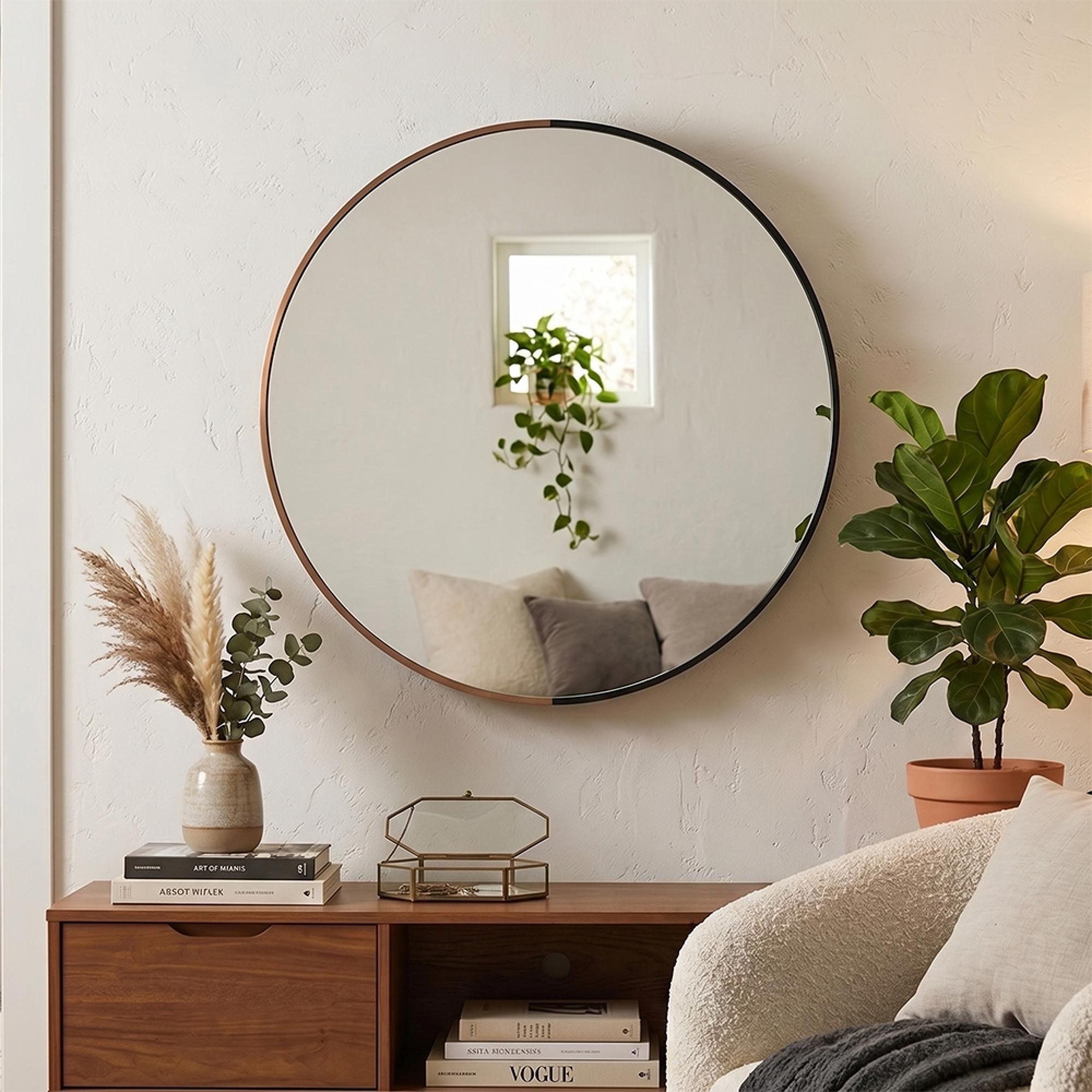
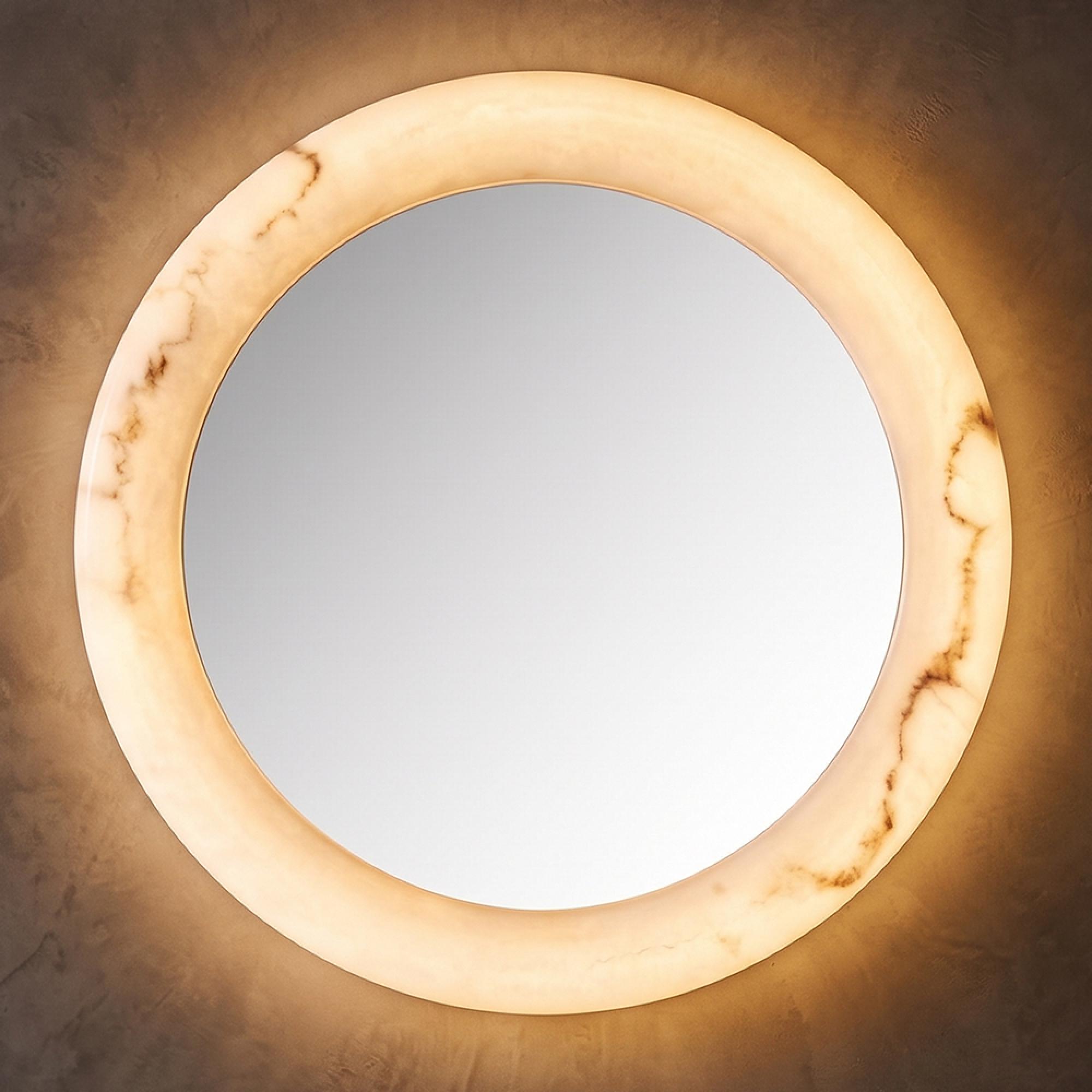
A round mirror tends to soften a room with straight-edged furniture, while rectangle and square designs suit a more traditional or symmetrical layout. Rectangle mirrors also tend to offer a larger reflective surface for the same wall space. The choice mostly comes down to the existing shapes and lines already in your room.

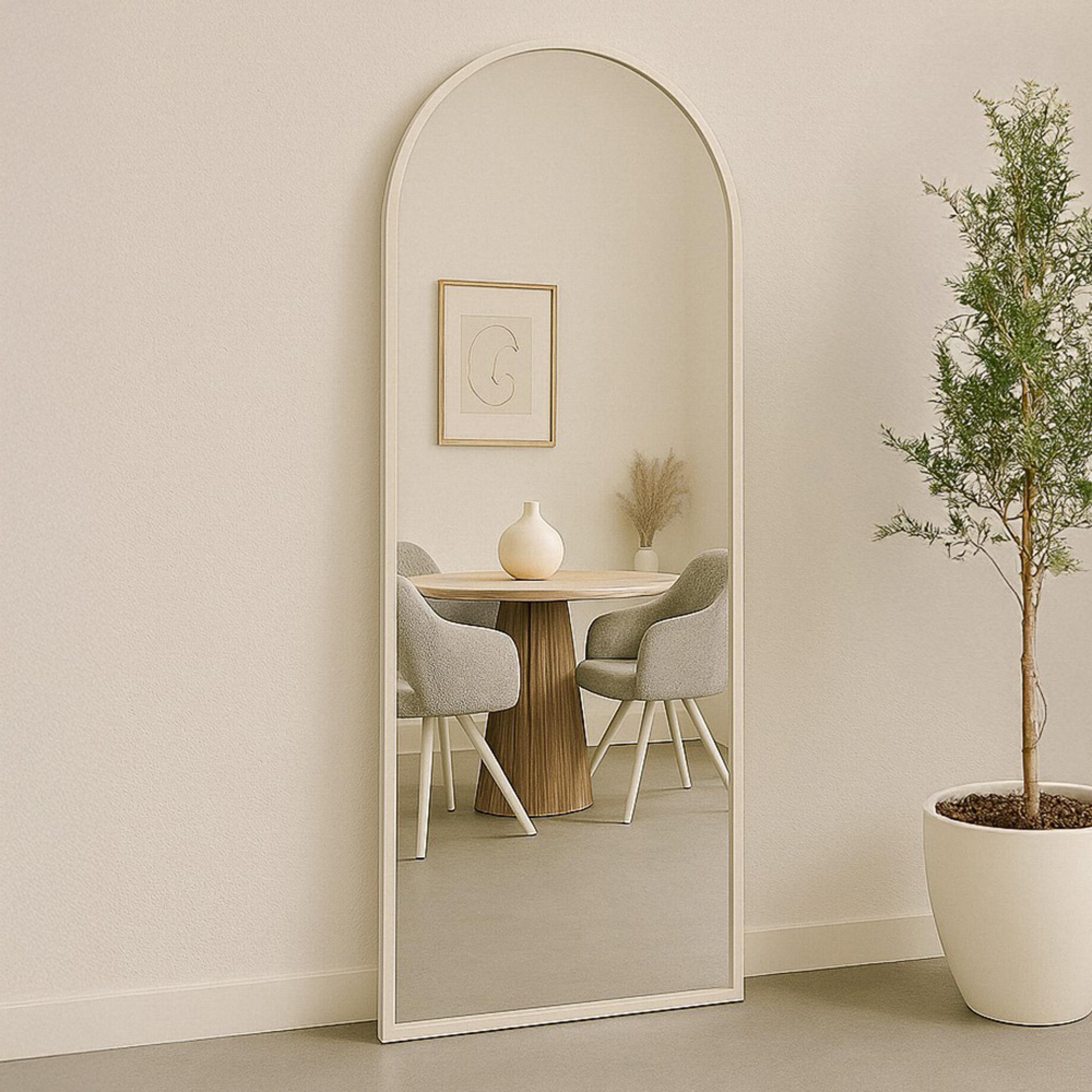
An arch mirror has a rounded top, giving it a softer, more decorative silhouette than a straight-edged rectangle. This style tends to suit hallways or bedrooms wanting a bit more visual interest than a plain shape. It works well as either a statement piece or a smaller accent mirror.

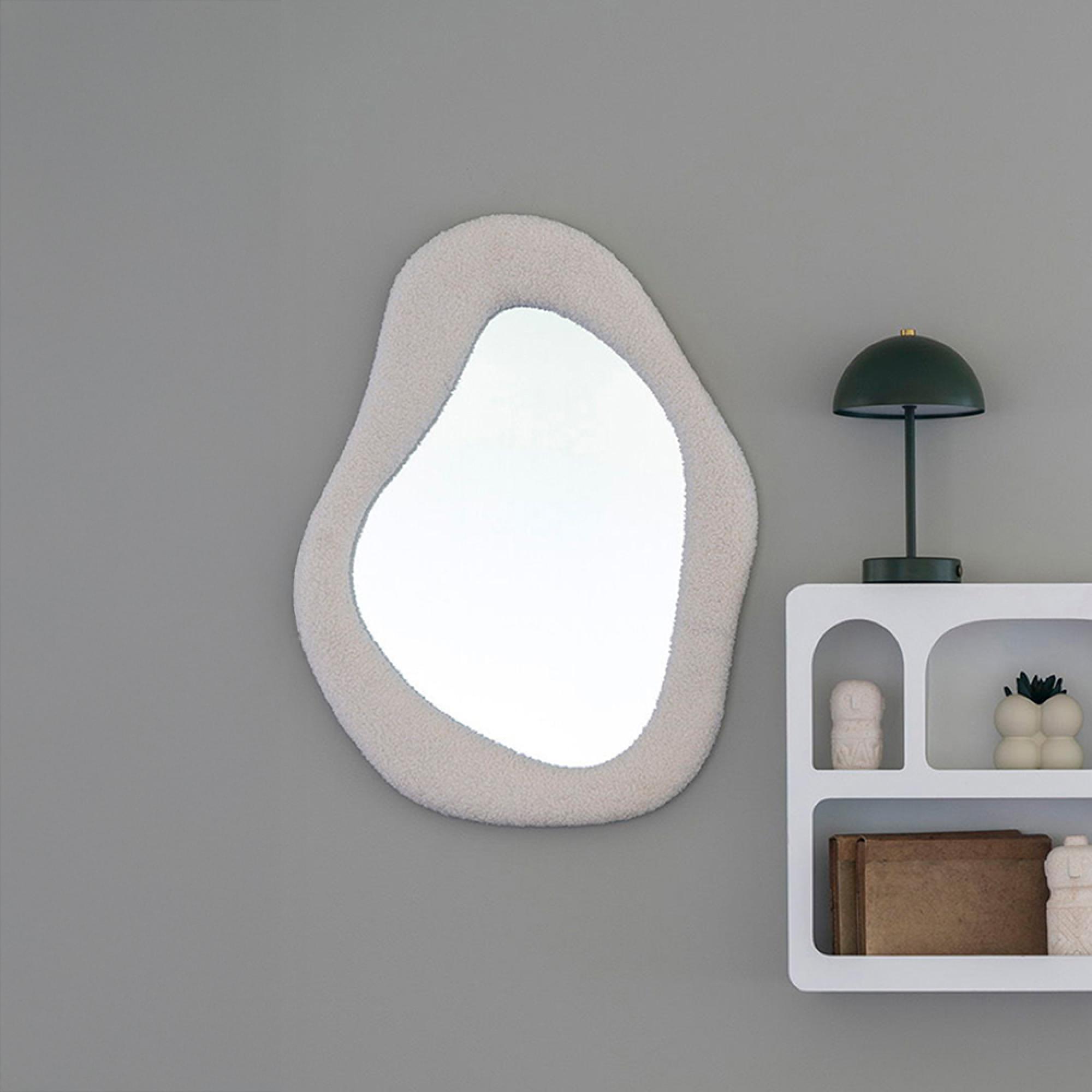
An abstract mirror typically has an irregular or artistic shape, rather than a standard round, square or rectangle outline. This makes it more of a decorative feature in its own right, beyond just its reflective function. It suits contemporary rooms wanting a distinctive, statement piece on the wall.

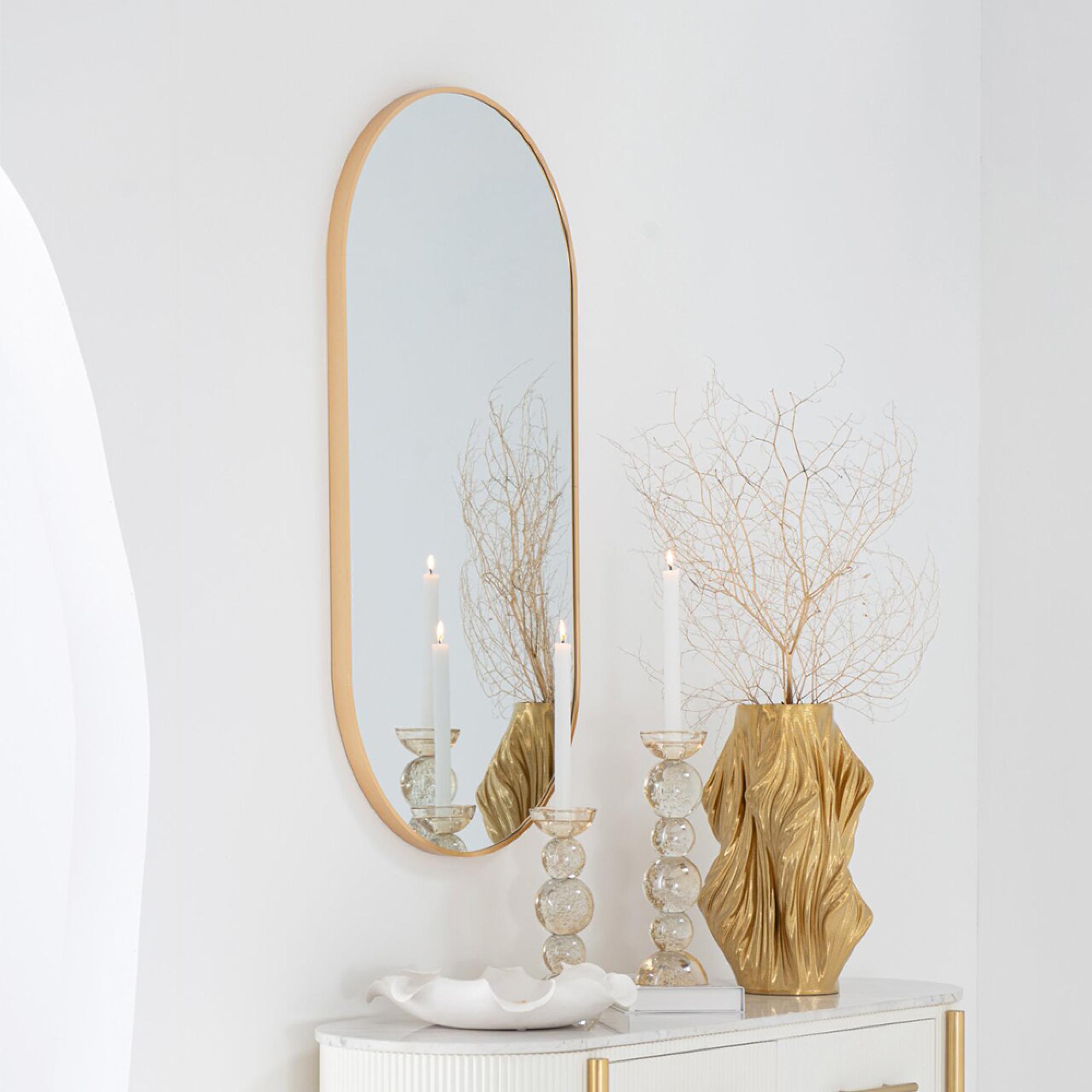
Wood and mango wood frames bring a warmer, more natural texture to a mirror, often with visible grain that varies from piece to piece. Metal frames tend to offer a sleeker, more contemporary look with a slimmer profile. Neither is more durable than the other when well made; the choice mostly comes down to style.

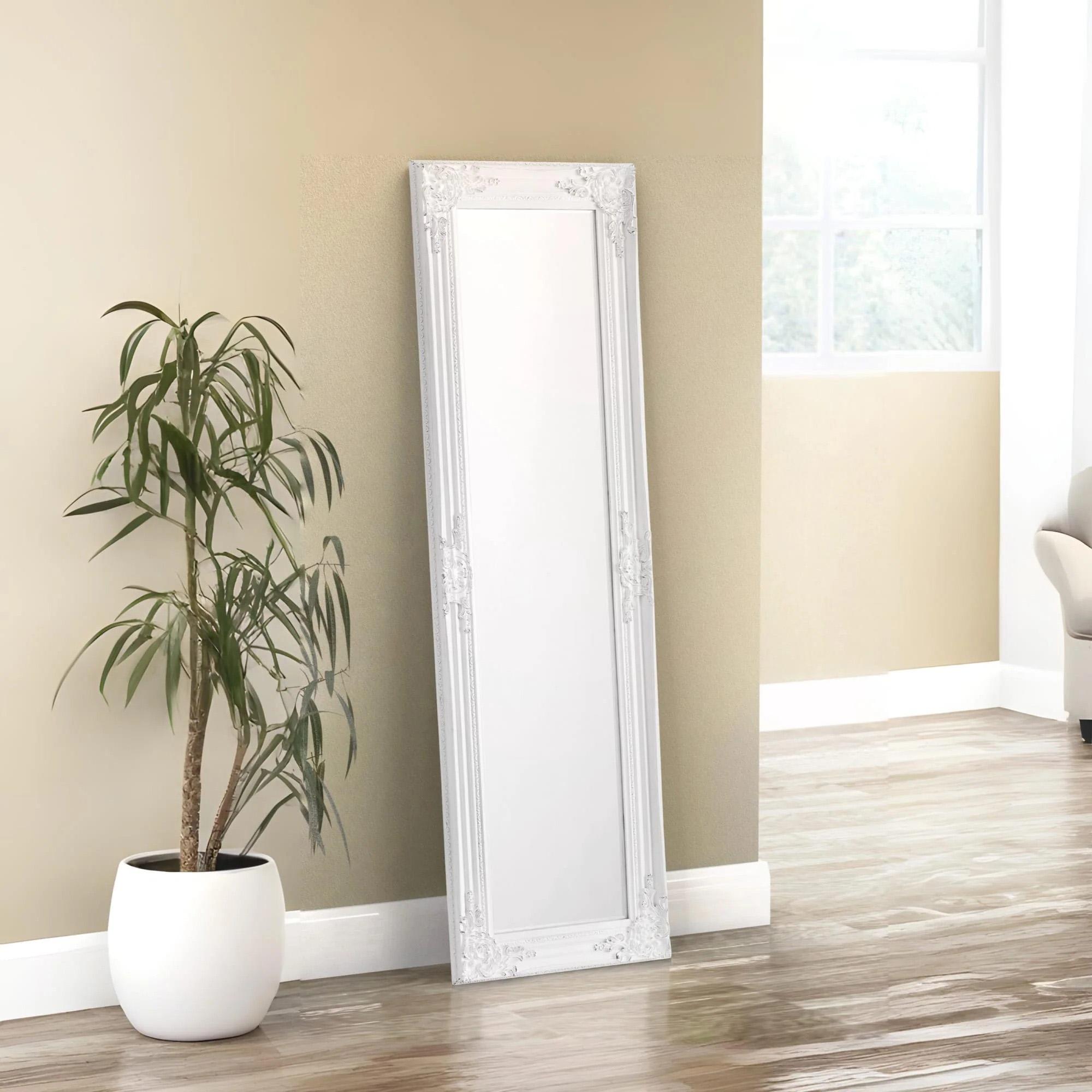
French style mirrors typically have curved edges, carved detailing and a more ornate frame, giving them a softer, more traditional character than a plain painted design. They suit rooms with a classic or romantic feel rather than a minimal one. The white finish keeps the look bright despite the added detailing.

Yes, painted frames generally just need a soft, dry cloth to keep them looking clean, since the glass itself is the main surface that collects marks or dust. Avoiding harsh or abrasive cleaners on the frame helps protect the paintwork over time. The glass can be cleaned with a standard glass cleaner as needed.

A large mirror generally works best as a statement piece, since it fills more wall space and reflects more light back into the room. Rectangle and full length shapes in particular suit larger statement placements above a bed, sofa or console table. Measuring the wall space available helps confirm the right size before ordering.

A full length mirror reflects light and the surrounding space back into the room, which can create the impression of a larger area than the actual floor space allows. This works particularly well in smaller bedrooms or hallways where natural light is limited. Positioning it opposite a window tends to maximise this effect.

Yes, the reflective surface itself is glass in all designs, with the white finish applying to the surrounding frame rather than the mirror itself. Frame material can vary between wood, mango wood or metal, but the glass component stays consistent across the range. This means the reflective quality is generally similar regardless of frame choice.

Larger mirrors need secure wall fixings rated for the mirror's weight, ideally fitted into a wall stud or with appropriate wall anchors for plasterboard. It's worth checking the fixing type included with the mirror before deciding on a wall. Our team can offer guidance on this if you're unsure what your wall can support.

Mirrors marked as in stock can usually be delivered immediately, without the longer lead times some made-to-order pieces involve. Delivery across the UK is free, so faster availability doesn't come with an added cost. Exact timescales are confirmed at checkout once your postcode's entered.

Yes, 0% finance is available on qualifying orders, letting you spread the cost rather than paying everything upfront. It's a straightforward option to select at checkout. Our team can talk you through eligibility if you're unsure.

Yes, you're welcome to visit our store in Leicester to see the wood, metal or painted finishes in person before deciding. This is useful since frame colour and texture can look slightly different in photos. Our team can also help with sizing questions in store.
Top