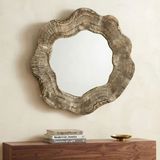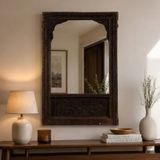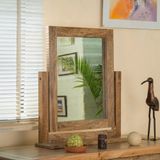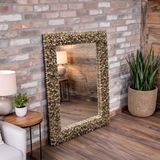
Free Delivery All Over UK*
close
Top products
SHOW ALL PRODUCTS

Antique Mirrors

Found 7 Items

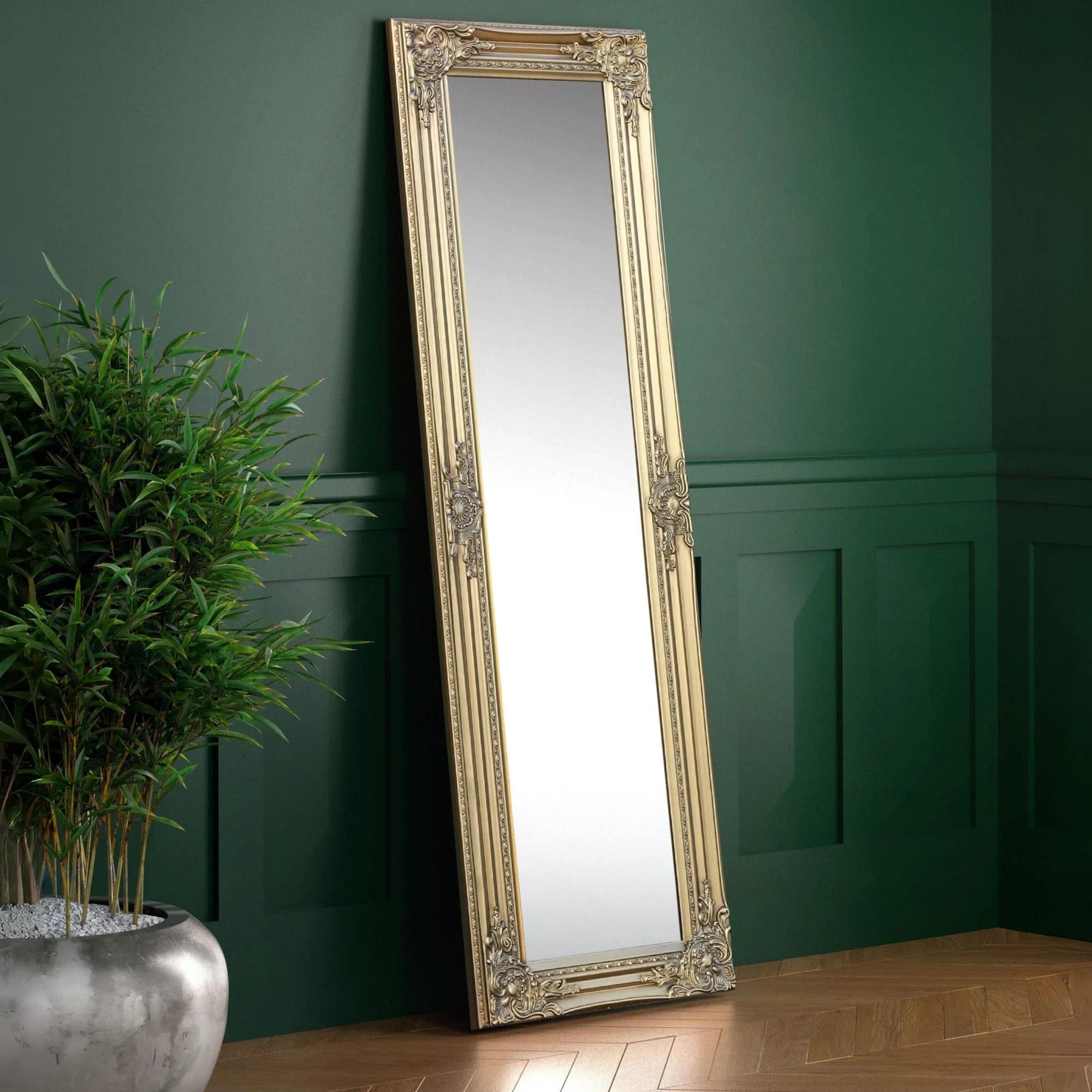
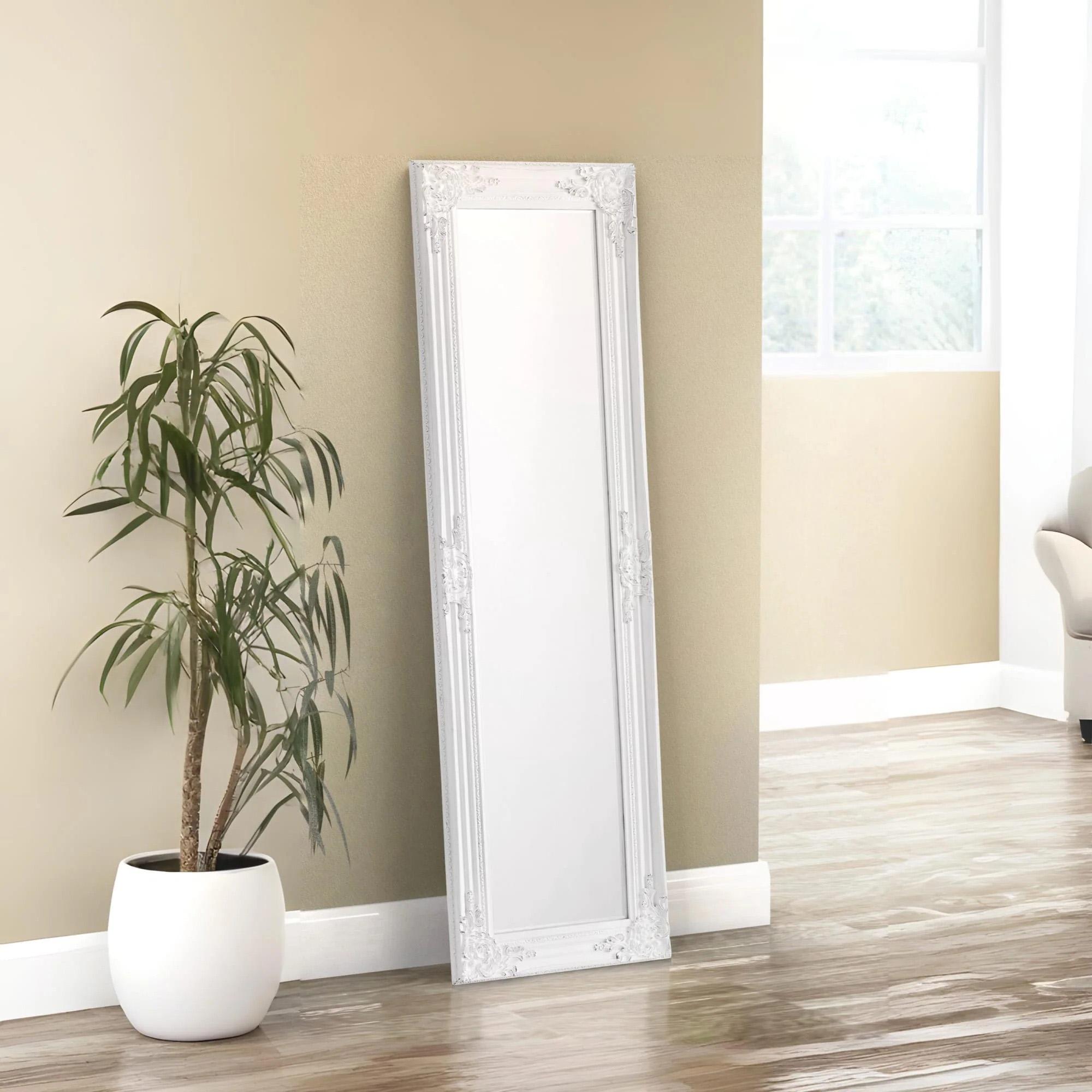
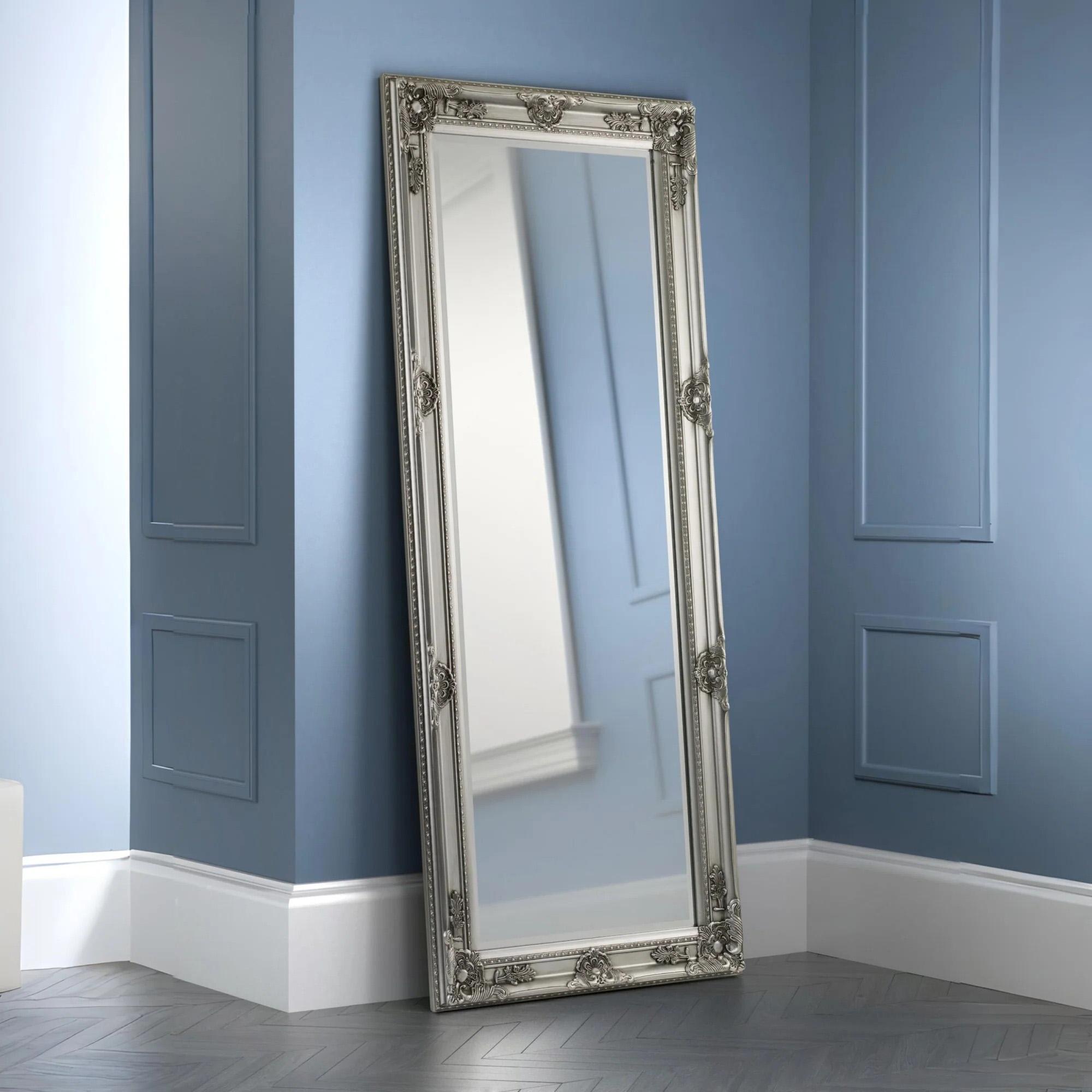
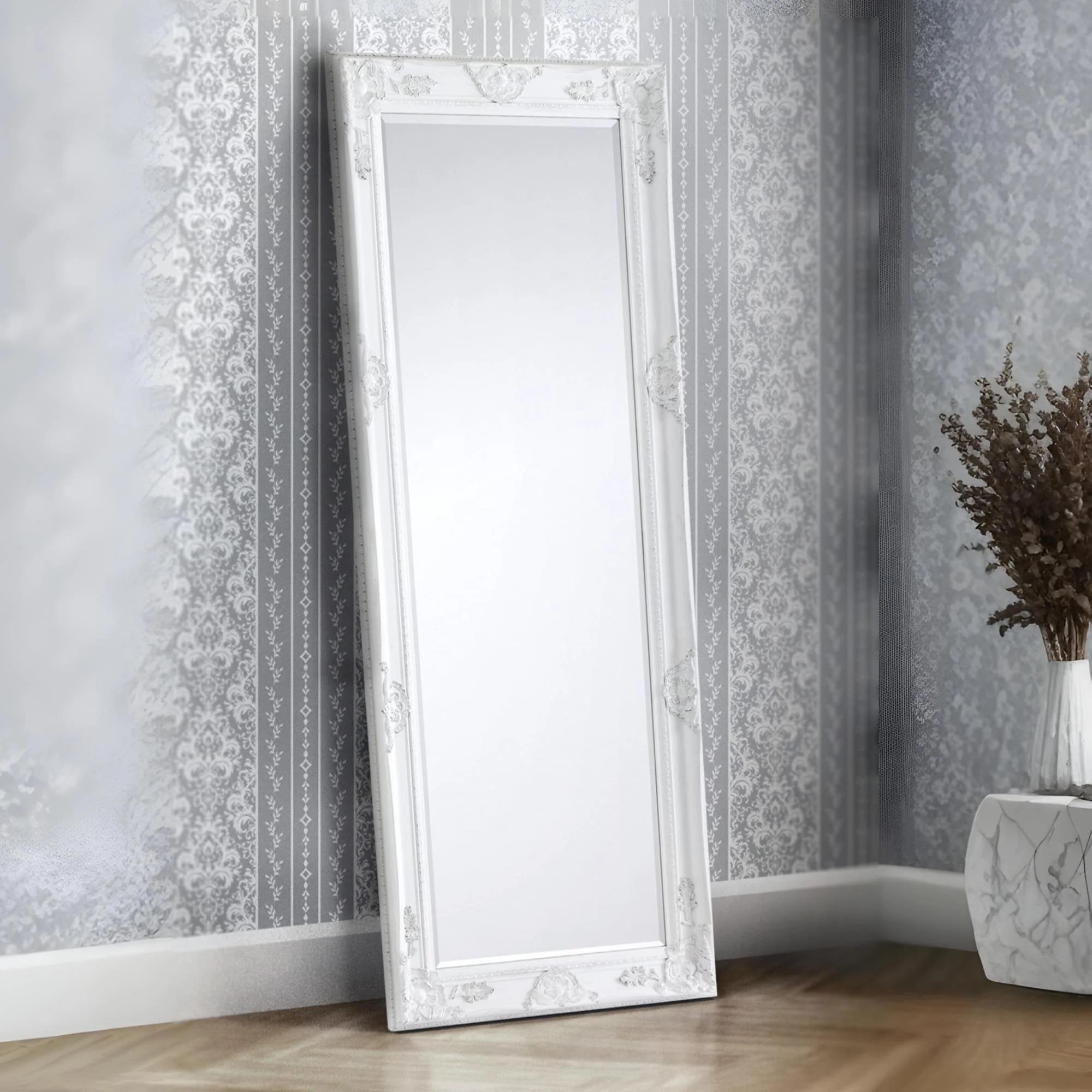
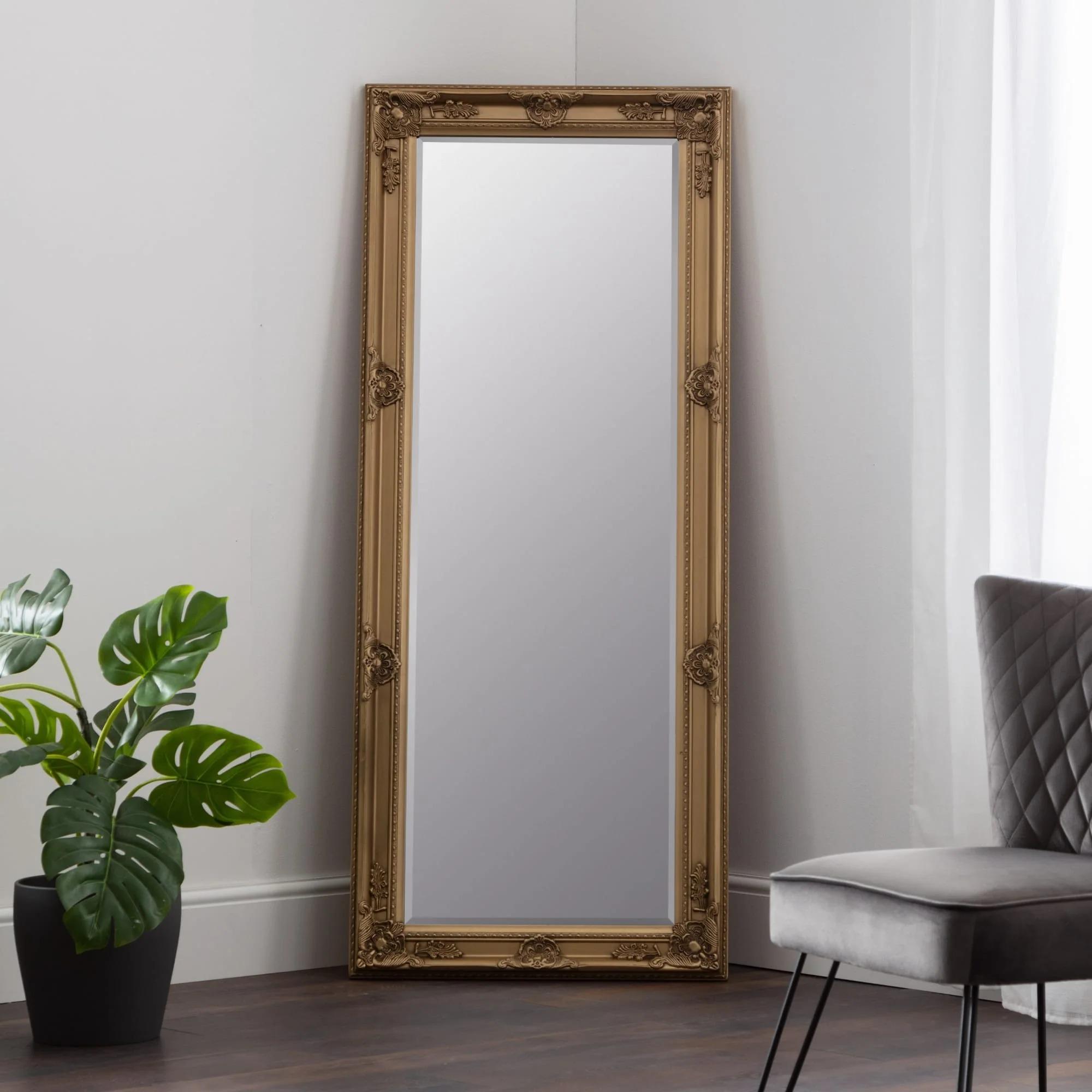
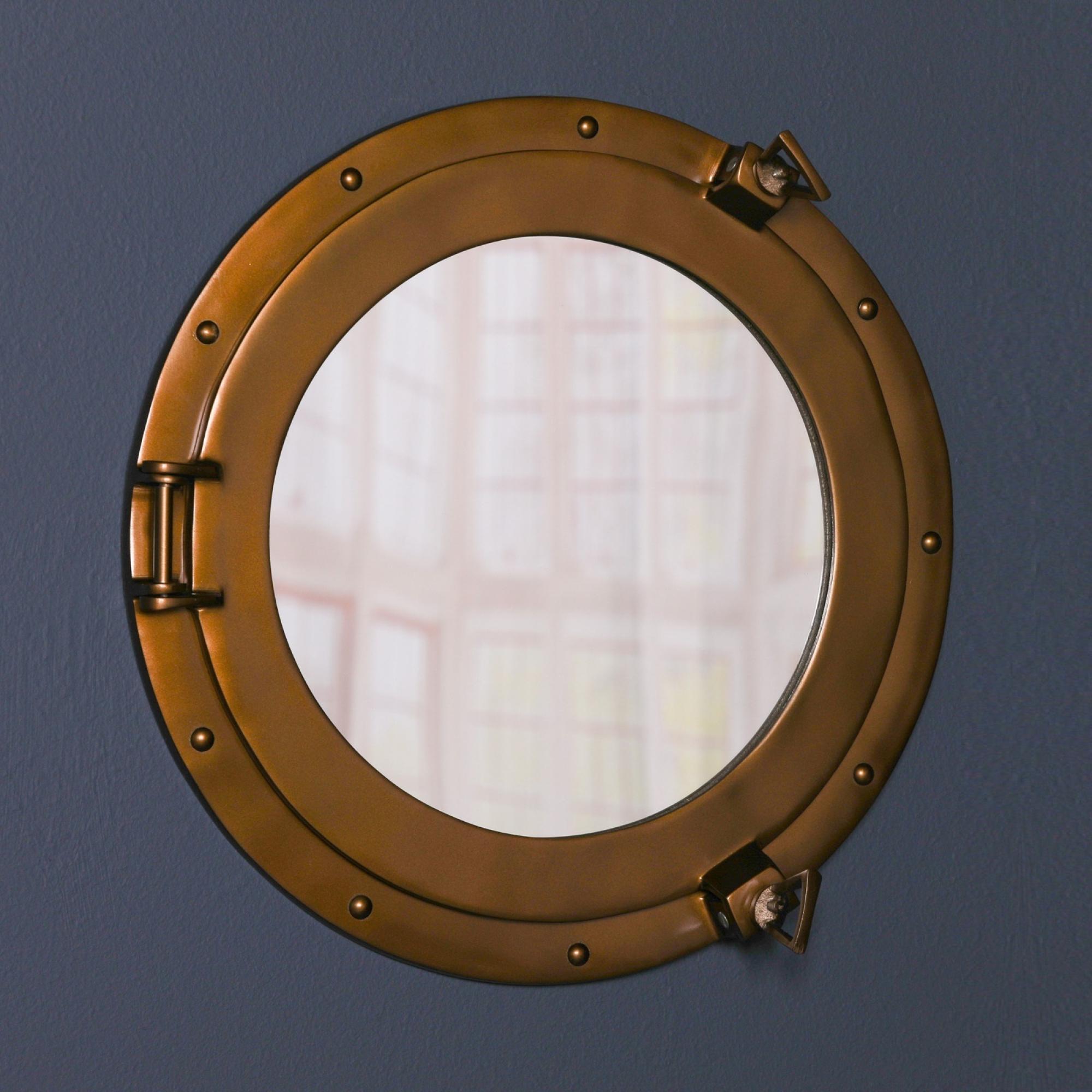
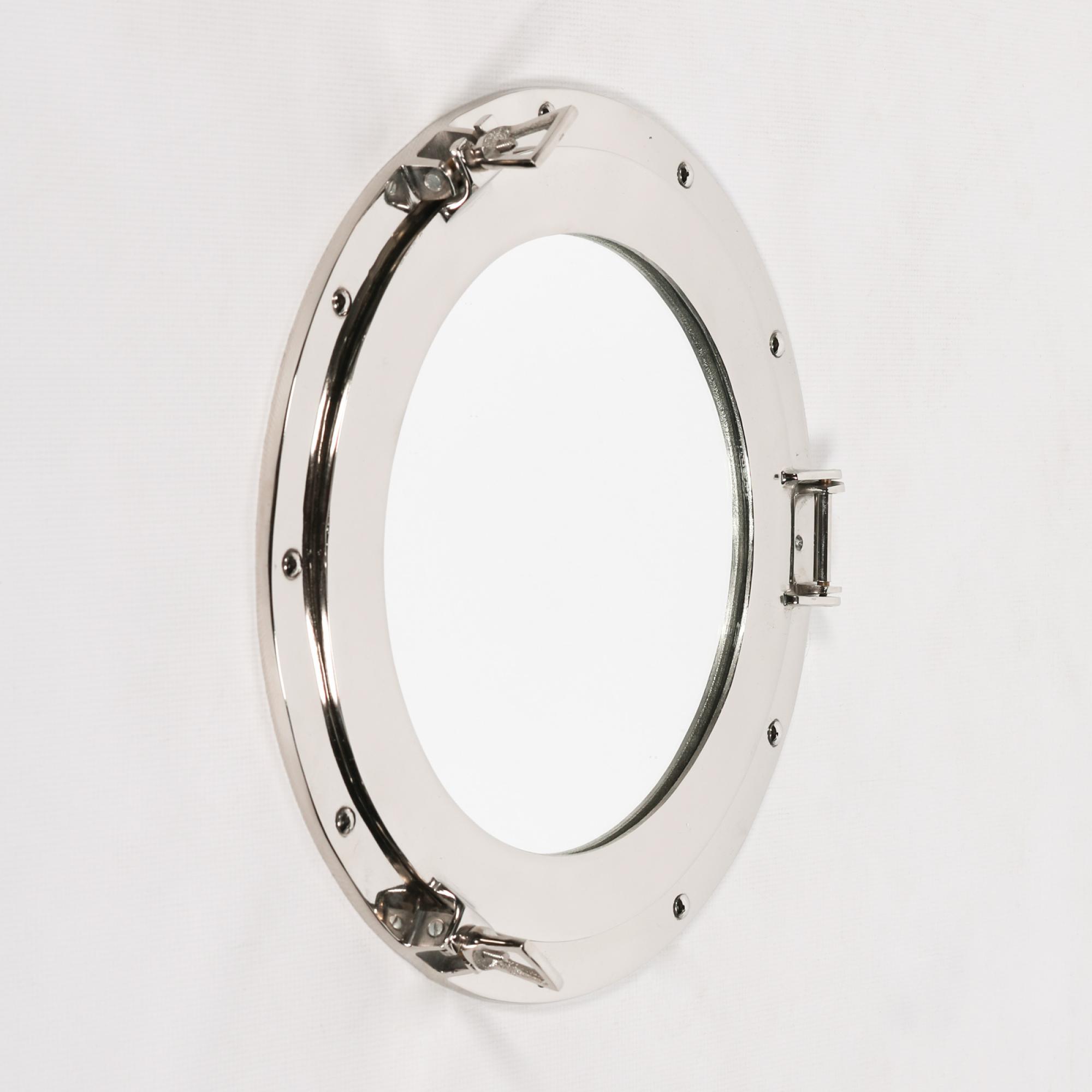
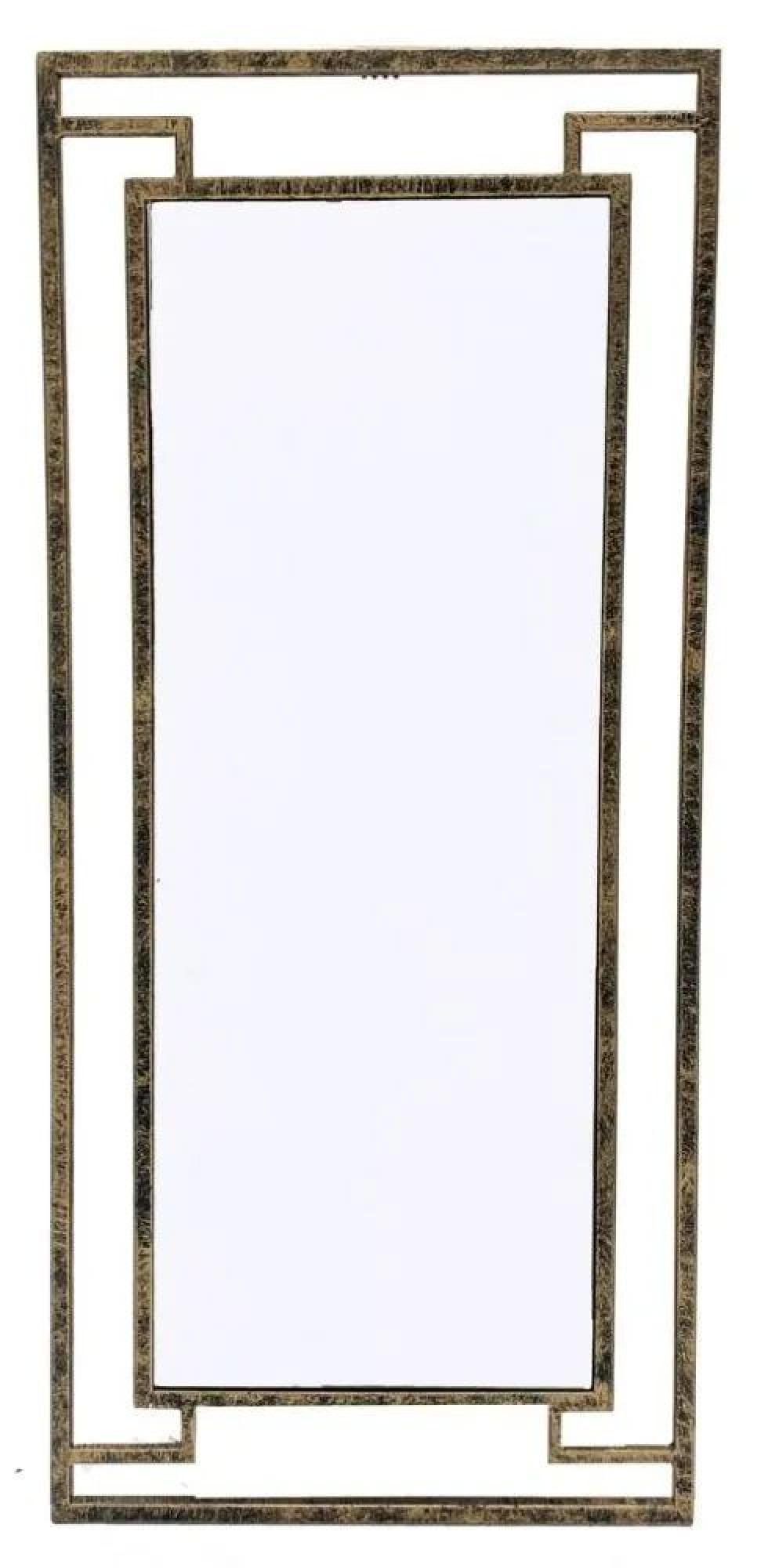
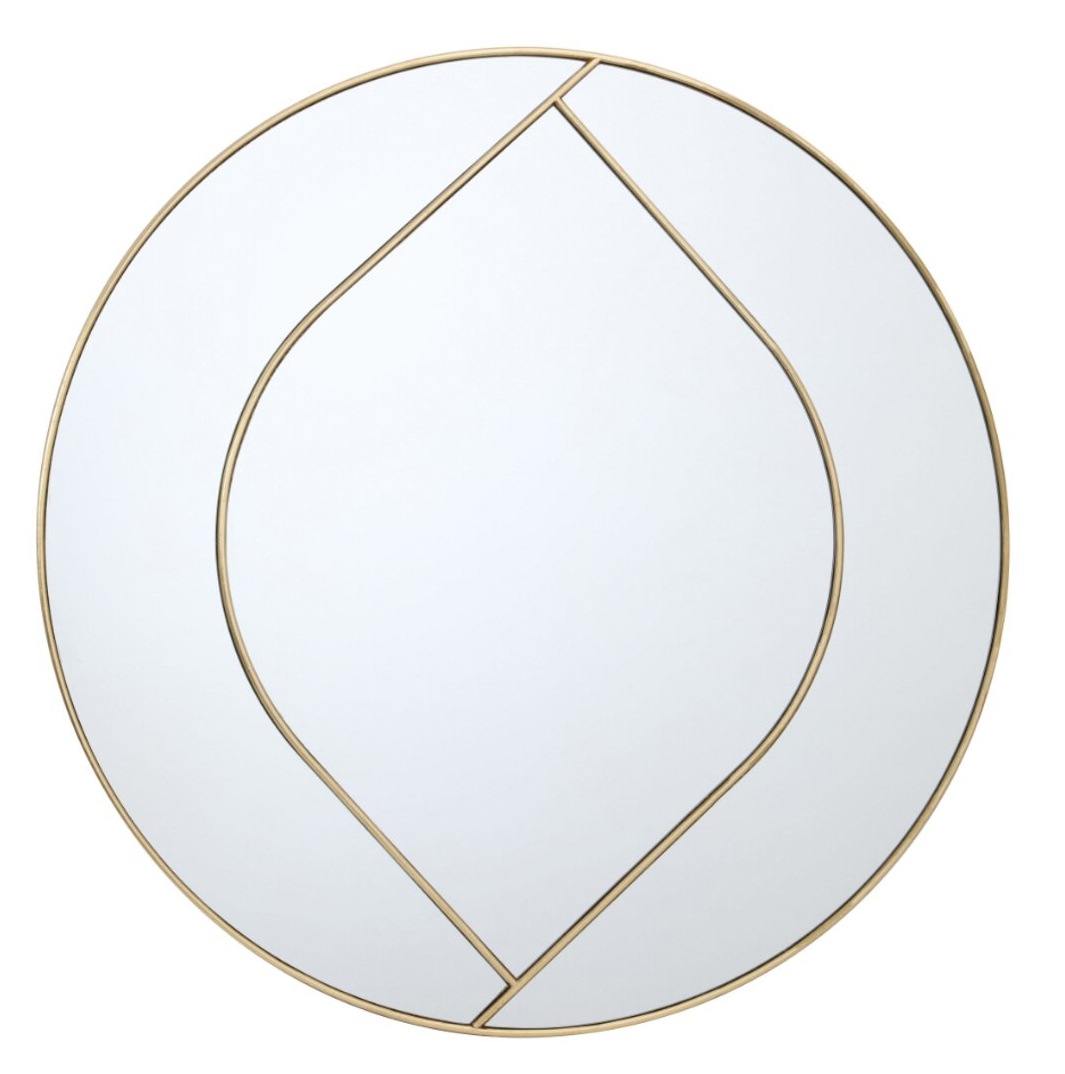
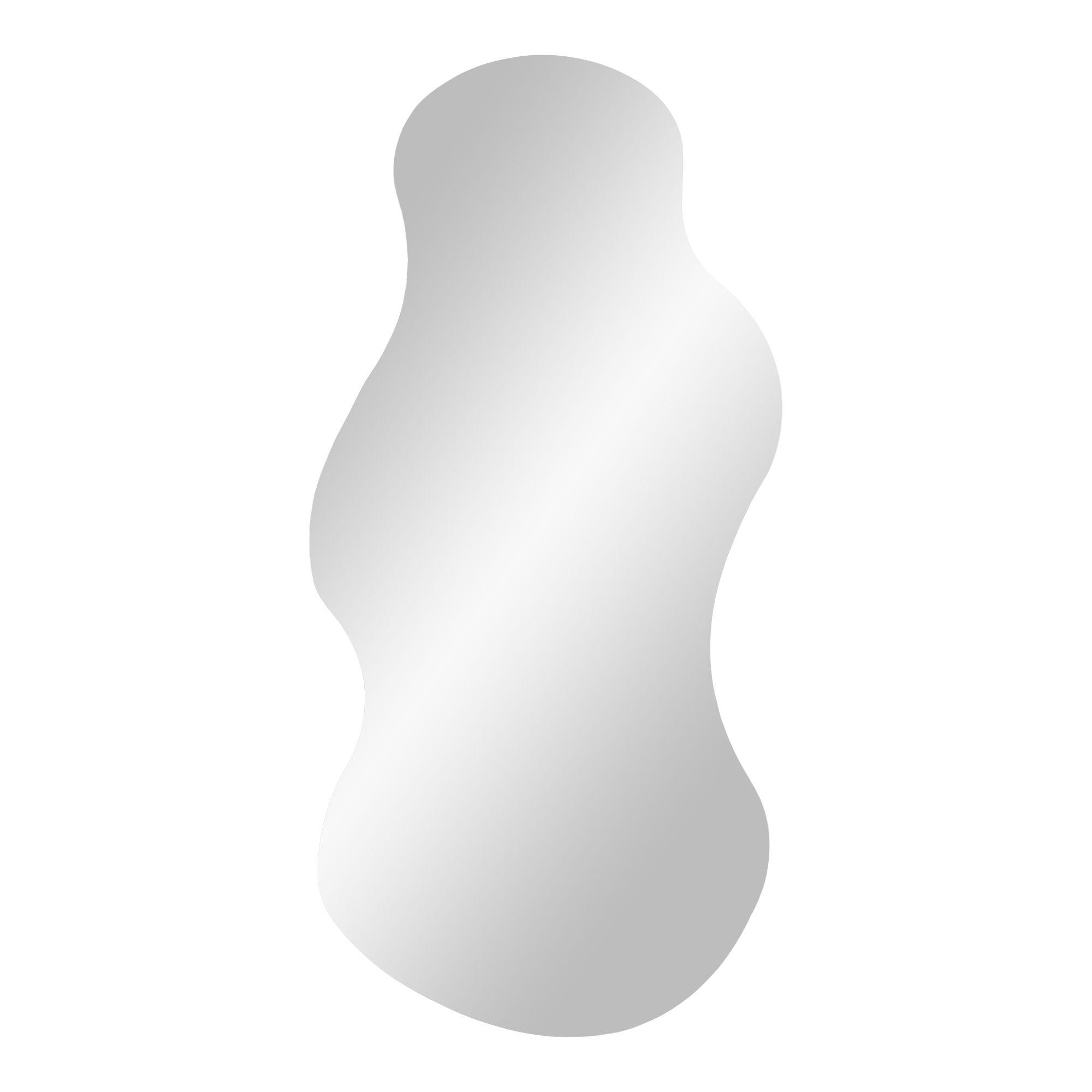
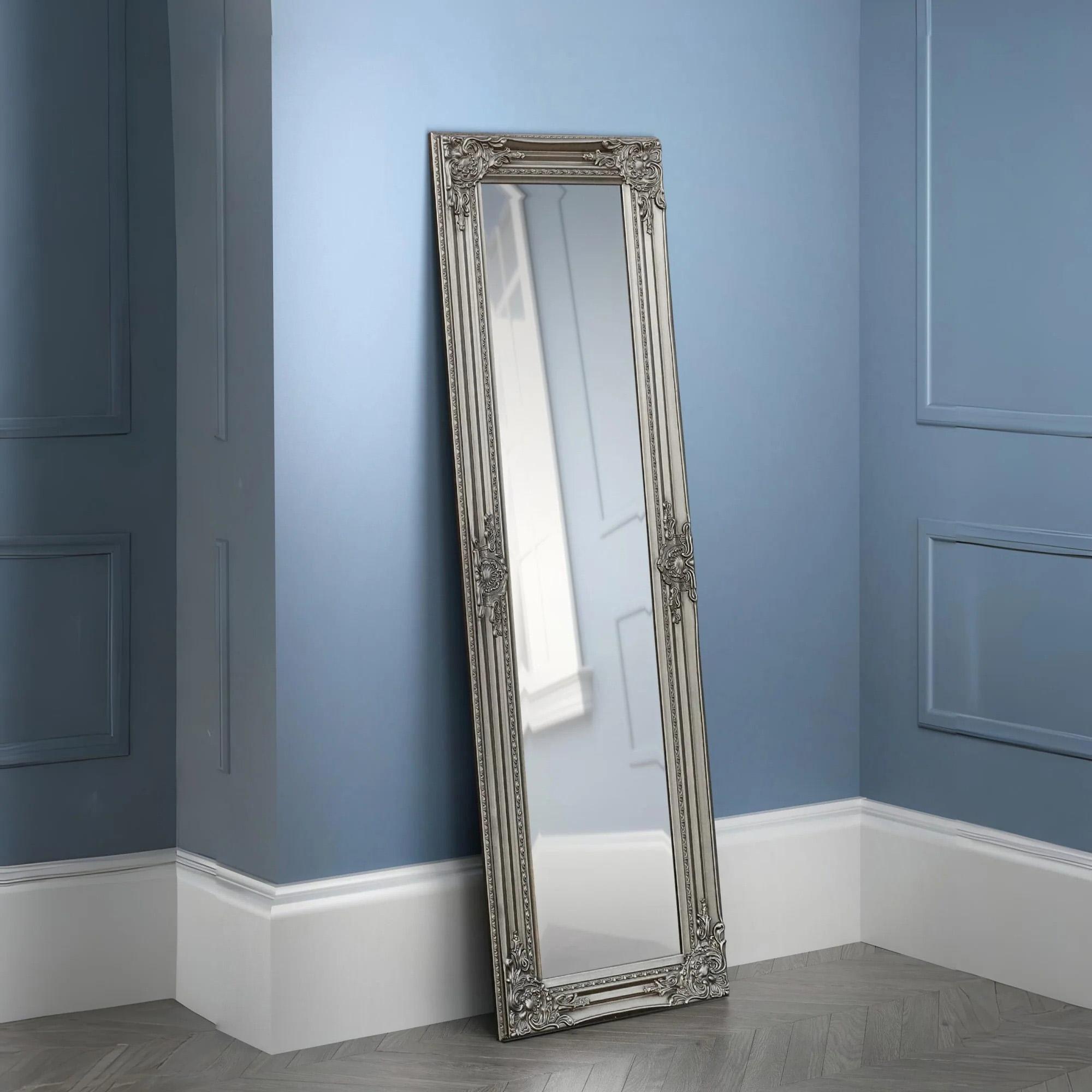
Use the Antique Mirrors category to compare choices that provide a useful reflection while helping light move around the room. Compare shape, frame material, mounting orientation, overall scale and fixing requirements to identify the right balance of appearance and function. Position the mirror to reflect useful light or a considered view rather than visual clutter. Check each product page for exact dimensions, construction, finish, assembly and care information before making a final choice.
Read more X Close

Price

Shape

Material

Finish

Colour

  • Grey
  • Yellow

Choosing Antique Mirrors

This category focuses on Antique Mirrors that can provide a useful reflection while helping light move around the room. Start with the room layout and daily use, then compare shape, frame material, mounting orientation, overall scale and fixing requirements. Function and visual balance both matter, so compare the complete specification rather than choosing on appearance alone. This keeps the decision focused on practical suitability as well as style.

Plan the space before choosing

Position the mirror to reflect useful light or a considered view rather than visual clutter. Record the available width, depth and height, including clearance for doors, drawers, reclining parts or extensions where relevant. Account for skirting boards, radiators, sockets and walking routes, then check the access route through doors, halls and stairs.

For adjacent choices, explore Living Room Mirrors, Oak Mirrors and Painted Mirrors. Use these comparisons alongside the specifications on each product page.

Antique Mirrors for considered interiors

The Antique Mirrors category focuses on choices intended to provide a useful reflection while helping light move around the room. A suitable option should respond to the room's proportions, surrounding furniture and practical demands of everyday use. Use the category wording as a starting point, then verify the exact material, finish and features shown on each product page.

Material, finish and construction

When comparing mirrors, look closely at shape, frame material, mounting orientation, overall scale and fixing requirements. Materials influence appearance, weight and maintenance, while finish affects colour coordination and day-to-day care. Use the written specification to confirm construction and care requirements.

Function and room planning

Position the mirror to reflect useful light or a considered view rather than visual clutter. Mark out the footprint and consider how people move around it. Where a product opens, extends, swivels or reclines, include that working clearance. For storage, seating or sleeping products, match the layout, support and capacity to the needs of regular users.

Creating a coordinated result

Build the room around a clear relationship between scale, colour and material. Matching every finish is not essential, but repeating one or two elements can connect separate pieces. You can also compare Living Room Mirrors, Oak Mirrors and Painted Mirrors for closely related room and product choices. Use the individual listing to confirm dimensions, included components, assembly and suitability.
Read more X Close

FAQs on Antique Mirrors

What size antique mirror should I buy for my hallway?

For hallways, choose mirrors between 60–90cm wide to avoid overwhelming narrow spaces. Position at eye level (150–160cm from floor). In wider hallways, 120cm+ mirrors work well opposite windows to reflect light and create depth without dominating the entrance.

Hang antique mirrors opposite windows or light sources to maximise natural light reflection. Above a dressing table or chest of drawers works functionally. Avoid positioning directly opposite the bed. Leave 15–20cm clearance from adjacent furniture for visual balance and safety.

Most antique mirrors include fixings, but heavier pieces (over 15kg) require heavy-duty wall anchors suited to your wall type—plasterboard, brick or tile. Always use a stud finder for solid mounting. Professional fitting is recommended for mirrors over 150cm or weights exceeding 20kg.

Antique mirrors feature ornate wooden or metal frames with aged glass patina, adding character and warmth. Contemporary mirrors have clean lines and modern finishes. Antique styles suit traditional, maximalist and eclectic interiors; contemporary mirrors work better in minimalist and industrial spaces.

Use a soft, lint-free cloth with diluted white vinegar or specialist mirror cleaner. Avoid excess moisture near the frame edges where water can damage backing. Never use abrasive materials or ammonia-based products. Polish gently to preserve the aged glass patina that defines authentic antique character.

Yes, but choose carefully—moisture damages wooden frames and aged glass backing over time. Opt for sealed wood frames or metal finishes. Ensure good bathroom ventilation to prevent condensation. Position away from direct shower spray. Apply a protective sealant to frame edges for longevity.

Measure wall width and height in centimetres. The mirror should occupy 50–75% of wall space to avoid looking lost. Note ceiling height—tall mirrors work better in rooms over 2.7m. Check doorway and stairwell dimensions if delivery requires manoeuvring. Allow 5cm clearance from adjacent furniture.

Antique mirrors offer lasting value—quality frames resist trends and improve with age. Authentic pieces appreciate over time. They cost more initially than mass-produced mirrors but deliver superior craftsmanship, visual impact and durability. Consider cost-per-year over a 10+ year lifespan for perspective.

Standard delivery takes 3–7 working days with free UK shipping on all orders. Mirrors arrive fully packaged to prevent transit damage. Delivery times vary by postcode—Scottish Highlands and remote areas may take 7–10 days. Expedited options available at checkout.

Antique mirrors suit warm neutrals (cream, taupe, soft grey) and jewel tones (forest green, navy, burgundy). Gold or bronze frames complement warm walls; silver frames suit cool greys and blues. Test paint samples against your frame finish before committing. Patterned wallpaper risks visual clash with ornate frames.
Top