
Free Delivery All Over UK*
close
Top products
SHOW ALL PRODUCTS

Indian Dining Benches

Found 6 Items

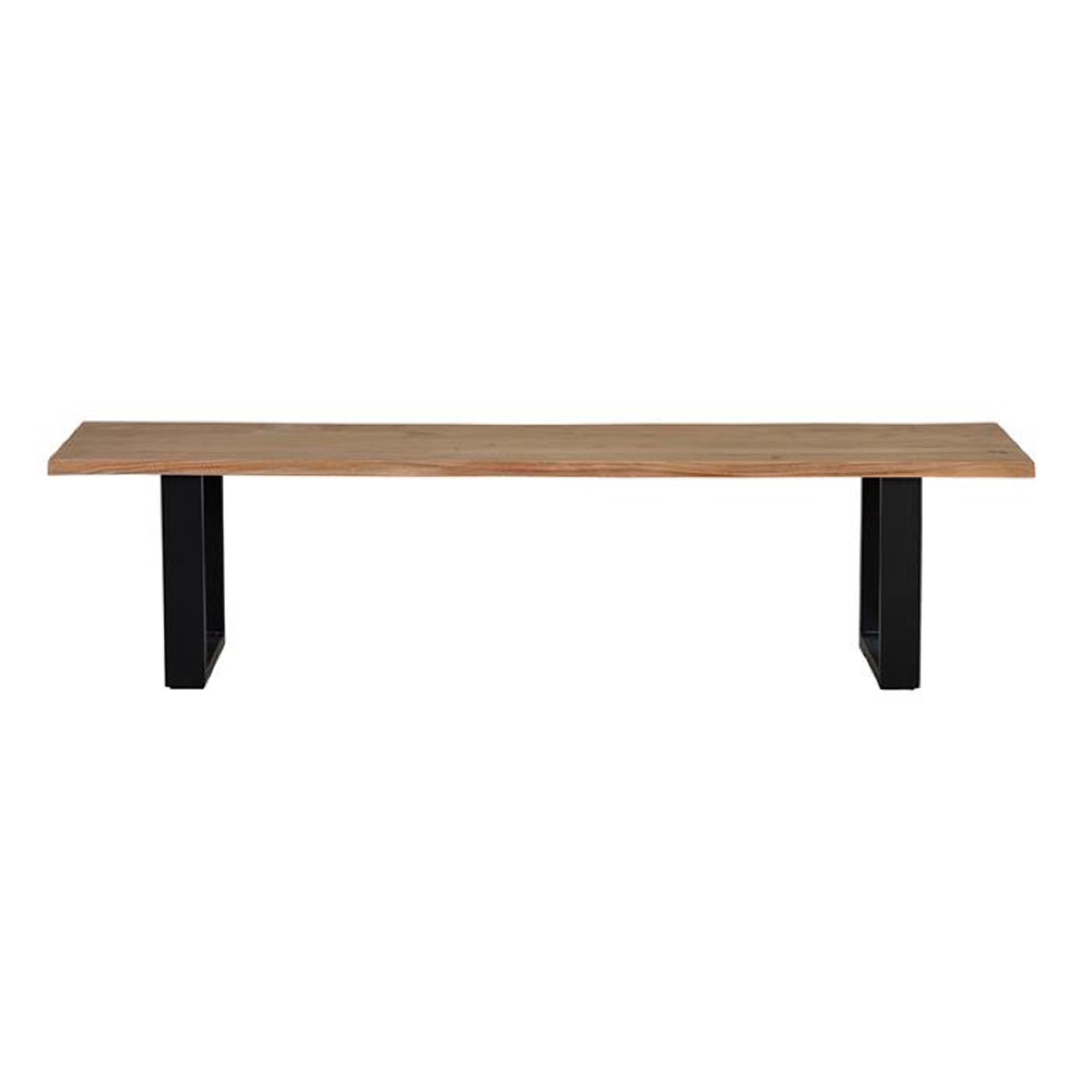
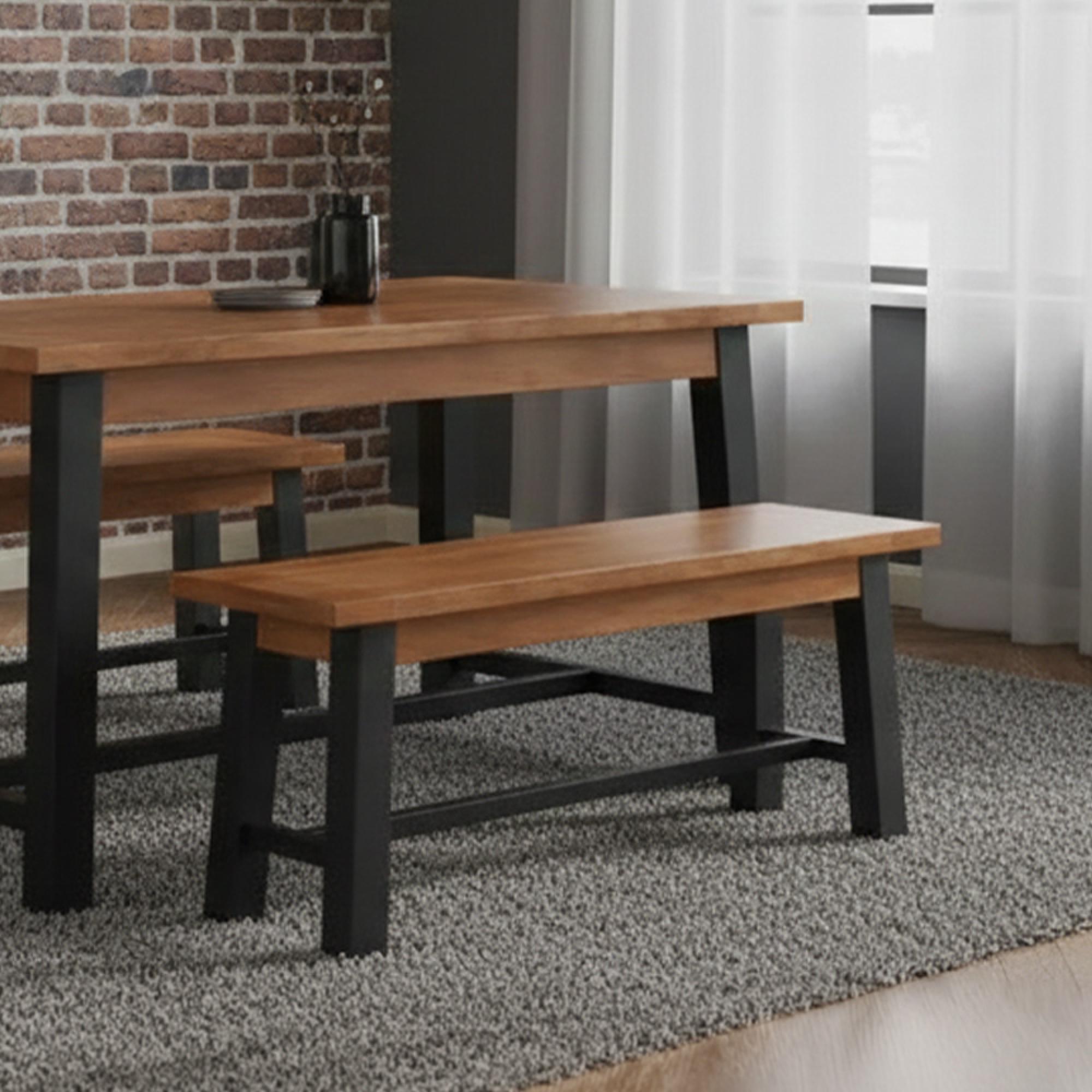
Explore Indian Dining Benches designed to add flexible seating that can keep a dining arrangement visually open. Compare seat length, upholstery, back support, leg position and compatibility with the table to identify the right balance of appearance and function. Match bench length to the usable space between the table legs. Check each product page for exact dimensions, construction, finish, assembly and care information before making a final choice.
Read more X Close

Popular Categories

Price

Material

Choosing Indian Dining Benches

This category focuses on Indian Dining Benches that can add flexible seating that can keep a dining arrangement visually open. Start with the room layout and daily use, then compare seat length, upholstery, back support, leg position and compatibility with the table. Function and visual balance both matter, so compare the complete specification rather than choosing on appearance alone. This keeps the decision focused on practical suitability as well as style.

Plan the space before choosing

Match bench length to the usable space between the table legs. Record the available width, depth and height, including clearance for doors, drawers, reclining parts or extensions where relevant. Account for skirting boards, radiators, sockets and walking routes, then check the access route through doors, halls and stairs.

For adjacent choices, explore Dining Benches, Oak Dining Benches and Painted Dining Benches. Use these comparisons alongside the specifications on each product page.

Indian Dining Benches for considered interiors

The Indian Dining Benches category focuses on choices intended to add flexible seating that can keep a dining arrangement visually open. A suitable option should respond to the room's proportions, surrounding furniture and practical demands of everyday use. Use the category wording as a starting point, then verify the exact material, finish and features shown on each product page.

Material, finish and construction

When comparing dining benches, look closely at seat length, upholstery, back support, leg position and compatibility with the table. Materials influence appearance, weight and maintenance, while finish affects colour coordination and day-to-day care. Use the written specification to confirm construction and care requirements.

Function and room planning

Match bench length to the usable space between the table legs. Mark out the footprint and consider how people move around it. Where a product opens, extends, swivels or reclines, include that working clearance. For storage, seating or sleeping products, match the layout, support and capacity to the needs of regular users.

Creating a coordinated result

Build the room around a clear relationship between scale, colour and material. Matching every finish is not essential, but repeating one or two elements can connect separate pieces. You can also compare Dining Benches, Oak Dining Benches and Painted Dining Benches for closely related room and product choices. Use the individual listing to confirm dimensions, included components, assembly and suitability.

Read more X Close

FAQs on Indian Dining Benches

What should I look for when buying an Indian dining bench?

Prioritise solid wood construction like mango or Sheesham for durability. Check seat height matches your table (typically 30–35cm). Consider cushioning for comfort during longer meals, and verify length accommodates your household. Inspect joints and carving detail for quality craftsmanship.

Benches seat multiple people in one piece, maximising space efficiency, whereas chairs provide individual seating. Benches create a more relaxed, casual dining atmosphere and are often more affordable per person. Theyre ideal if you frequently host larger groups.

Sheesham wood is denser, darker, and more durable, lasting longer with minimal maintenance. Mango wood is lighter in colour, slightly softer, and more affordable whilst still sturdy. Both resist warping well. Choose Sheesham for investment pieces; mango for budget-conscious buyers.

Yes, benches are excellent space savers. They tuck neatly under tables when not in use and dont require clearance for chair backs. A 120–150cm bench suits rooms under 3 metres wide. Combine with floating wall shelves to maximise the remaining space.

Measure your table width in centimetres. A bench should be 10–15cm shorter than the table on each side for comfortable leg room. Standard benches range 90–180cm long. Check seat height is 30–35cm below table surface. Always verify dimensions on product listings before ordering.

Layer with coordinating cushions in jewel tones or earth shades to enhance traditional carvings. Pair with a rustic or reclaimed wood table for authenticity. Add a runner rug beneath to define the dining zone. Display low-maintenance plants nearby to echo natural craftsmanship themes.

Dust weekly with a soft, dry cloth. Monthly, use wood conditioning oil along the grain to maintain shine and prevent splitting. Wipe spills immediately to avoid water marks. Avoid prolonged sunlight exposure. Upholstered benches need hoovering and spot-cleaning as needed.

Absolutely. Position benches in entryways for boot storage with cushions, bedrooms as blanket benches, or hallways for seating. Some work well at kitchen islands or desks. Avoid damp areas like conservatories unless the wood is sealed or treated for moisture resistance.

A standard 120cm bench seats two people generously; 150cm seats two to three; 180cm seats three comfortably. Allow 45–60cm per person. Children take less space. Upholstered benches with cushioned backs are more comfortable for longer periods than solid wood versions.

Yes. Benches typically cost less per seating position than buying four to six individual chairs. A quality mango wood bench lasts 10+ years with basic care. Theyre versatile, multifunctional, and add character. Finance options at 0% APR make investment pieces accessible upfront.

Traditional benches feature ornate hand-carved details, dark woods, and turned legs inspired by colonial-era designs. Contemporary versions simplify carving, use lighter finishes, and incorporate sleek lines. Both are durable; choose traditional for statement pieces, contemporary for understated elegance in modern homes.

Warranty terms vary by manufacturer. Most solid wood benches include one to three-year structural cover. Check product details for coverage specifics. Choice Furniture Superstore provides full information on protection plans. Contact our team in-store or online to discuss options before purchase.
Top