Free Delivery All Over UK*
close
Top products
SHOW ALL PRODUCTS

Wooden Dining Benches

Found 50 Items

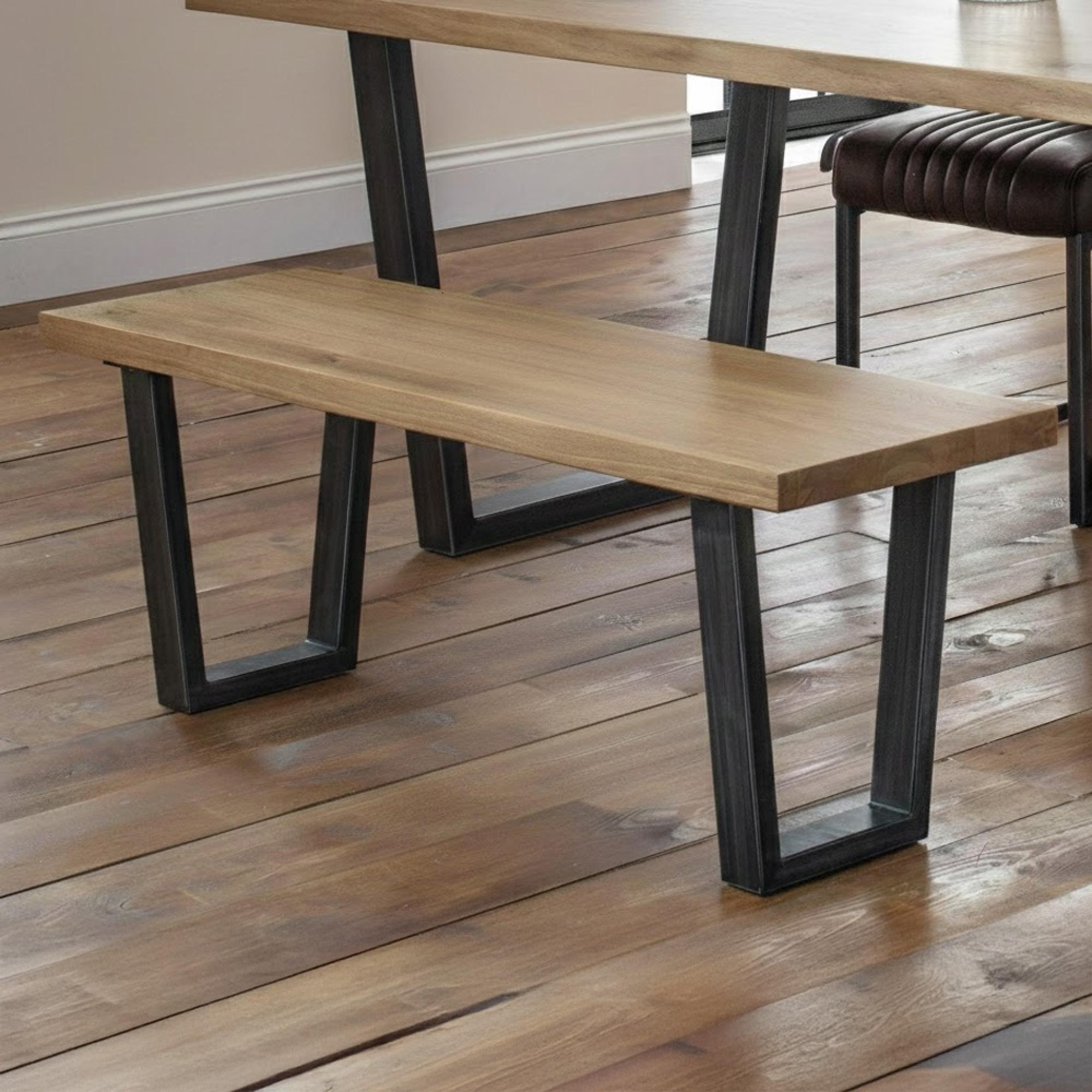
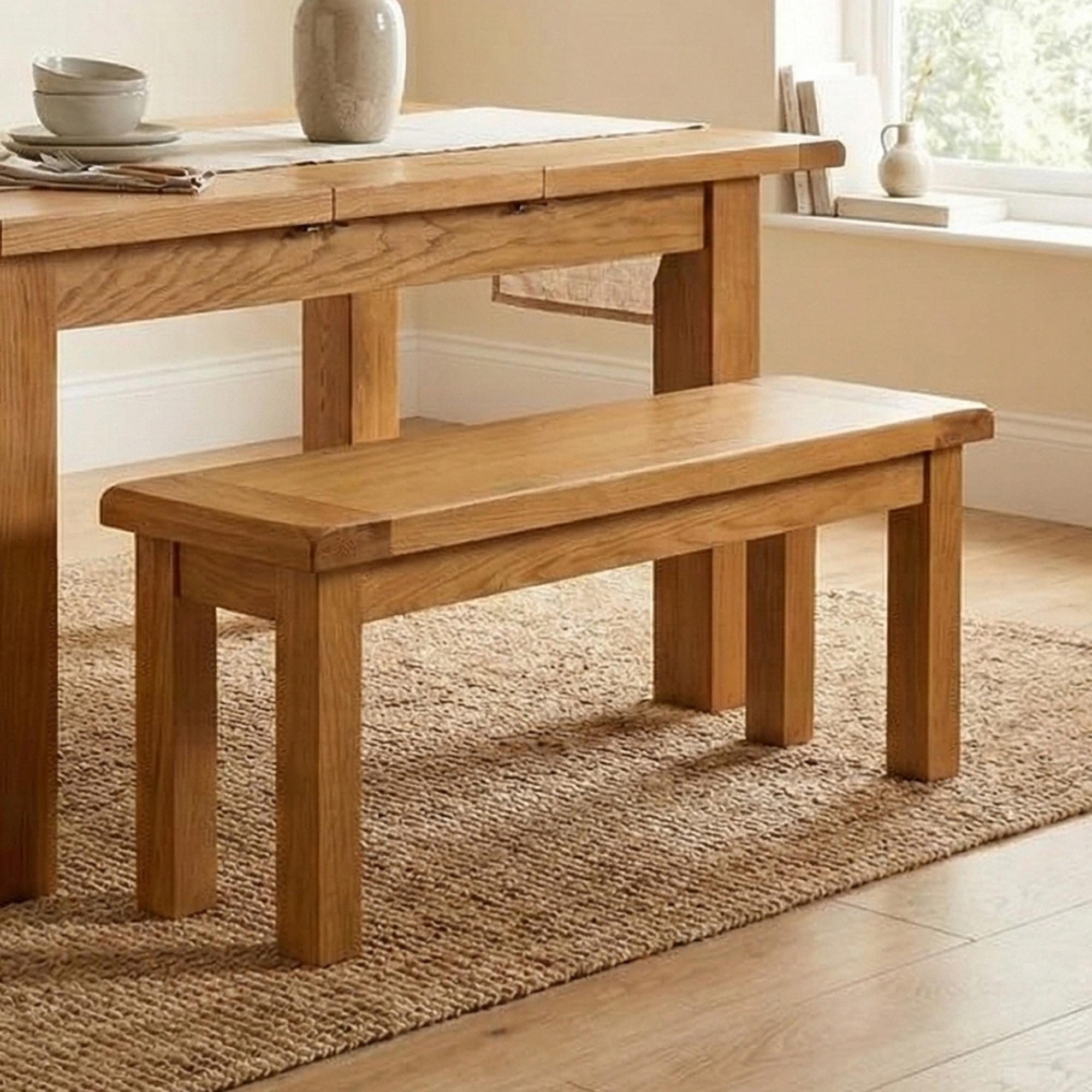
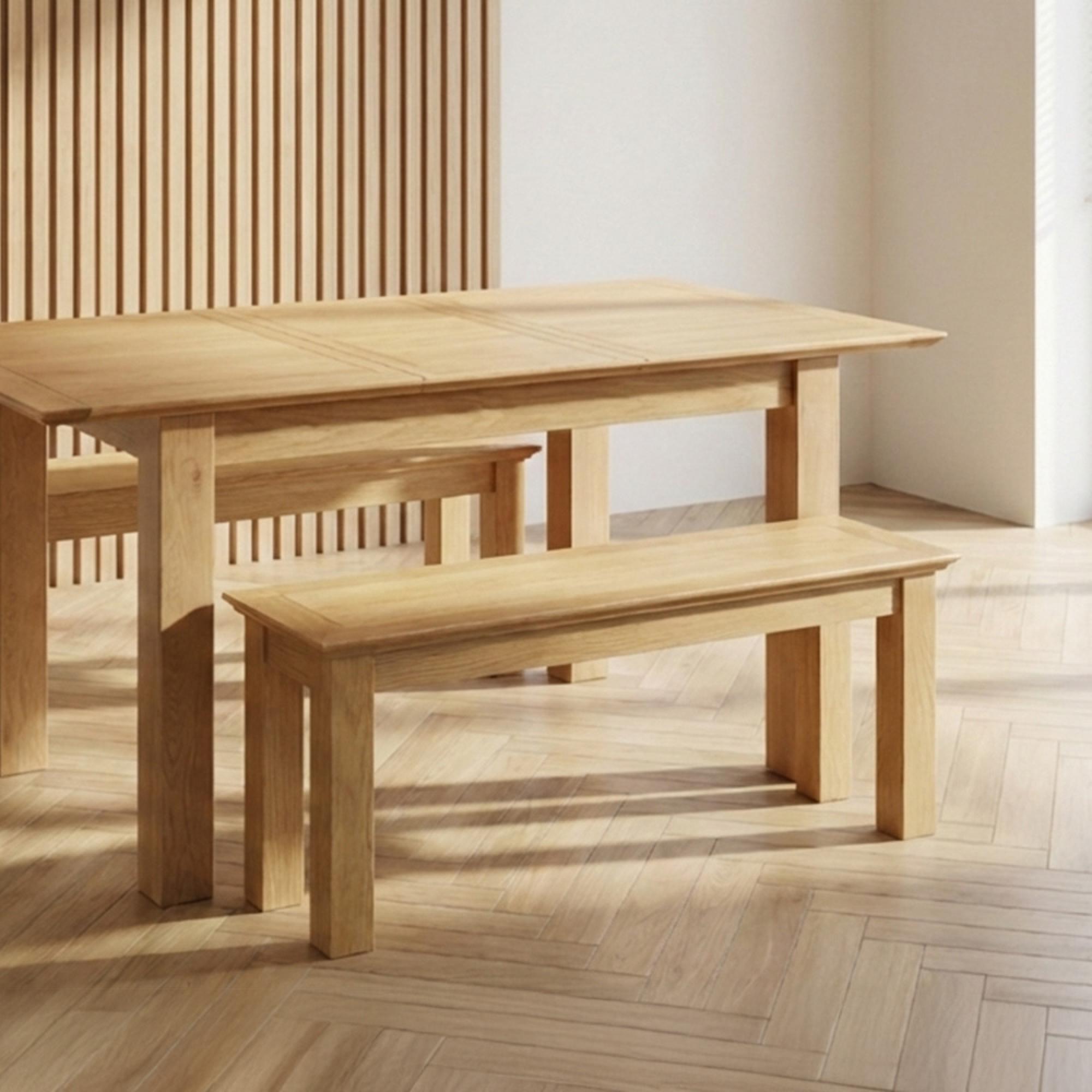
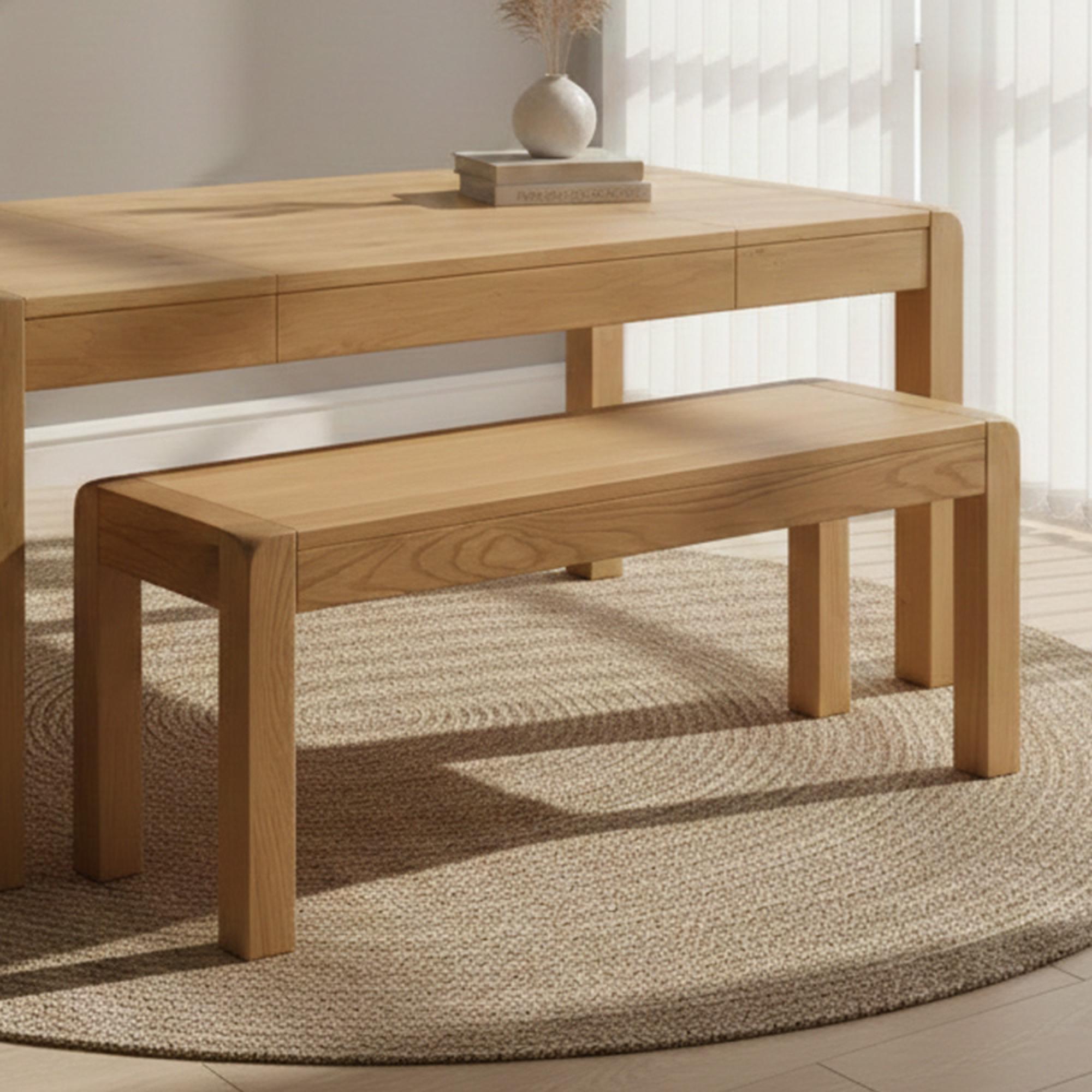
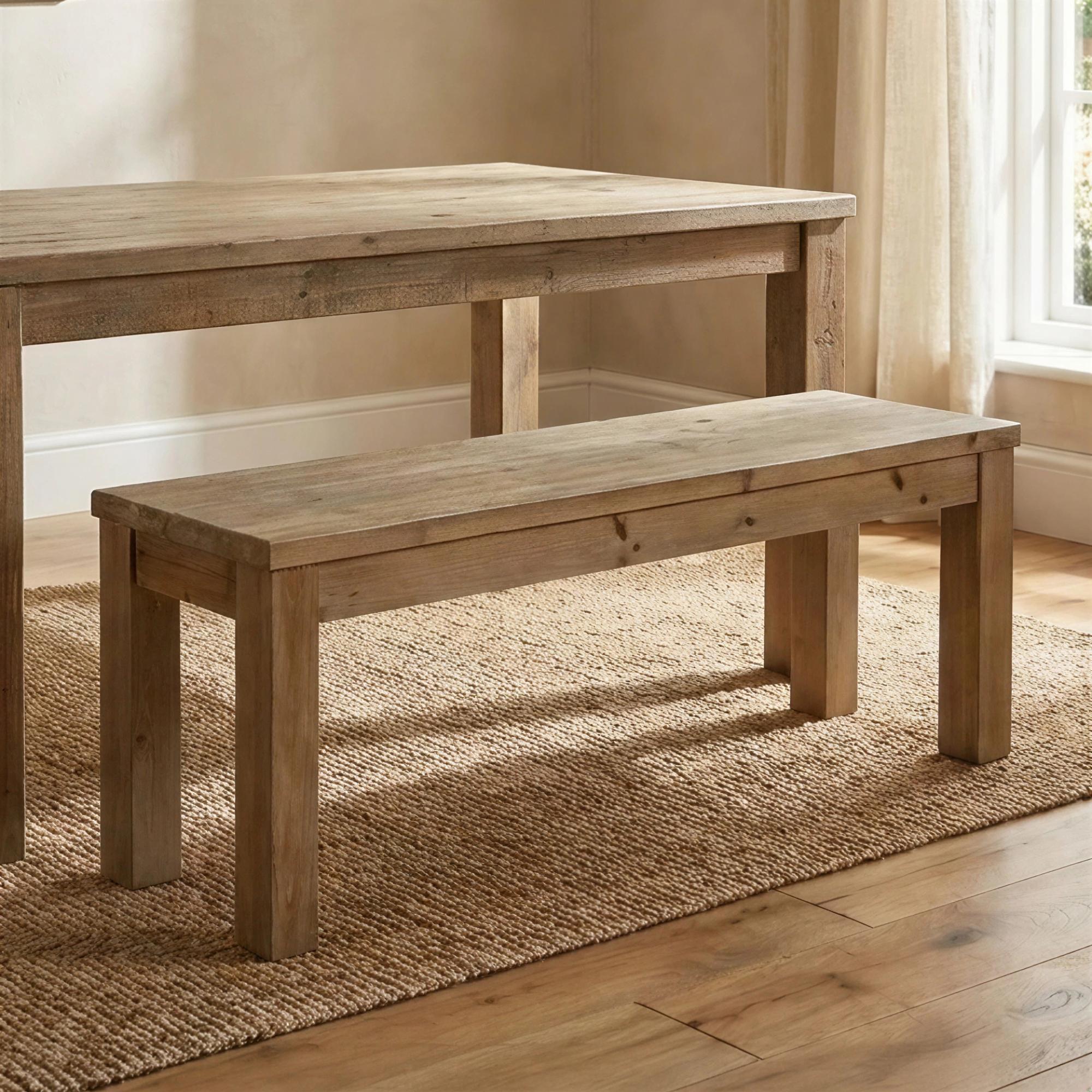
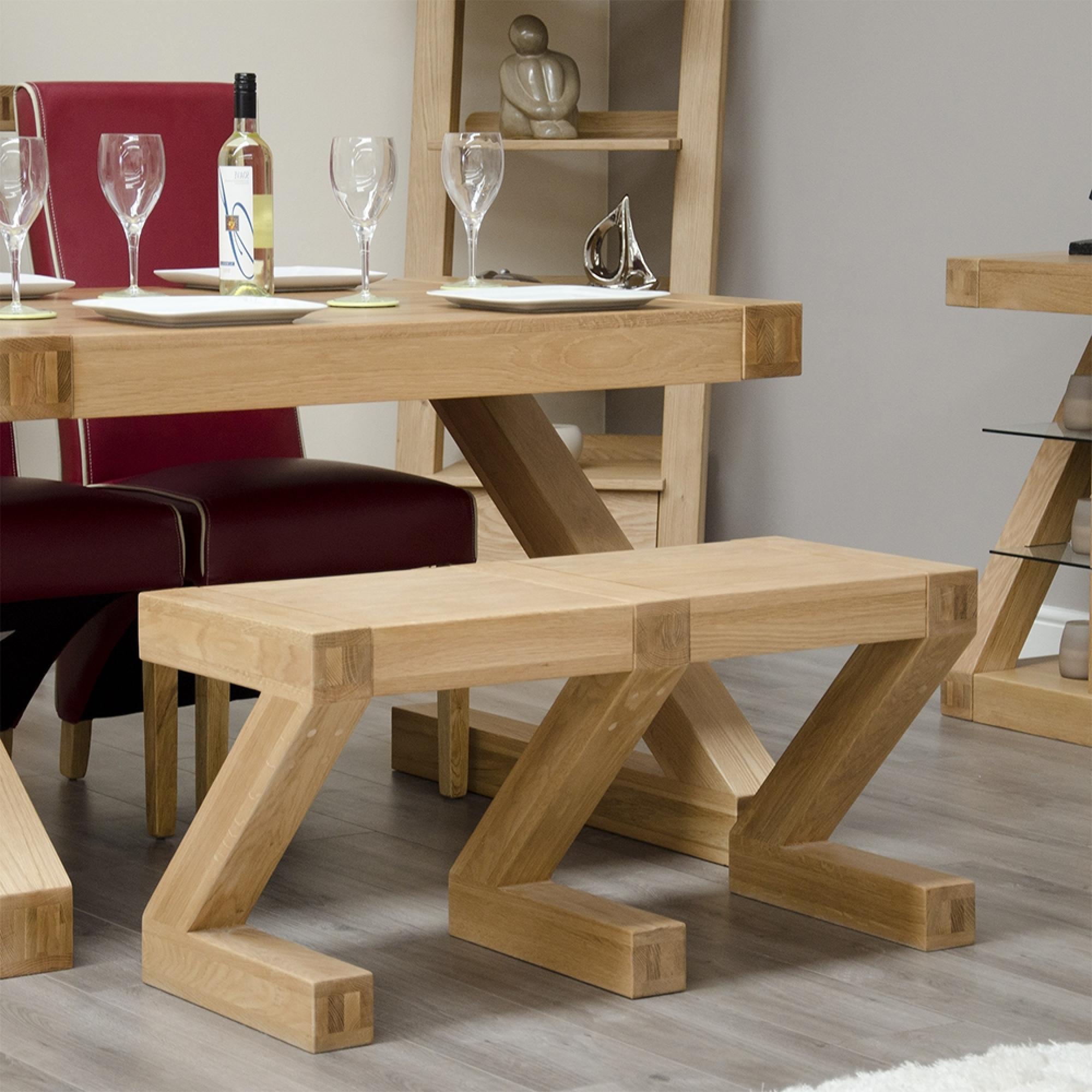
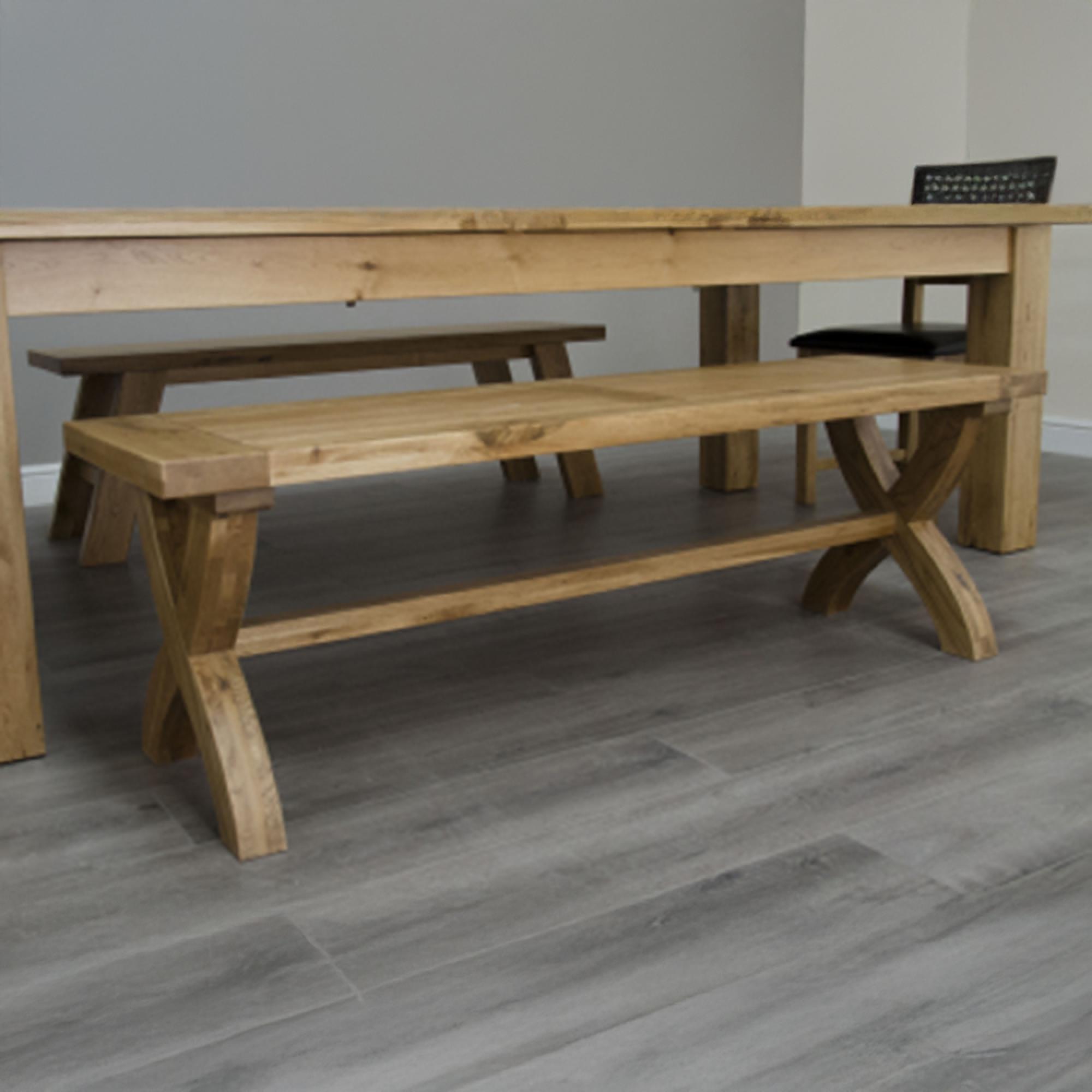
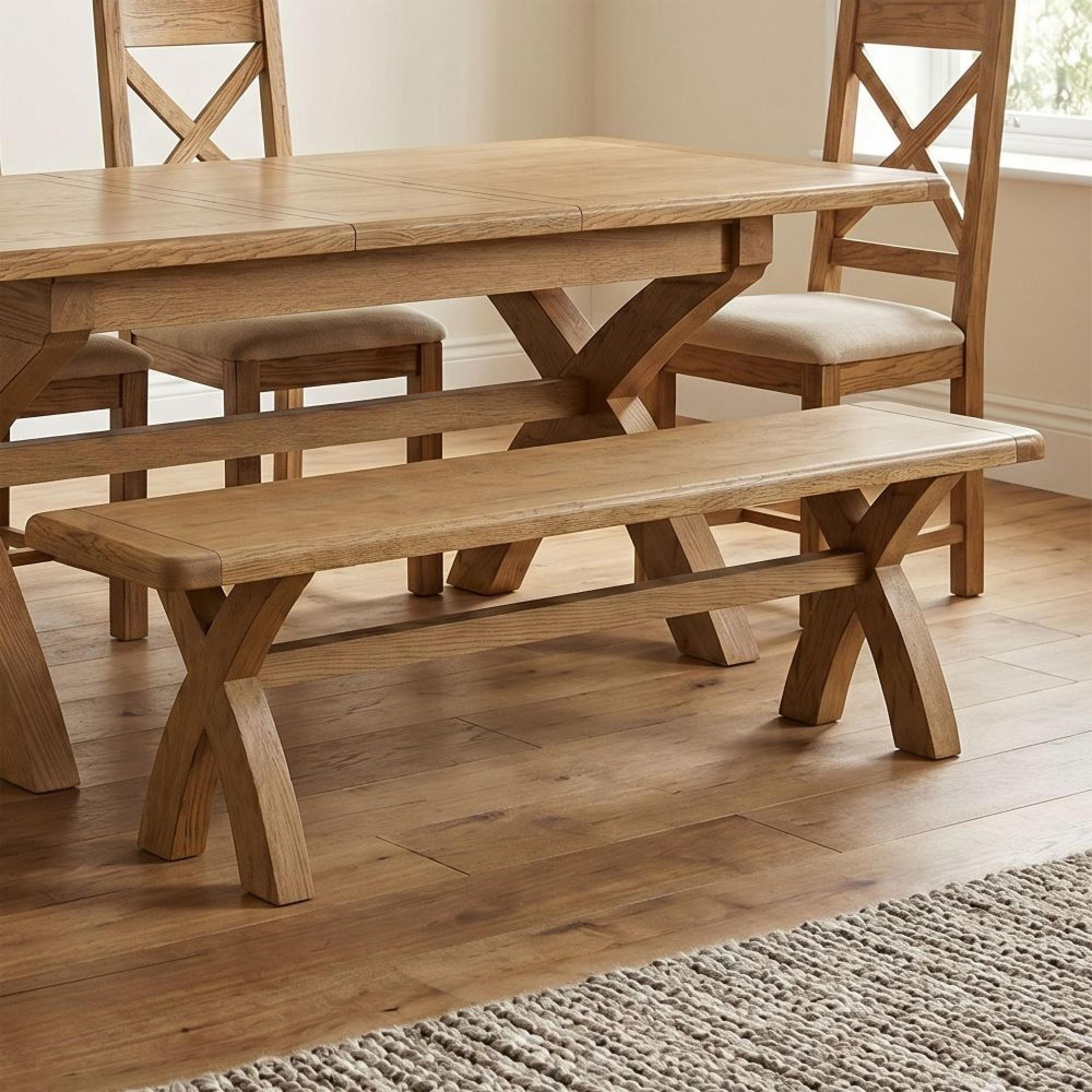
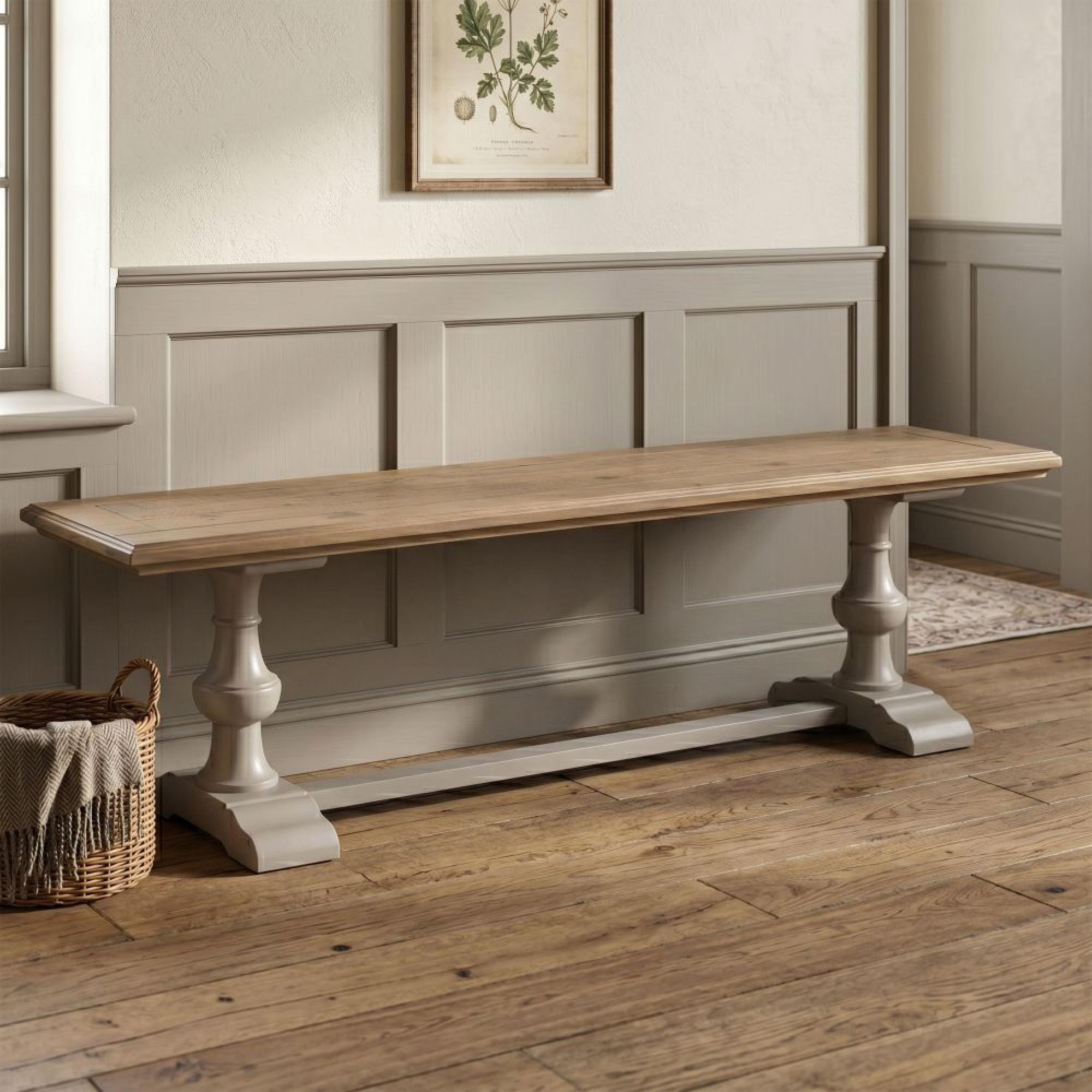
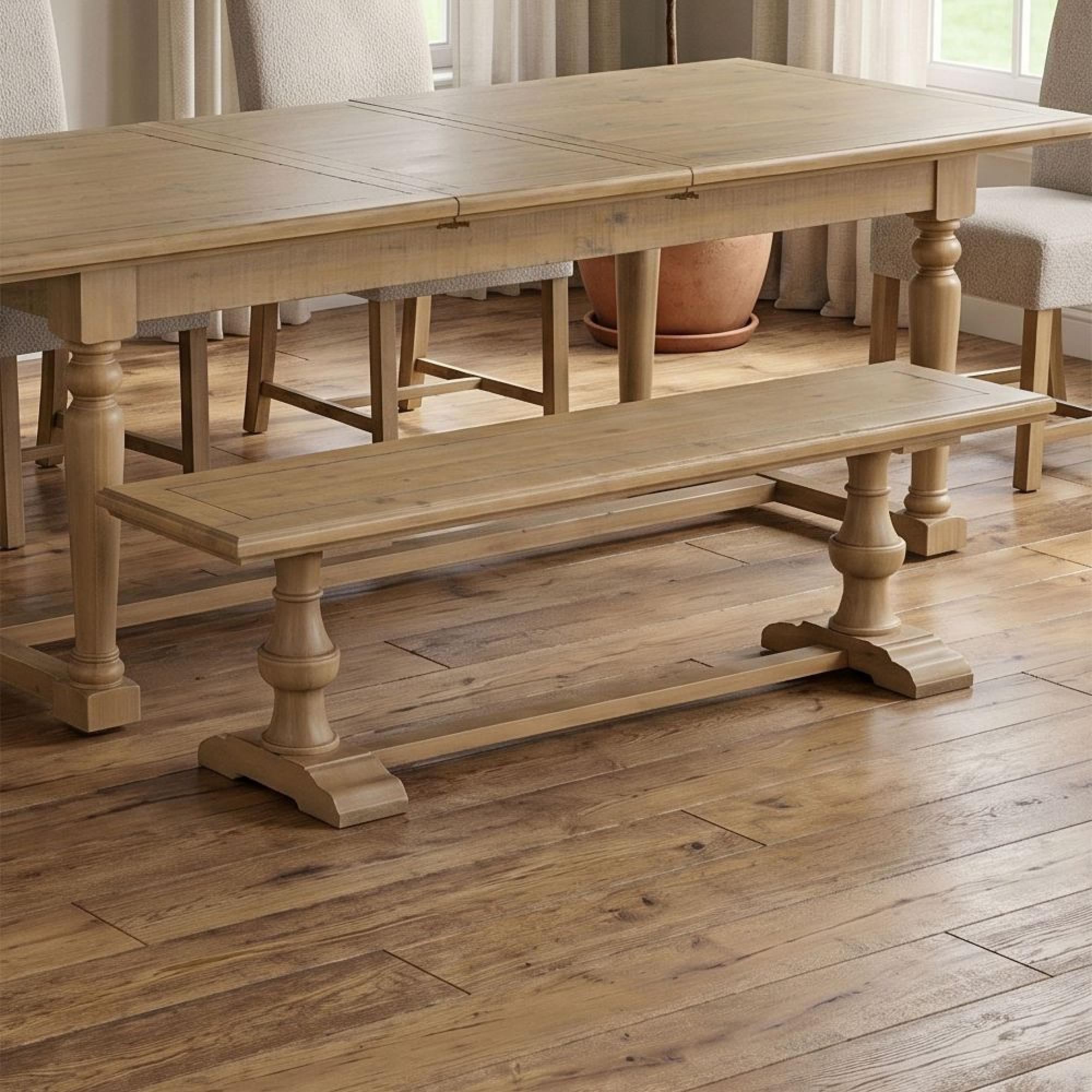
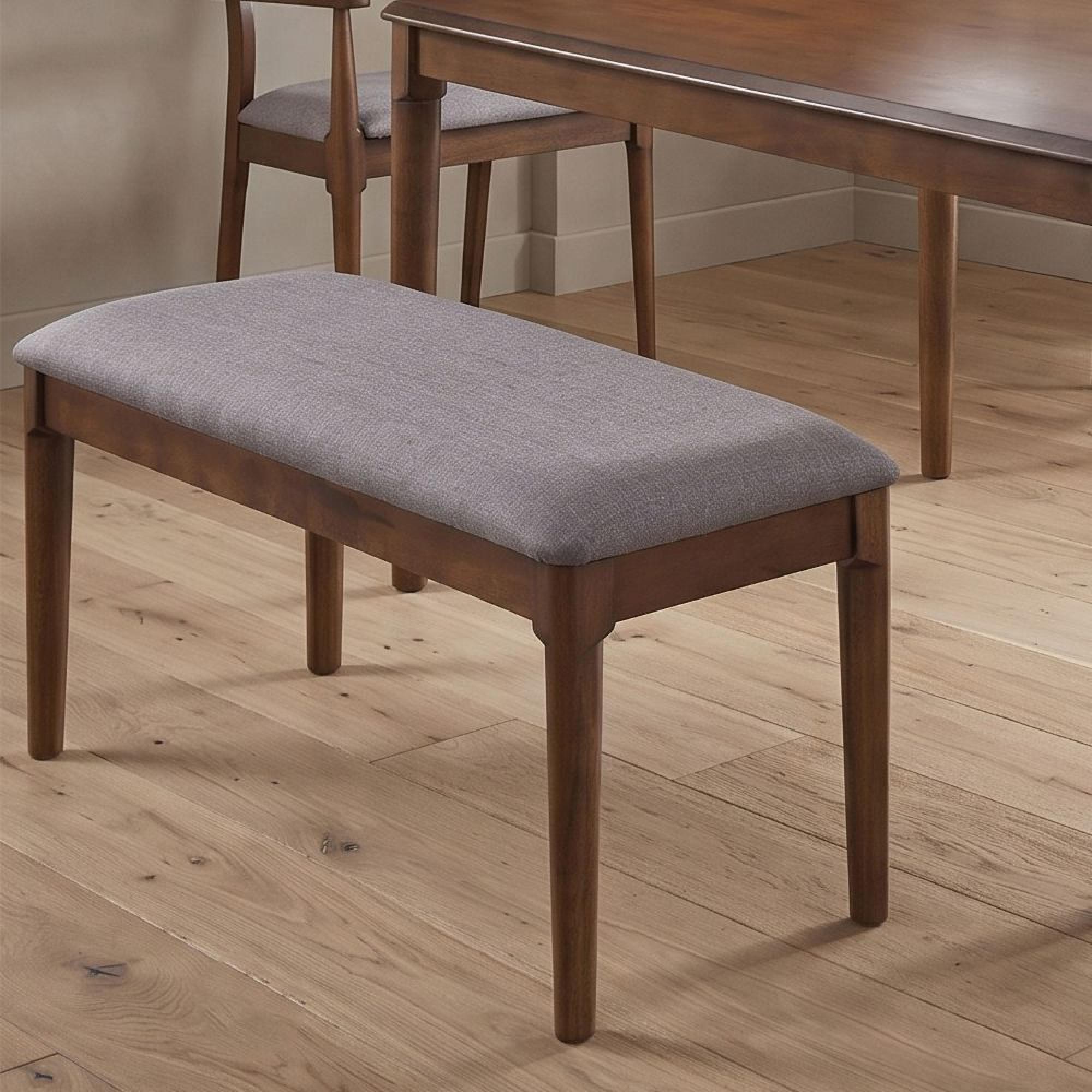
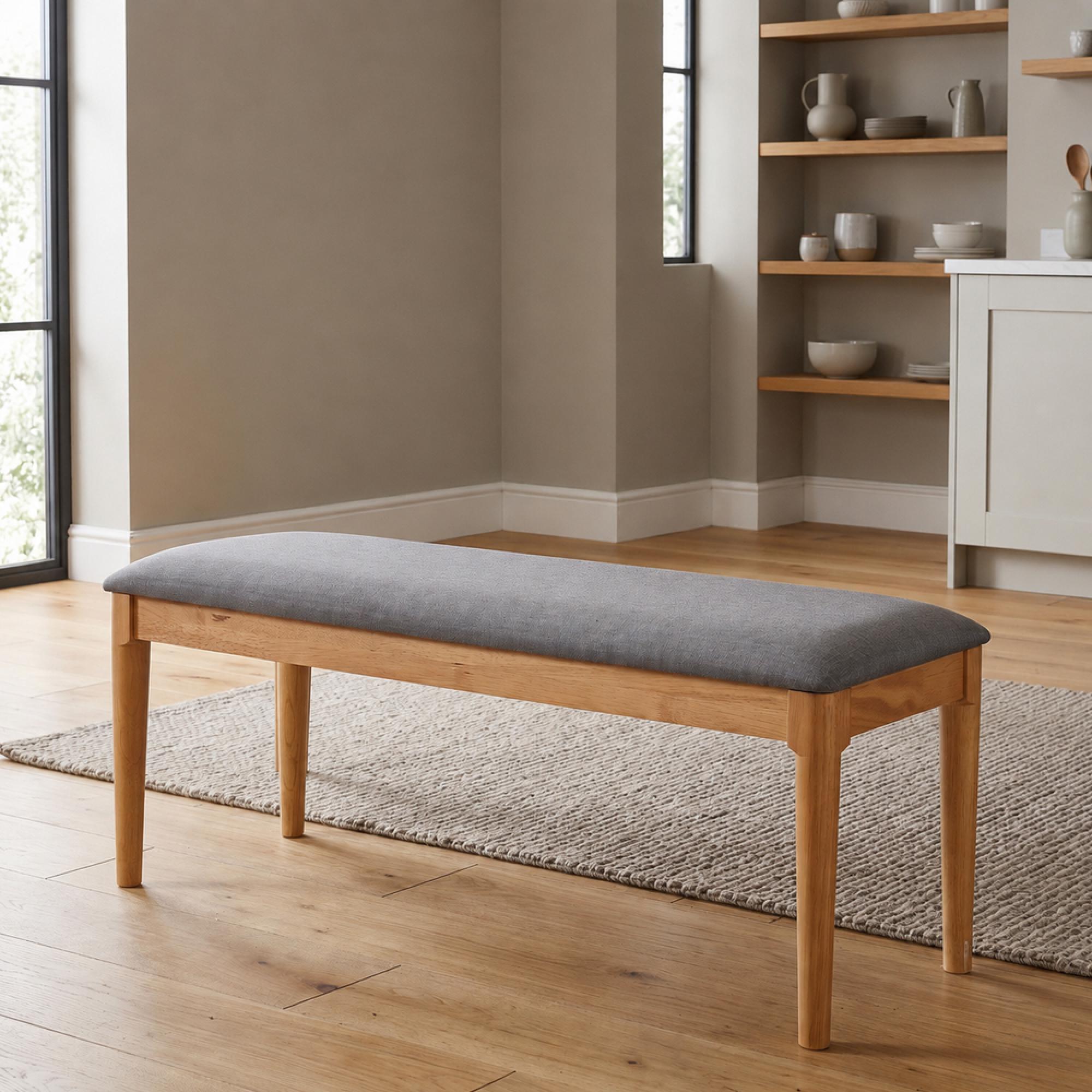
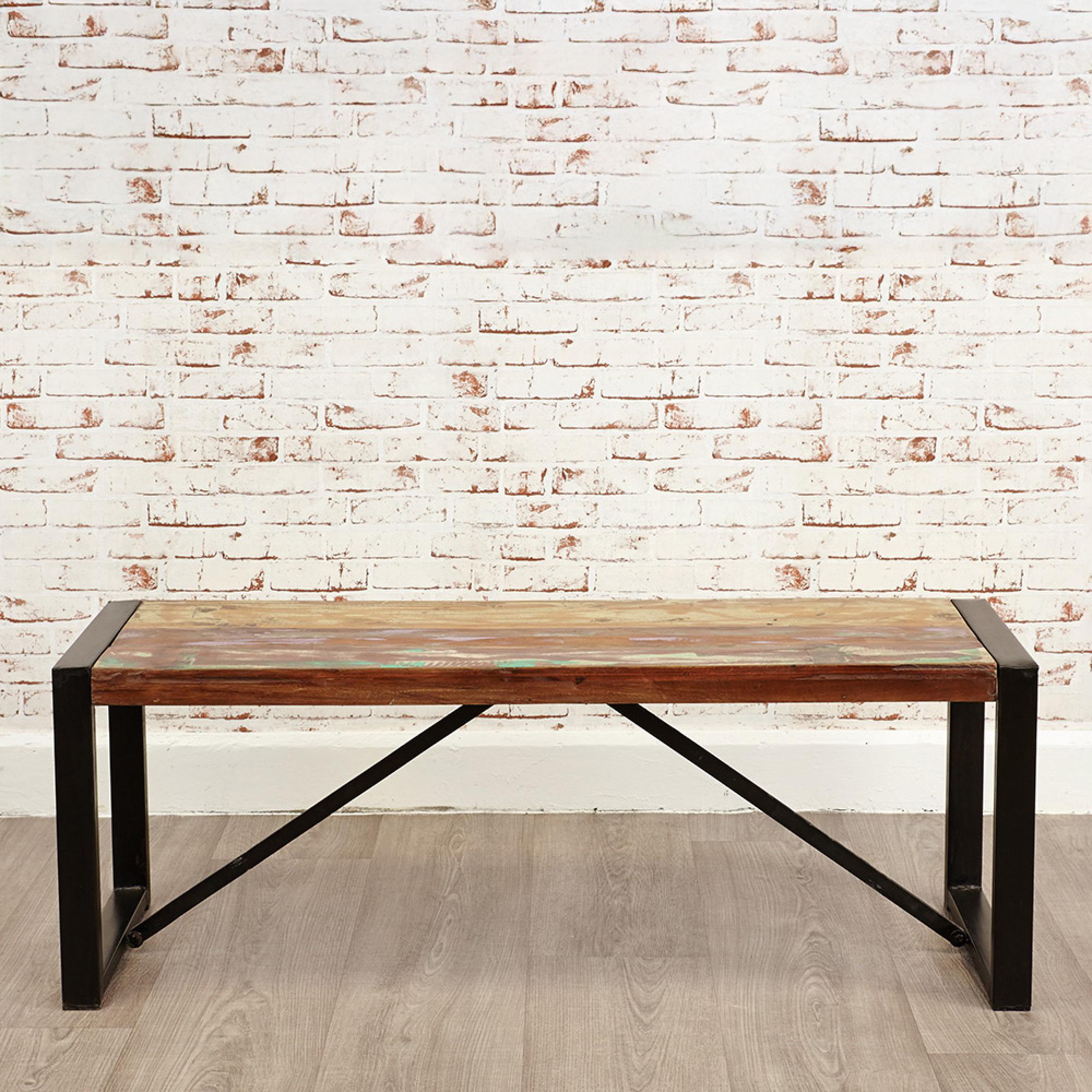
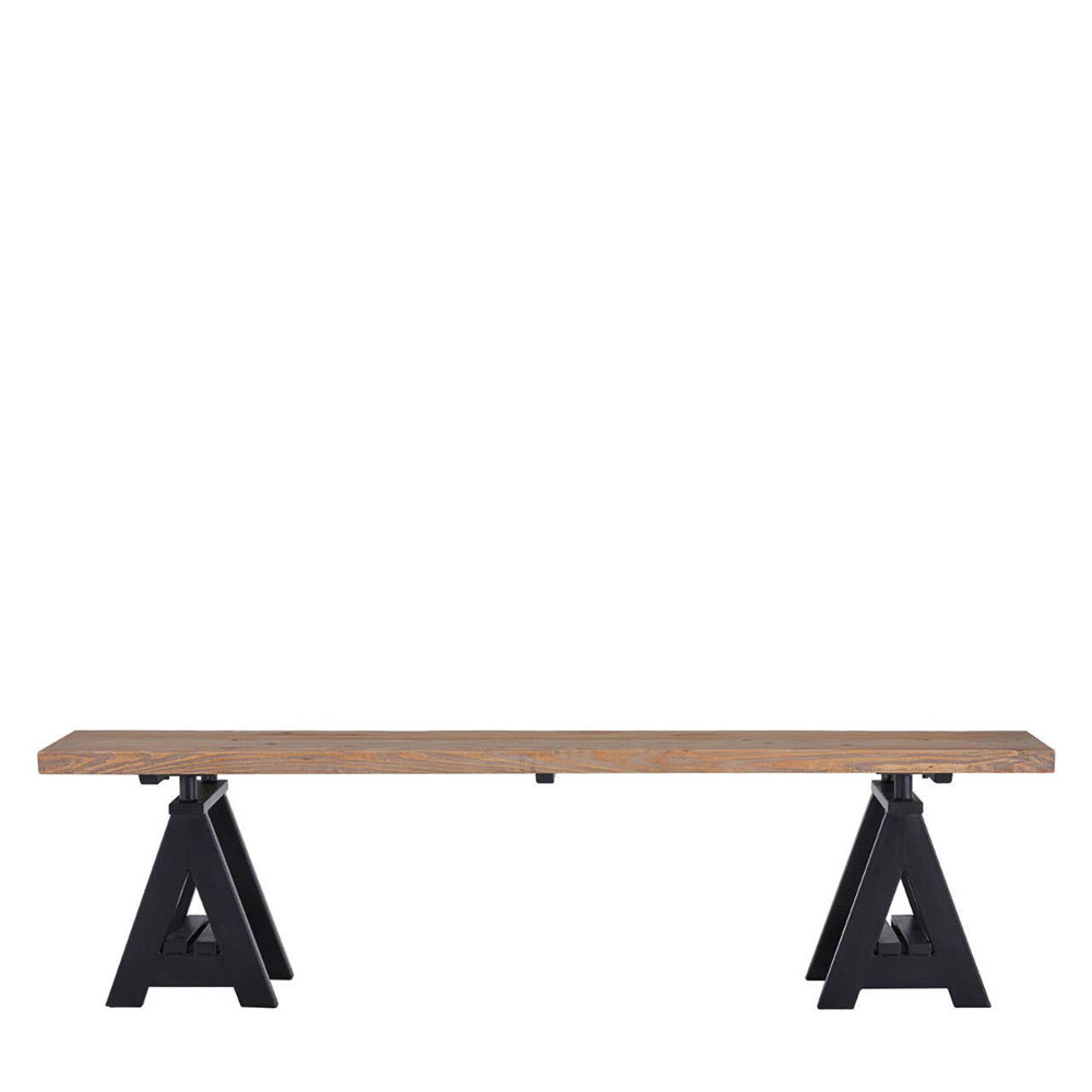
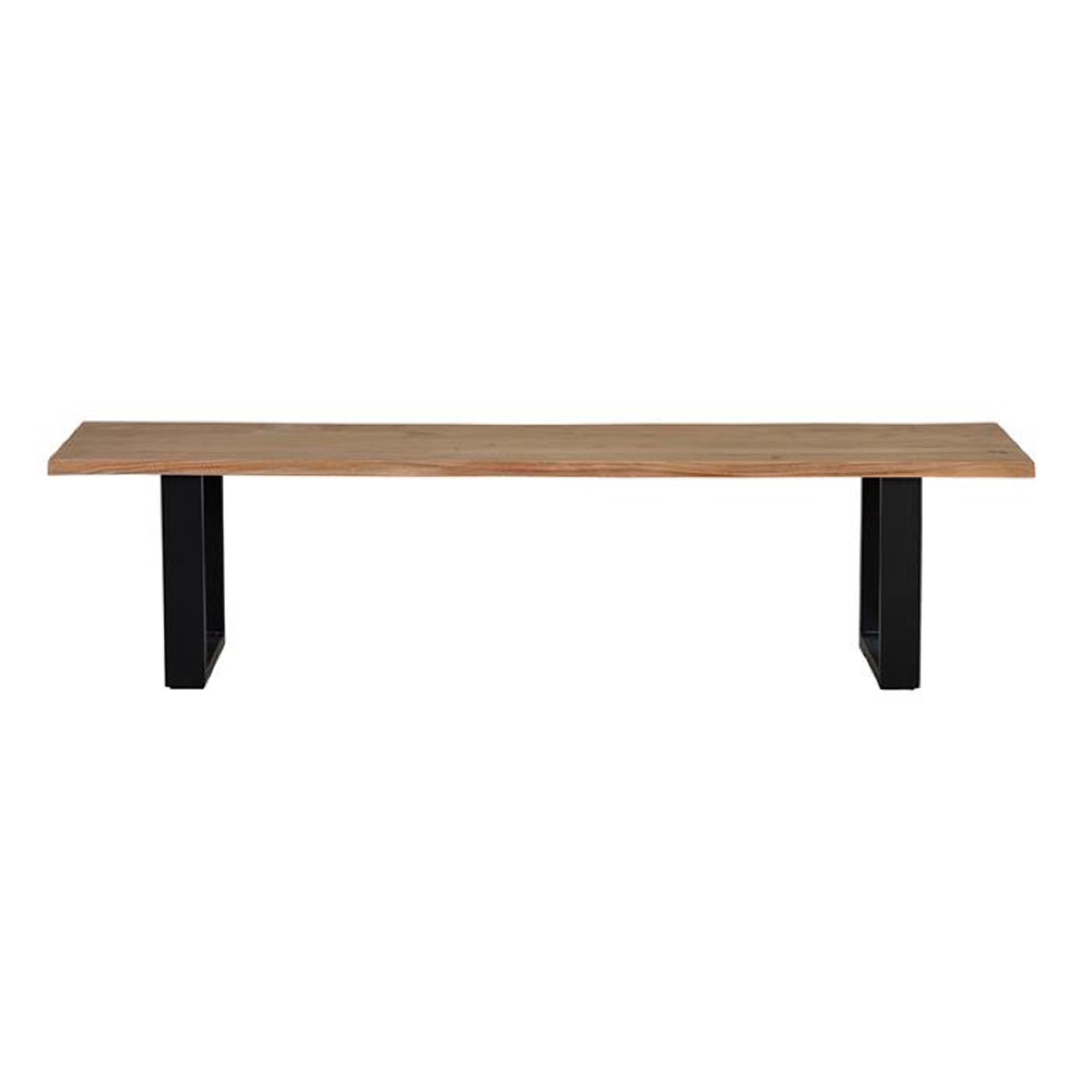
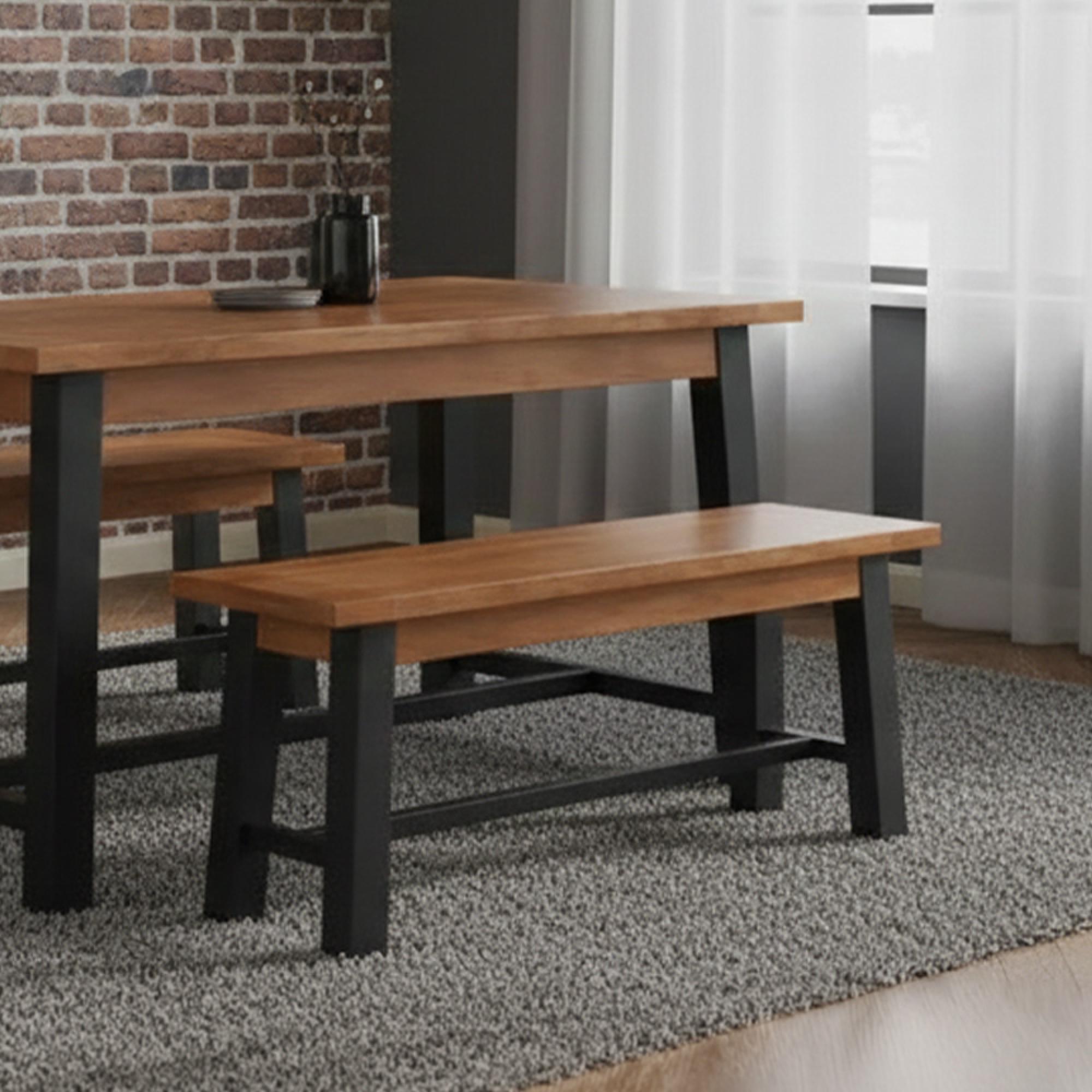
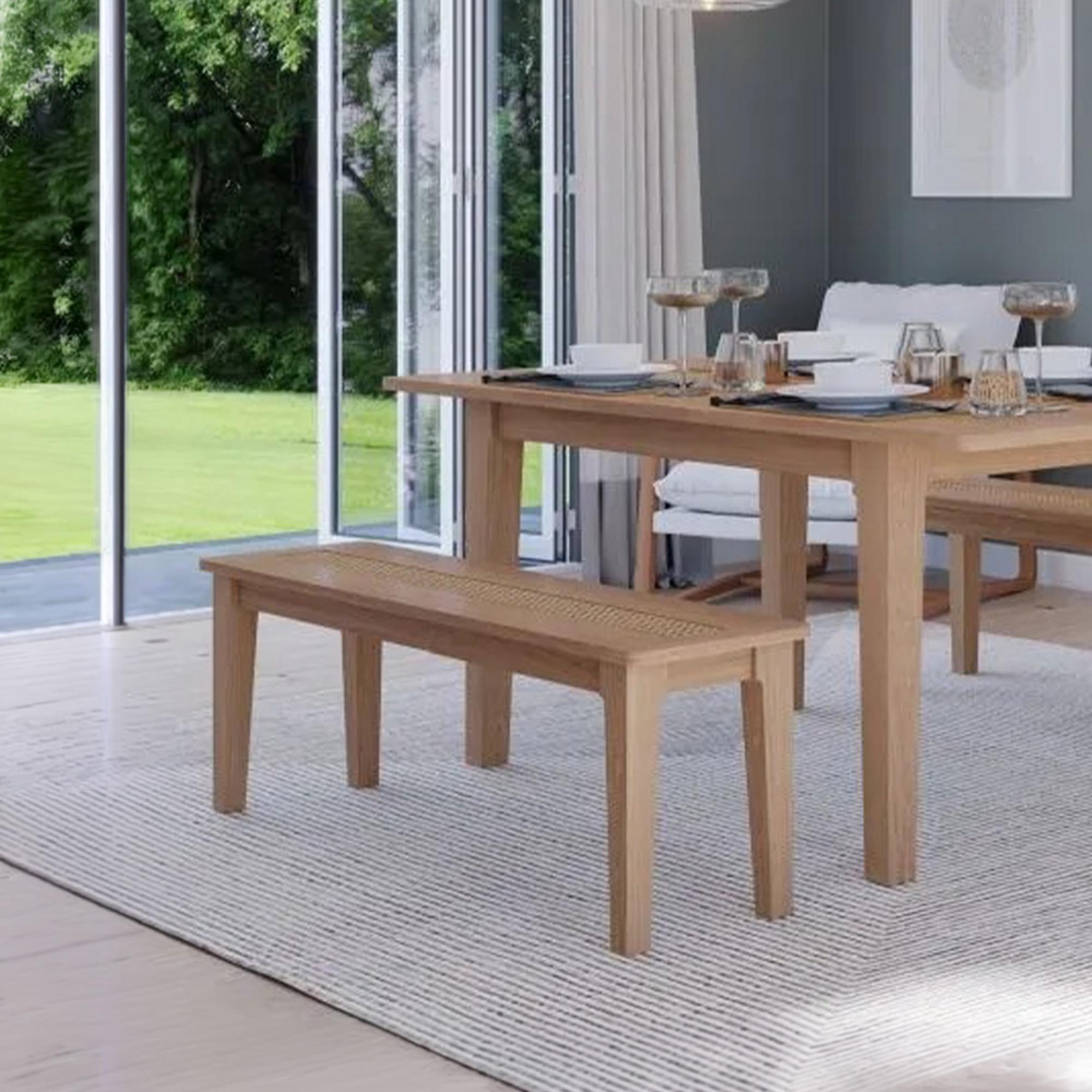
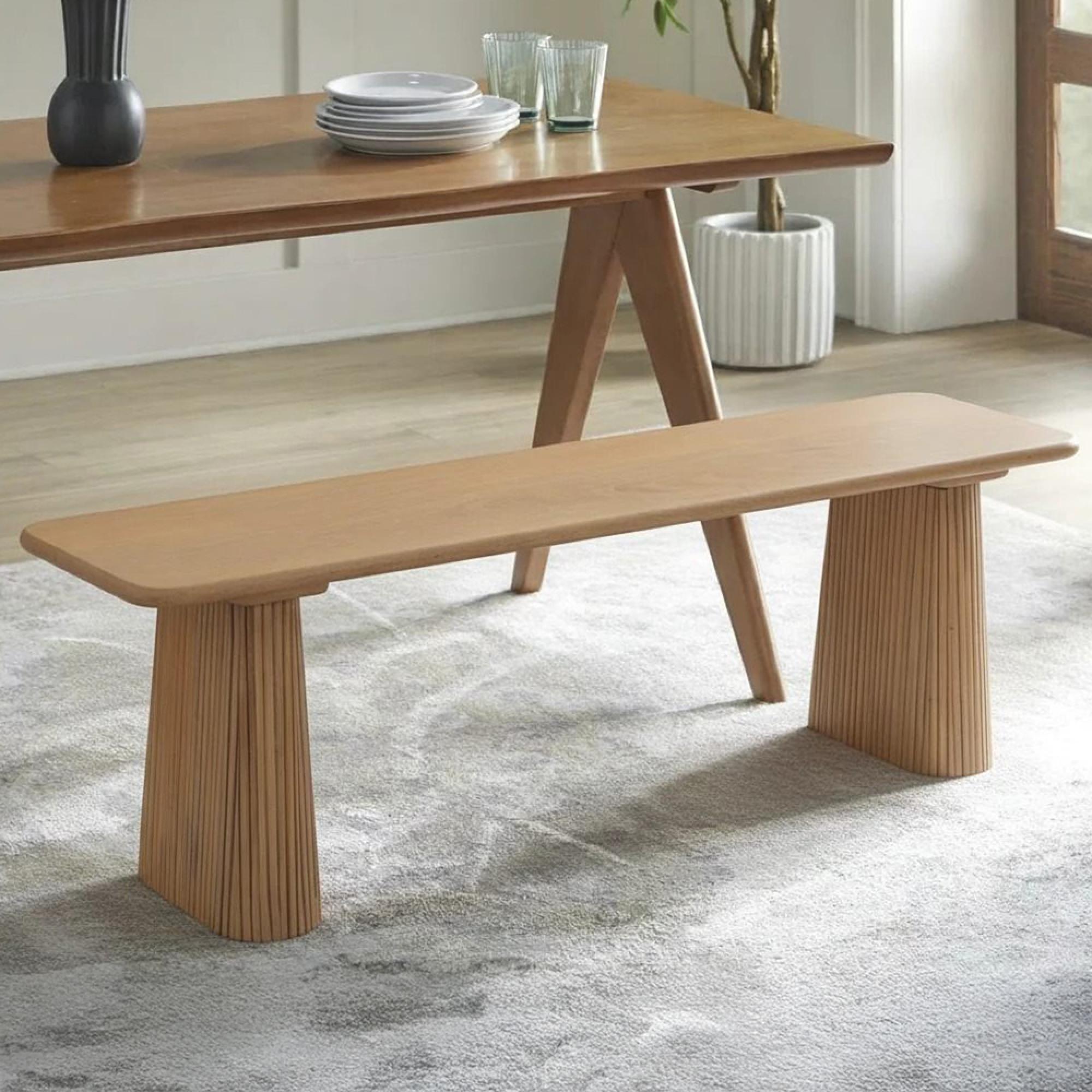
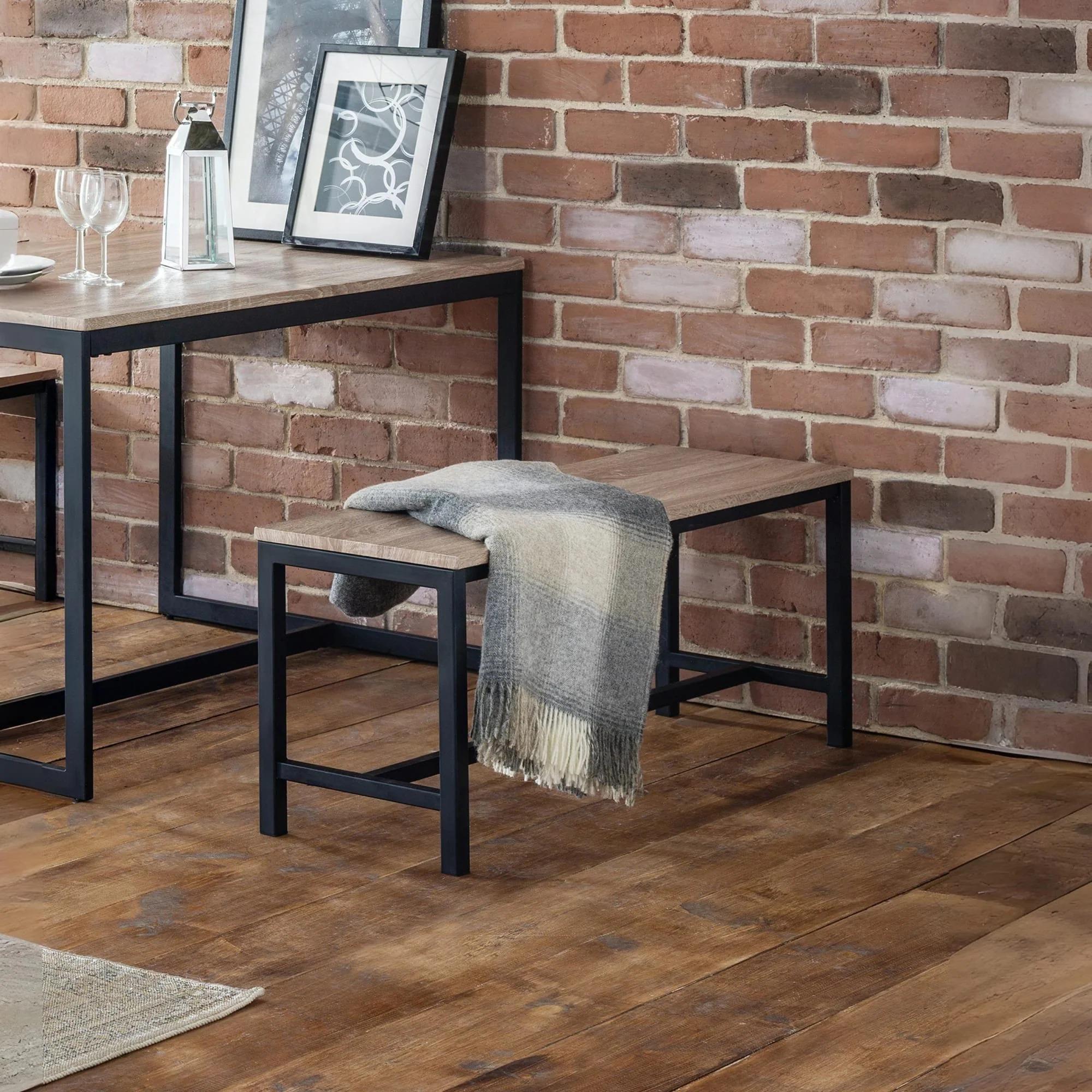
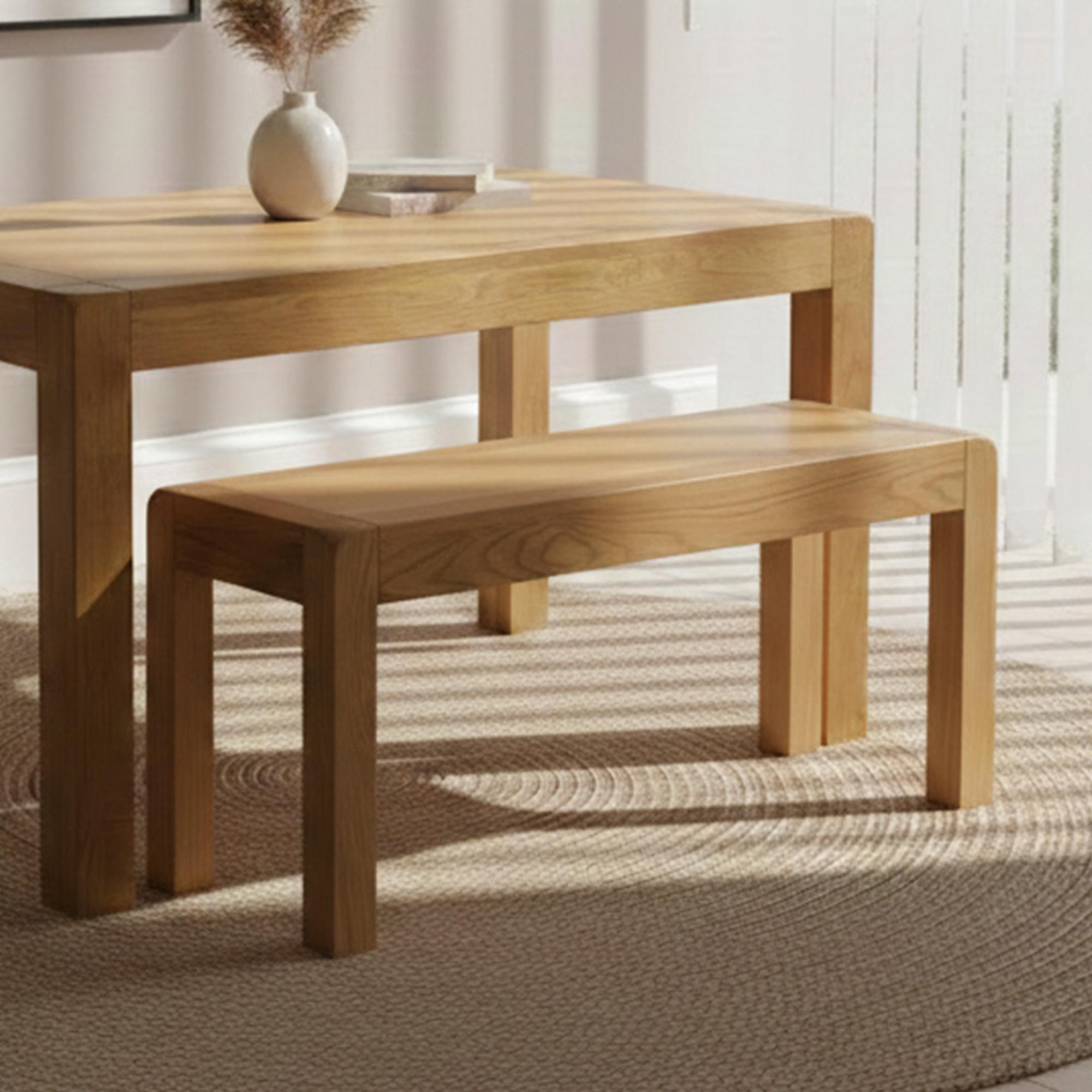
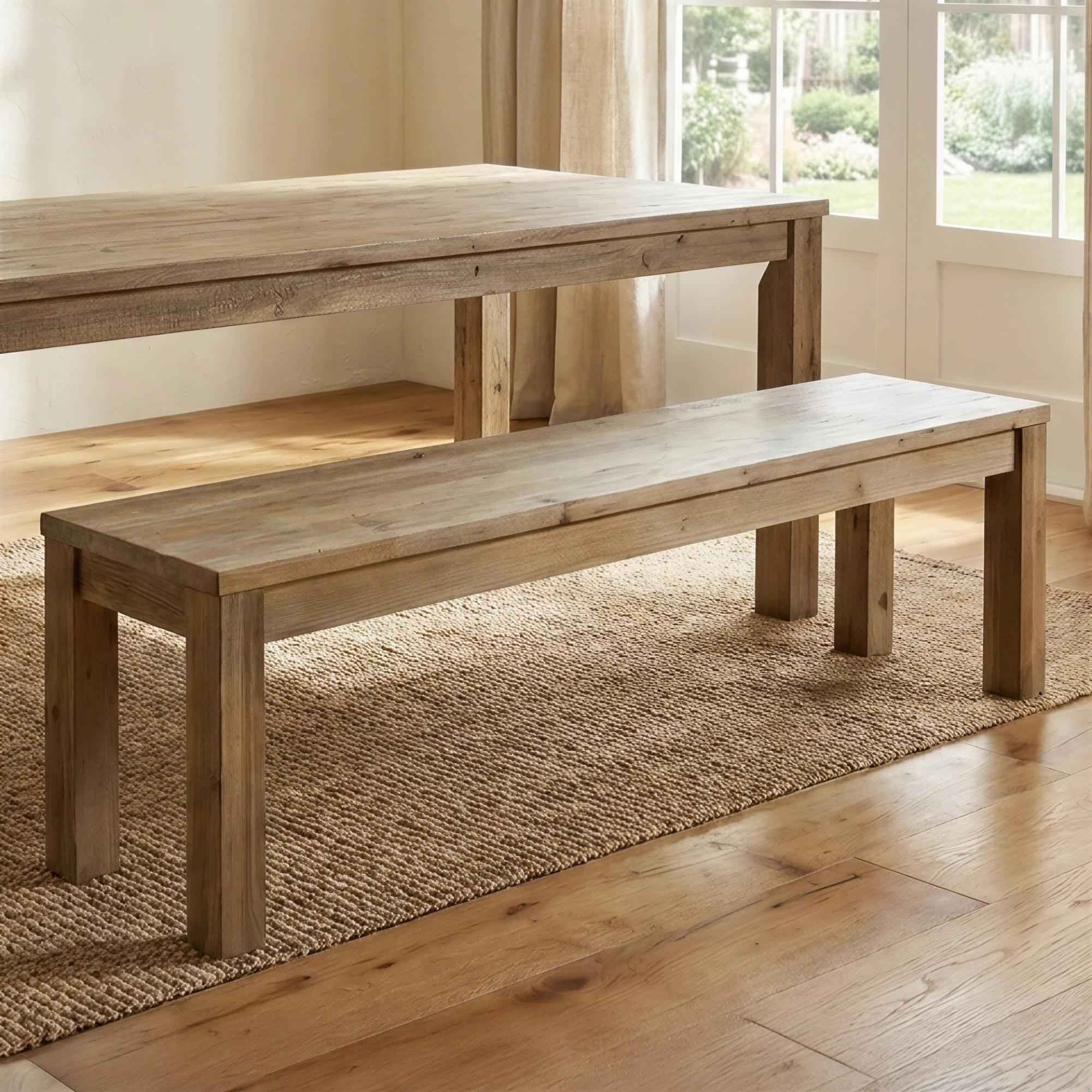
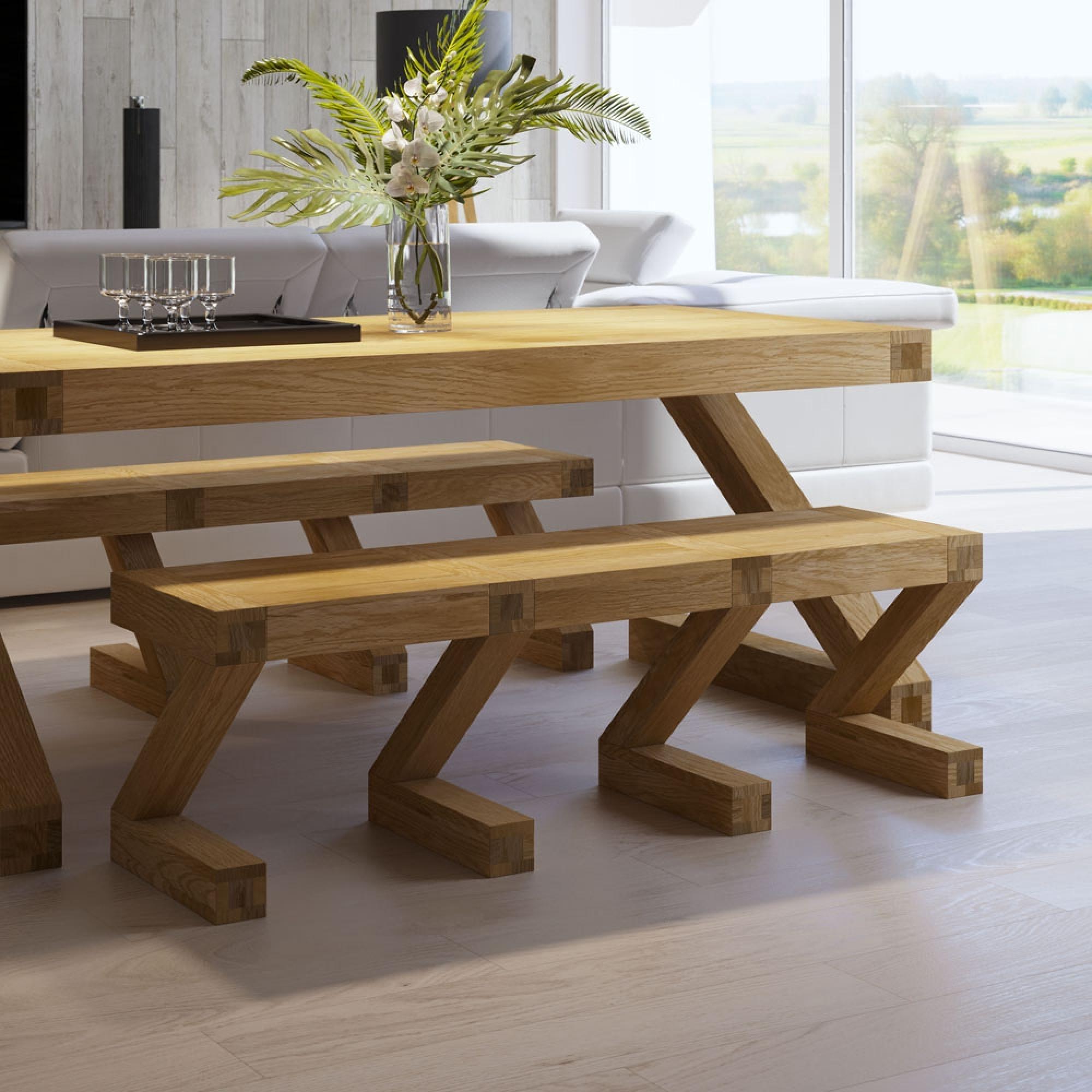
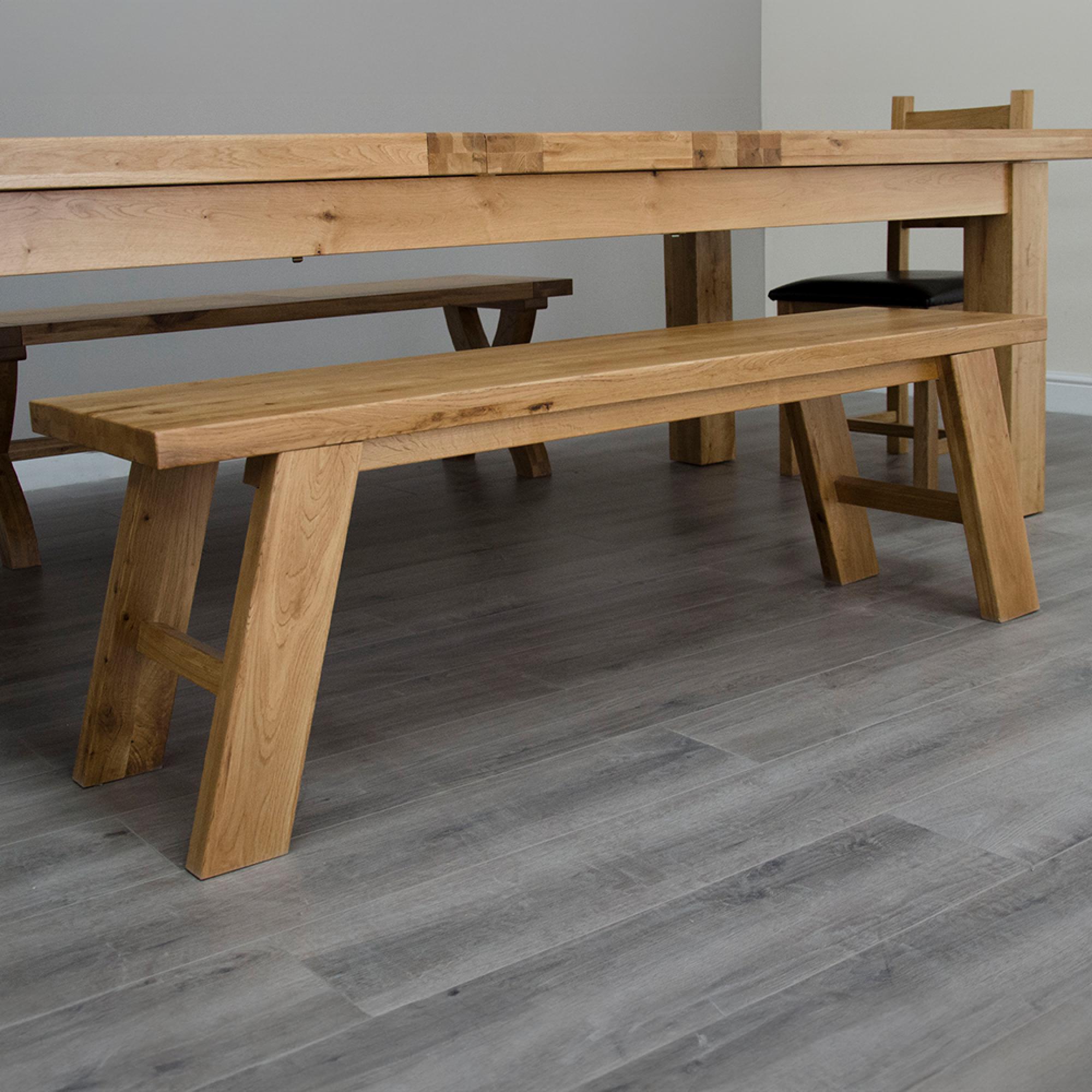
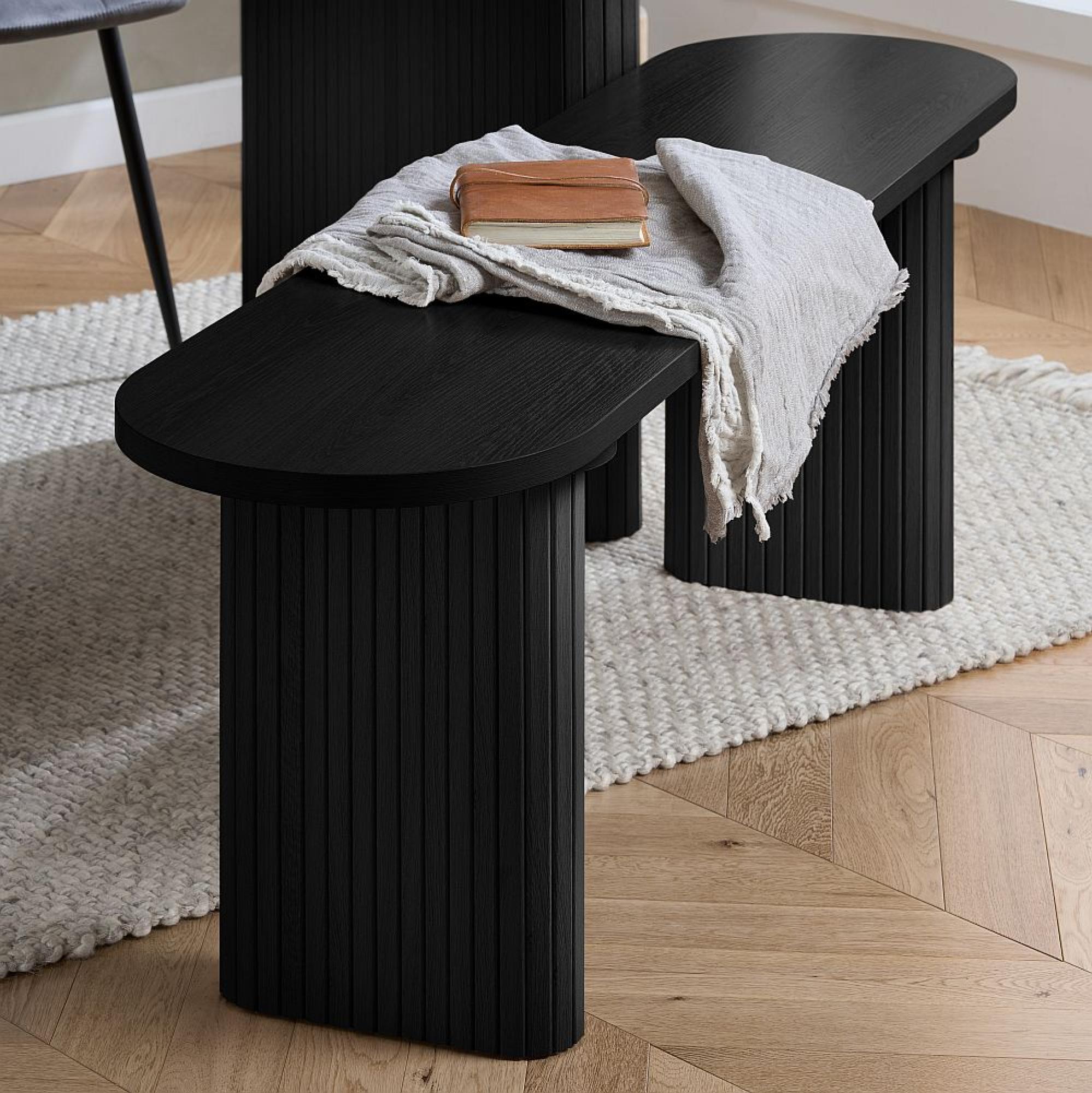
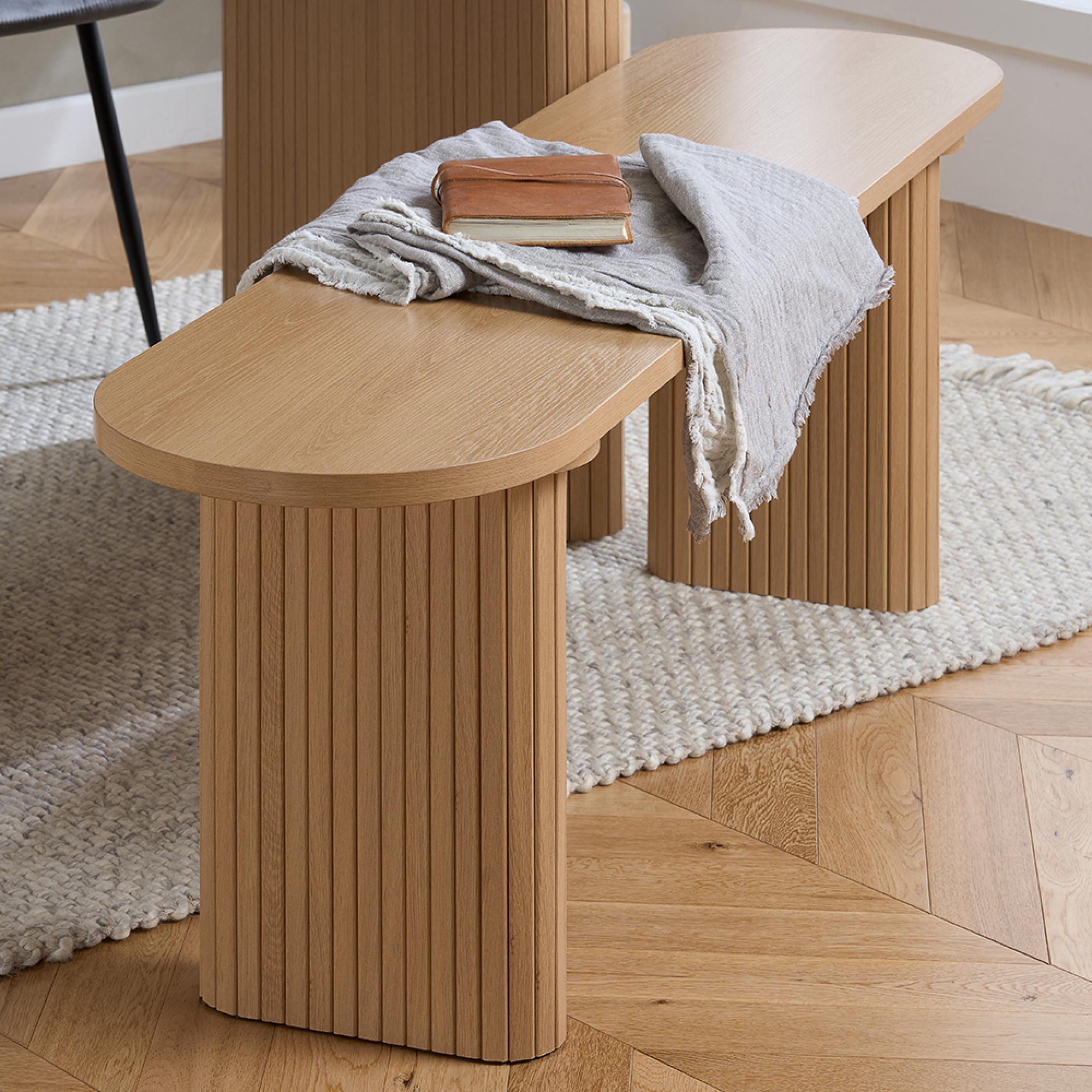
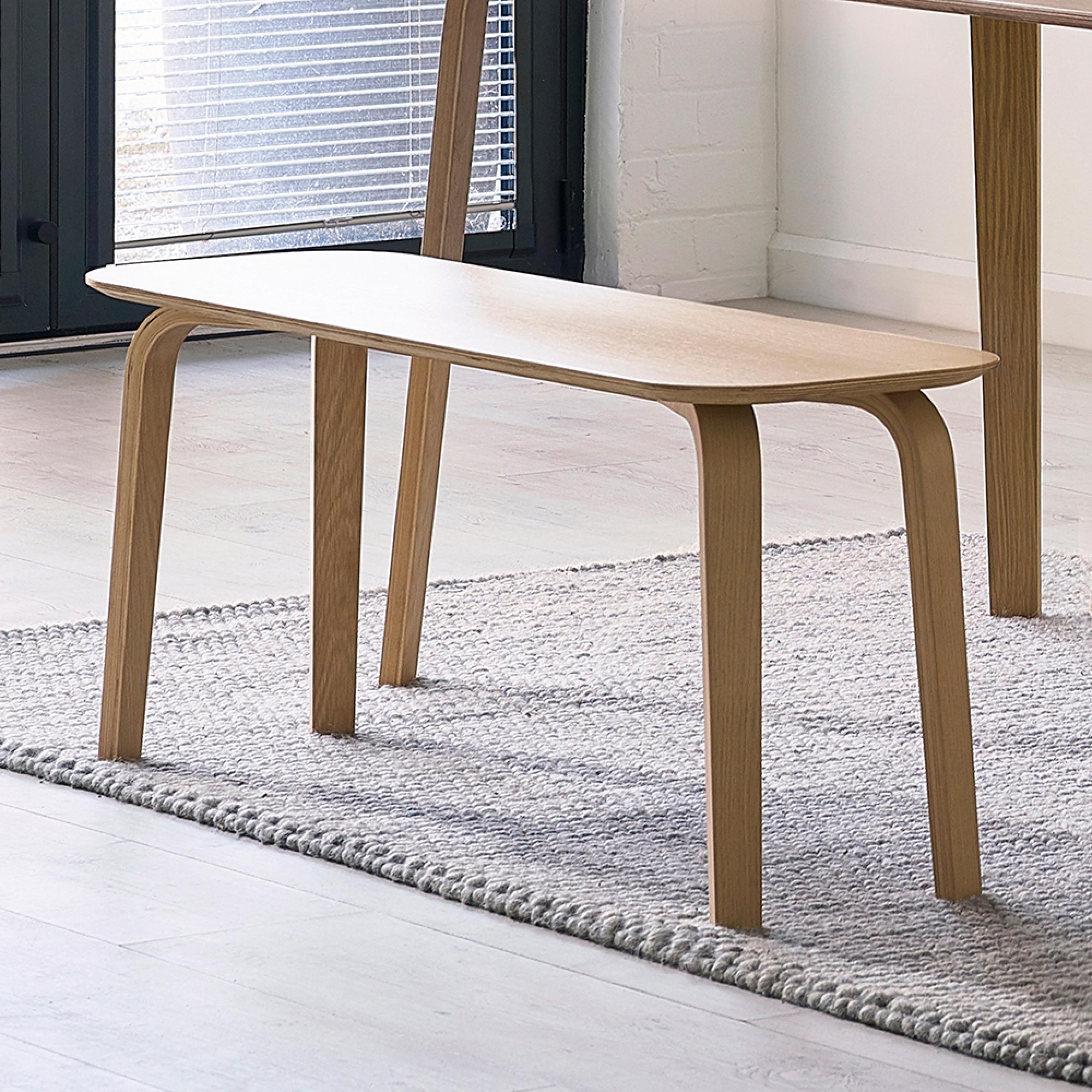
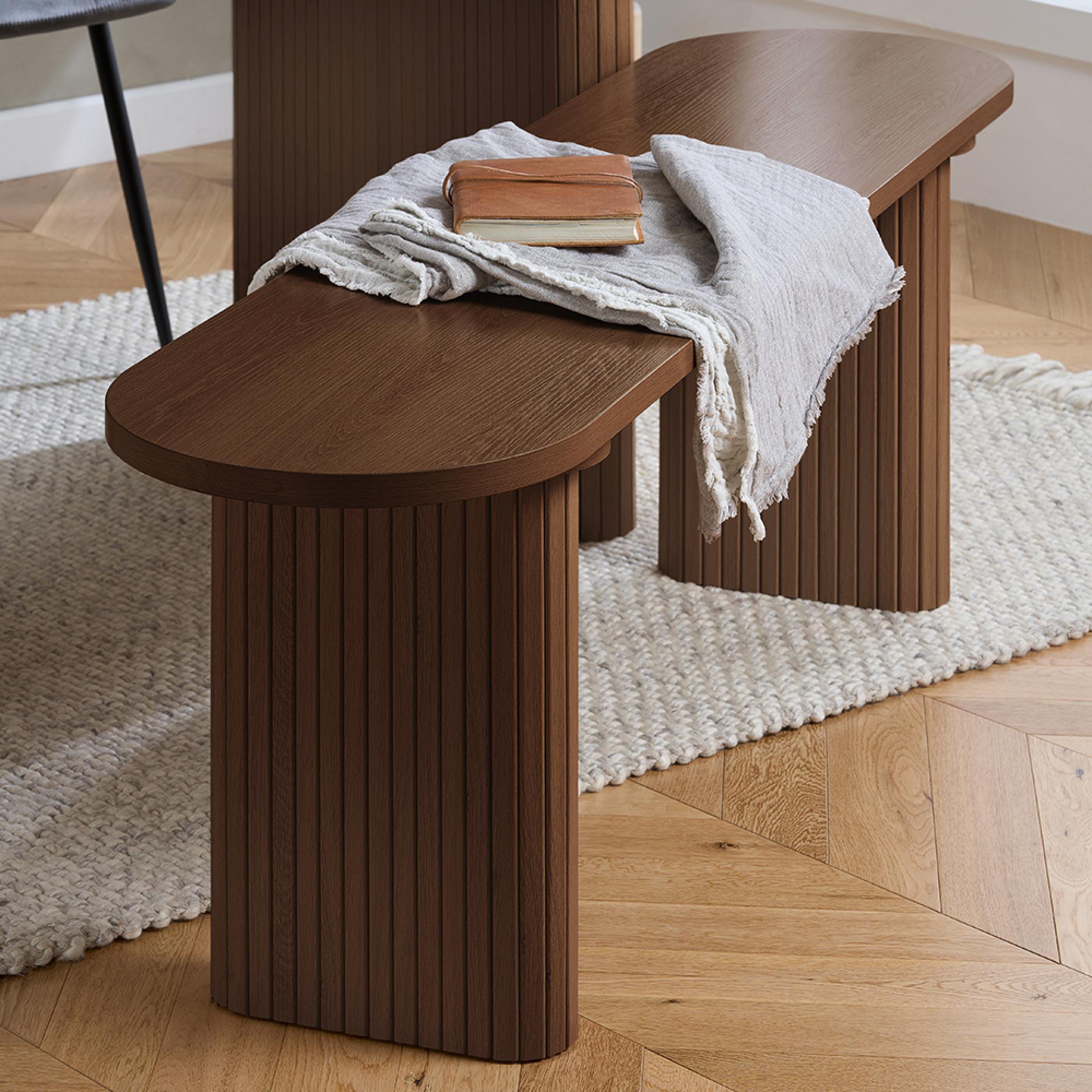
The Wooden Dining Benches category brings together choices intended to add flexible seating that can keep a dining arrangement visually open. Compare seat length, upholstery, back support, leg position and compatibility with the table to identify the right balance of appearance and function. Match bench length to the usable space between the table legs. Check each product page for exact dimensions, construction, finish, assembly and care information before making a final choice.
Read more X Close

Popular Categories

Price

Material

Finish

Colour

  • Black
  • Brown
  • Grey

39 Products of 50

Load More..

Choosing Wooden Dining Benches

This category focuses on Wooden Dining Benches that can add flexible seating that can keep a dining arrangement visually open. Start with the room layout and daily use, then compare seat length, upholstery, back support, leg position and compatibility with the table. Function and visual balance both matter, so compare the complete specification rather than choosing on appearance alone. This keeps the decision focused on practical suitability as well as style.

Plan the space before choosing

Match bench length to the usable space between the table legs. Record the available width, depth and height, including clearance for doors, drawers, reclining parts or extensions where relevant. Account for skirting boards, radiators, sockets and walking routes, then check the access route through doors, halls and stairs.

For adjacent choices, explore Dining Benches, Oak Dining Benches and Painted Dining Benches. Use these comparisons alongside the specifications on each product page.

Wooden Dining Benches for considered interiors

The Wooden Dining Benches category focuses on choices intended to add flexible seating that can keep a dining arrangement visually open. A suitable option should respond to the room's proportions, surrounding furniture and practical demands of everyday use. Use the category wording as a starting point, then verify the exact material, finish and features shown on each product page.

Material, finish and construction

When comparing dining benches, look closely at seat length, upholstery, back support, leg position and compatibility with the table. Materials influence appearance, weight and maintenance, while finish affects colour coordination and day-to-day care. Use the written specification to confirm construction and care requirements.

Function and room planning

Match bench length to the usable space between the table legs. Mark out the footprint and consider how people move around it. Where a product opens, extends, swivels or reclines, include that working clearance. For storage, seating or sleeping products, match the layout, support and capacity to the needs of regular users.

Creating a coordinated result

Build the room around a clear relationship between scale, colour and material. Matching every finish is not essential, but repeating one or two elements can connect separate pieces. You can also compare Dining Benches, Oak Dining Benches and Painted Dining Benches for closely related room and product choices. Use the individual listing to confirm dimensions, included components, assembly and suitability.
Read more X Close

FAQs on Wooden Dining Benches

Is 0% finance available on wooden dining benches?

Yes, 0% finance is available on our dining bench range, so you can spread the cost rather than paying the full price upfront. This applies whether you're buying a single small bench or furnishing a whole dining set. Ask in-store or check the finance option at checkout online for full terms.

ou can buy online with free UK delivery, or visit our furniture shop in Leicester to see the wood and finish in person before you buy. Searching "dining benches near me" will bring up our Leicester store if you'd rather browse in person. Either way, you'll have access to the same range and the same customer service.

A dining bench is used as an alternative or companion to dining chairs, usually along one or both sides of a table. It works well for family meals, entertaining guests, or anywhere you want flexible seating that can fit more people than a fixed number of chairs would allow. Benches also tuck neatly under most tables, which helps free up space in smaller dining rooms.

Oak is the most durable and popular choice, since it's dense, resists wear, and suits both traditional and contemporary interiors. Acacia and mango wood offer warmer tones and more visible grain, while pine is lighter in colour and weight and tends to be the more affordable option. The best choice really depends on the look you want and how heavily the bench will be used.

Yes, backless benches are perfectly comfortable for everyday dining, especially for shorter meals where guests are moving in and out regularly. If you or your family tend to linger at the table, a bench with a back offers more support. Many households choose a backless bench for one side of the table and a backed bench or chairs for the other.

Measure the length of the table edge the bench will sit against, and leave a little clearance at each end so people can get in and out easily. Check the bench height matches your table height, and confirm there's enough legroom underneath once chairs or another bench are in place opposite it. If your dining space is narrow, a small bench that slides fully under the table will make the room easier to move around.

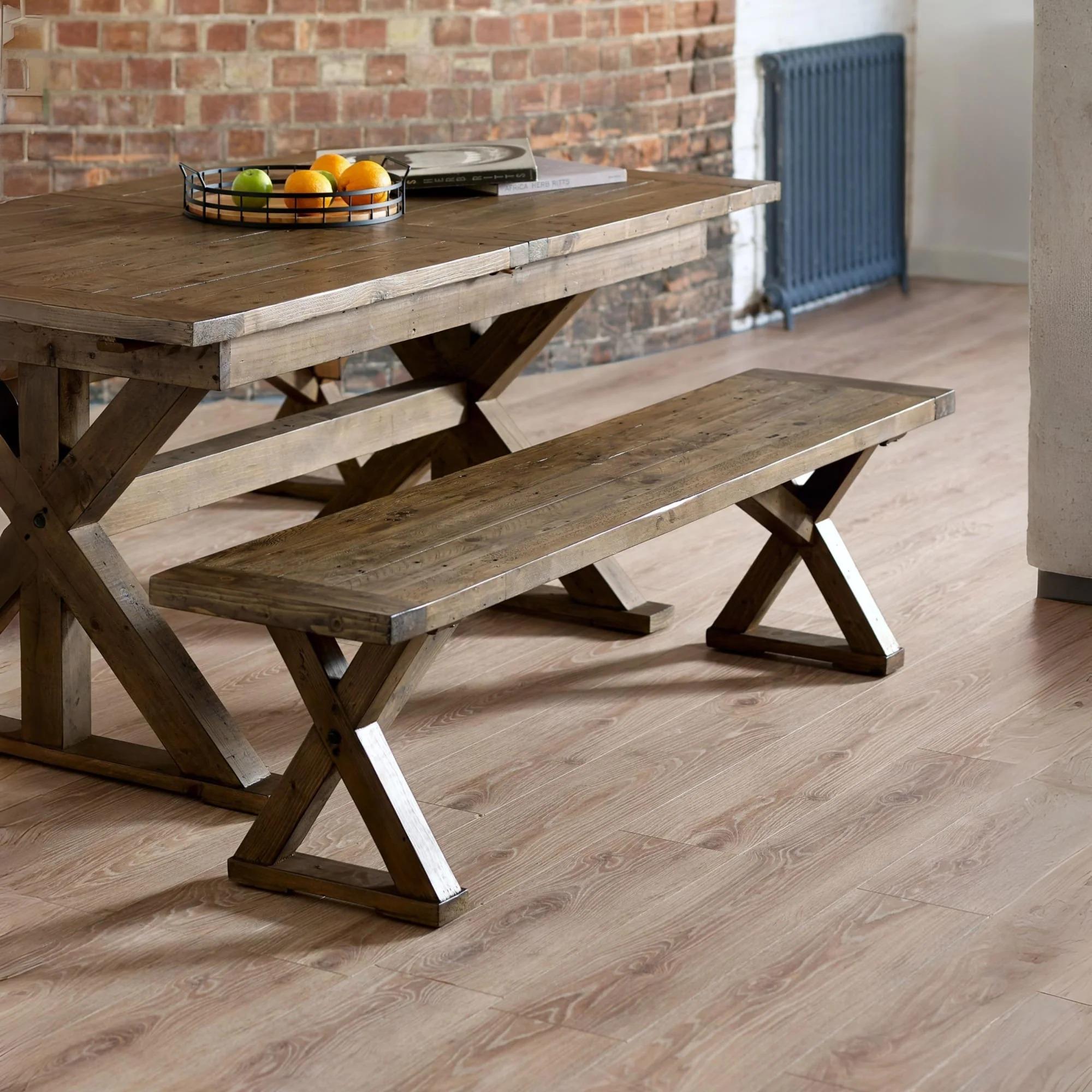
Reclaimed wood carries genuine history in its grain, knots and colour variation, so every bench looks slightly different and has more visual interest than a uniform factory finish. Rustic benches also tend to suit farmhouse kitchens, exposed brick and other characterful interiors better than a smooth, modern piece would. Many people simply prefer furniture with a story behind it.

Some do and some don't – both styles are widely available. A backed bench suits daily use and anyone who wants extra support, while a backless bench is lighter, easier to tuck away, and often better suited to smaller spaces or occasional extra seating.

A lacquered bench just needs a wipe with a damp cloth, since the sealed surface resists spills and marks. A waxed bench should be dusted regularly and re-waxed every so often to keep the finish protected and looking fresh. Avoid harsh chemical cleaners on either finish, as they can dull the wood over time.

Yes, every bench on our site can be bought online with free delivery across the UK, and many are in stock for immediate delivery. If you'd rather see the wood and finish in person first, you're also welcome to visit our furniture shop in Leicester.

A matt finish protects the wood without adding shine, so the timber still looks close to its natural state. A washed finish lightens the tone of the wood for a softer, more Scandinavian look, while a fully natural finish leaves the timber largely untreated so the grain is fully visible. All three are lower-maintenance than a high-gloss lacquer, though a natural finish will need more careful upkeep against spills.
Top