Free Delivery All Over UK*
close
Top products
SHOW ALL PRODUCTS

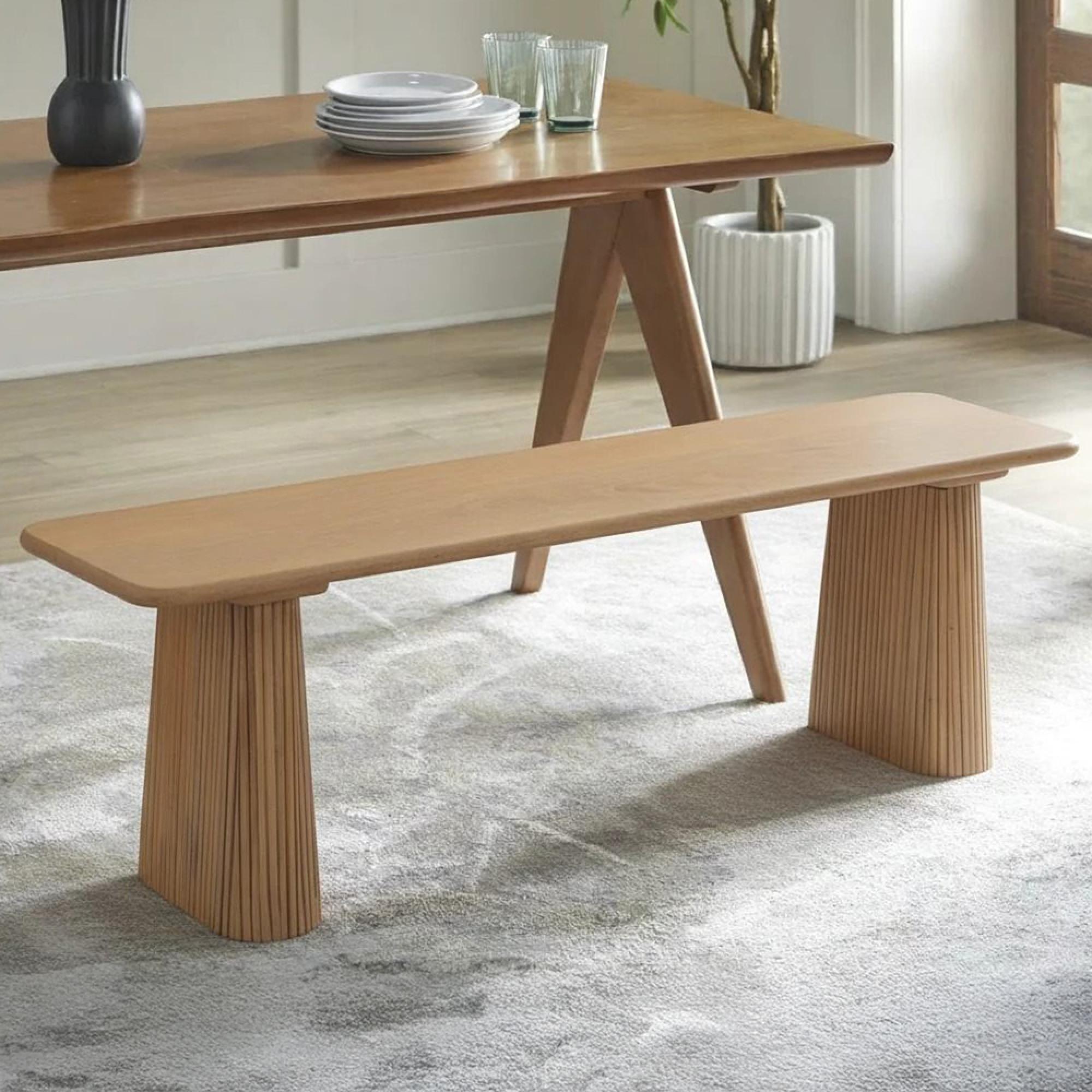
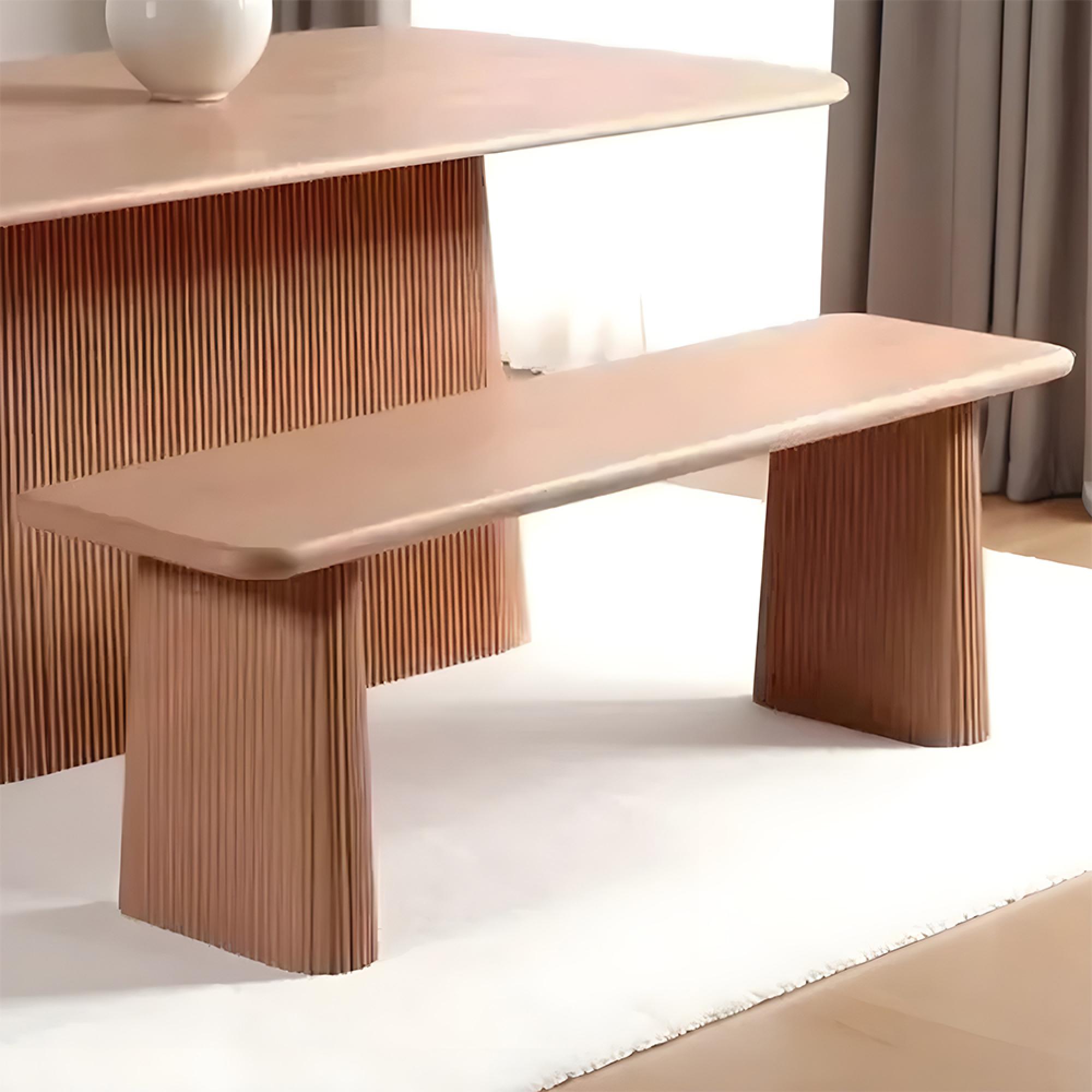
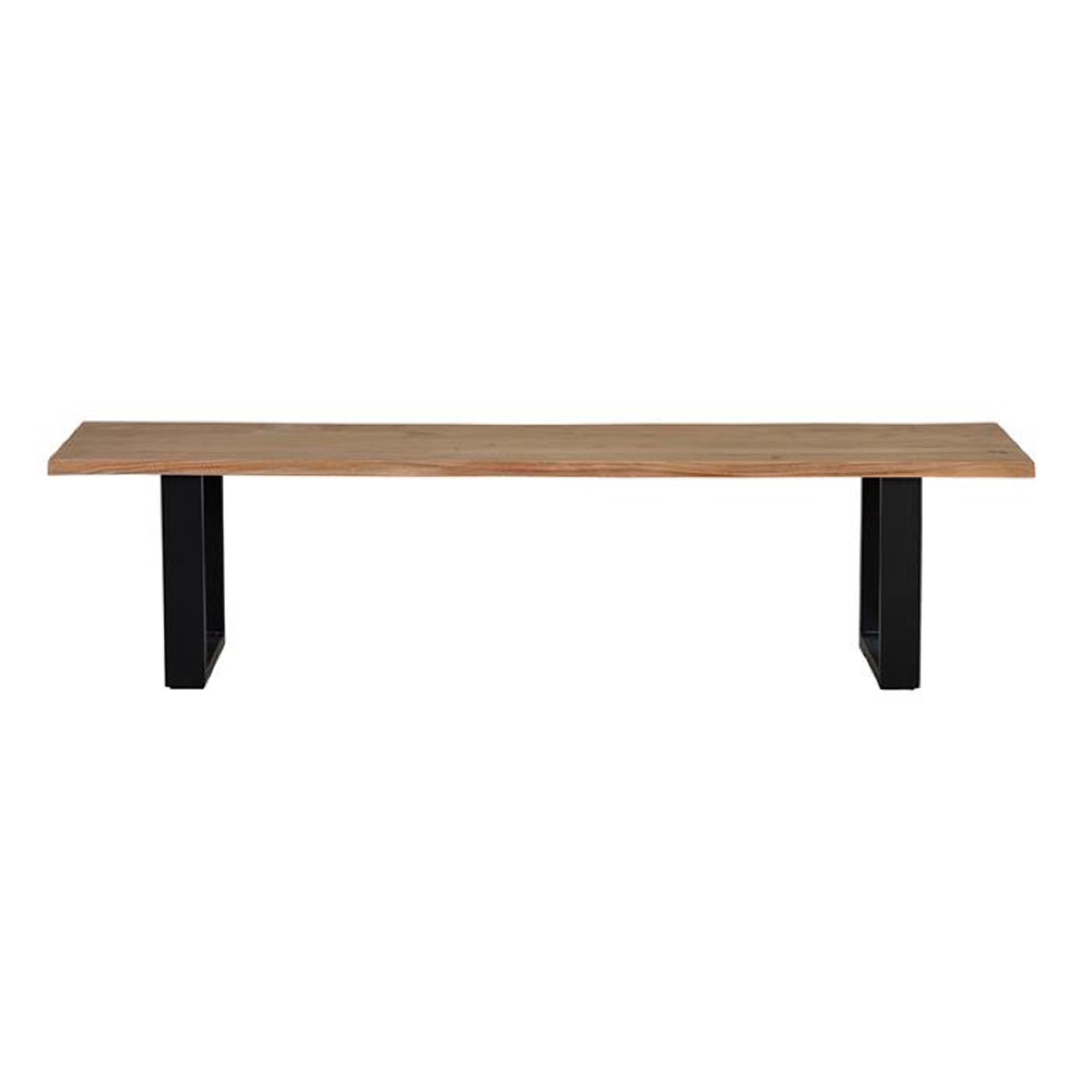
Mango Wood Dining Benches

Found 6 Items

Choose Mango Wood Dining Benches with the room, daily routine and intended use in mind. Compare seat length, upholstery, back support, leg position and compatibility with the table to identify the right balance of appearance and function. The mango wood focus makes material, finish and care especially important when comparing products. Match bench length to the usable space between the table legs. Confirm dimensions, materials, assembly and care on the individual product page.
Read more X Close

Popular Categories

Price

Material

Choosing Mango Wood Dining Benches

This category focuses on Mango Wood Dining Benches that can add flexible seating that can keep a dining arrangement visually open. Start with the room layout and daily use, then compare seat length, upholstery, back support, leg position and compatibility with the table. The mango wood focus makes material, finish and care especially important when comparing products. This keeps the decision focused on practical suitability as well as style.

Plan the space before choosing

Match bench length to the usable space between the table legs. Record the available width, depth and height, including clearance for doors, drawers, reclining parts or extensions where relevant. Account for skirting boards, radiators, sockets and walking routes, then check the access route through doors, halls and stairs.

For adjacent choices, explore Dining Benches, Reclaimed Wood Dining Benches and Oak Dining Benches. Use these comparisons alongside the specifications on each product page.

Mango Wood Dining Benches for considered interiors

The Mango Wood Dining Benches category focuses on choices intended to add flexible seating that can keep a dining arrangement visually open. A suitable option should respond to the room's proportions, surrounding furniture and practical demands of everyday use. The mango wood focus makes material, finish and care especially important when comparing products.

Material, finish and construction

When comparing dining benches, look closely at seat length, upholstery, back support, leg position and compatibility with the table. Materials influence appearance, weight and maintenance, while finish affects colour coordination and day-to-day care. Use the written specification to confirm construction and care requirements.

Function and room planning

Match bench length to the usable space between the table legs. Mark out the footprint and consider how people move around it. Where a product opens, extends, swivels or reclines, include that working clearance. For storage, seating or sleeping products, match the layout, support and capacity to the needs of regular users.

Creating a coordinated result

Build the room around a clear relationship between scale, colour and material. Matching every finish is not essential, but repeating one or two elements can connect separate pieces. You can also compare Dining Benches, Reclaimed Wood Dining Benches and Oak Dining Benches for closely related room and product choices. Use the individual listing to confirm dimensions, included components, assembly and suitability.

Read more X Close

FAQs on Mango Wood Dining Benches

What should I look for when buying a mango wood dining bench?

Prioritise leg construction—four-legged designs distribute weight more evenly than trestle bases. Check the wood grain and finish for consistency. Measure your table length and dining space, allowing 5–10 cm clearance on each side. Verify weight capacity if seating heavier adults regularly. Inspect joints for solid construction rather than veneers.

Measure your table length in centimetres. A bench should be 5–10 cm shorter than the table to allow natural overhang. Measure floor space to ensure the bench tucks fully under when not in use. Check the height matches your table—typically 45–50 cm. Account for leg space if your table has a pedestal base.

Yes—mango wood is a dense, durable hardwood resistant to everyday knocks and scratches. Our benches withstand regular family use for many years with basic care. Four-legged designs offer superior stability compared to trestle-style bases, particularly under sustained weight from multiple users.

Dust regularly and wipe with a damp cloth to remove spills immediately. Avoid harsh chemicals and prolonged water exposure. Apply furniture polish or beeswax every 3–6 months to restore natural lustre. Check and replace felt pads on legs periodically, especially on hard floors.

Apply self-adhesive felt pads or rubber feet to each leg—the simplest and most effective solution. These are inexpensive, widely available, and noticeably reduce floor scratching when the bench is pulled in and out. Check pads monthly on hard floors, as they wear down with regular movement and may need replacing.

Yes—a bench is ideal for small spaces because it tucks completely under the table when not in use, consuming no additional floor space. Individual chairs protrude even when pushed in, making rooms feel cramped. A bench on one side with two chairs on the remaining sides maximises seating while keeping the room open.

Yes—mango wood benches work well in hallways for putting on shoes, at the foot of beds for layered bedroom styling, or in kitchens as space-saving seating. Their solid surface handles bags and everyday items. Ensure indoor benches are protected from direct rain and extreme temperature fluctuations if positioned near external doors or windows.

Benches seat multiple people across a continuous backless surface, whereas chairs provide individual support with back and arm rests. Benches save floor space and tuck under tables completely. Chairs offer more ergonomic support and personal comfort for longer dining periods. For small rooms, benches are more space-efficient; for comfort-focused dining, chairs suit better.

Well-constructed mango wood benches support several hundred kilograms when evenly distributed across the seat. Four-legged designs provide superior weight distribution compared to trestle bases. Exact capacity depends on leg construction and wood thickness. For frequent use by larger groups or heavier adults, opt for robust four-legged designs with substantial timber dimensions.

Most mango wood benches arrive partially assembled—legs are typically pre-fitted. Youll need to attach feet or felt pads and may need to tighten joints on arrival. Assembly time is usually 15–30 minutes with basic tools. Our customer service team provides detailed instructions, and in-store staff in Leicester can advise on assembly requirements before purchase.

Yes—mango wood is durable hardwood offering genuine longevity compared to veneered alternatives. A quality bench seats multiple people, reduces floor clutter in small rooms, and complements various interior styles. Spread costs via 0% finance if buying with a dining set. Free UK delivery and Trustpilot-rated customer service add tangible value beyond the product itself.
Top