Free Delivery All Over UK*
close
Top products
SHOW ALL PRODUCTS

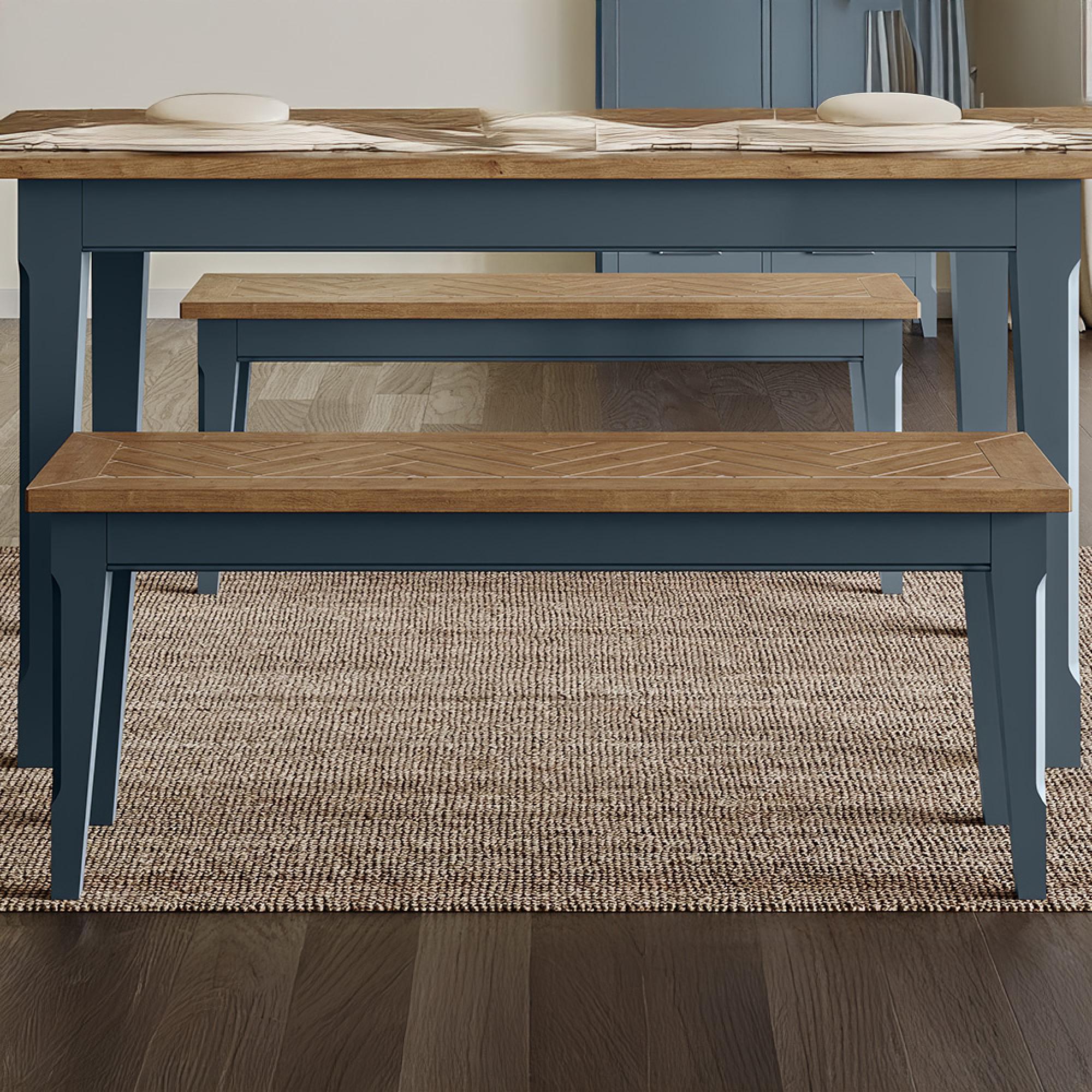
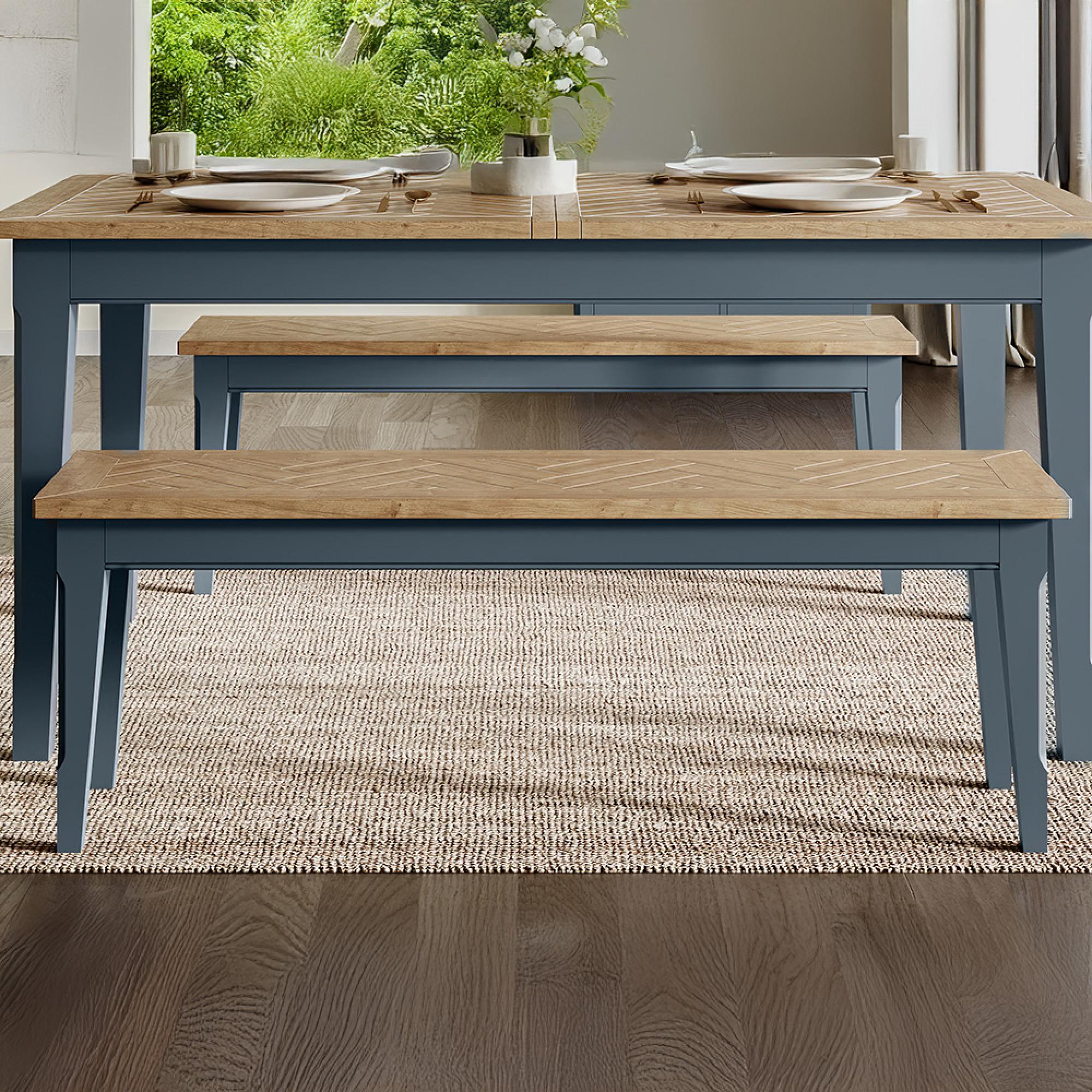
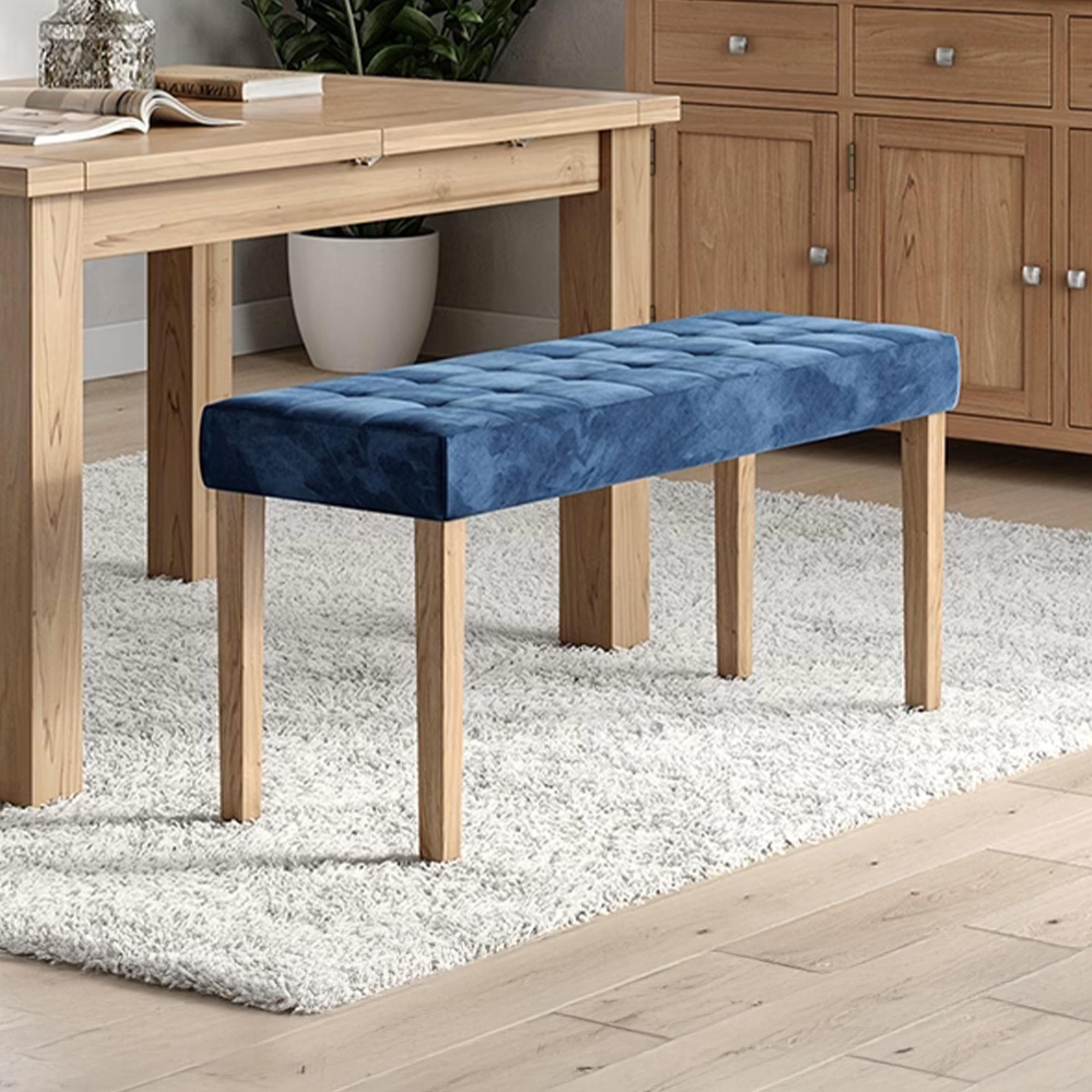
Blue Dining Benches

Found 6 Items

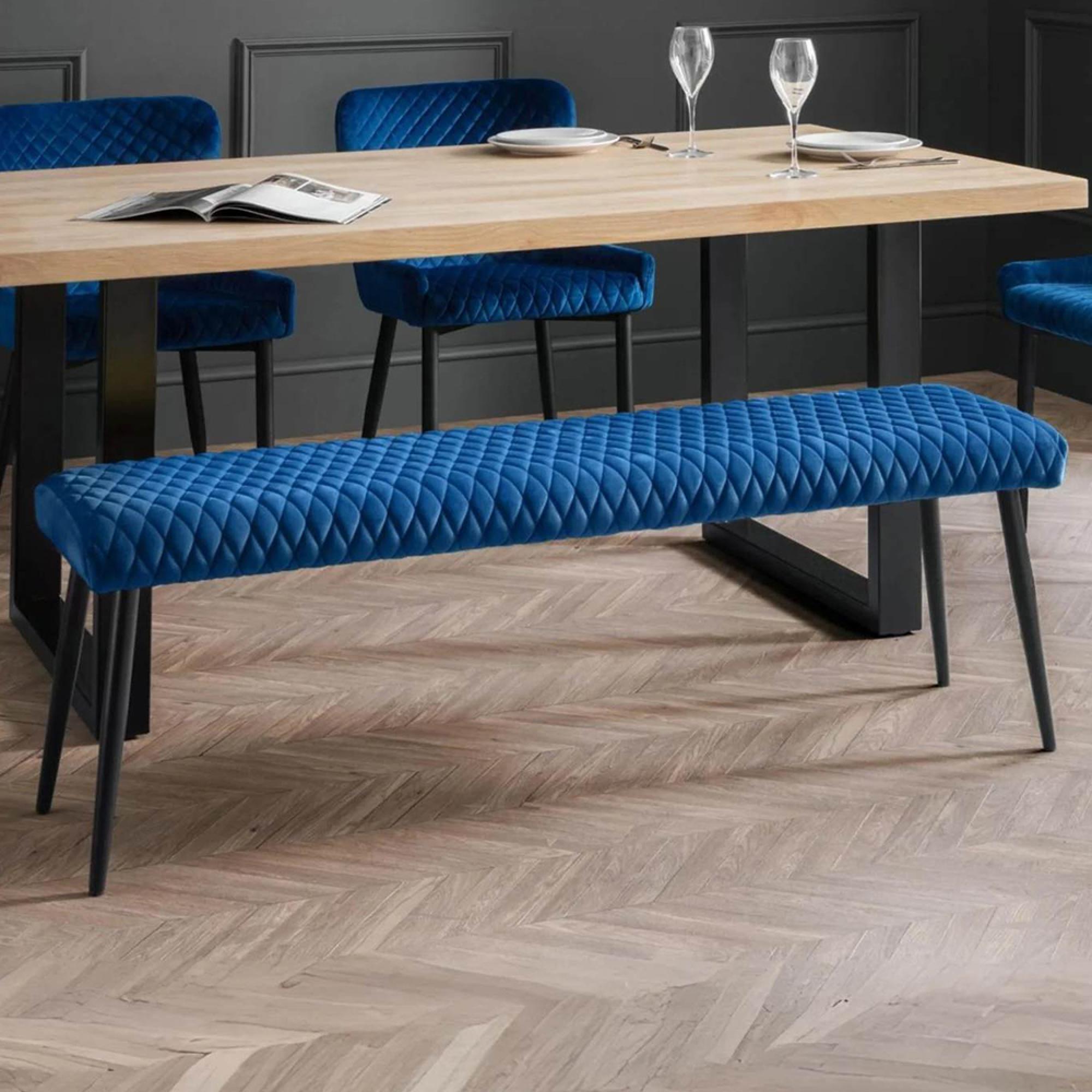
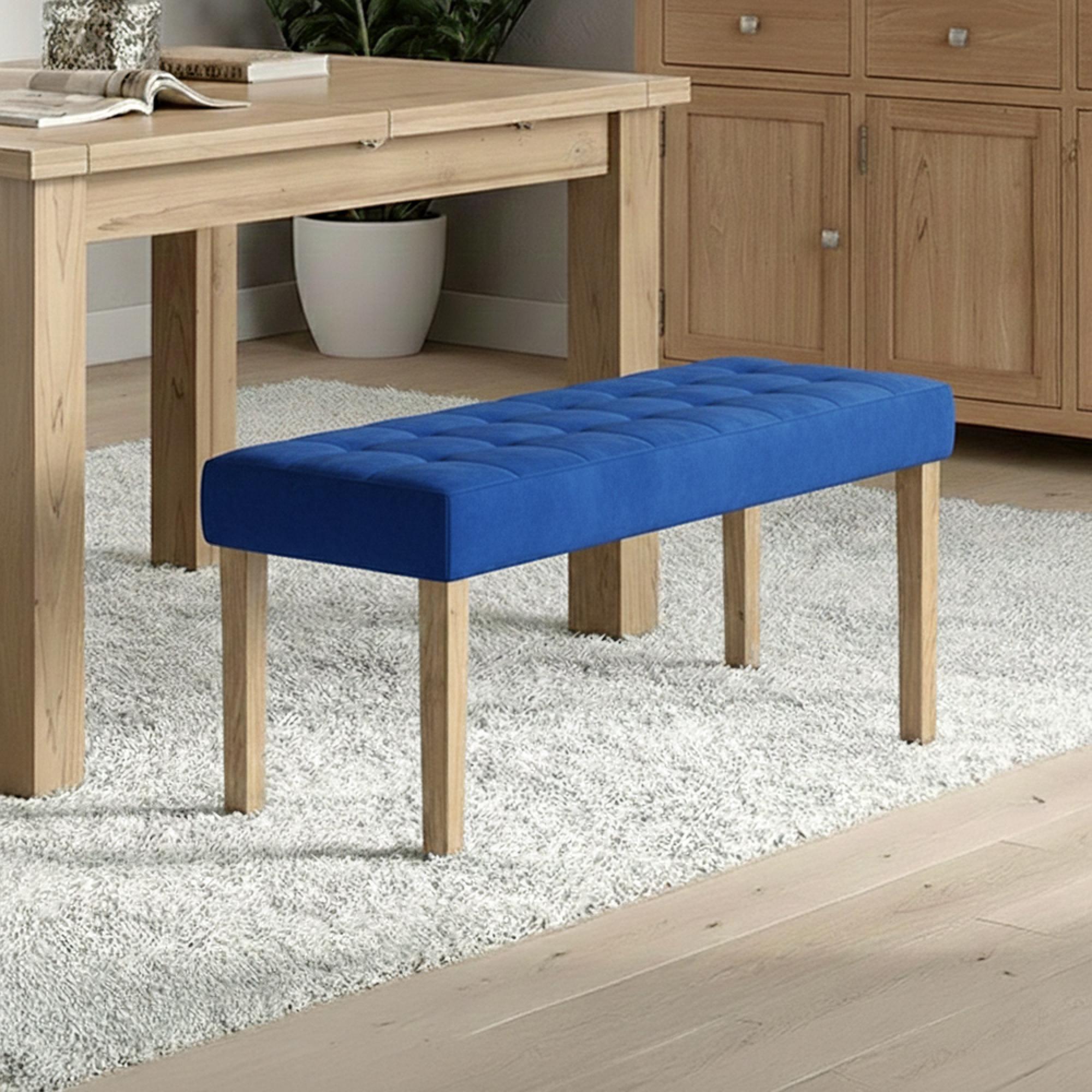
Use the Blue Dining Benches category to compare choices that add flexible seating that can keep a dining arrangement visually open. Compare seat length, upholstery, back support, leg position and compatibility with the table to identify the right balance of appearance and function. Use the blue colour direction alongside the room's flooring, wall colour and existing furniture for a balanced result. Match bench length to the usable space between the table legs.
Read more X Close

Popular Categories

Price

Material

Choosing Blue Dining Benches

This category focuses on Blue Dining Benches that can add flexible seating that can keep a dining arrangement visually open. Start with the room layout and daily use, then compare seat length, upholstery, back support, leg position and compatibility with the table. Use the blue colour direction alongside the room's flooring, wall colour and existing furniture for a balanced result. This keeps the decision focused on practical suitability as well as style.

Plan the space before choosing

Match bench length to the usable space between the table legs. Record the available width, depth and height, including clearance for doors, drawers, reclining parts or extensions where relevant. Account for skirting boards, radiators, sockets and walking routes, then check the access route through doors, halls and stairs.

For adjacent choices, explore Dining Benches, Oak and Blue Dining Benches and Oak Dining Benches. Use these comparisons alongside the specifications on each product page.

Blue Dining Benches for considered interiors

The Blue Dining Benches category focuses on choices intended to add flexible seating that can keep a dining arrangement visually open. A suitable option should respond to the room's proportions, surrounding furniture and practical demands of everyday use. Use the blue colour direction alongside the room's flooring, wall colour and existing furniture for a balanced result.

Material, finish and construction

When comparing dining benches, look closely at seat length, upholstery, back support, leg position and compatibility with the table. Materials influence appearance, weight and maintenance, while finish affects colour coordination and day-to-day care. Use the written specification to confirm construction and care requirements.

Function and room planning

Match bench length to the usable space between the table legs. Mark out the footprint and consider how people move around it. Where a product opens, extends, swivels or reclines, include that working clearance. For storage, seating or sleeping products, match the layout, support and capacity to the needs of regular users.

Creating a coordinated result

Build the room around a clear relationship between scale, colour and material. Matching every finish is not essential, but repeating one or two elements can connect separate pieces. You can also compare Dining Benches, Oak and Blue Dining Benches and Oak Dining Benches for closely related room and product choices. Use the individual listing to confirm dimensions, included components, assembly and suitability.
Read more X Close

FAQs on Blue Dining Benches

What size blue dining bench do I need for my table?

Measure your table length and choose a bench at 60–75% of that width for comfortable seating. A standard 4-seater table suits a 120–150cm bench. Ensure 30cm clearance on each side. Check product dimensions before purchasing to avoid overhang issues.

Blue dining benches work on both carpet and hard flooring. On carpet, the bench may shift slightly during use. Use furniture pads or a non-slip rug underlay beneath the legs to prevent movement and protect your flooring from scratches.

Benches seat 2–3 people in one piece, maximising space and creating a relaxed look. Chairs offer individual seating with better back support and easier movement. Benches are ideal for smaller dining areas; chairs suit formal settings and families needing flexibility.

Vacuum weekly using an upholstery brush to remove dust. Blot spills immediately with a damp cloth—dont rub. Use a fabric-specific cleaner for stains, testing on a hidden area first. Rotate cushions monthly for even wear and maintain colour vibrancy.

Yes, benches are excellent for compact spaces as they require less floor area than multiple chairs and can tuck under the table. Choose a bench without a high back to avoid visual clutter. Pair with a narrow table to maximise legroom in tight areas.

Leather and faux leather benches are the easiest to clean—wipe with a damp cloth and dry immediately. Wood-framed benches with removable cushions offer flexibility. Avoid light fabrics if you have children or pets; darker fabrics and performance fabrics hide stains better.

Most blue dining benches include a 1–2 year manufacturers warranty covering frame defects and structural issues. Warranty terms vary by brand and material. Check the product specification sheet at checkout or contact our customer service team for specific coverage details.

Yes, wall-mounted or backed benches work well in kitchens and create a casual, space-saving breakfast nook. Ensure the bench height aligns with your table—typically 40–45cm from floor to seat. Leave 10–15cm between the bench back and wall for stability.

Most blue dining benches support 200–300kg distributed weight. Individual weight limits depend on frame construction, material quality and leg support. Check the product specification page for exact capacity. Contact us if you need benches rated for heavier sustained use.

Backed benches offer lumbar support and comfort for longer meals, suiting formal dining. Backless benches maximise space, suit casual settings and allow flexible positioning. Consider your dining duration and decor style—backs add visual weight; backless designs feel lighter and more modern.
Top