Free Delivery All Over UK*
close
Top products
SHOW ALL PRODUCTS

Filing Cabinets

Found 20 Items

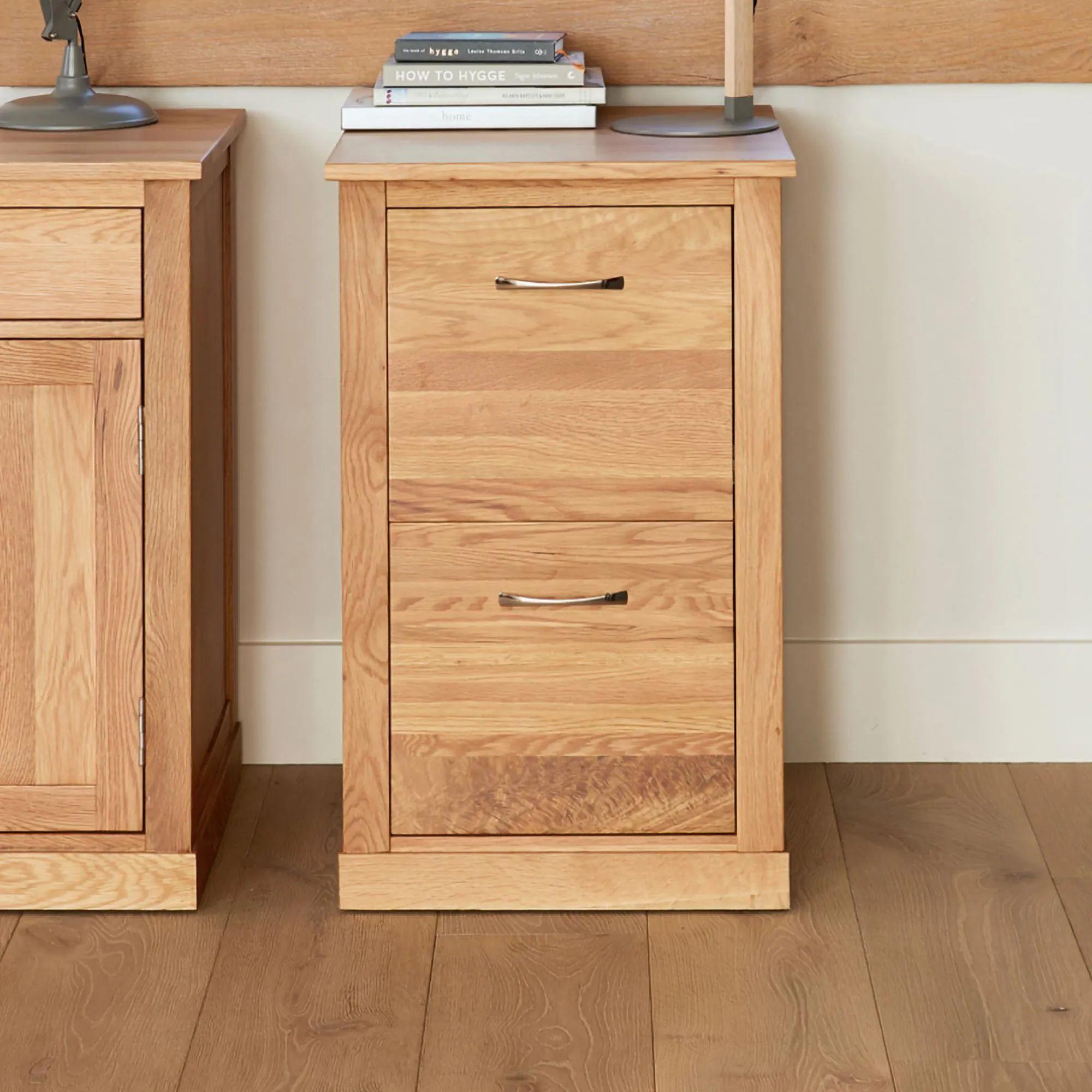
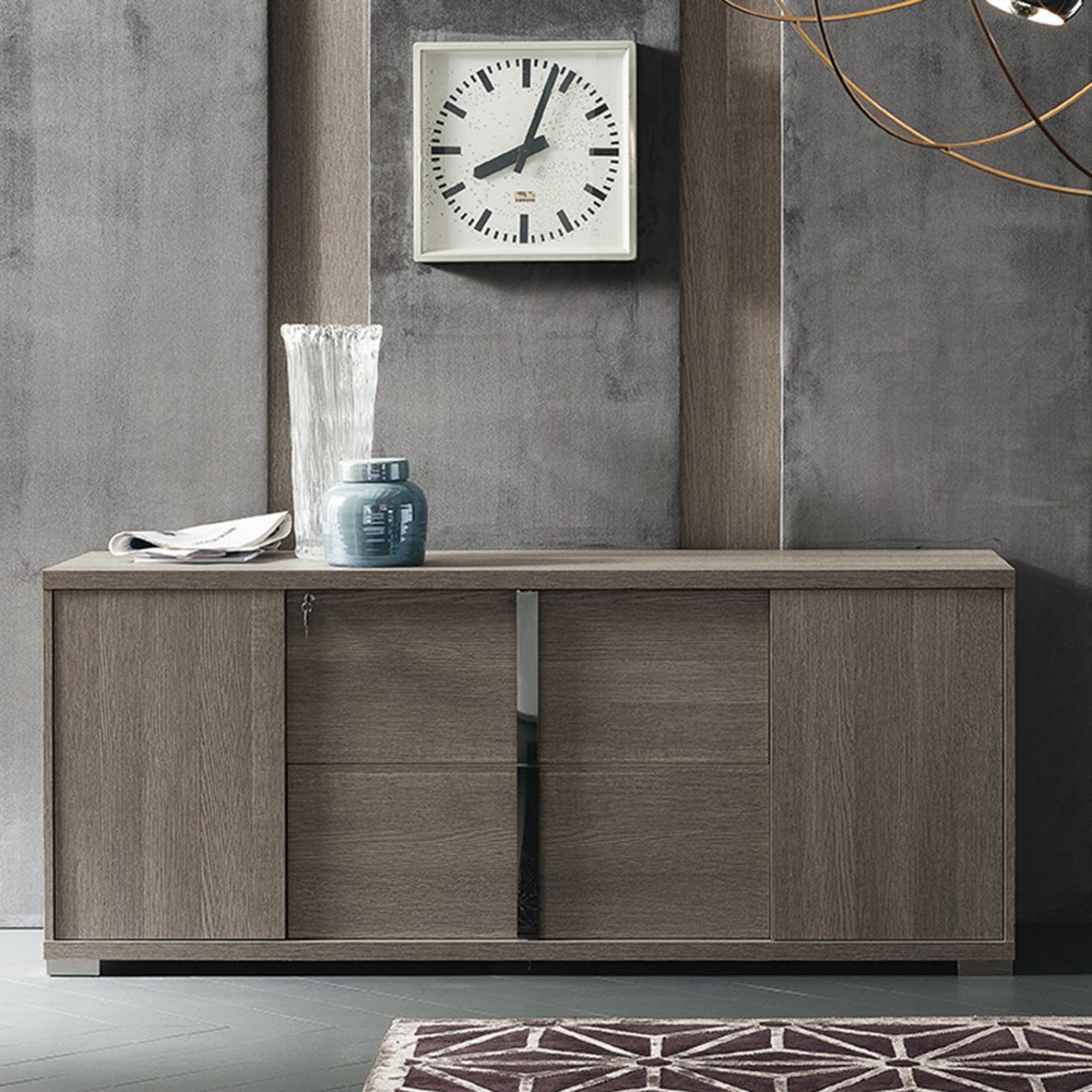
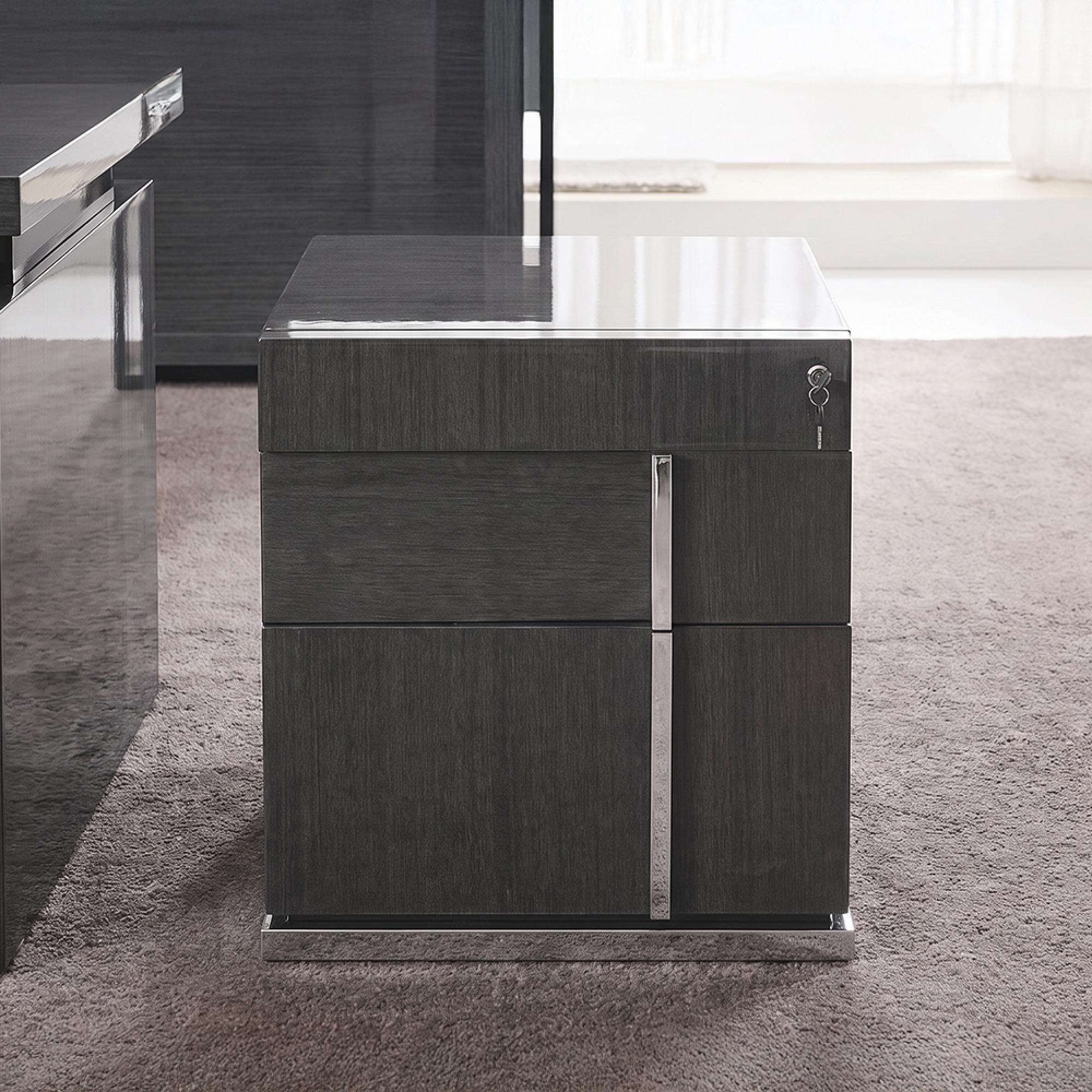
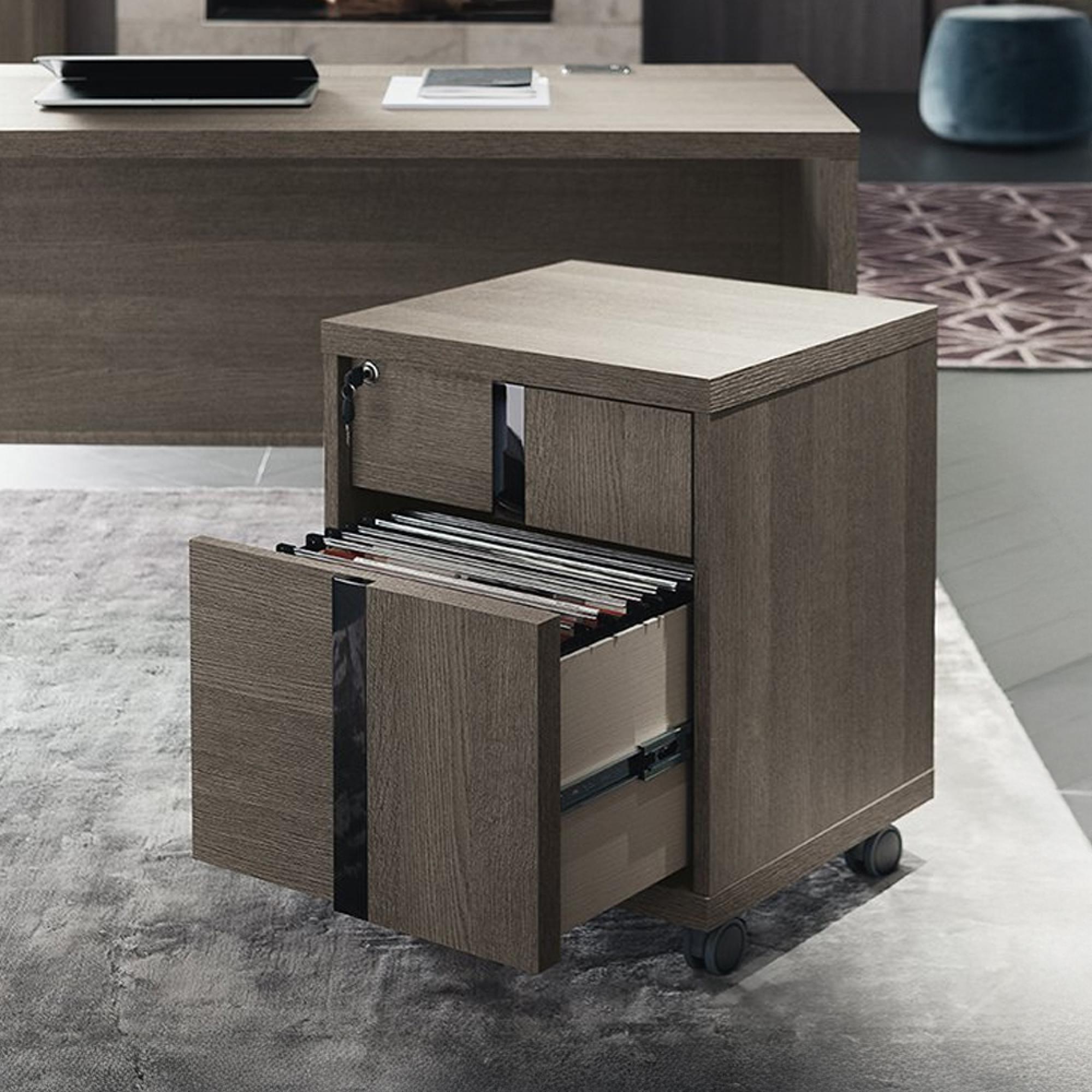
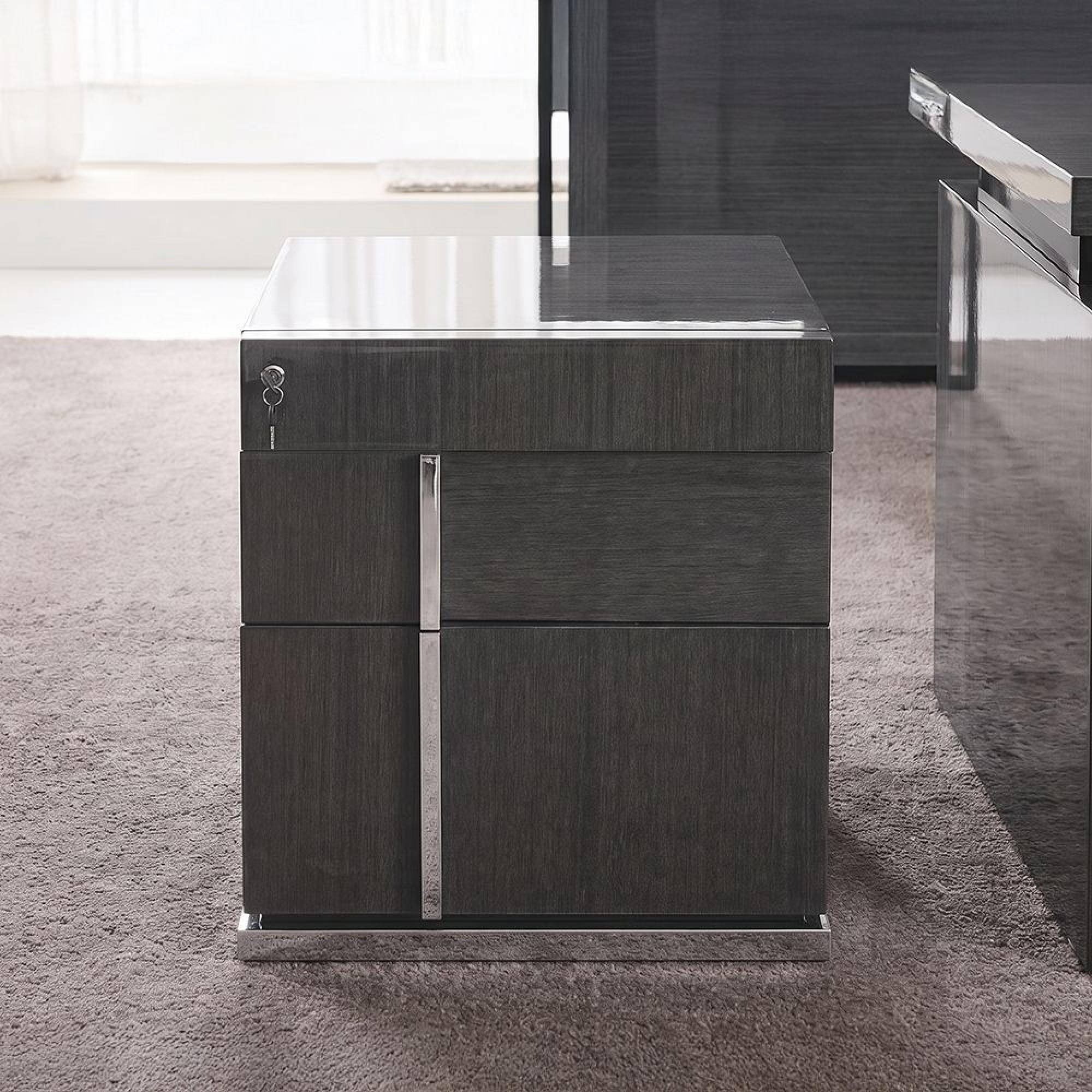
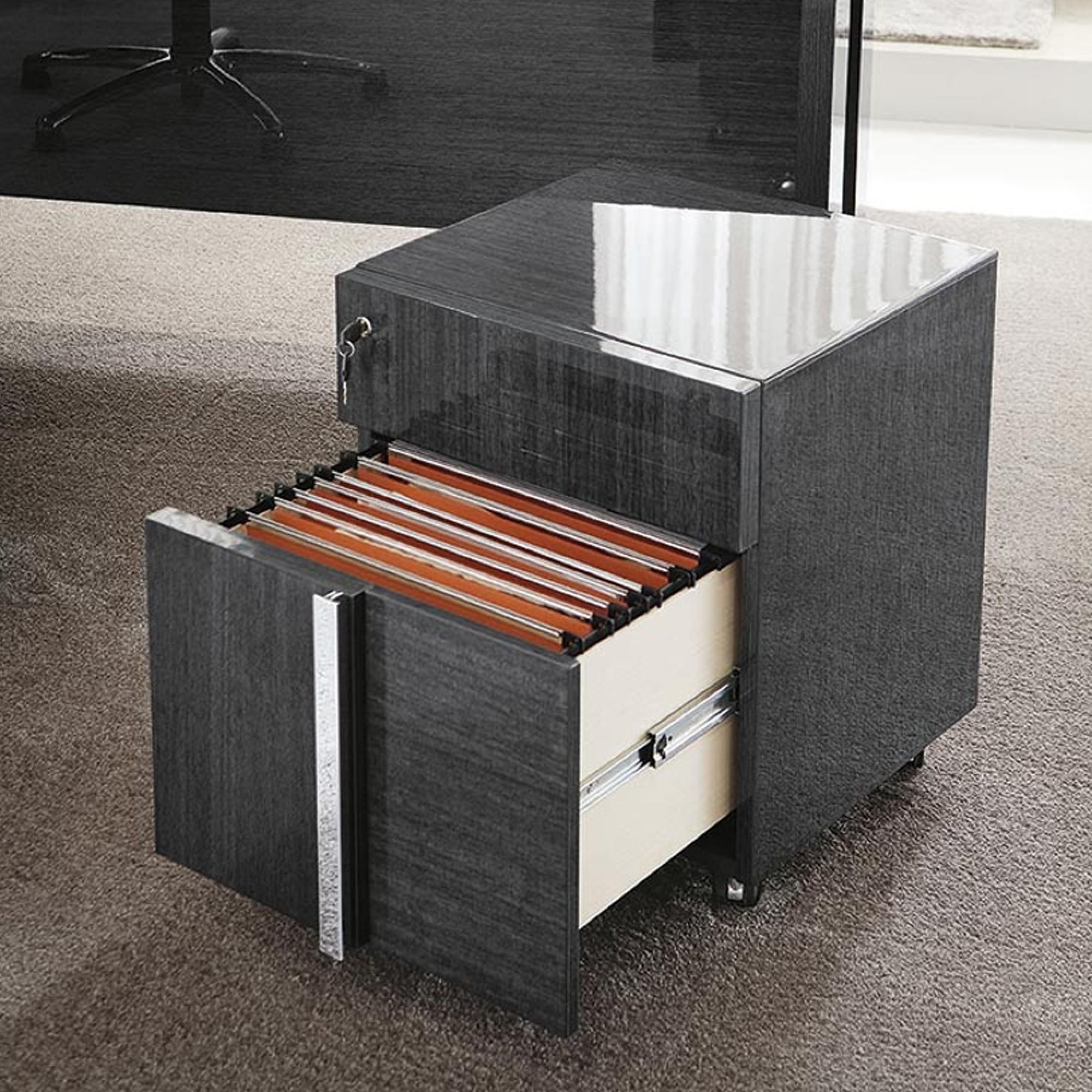
Explore Filing Cabinets designed to keep paperwork and office essentials organised and accessible. Compare file format, drawer layout, locking, mobility, capacity and available floor space to identify the right balance of appearance and function. Check the intended paper size and allow room for drawers to open fully. Check each product page for exact dimensions, construction, finish, assembly and care information before making a final choice.
Read more X Close

Popular Categories

Price

No. of Doors

No. of Drawers

Material

Finish

Choosing Filing Cabinets

This category focuses on Filing Cabinets that can keep paperwork and office essentials organised and accessible. Start with the room layout and daily use, then compare file format, drawer layout, locking, mobility, capacity and available floor space. Function and visual balance both matter, so compare the complete specification rather than choosing on appearance alone. This keeps the decision focused on practical suitability as well as style.

Plan the space before choosing

Check the intended paper size and allow room for drawers to open fully. Record the available width, depth and height, including clearance for doors, drawers, reclining parts or extensions where relevant. Account for skirting boards, radiators, sockets and walking routes, then check the access route through doors, halls and stairs.

For adjacent choices, explore Home Office Furniture, Oak Filing Cabinets and Desks. Use these comparisons alongside the specifications on each product page.

Filing Cabinets for considered interiors

The Filing Cabinets category focuses on choices intended to keep paperwork and office essentials organised and accessible. A suitable option should respond to the room's proportions, surrounding furniture and practical demands of everyday use. Use the category wording as a starting point, then verify the exact material, finish and features shown on each product page.

Material, finish and construction

When comparing filing cabinets, look closely at file format, drawer layout, locking, mobility, capacity and available floor space. Materials influence appearance, weight and maintenance, while finish affects colour coordination and day-to-day care. Use the written specification to confirm construction and care requirements.

Function and room planning

Check the intended paper size and allow room for drawers to open fully. Mark out the footprint and consider how people move around it. Where a product opens, extends, swivels or reclines, include that working clearance. For storage, seating or sleeping products, match the layout, support and capacity to the needs of regular users.

Creating a coordinated result

Build the room around a clear relationship between scale, colour and material. Matching every finish is not essential, but repeating one or two elements can connect separate pieces. You can also compare Home Office Furniture, Oak Filing Cabinets and Desks for closely related room and product choices. Use the individual listing to confirm dimensions, included components, assembly and suitability.
Read more X Close

FAQs on Filing Cabinets

Should I buy a filing cabinet for my home office?

Filing cabinets are worth buying if you handle important documents regularly. They keep paperwork organised, protect sensitive information, and free up desk space. For home offices, compact lateral or slim designs work best, offering secure storage without dominating the room.

Lateral cabinets are wider and hold more files side-by-side, ideal for high-volume storage. Vertical cabinets are narrower and taller, better for small spaces. Laterals typically offer 30-42cm width; verticals are 15-20cm wide. Choose lateral for shared offices, vertical for compact home setups.

Measure your available floor space first, then consider document volume. Four-drawer cabinets are roughly 132cm tall; two-drawer models are 65-70cm. Lateral cabinets suit large teams; vertical work for solo workers. Check depth (typically 47-55cm) fits your office layout before buying.

Steel sheet metal offers maximum durability and security for busy offices. Wood finishes like oak or walnut suit professional settings but require more maintenance. Steel resists damage and dents better, while wood provides aesthetic appeal. Consider your budget and office style when choosing.

Yes, if you handle sensitive documents, contracts, or tax records. Digital storage doesnt eliminate paper needs entirely. Filing cabinets provide secure, organised backup storage thats faster to access than cloud systems for urgent paperwork. Essential for compliance and peace of mind.

Vertical two-drawer cabinets (15-20cm wide, 65-70cm tall) work best for tight spaces. Slim filing cabinets are even narrower. Alternatively, mobile filing cabinets with wheels can be pushed aside when not in use. Ensure depth (47-55cm) doesnt block walkways before purchasing.

Dust exterior surfaces monthly with a soft cloth. For steel, use a damp cloth and dry immediately to prevent rust. Wood cabinets benefit from furniture polish every few months. Keep drawers lubricated with silicone spray to ensure smooth operation. Avoid harsh chemicals that damage finishes.

Yes, modern filing cabinets with wood finishes blend into living spaces. Choose oak or walnut designs that match existing furniture. Vertical or slim models take less visual space. Position against walls to maintain room flow. Wood finishes feel less institutional than steel options.

Filing cabinets have shallow, standardised drawers designed for documents and folders. Storage cabinets feature deeper, adjustable shelves for varied items. Filing cabinets offer better organisation for paperwork; storage cabinets suit general household clutter. Choose filing for document management, storage for mixed items.

Most standard four-drawer filing cabinets safely hold 50-70kg per drawer when fully loaded. Steel cabinets are sturdier than wood. Check the manufacturers weight rating before filling drawers completely. Overloading causes drawer mechanisms to jam and reduces cabinet lifespan significantly.
Top