Free Delivery All Over UK*
close
Top products
SHOW ALL PRODUCTS

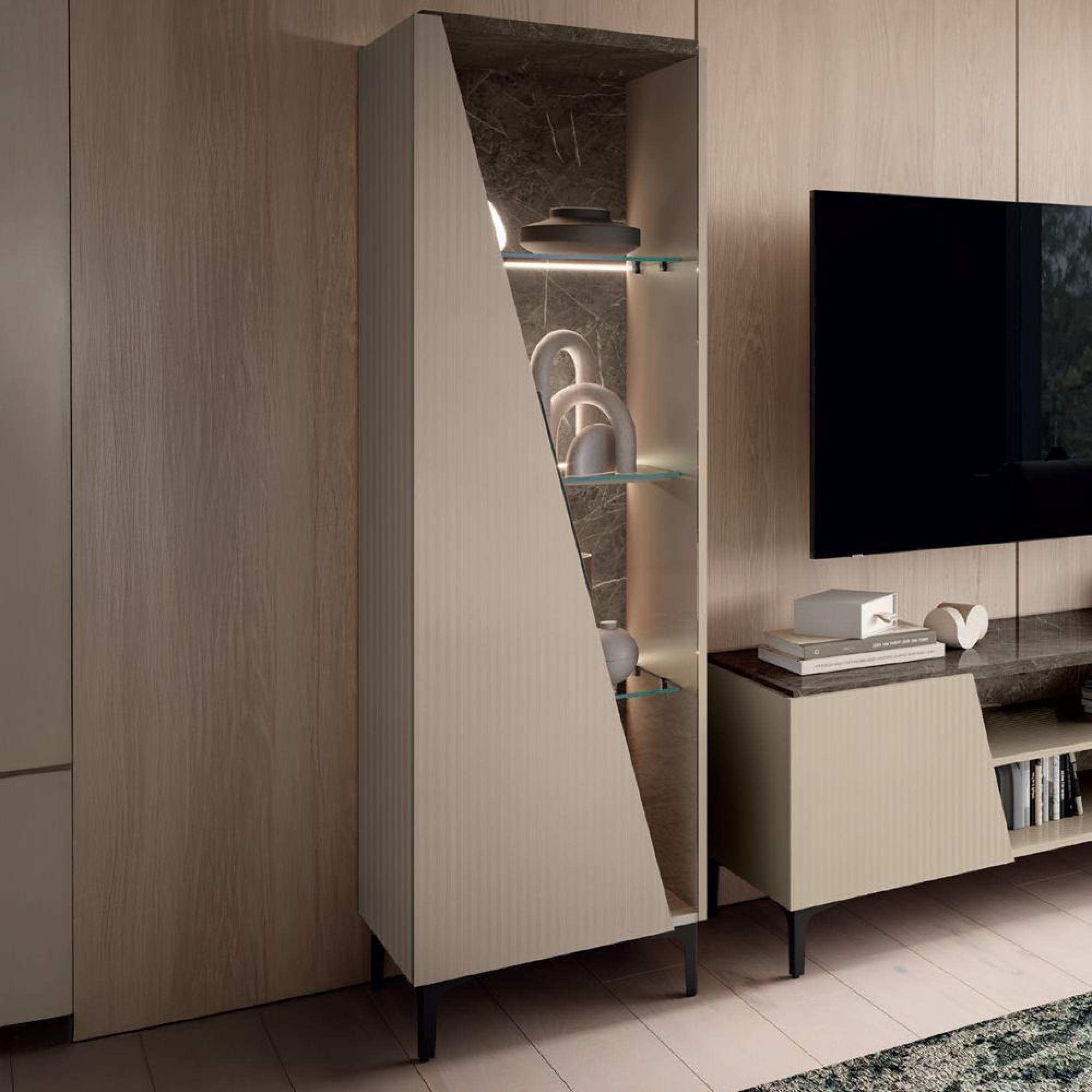
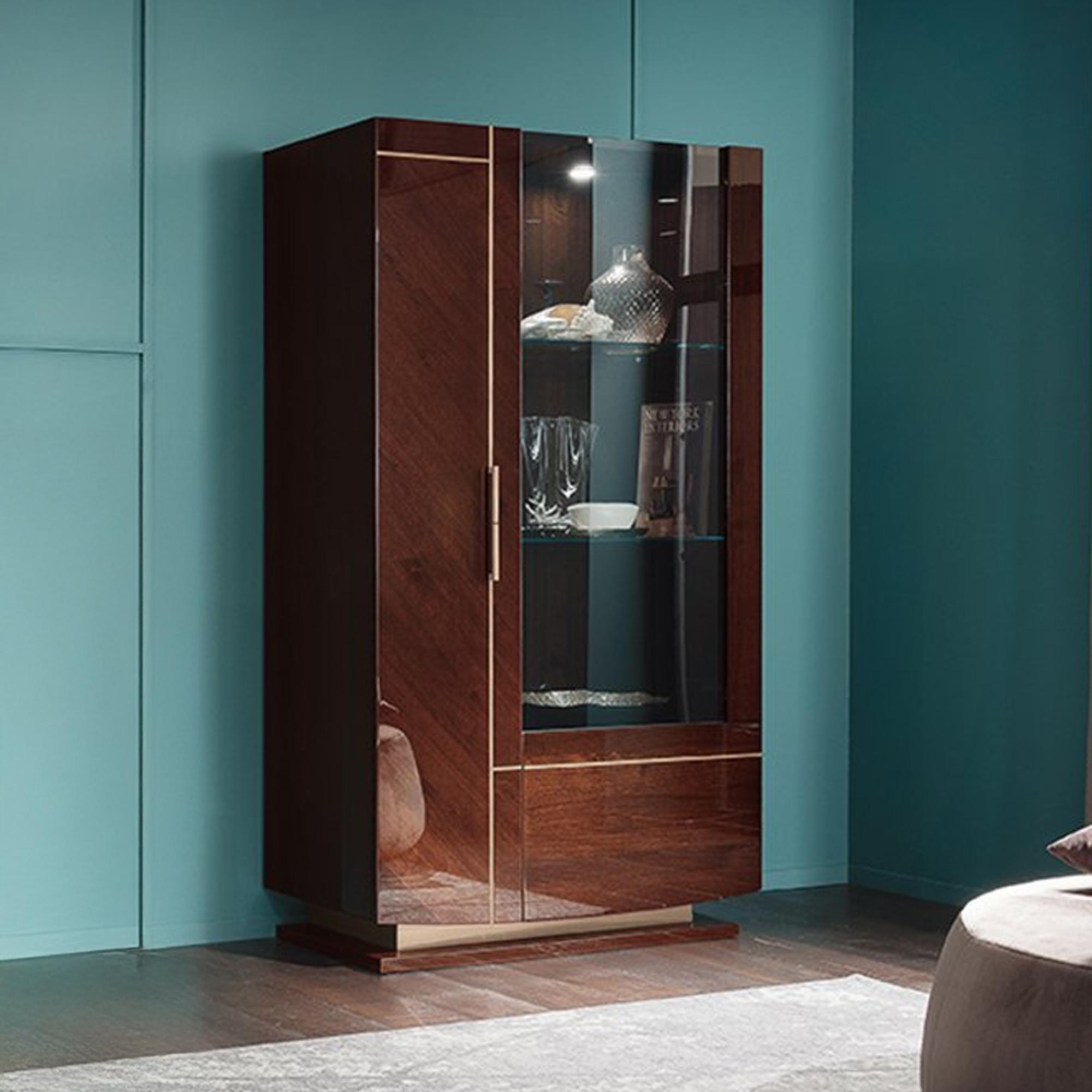
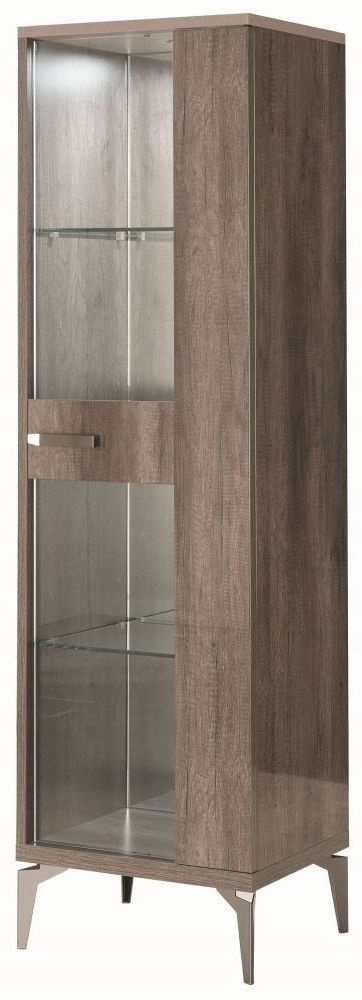
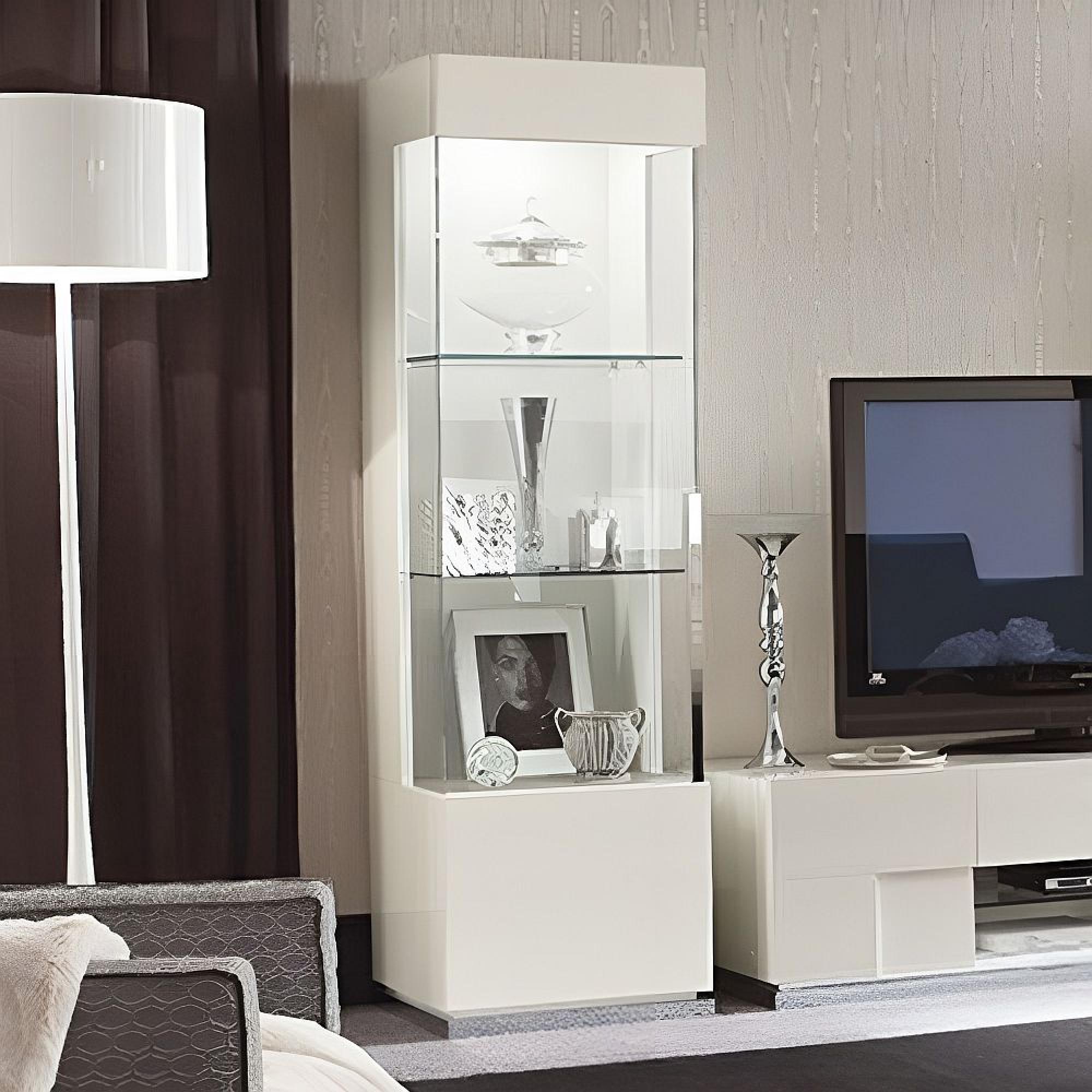
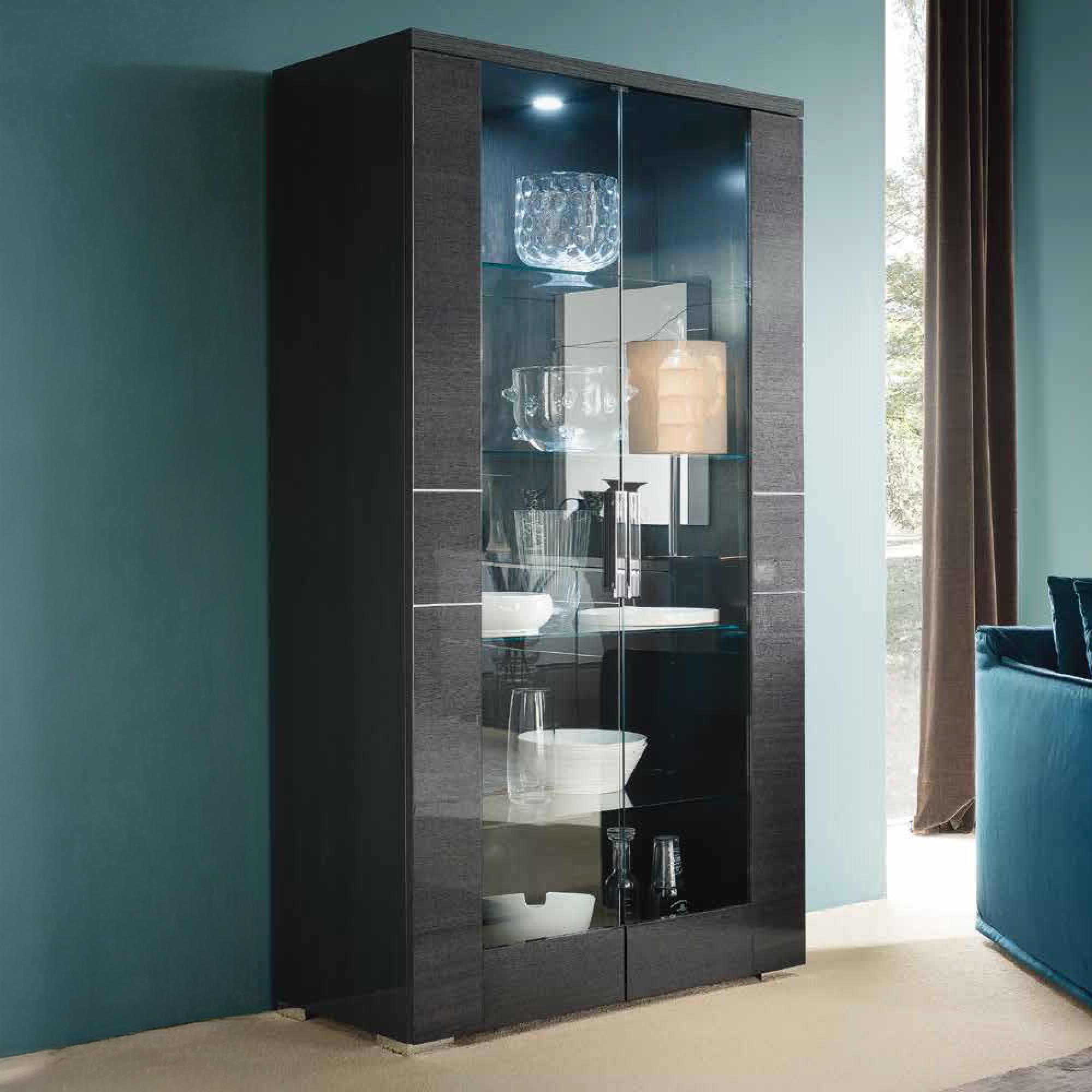
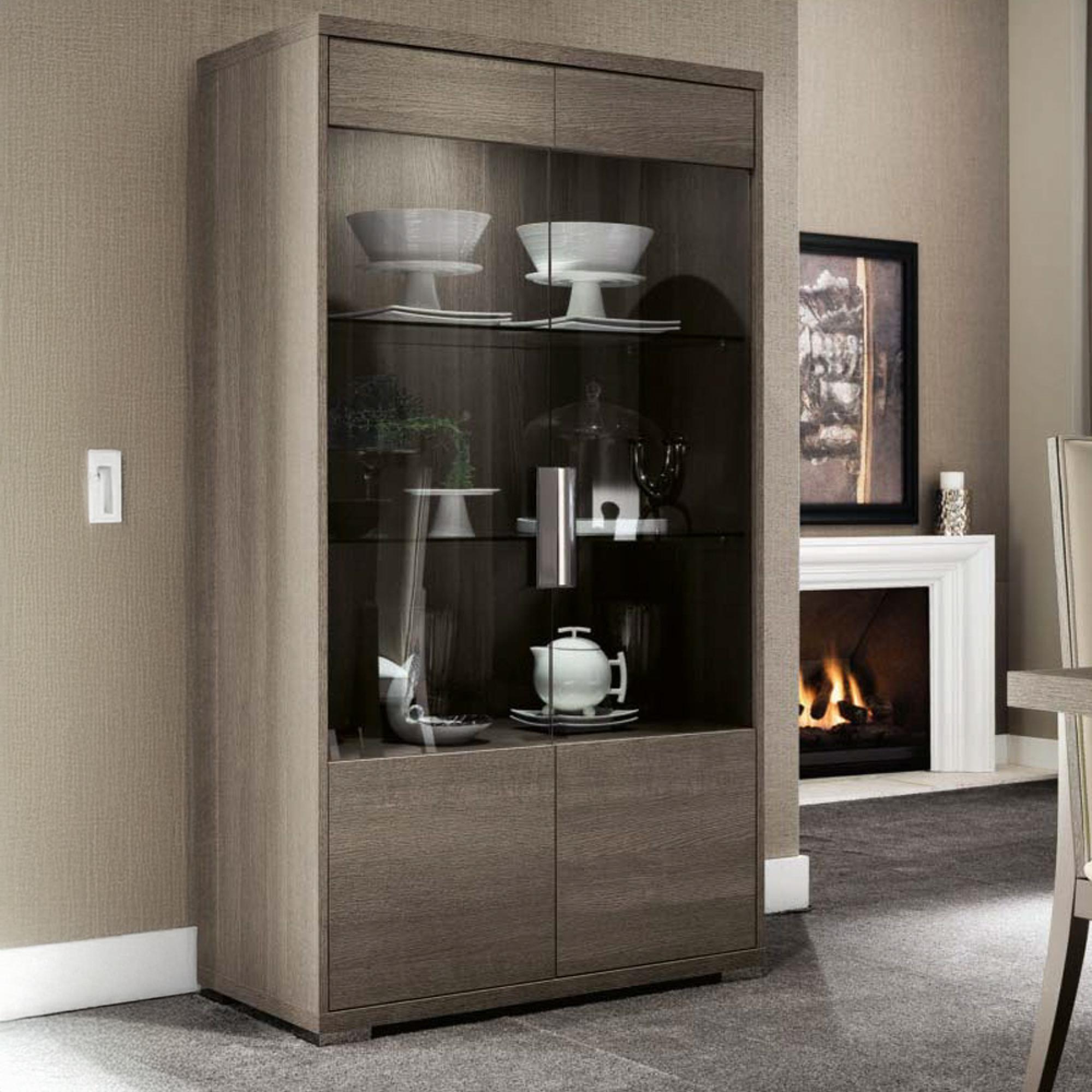
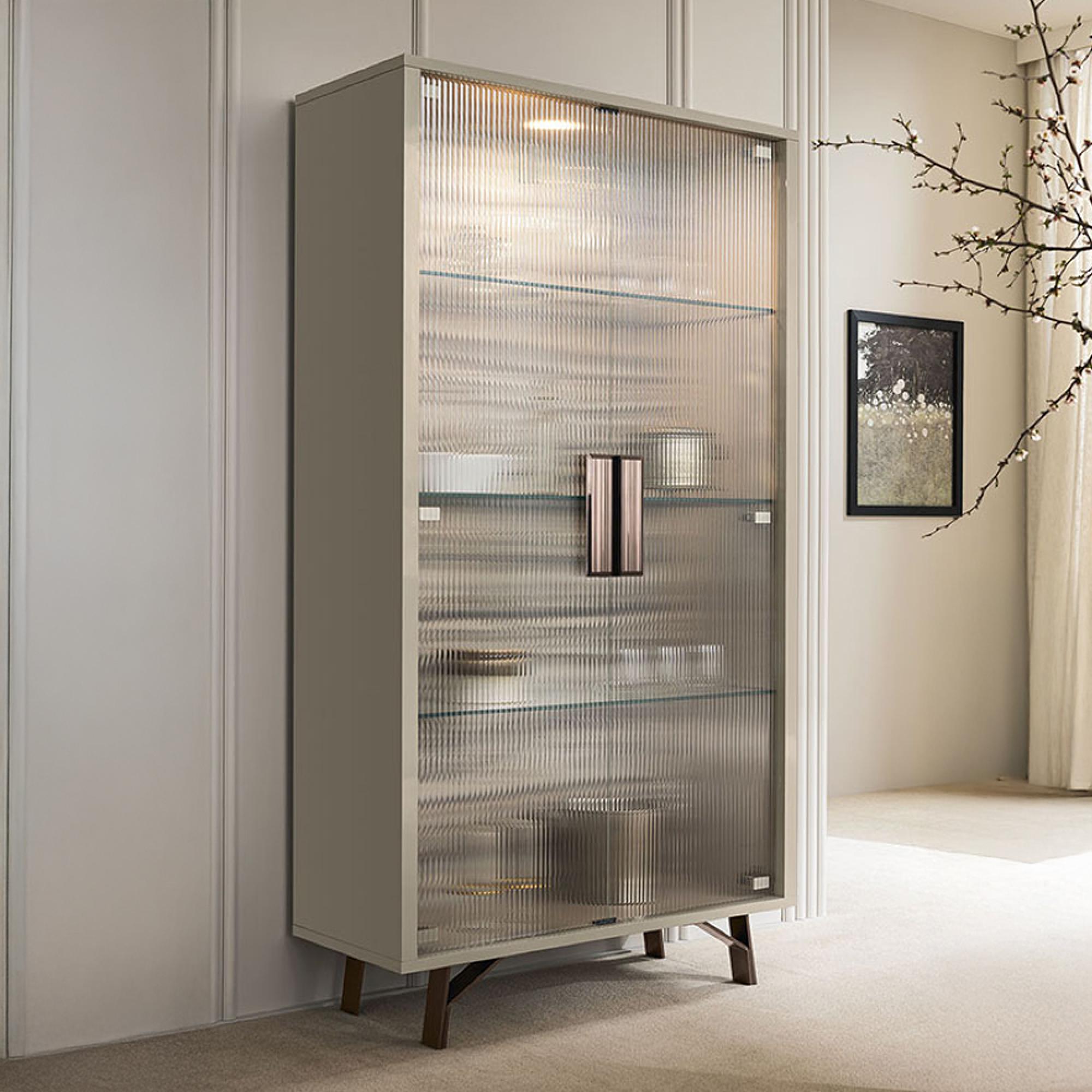
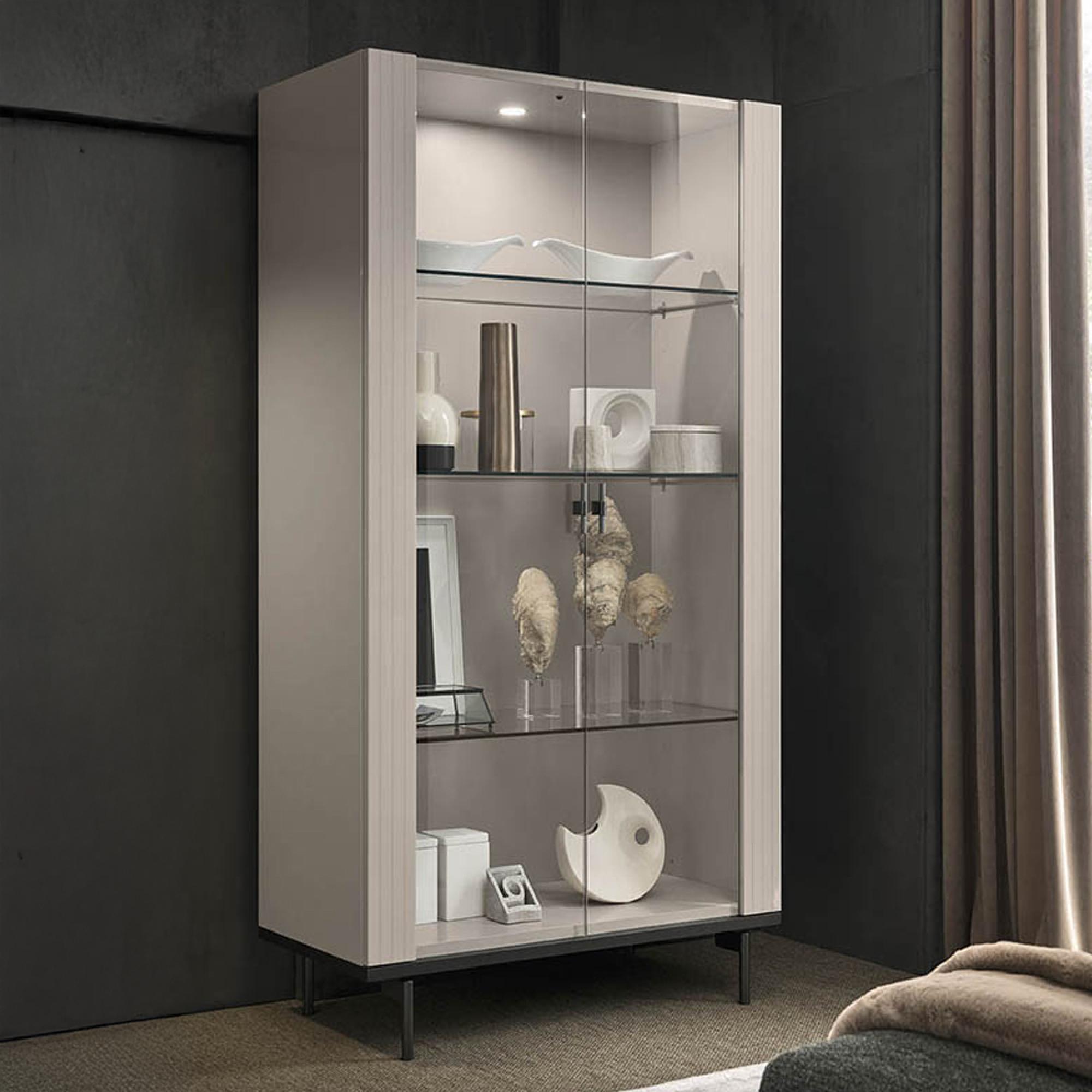
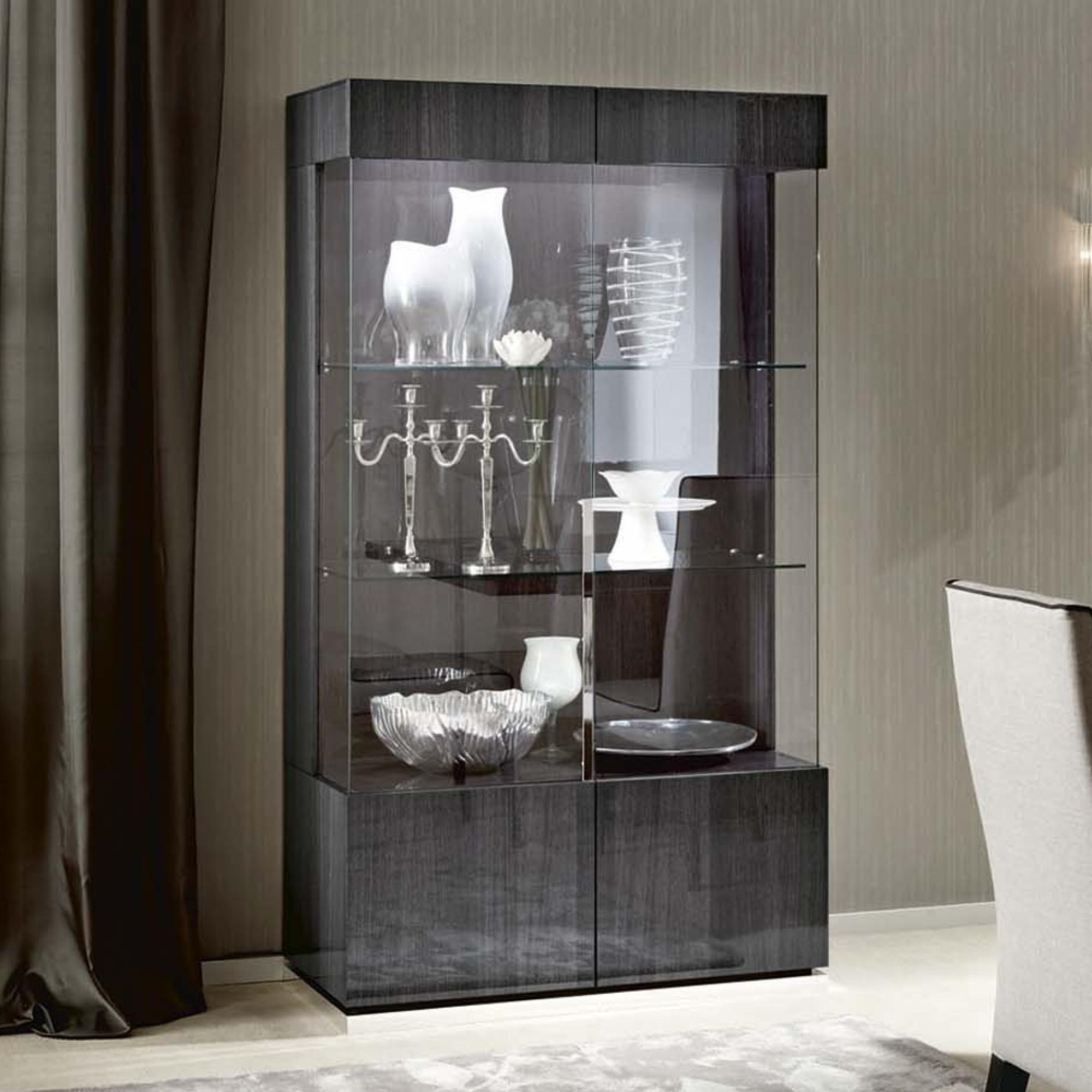
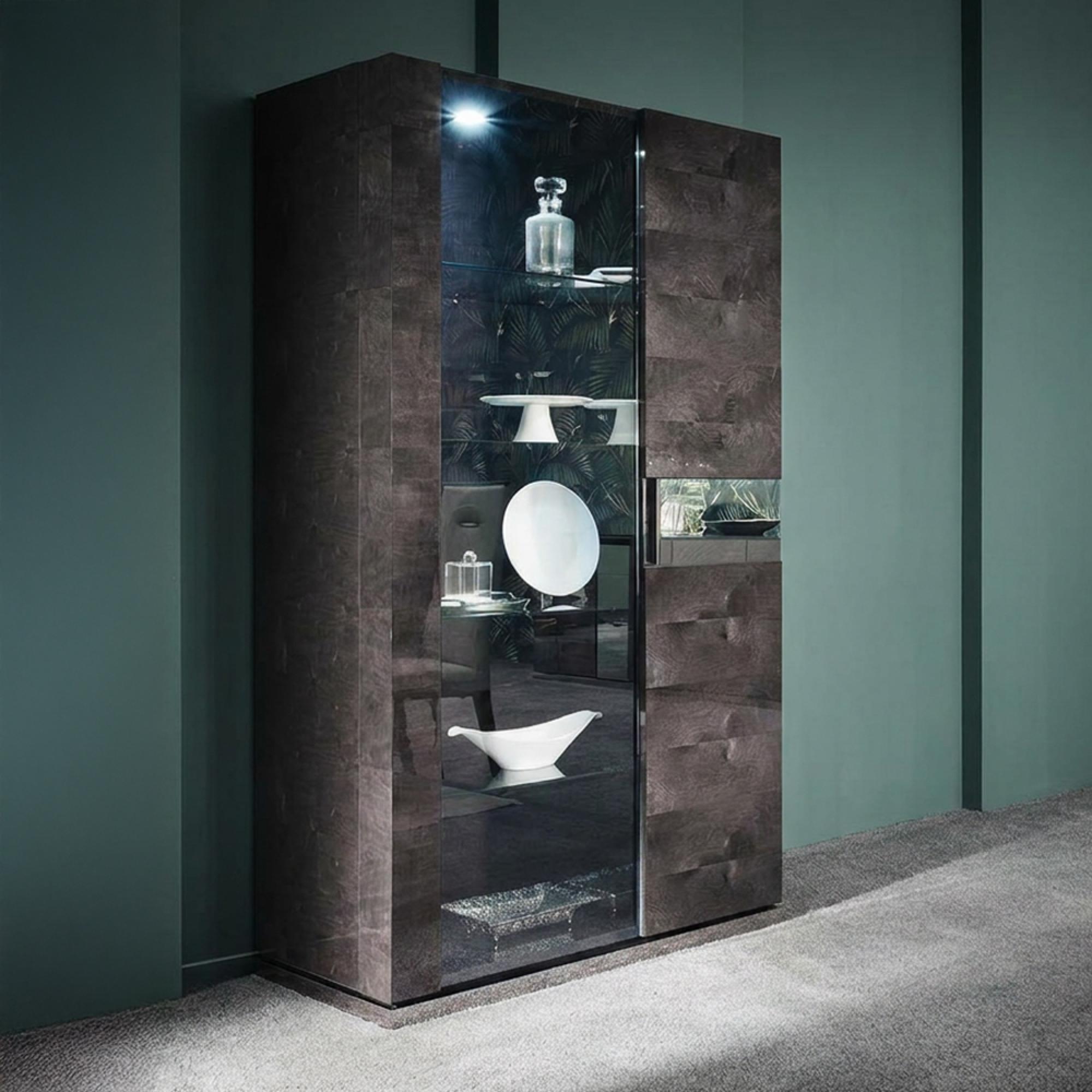
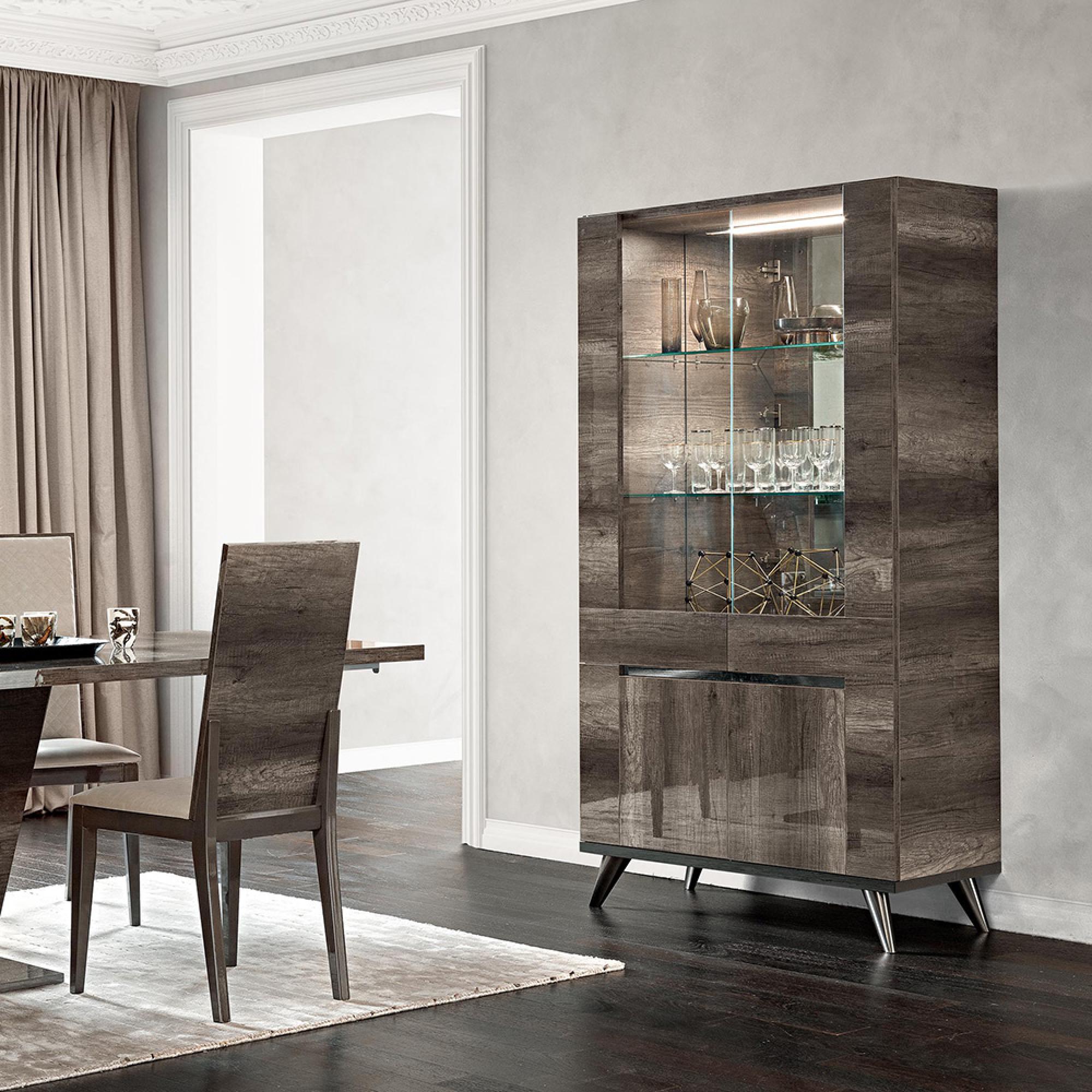
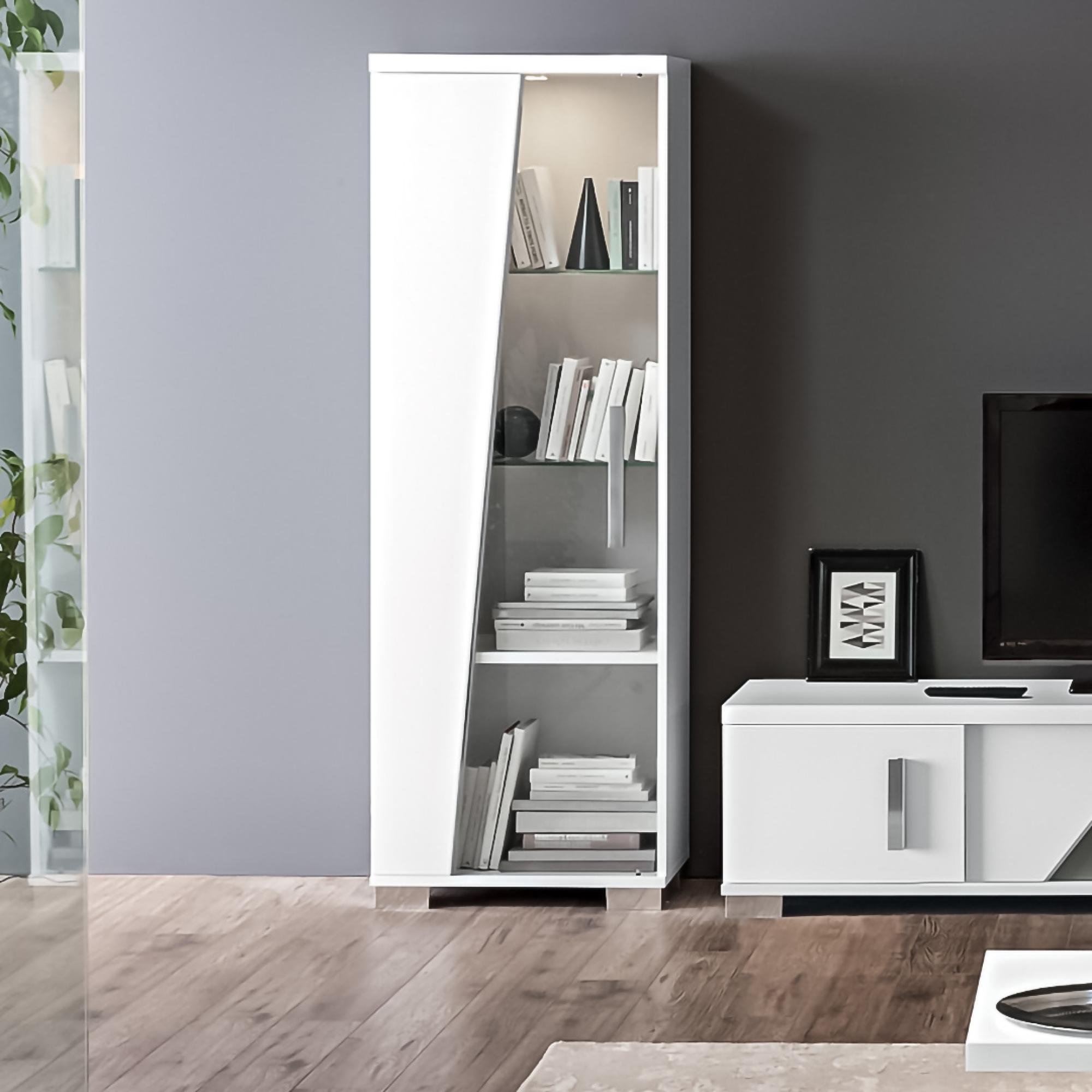
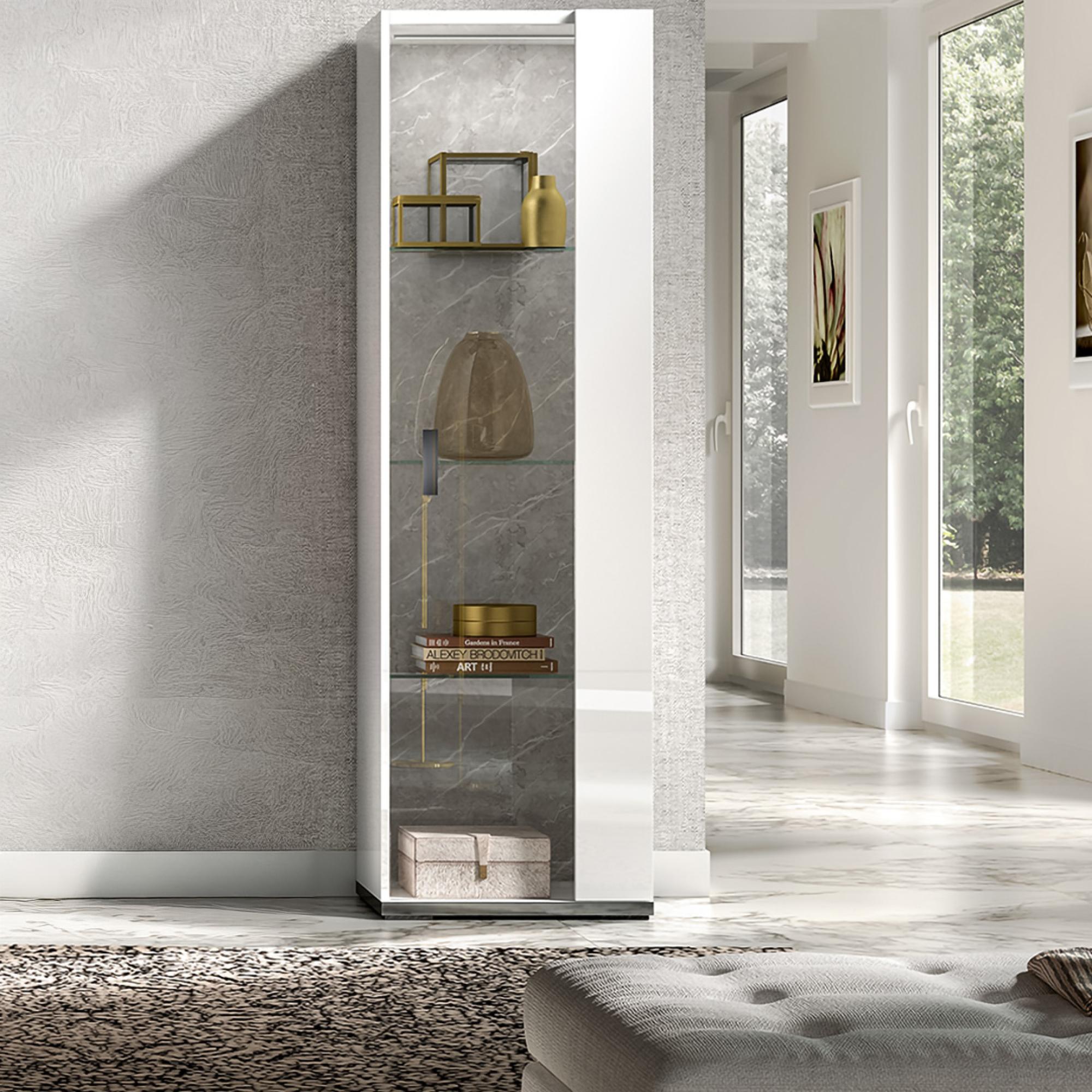
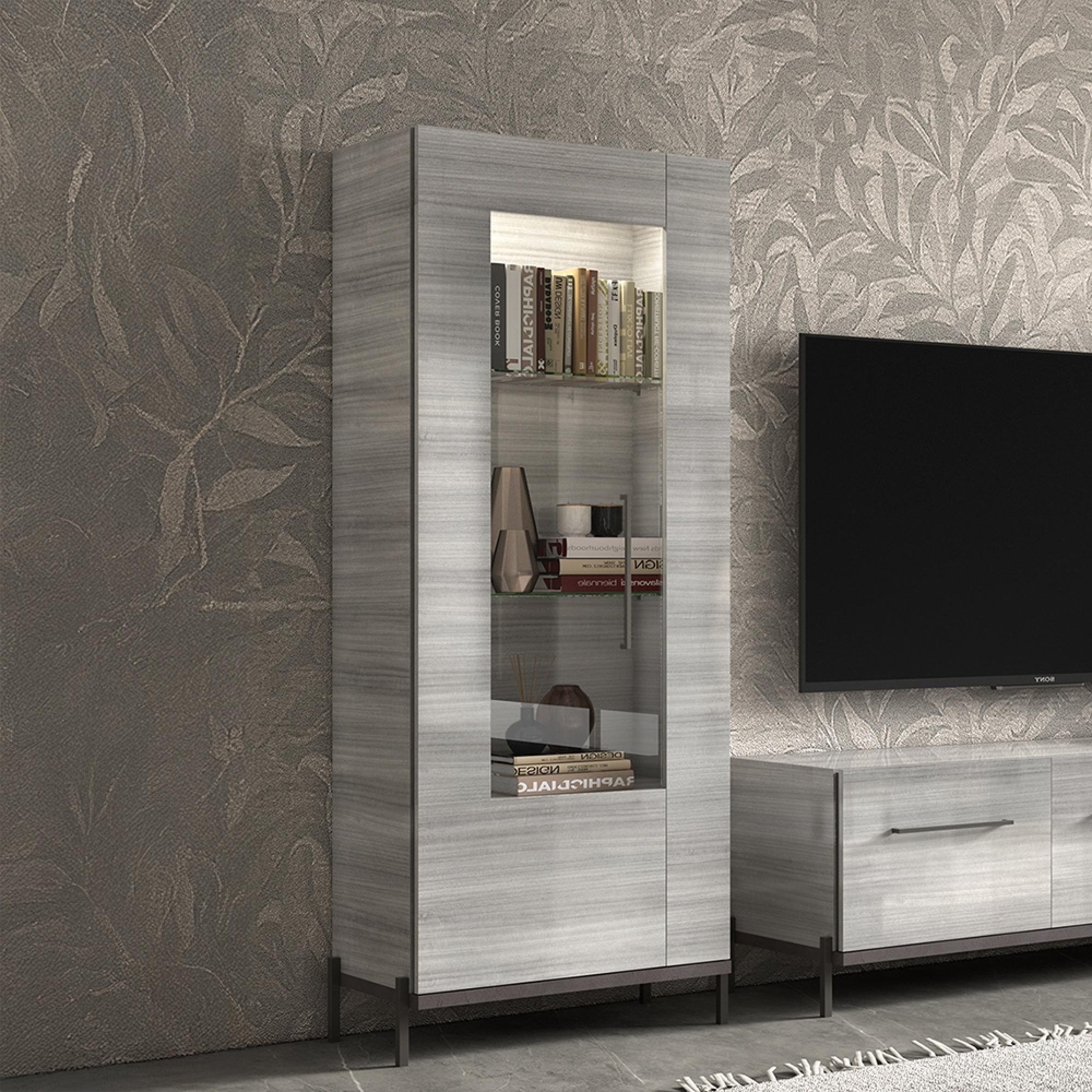
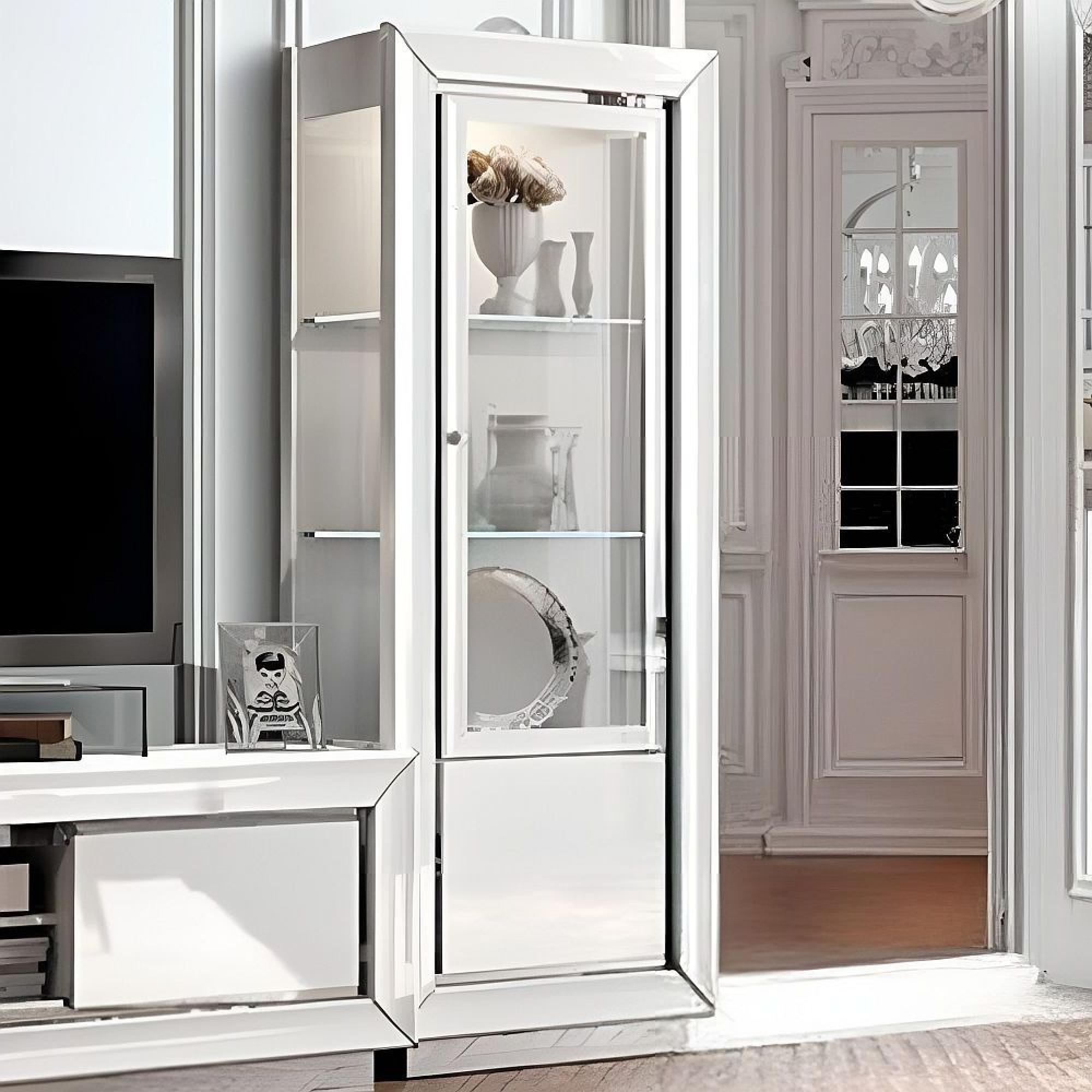
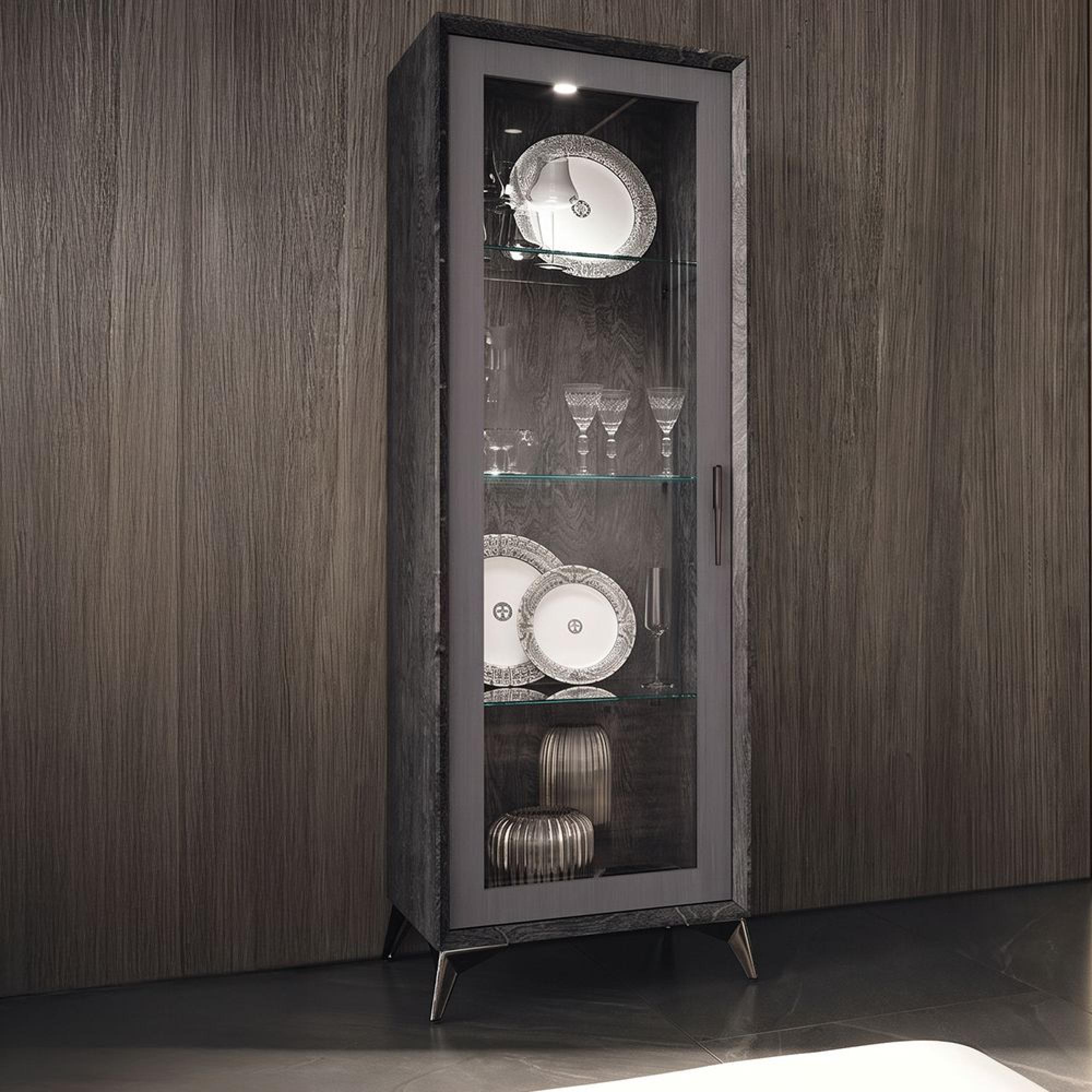
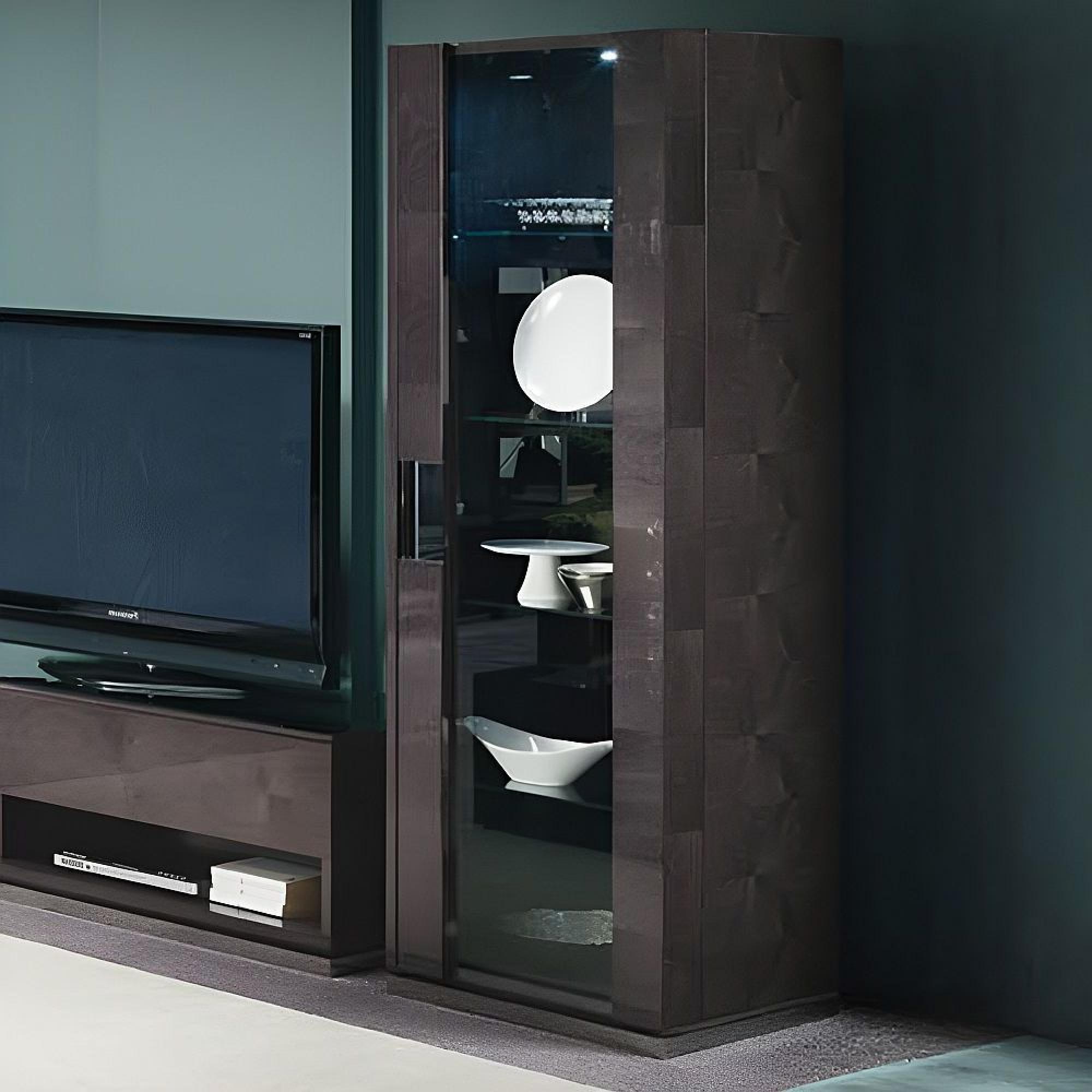
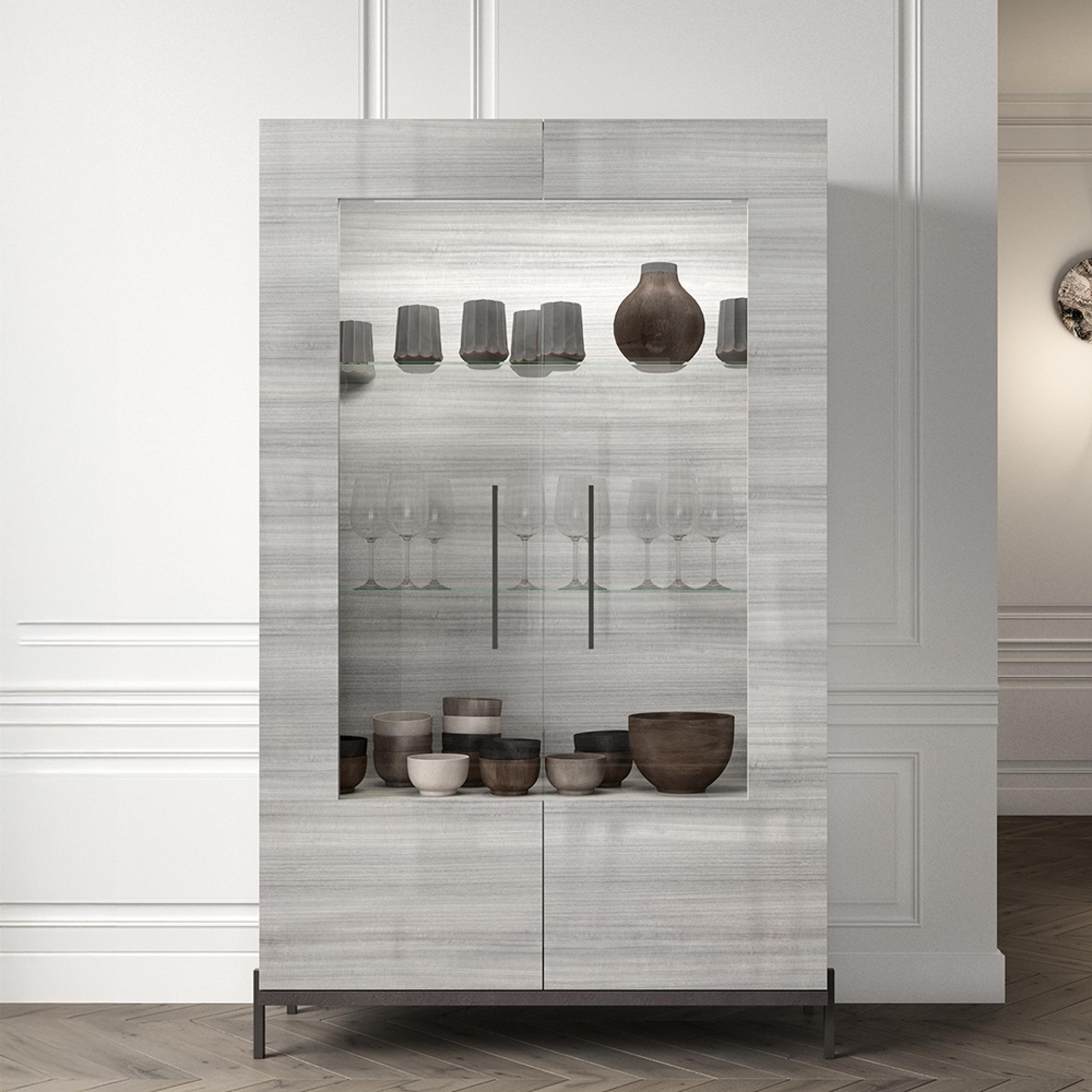
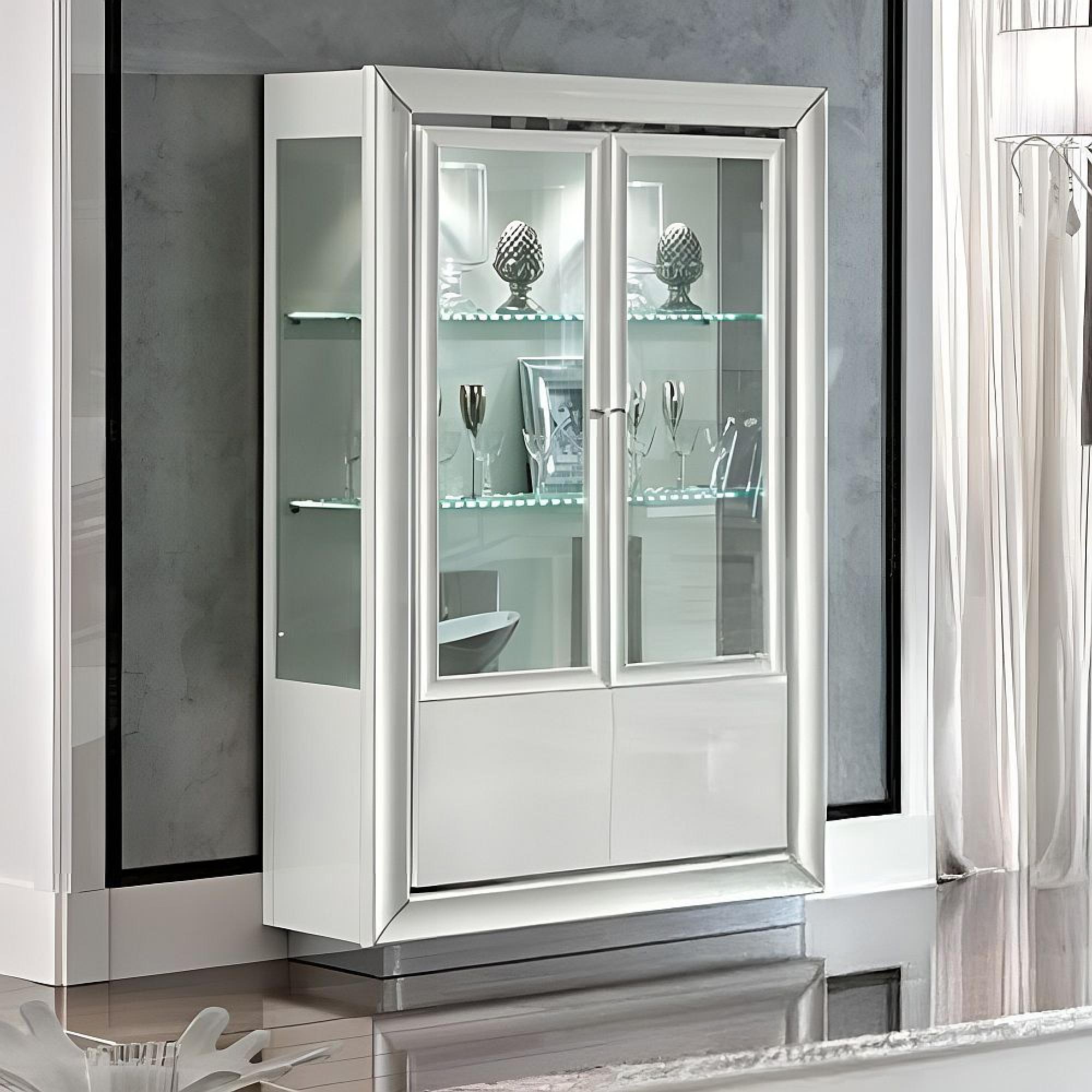
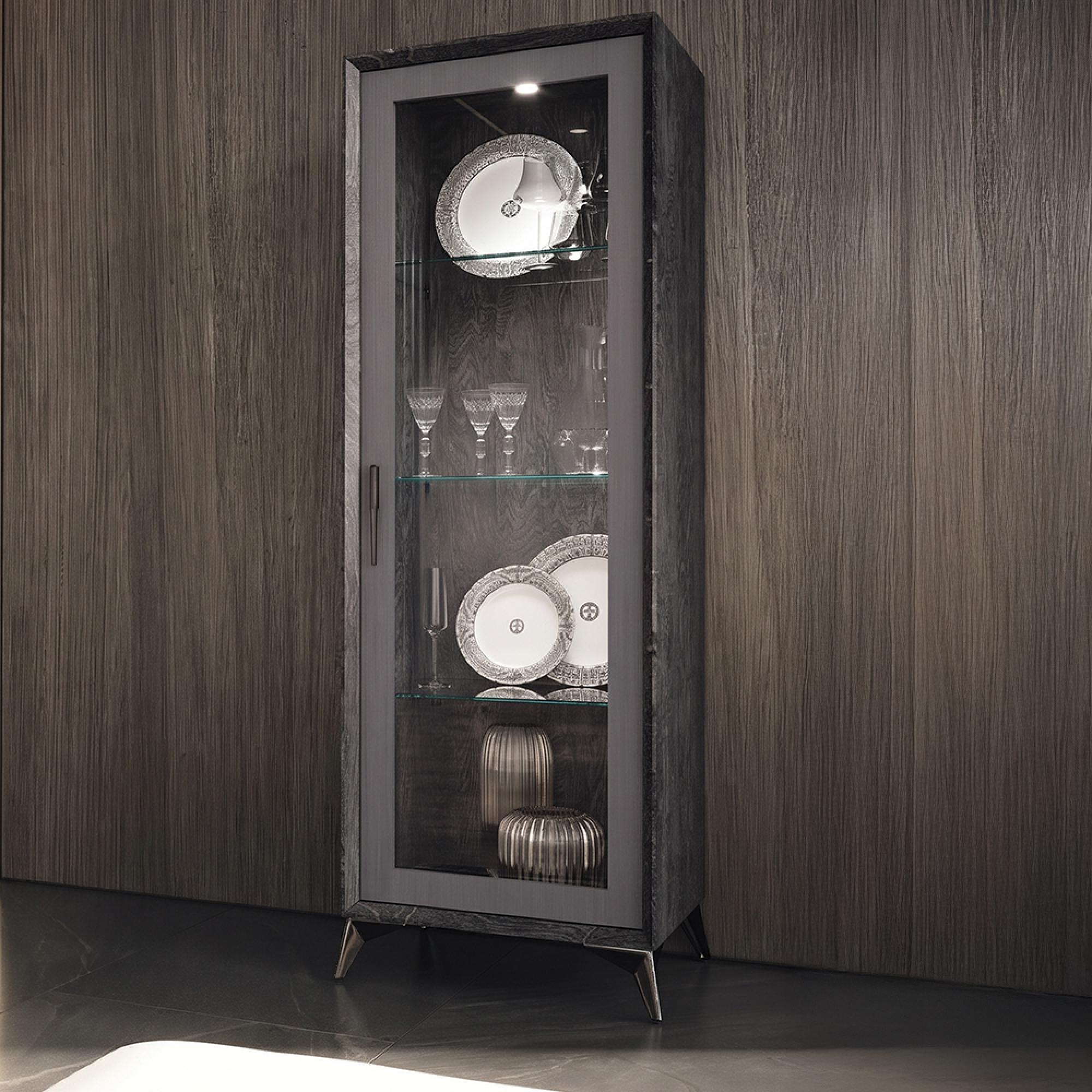
Italian Display Cabinets

Found 69 Items

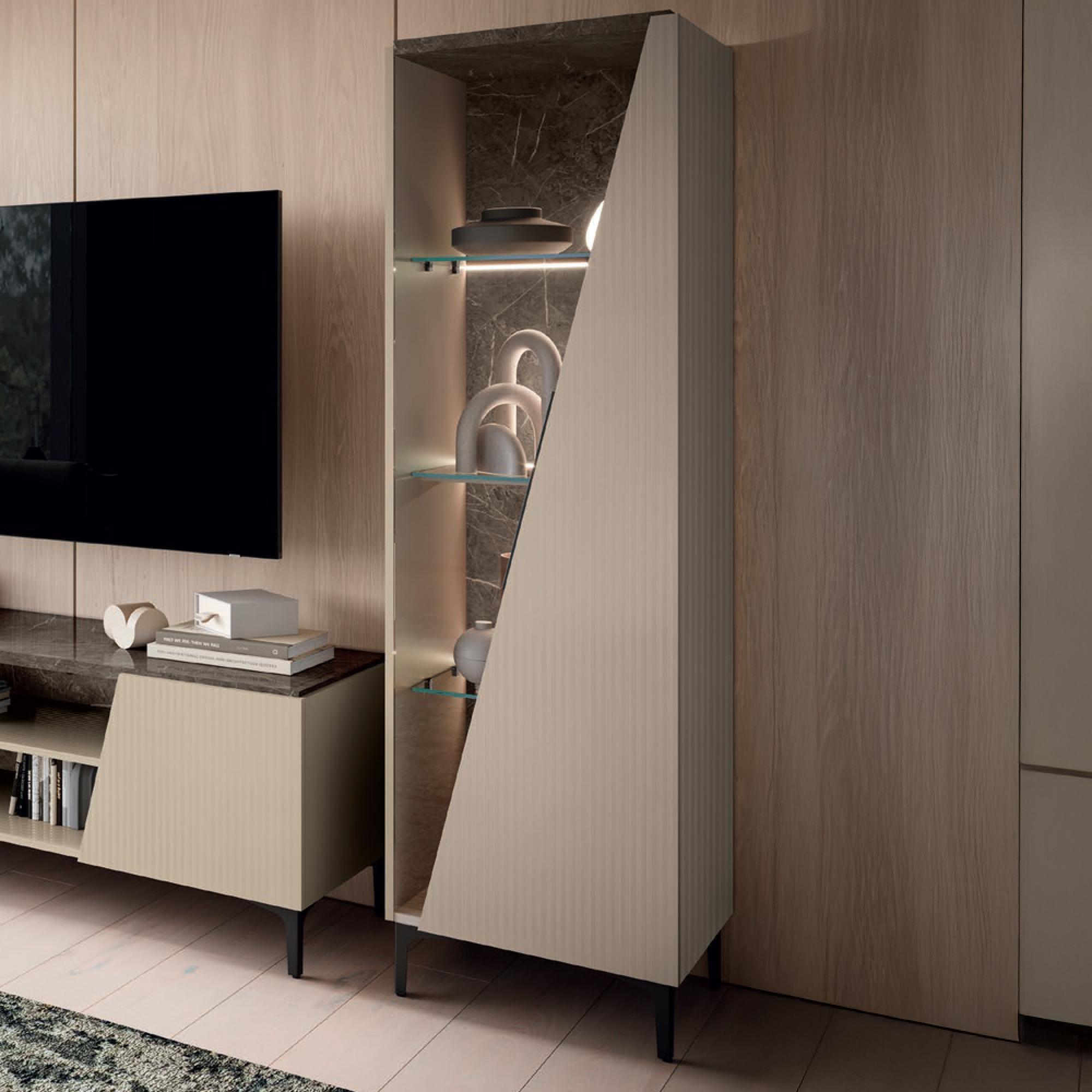
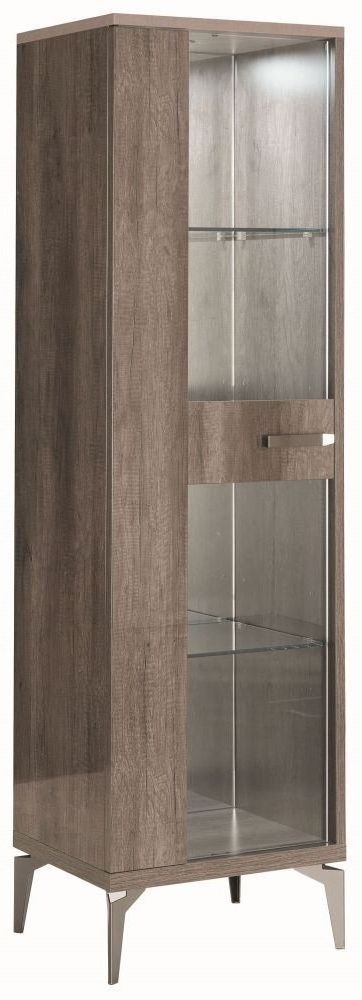
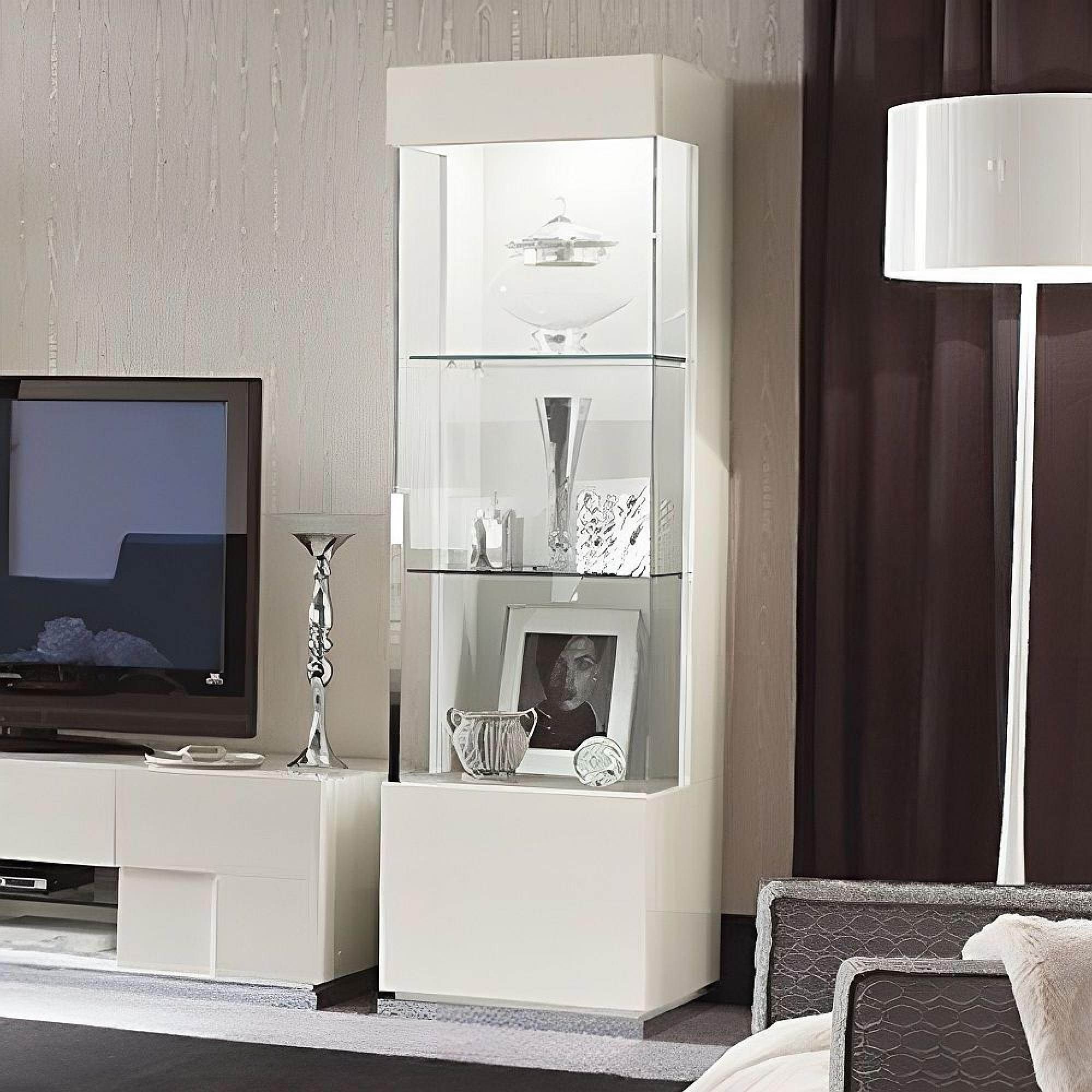
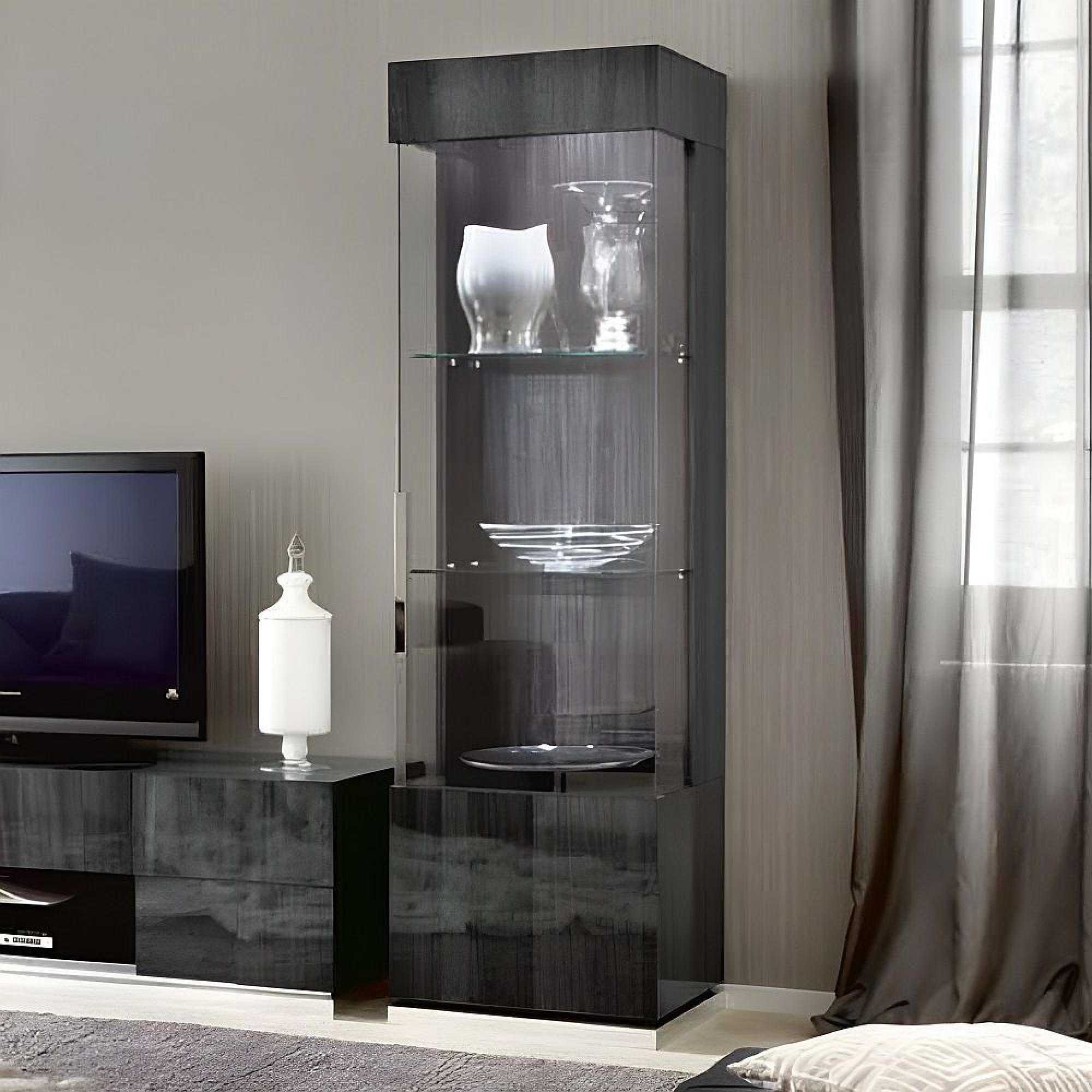
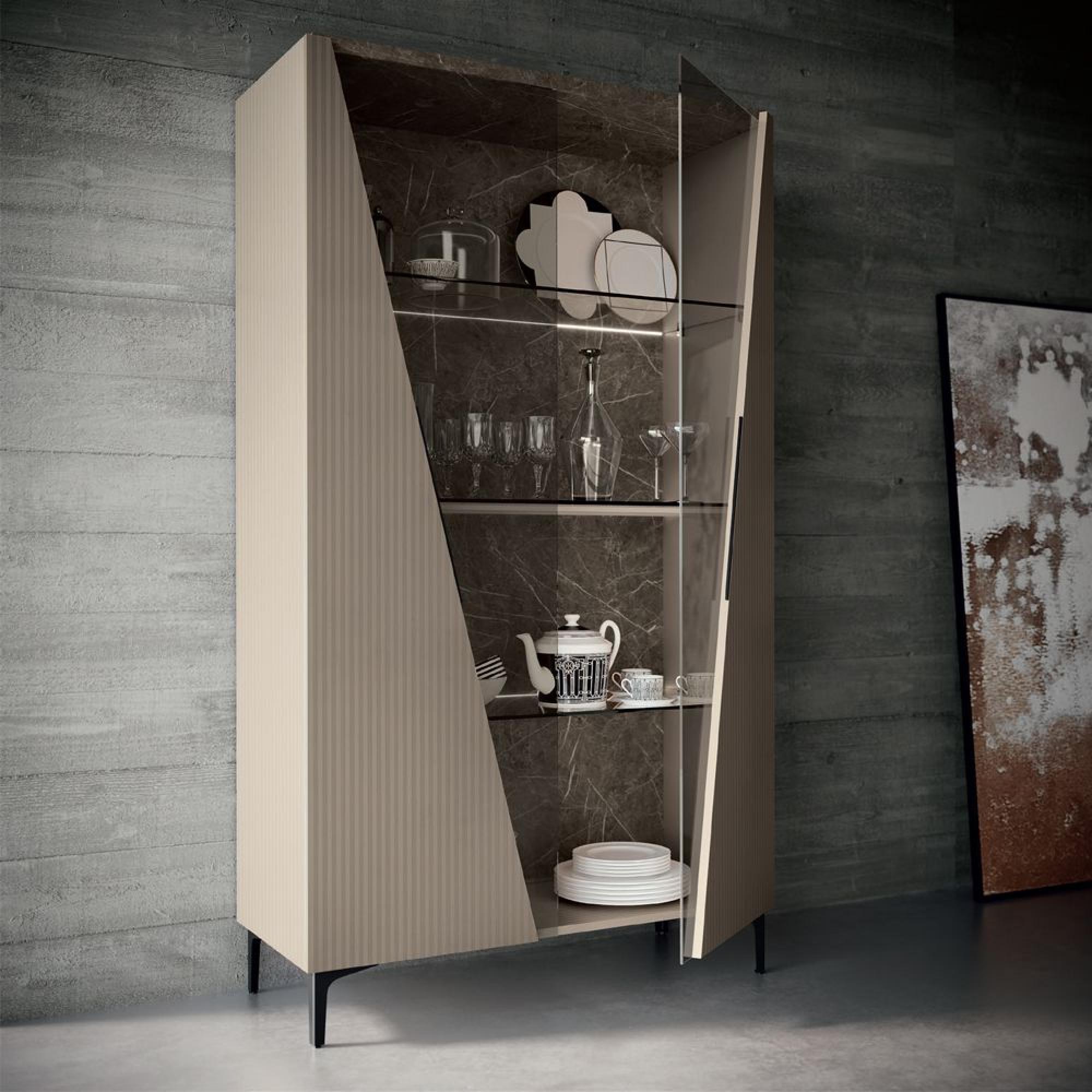
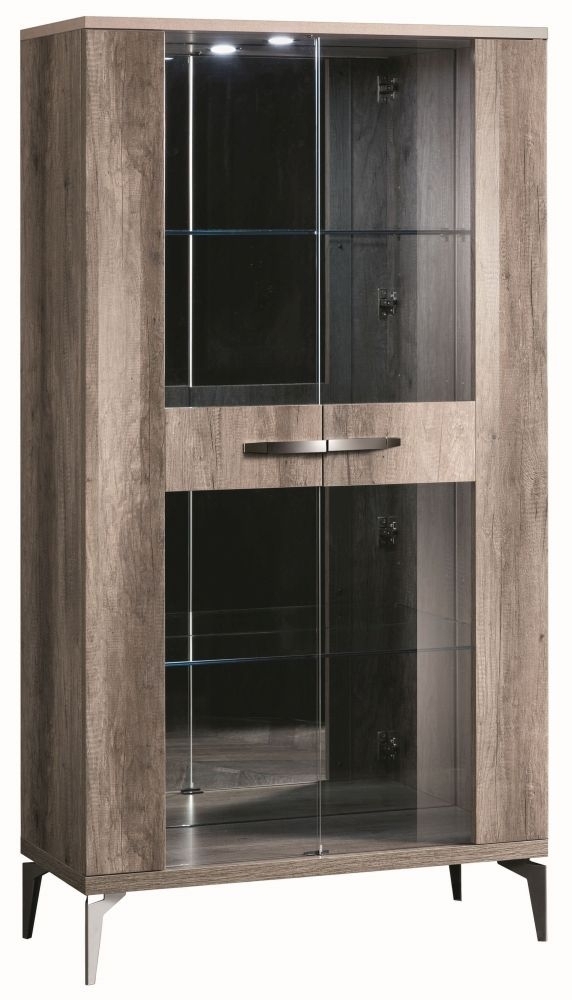
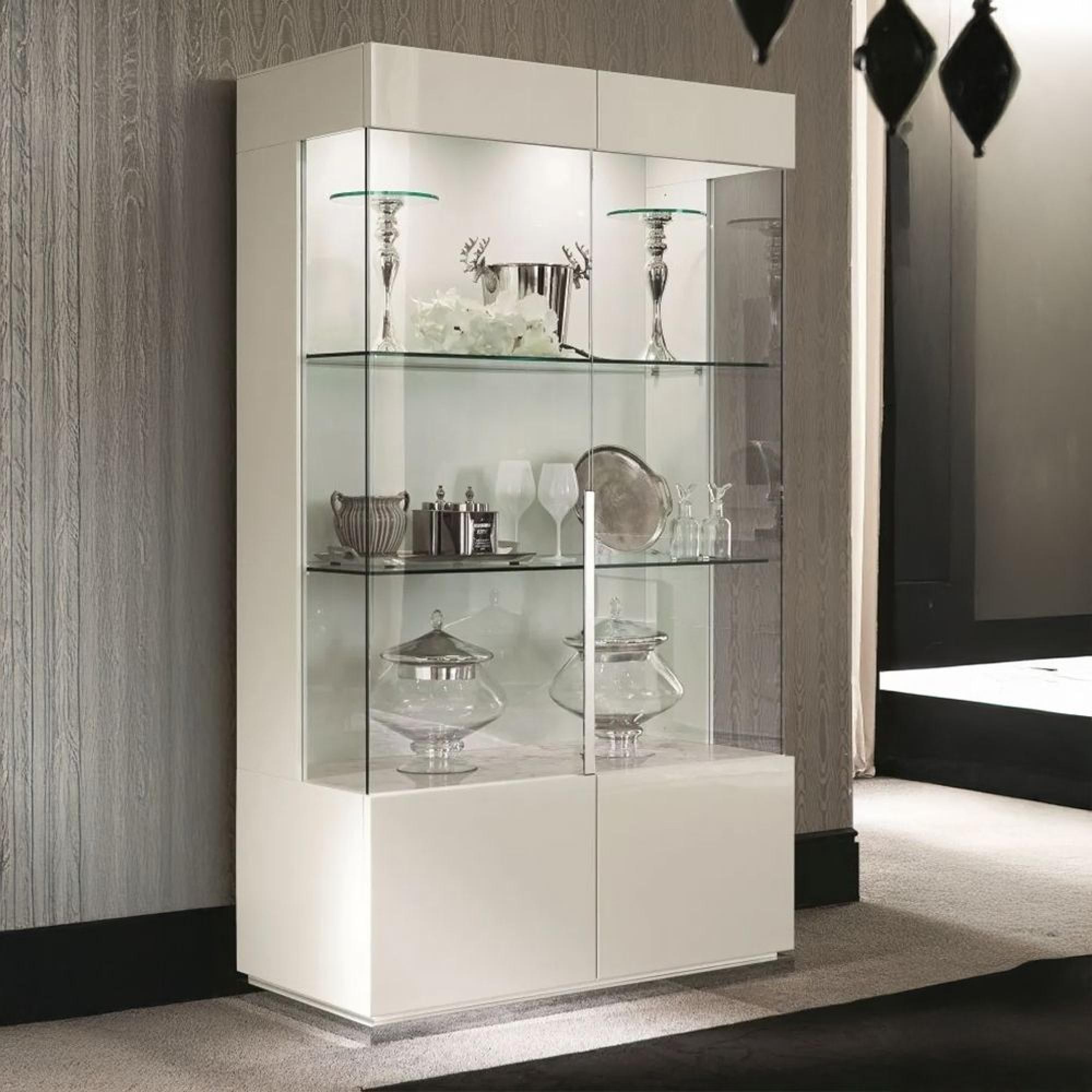
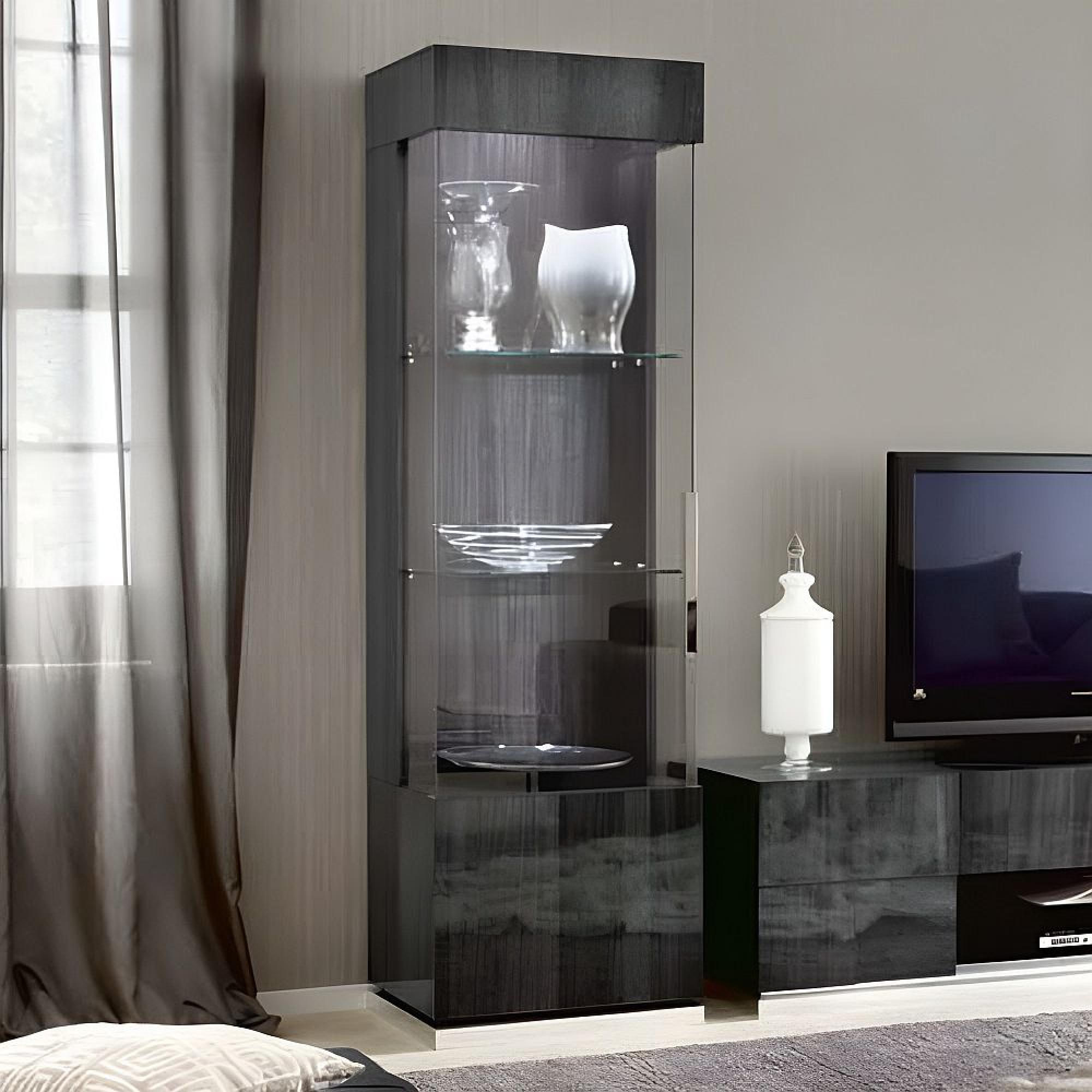
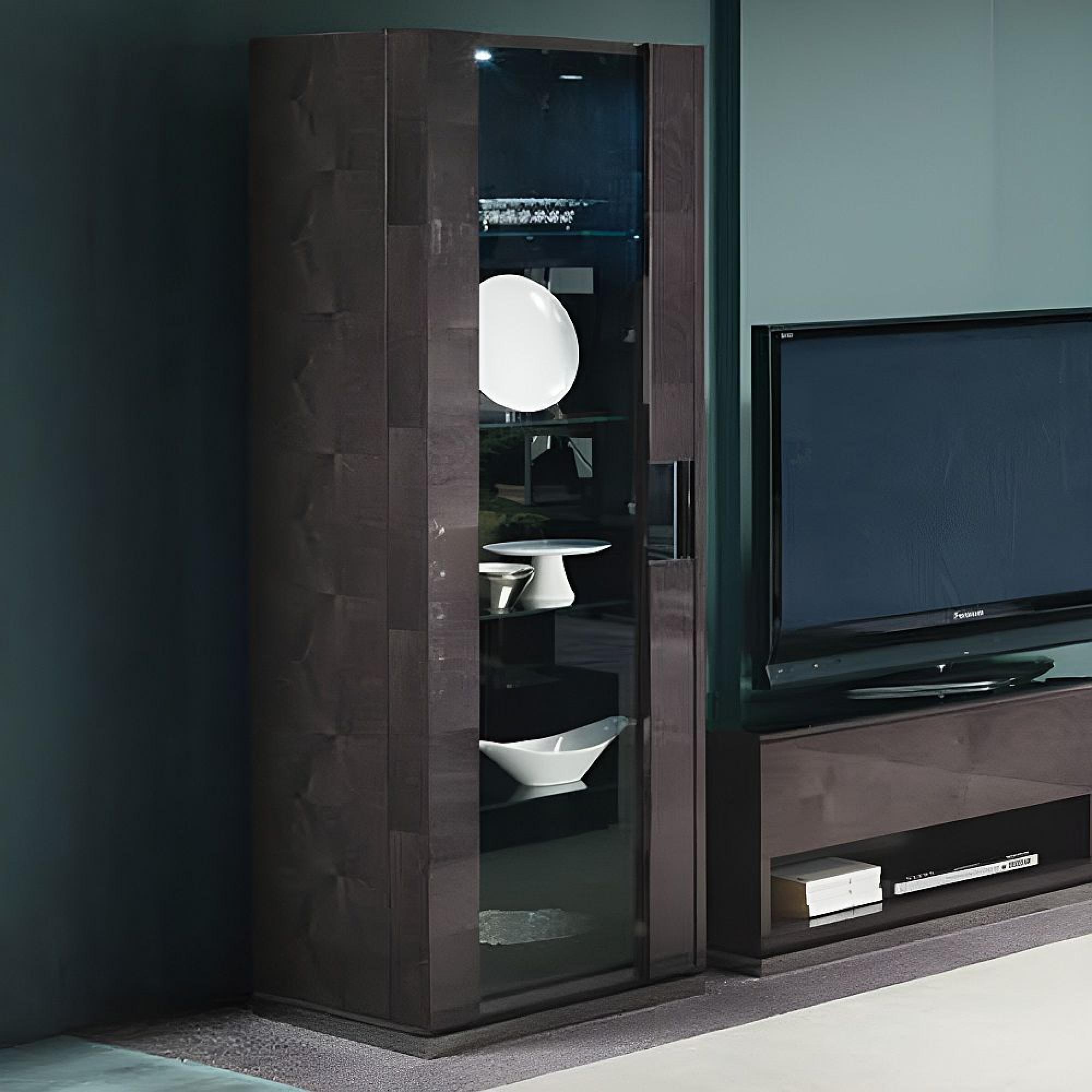
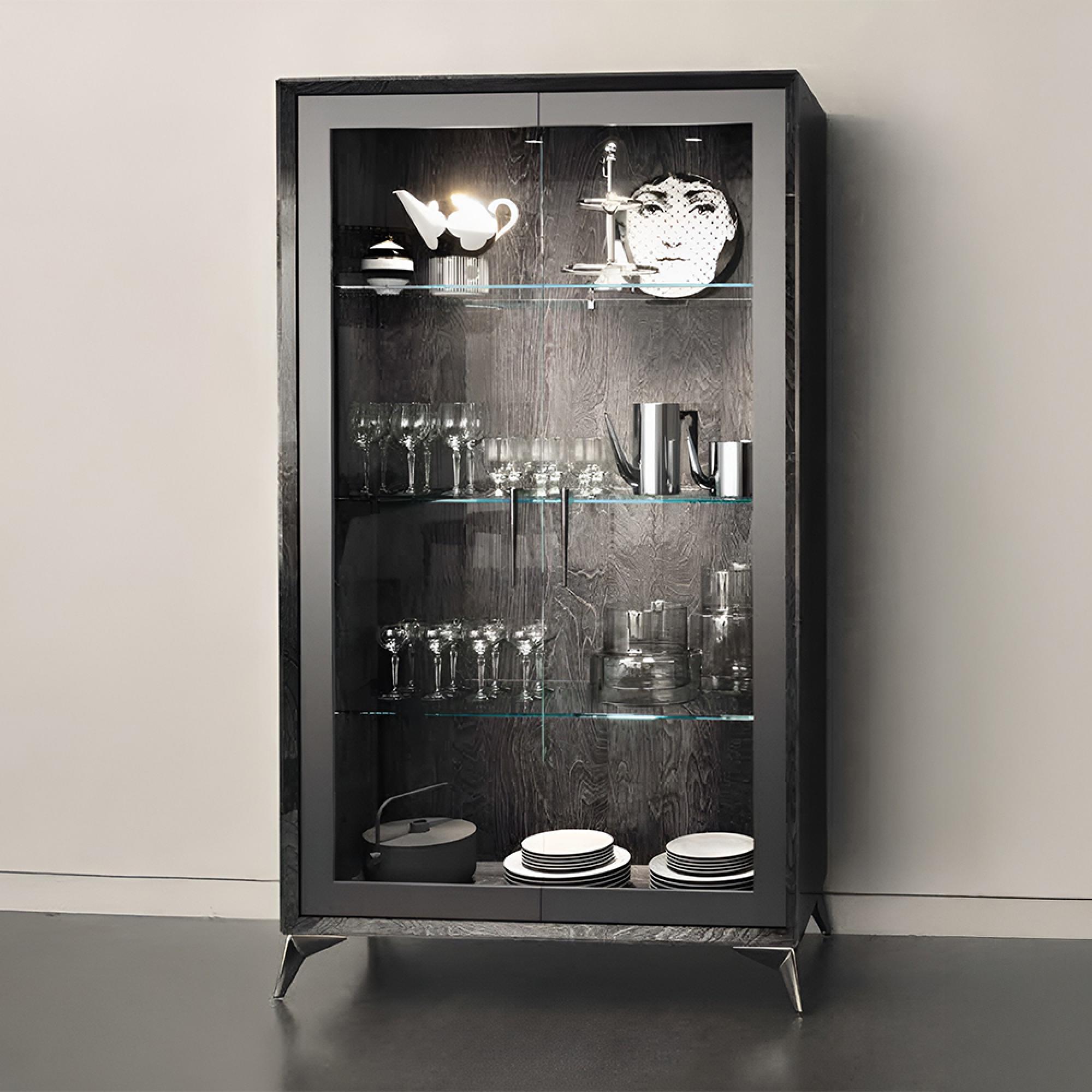
Choose Italian Display Cabinets with the room, daily routine and intended use in mind. Compare shelf layout, glazing, lighting, door access, height and wall position to identify the right balance of appearance and function. The italian style direction works best when proportions, finishes and surrounding pieces share a consistent visual language. Check shelf limits and lighting requirements before arranging heavier display pieces.
Read more X Close

Popular Categories

Price

Type

No. of Doors

Material

Colour

  • Beige
  • Black
  • Brown
  • Cream
  • Grey
  • Taupe
  • White

39 Products of 69

Load More..

Choosing Italian Display Cabinets

This category focuses on Italian Display Cabinets that can protect and organise favourite pieces while keeping them visible. Start with the room layout and daily use, then compare shelf layout, glazing, lighting, door access, height and wall position. The italian style direction works best when proportions, finishes and surrounding pieces share a consistent visual language. This keeps the decision focused on practical suitability as well as style.

Plan the space before choosing

Check shelf limits and lighting requirements before arranging heavier display pieces. Record the available width, depth and height, including clearance for doors, drawers, reclining parts or extensions where relevant. Account for skirting boards, radiators, sockets and walking routes, then check the access route through doors, halls and stairs.

For adjacent choices, explore Display Cabinets, Oak Display Cabinets and Painted Display Cabinets. Use these comparisons alongside the specifications on each product page.

Italian Display Cabinets for considered interiors

The Italian Display Cabinets category focuses on choices intended to protect and organise favourite pieces while keeping them visible. A suitable option should respond to the room's proportions, surrounding furniture and practical demands of everyday use. The italian style direction works best when proportions, finishes and surrounding pieces share a consistent visual language.

Material, finish and construction

When comparing display cabinets, look closely at shelf layout, glazing, lighting, door access, height and wall position. Materials influence appearance, weight and maintenance, while finish affects colour coordination and day-to-day care. Use the written specification to confirm construction and care requirements.

Function and room planning

Check shelf limits and lighting requirements before arranging heavier display pieces. Mark out the footprint and consider how people move around it. Where a product opens, extends, swivels or reclines, include that working clearance. For storage, seating or sleeping products, match the layout, support and capacity to the needs of regular users.

Creating a coordinated result

Build the room around a clear relationship between scale, colour and material. Matching every finish is not essential, but repeating one or two elements can connect separate pieces. You can also compare Display Cabinets, Oak Display Cabinets and Painted Display Cabinets for closely related room and product choices. Use the individual listing to confirm dimensions, included components, assembly and suitability.

Read more X Close

FAQs on Italian Display Cabinets

What should I look for when buying an Italian display cabinet?

Prioritise solid wood construction, smooth-operating doors and drawers, and securely fitted glass panels. Check that shelves are adjustable and weight-rated for your items. Verify the cabinet is wall-anchor ready, especially for homes with children. Quality hardware and a durable finish are essential markers of craftsmanship.

Italian display cabinets emphasise elegant design with refined details, often featuring carved elements, premium wood finishes, and sophisticated proportions. Standard glass cabinets prioritise function over aesthetics. Italian pieces work as statement furniture in living spaces, whereas standard cabinets suit utility purposes in kitchens or offices.

Measure the wall width, height from floor to ceiling, and depth available. Account for 10-15cm clearance from adjacent furniture and allow at least 60cm width for proportional placement. Note door swing space and ensure electrical outlets arent blocked. Consider sightlines—position cabinets at eye level for optimal display viewing.

Walnut and cherry offer rich, warm tones suited to traditional décor, whilst oak provides lighter, contemporary appeal. Mahogany delivers classic elegance and durability. Choose based on existing furniture and room lighting. Darker woods hide dust better; lighter finishes brighten smaller rooms. All premium Italian woods resist warping and aging.

Yes, if chosen carefully. Select slimline models under 40cm deep and opt for glass-fronted designs that dont visually block sightlines. Light wood finishes and minimalist styling work better in compact spaces. Tall, narrow cabinets maximise vertical storage without consuming floor area, ideal for flats or bijou homes.

Position it opposite the dining table as a focal point. Display fine china, glassware, or collectibles on glass shelves. Use interior LED lighting to highlight items and create ambiance during evening meals. Keep the background neutral—dark walls complement light wood, whilst pale walls suit darker finishes. Balance symmetrically with wall art.

Use a microfibre cloth with glass cleaner spray weekly to prevent streaking and dust buildup. Avoid ammonia-based cleaners on wood frames. For shelves, remove items before cleaning. Dry immediately to prevent water spots. Check hinges quarterly and apply light furniture oil to metal hardware annually to maintain smooth operation.

Quality Italian display cabinets typically cost £800–£3,500 depending on size, materials, and brand heritage. Mid-range options (£1,200–£2,000) offer excellent craftsmanship; entry-level starts around £600. Premium pieces from established makers exceed £4,000. Investment pieces hold value and improve with age, making them worthwhile for long-term décor schemes.

Most arrive partially assembled—the cabinet body is constructed but doors, shelves, and hardware require fitting. Assembly typically takes 2–4 hours with basic tools. Some premium pieces ship fully assembled for an additional delivery fee. Always check the product specification before ordering. Assembly instructions are detailed, though professional fitting is available.

Yes, Italian cabinets are ideal for figurine collections. Adjustable shelves allow flexible spacing; glass fronts provide dust protection whilst maintaining visibility. Use felt shelf liners to prevent slipping. Ensure the cabinet is wall-anchored for stability. LED internal lighting showcases detail without UV damage. Secure the cabinet to prevent tipping if displaying heavier items.

Living rooms work well as focal points flanking fireplaces or filling alcoves. Hallways create impressive entrance statements on feature walls. Bedrooms suit smaller, elegant cabinets for jewellery or book collections. Avoid kitchens (humidity damages wood) and bathrooms. Choose rooms with consistent temperature and low moisture to preserve finishes and protect displayed items long-term.
Top