Free Delivery All Over UK*
close
Top products
SHOW ALL PRODUCTS

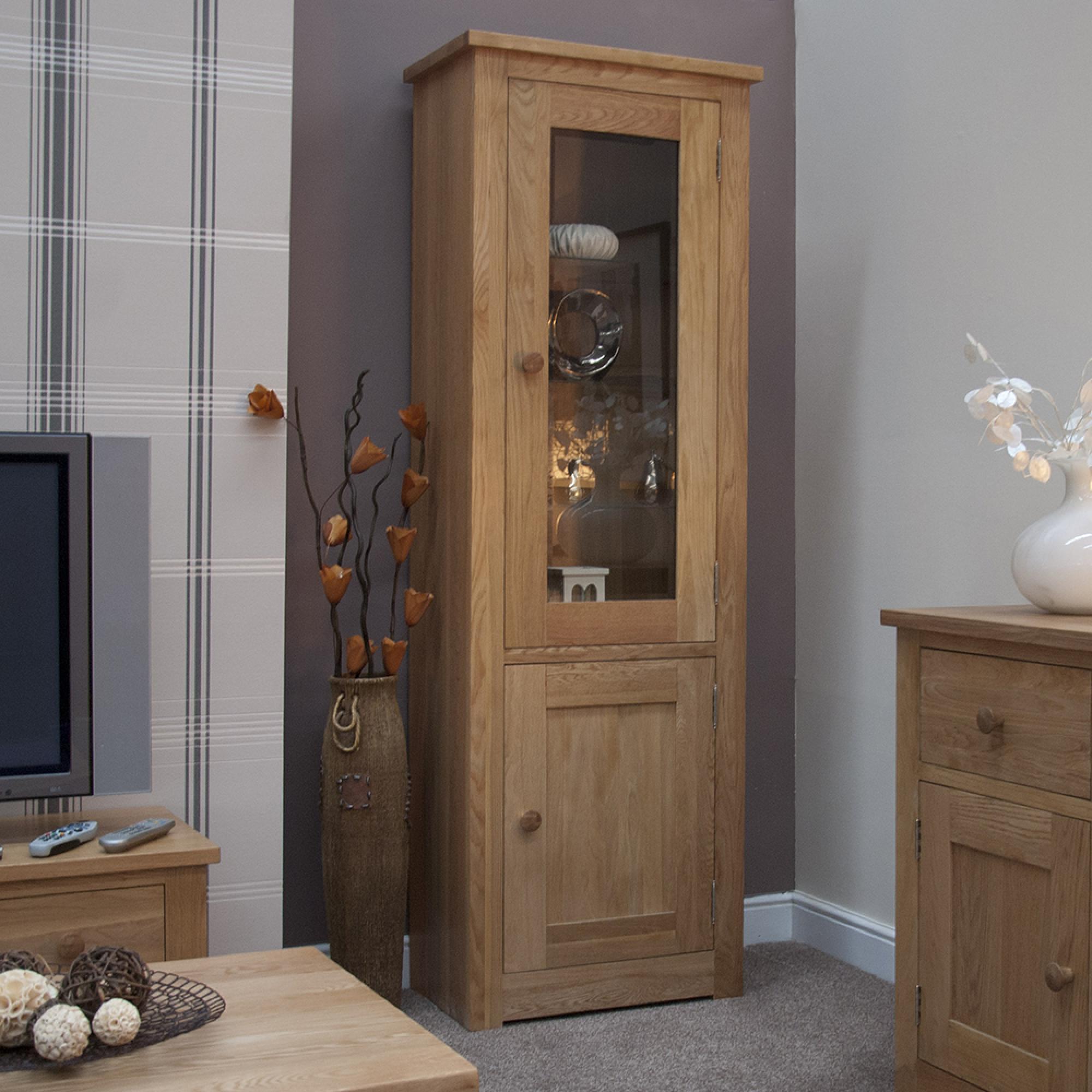
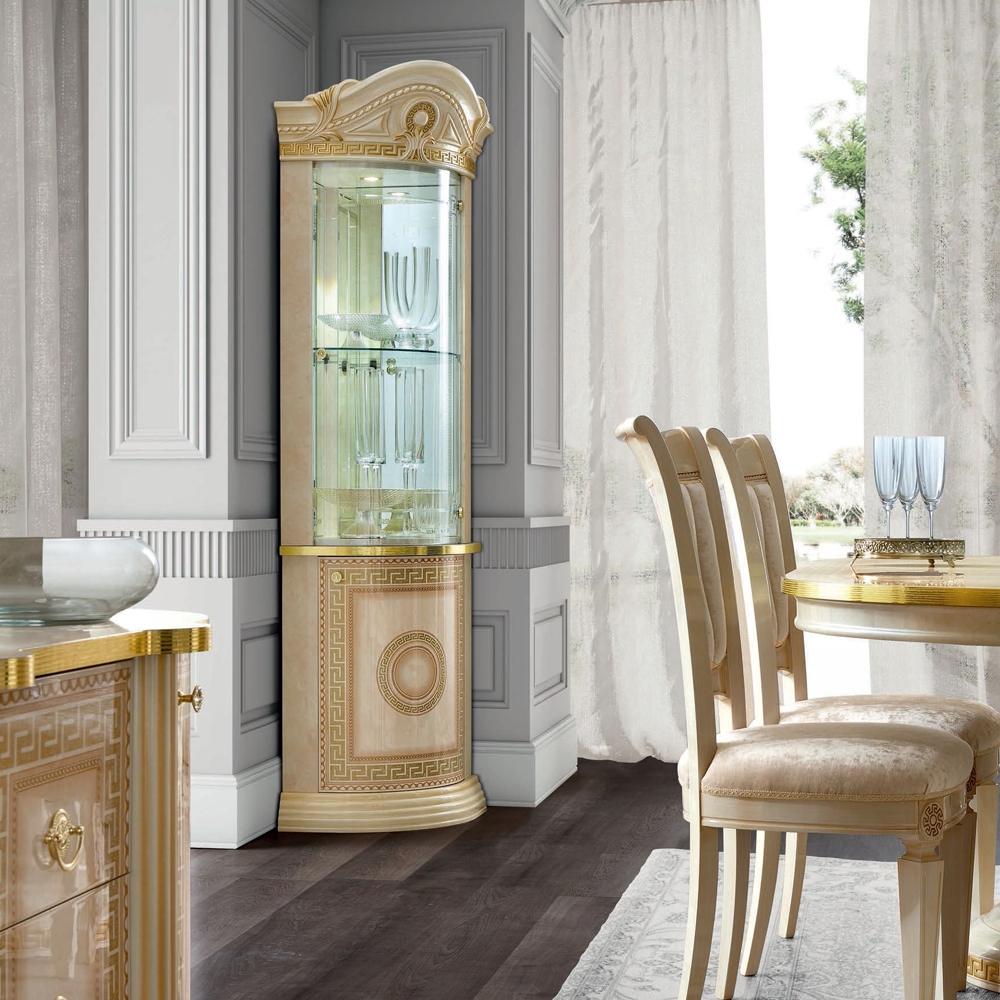
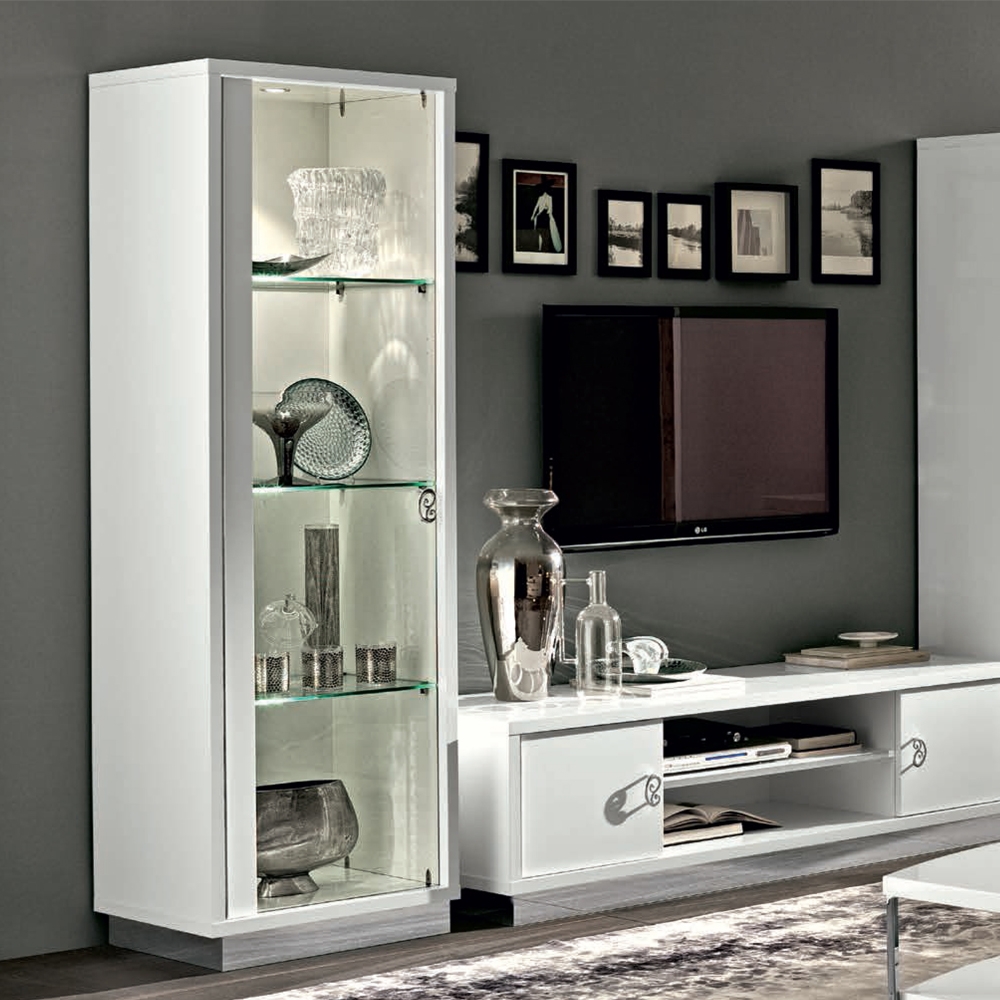
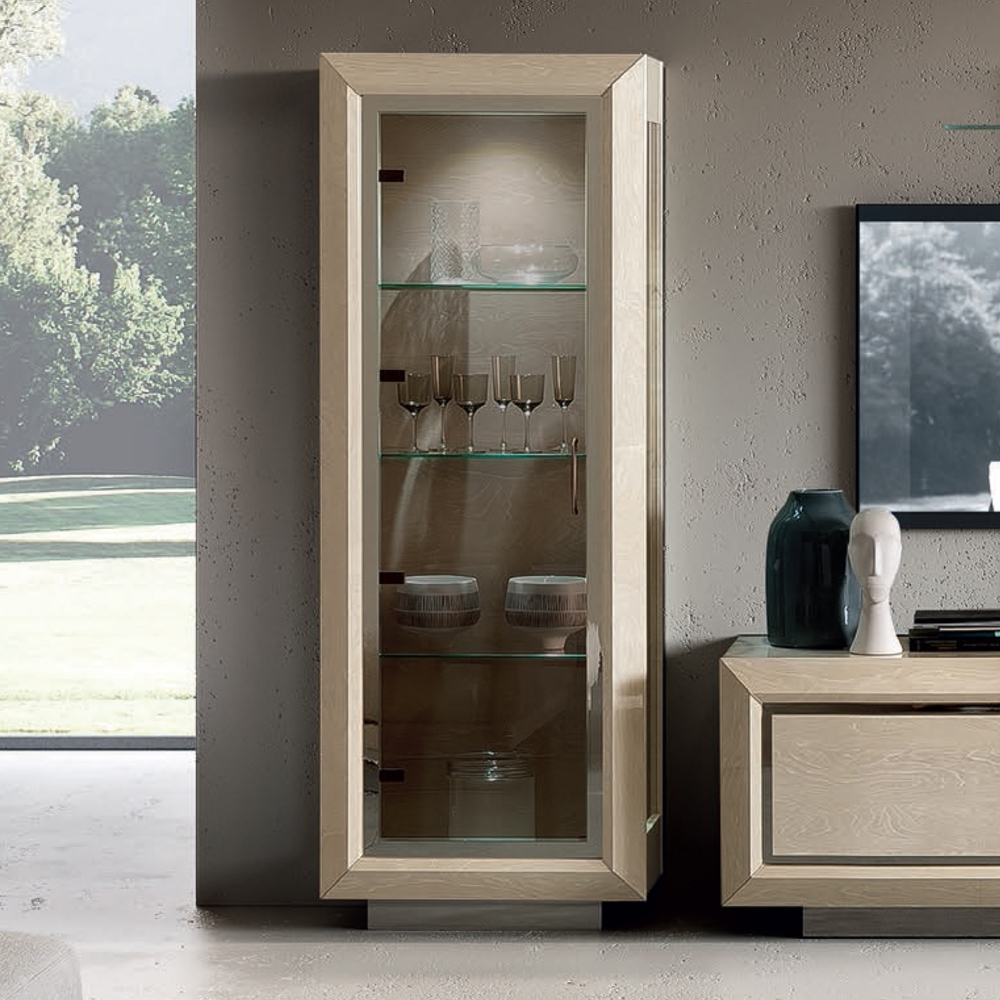
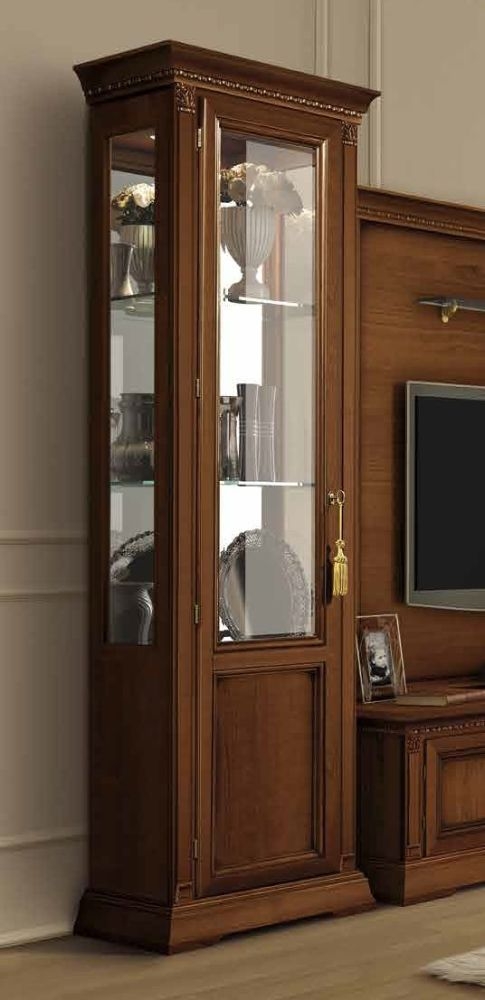
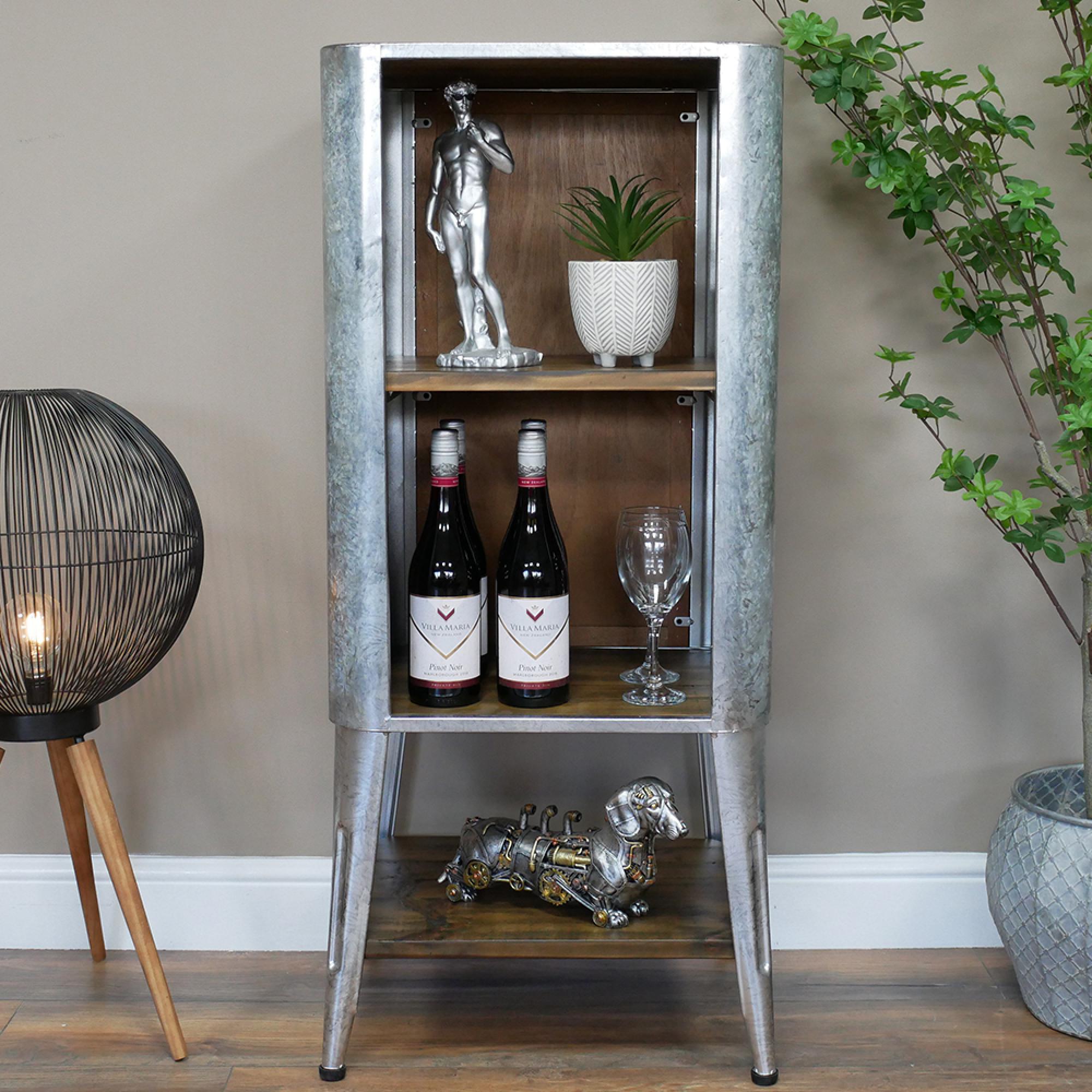
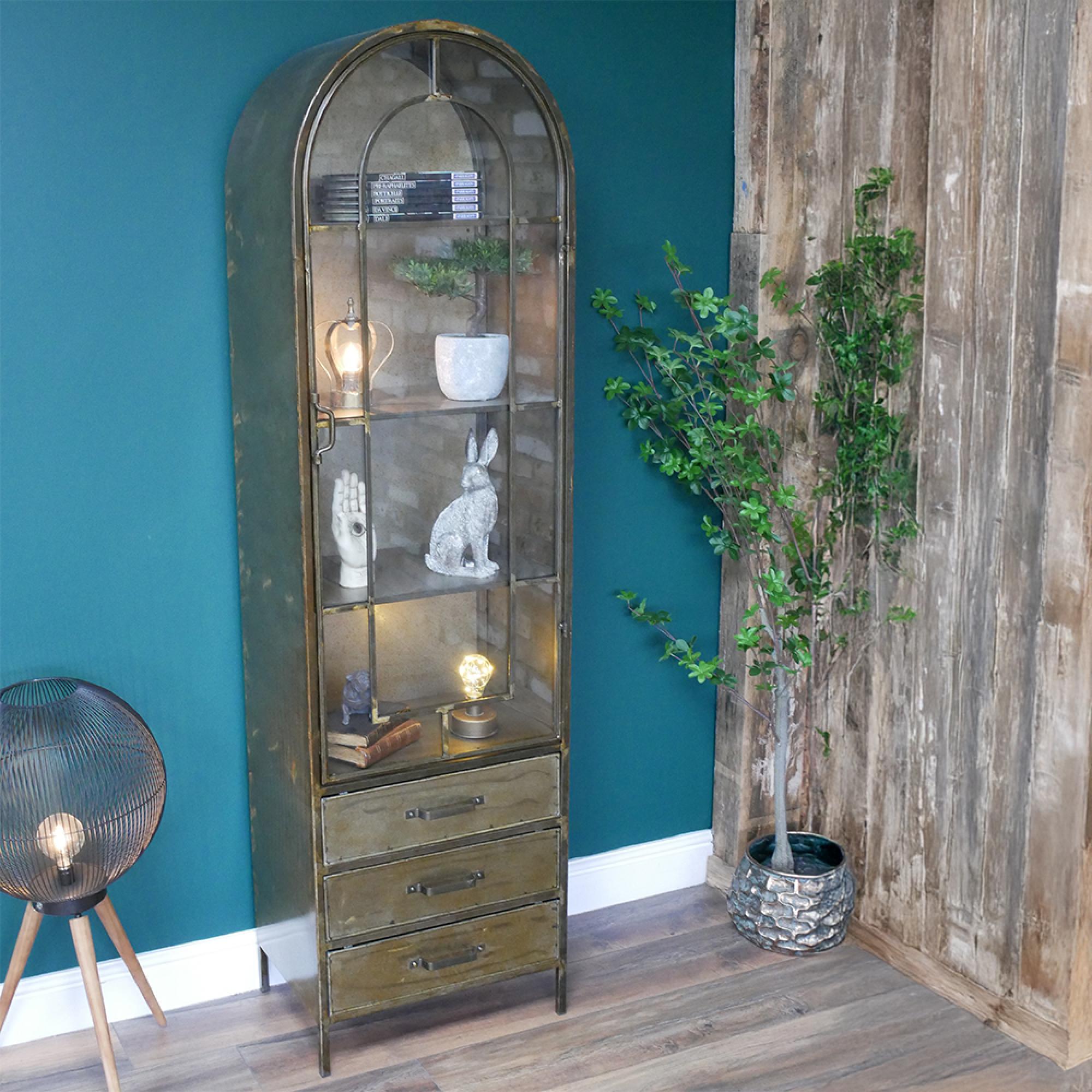
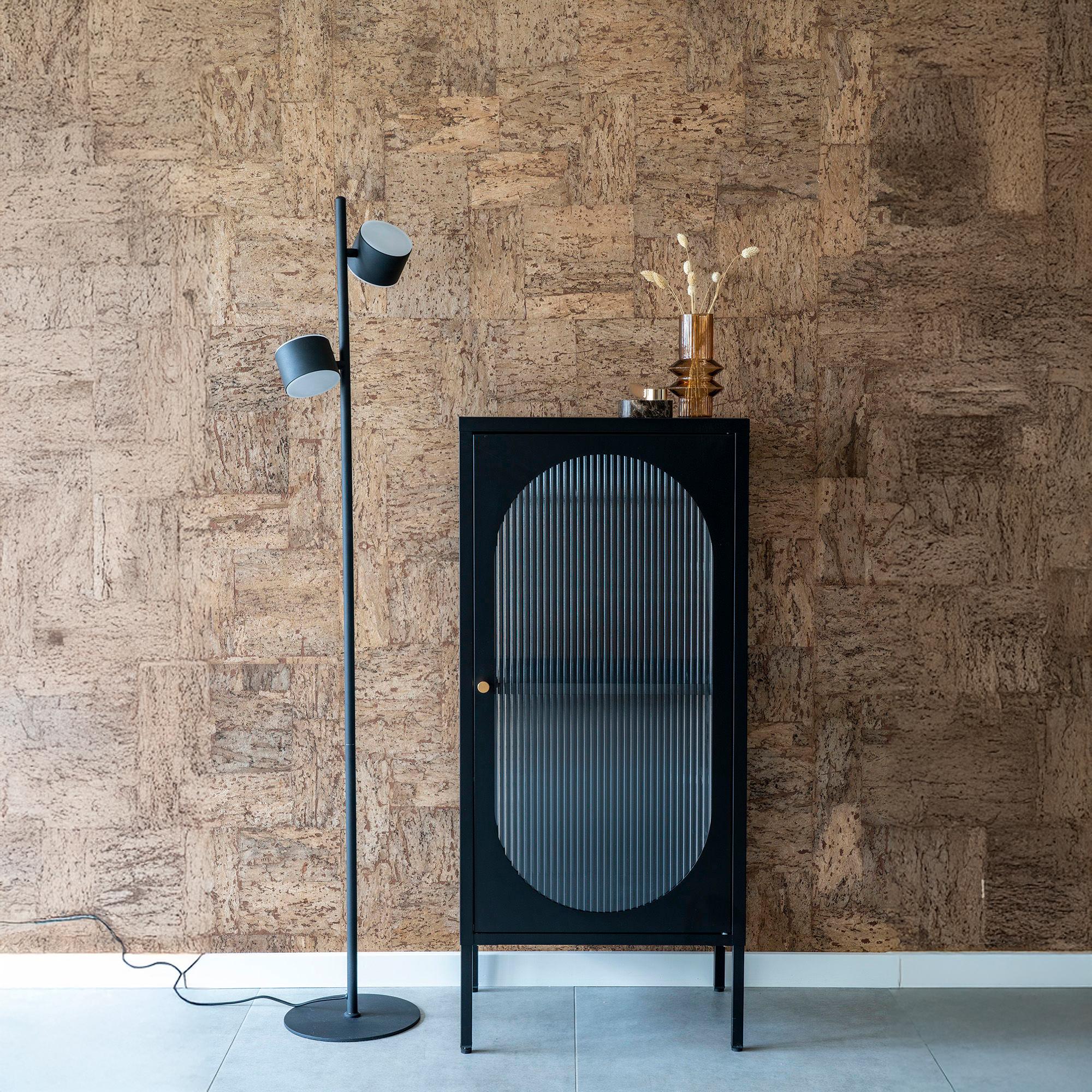
Narrow Display Cabinets

Found 34 Items

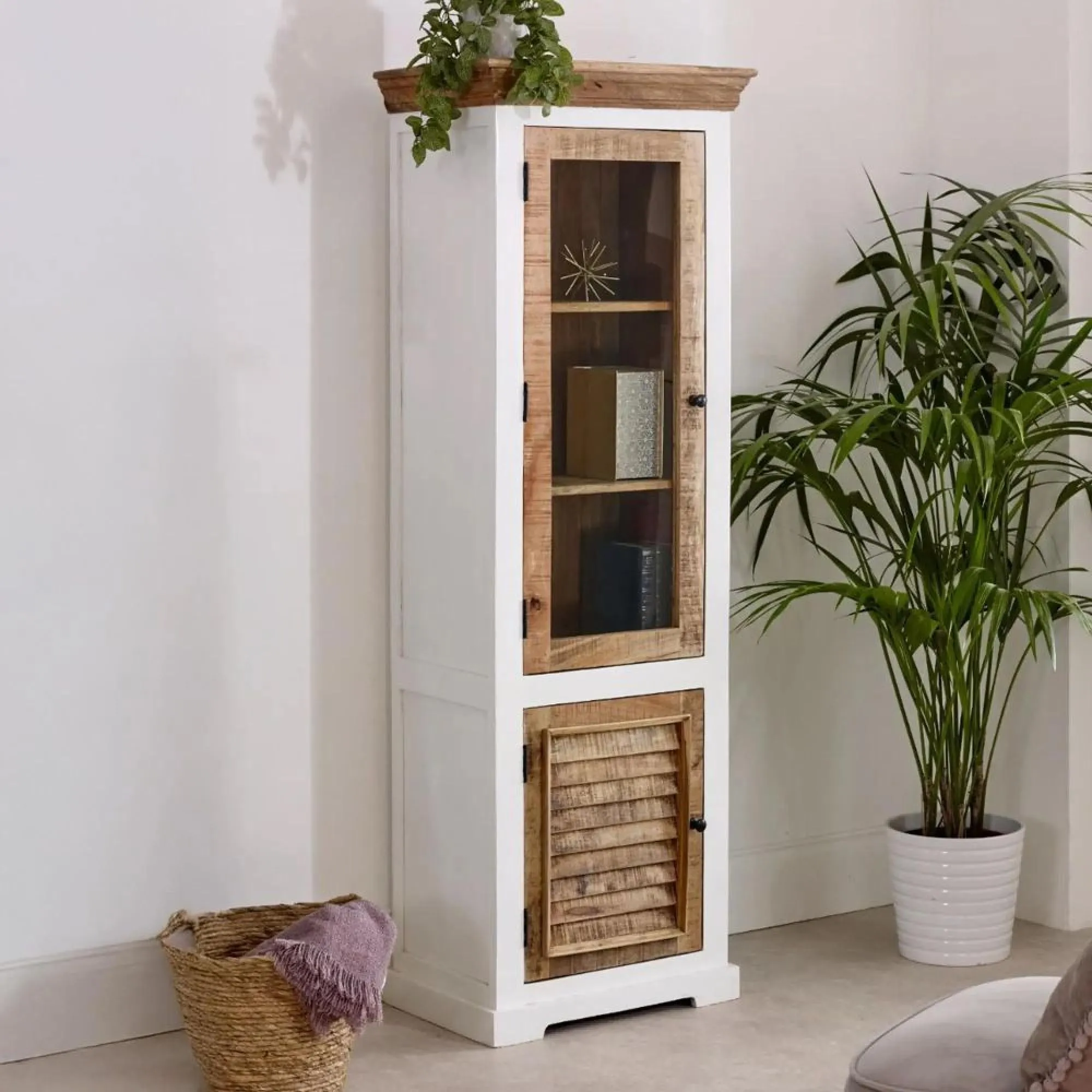
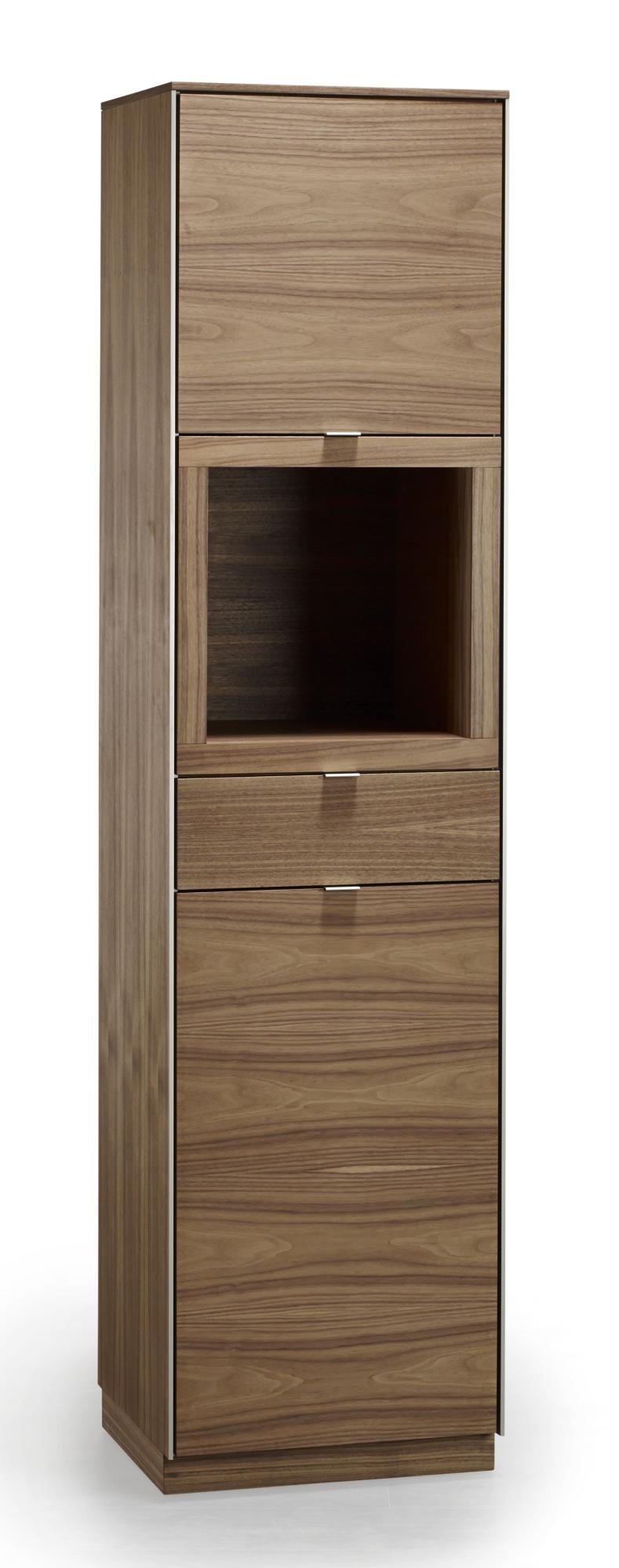
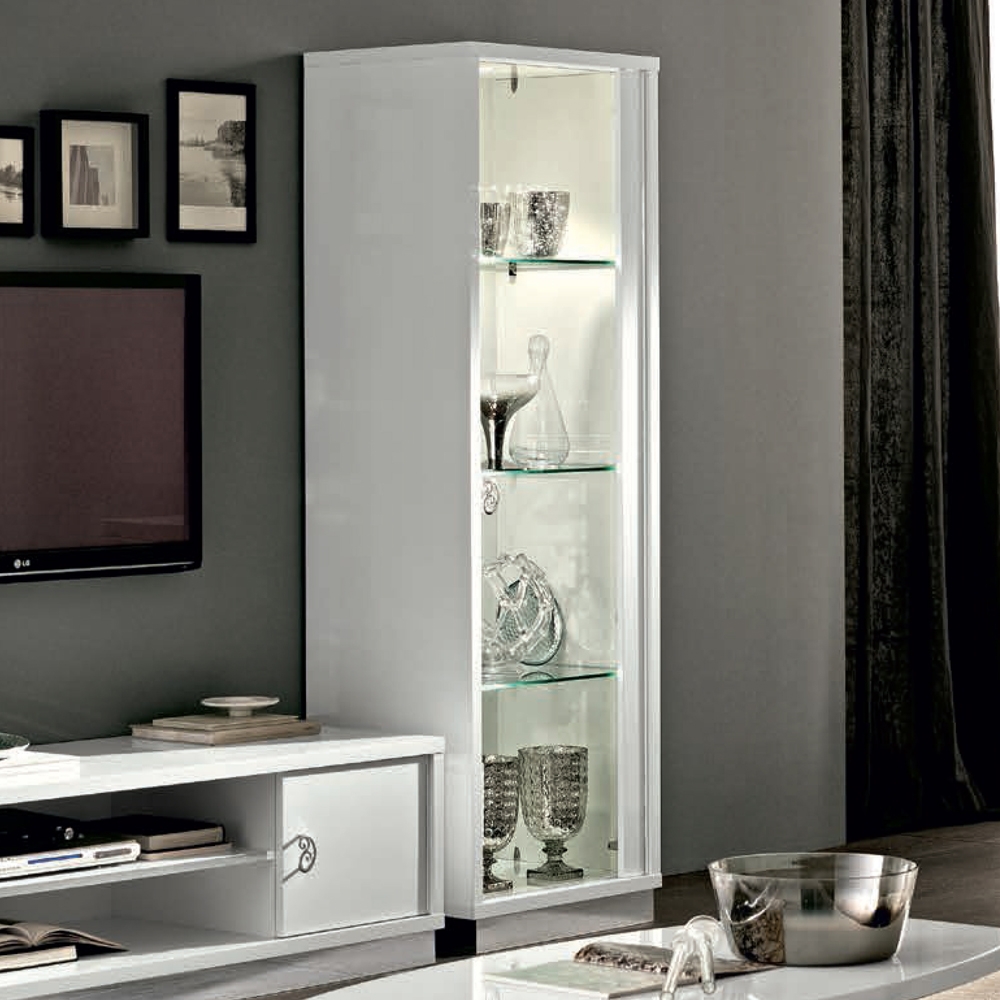
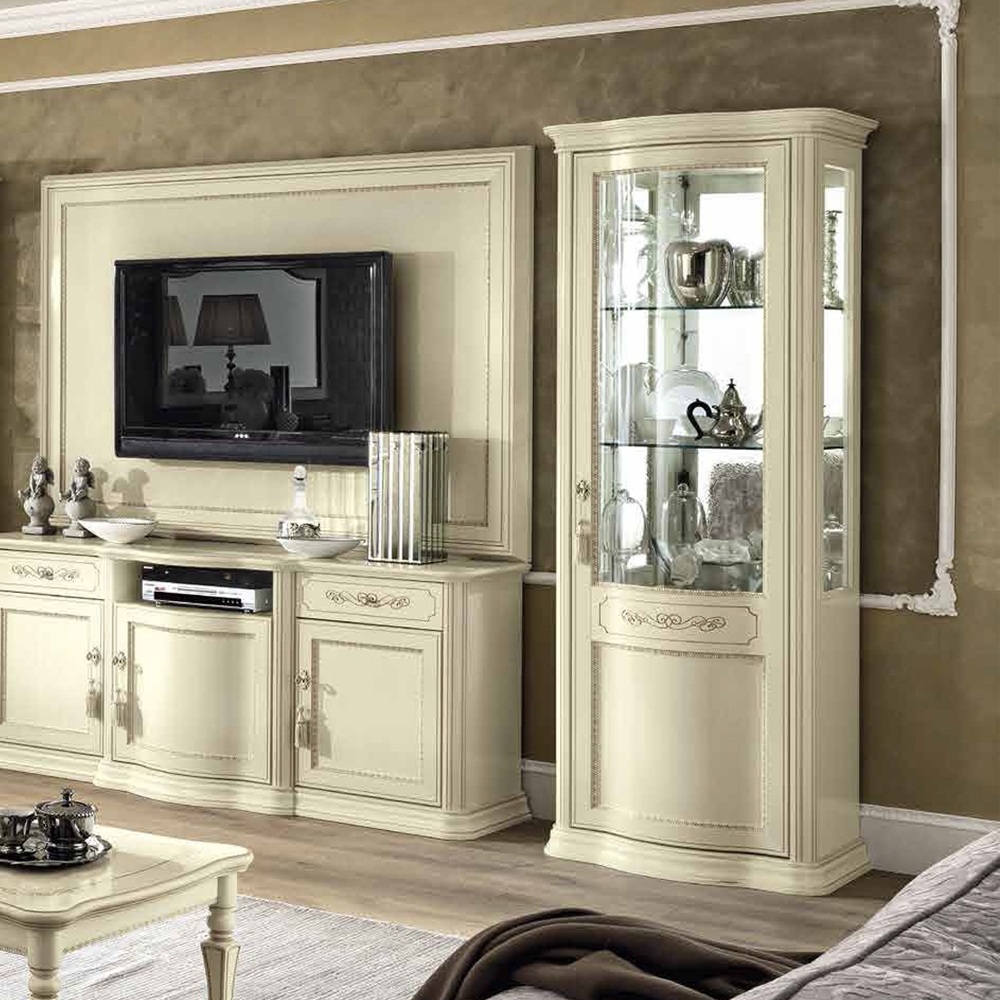
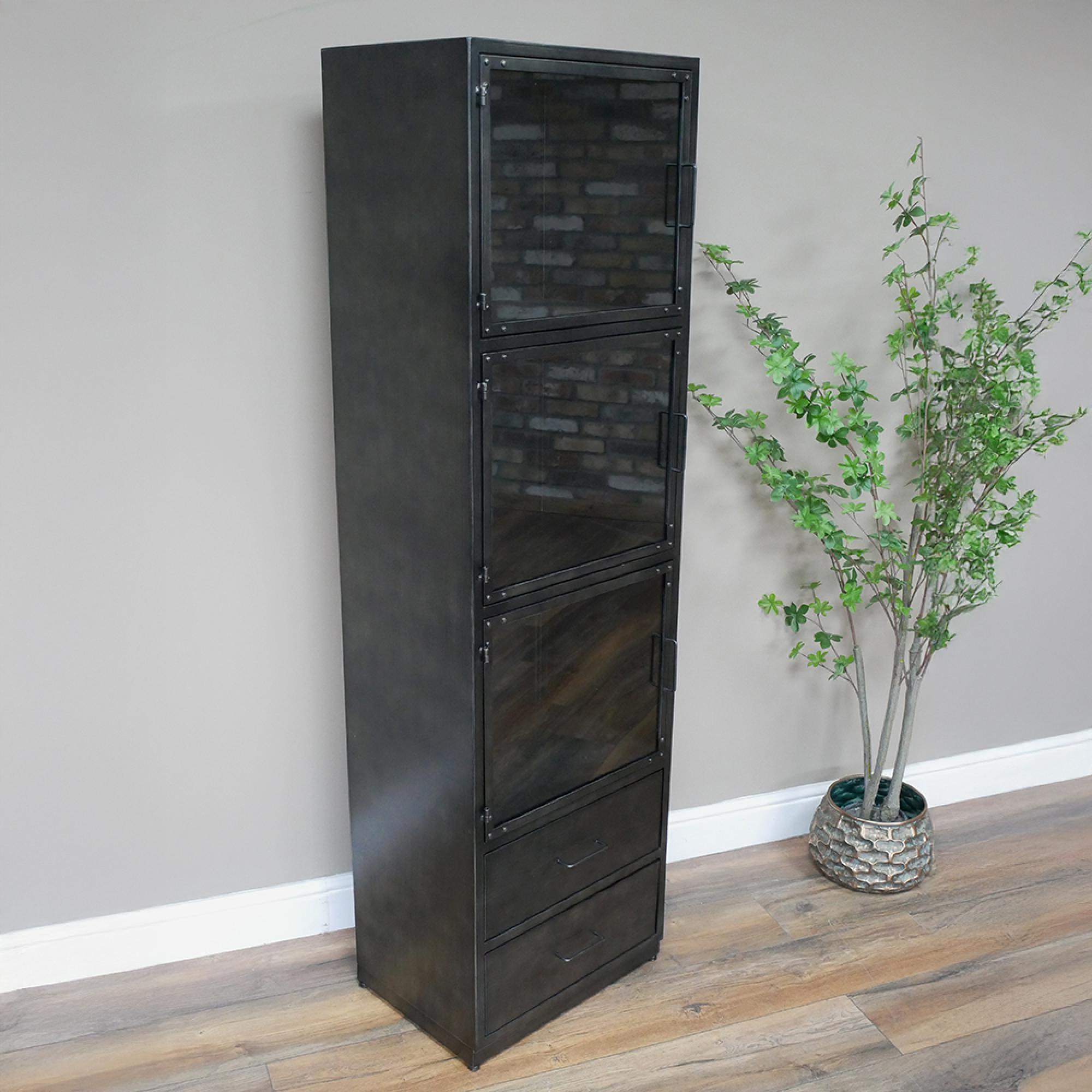
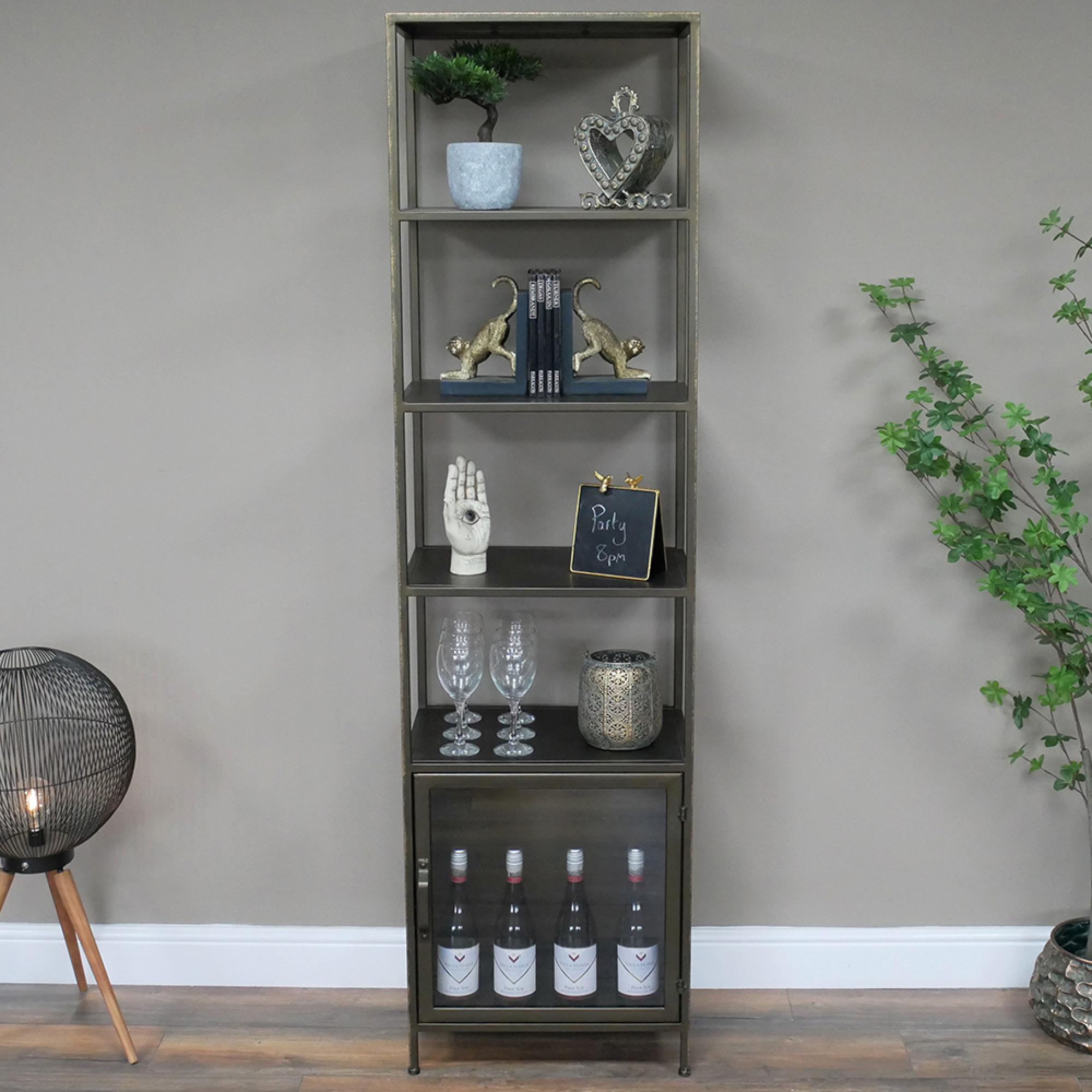
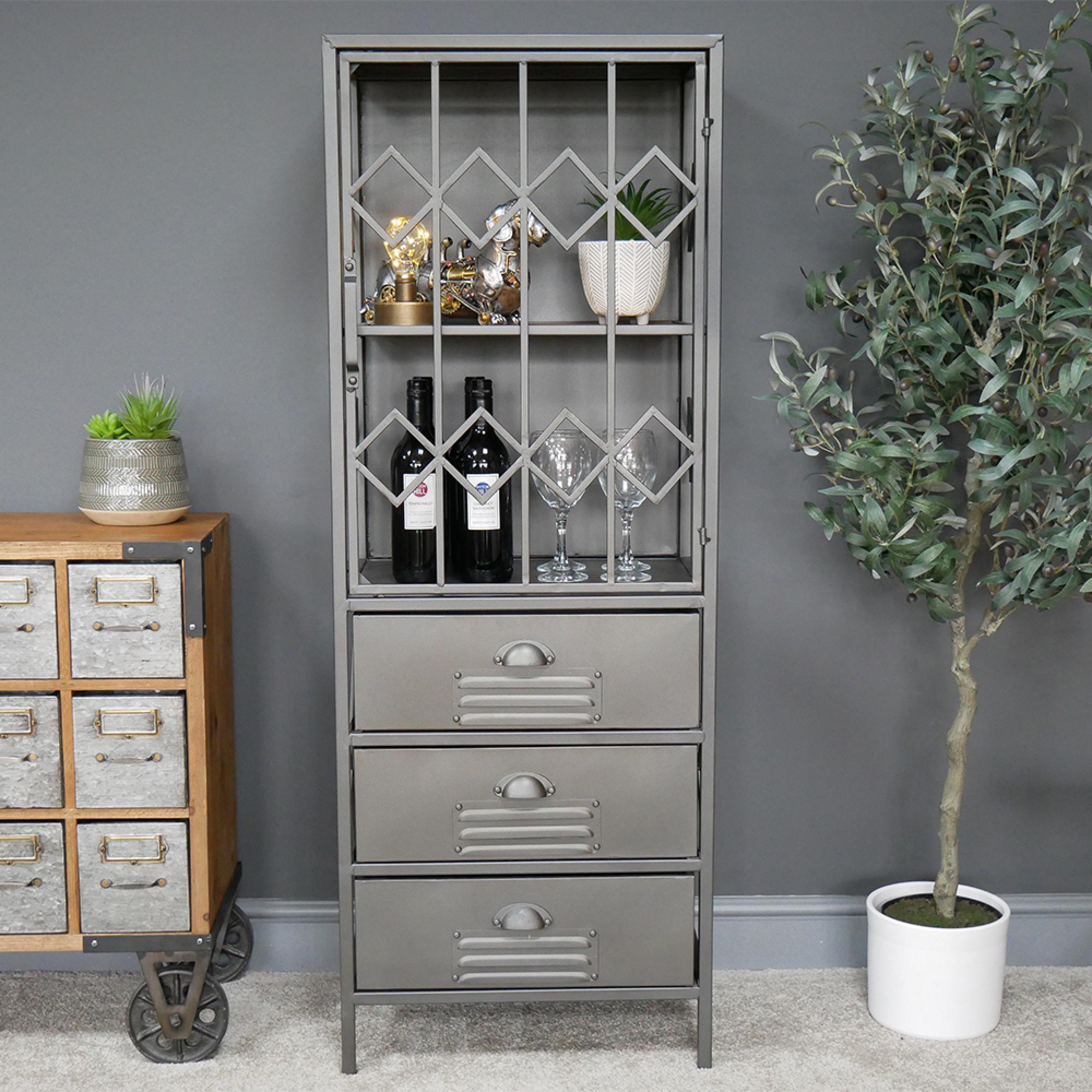
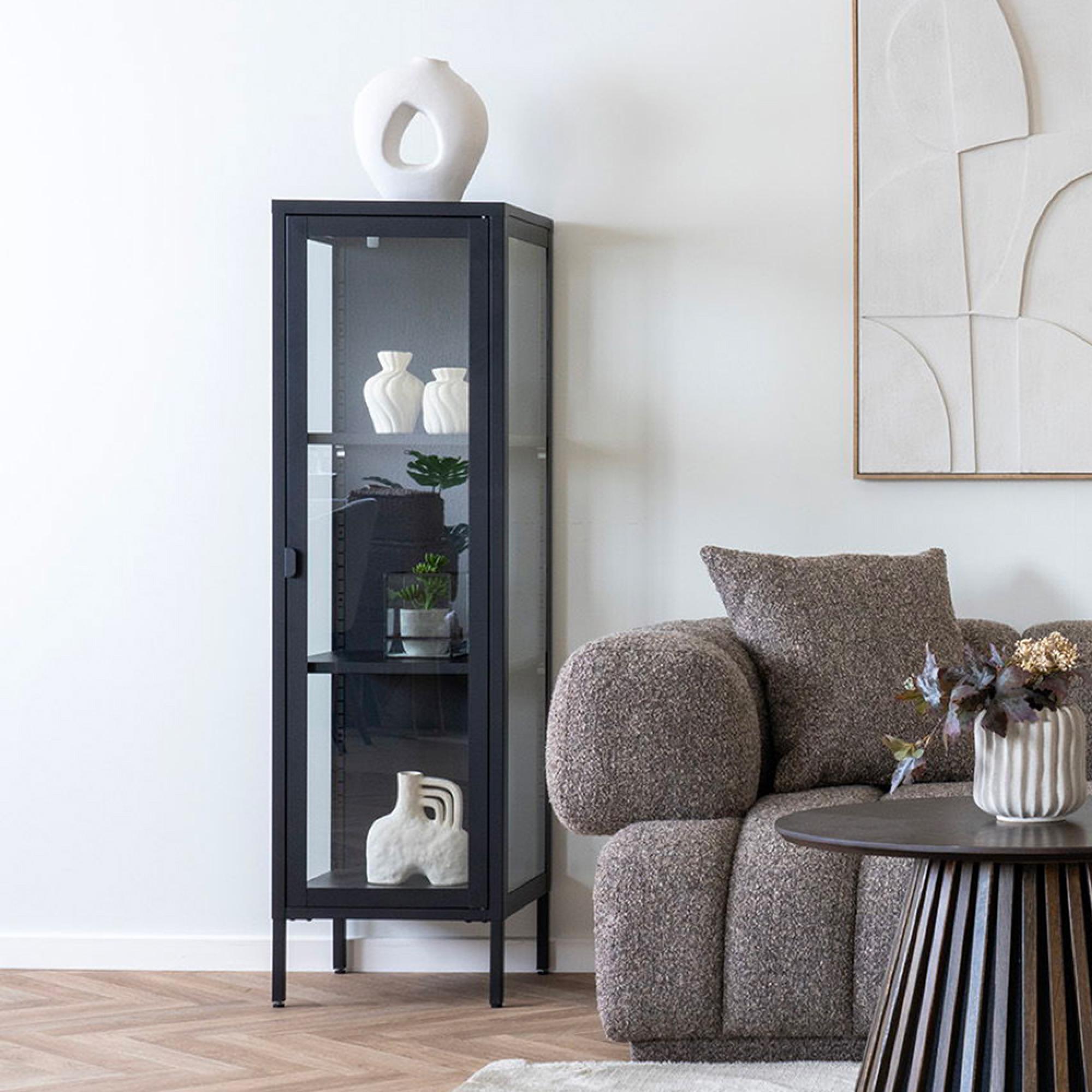
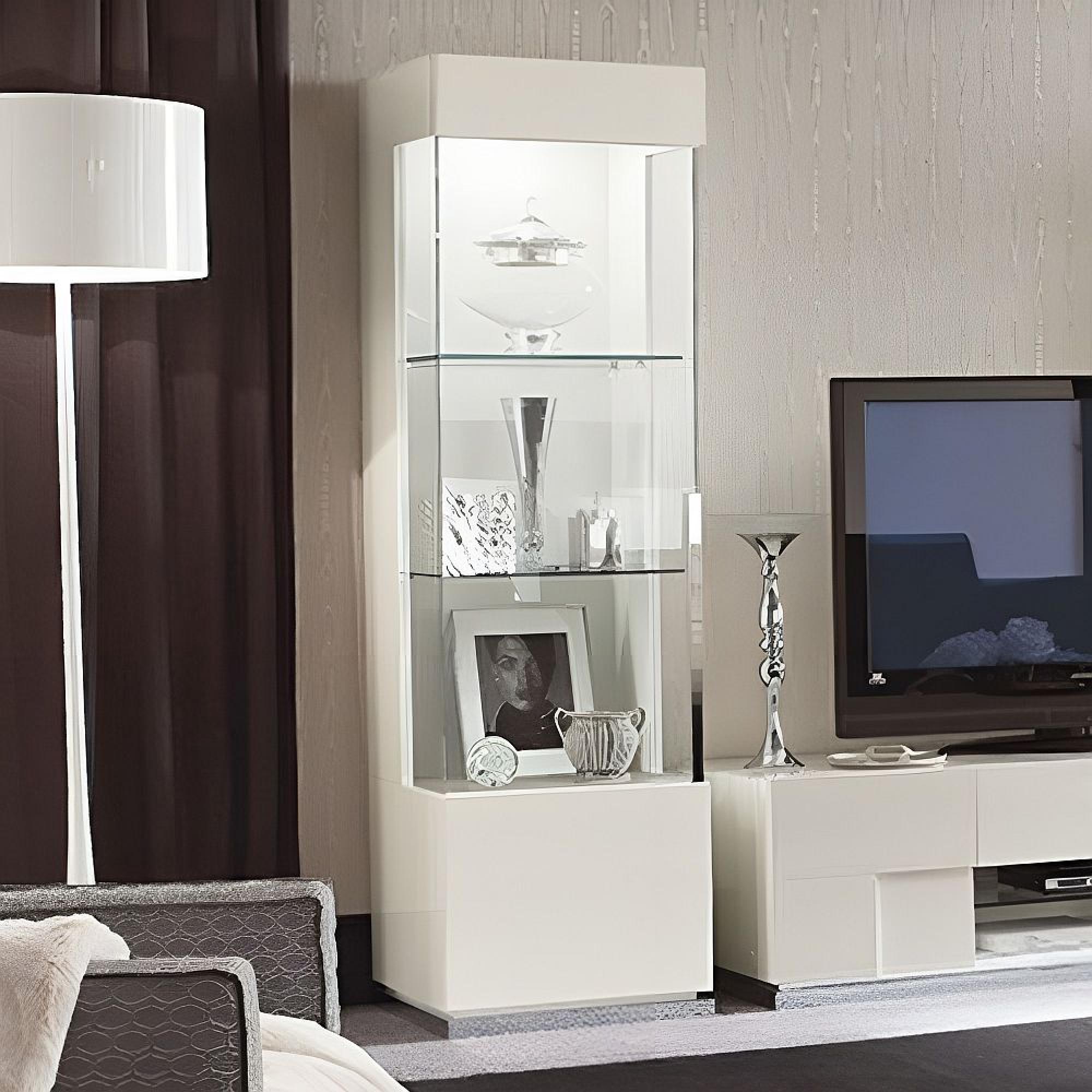
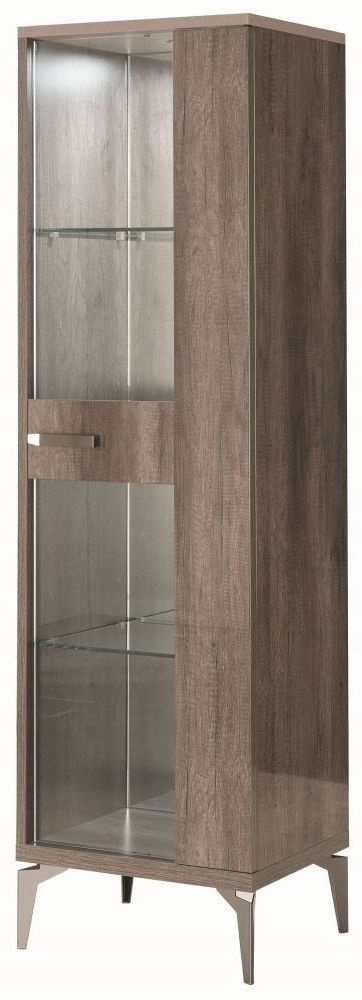
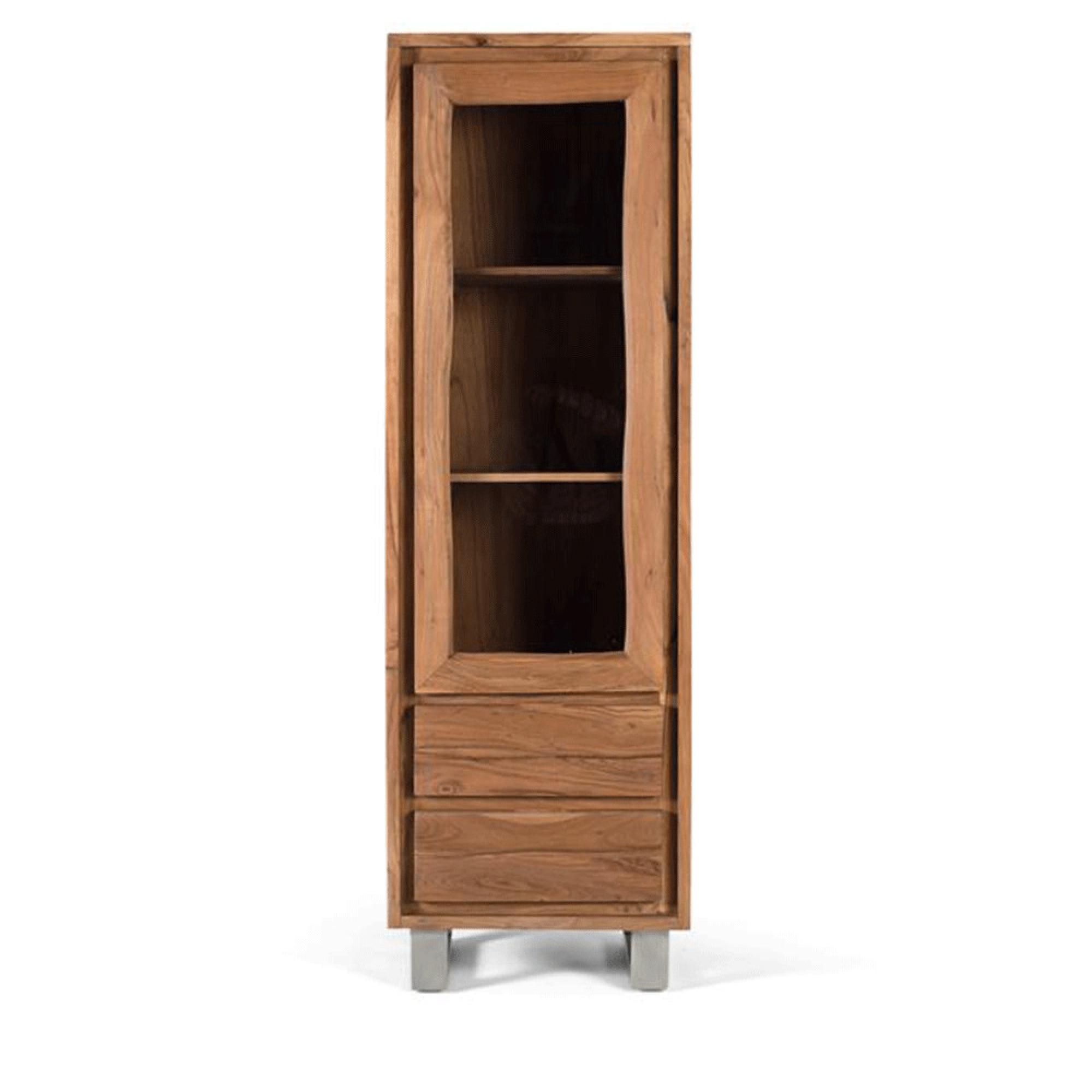
Use the Narrow Display Cabinets category to compare choices that protect and organise favourite pieces while keeping them visible. Compare shelf layout, glazing, lighting, door access, height and wall position to identify the right balance of appearance and function. The size-led focus makes accurate room measurements and usable clearance central to the decision. Check shelf limits and lighting requirements before arranging heavier display pieces.
Read more X Close

Popular Categories

Price

Type

No. of Doors

No. of Drawers

Material

Finish

Colour

  • Black
  • Cream
  • Grey
  • White

Choosing Narrow Display Cabinets

This category focuses on Narrow Display Cabinets that can protect and organise favourite pieces while keeping them visible. Start with the room layout and daily use, then compare shelf layout, glazing, lighting, door access, height and wall position. The size-led focus makes accurate room measurements and usable clearance central to the decision. This keeps the decision focused on practical suitability as well as style.

Plan the space before choosing

Check shelf limits and lighting requirements before arranging heavier display pieces. Record the available width, depth and height, including clearance for doors, drawers, reclining parts or extensions where relevant. Account for skirting boards, radiators, sockets and walking routes, then check the access route through doors, halls and stairs.

For adjacent choices, explore Display Cabinets, Italian Display Cabinets and Oak Display Cabinets. Use these comparisons alongside the specifications on each product page.

Narrow Display Cabinets for considered interiors

The Narrow Display Cabinets category focuses on choices intended to protect and organise favourite pieces while keeping them visible. A suitable option should respond to the room's proportions, surrounding furniture and practical demands of everyday use. The size-led focus makes accurate room measurements and usable clearance central to the decision.

Material, finish and construction

When comparing display cabinets, look closely at shelf layout, glazing, lighting, door access, height and wall position. Materials influence appearance, weight and maintenance, while finish affects colour coordination and day-to-day care. Use the written specification to confirm construction and care requirements.

Function and room planning

Check shelf limits and lighting requirements before arranging heavier display pieces. Mark out the footprint and consider how people move around it. Where a product opens, extends, swivels or reclines, include that working clearance. For storage, seating or sleeping products, match the layout, support and capacity to the needs of regular users.

Creating a coordinated result

Build the room around a clear relationship between scale, colour and material. Matching every finish is not essential, but repeating one or two elements can connect separate pieces. You can also compare Display Cabinets, Italian Display Cabinets and Oak Display Cabinets for closely related room and product choices. Use the individual listing to confirm dimensions, included components, assembly and suitability.

Read more X Close

FAQs on Narrow Display Cabinets

What size narrow display cabinet do I need for a small living room?

Choose cabinets under 80cm wide for rooms under 20 sqm. Measure your wall space first, accounting for skirting boards. A depth of 20-30cm keeps the cabinet from dominating the room. Floor-standing models work better than wall-mounted if you lack secure wall studs.

Glass fronts suit modern spaces and display collections effectively. Wood cabinets offer better storage privacy and suit traditional décor. Glass requires regular cleaning to avoid fingerprints. Wood hides dust but limits visibility of displayed items. Choose based on your intended use and décor style.

Use internal lighting to highlight collections. Arrange items at eye level for impact. Leave negative space between pieces—avoid cramming. Add a mirror behind shelves to reflect light. Rotate seasonal displays every 3-4 months to keep the space fresh and visually engaging.

Display cabinets have glass doors protecting items from dust and damage. Bookshelves remain open, requiring items to support themselves. Display cabinets suit collectibles, ornaments, and valuables. Bookshelves suit books and frequently accessed items. Display cabinets are typically narrower and more decorative in design.

Measure width, height, and depth of your space in centimetres. Account for skirting boards (usually 10cm) and adjacent furniture. Check for power sockets or radiators. Mark where wall studs are if wall-mounting. Note the distance from floor to windows or light switches for optimal placement.

Look for models with adjustable glass shelves and soft-close doors to prevent breakage. Internal LED lighting highlights pieces without heat damage. Ensure shelves support at least 20kg each. Choose cabinets with deeper shelves (30cm+) for dinner sets. Avoid models with single thick glass—tempered glass shelves are safer.

Wipe glass fronts weekly with microfibre cloths to prevent streaking. Dust shelves monthly, moving items gently. For wooden cabinets, use appropriate wood cleaner quarterly. Ensure proper ventilation to prevent moisture buildup inside. Use felt pads under displayed items to protect shelf surfaces.

Yes, they provide dual function: storage and decoration without consuming floor space. Theyre cost-effective compared to large statement pieces. Narrow cabinets maximise vertical space in compact homes. Choose models with adjustable shelves for flexibility as needs change. Quality builds last 10+ years, improving long-term value.

Both options work—choose based on wall condition and usage. Wall-mounted cabinets free floor space but require secure studs every 40cm. Floor-standing models suit rental properties and offer easier relocation. Wall-mounted suits hallways and above radiators. Floor-standing suits living rooms where floor space is available.

Modern homes suit glass-front cabinets with metal frames and clean lines. Soft-close doors and LED lighting enhance contemporary appeal. Traditional spaces work with wooden frames, ornate handles, and darker finishes. Oak or walnut woods suit period properties. Match your cabinets colour to existing skirting or architrave for cohesion.
Top