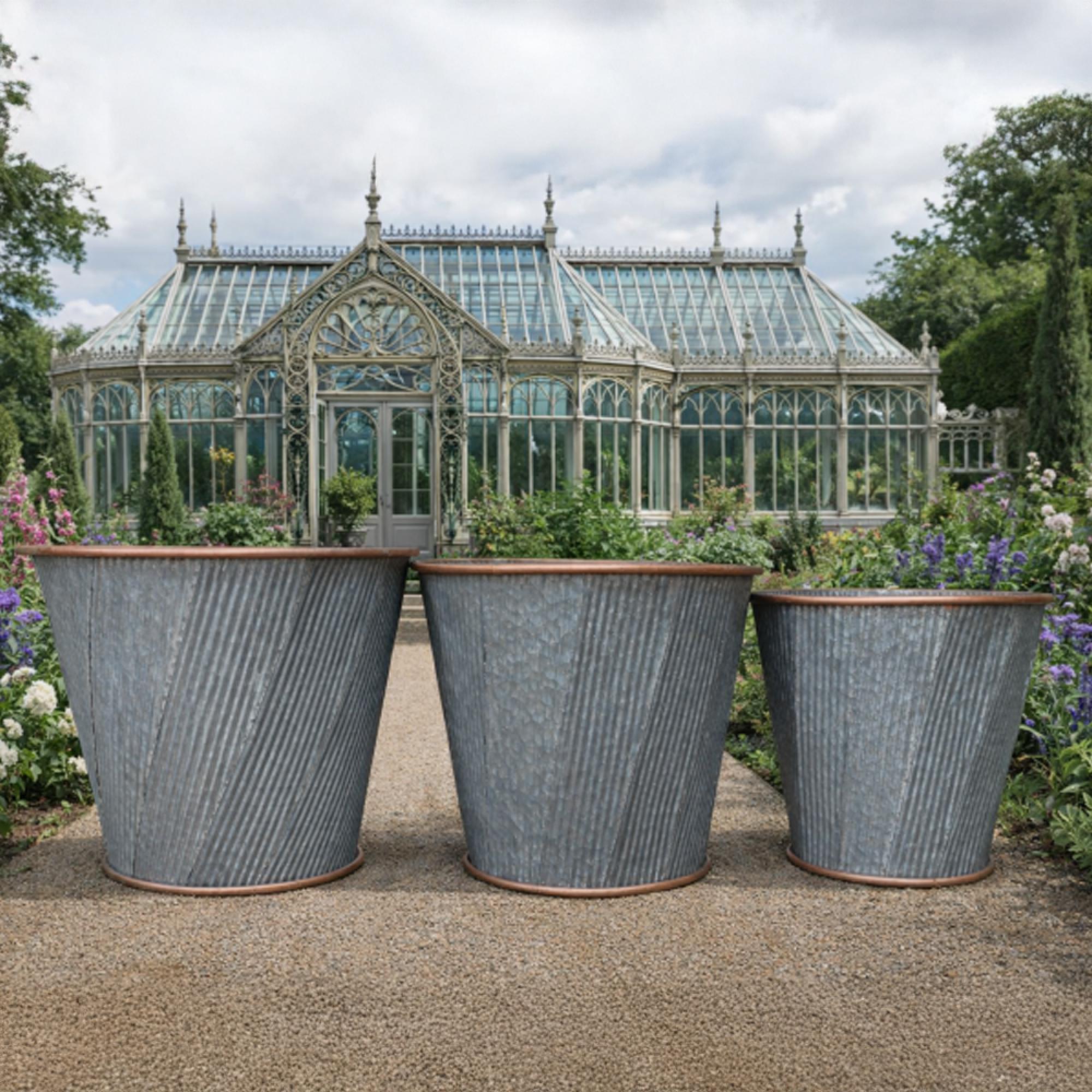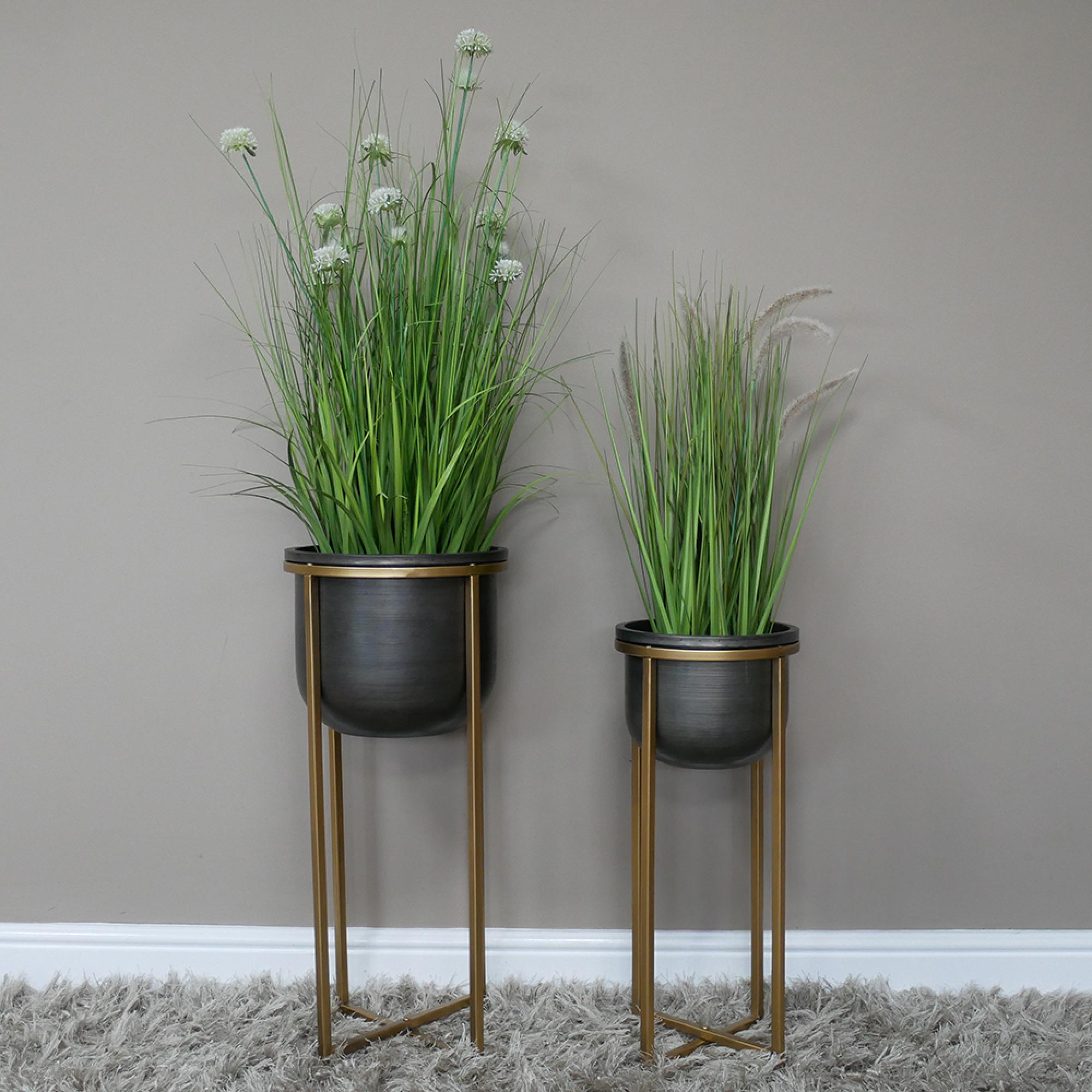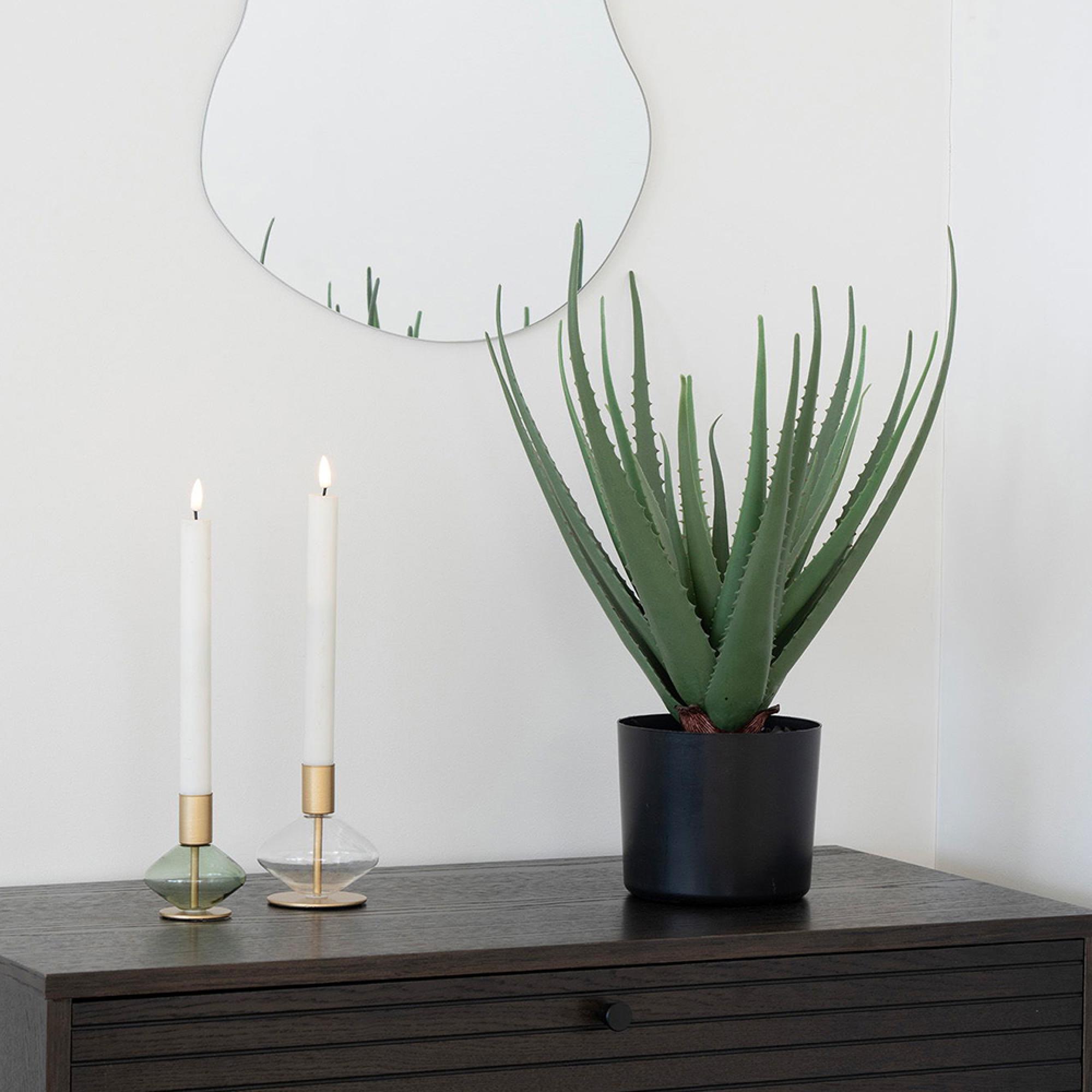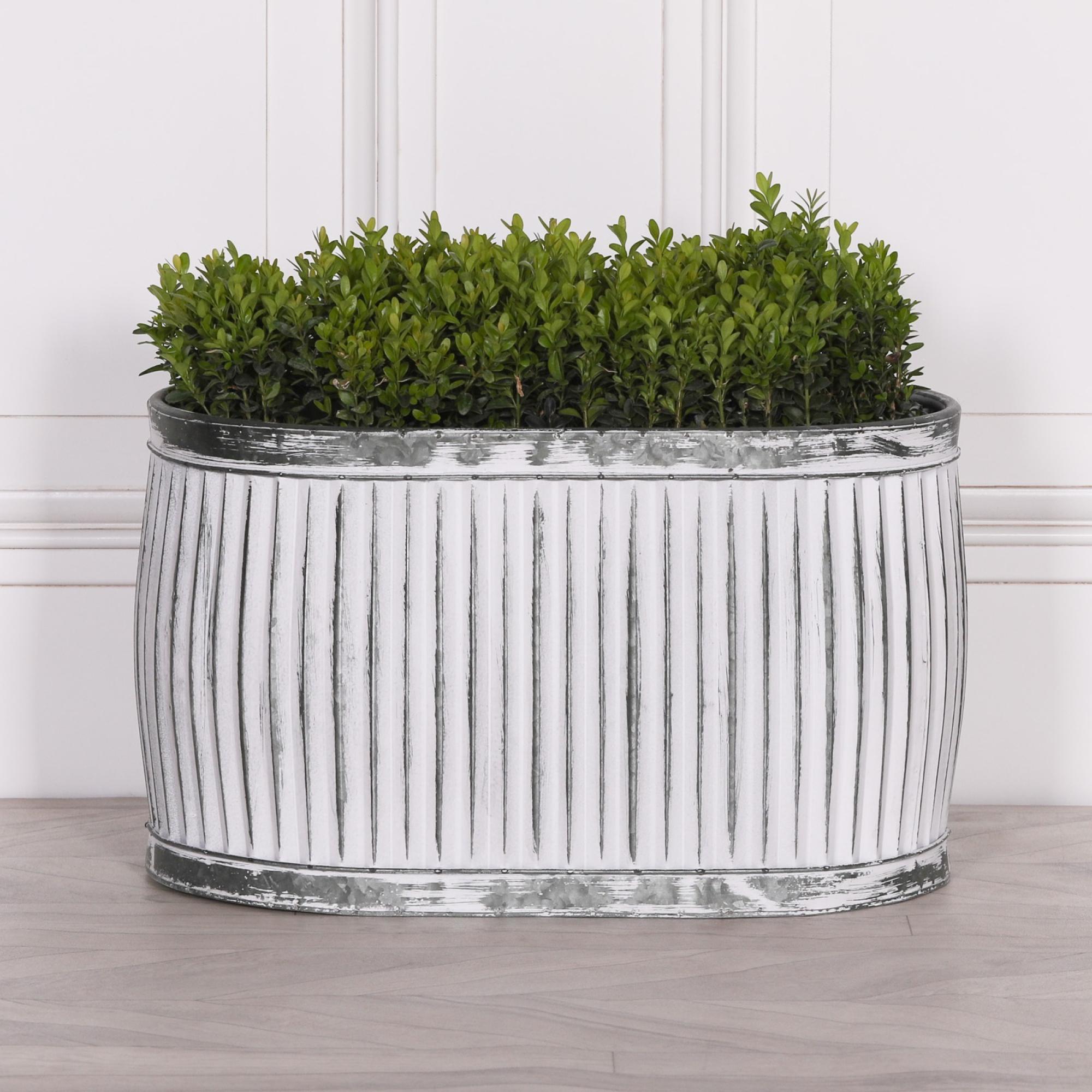
Free Delivery All Over UK*
close
Top products
SHOW ALL PRODUCTS

Pots, Plants & Planters

Found 61 Items

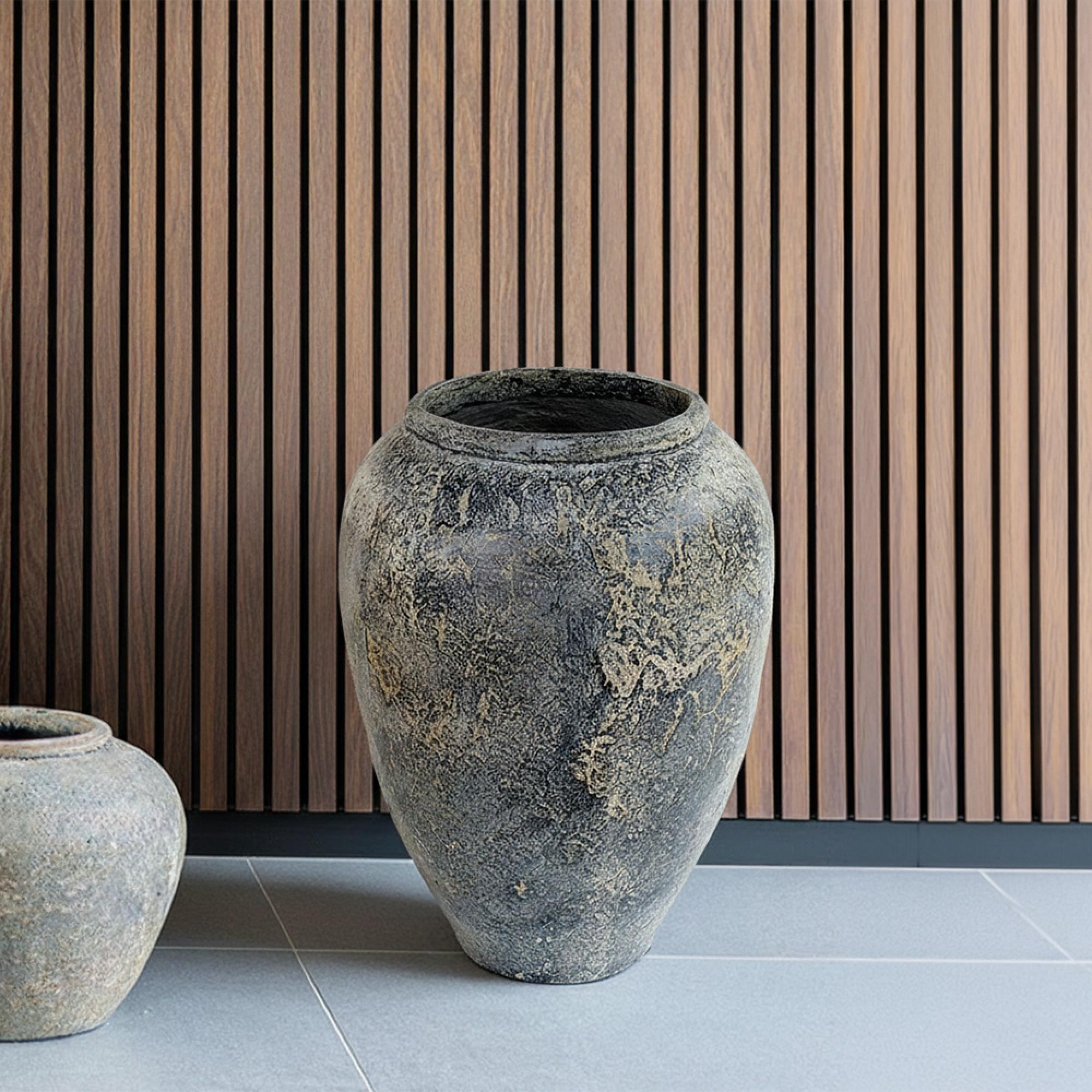
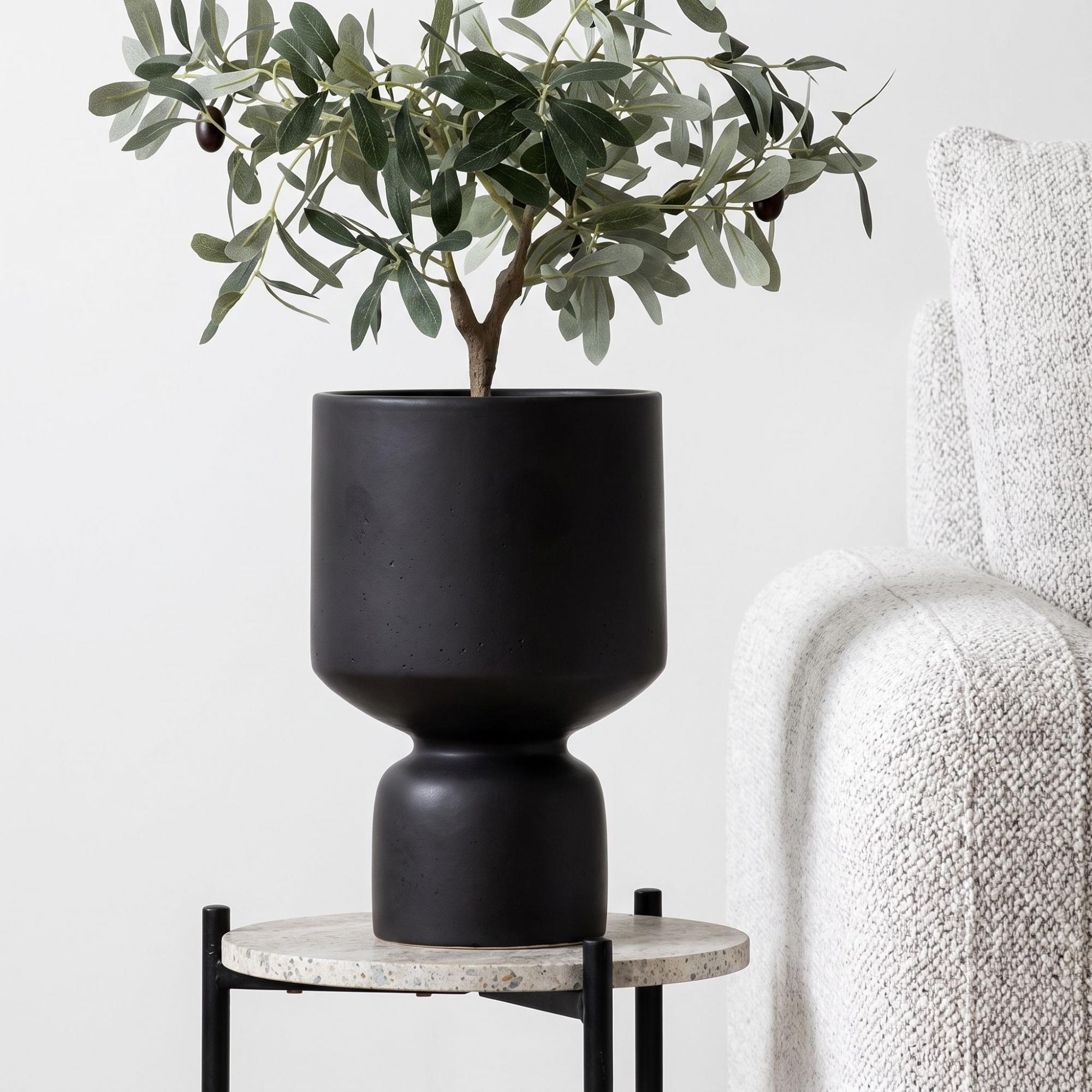
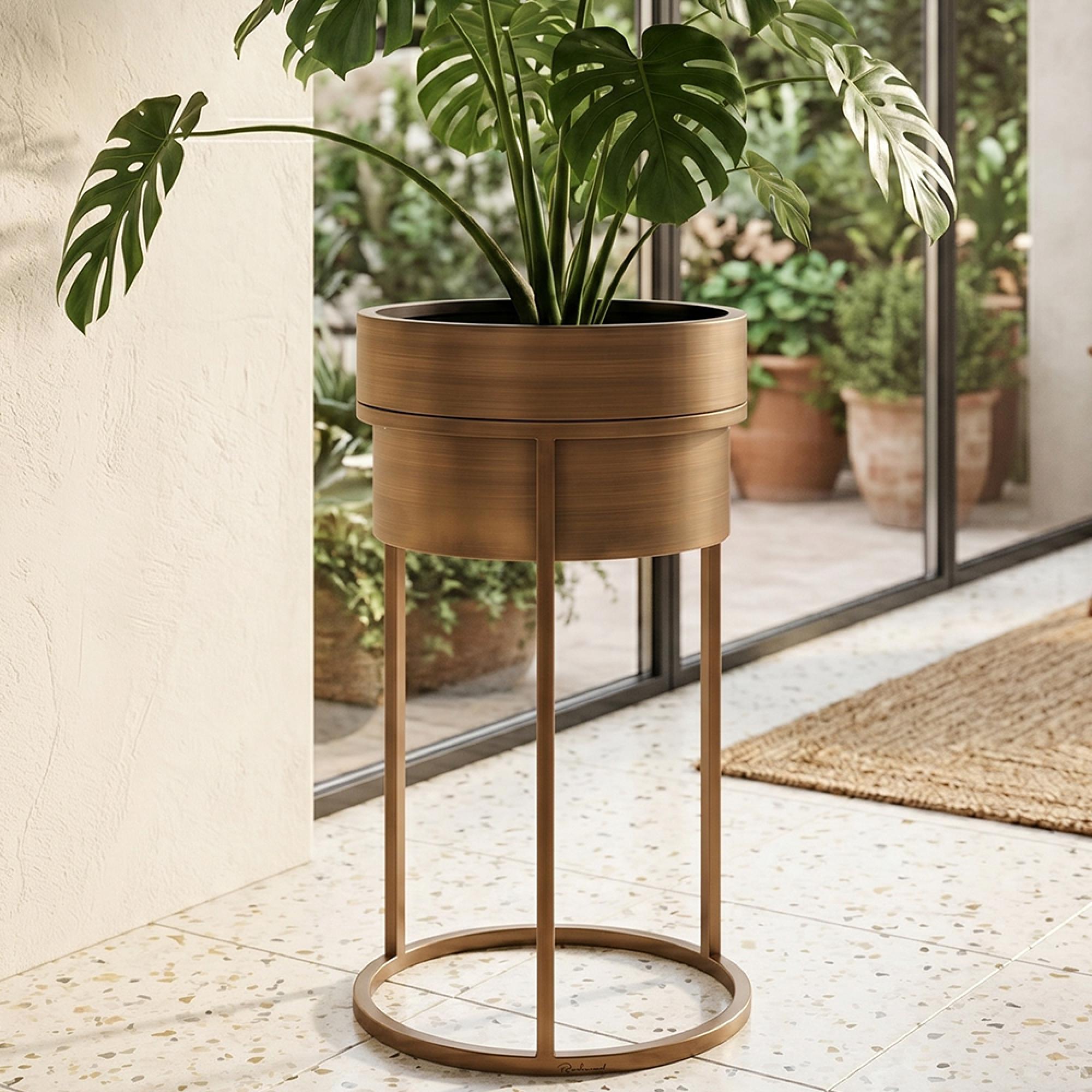
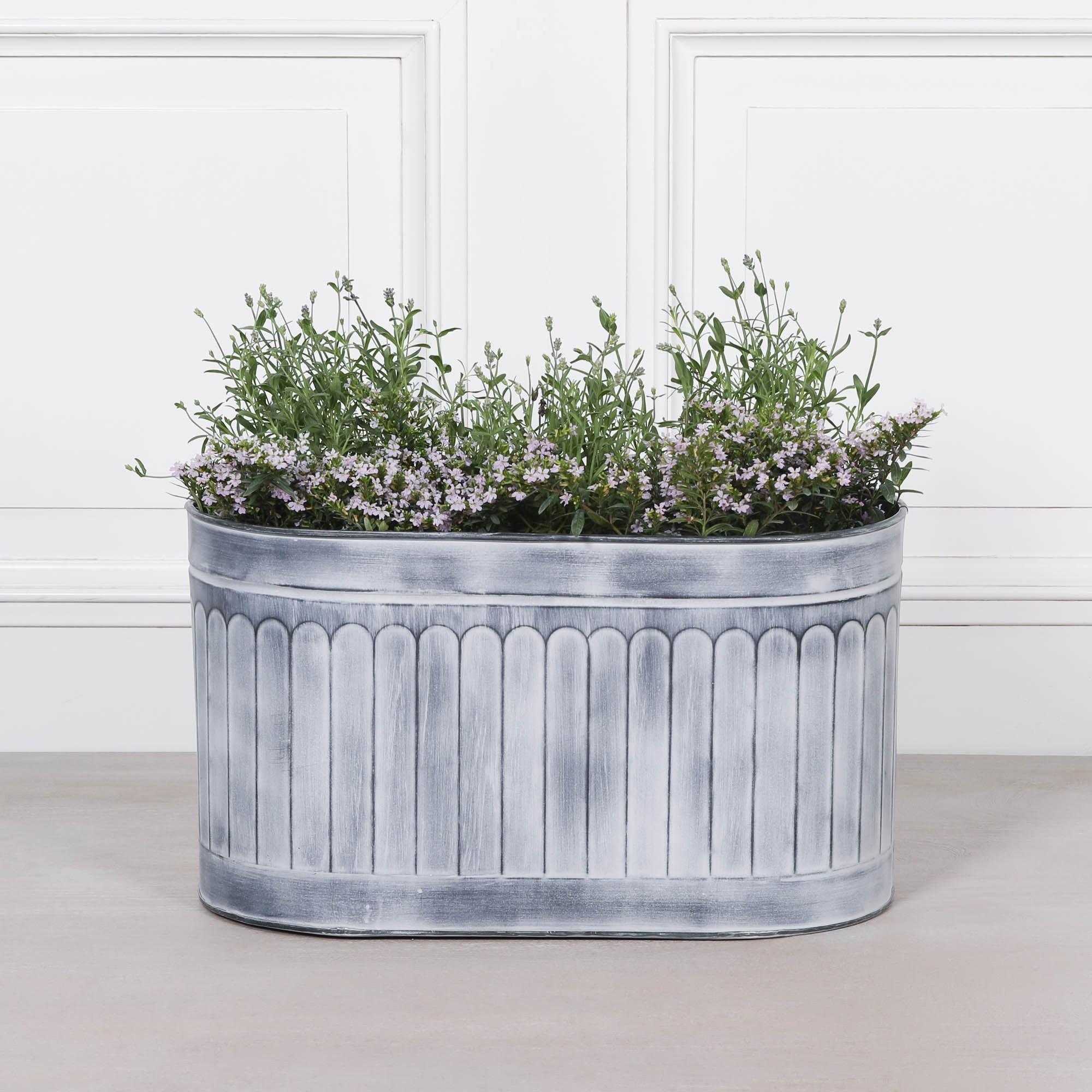
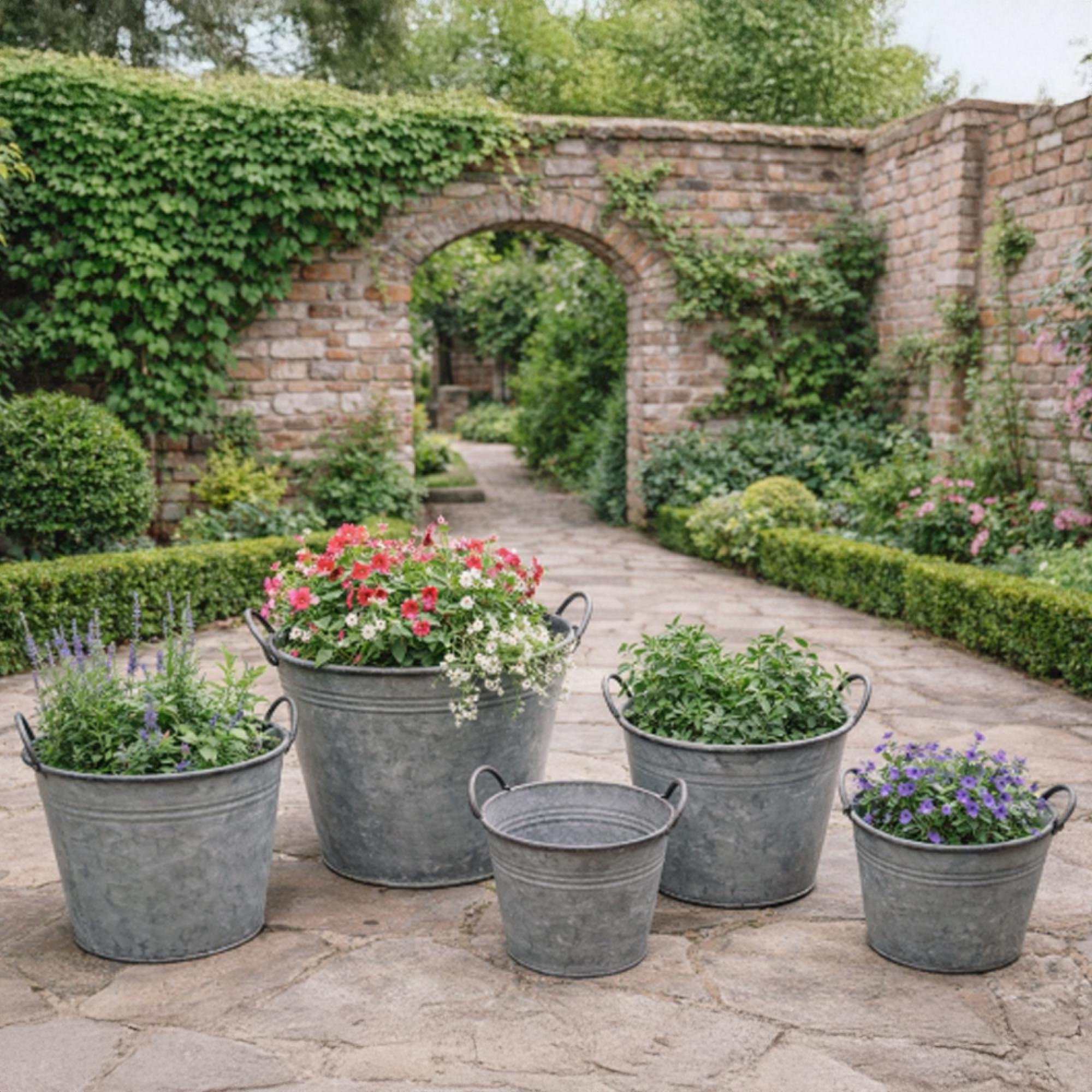
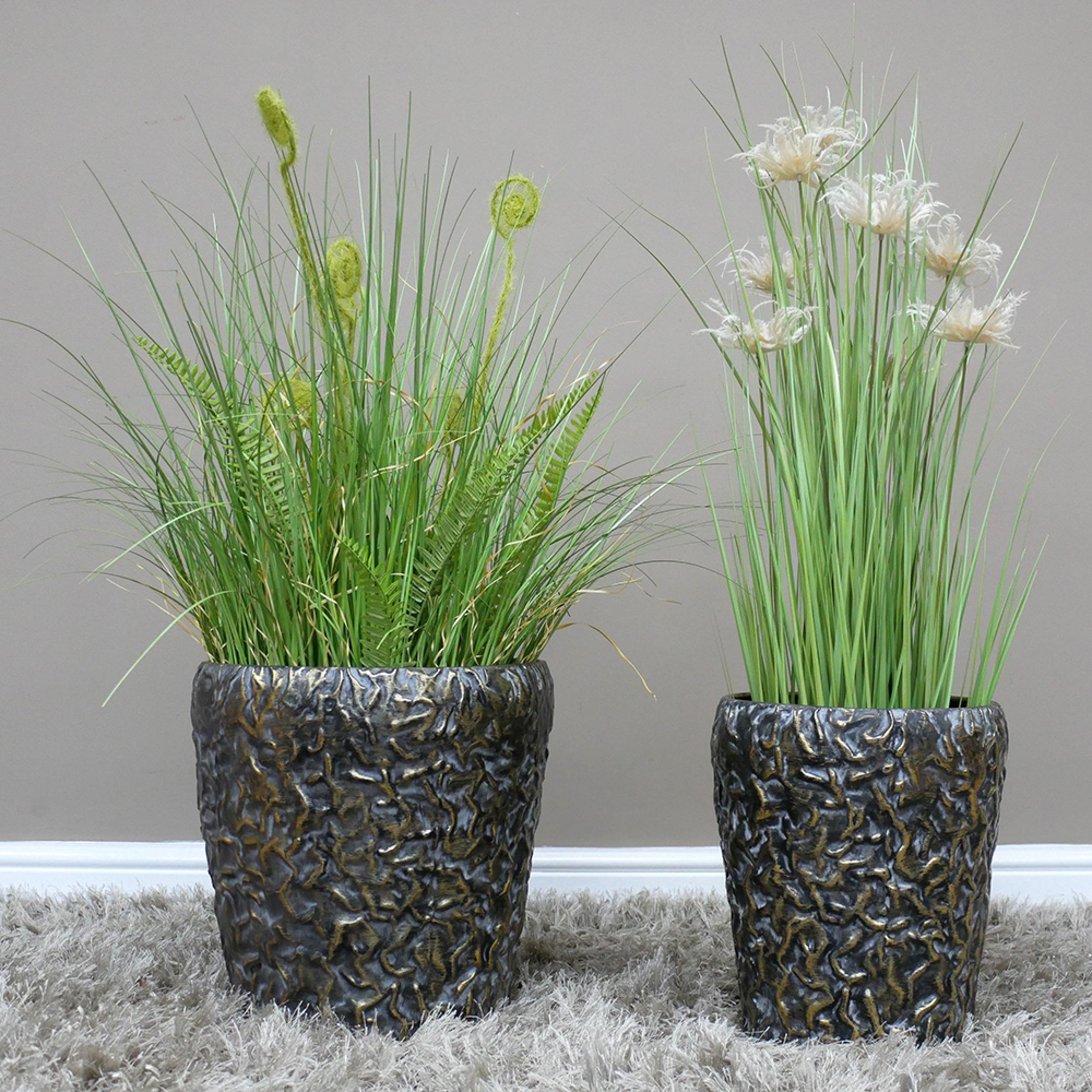
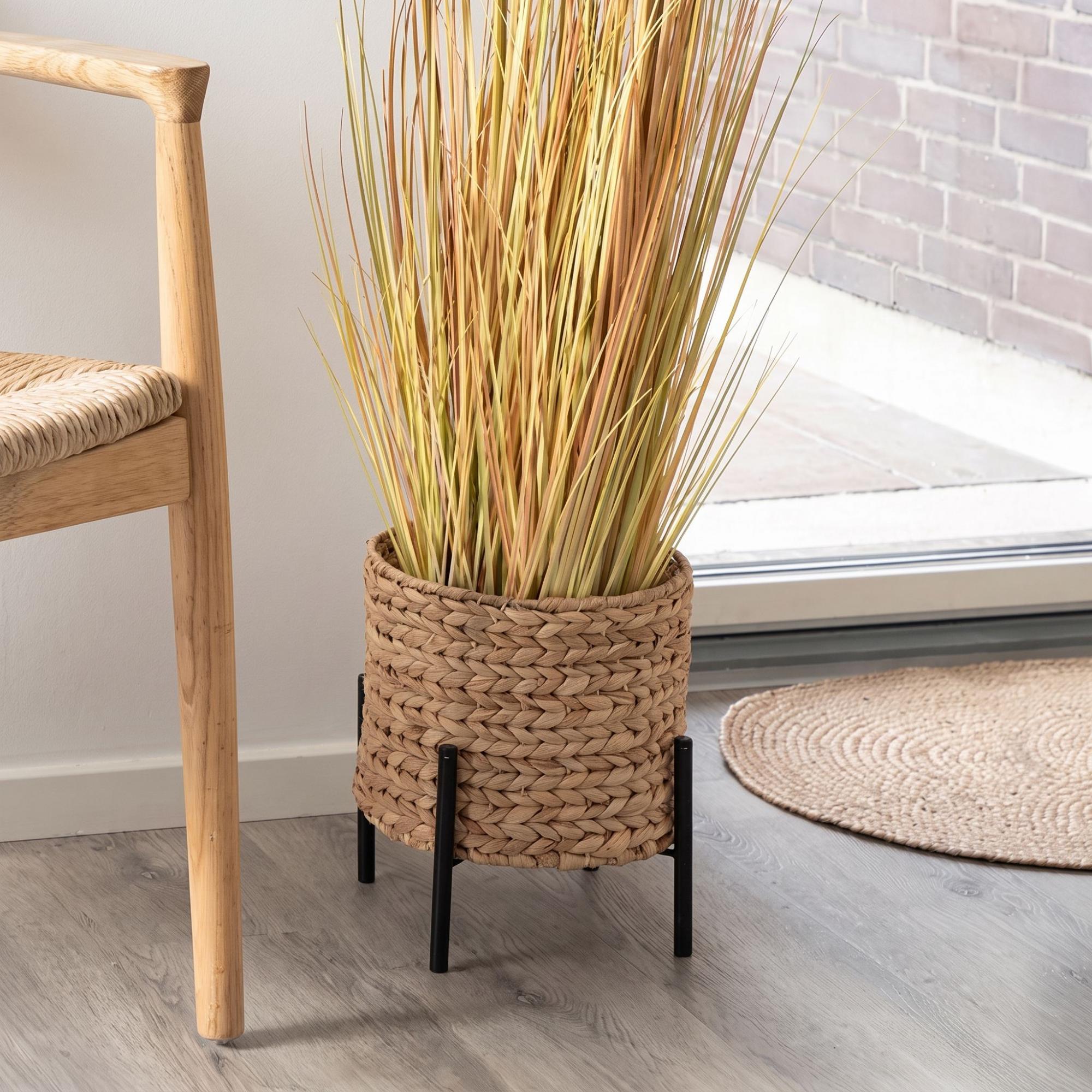
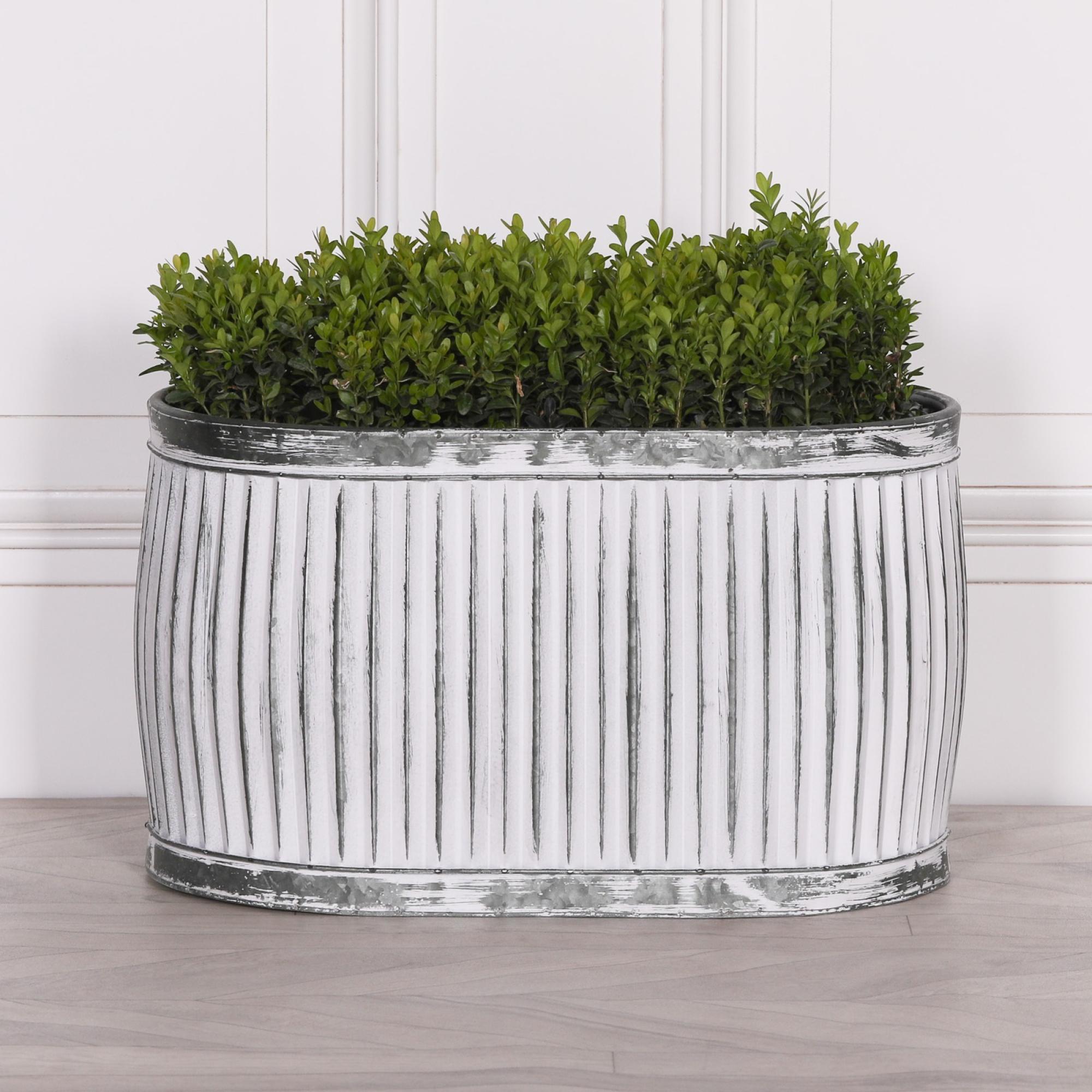
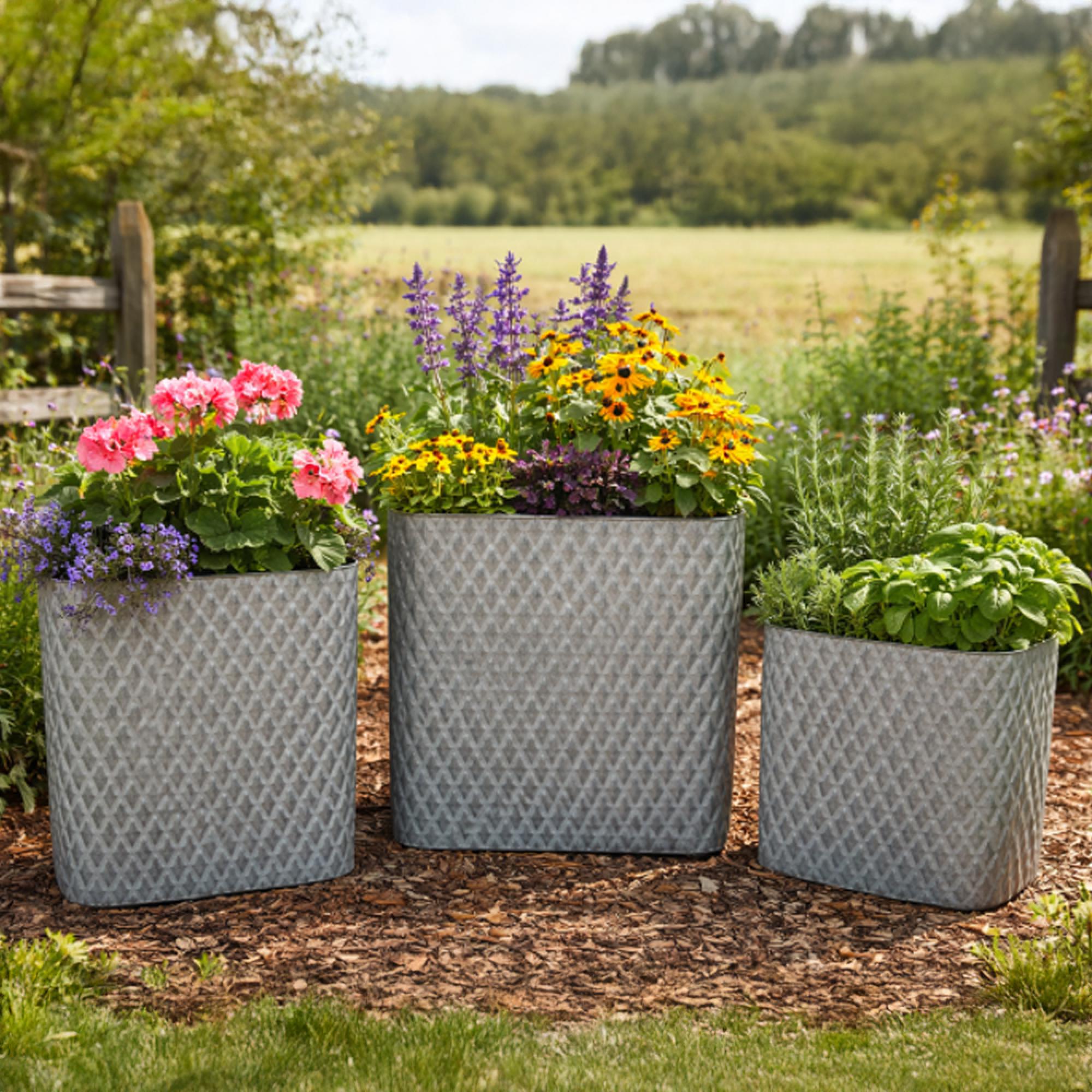
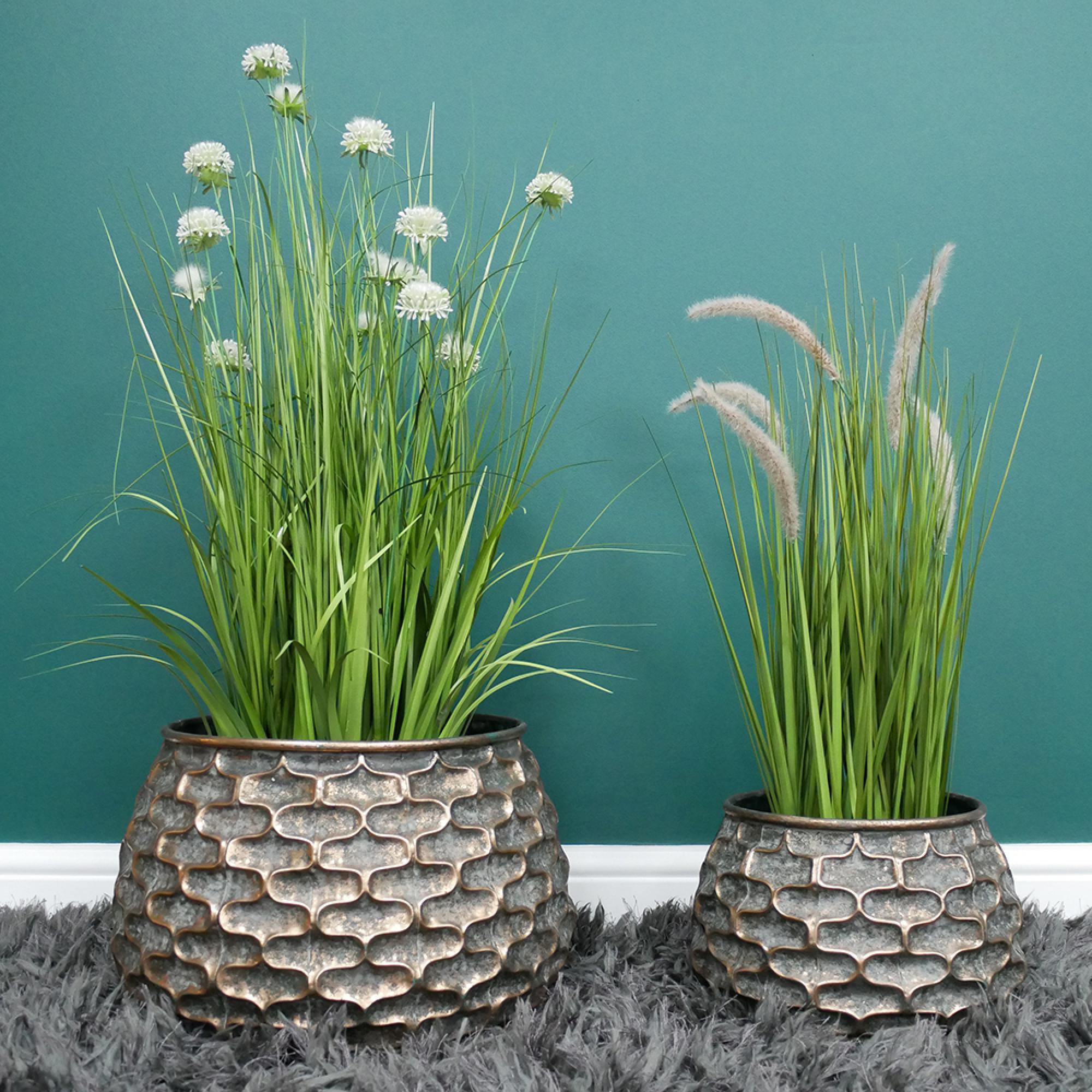
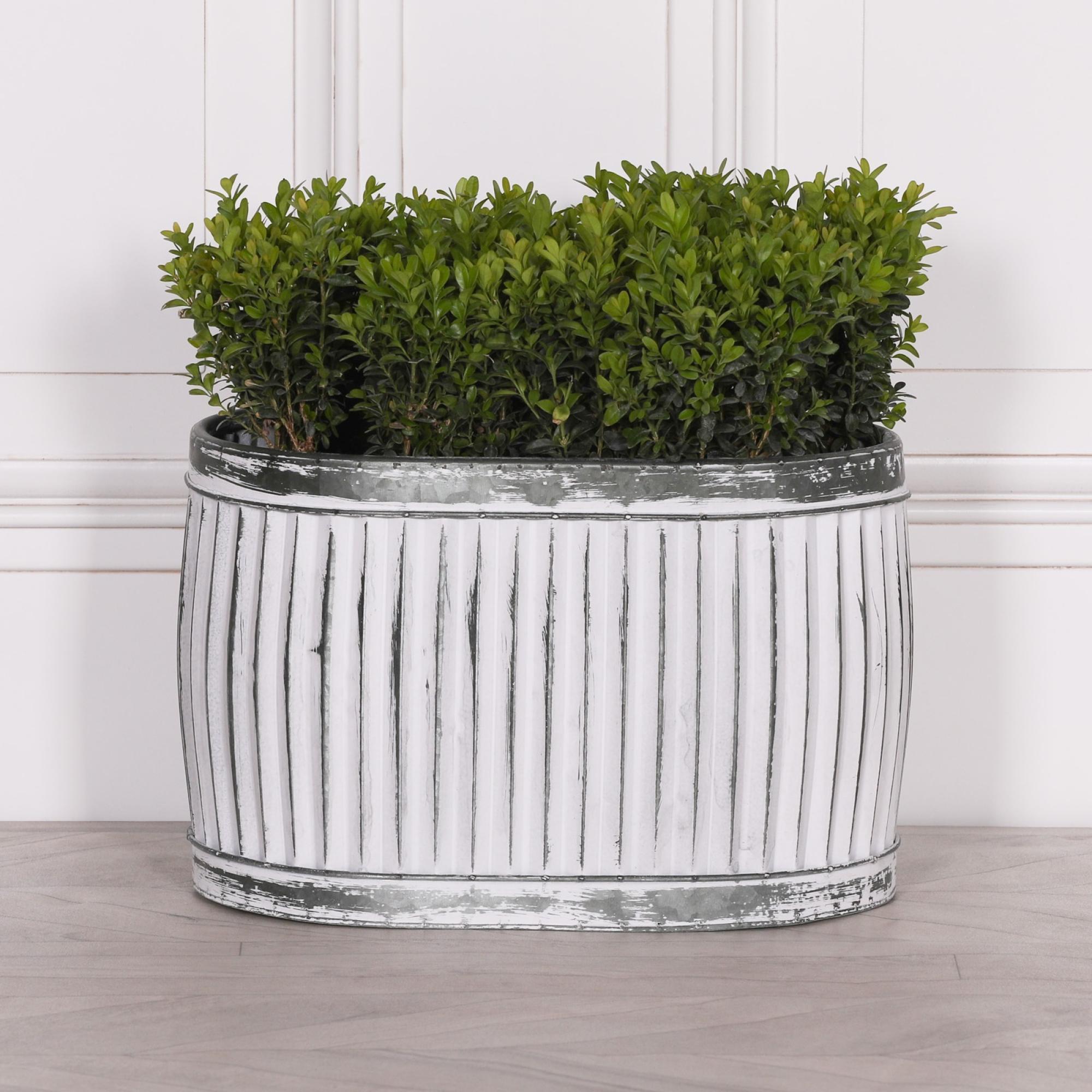
Explore Pots, Plants & Planters designed to support the room's function while contributing to a coordinated interior. Compare function, dimensions, materials, finish, assembly, care and available space to identify the right balance of appearance and function. Use the individual product specification to confirm every measurement and requirement before ordering. Check each product page for exact dimensions, construction, finish, assembly and care information before making a final choice.
Read more X Close

Price

Shape

Material

Colour

  • Beige
  • Black
  • Blue
  • Brown
  • Green
  • Grey
  • Pink
  • White
  • Yellow

39 Products of 61

Load More..

Choosing Pots, Plants & Planters

This category focuses on Pots, Plants & Planters that can support the room's function while contributing to a coordinated interior. Start with the room layout and daily use, then compare function, dimensions, materials, finish, assembly, care and available space. Function and visual balance both matter, so compare the complete specification rather than choosing on appearance alone. This keeps the decision focused on practical suitability as well as style.

Plan the space before choosing

Use the individual product specification to confirm every measurement and requirement before ordering. Record the available width, depth and height, including clearance for doors, drawers, reclining parts or extensions where relevant. Account for skirting boards, radiators, sockets and walking routes, then check the access route through doors, halls and stairs.

For adjacent choices, explore Home Accessories, Kitchen Accessories and Soft Furnishings. Use these comparisons alongside the specifications on each product page.

Pots, Plants & Planters for considered interiors

The Pots, Plants & Planters category focuses on choices intended to support the room's function while contributing to a coordinated interior. A suitable option should respond to the room's proportions, surrounding furniture and practical demands of everyday use. Use the category wording as a starting point, then verify the exact material, finish and features shown on each product page.

Material, finish and construction

When comparing furniture and home accessories, look closely at function, dimensions, materials, finish, assembly, care and available space. Materials influence appearance, weight and maintenance, while finish affects colour coordination and day-to-day care. Use the written specification to confirm construction and care requirements.

Function and room planning

Use the individual product specification to confirm every measurement and requirement before ordering. Mark out the footprint and consider how people move around it. Where a product opens, extends, swivels or reclines, include that working clearance. For storage, seating or sleeping products, match the layout, support and capacity to the needs of regular users.

Creating a coordinated result

Build the room around a clear relationship between scale, colour and material. Matching every finish is not essential, but repeating one or two elements can connect separate pieces. You can also compare Home Accessories, Kitchen Accessories and Soft Furnishings for closely related room and product choices. Use the individual listing to confirm dimensions, included components, assembly and suitability.

Read more X Close

FAQs on Pots, Plants & Planters

What size planter do I need for my space?

Measure your space first, then choose a planter that fills roughly one-third of that area. For windowsills, select planters 15–30cm wide. For floor placement, 40–60cm diameter works in most living rooms. Check product dimensions in centimetres before ordering to ensure proper fit and visual balance.

Terracotta is porous, breathable and affordable but heavy and frost-prone. Ceramic pots are glazed, moisture-resistant, lighter, and suit indoors better. Terracotta suits outdoor plants; ceramic works inside or outside. Both need drainage holes. Choose ceramic for modern interiors; terracotta for traditional cottage styles.

Select a pot 2–5cm larger than your plants root ball. Ensure drainage holes are present—essential for preventing root rot. Match pot size to plant size: small plants (20cm pots), medium plants (30–40cm), large plants (50cm+). Consider material based on indoor or outdoor placement and your decor style.

Choose tall, narrow planters (30–40cm high) rather than wide ones—they maximise vertical space. Lightweight ceramic or resin pots are easier to move and rearrange. Wall-mounted planters save floor space entirely. Light colours like white, cream, or grey make rooms feel larger. Avoid dark, bulky terracotta.

Yes, but choose frost-resistant materials like ceramic, resin, or sealed terracotta that wont crack from temperature changes. Ensure planters have drainage holes with saucers beneath to protect indoor floors. Avoid untreated terracotta indoors—it absorbs moisture and may stain flooring. Ceramic or glazed options suit interior spaces better.

Ceramic pots need occasional wiping with a damp cloth to remove dust. Terracotta pots can be cleaned with water and a brush—dont use chemicals. Both last longer outdoors if protected from frost in winter. Check drainage holes monthly to prevent blockages that cause waterlogging and root damage.

Neutral shades—white, cream, grey, and black—work with any décor style. For contemporary spaces, choose matte finishes over glossy. Charcoal grey complements green plants visually. Monochromatic schemes (matching planter and plant pot) create cohesive, minimalist looks. Avoid bright colours unless coordinating with existing cushions or artwork.

Yes, drainage holes are essential—they prevent waterlogging and root rot. If your chosen planter lacks one, use it as a cache pot (outer container) and place a smaller draining pot inside. This doubles as a styling solution while protecting your plants health and your furniture from water damage.

Large planters (50cm+) suit statement plants like monstera or fiddle leaf fig and reduce watering frequency by holding more soil. Theyre better value long-term as plants wont outgrow them quickly. However, theyre heavier and harder to move. Budget £40–£150 for quality ceramic or resin; terracotta is cheaper but fragile.

Frost-resistant resin and composite materials perform best—they wont crack in winter. Sealed terracotta and glazed ceramic work but need winter protection. Plastic is durable but less attractive. Avoid unsealed natural terracotta outdoors in the UK. Check product descriptions for frost-resistant or all-weather labels before buying outdoor planters.

Group odd numbers (3 or 5) in varying heights and sizes for visual interest. Keep colours cohesive—use 2–3 tones maximum (white, grey, terracotta). Cluster on windowsills, shelves, or corners. Mix pot shapes: pair tall planters with squat ones. Leave breathing room between pots to avoid cluttered appearance and ensure plant access to light.
Top