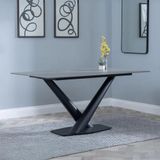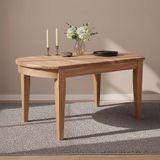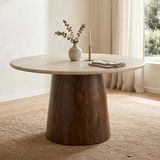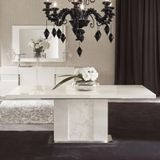
Free Delivery All Over UK*
close
Top products
SHOW ALL PRODUCTS

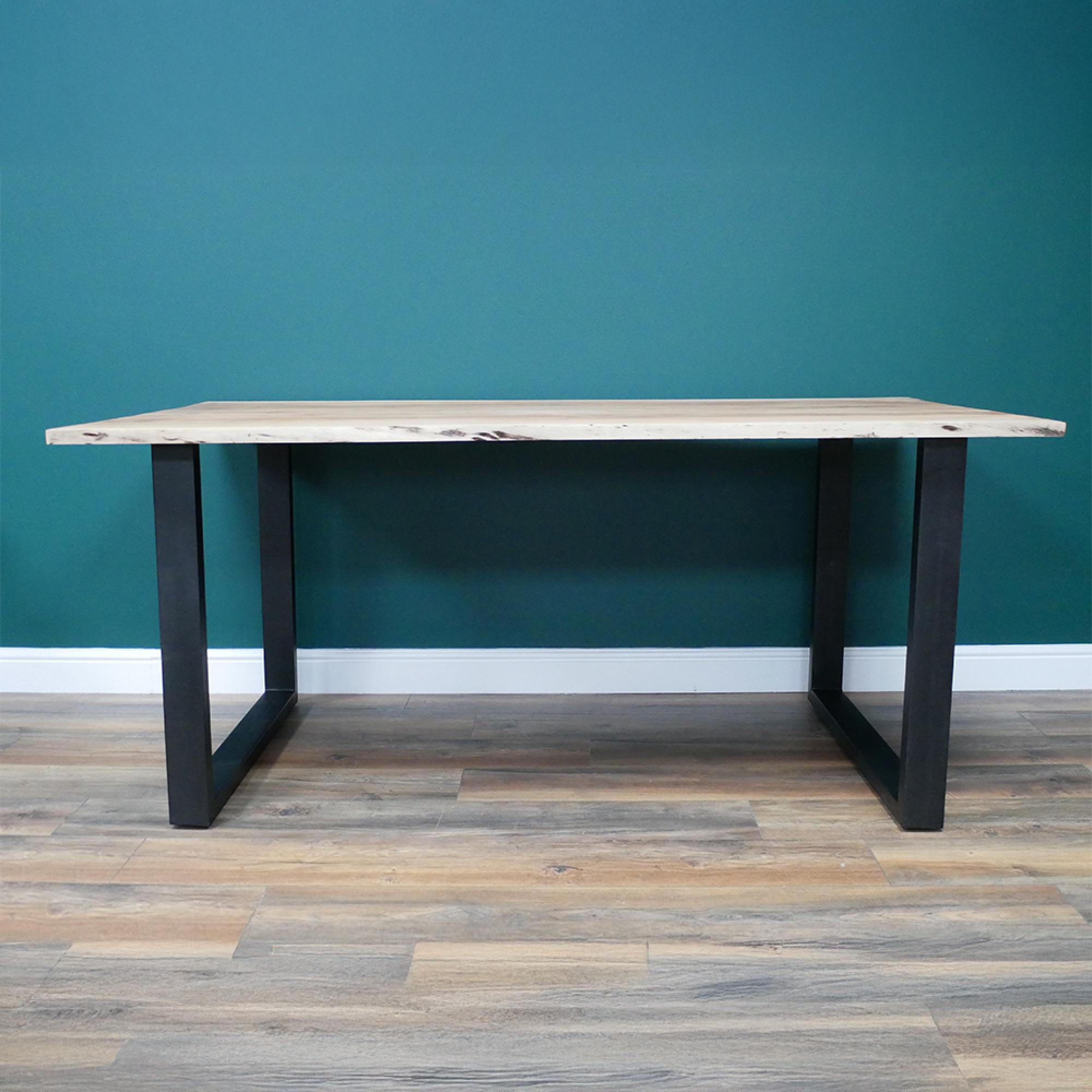
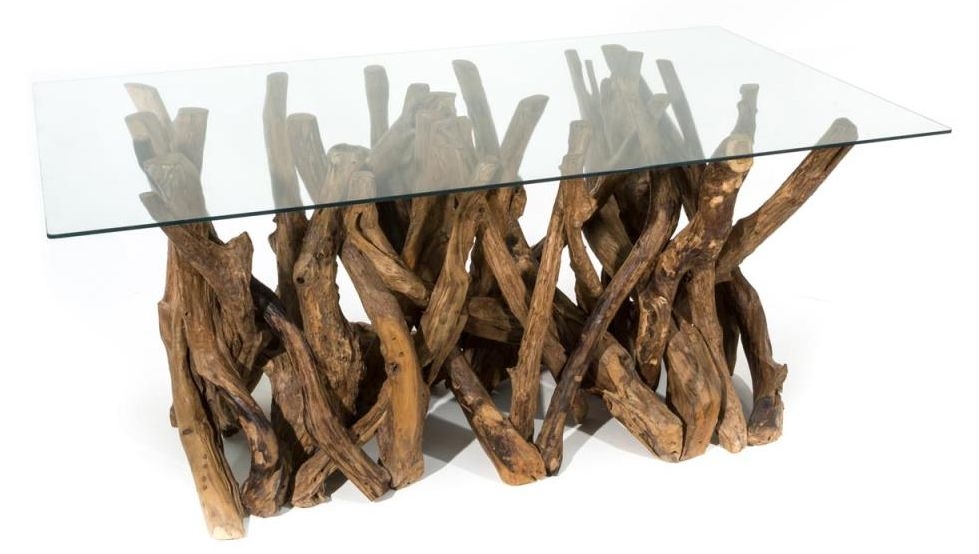
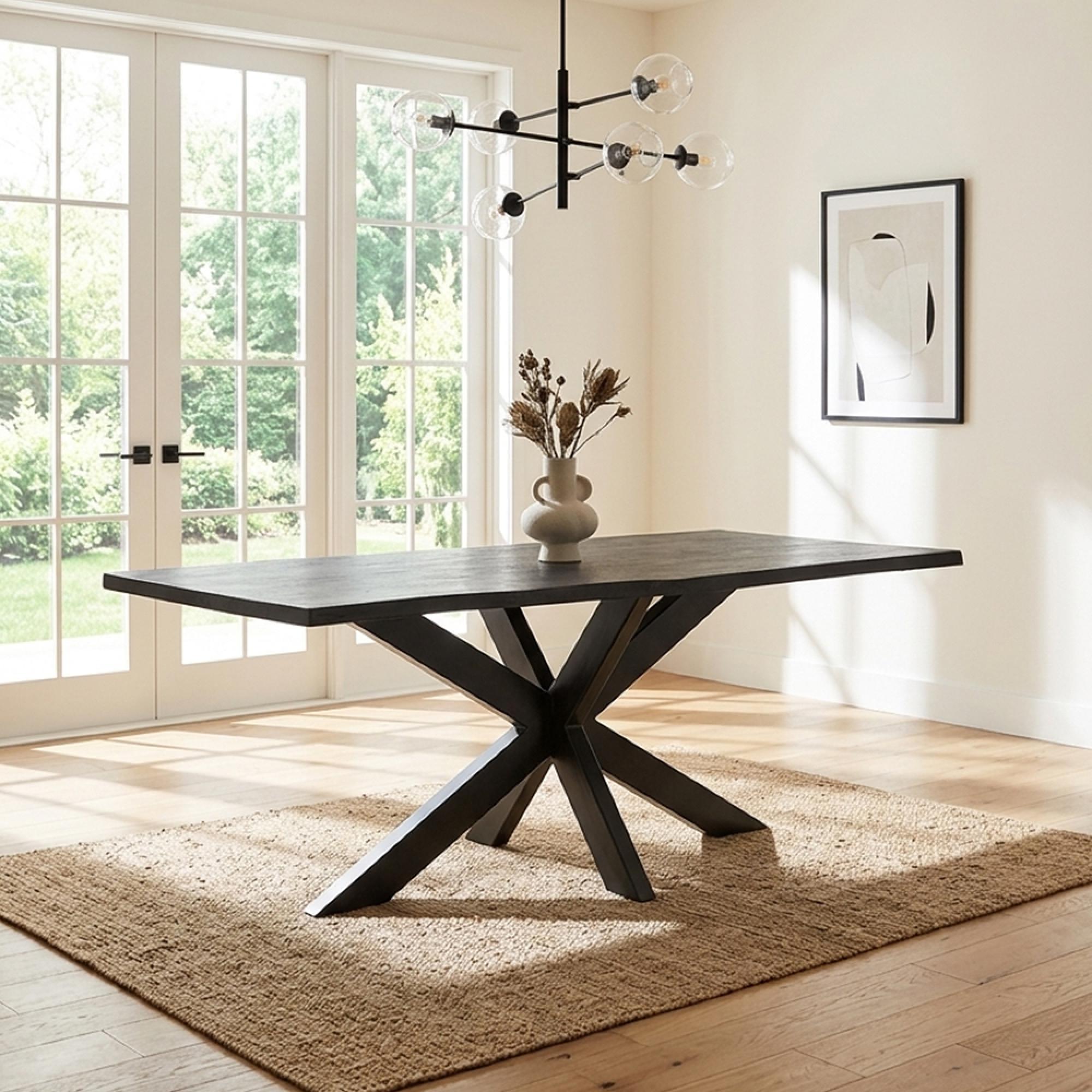
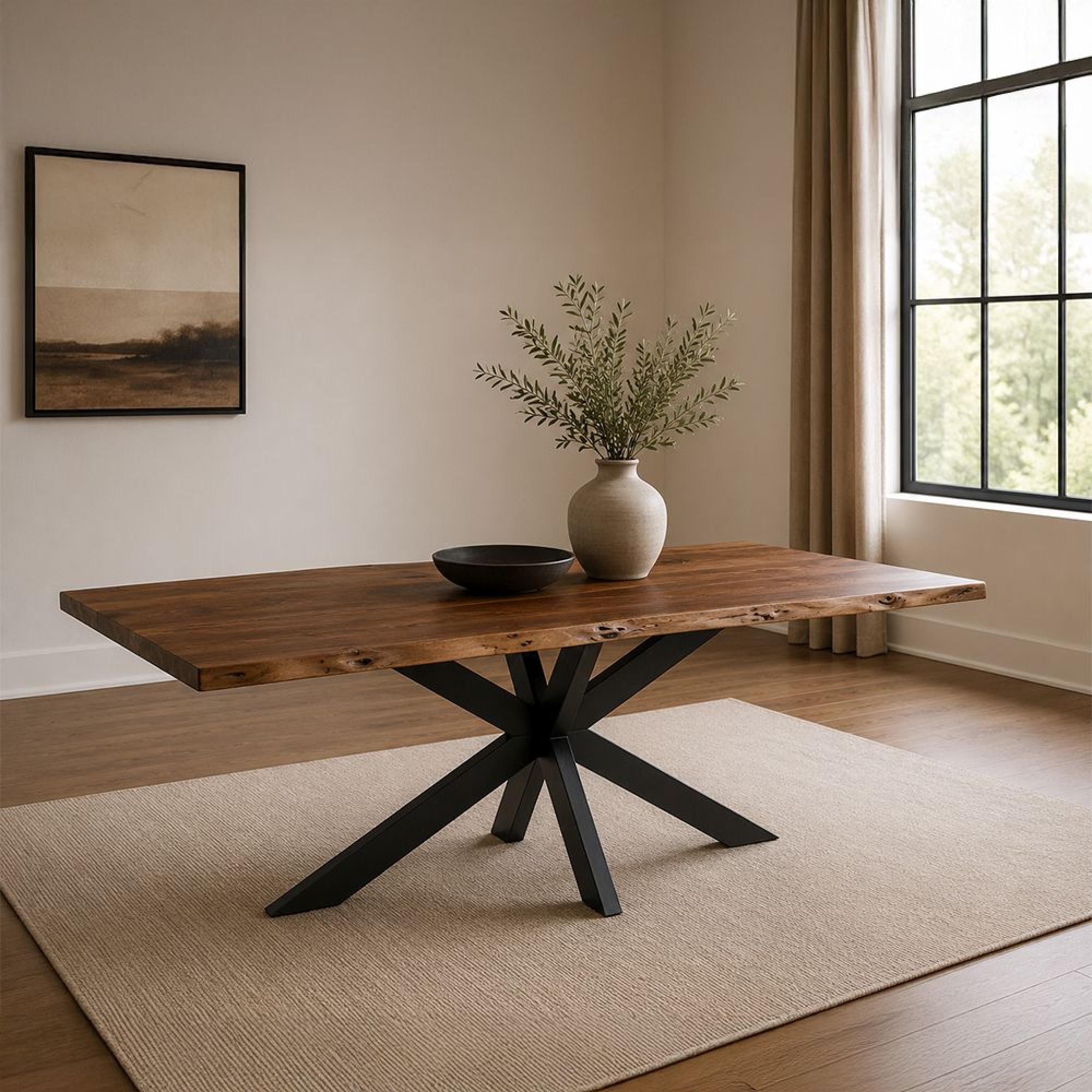
6 Seater Dining Tables

Found 481 Items

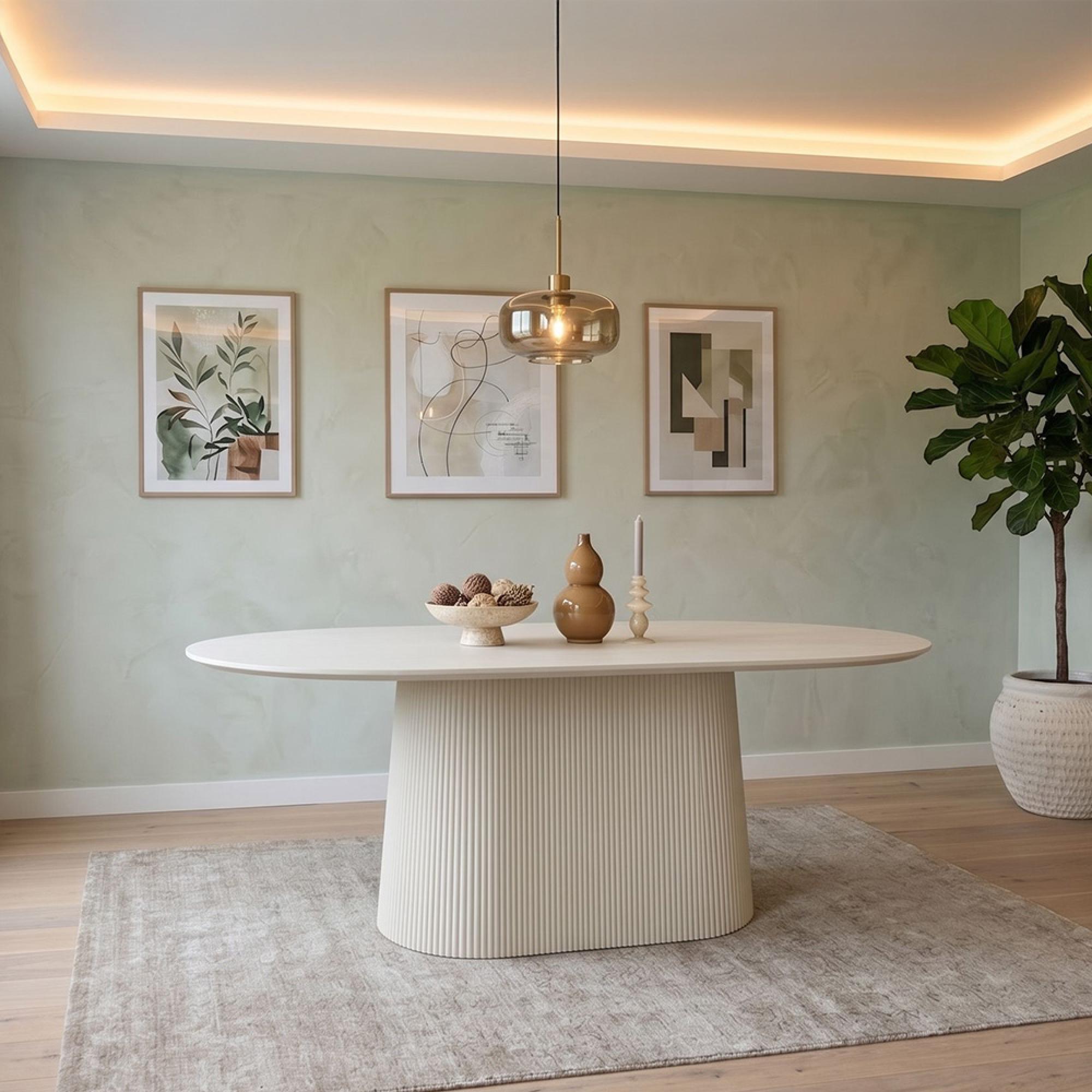
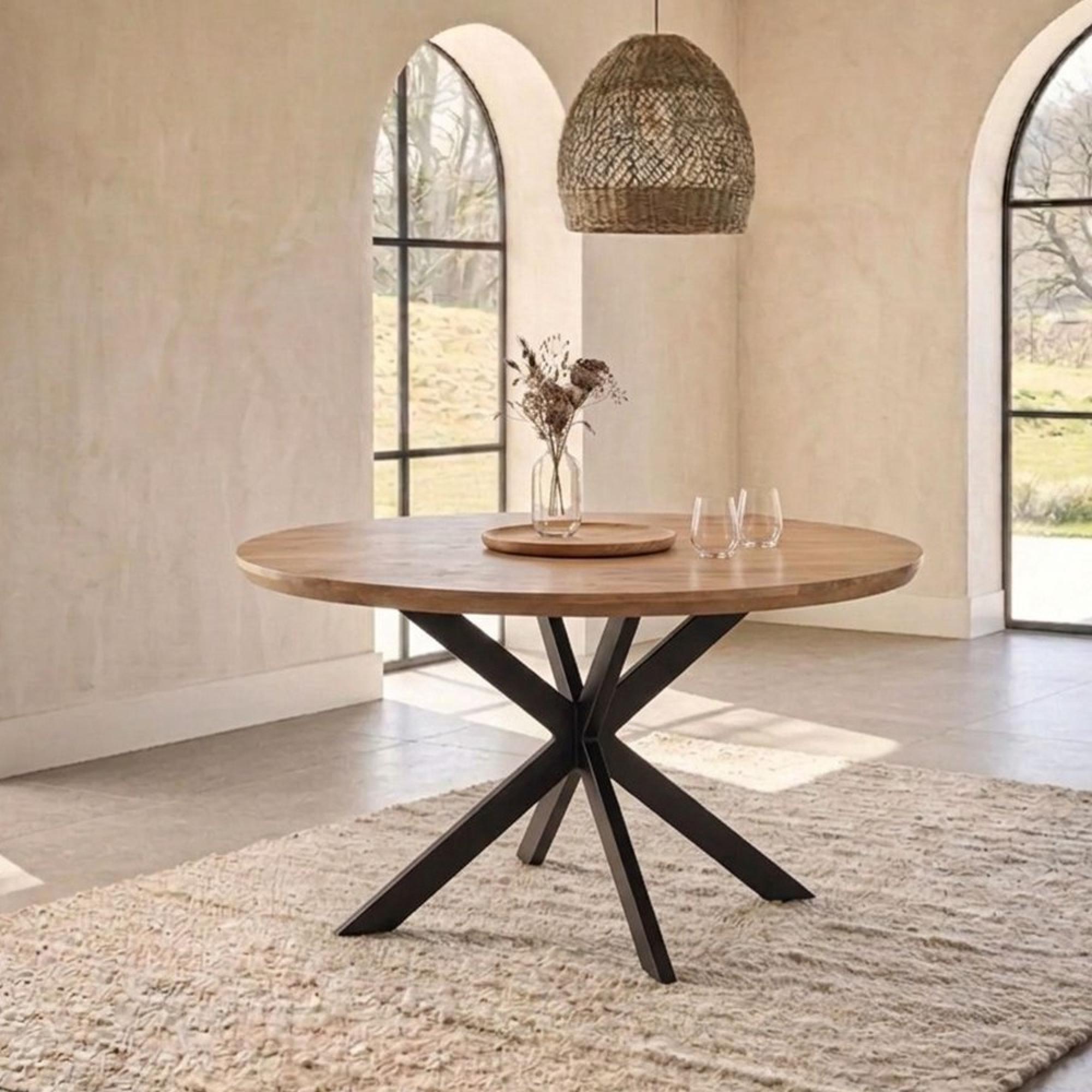
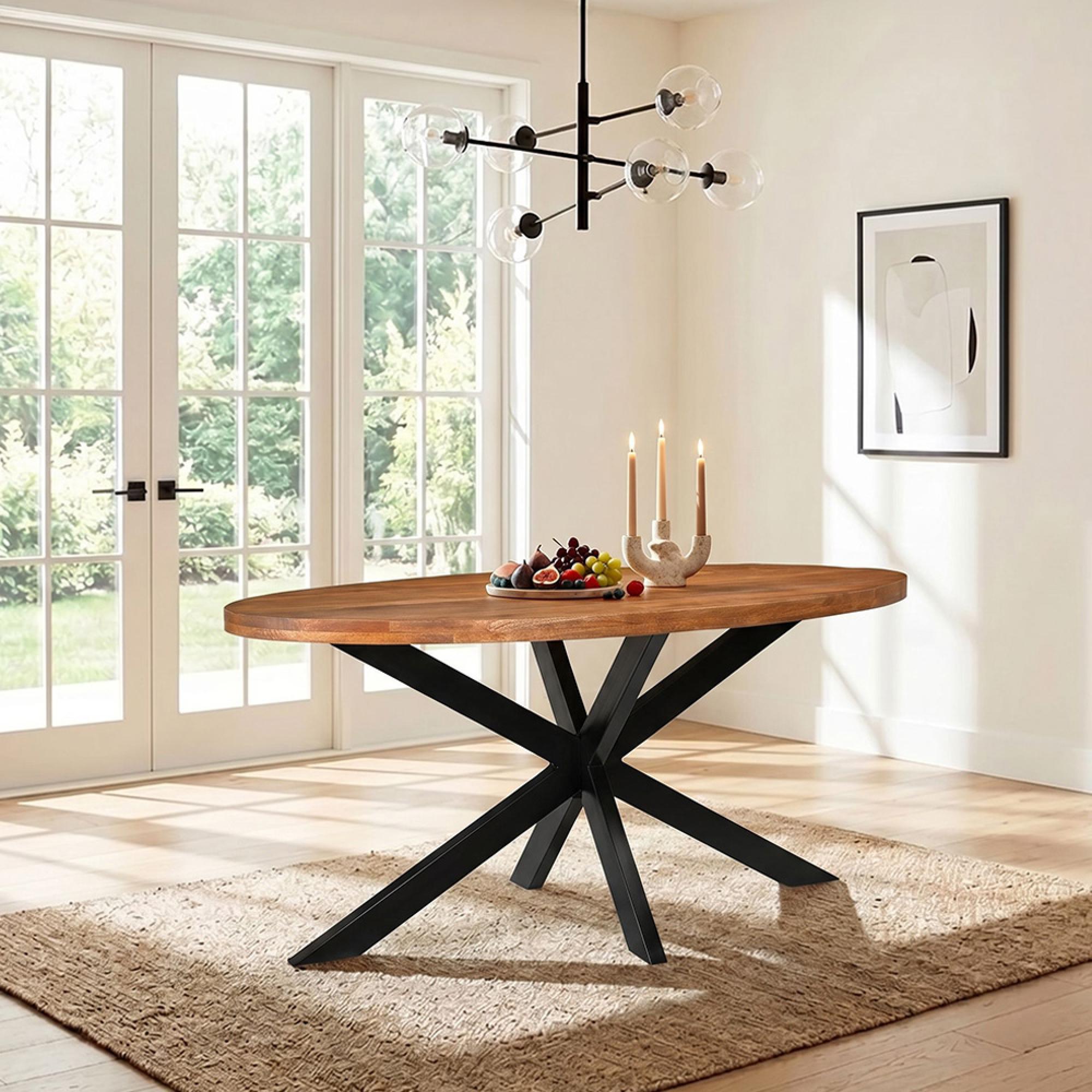
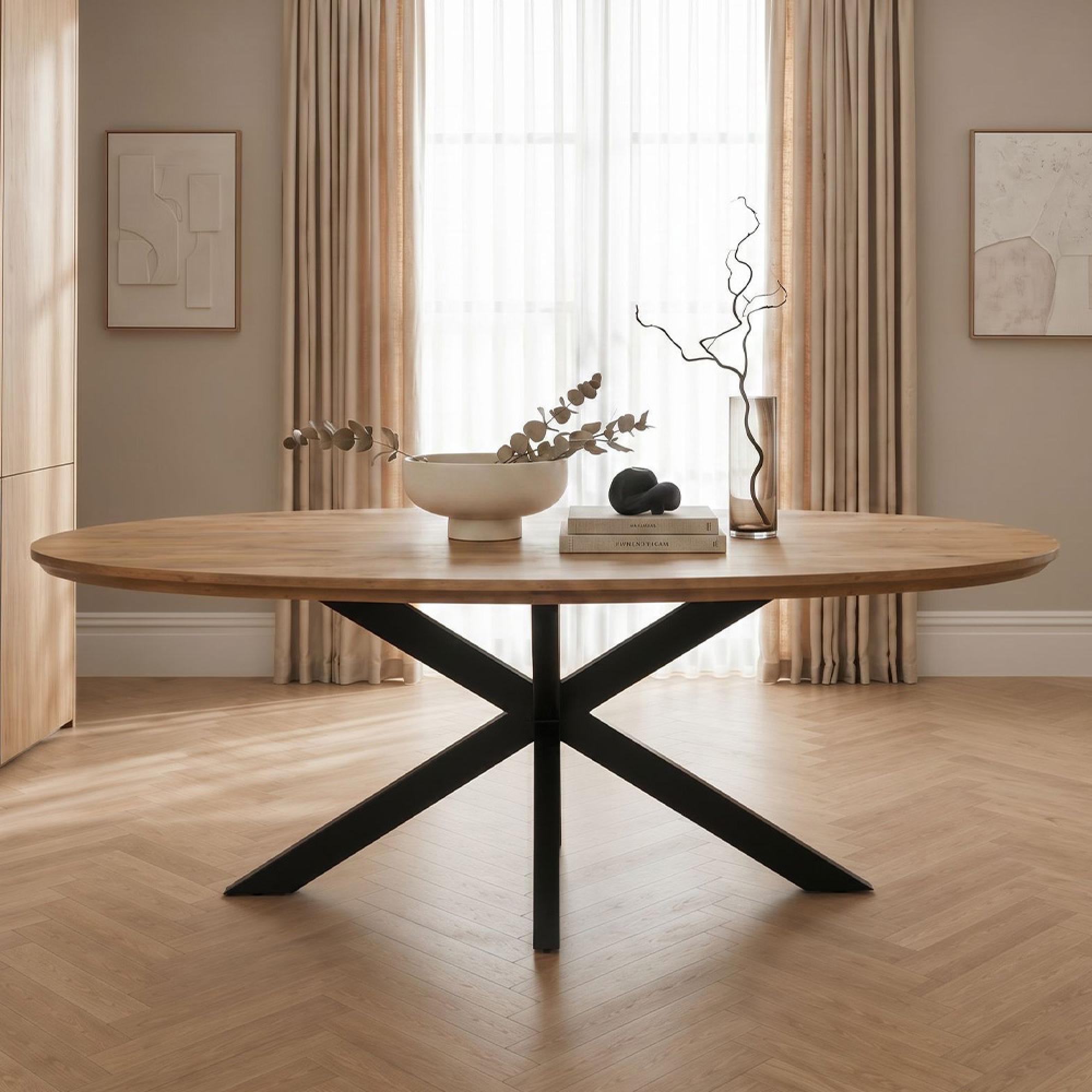
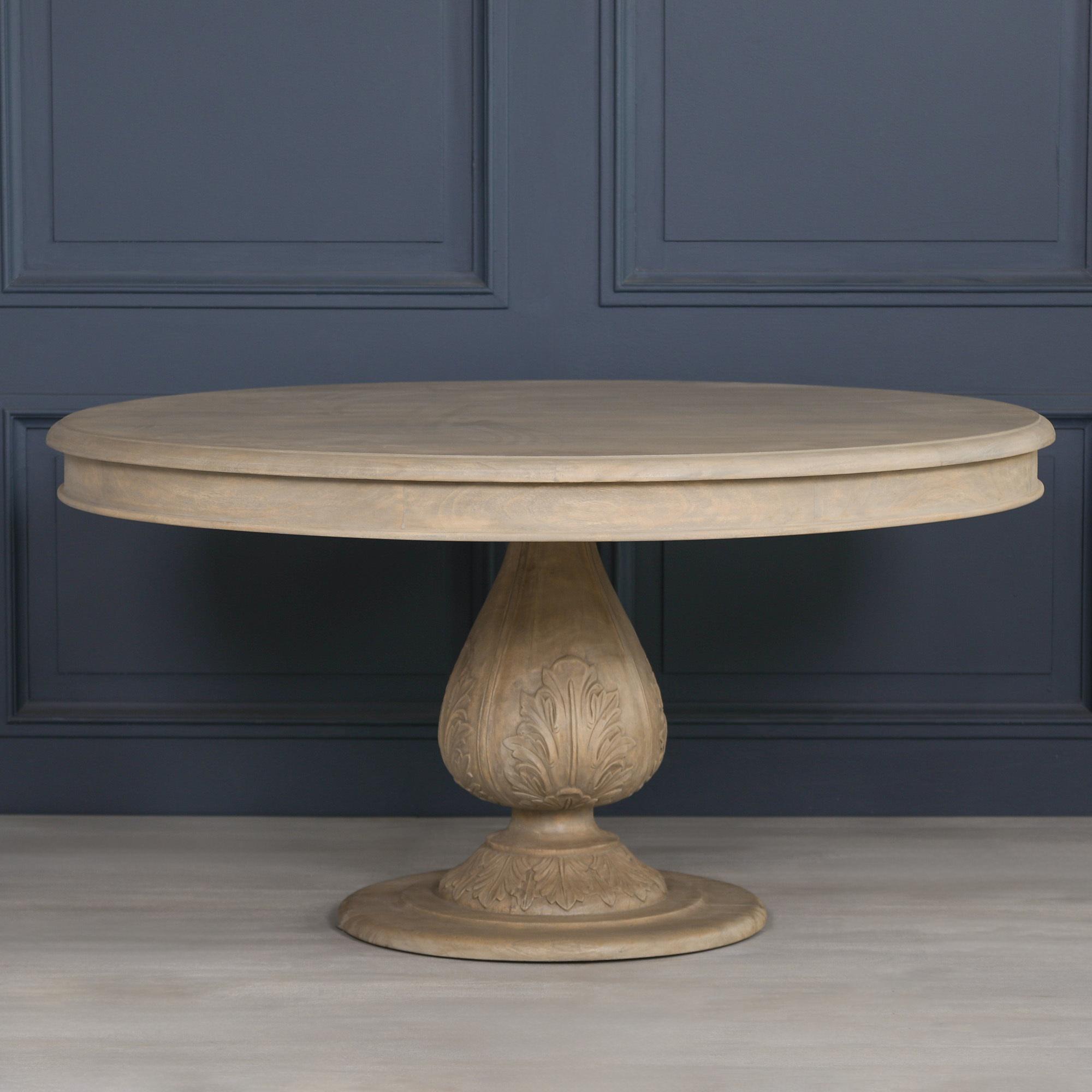
The 6 Seater Dining Tables category brings together choices intended to create a practical focal point for meals, conversation and entertaining. Compare shape, surface material, base design, seating capacity and any extending mechanism to identify the right balance of appearance and function. Plan for chair clearance as well as the tabletop footprint, especially in a busy dining area. Confirm dimensions, materials, assembly and care on the individual product page.
Read more X Close

Price

Features

Shape

Seat

Material

Finish

Colour

  • Beige
  • Black
  • Blue
  • Brown
  • Cream
  • Grey
  • White

39 Products of 481

Load More..

Choosing 6 Seater Dining Tables

This category focuses on 6 Seater Dining Tables that can create a practical focal point for meals, conversation and entertaining. Start with the room layout and daily use, then compare shape, surface material, base design, seating capacity and any extending mechanism. Function and visual balance both matter, so compare the complete specification rather than choosing on appearance alone. This keeps the decision focused on practical suitability as well as style.

Plan the space before choosing

Plan for chair clearance as well as the tabletop footprint, especially in a busy dining area. Record the available width, depth and height, including clearance for doors, drawers, reclining parts or extensions where relevant. Account for skirting boards, radiators, sockets and walking routes, then check the access route through doors, halls and stairs.

For adjacent choices, explore Dining Tables, 4 Seater Dining Tables and 8 Seater Dining Tables. Use these comparisons alongside the specifications on each product page.

6 Seater Dining Tables for considered interiors

The 6 Seater Dining Tables category focuses on choices intended to create a practical focal point for meals, conversation and entertaining. A suitable option should respond to the room's proportions, surrounding furniture and practical demands of everyday use. Use the category wording as a starting point, then verify the exact material, finish and features shown on each product page.

Material, finish and construction

When comparing dining tables, look closely at shape, surface material, base design, seating capacity and any extending mechanism. Materials influence appearance, weight and maintenance, while finish affects colour coordination and day-to-day care. Use the written specification to confirm construction and care requirements.

Function and room planning

Plan for chair clearance as well as the tabletop footprint, especially in a busy dining area. Mark out the footprint and consider how people move around it. Where a product opens, extends, swivels or reclines, include that working clearance. For storage, seating or sleeping products, match the layout, support and capacity to the needs of regular users.

Creating a coordinated result

Build the room around a clear relationship between scale, colour and material. Matching every finish is not essential, but repeating one or two elements can connect separate pieces. You can also compare Dining Tables, 4 Seater Dining Tables and 8 Seater Dining Tables for closely related room and product choices. Use the individual listing to confirm dimensions, included components, assembly and suitability.
Read more X Close

FAQs on 6 Seater Dining Tables

What size space do I need for a 6-seater dining table?

A 6-seater table typically measures 1.8–2.4 metres long and 0.9–1.2 metres wide. Allow at least 1 metre of clearance around the table for chairs and movement. In smaller dining rooms under 3×4 metres, consider a space-saving or extending model instead.

Leave a minimum of 90–120 centimetres between the table edge and walls or furniture. This allows diners to pull chairs back comfortably and move freely. If space is tighter, an extending table offers flexibility when entertaining.

Solid wood tables are durable, long-lasting, and can be refinished, but cost more. Veneer tables use a real wood layer over plywood, offering better value and stability in temperature changes. Both are quality options; choice depends on budget and longevity priorities.

Oak is lighter, more affordable, and very durable with a traditional look. Walnut is darker, more luxurious-looking, and slightly softer—requiring more care. Choose oak for everyday durability or walnut for a contemporary, sophisticated aesthetic. Both resist wear well.

Wood tables offer warmth, durability, and suit any décor style; they hide dust and marks. Glass tops create an airy, modern feel and visually expand small spaces, but show fingerprints and require regular cleaning. Consider your lifestyle and maintenance tolerance.

Choose a slimline or extending model with clean lines to avoid visual bulk. Light finishes (oak, whitewash) and glass tops make spaces feel larger. Drop-leaf or butterfly extending tables maximise flexibility. Avoid heavy dark wood or overly ornate designs in compact rooms.

Wipe spills immediately with a soft, damp cloth. Use a mild wood cleaner monthly; avoid harsh chemicals. Polish with furniture oil every 6–12 months to protect the finish. Use coasters and placemats to prevent water rings and scratches from daily use.

Look for a robust, wipeable surface like sealed wood or laminate rather than glass. Avoid sharp corners; choose rounded edges for safety. Extending tables grow with the family. Ensure the base doesnt pose a tripping hazard and the finish resists stains and scratches.

Extending tables offer flexibility for everyday dining and entertaining guests. Storage can be an issue—check where leaves are kept. They cost slightly more but adapt to your needs. Fixed tables save money if you rarely host or have permanent space constraints.

Six people is the standard comfortable capacity, assuming one per side and one at each end. Some tables accommodate eight when extended. Each person needs 60–75 centimetres of table edge width. Cramming more creates an uncomfortable, cluttered dining experience.

Standard dining tables are 75–78 centimetres tall. This height allows 25–30 centimetres of leg room beneath. Pair with chairs that are 40–45 centimetres tall. Measure your space before buying; non-standard heights are rarely compatible with standard dining chairs.

Extending tables cost 15–30% more but offer versatility for families that entertain occasionally or expect to grow. They reduce future furniture purchases and suit flexible living. If your space and guest list are fixed, a standard table provides better value and stability.
Top