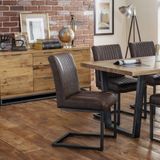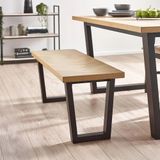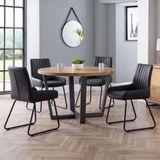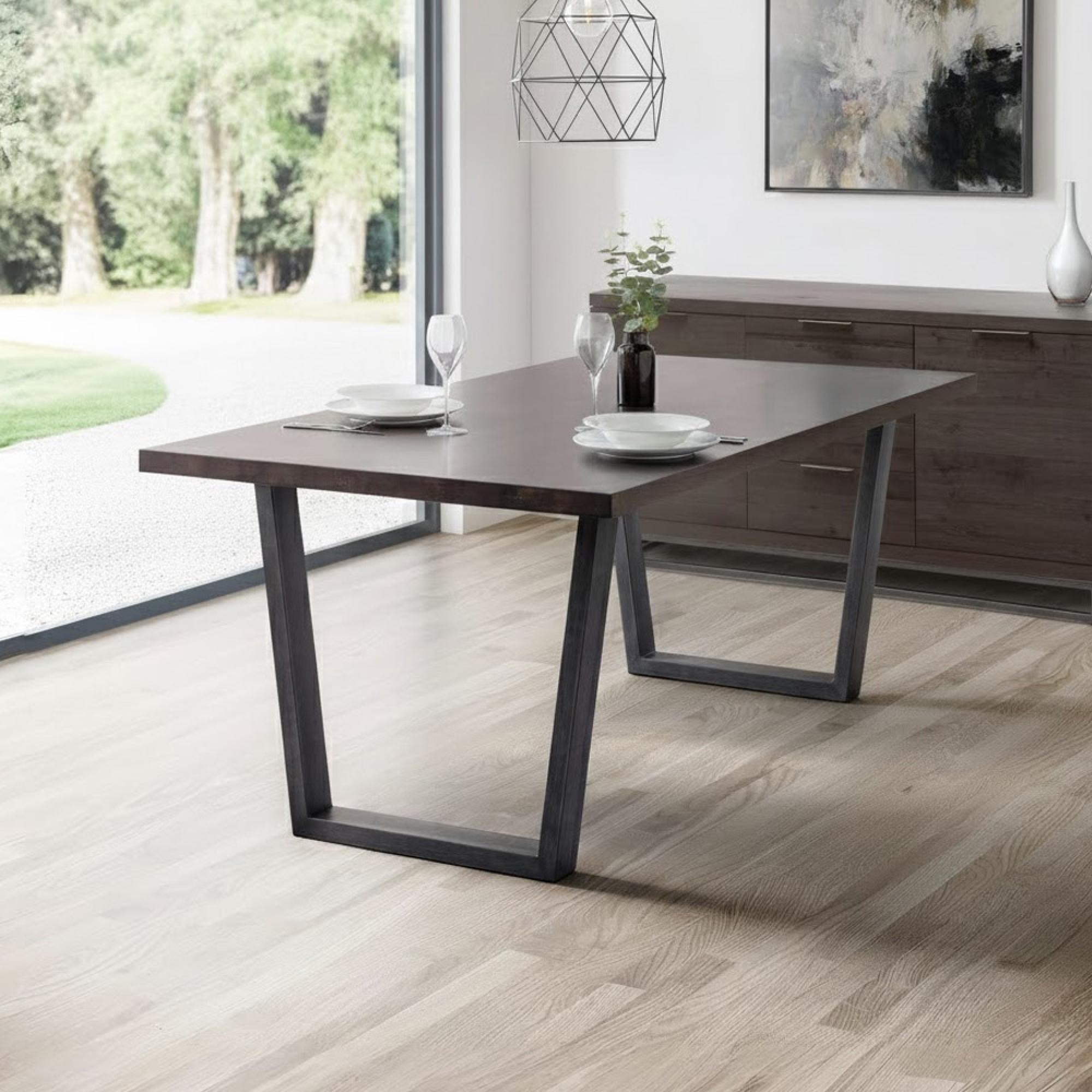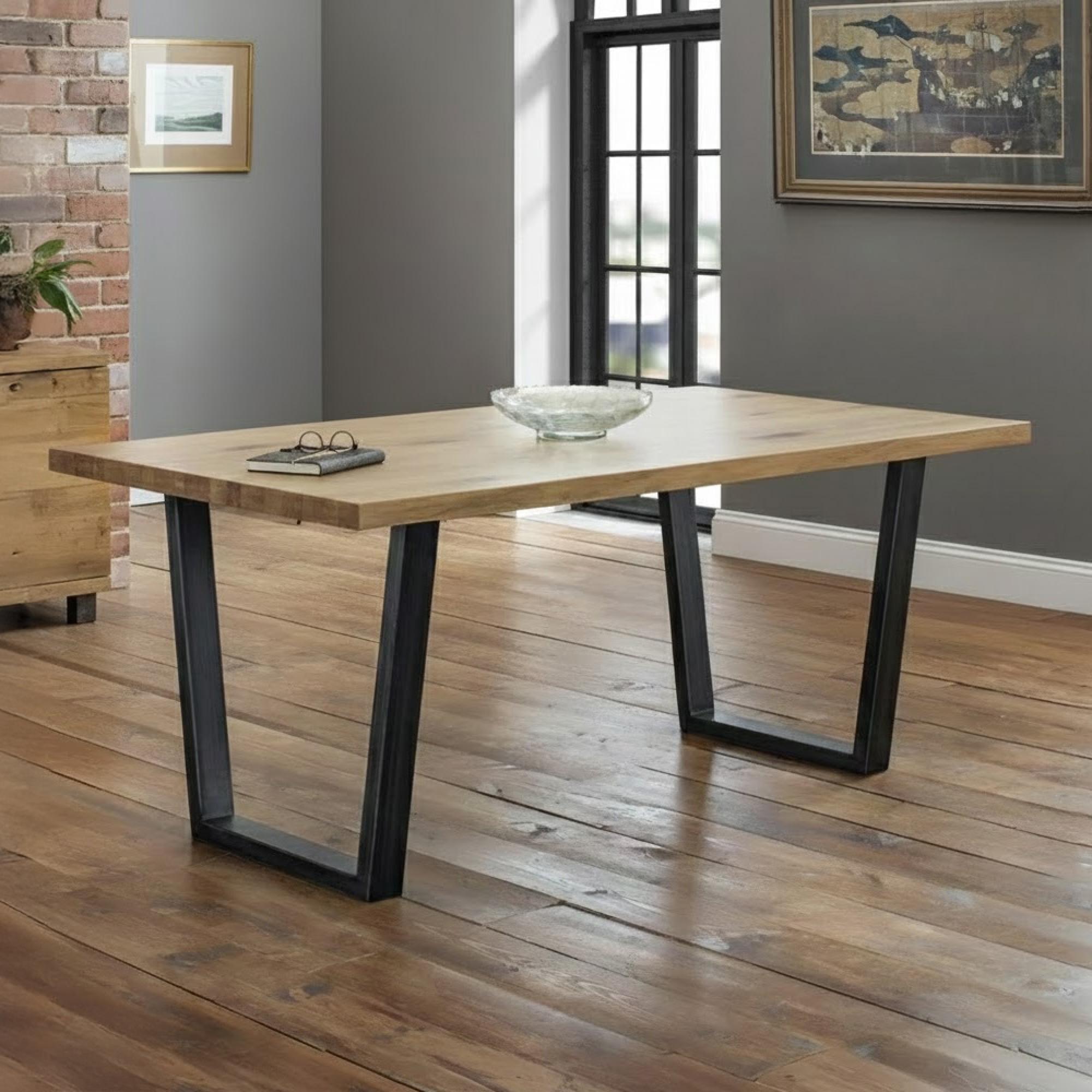


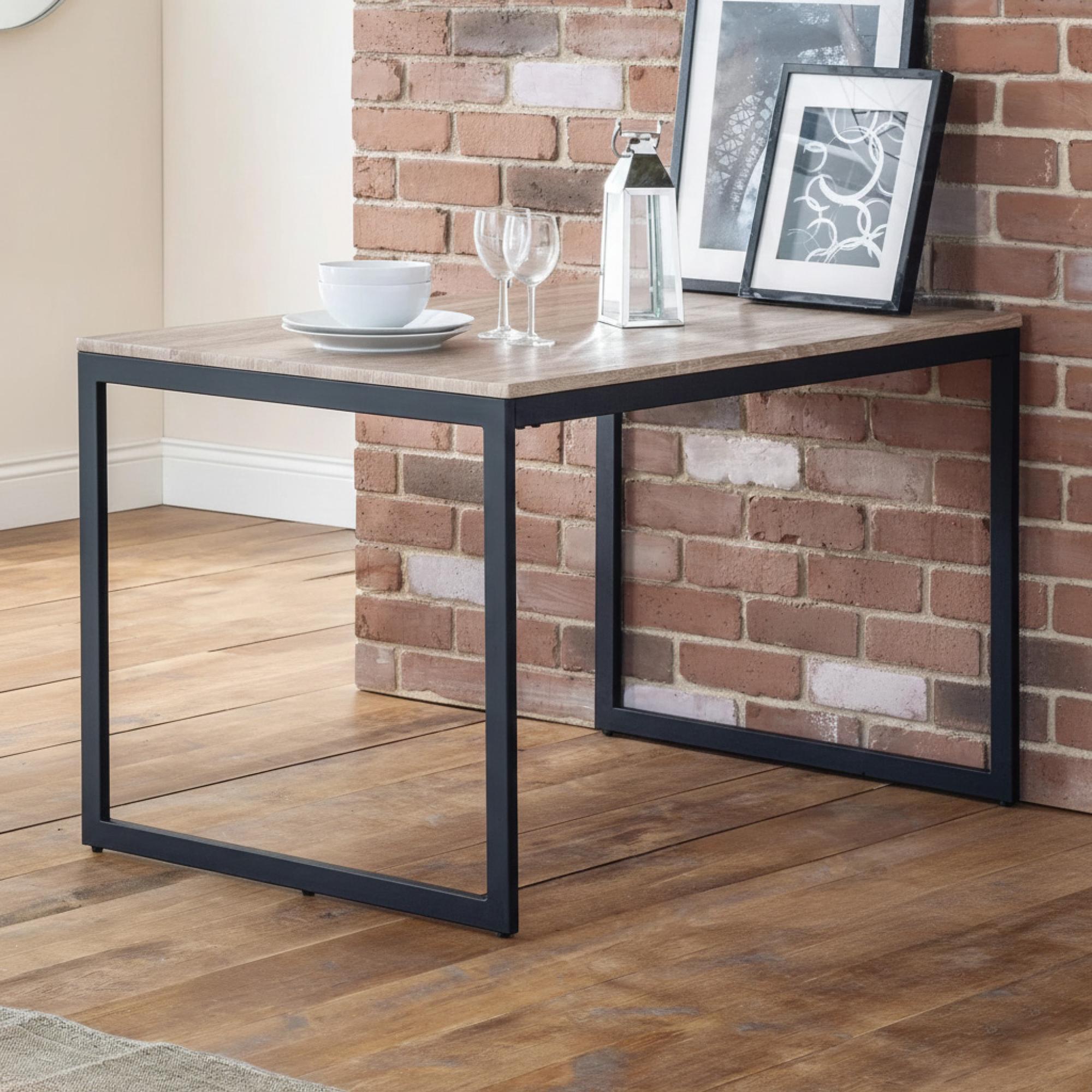
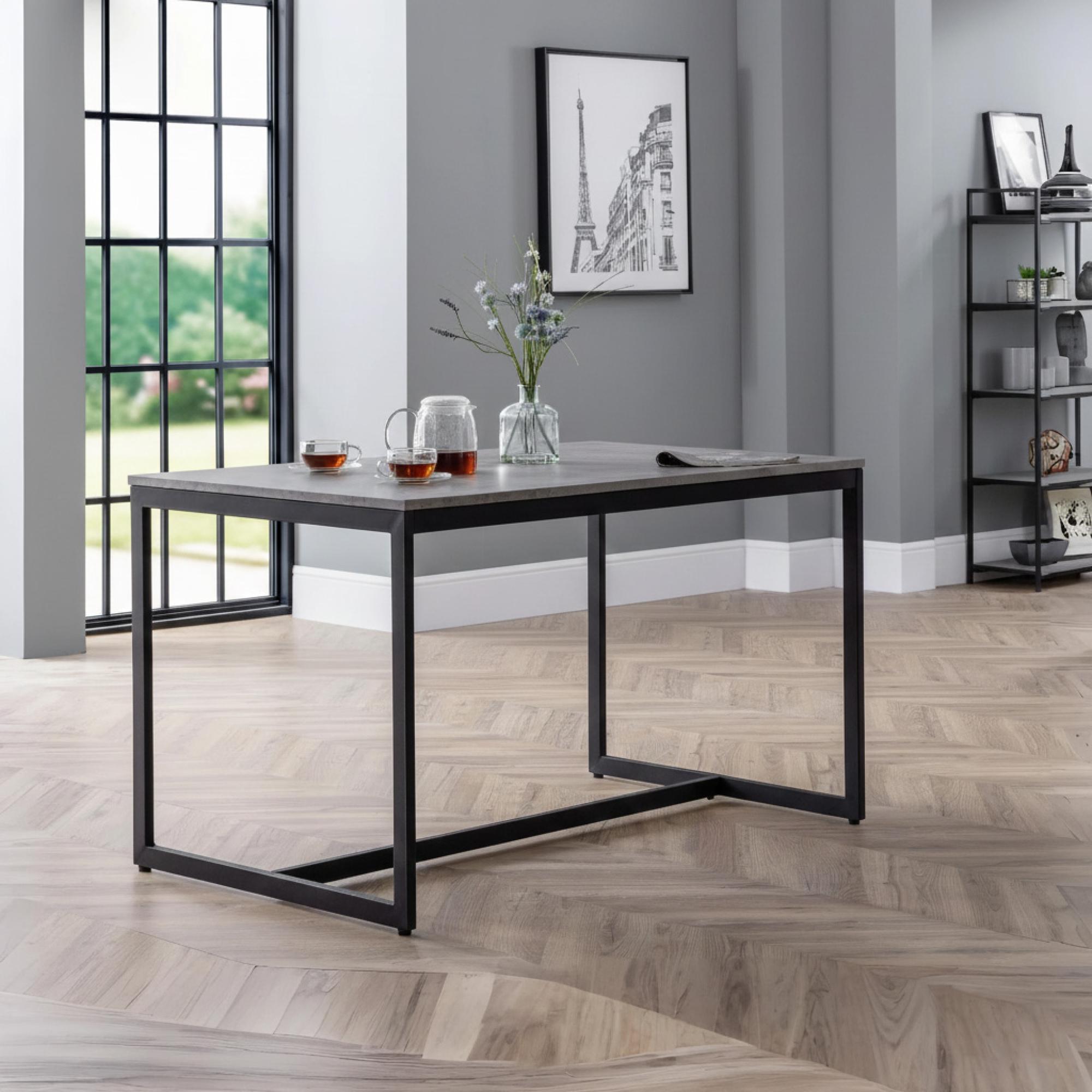
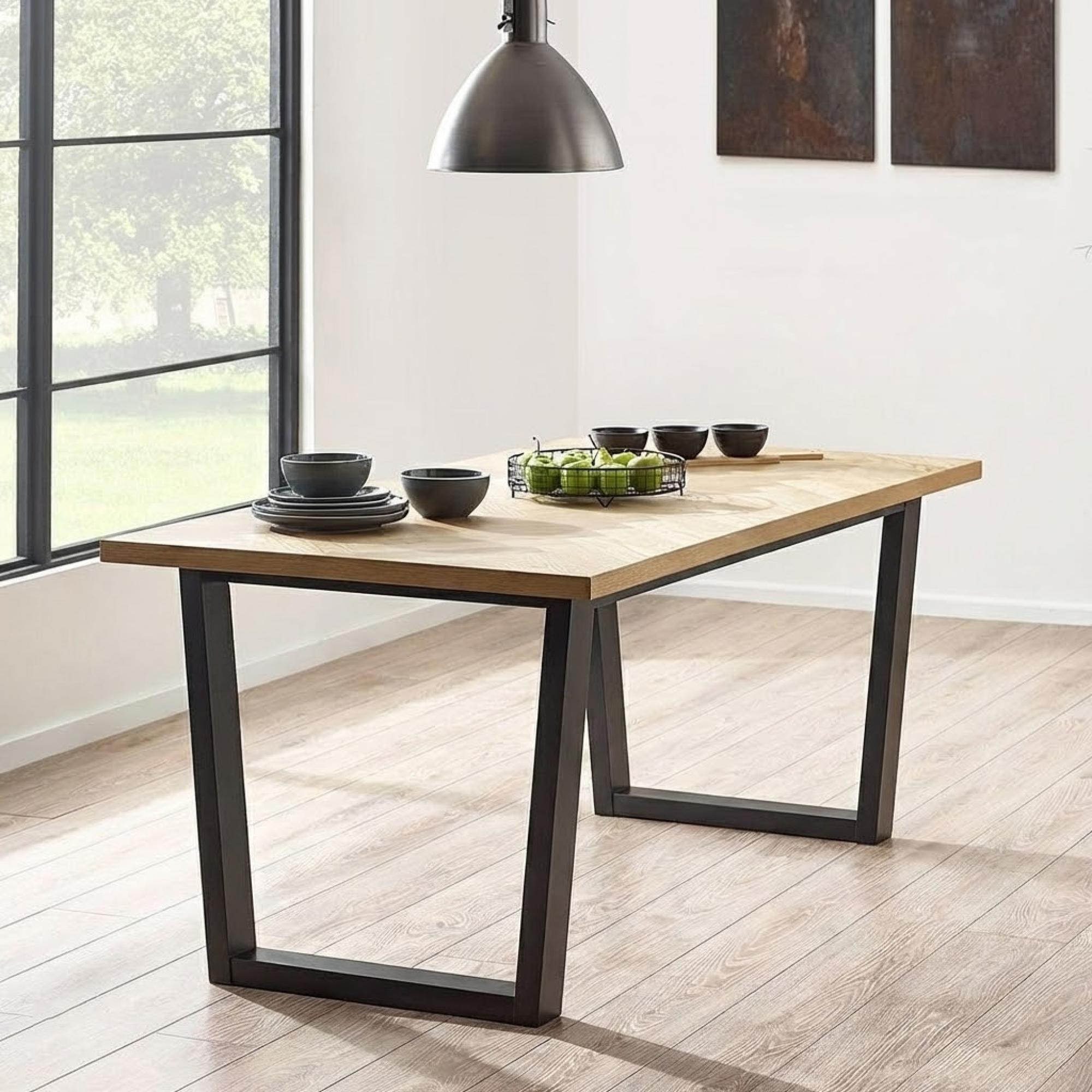
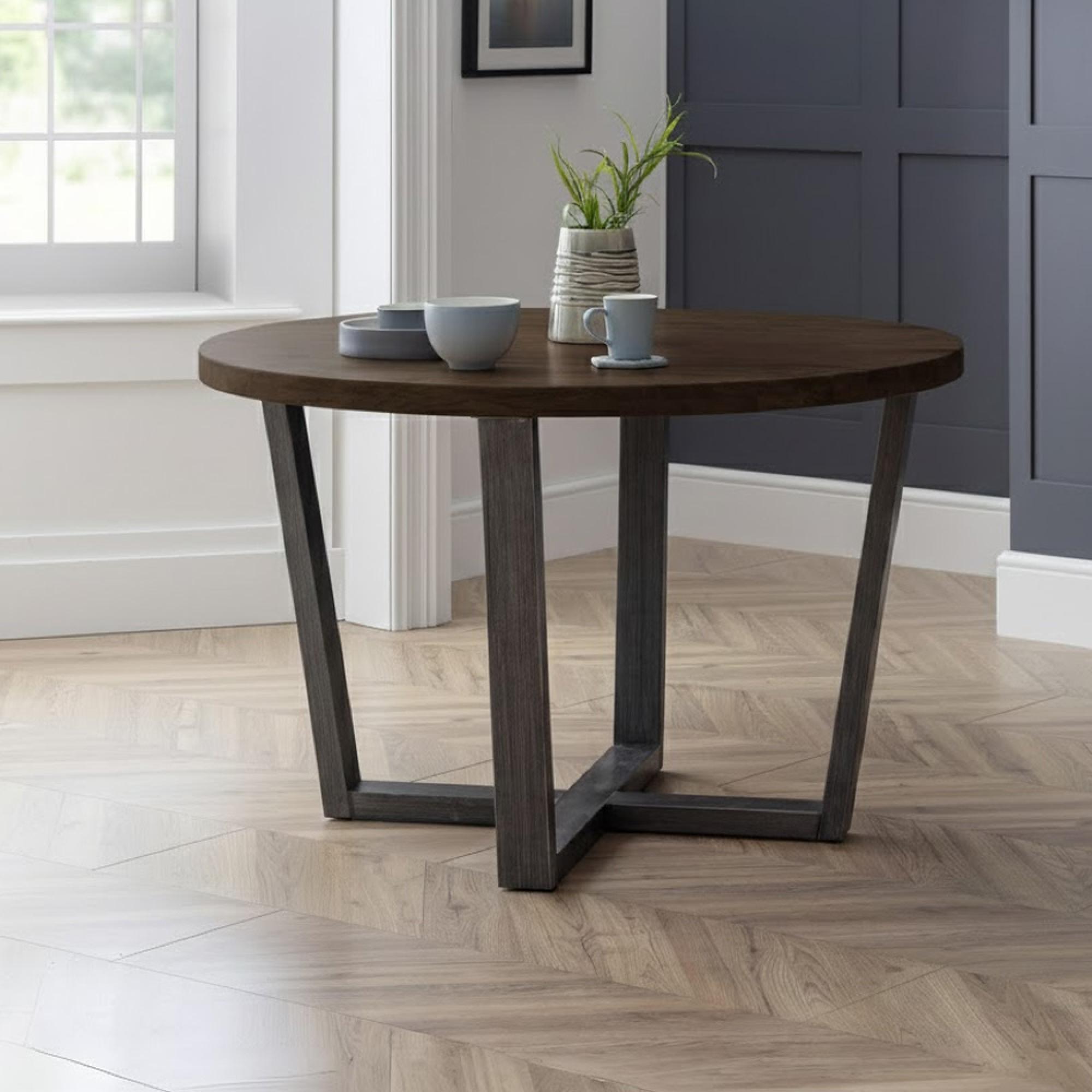
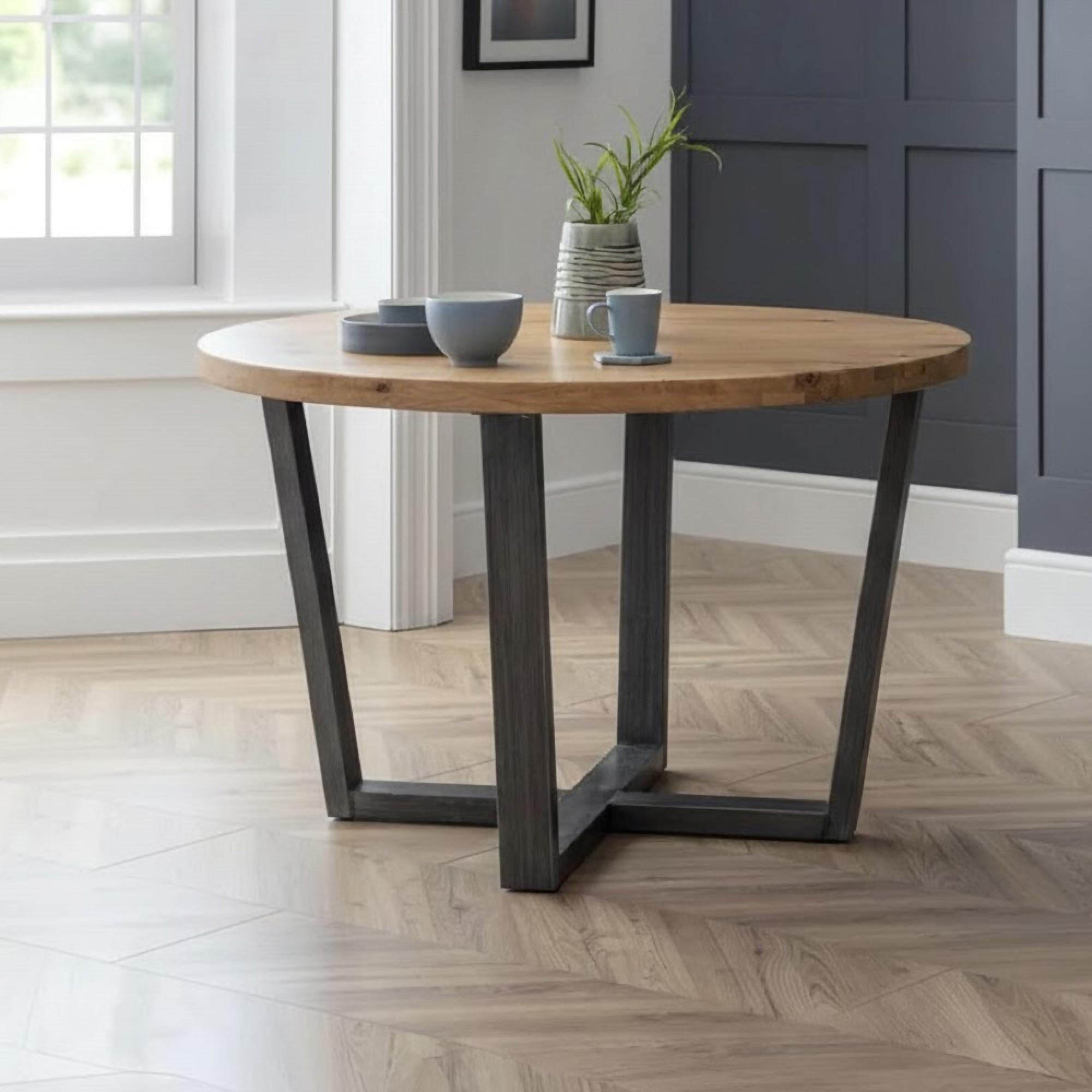
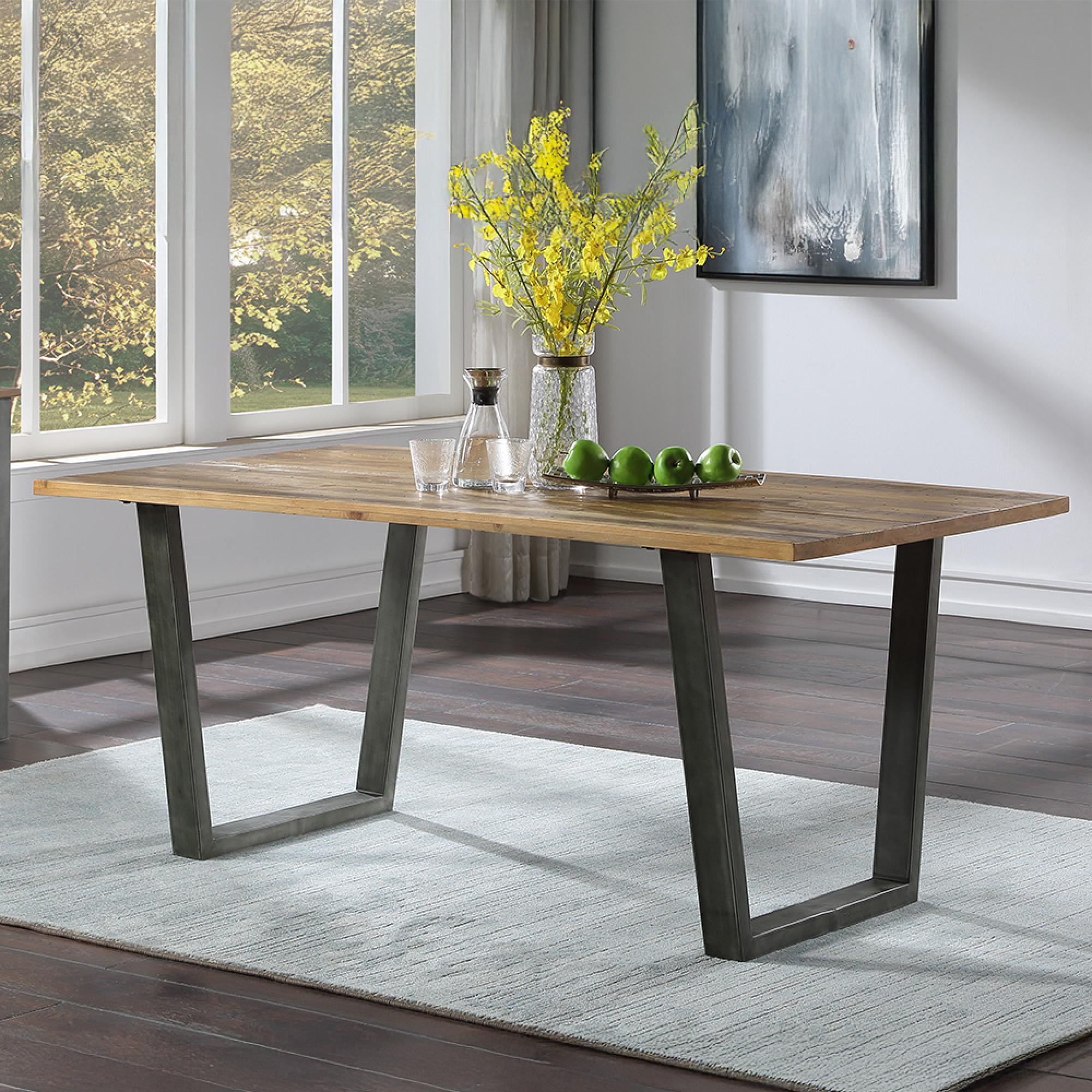
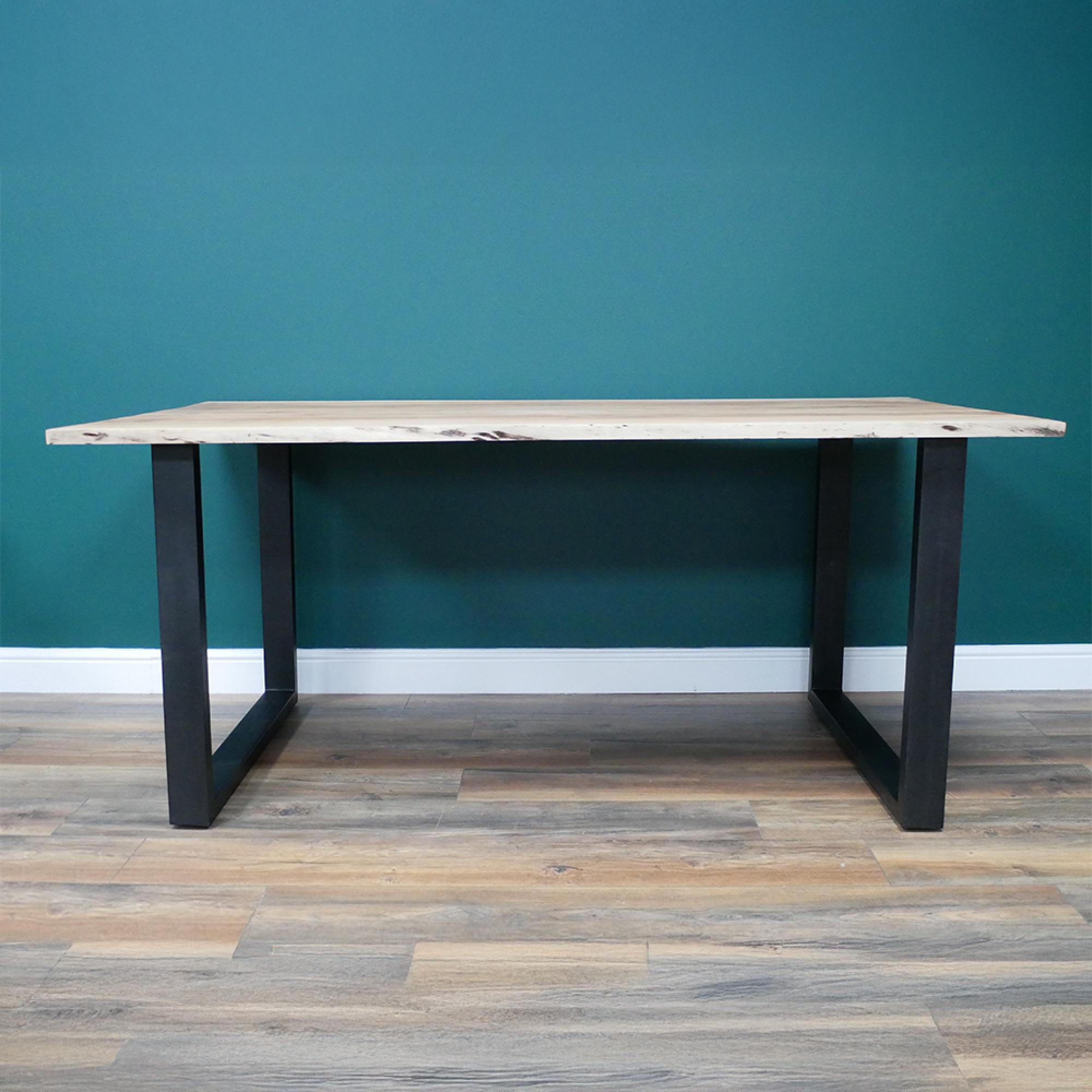
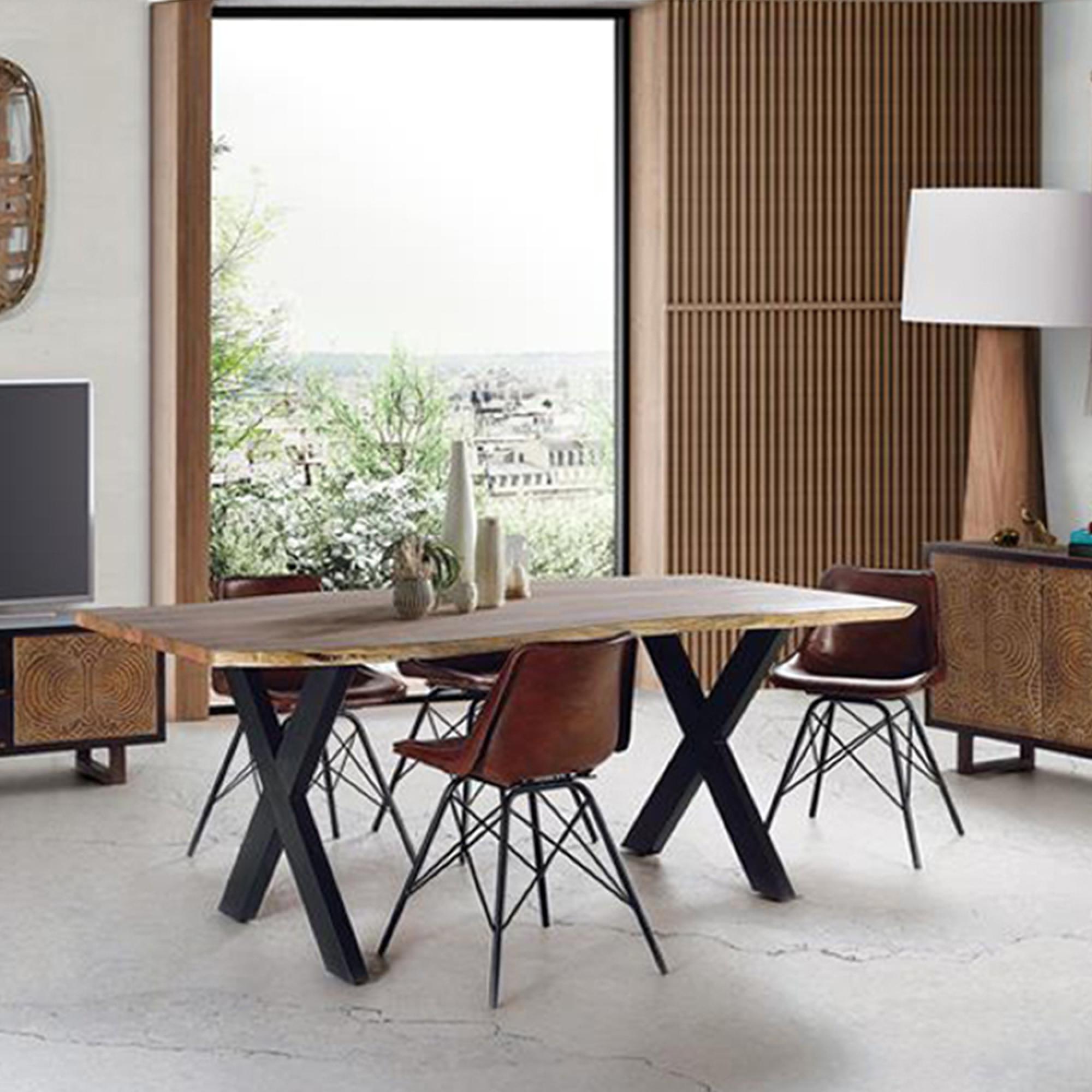
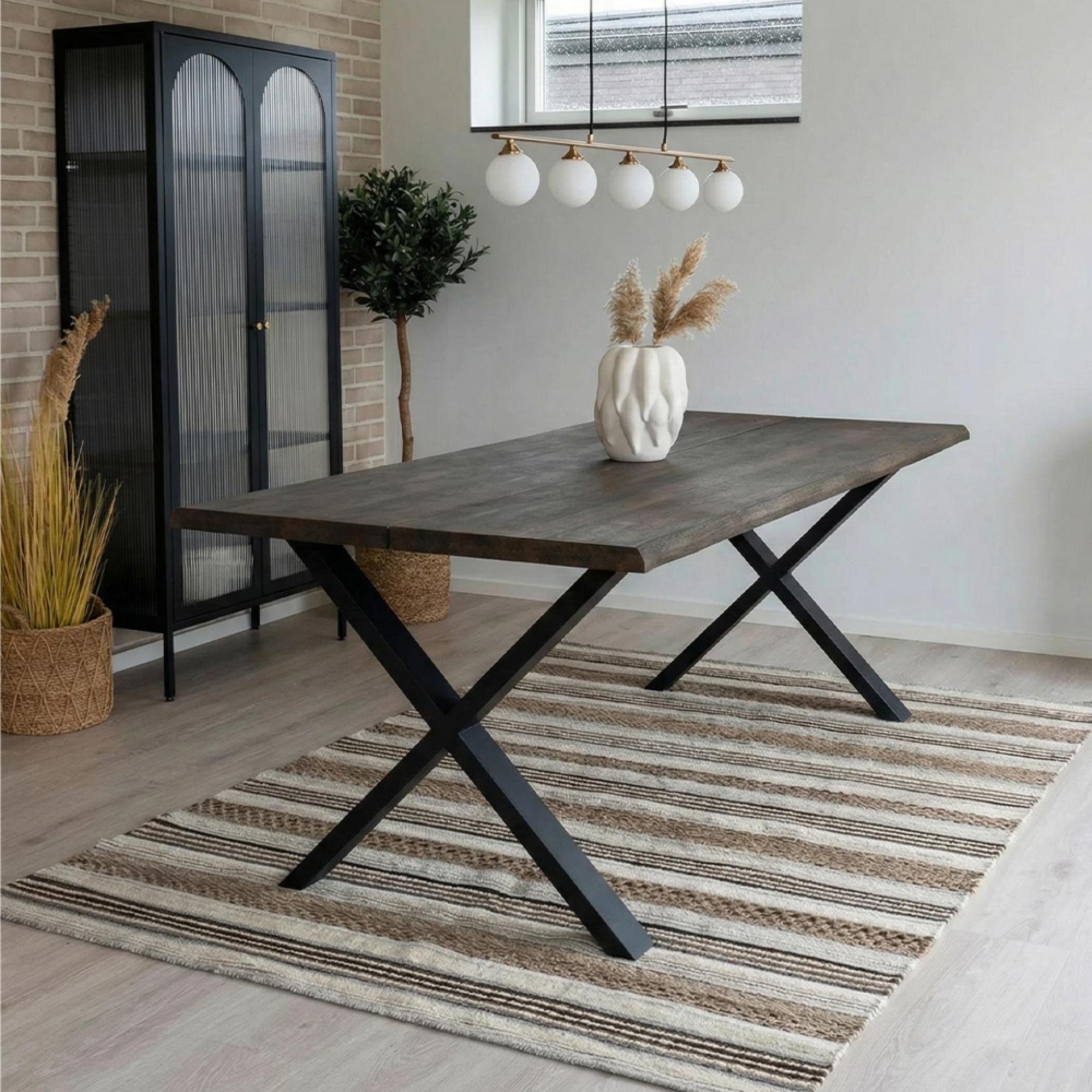
Industrial dining tables bring a confident, hard-wearing character to a dining space, pairing solid wooden tops with sculpted black metal bases for a look that's part workshop, part considered design. Our collection covers a range of shapes — round, oval, and rectangular — across timbers like rustic oak and richly grained mango wood, each chosen for its durability and natural character. The combination of wood and metal suits modern, traditional, and contemporary dining rooms alike, offering a tactile, lived-in feel that softens over years of use. Many customers prefer to visit our store in Leicester to see the proportions and finishes in person, though you can just as easily buy online with free delivery UK-wide on items in stock. With 0% finance available, a high quality, stylish industrial table stays within reach at an affordable price. Rated excellent on Trustpilot for our 5 star customer service, our team is happy to help whether you've searched for industrial dining tables near me or you'd rather browse our furniture shop Leicester range from home — or buy online whenever it suits.
Industrial dining tables that blend raw materials with timeless design appeal. Choose from 50 stunning pieces ranging from £220 to £1,370, featuring authentic materials like mango wood, oak, and concrete finishes. Industrial style suits modern homes, converted warehouses, and anyone craving that urban-edge aesthetic.
Tip: Pair your industrial table with mismatched seating or vintage metal chairs to amplify that raw, authentic warehouse look.
Discover more styles in our main Dining Tables section, or check out the Humz Clearance range for limited-time deals.
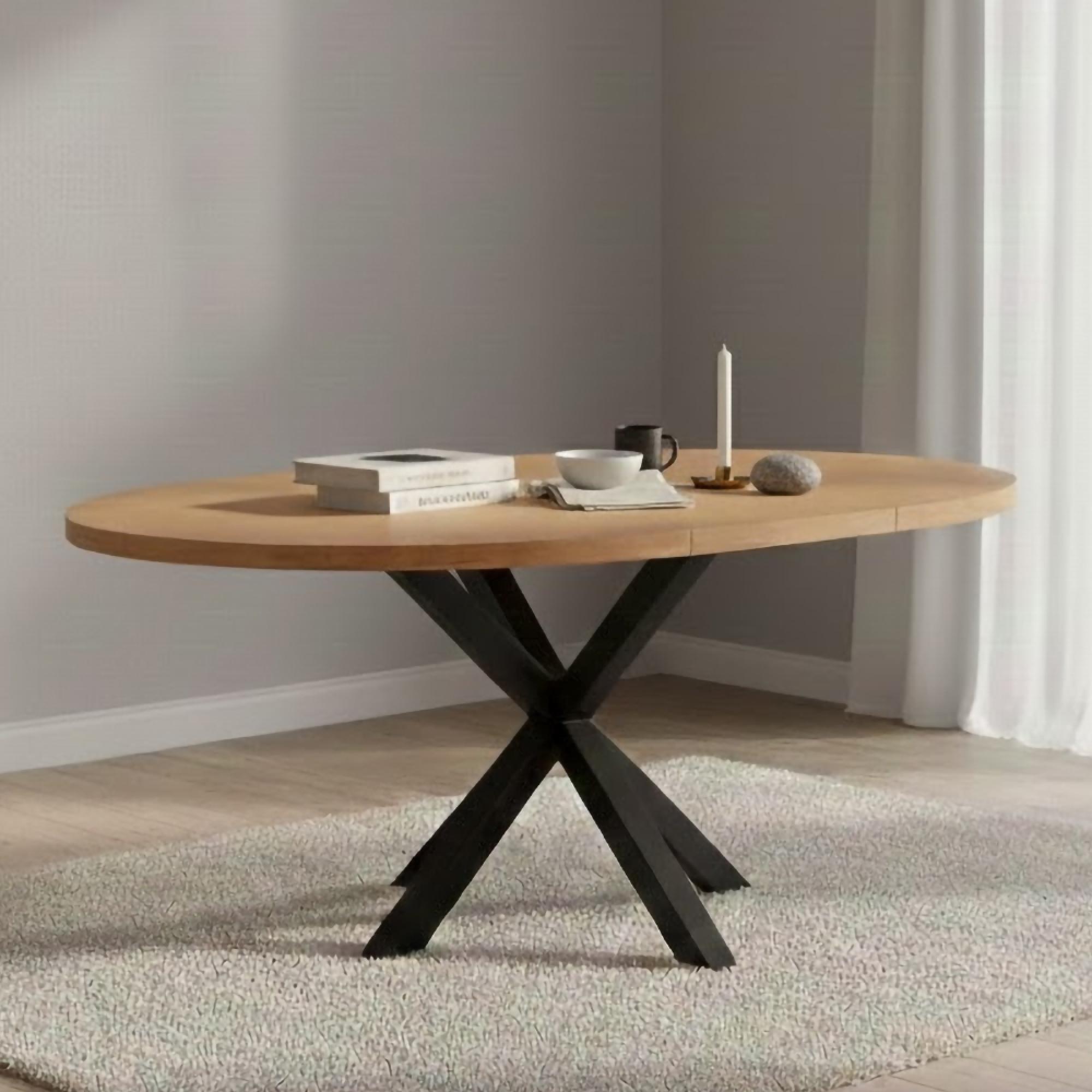
£785.39 £1019.99 Save: 23%
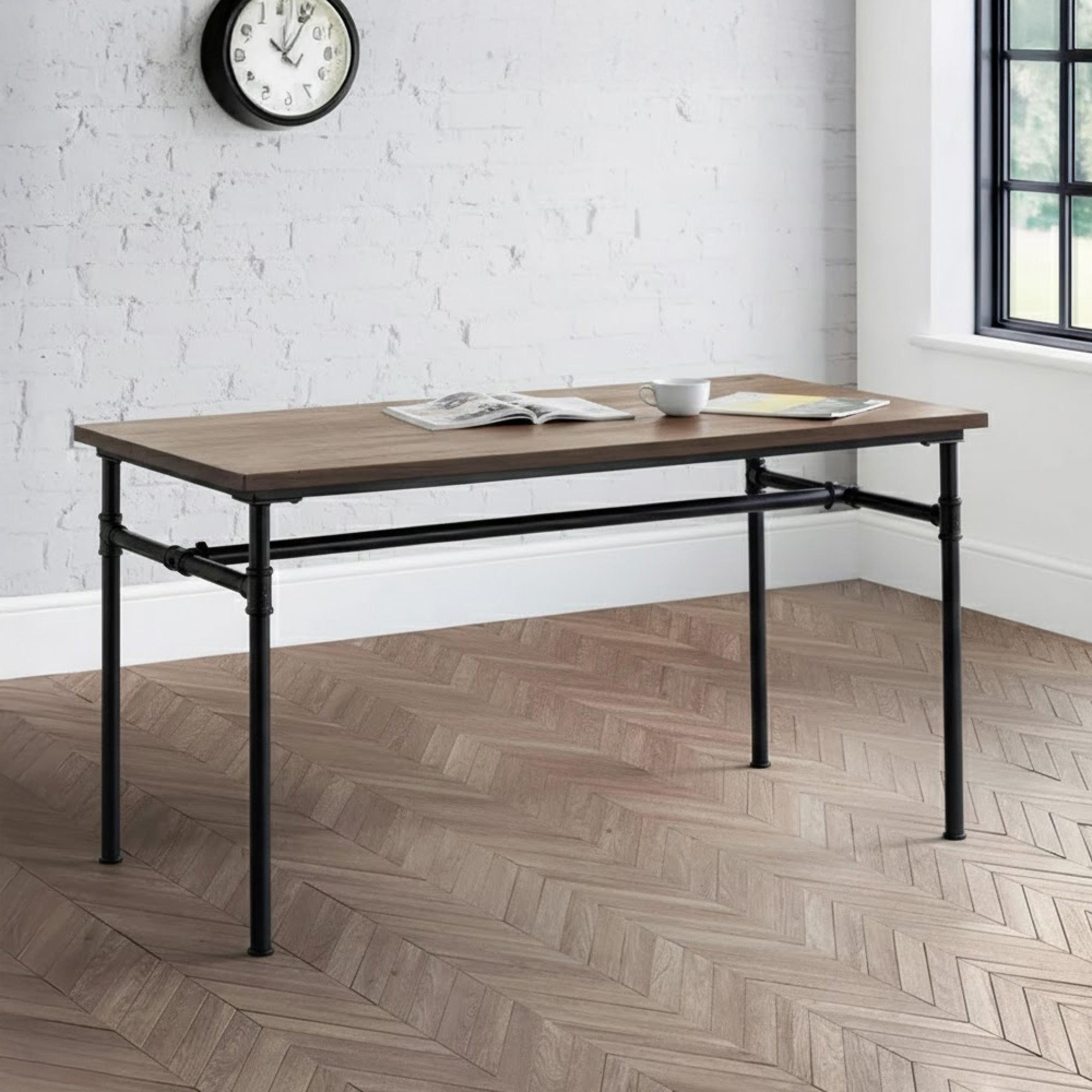
£277.19 £359.99 Save: 23%
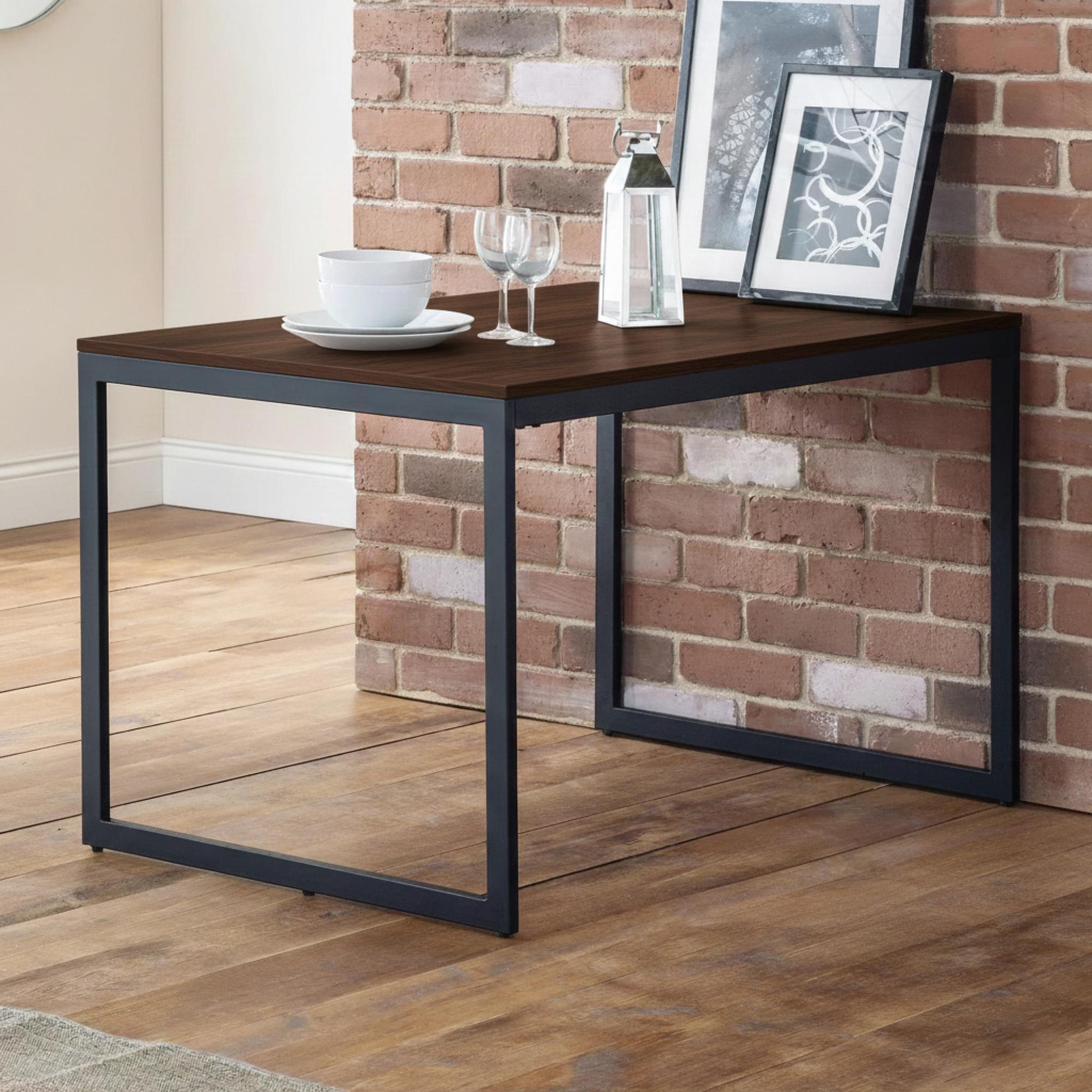
£161.69 £209.99 Save: 23%
£377.29 £489.99 Save: 23%
£685.29 £889.99 Save: 23%
£467.49 £849.99 Save: 45%
£461.99 £599.99 Save: 23%
£518.49 £609.99 Save: 15%
£592.89 £769.99 Save: 23%

£464.99 £619.99 Save: 25%
£713.79 £829.99 Save: 14%
£777.69 £1009.99 Save: 23%

£361.89 £469.99 Save: 23%
£436.79 £1119.98 Save: 61%
£361.89 £469.99 Save: 23%
£808.49 £1049.99 Save: 23%

£169.99 £339.98 Save: 50%
£685.29 £889.99 Save: 23%
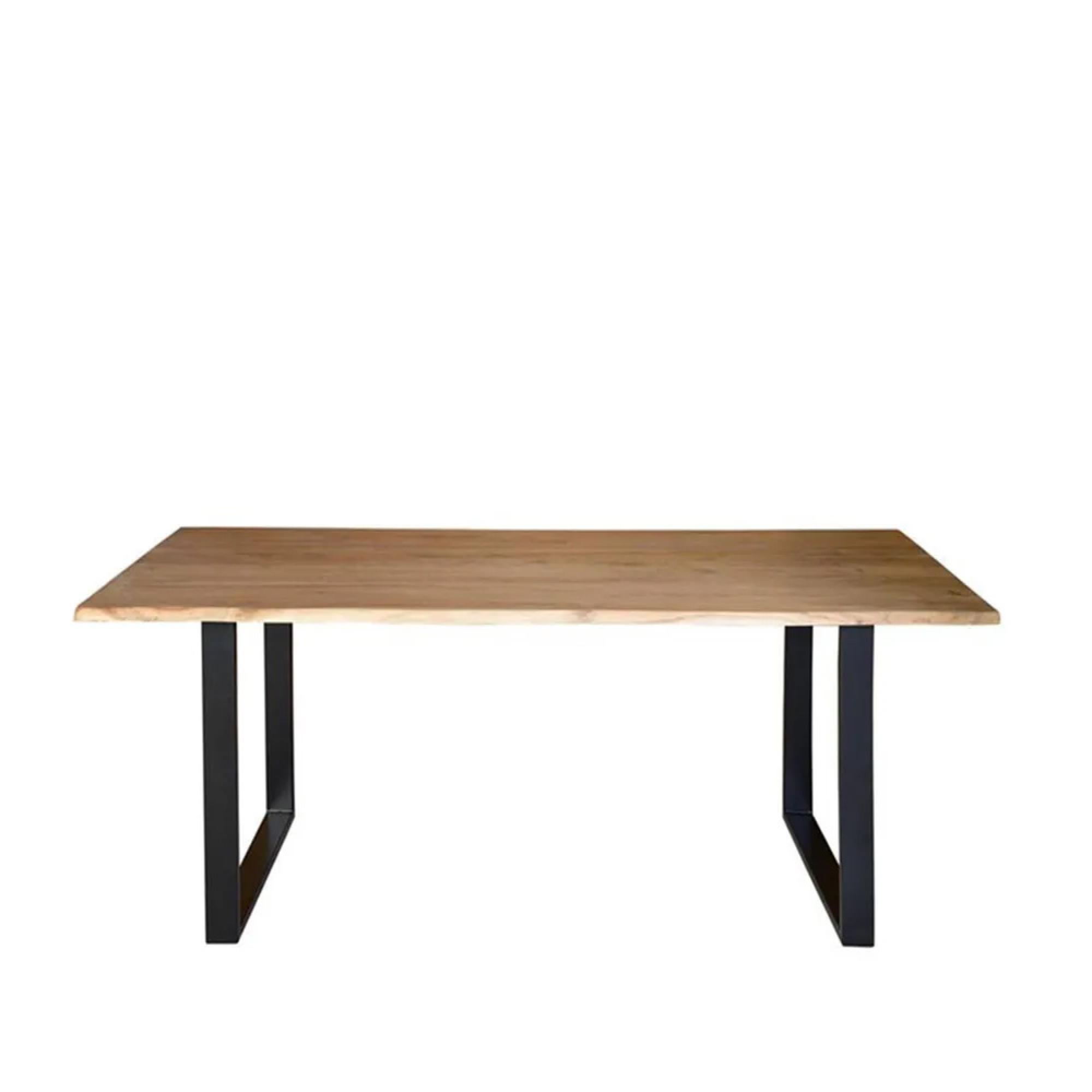
£384.99 £499.99 Save: 23%
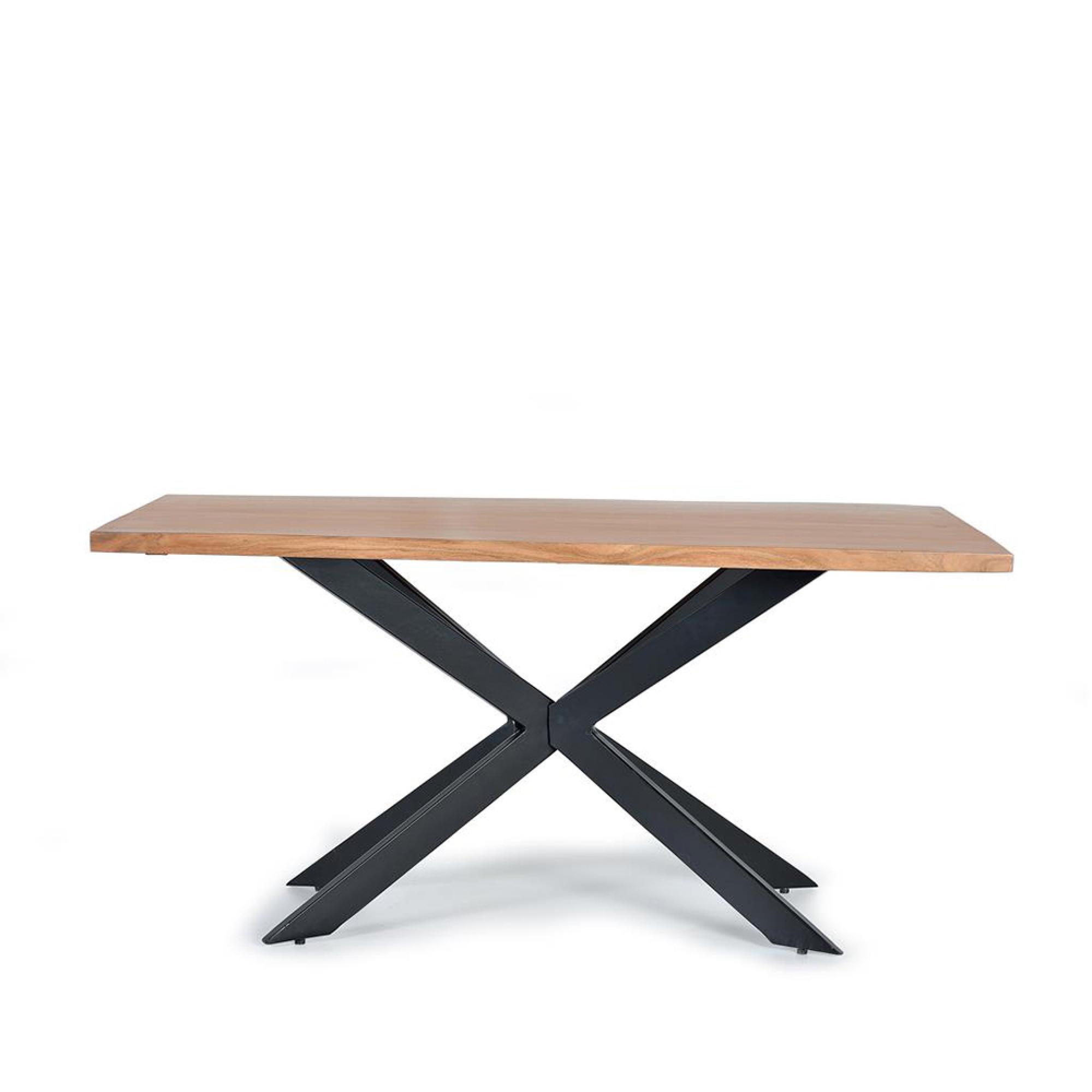
£554.39 £719.99 Save: 23%
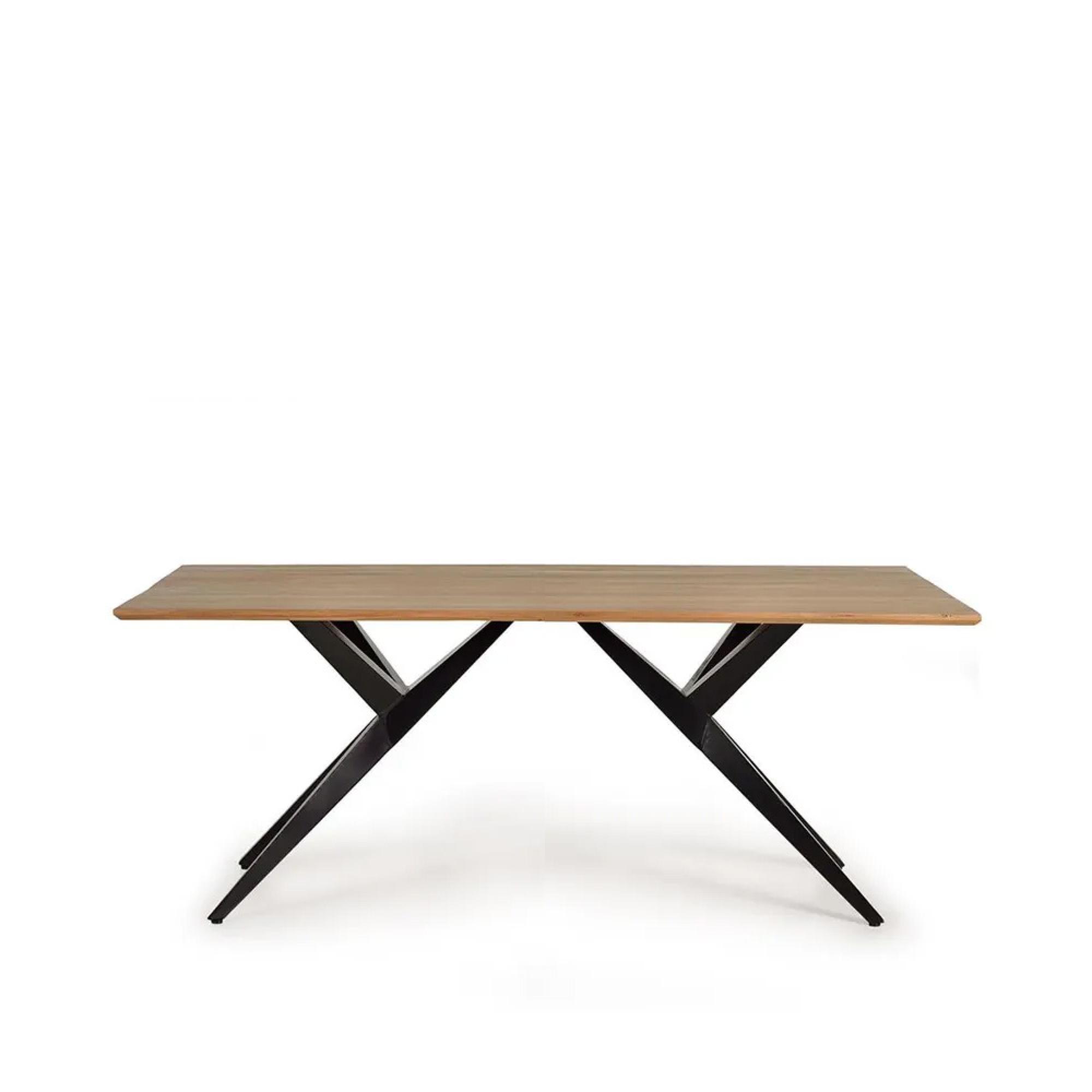
£508.19 £659.99 Save: 23%
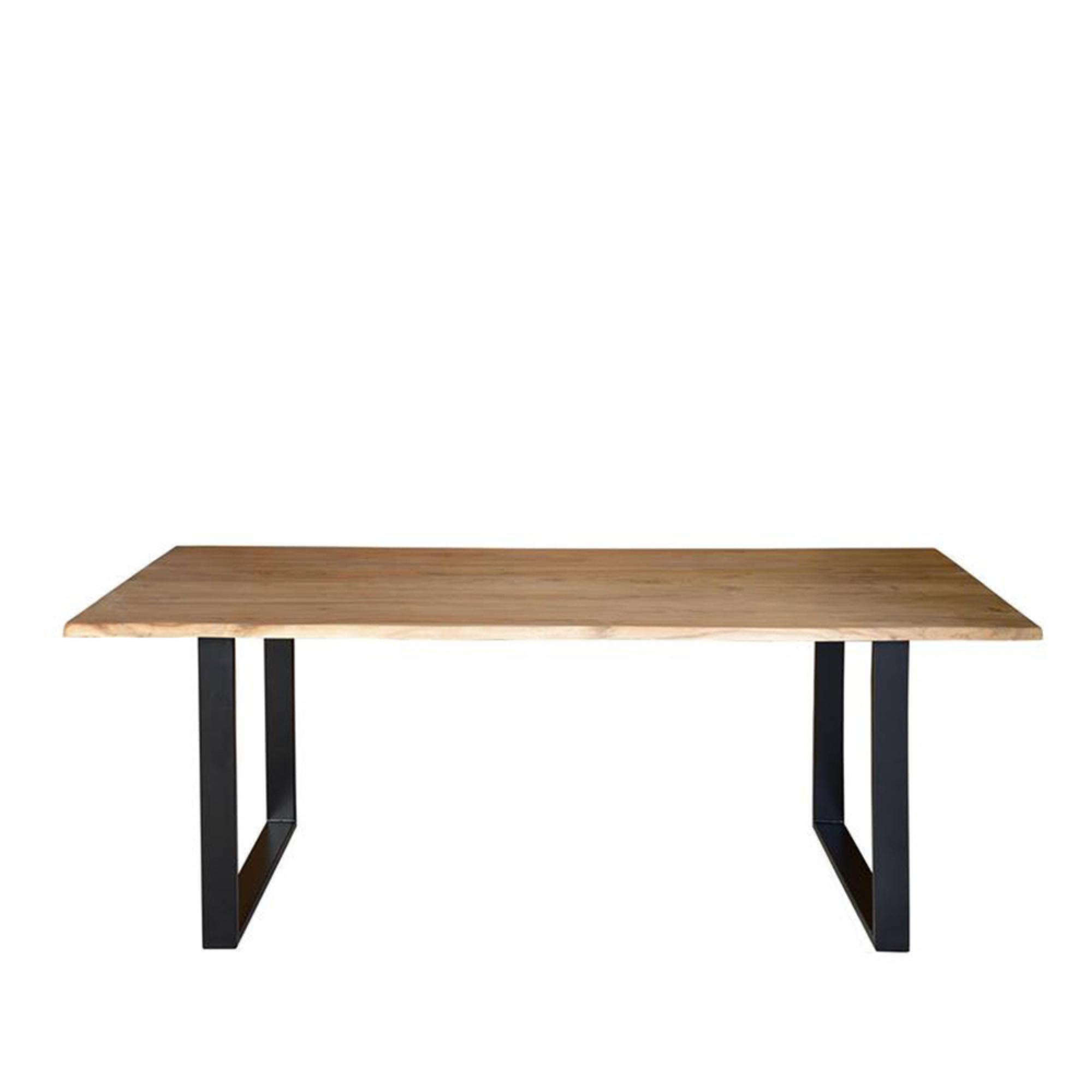
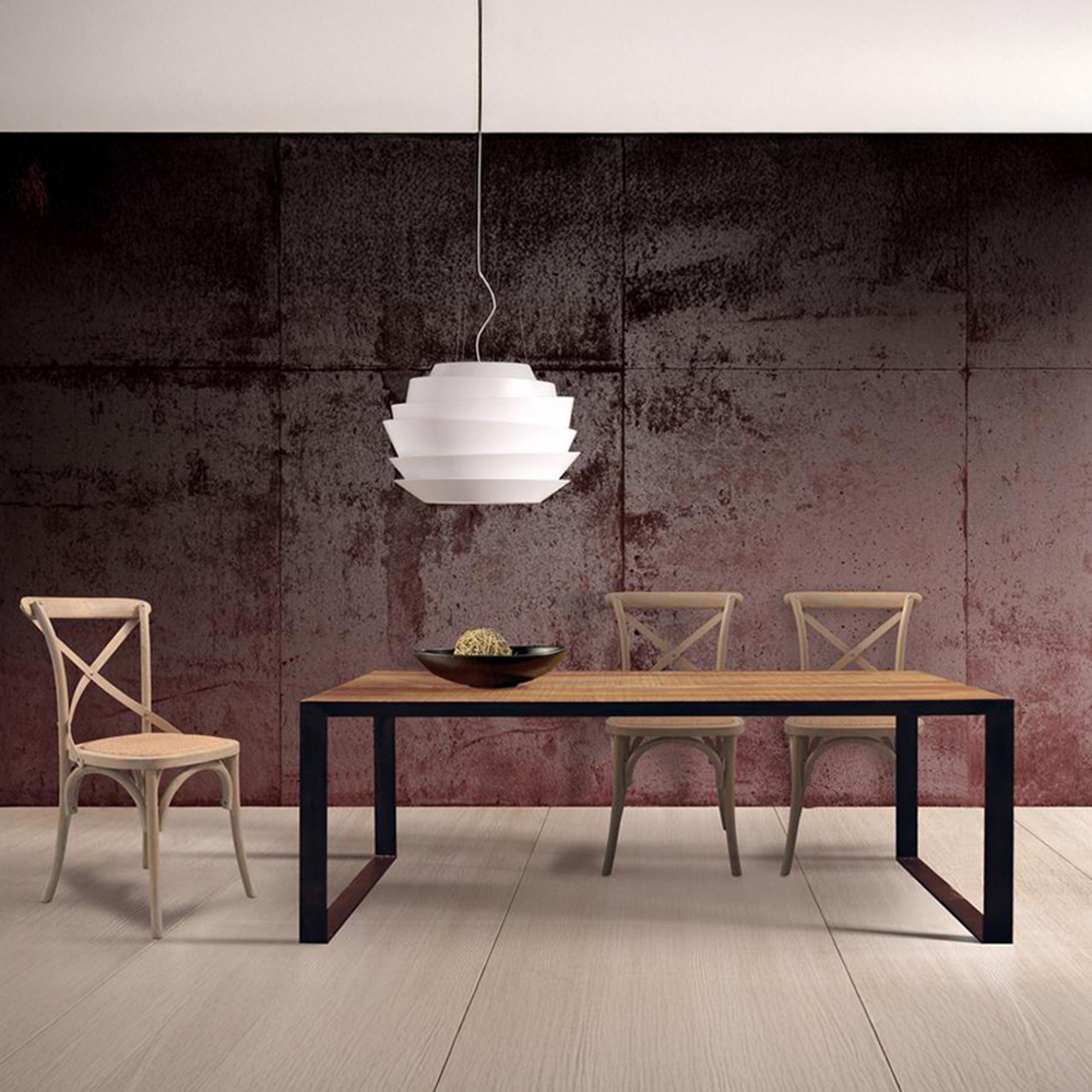
£562 £729.99 Save: 23%

£3093.99 £3639.99 Save: 15%


£2609.49 £3069.99 Save: 15%
£3510.49 £4129.99 Save: 15%

£2940.99 £3459.99 Save: 15%

£3348.99 £3939.99 Save: 15%

£3756.99 £4419.99 Save: 15%

£4173.49 £4909.99 Save: 15%
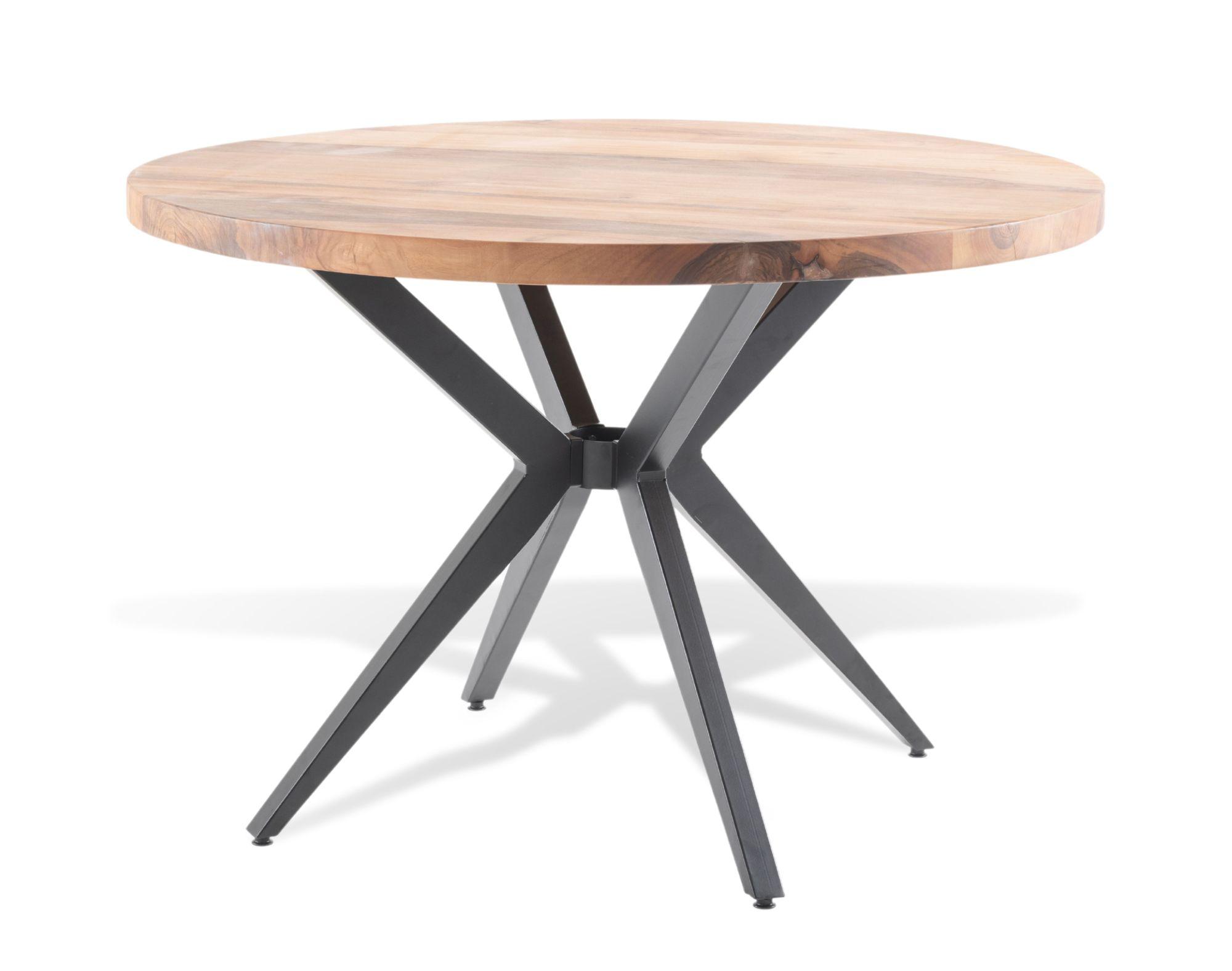
£292.39 £679.98 Save: 57%
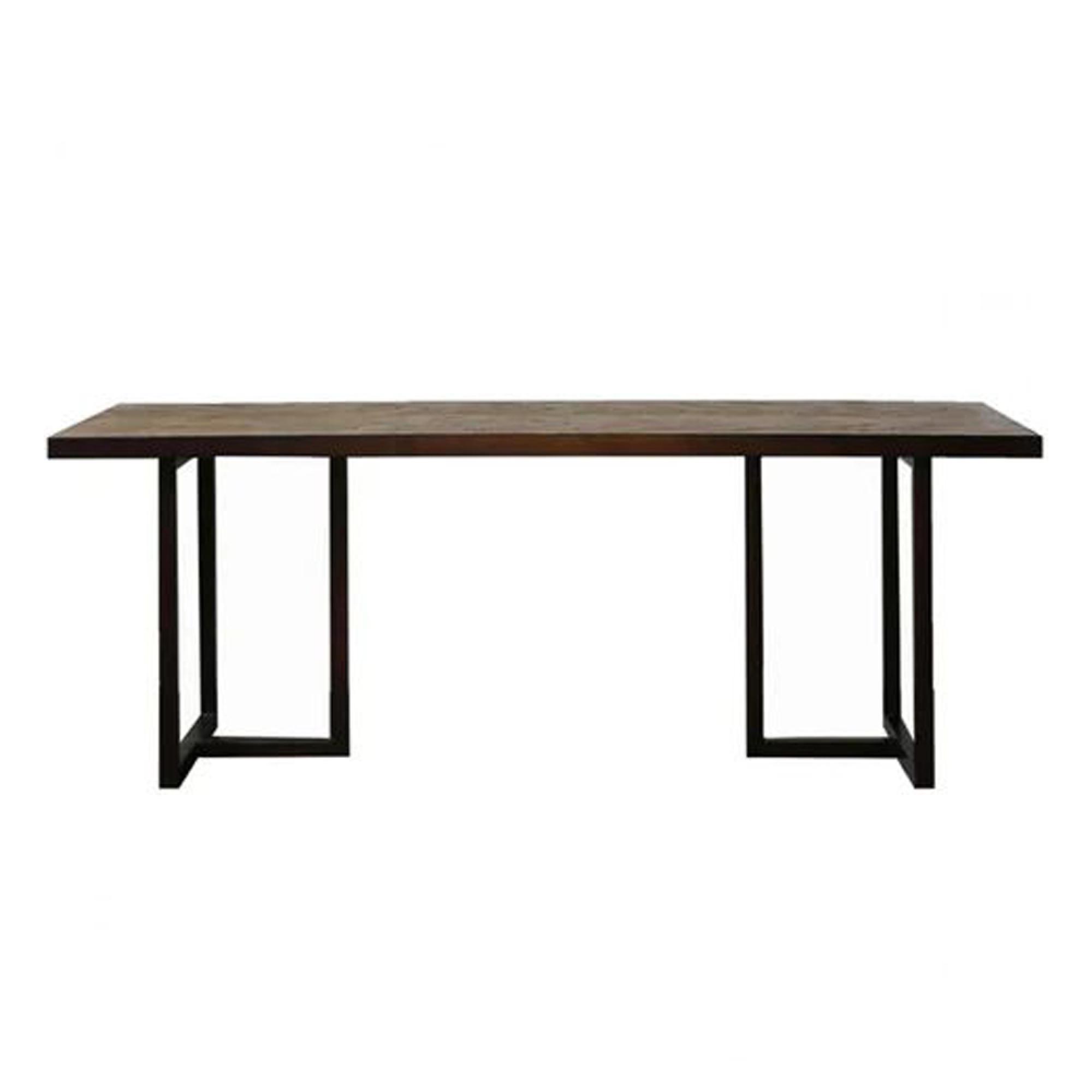
£436.79 £1119.98 Save: 61%
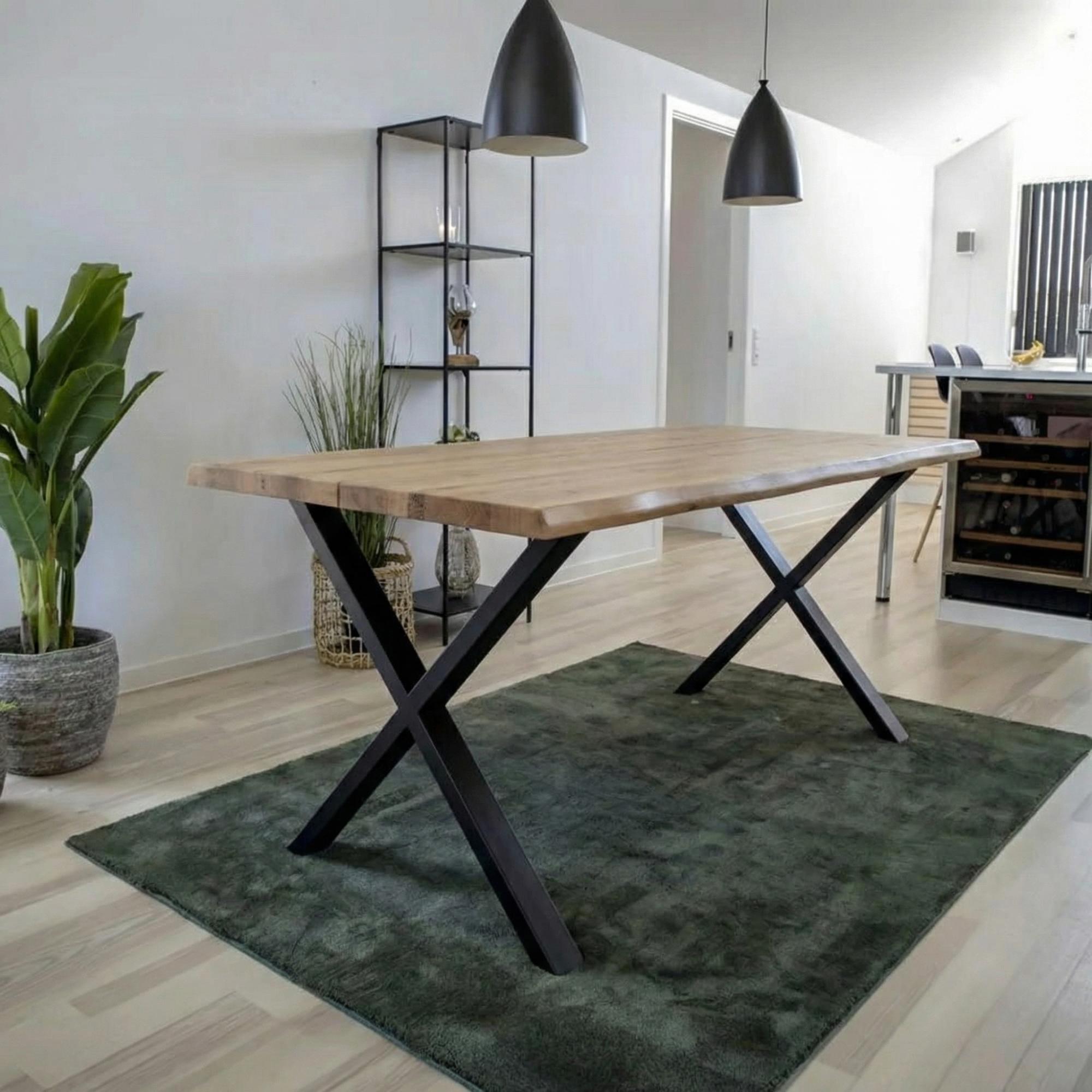
£628.99 £739.99 Save: 15%

£352.49 £469.99 Save: 25%
Explore Industrial Dining Tables
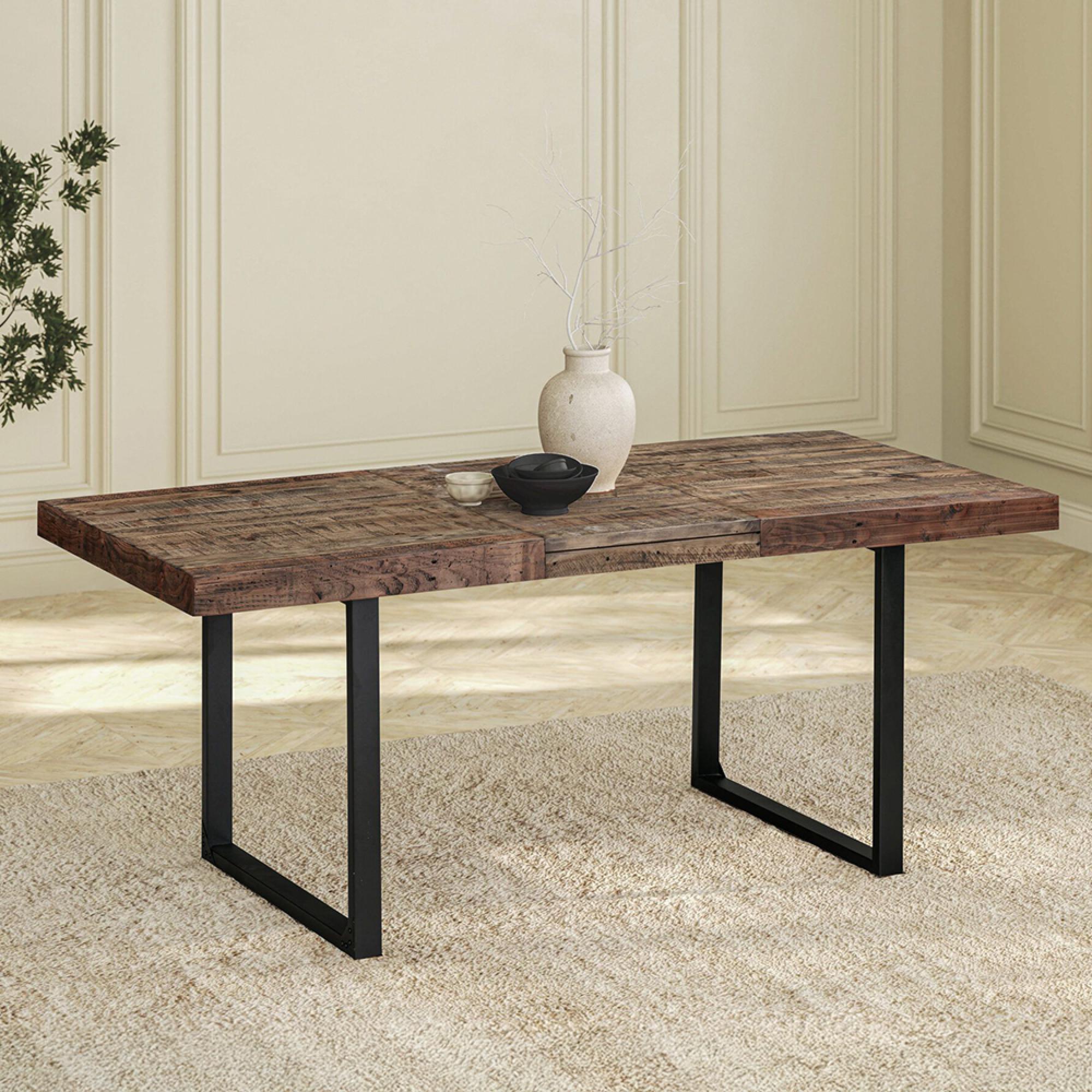
An extendable industrial dining table is one of the most practical choices for families and anyone who hosts regularly, combining a compact everyday footprint with the flexibility to seat more guests when needed. Most use either a centre extending or pull-out leaf system, with the extension panel matching the material and finish of the main tabletop seamlessly. Industrial designs work particularly well in extendable form because the solid wood top and sturdy metal frame handle the additional weight without flex, even when fully extended. They suit open-plan kitchens, smaller dining rooms that occasionally need to grow, and homes where the table doubles as a working or entertaining space.
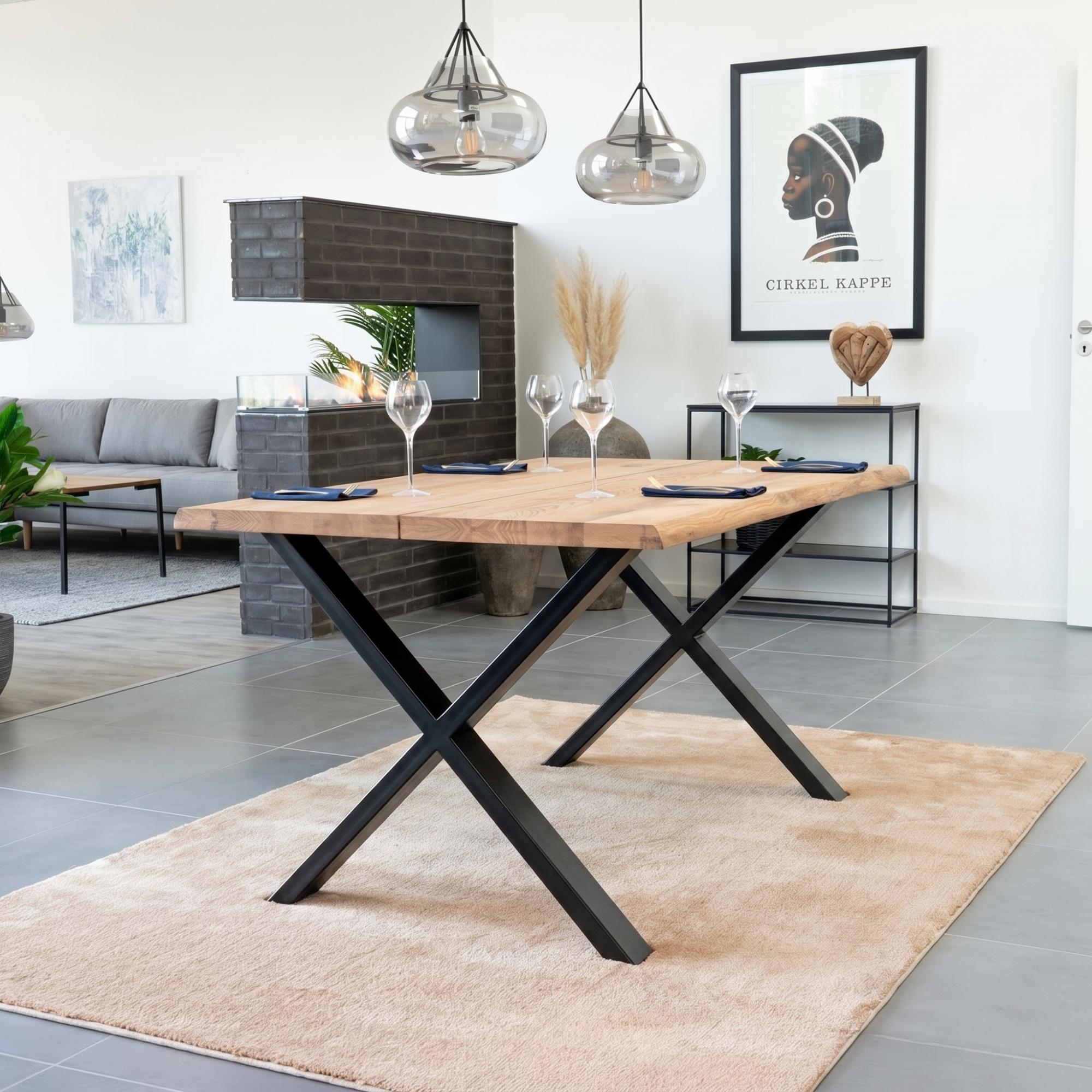
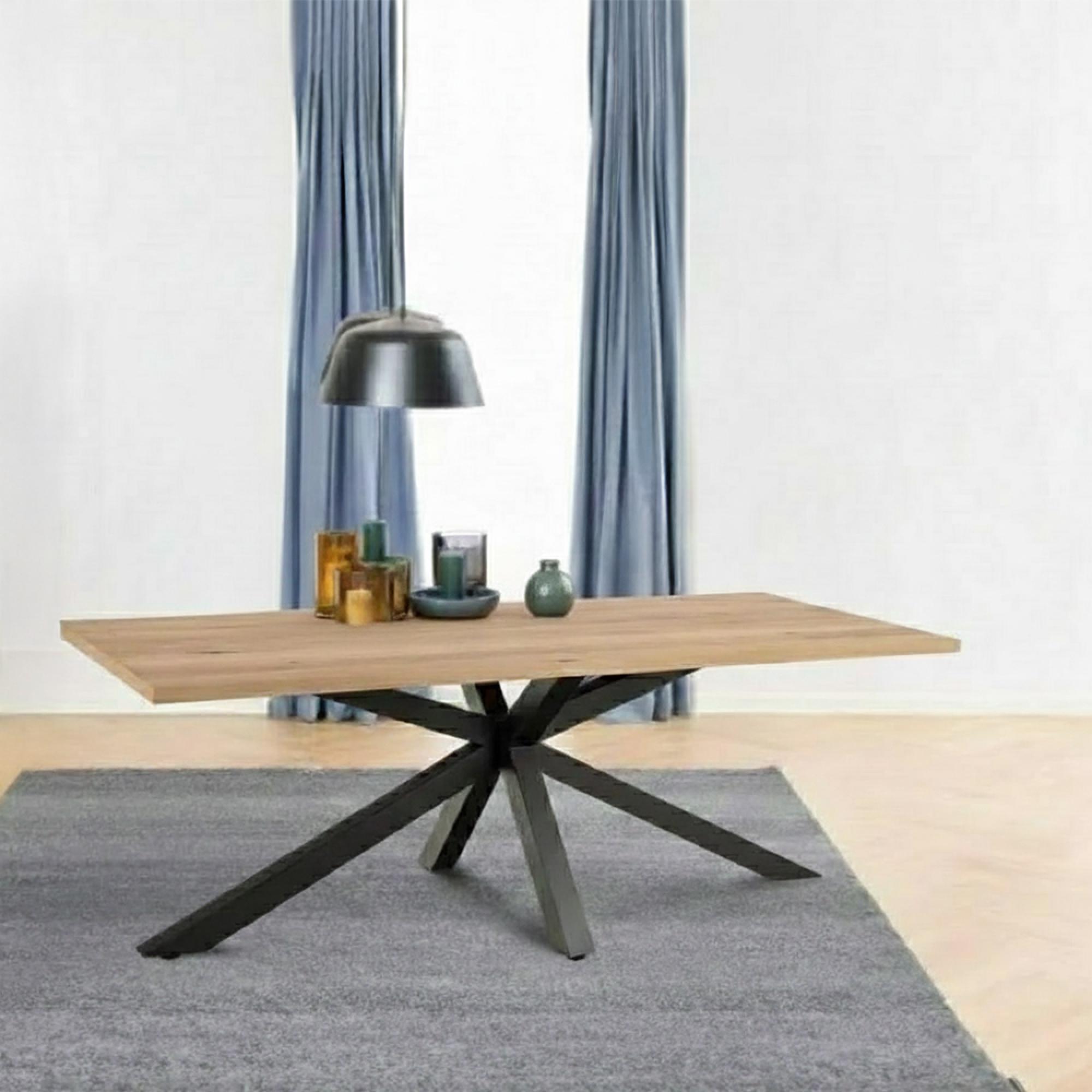
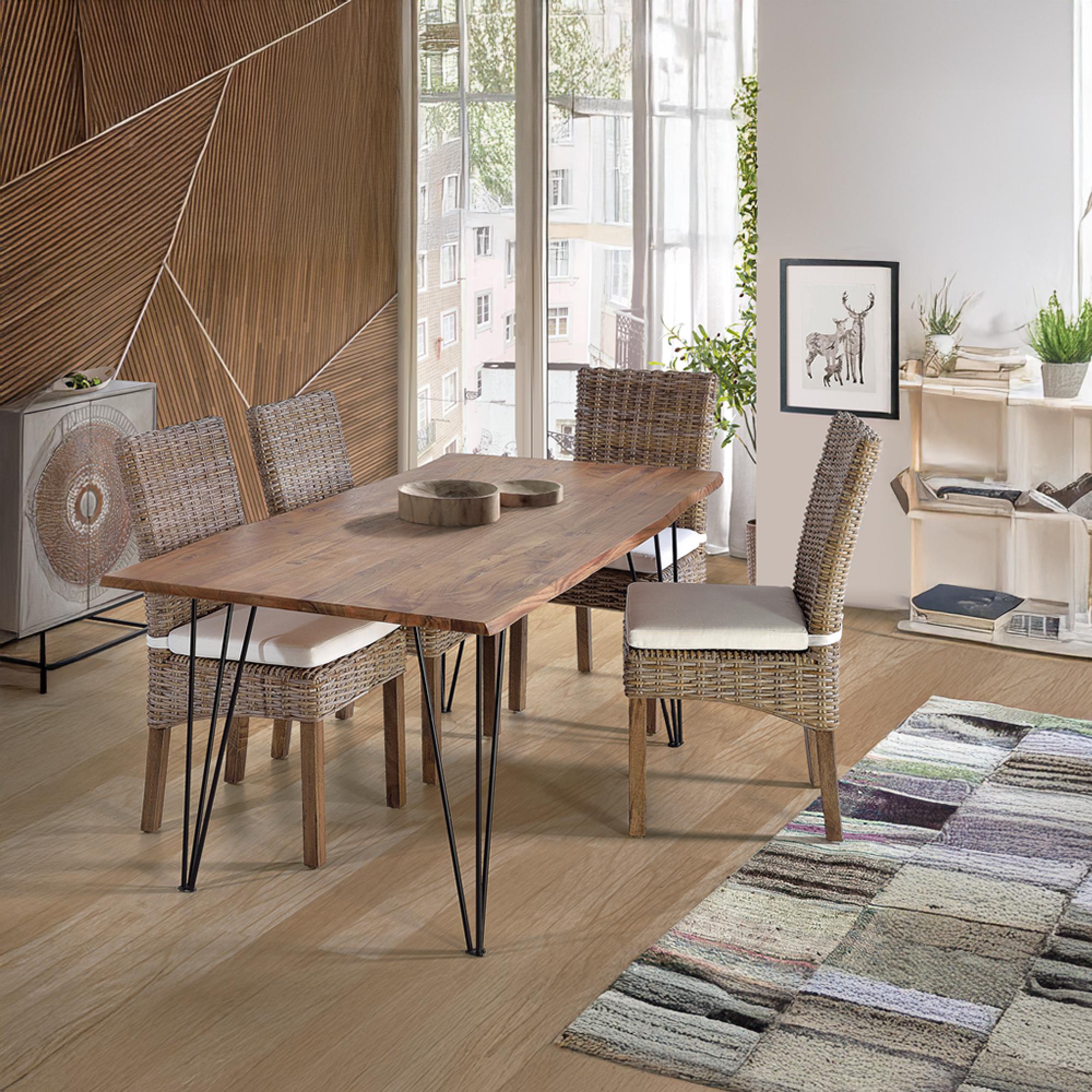
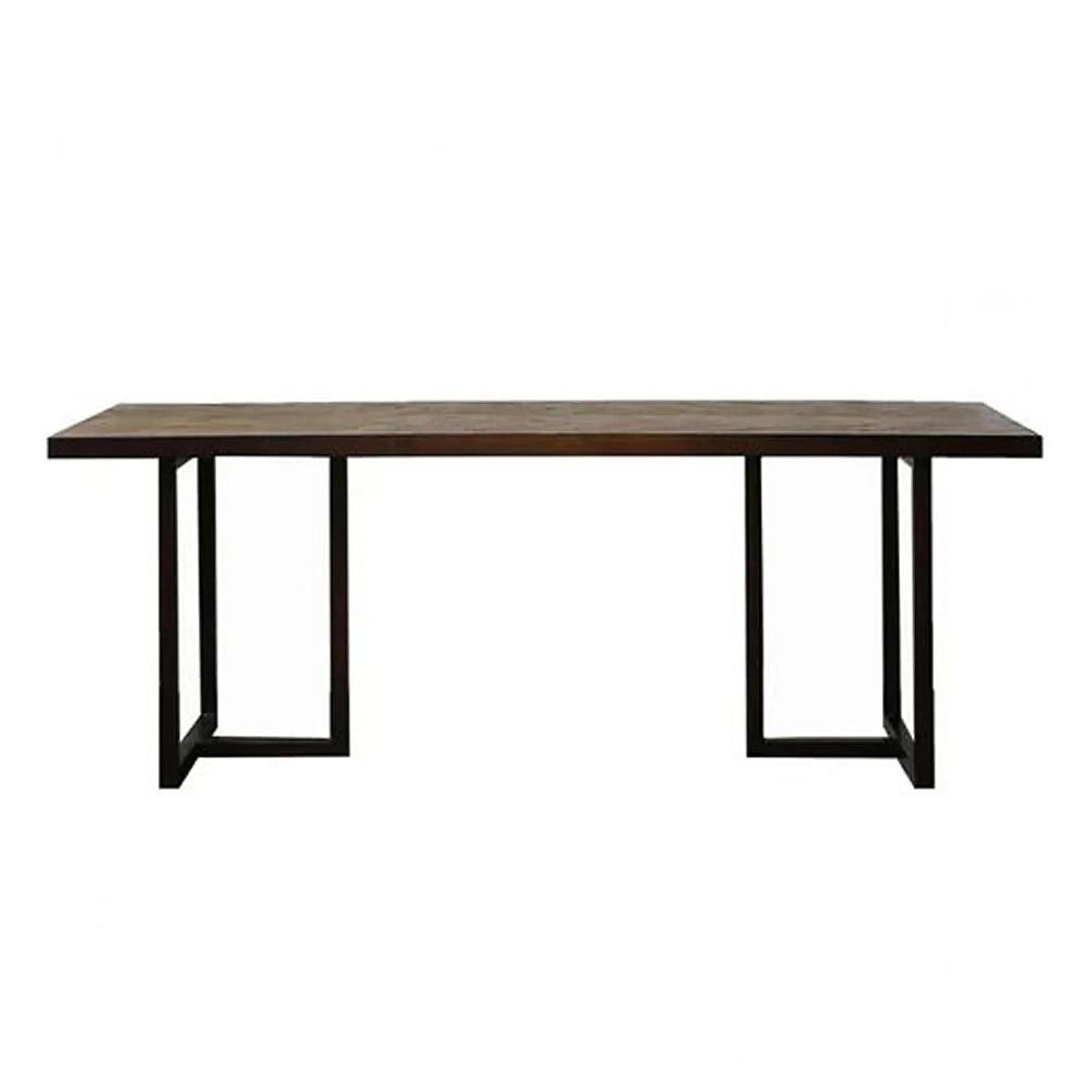
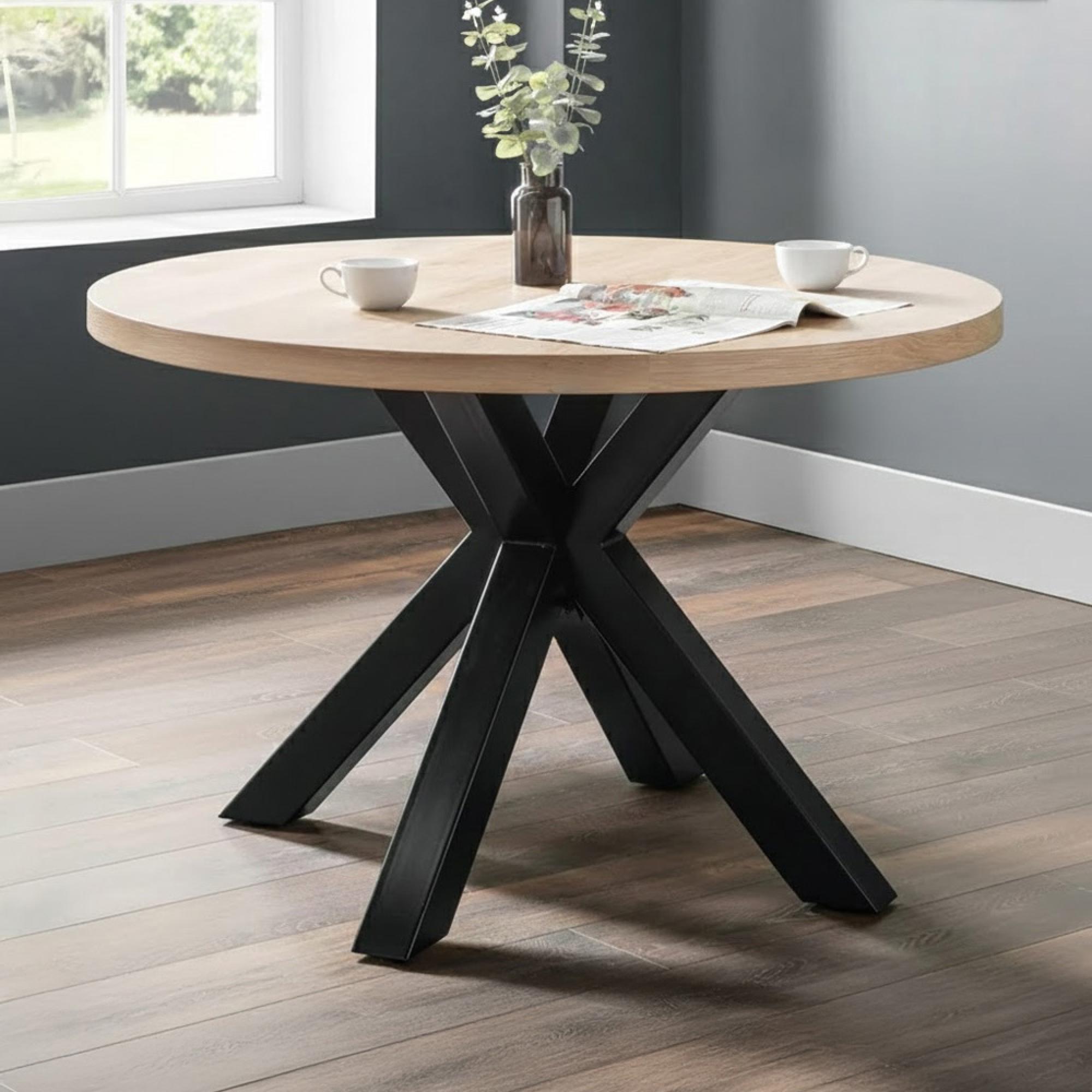
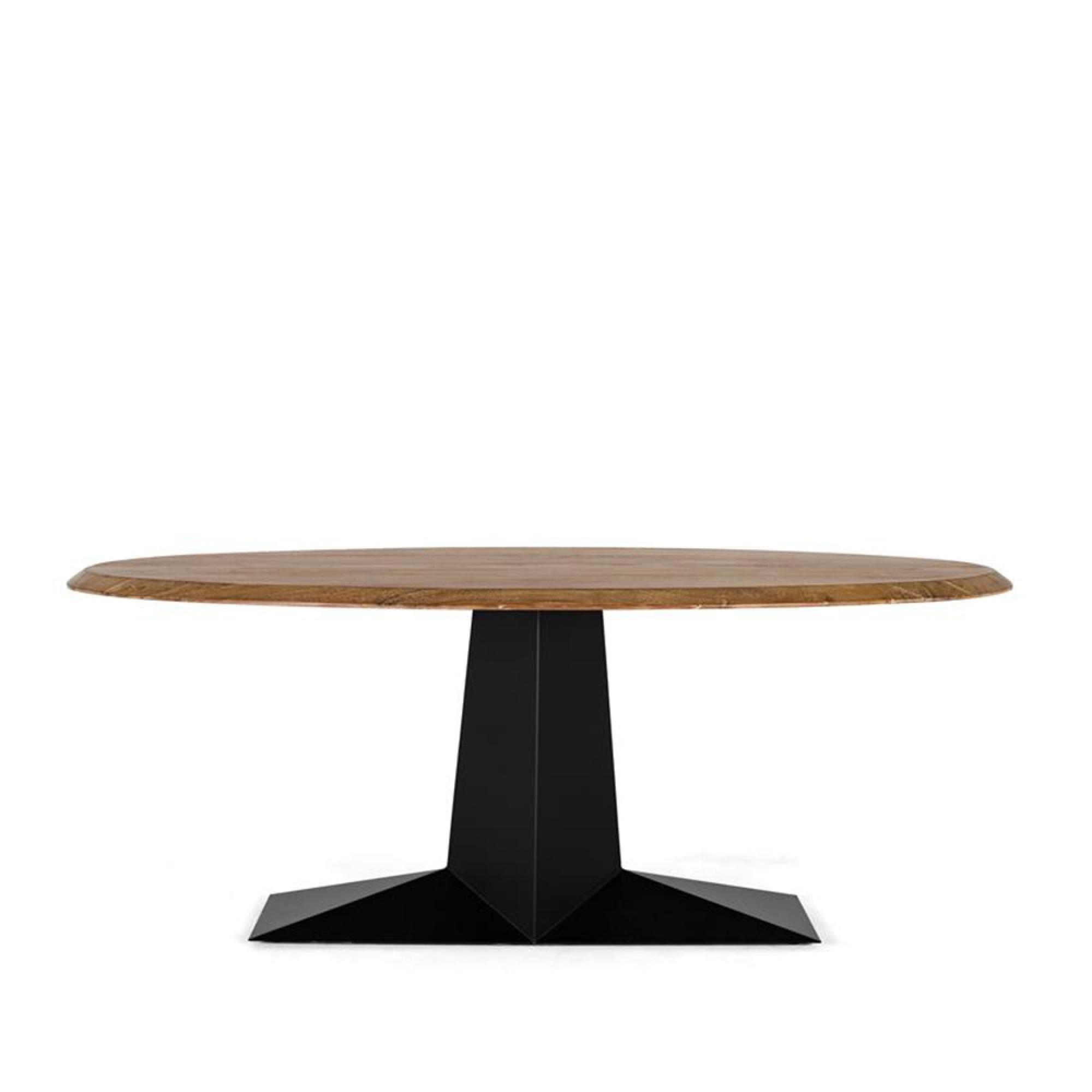
Industrial dining tables with legs come in several distinct base styles, and the leg design changes both the look and the way the table sits in a room. Star legs offer a sculptural, geometric stance that suits modern interiors, while Cross legs give a more classic, trestle-style silhouette that works well in larger dining rooms. A Pedestal base centres the weight under the tabletop, freeing up legroom and making it easier to seat extra guests at the corners. Hair Pin Legs are the most minimal option, with slim curved steel rods that feel light and contemporary — a popular choice for smaller spaces or mid-century inspired schemes.
The right size of industrial dining table depends entirely on how many people you regularly seat, and our range covers everything from intimate two-person setups to generous family gatherings. 2 seaters table suits compact kitchens, studio flats, or breakfast nooks where space is limited. And 4 seaters design is the standard choice for couples and small families, while a 6 seaters table handles everyday family meals and the occasional guest comfortably. For larger households or anyone who hosts regularly, 8 seaters and 10 seaters tables offer the space to dine and entertain properly.