


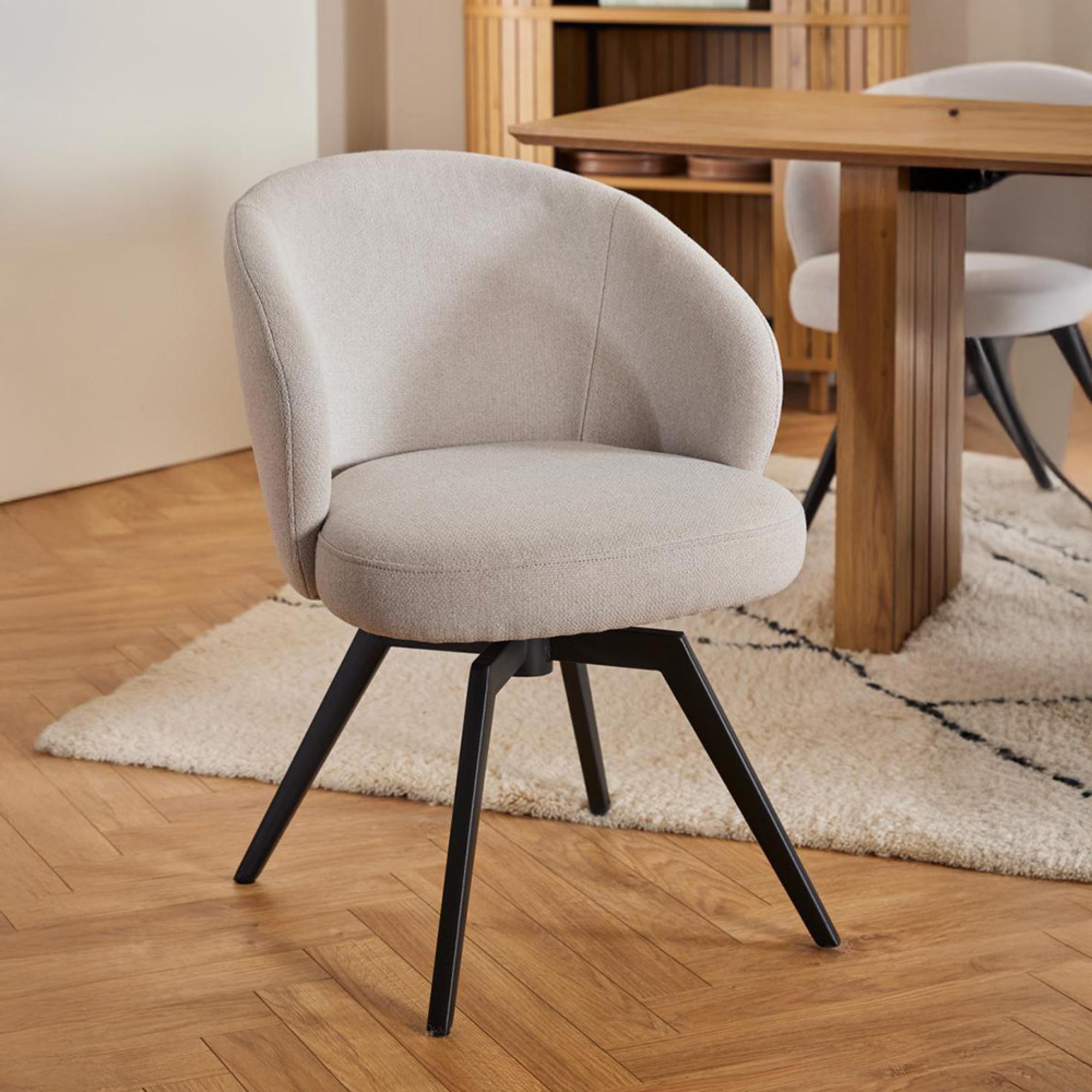
Upholstered dining chairs make long meals more comfortable, but they also sit close to plates, drinks and hands. Crumbs collect beside the seat pad, chair backs are pulled out repeatedly and one accidental spill can affect both the fabric and the filling beneath it.
The safest care method depends on the material. Fabric, velvet, faux leather and genuine leather should not be treated as though they are interchangeable.
When browsing upholstered dining chairs, check the product description for the upholstery type and retain the care instructions that arrive with the chairs.
Begin by identifying the material
“Upholstered” only means that padding and a covering have been added. It does not tell you how that covering should be cleaned.
A chair might use:
- Woven fabric
- Velvet or velour
- Bouclé or another textured material
- Faux leather
- Genuine leather
- A blend with a specialist protective finish
If you cannot identify the material, do not experiment with a general cleaner. Contact the supplier with the chair’s product details.
The frame requires separate consideration. A fabric-safe product may still mark surrounding wood, painted surfaces or metalwork.
Remove crumbs without damaging the fabric
Use a low-suction vacuum and suitable upholstery attachment if permitted by the manufacturer. Support the fabric with your free hand and work gently around piping, buttons and seams.
A soft brush may be useful on some materials, but stiff bristles can disturb the pile or pull fibres from textured upholstery.
Pay attention to the gap where the seat meets the back. Crumbs left there can become ground into the fabric each time someone sits down. If the seat cushion is removable, lift it only in the way shown by the manufacturer.
Never insert a knife or sharp tool into the chair to retrieve debris.
What to do when a drink is spilled
Act quickly, but do not panic-clean.
Lift away any solid material first. Then use a clean, colourfast cloth to blot liquid from the outside of the affected area towards the centre. Avoid rubbing, because it can spread the stain and alter the surface texture.
Do not soak the chair. Moisture can pass through the cover into the padding, where it takes much longer to dry.
Follow the approved cleaning instructions for that exact upholstery. Test any permitted product on a concealed section and allow it to dry before continuing. If the mark is large, strongly coloured or on delicate fabric, professional treatment may be the sensible choice.
Caring for woven fabric
Routine vacuuming helps stop dust and crumbs settling between the fibres. Treat spills according to the chair’s care code or manufacturer instructions.
Avoid assuming removable covers can go in a washing machine. Washing may cause shrinkage, colour loss or changes in texture, even when the cover has a zip.
Direct sunlight can fade fabric over time. If one side of the dining area receives strong sun, blinds or curtains can reduce exposure. Rotating chair positions occasionally may also help the set wear more evenly.
Caring for velvet and pile fabrics
Velvet has a directional pile, so pressure and cleaning can temporarily change the way light reflects from its surface. What appears to be a mark may sometimes be disturbed pile rather than a stain.
Use only methods approved for the particular velvet. A suitable soft brush may help restore the direction of the pile once the fabric is completely dry, but brush gently and consistently.
Do not scrub velvet or saturate it. Water marks and crushed sections can be more difficult to correct than the original spill.
Caring for faux-leather chairs
Faux leather is generally easier to wipe than woven upholstery, but it can still be damaged by harsh chemicals, abrasive sponges and excessive moisture.
Use a soft cloth and the approved cleaning method. Dry the surface afterwards, especially around seams. Keep the chairs away from strong heat, which can contribute to drying or cracking.
Do not apply genuine leather conditioner to faux leather unless the manufacturer specifically recommends it. The two materials have different requirements.
Caring for genuine leather chairs
Remove dust with a soft, dry cloth and use only suitable leather-care products. Leather conditioners are not universal; the right treatment depends on the finish and type of leather.
Test approved products in a hidden area. Keep leather away from radiators and prolonged direct sunlight, both of which can contribute to drying and colour change.
If you are uncertain whether a chair is genuine or synthetic leather, check before applying anything.
Protect the chair frames too
When cleaning upholstery, protect the surrounding frame from drips. Wooden legs may have an oiled, waxed, lacquered or painted finish, while metal frames may have their own coating.
Lift chairs when moving them instead of dragging them across the floor. Dragging can loosen joints and damage both the feet and flooring.
Check fixings periodically, particularly on chairs that arrive with the legs requiring assembly. Tighten them according to the instructions, but do not overtighten and strip the threads.
Floor protectors should be clean and correctly attached. A worn felt pad can trap grit or expose the hard fixing underneath.
Choose dining chairs with real life in mind
A dining chair has to suit more than the table. If the room is used daily by young children, an intricate pale weave may demand more attention than a wipeable surface. If dinners often last several hours, comfort may outweigh the extra maintenance.
Compare the wider range of dining chairs and consider seat width, back support, arm height and material alongside appearance.
When replacing the table as well, allow enough room for the chairs to pull back from your chosen dining table without striking a wall or sideboard.
Care that fits around normal meals
Dining chairs should not make everyone nervous about sitting down. A small amount of regular attention is usually enough: remove crumbs, blot spills promptly, protect the chairs from strong heat and sunlight and follow the correct instructions for the upholstery.
Most damage occurs when the wrong product is used in a hurry. Knowing what the chair is made from is the best preparation you can have.