Free Delivery All Over UK*
close
Top products
SHOW ALL PRODUCTS

Clearance Mirrors

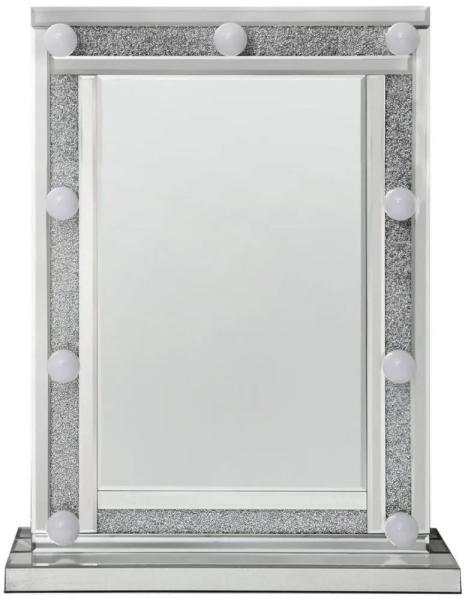
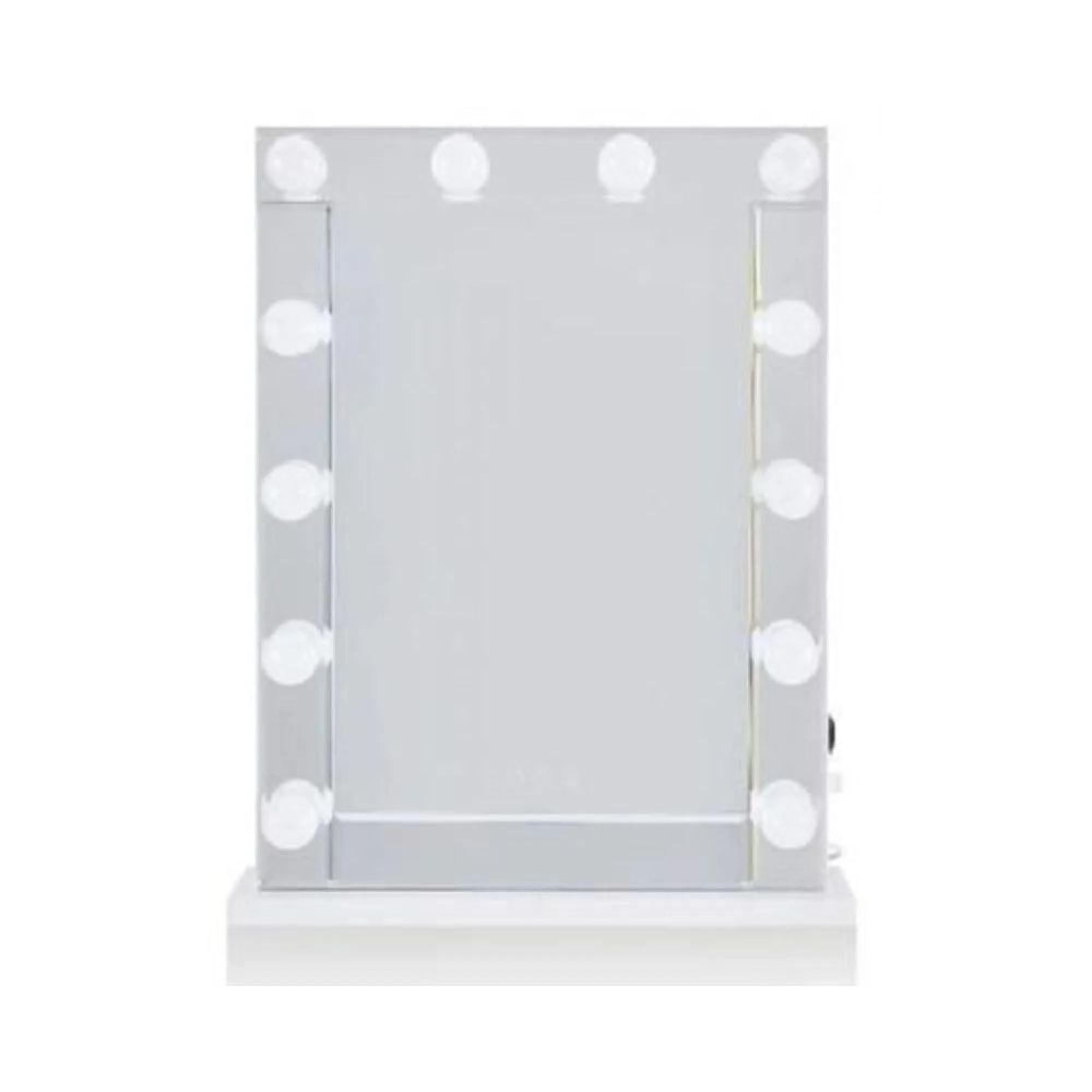
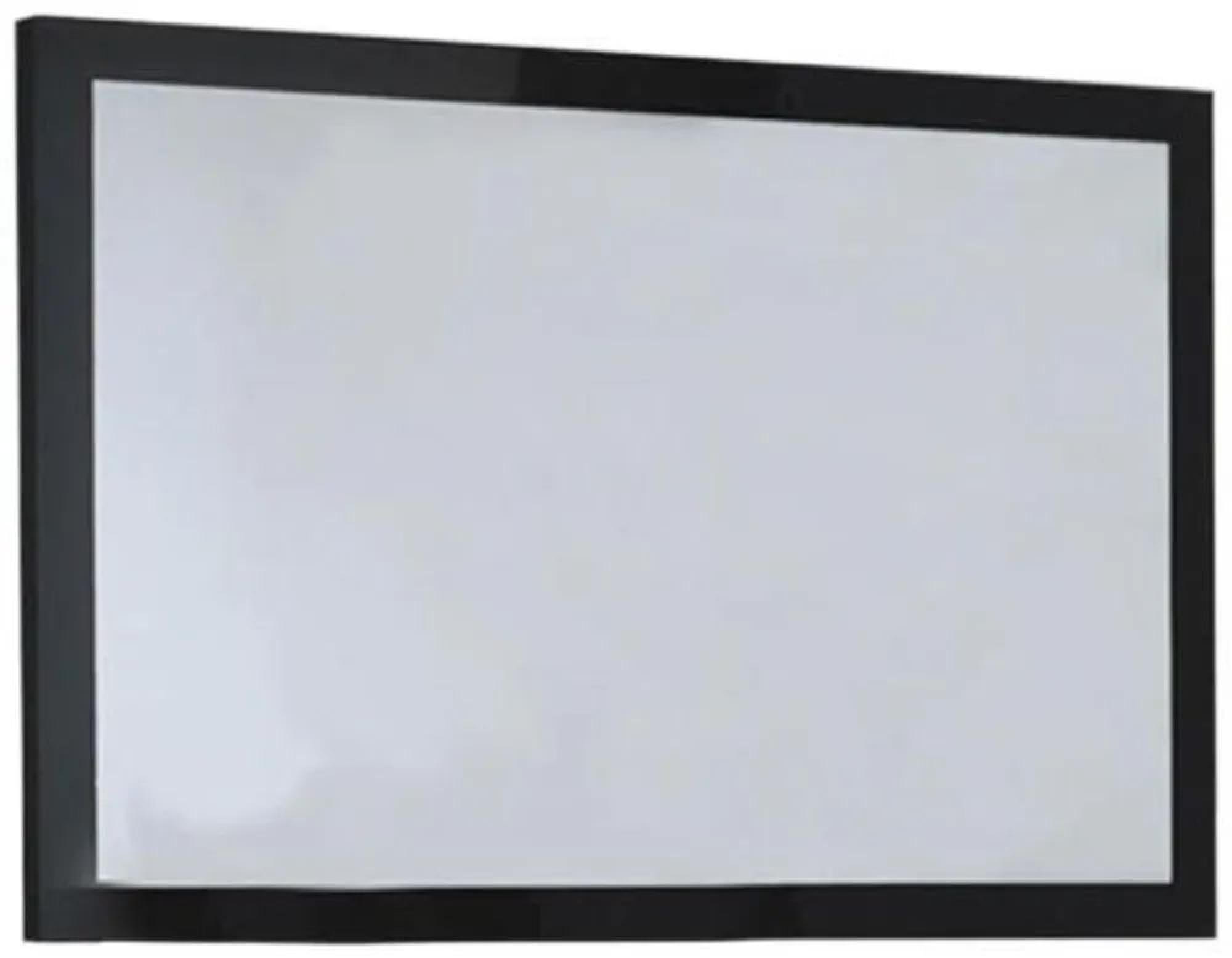
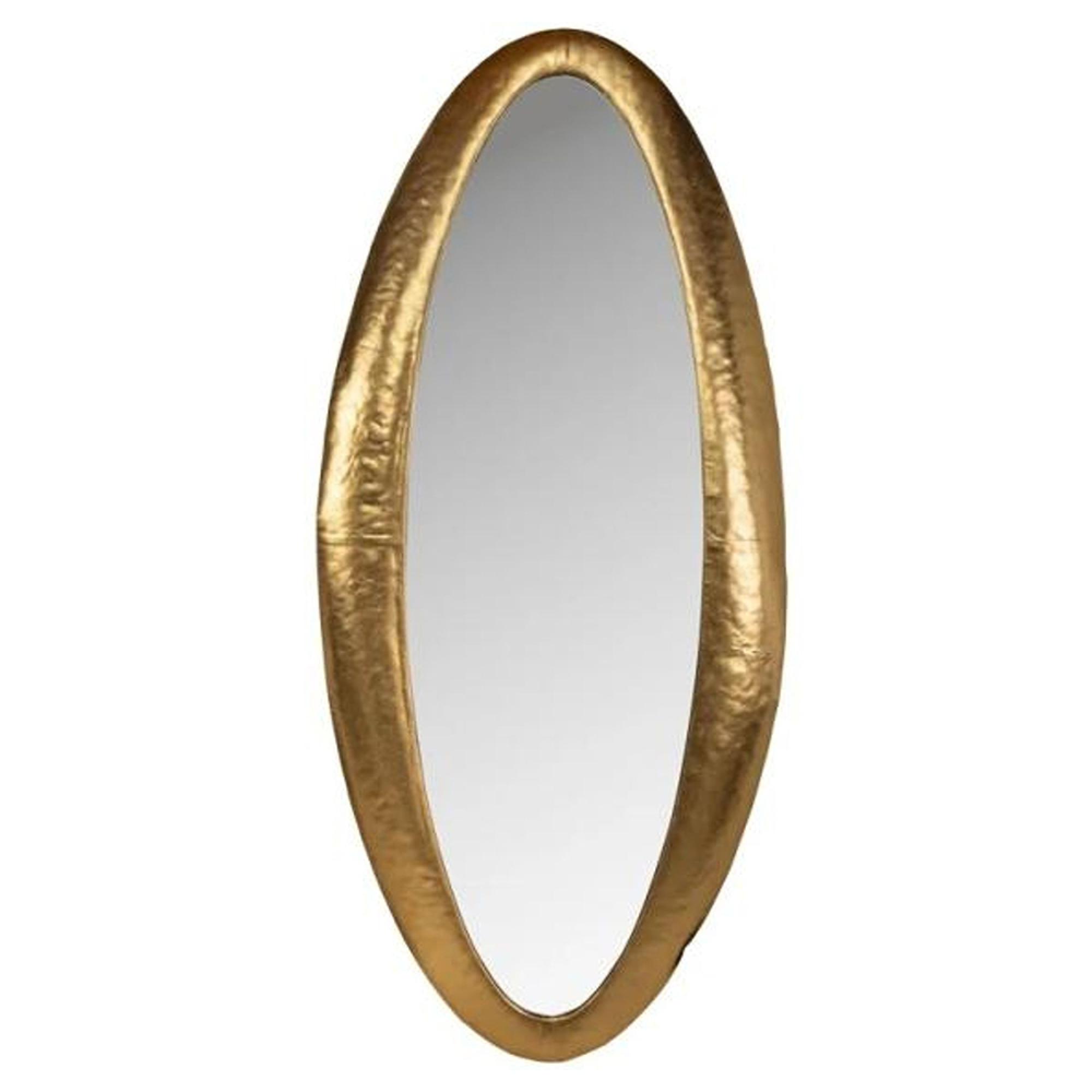
Found 5 Items

Explore Clearance Mirrors designed to provide a useful reflection while helping light move around the room. Compare shape, frame material, mounting orientation, overall scale and fixing requirements to identify the right balance of appearance and function. Position the mirror to reflect useful light or a considered view rather than visual clutter. Check each product page for exact dimensions, construction, finish, assembly and care information before making a final choice.
Read more X Close

Price

Shape

Brand

Colour

  • Black
  • Grey
  • White

Choosing Clearance Mirrors

This category focuses on Clearance Mirrors that can provide a useful reflection while helping light move around the room. Start with the room layout and daily use, then compare shape, frame material, mounting orientation, overall scale and fixing requirements. Function and visual balance both matter, so compare the complete specification rather than choosing on appearance alone. This keeps the decision focused on practical suitability as well as style.

Plan the space before choosing

Position the mirror to reflect useful light or a considered view rather than visual clutter. Record the available width, depth and height, including clearance for doors, drawers, reclining parts or extensions where relevant. Account for skirting boards, radiators, sockets and walking routes, then check the access route through doors, halls and stairs.

For adjacent choices, explore Clearance Home Decor Furniture, Clearance Lightings and Clearance Home Accessories. Use these comparisons alongside the specifications on each product page.

Clearance Mirrors for considered interiors

The Clearance Mirrors category focuses on choices intended to provide a useful reflection while helping light move around the room. A suitable option should respond to the room's proportions, surrounding furniture and practical demands of everyday use. Use the category wording as a starting point, then verify the exact material, finish and features shown on each product page.

Material, finish and construction

When comparing mirrors, look closely at shape, frame material, mounting orientation, overall scale and fixing requirements. Materials influence appearance, weight and maintenance, while finish affects colour coordination and day-to-day care. Use the written specification to confirm construction and care requirements.

Function and room planning

Position the mirror to reflect useful light or a considered view rather than visual clutter. Mark out the footprint and consider how people move around it. Where a product opens, extends, swivels or reclines, include that working clearance. For storage, seating or sleeping products, match the layout, support and capacity to the needs of regular users.

Creating a coordinated result

Build the room around a clear relationship between scale, colour and material. Matching every finish is not essential, but repeating one or two elements can connect separate pieces. You can also compare Clearance Home Decor Furniture, Clearance Lightings and Clearance Home Accessories for closely related room and product choices. Use the individual listing to confirm dimensions, included components, assembly and suitability.

Read more X Close

FAQs on Clearance Mirrors

What size clearance mirror should I buy for my bedroom?

Choose a mirror at least 60cm wide for daily use; full-length 160–180cm mirrors work well opposite beds to reflect light. Measure your wall space first—the mirror should occupy no more than two-thirds of the wall width to maintain balance.

Position large mirrors opposite windows to bounce natural light around the room and create depth. In narrow hallways, a tall mirror on the longest wall works best. Avoid placing directly opposite doors as this can feel disorienting.

Freestanding and leaning mirrors are ideal for rentals—no drilling or wall damage required. Prop a large mirror against a wall or use a freestanding floor stand. Once you move, simply take it with you without leaving marks.

Wall mirrors mount permanently using fixings and save floor space; freestanding mirrors sit on the floor or furniture, offering flexibility and portability. Choose wall-mounted for compact rooms; choose freestanding if you rent or want easy repositioning.

Measure your wall height and width in centimetres. For wall mirrors, allow 15–20cm clearance from ceiling and floor. Check product dimensions match your space. Full-length mirrors need 160–180cm height; accent mirrors typically 50–120cm.

Most wall-mounted clearance mirrors include fixings, but check your product listing. For mirrors over 10kg, use wall anchors suited to your wall type—plasterboard, brick or tile all differ. If unsure, hire a professional fitter.

Use a soft, lint-free cloth with white vinegar solution or specialist glass cleaner. Wipe gently to avoid streaks. Avoid abrasive pads or harsh chemicals that damage the reflective backing. Dry immediately to prevent water marks.

Yes—a large mirror reflects light and creates the illusion of space in small bathrooms. Wall-mounted designs above sinks maximise floor area. Consider illuminated mirrors to brighten dim corners without requiring extra lighting fixtures.

Mirrors are fragile but packaged carefully with bubble wrap and protective boards to prevent transit damage. UK delivery takes 3–7 working days. Inspect immediately upon arrival. Report damage within 48 hours for a replacement or refund.

Yes—a tall, narrow mirror (40–60cm wide, 160–180cm tall) fits snugly in compact hallways while maximising vertical space. Leaning mirrors against walls offer flexibility without fixings. Hang at eye level to be functional and visually balanced.

Living rooms suit larger statement mirrors—100–150cm wide to reflect light and add style. Position above sofas or opposite windows. Oversized mirrors (180cm+) create focal points in spacious rooms; smaller 60–80cm pieces work in cosy lounges.
Top