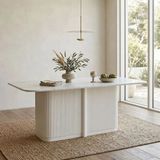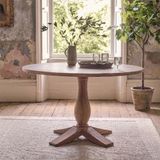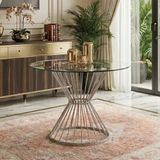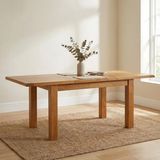
Free Delivery All Over UK*
close
Top products
SHOW ALL PRODUCTS

Dining Tables 100cm to 120cm Wide

Found 297 Items

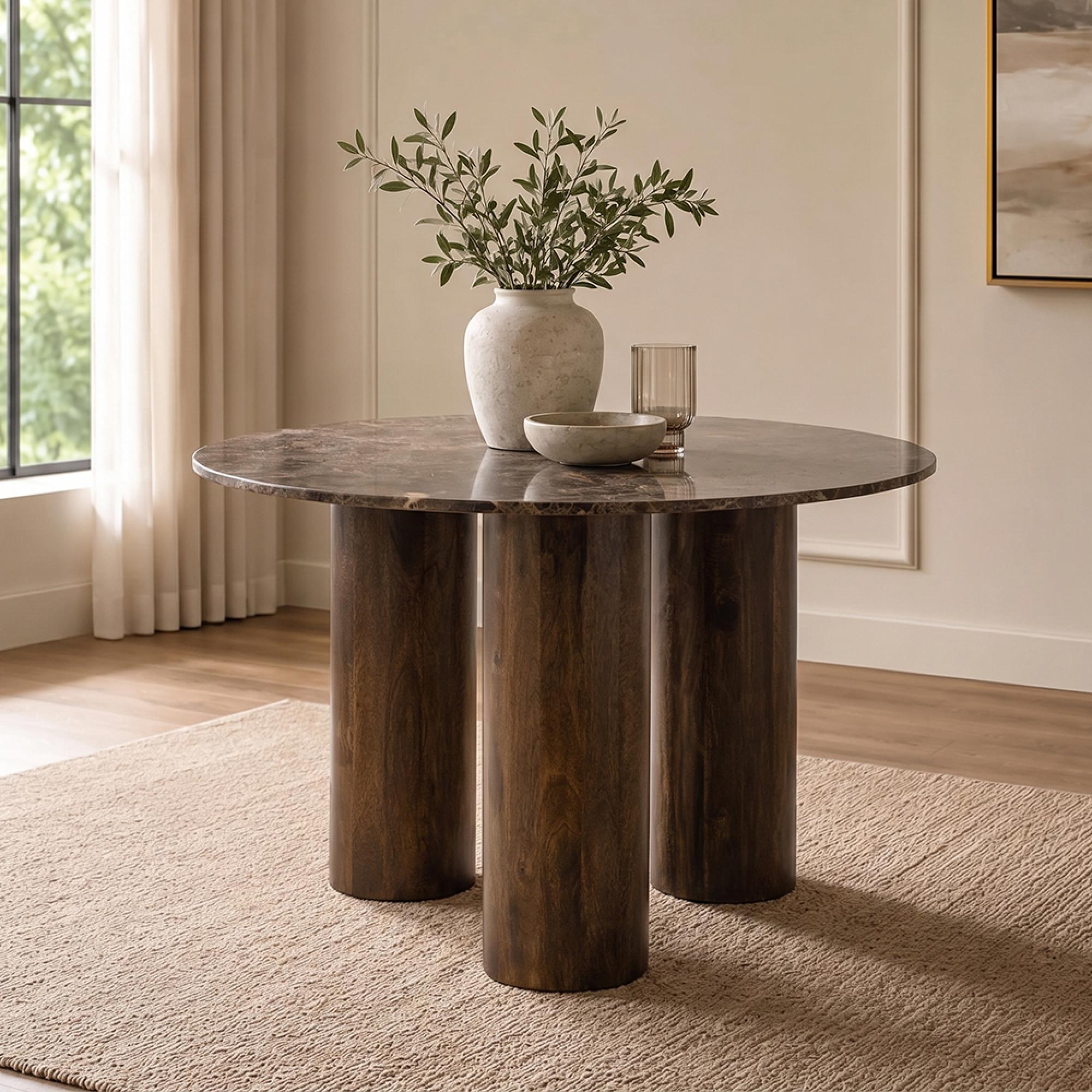
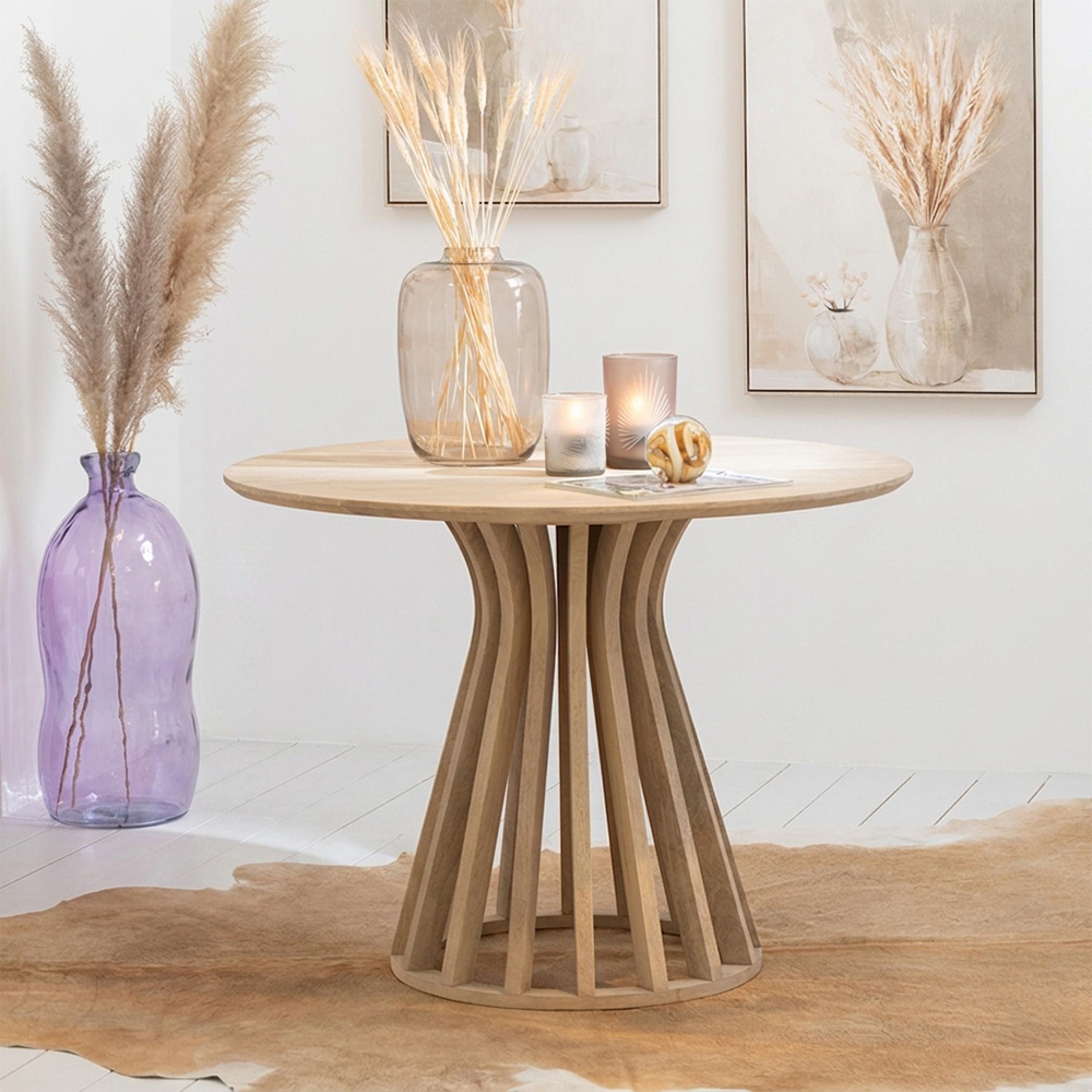
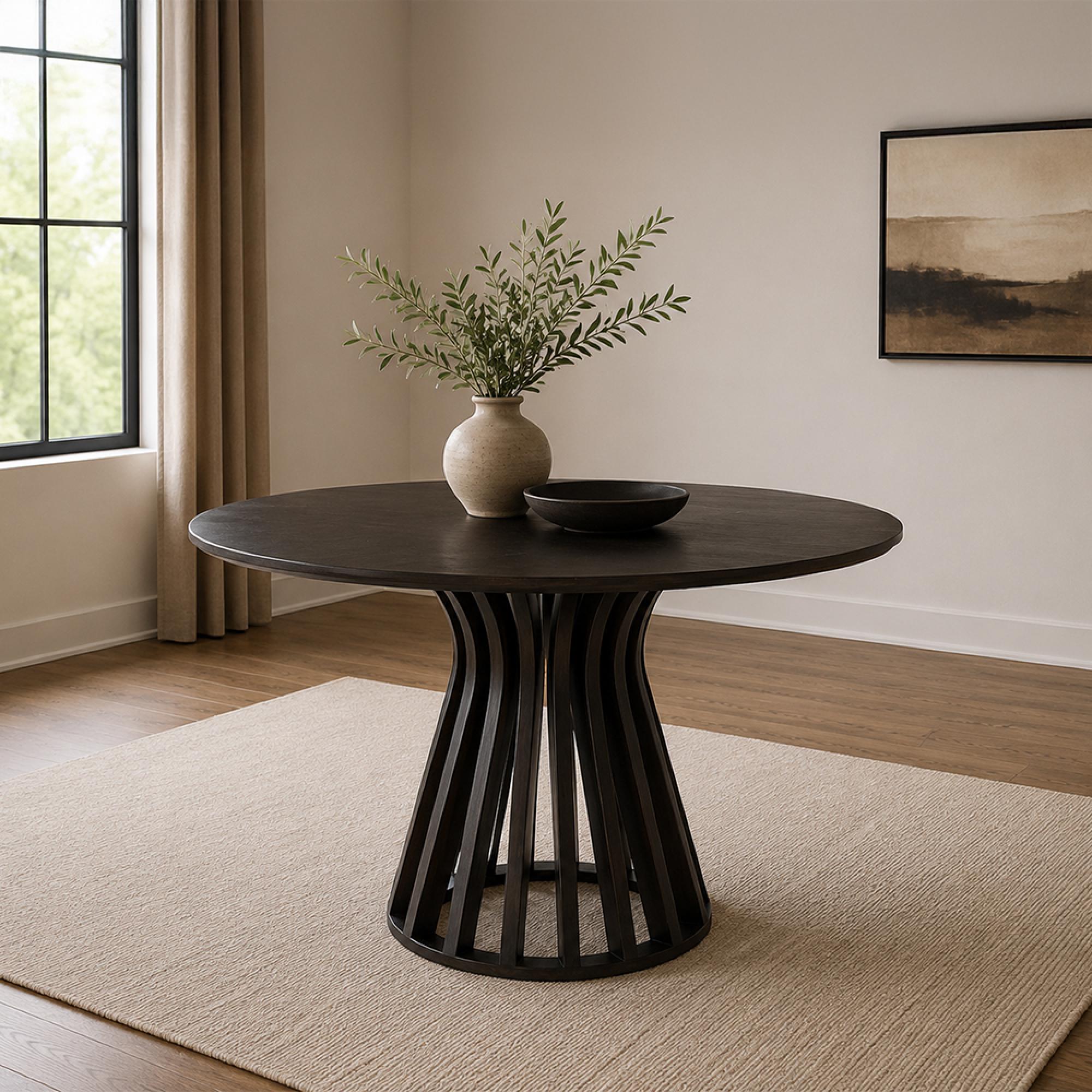
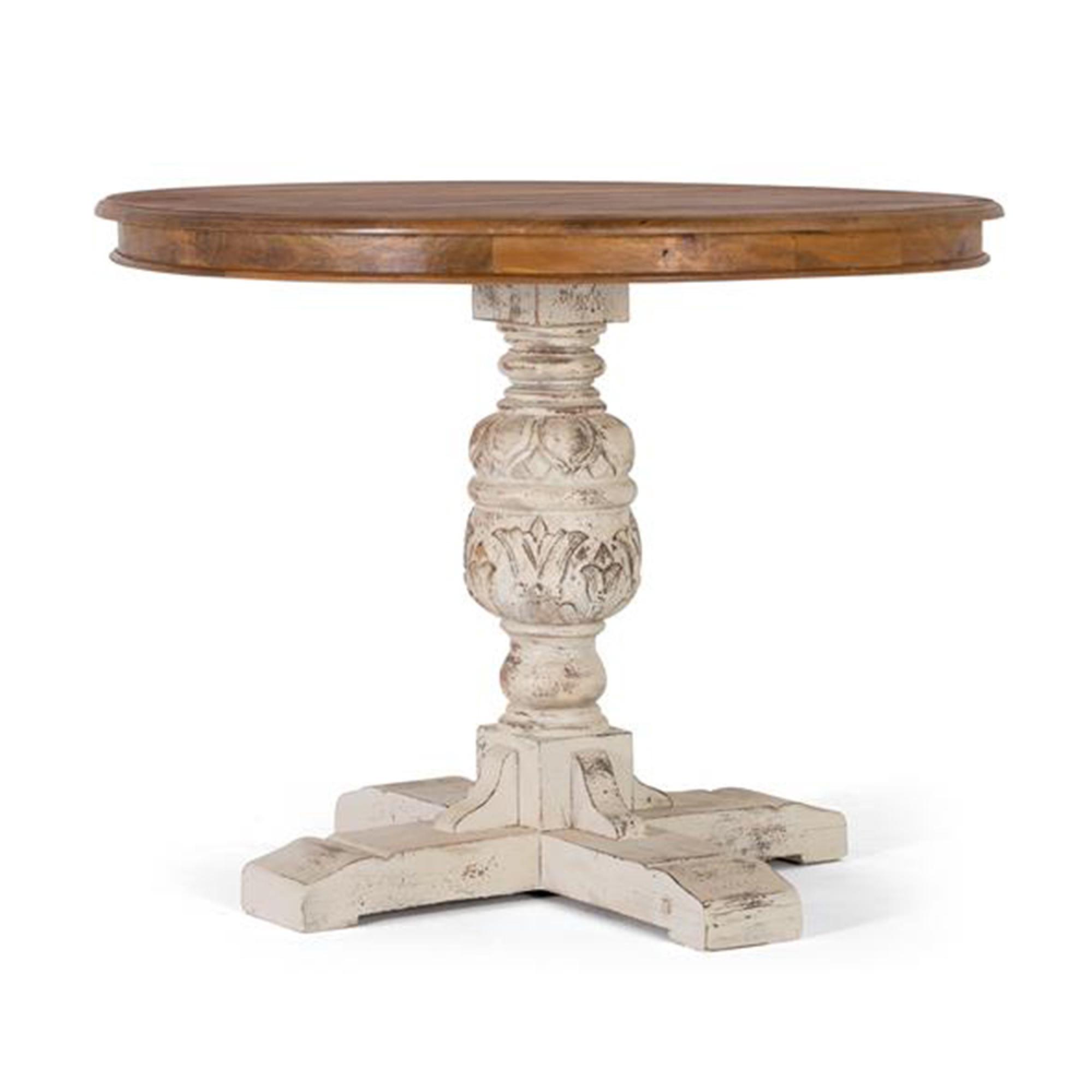
Choose Dining Tables 100cm to 120cm Wide with the room, daily routine and intended use in mind. Compare shape, surface material, base design, seating capacity and any extending mechanism to identify the right balance of appearance and function. The size-led focus makes accurate room measurements and usable clearance central to the decision. Plan for chair clearance as well as the tabletop footprint, especially in a busy dining area.
Read more X Close

Price

Features

Shape

Seat

Material

Finish

Colour

  • Beige
  • Black
  • Brown
  • Cream
  • Green
  • Grey
  • White

39 Products of 297

Load More..

Choosing Dining Tables 100cm to 120cm Wide

This category focuses on Dining Tables 100cm to 120cm Wide that can create a practical focal point for meals, conversation and entertaining. Start with the room layout and daily use, then compare shape, surface material, base design, seating capacity and any extending mechanism. The size-led focus makes accurate room measurements and usable clearance central to the decision. This keeps the decision focused on practical suitability as well as style.

Plan the space before choosing

Plan for chair clearance as well as the tabletop footprint, especially in a busy dining area. Record the available width, depth and height, including clearance for doors, drawers, reclining parts or extensions where relevant. Account for skirting boards, radiators, sockets and walking routes, then check the access route through doors, halls and stairs.

For adjacent choices, explore Dining Tables, Dining Tables 80cm to 100cm Wide and Dining Tables 100cm to 120cm Deep. Use these comparisons alongside the specifications on each product page.

Dining Tables 100cm to 120cm Wide for considered interiors

The Dining Tables 100cm to 120cm Wide category focuses on choices intended to create a practical focal point for meals, conversation and entertaining. A suitable option should respond to the room's proportions, surrounding furniture and practical demands of everyday use. The size-led focus makes accurate room measurements and usable clearance central to the decision.

Material, finish and construction

When comparing dining tables, look closely at shape, surface material, base design, seating capacity and any extending mechanism. Materials influence appearance, weight and maintenance, while finish affects colour coordination and day-to-day care. Use the written specification to confirm construction and care requirements.

Function and room planning

Plan for chair clearance as well as the tabletop footprint, especially in a busy dining area. Mark out the footprint and consider how people move around it. Where a product opens, extends, swivels or reclines, include that working clearance. For storage, seating or sleeping products, match the layout, support and capacity to the needs of regular users.

Creating a coordinated result

Build the room around a clear relationship between scale, colour and material. Matching every finish is not essential, but repeating one or two elements can connect separate pieces. You can also compare Dining Tables, Dining Tables 80cm to 100cm Wide and Dining Tables 100cm to 120cm Deep for closely related room and product choices. Use the individual listing to confirm dimensions, included components, assembly and suitability.
Read more X Close

FAQs on Dining Tables 100cm to 120cm Wide

How many people can sit at a 100cm to 120cm dining table?

A 100cm table seats 4 people comfortably (2 per long side). A 120cm table seats 4–6 people depending on chair width. Allow 60cm per person along each side. Extending models add 1–2 seats when opened. Measure your chairs before purchasing.

Allow minimum 60cm clearance on all sides for comfortable seating and chair pull-out. In a small dining room, position the table 60–75cm from walls. A 100cm table needs roughly 2.2m × 3m floor space; a 120cm table needs 2.4m × 3.2m when accounting for movement.

Fixed tables maintain one size year-round and suit small, defined spaces. Extending tables feature a leaf mechanism that increases length by 30–50cm, boosting seating capacity for entertaining. Extensions cost slightly more but offer flexibility. Check product titles to identify extending models in our range.

Ceramic and marble tops are the easiest to maintain—both resist heat and staining, requiring only a damp cloth and mild soap. Glass is also low-maintenance but shows fingerprints. Solid wood requires periodic conditioning with furniture oil or wax to prevent drying and maintain finish quality.

Oak is harder, more durable, and develops a richer patina over decades. Mango wood is slightly softer but more affordable and still robust for daily use. Both are solid hardwoods that improve with age. Oak suits traditional and contemporary styles; mango wood offers warmth in rustic settings.

Yes, a 100cm table fits compact kitchens and dining areas. Ensure 60cm wall clearance minimum and leave a 60–75cm walkway. Extending models add flexibility without permanent bulk. Pair with stackable or slimline chairs to maximise floor space and maintain movement around the table.

Dark wood tones (walnut, ebony, dark oak) conceal dust and minor marks. Grey and charcoal painted finishes are also forgiving. Light finishes (natural oak, white, cream) require more frequent cleaning. For families with children, consider ceramic or glass tops—both hide crumbs and are wipeable.

Yes, mixing chair styles is a popular modern approach. Pair solid wood tables with upholstered, metal-frame, or bentwood chairs. Ensure seat height is 25–30cm lower than table surface. Check our dining chairs range for compatible heights and styles—contrast legs or fabric colours for visual interest.

Measure the rooms length and width in centimetres. Subtract 120–150cm from each dimension to allow walking space and clearance. A room 3m × 3.5m suits a 100cm table; a room 3.5m × 4m comfortably fits a 120cm model. Always measure doorways for delivery access.

Glass tops show fingerprints and require regular cleaning, making them less practical for young children. However, theyre heat-resistant, easy to wipe clean, and create a spacious feel. Tempered glass is durable and safer than standard glass. Consider a glass top if your household has fewer than two children.
Top