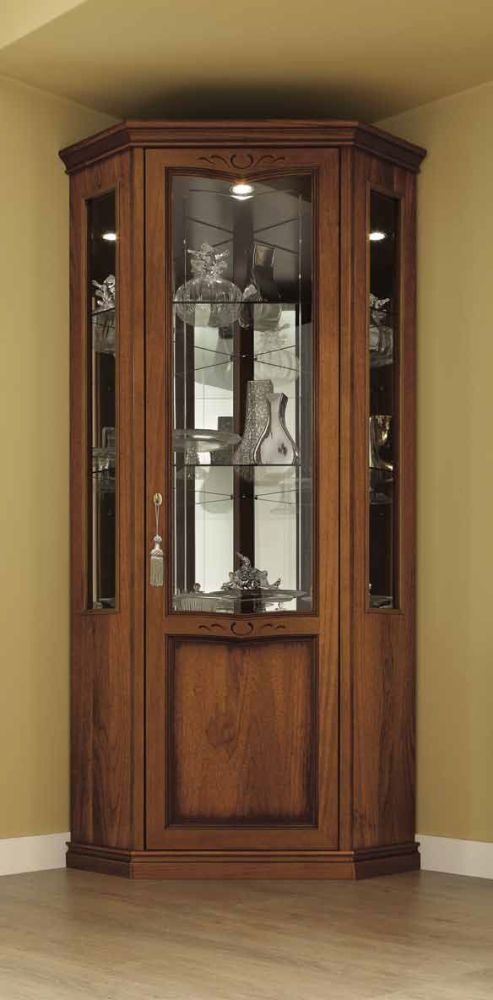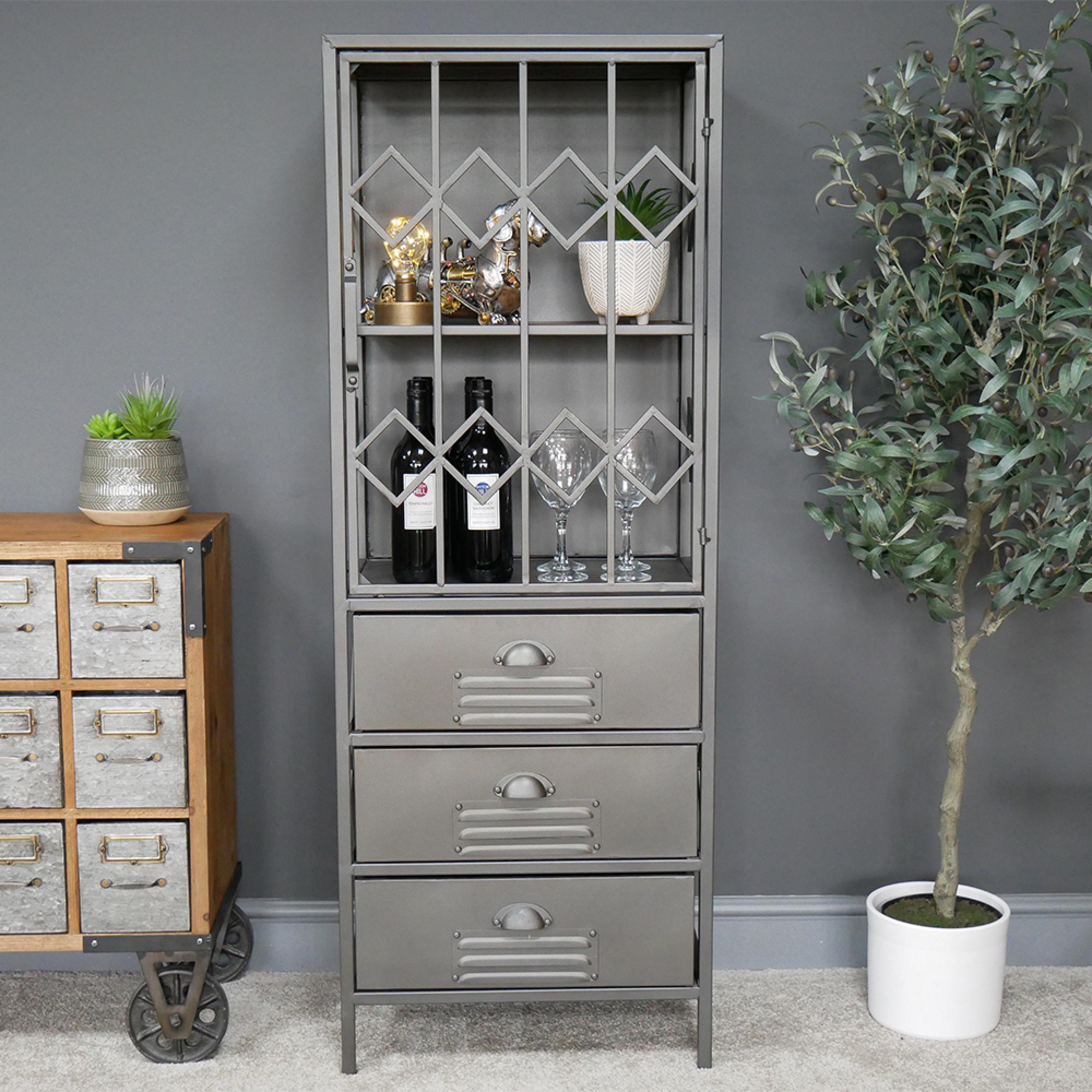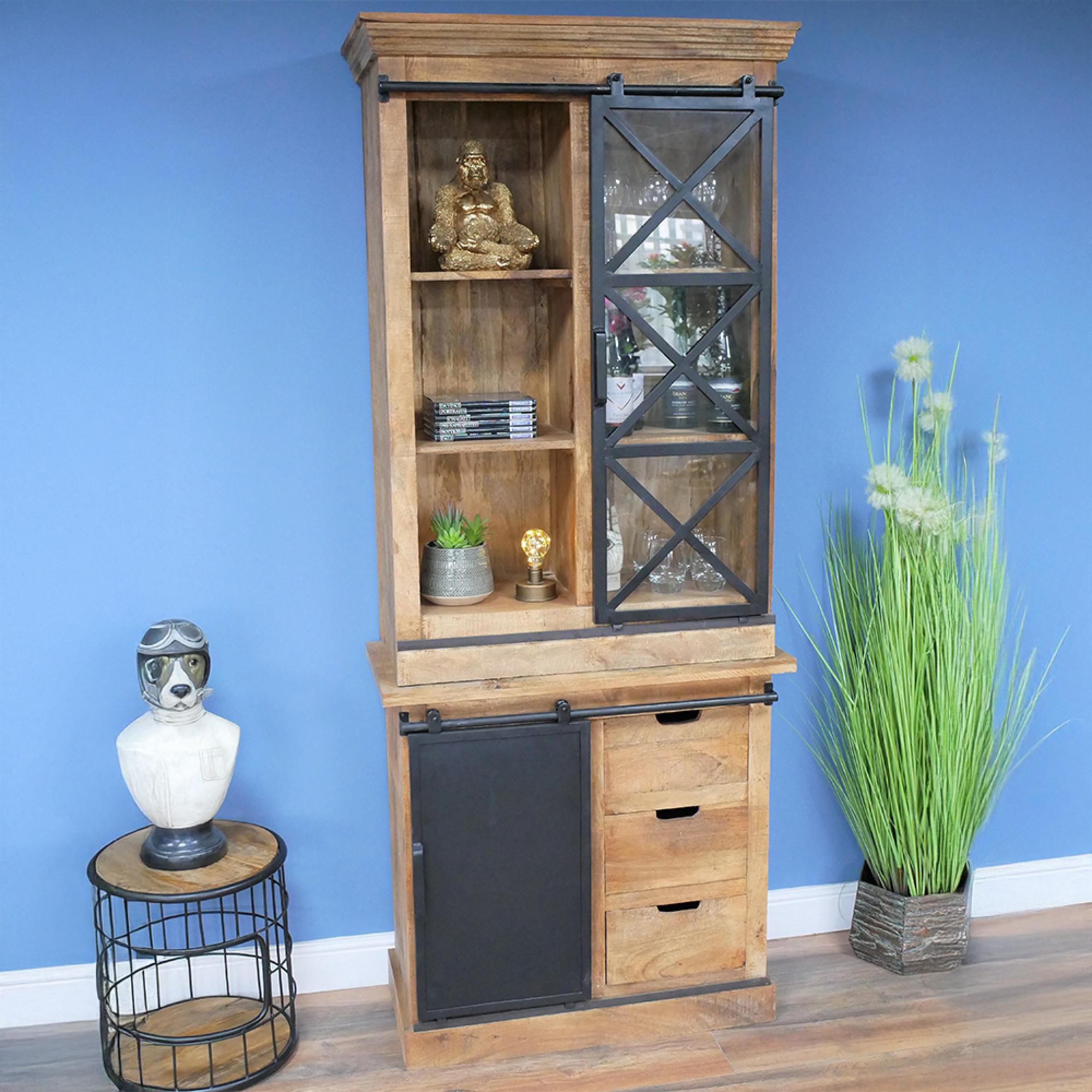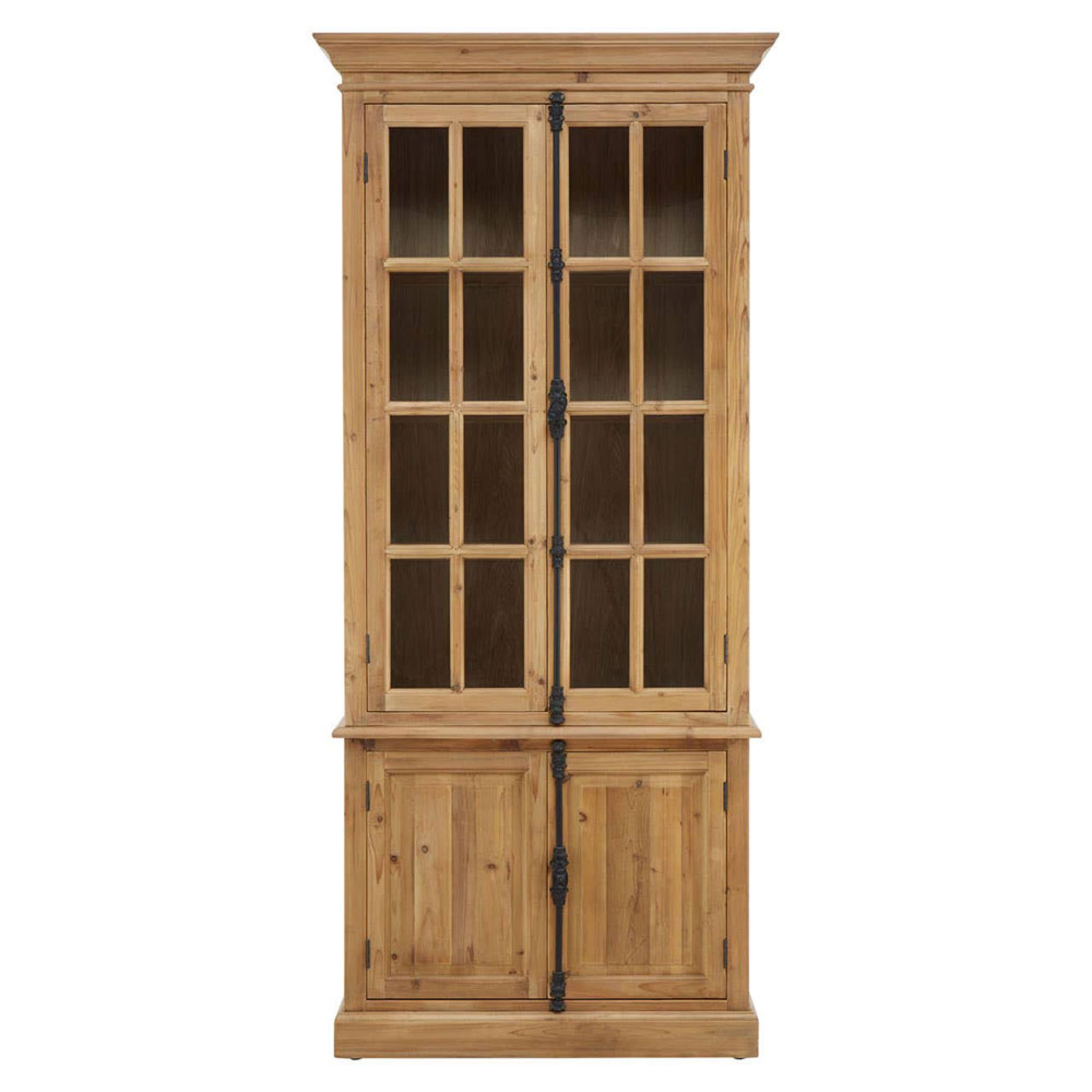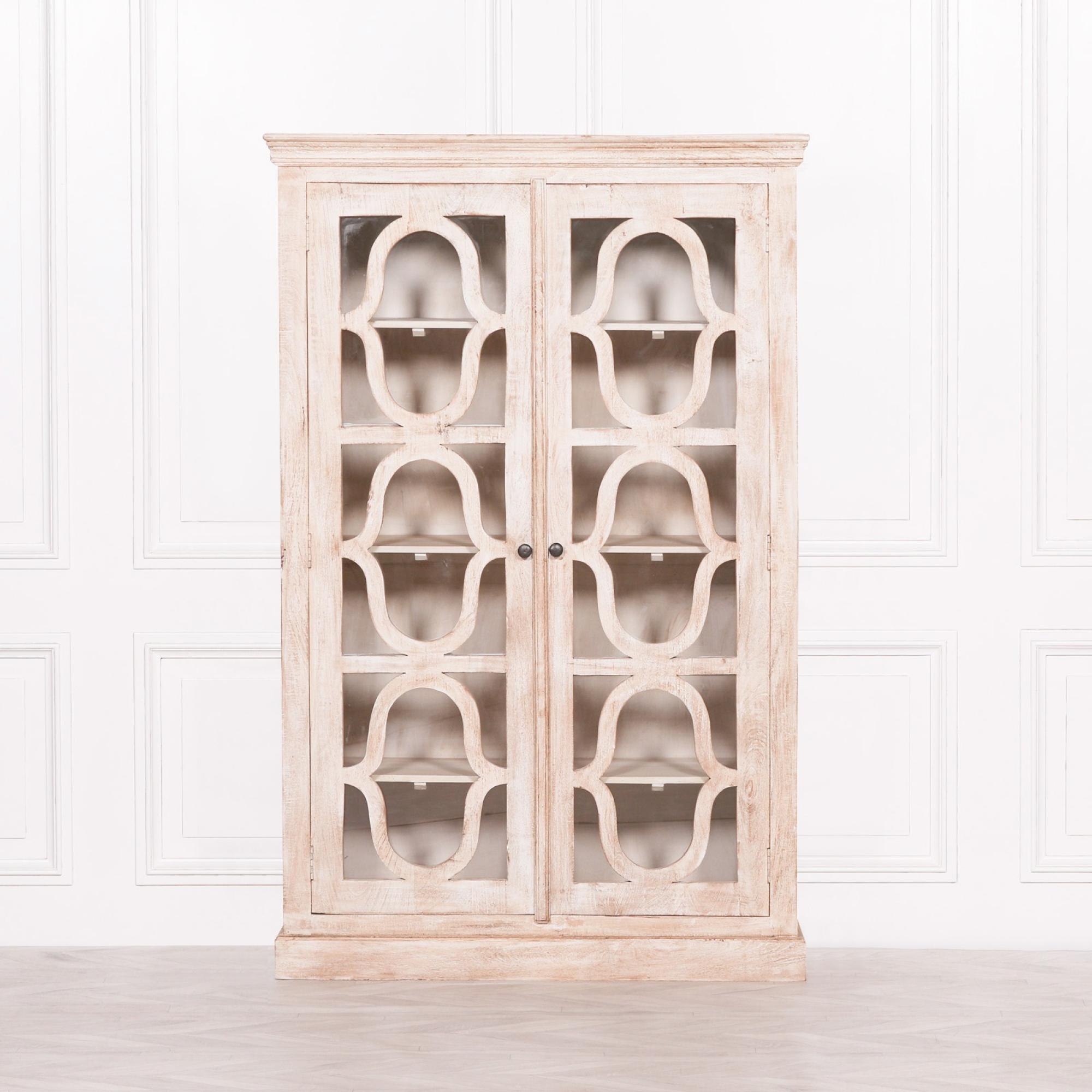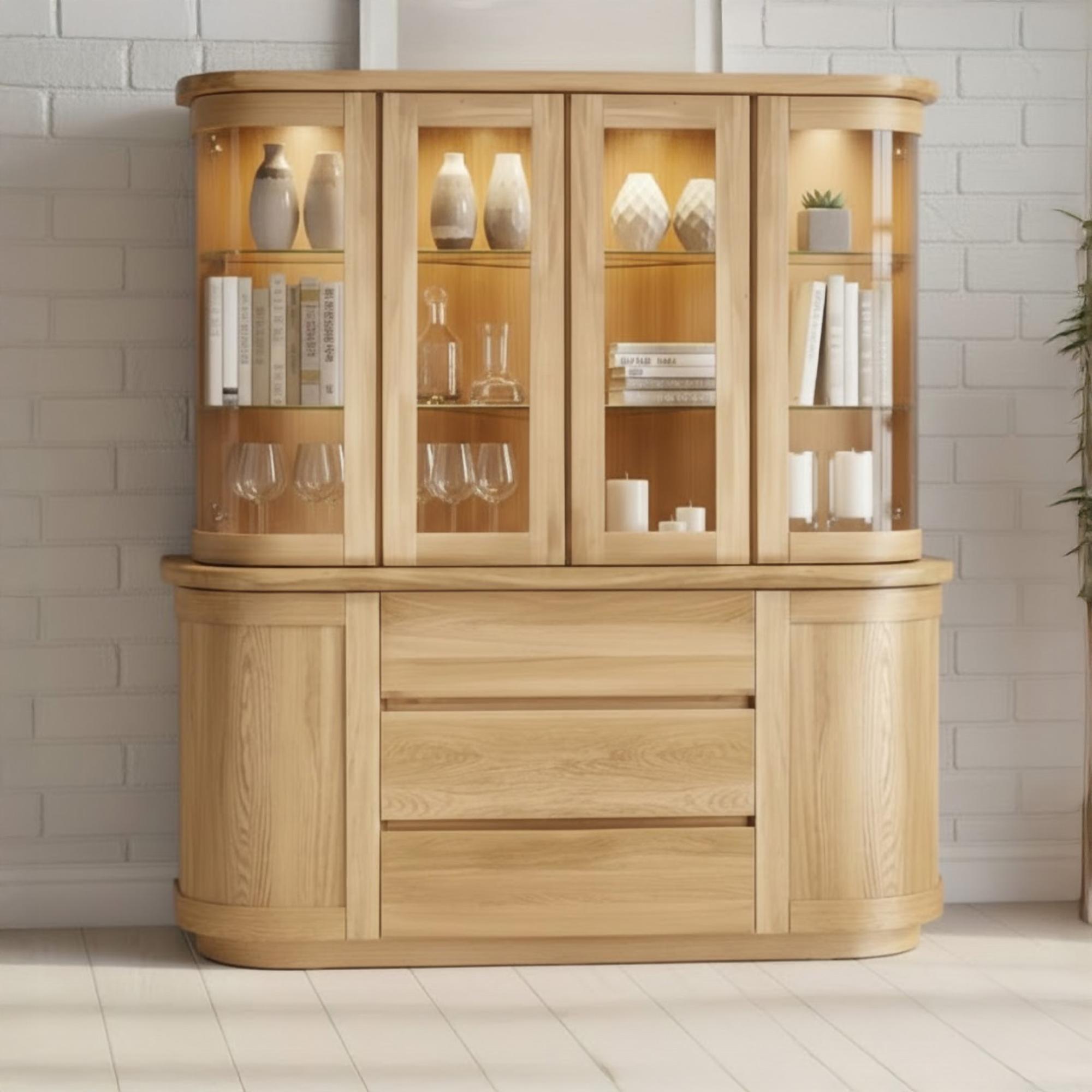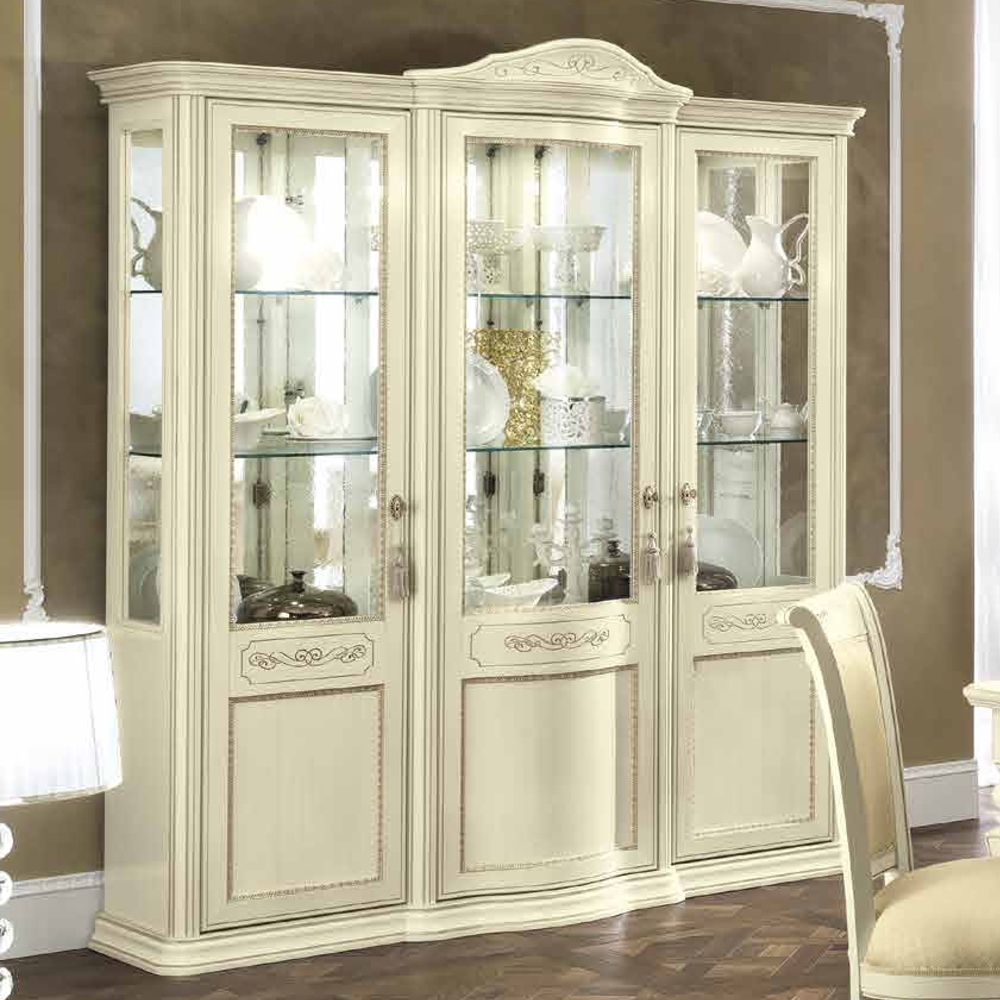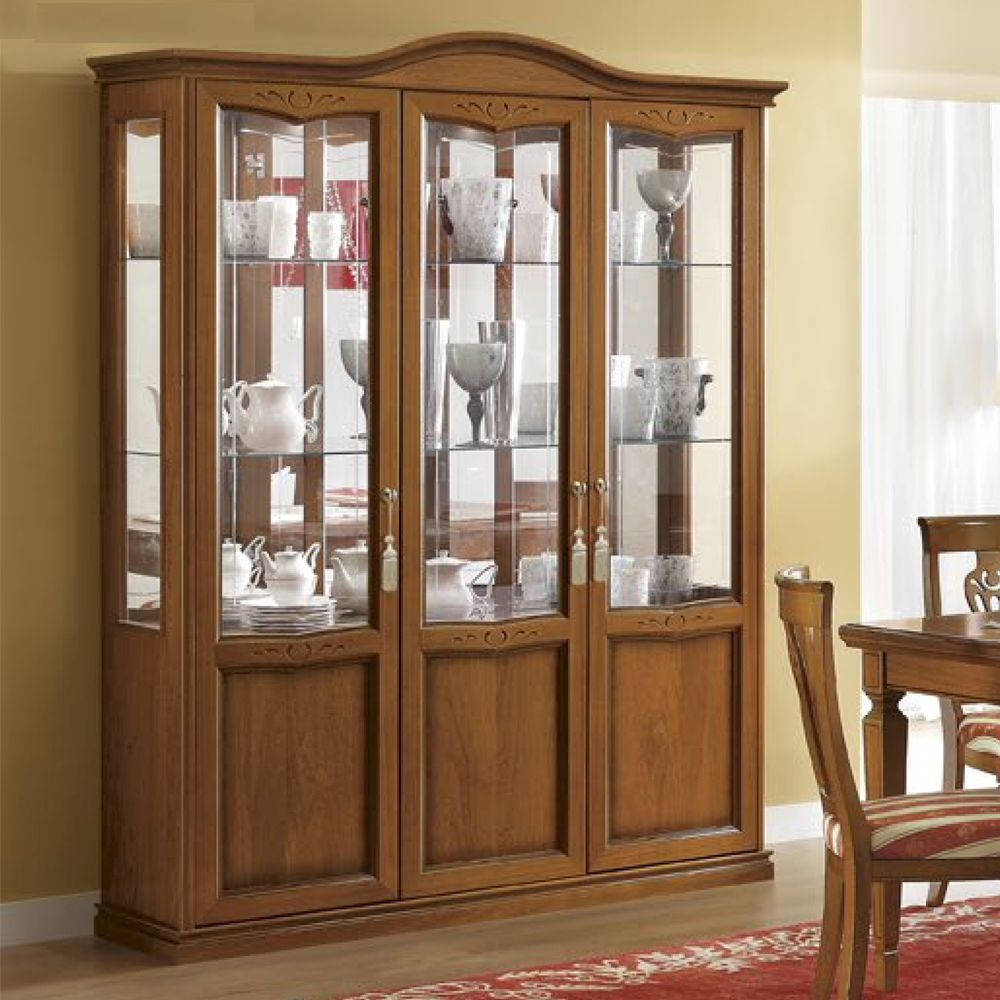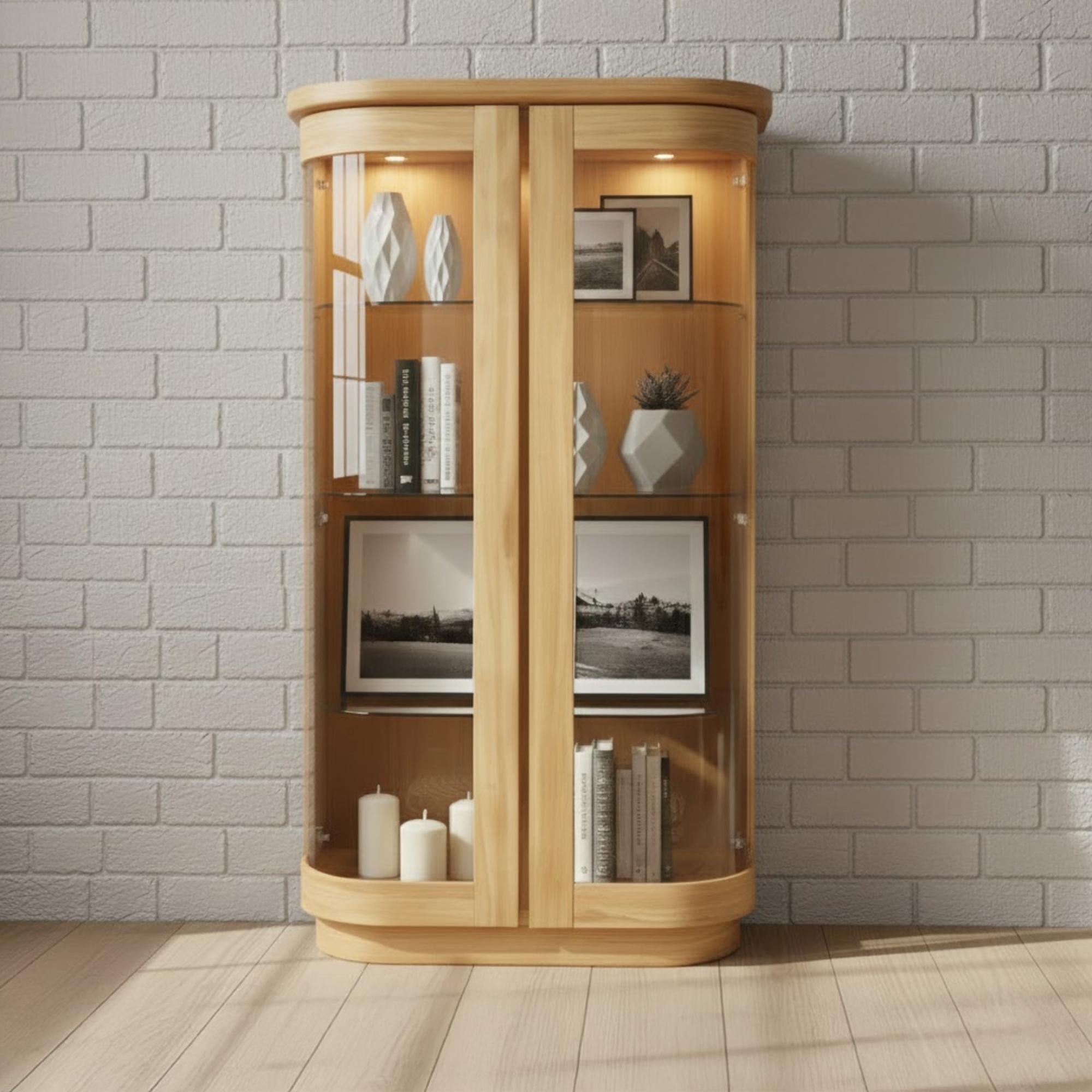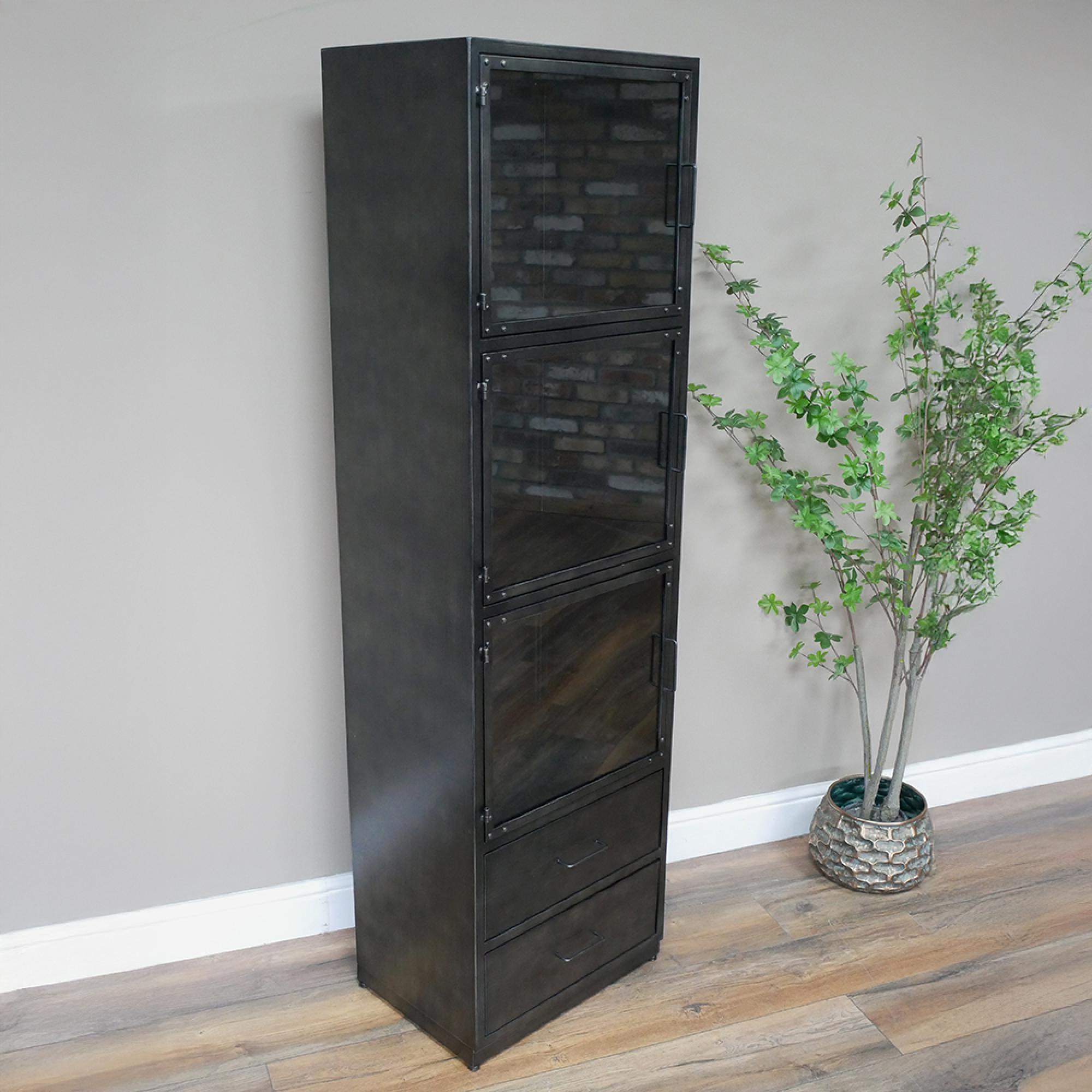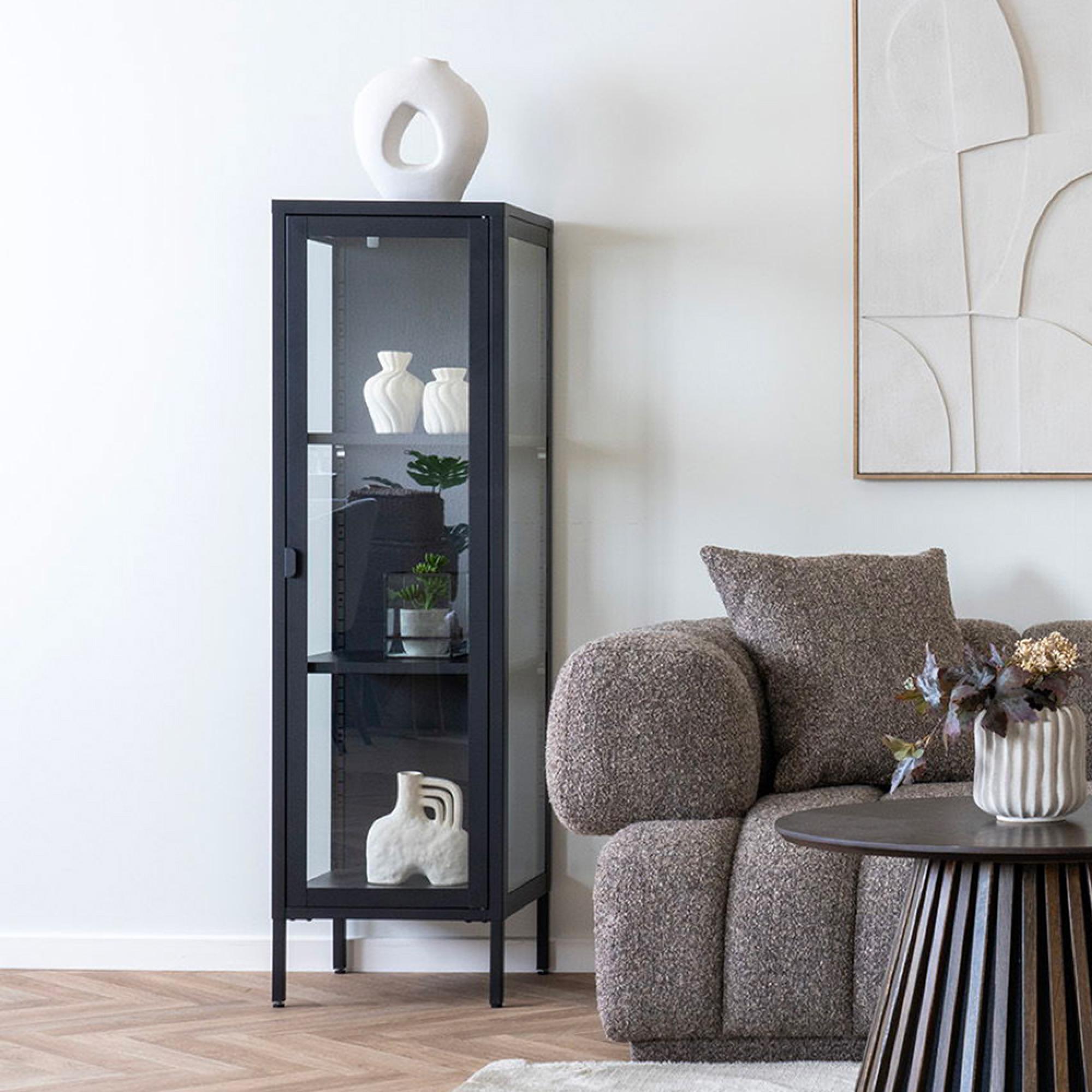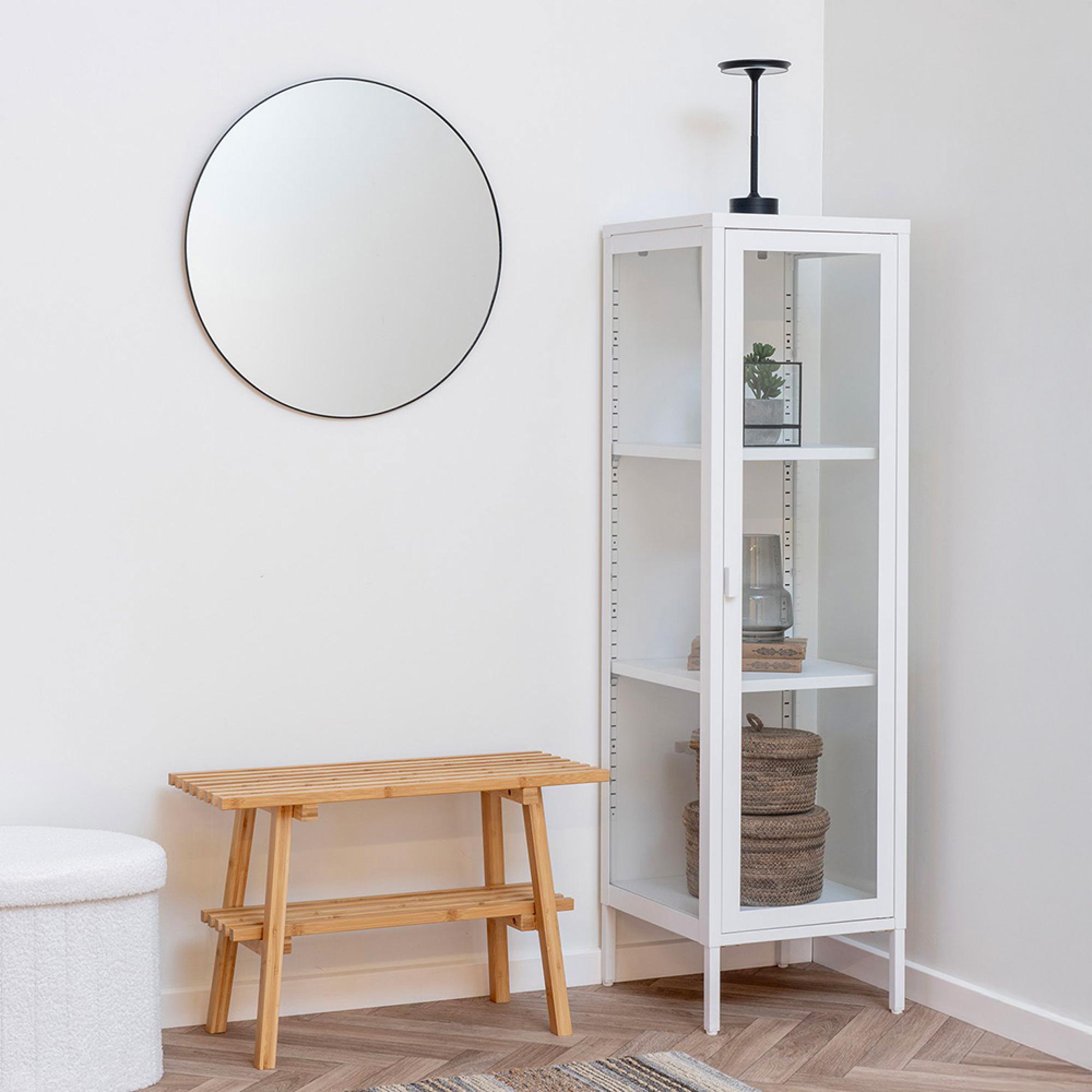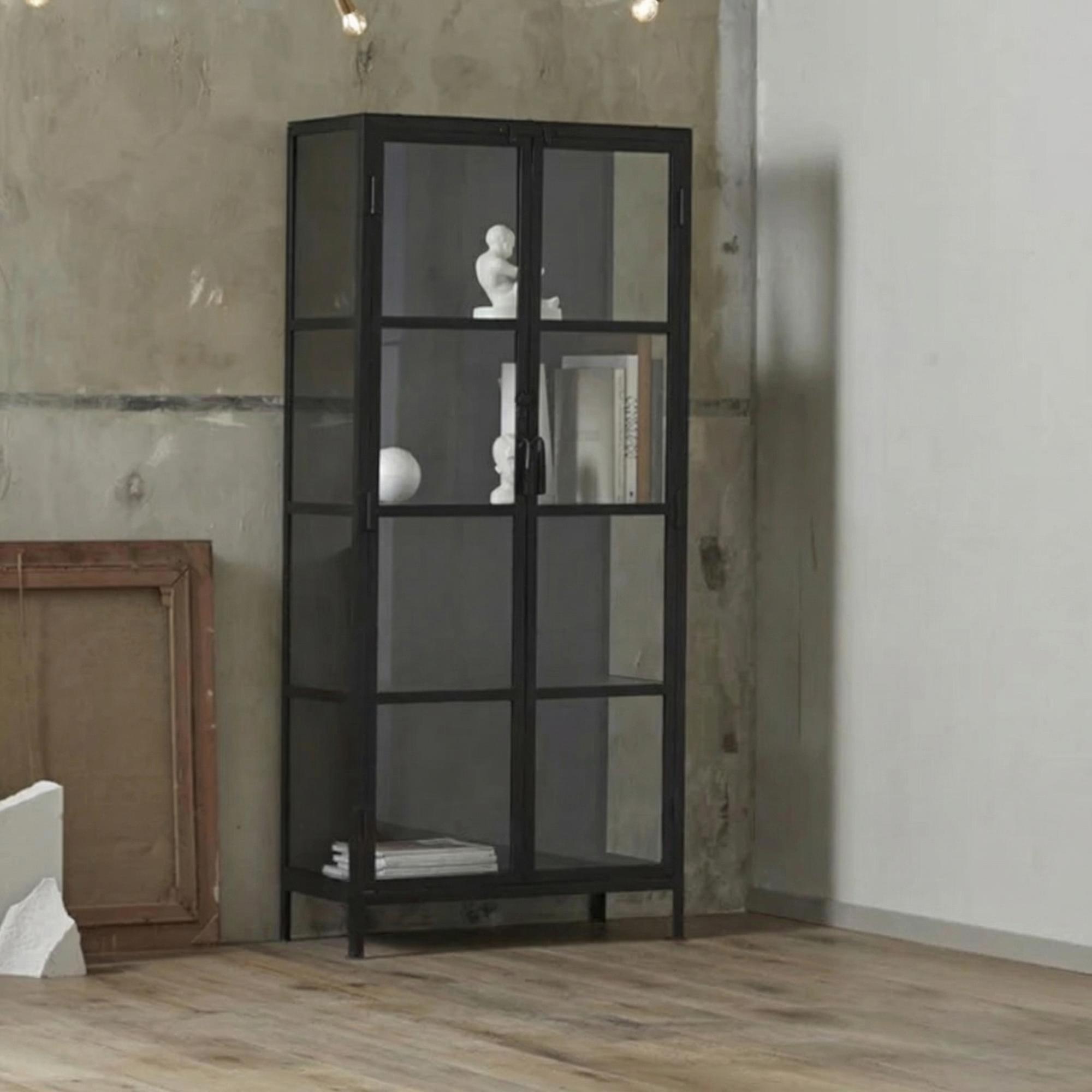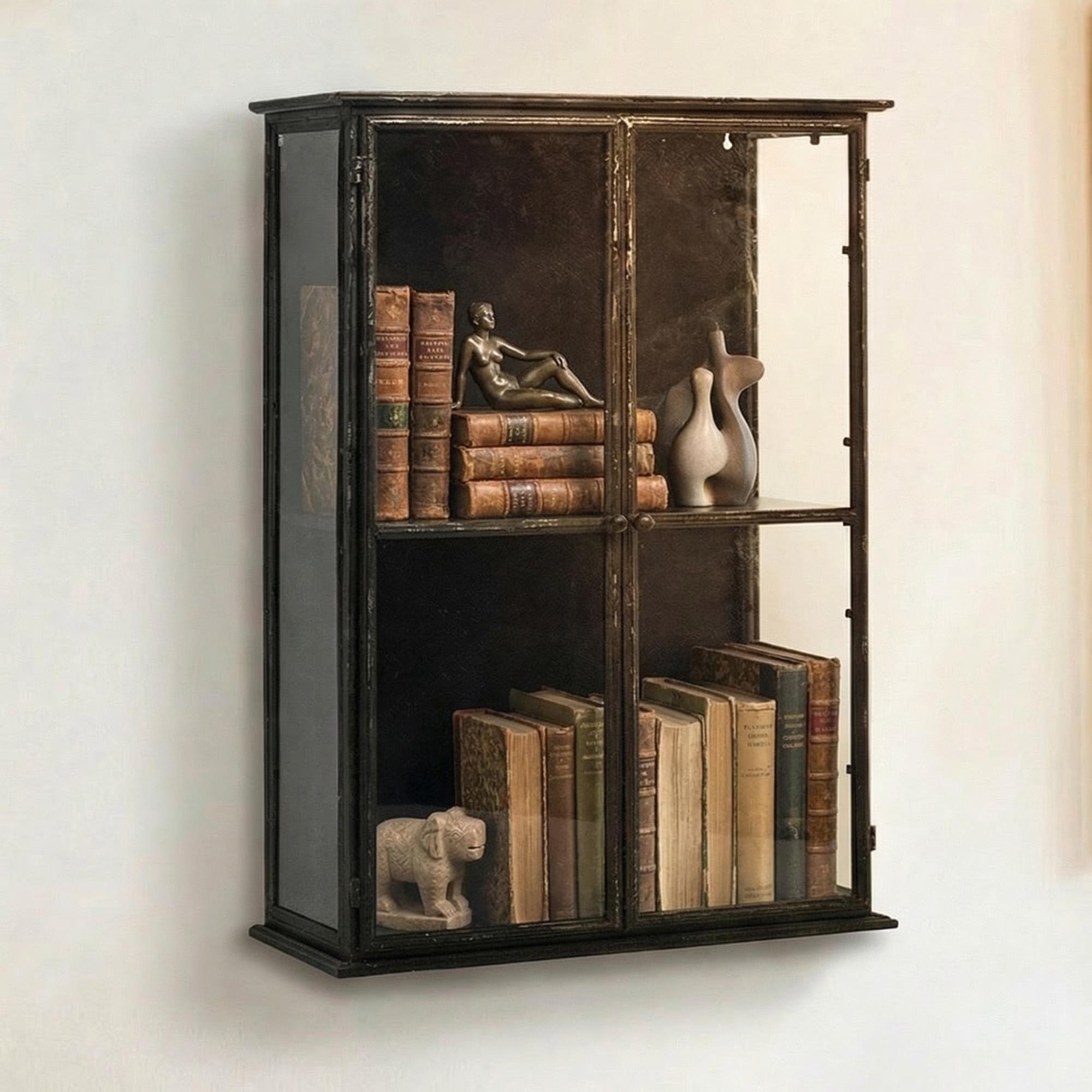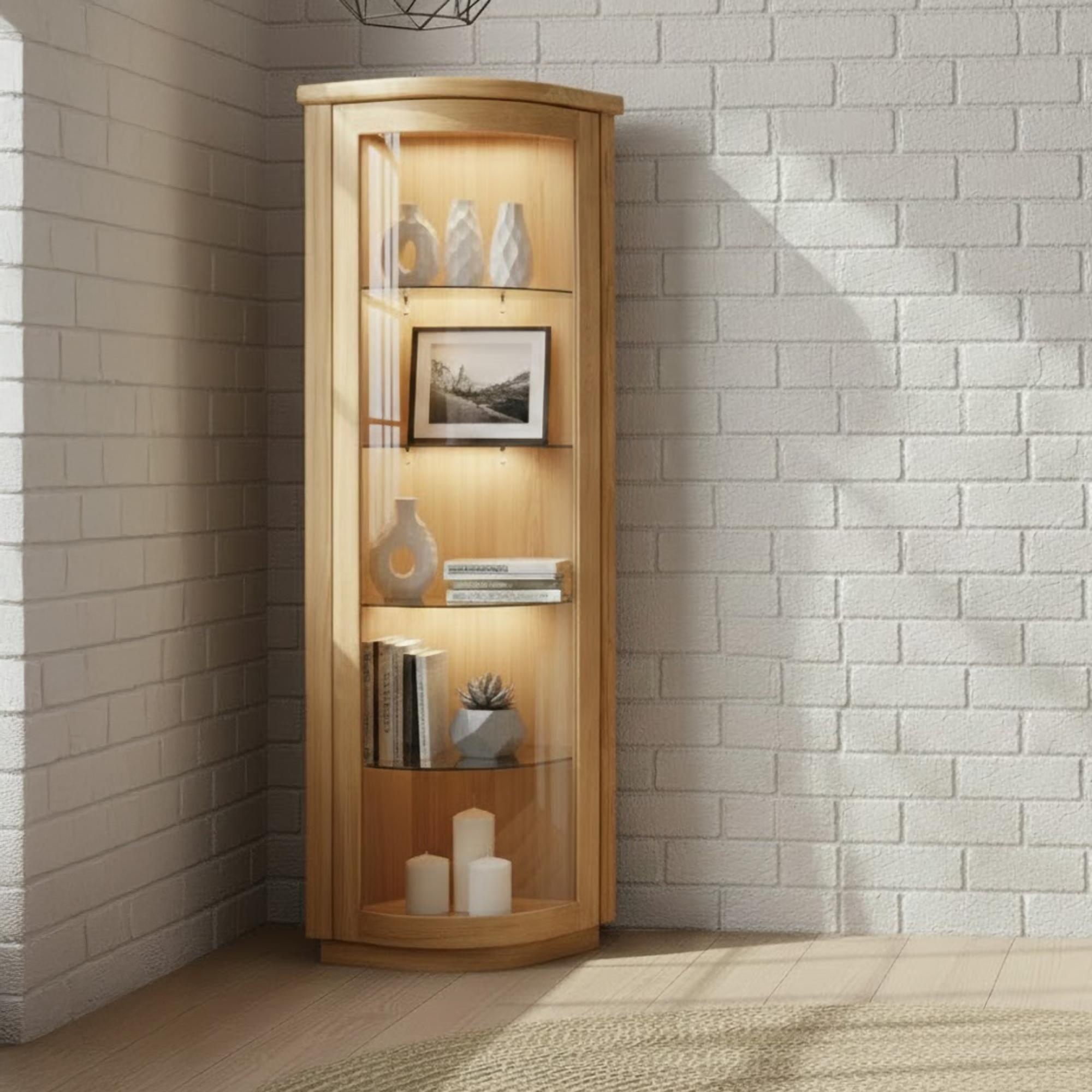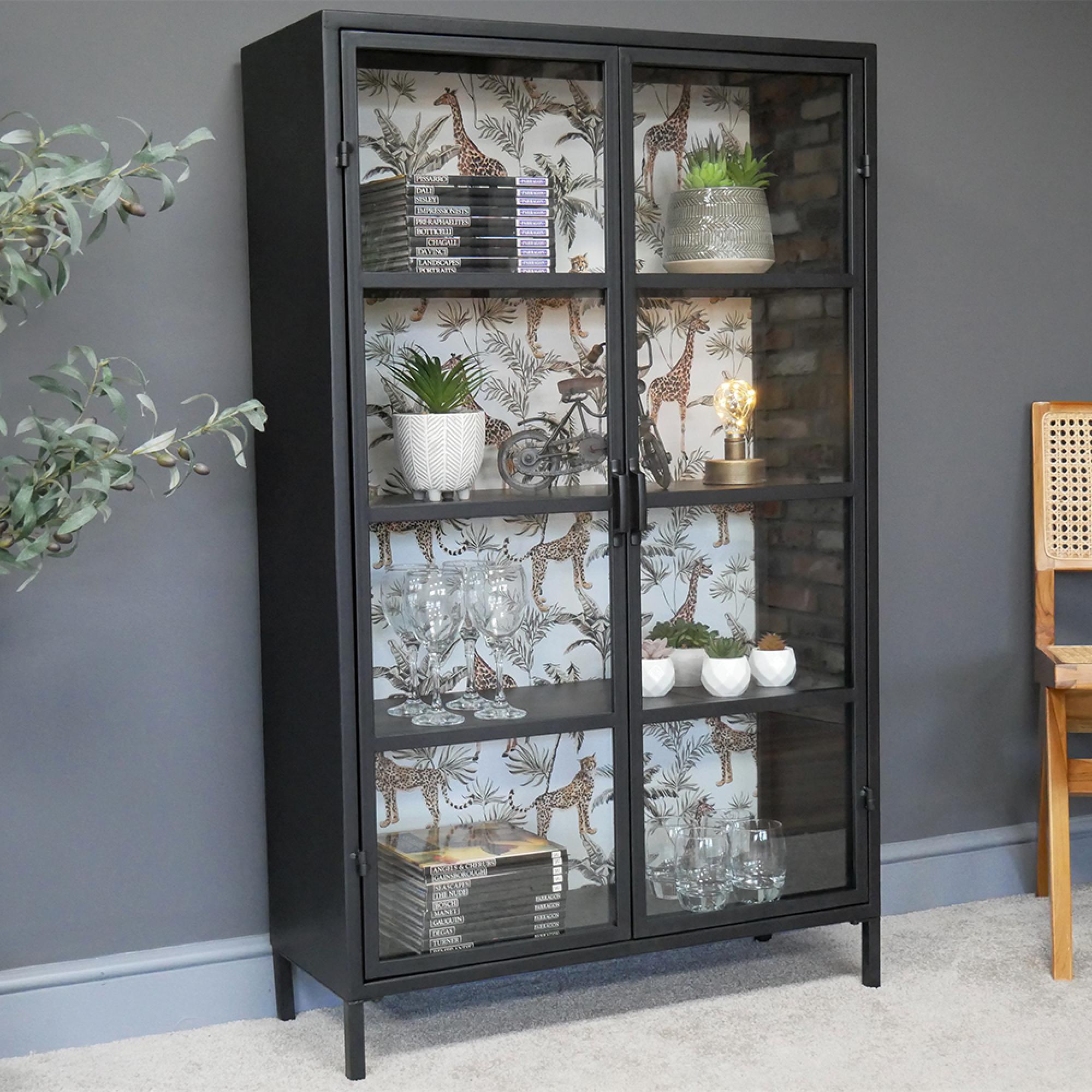
Free Delivery All Over UK*
close
Top products
SHOW ALL PRODUCTS

Display Cabinets

Found 288 Items

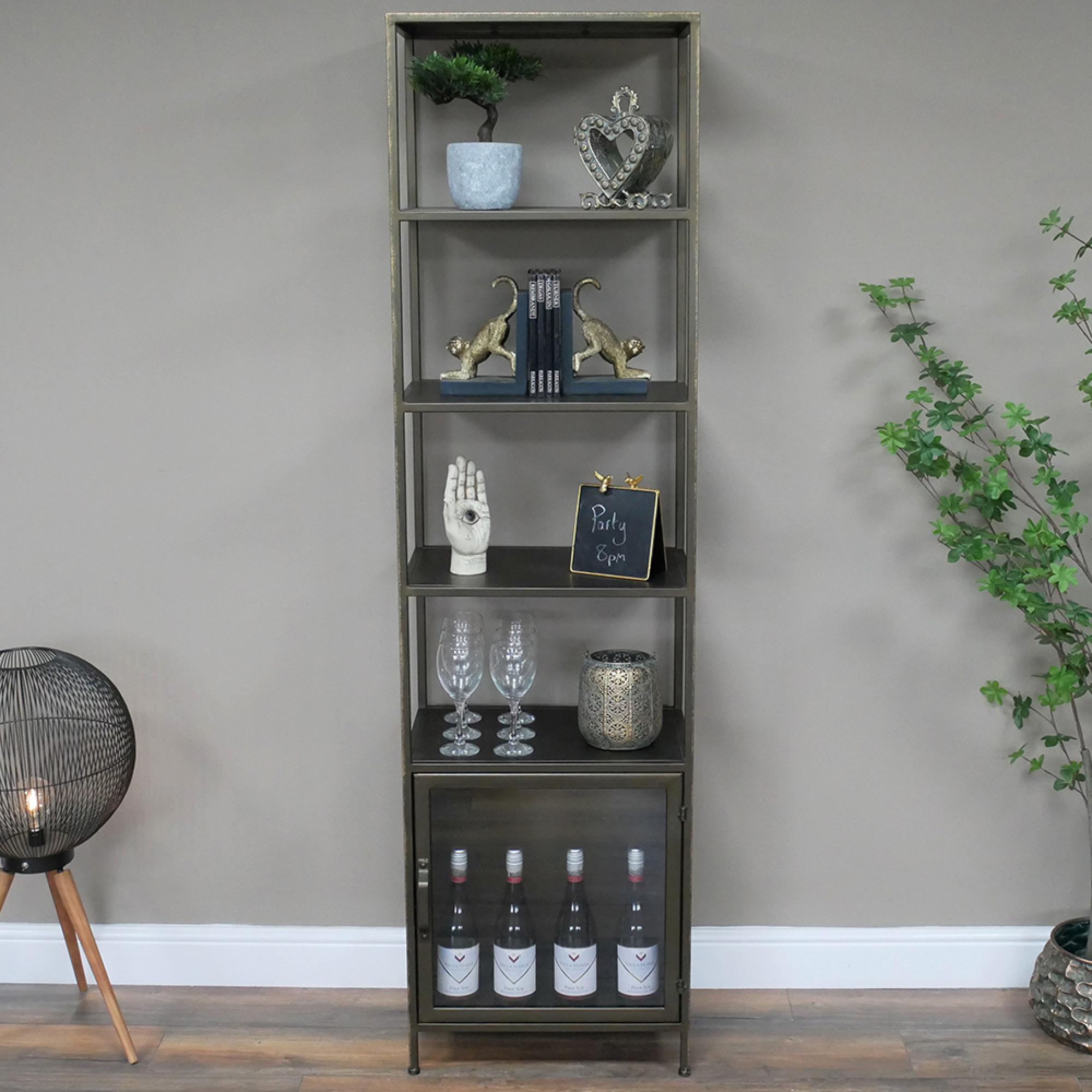
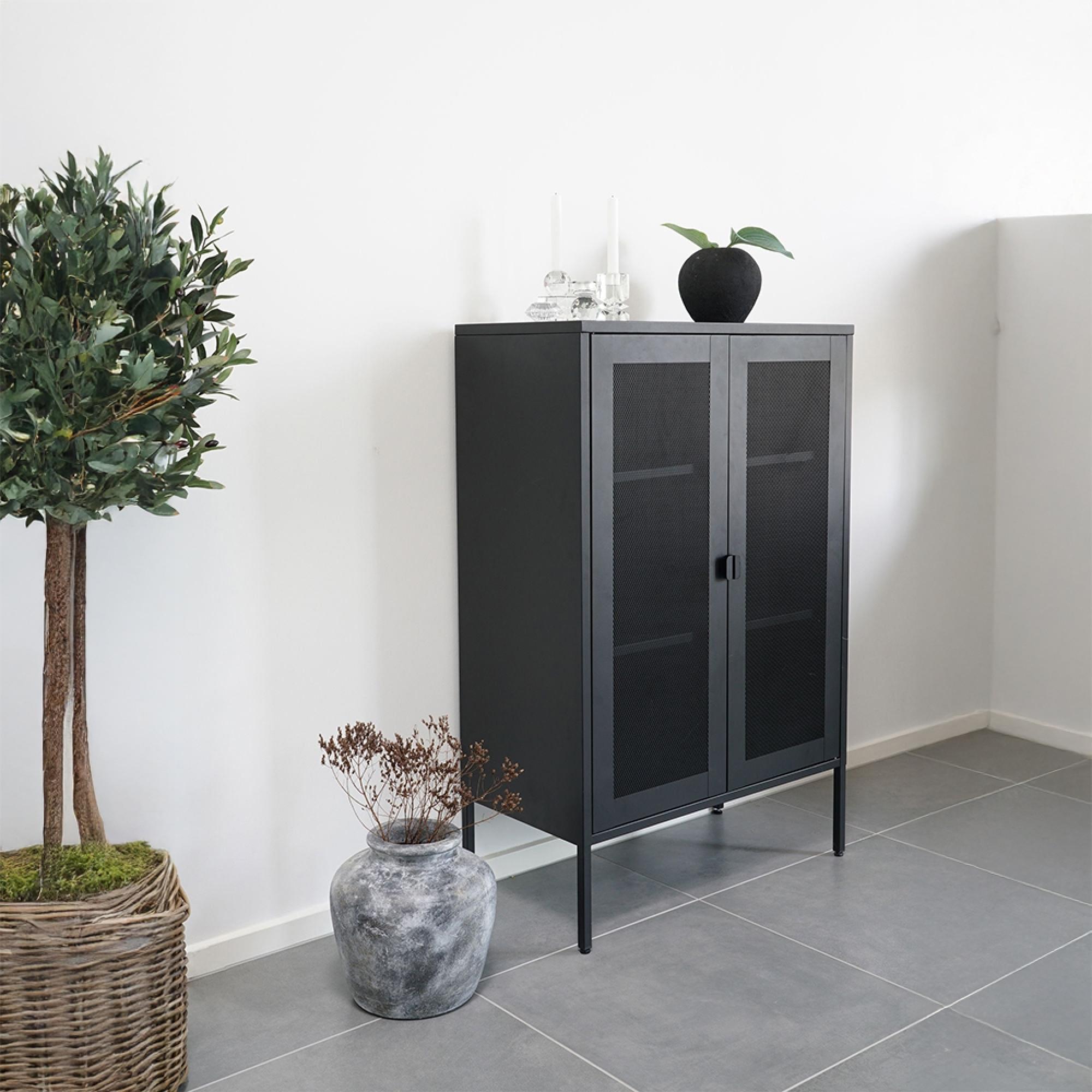
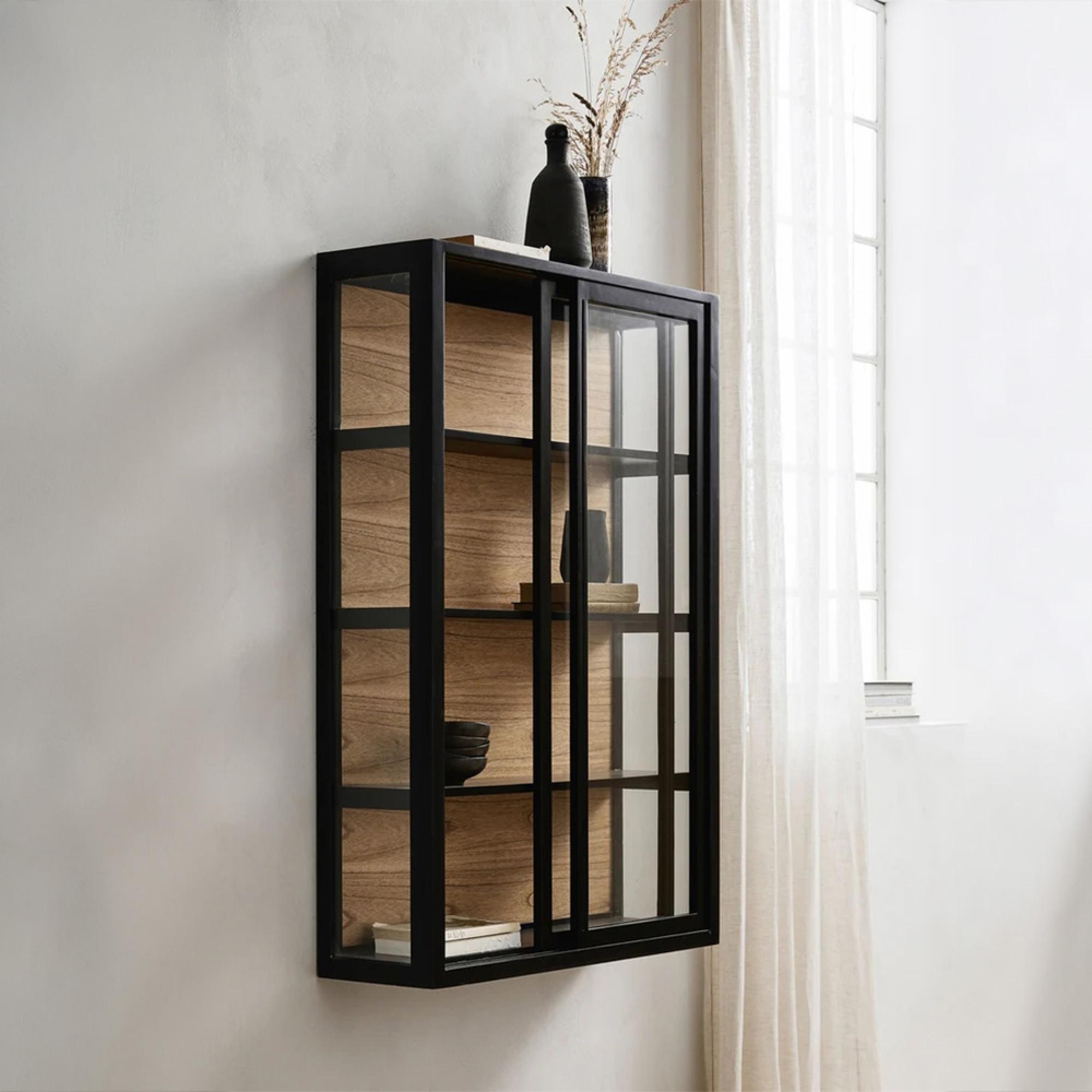
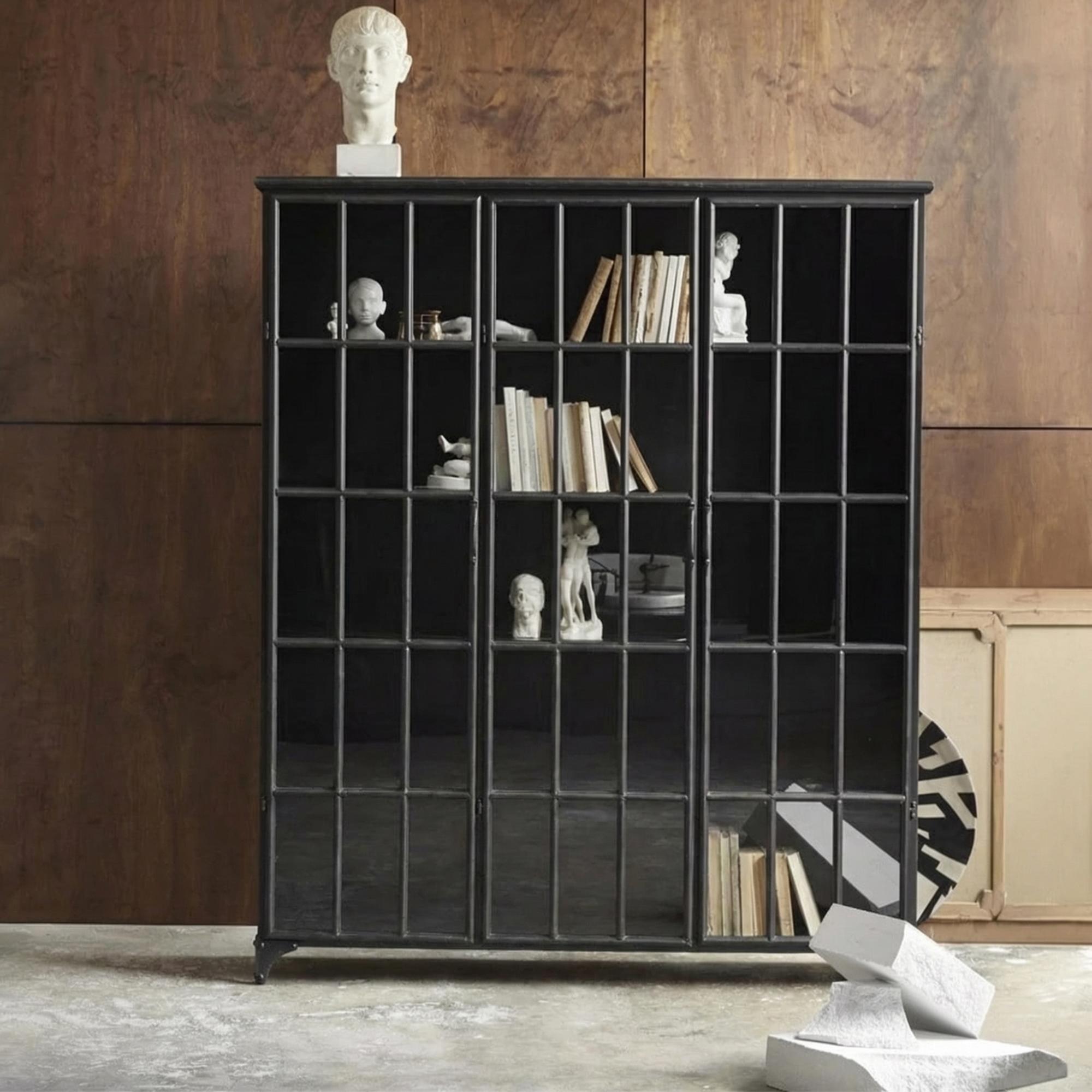
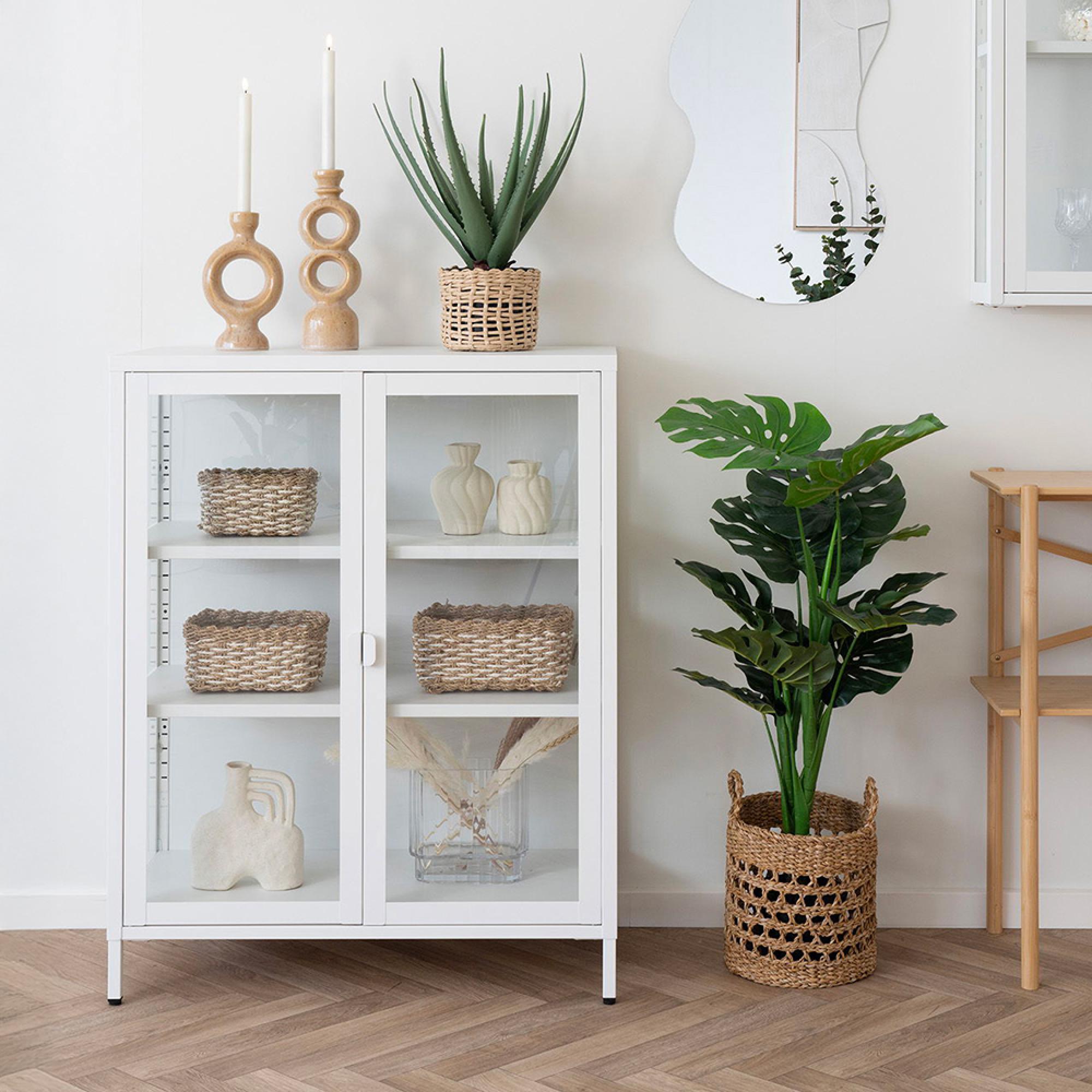
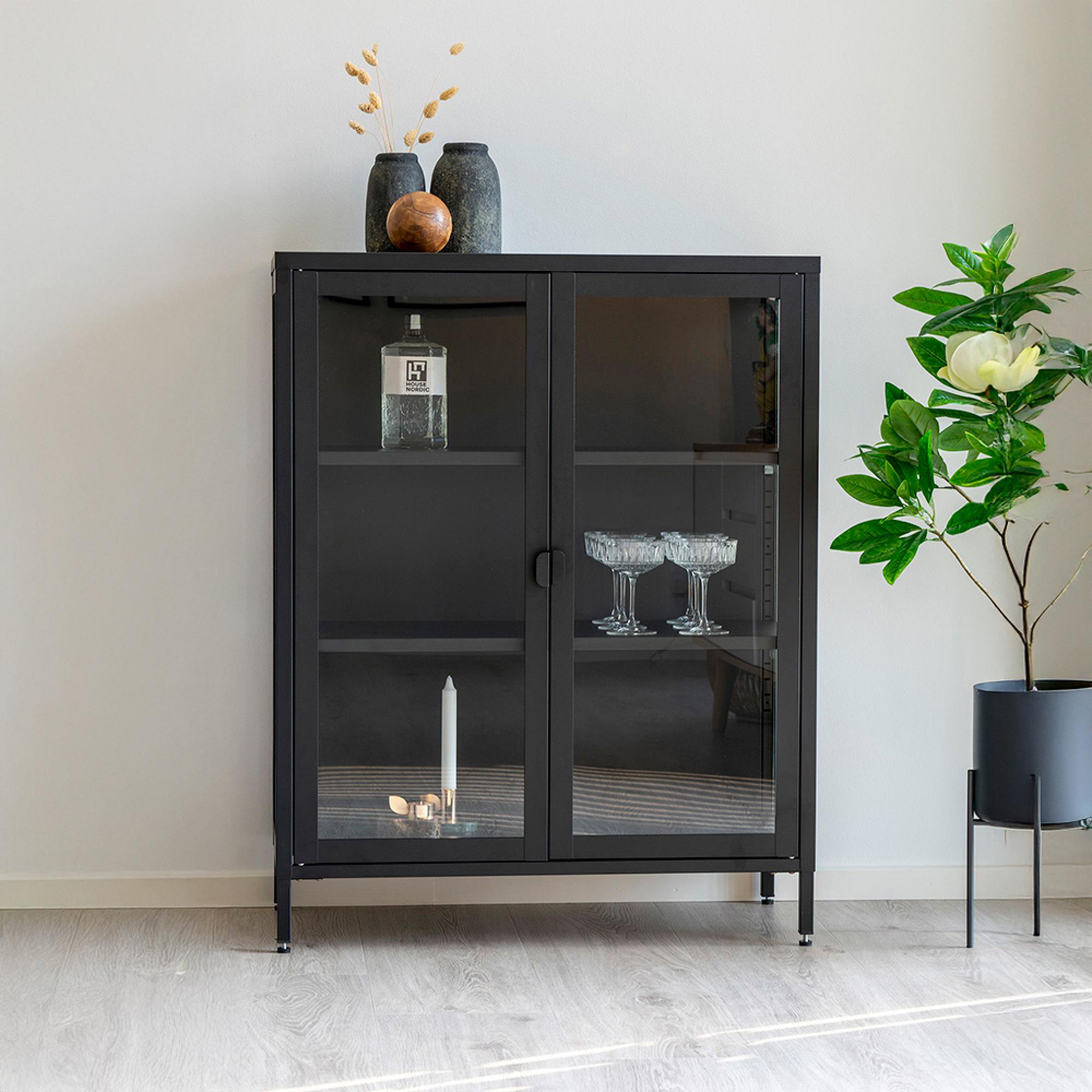
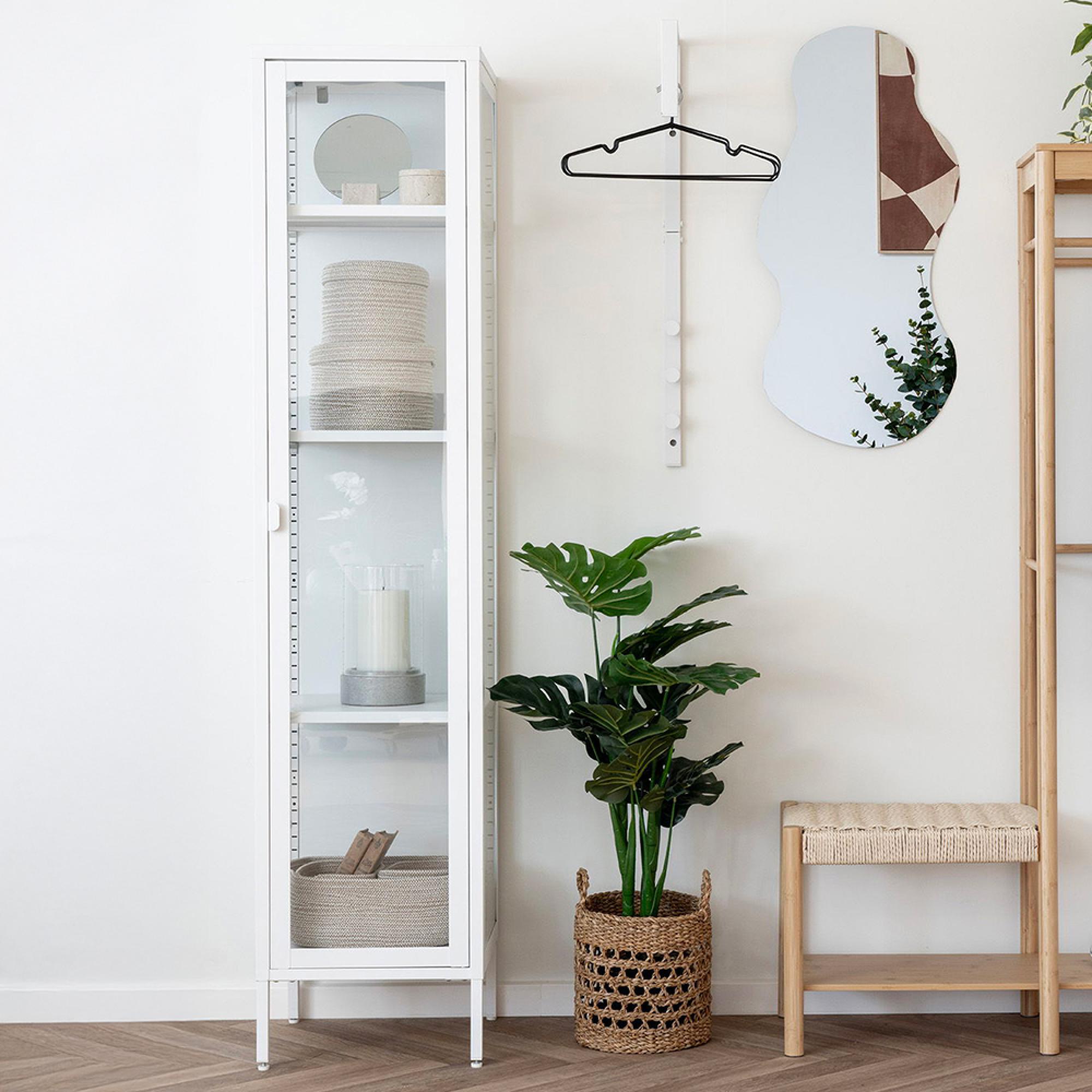
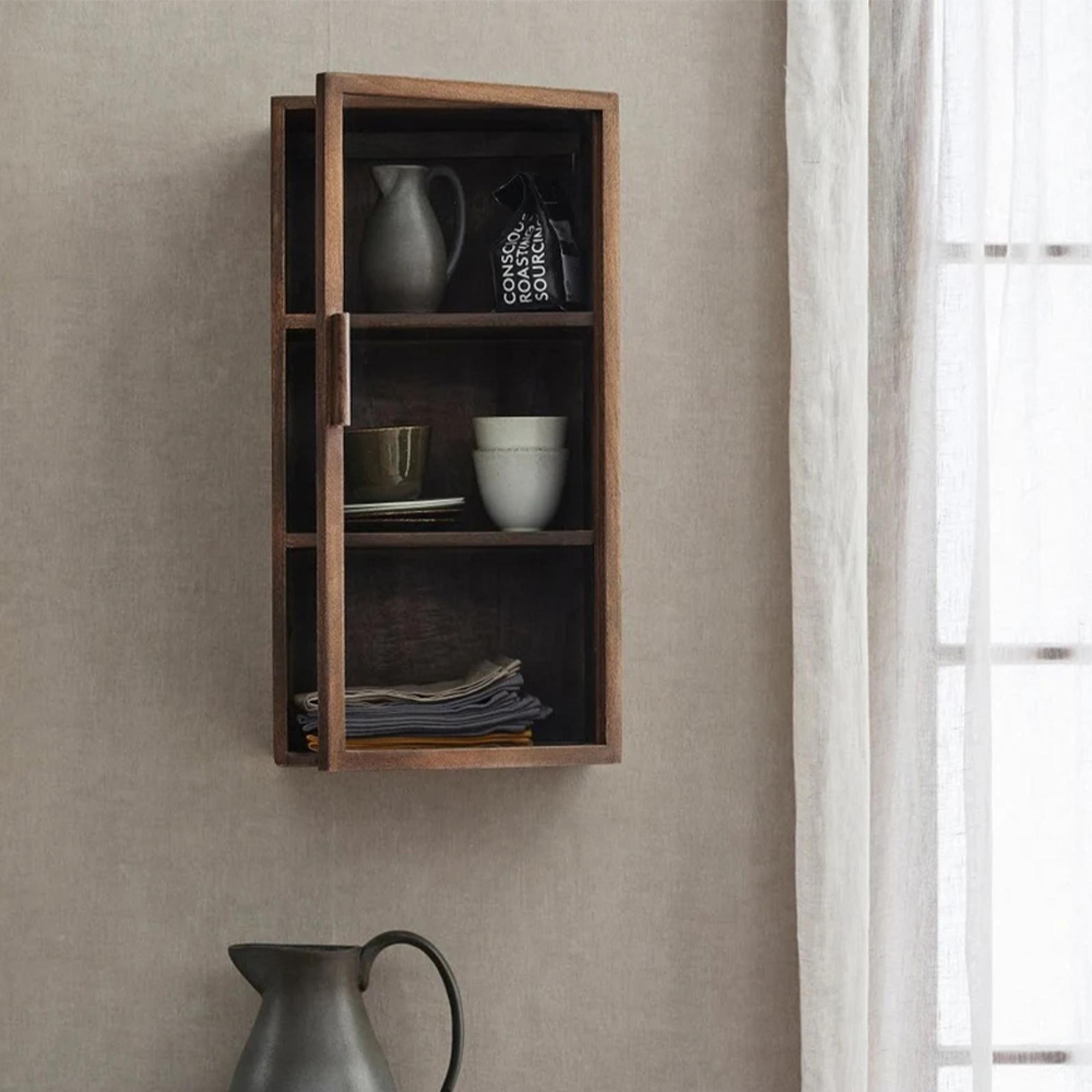
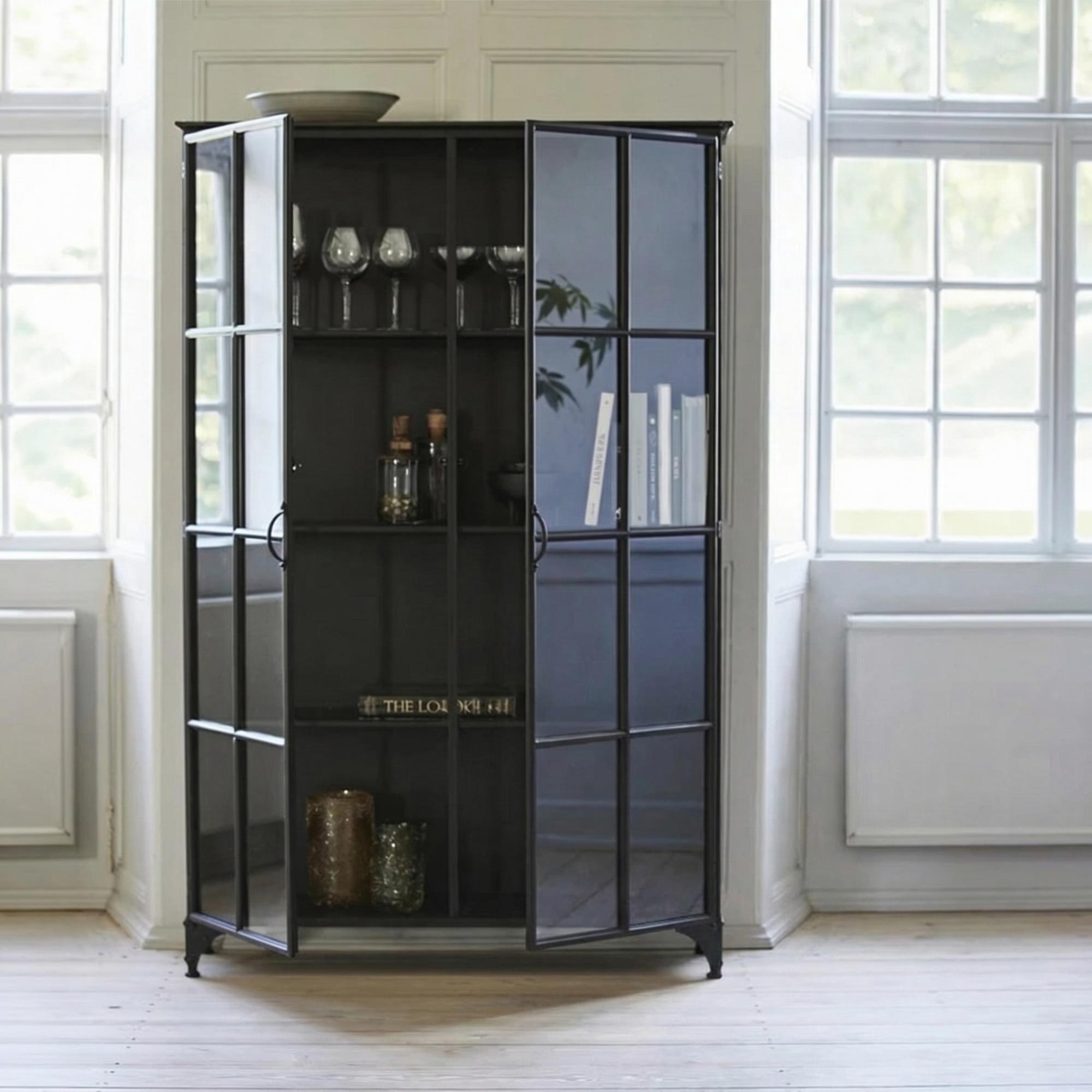
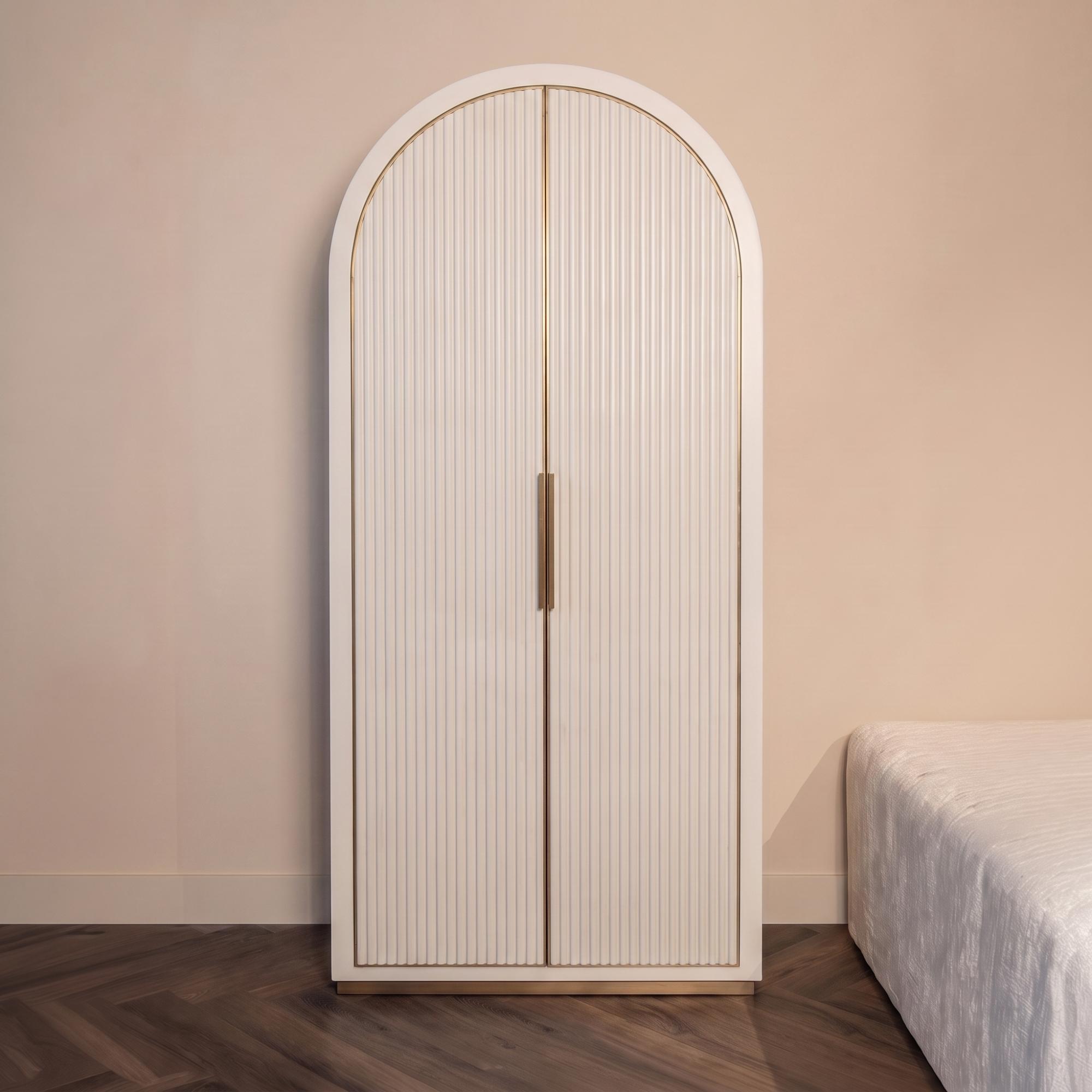
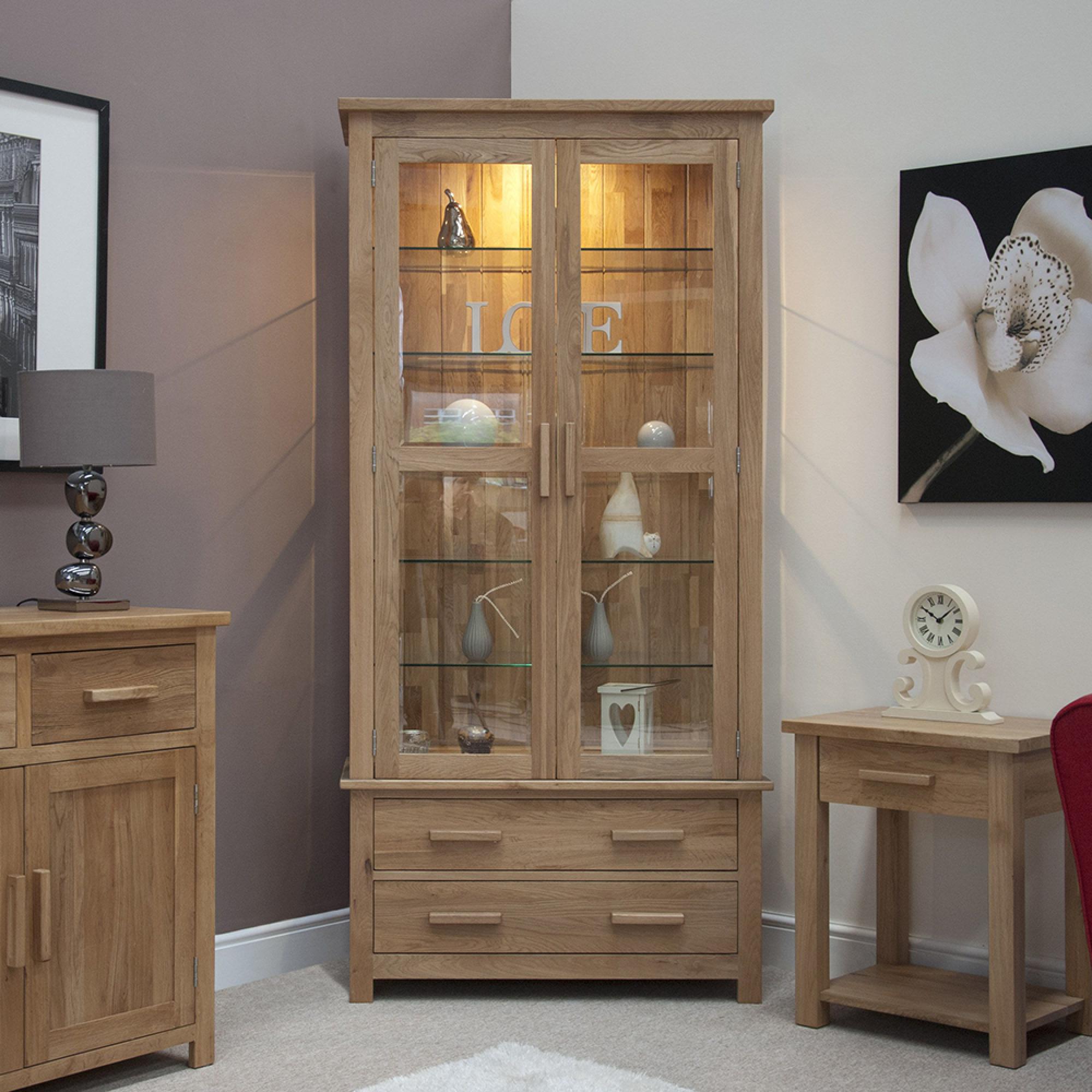
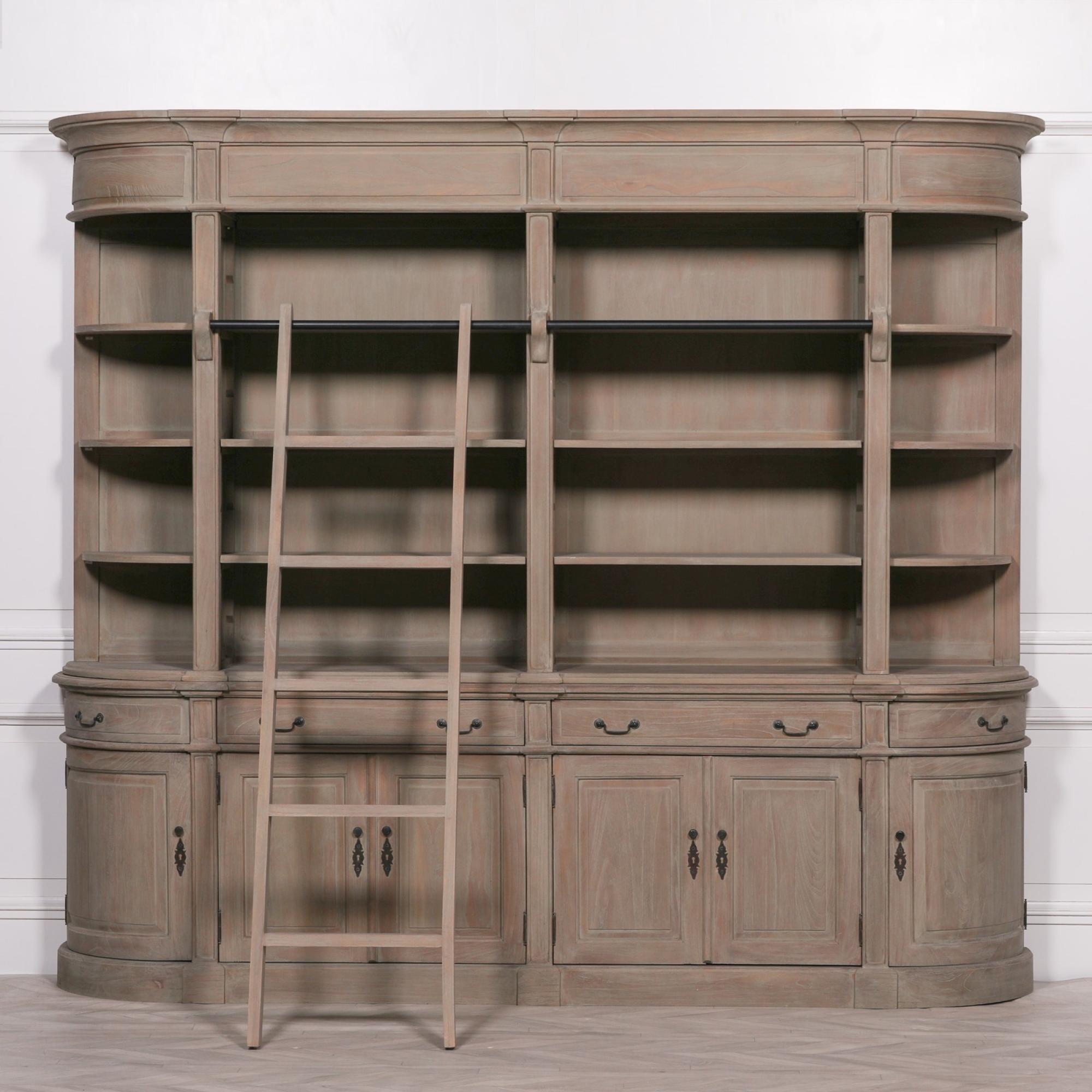
Explore Display Cabinets designed to protect and organise favourite pieces while keeping them visible. Compare shelf layout, glazing, lighting, door access, height and wall position to identify the right balance of appearance and function. Check shelf limits and lighting requirements before arranging heavier display pieces. Check each product page for exact dimensions, construction, finish, assembly and care information before making a final choice.
Read more X Close

Popular Categories

Price

Type

No. of Doors

No. of Drawers

Material

Finish

Colour

  • Beige
  • Black
  • Brown
  • Cream
  • Grey
  • White
  • Yellow

39 Products of 288

Load More..

Choosing Display Cabinets

This category focuses on Display Cabinets that can protect and organise favourite pieces while keeping them visible. Start with the room layout and daily use, then compare shelf layout, glazing, lighting, door access, height and wall position. Function and visual balance both matter, so compare the complete specification rather than choosing on appearance alone. This keeps the decision focused on practical suitability as well as style.

Plan the space before choosing

Check shelf limits and lighting requirements before arranging heavier display pieces. Record the available width, depth and height, including clearance for doors, drawers, reclining parts or extensions where relevant. Account for skirting boards, radiators, sockets and walking routes, then check the access route through doors, halls and stairs.

For adjacent choices, explore Dining Room Furniture, Italian Display Cabinets and Oak Display Cabinets. Use these comparisons alongside the specifications on each product page.

Display Cabinets for considered interiors

The Display Cabinets category focuses on choices intended to protect and organise favourite pieces while keeping them visible. A suitable option should respond to the room's proportions, surrounding furniture and practical demands of everyday use. Use the category wording as a starting point, then verify the exact material, finish and features shown on each product page.

Material, finish and construction

When comparing display cabinets, look closely at shelf layout, glazing, lighting, door access, height and wall position. Materials influence appearance, weight and maintenance, while finish affects colour coordination and day-to-day care. Use the written specification to confirm construction and care requirements.

Function and room planning

Check shelf limits and lighting requirements before arranging heavier display pieces. Mark out the footprint and consider how people move around it. Where a product opens, extends, swivels or reclines, include that working clearance. For storage, seating or sleeping products, match the layout, support and capacity to the needs of regular users.

Creating a coordinated result

Build the room around a clear relationship between scale, colour and material. Matching every finish is not essential, but repeating one or two elements can connect separate pieces. You can also compare Dining Room Furniture, Italian Display Cabinets and Oak Display Cabinets for closely related room and product choices. Use the individual listing to confirm dimensions, included components, assembly and suitability.

Read more X Close

FAQs on Display Cabinets

Whats the difference between a curio cabinet and a display cabinet?

Curio cabinets are specialist pieces designed for valuable collectibles and fine china, with glass doors and decorative details. Display cabinets are broader storage solutions for crockery, books, and decorative items. Curios prioritise showcase appeal; display cabinets balance visibility with practicality and everyday access.

Most display cabinets range from 160–200cm tall, fitting standard ceiling heights without overwhelming spaces. Measure your wall width and available floor space first. For small rooms, choose 60–80cm-wide models; larger spaces suit 100–150cm widths. Consider proportions relative to adjoining furniture.

Prioritise glass quality—tempered glass resists cracks and dust better. Check shelf adjustability for varied item heights. Assess wood type: oak offers durability; walnut provides elegance. Verify weight capacity, lighting options, and whether doors lock. Measure doorways to confirm delivery fit.

Group similar items—ceramics together, collectibles clustered—to create visual interest. Leave breathing room between pieces rather than overcrowding. Use internal LED lighting to highlight contents. Layer heights: tall items back, small pieces front. Rotate seasonal displays to maintain freshness and engagement.

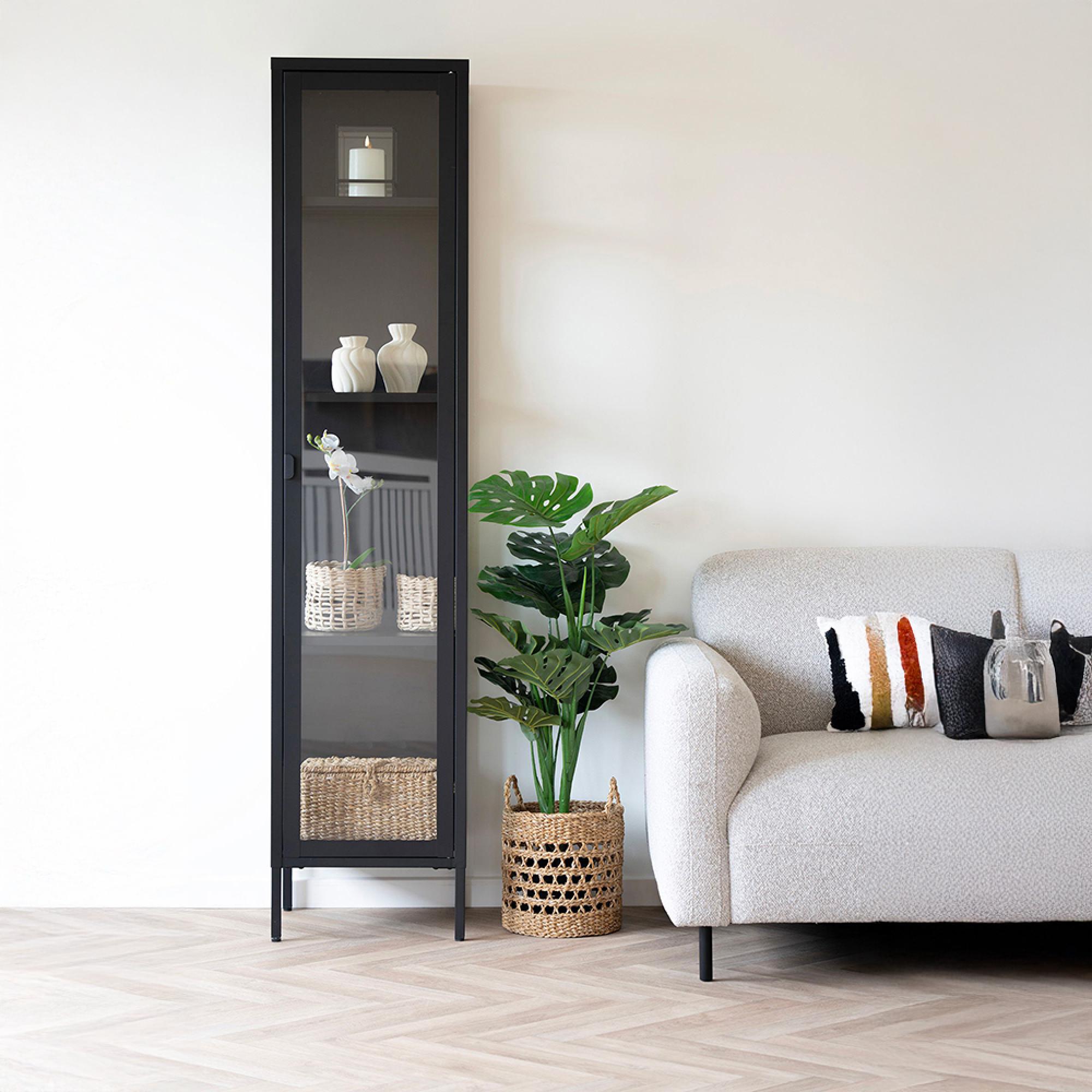
Yes, vertical display cabinets maximise storage without consuming floor space. Choose tall, narrow models (60cm wide) to fit corners or alcoves. Glass fronts create visual lightness rather than bulk. They double as furniture and décor, ideal for flats or compact rooms needing smart storage.

Solid oak provides durability and traditional appeal, ageing beautifully over time. Walnut offers darker, contemporary elegance with excellent stability. Pine is affordable but softer, showing wear faster. MDF suits modern styles and resists warping. Match your existing furniture wood tone for cohesion.

Wipe glass weekly with microfibre cloths to prevent fingerprints and dust accumulation. Use soft brushes on shelves and back panels. Avoid harsh chemicals; dampen cloths slightly with water. For wooden frames, apply furniture polish monthly. Keep cabinets away from direct sunlight to prevent fading and wood damage.

Living rooms create focal points for collections; dining rooms showcase fine china near serving areas. Home offices display books and awards professionally. Hallways use tall cabinets to welcome guests. Bedrooms work for jewellery or memorabilia. Avoid kitchens (steam/humidity) and bathrooms (moisture damage).

Glass-fronted cabinets showcase contents fully and suit modern interiors. Solid wood cabinets offer traditional warmth and hide clutter. Mixed designs combine glass doors with wooden frames for balance. Choose based on décor style, items displayed, and maintenance preference. Both protect contents equally well.

Budget ranges vary: basic models start at £200–400; mid-range solid wood cabinets cost £500–1,000; premium pieces exceed £1,500. Price reflects wood quality, glass type, and craftsmanship. Investment pieces last decades and suit valuable collections. Choose based on items stored and intended longevity.

Yes, both spaces work well. Hallway cabinets welcome guests and use otherwise unused wall space. Bedroom cabinets store jewellery, awards, or collectibles privately. Ensure adequate clearance for doors and foot traffic. Narrow, tall models (40–60cm wide) suit hallways; wider options suit bedroom walls.
Top