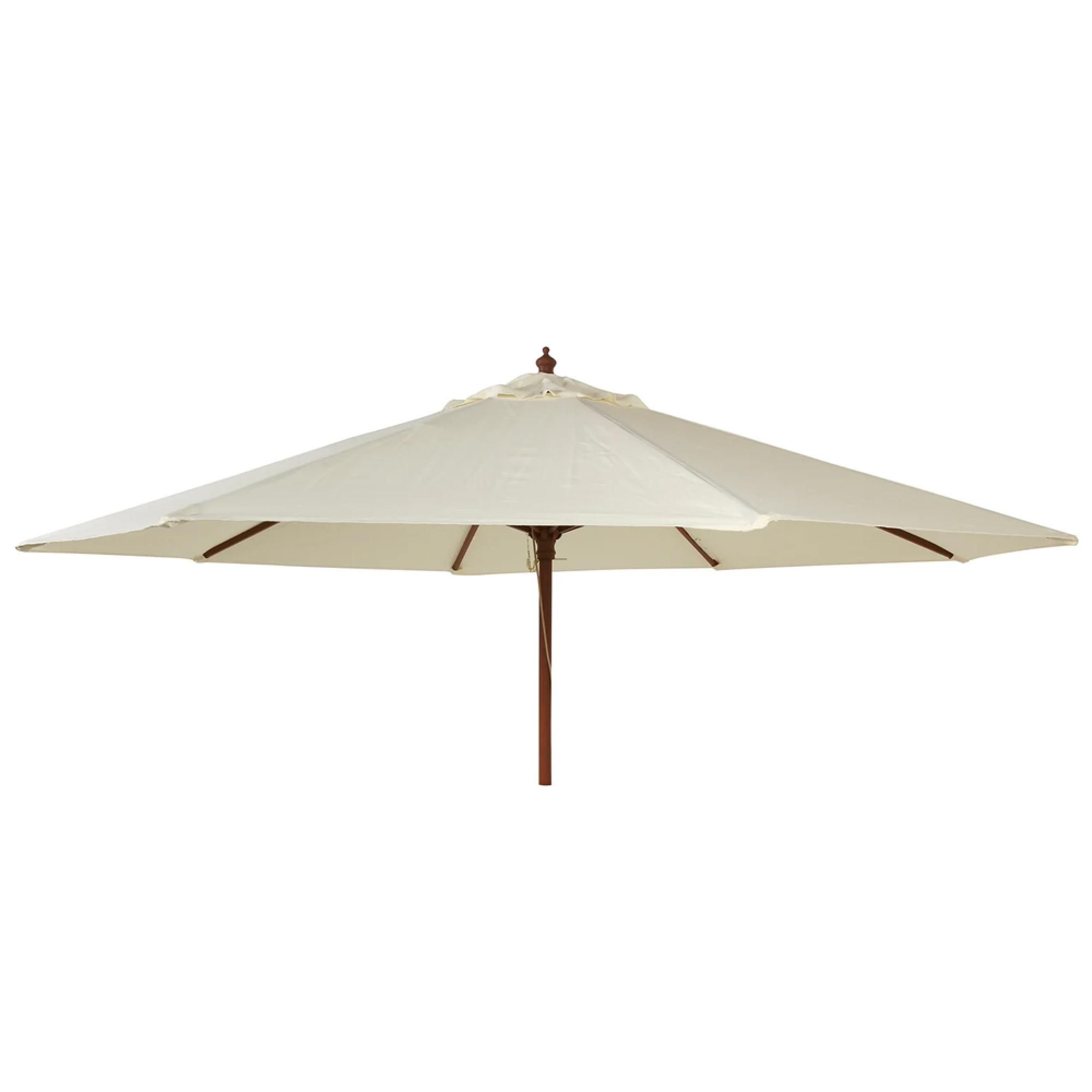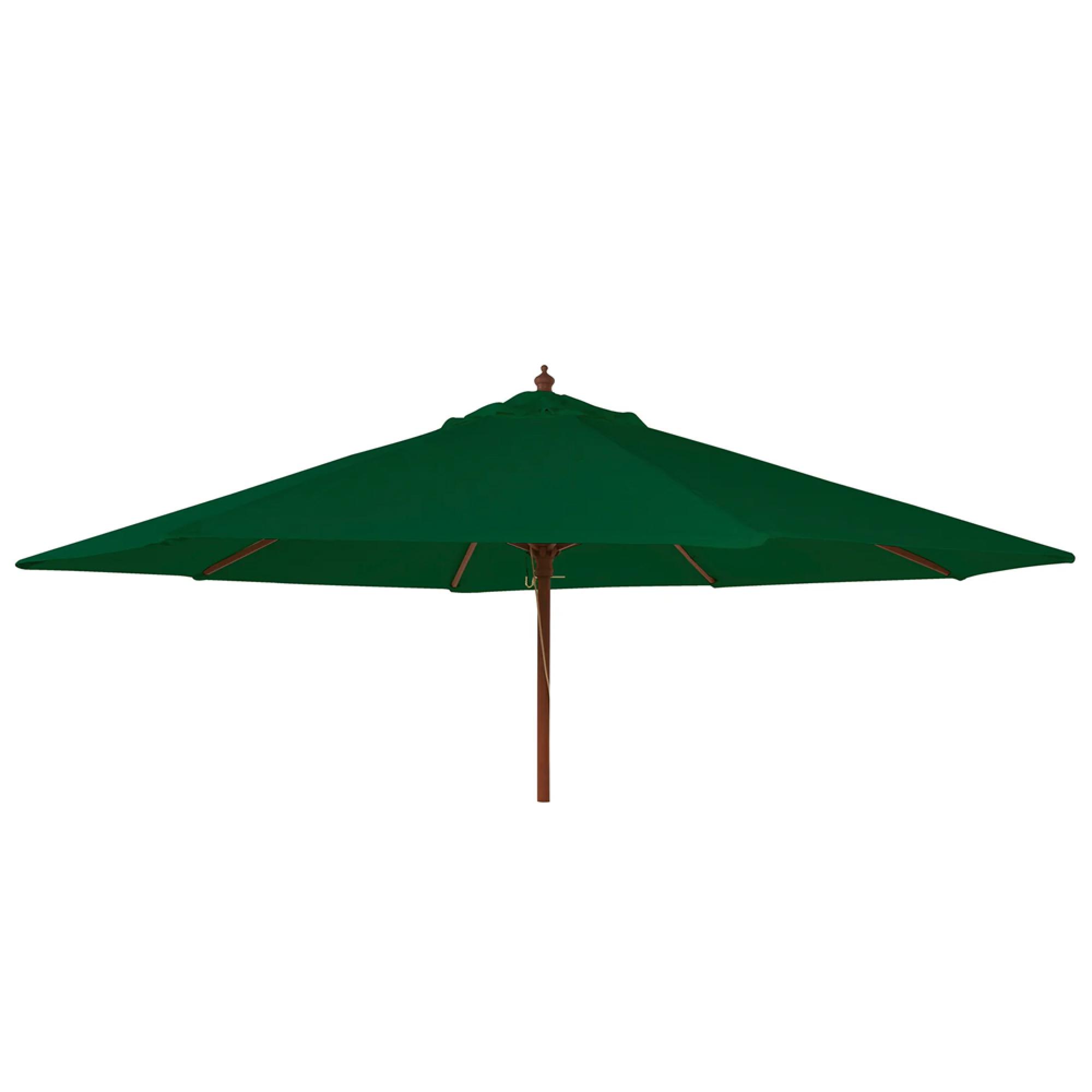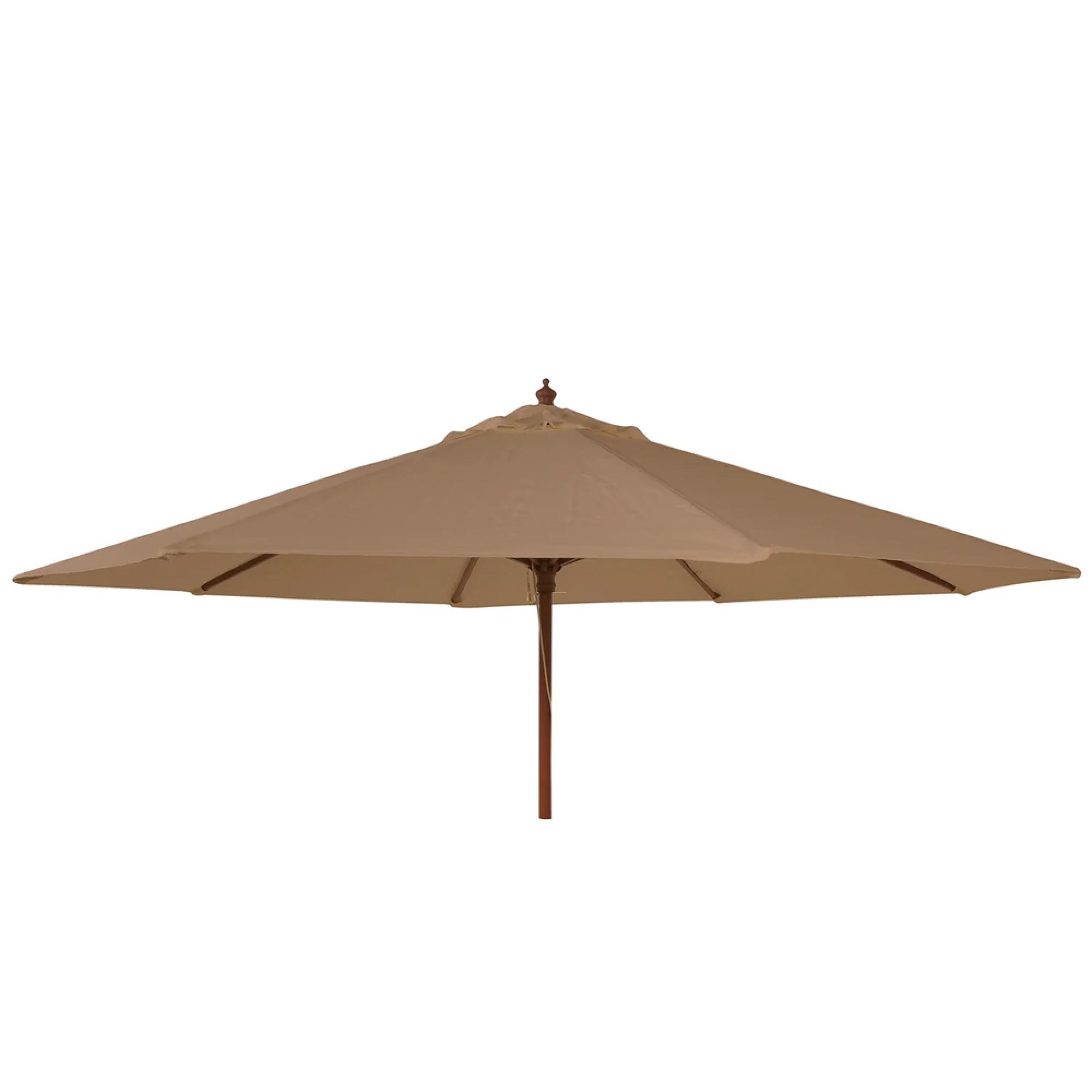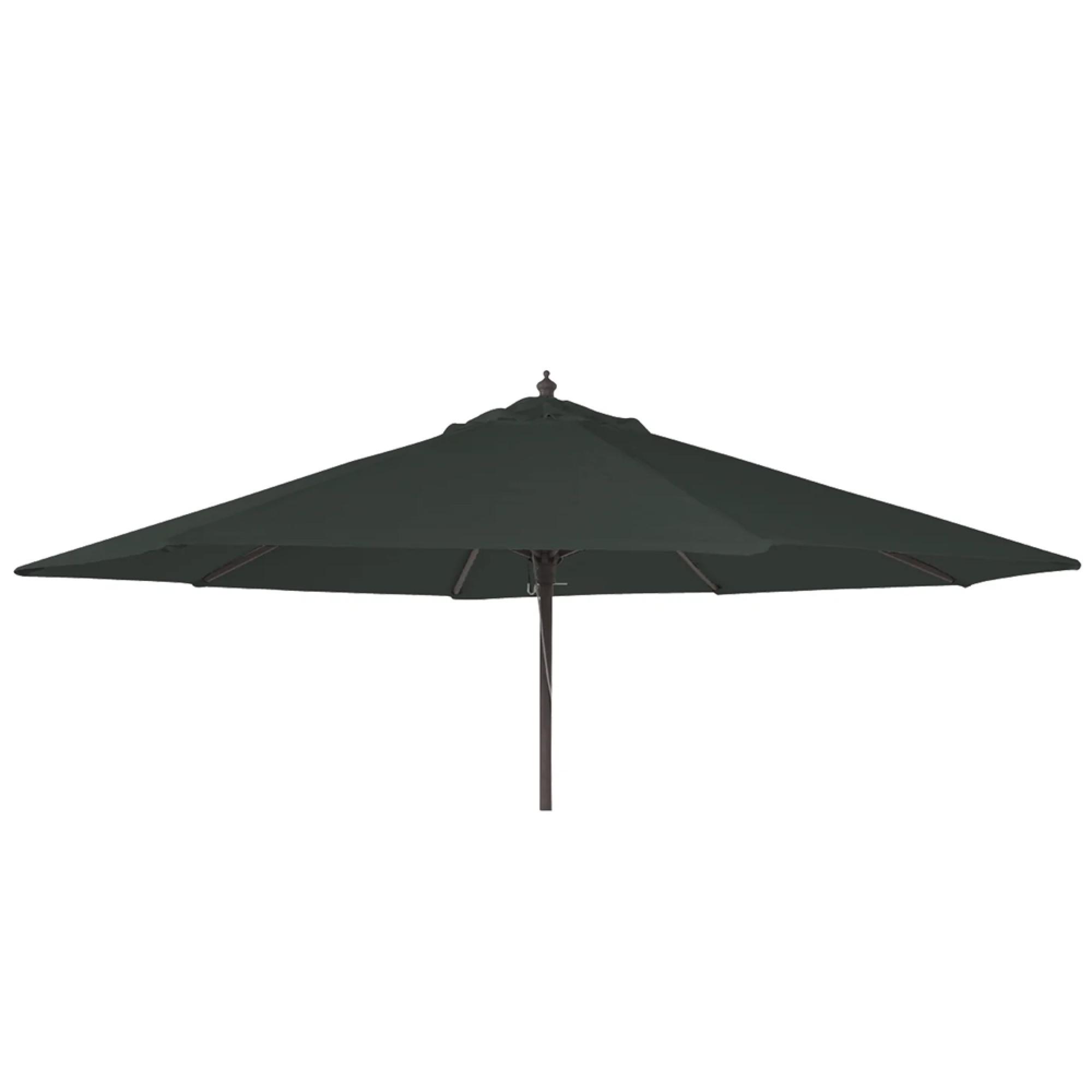
Free Delivery All Over UK*
close
Top products
SHOW ALL PRODUCTS

Garden Parasols

Found 59 Items

Choose Garden Parasols with the room, daily routine and intended use in mind. Compare weather suitability, material care, storage, footprint, comfort and assembly to identify the right balance of appearance and function. Check care instructions and plan dry or covered storage where the material requires it. Check each product page for exact dimensions, construction, finish, assembly and care information before making a final choice.
Read more X Close

Price

Colour

  • Beige
  • Cream

39 Products of 59

Load More..

Choosing Garden Parasols

This category focuses on Garden Parasols that can create a practical setting for outdoor dining, seating or relaxation. Start with the room layout and daily use, then compare weather suitability, material care, storage, footprint, comfort and assembly. Function and visual balance both matter, so compare the complete specification rather than choosing on appearance alone. This keeps the decision focused on practical suitability as well as style.

Plan the space before choosing

Check care instructions and plan dry or covered storage where the material requires it. Record the available width, depth and height, including clearance for doors, drawers, reclining parts or extensions where relevant. Account for skirting boards, radiators, sockets and walking routes, then check the access route through doors, halls and stairs.

For adjacent choices, explore Garden Furniture, Garden Seating and Garden Accessories. Use these comparisons alongside the specifications on each product page.

Garden Parasols for considered interiors

The Garden Parasols category focuses on choices intended to create a practical setting for outdoor dining, seating or relaxation. A suitable option should respond to the room's proportions, surrounding furniture and practical demands of everyday use. Use the category wording as a starting point, then verify the exact material, finish and features shown on each product page.

Material, finish and construction

When comparing outdoor furniture, look closely at weather suitability, material care, storage, footprint, comfort and assembly. Materials influence appearance, weight and maintenance, while finish affects colour coordination and day-to-day care. Use the written specification to confirm construction and care requirements.

Function and room planning

Check care instructions and plan dry or covered storage where the material requires it. Mark out the footprint and consider how people move around it. Where a product opens, extends, swivels or reclines, include that working clearance. For storage, seating or sleeping products, match the layout, support and capacity to the needs of regular users.

Creating a coordinated result

Build the room around a clear relationship between scale, colour and material. Matching every finish is not essential, but repeating one or two elements can connect separate pieces. You can also compare Garden Furniture, Garden Seating and Garden Accessories for closely related room and product choices. Use the individual listing to confirm dimensions, included components, assembly and suitability.

Read more X Close

FAQs on Garden Parasols

What size garden parasol do I need for my patio?

Garden parasols range from 2m to 4m in diameter. For a 4-seater dining set, choose 3m minimum; for 2-seater bistro sets, 2–2.5m suffices. Measure your space and allow 0.5m clearance around the parasol base for safety and movement.

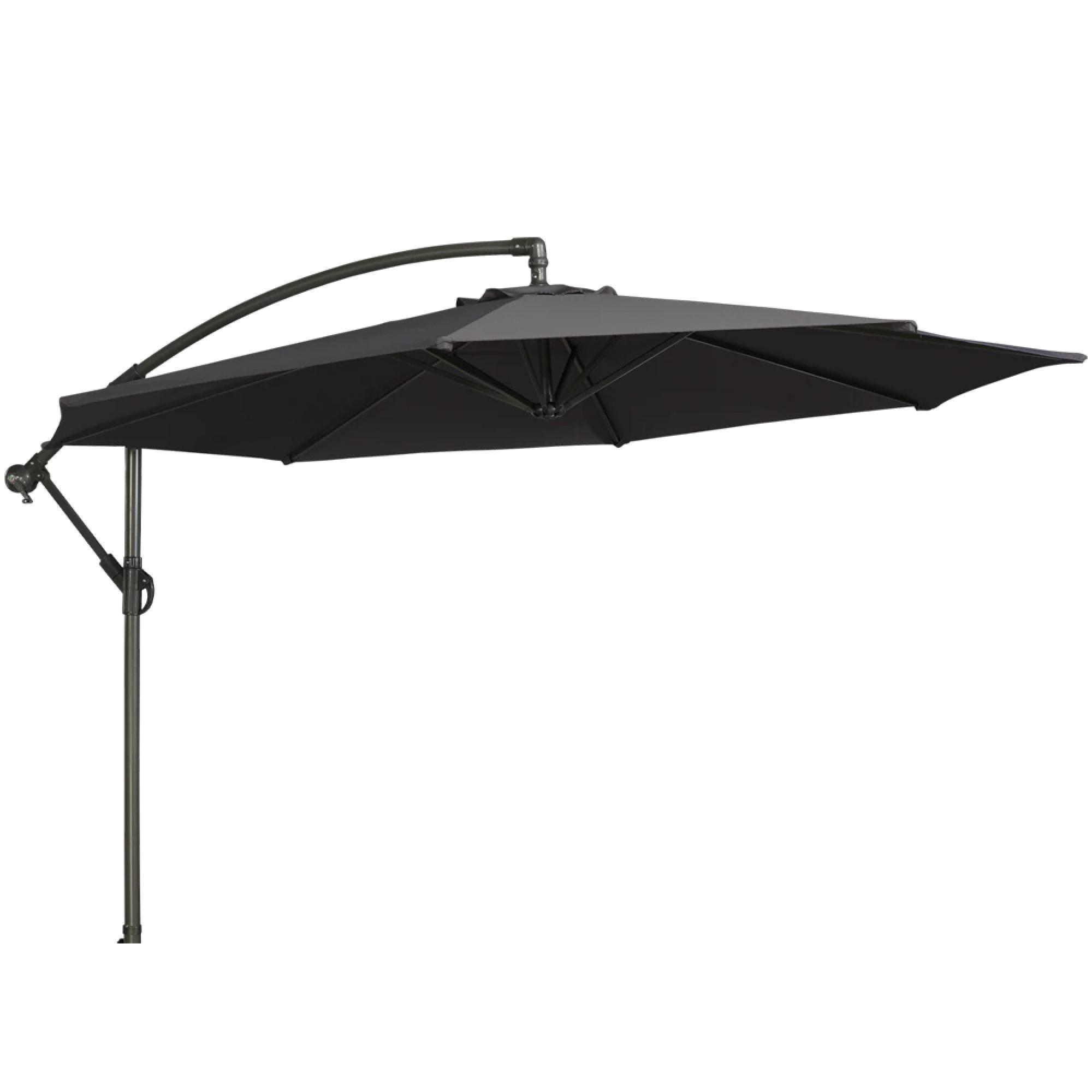
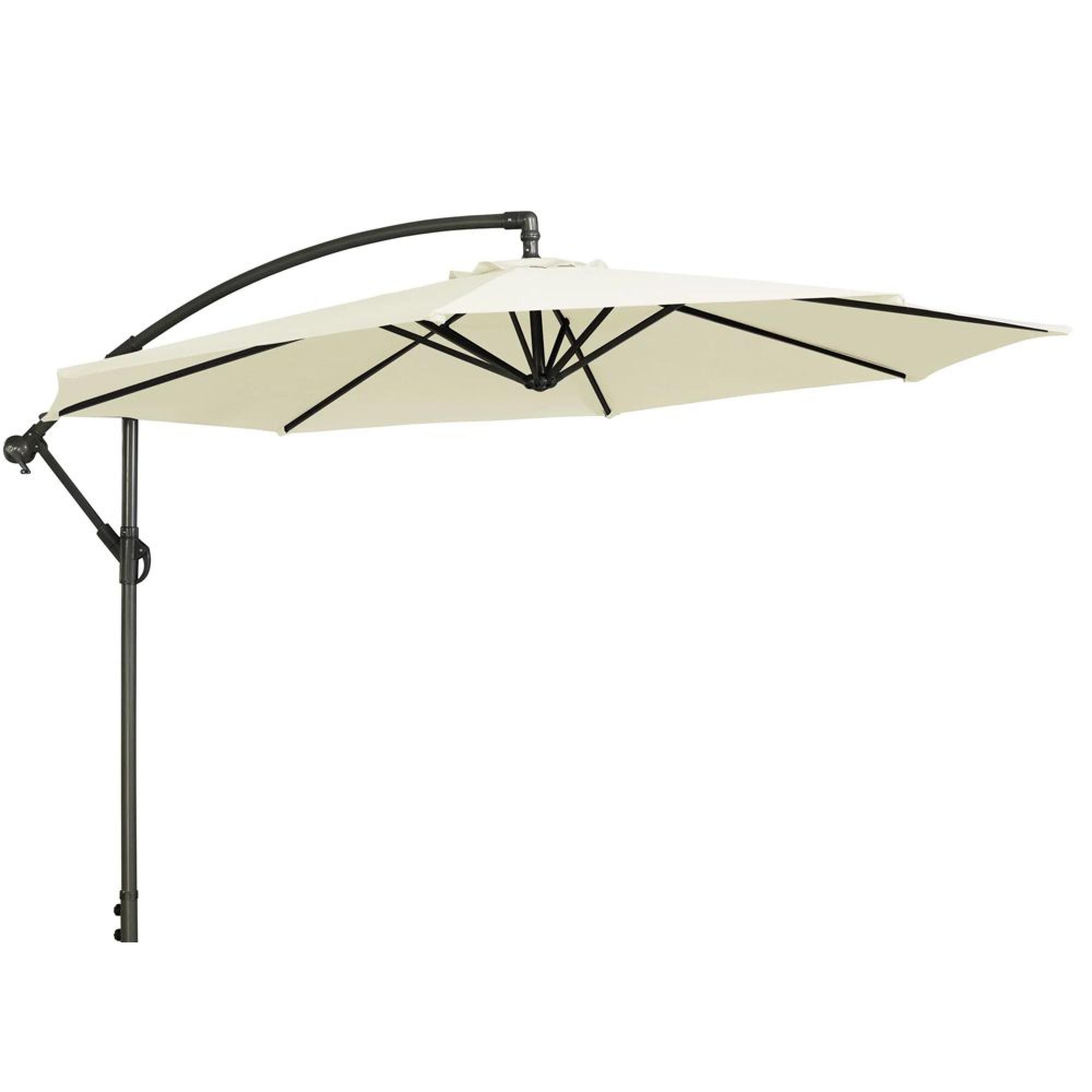
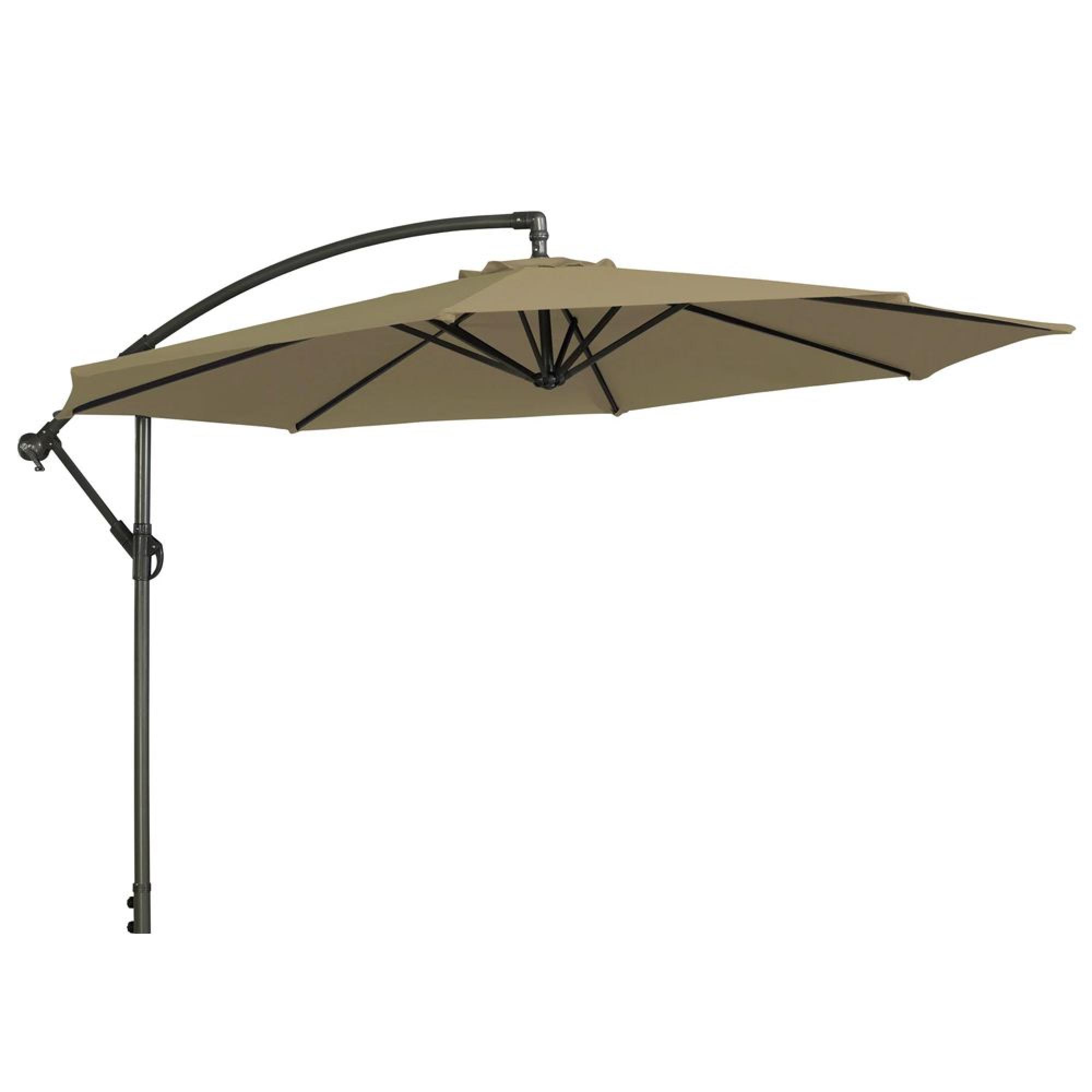
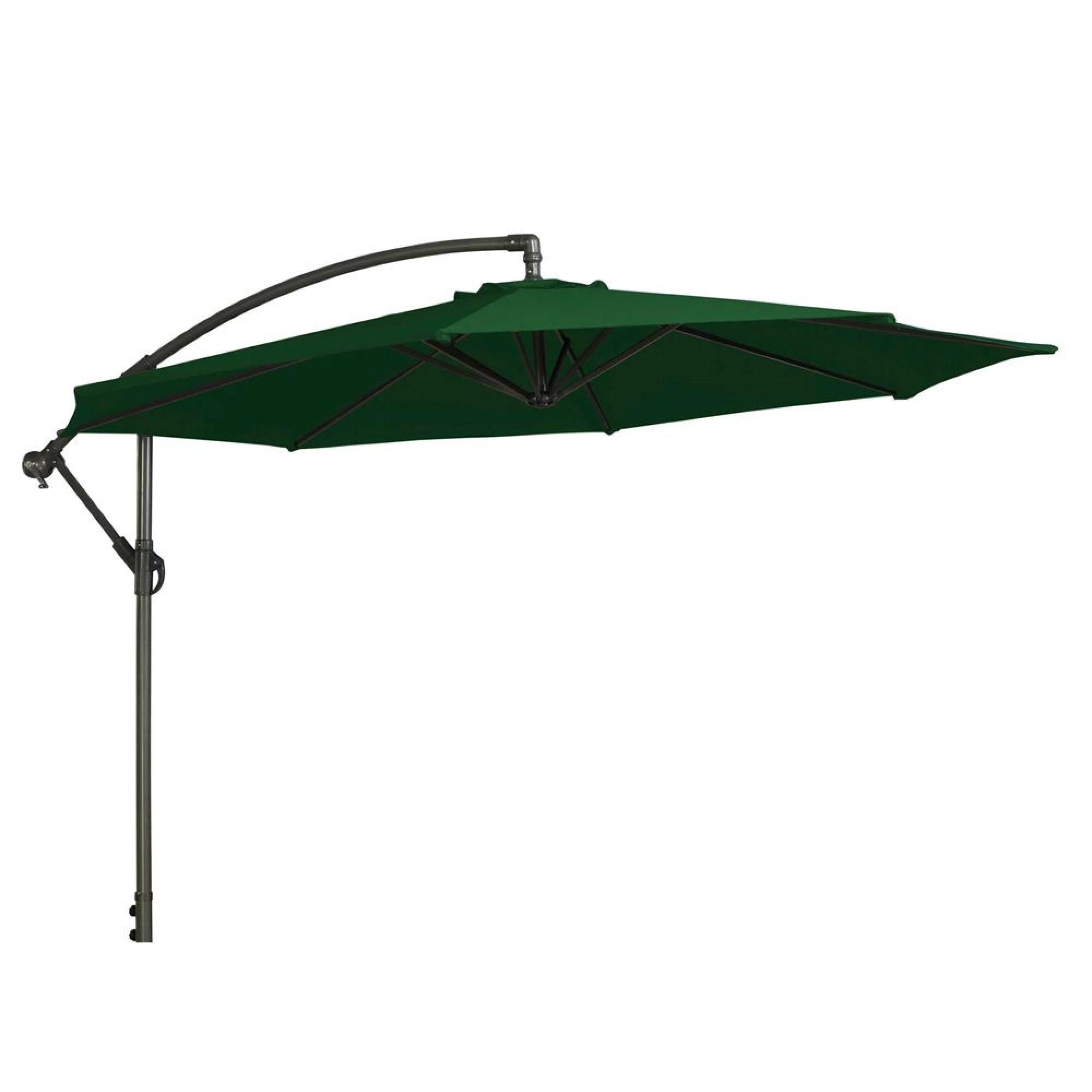
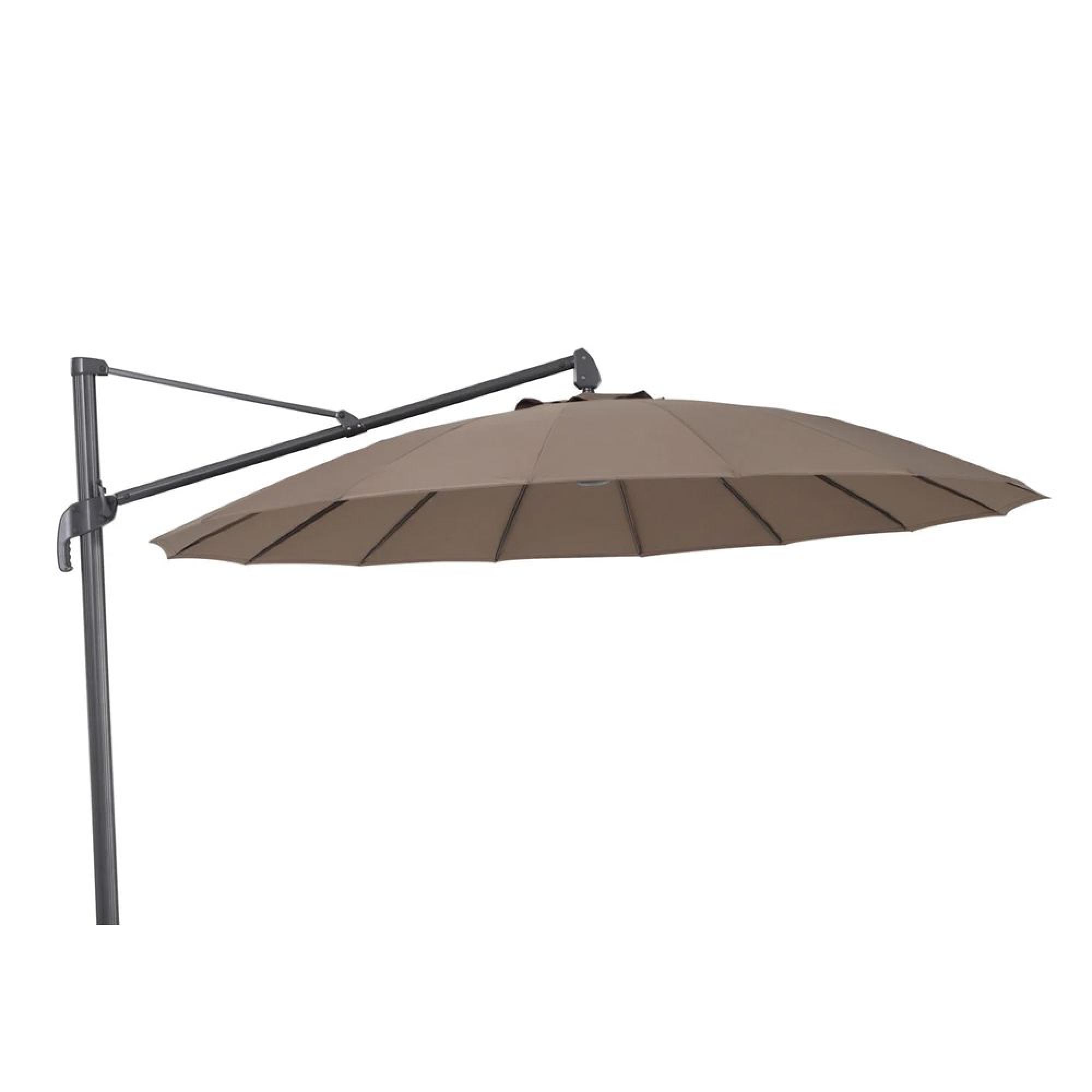
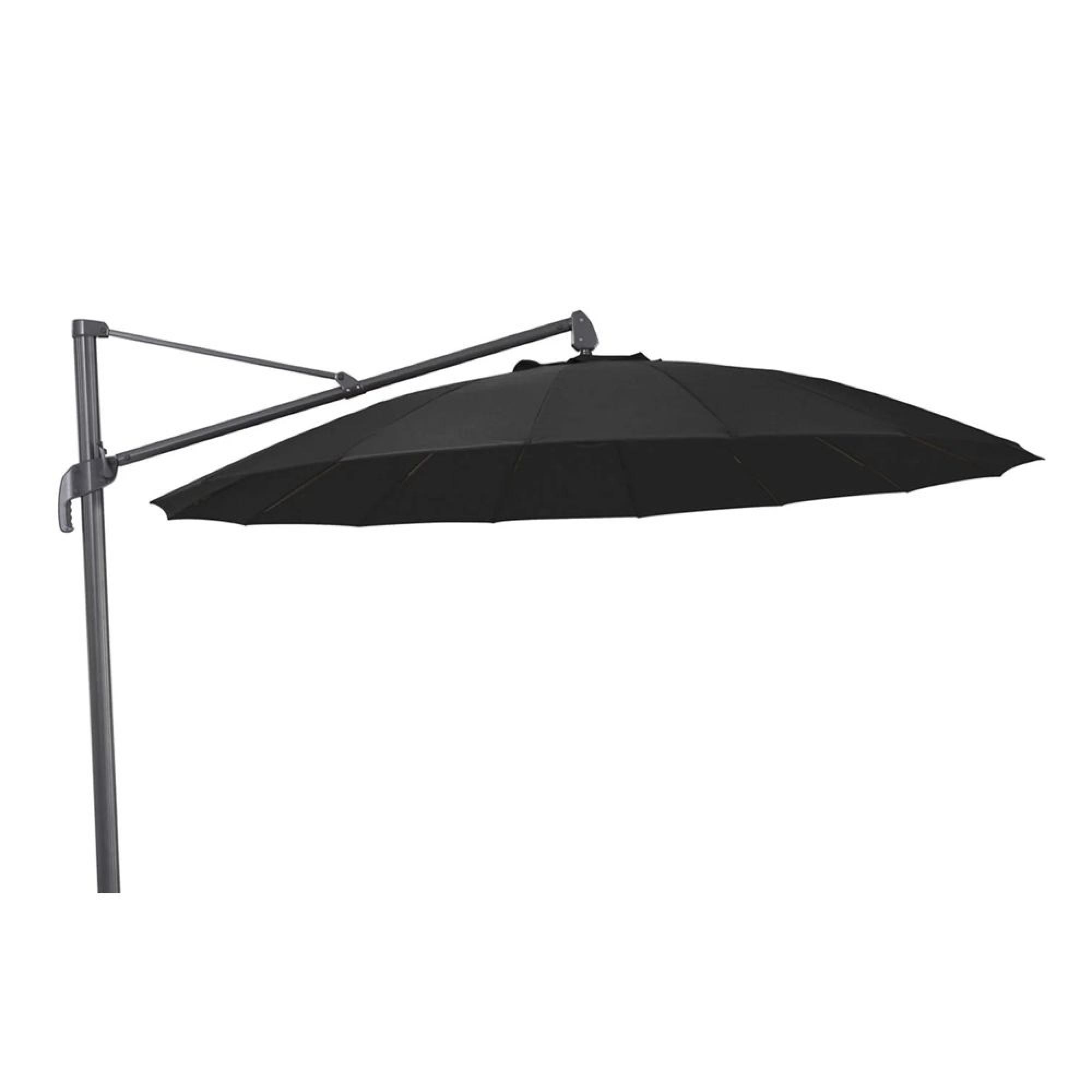
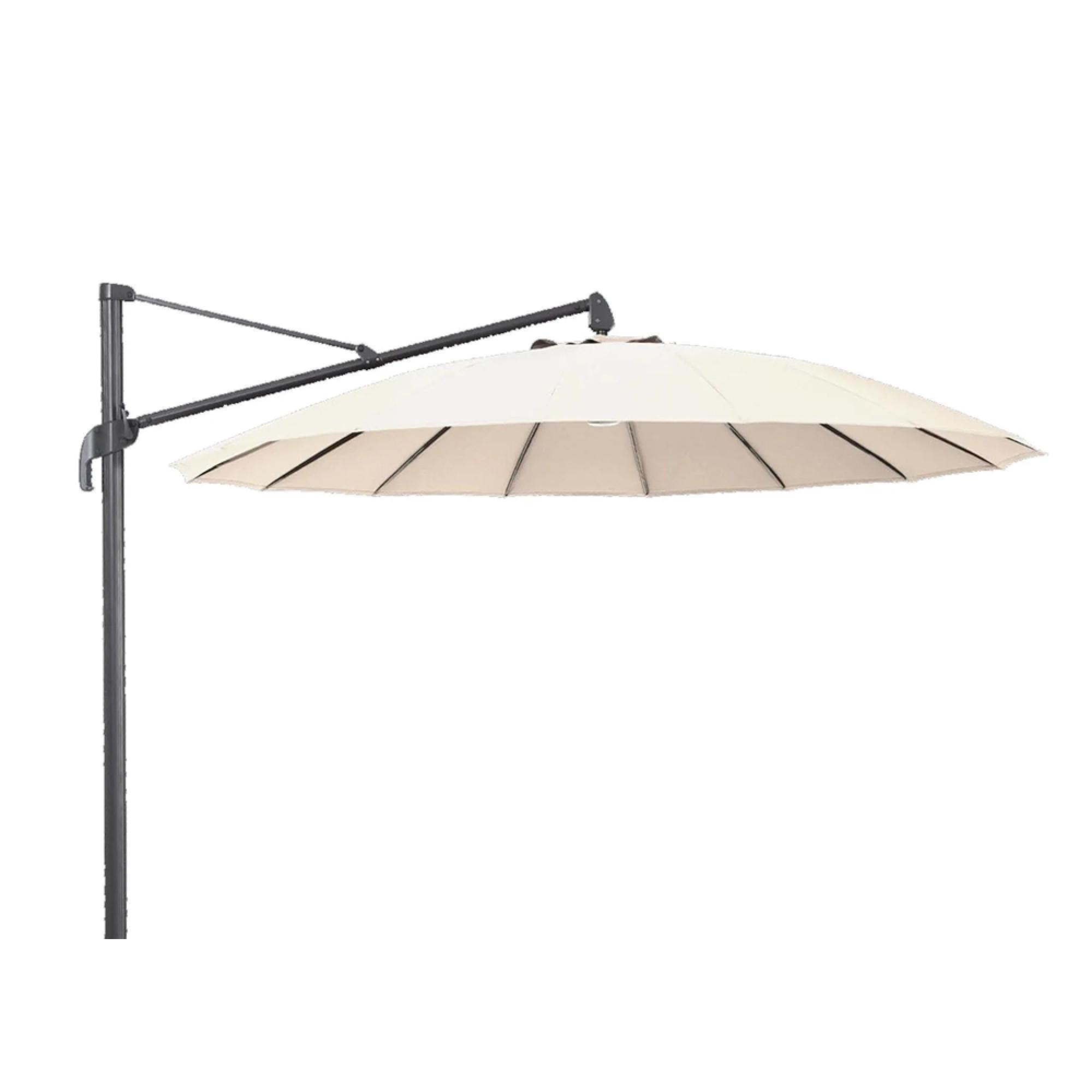
Cantilever parasols mount on a side pole, keeping the base clear for seating. Traditional parasols use a central pole. Cantilevers suit smaller patios and offer better shade positioning but cost more. Choose based on your space layout and budget.

Aluminium frames resist rust and require minimal maintenance. Polyester or Sunbrella fabric withstands UV and rain without fading. For longevity, choose aluminium frames with solution-dyed fabric. Wooden parasols look elegant but need annual treatment and arent ideal in heavy rain.

Brush off debris after use and wipe fabric with a damp cloth quarterly. Store indoors during winter or use a protective cover. For stubborn stains, use mild soapy water. Wooden frames need annual oil treatment. Check fasteners seasonally and tighten if loose.

Most CFS garden parasols arrive part-assembled. Assembly typically takes 30–45 minutes and requires only basic tools. The base needs filling with sand or water for stability. Full instructions are included. Some premium models come nearly ready-to-use.

Choose a 2–2.5m diameter parasol or a cantilever model to maximise usable space. Lightweight aluminium frames are easier to reposition. Offset (cantilever) designs free up floor space for seating. Ensure your balcony can support the weighted base.

Its not recommended. Strong winter winds and frost can damage the mechanism and fabric. Store parasols indoors September to April, or use a heavy-duty weatherproof cover if space is limited. This significantly extends lifespan and prevents mould growth.

A 20–25kg base suits most 2.5–3m parasols in calm gardens. Exposed or windy locations need 30–40kg. Cantilever parasols need heavier bases due to off-centre weight distribution. Always fill bases with sand or water rather than relying on the weight alone.

A quality parasol lasts 5–10 years with proper care. Aluminium frames outlast wooden ones. Fabric degradation from UV typically occurs first—replacement canopies are often available. Regular maintenance, winter storage and protection from extreme weather significantly extend lifespan.

Light colours like cream and white reflect heat and UV effectively. Darker colours absorb more heat but offer stronger shade. Solution-dyed Sunbrella fabric provides superior UV protection regardless of colour. Choose based on your garden aesthetic—UV protection is consistent across quality fabrics.

Tilt mechanisms are worth the extra cost if your garden lacks natural shade or your seating changes position throughout the day. They let you adjust shade as the sun moves. Non-tilt models are simpler and cheaper but less flexible for varying sun angles.
Top