Free Delivery All Over UK*
close
Top products
SHOW ALL PRODUCTS

Wall Mirrors

Found 255 Items

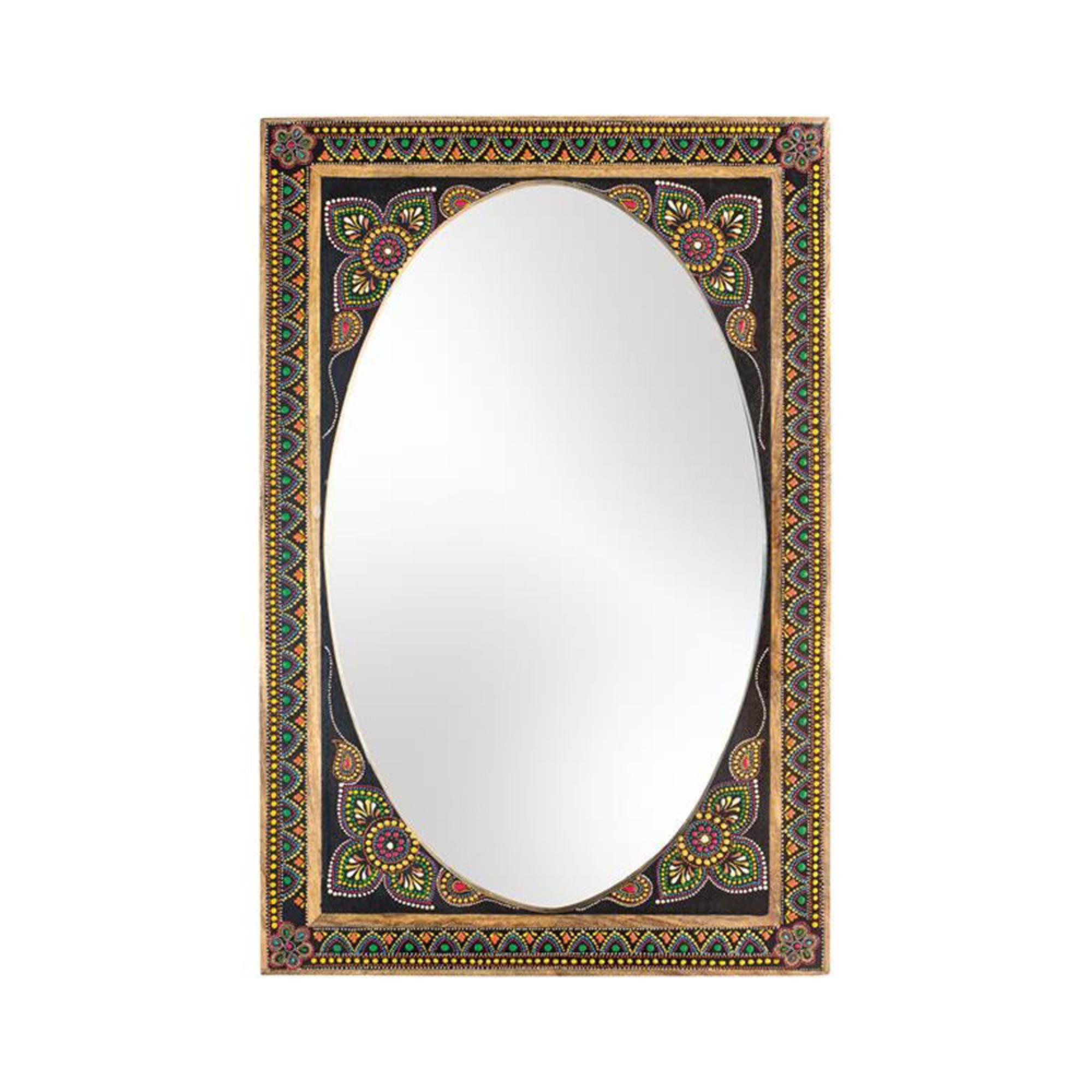
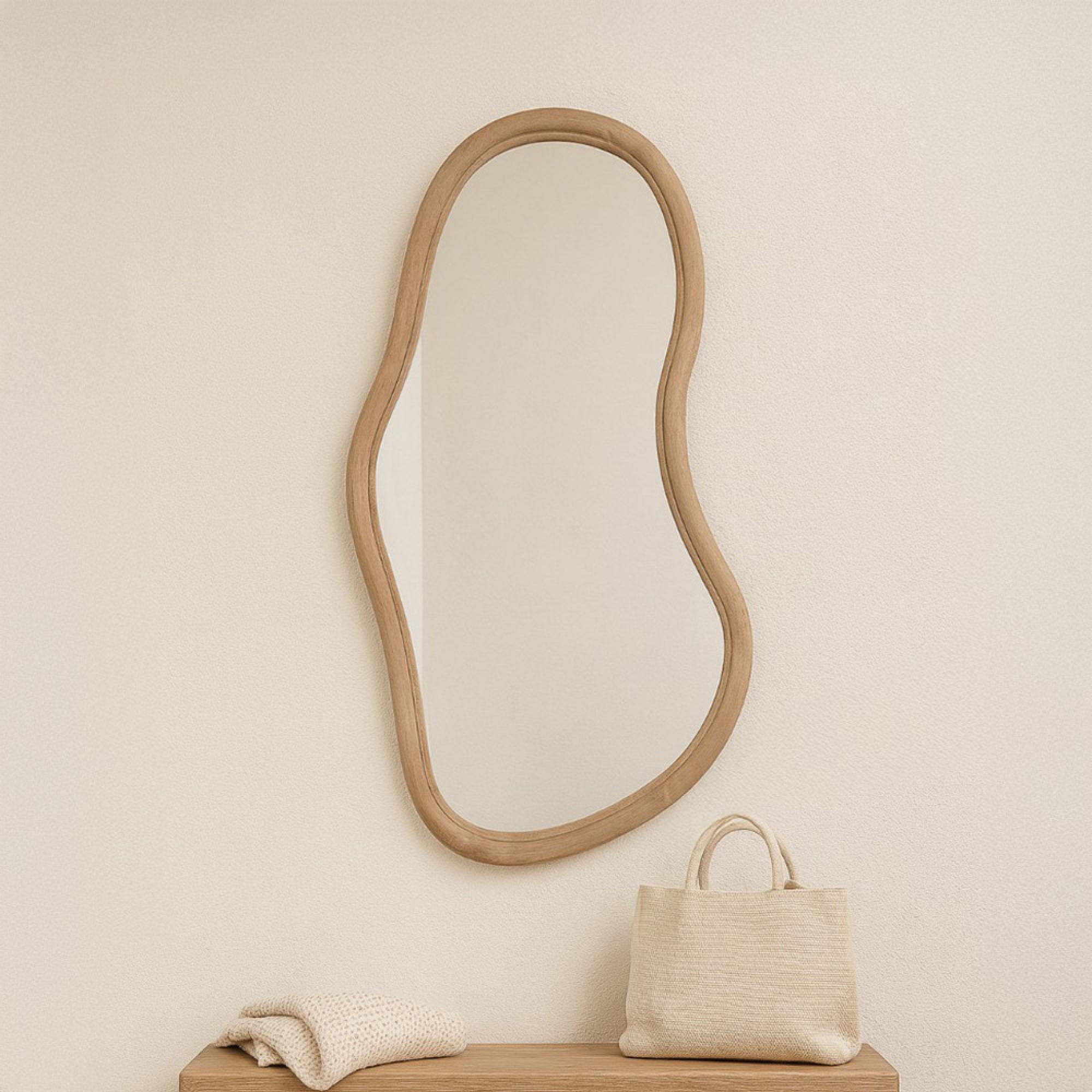
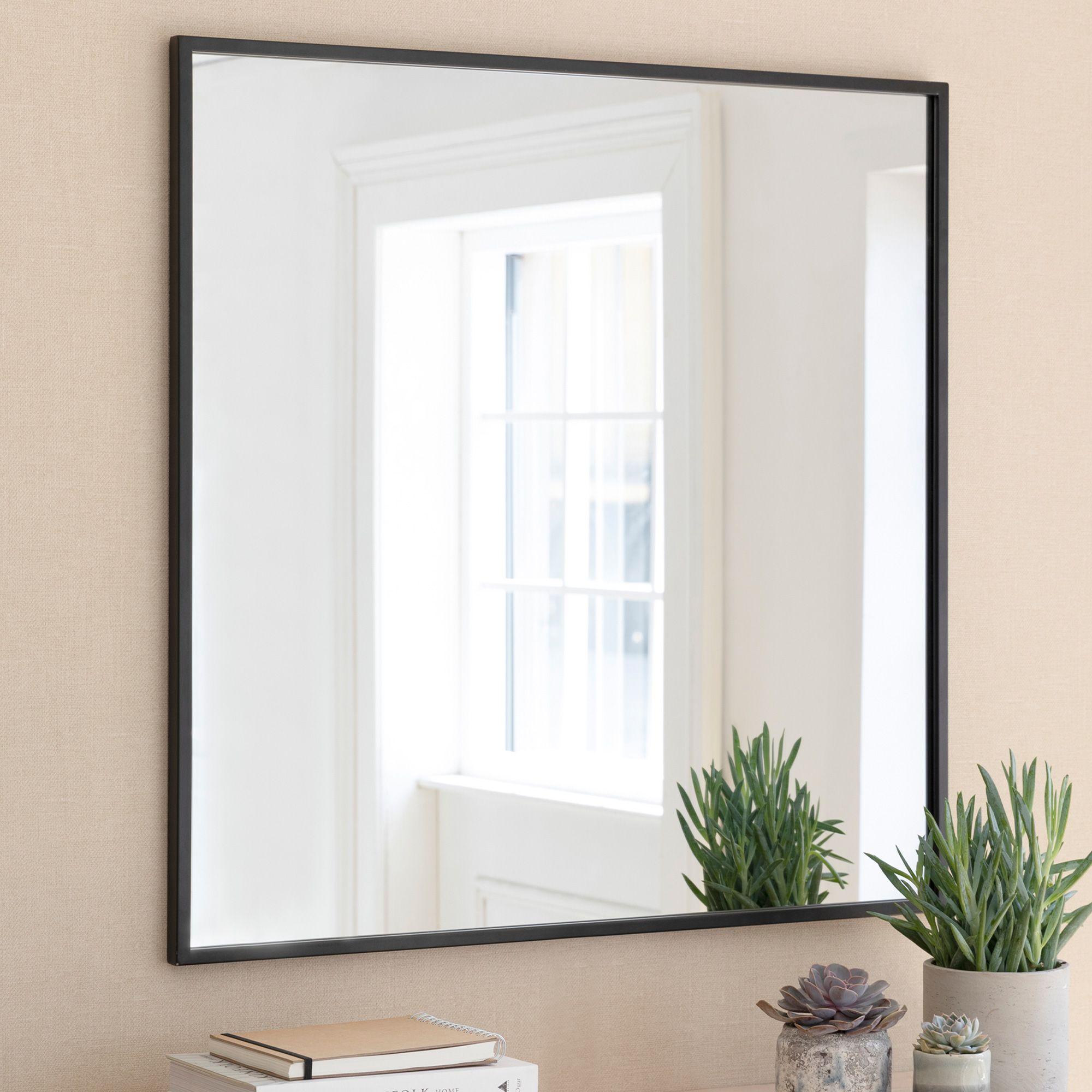
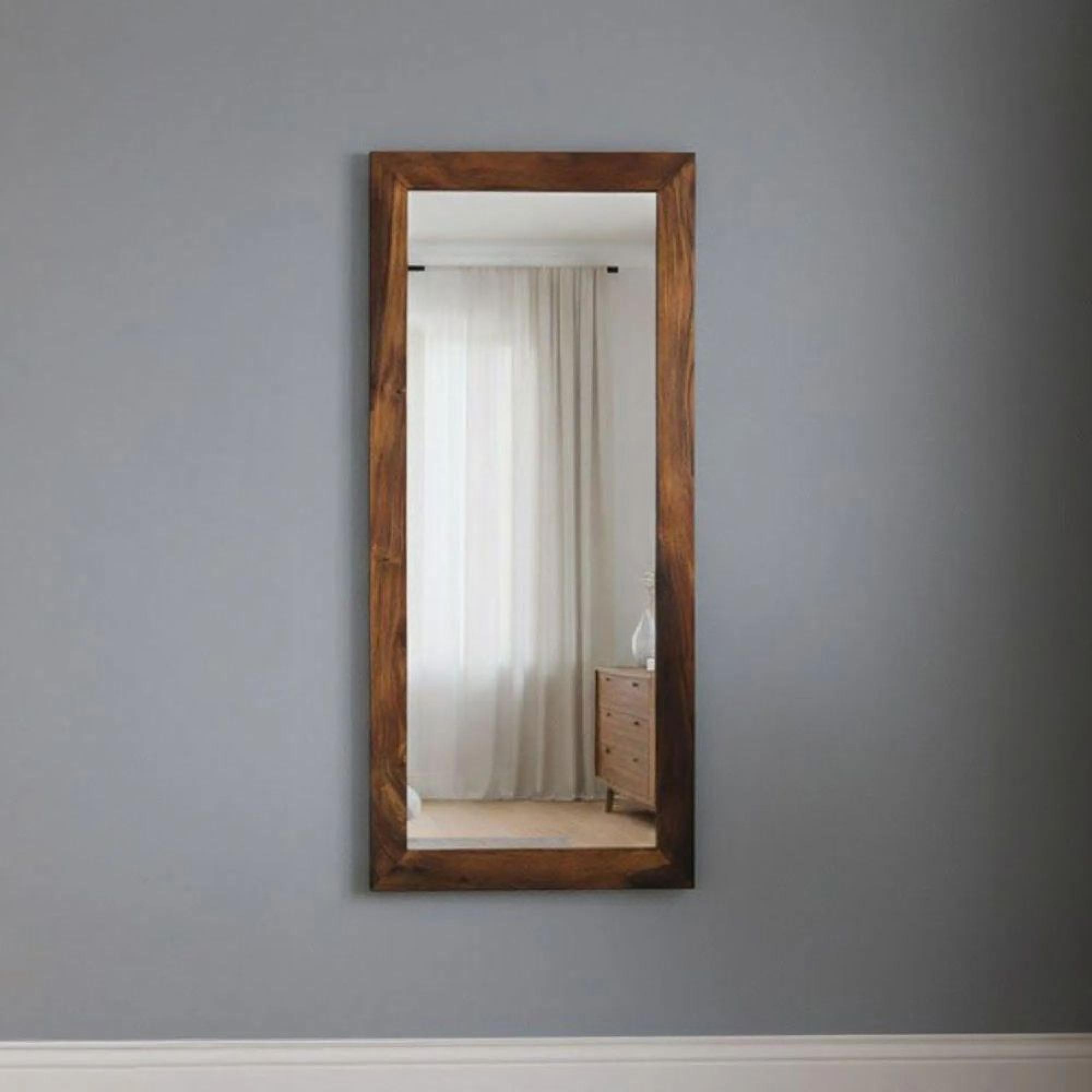
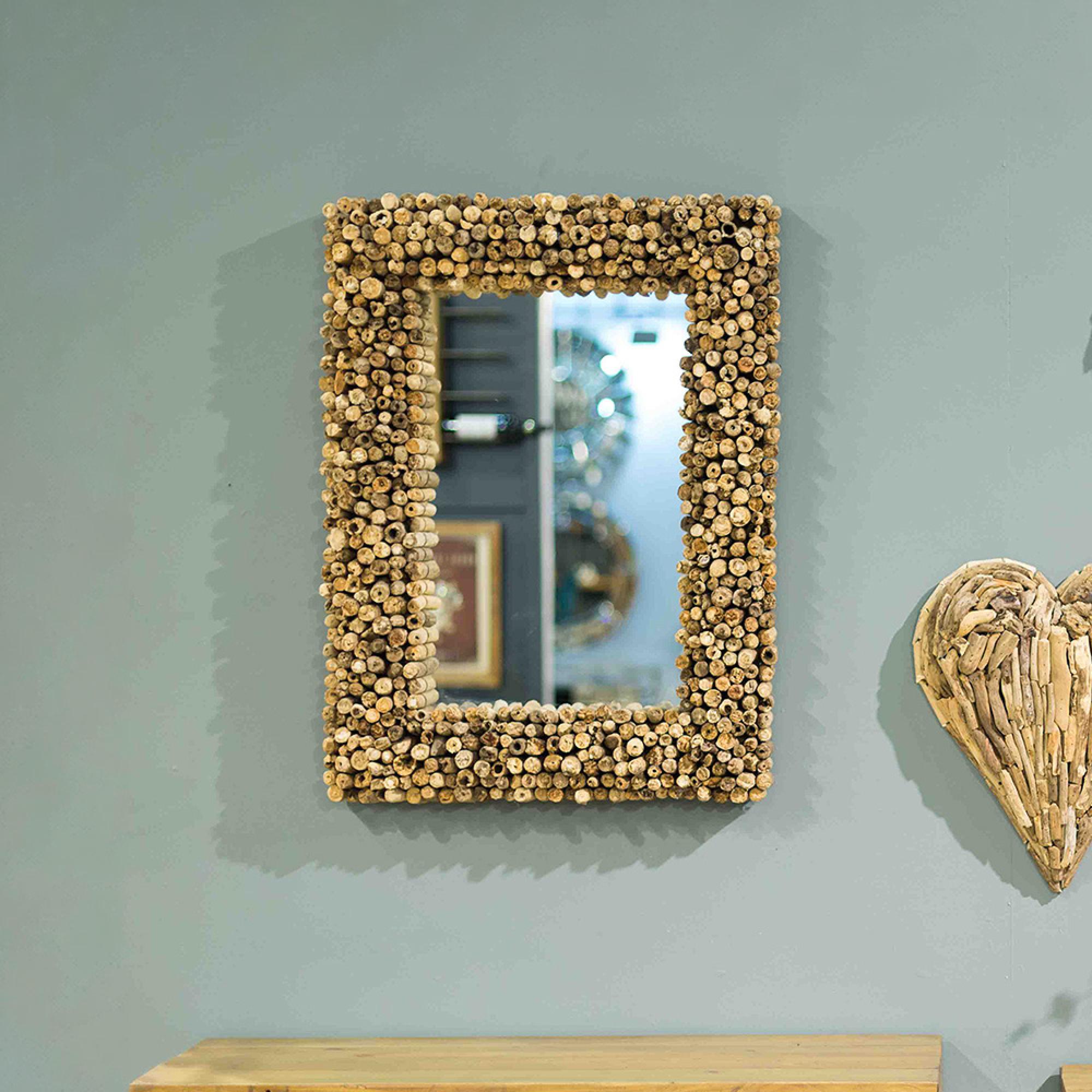
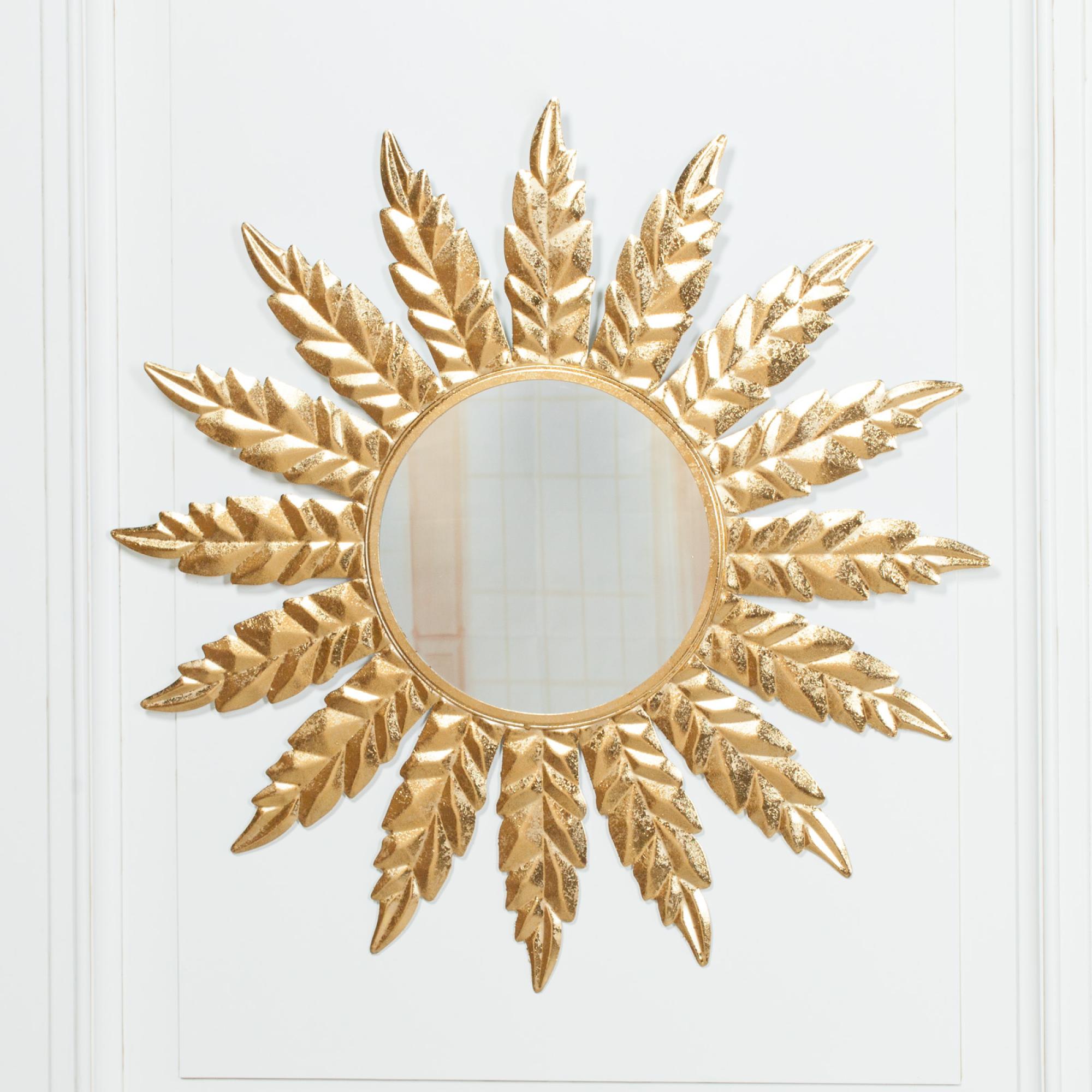
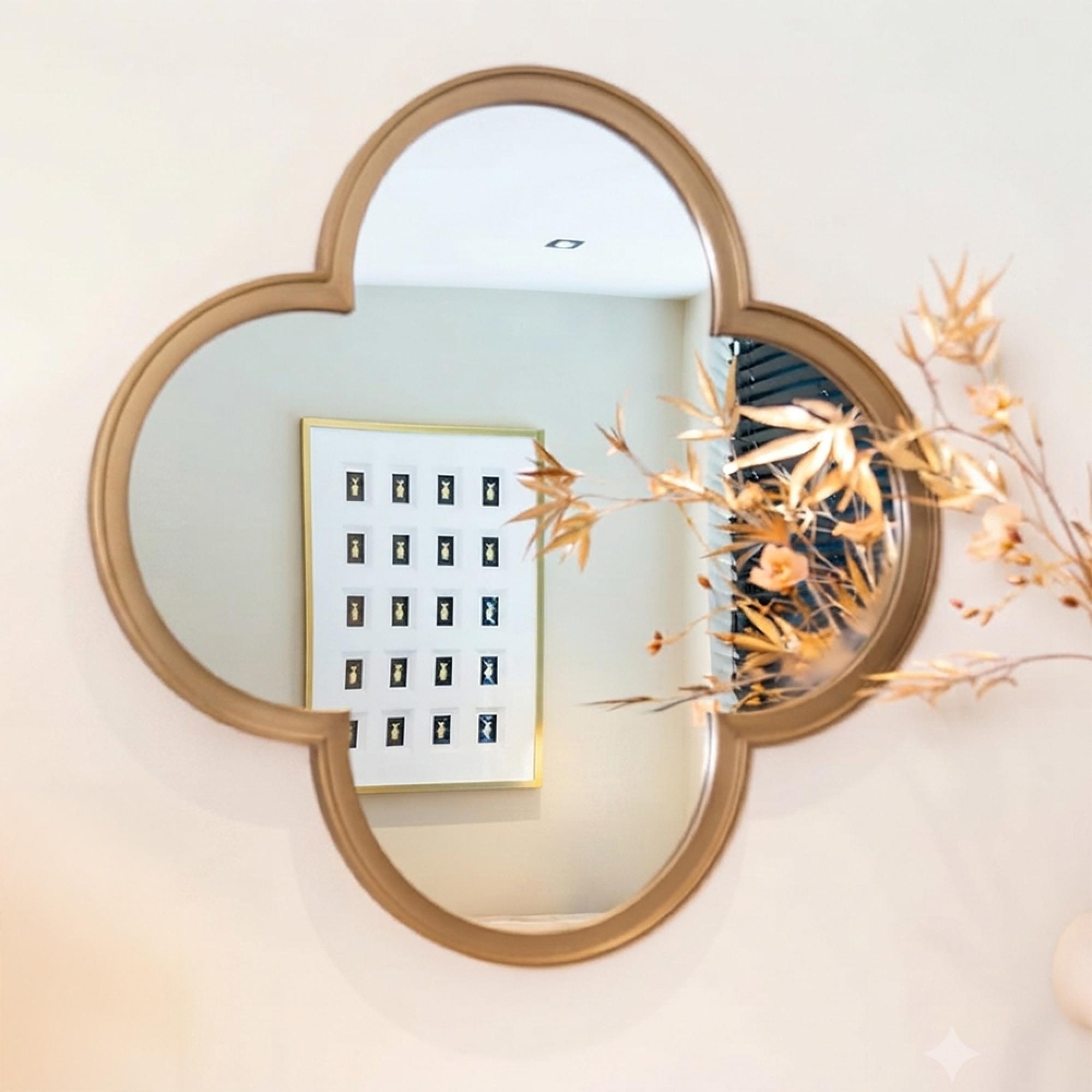
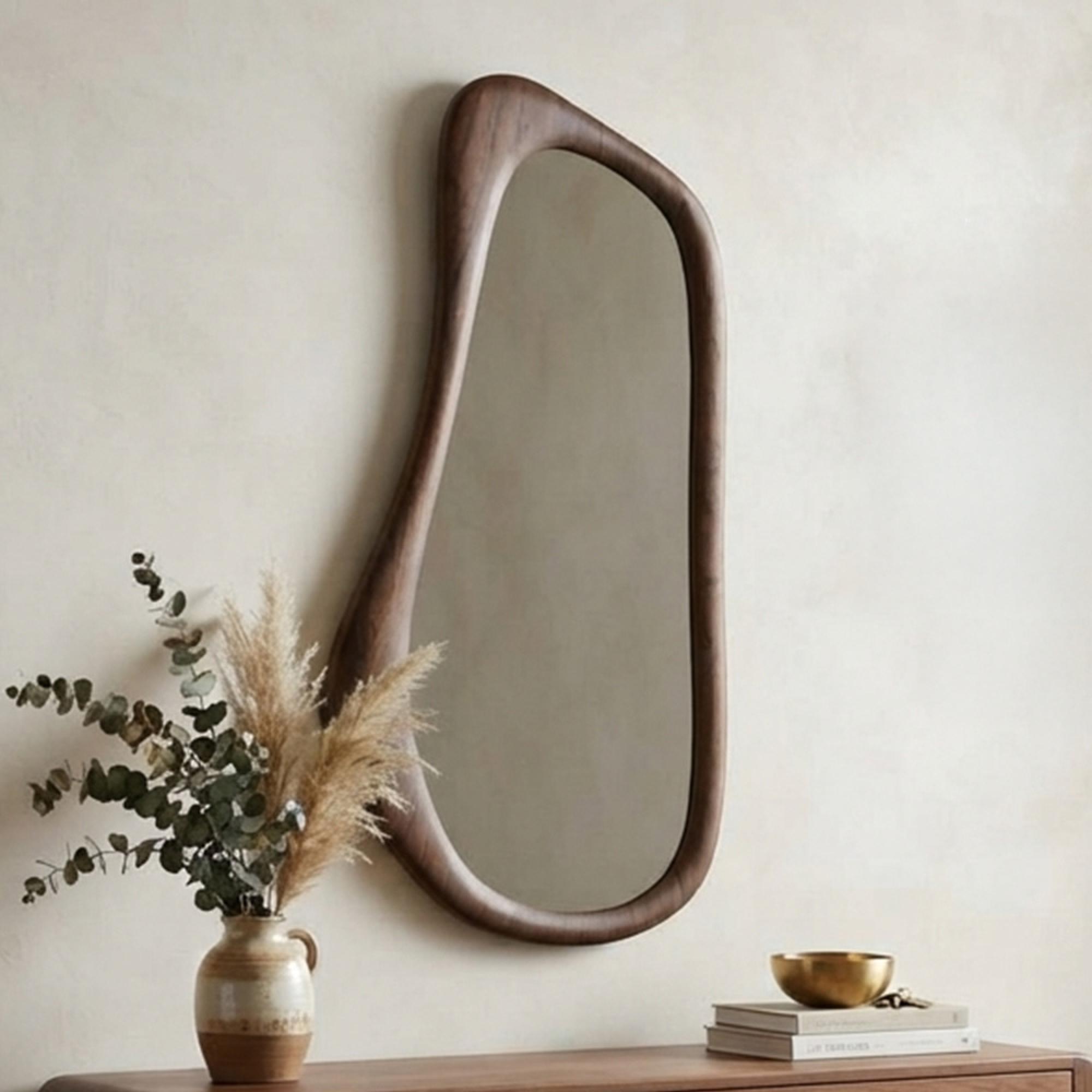
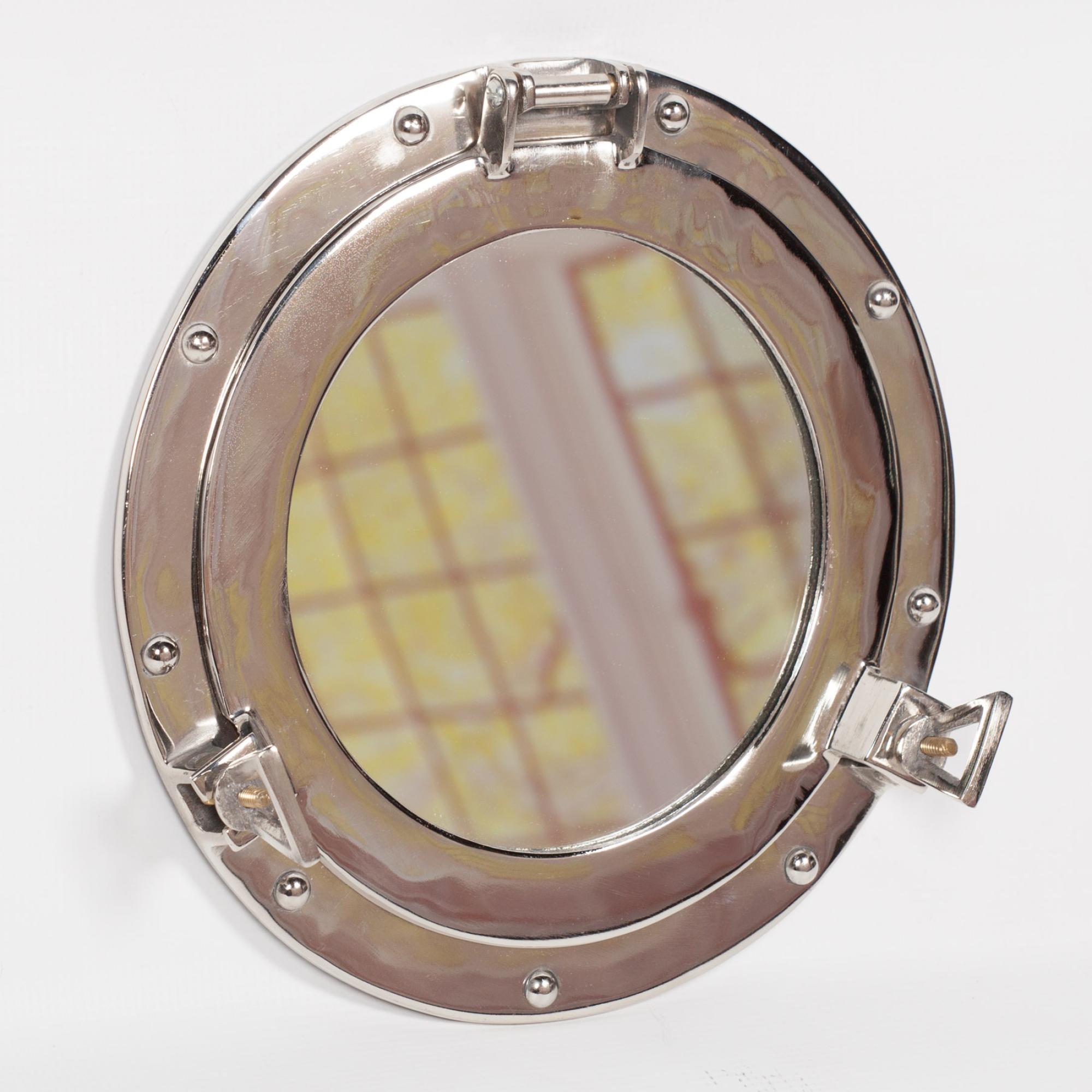
The Wall Mirrors category brings together choices intended to provide a useful reflection while helping light move around the room. Compare shape, frame material, mounting orientation, overall scale and fixing requirements to identify the right balance of appearance and function. Position the mirror to reflect useful light or a considered view rather than visual clutter. Confirm dimensions, materials, assembly and care on the individual product page.
Read more X Close

Price

Type

Shape

Material

Finish

Colour

  • Black
  • Blue
  • Brown
  • Champagne
  • Cream
  • Grey
  • Orange
  • Purple
  • White
  • Yellow

39 Products of 255

Load More..

Wall Mirrors buying guide

Wall mirrors do more than fill an empty patch of wall. This collection includes options suited to hallways, bedrooms, living rooms and dining spaces, with a mix of statement designs and simpler everyday shapes. The overall look ranges from traditional to industrial and modern, so it is a practical place to shop if you want a mirror that works with your existing furniture rather than overpowering it.

Size is one of the first things to check. Think about where the mirror will sit and how much wall space it needs. Larger pieces are available, so measuring around doorways, radiators, light switches and walkways is sensible before you order. Wall Mirrors can work above consoles, sideboards and mantel-style surfaces, as well as on narrower wall sections, when the proportions feel balanced with the furniture beneath.

Which shape suits your room

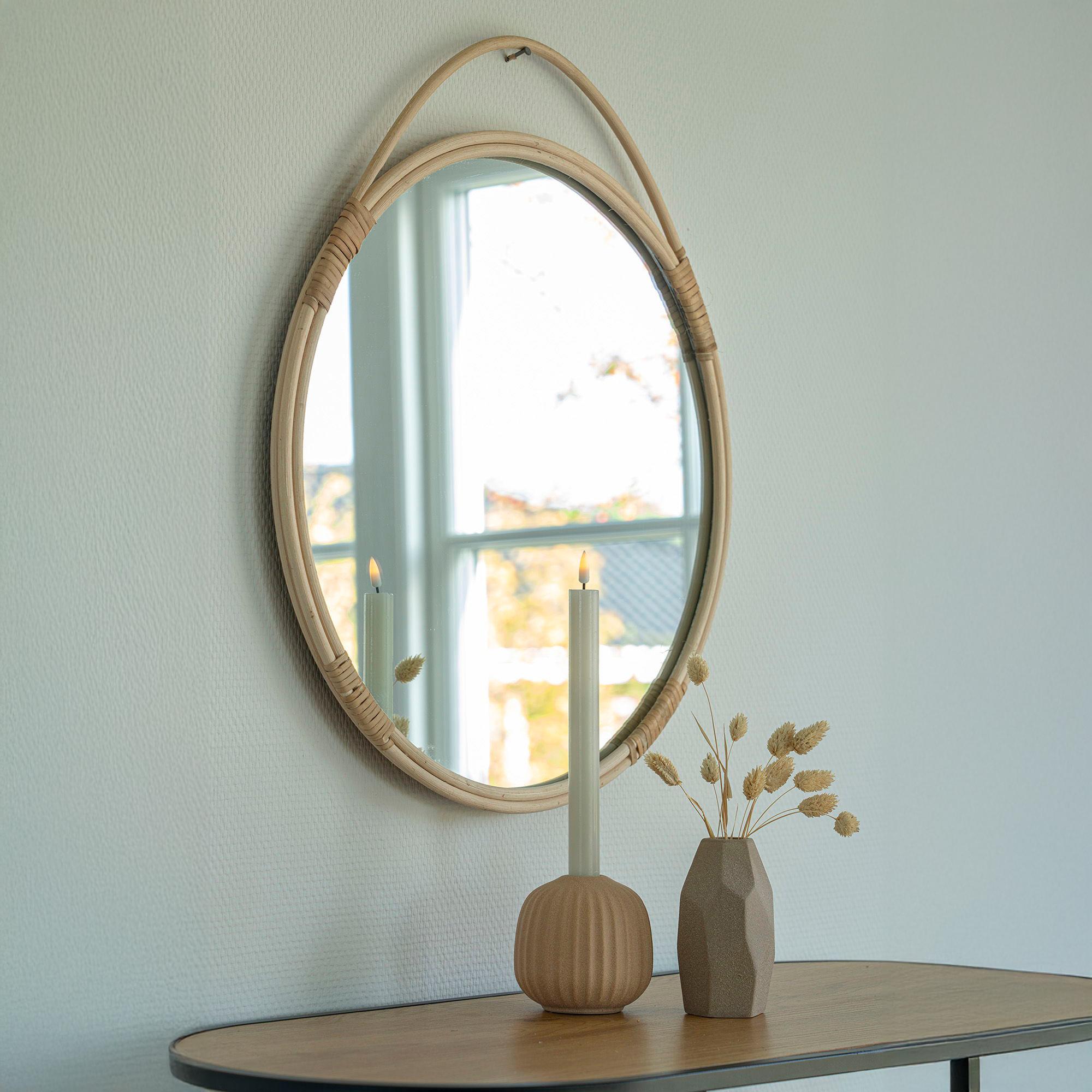
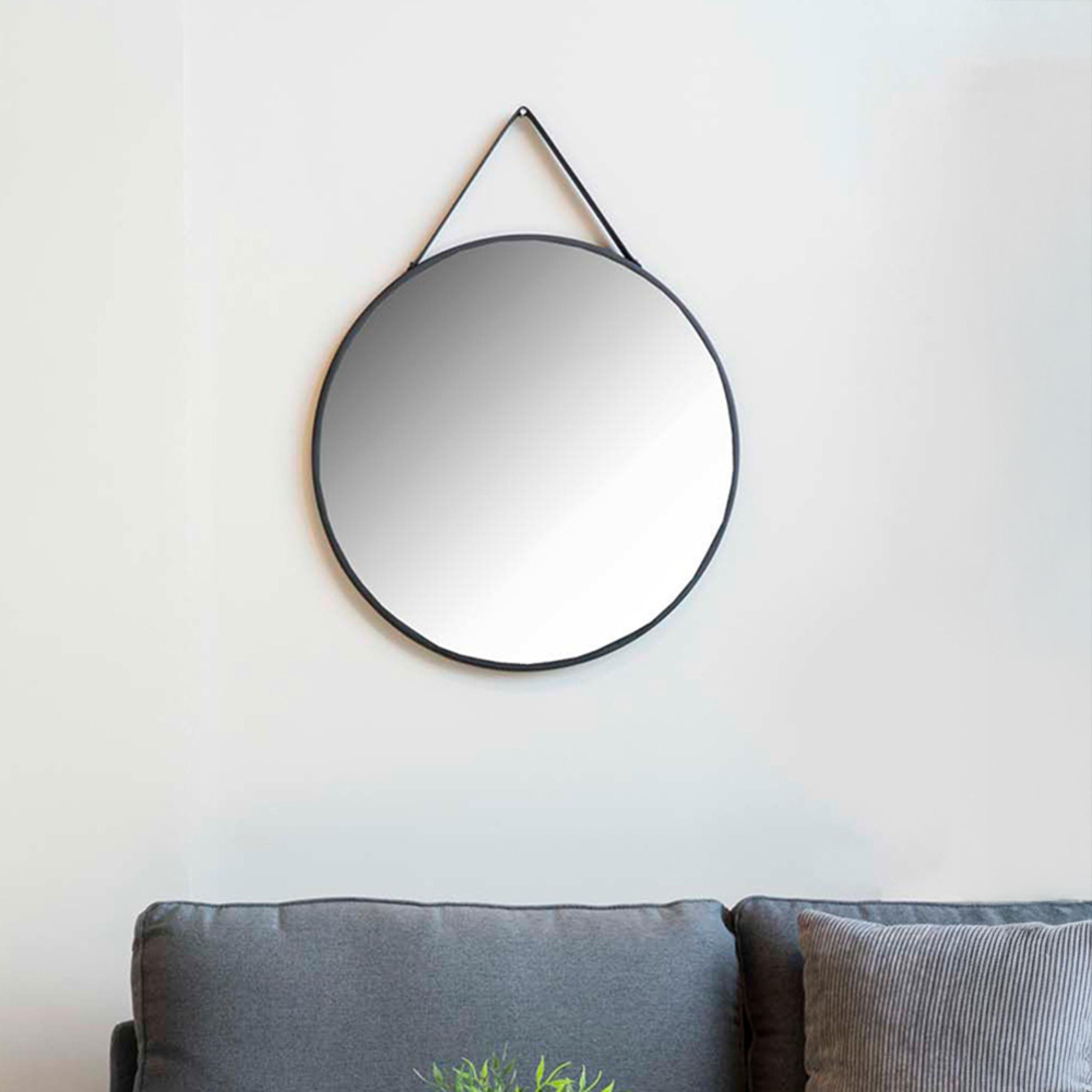
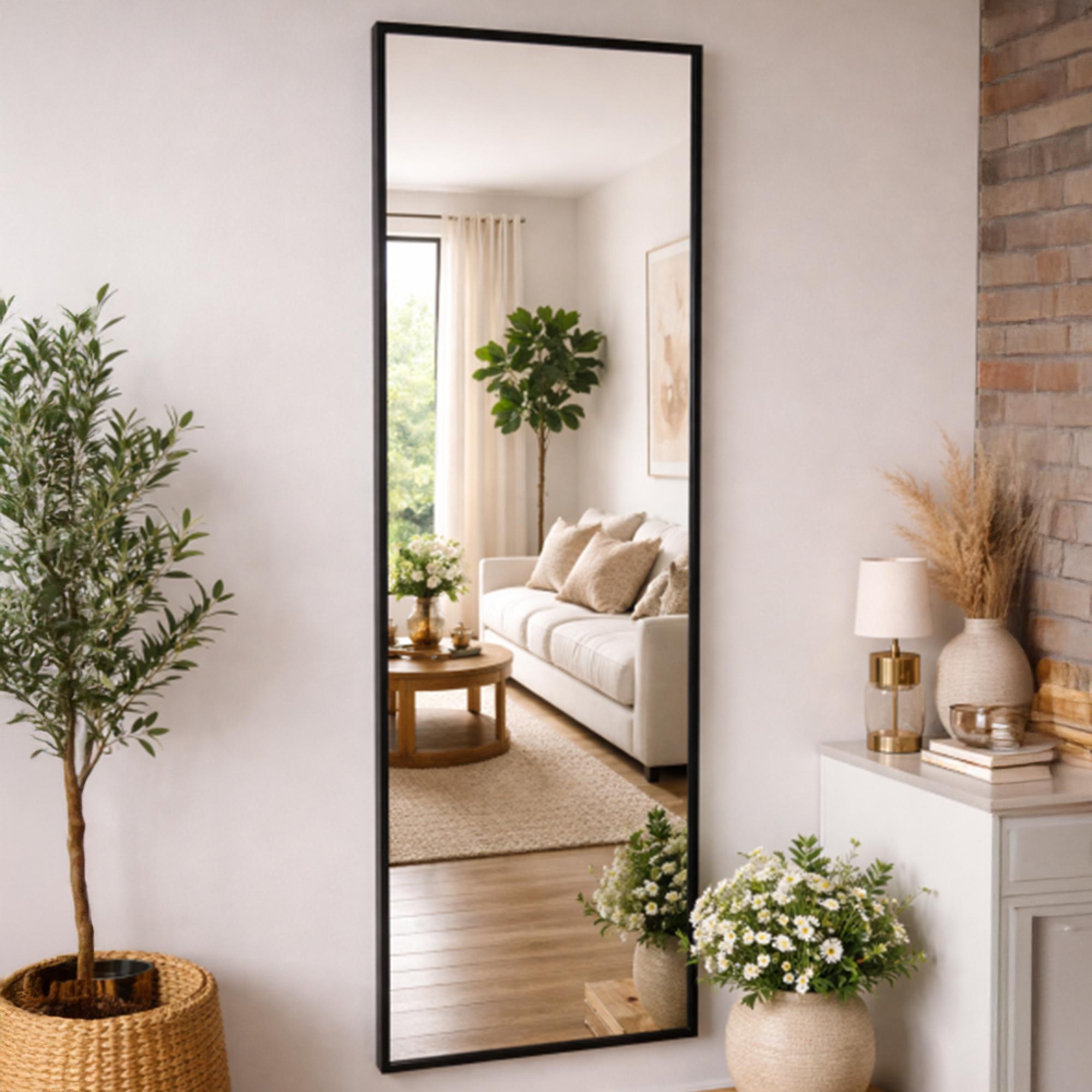
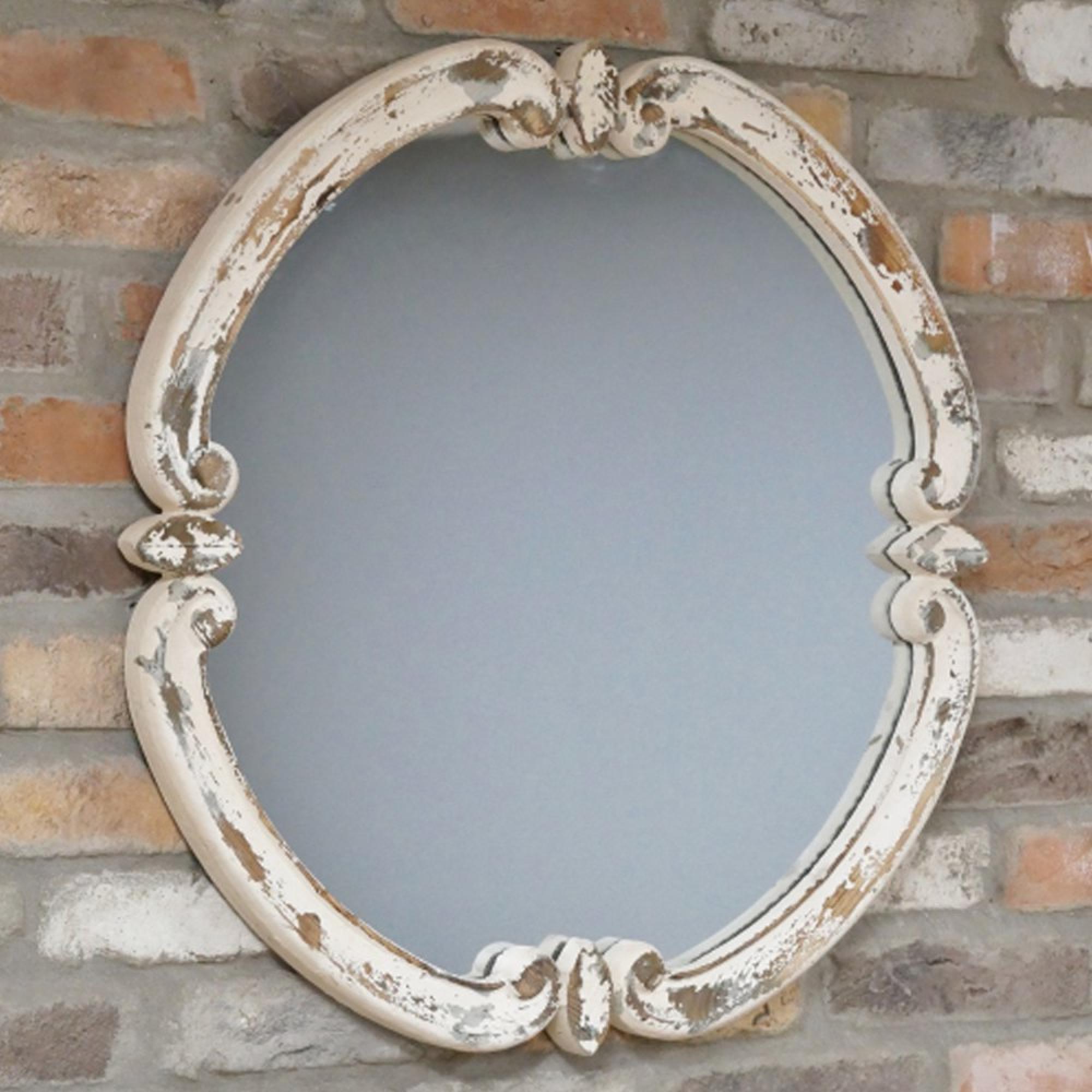
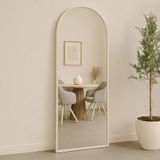
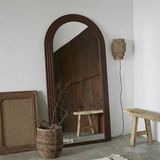
Rectangular mirrors are the most common choice here, making them a practical option when you want to echo the straight lines of cabinets, shelving or dining furniture. Round and oval designs can soften a room with lots of angular furniture, while abstract and arch shapes are better suited to decorative styling where the frame itself becomes part of the display.

Where to place larger designs

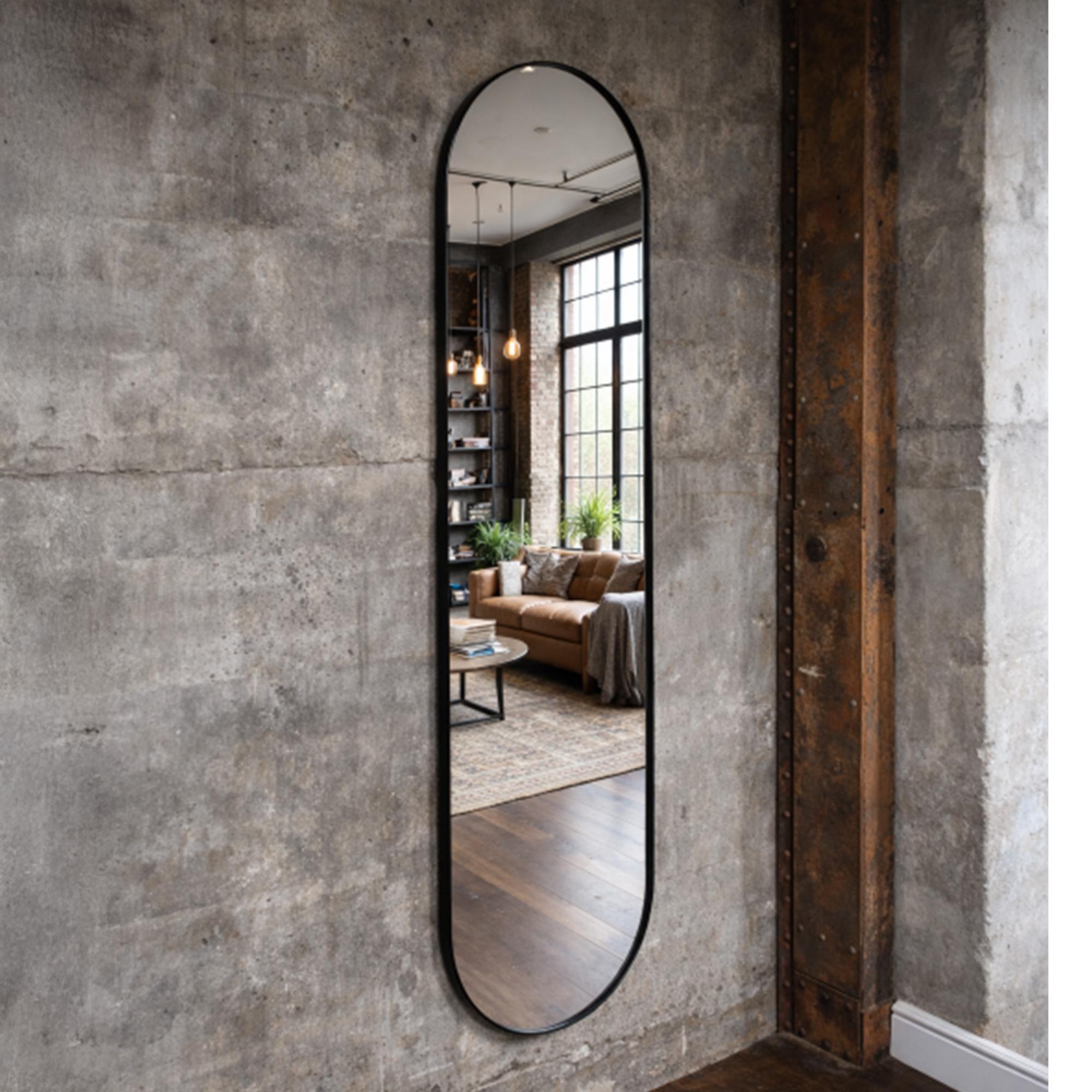
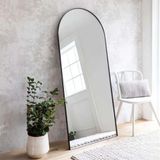
Taller or wider mirrors tend to suit spaces where they can be centred with a little visual breathing room around them. In a hallway, that may mean checking the width of the wall between door frames; above a sideboard or console, it usually helps to choose a mirror that does not overhang the furniture beneath it.

Wall Mirrors materials and finishes

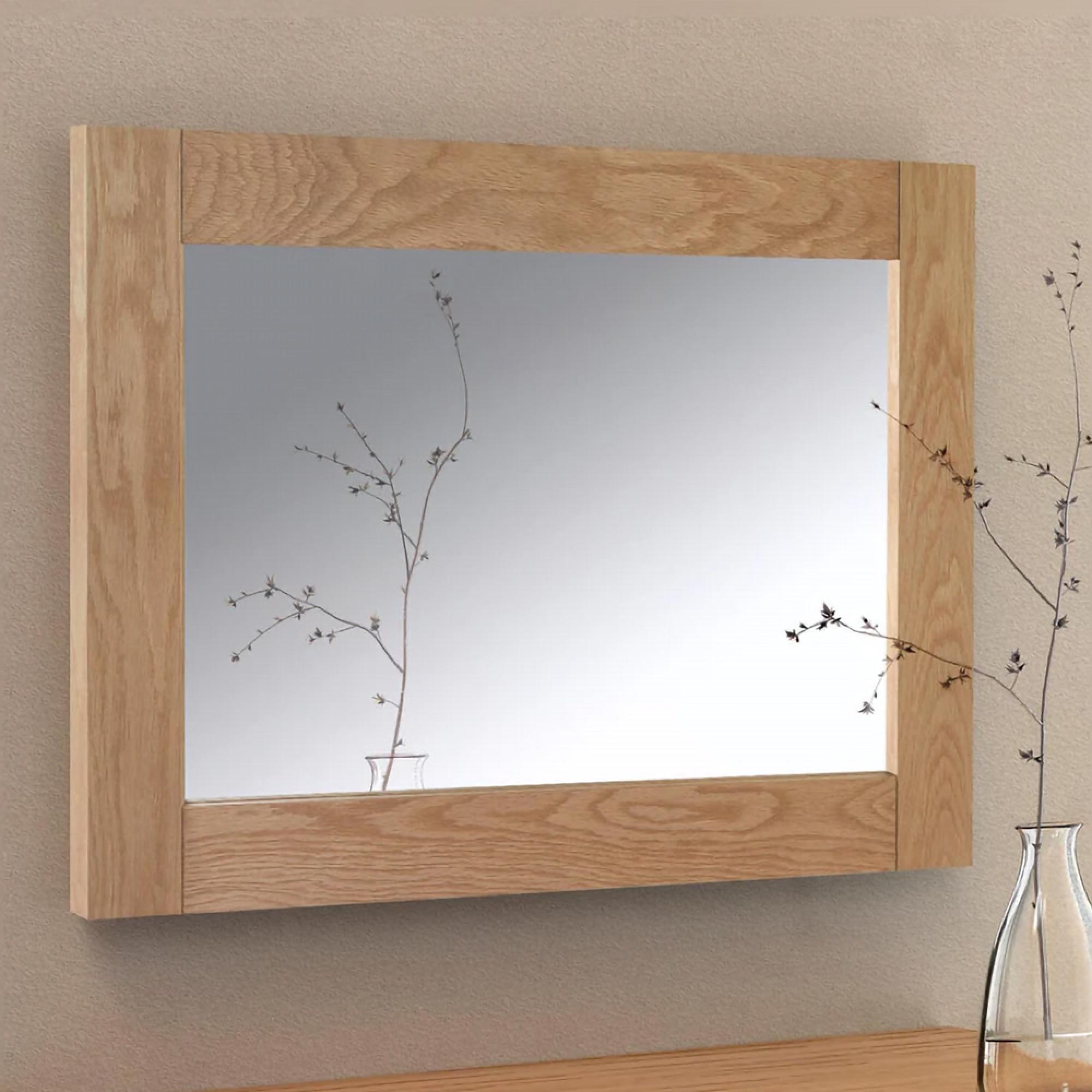
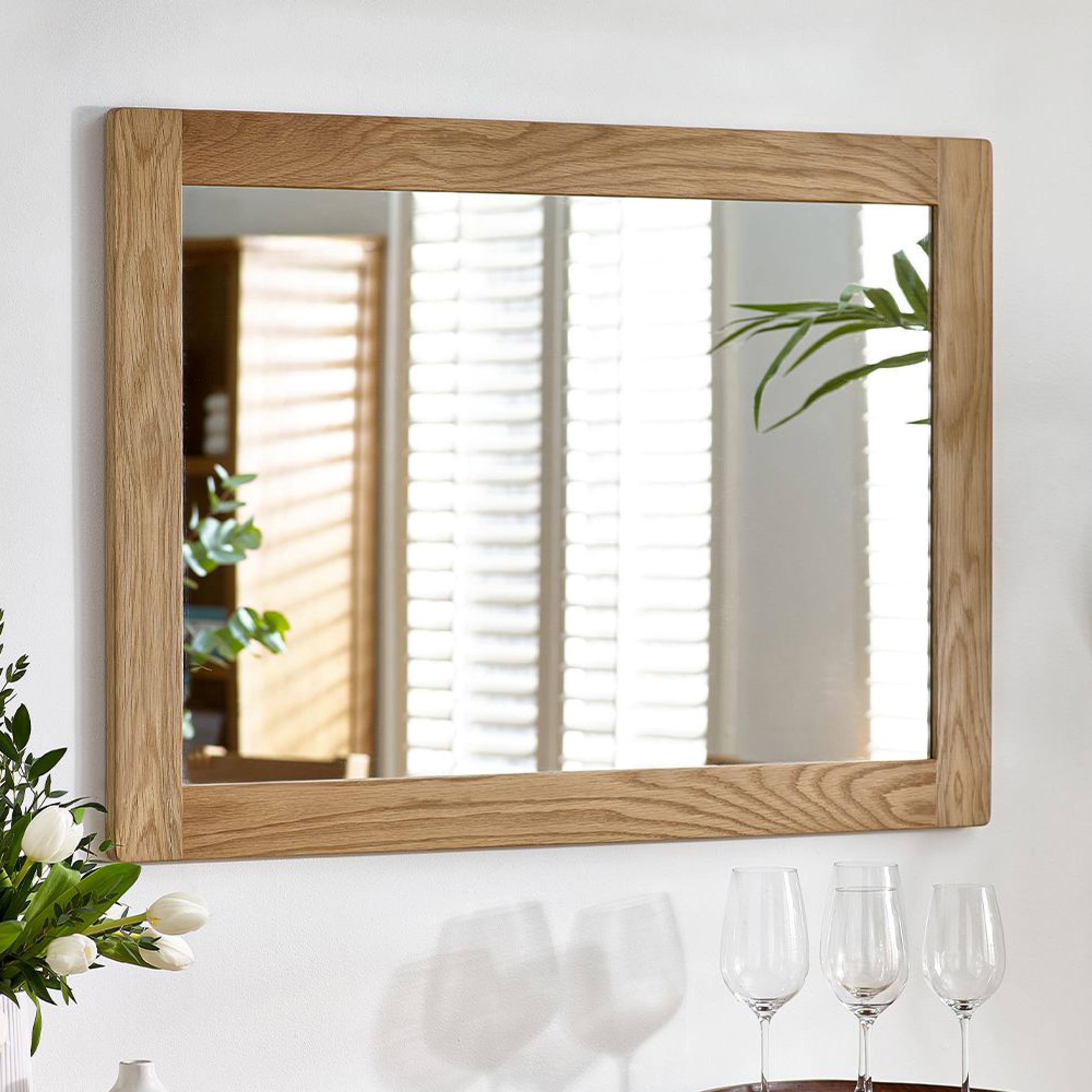
A frame affects both the mood of the room and the amount of visual weight the piece brings. Metal is the most common material in this category, including iron and steel, so there are plenty of options with a cleaner outline or a more industrial feel. Wood, mango wood and oak also appear across the range, giving a warmer look that works well with rustic, country and Scandinavian-inspired interiors.

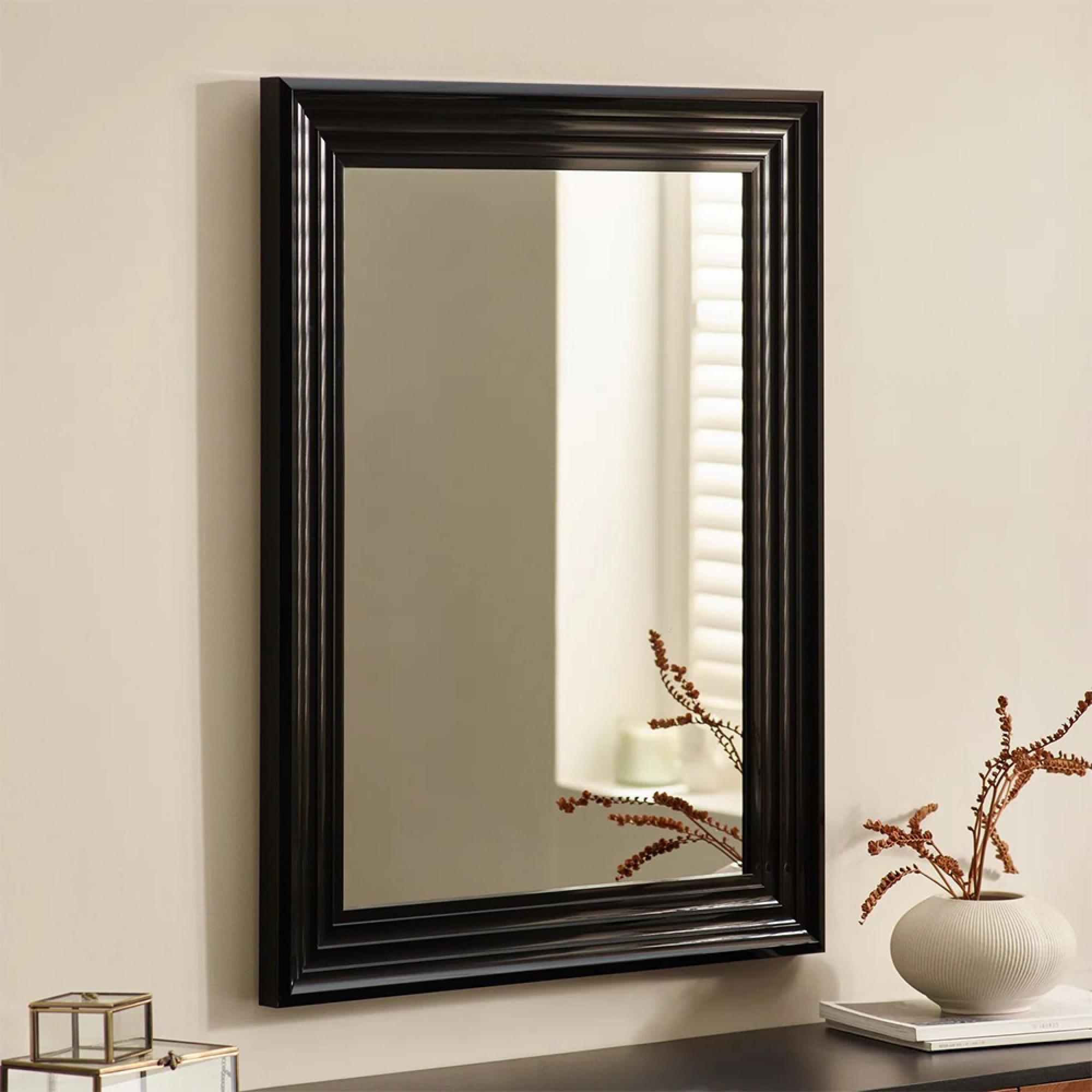
Finish choices are varied. Black frames are especially common and tend to give a crisp, defined edge, while gold, brass and bronze finishes bring a more decorative feel. White and natural wood tones can look lighter on the wall, especially in smaller rooms. For everyday care, a soft dry or slightly damp cloth is usually a sensible choice for frames and mirror glass, with harsher cleaners best avoided on painted, lacquered or metallic finishes.

Matching style to your decor

Traditional designs often suit classic furnishings and layered accessories, while industrial pieces pair neatly with exposed metal, darker woods and simpler shapes. If your room is more current in feel, modern and contemporary Wall Mirrors can sit comfortably alongside streamlined storage and cleaner colour palettes. You can also add finishing detail with Wall Arts or browse Decorative Items for coordinating accents.

Building a decorative scheme

If you are styling a room from the finishing touches upward, mirrors often work best as part of a broader arrangement. Pair a mirror with Clocks and soft furnishings to balance empty wall space with texture elsewhere in the room. The aim is to keep the display cohesive without making the wall feel crowded.

With the right shape, finish and placement, a mirror can bring balance to a room without adding visual clutter. Take a little time to compare style, frame material and size, and the result should feel natural within the space you already have.
Read more X Close

FAQs on Wall Mirrors

What size wall mirror should I buy for my bedroom?

Choose a mirror 60–120cm wide for most bedrooms. Measure your wall space and select one that covers roughly one-third to one-half of the wall width. Position at eye level (around 150cm from floor). Larger rooms suit 150cm+ mirrors; smaller spaces work better with 60–90cm options.

Use appropriate wall anchors for your wall type: toggle bolts for plasterboard, masonry anchors for brick. Most mirrors include fixings, but heavier pieces (over 20kg) need professional installation. Never rely on picture hooks alone. Check the product weight limit and consult a qualified fitter if unsure.

Yes, if positioned correctly. Place mirrors opposite windows to reflect natural light and create depth. Full-length mirrors work best in hallways and compact bedrooms. Avoid placing mirrors facing blank walls. Large statement pieces (120cm+) have greater impact than smaller accent mirrors in small spaces.

Sleek metal-framed mirrors with minimal bezels suit contemporary spaces. Choose brushed brass, black, or chrome finishes. Geometric shapes (square, circle) work well. For a softer modern look, try frameless mirrors or thin wooden frames. Avoid ornate, vintage-style frames unless blending styles deliberately with industrial or eclectic décor.

Measure the wall width and height in centimetres using a steel tape measure. Mark eye level (approximately 150cm from the floor) where the mirror centre should sit. For placement over furniture, measure that pieces width. Leave 15–30cm clearance on either side. Note any obstacles like light switches or sockets.

Wall-mounted mirrors are permanently fixed to the wall, saving floor space and looking integrated. Leaning mirrors rest against the wall without fixings, offering flexibility to reposition or remove easily. Leaning suits rental properties; wall-mounted suits permanent arrangements. Both create the same visual effect when positioned identically.

Clean weekly with a soft microfibre cloth and glass cleaner or diluted white vinegar solution. Avoid abrasive scouring pads that scratch the surface. Check fixings monthly for tightness, especially in high-humidity bathrooms. For wooden frames, use furniture polish every few months. Never use excess water near the frame edges.

Frameless mirrors suit minimalist and modern interiors, offering clean lines and maximum reflection. Framed mirrors add character, define the wall space, and suit traditional or eclectic styles. Frameless is easier to clean; frames hide imperfections. Choice depends on your décor style and whether you want the mirror as a focal point or subtle addition.

A 120–180cm full-length hallway mirror creates light and space perception. Mount at least 150cm from the floor to reflect upper body. For narrow hallways under 2 metres wide, choose 60–90cm width to avoid overwhelming the space. Position away from the entry door to avoid blocking flow. Vertical orientation maximises height illusion.

Choose a large statement mirror (150cm+) with a distinctive frame—brass, velvet-wrapped, or geometric. Mount it on an accent wall above a console table or sideboard. Layer with complementary décor: artwork, plants, or decorative objects below. Use lighting to highlight the frame. Ensure adequate wall space so the mirror dominates without feeling cramped.

Choose a 60–90cm mirror to avoid overwhelming the space without sacrificing functionality. Frameless or thin-framed designs maintain a sense of openness. Mount it above the sink at standard height (150cm to centre). For moisture resistance, ensure anti-fog backing or ventilation. Consider vertical orientation to emphasise ceiling height in compact bathrooms.

Most wall-mounted mirrors include basic fixings in the box, but check product details. Plasterboard wall anchors are standard; brick or stone walls may need different fixings. Heavier mirrors (over 20kg) often require upgraded anchors not included. Always verify compatibility with your wall type before installation. Contact customer service if fixings are unclear or missing.
Top