Free Delivery All Over UK*
close
Top products
SHOW ALL PRODUCTS

Wall Arts

Found 71 Items

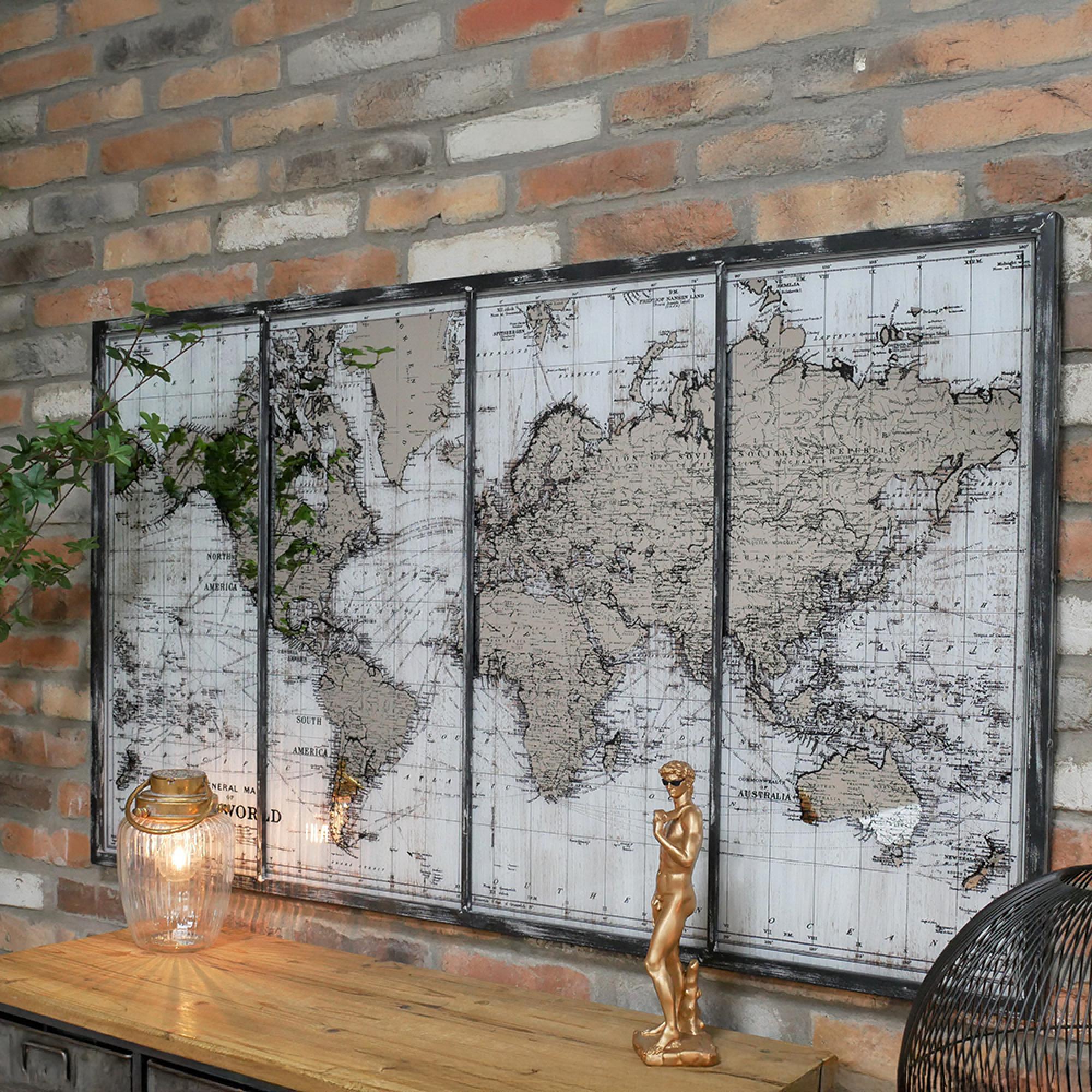
Choose Wall Arts with the room, daily routine and intended use in mind. Compare scale, colour, material, placement, visual balance and care to identify the right balance of appearance and function. Repeat one colour or material elsewhere in the room to make the accessory feel intentional. Check each product page for exact dimensions, construction, finish, assembly and care information before making a final choice.
Read more X Close

Popular Categories

Price

Shape

Material

Colour

  • Black
  • Blue
  • Grey
  • Pink
  • Yellow

39 Products of 71

Load More..

Choosing Wall Arts

This category focuses on Wall Arts that can add a considered decorative focal point or finishing layer. Start with the room layout and daily use, then compare scale, colour, material, placement, visual balance and care. Function and visual balance both matter, so compare the complete specification rather than choosing on appearance alone. This keeps the decision focused on practical suitability as well as style.

Plan the space before choosing

Repeat one colour or material elsewhere in the room to make the accessory feel intentional. Record the available width, depth and height, including clearance for doors, drawers, reclining parts or extensions where relevant. Account for skirting boards, radiators, sockets and walking routes, then check the access route through doors, halls and stairs.

For adjacent choices, explore Decorative Items, Sculptures and Vases. Use these comparisons alongside the specifications on each product page.

Wall Arts for considered interiors

The Wall Arts category focuses on choices intended to add a considered decorative focal point or finishing layer. A suitable option should respond to the room's proportions, surrounding furniture and practical demands of everyday use. Use the category wording as a starting point, then verify the exact material, finish and features shown on each product page.

Material, finish and construction

When comparing home accessories, look closely at scale, colour, material, placement, visual balance and care. Materials influence appearance, weight and maintenance, while finish affects colour coordination and day-to-day care. Use the written specification to confirm construction and care requirements.

Function and room planning

Repeat one colour or material elsewhere in the room to make the accessory feel intentional. Mark out the footprint and consider how people move around it. Where a product opens, extends, swivels or reclines, include that working clearance. For storage, seating or sleeping products, match the layout, support and capacity to the needs of regular users.

Creating a coordinated result

Build the room around a clear relationship between scale, colour and material. Matching every finish is not essential, but repeating one or two elements can connect separate pieces. You can also compare Decorative Items, Sculptures and Vases for closely related room and product choices. Use the individual listing to confirm dimensions, included components, assembly and suitability.
Read more X Close

FAQs on Wall Arts

What wall art styles work best in small living rooms?

In compact spaces, choose single statement pieces (60–90cm) or gallery clusters with consistent frames rather than oversized art. Lighter colours and abstract designs make rooms feel larger. Avoid dark, heavy frames. Position artwork at eye level, 150–160cm from floor to centre point.

Measure your wall width and select art at 50–75% of that measurement. Above sofas, aim for 60–90cm width. Leave 20–30cm space between grouped pieces. For feature walls, go larger. Our size guide on each product shows exact dimensions in centimetres to help you plan.

Framed art offers protection, easier hanging and a finished look—ideal for high-traffic areas or if you rent. Unframed canvas and prints are modern, flexible and cost-effective. Unframed suits contemporary spaces; frames work better in traditional settings. Both are available in our range.

Plan layout on paper first using a template. Mix frame styles, but keep colours cohesive. Spacing should be even (5–10cm gaps). Combine portrait and landscape orientations. Stick to 5–7 pieces for impact without clutter. Use a spirit level and measuring tape for professional results.

Dust gently with a soft, dry cloth monthly. For framed glass, use a microfibre cloth and glass cleaner sparingly—avoid spray directly on the frame. Canvas should never be wet-cleaned. Keep art away from direct sunlight to prevent fading. Never use abrasive materials.

Yes—use damage-free hanging strips or lightweight adhesive hooks rated for your arts weight. Avoid nails or drilling. Our lightweight canvas and print options (under 2kg) work well with non-permanent fixings. Always check your tenancy agreement before hanging anything.

Grey pairs well with jewel tones (teal, emerald, deep blue), warm neutrals (mustard, terracotta), or monochrome art. Bold geometric patterns add interest without clashing. Metallics (gold, copper frames) lift the look. Avoid pale greys or beiges—theyll blend and disappear.

Canvas prints last longer—they resist fading better and dont require glass maintenance. Framed prints offer extra dust protection and are easier to clean. Both last 10+ years if kept away from direct sunlight and moisture. Choose canvas for high-moisture rooms like kitchens.

Choose calming colours (blues, soft greens, warm neutrals) and avoid heavy, dark imagery. Size should be 60–90cm wide—proportional to your beds width. Avoid glass-framed pieces due to safety concerns. Diptychs or triptychs create symmetry; single statement pieces work too.

The centre of artwork should be 150–160cm from the floor—roughly eye level when standing. Above a sofa, keep 20–25cm clearance. In hallways or stairwells, hang slightly lower (140–150cm) for comfort. Use a spirit level and measuring tape to get it right first time.
Top