Free Delivery All Over UK*
close
Top products
SHOW ALL PRODUCTS

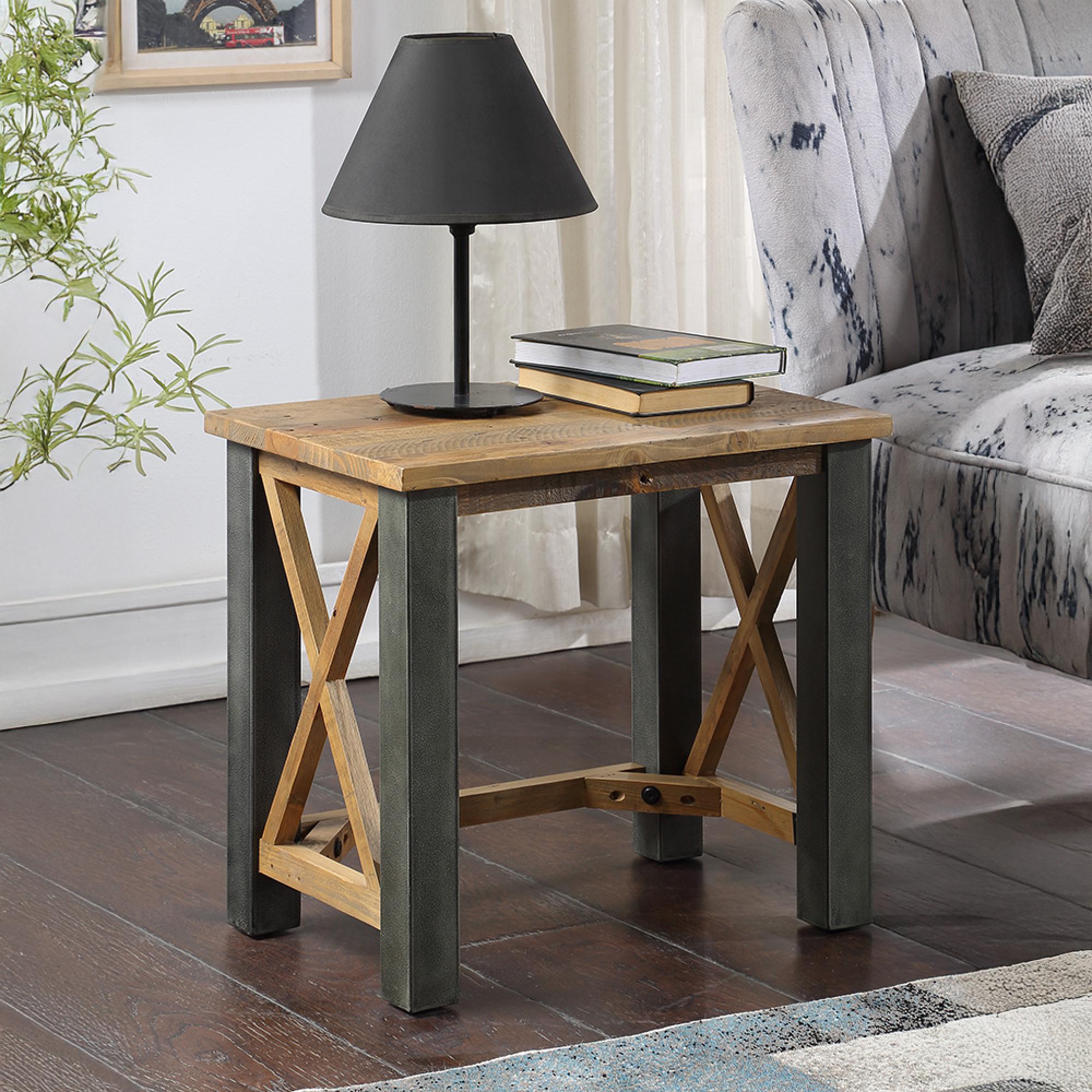
Reclaimed Wood Side Tables

Found 14 Items

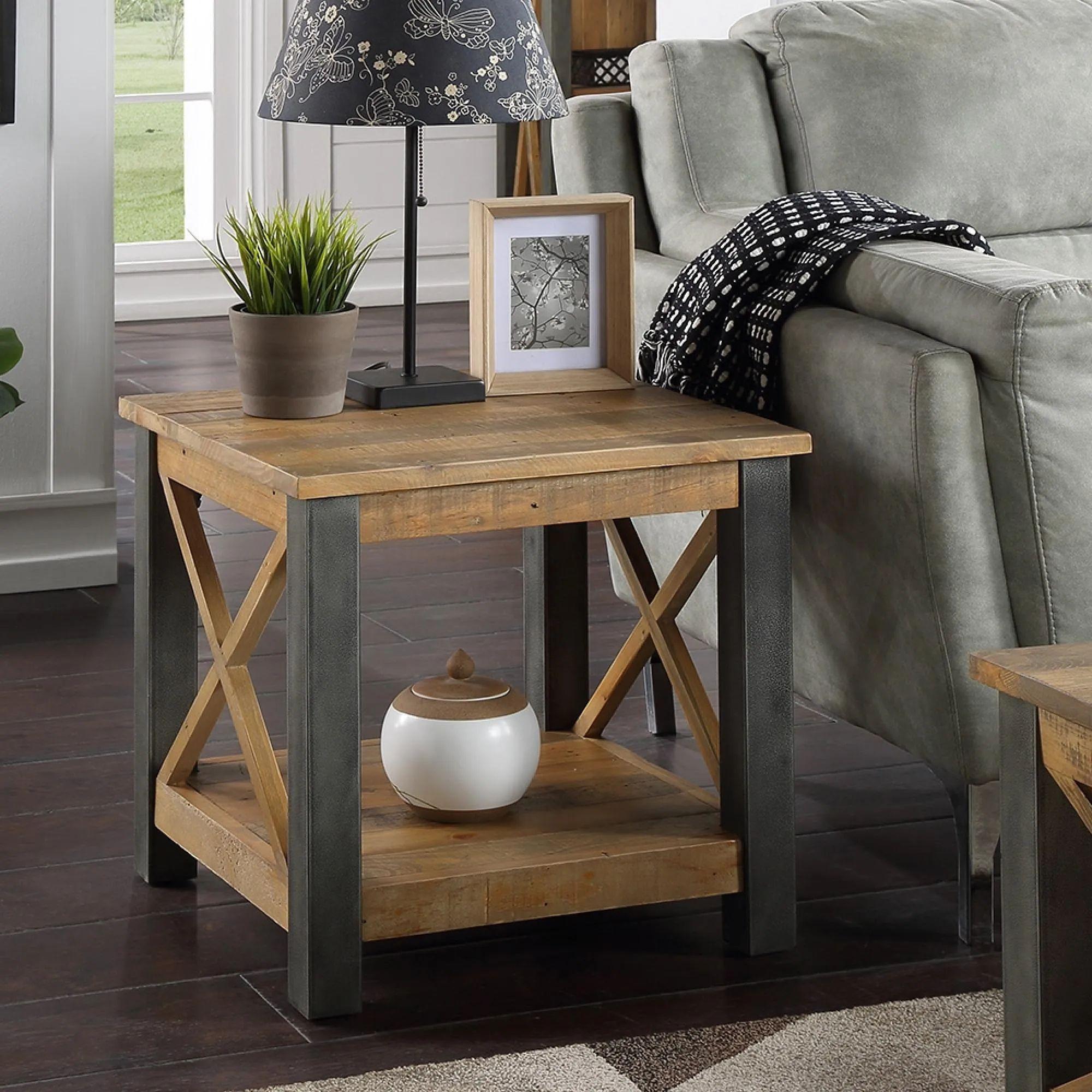
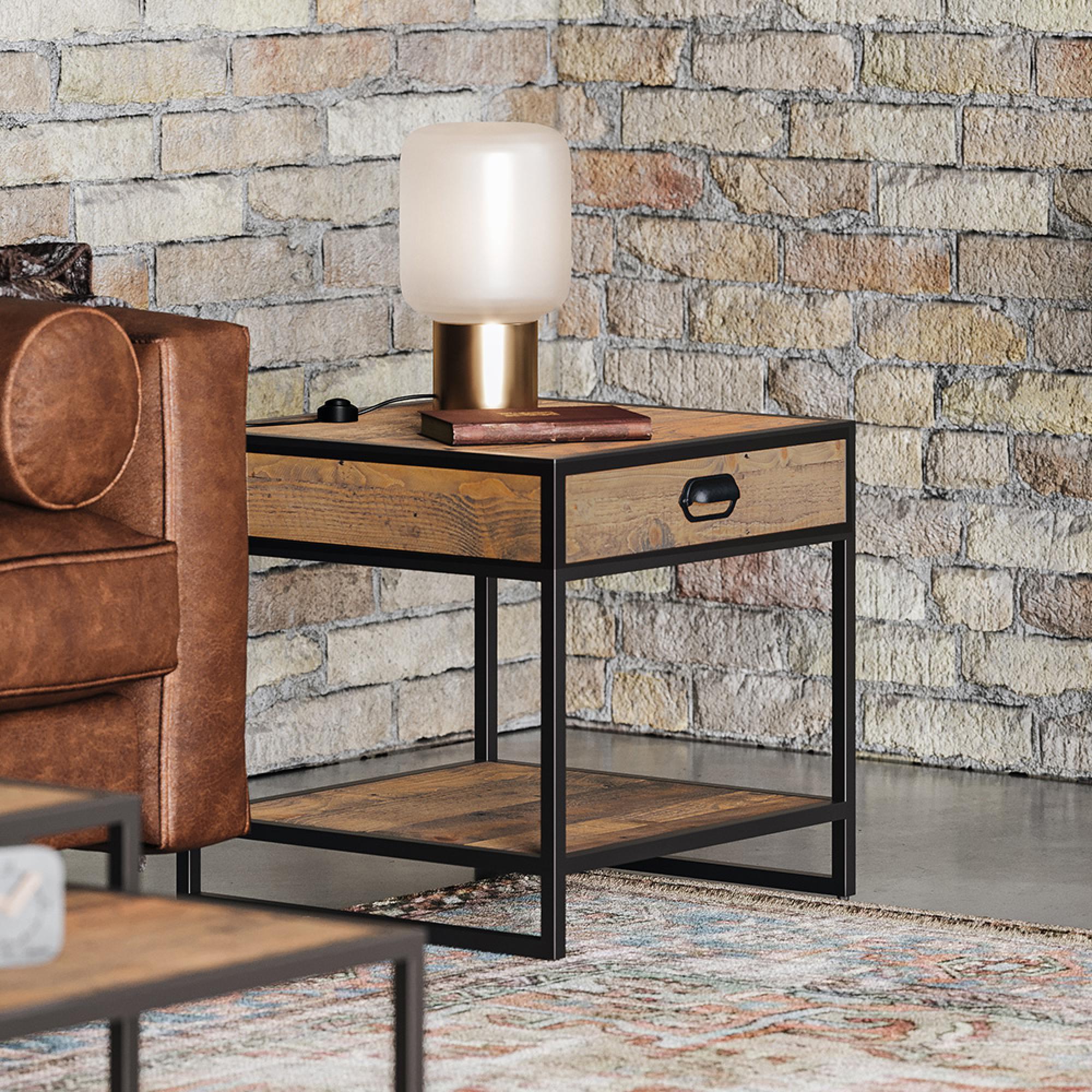
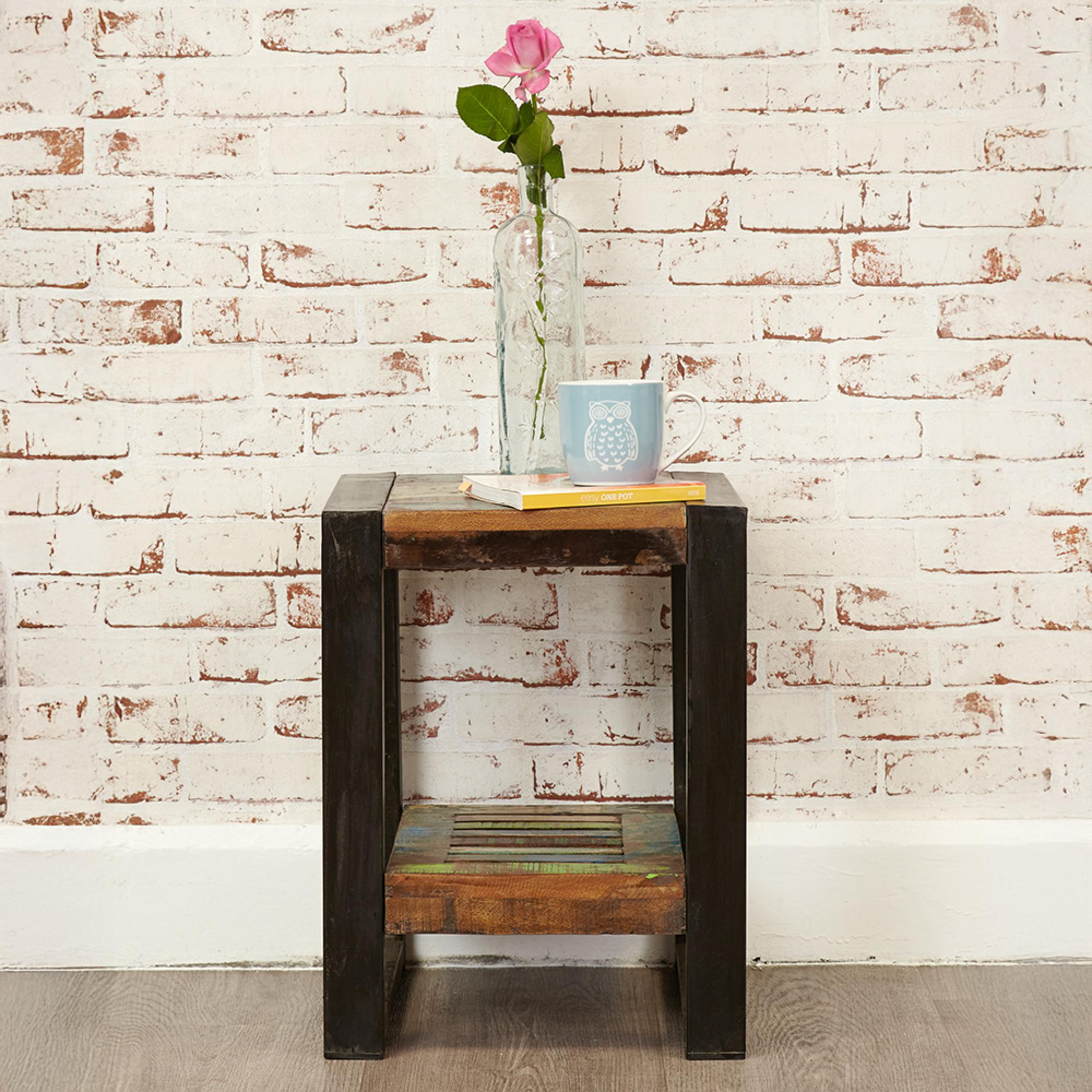
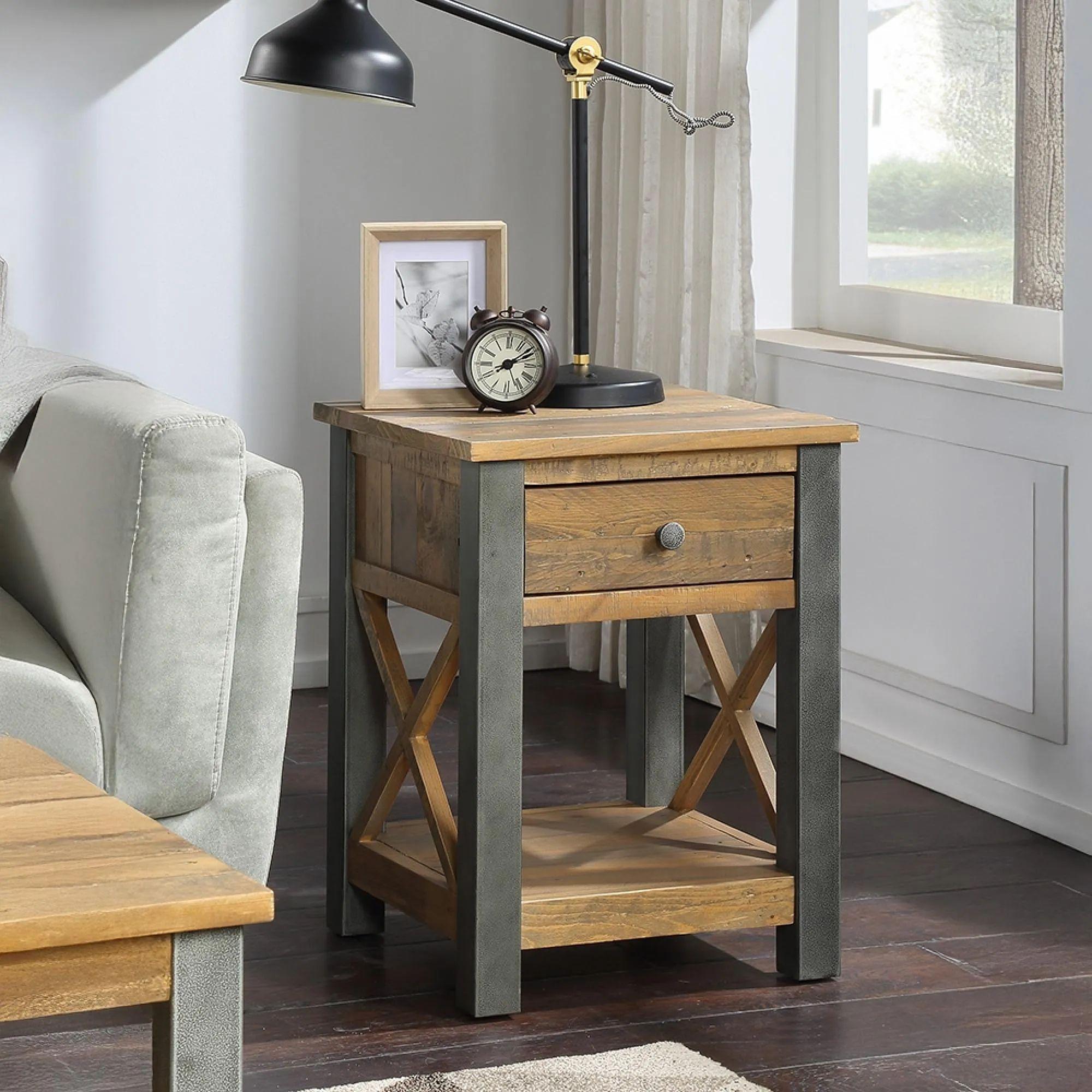
Choose Reclaimed Wood Side Tables with the room, daily routine and intended use in mind. Compare height, top size, material, storage, base stability and surrounding clearance to identify the right balance of appearance and function. The wood focus makes material, finish and care especially important when comparing products. Compare the table height with the adjacent seat arm for comfortable everyday use. Confirm dimensions, materials, assembly and care on the individual product page.
Read more X Close

Price

Features

Shape

Material

Finish

Colour

  • Black
  • White

Choosing Reclaimed Wood Side Tables

This category focuses on Reclaimed Wood Side Tables that can keep a lamp, drink or book conveniently beside a chair or sofa. Start with the room layout and daily use, then compare height, top size, material, storage, base stability and surrounding clearance. The wood focus makes material, finish and care especially important when comparing products. This keeps the decision focused on practical suitability as well as style.

Plan the space before choosing

Compare the table height with the adjacent seat arm for comfortable everyday use. Record the available width, depth and height, including clearance for doors, drawers, reclining parts or extensions where relevant. Account for skirting boards, radiators, sockets and walking routes, then check the access route through doors, halls and stairs.

For adjacent choices, explore Side Tables, Dark Wood Side Tables and Mango Wood Side Tables. Use these comparisons alongside the specifications on each product page.

Reclaimed Wood Side Tables for considered interiors

The Reclaimed Wood Side Tables category focuses on choices intended to keep a lamp, drink or book conveniently beside a chair or sofa. A suitable option should respond to the room's proportions, surrounding furniture and practical demands of everyday use. The wood focus makes material, finish and care especially important when comparing products.

Material, finish and construction

When comparing side tables, look closely at height, top size, material, storage, base stability and surrounding clearance. Materials influence appearance, weight and maintenance, while finish affects colour coordination and day-to-day care. Use the written specification to confirm construction and care requirements.

Function and room planning

Compare the table height with the adjacent seat arm for comfortable everyday use. Mark out the footprint and consider how people move around it. Where a product opens, extends, swivels or reclines, include that working clearance. For storage, seating or sleeping products, match the layout, support and capacity to the needs of regular users.

Creating a coordinated result

Build the room around a clear relationship between scale, colour and material. Matching every finish is not essential, but repeating one or two elements can connect separate pieces. You can also compare Side Tables, Dark Wood Side Tables and Mango Wood Side Tables for closely related room and product choices. Use the individual listing to confirm dimensions, included components, assembly and suitability.
Read more X Close

FAQs on Reclaimed Wood Side Tables

What should I look for when buying a reclaimed wood side table?

Look for solid construction, authentic grain patterns, and stable legs. Check the wood type—oak and pine are durable choices. Verify dimensions fit your space (typically 40–60cm wide). Inspect for quality finishes that protect the wood. Ensure the table suits your décor style, whether industrial, rustic, or modern farmhouse.

Reclaimed wood tables offer unique character, authentic patina, and environmental benefits through reuse. New wood tables provide consistency in appearance and finish. Reclaimed pieces are often more expensive but deliver durability and one-of-a-kind aesthetics. Both are solid investments; your choice depends on style preference and budget.

Measure the space beside your sofa or bed—most side tables are 40–60cm wide and 45–65cm tall. The tabletop should align roughly with sofa armrest height. Leave 30–45cm between the table and seating for comfortable movement. Consider room layout and existing furniture proportions before purchasing.

Pair with a table lamp, books, and a small plant for layered appeal. Keep the tabletop uncluttered—three to four items maximum. Reclaimed wood suits industrial, rustic, or contemporary styles. Add a woven basket underneath for storage. Let the woods natural character be the focal point without competing accessories.

Yes, reclaimed timber generally comes from solid, well-aged wood that has already proven its durability over decades of previous use. This makes it a genuinely hard-wearing choice for a side table that sees regular daily use.

Clean monthly with a soft, dry cloth to remove dust. Use a wood conditioner every 6–12 months to maintain finish and prevent drying. Avoid placing wet items directly on the surface—use coasters. Keep away from direct sunlight and heating vents to prevent warping or fading.

Reclaimed wood is salvaged from old buildings, barns, or furniture—it has authentic patina and history. Rustic wood is new but styled to look aged with hand-finishing techniques. Reclaimed tables are genuinely unique and more sustainable; rustic tables offer affordability and consistency. Both deliver warm, natural aesthetics.

Yes, theyre a sound investment for durability and longevity. Reclaimed wood is harder than many modern timbers, lasting decades with basic care. The unique character adds interior interest without trend-chasing. Higher upfront cost is offset by durability and timeless appeal—they rarely need replacement.

Absolutely. Reclaimed wood suits contemporary design when paired with clean lines and minimal styling. Choose tables with simple, geometric forms and natural finishes. Balance the rustic wood with metal accents, neutral tones, and modern décor. Industrial-style reclaimed tables blend heritage with contemporary aesthetics effectively.

Oak is extremely durable with visible grain—ideal for high-traffic areas. Pine offers lighter tones and warmth but is softer. Walnut delivers rich colour and strength. Elm and beech are also durable choices. Consider your décor colour scheme and durability needs when selecting wood type.

Side tables are generally designed for everyday items like lamps, drinks, books or small decorative pieces, rather than particularly heavy objects. If you're planning to place something heavier, such as a large lamp, it's worth checking the product specification first.

Yes, our return policy covers side tables that don't work out once you've seen them in your space, though checking measurements carefully beforehand helps avoid this. Get in touch with our customer service team if you need to arrange a return.

Yes, and this is part of the appeal, as genuine reclaimed timber carries natural marks, knots and colour differences from its previous life. No two tables look exactly alike, so slight variation from the product photos is normal rather than a fault.
Top