Free Delivery All Over UK*
close
Top products
SHOW ALL PRODUCTS

Pine Side Tables

Found 14 Items

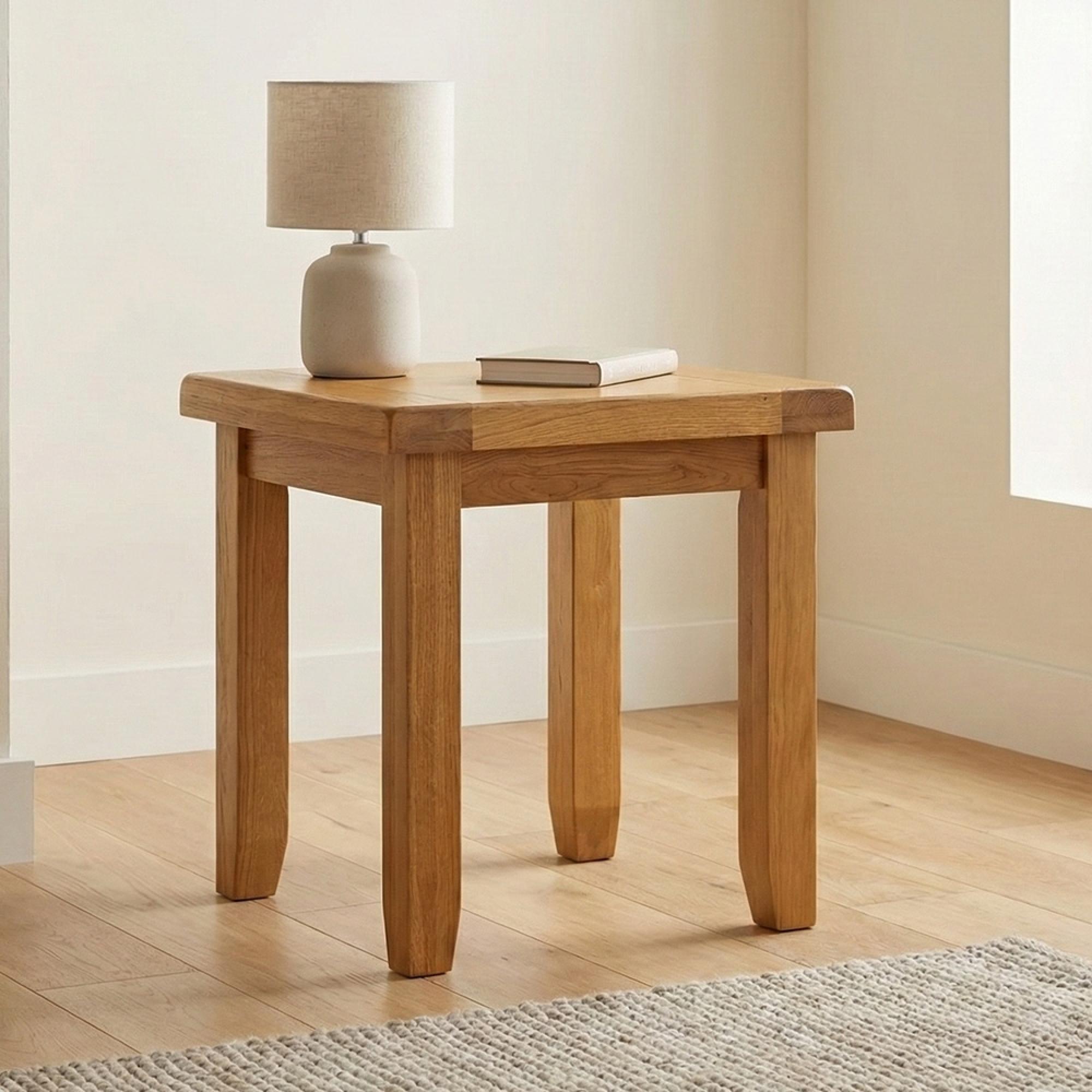
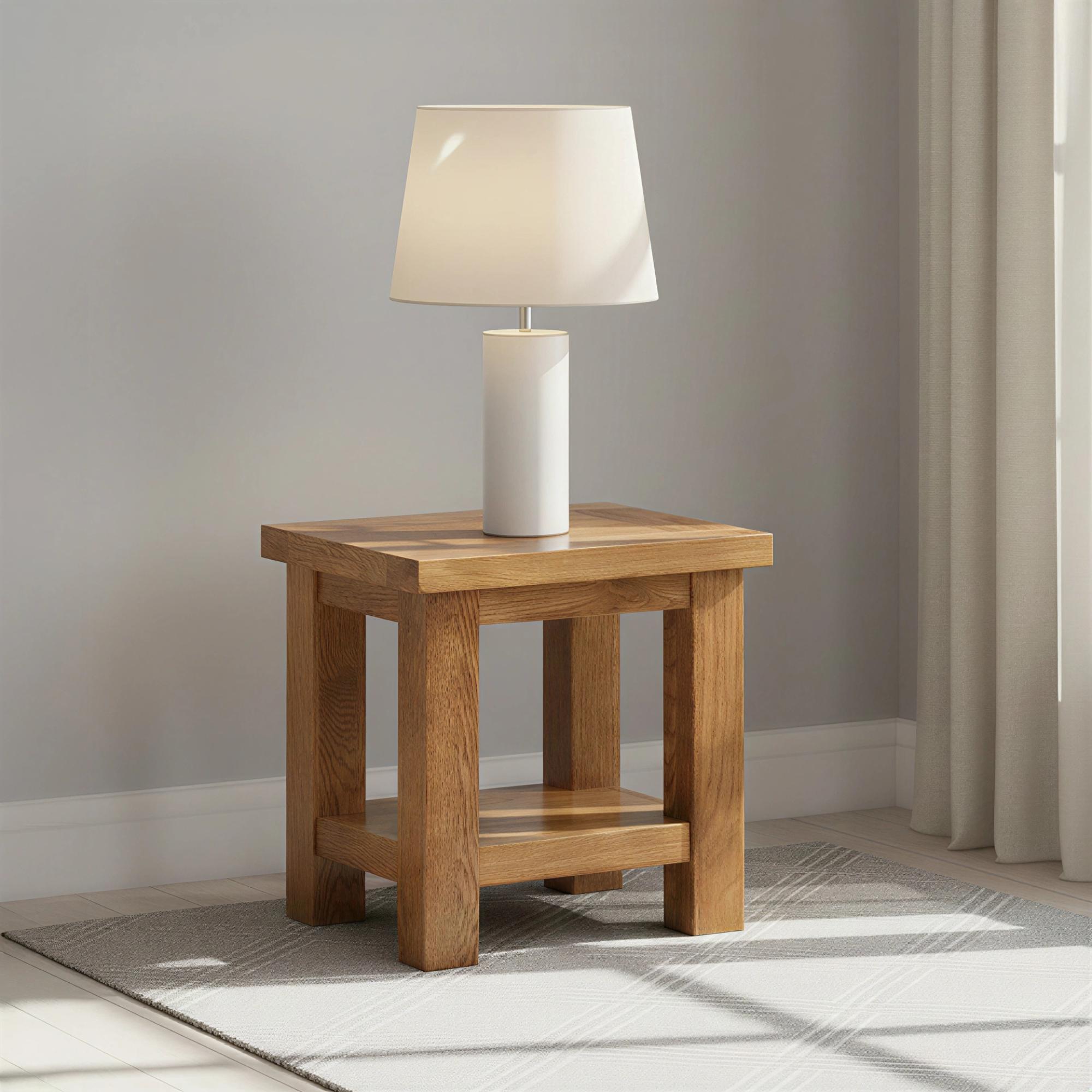
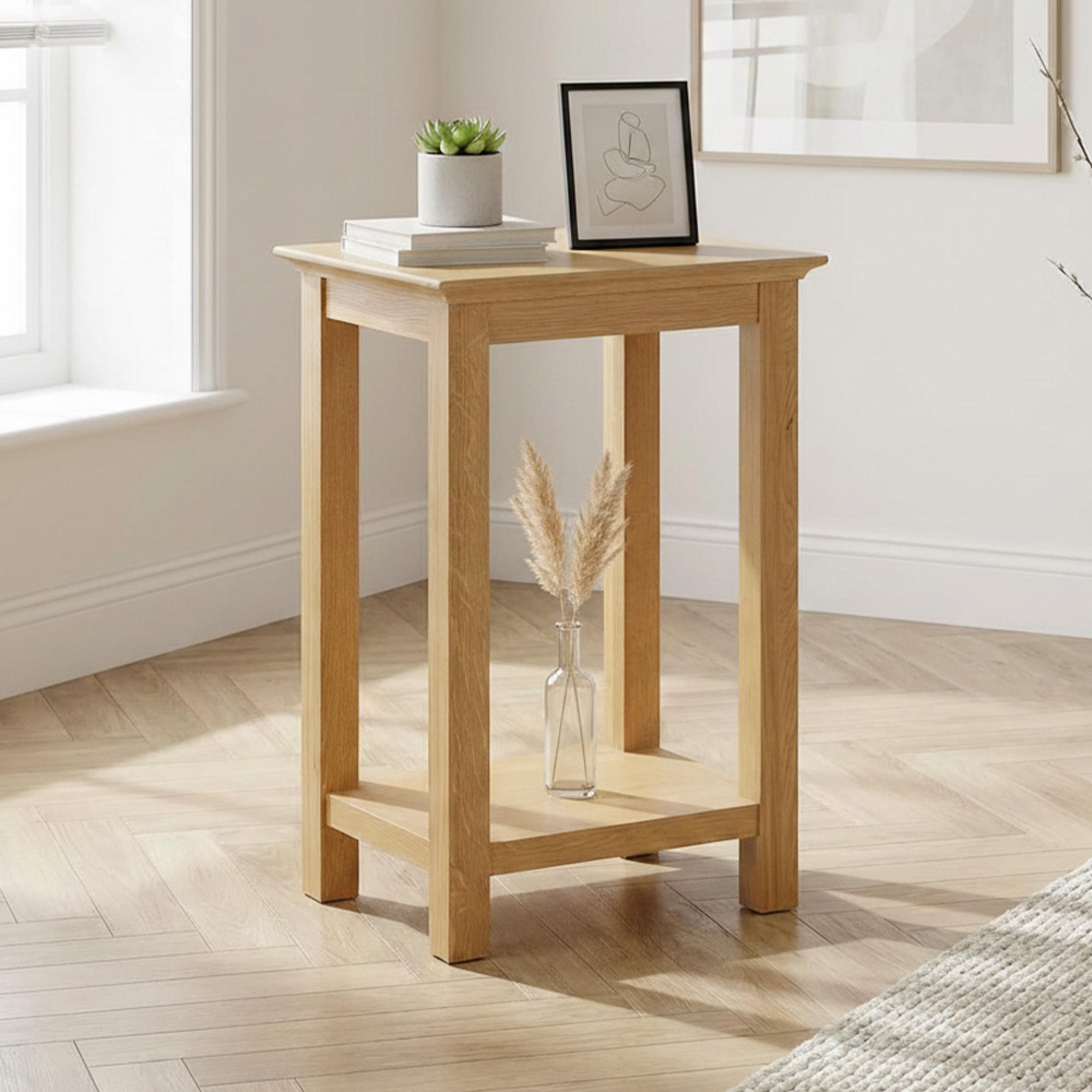
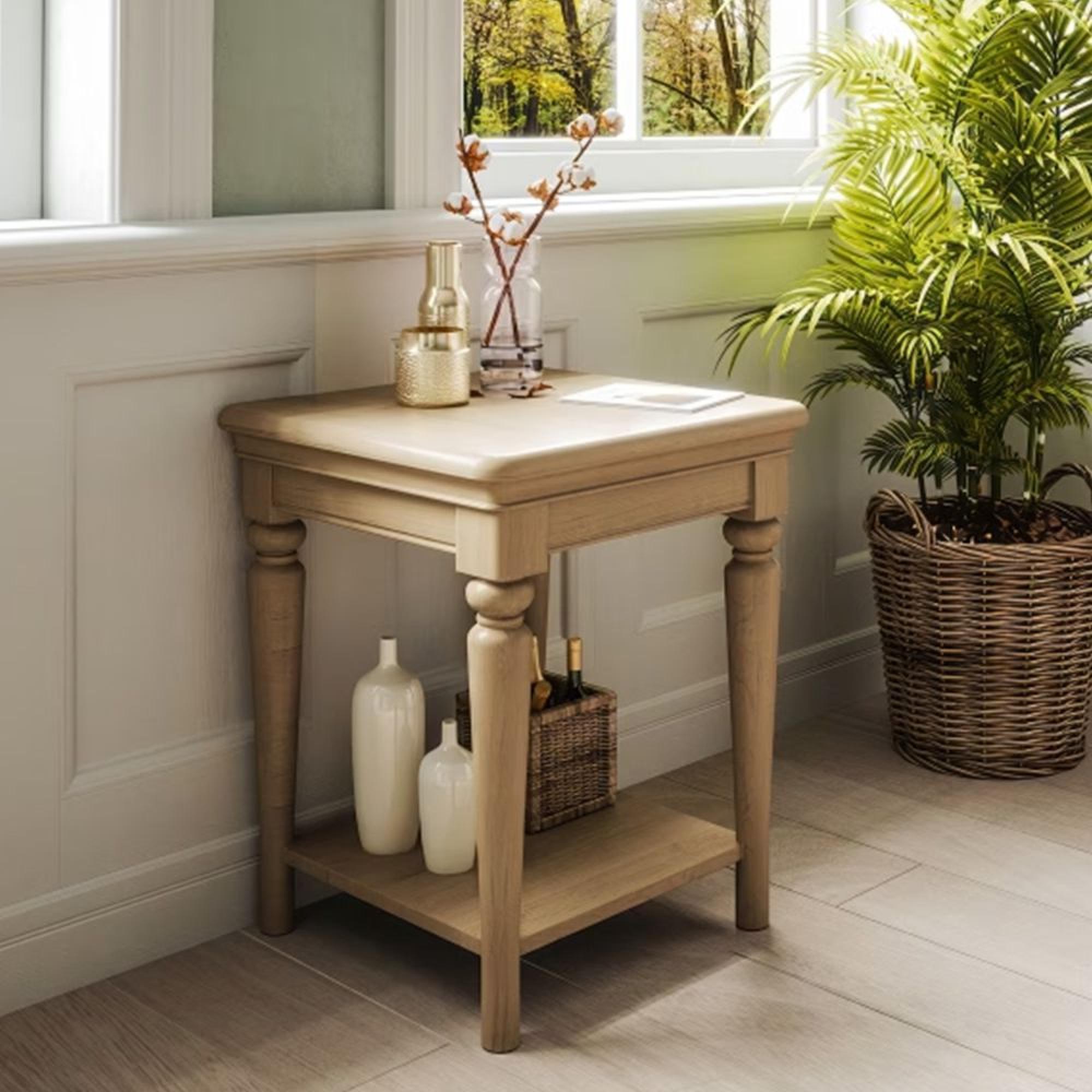
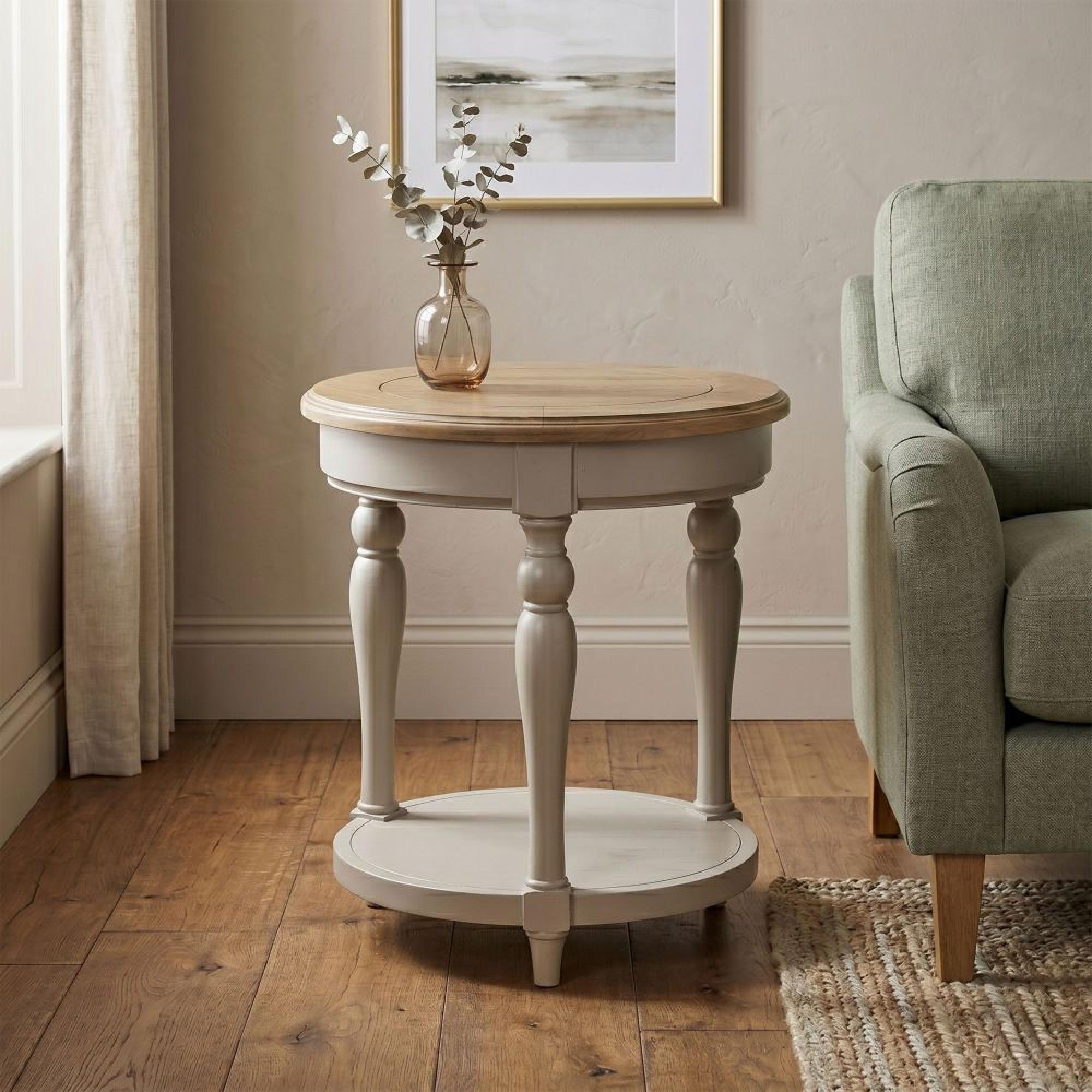
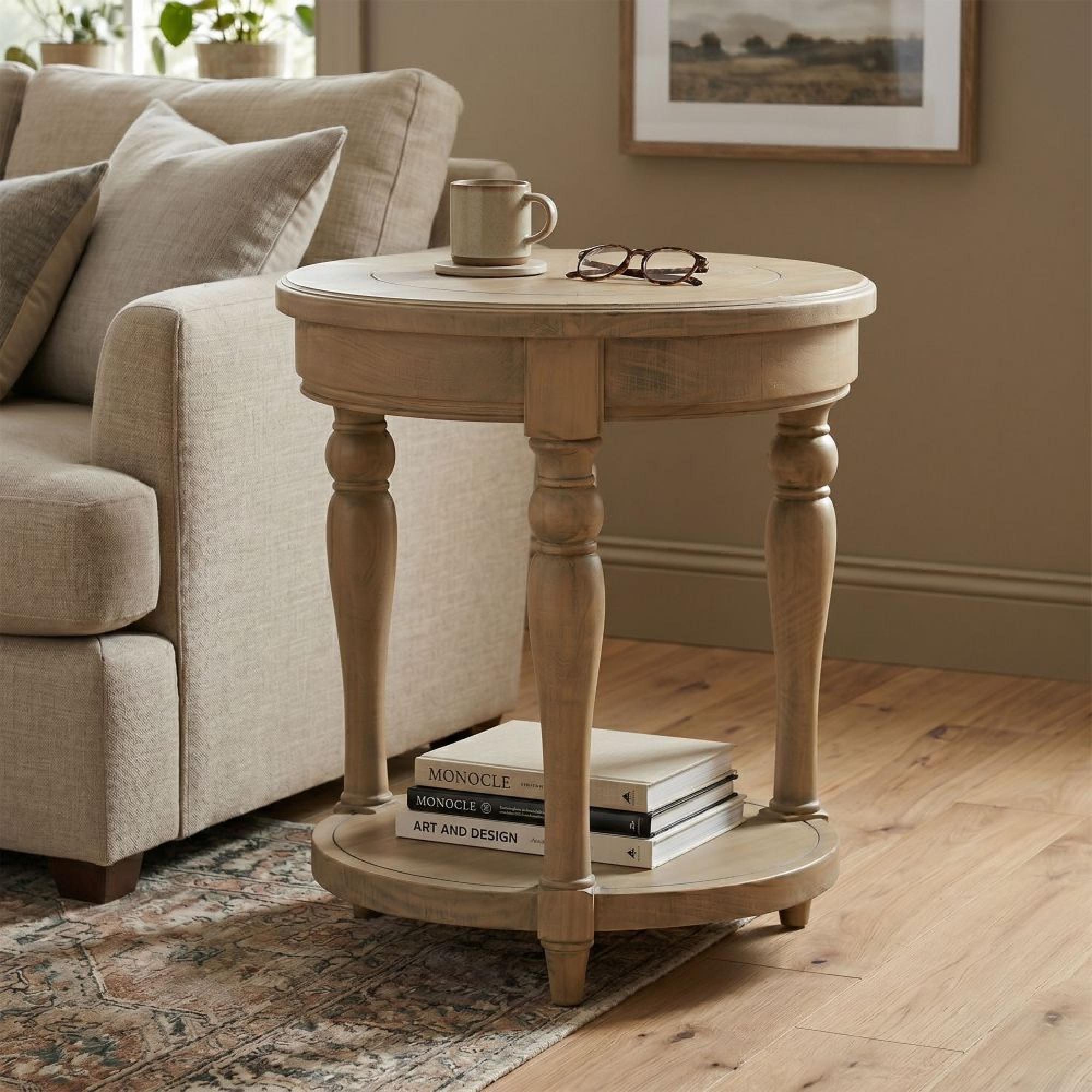
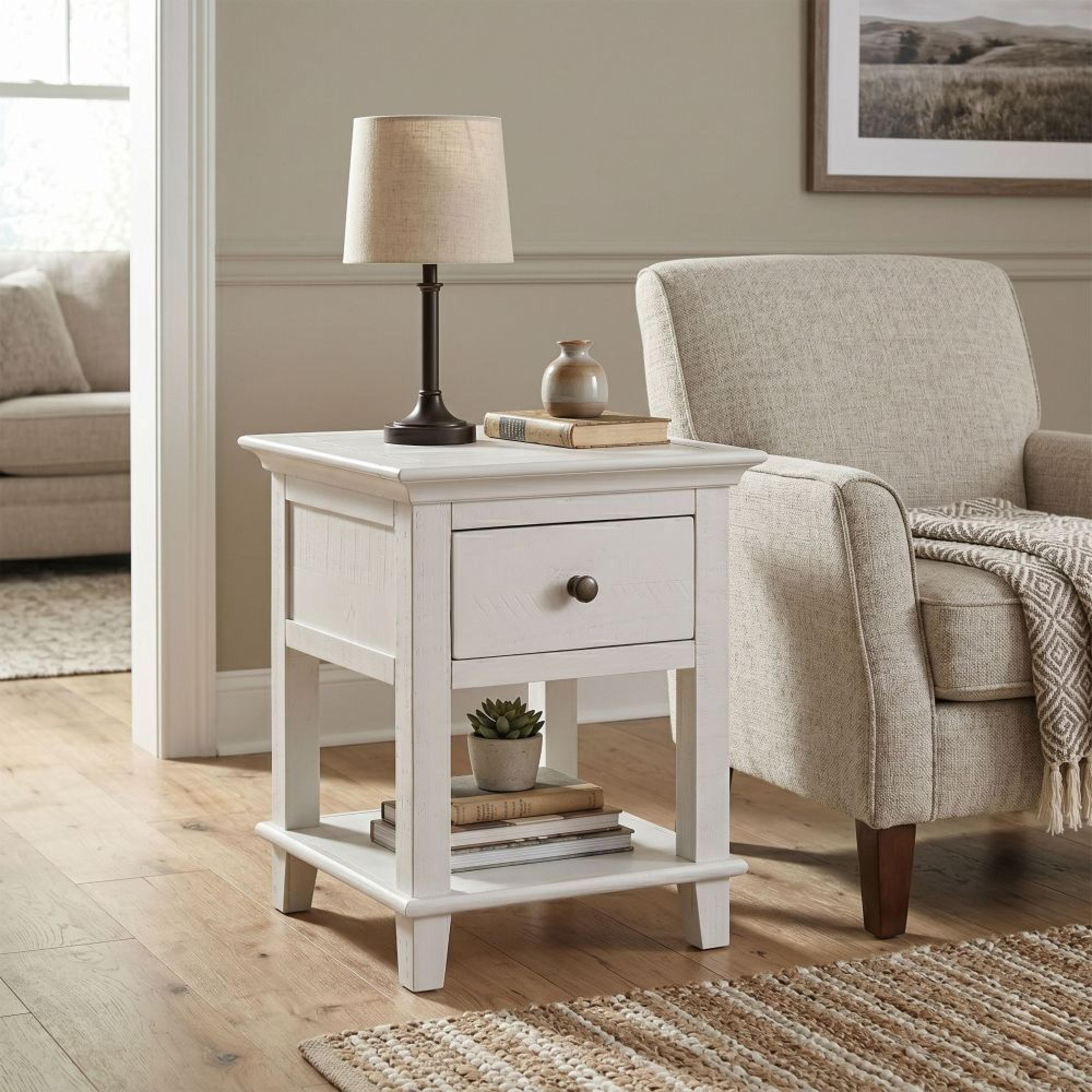
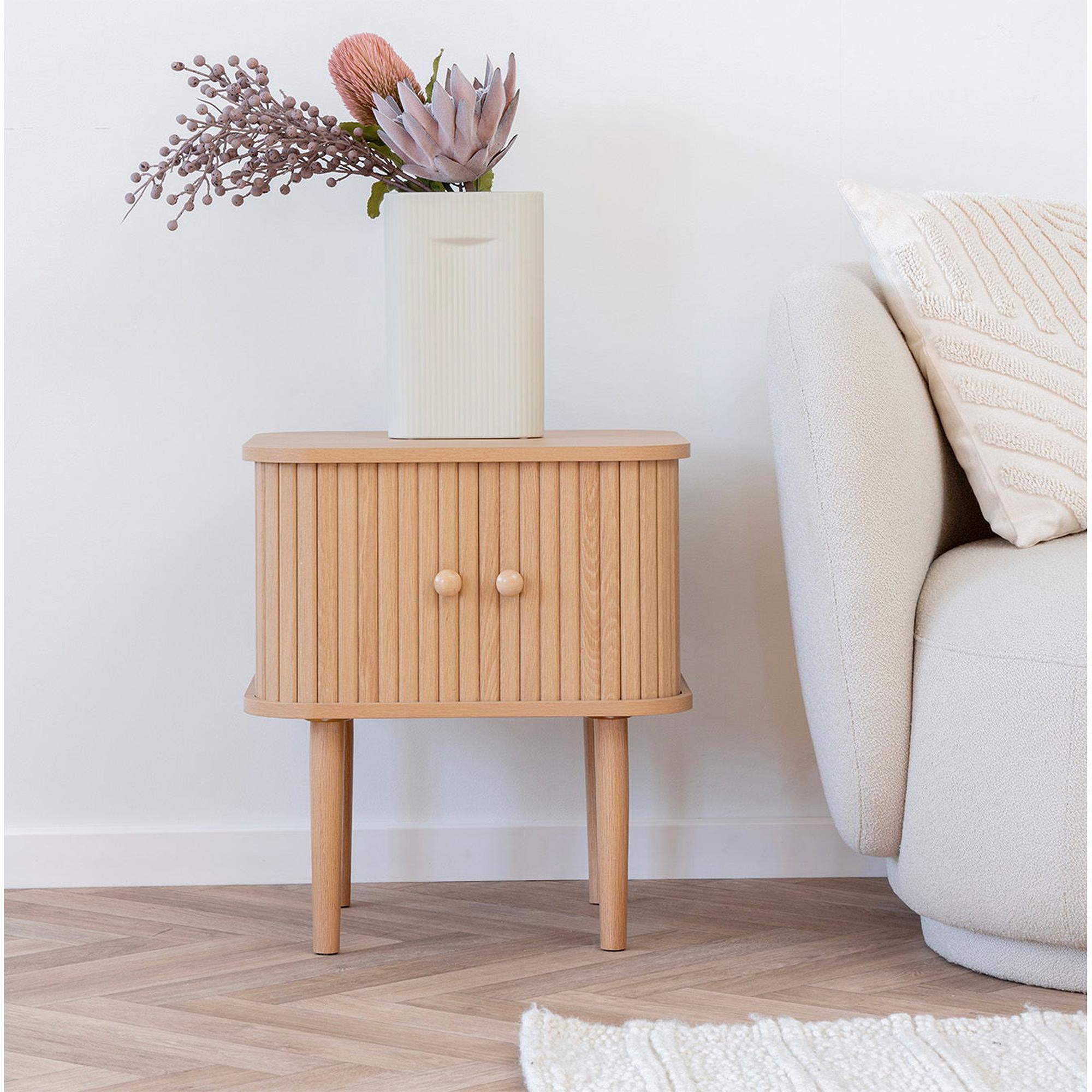
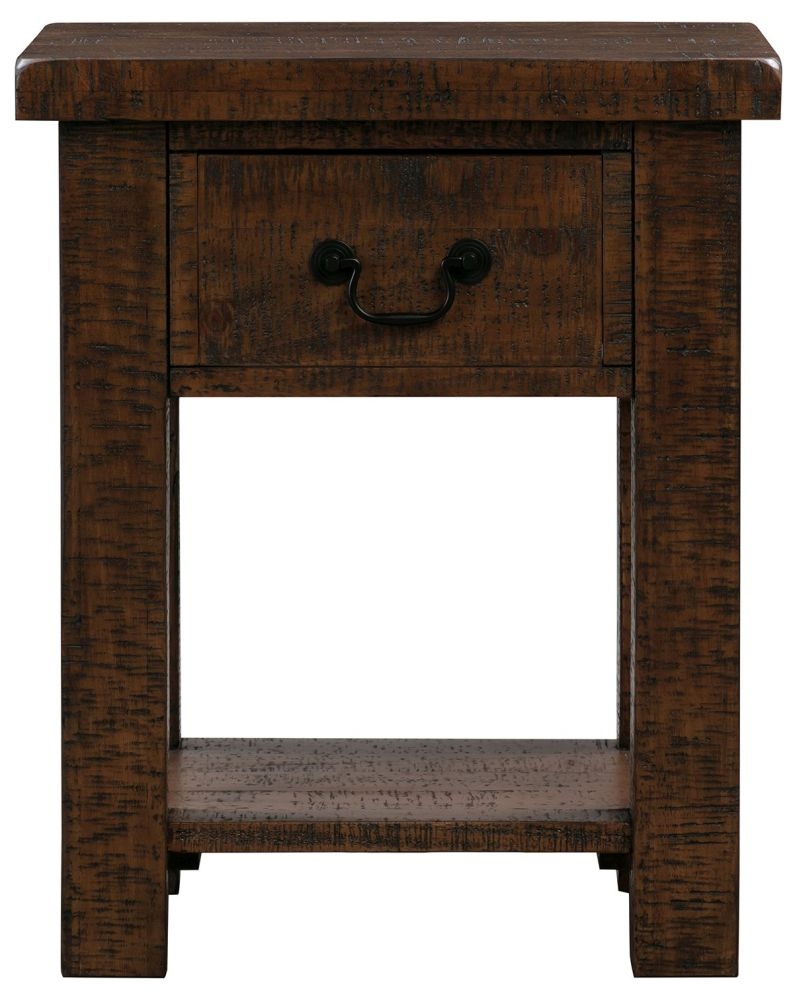
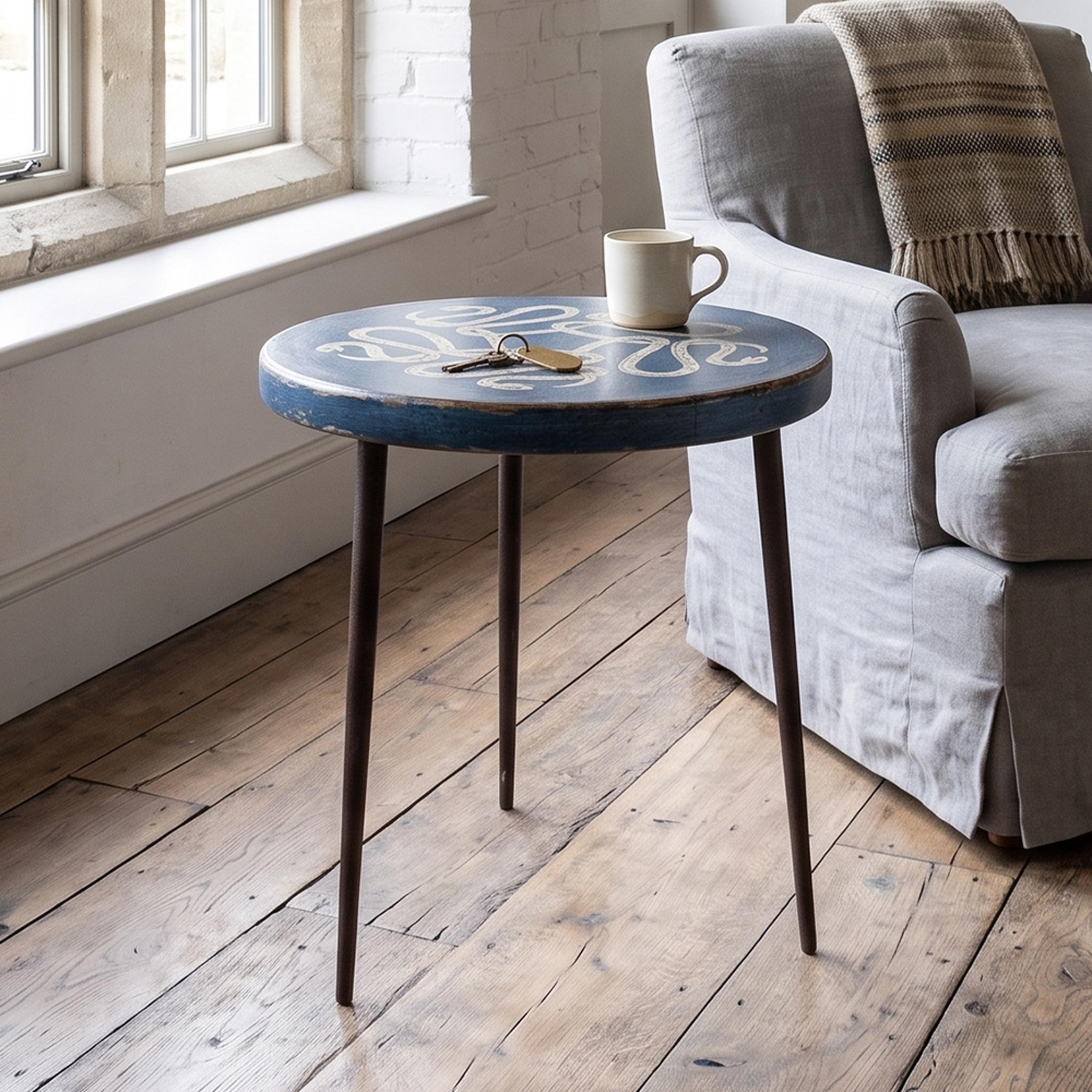
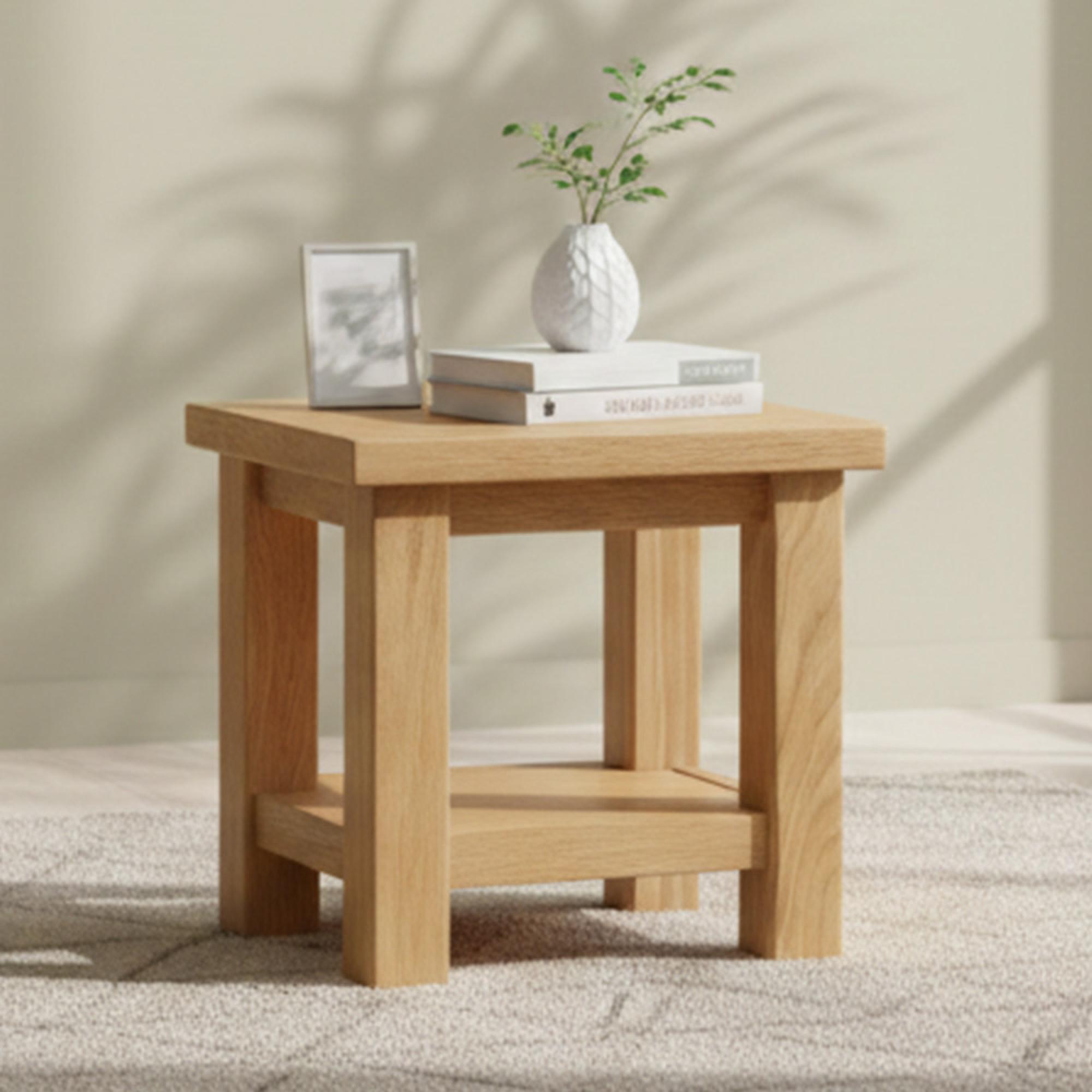
The Pine Side Tables category brings together choices intended to keep a lamp, drink or book conveniently beside a chair or sofa. Compare height, top size, material, storage, base stability and surrounding clearance to identify the right balance of appearance and function. The pine focus makes material, finish and care especially important when comparing products. Compare the table height with the adjacent seat arm for comfortable everyday use.
Read more X Close

Price

Features

Shape

Material

Finish

Colour

  • Blue
  • Brown
  • Grey

Choosing Pine Side Tables

This category focuses on Pine Side Tables that can keep a lamp, drink or book conveniently beside a chair or sofa. Start with the room layout and daily use, then compare height, top size, material, storage, base stability and surrounding clearance. The pine focus makes material, finish and care especially important when comparing products. This keeps the decision focused on practical suitability as well as style.

Plan the space before choosing

Compare the table height with the adjacent seat arm for comfortable everyday use. Record the available width, depth and height, including clearance for doors, drawers, reclining parts or extensions where relevant. Account for skirting boards, radiators, sockets and walking routes, then check the access route through doors, halls and stairs.

For adjacent choices, explore Side Tables, Indian Side Tables and Oak Side Tables. Use these comparisons alongside the specifications on each product page.

Pine Side Tables for considered interiors

The Pine Side Tables category focuses on choices intended to keep a lamp, drink or book conveniently beside a chair or sofa. A suitable option should respond to the room's proportions, surrounding furniture and practical demands of everyday use. The pine focus makes material, finish and care especially important when comparing products.

Material, finish and construction

When comparing side tables, look closely at height, top size, material, storage, base stability and surrounding clearance. Materials influence appearance, weight and maintenance, while finish affects colour coordination and day-to-day care. Use the written specification to confirm construction and care requirements.

Function and room planning

Compare the table height with the adjacent seat arm for comfortable everyday use. Mark out the footprint and consider how people move around it. Where a product opens, extends, swivels or reclines, include that working clearance. For storage, seating or sleeping products, match the layout, support and capacity to the needs of regular users.

Creating a coordinated result

Build the room around a clear relationship between scale, colour and material. Matching every finish is not essential, but repeating one or two elements can connect separate pieces. You can also compare Side Tables, Indian Side Tables and Oak Side Tables for closely related room and product choices. Use the individual listing to confirm dimensions, included components, assembly and suitability.
Read more X Close

FAQs on Pine Side Tables

What size pine side table do I need for my living room?

Measure your sofa arm height first — side tables should sit at or just below it, typically 50–60cm tall. Lamp tables are slightly taller at 55–65cm to position the shade above eye level when seated. Check the width and depth against your space and furniture placement.

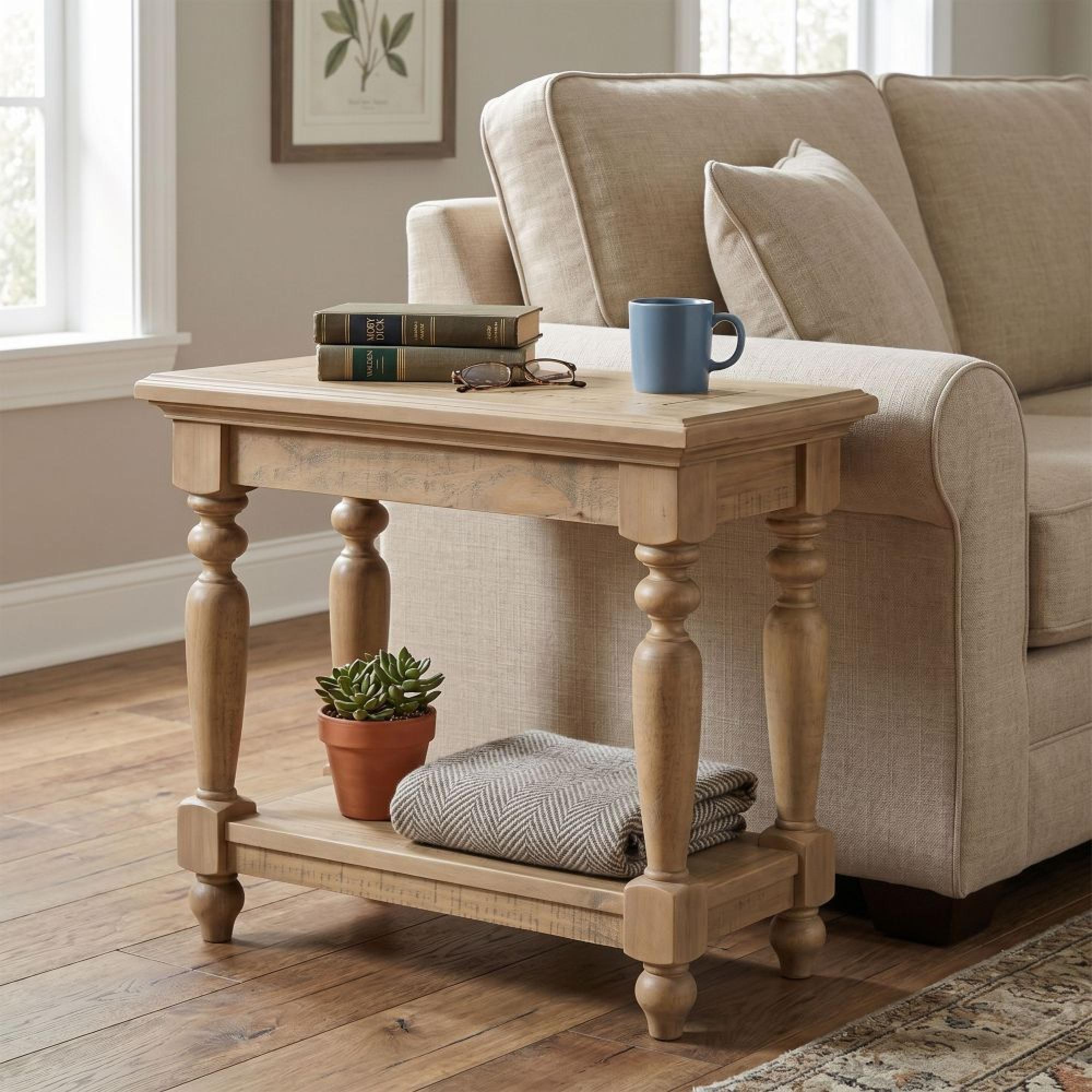
Pair natural pine with a ceramic table lamp and a potted plant for warmth. Add a small stack of books or a decorative bowl on the tabletop. Keep the look uncluttered — pine works well in minimalist, Scandinavian, and farmhouse schemes with neutral accessories.

Solid pine comfortably supports standard table lamps, including heavier ceramic and metal bases. Reinforced joints and a stable frame add durability. Always check the listed weight capacity if using large floor-style or oversized lamps, and place the lamp towards the centre of the tabletop.

Wipe regularly with a soft, dry cloth to remove dust. Use a slightly damp cloth for marks, then dry immediately. Place coasters under glasses and avoid harsh chemicals. Apply furniture wax every few months to nourish the timber and maintain its finish.

Natural pine darkens gradually with age and light exposure, developing a richer, honey-toned patina within months or years. This mellowing is part of pines appeal. Position your table away from direct, intense sunlight if you prefer to keep the original lighter shade longer.

Side tables are lower, typically 50–60cm, and sit beside sofas for drinks and small items. Lamp tables are taller at 55–65cm, designed to elevate a lamp shade above seated eye level. Choose based on your primary use and sofa arm height.

Many pine side tables include lower shelves, single drawers, or magazine racks for additional storage. These designs keep living rooms tidy — use shelves for books and remotes, and the tabletop for lamps and accessories. Check product descriptions for specific storage features and capacity.

Yes, solid pine is naturally strong and durable for everyday use. With regular care — dusting, coaster use, and occasional wax treatment — a quality pine side table lasts many years without warping or damage. Inspect joinery and finish quality before purchasing.

Examine the joinery — solid joints and reinforced corners indicate longevity. Look for a smooth finish and stable frame. Check that knots are tight and well-sealed. Verify dimensions against your sofa arm height and available space. Read customer reviews on Trustpilot for durability insights.

Pine tables can be used in covered porches and conservatories if protected from moisture and direct rain. They are not treated to withstand outdoor conditions — exposure to weather, frost, and intense sun will damage the finish and warp the wood over time.

Pine is softer, lighter in colour, and more affordable than oak or walnut. Oak is denser and more durable; walnut is darker and offers richer tones. Pine develops a warm patina naturally; oak and walnut require more maintenance but resist dents better. Choose based on budget, colour preference, and durability needs.
Top