Free Delivery All Over UK*
close
Top products
SHOW ALL PRODUCTS

Indian Mirrors

Found 9 Items

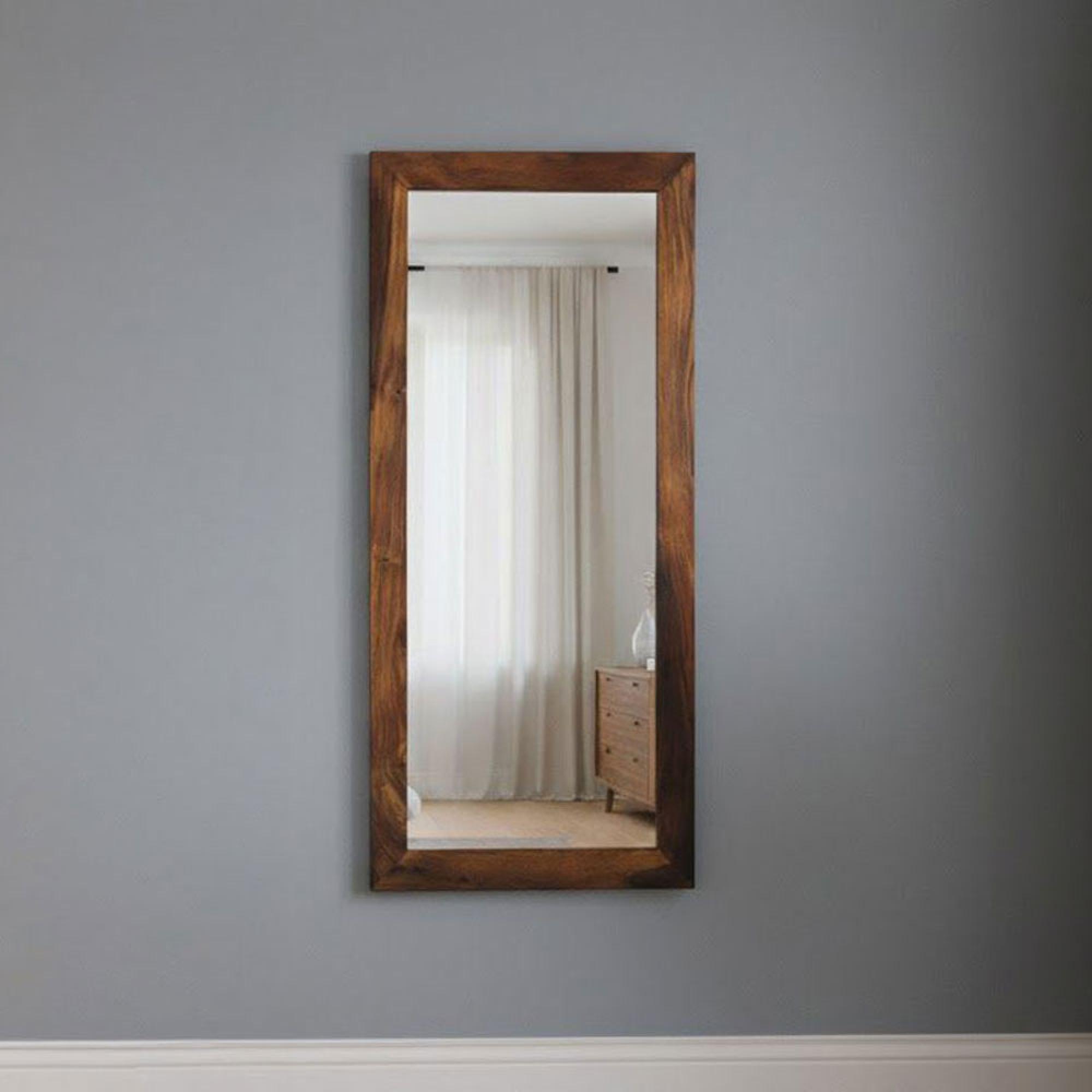
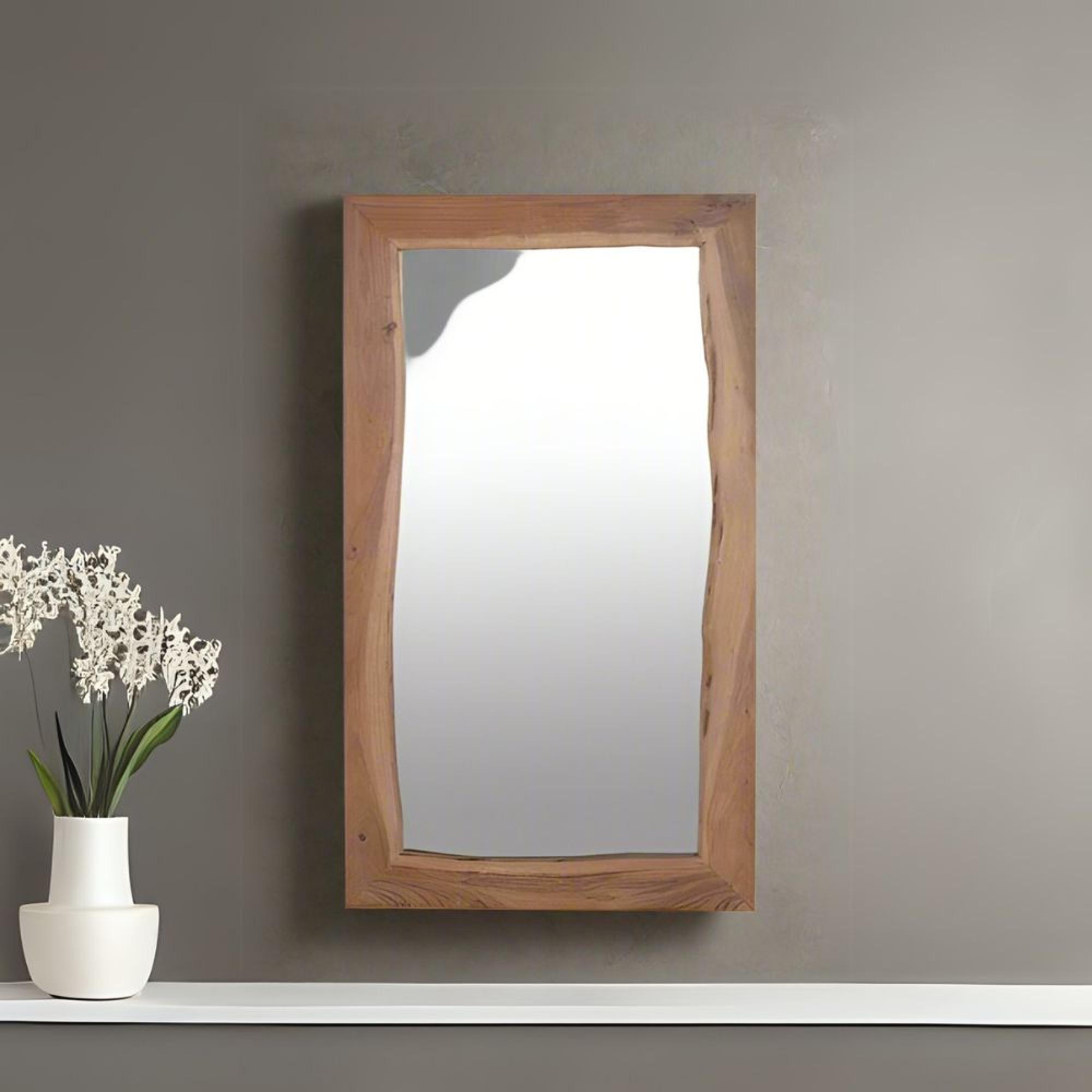
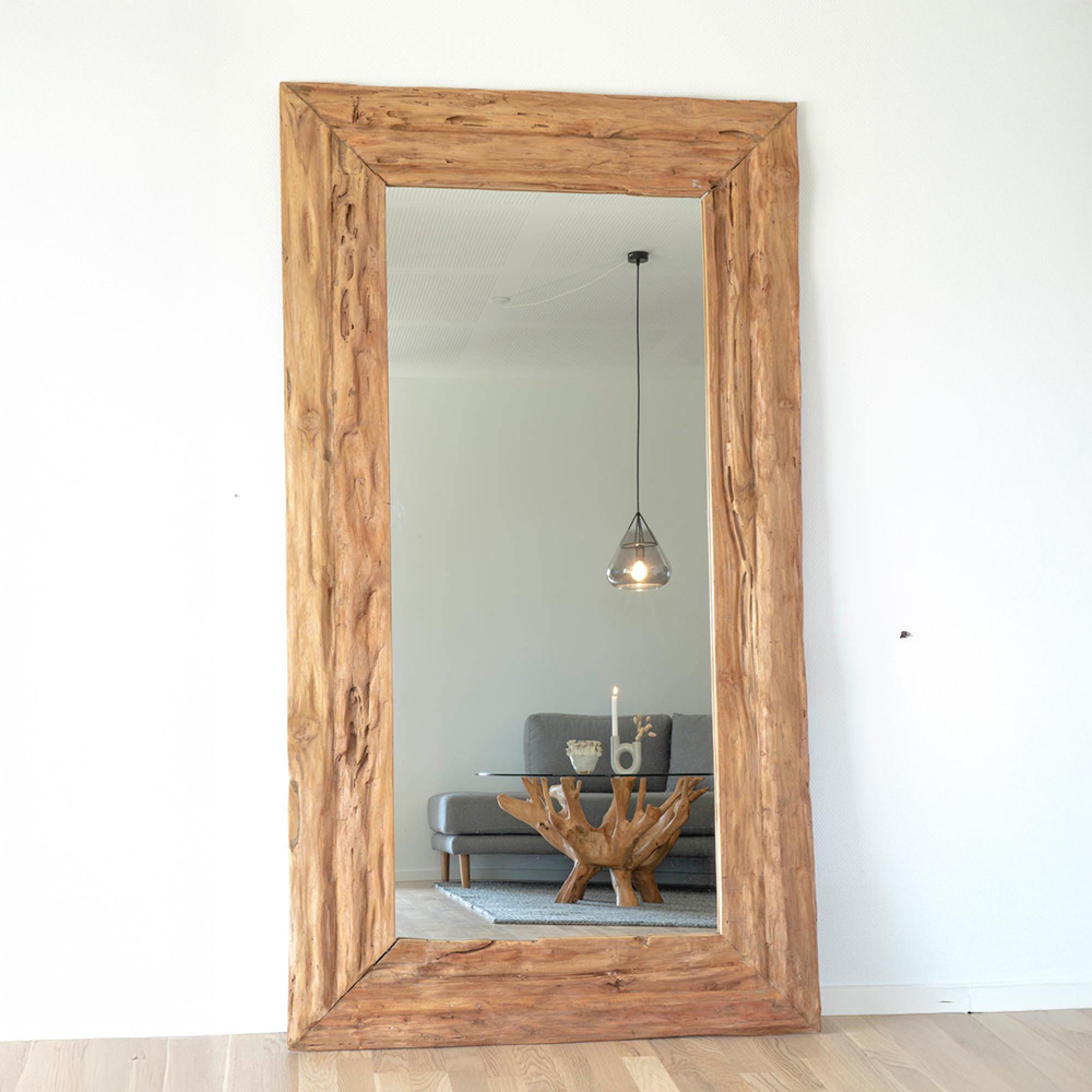
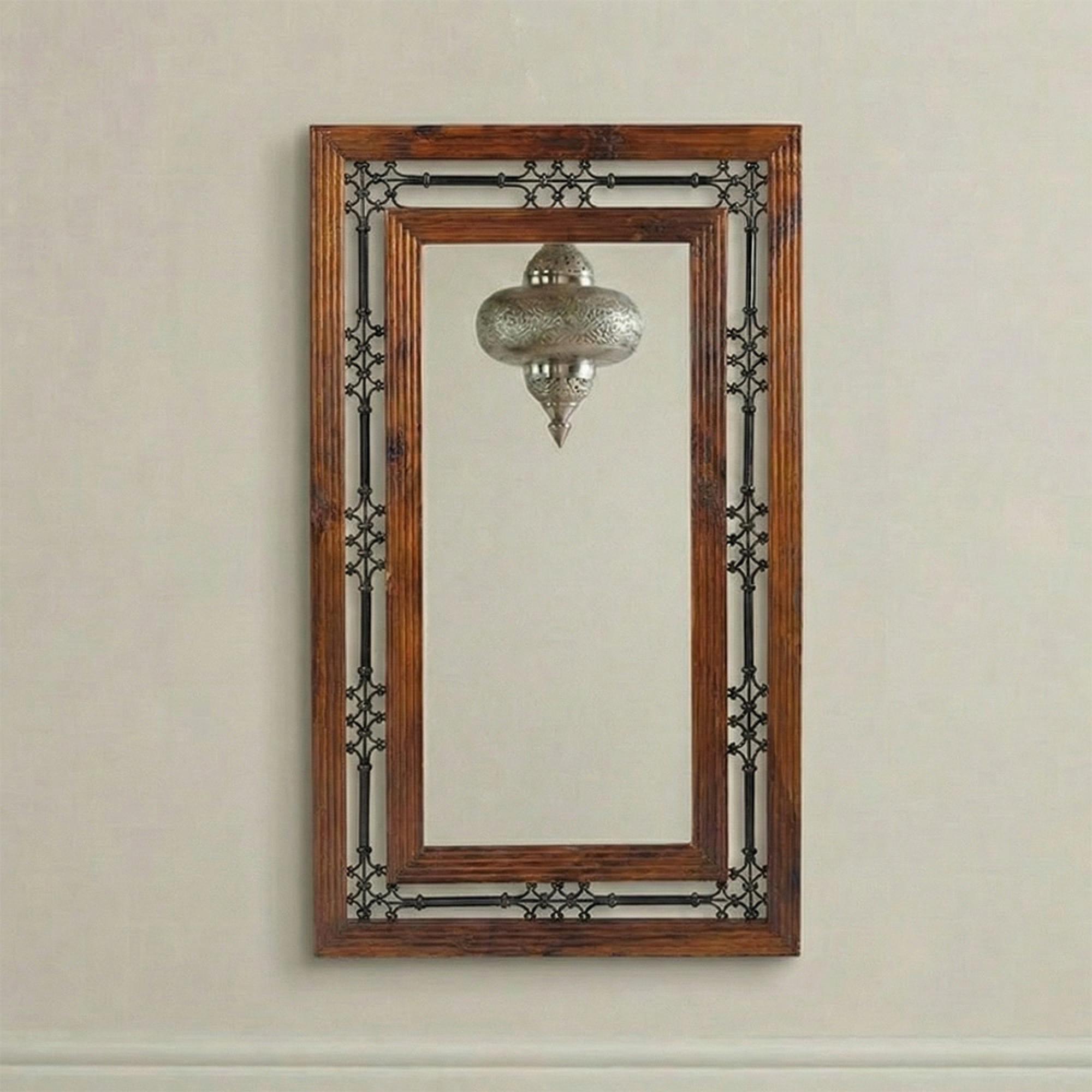
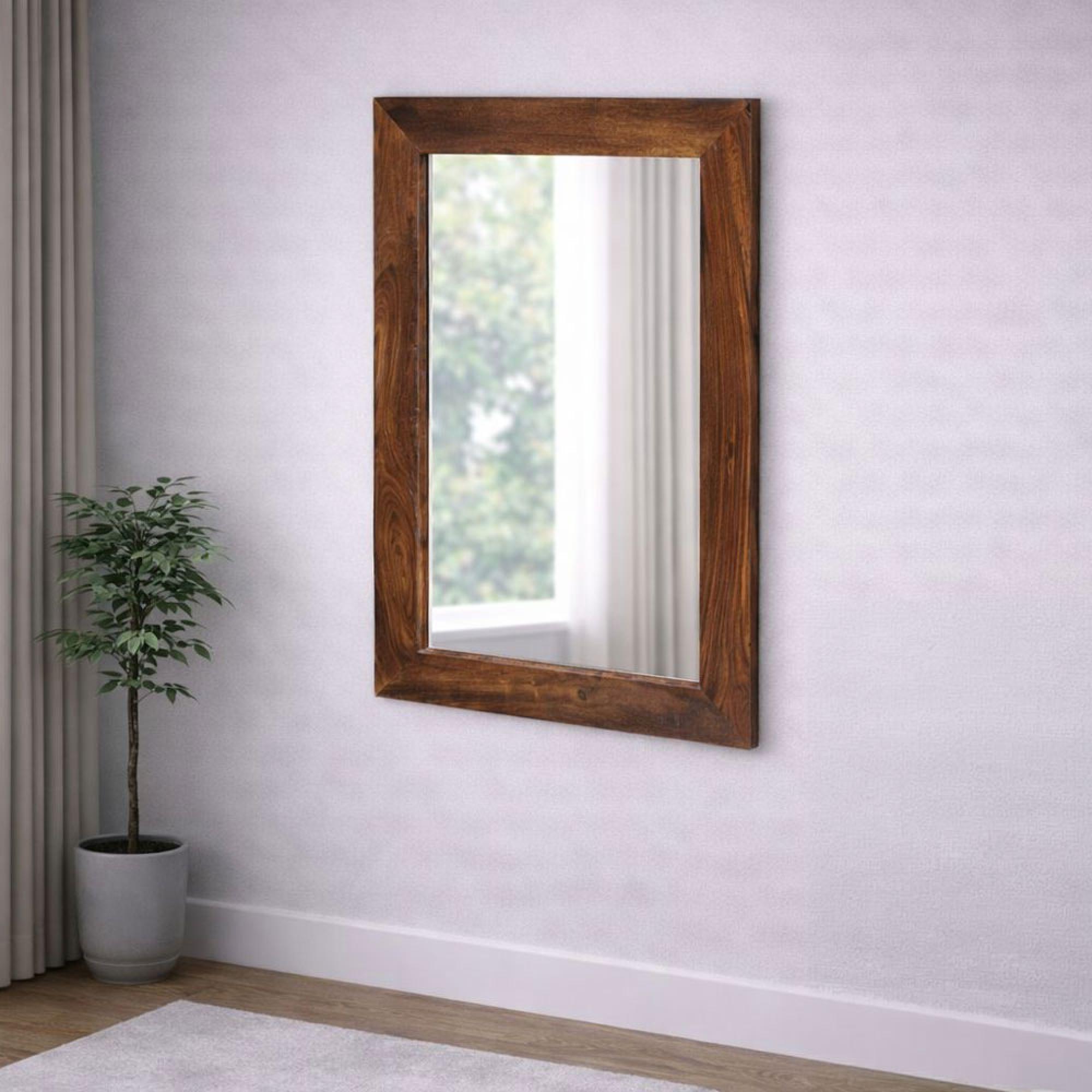
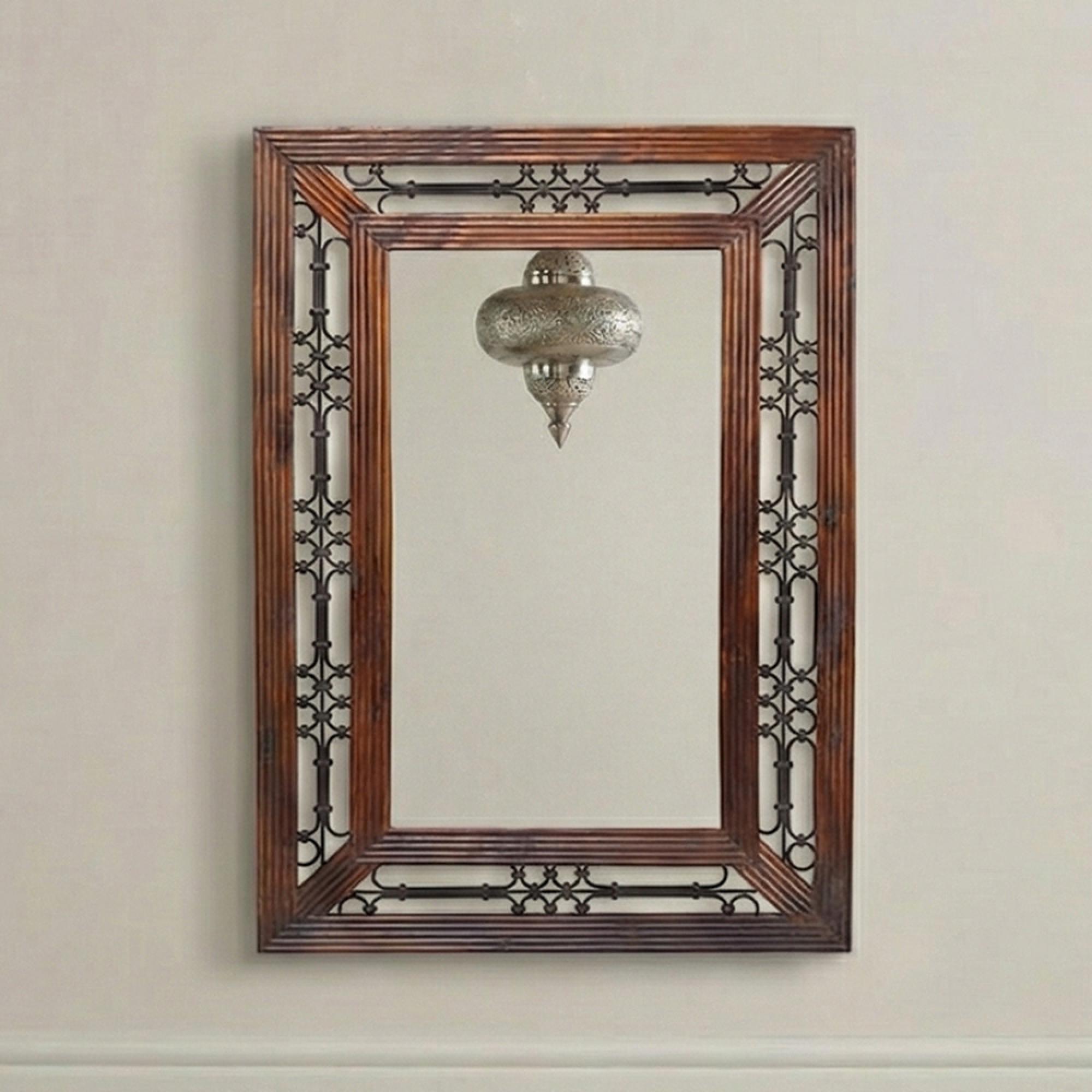
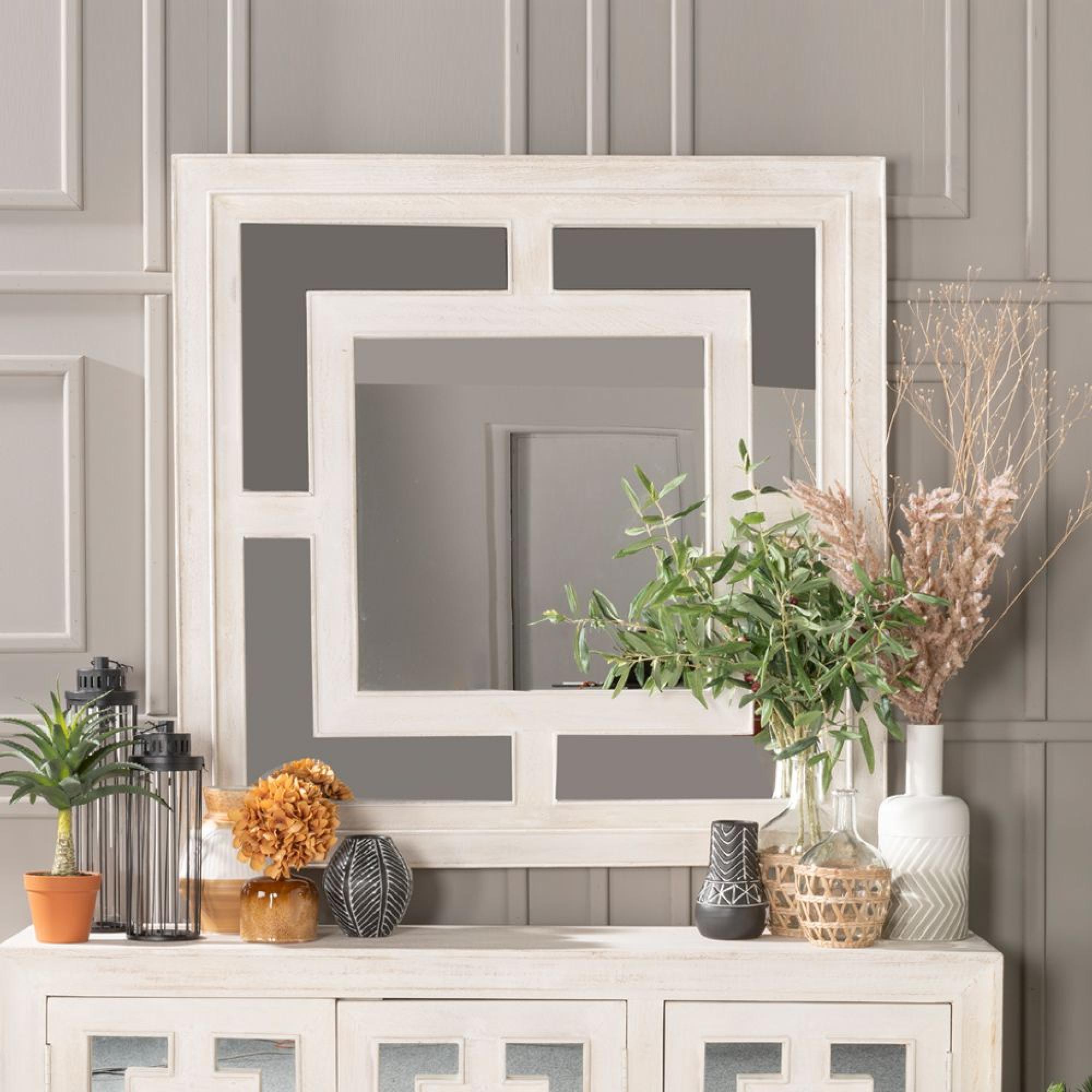
Explore Indian Mirrors designed to provide a useful reflection while helping light move around the room. Compare shape, frame material, mounting orientation, overall scale and fixing requirements to identify the right balance of appearance and function. Position the mirror to reflect useful light or a considered view rather than visual clutter. Check each product page for exact dimensions, construction, finish, assembly and care information before making a final choice.
Read more X Close

Price

Material

Finish

Colour

  • Black
  • Brown
  • White

Choosing Indian Mirrors

This category focuses on Indian Mirrors that can provide a useful reflection while helping light move around the room. Start with the room layout and daily use, then compare shape, frame material, mounting orientation, overall scale and fixing requirements. Function and visual balance both matter, so compare the complete specification rather than choosing on appearance alone. This keeps the decision focused on practical suitability as well as style.

Plan the space before choosing

Position the mirror to reflect useful light or a considered view rather than visual clutter. Record the available width, depth and height, including clearance for doors, drawers, reclining parts or extensions where relevant. Account for skirting boards, radiators, sockets and walking routes, then check the access route through doors, halls and stairs.

For adjacent choices, explore Living Room Mirrors, Oak Mirrors and Painted Mirrors. Use these comparisons alongside the specifications on each product page.

Indian Mirrors for considered interiors

The Indian Mirrors category focuses on choices intended to provide a useful reflection while helping light move around the room. A suitable option should respond to the room's proportions, surrounding furniture and practical demands of everyday use. Use the category wording as a starting point, then verify the exact material, finish and features shown on each product page.

Material, finish and construction

When comparing mirrors, look closely at shape, frame material, mounting orientation, overall scale and fixing requirements. Materials influence appearance, weight and maintenance, while finish affects colour coordination and day-to-day care. Use the written specification to confirm construction and care requirements.

Function and room planning

Position the mirror to reflect useful light or a considered view rather than visual clutter. Mark out the footprint and consider how people move around it. Where a product opens, extends, swivels or reclines, include that working clearance. For storage, seating or sleeping products, match the layout, support and capacity to the needs of regular users.

Creating a coordinated result

Build the room around a clear relationship between scale, colour and material. Matching every finish is not essential, but repeating one or two elements can connect separate pieces. You can also compare Living Room Mirrors, Oak Mirrors and Painted Mirrors for closely related room and product choices. Use the individual listing to confirm dimensions, included components, assembly and suitability.
Read more X Close

FAQs on Indian Mirrors

What should I look for when buying an Indian mirror?

Look for quality craftsmanship in the frame, hand-carved details, and solid wood construction. Check the mirrors size against your wall space, ensure the design complements your décor style, and verify the backing is sealed to prevent moisture damage and maintain longevity.

Measure your wall space carefully and select mirrors between 60–120cm in width for living rooms or bedrooms. For hallways, smaller mirrors (40–60cm) work well. Leave at least 15cm of space on either side. Consider room proportions: larger mirrors suit spacious rooms and make compact spaces feel bigger.

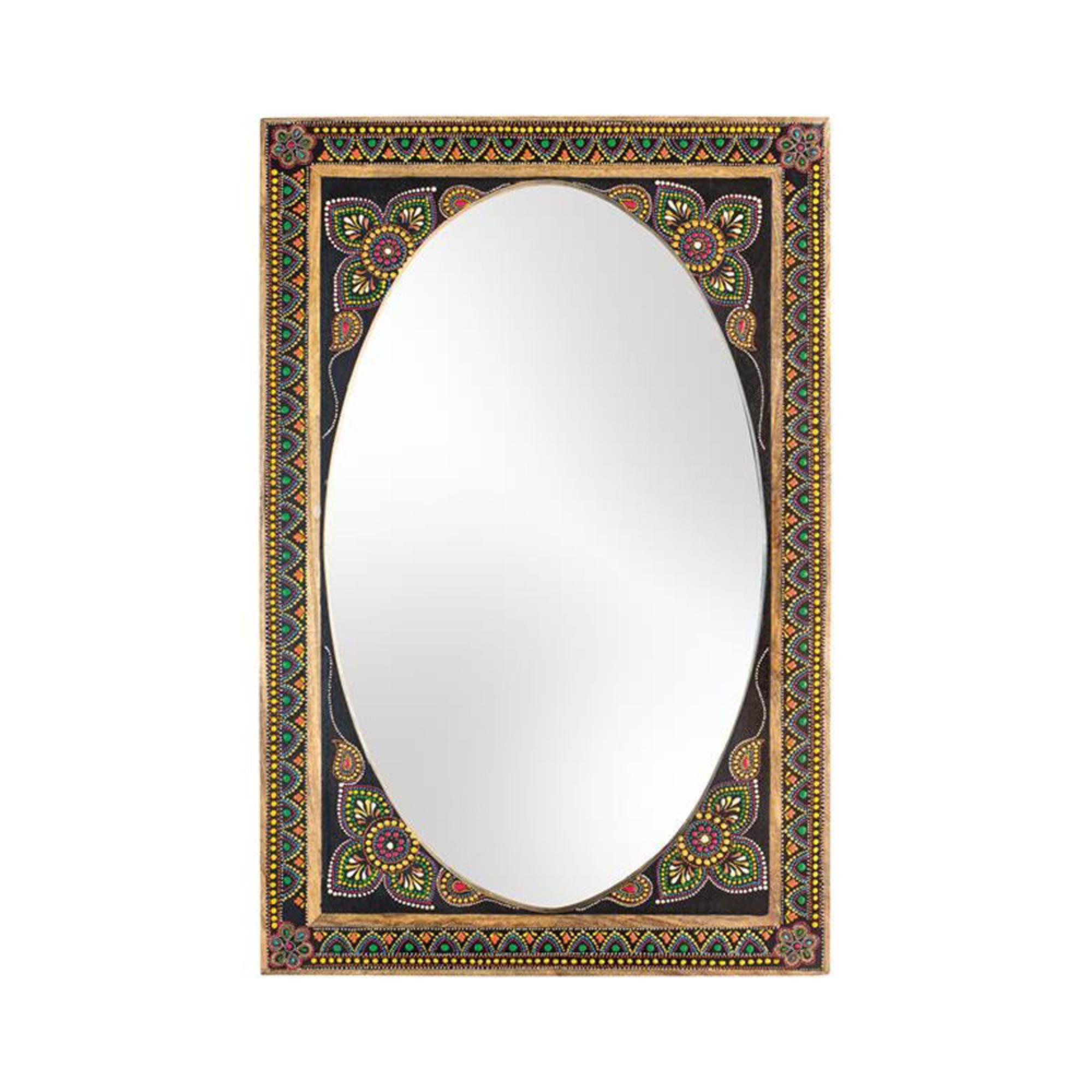
Carved Indian mirrors feature hand-chiselled wooden frames with raised geometric or floral motifs creating texture and shadow. Painted mirrors use decorative surface colours and detailed artwork. Carved pieces showcase traditional craftsmanship and are more durable, whilst painted designs offer bold colour options and lighter visual weight.

Yes, Indian mirrors offer excellent value because they combine handcrafted artisan work with durability. Unlike mass-produced alternatives, each piece features unique detailing and quality materials. Theyre investment pieces that last decades and work across multiple décor styles, making them cost-effective long-term home additions.

Pair carved or geometric Indian mirrors with neutral walls and contemporary furniture to create striking focal points. In living rooms, place large mirrors opposite windows to reflect light. In bedrooms, position above dressing tables or beside bed frames. Mix traditional designs with minimalist accessories for balanced, eclectic spaces.

Indian mirrors come in natural wood finishes like mango wood, sheesham, and acacia, plus stained options in walnut, honey, and dark brown. Metallic accents in gold or silver are common. Each finish suits different colour schemes: warm tones pair with earthy décor, whilst darker finishes work with contemporary or bohemian styles.

Yes, Indian mirrors are ideal for small spaces. Position a 60–80cm mirror opposite a window to maximise natural light and create depth. Avoid oversized ornate frames that dominate compact walls. Smaller carved mirrors (40–50cm) work well on bedroom walls or above dressing tables without overwhelming the room.

Use a soft, lint-free microfibre cloth to gently wipe the glass and frame regularly. For stubborn marks, dampen the cloth slightly with distilled water. Avoid harsh chemicals, abrasive cleaners, and excess moisture, especially on wooden frames and carved details, which can cause warping or damage to the finish.

Most Indian mirrors are best kept in bedrooms, living rooms, and hallways due to their wooden frames and hand-carved details. High humidity and moisture in bathrooms can damage wood finishes and loosen joints. If you choose a bathroom Indian mirror, ensure it has sealed backing and proper ventilation in the room.

Common designs include mandalas, intricate floral patterns, geometric tessellations, and regional motifs from Rajasthan, Gujarat, and southern India. Many feature traditional Indian symbols, peacock patterns, and temple-inspired details. Each region has unique artistic styles reflecting local heritage and craftsmanship traditions.

Yes, we offer 0% finance on selected Indian mirrors, enabling you to invest in quality handcrafted pieces without upfront costs. Eligibility and payment terms vary by product. Contact our team online or visit a store for details on current offers and to discuss your purchase options.
Top