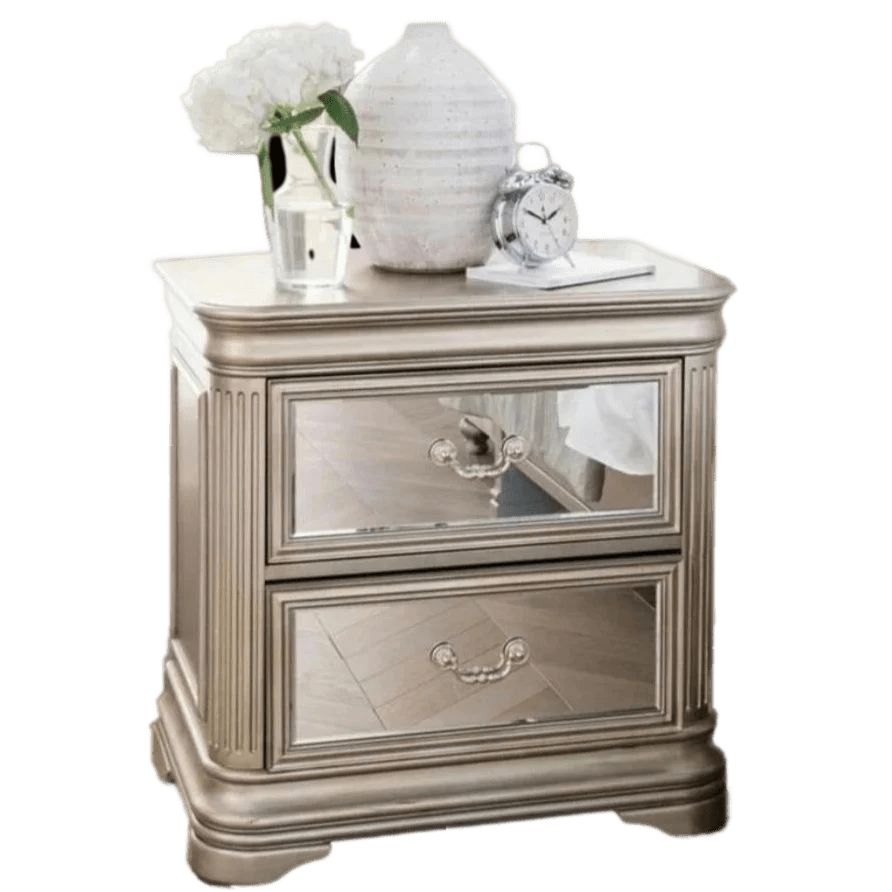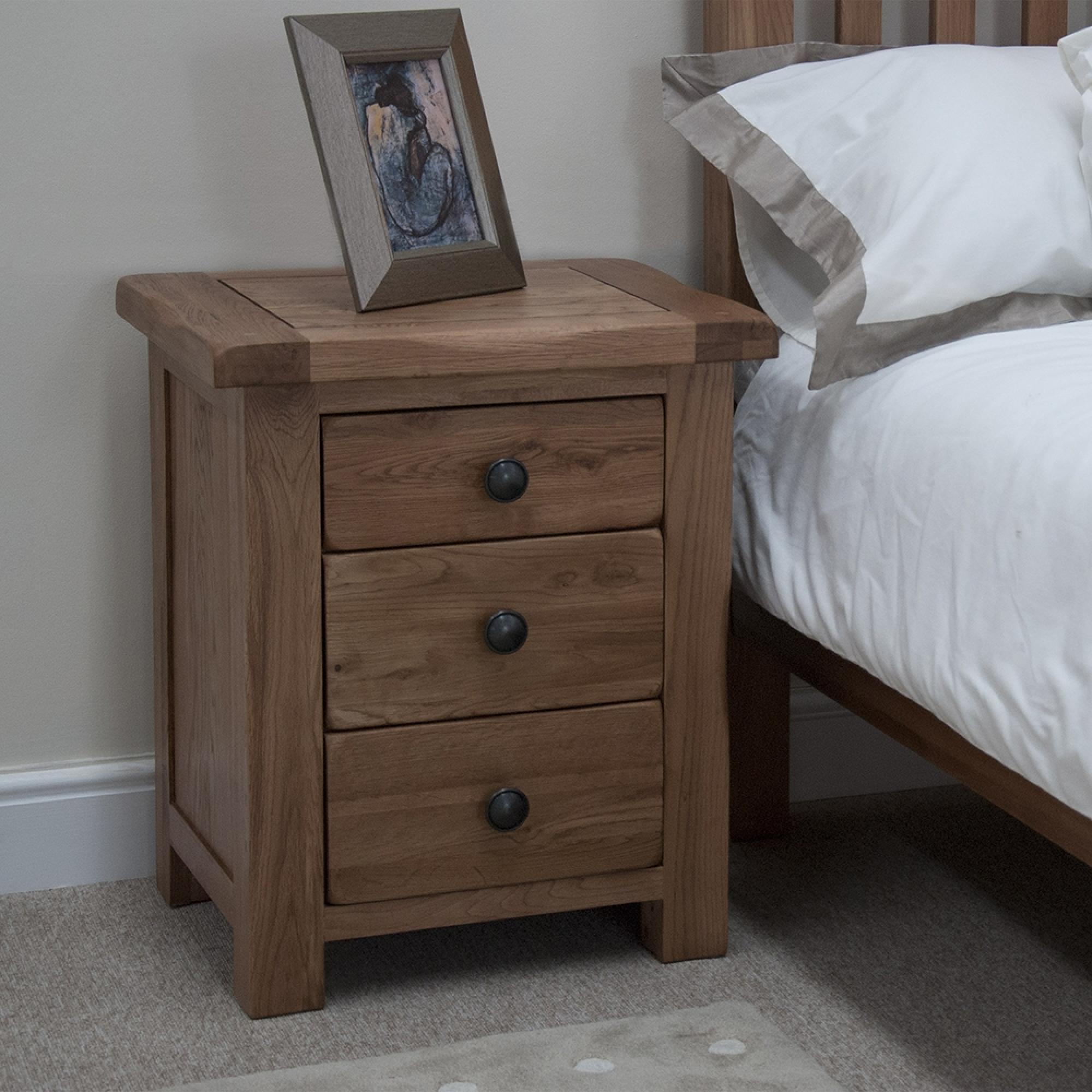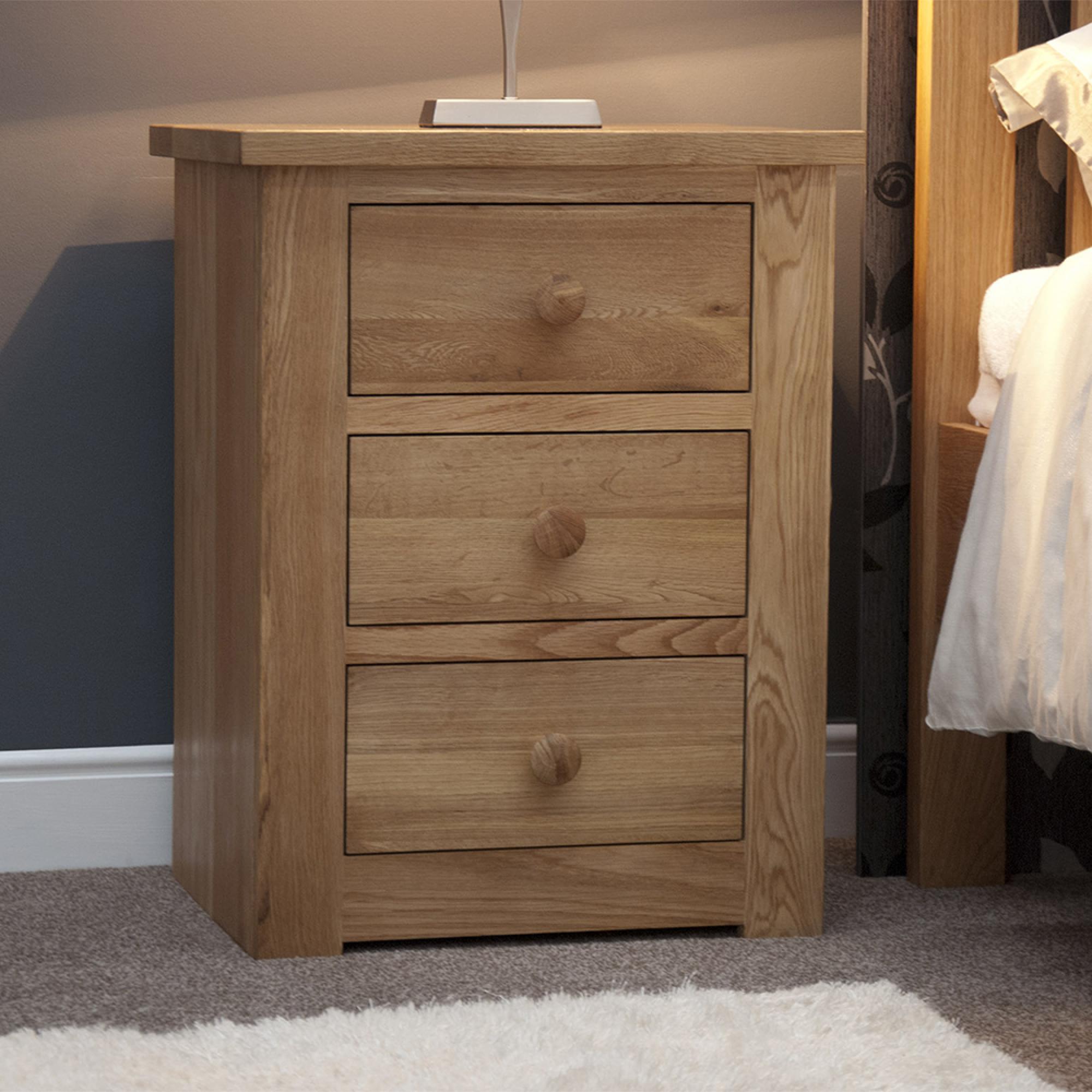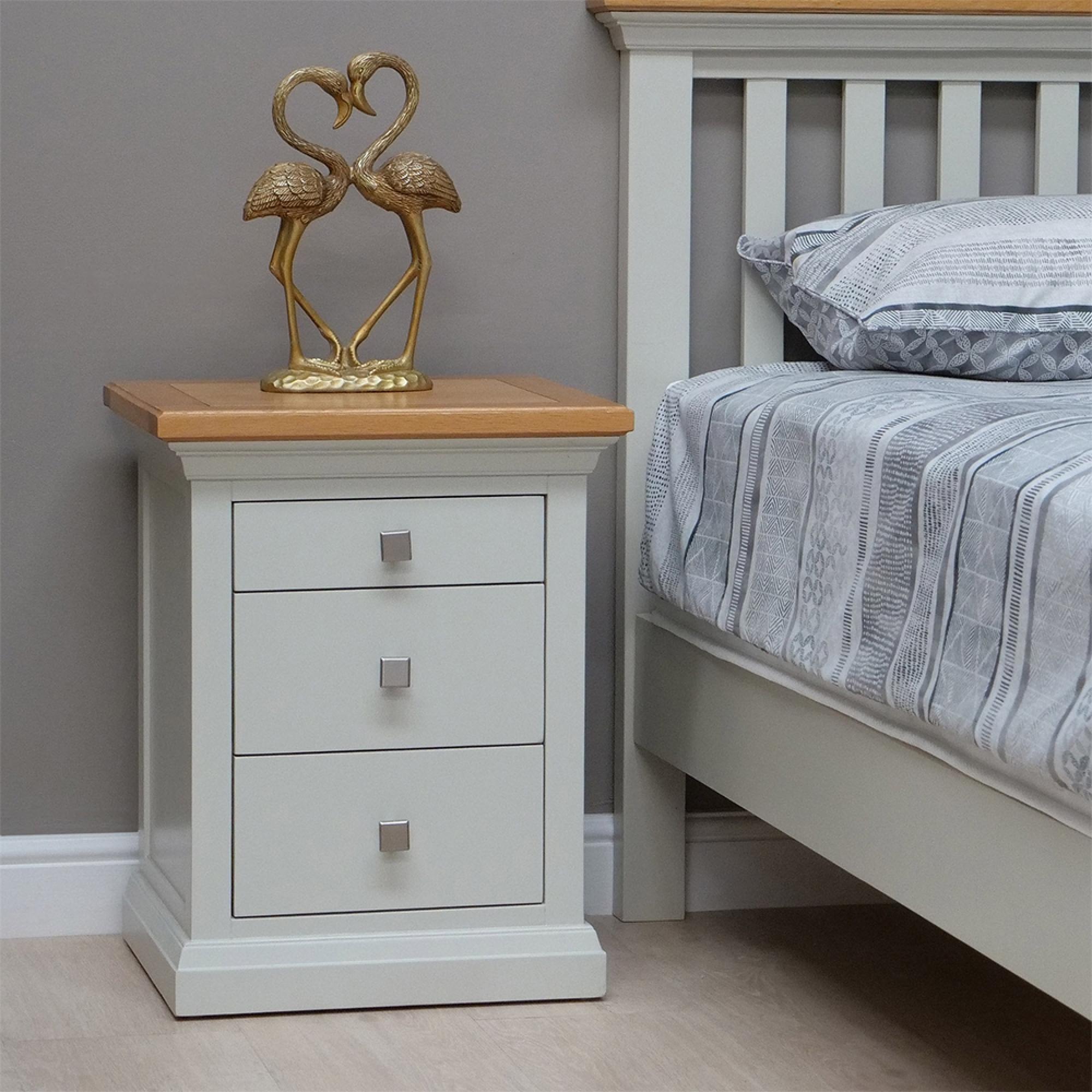
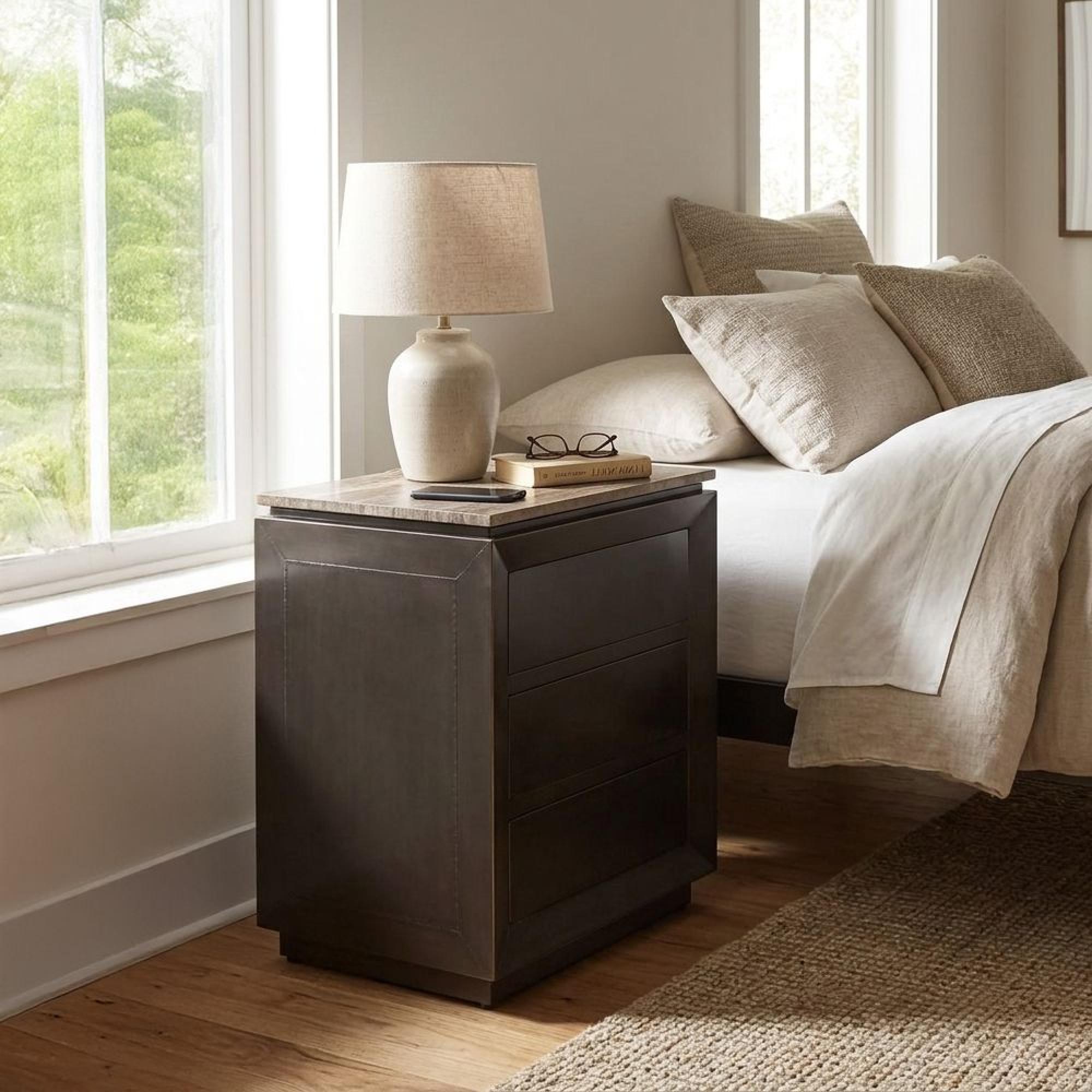
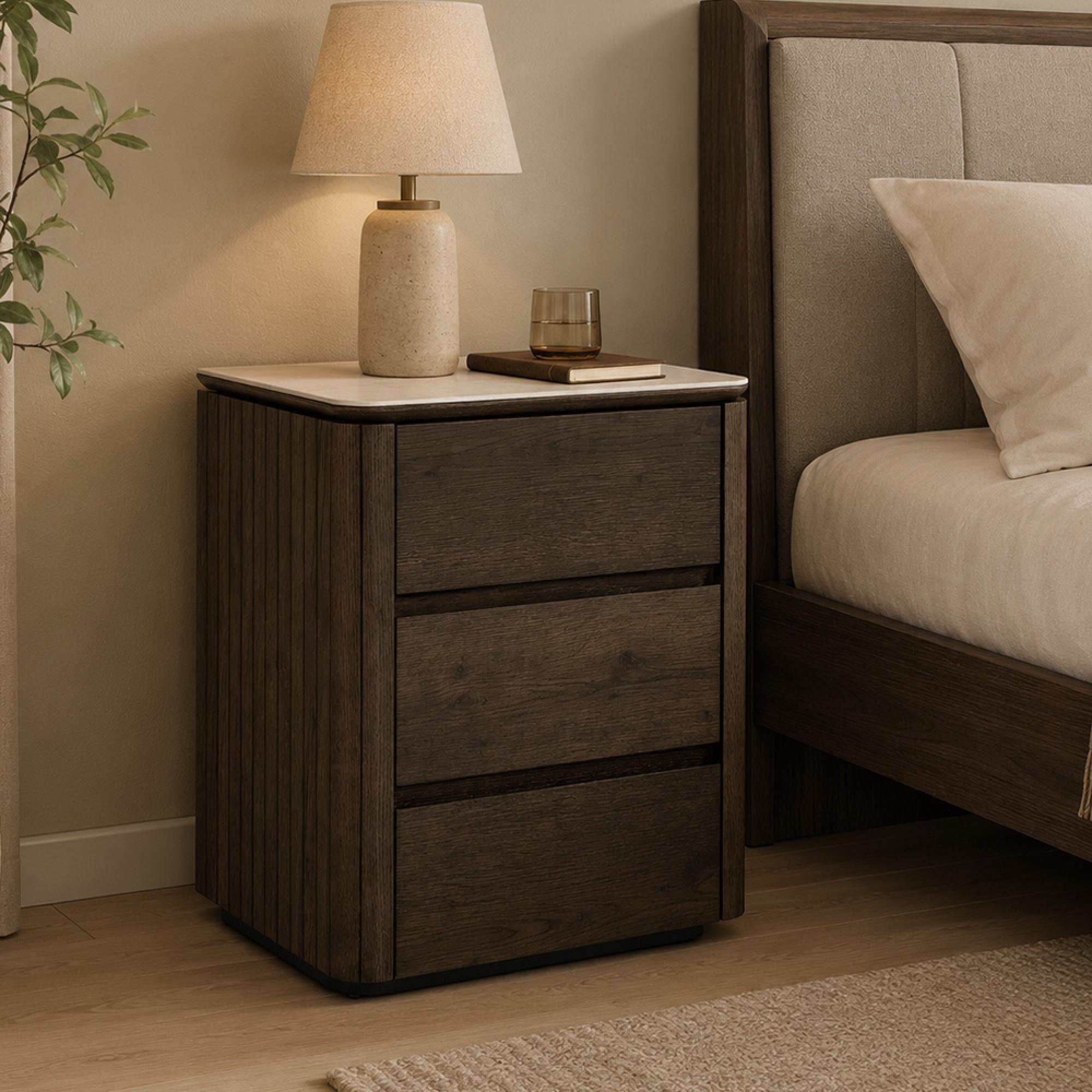
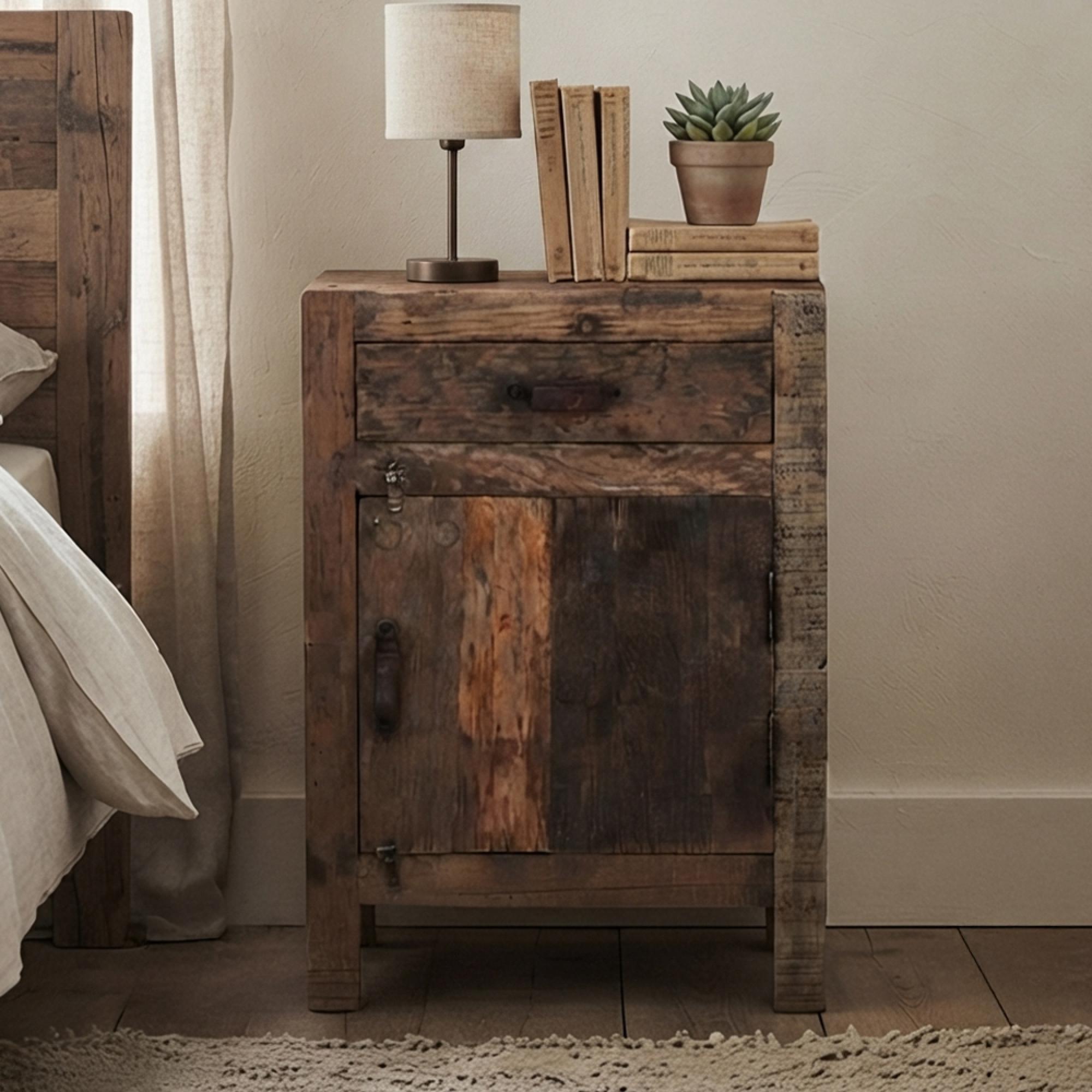
Free Delivery All Over UK*
close
Top products
SHOW ALL PRODUCTS

Bedside Tables 60cm to 80cm High

Found 552 Items

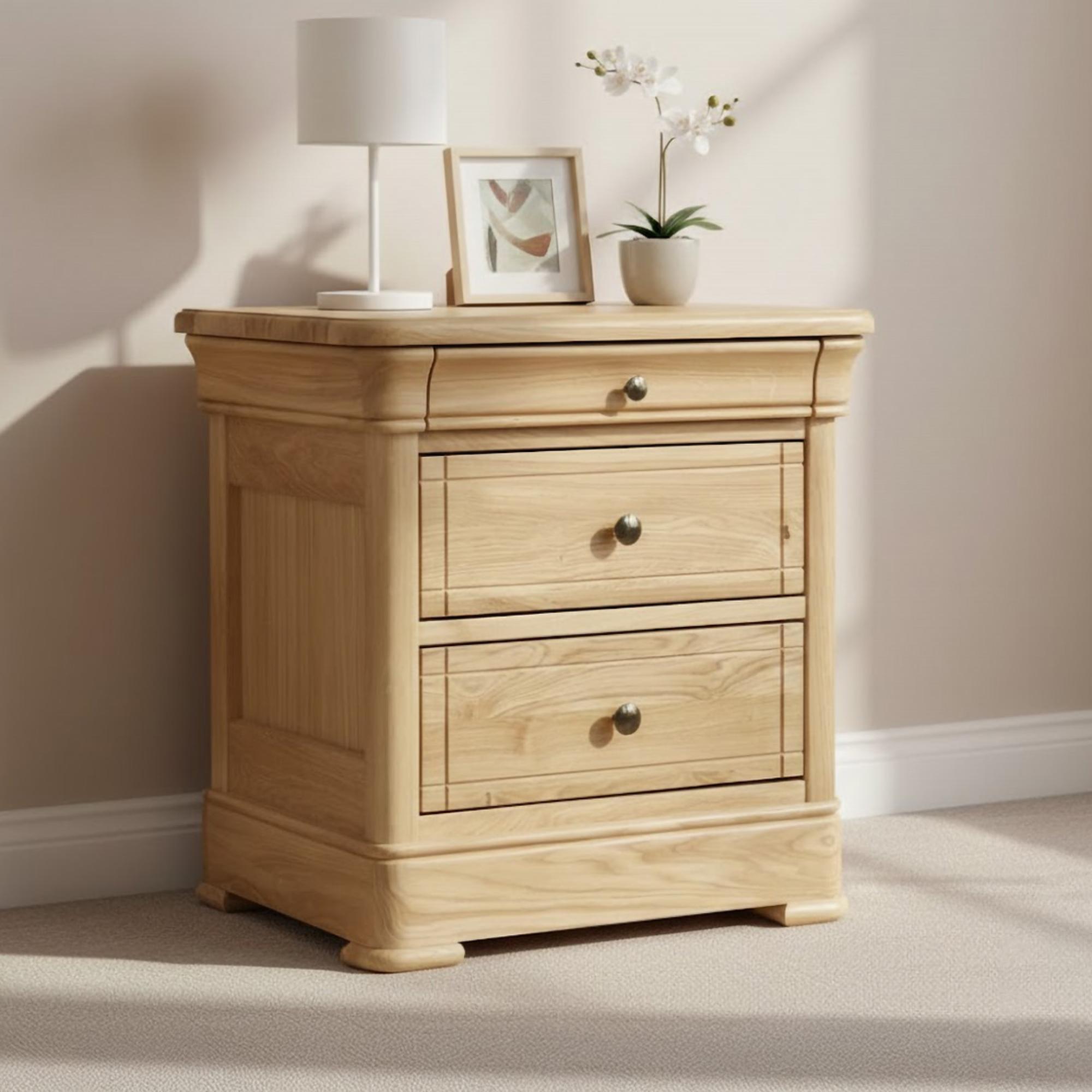
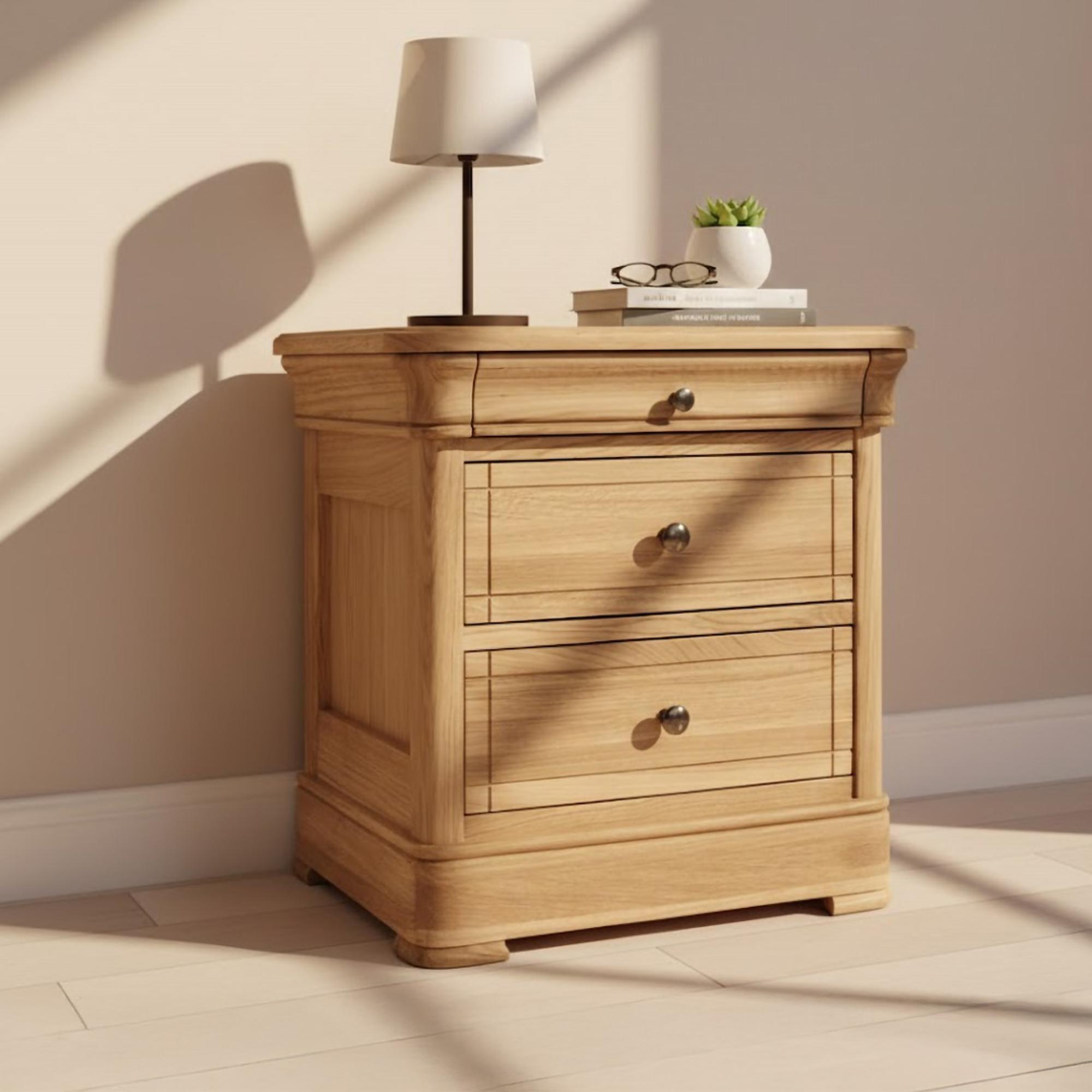
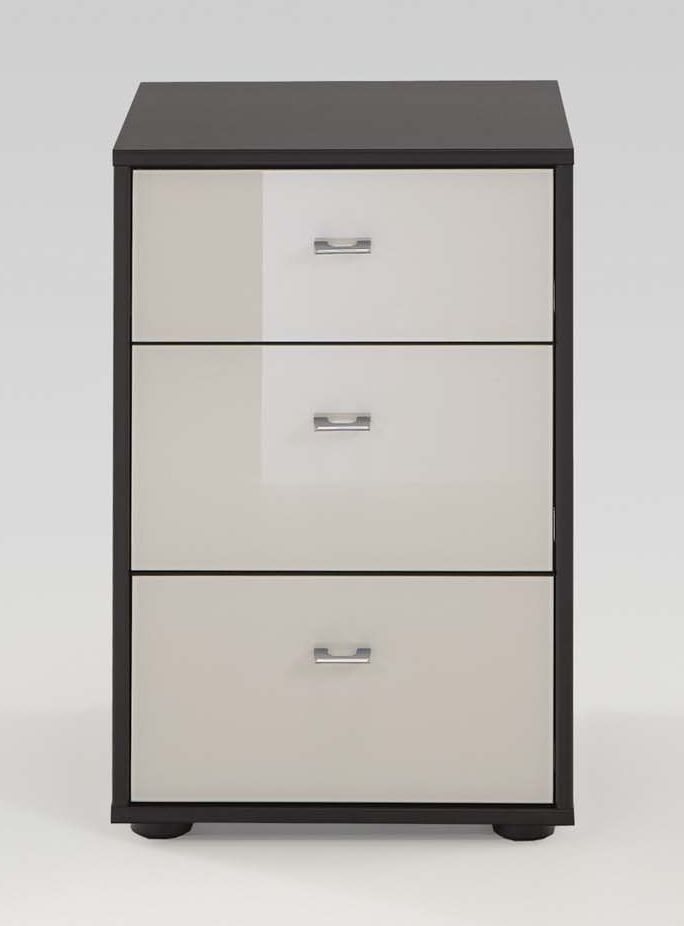
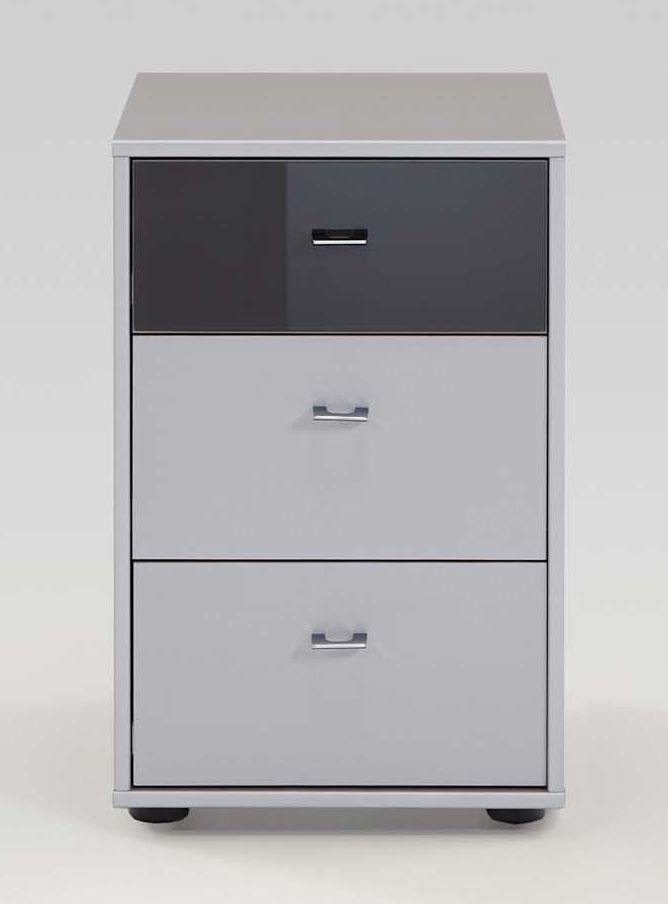
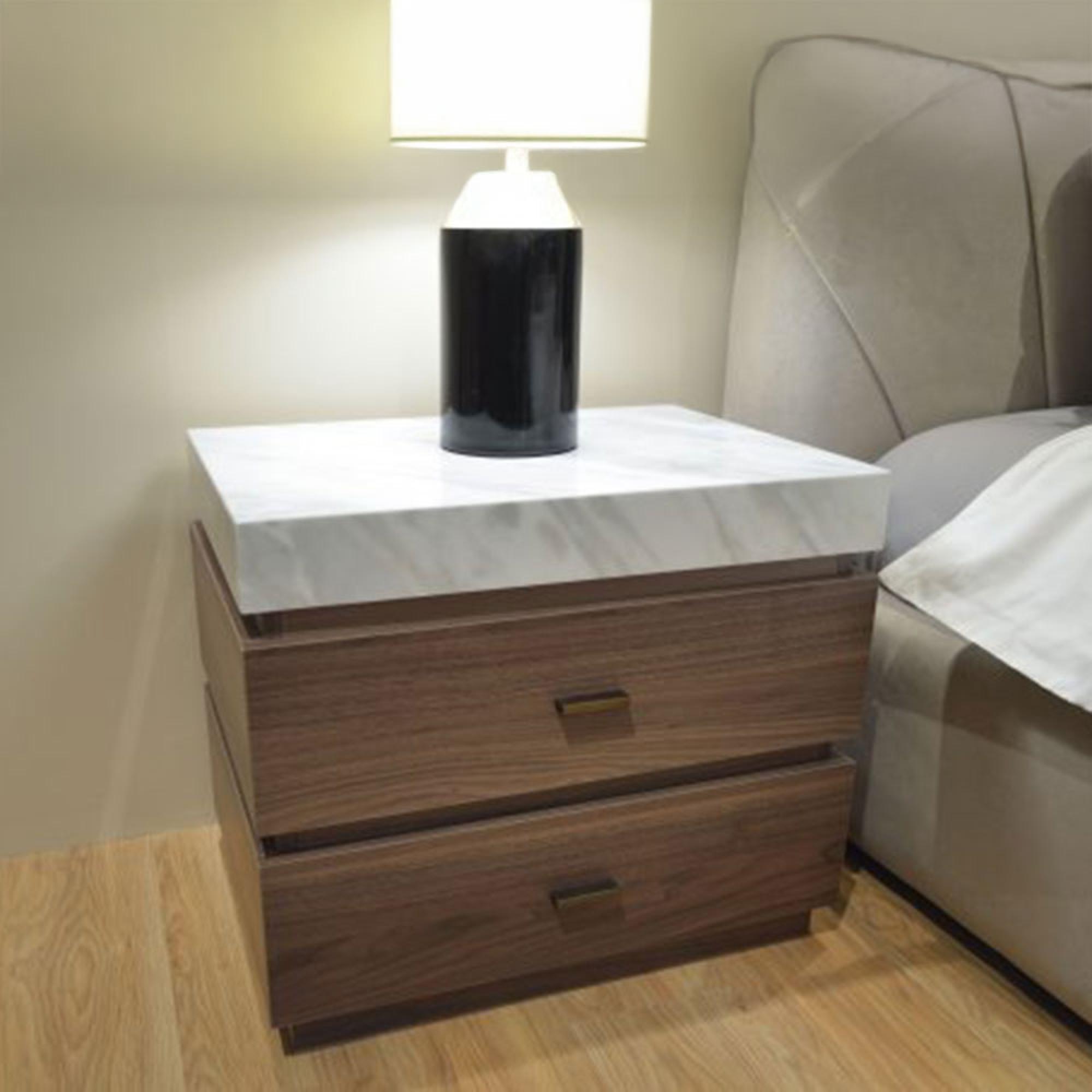
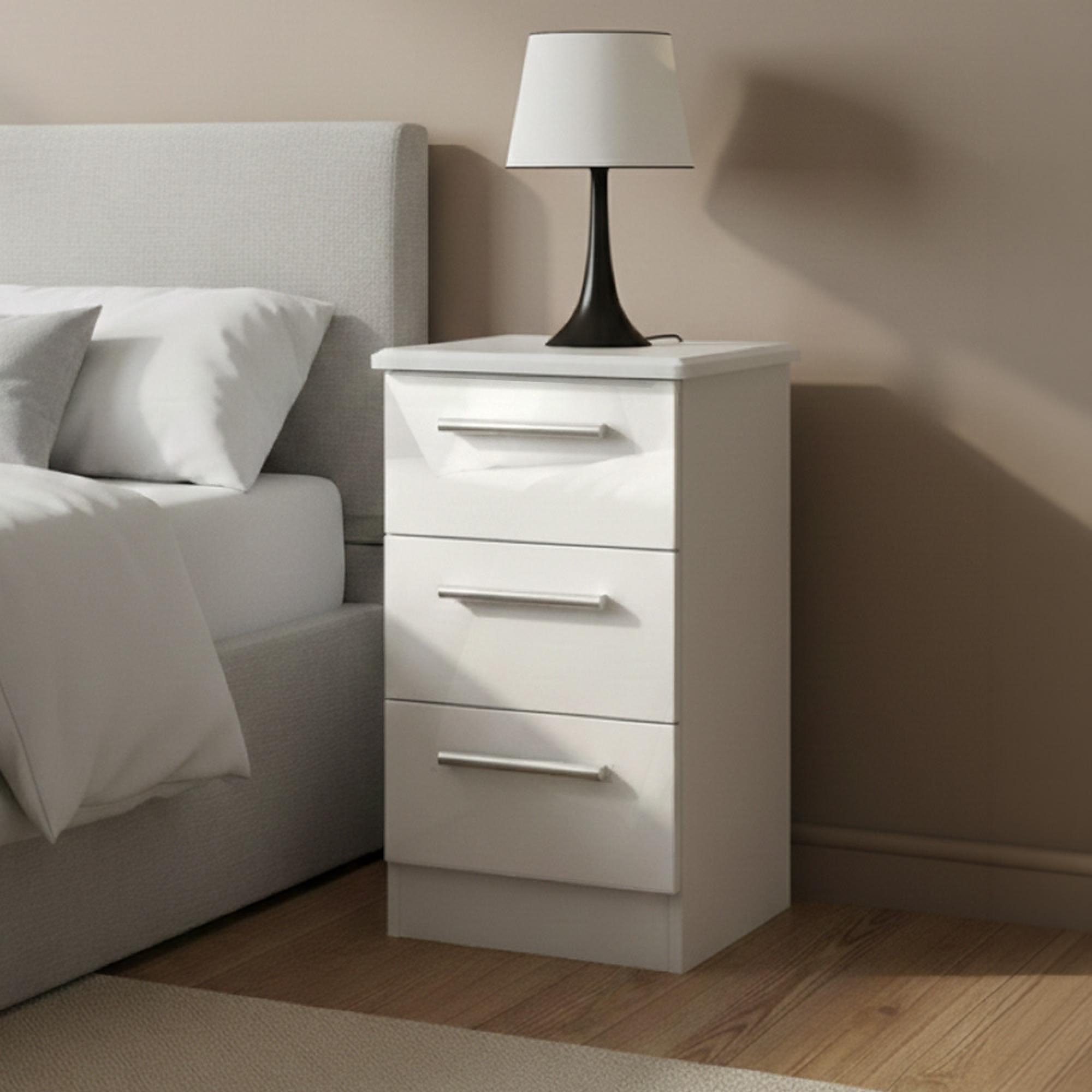
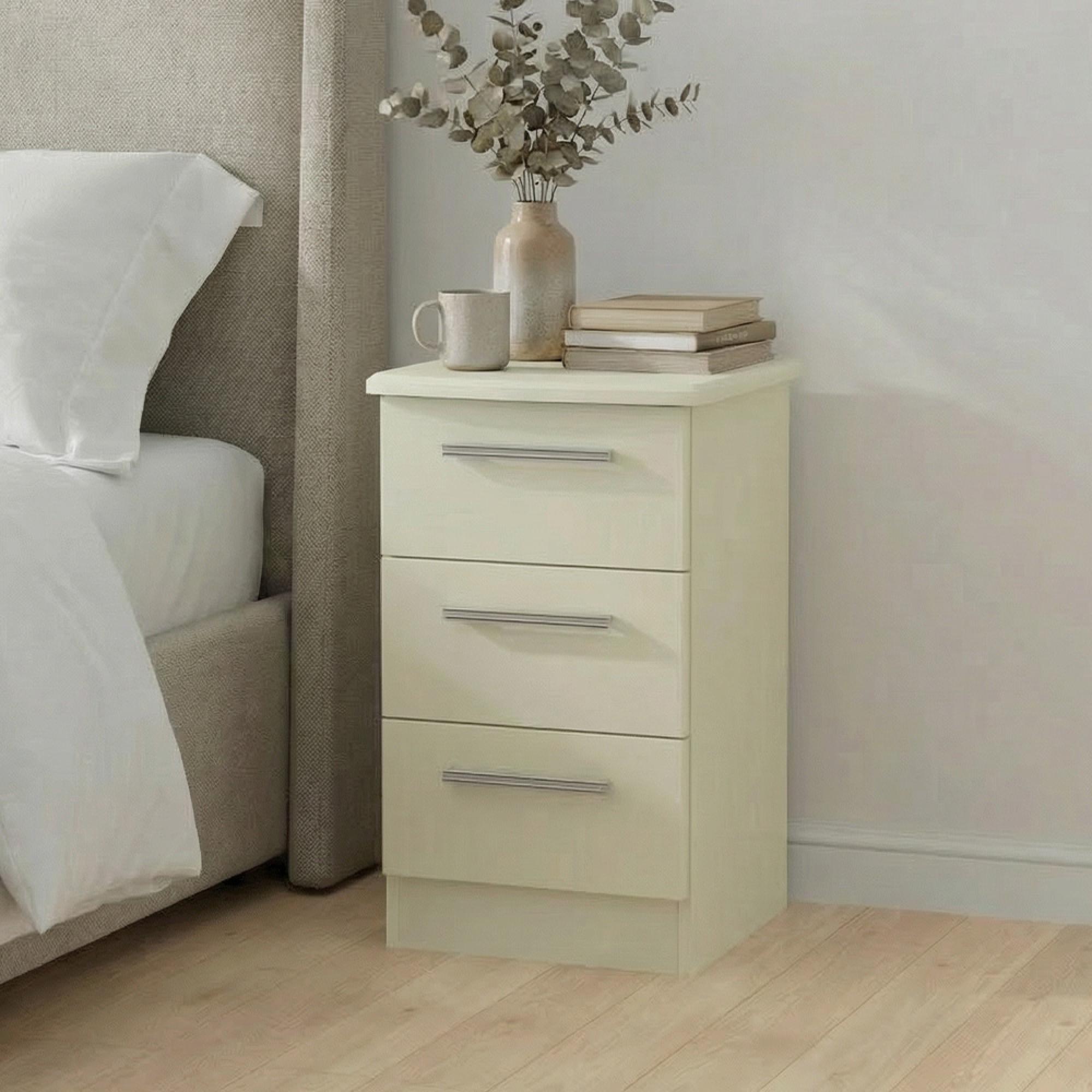
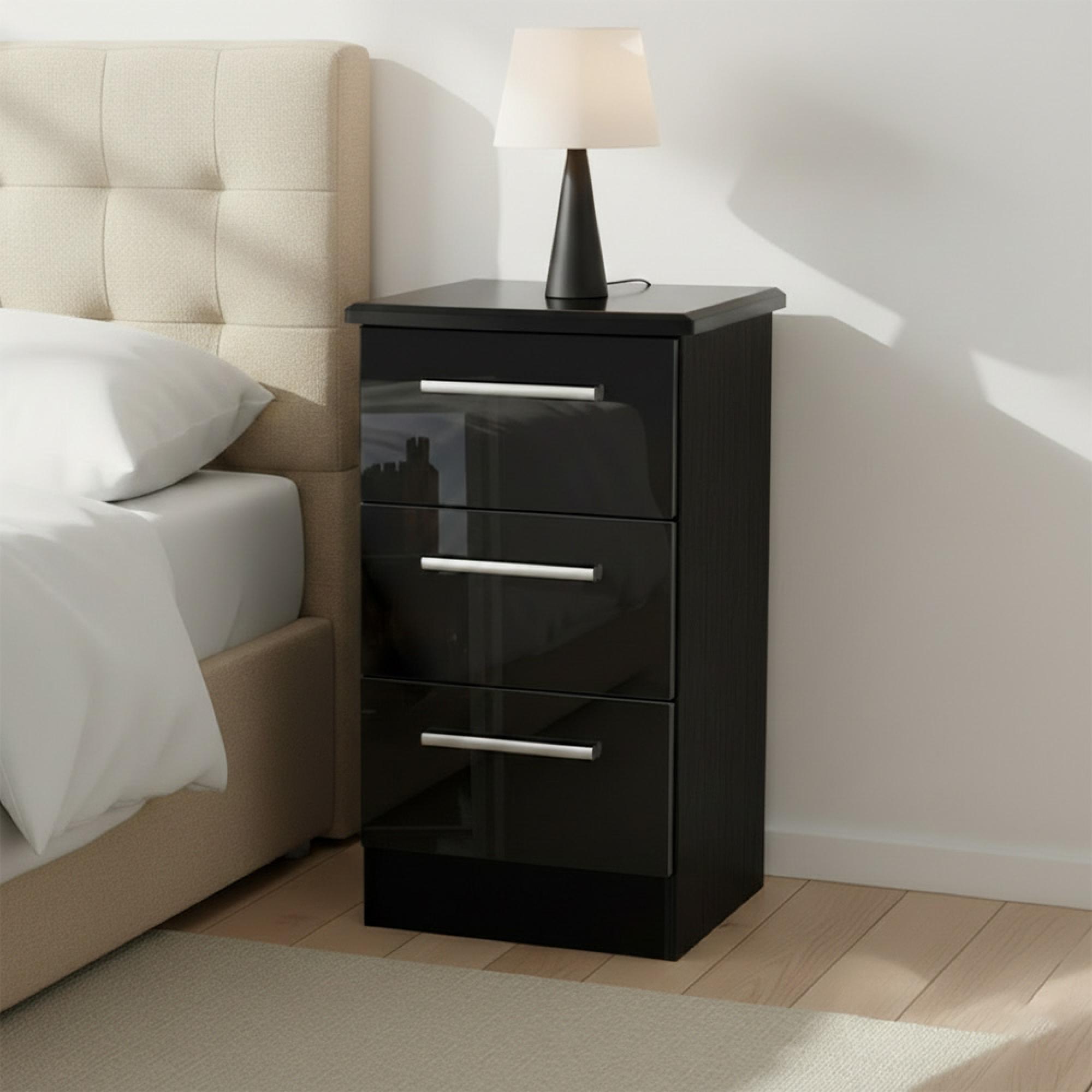
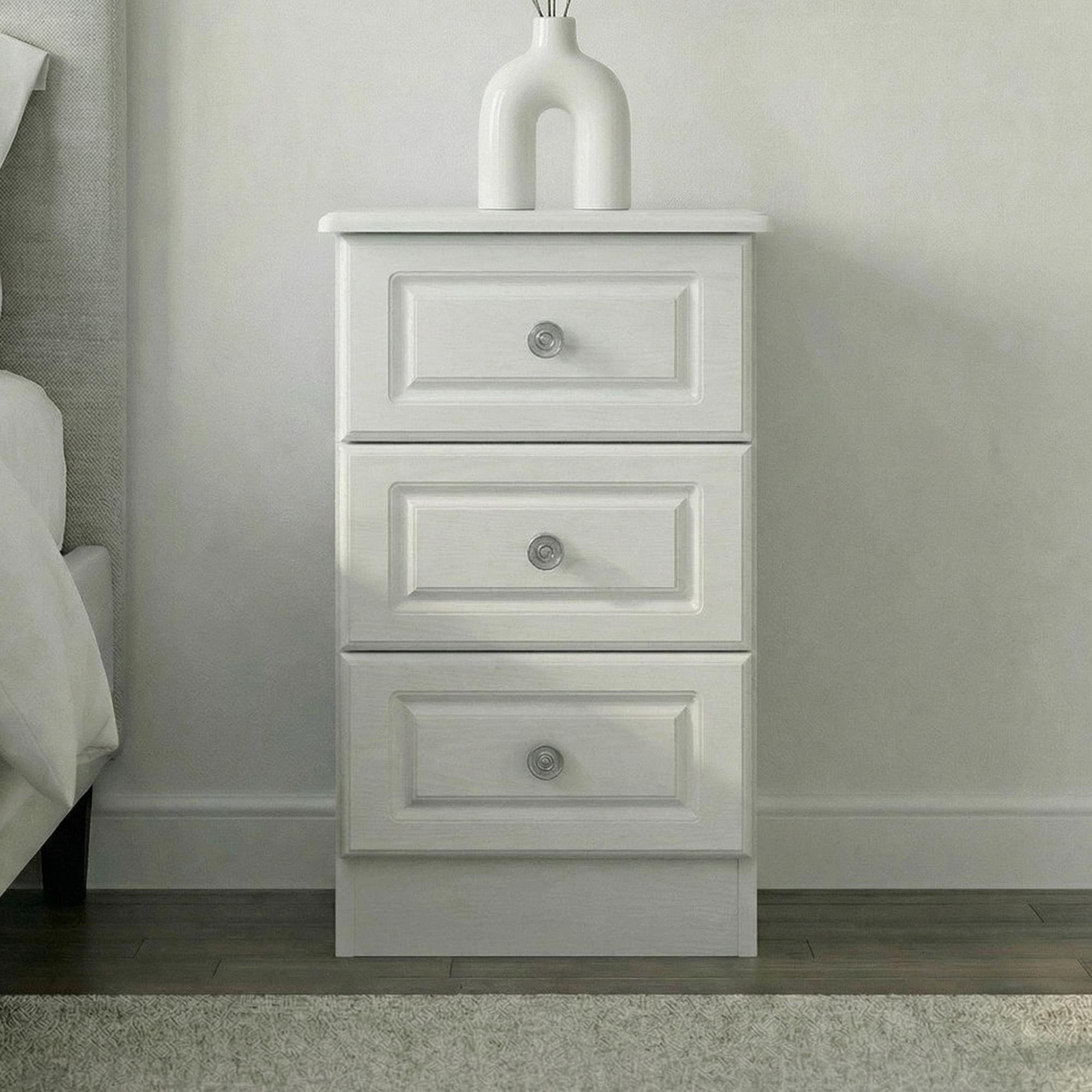
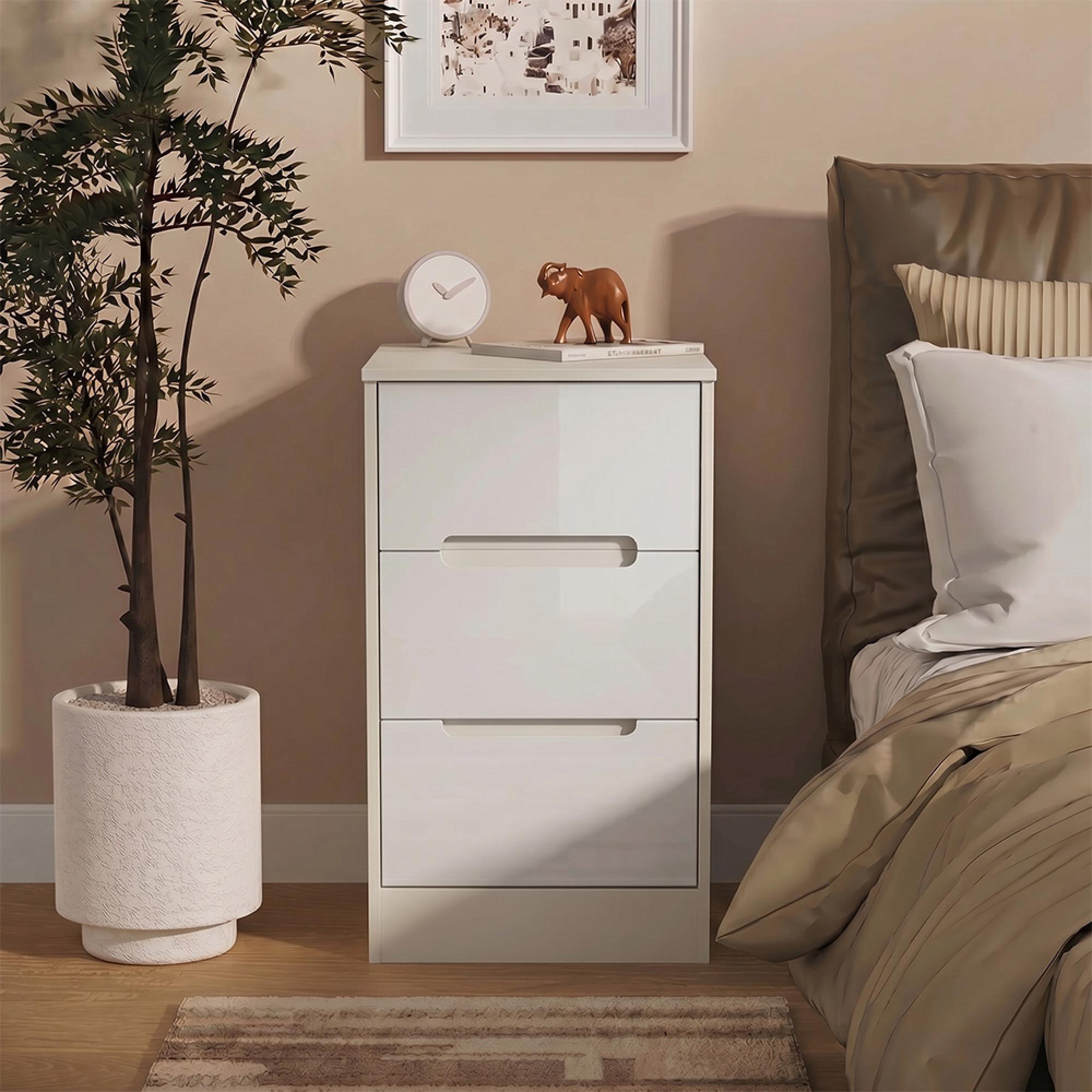
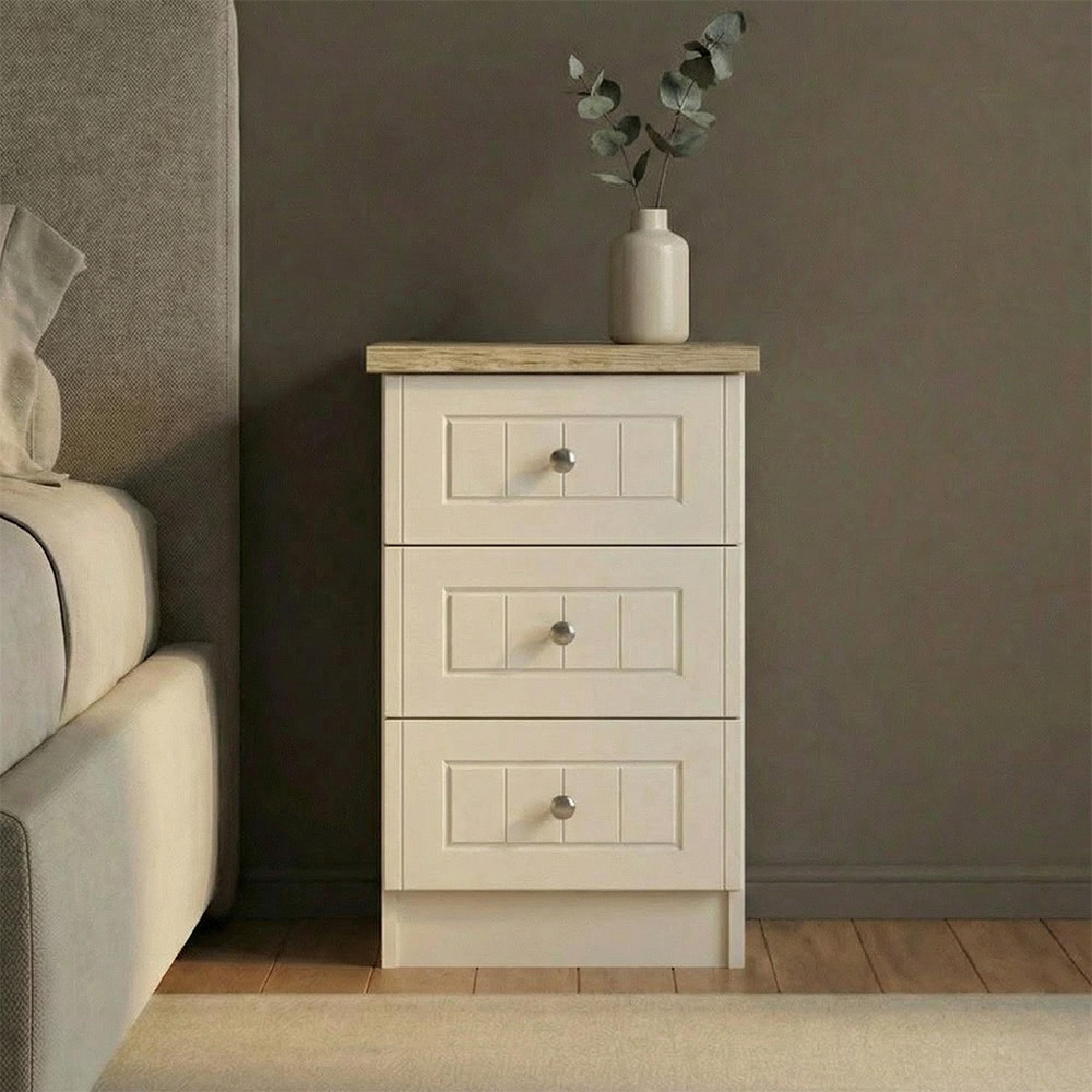
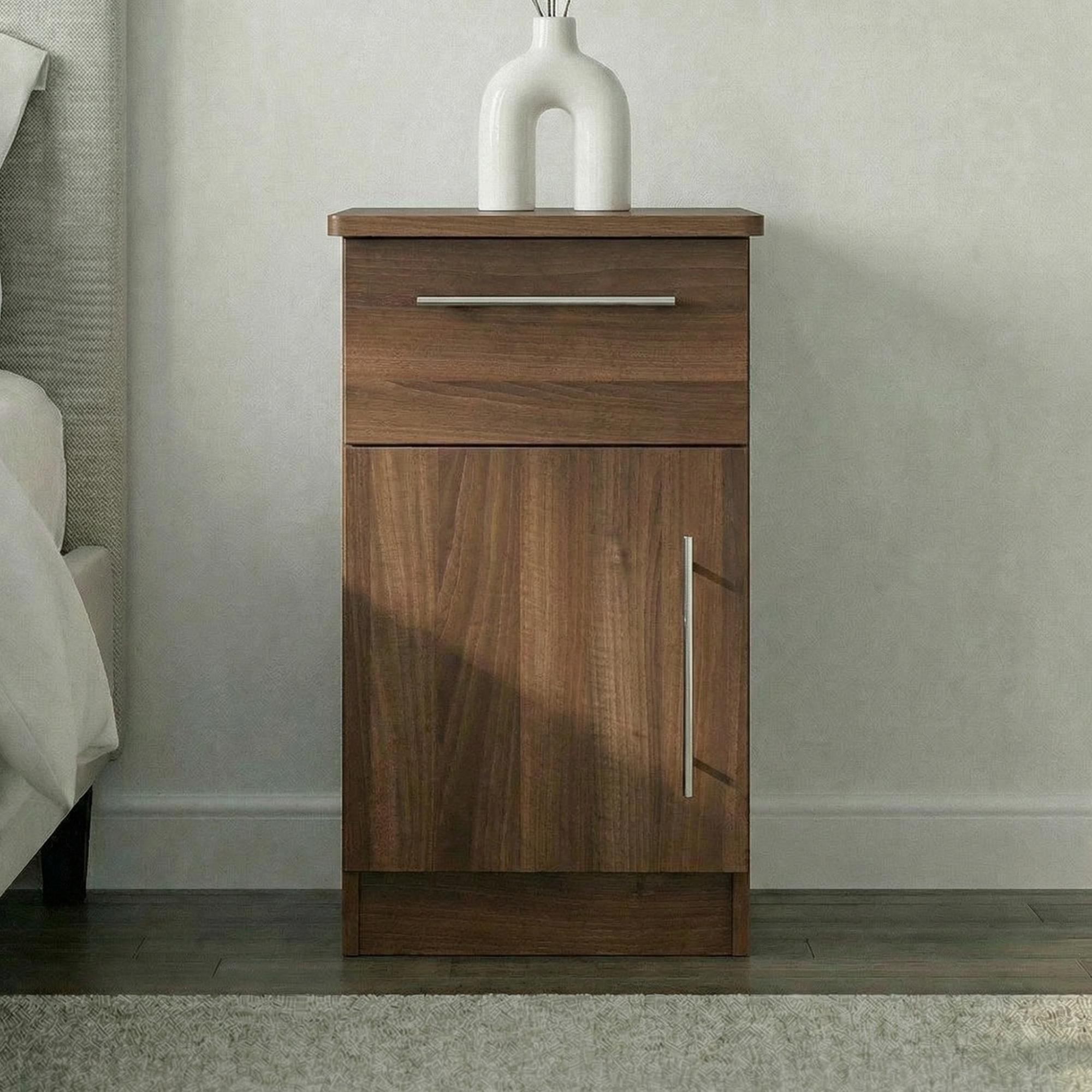
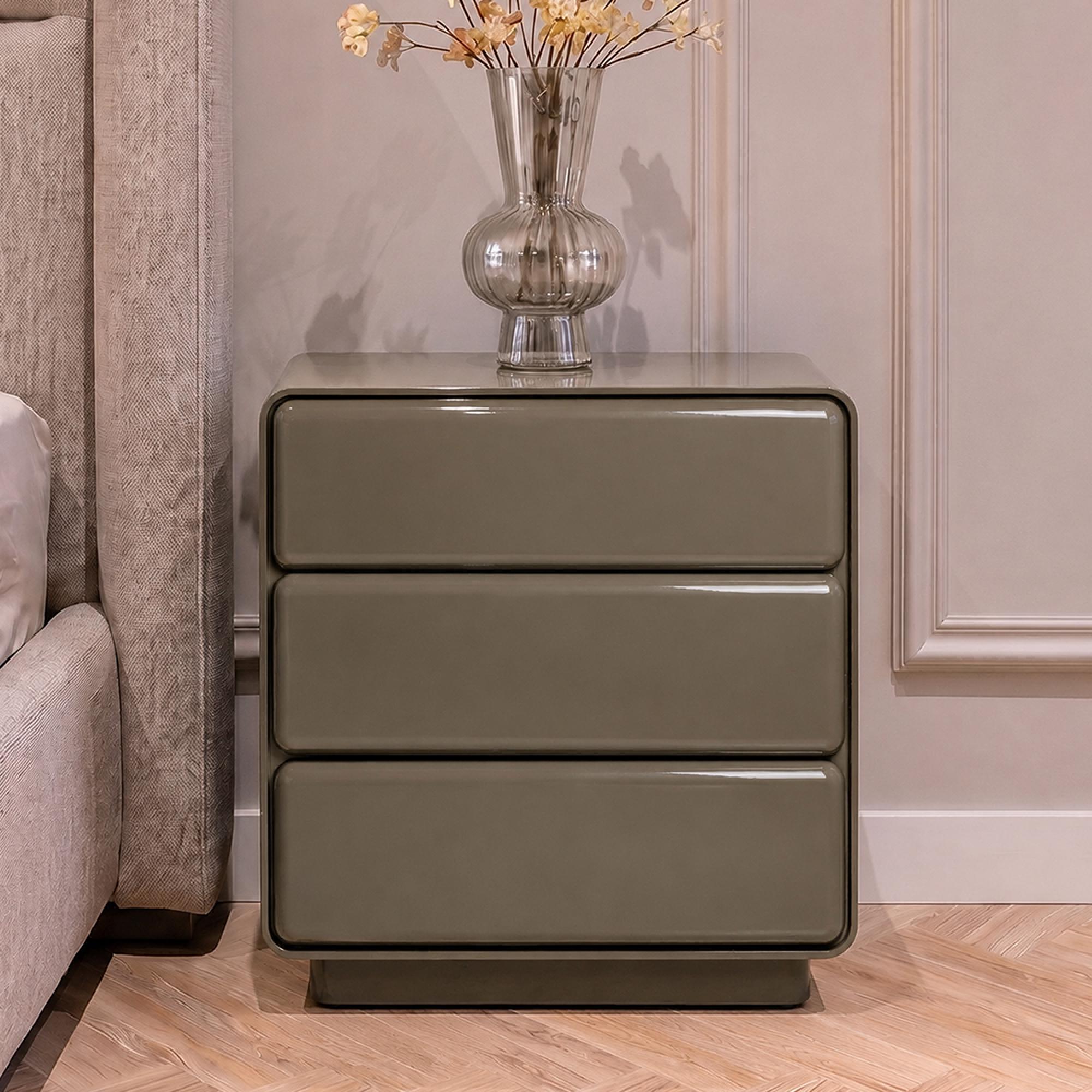
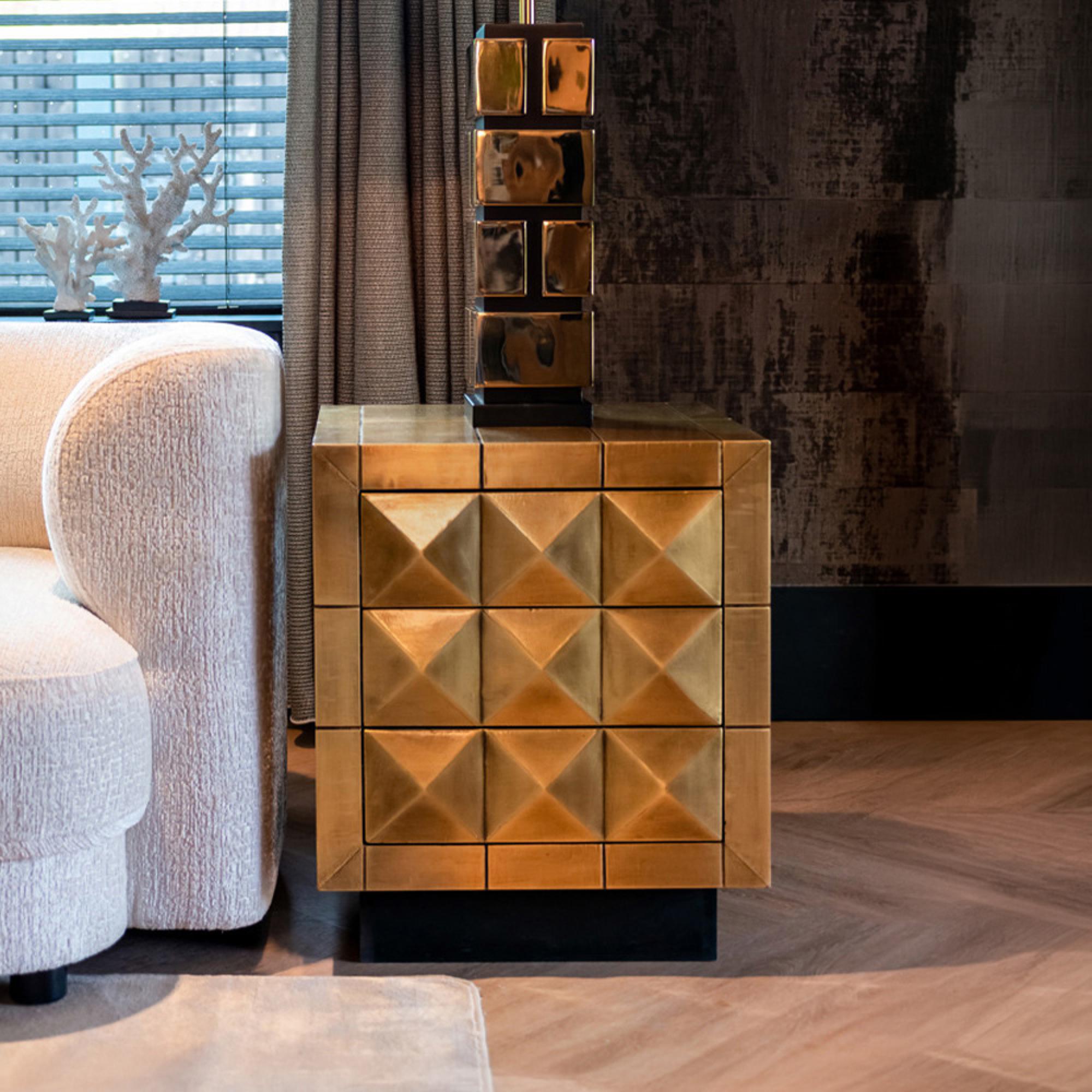
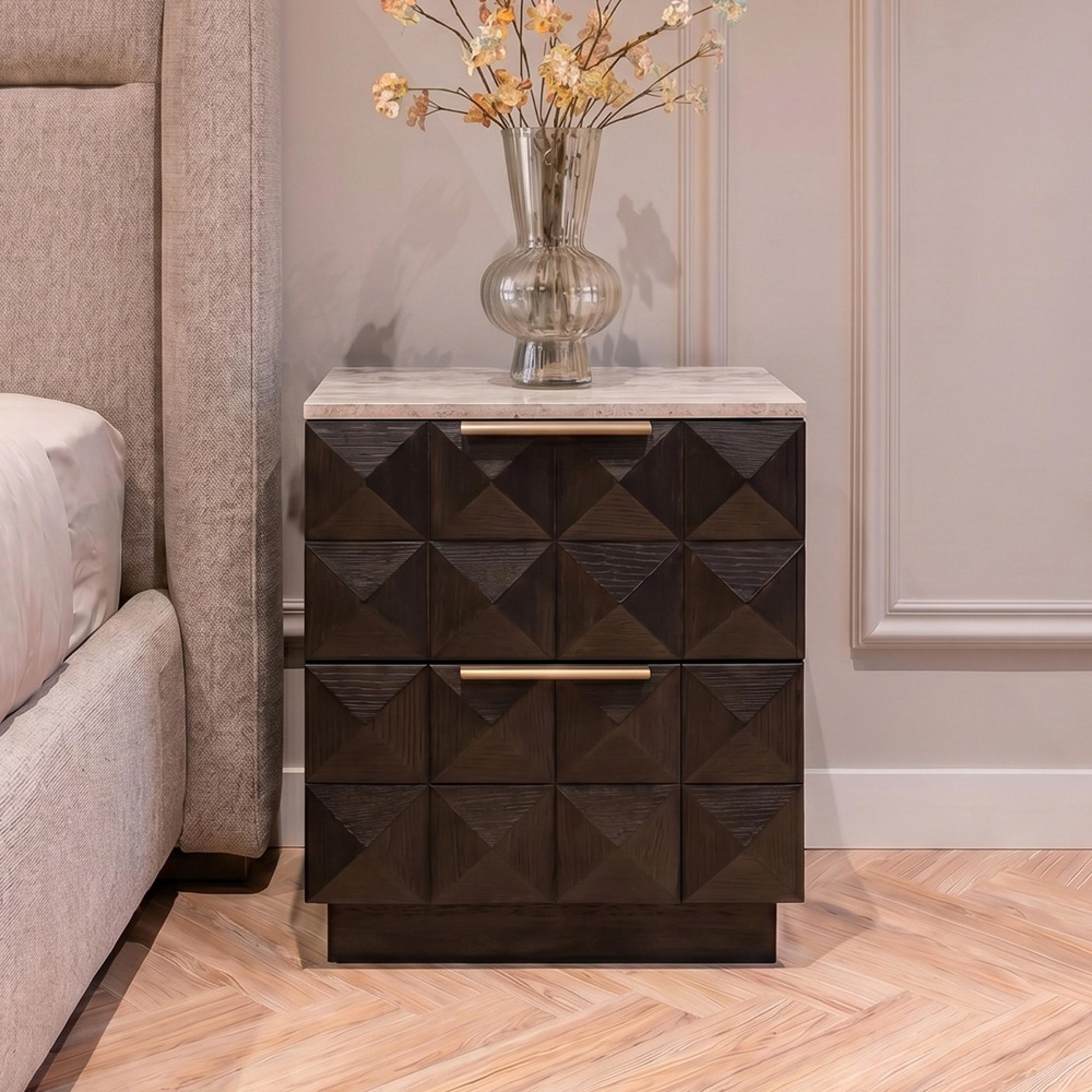
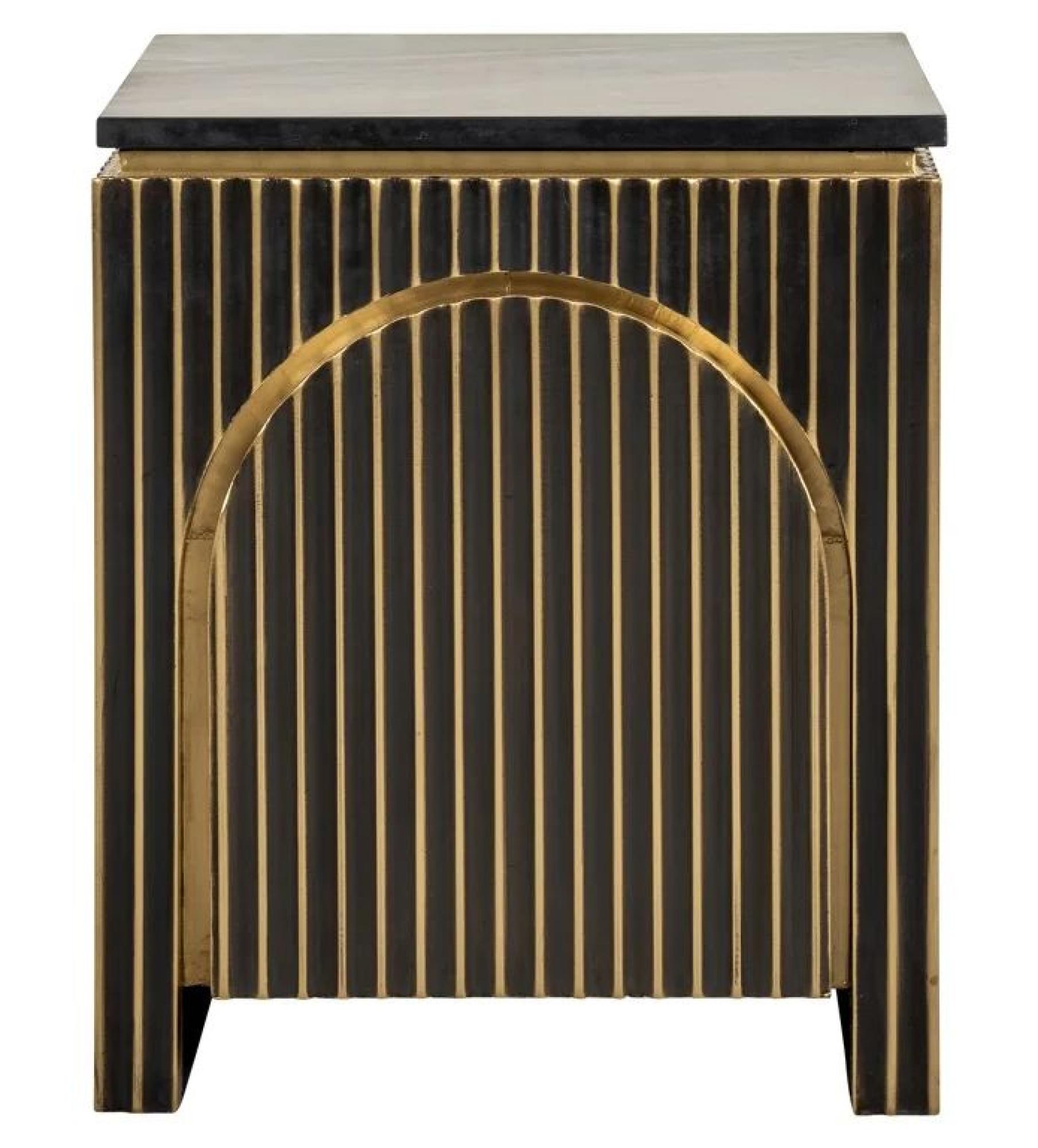
Use the Bedside Tables 60cm to 80cm High category to compare choices that keep lighting and night-time essentials close to the bed. Compare surface space, drawer or cupboard storage, height, opening clearance and finish to identify the right balance of appearance and function. The size-led focus makes accurate room measurements and usable clearance central to the decision. Compare the unit height with the mattress so everyday items remain easy to reach.
Read more X Close

Price

Type

No. of Doors

No. of Drawers

Material

Finish

Colour

  • Beige
  • Black
  • Blue
  • Brown
  • Cream
  • Green
  • Grey
  • Pink
  • White
  • Yellow

39 Products of 552

Load More..

Choosing Bedside Tables 60cm to 80cm High

This category focuses on Bedside Tables 60cm to 80cm High that can keep lighting and night-time essentials close to the bed. Start with the room layout and daily use, then compare surface space, drawer or cupboard storage, height, opening clearance and finish. The size-led focus makes accurate room measurements and usable clearance central to the decision. This keeps the decision focused on practical suitability as well as style.

Plan the space before choosing

Compare the unit height with the mattress so everyday items remain easy to reach. Record the available width, depth and height, including clearance for doors, drawers, reclining parts or extensions where relevant. Account for skirting boards, radiators, sockets and walking routes, then check the access route through doors, halls and stairs.

For adjacent choices, explore Bedside Cabinets, Bedside Tables 60cm to 80cm Wide and Bedside Tables 40cm to 60cm High. Use these comparisons alongside the specifications on each product page.

Bedside Tables 60cm to 80cm High for considered interiors

The Bedside Tables 60cm to 80cm High category focuses on choices intended to keep lighting and night-time essentials close to the bed. A suitable option should respond to the room's proportions, surrounding furniture and practical demands of everyday use. The size-led focus makes accurate room measurements and usable clearance central to the decision.

Material, finish and construction

When comparing bedside furniture, look closely at surface space, drawer or cupboard storage, height, opening clearance and finish. Materials influence appearance, weight and maintenance, while finish affects colour coordination and day-to-day care. Use the written specification to confirm construction and care requirements.

Function and room planning

Compare the unit height with the mattress so everyday items remain easy to reach. Mark out the footprint and consider how people move around it. Where a product opens, extends, swivels or reclines, include that working clearance. For storage, seating or sleeping products, match the layout, support and capacity to the needs of regular users.

Creating a coordinated result

Build the room around a clear relationship between scale, colour and material. Matching every finish is not essential, but repeating one or two elements can connect separate pieces. You can also compare Bedside Cabinets, Bedside Tables 60cm to 80cm Wide and Bedside Tables 40cm to 60cm High for closely related room and product choices. Use the individual listing to confirm dimensions, included components, assembly and suitability.
Read more X Close

FAQs on Bedside Tables 60cm to 80cm High

What height should a bedside table be next to my bed?

Your bedside table should align with or sit 5–10cm below your mattress top for comfortable reach. Measure your mattress height (typically 50–70cm) and choose a 60–80cm table accordingly. This prevents awkward stretching and keeps essentials within arms reach.

For compact spaces, select a narrow bedside table (under 50cm wide) with vertical storage like drawers rather than open shelves. Wall-mounted options or single-drawer designs maximise floor space. Lighter colours and materials like rattan create an airy feel without overwhelming the room.

In the UK, these terms are interchangeable—both refer to small tables beside your bed for lamps and essentials. The main differences lie in storage (drawers, shelves, or cabinets) and style. Choose based on your bedroom décor and storage needs rather than terminology.

Matching pairs create visual balance and symmetry on both sides of the bed, enhancing bedroom aesthetics. If your space or budget allows, pairs work well. However, mismatched heights or styles can suit eclectic designs—it depends on your interior style preference.

Drawers suit small items like jewellery and chargers; open shelves display books and larger objects; cabinet doors hide clutter. Combination layouts offer flexibility. Choose based on what you store nightly—drawers provide concealment; shelves offer quick access to frequently used items.

Solid oak and mango wood offer durability and natural aesthetics for Scandi or rustic bedrooms. Rattan suits coastal or bohemian styles but requires gentle care. High gloss MDF suits contemporary spaces and resists moisture better. Consider your style and maintenance tolerance when choosing.

Keep your bedside table functional: add a lamp, clock, and a small plant or photo frame. Use drawer storage for jewellery and medications. Limit surface items to three essentials and use a small tray to corral items. This maintains easy access while keeping the space visually calm.

Dust weekly with a soft, dry cloth. For wood, use furniture polish every two months. For high gloss finishes, wipe with a slightly damp microfibre cloth and dry immediately. Avoid harsh chemicals and direct sunlight, which can fade finishes or cause water marks.

Yes, if your mattress sits 60–70cm high (common for divan or storage beds), this height range works well. Measure your beds top surface first—storage beds may sit higher. If your mattress is above 70cm, consider tall bedside tables or wall-mounted shelves instead.

A depth of 30–40cm is ideal for small bedrooms—it provides enough surface area for a lamp and essentials without protruding far into the room. Wall-mounted or floating designs can be even shallower (20–30cm), maximising floor space and creating a streamlined look.
Top