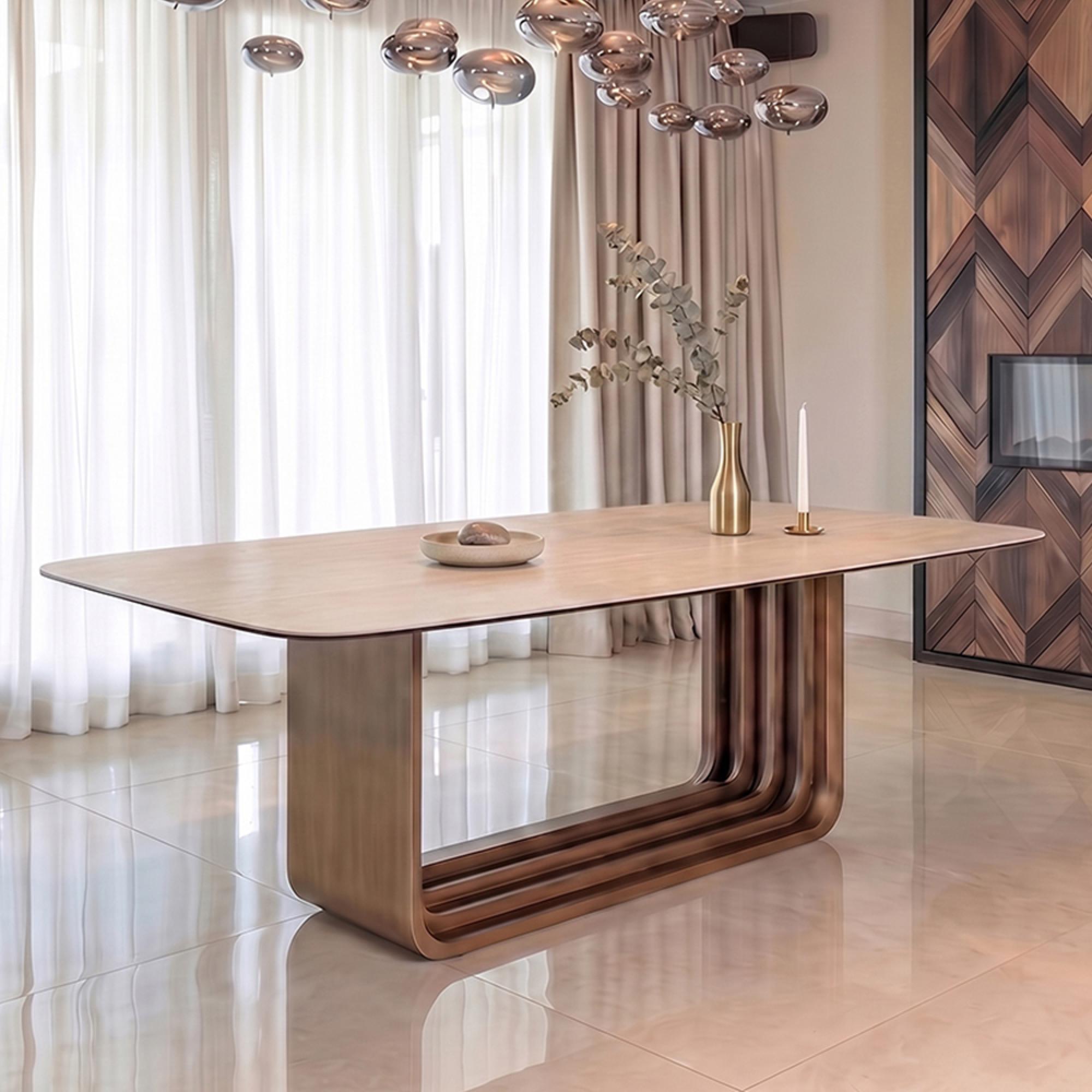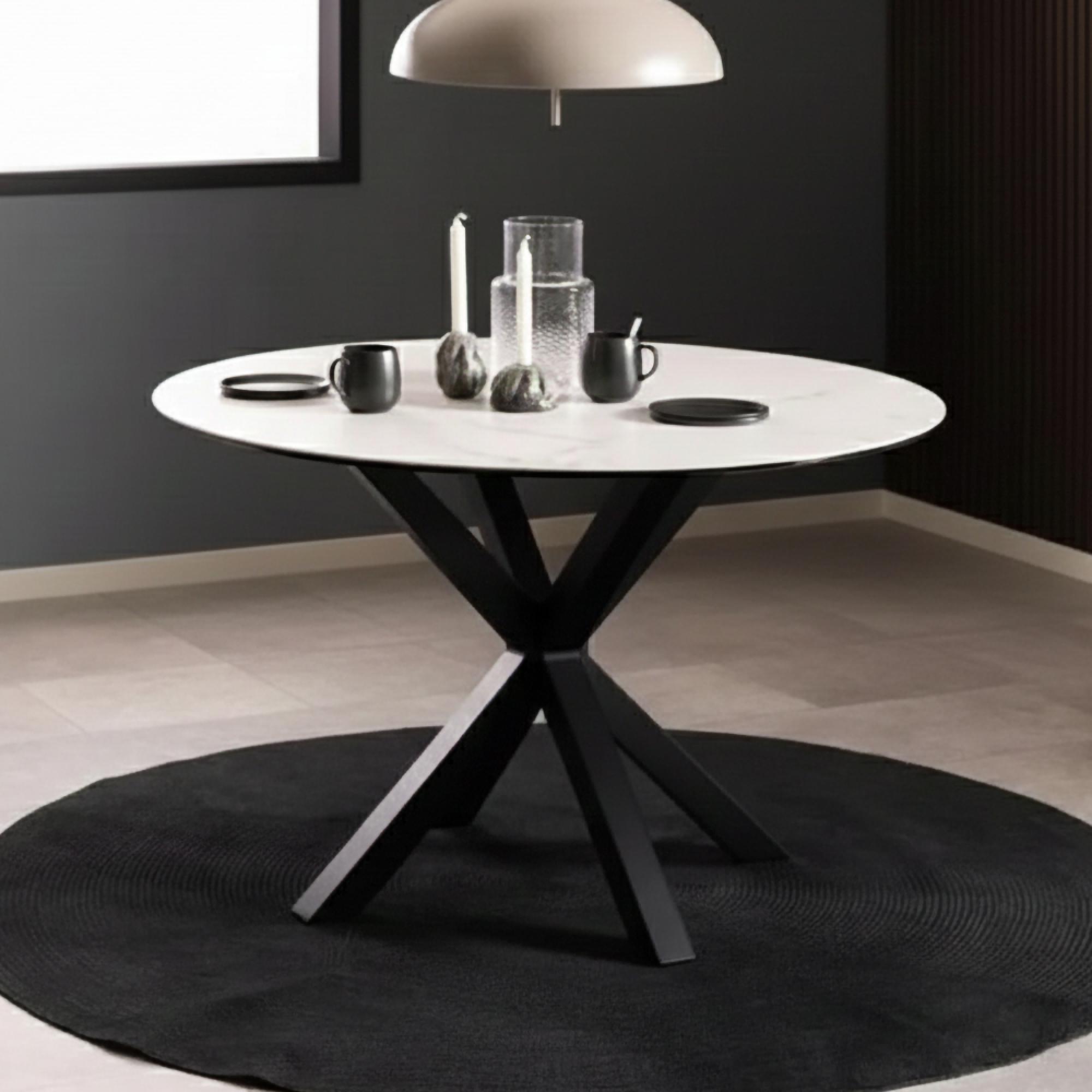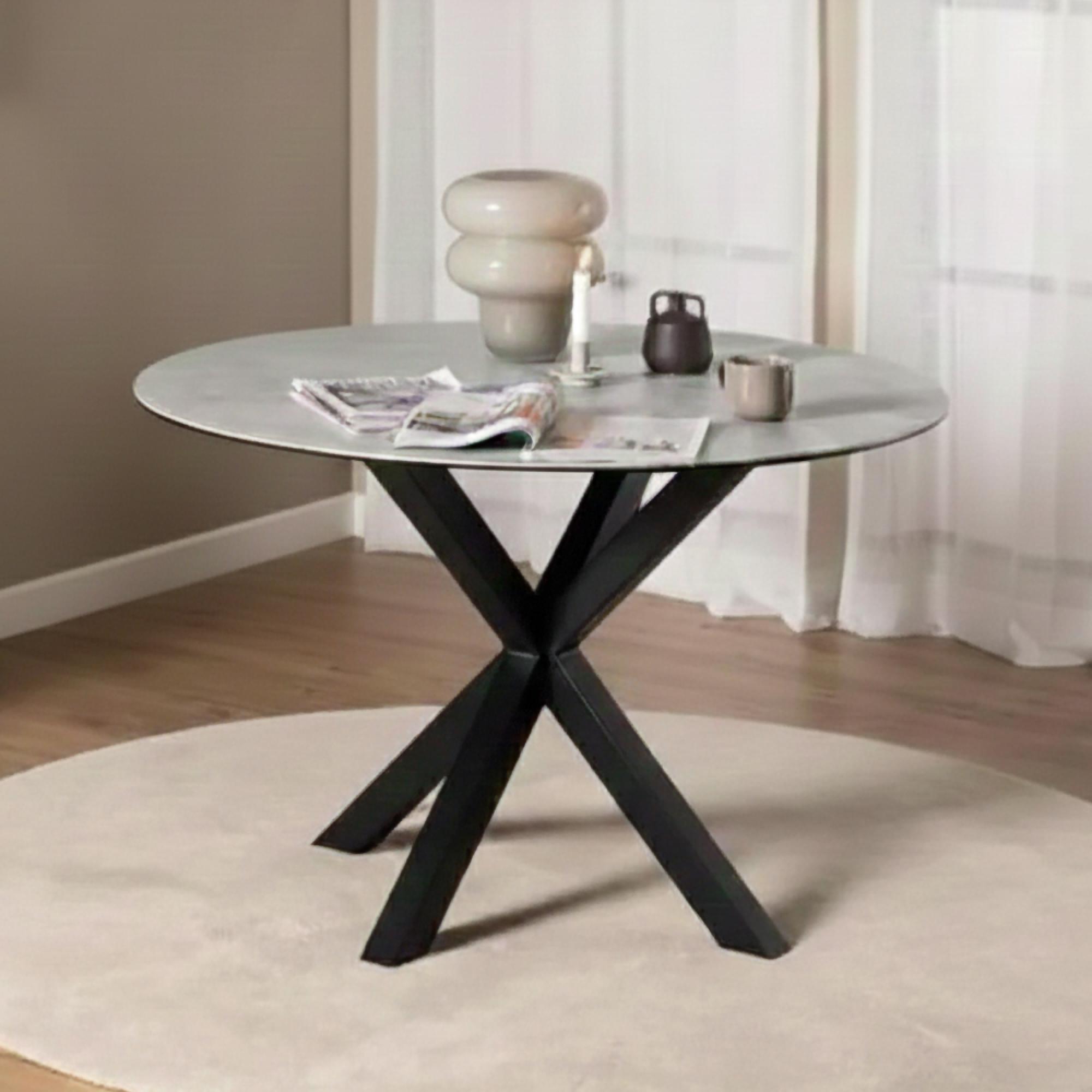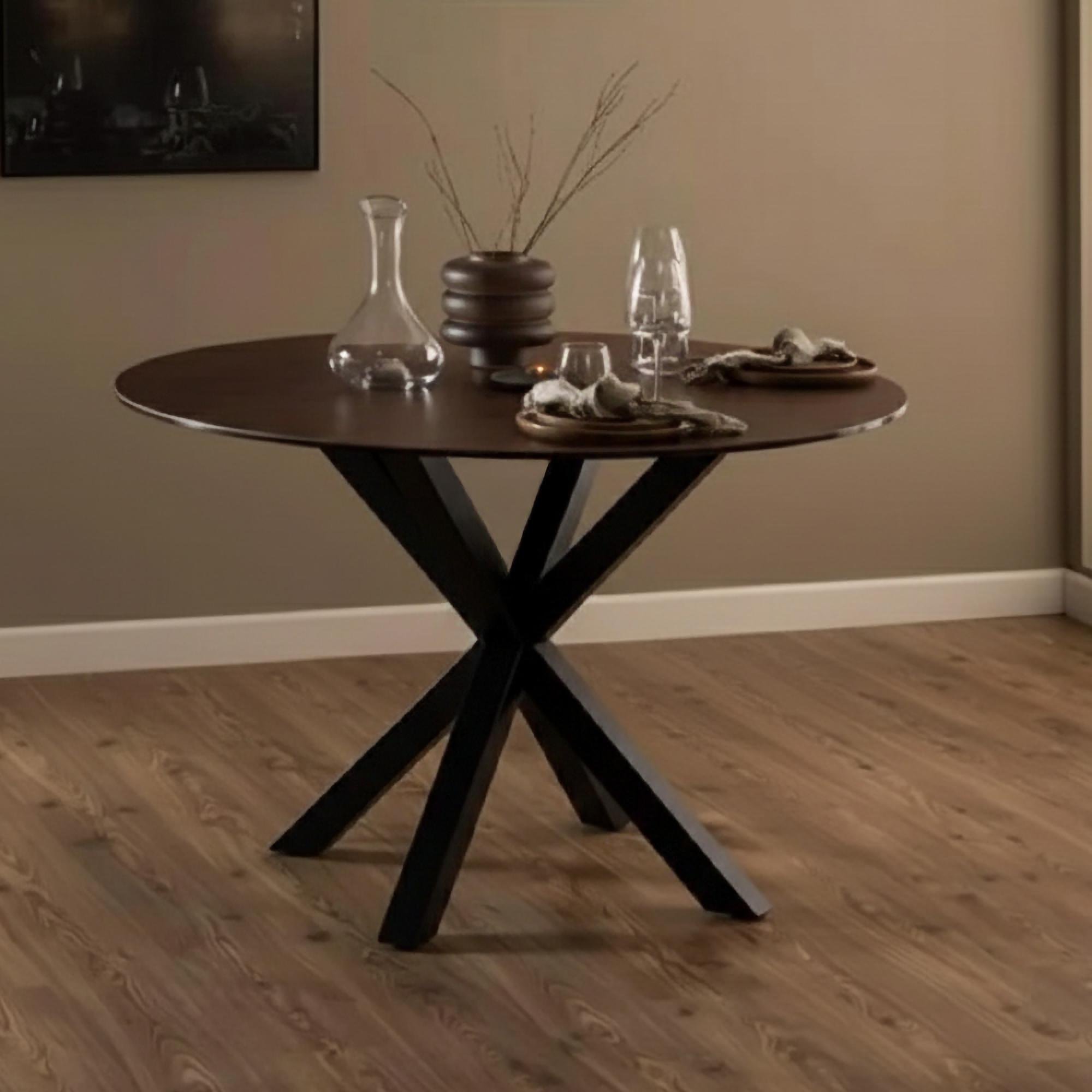
Free Delivery All Over UK*
close
Top products
SHOW ALL PRODUCTS

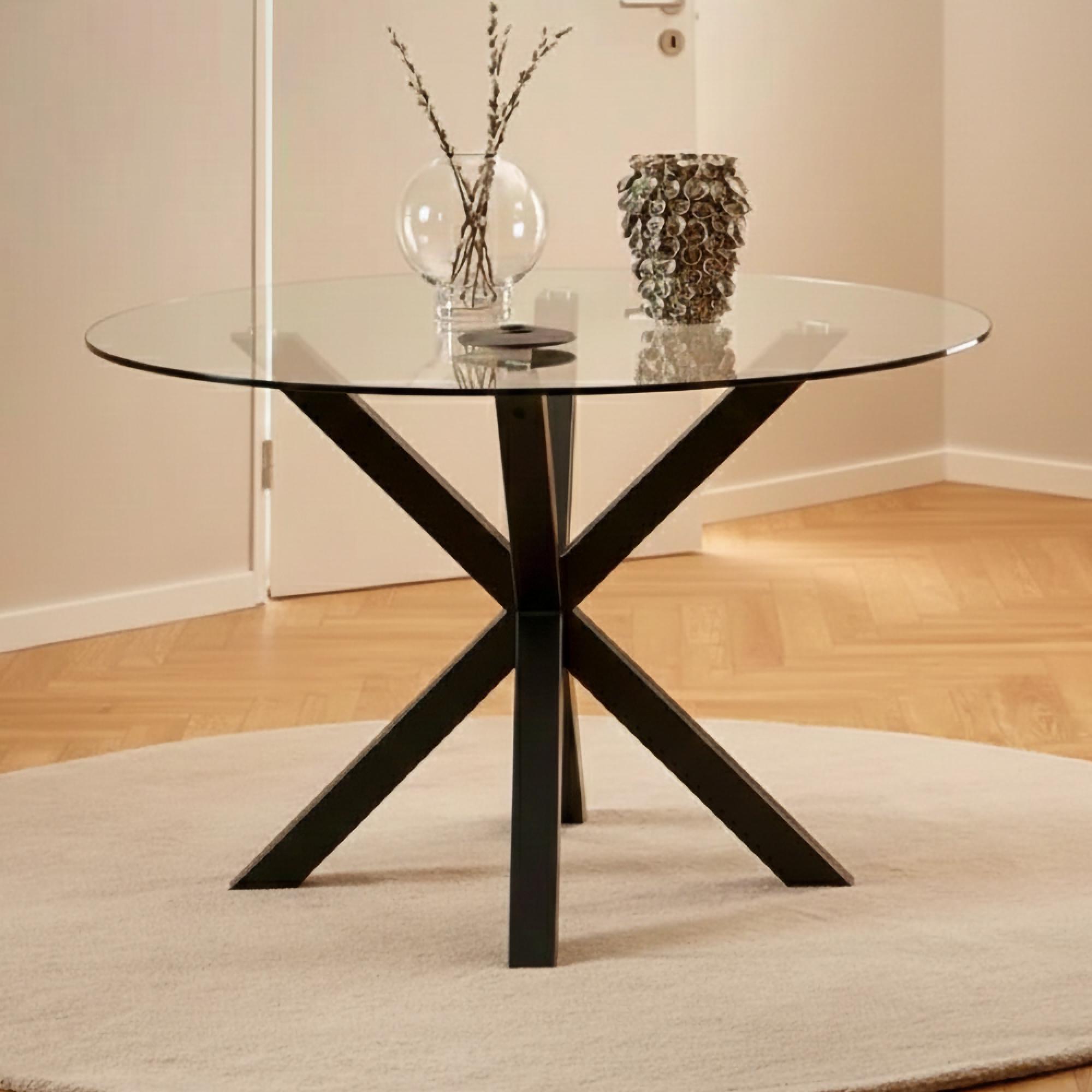
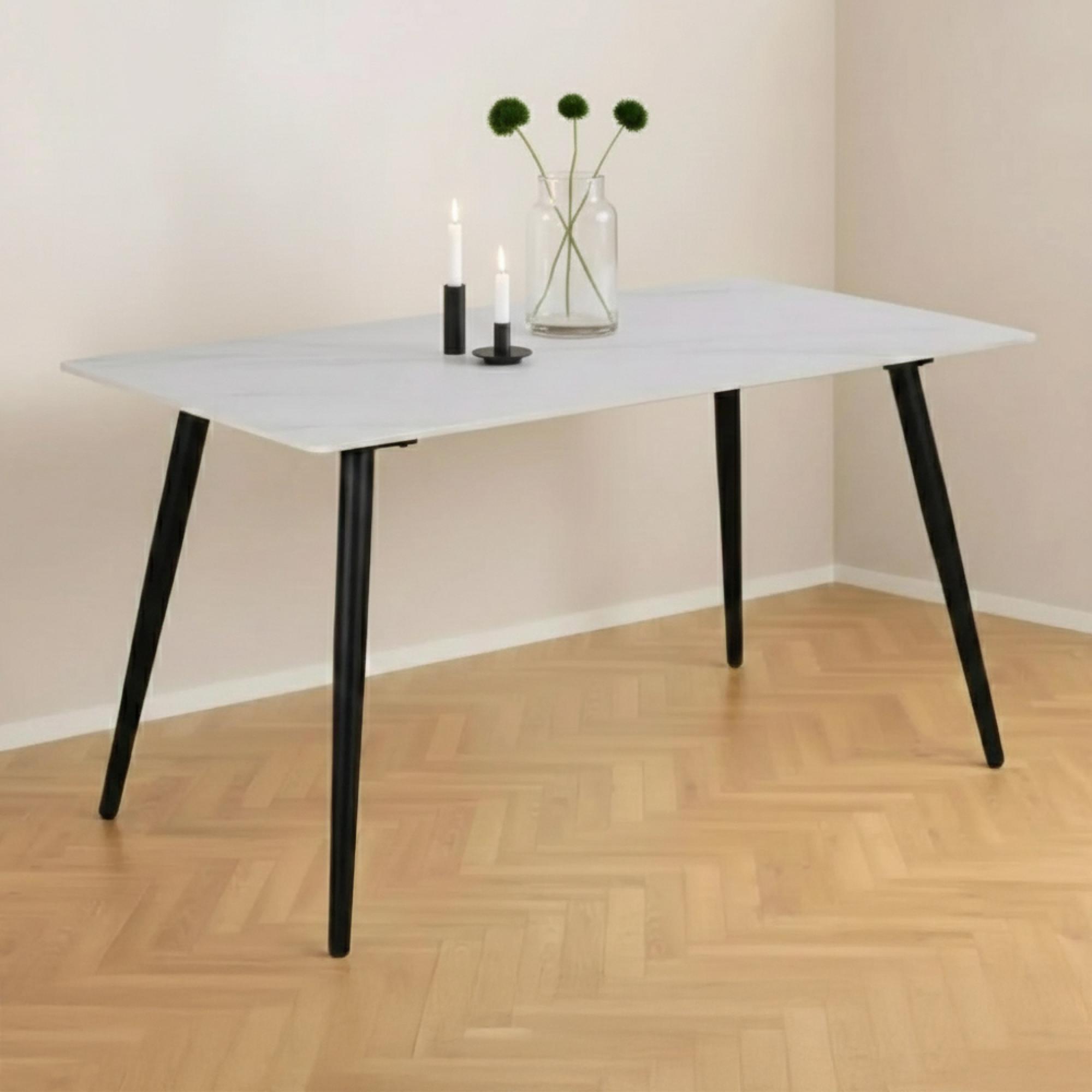
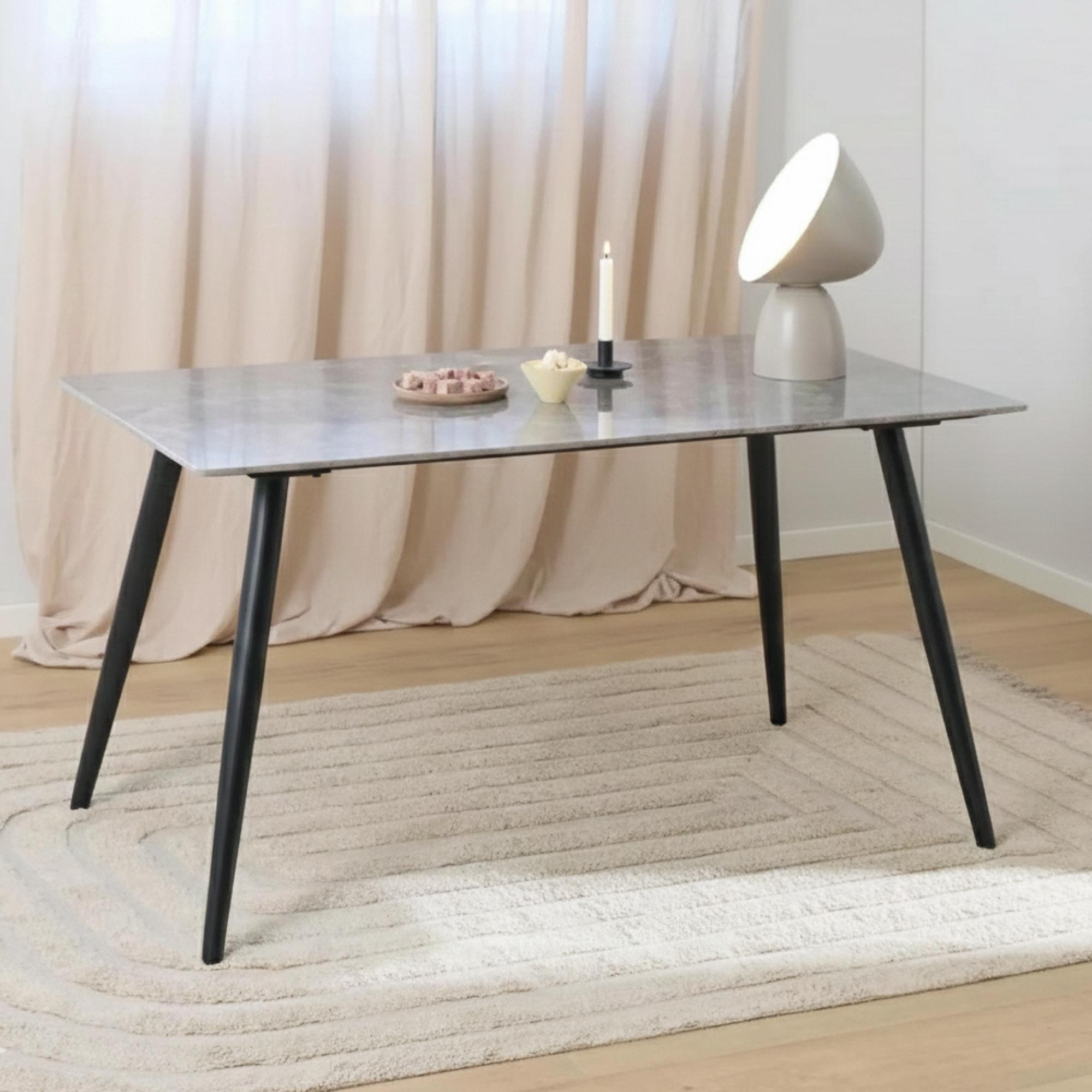
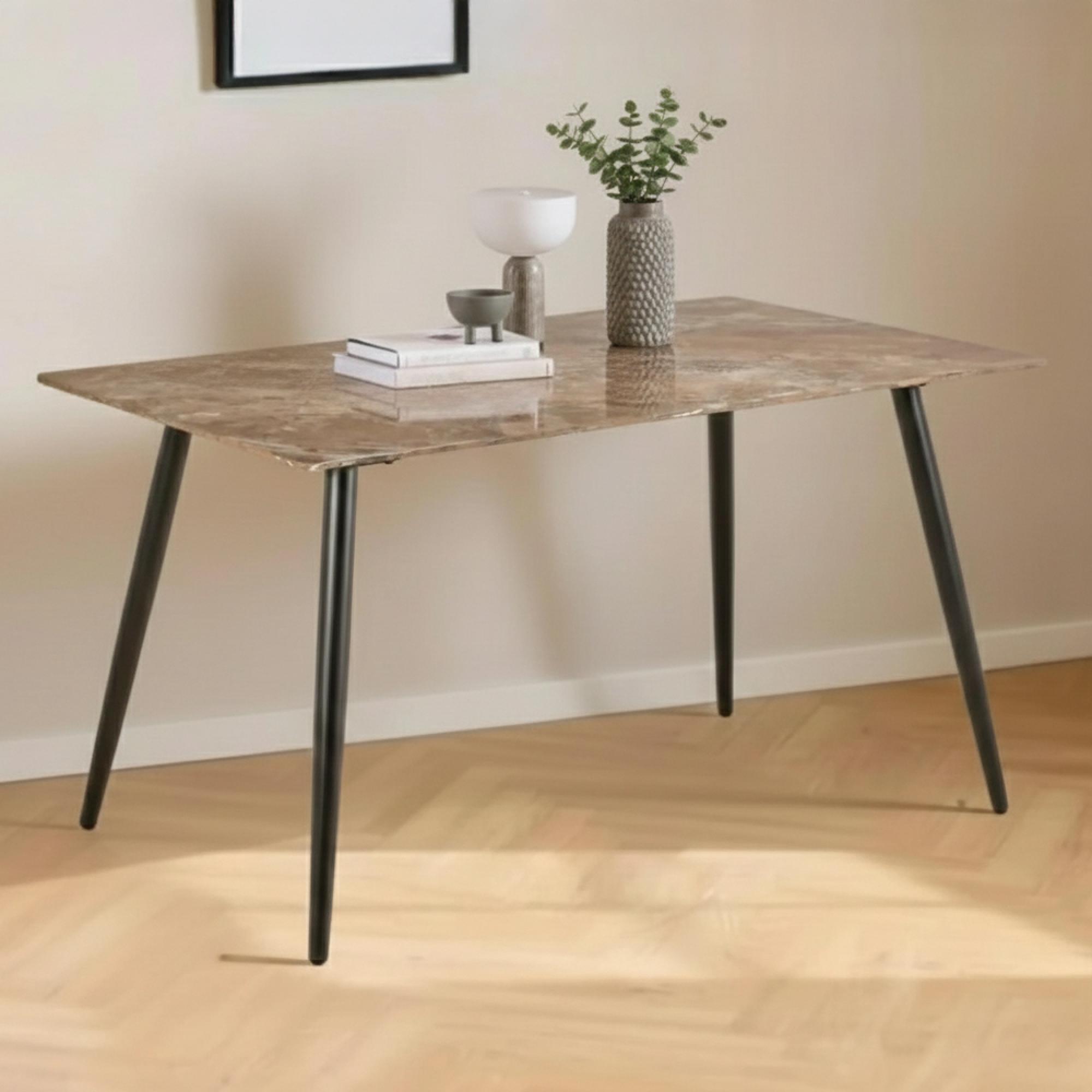
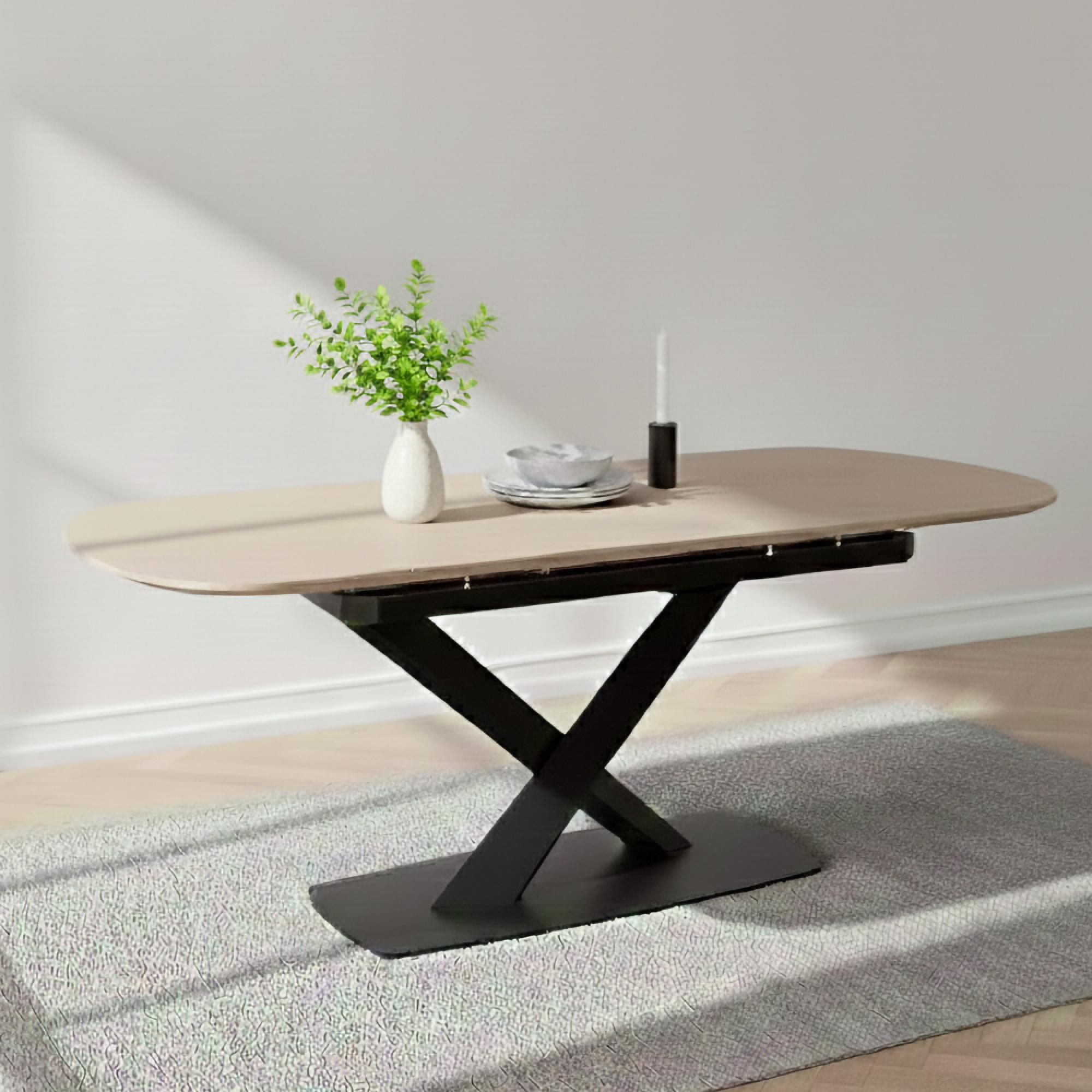
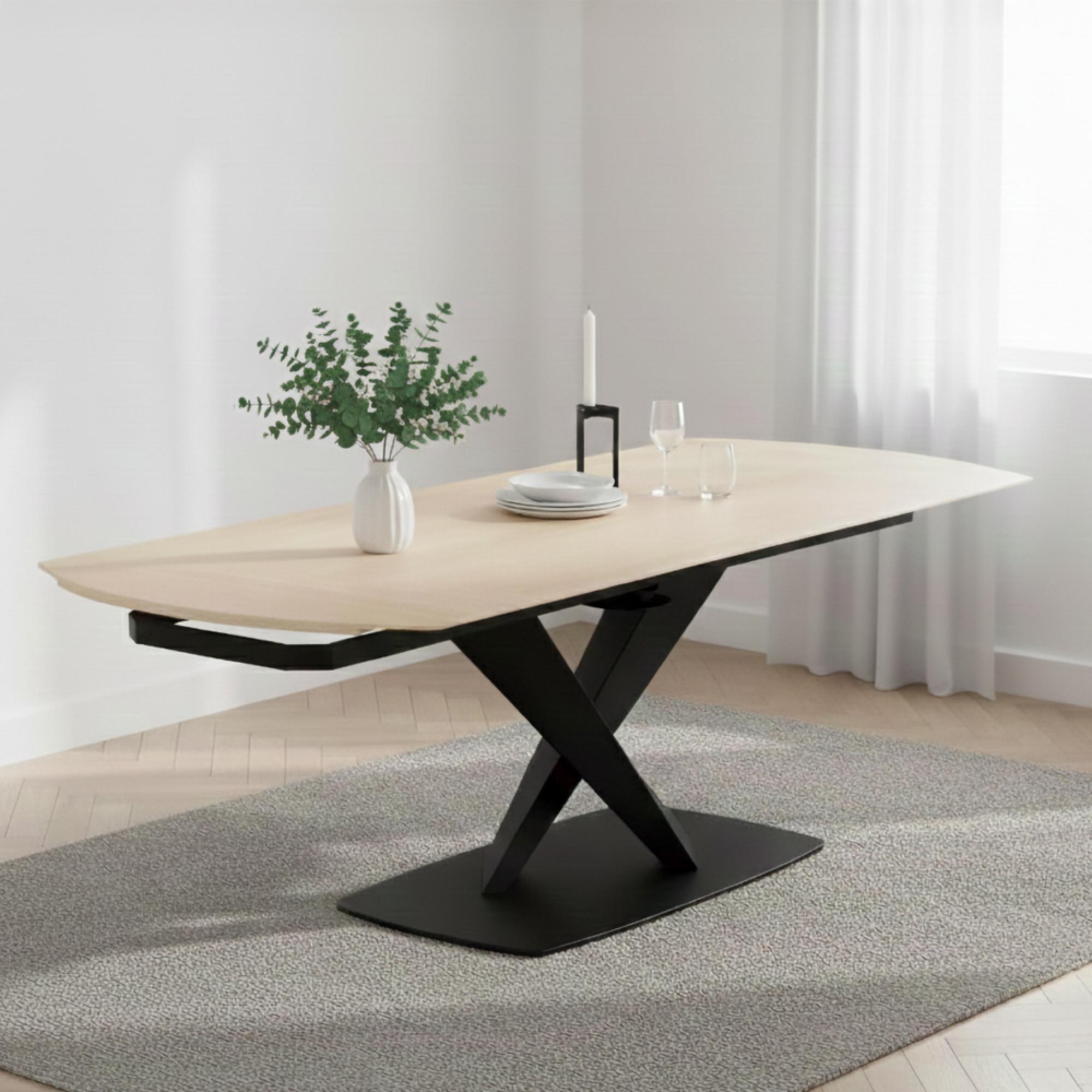
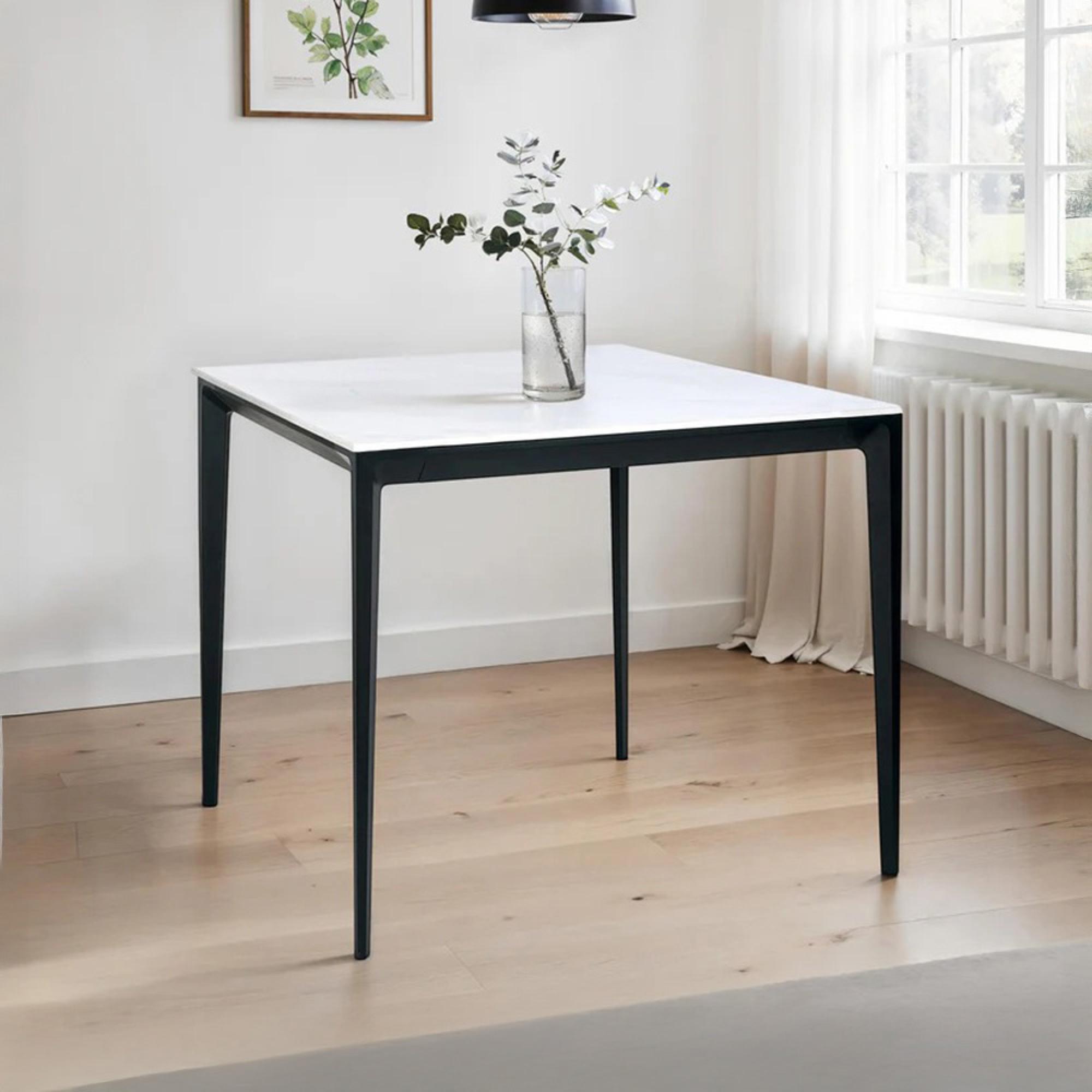
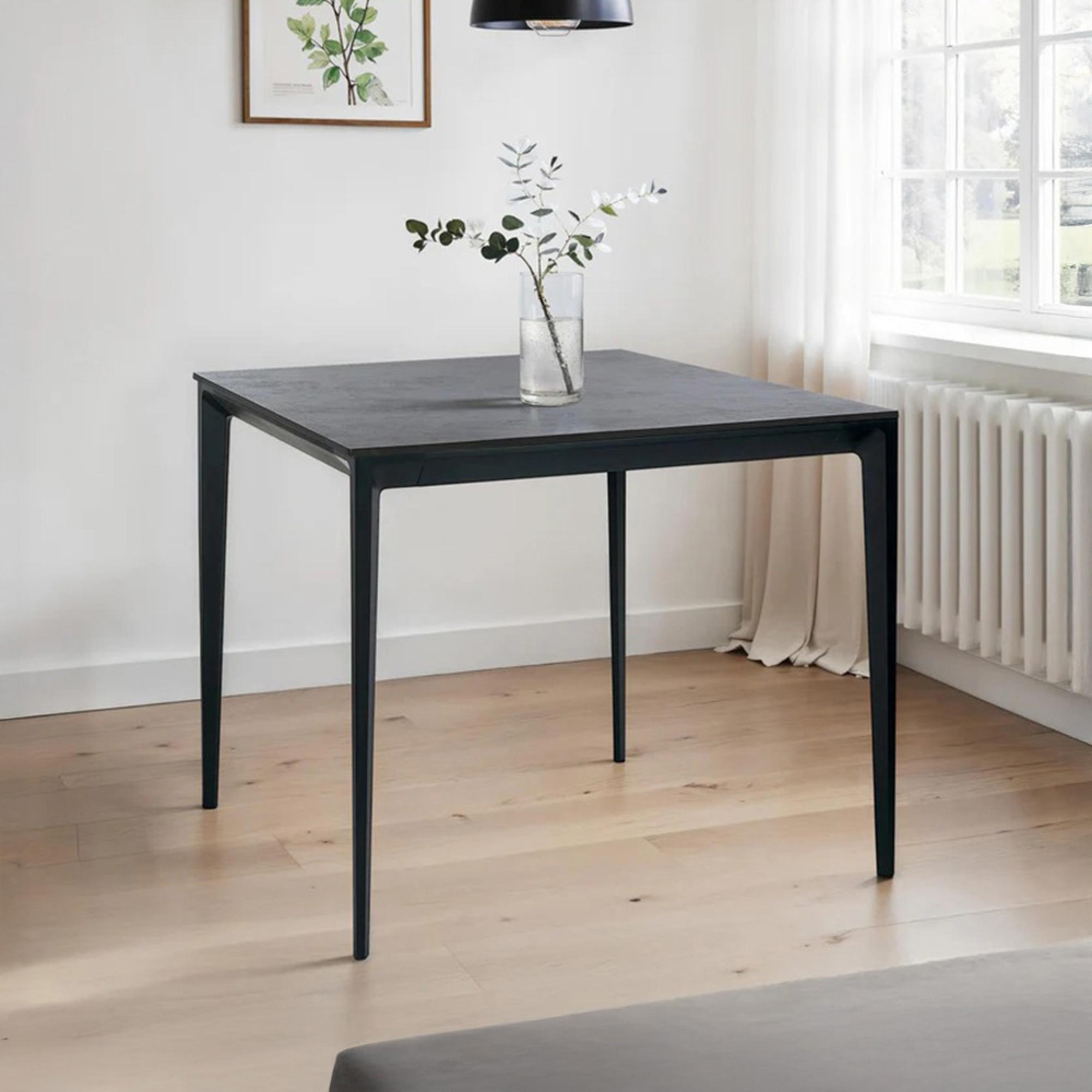
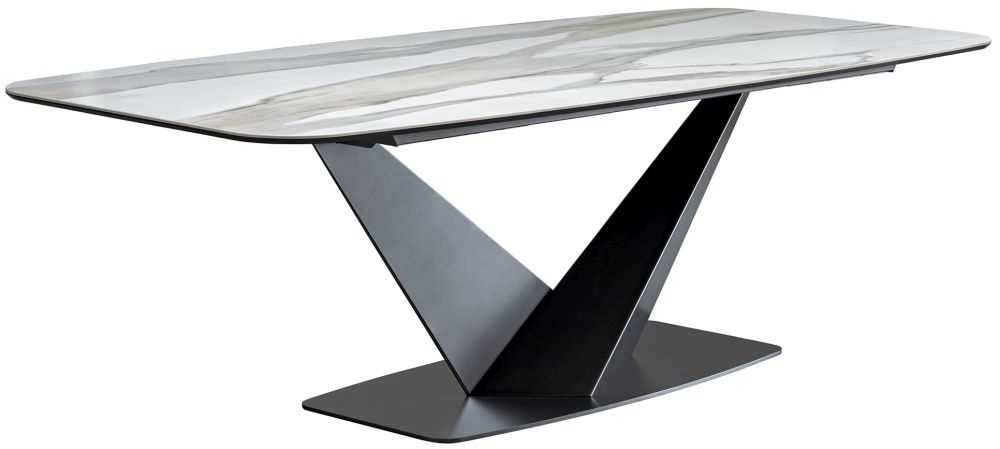
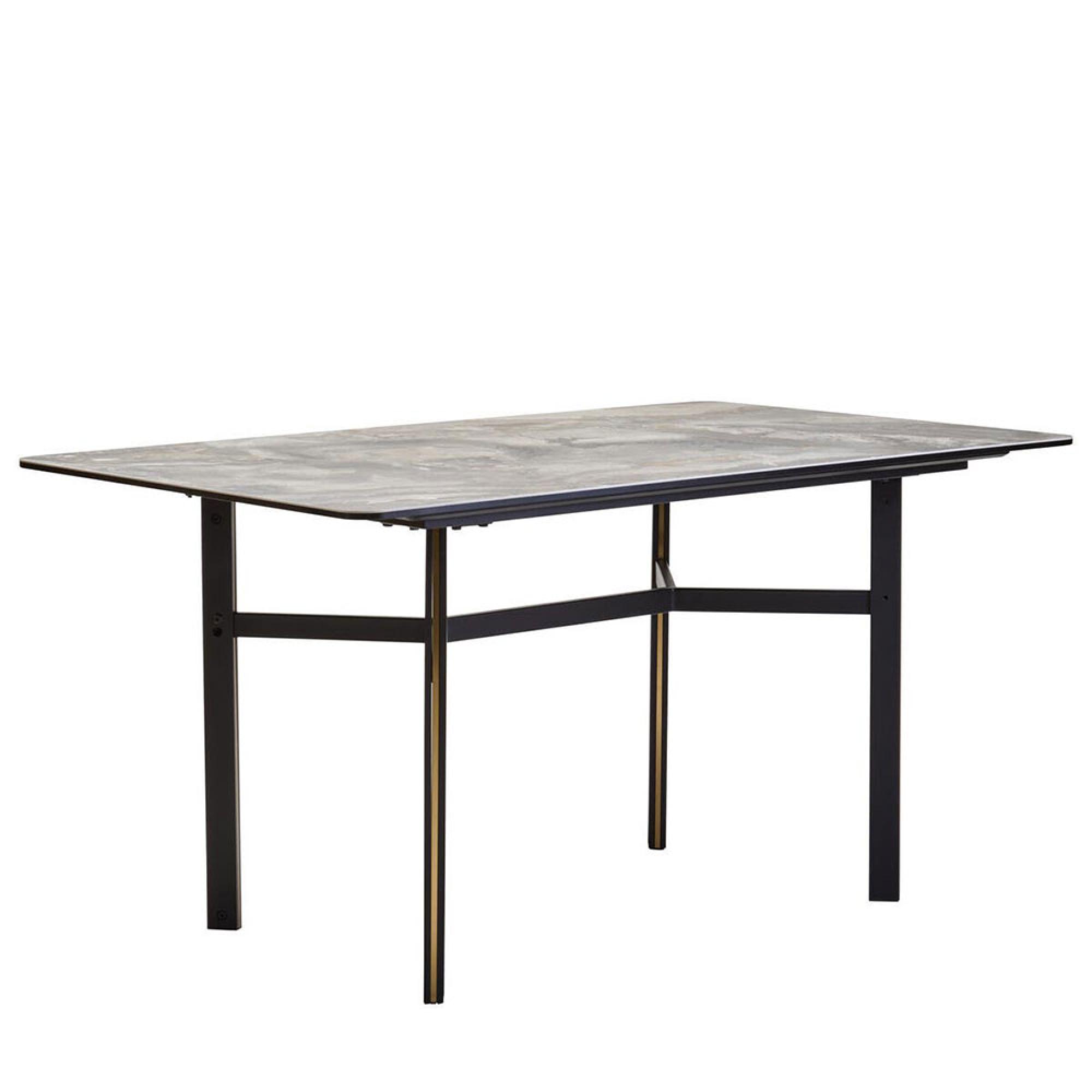
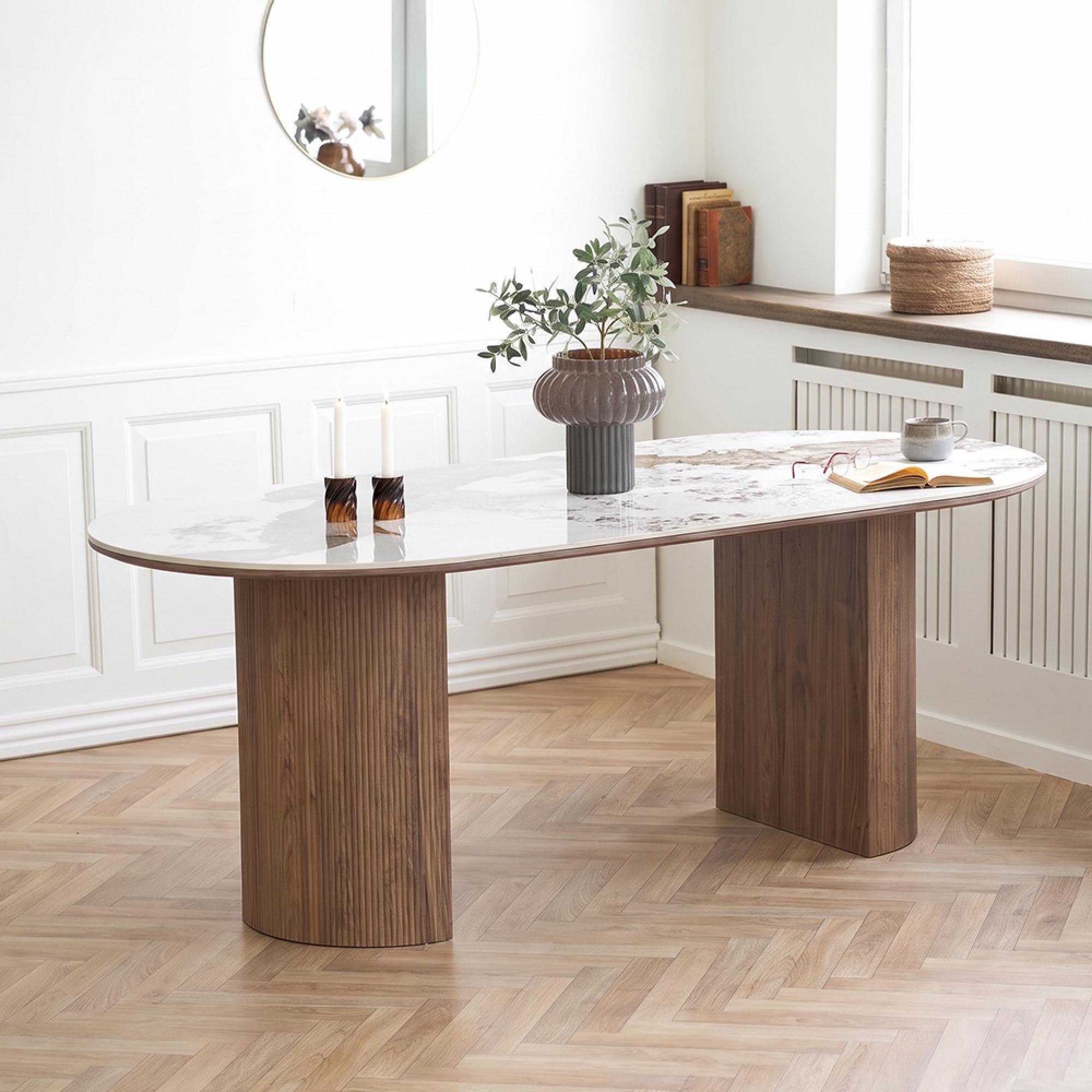
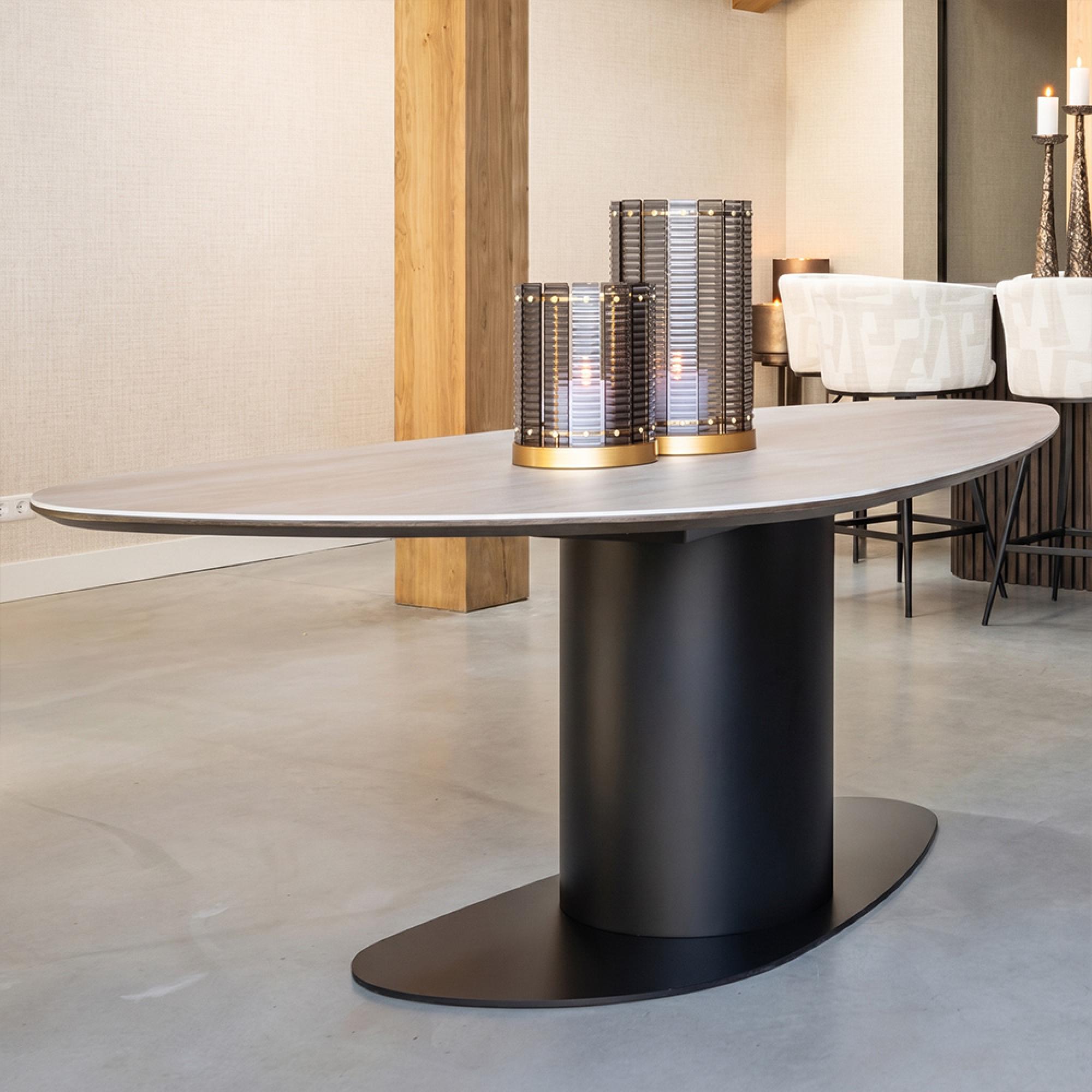
Ceramic Dining Tables

Found 171 Items

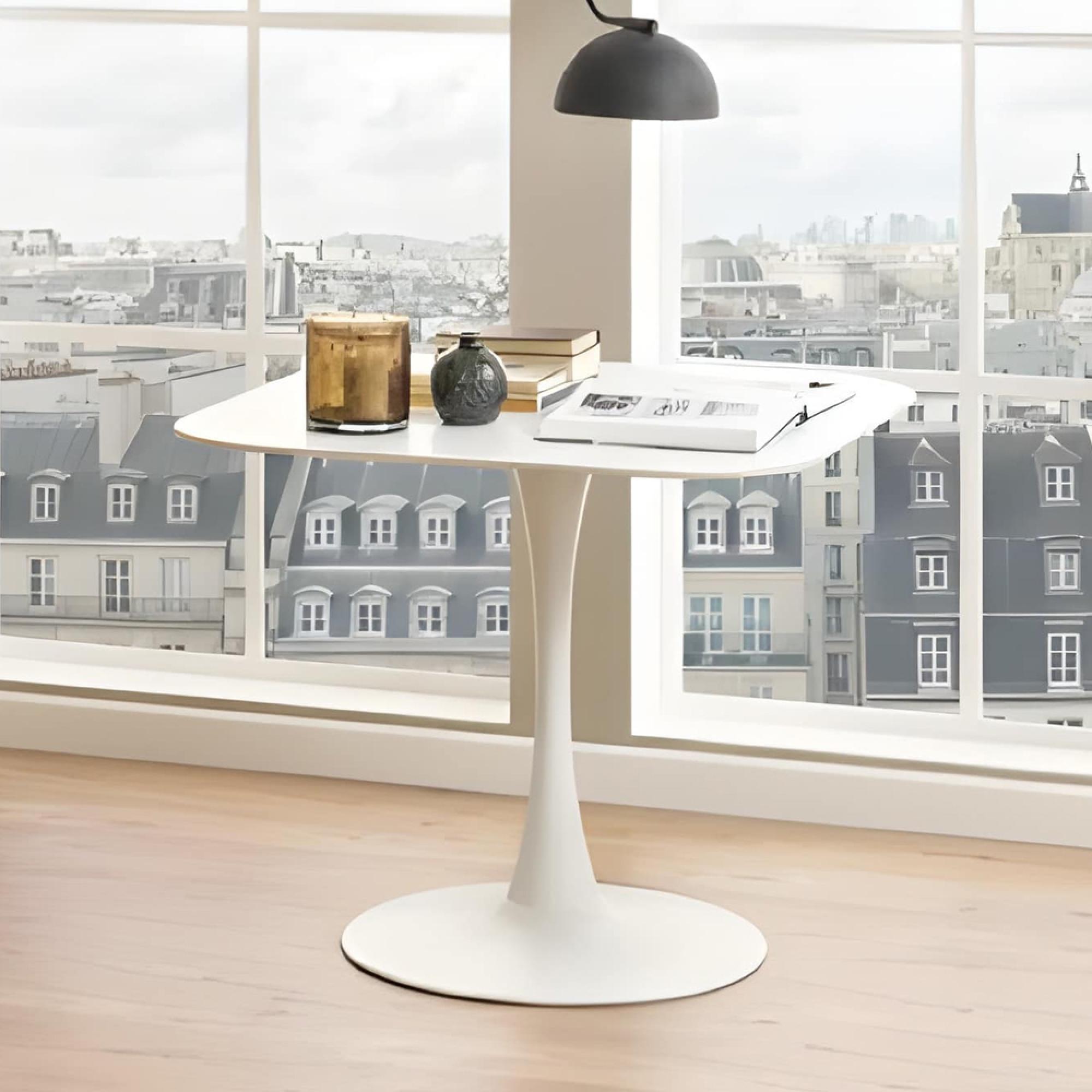
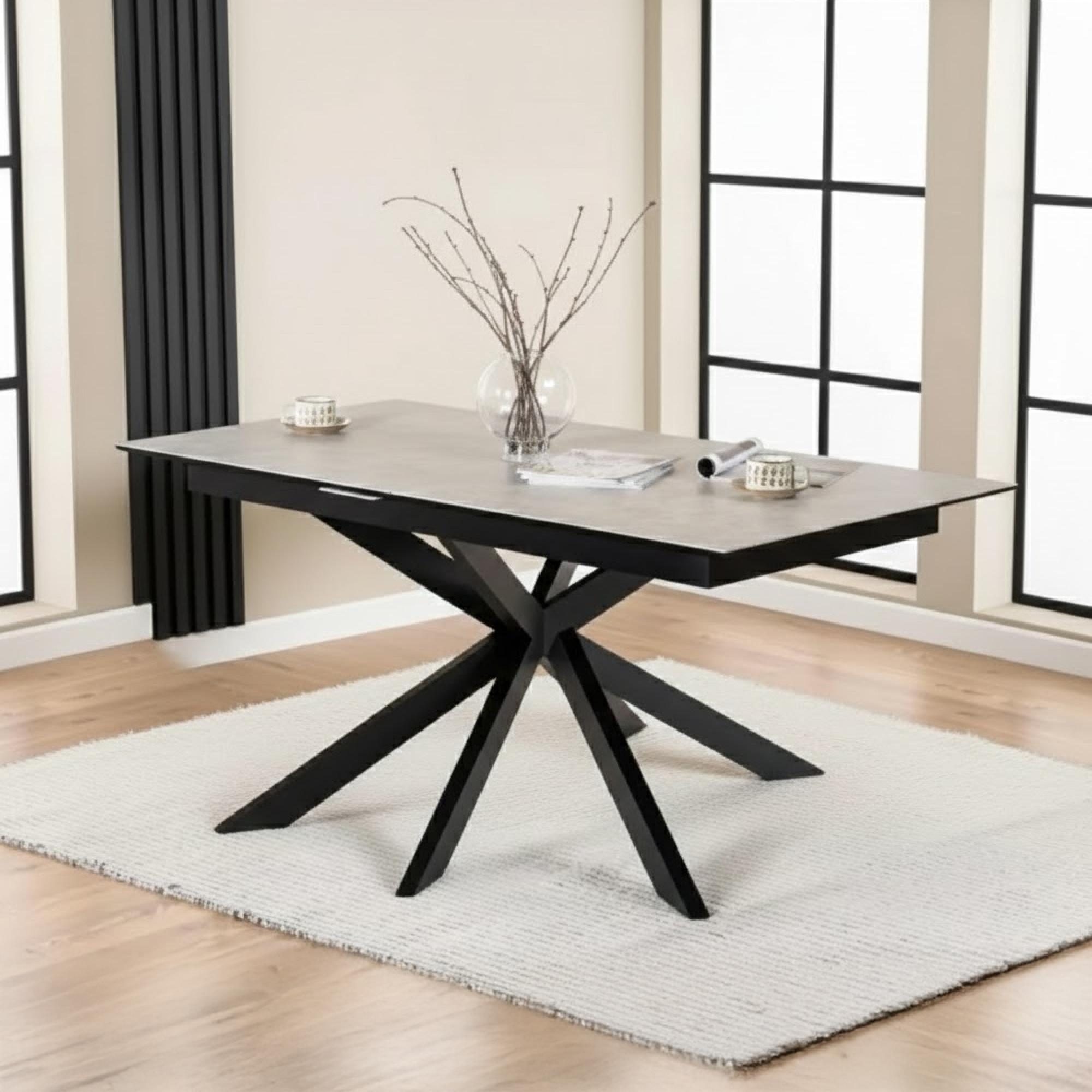
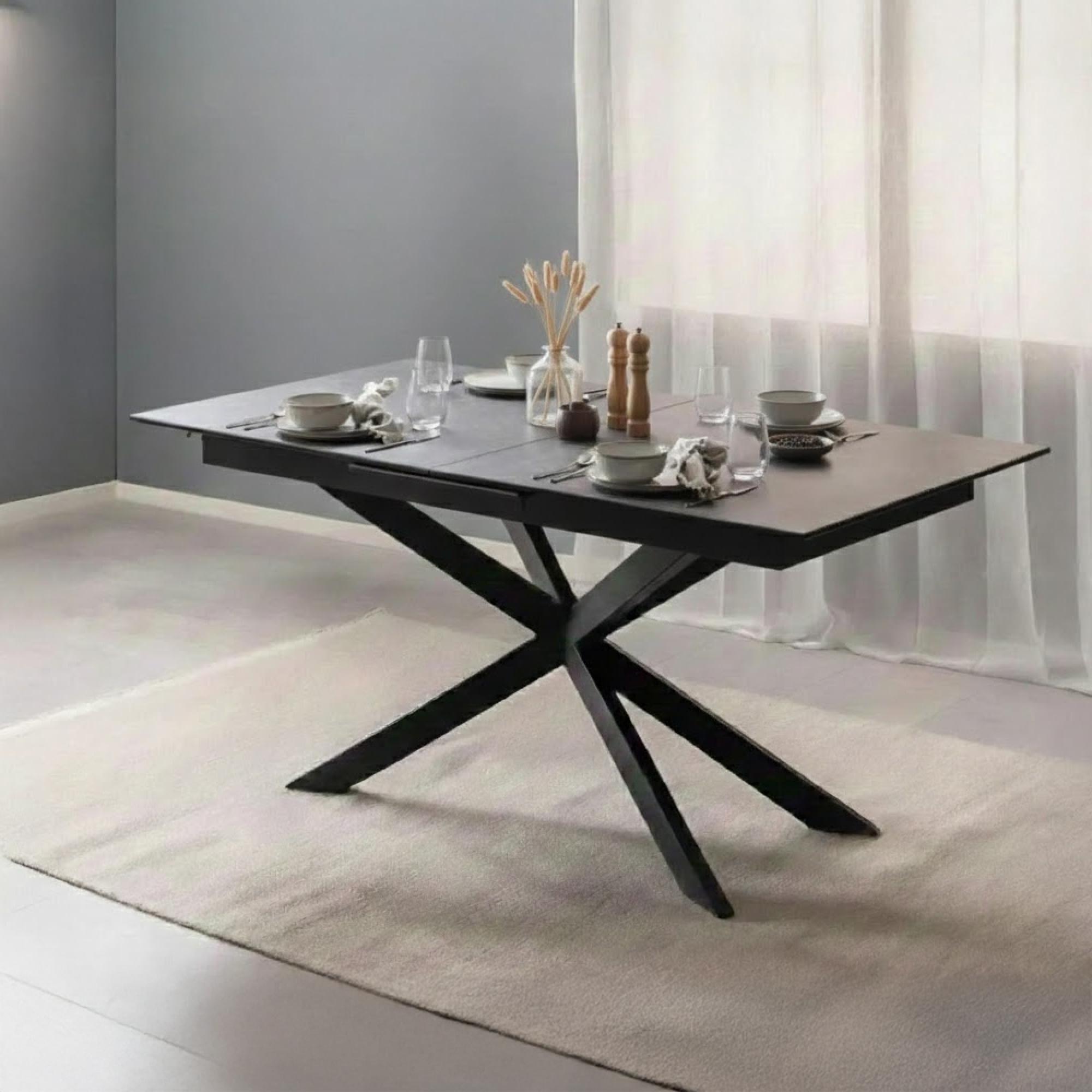
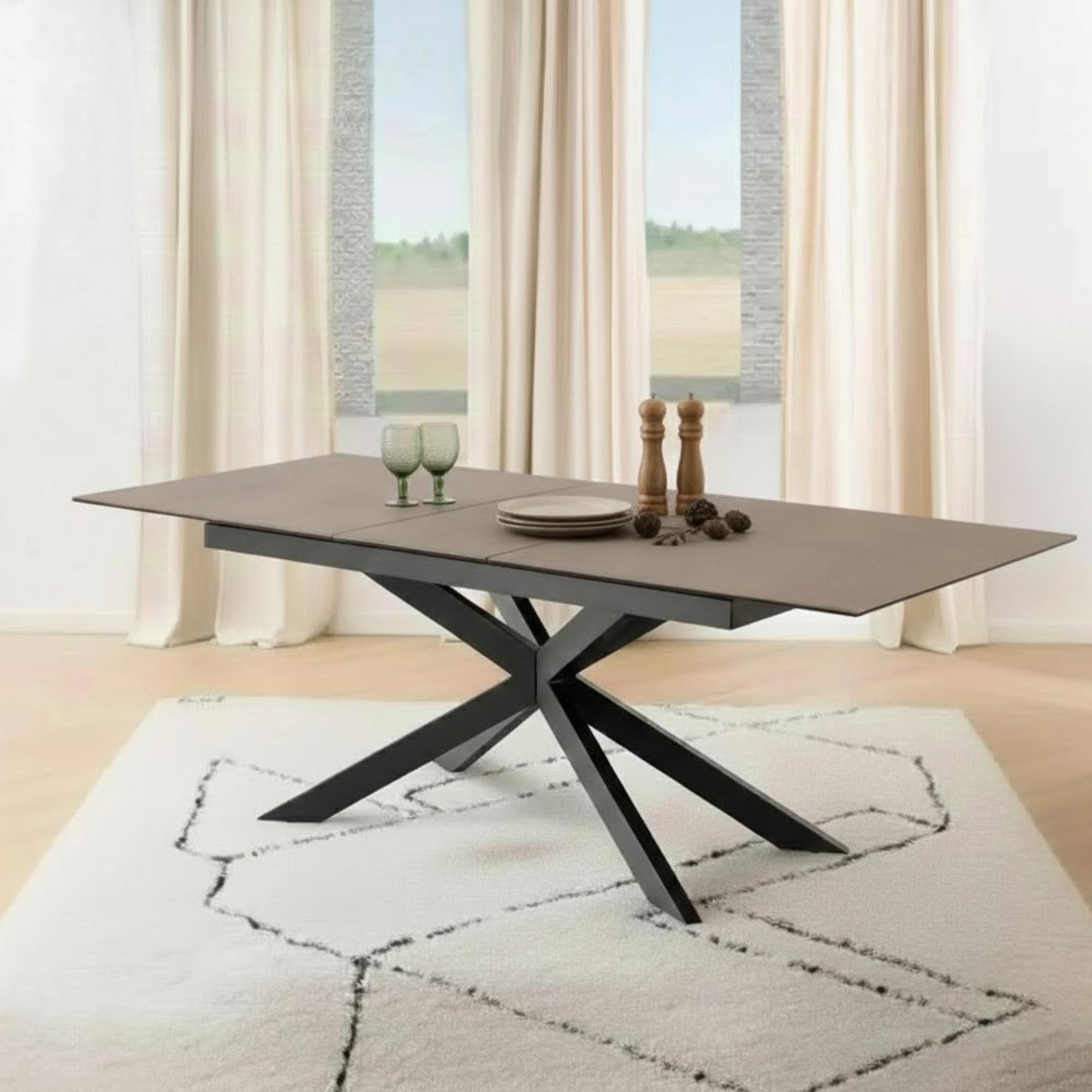
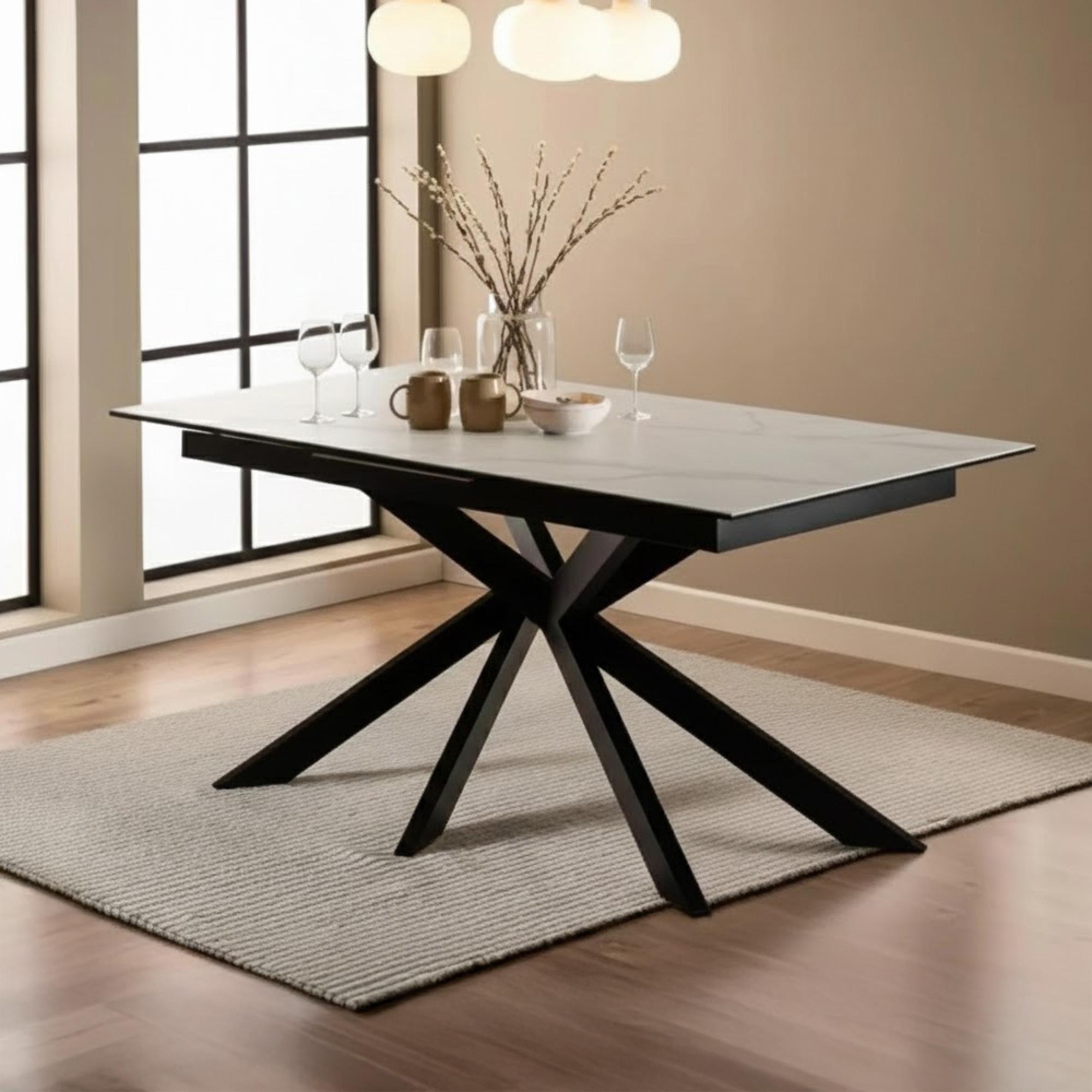
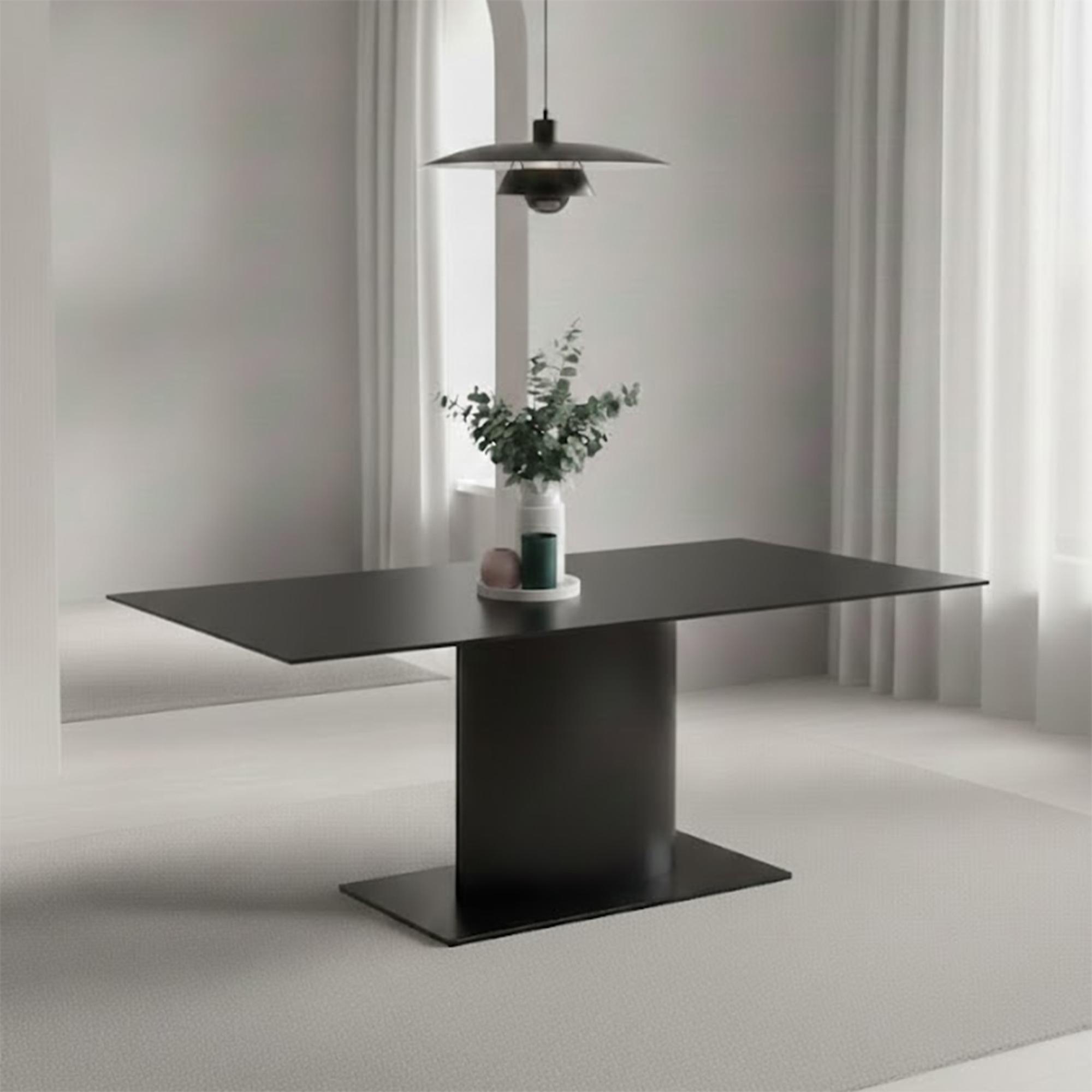
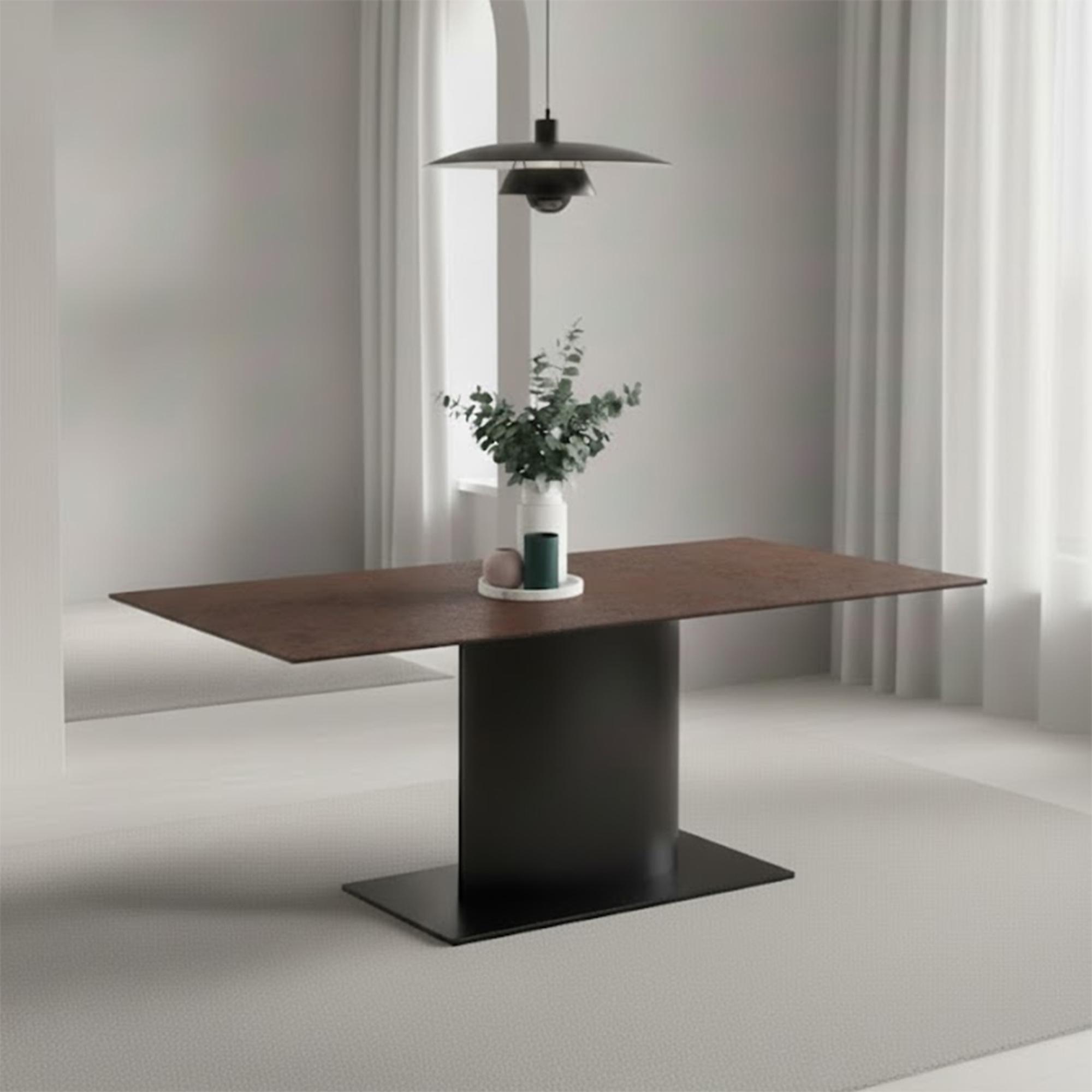
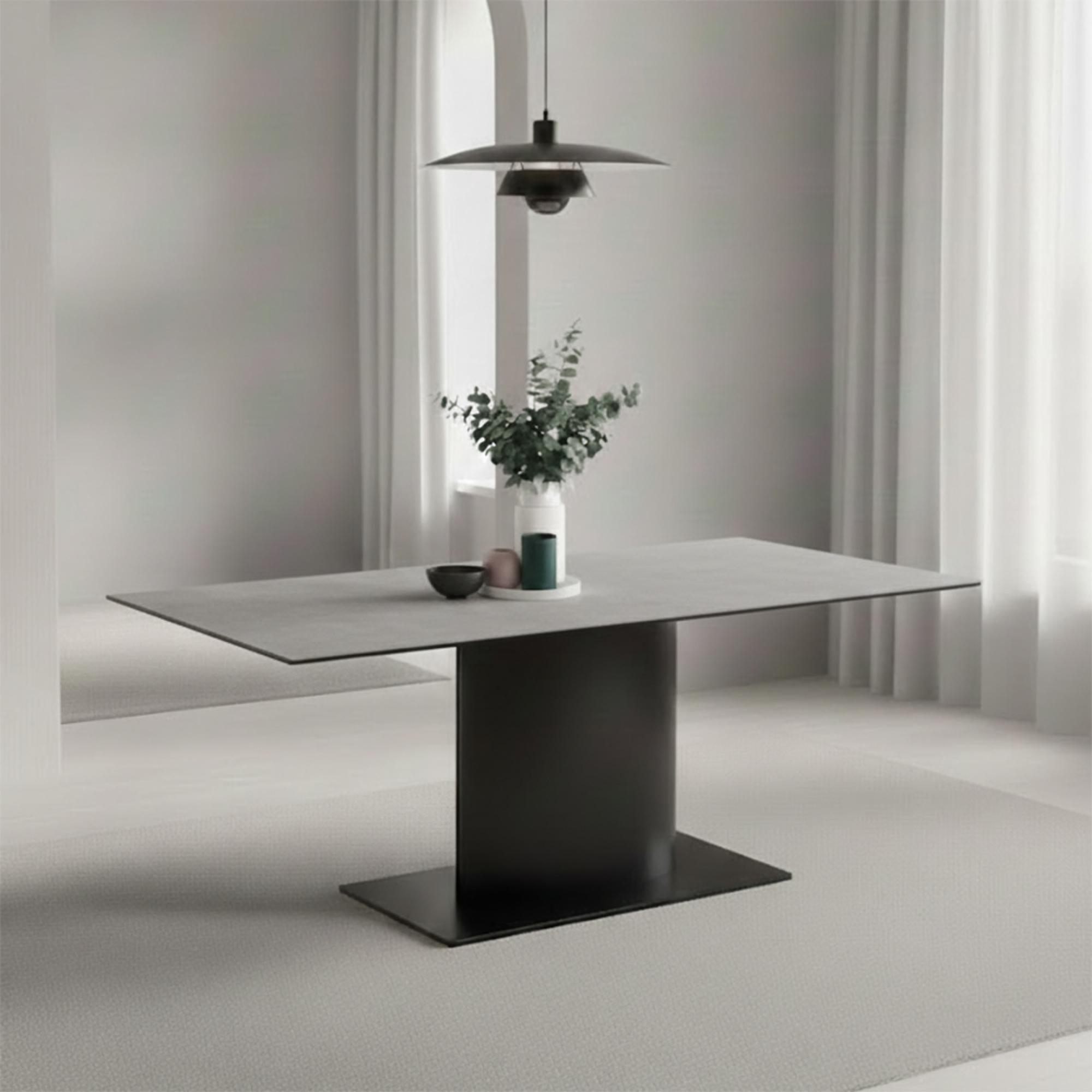
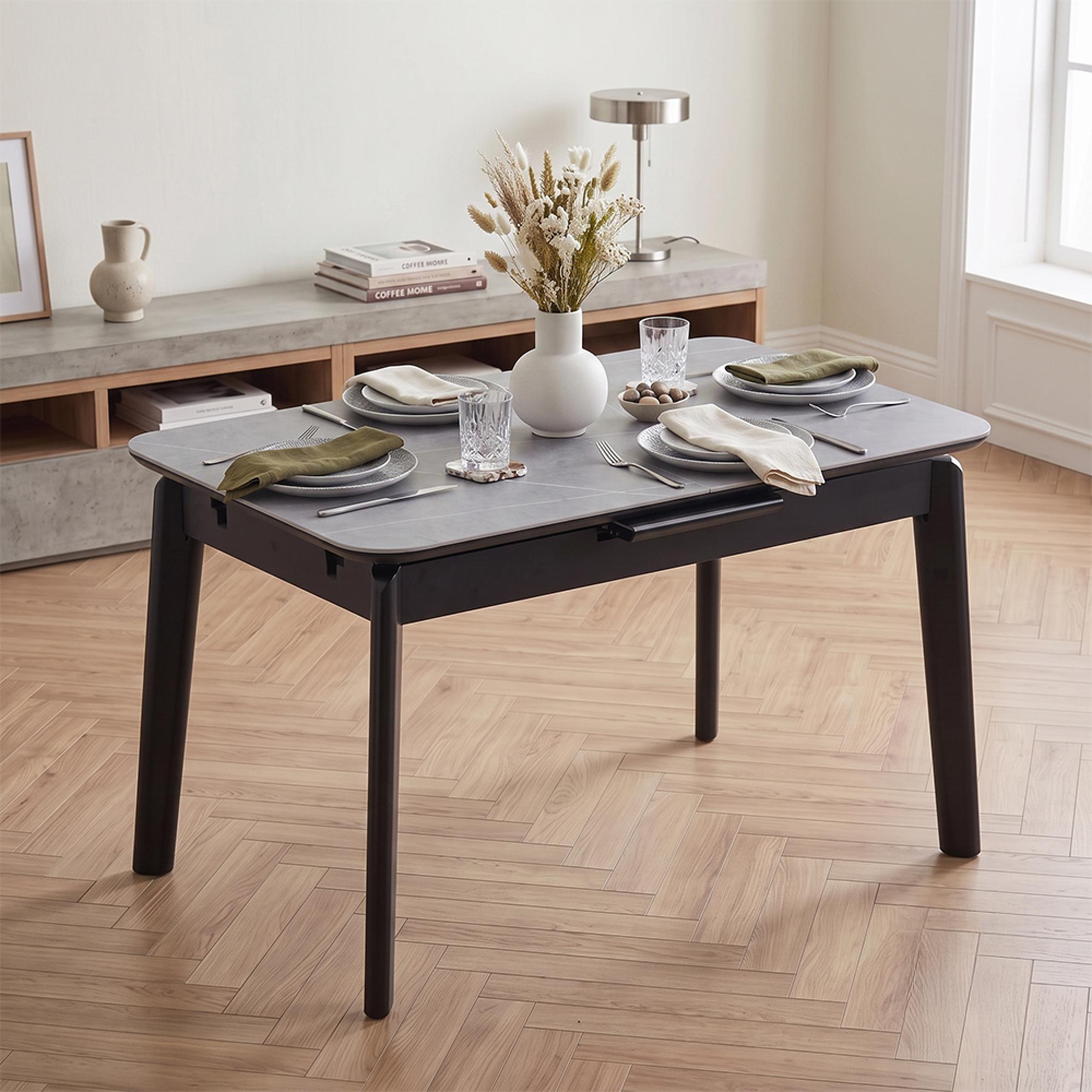
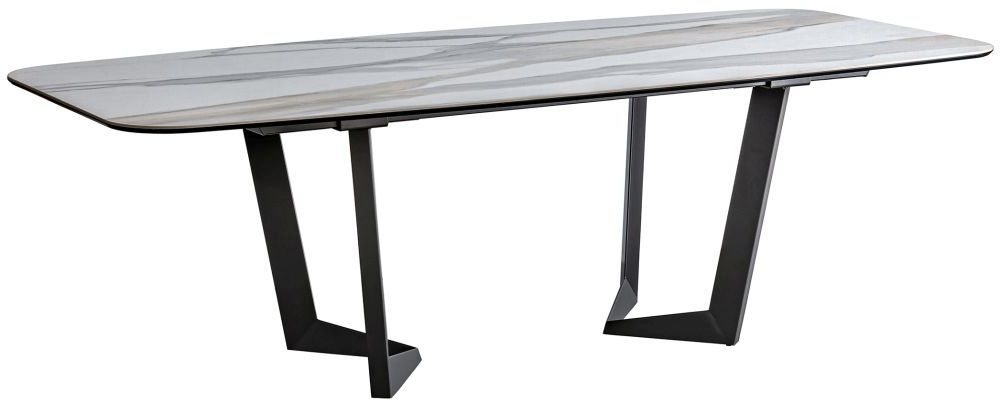
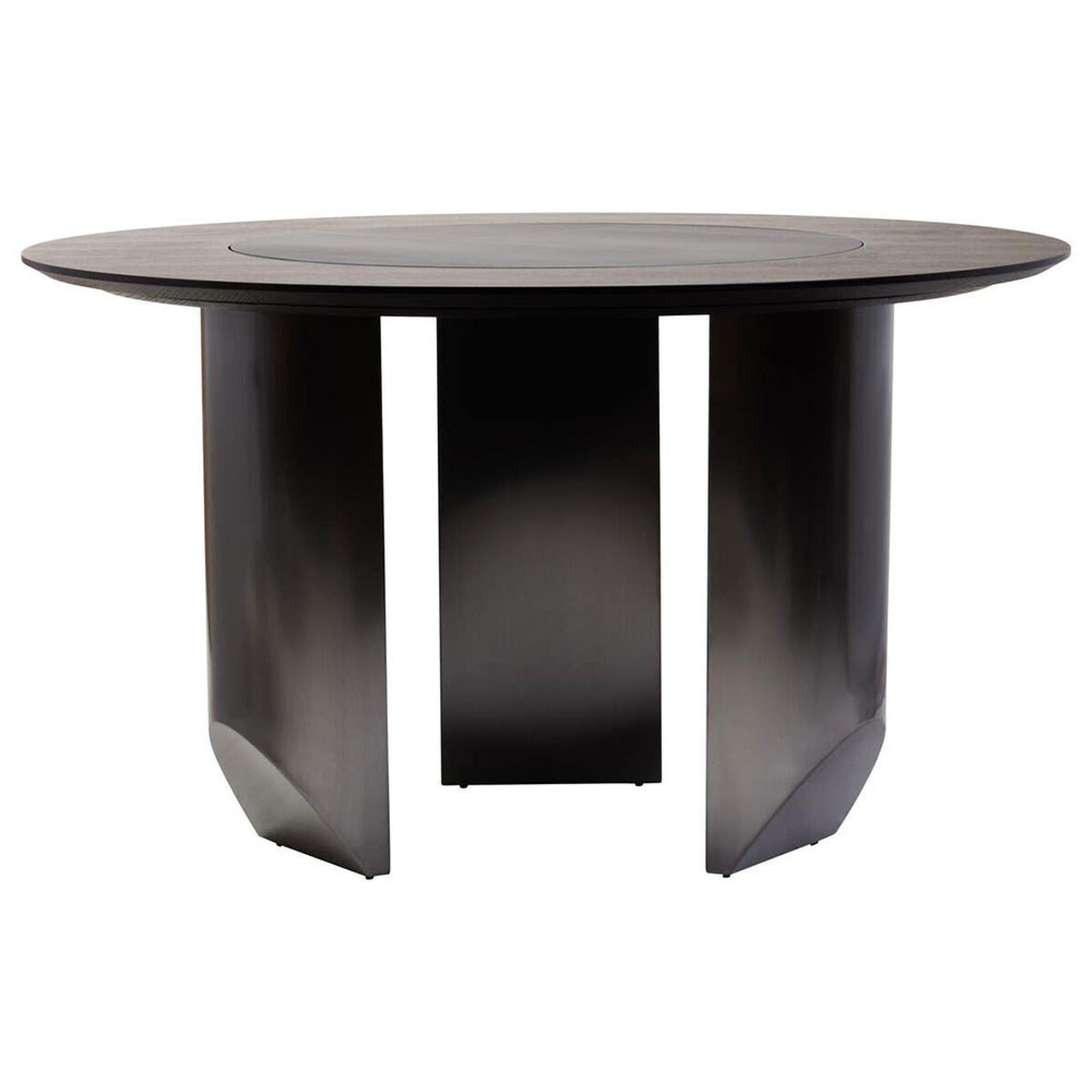
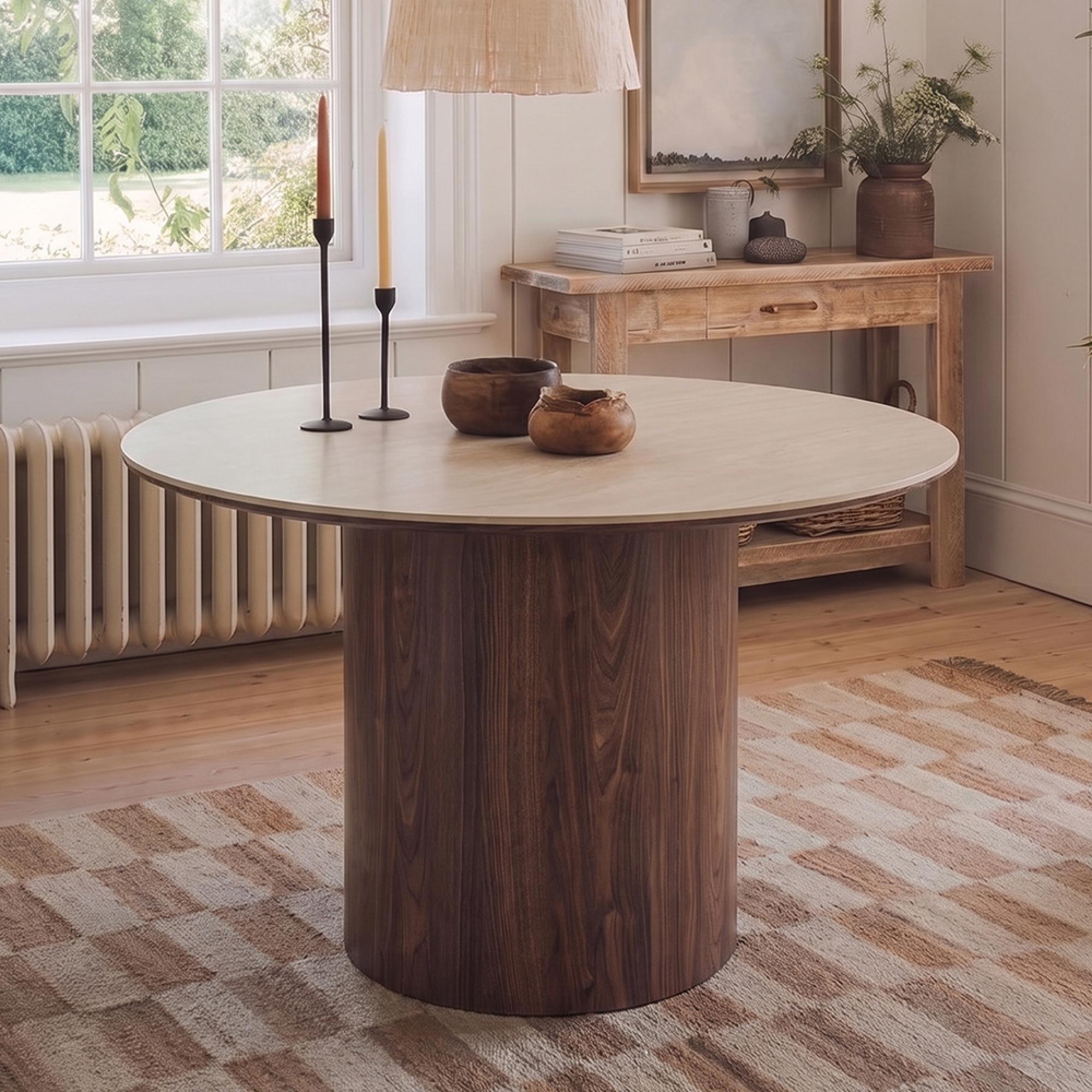
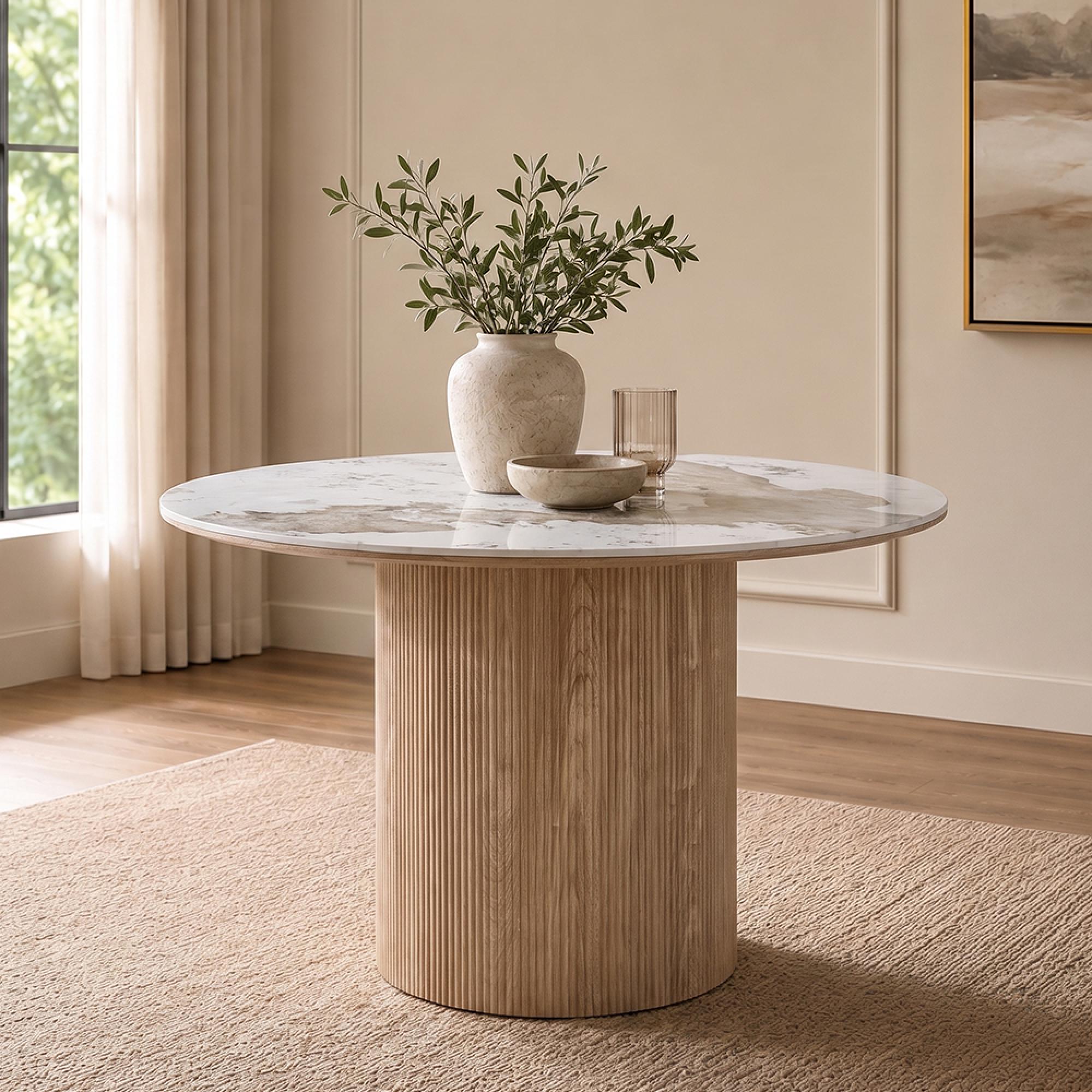
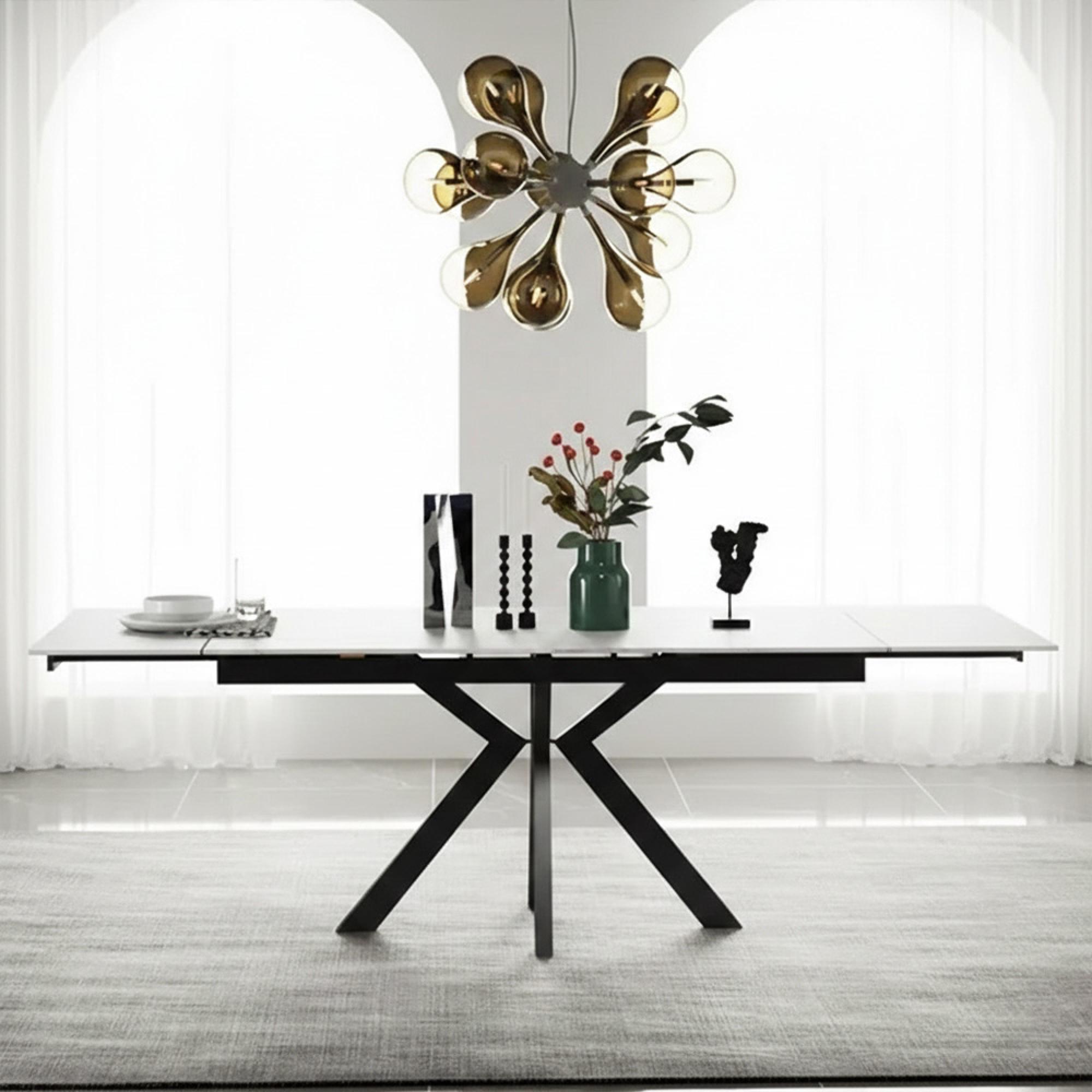
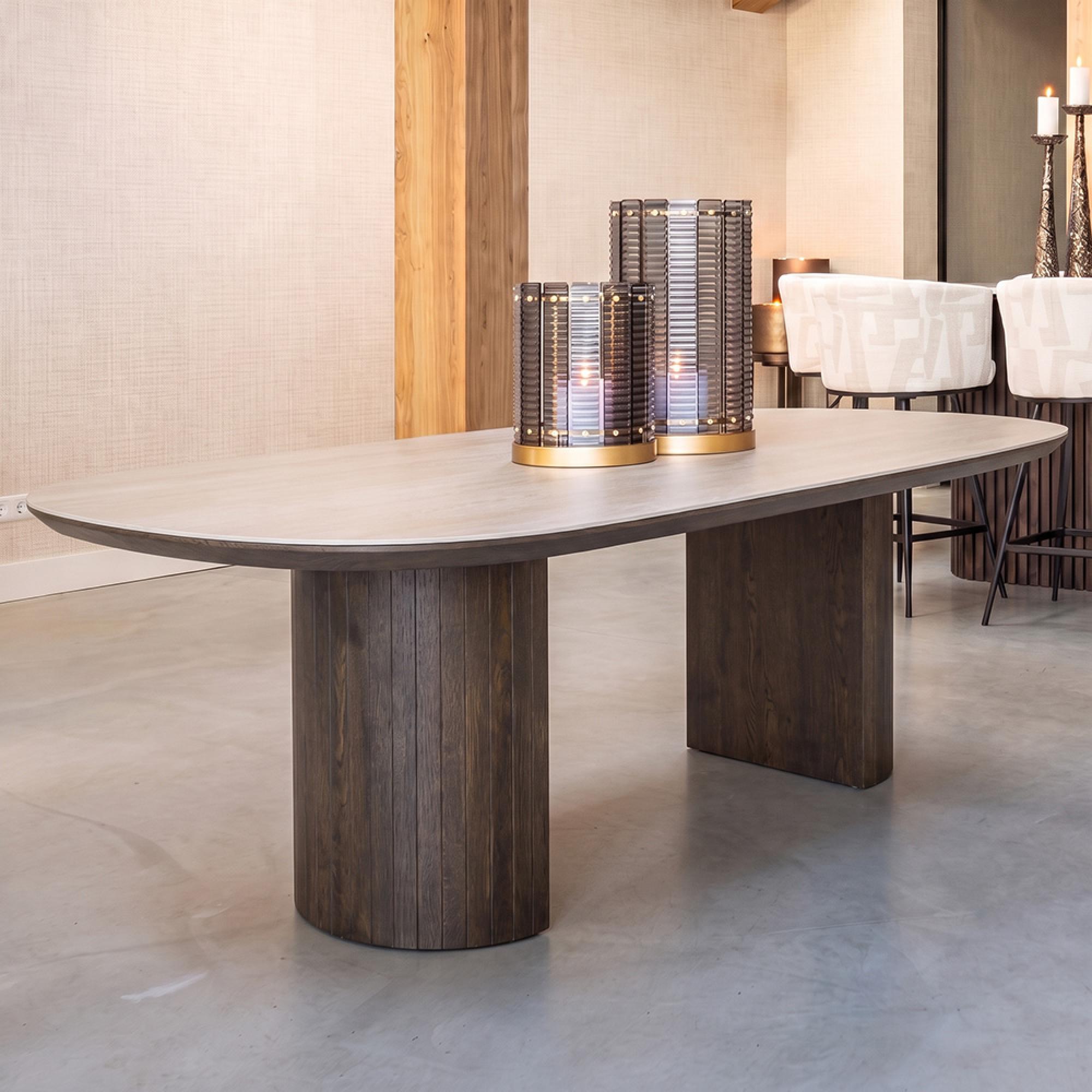
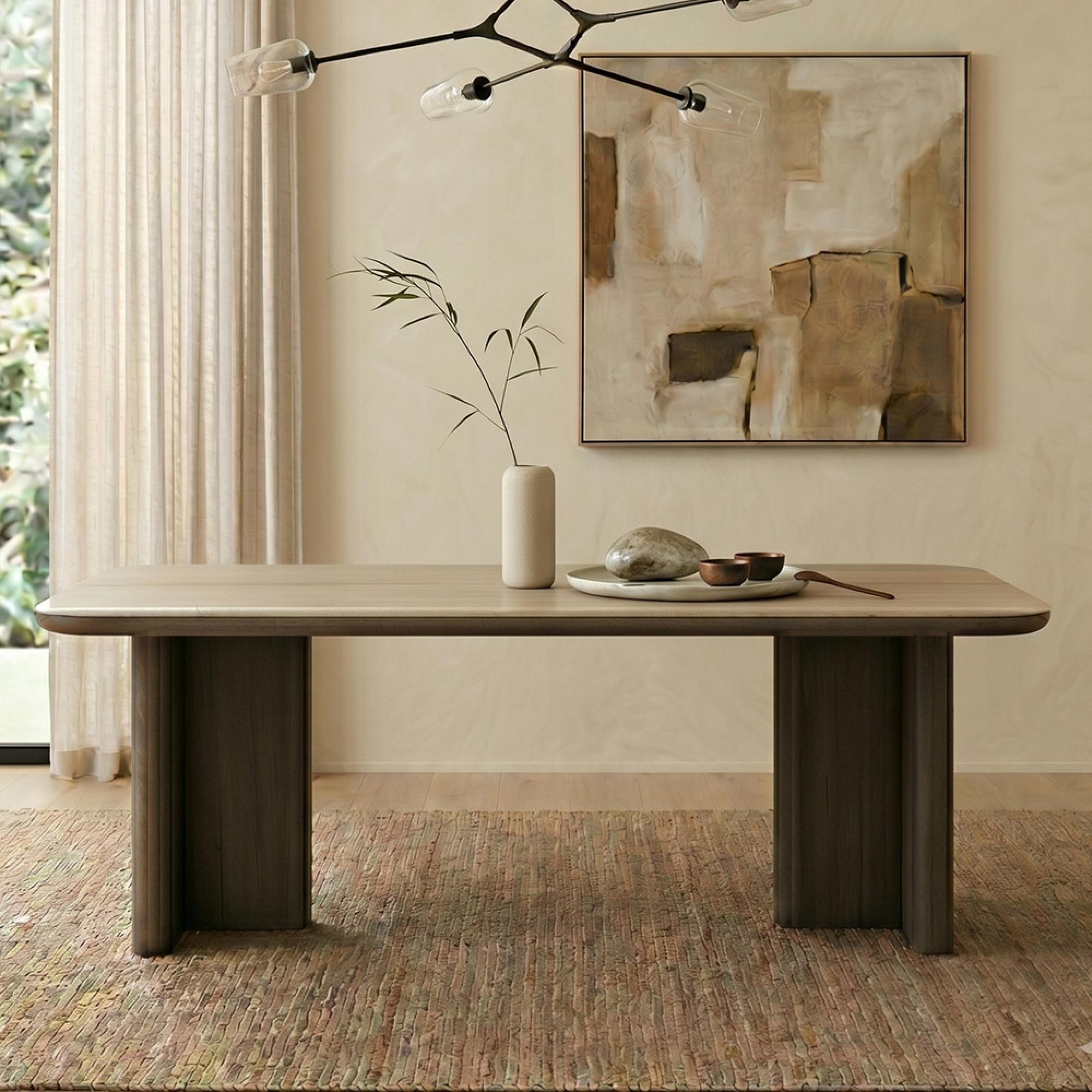
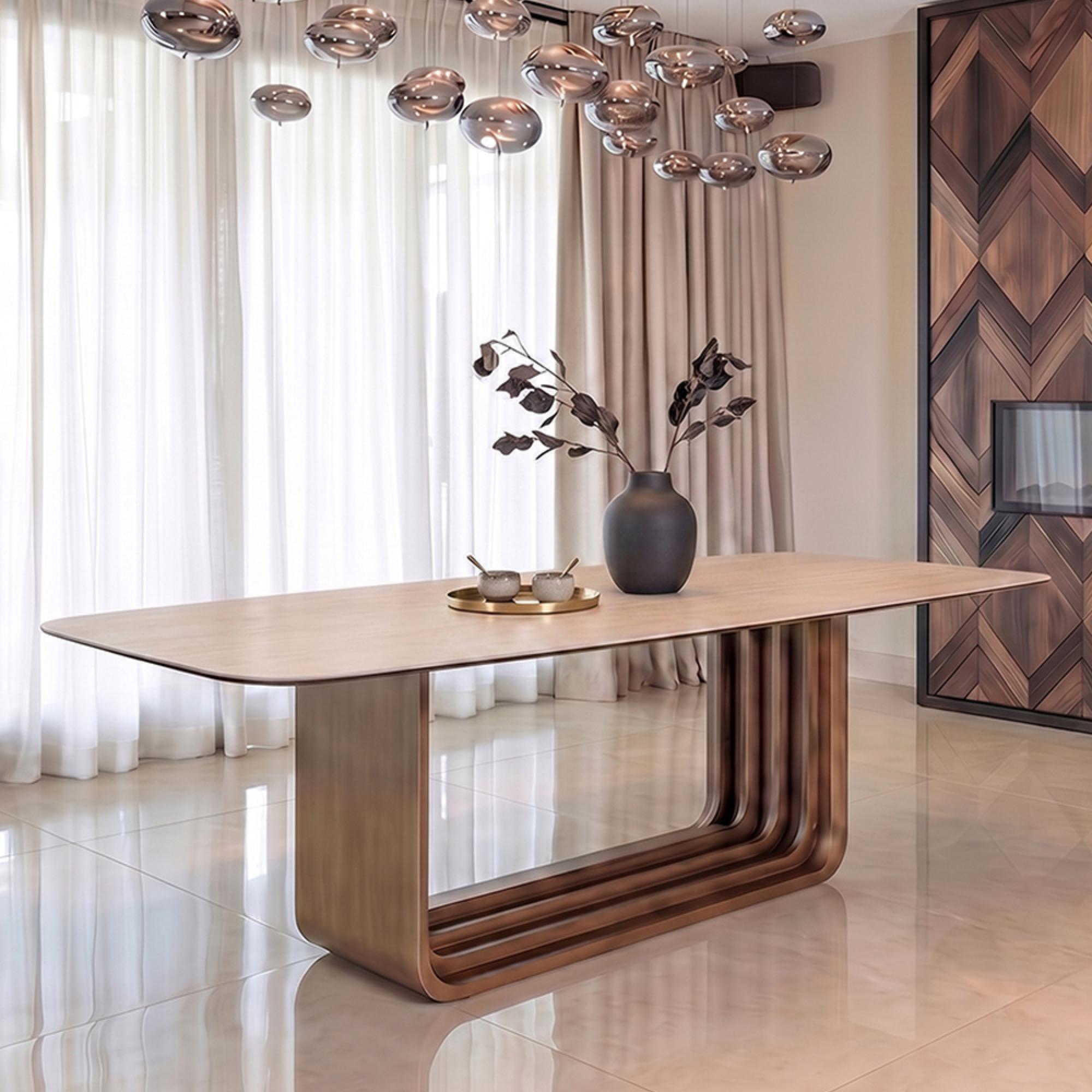
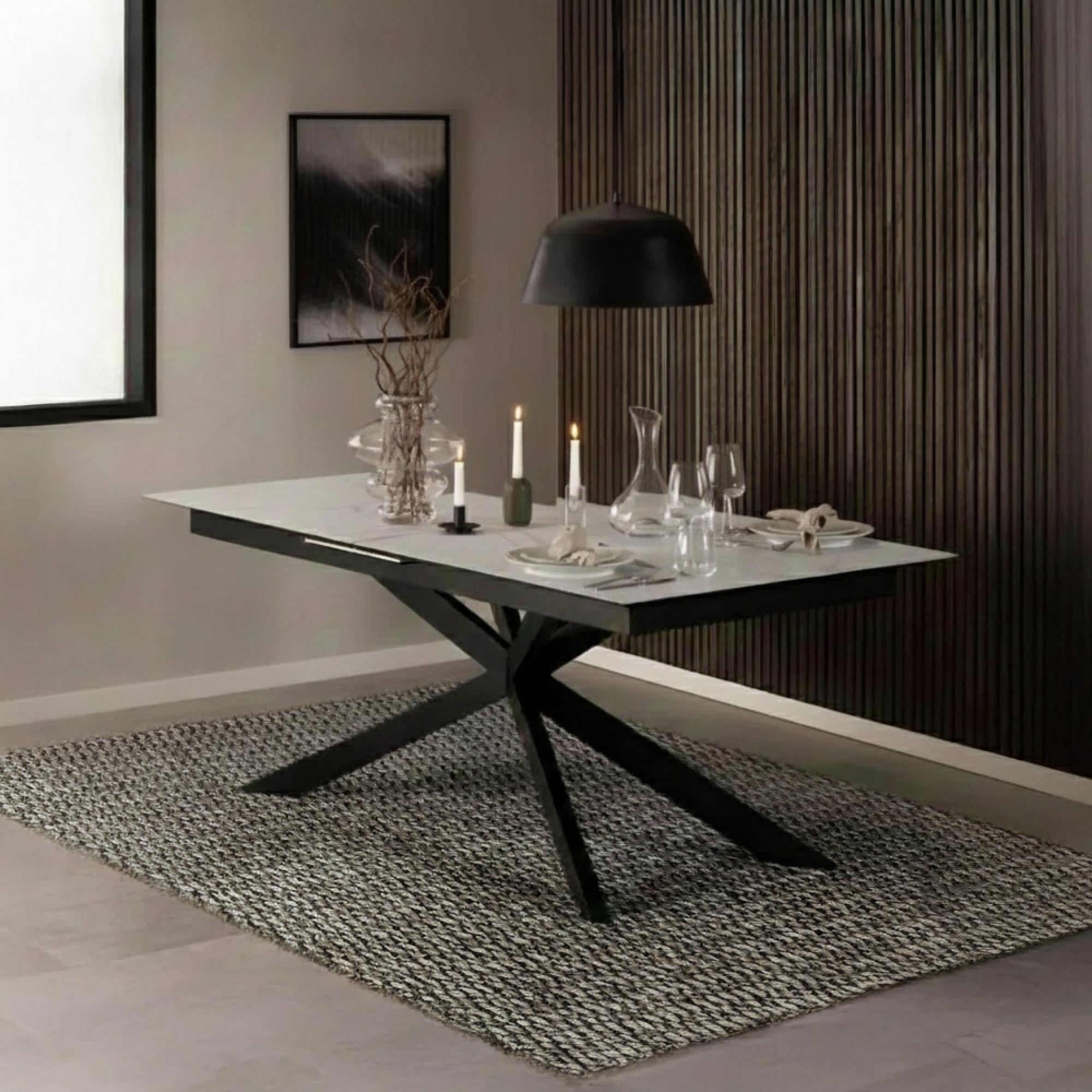
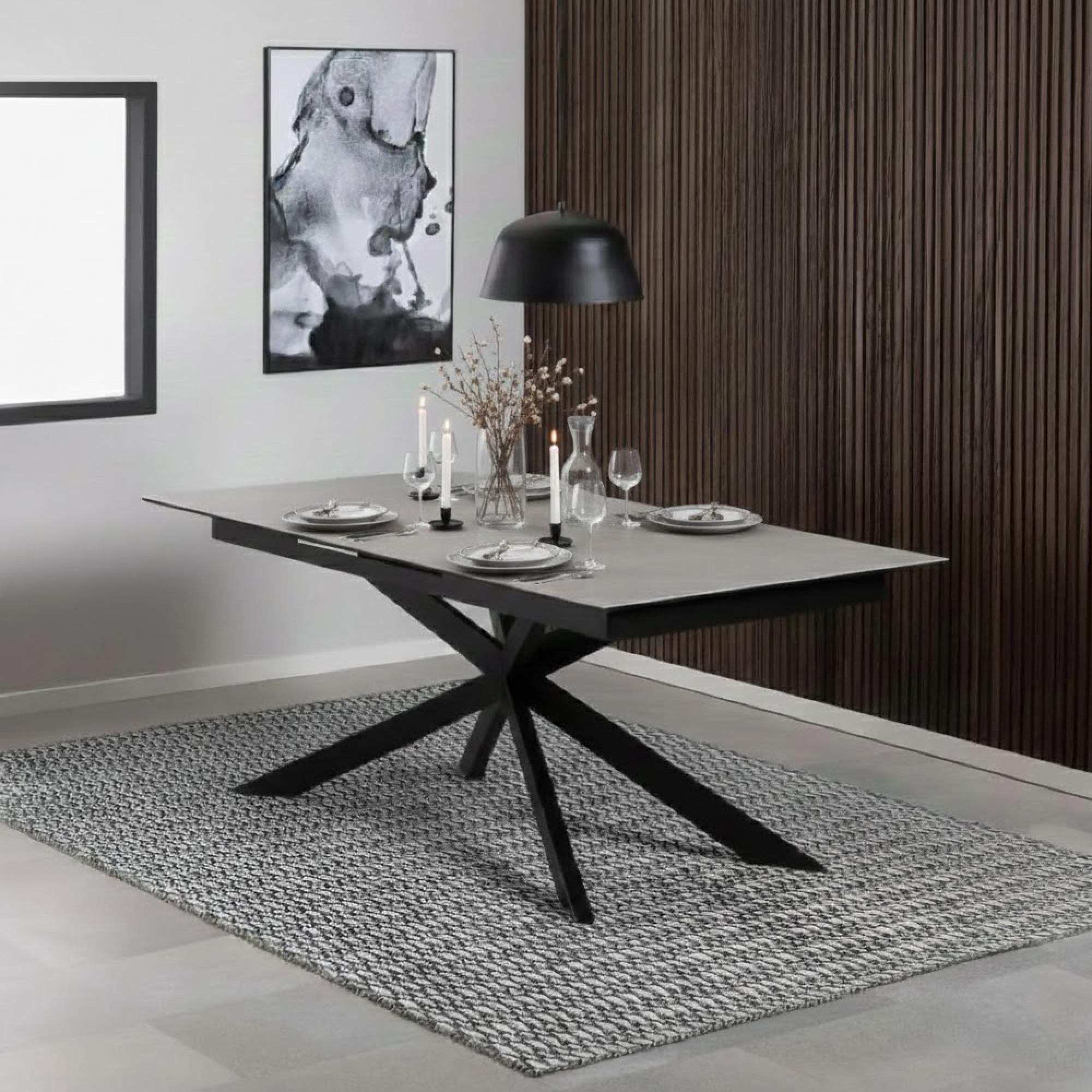
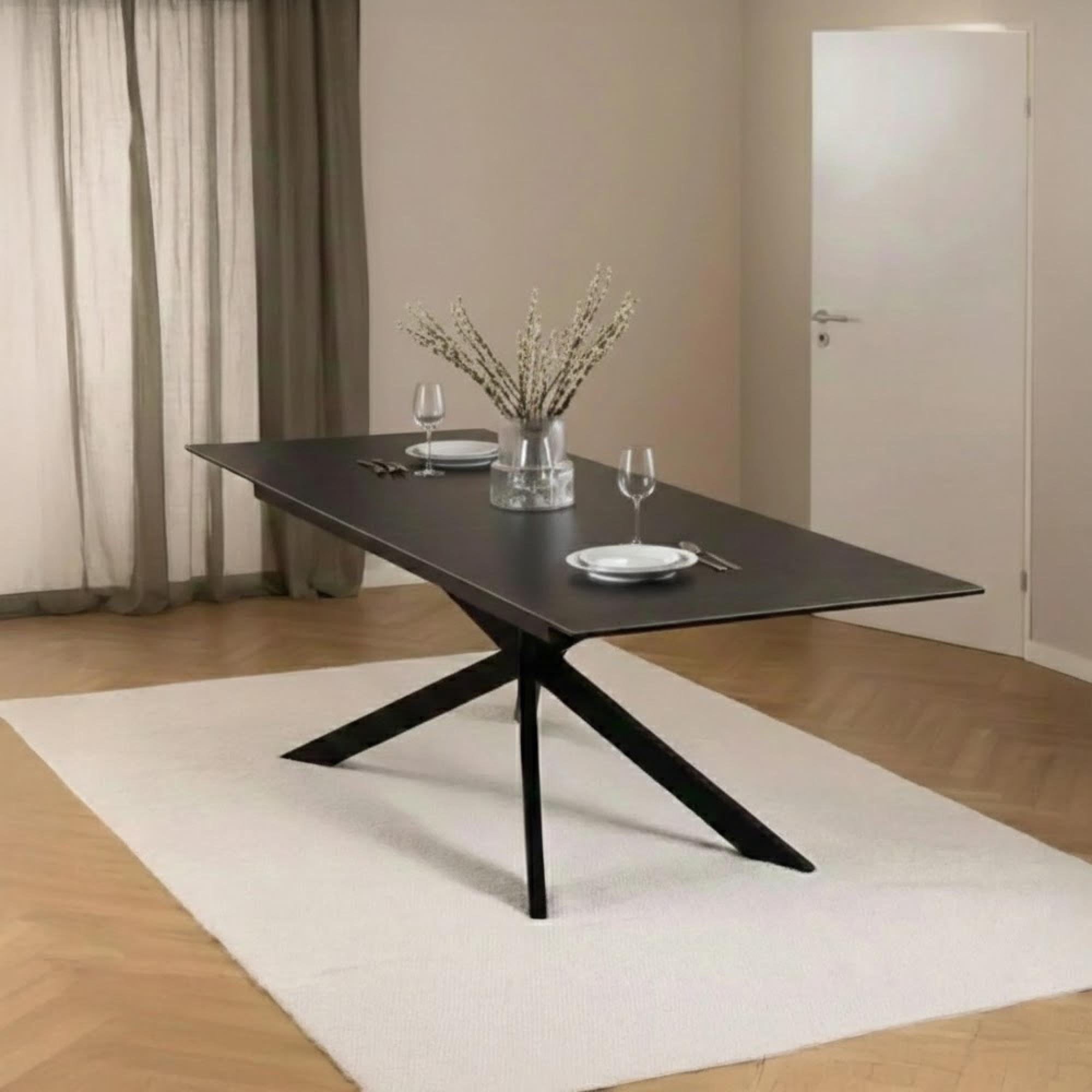
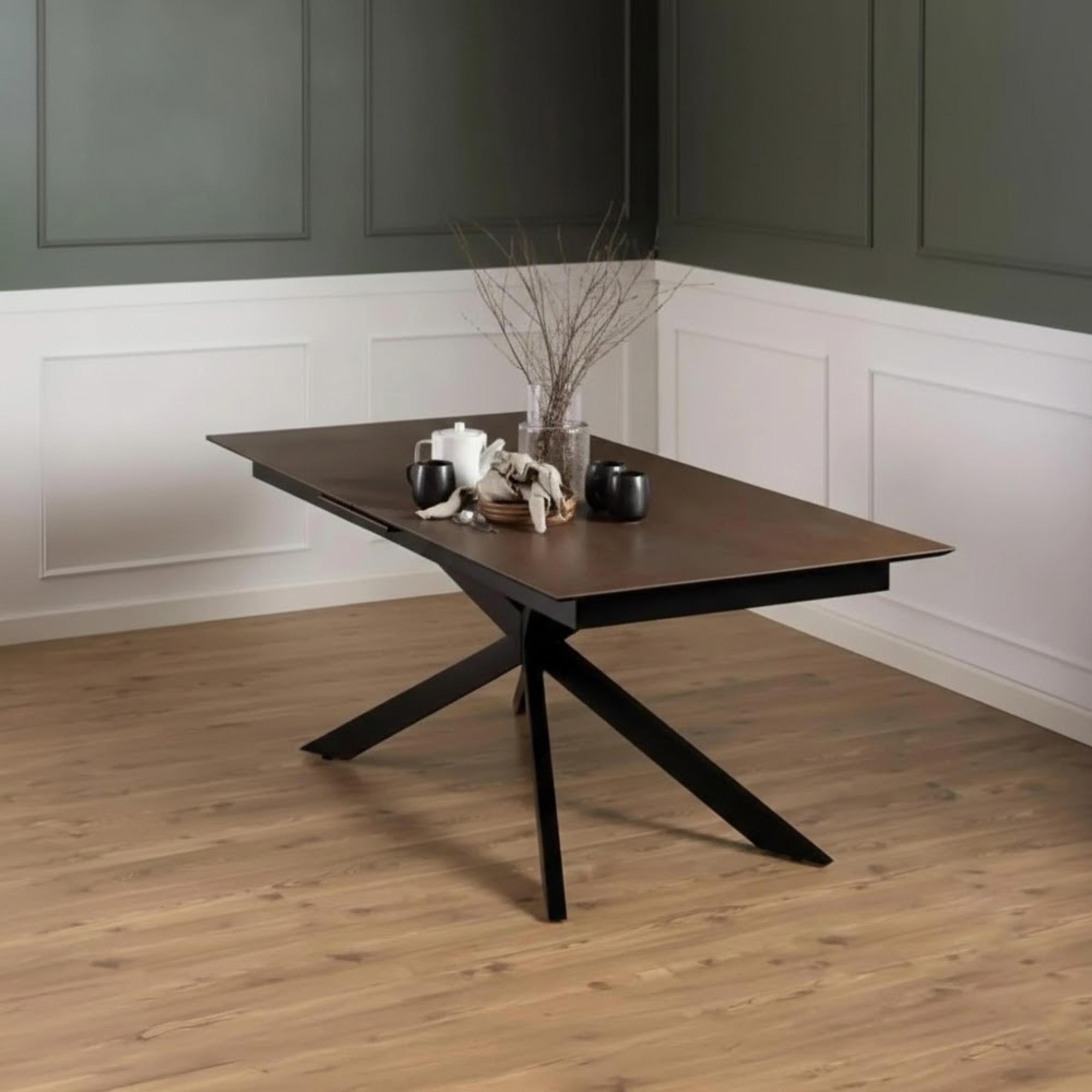
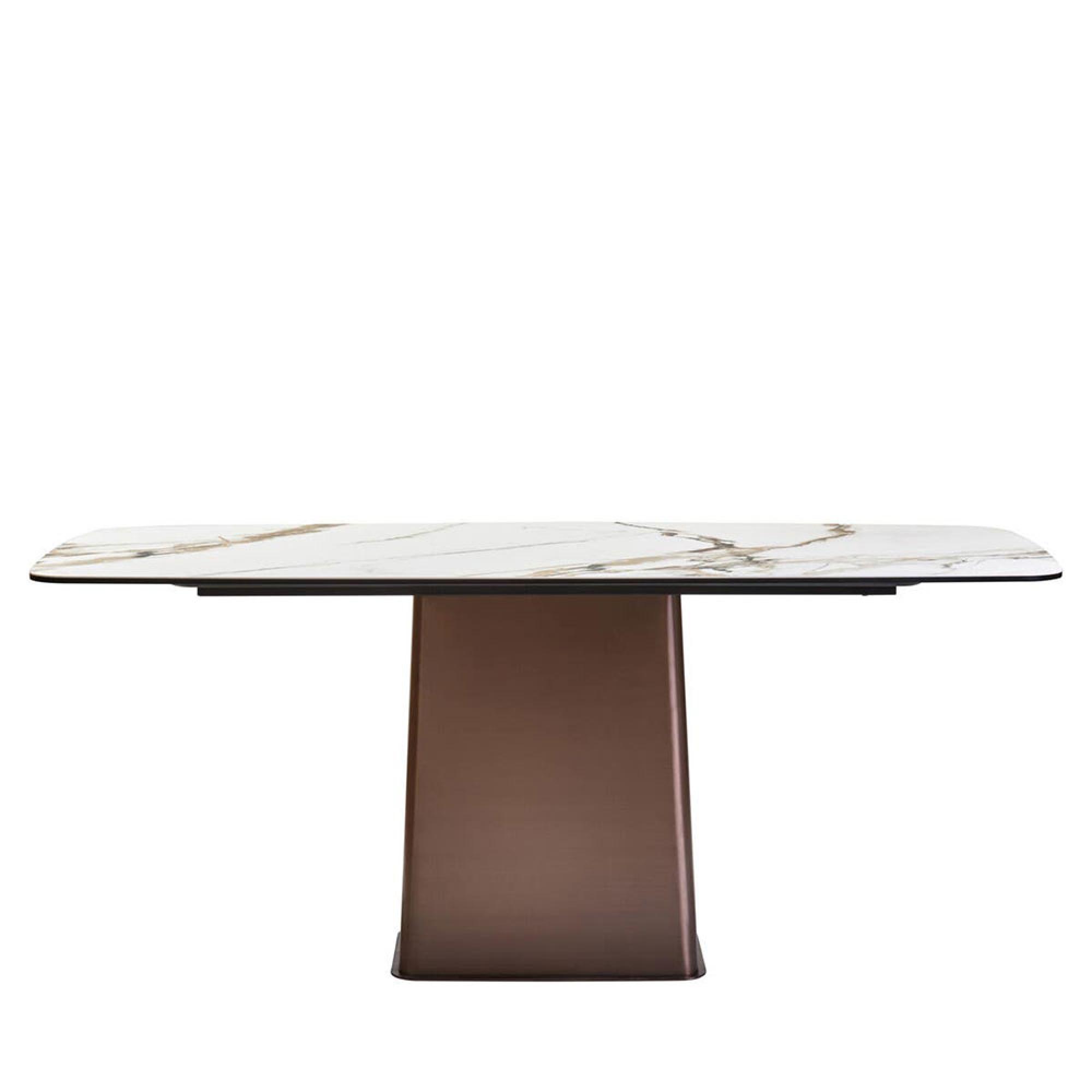
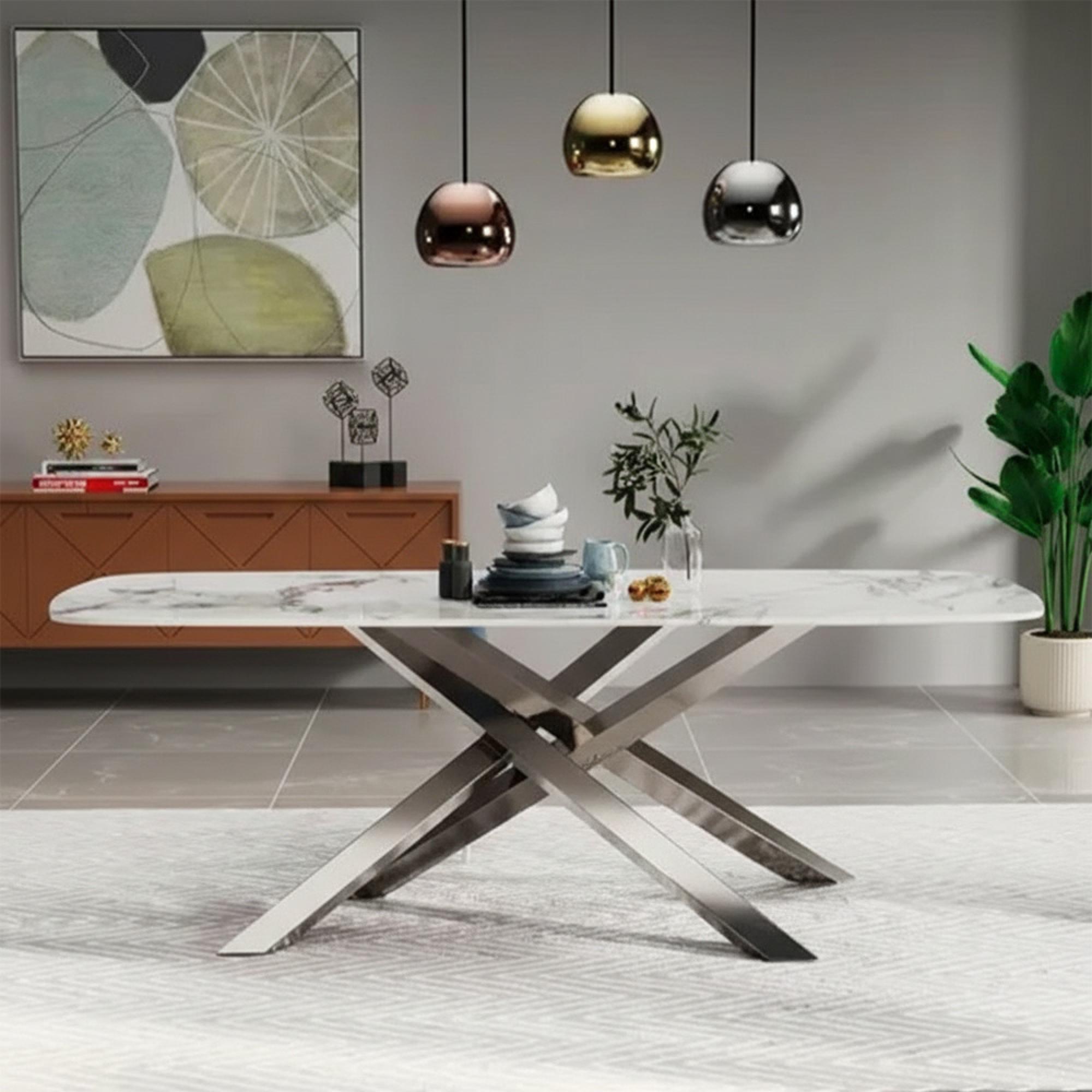
Use the Ceramic Dining Tables category to compare choices that create a practical focal point for meals, conversation and entertaining. Compare shape, surface material, base design, seating capacity and any extending mechanism to identify the right balance of appearance and function. The ceramic focus makes material, finish and care especially important when comparing products. Plan for chair clearance as well as the tabletop footprint, especially in a busy dining area.
Read more X Close

Price

Features

Shape

Seat

Material

Finish

Colour

  • Beige
  • Black
  • Brown
  • Cream
  • Grey
  • White

39 Products of 171

Load More..

Choosing Ceramic Dining Tables

This category focuses on Ceramic Dining Tables that can create a practical focal point for meals, conversation and entertaining. Start with the room layout and daily use, then compare shape, surface material, base design, seating capacity and any extending mechanism. The ceramic focus makes material, finish and care especially important when comparing products. This keeps the decision focused on practical suitability as well as style.

Plan the space before choosing

Plan for chair clearance as well as the tabletop footprint, especially in a busy dining area. Record the available width, depth and height, including clearance for doors, drawers, reclining parts or extensions where relevant. Account for skirting boards, radiators, sockets and walking routes, then check the access route through doors, halls and stairs.

For adjacent choices, explore Dining Tables, White Ceramic Dining Tables and Grey Ceramic Dining Tables. Use these comparisons alongside the specifications on each product page.

Ceramic Dining Tables for considered interiors

The Ceramic Dining Tables category focuses on choices intended to create a practical focal point for meals, conversation and entertaining. A suitable option should respond to the room's proportions, surrounding furniture and practical demands of everyday use. The ceramic focus makes material, finish and care especially important when comparing products.

Material, finish and construction

When comparing dining tables, look closely at shape, surface material, base design, seating capacity and any extending mechanism. Materials influence appearance, weight and maintenance, while finish affects colour coordination and day-to-day care. Use the written specification to confirm construction and care requirements.

Function and room planning

Plan for chair clearance as well as the tabletop footprint, especially in a busy dining area. Mark out the footprint and consider how people move around it. Where a product opens, extends, swivels or reclines, include that working clearance. For storage, seating or sleeping products, match the layout, support and capacity to the needs of regular users.

Creating a coordinated result

Build the room around a clear relationship between scale, colour and material. Matching every finish is not essential, but repeating one or two elements can connect separate pieces. You can also compare Dining Tables, White Ceramic Dining Tables and Grey Ceramic Dining Tables for closely related room and product choices. Use the individual listing to confirm dimensions, included components, assembly and suitability.

Read more X Close

FAQs on Ceramic Dining Tables

What is a ceramic dining table?

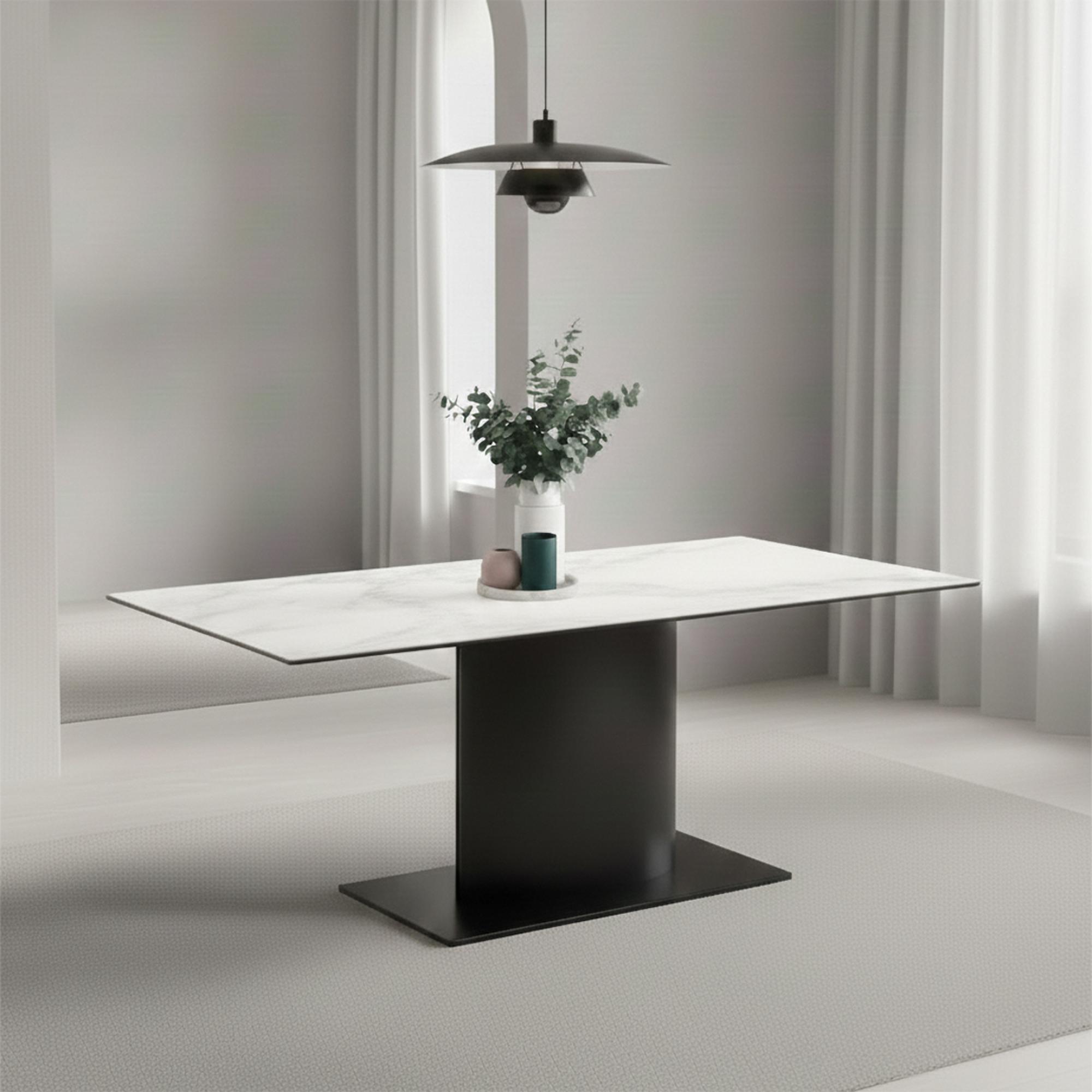
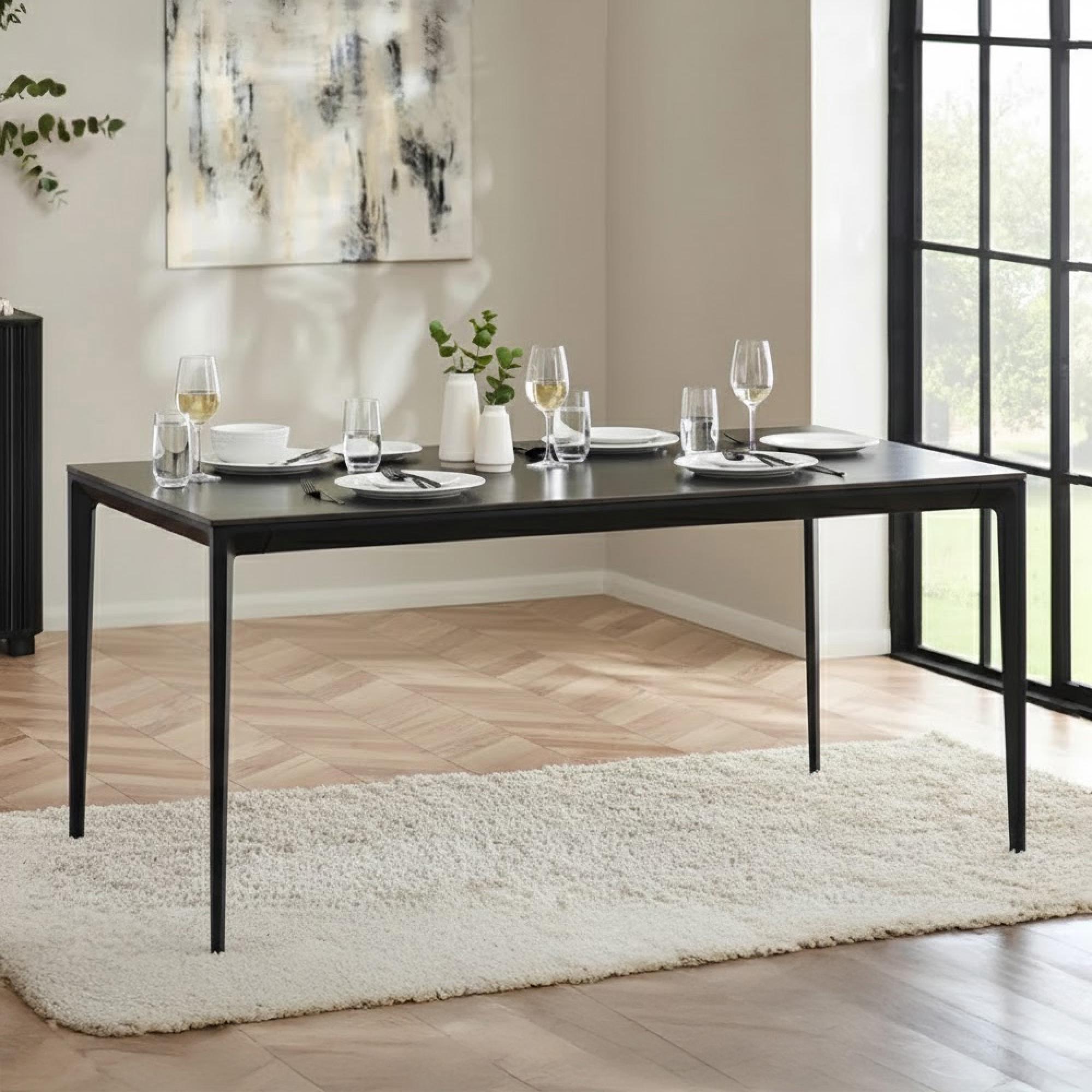
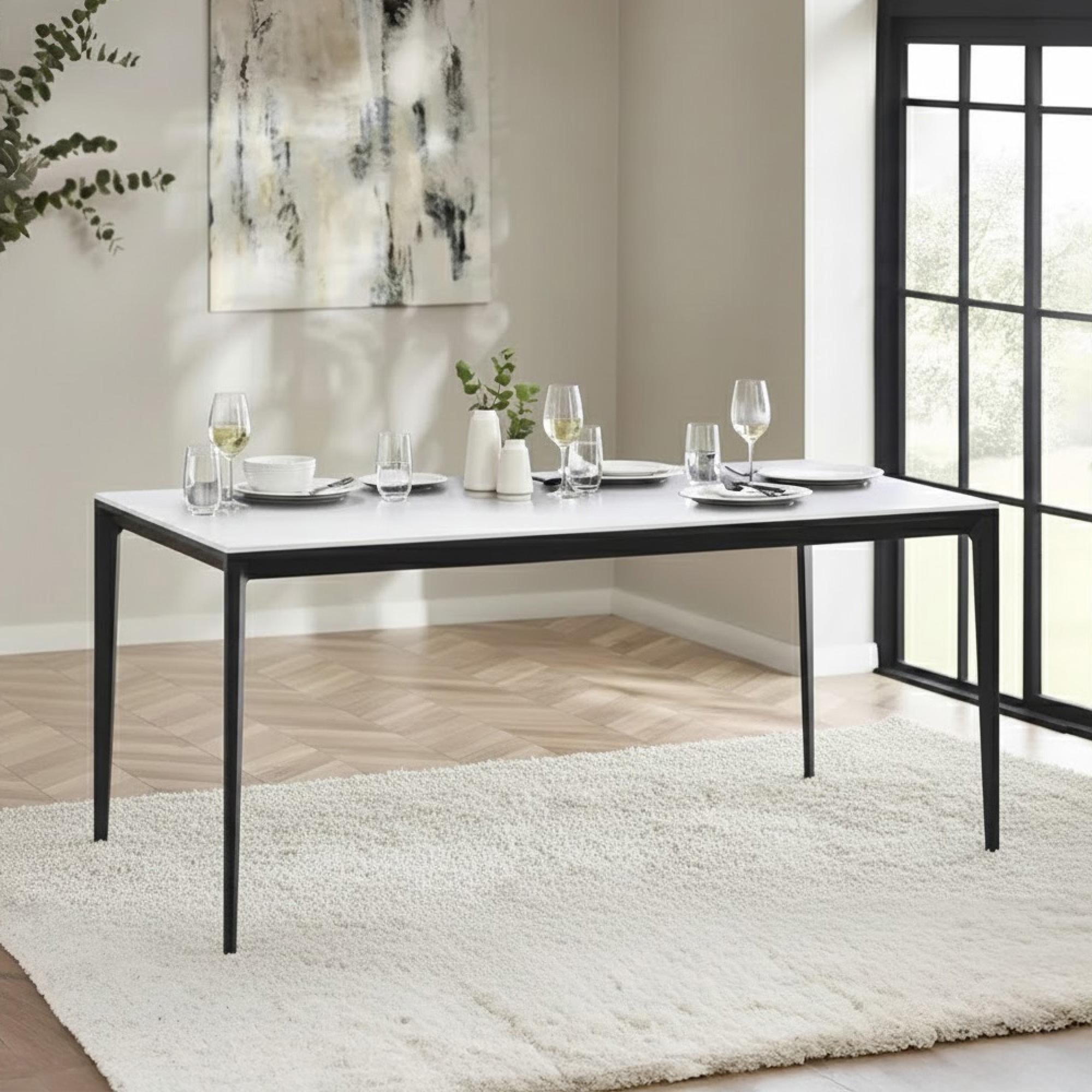
A ceramic dining table features a tabletop made from sintered ceramic or porcelain fired at extremely high temperatures. This creates a non-porous, heat-resistant surface harder than most metals. Ceramic tops resist scratches, UV fading, and staining, making them one of the most durable dining surfaces available for everyday use.

For daily cleaning, wipe with a soft cloth and warm water. For stains, dab gently with a soft cloth and mild soap—never scrub or use acidic cleaners, which cause discolouration. Ceramic is non-porous so spills dont penetrate. Use placemats to protect edges and avoid dragging abrasive objects across the surface.

Yes, ceramic dining tables are highly scratch resistant. The sintered surface is harder than most metals, so everyday cutlery, crockery and keys wont mark it. Unlike wood or lacquered surfaces, ceramic wont dent under normal use. Use placemats to protect the edges where ceramic meets the frame for best longevity.

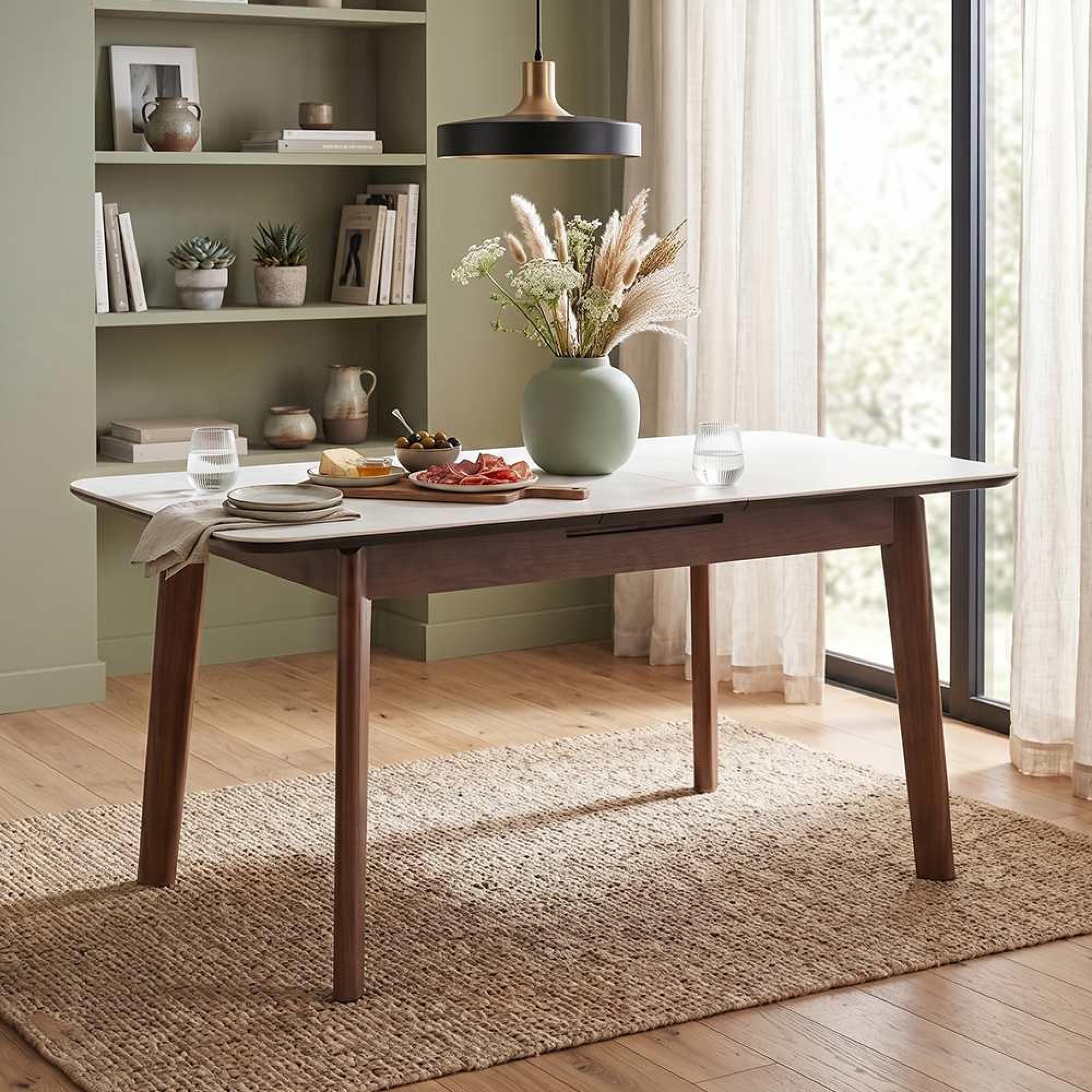
Table size depends on your space and number of diners. Compact 120cm tables seat four; 160–180cm tables seat six; 200–240cm tables seat eight to ten. Round tables range from 90cm (two to four people) to 130cm (six people). Many extend, offering flexibility. Measure your room and allow 90cm clearance around the table for comfortable seating.

Yes, ceramic tables suit modern and classic interiors. Theyre available in marble-effect, concrete-look, slate, and solid colours. Contemporary pedestal styles and sleek finishes complement minimalist spaces, whilst stone-effect designs work equally well in traditional settings. The versatile aesthetic makes ceramic a flexible choice for most interior styles.

Allow at least 90cm of clearance on all sides of the table for comfortable seating and chair movement. For a 160cm table, your dining space should be roughly 3.4m × 2.4m minimum. In smaller rooms, consider extending tables you can reduce when not entertaining. Measure your space before purchasing to ensure proper fit.

Ceramic is non-porous, heat-resistant to 600°C+, and scratch-resistant; hot plates and spills wont damage it. Glass is transparent but shows fingerprints, breaks if dropped, and isnt heat-resistant. Ceramic requires minimal maintenance and suits busy households. Glass works better for minimalist aesthetics but demands regular cleaning and is more fragile with young children.

Yes, ceramic tables offer excellent value for money. Theyre extremely durable, resist scratches and stains better than wood or glass, and require minimal maintenance. Prices range from £700 to £3,500+ depending on size and design. With proper care, ceramic tables last decades, making them cost-effective for families and frequent entertainers.

Most ceramic tables arrive flat-packed or partially assembled, requiring simple steps like attaching the base—typically 30 minutes to an hour. Some premium options include professional assembly services. Check your product listing for specific details. Many retailers offer assembly upon delivery for an additional fee if you prefer convenience.

Yes, many ceramic dining tables are available on flexible finance options including 0% interest and monthly instalments. Payment plans allow you to spread costs over 12–36 months depending on the retailer. Check eligibility and terms before purchasing. This makes premium ceramic tables more accessible for larger purchases and budgets.

Ceramic tops come in marble-effect, concrete-look, slate, and solid colours including white, grey, and black. Some feature matte finishes for a contemporary look, whilst others have subtle texturing to mimic natural stone. Finishes affect both aesthetics and maintenance—glossy surfaces show fingerprints more easily than matte options, though all are equally durable and easy to clean.

Popular brands like Furniturebox and Julian Bowen offer quality ceramic tables at competitive prices. Entry-level options start around £700, mid-range tables £1,200–£2,000, and premium designs reach £3,500+. Compare specifications like thickness, base quality, and warranty. Seasonal sales and bundle offers often provide 20–50% savings, making premium brands more affordable.
Top