Free Delivery All Over UK*
close
Top products
SHOW ALL PRODUCTS

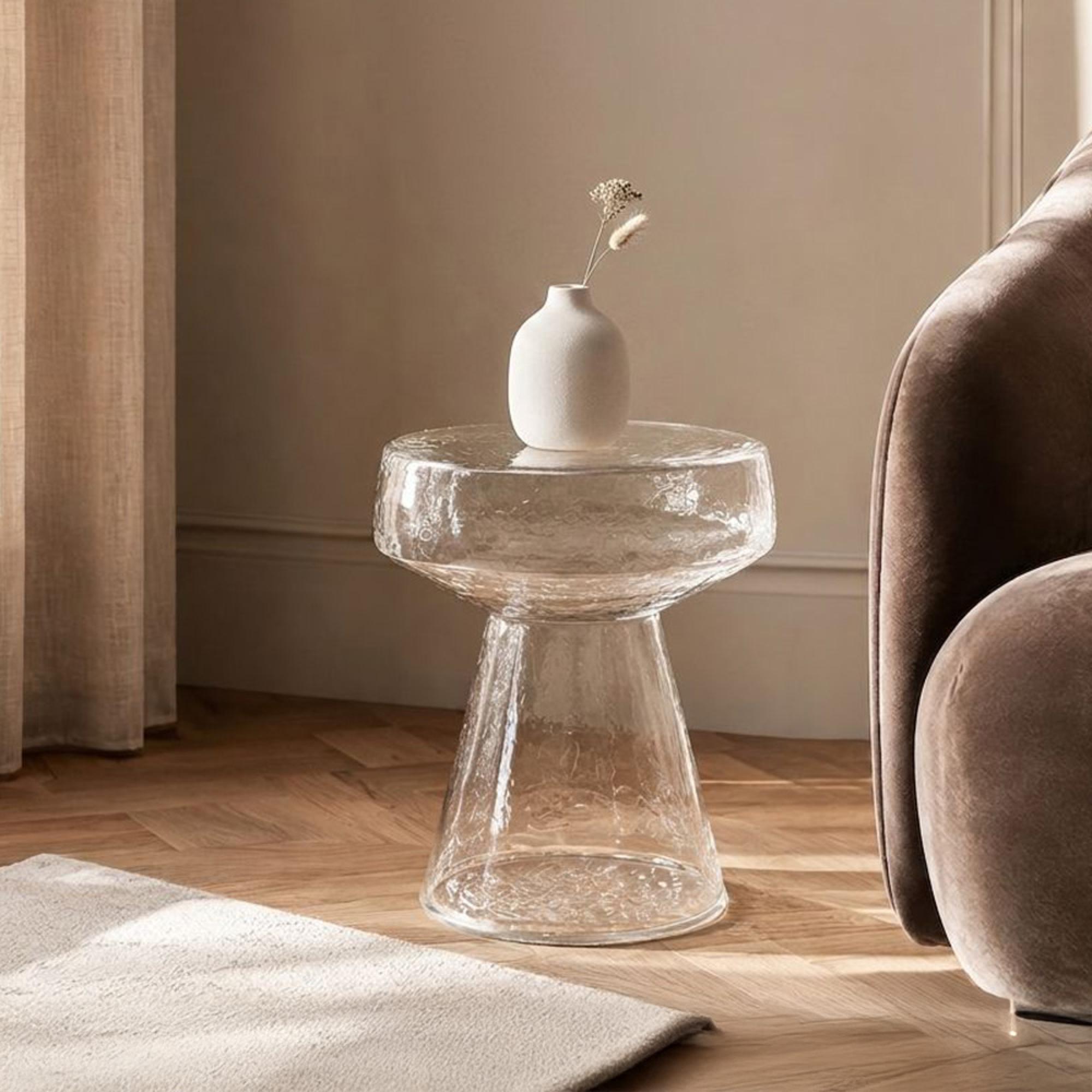
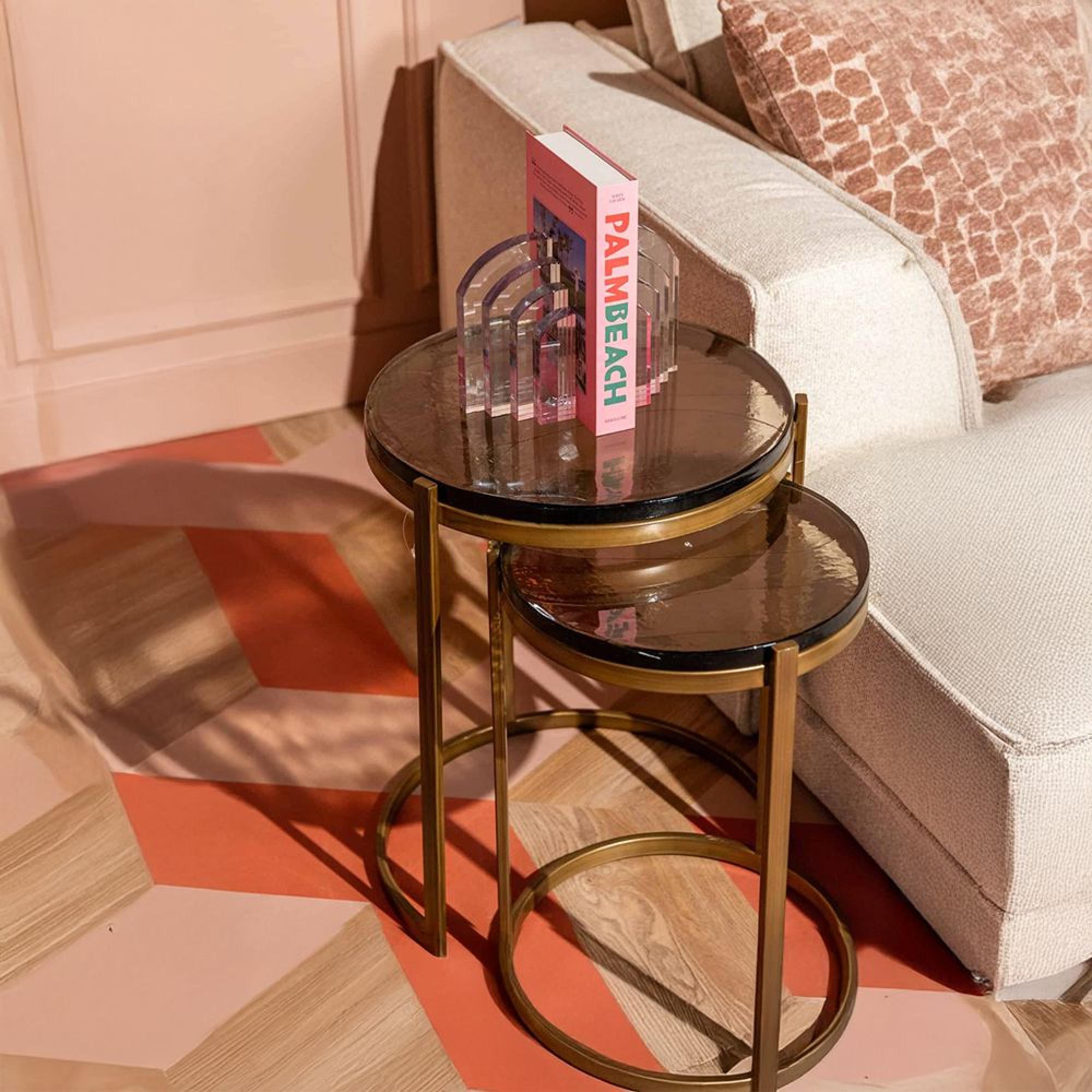
Glass Side Tables

Found 97 Items

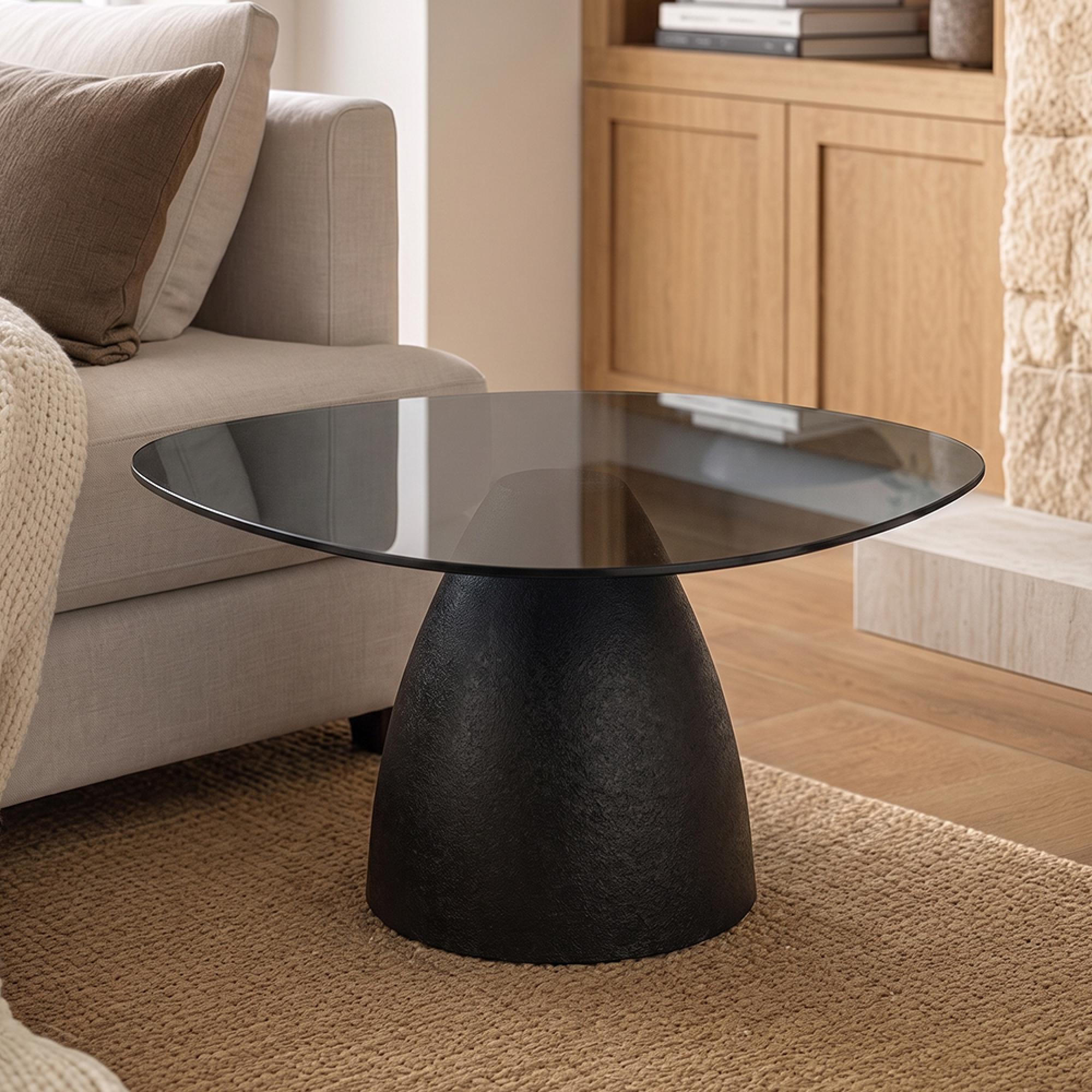
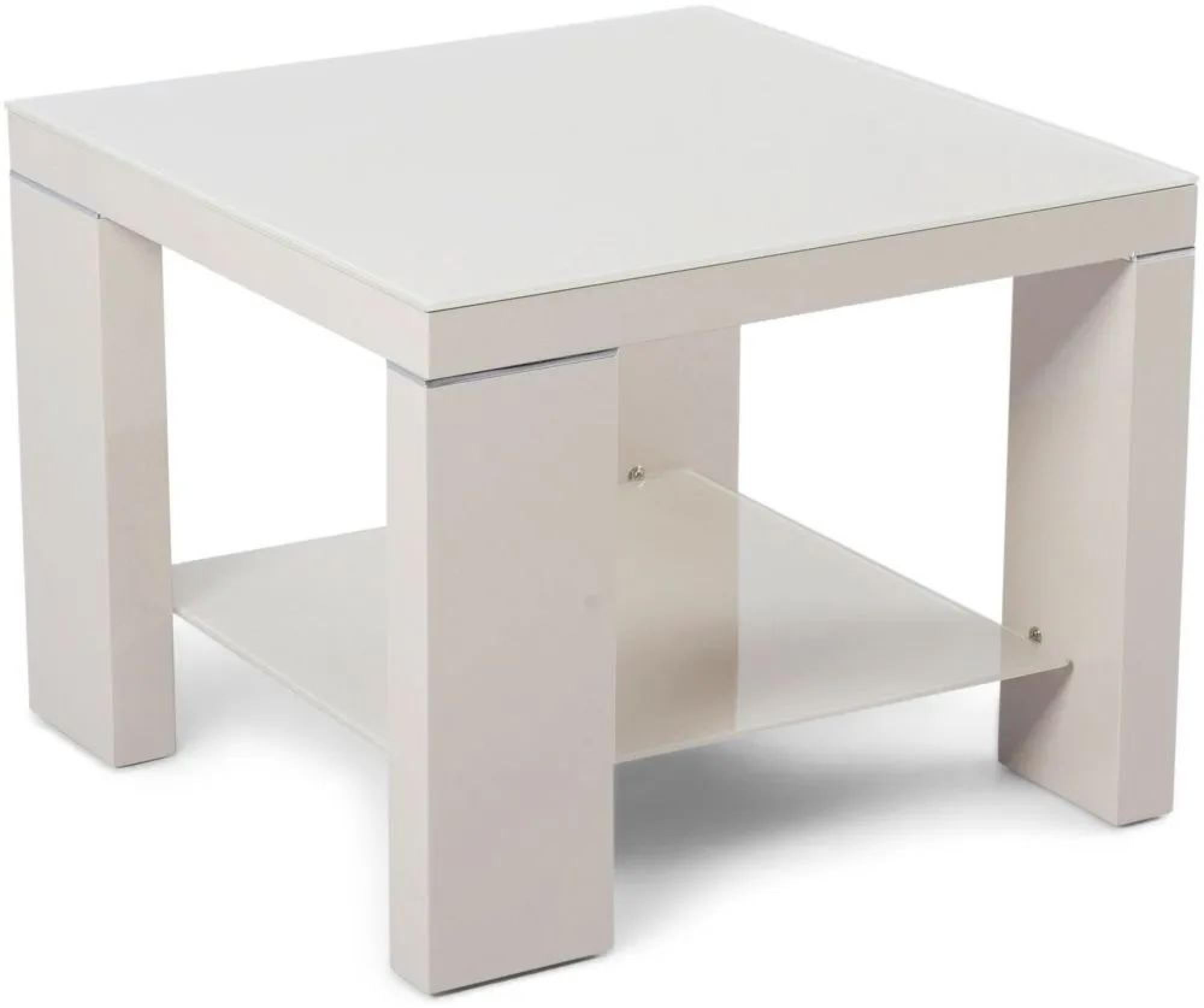
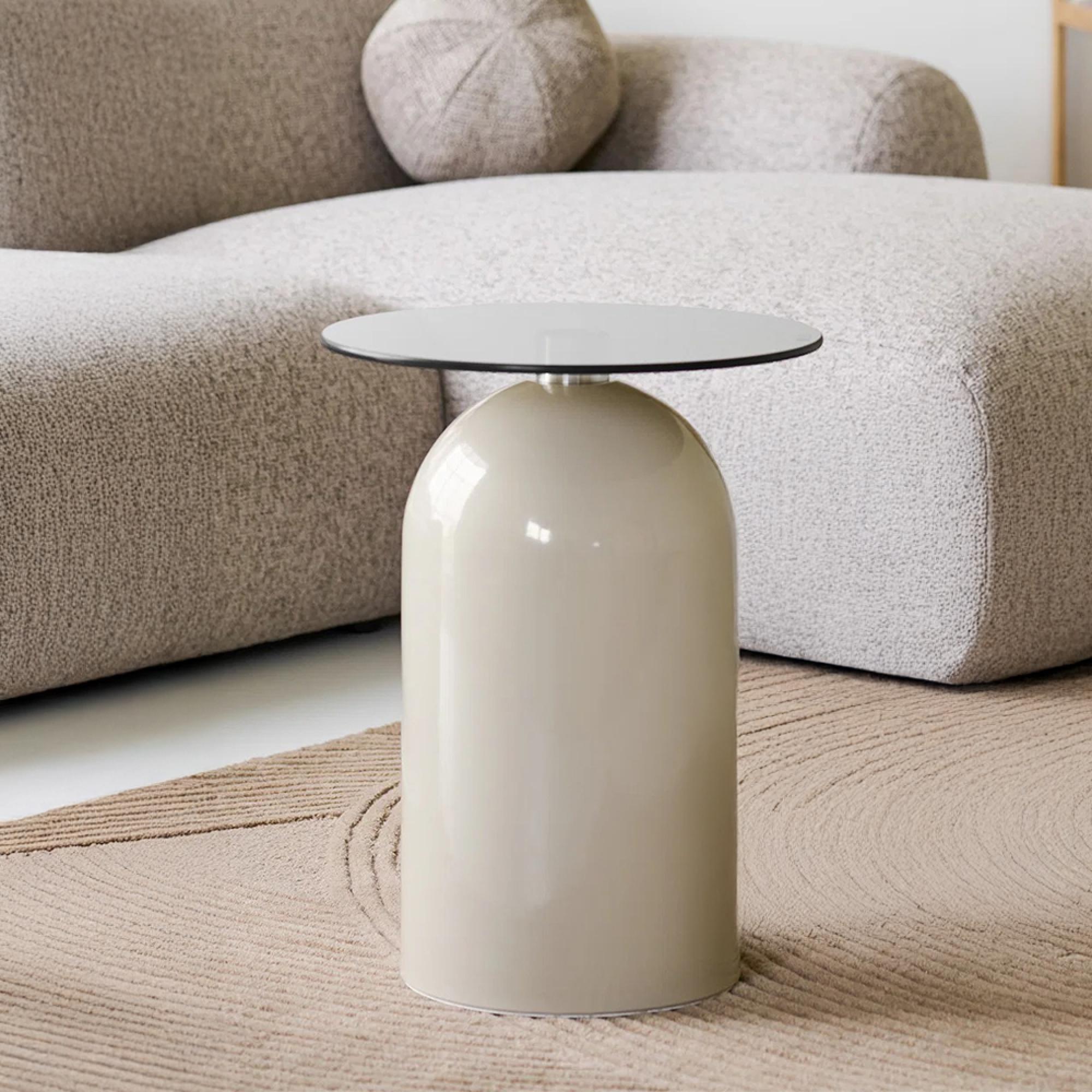
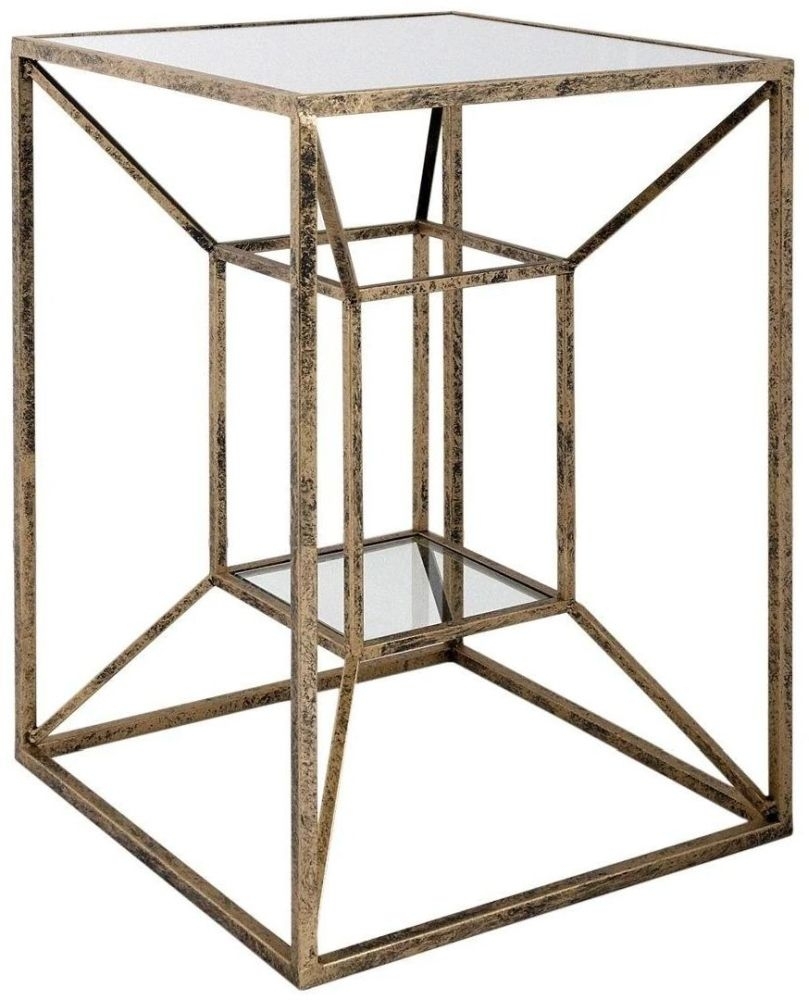
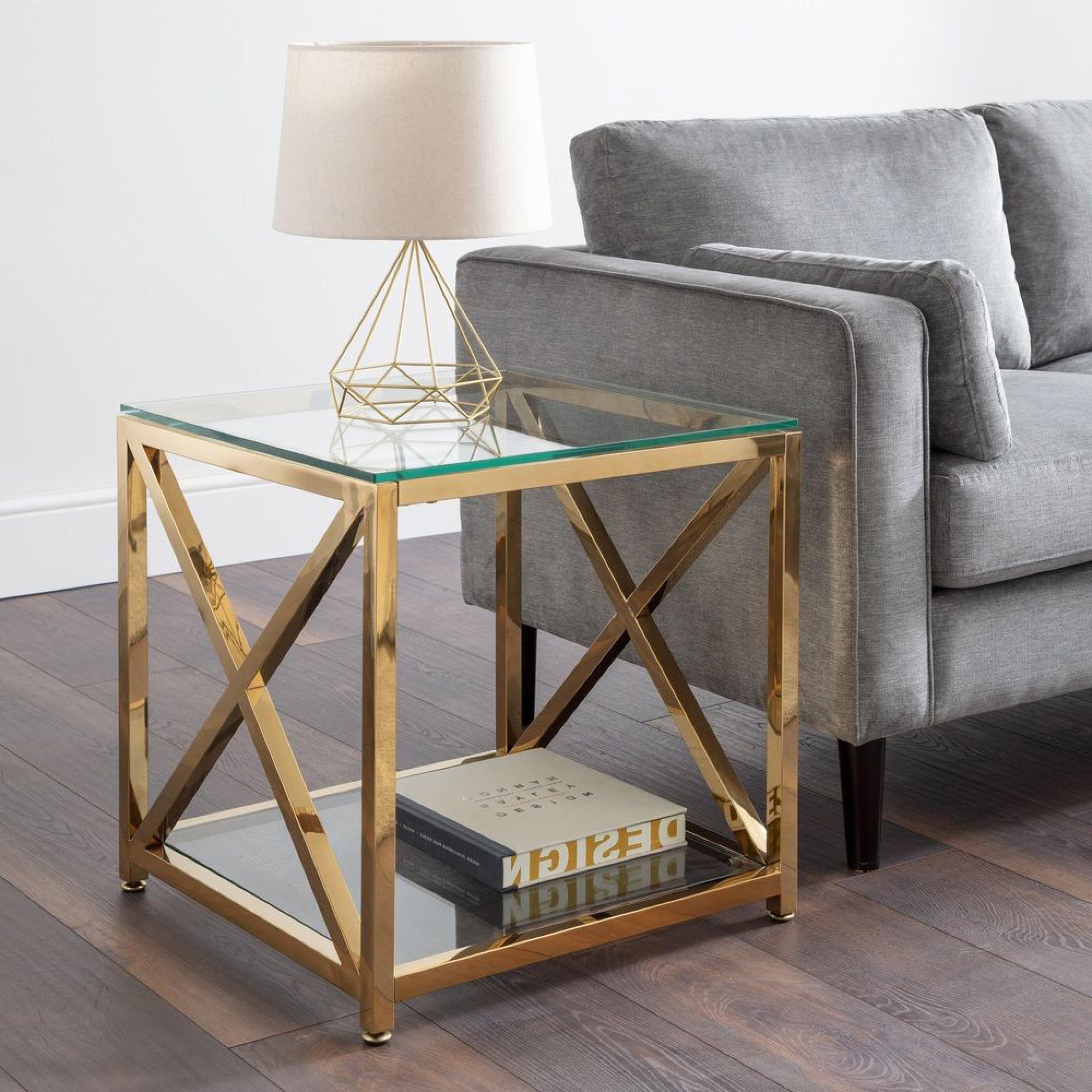
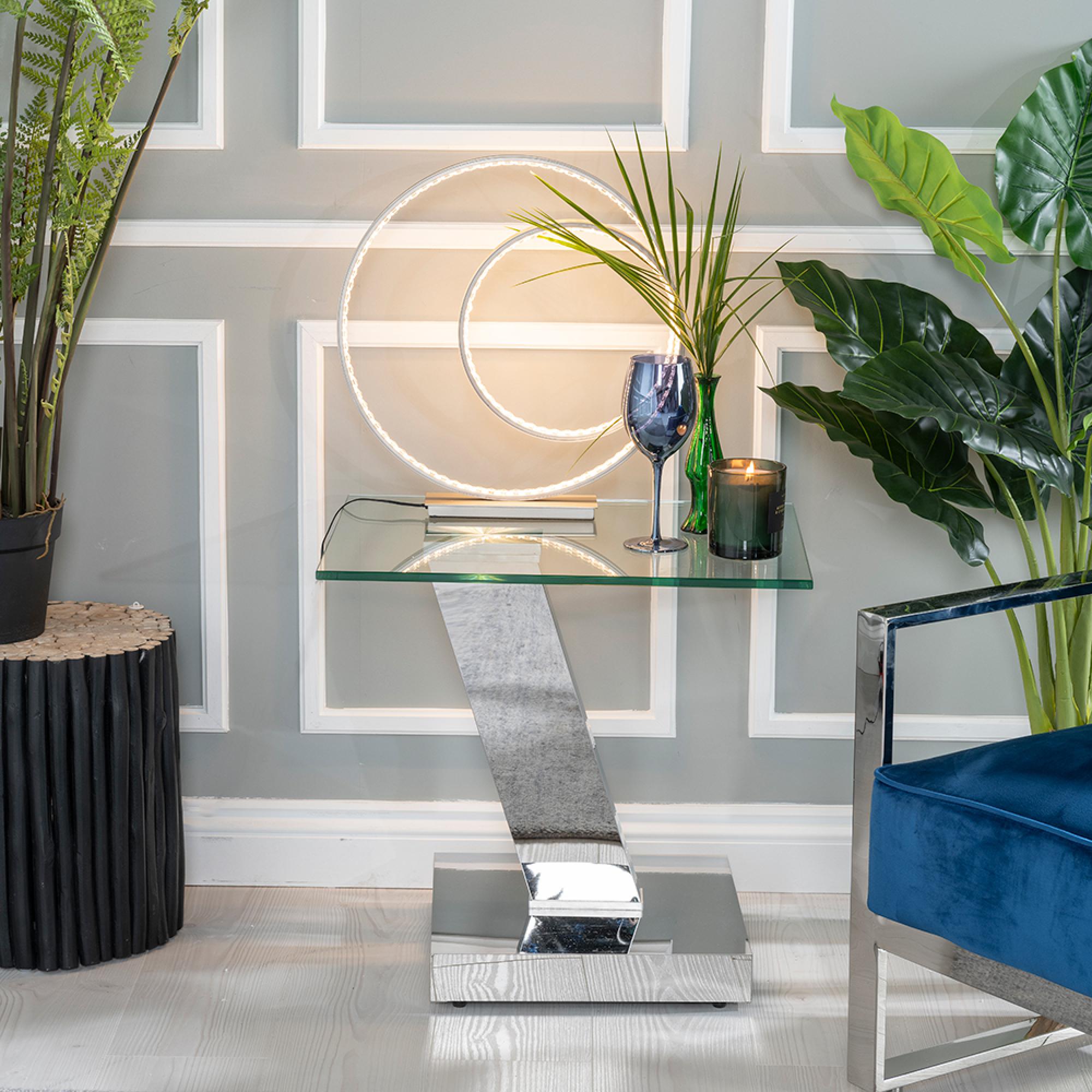
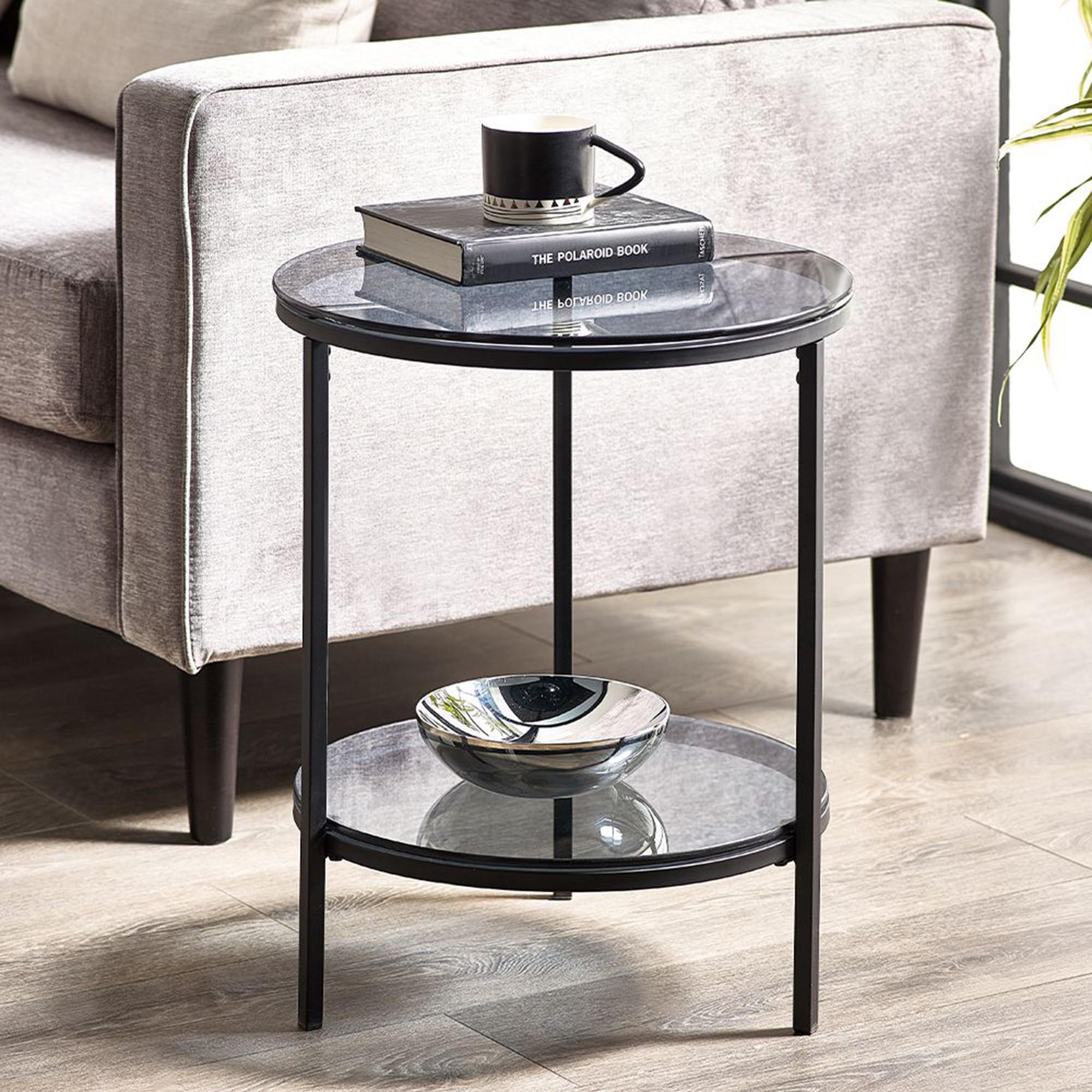
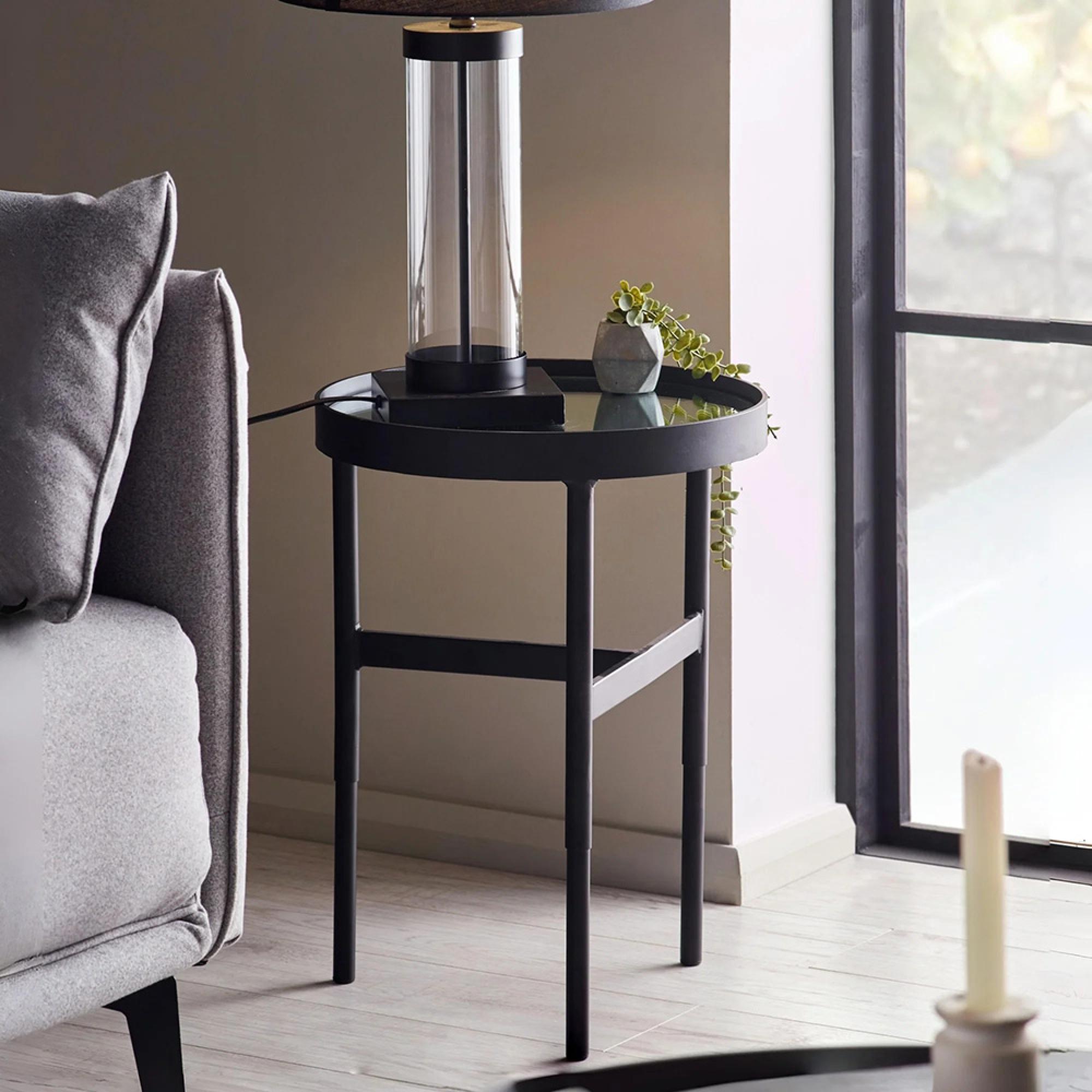
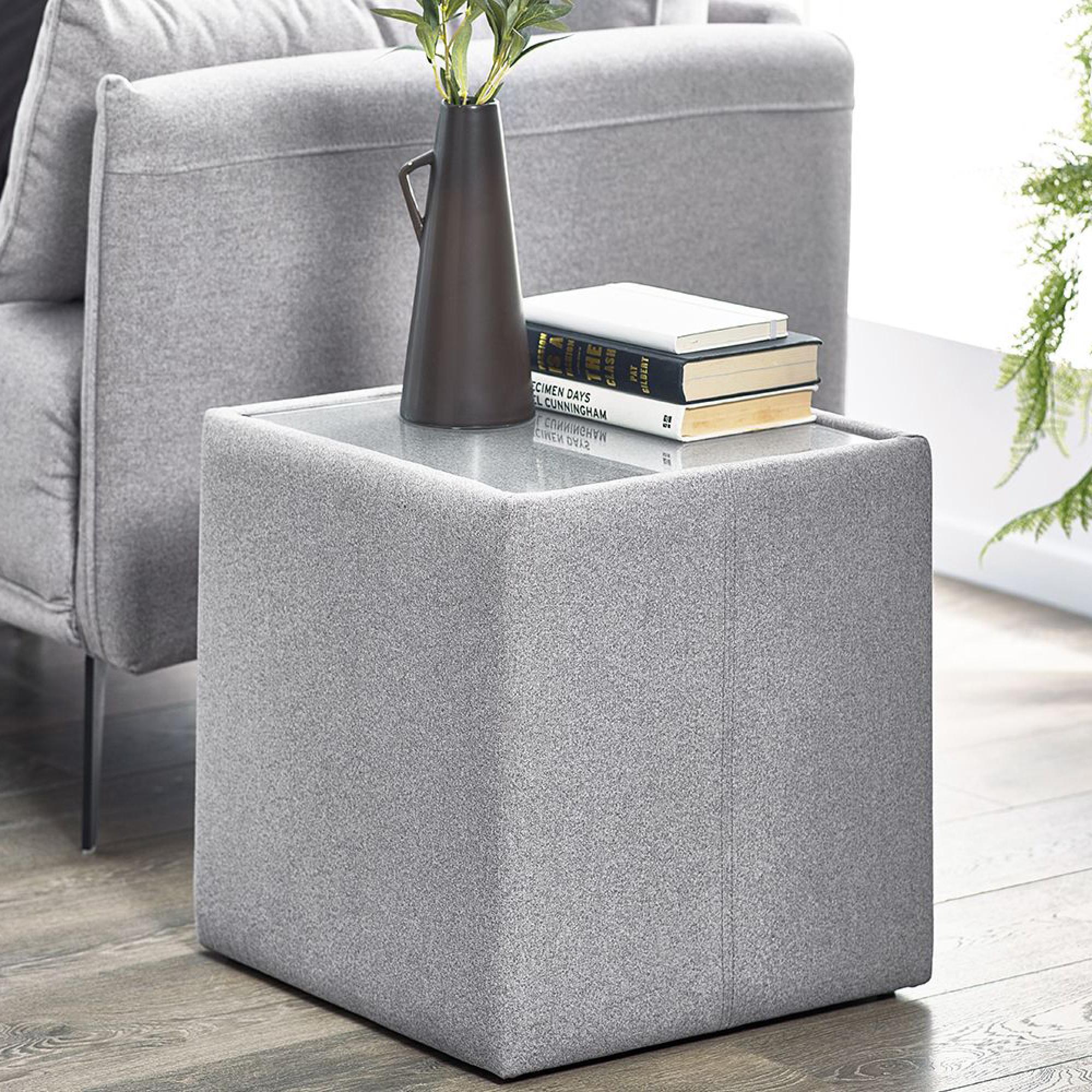
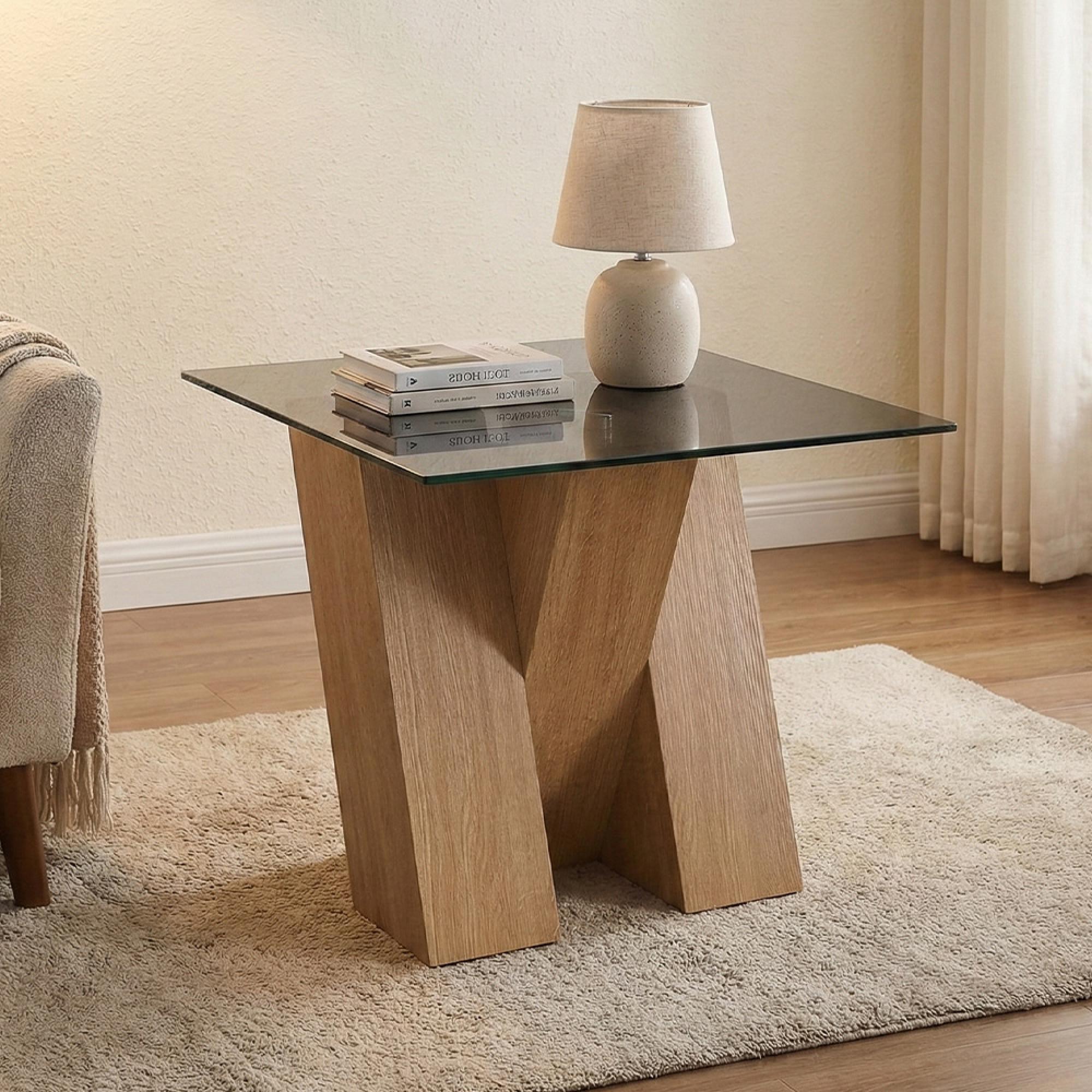
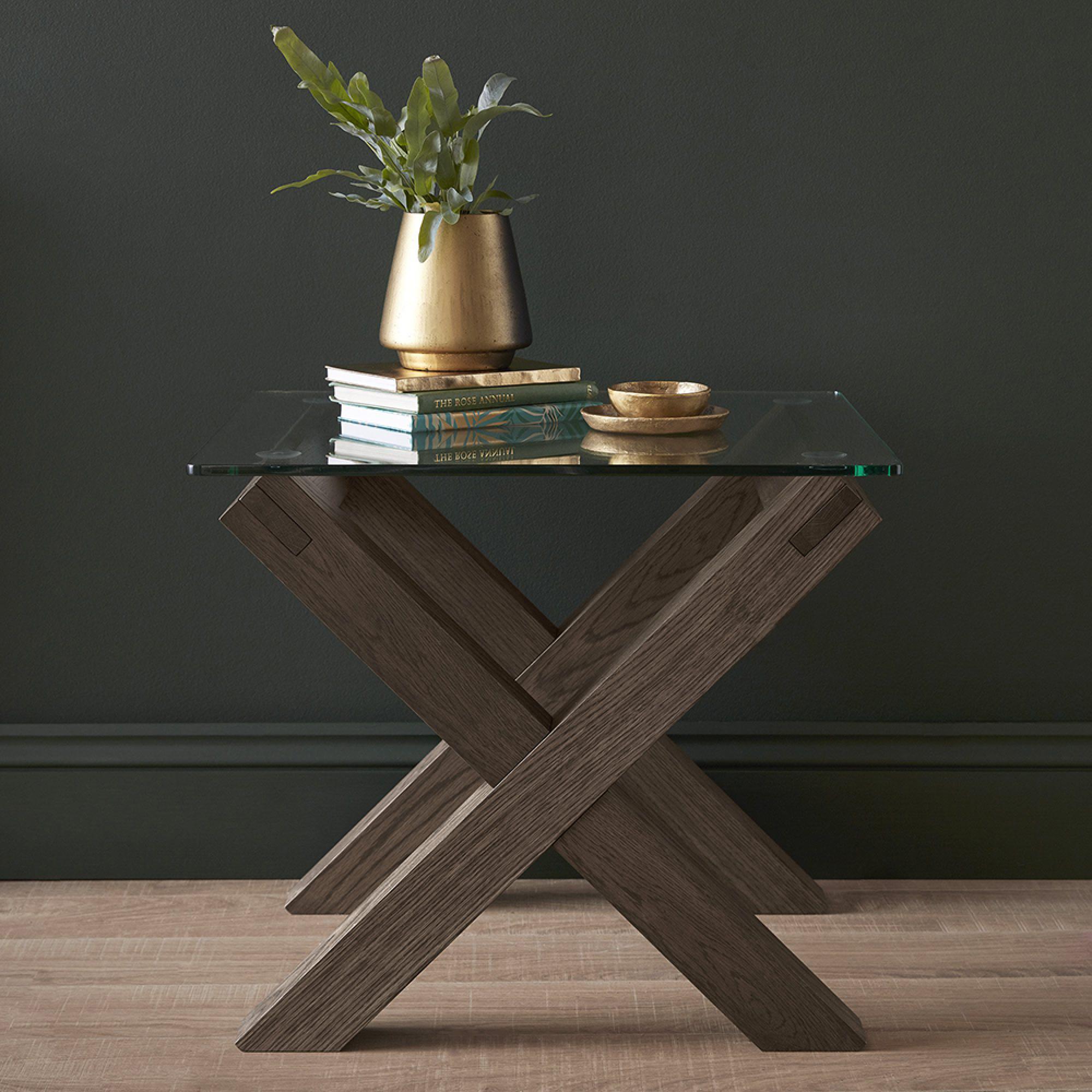
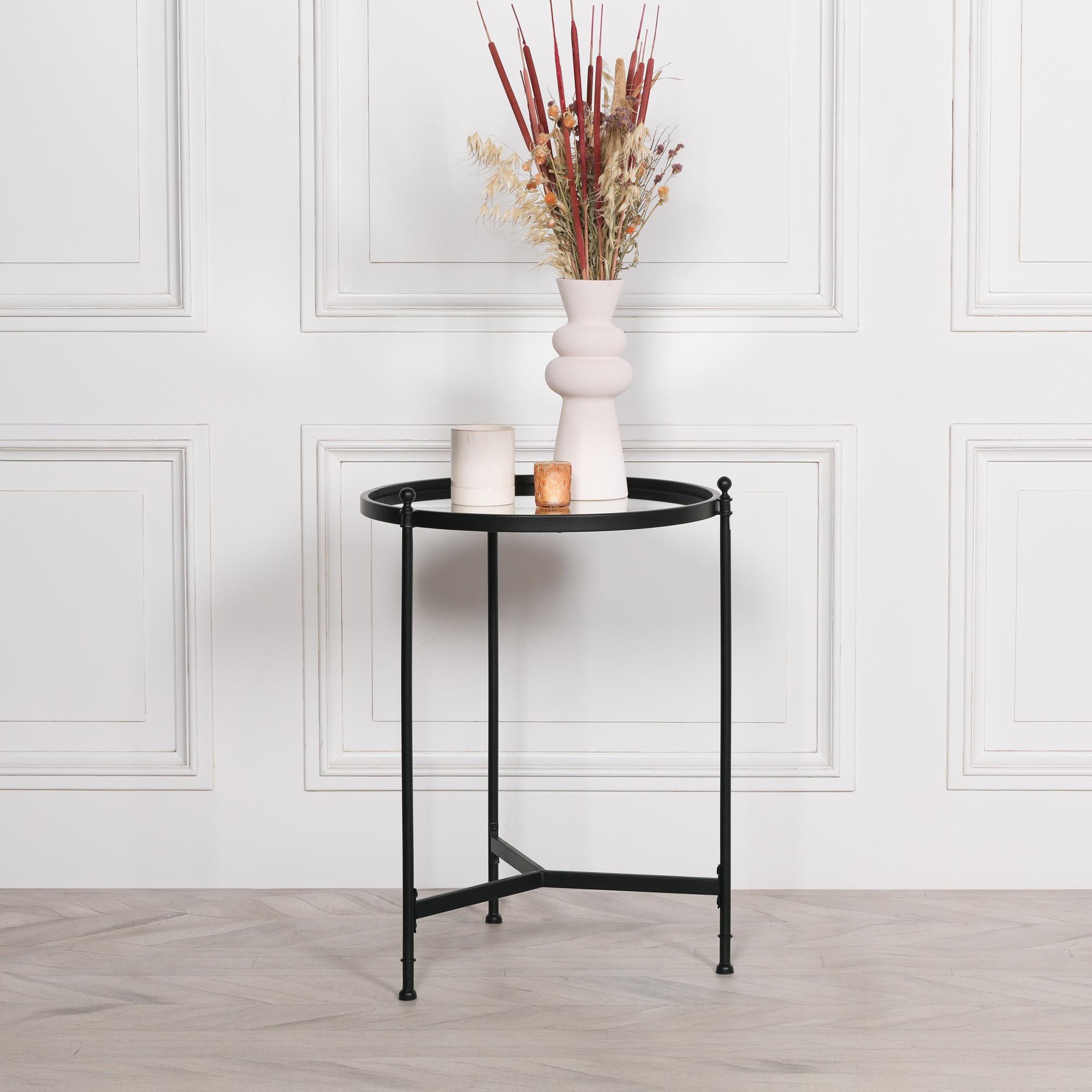
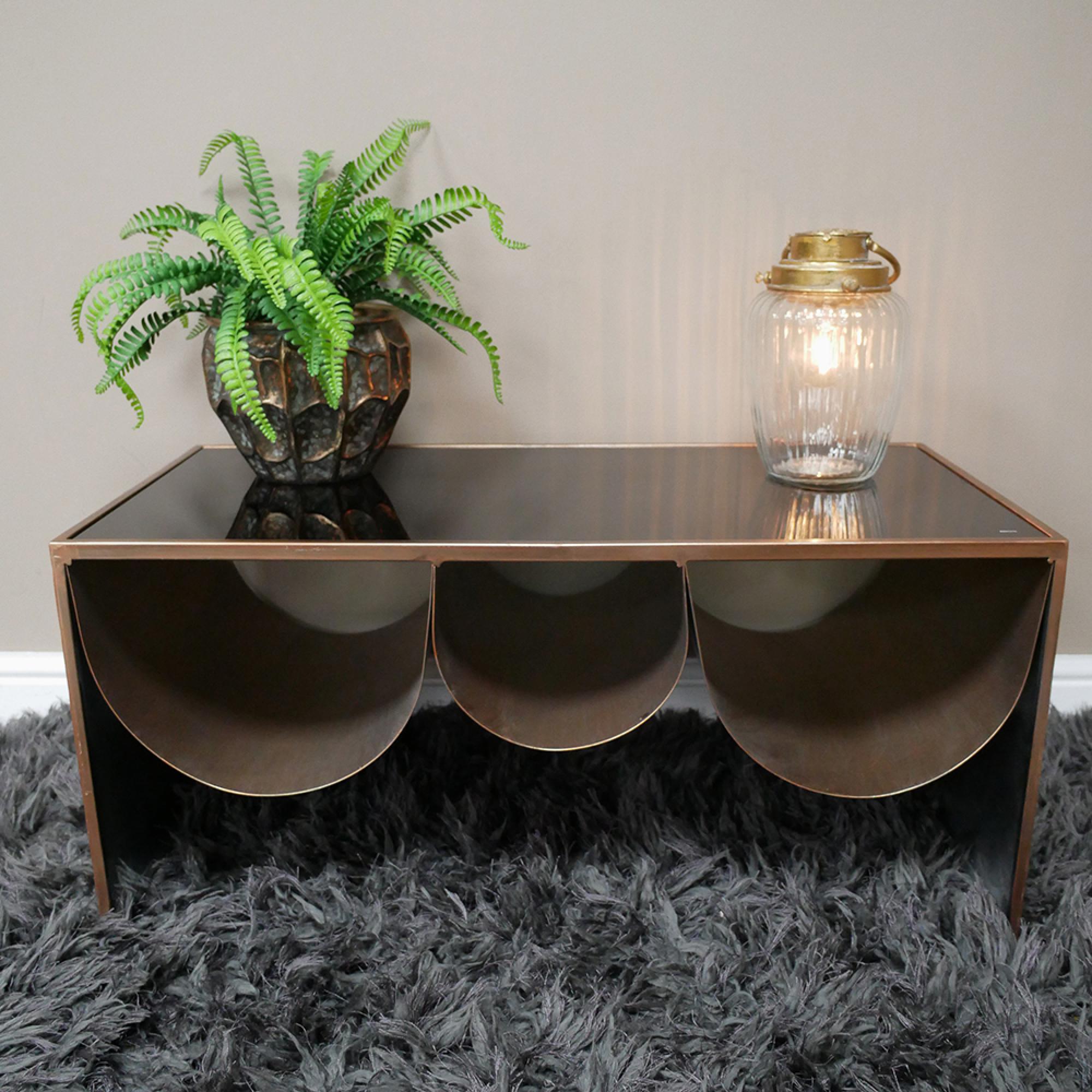
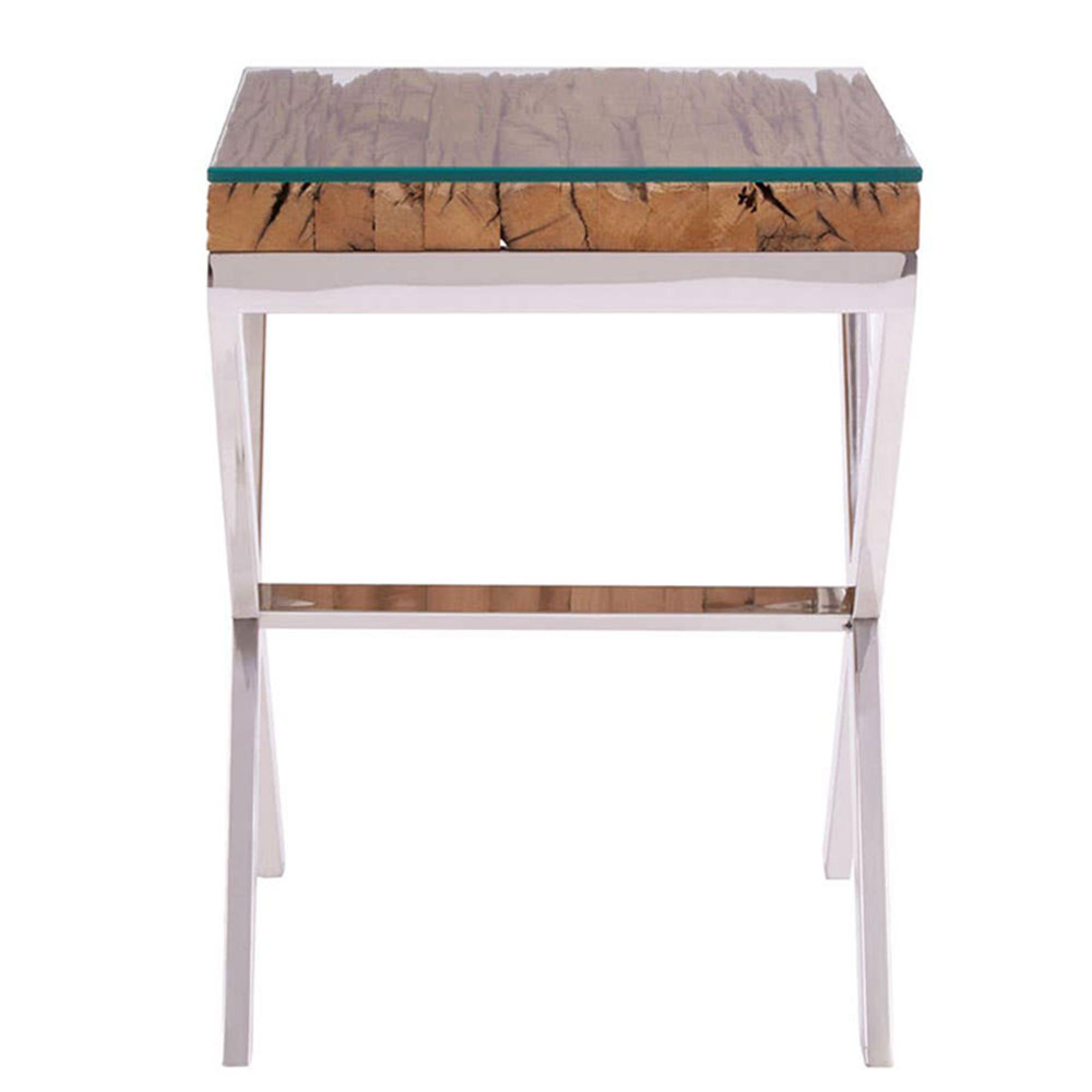
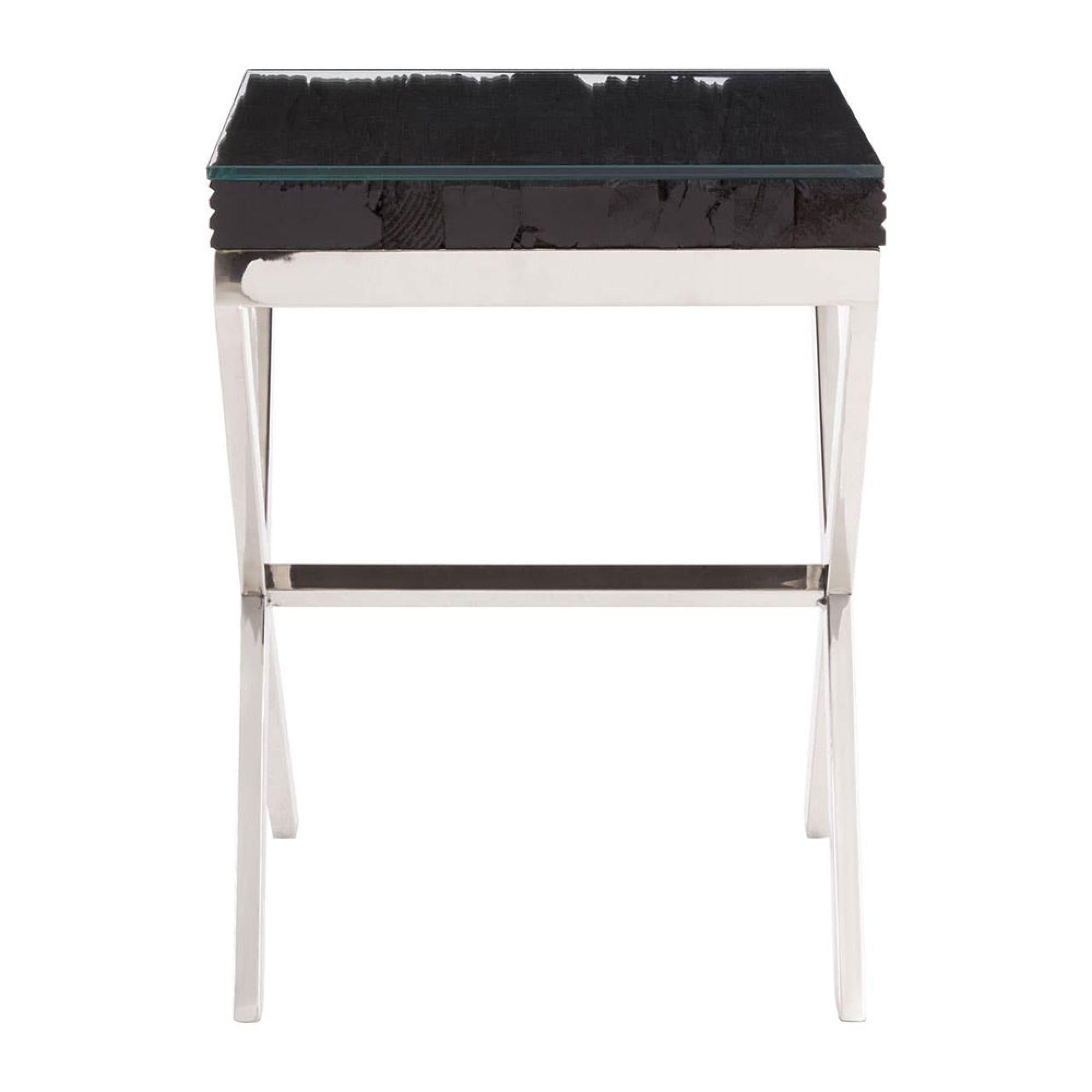
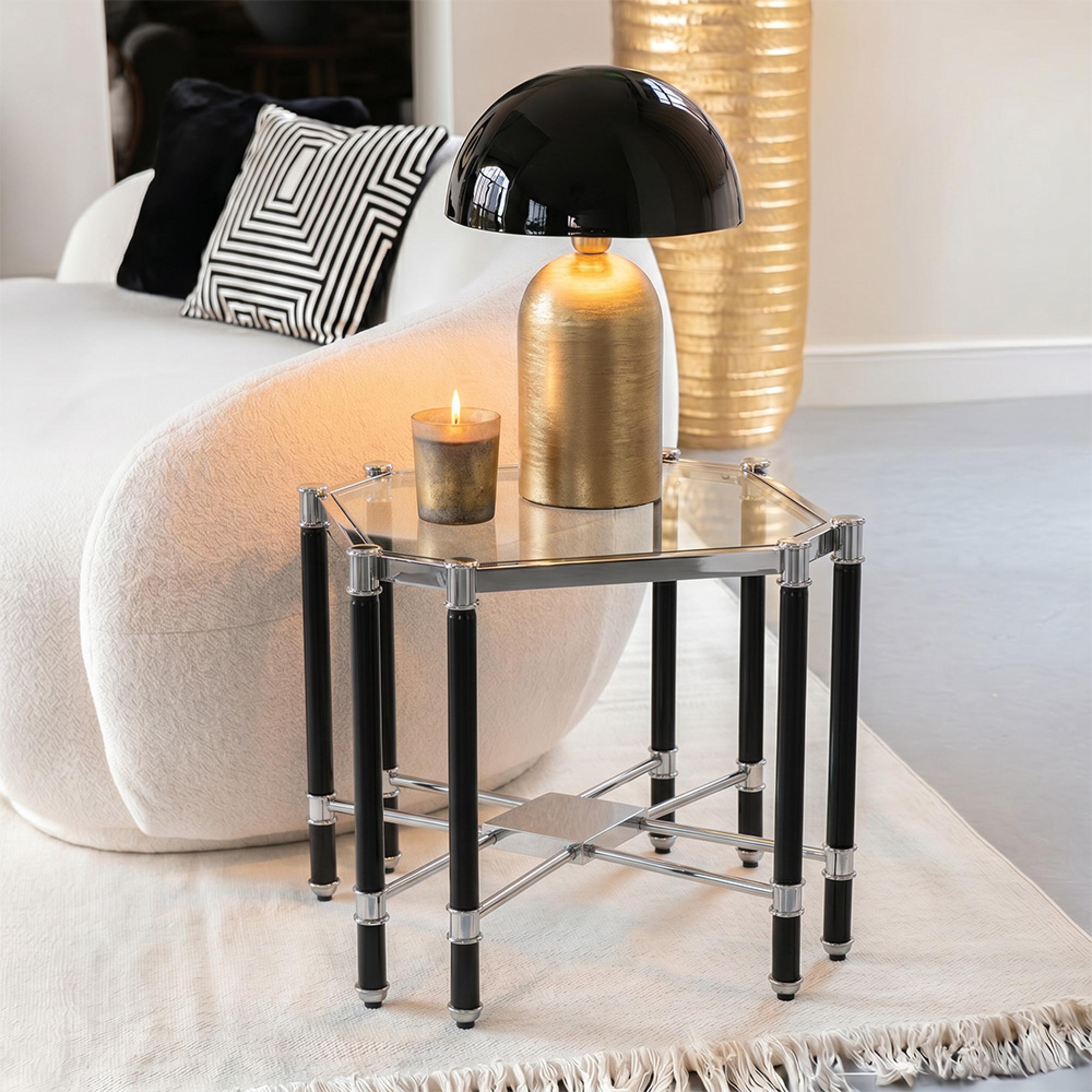
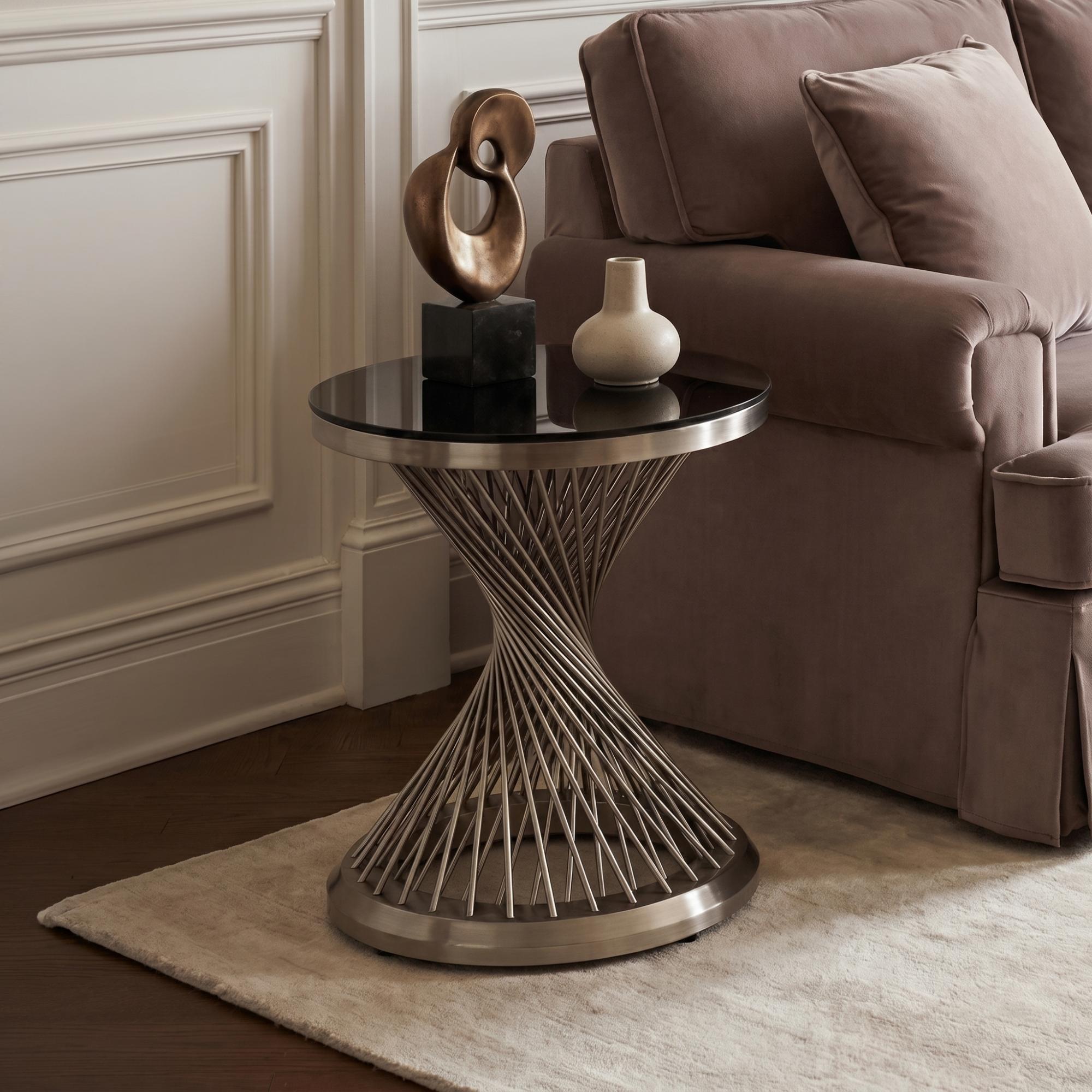
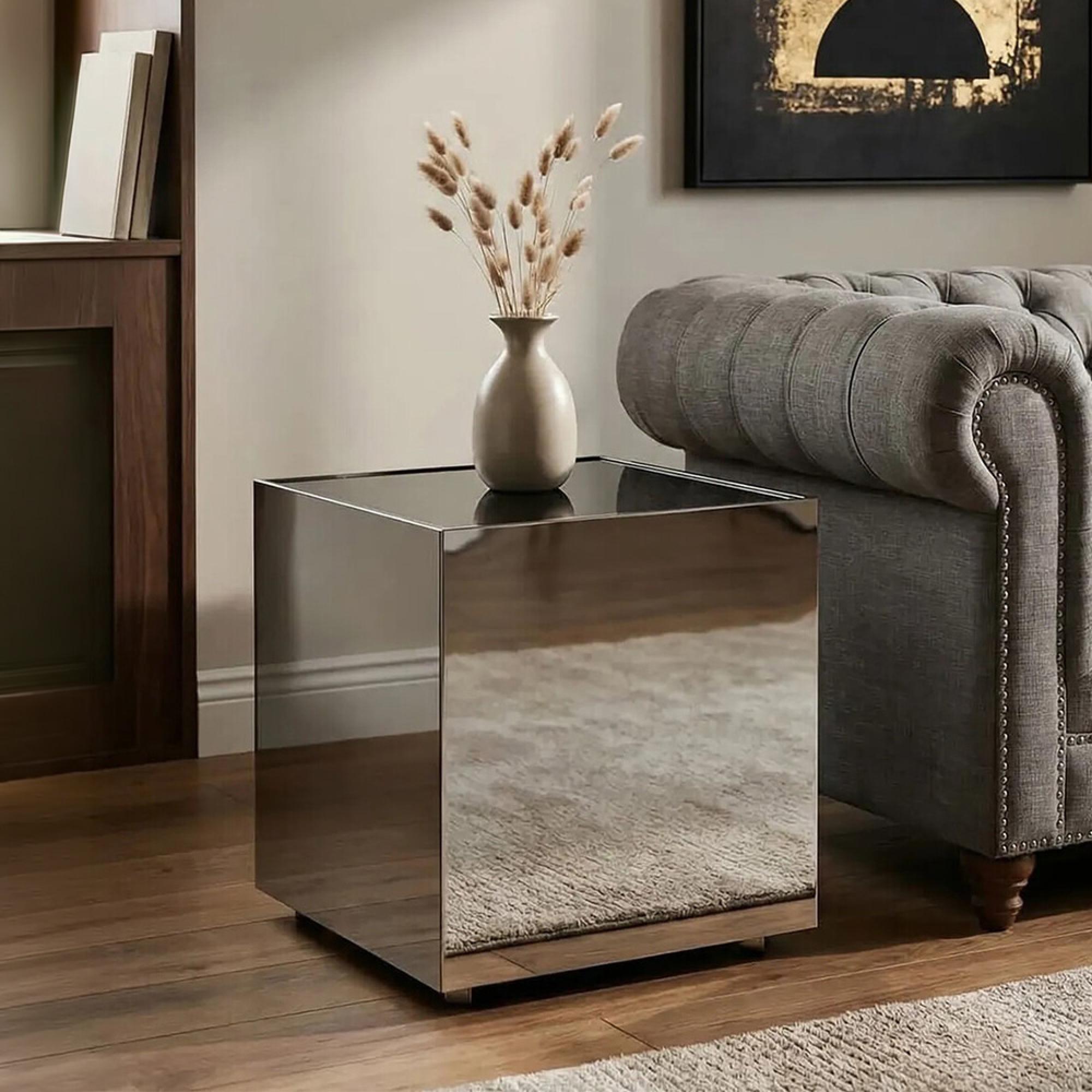
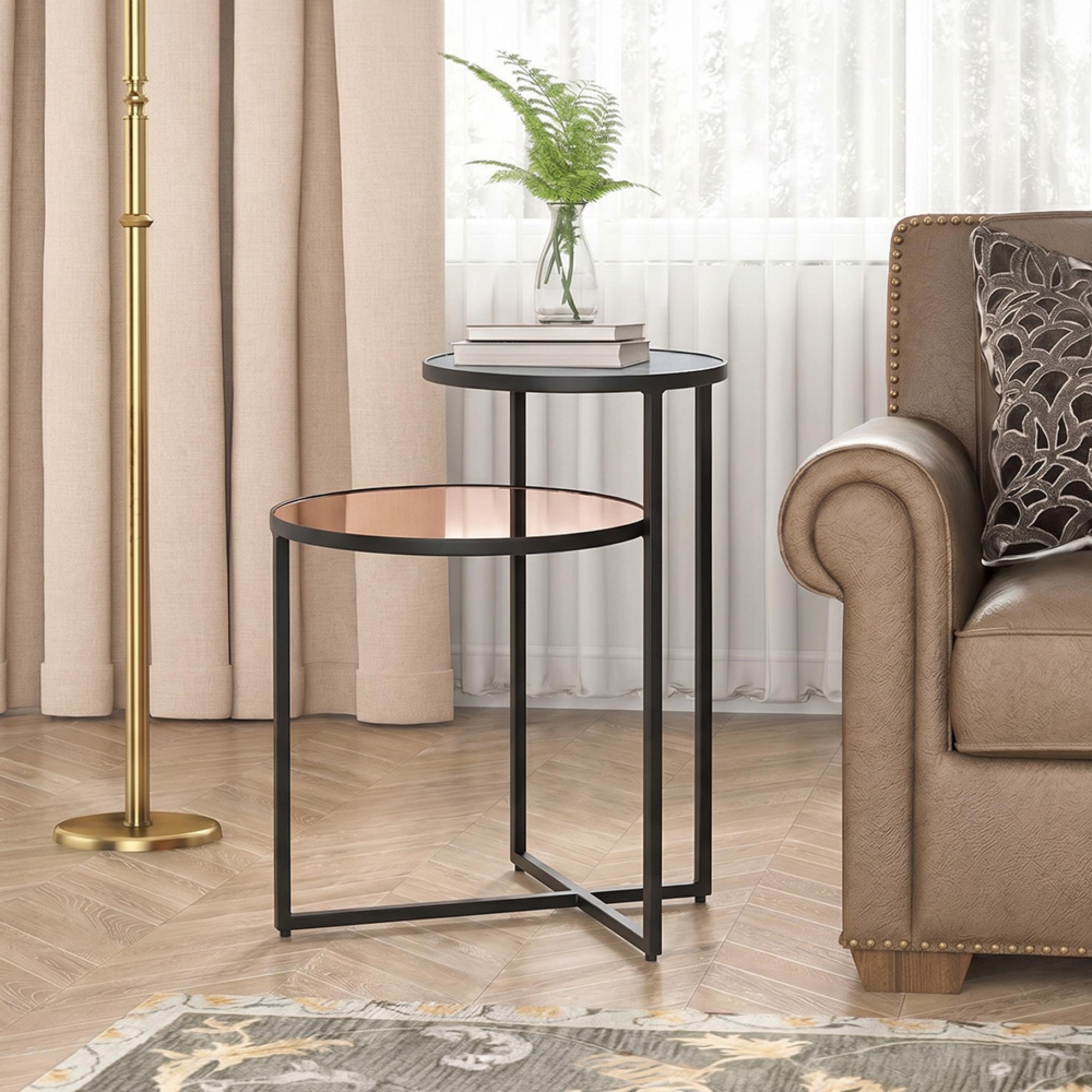
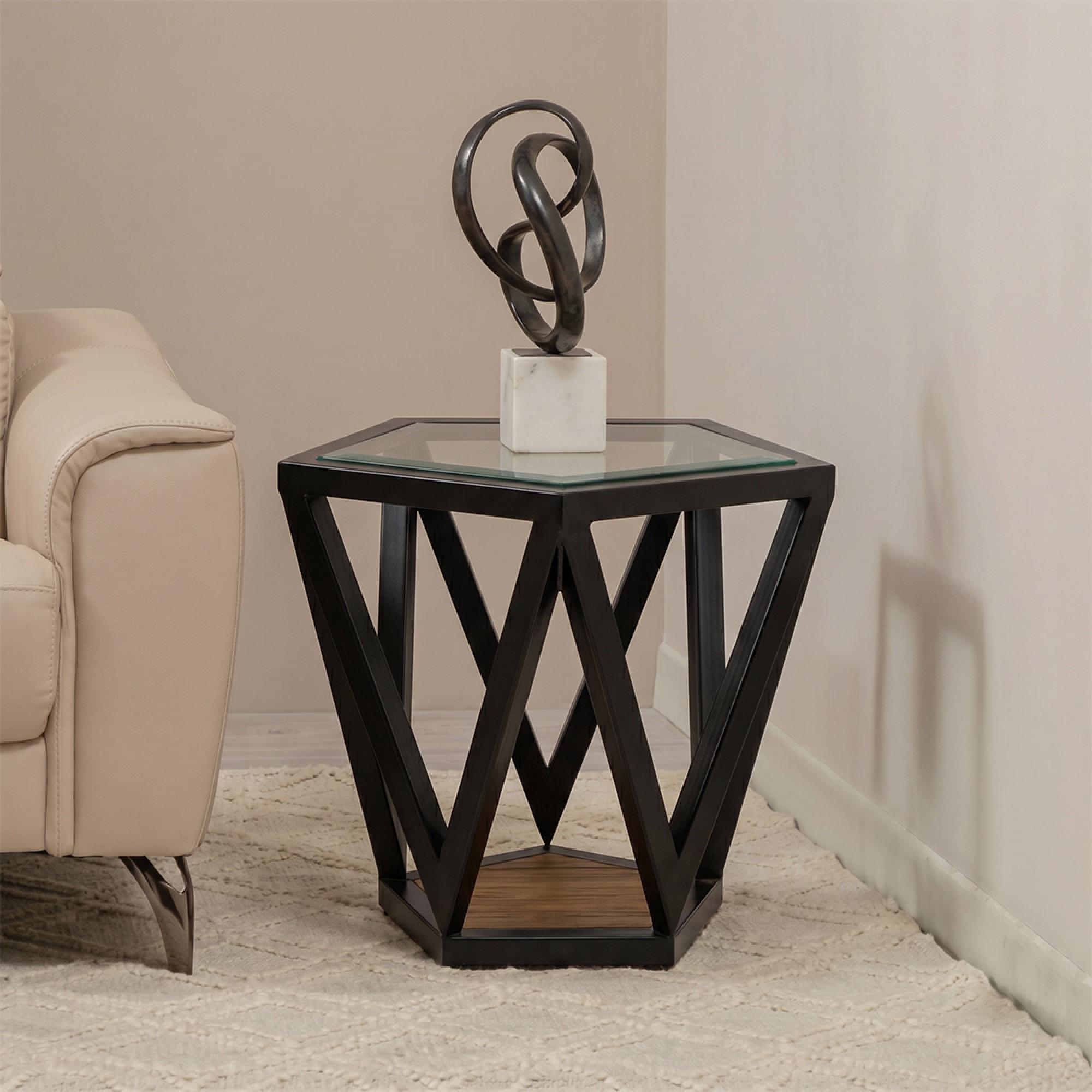
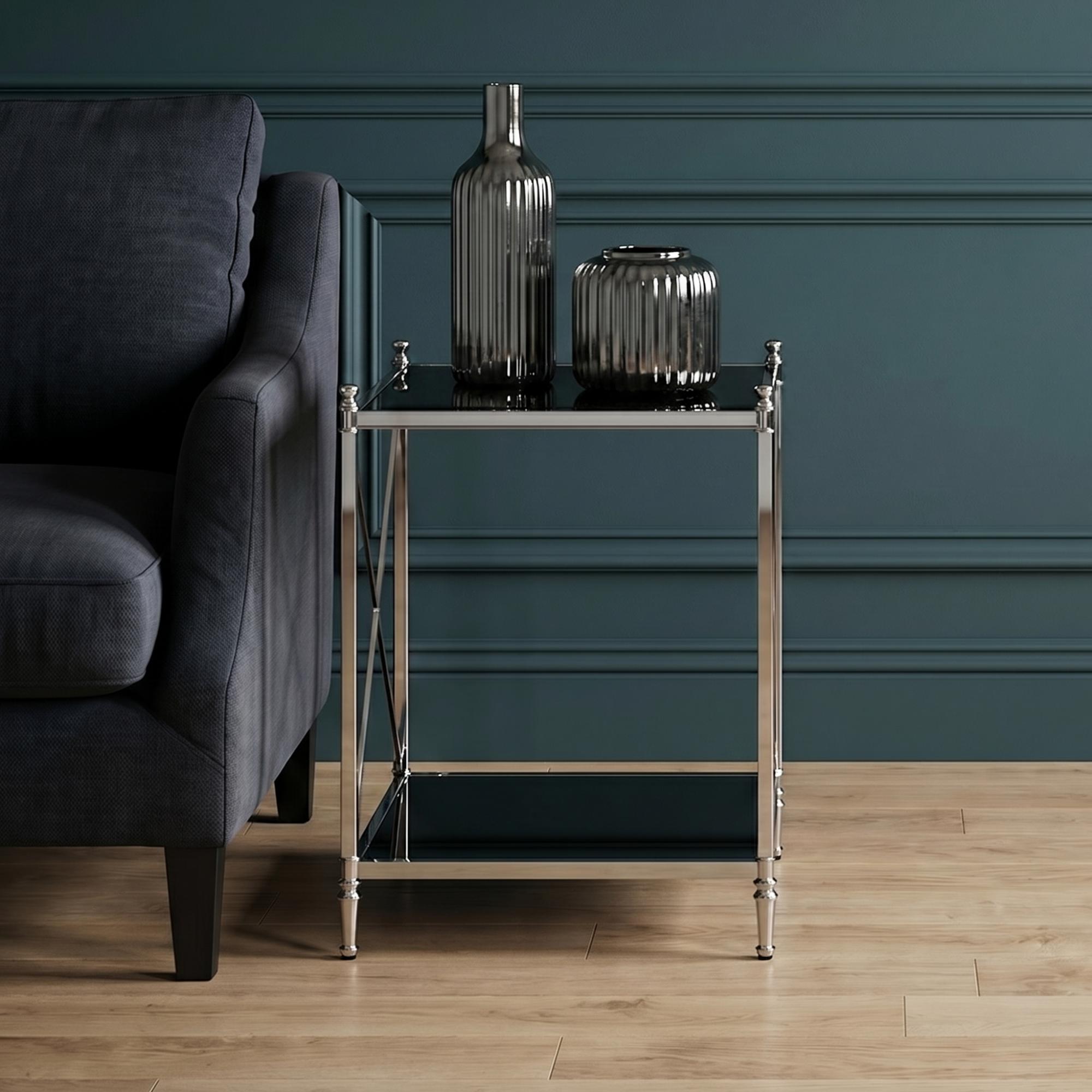
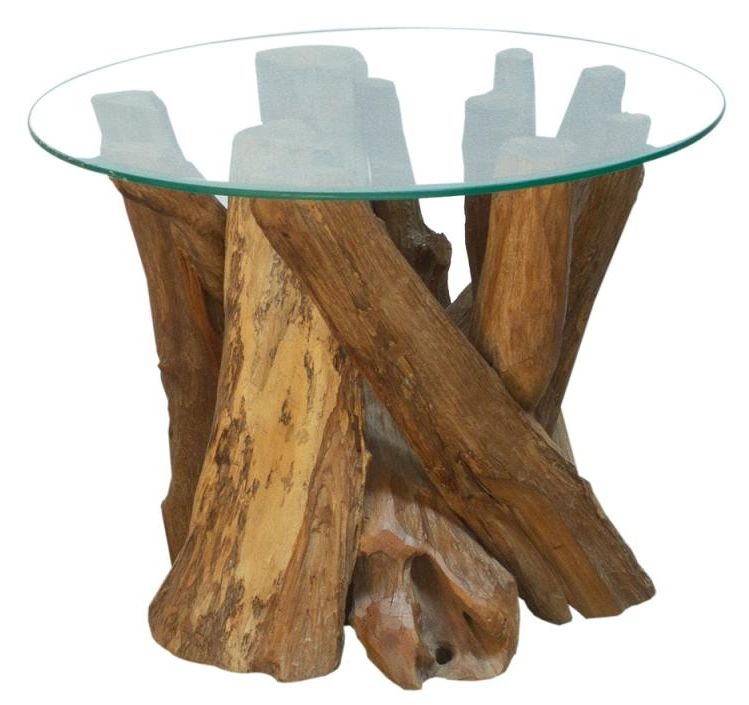
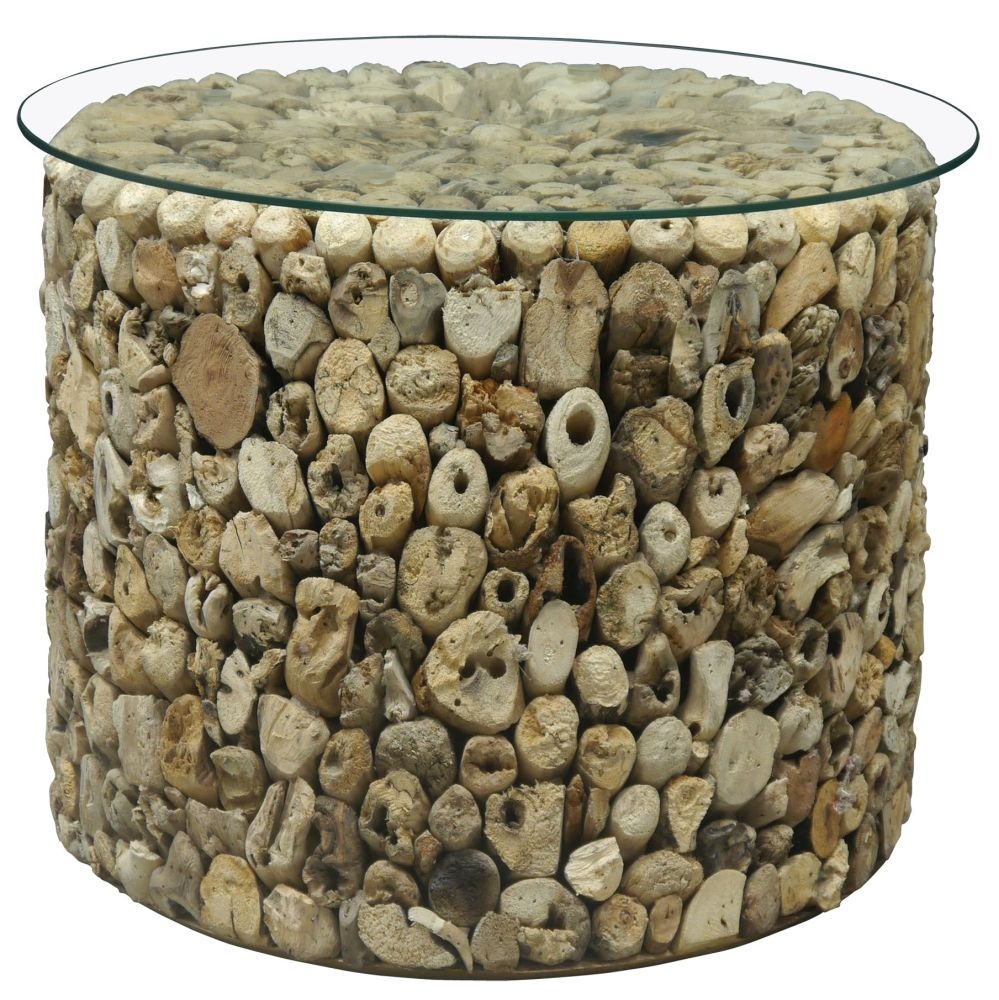
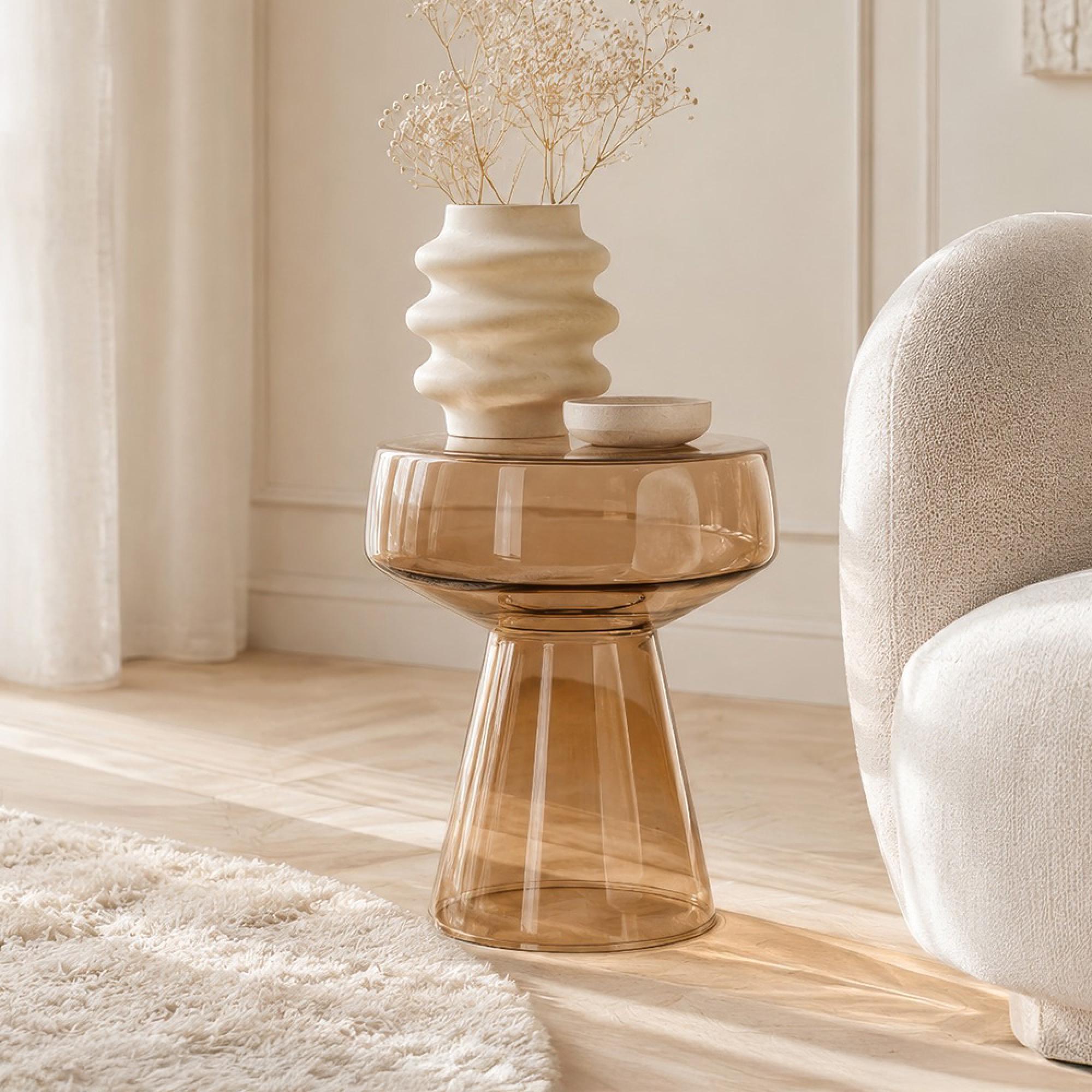
Use the Glass Side Tables category to compare choices that keep a lamp, drink or book conveniently beside a chair or sofa. Compare height, top size, material, storage, base stability and surrounding clearance to identify the right balance of appearance and function. The glass focus makes material, finish and care especially important when comparing products. Compare the table height with the adjacent seat arm for comfortable everyday use.
Read more X Close

Price

Shape

Material

Finish

Colour

  • Beige
  • Black
  • Brown
  • Cream
  • Grey
  • Pink
  • Yellow

39 Products of 97

Load More..

Choosing Glass Side Tables

This category focuses on Glass Side Tables that can keep a lamp, drink or book conveniently beside a chair or sofa. Start with the room layout and daily use, then compare height, top size, material, storage, base stability and surrounding clearance. The glass focus makes material, finish and care especially important when comparing products. This keeps the decision focused on practical suitability as well as style.

Plan the space before choosing

Compare the table height with the adjacent seat arm for comfortable everyday use. Record the available width, depth and height, including clearance for doors, drawers, reclining parts or extensions where relevant. Account for skirting boards, radiators, sockets and walking routes, then check the access route through doors, halls and stairs.

For adjacent choices, explore Side Tables, Glass and Chrome Side Tables and Glass and Metal Side Tables. Use these comparisons alongside the specifications on each product page.

Glass Side Tables for considered interiors

The Glass Side Tables category focuses on choices intended to keep a lamp, drink or book conveniently beside a chair or sofa. A suitable option should respond to the room's proportions, surrounding furniture and practical demands of everyday use. The glass focus makes material, finish and care especially important when comparing products.

Material, finish and construction

When comparing side tables, look closely at height, top size, material, storage, base stability and surrounding clearance. Materials influence appearance, weight and maintenance, while finish affects colour coordination and day-to-day care. Use the written specification to confirm construction and care requirements.

Function and room planning

Compare the table height with the adjacent seat arm for comfortable everyday use. Mark out the footprint and consider how people move around it. Where a product opens, extends, swivels or reclines, include that working clearance. For storage, seating or sleeping products, match the layout, support and capacity to the needs of regular users.

Creating a coordinated result

Build the room around a clear relationship between scale, colour and material. Matching every finish is not essential, but repeating one or two elements can connect separate pieces. You can also compare Side Tables, Glass and Chrome Side Tables and Glass and Metal Side Tables for closely related room and product choices. Use the individual listing to confirm dimensions, included components, assembly and suitability.
Read more X Close

FAQs on Glass Side Tables

How do you clean a glass side table without streaks?

Use a lint-free microfibre cloth dampened with glass cleaner, wiping in one direction rather than circles to avoid streaks. For stubborn marks, use white vinegar diluted with water. Buff dry immediately with a clean cloth. Avoid newspaper as it leaves residue.

Light scratches can be reduced by mixing non-gel toothpaste with baking soda into a paste, applying gently to scratches, and wiping with a soft cloth. Deep scratches unfortunately cannot be fully removed, but professional glass polishing services may help minimise appearance.

Tempered glass is stronger and more affordable, making it ideal for most homes. Laminated glass offers superior safety as it holds together when broken rather than shattering. Choose tempered for everyday use and laminated if you have young children or pets.

For side tables, 8-10mm (approximately 3/8 inch) tempered glass offers the best balance of durability and visual elegance. Thicker glass up to 12mm provides extra strength for heavier items, whilst thinner glass under 6mm risks damage from daily use.

Choose a side table no wider than 45-50cm and 30-40cm deep for small spaces, as this wont overwhelm the room. Narrow rectangular or tall console-style tables work particularly well in compact areas. Measure your available space before purchasing.

Glass side tables suit bedside use with a table lamp, alarm clock, and small personal items. Keep styling minimal to maintain the airy feel. Pair with a contrasting base colour—black or brushed metal frames add sophistication without visual clutter.

Avoid placing sharp objects, heavy items, or hot pans directly on glass as these cause scratches and breakage. Dont use abrasive scourers or harsh chemicals for cleaning. Felt pads under decorative items prevent scratching and sliding.

Yes, glass is easy to clean and maintain with regular dusting and occasional wiping with glass cleaner. However, glass does show fingerprints and dust more visibly than other materials. Weekly cleaning keeps them looking pristine and streak-free.

Glass side tables offer excellent value, typically ranging from £60 to £300 for quality pieces. Theyre durable when properly maintained, work with any décor style, and dont date quickly. Premium designer options cost more but last decades with minimal wear.

Yes, flexible finance options including interest-free credit and monthly instalments are available on many glass side tables. This allows you to spread costs over 12-24 months, making premium designs more accessible to your budget.

Most glass side tables require minimal assembly, typically just attaching legs or the frame to the glass top, taking 15-30 minutes. Some compact models arrive fully assembled and ready to use immediately.

Side tables are narrower (30-50cm), designed to stand beside sofas or beds, and hold smaller items. Coffee tables are wider (80-120cm), placed centrally in front of seating, and designed for drinks and magazines. Height differs too: side tables are 45-60cm, coffee tables typically 40-45cm.
Top