Free Delivery All Over UK*
close
Top products
SHOW ALL PRODUCTS

Indian Side Tables

Found 56 Items

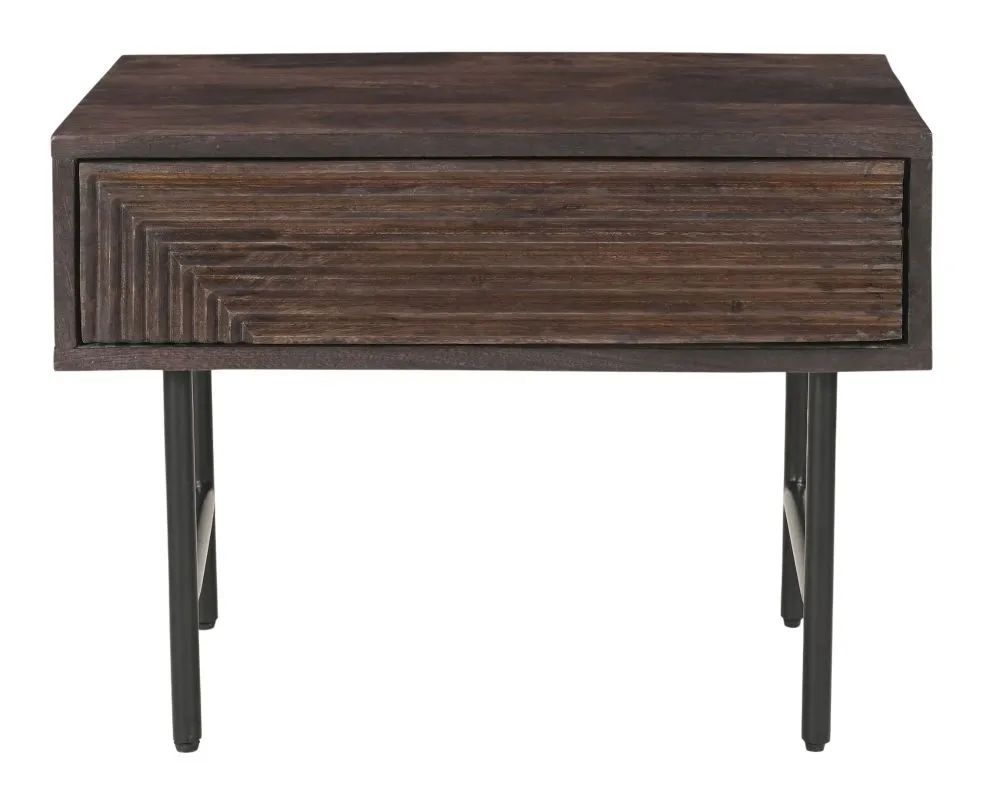
Choose Indian Side Tables with the room, daily routine and intended use in mind. Compare height, top size, material, storage, base stability and surrounding clearance to identify the right balance of appearance and function. Compare the table height with the adjacent seat arm for comfortable everyday use. Check each product page for exact dimensions, construction, finish, assembly and care information before making a final choice.
Read more X Close

Price

Features

Shape

No. of Drawers

Material

Finish

Colour

  • Black
  • Brown
  • White
  • Yellow

39 Products of 56

Load More..

Choosing Indian Side Tables

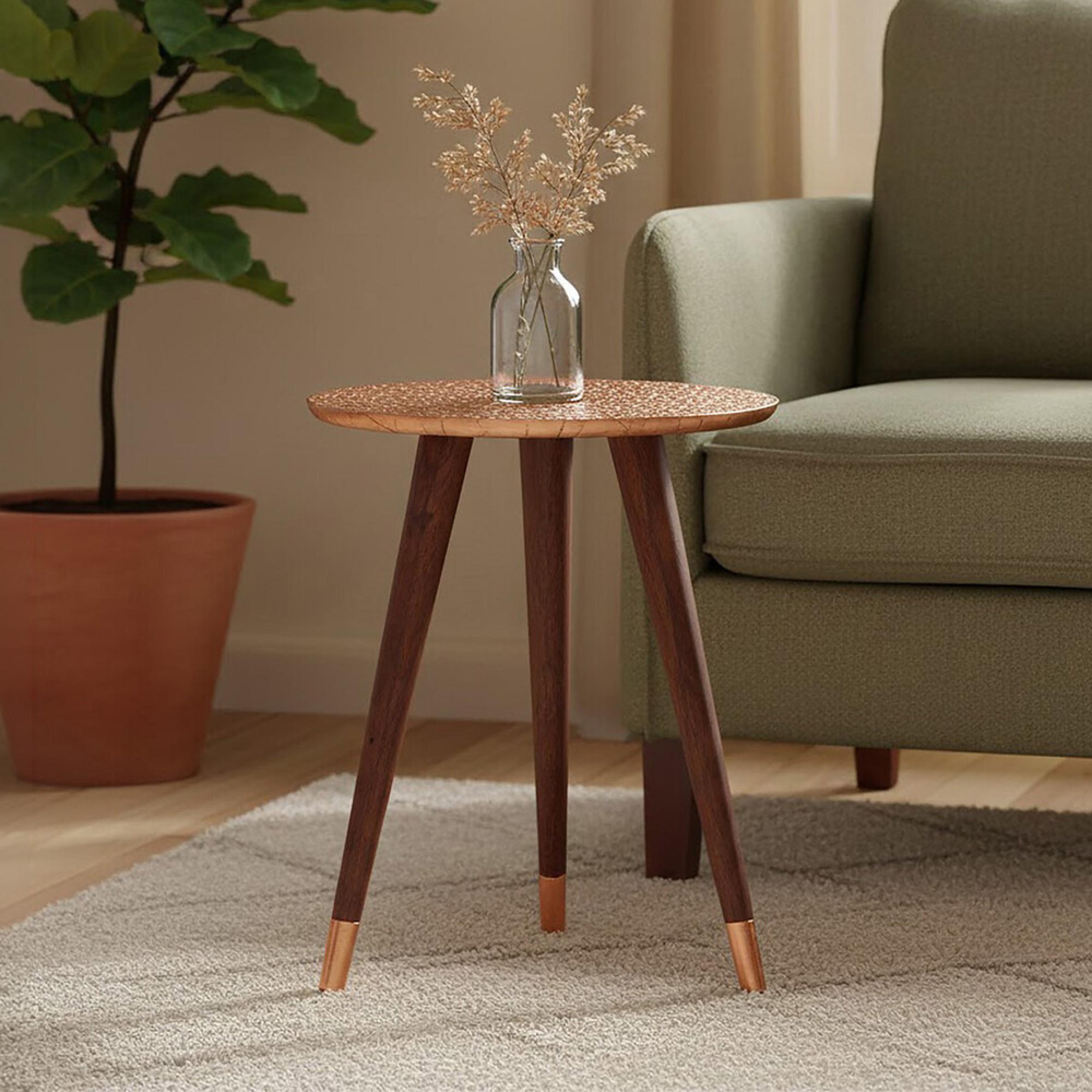
This category focuses on Indian Side Tables that can keep a lamp, drink or book conveniently beside a chair or sofa. Start with the room layout and daily use, then compare height, top size, material, storage, base stability and surrounding clearance. Function and visual balance both matter, so compare the complete specification rather than choosing on appearance alone. This keeps the decision focused on practical suitability as well as style.

Plan the space before choosing

Compare the table height with the adjacent seat arm for comfortable everyday use. Record the available width, depth and height, including clearance for doors, drawers, reclining parts or extensions where relevant. Account for skirting boards, radiators, sockets and walking routes, then check the access route through doors, halls and stairs.

For adjacent choices, explore Side Tables, Oak Side Tables and Pine Side Tables. Use these comparisons alongside the specifications on each product page.

Indian Side Tables for considered interiors

The Indian Side Tables category focuses on choices intended to keep a lamp, drink or book conveniently beside a chair or sofa. A suitable option should respond to the room's proportions, surrounding furniture and practical demands of everyday use. Use the category wording as a starting point, then verify the exact material, finish and features shown on each product page.

Material, finish and construction

When comparing side tables, look closely at height, top size, material, storage, base stability and surrounding clearance. Materials influence appearance, weight and maintenance, while finish affects colour coordination and day-to-day care. Use the written specification to confirm construction and care requirements.

Function and room planning

Compare the table height with the adjacent seat arm for comfortable everyday use. Mark out the footprint and consider how people move around it. Where a product opens, extends, swivels or reclines, include that working clearance. For storage, seating or sleeping products, match the layout, support and capacity to the needs of regular users.

Creating a coordinated result

Build the room around a clear relationship between scale, colour and material. Matching every finish is not essential, but repeating one or two elements can connect separate pieces. You can also compare Side Tables, Oak Side Tables and Pine Side Tables for closely related room and product choices. Use the individual listing to confirm dimensions, included components, assembly and suitability.
Read more X Close

FAQs on Indian Side Tables

Whats the difference between a side table and an end table?

The terms are largely interchangeable in the UK. End table specifically refers to tables placed at the ends of sofas, whilst side table is broader and includes any accent table positioned beside seating or used independently. Indian side tables function as both, providing surfaces for lighting and everyday items.

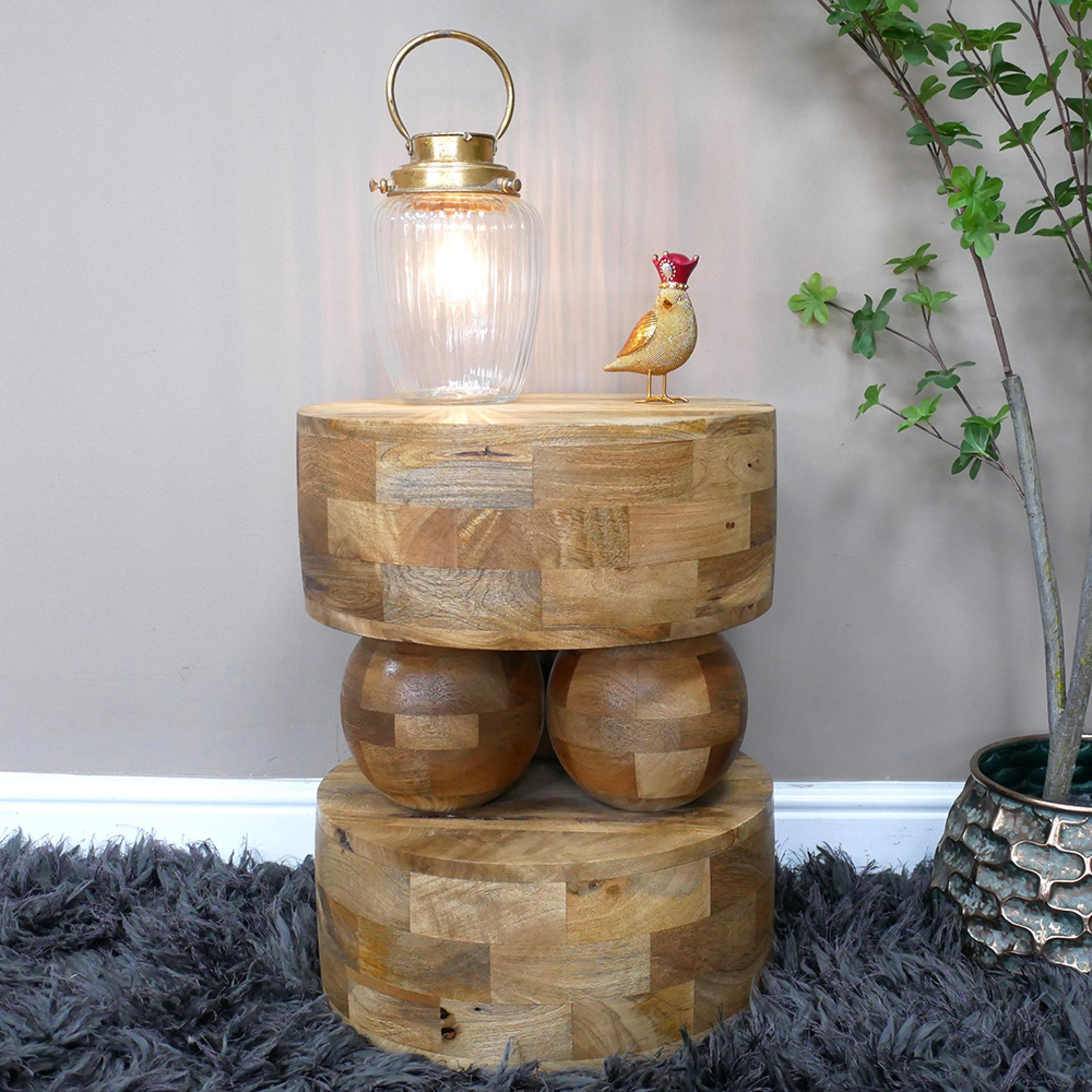
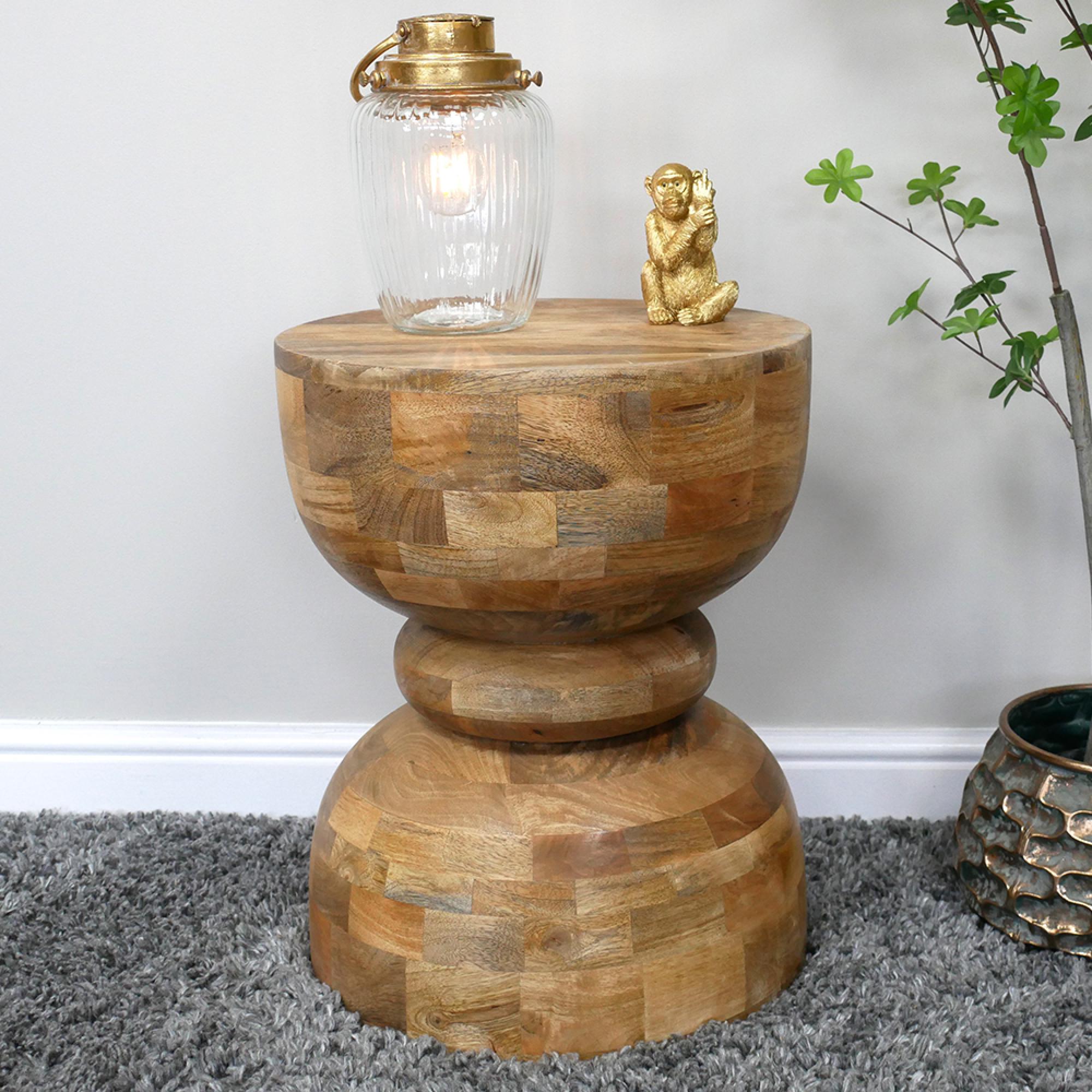
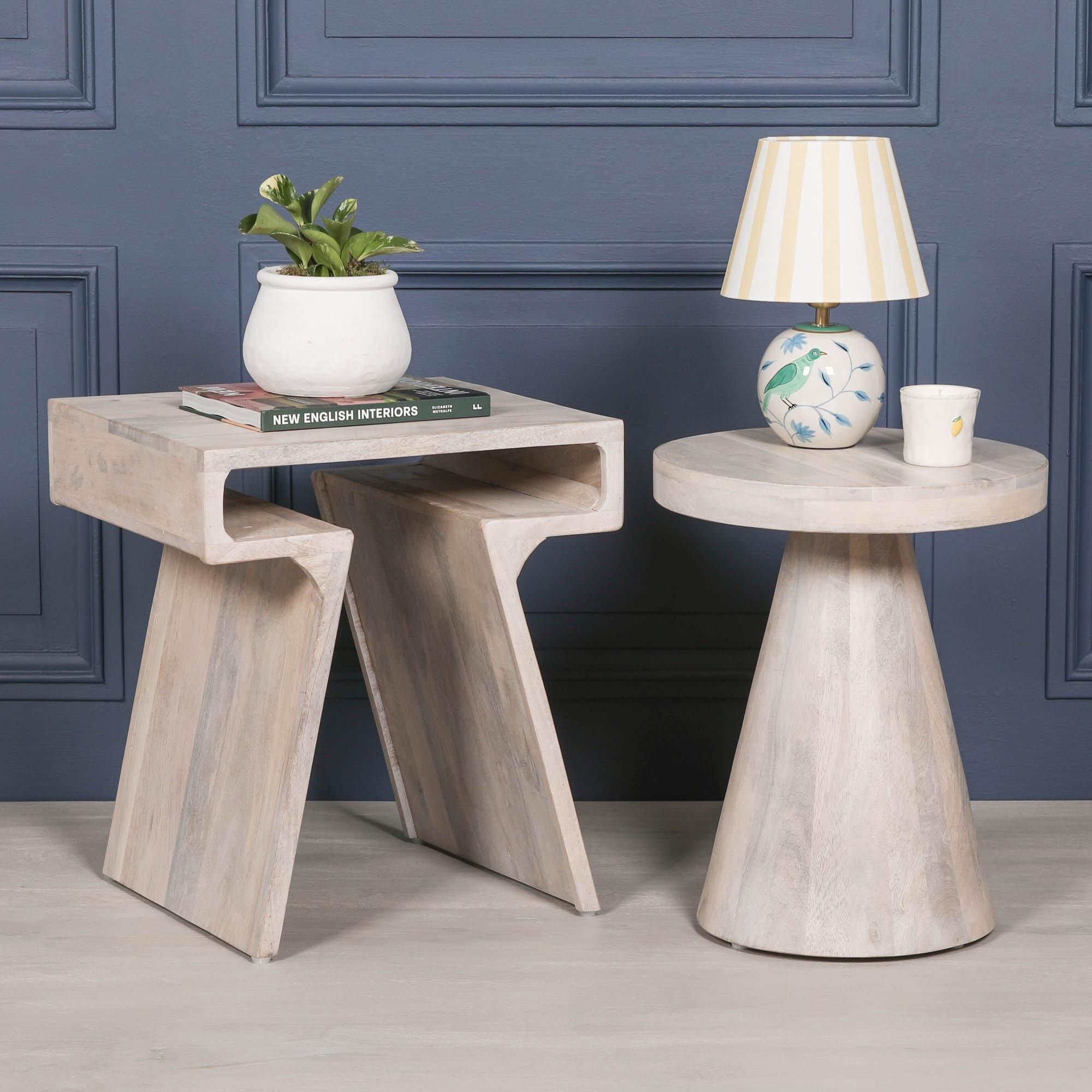
A drum-style side table features a cylindrical barrel-shaped design that provides a solid, enclosed base rather than visible legs. This sculptural form often includes carved or fluted detailing around the exterior. It works beautifully as a standalone accent or paired with seating, adding visual weight to a room.

Yes. Sheesham wood side tables offer durability that justifies the investment—the timber resists warping and deepens beautifully with age. Hand-carved details and solid construction mean they outlast cheaper alternatives by decades. For daily use furniture, the cost-per-year is excellent value.

Measure the height of your sofa arm first—your side table should be within 2–5cm of that height for balance. For width, choose tables 30–45cm depending on room dimensions. Round and drum styles suit compact spaces better than rectangles. Always check floor-to-underside clearance if it has legs.

Round and drum-style tables work best in compact bedrooms because they lack sharp corners, reducing visual bulk and easing navigation. A single-drawer option keeps clutter minimal whilst providing storage for glasses, books, or medications. Aim for tables under 40cm in diameter or width.

Absolutely. Sheesham wood side tables with hairpin or metal legs blend traditional craftsmanship with contemporary design. The warm grain complements neutral colour schemes, whilst geometric shapes like hexagons suit minimalist interiors. They bridge traditional and modern aesthetics without clashing.

Dust regularly with a soft, dry cloth. For spills, wipe immediately with a damp microfibre cloth and dry straight away—moisture damages sheesham. Avoid placing hot items directly on the surface; use coasters. Once yearly, apply a quality wood oil to maintain the grains depth and protect the finish.

Drawers suit bedside use, hiding clutter and medications. Shelves work better in living rooms where you want to display plants, books, or decorative objects. A single drawer is sufficient for basic items like remotes; add more drawers if you need significant storage capacity.

Warm medium to dark sheesham wood (honey or walnut tones) contrasts beautifully with grey sofas without competing. Light natural finishes also work for a softer palette. Avoid tables that exactly match your sofas undertone—subtle contrast creates visual interest and depth in the room.

Fluted grooves add textural depth and visual interest whilst maintaining the clean lines industrial design favours. They catch light differently, making the table feel more sculptural. Functionally, they add structural integrity to drum-style bases whilst creating a handcrafted appearance.
Top