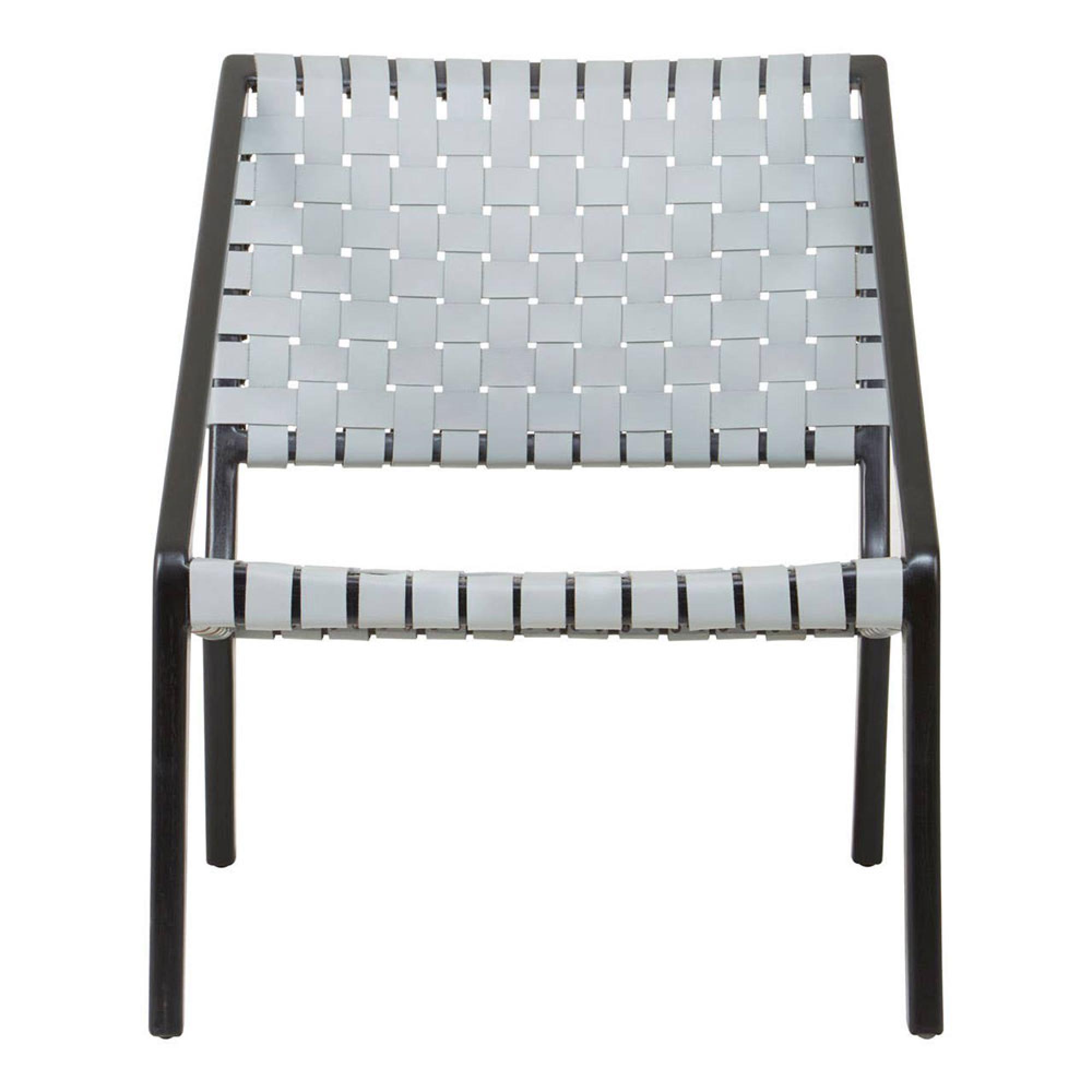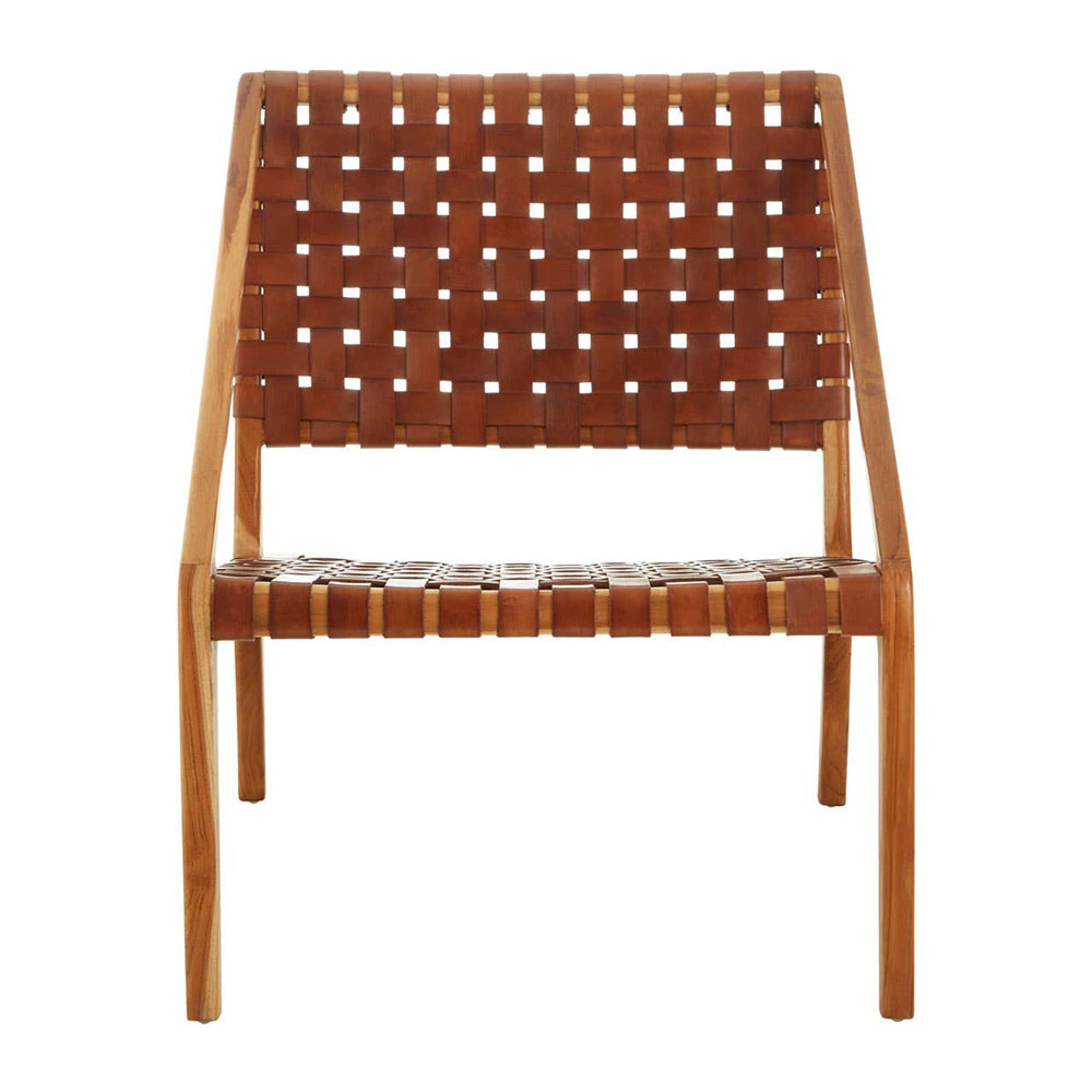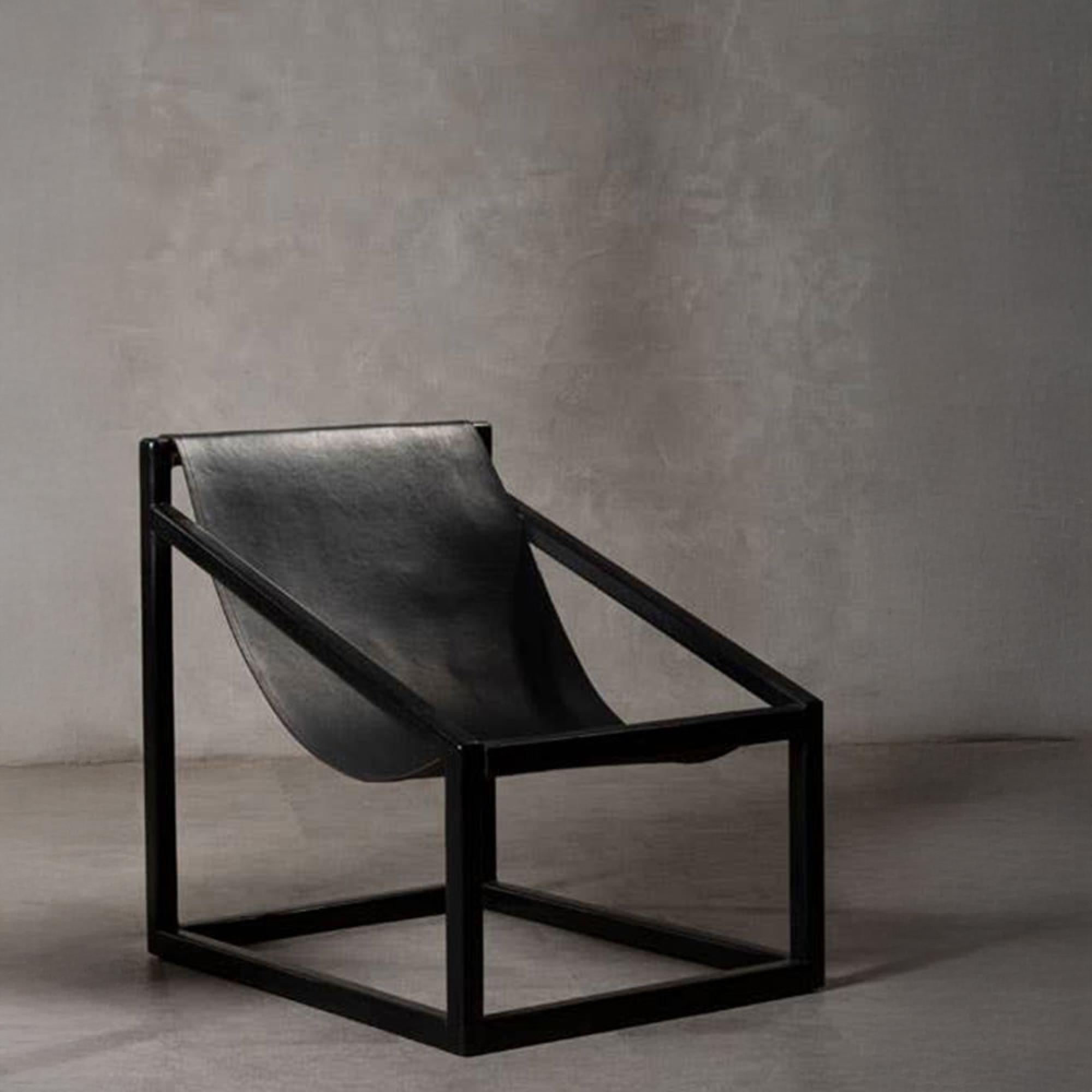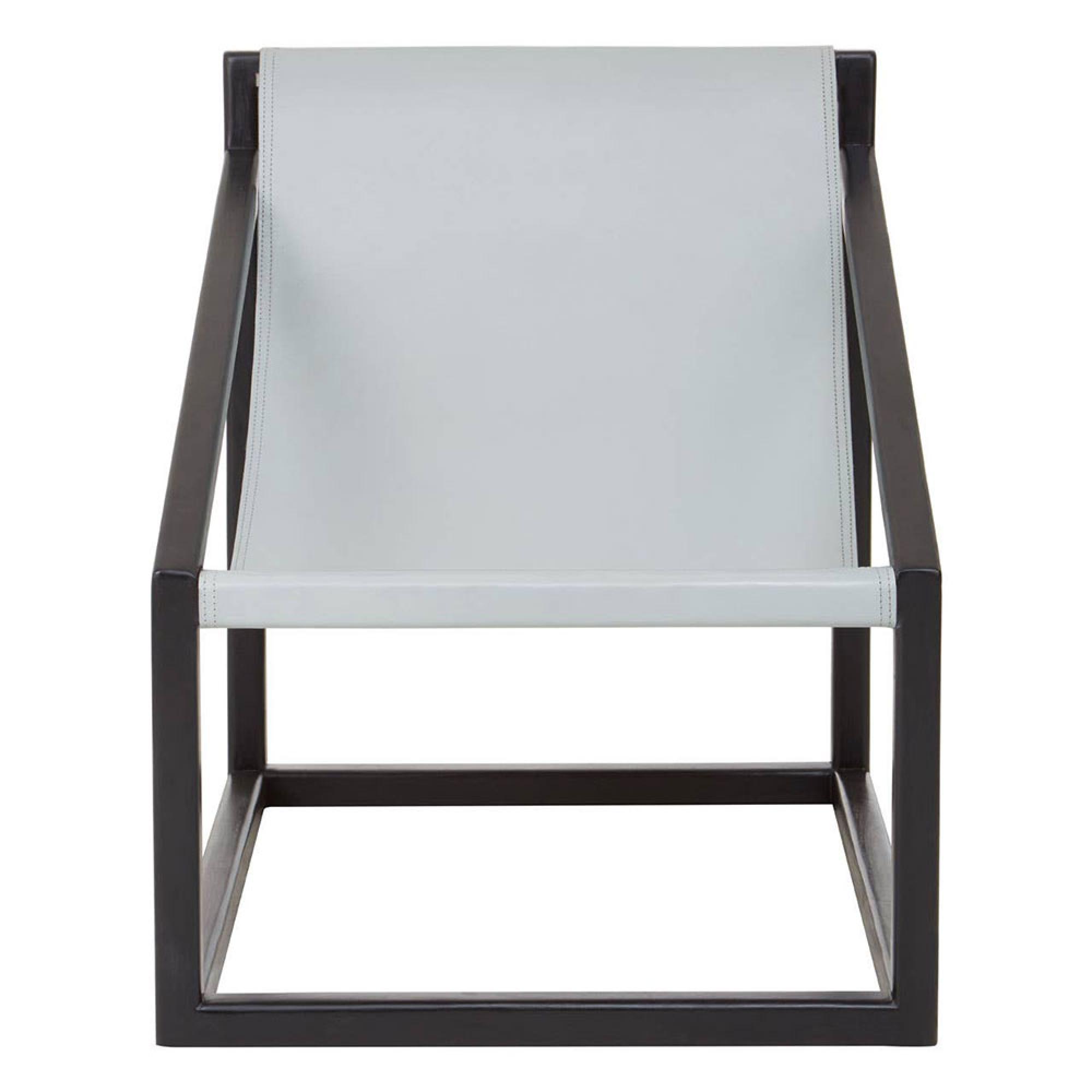
Free Delivery All Over UK*
close
Top products
SHOW ALL PRODUCTS

Leather Chairs

Found 102 Items

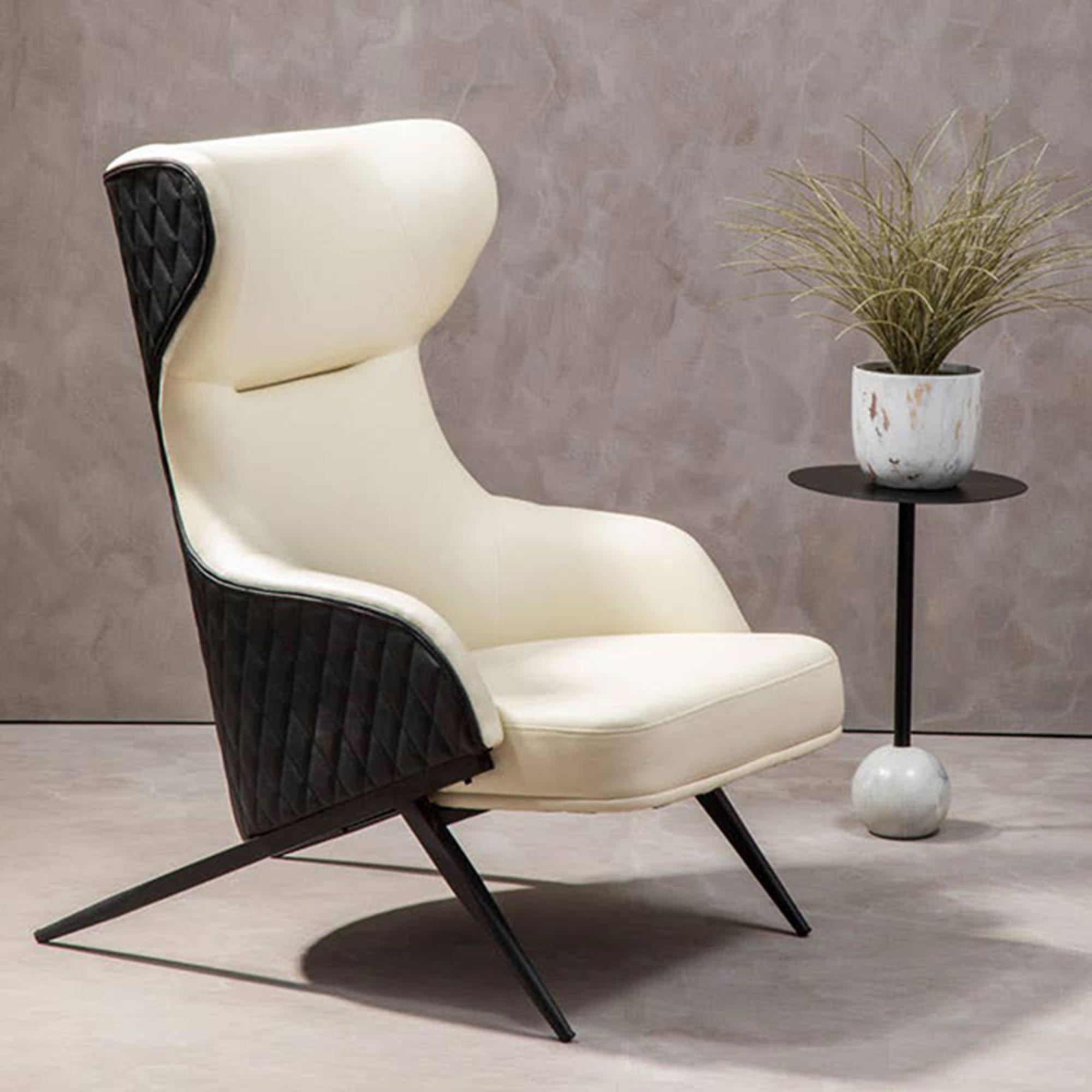
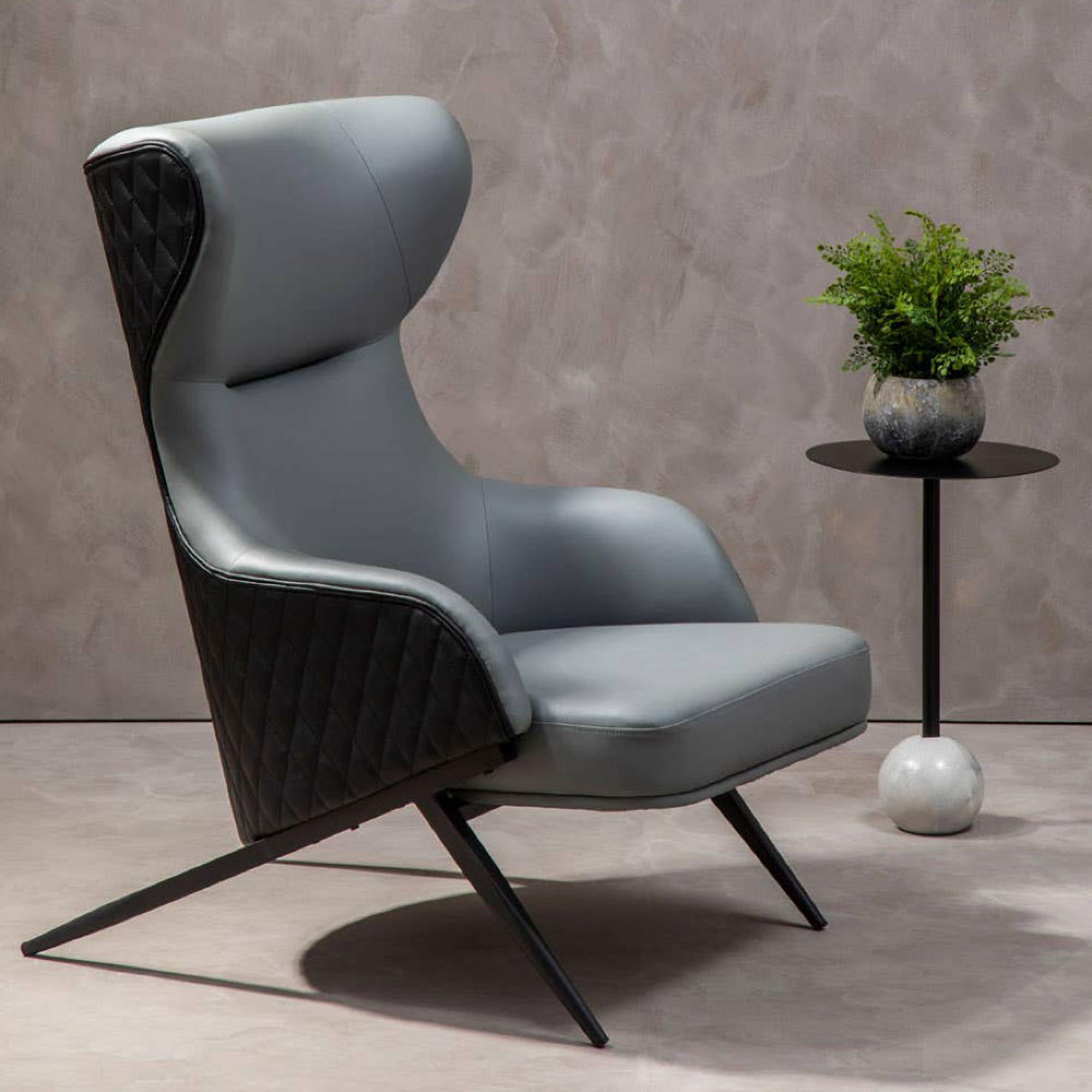
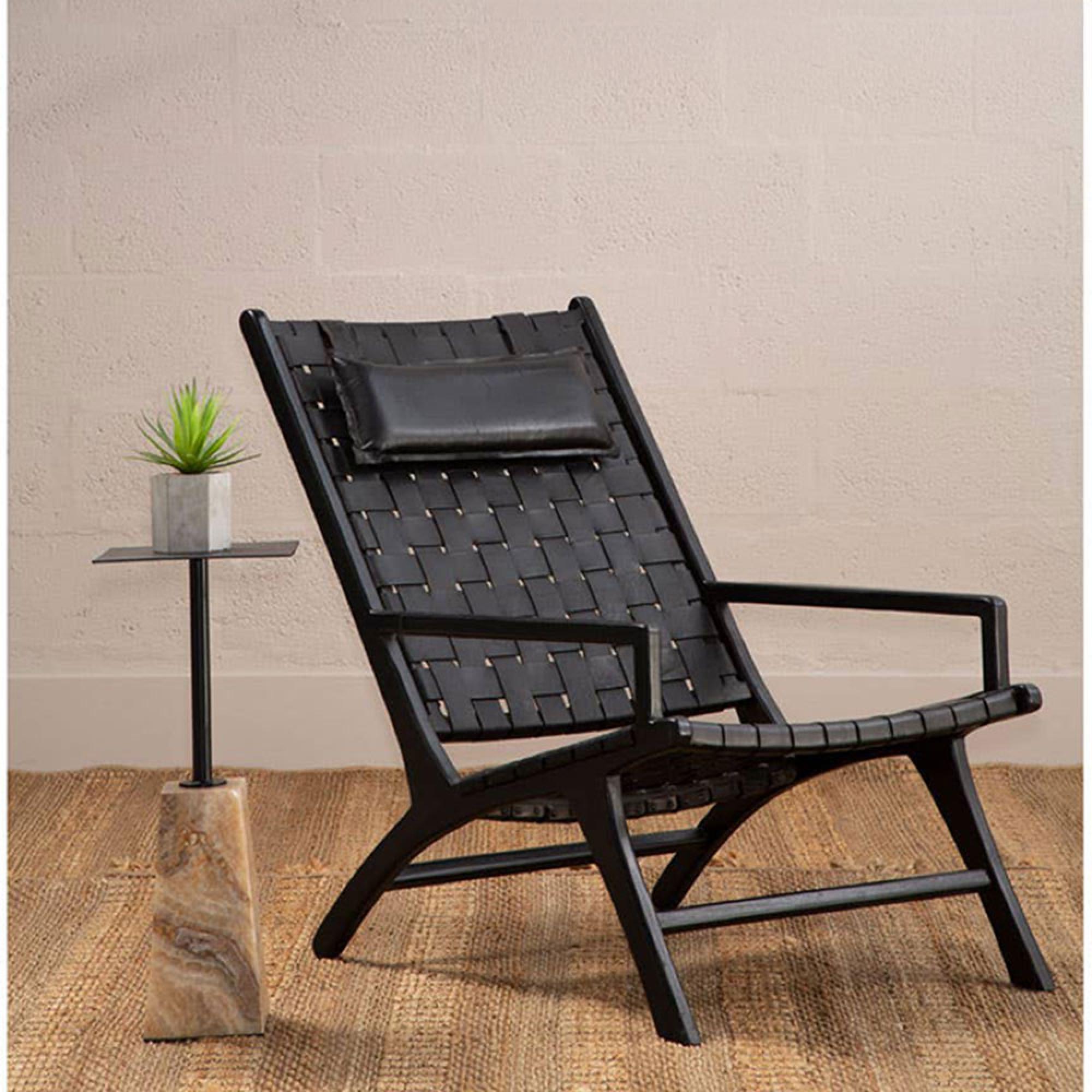
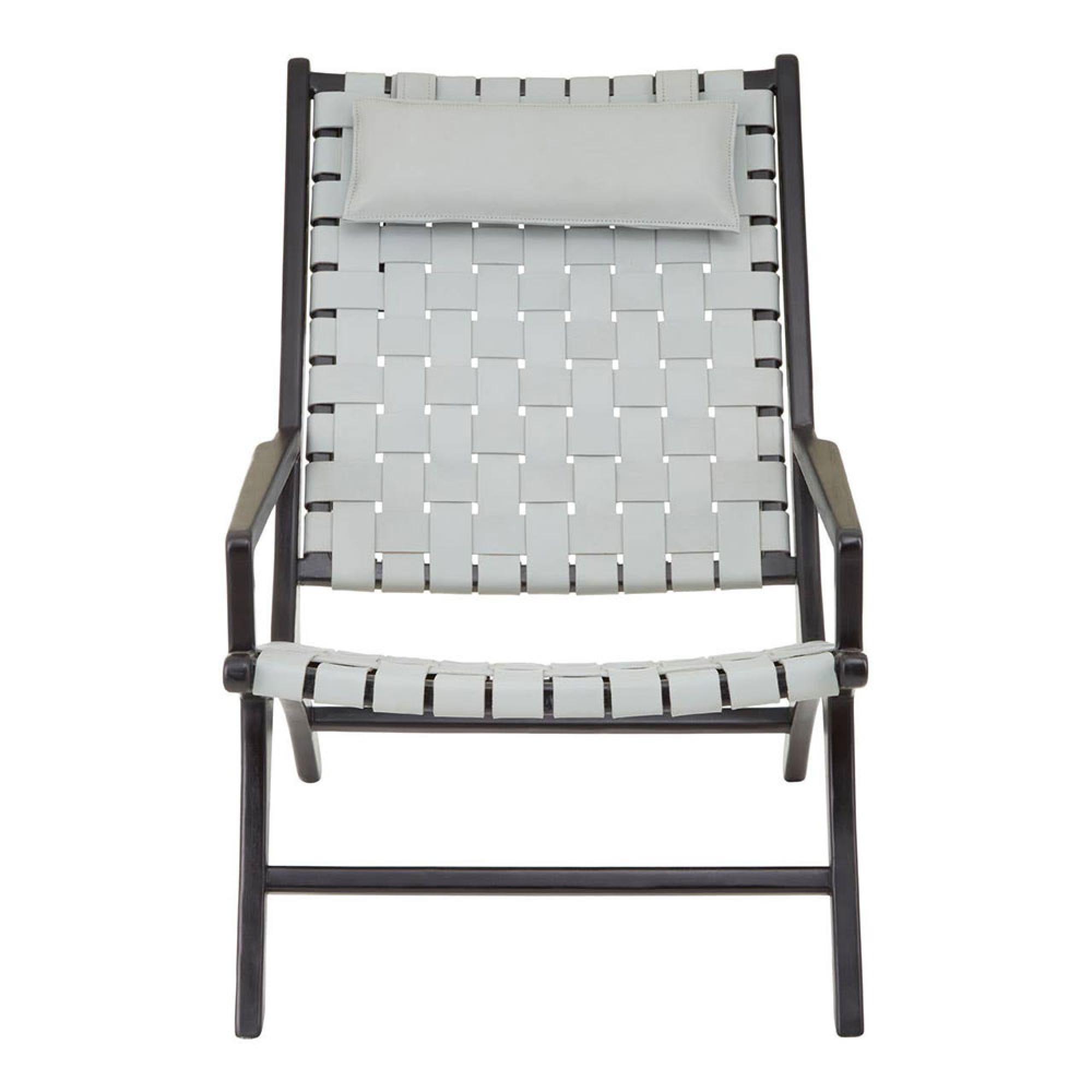
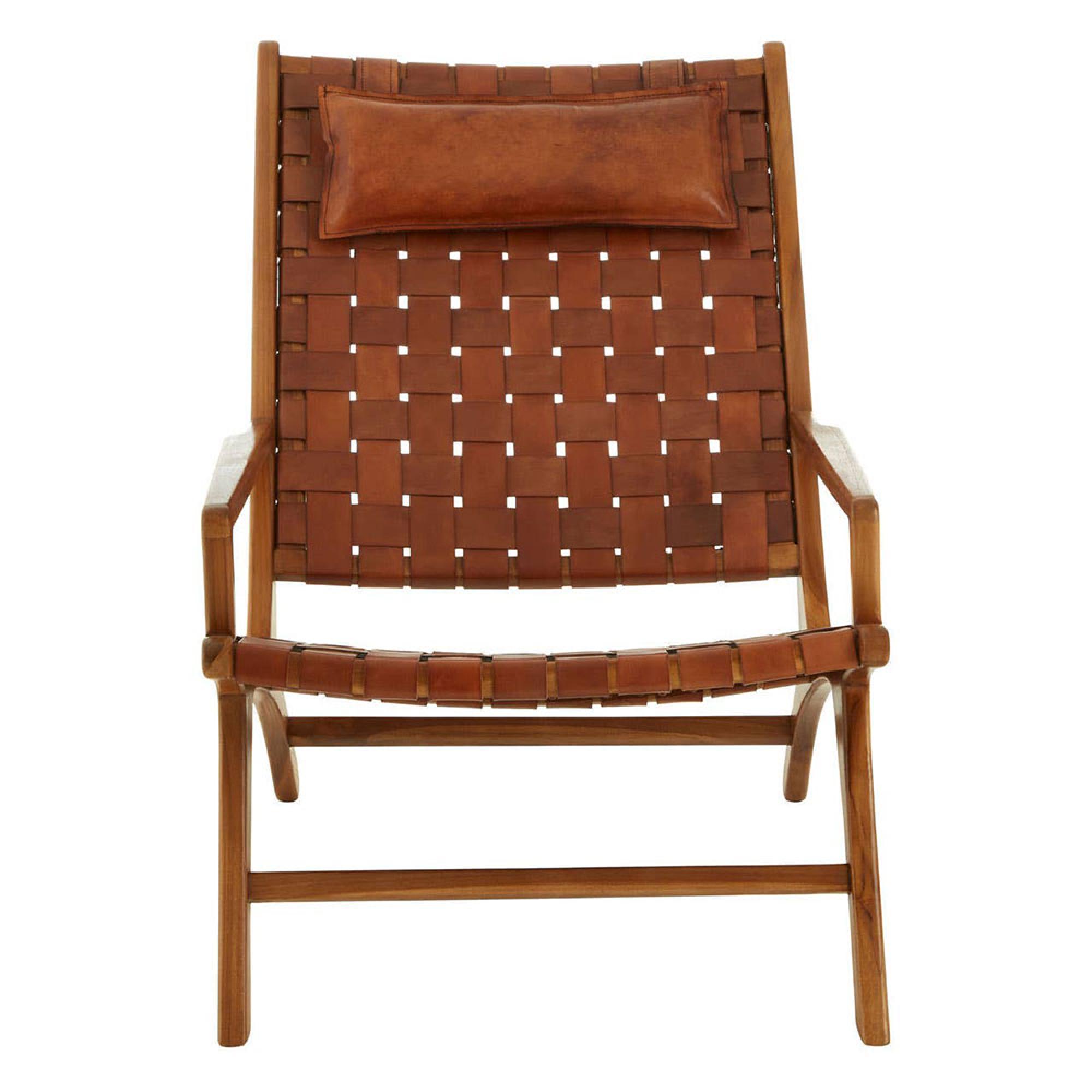
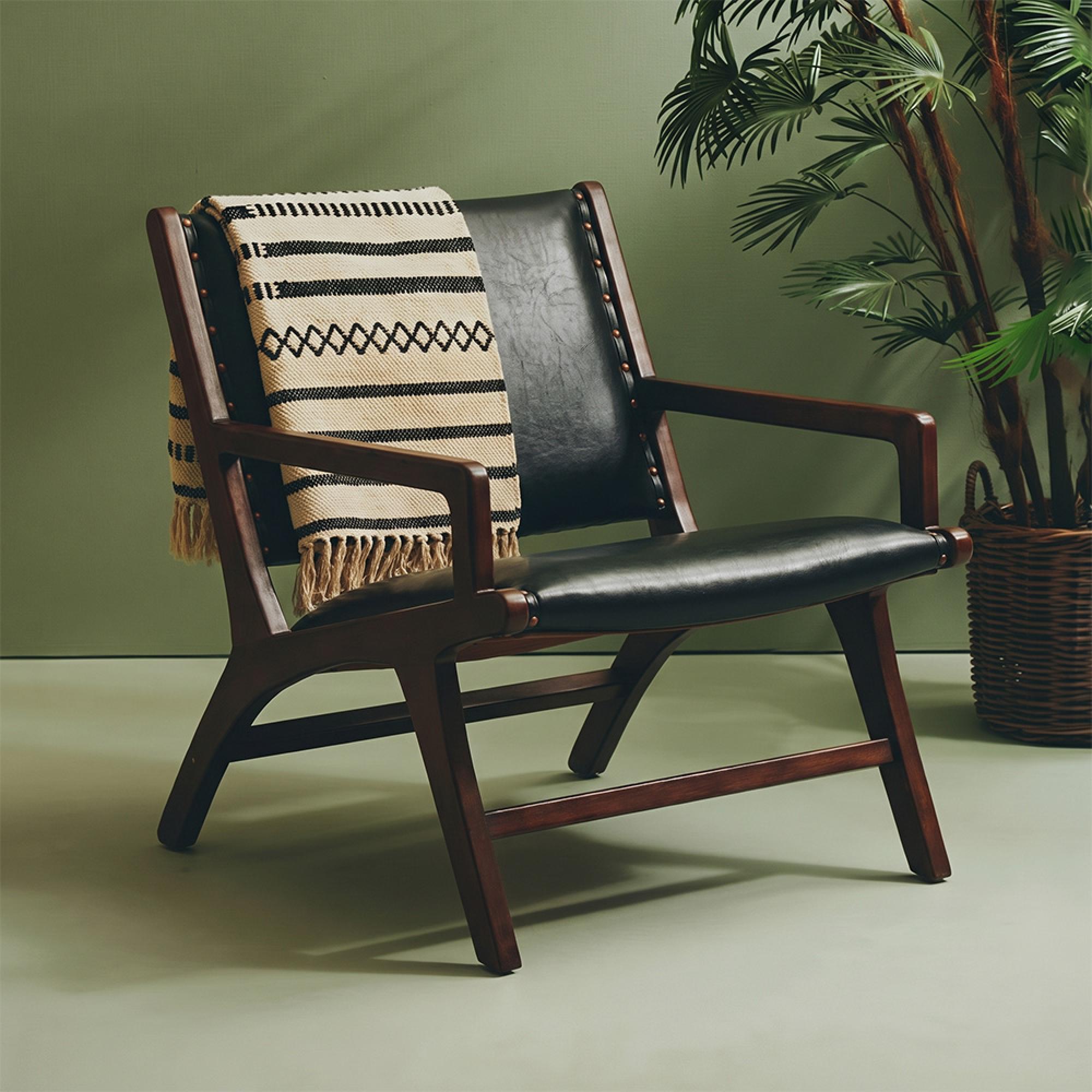
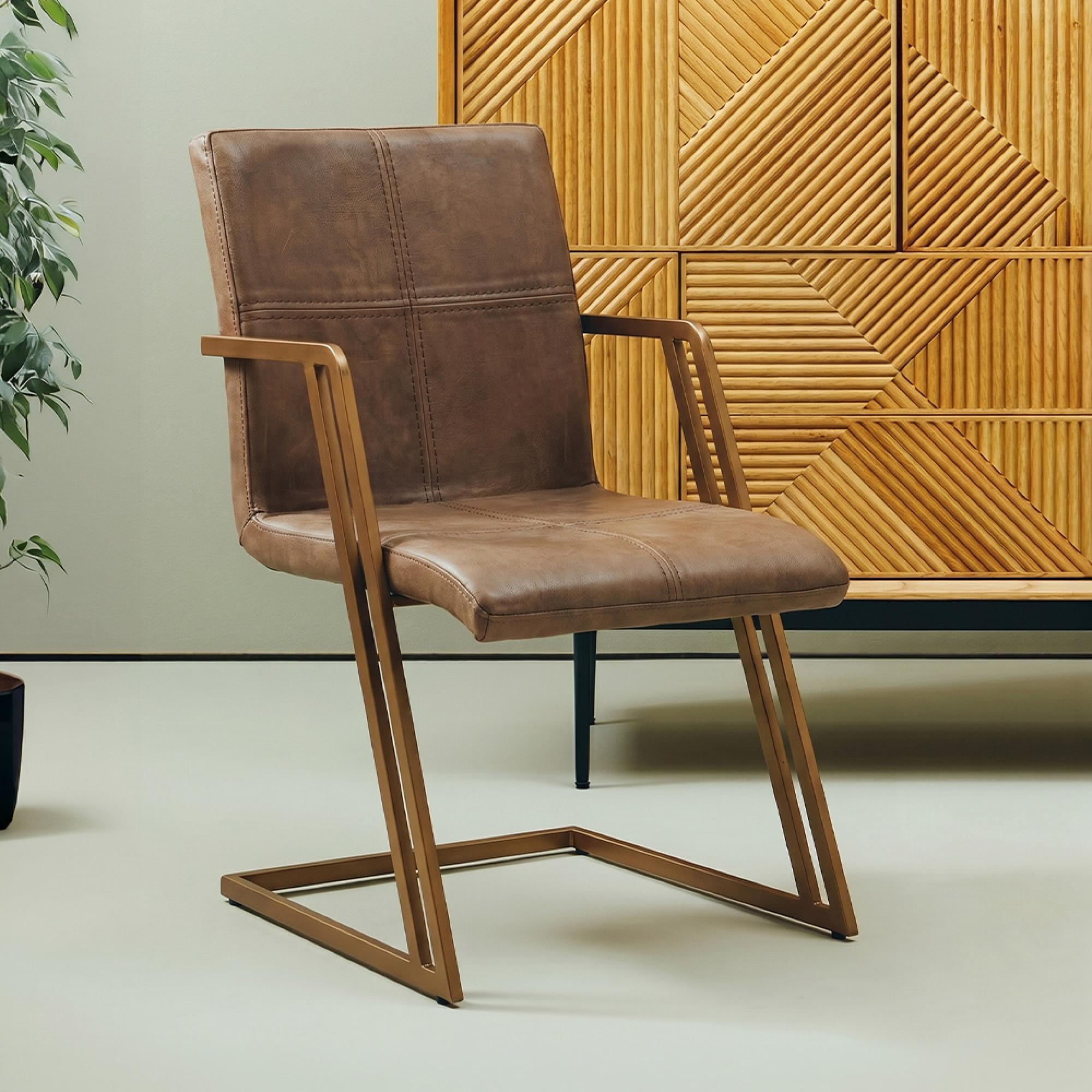
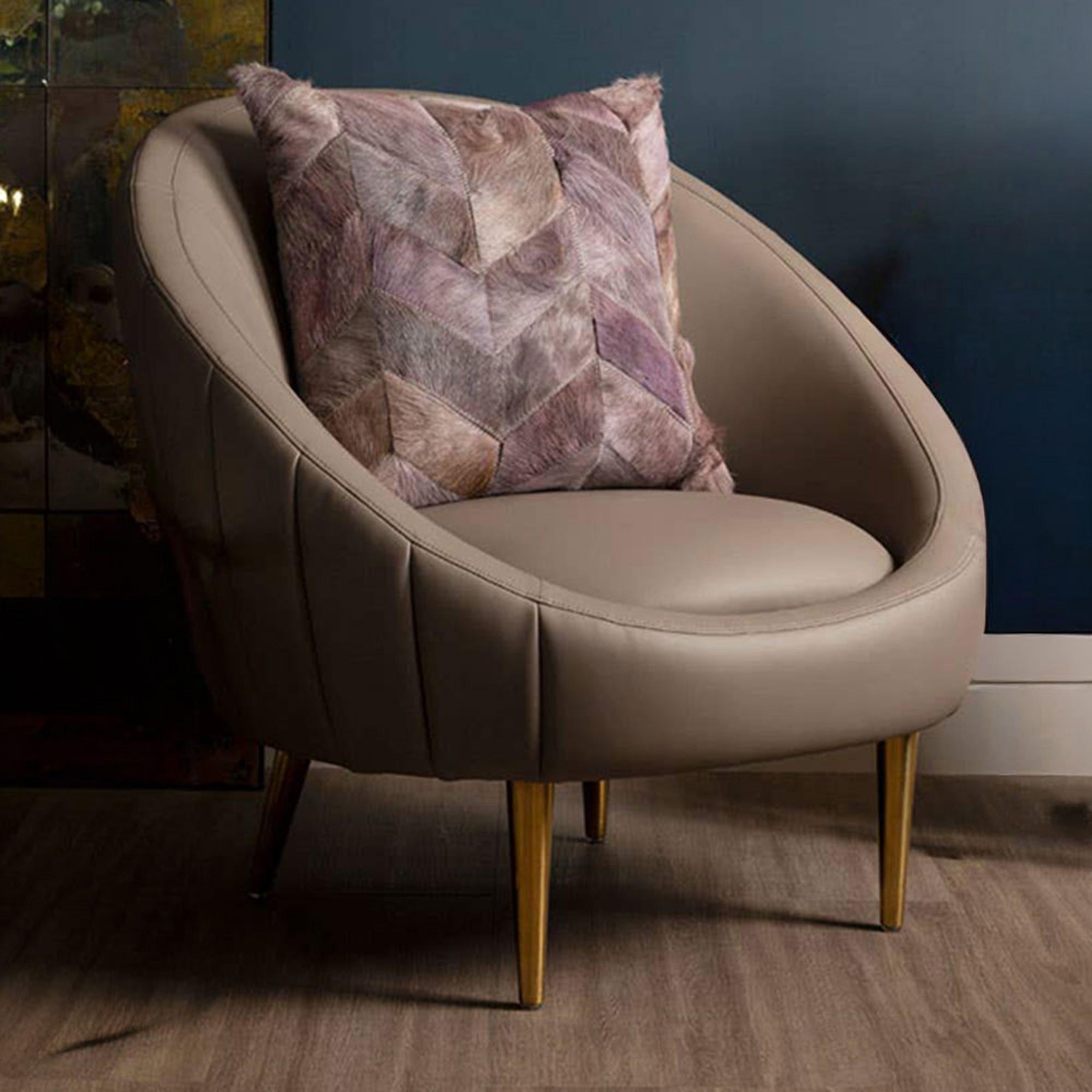
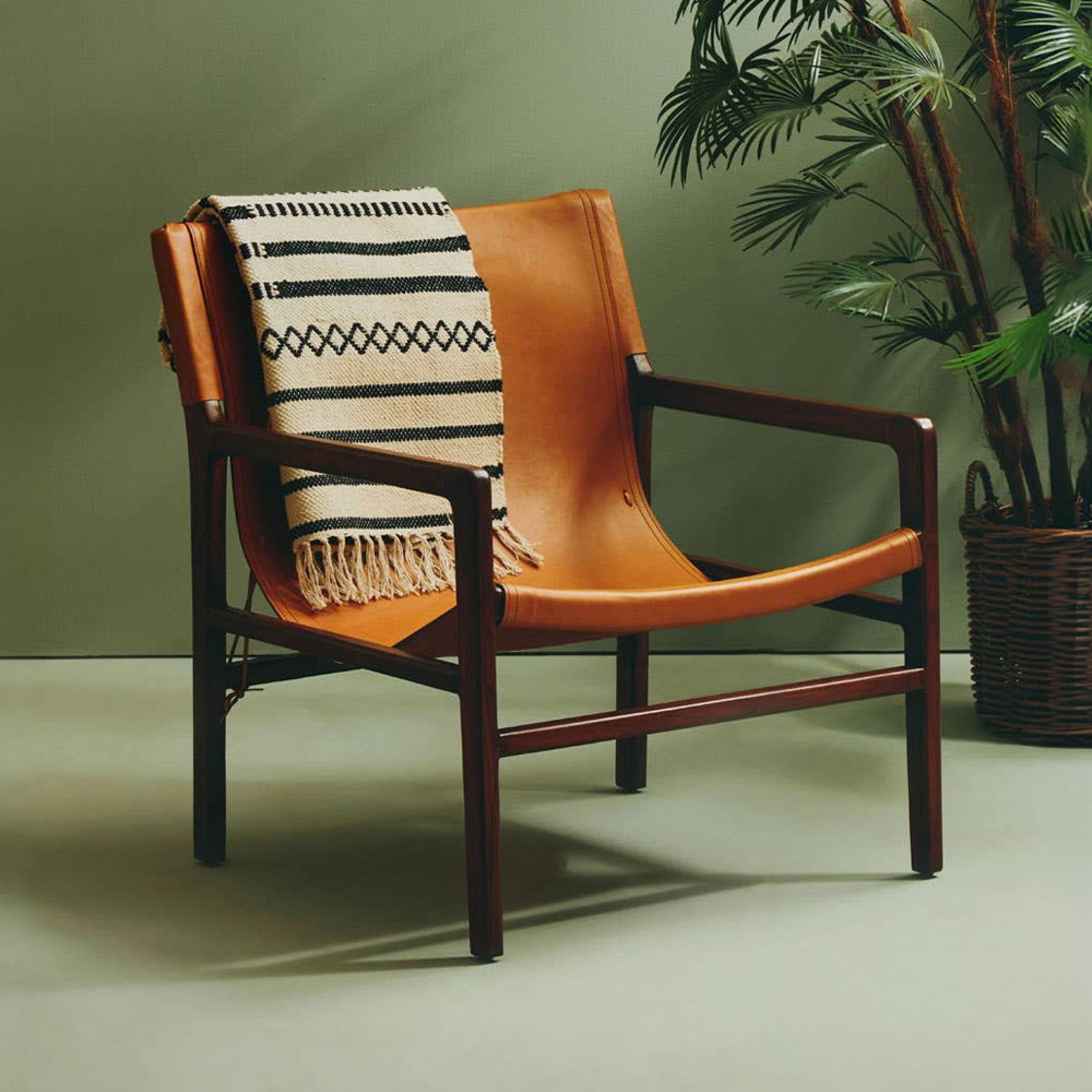
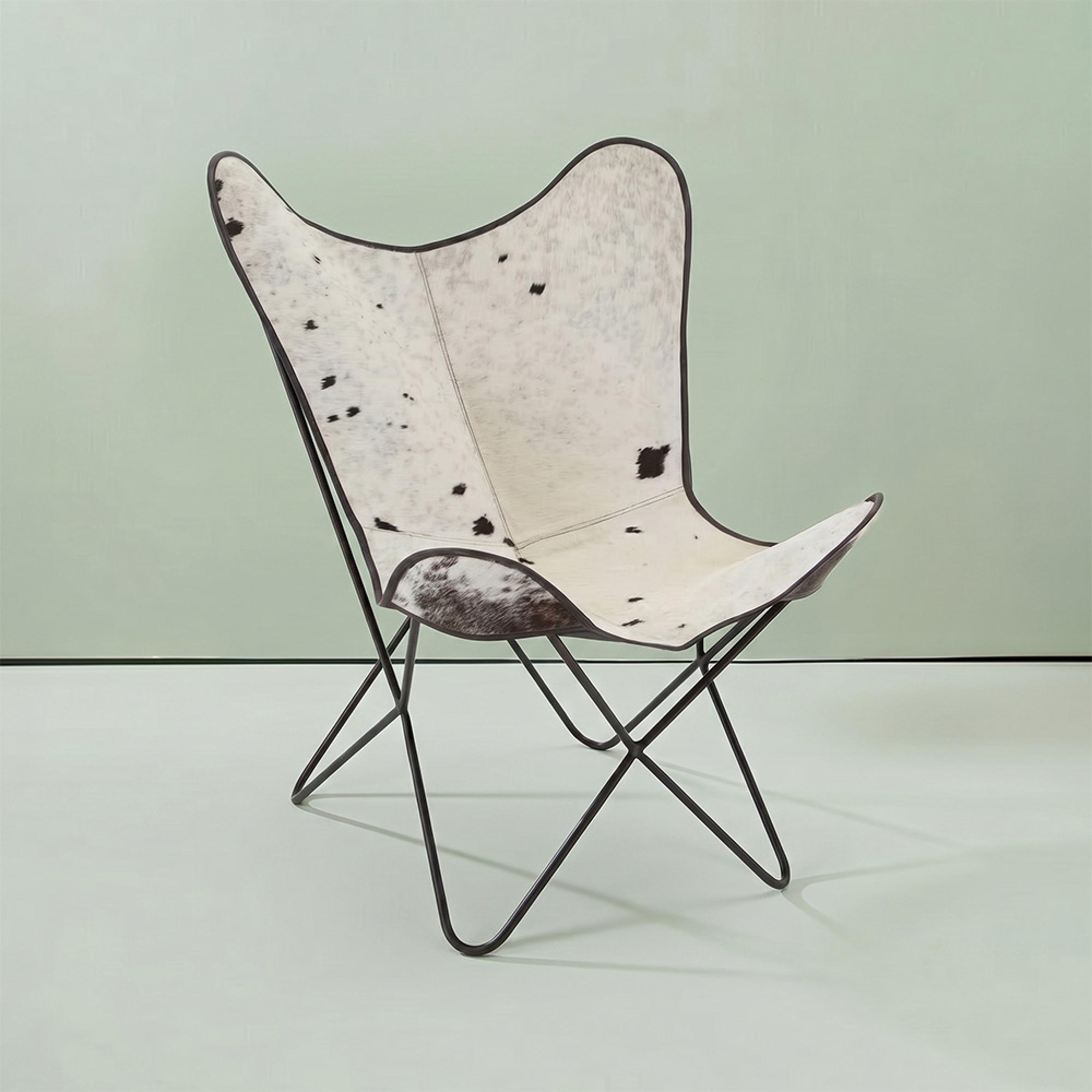
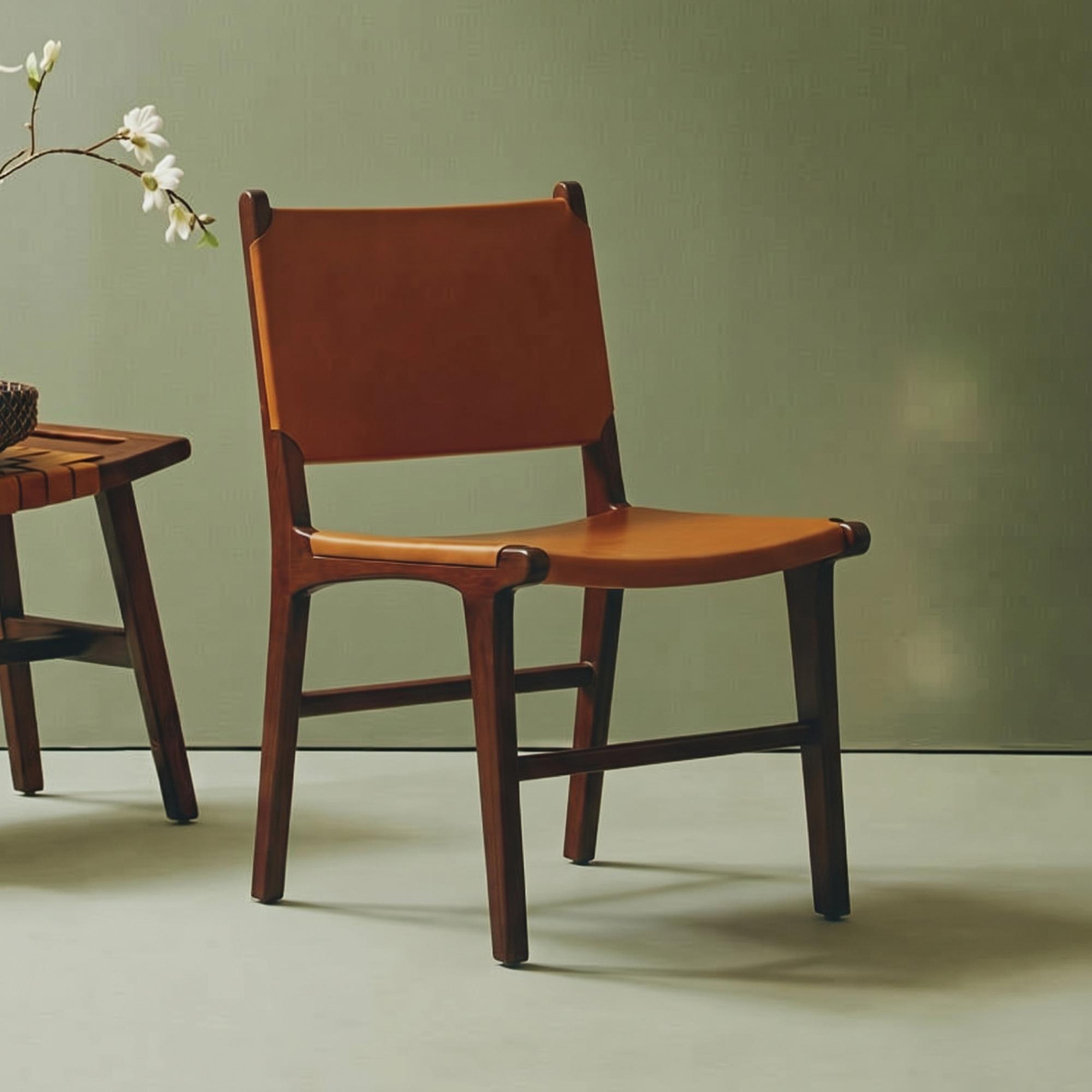
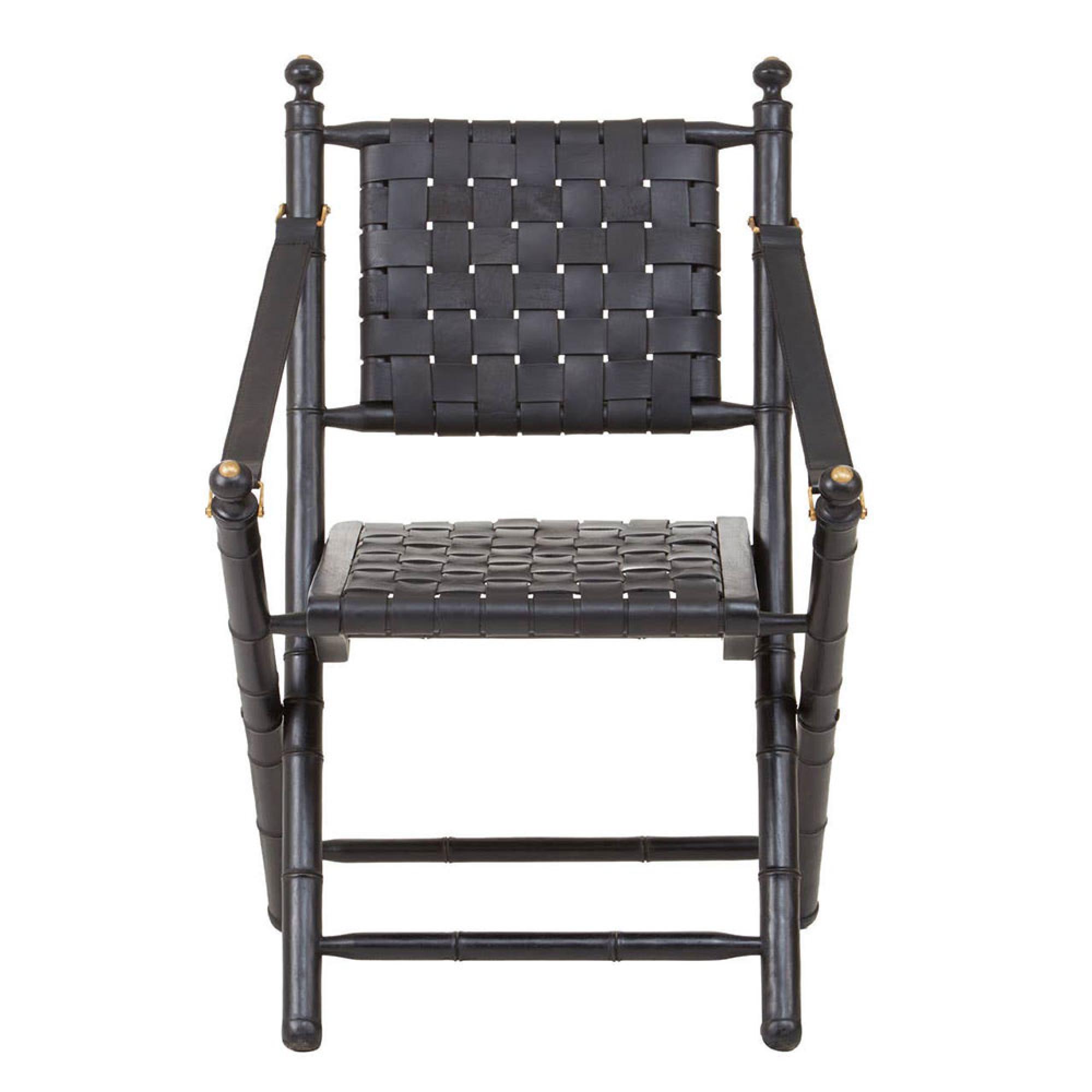
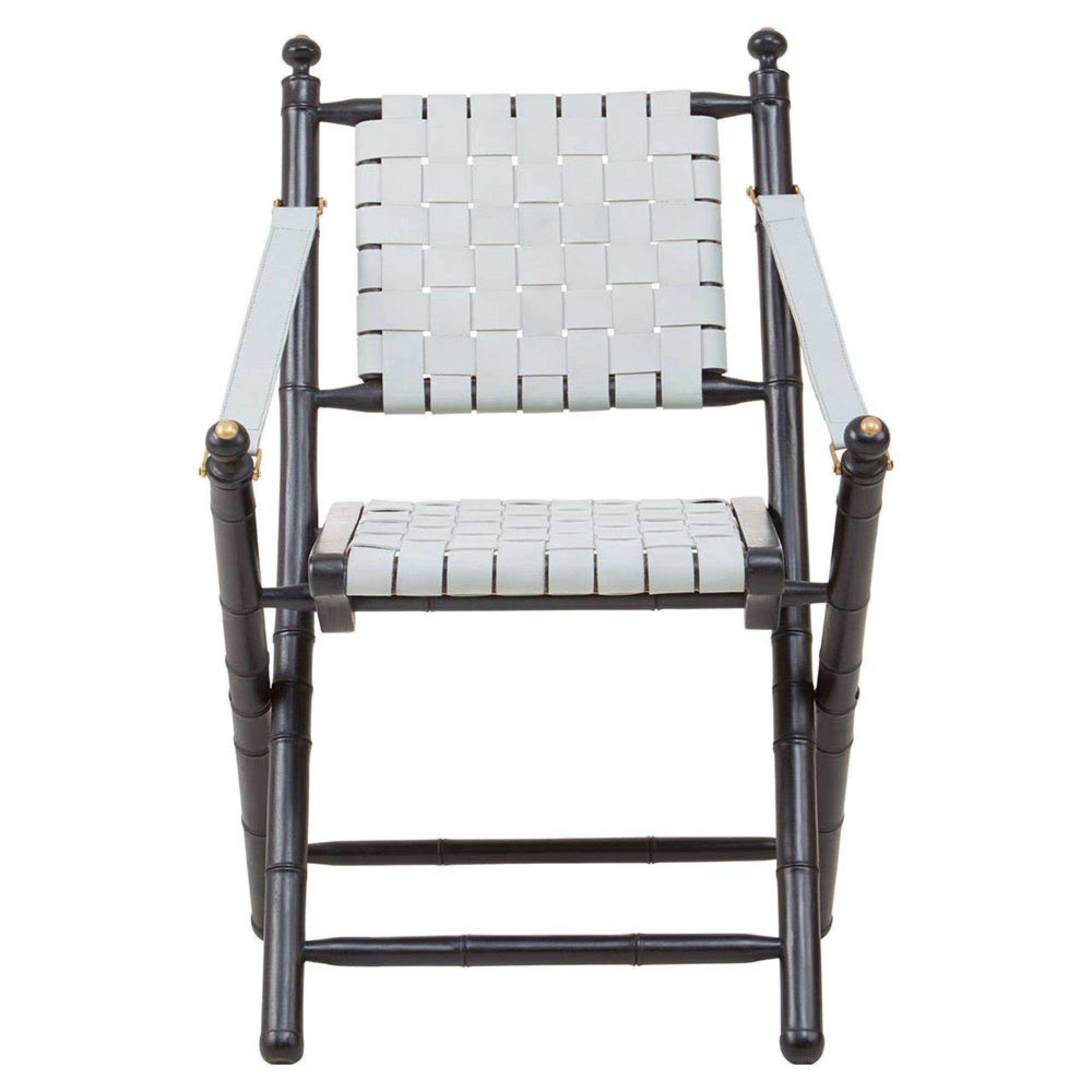
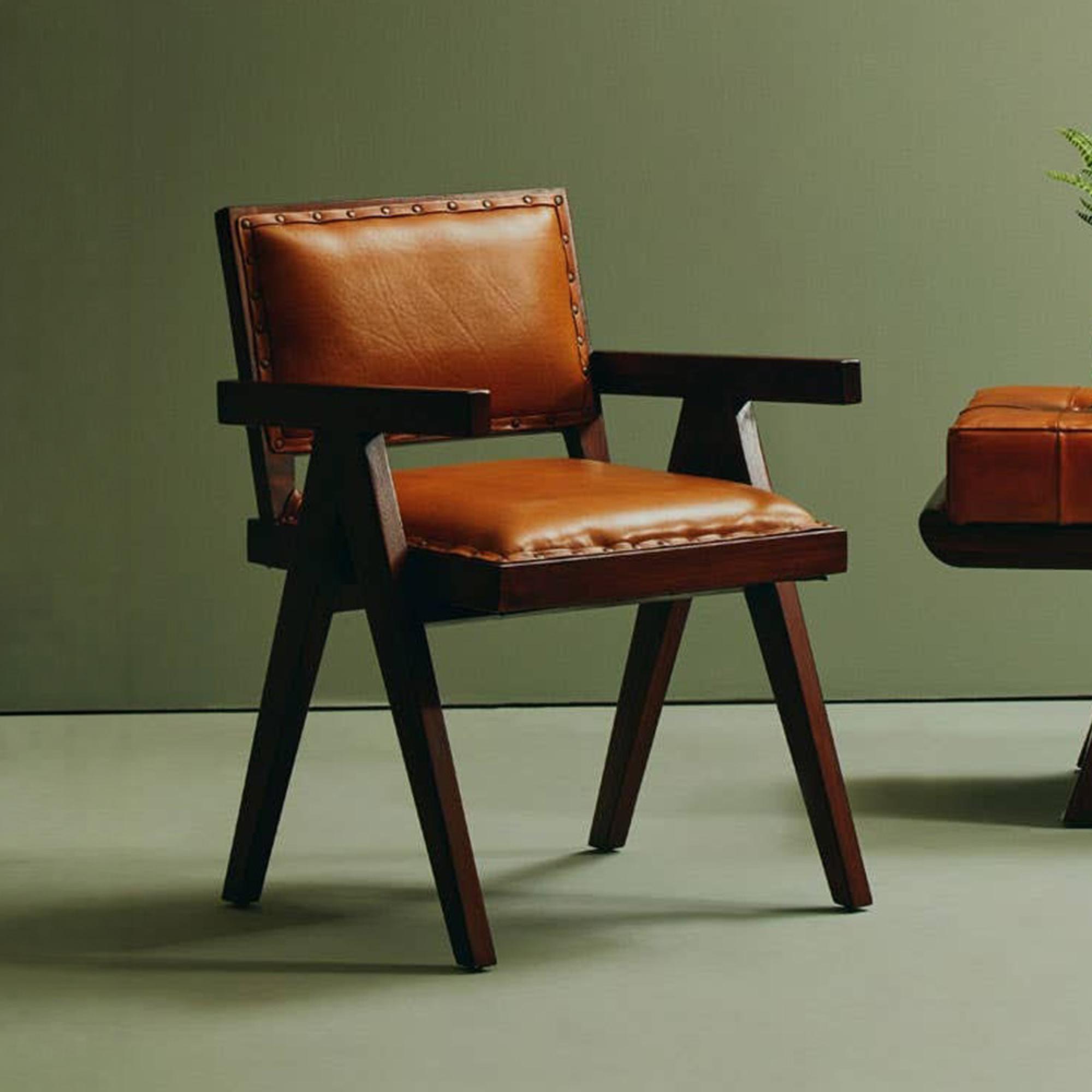
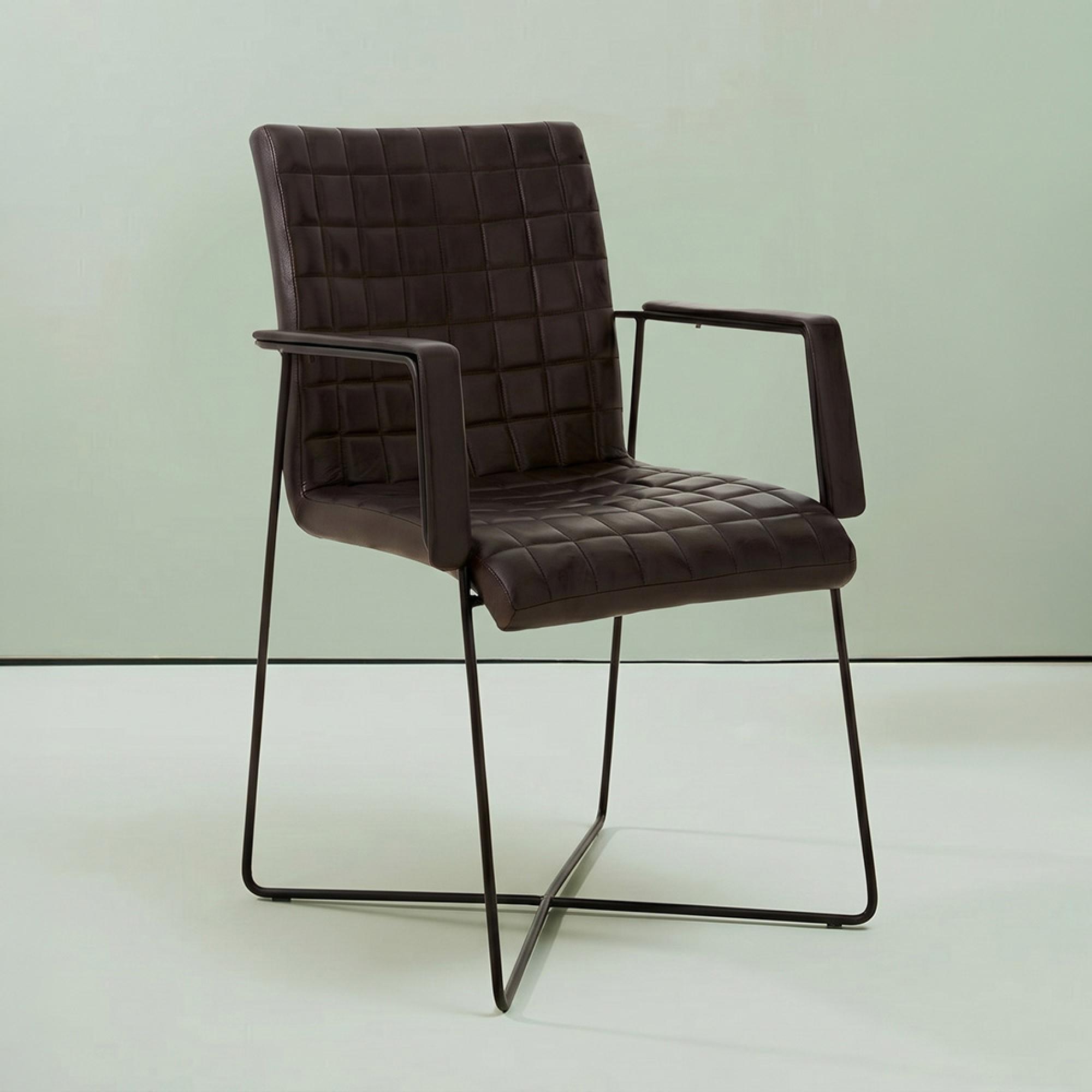
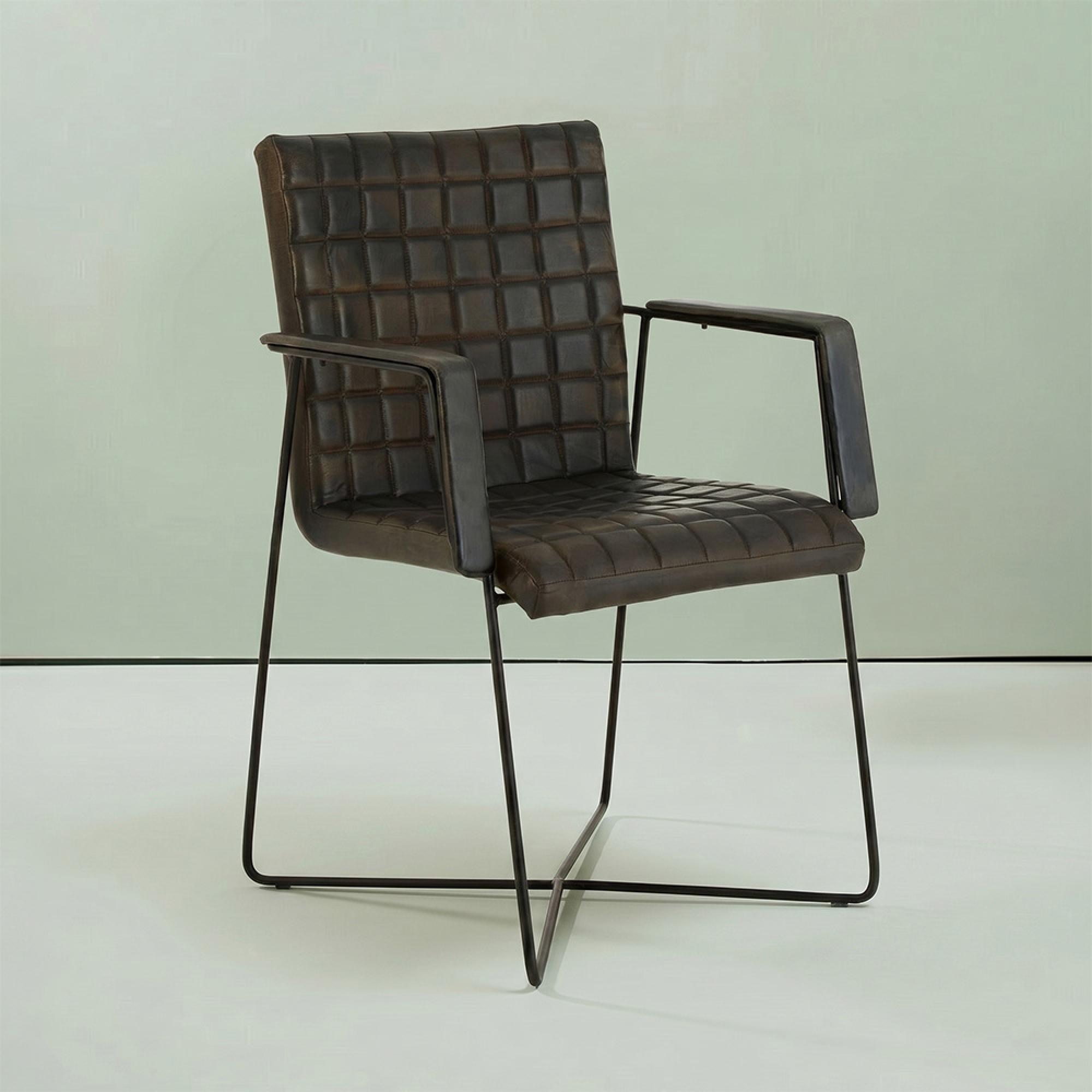
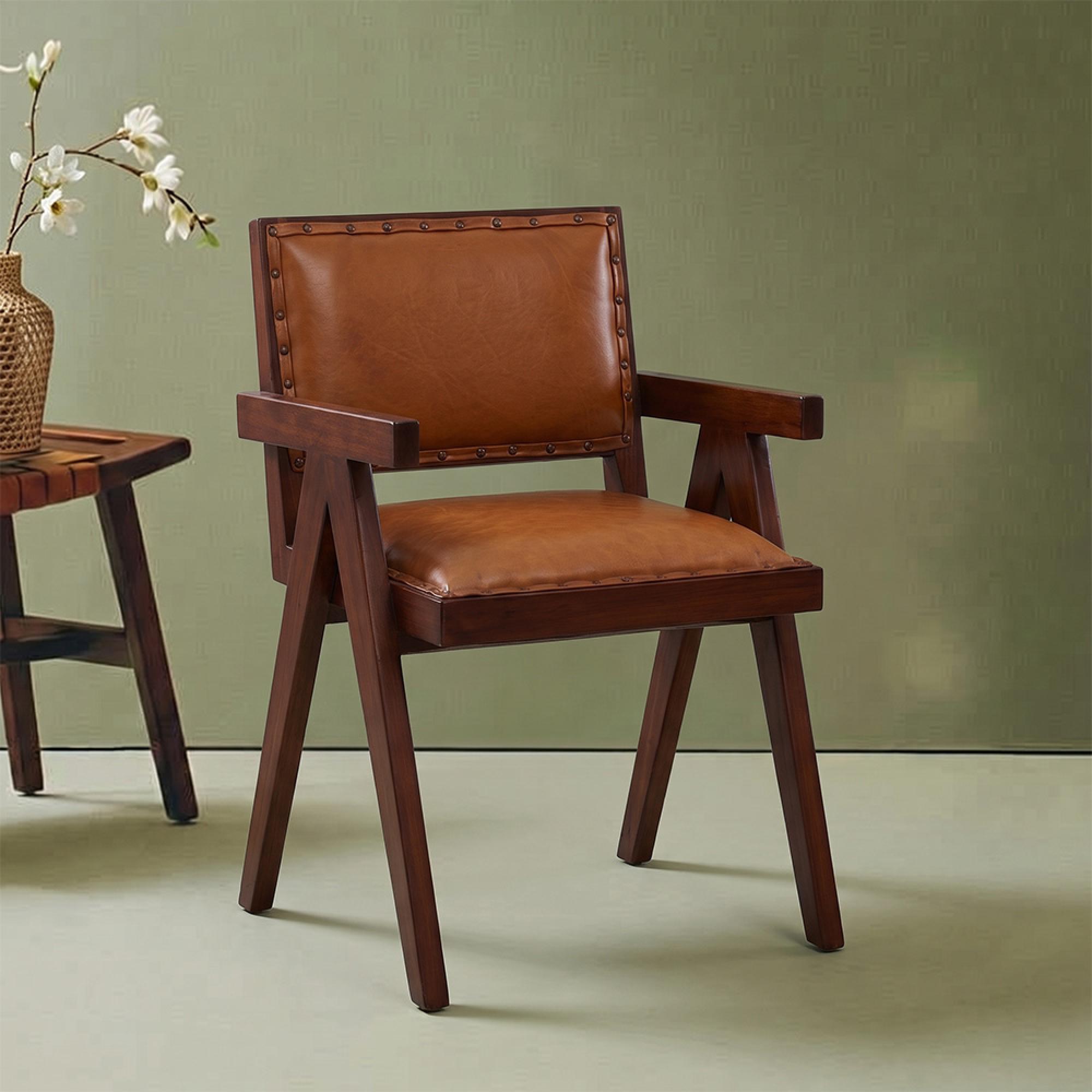
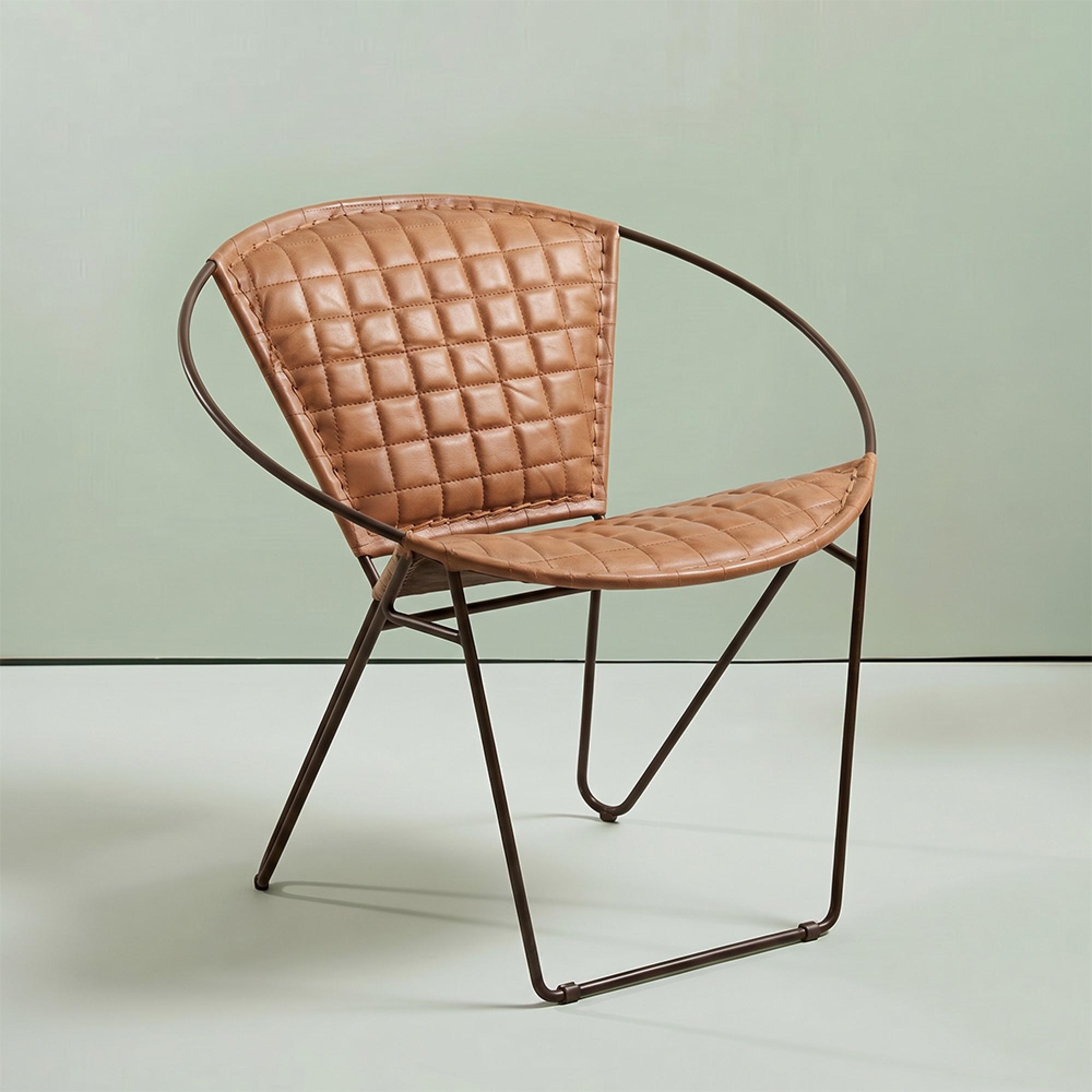
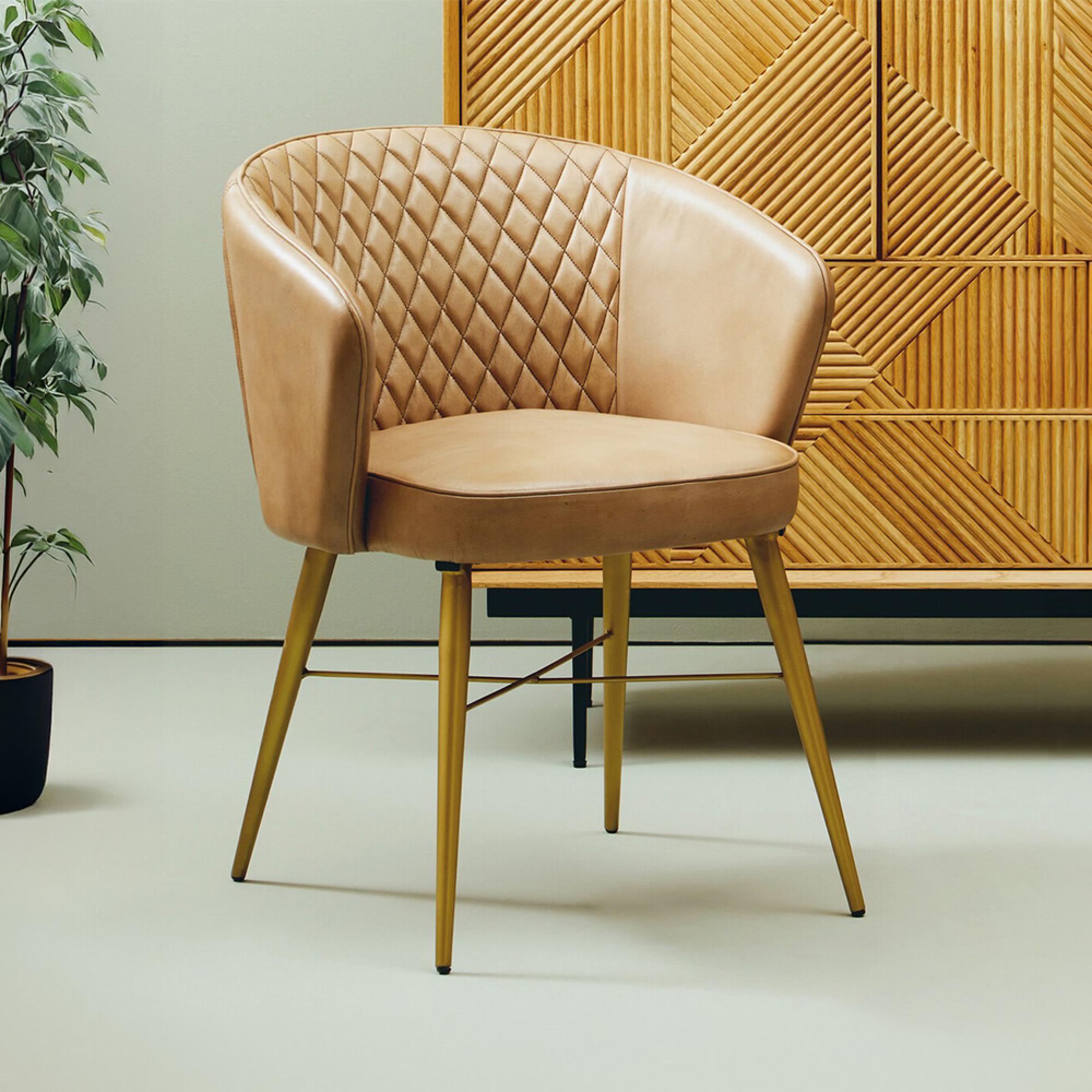
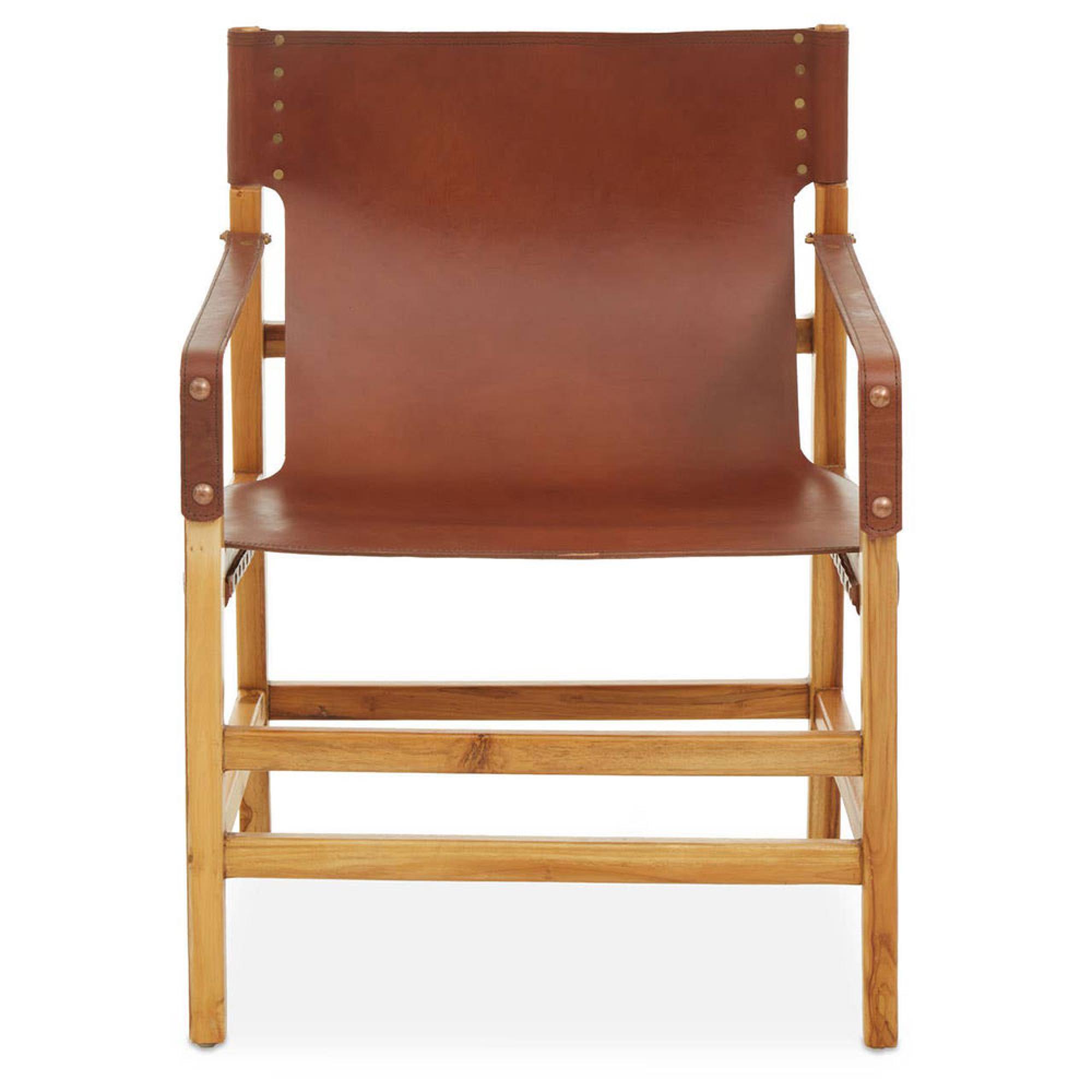
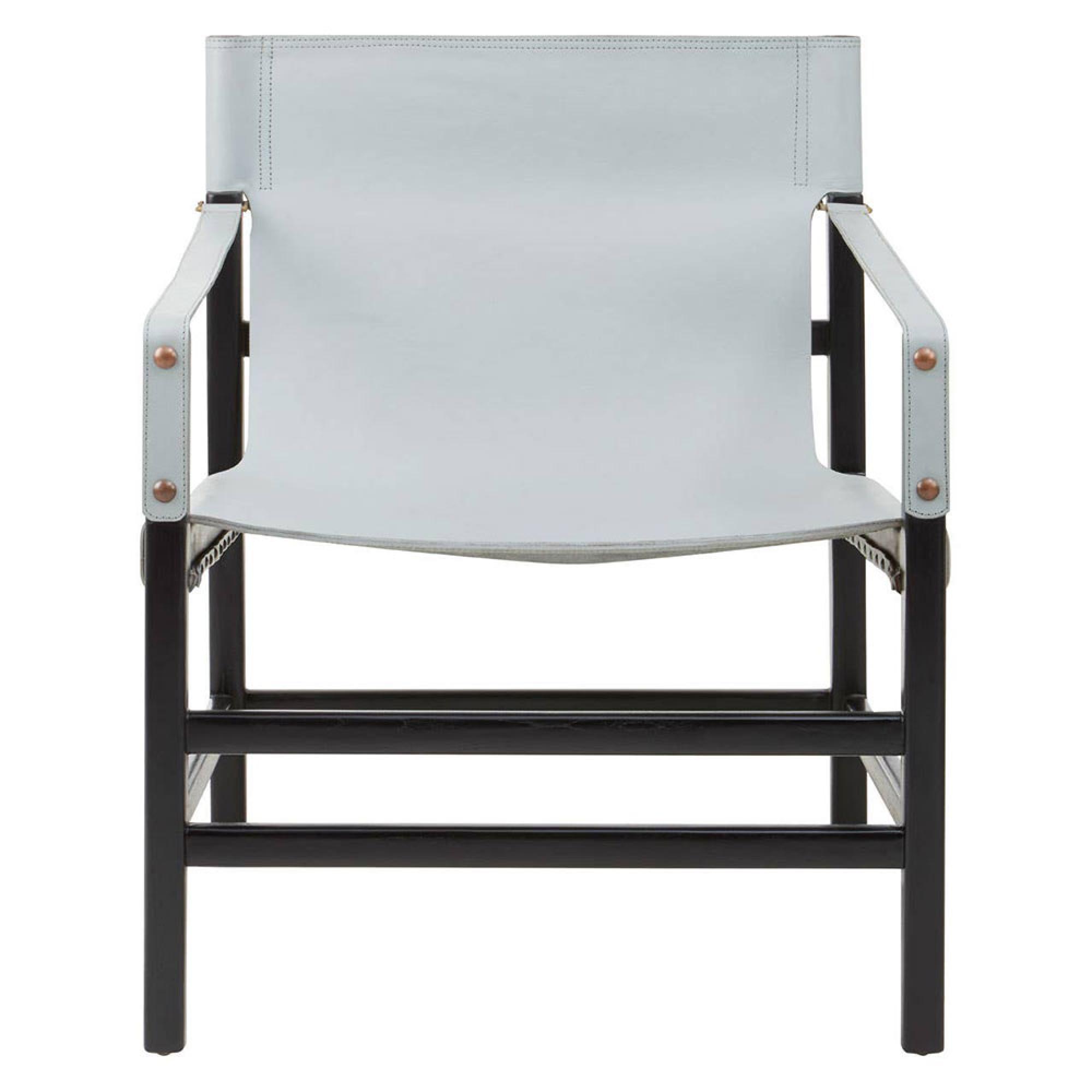
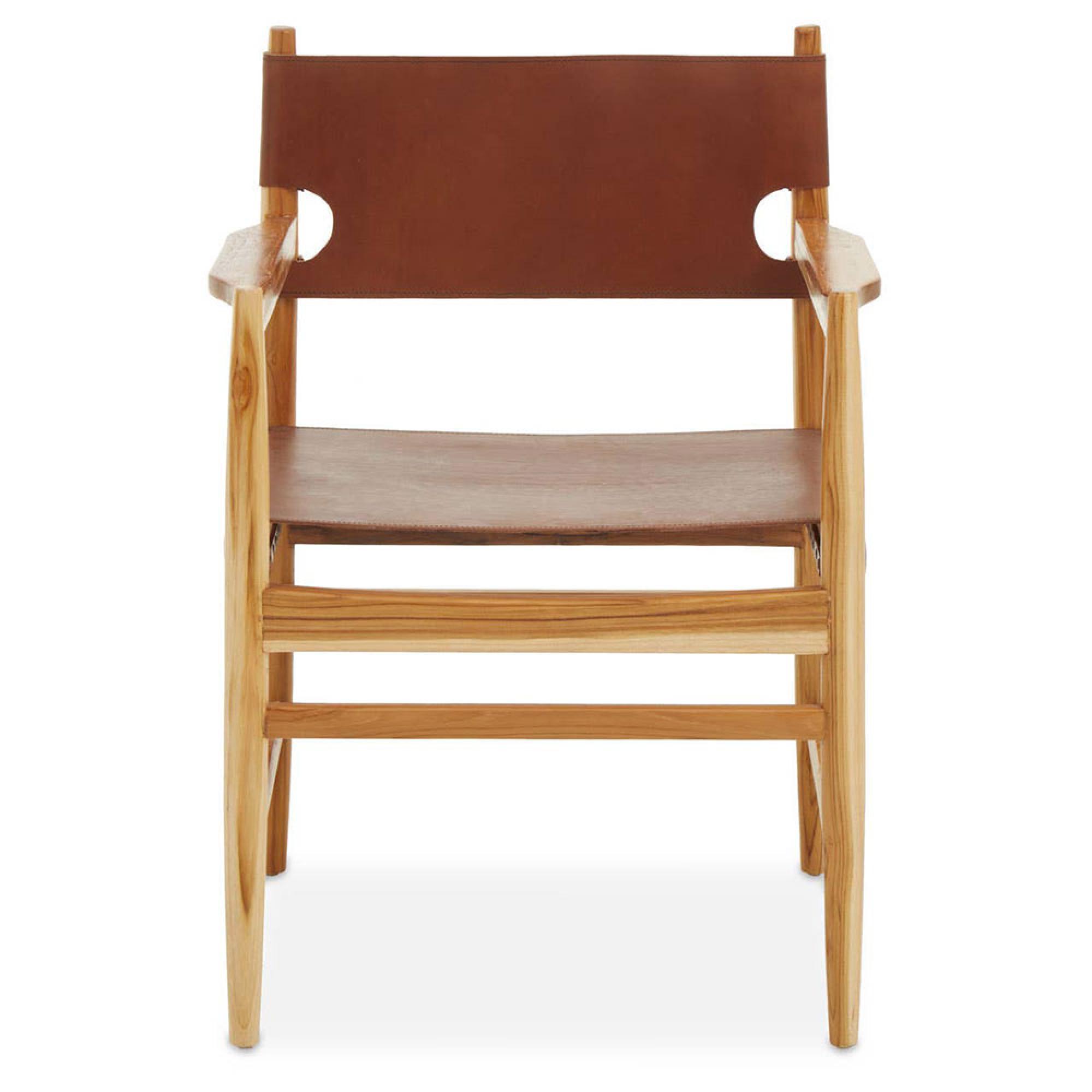
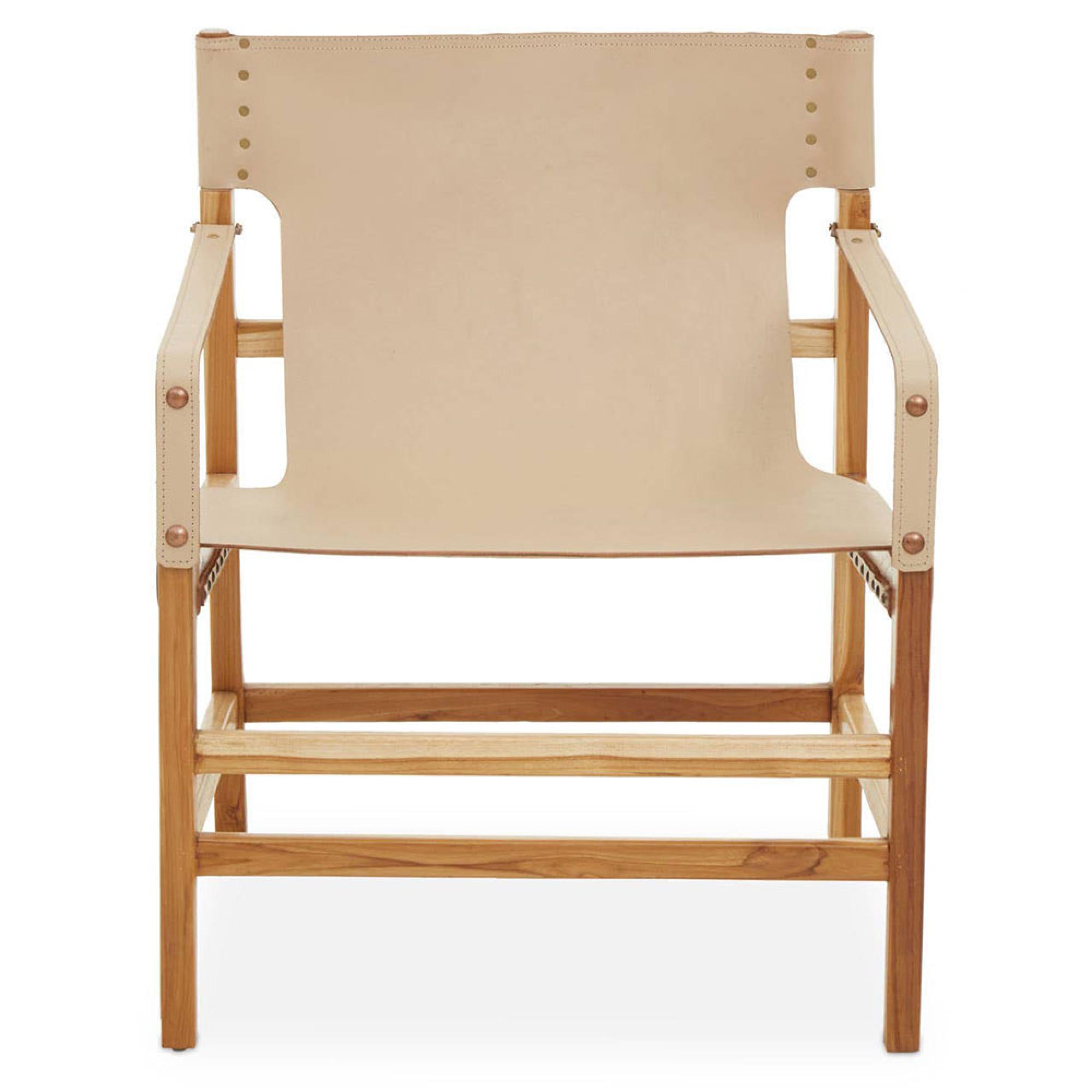
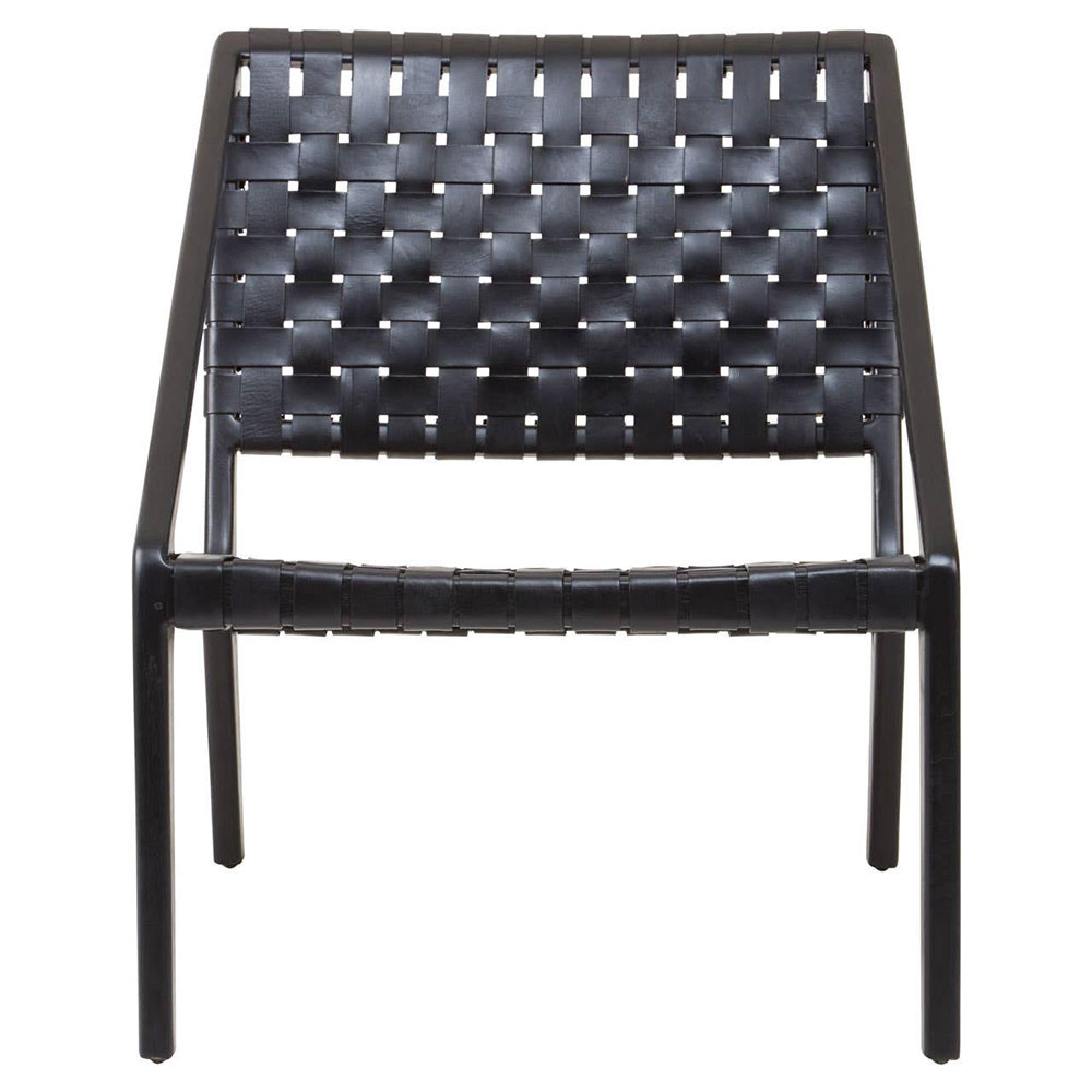
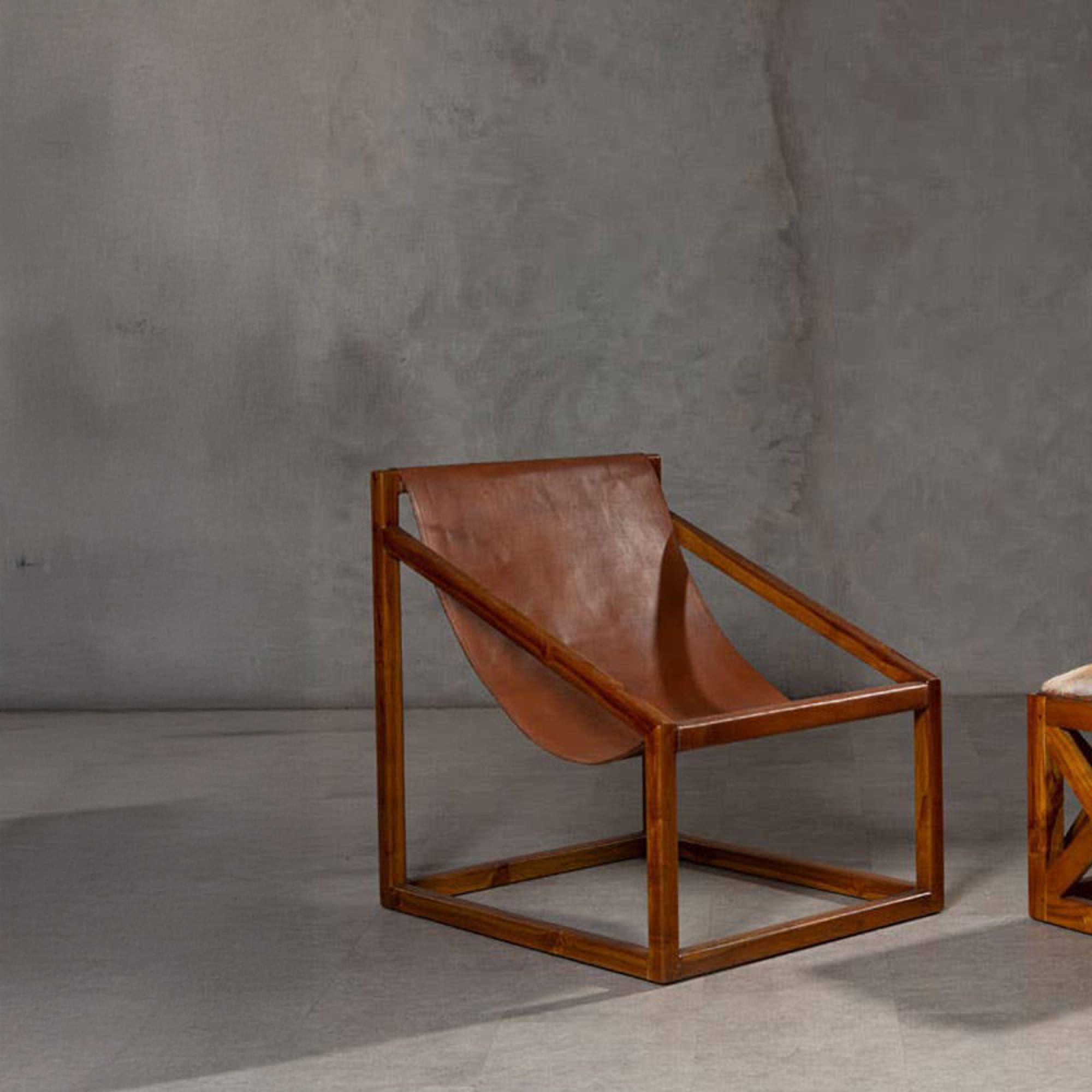
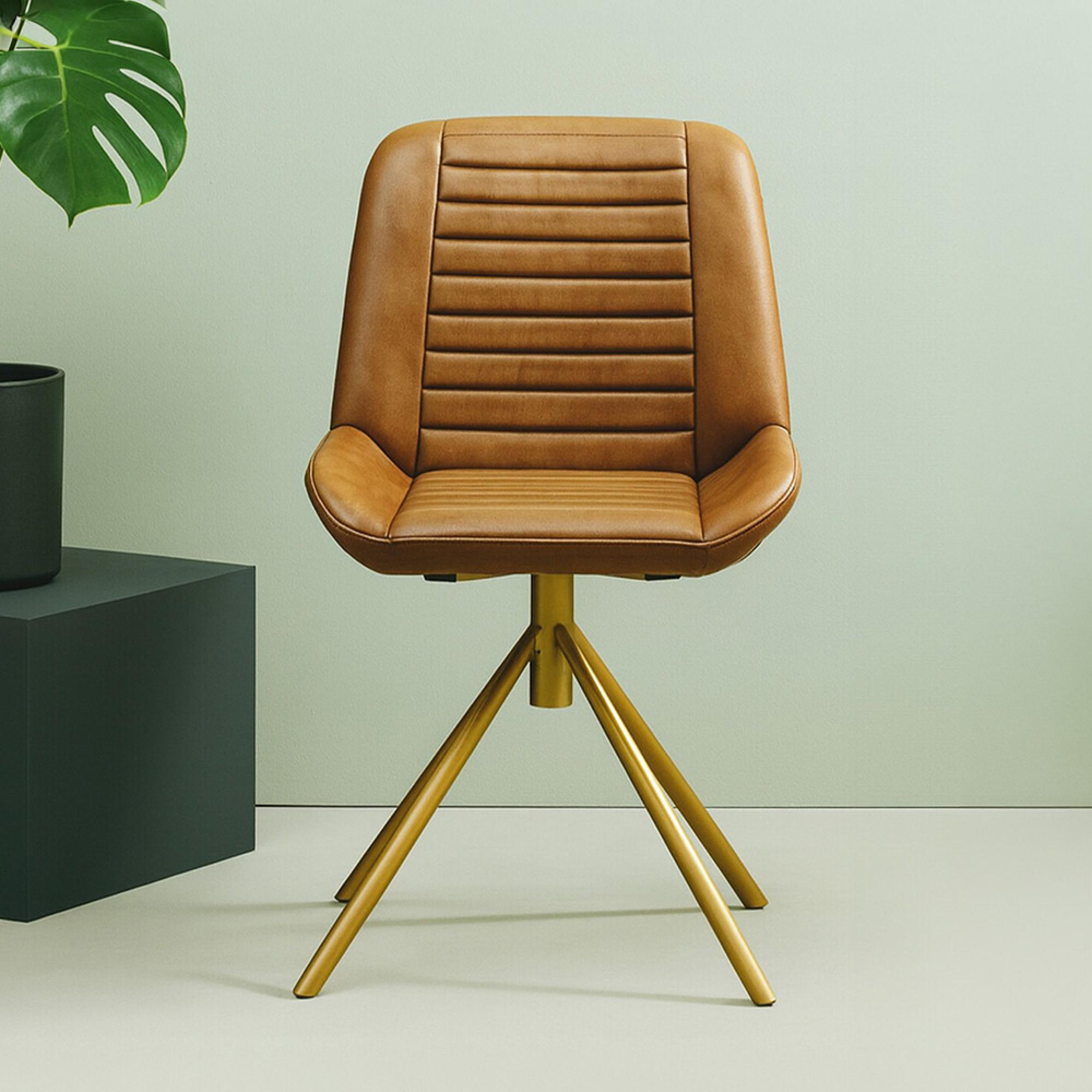
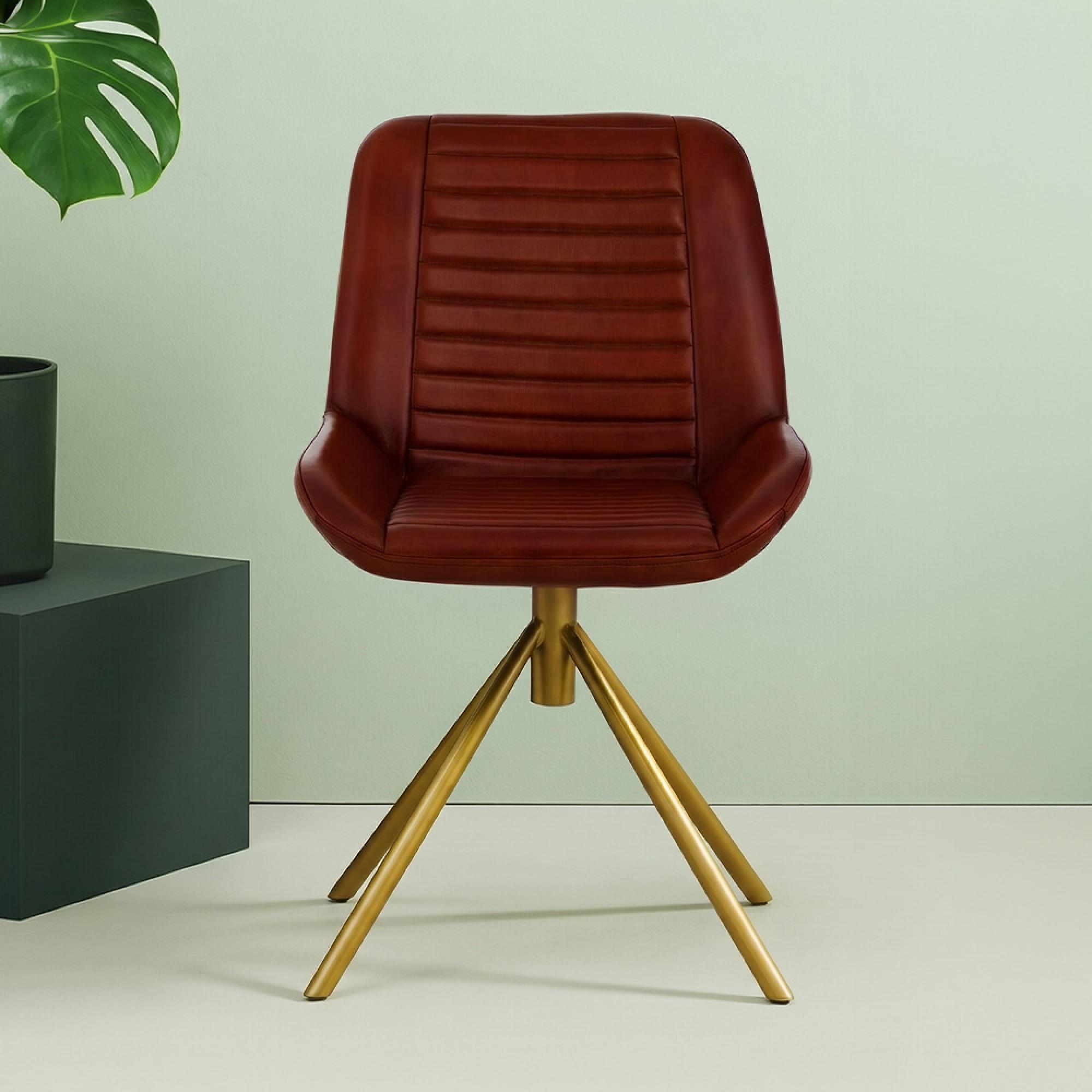
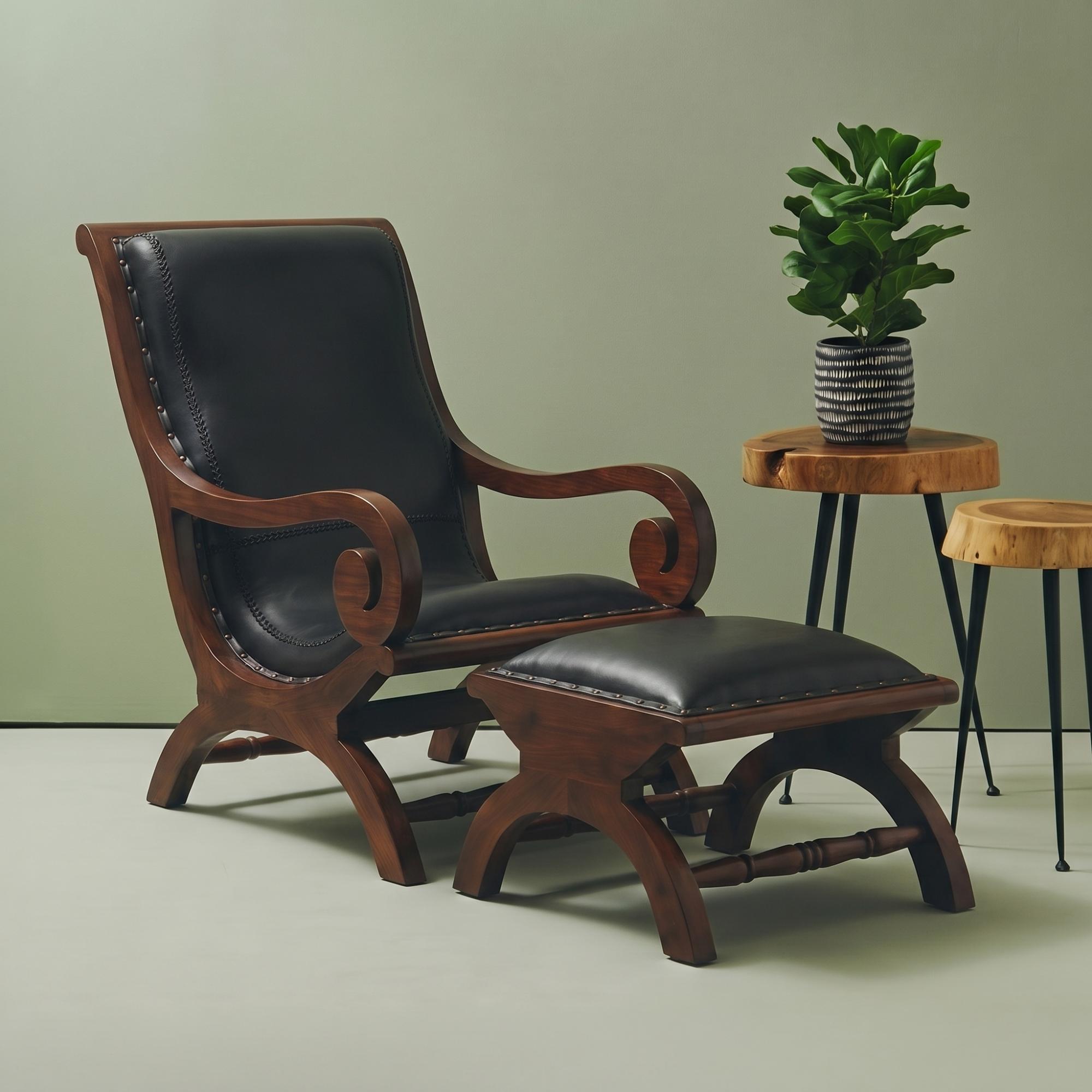
Use the Leather Chairs category to compare choices that support the room's function while contributing to a coordinated interior. Compare function, dimensions, materials, finish, assembly, care and available space to identify the right balance of appearance and function. The leather focus makes material, finish and care especially important when comparing products. Use the individual product specification to confirm every measurement and requirement before ordering.
Read more X Close

Price

Material

Colour

  • Beige
  • Black
  • Brown
  • Cream
  • Grey
  • White

39 Products of 102

Load More..

Choosing Leather Chairs

This category focuses on Leather Chairs that can support the room's function while contributing to a coordinated interior. Start with the room layout and daily use, then compare function, dimensions, materials, finish, assembly, care and available space. The leather focus makes material, finish and care especially important when comparing products. This keeps the decision focused on practical suitability as well as style.

Plan the space before choosing

Use the individual product specification to confirm every measurement and requirement before ordering. Record the available width, depth and height, including clearance for doors, drawers, reclining parts or extensions where relevant. Account for skirting boards, radiators, sockets and walking routes, then check the access route through doors, halls and stairs.

For adjacent choices, explore Living Room Chairs, French Style Chairs and Italian Chairs. Use these comparisons alongside the specifications on each product page.

Leather Chairs for considered interiors

The Leather Chairs category focuses on choices intended to support the room's function while contributing to a coordinated interior. A suitable option should respond to the room's proportions, surrounding furniture and practical demands of everyday use. The leather focus makes material, finish and care especially important when comparing products.

Material, finish and construction

When comparing furniture and home accessories, look closely at function, dimensions, materials, finish, assembly, care and available space. Materials influence appearance, weight and maintenance, while finish affects colour coordination and day-to-day care. Use the written specification to confirm construction and care requirements.

Function and room planning

Use the individual product specification to confirm every measurement and requirement before ordering. Mark out the footprint and consider how people move around it. Where a product opens, extends, swivels or reclines, include that working clearance. For storage, seating or sleeping products, match the layout, support and capacity to the needs of regular users.

Creating a coordinated result

Build the room around a clear relationship between scale, colour and material. Matching every finish is not essential, but repeating one or two elements can connect separate pieces. You can also compare Living Room Chairs, French Style Chairs and Italian Chairs for closely related room and product choices. Use the individual listing to confirm dimensions, included components, assembly and suitability.
Read more X Close

FAQs on Leather Chairs

Whats the difference between full-grain and top-grain leather chairs?

Full-grain leather retains the hides natural surface, showing character marks and developing a patina over time—its more durable but costly. Top-grain leather is sanded smooth for consistency and easier cleaning, though its slightly less durable. Both outlast genuine or bonded leather significantly.

Measure your space width, depth, and ceiling height in centimetres. Check the chairs overall dimensions—width (seat area), depth (seat to backrest), and height. Allow 30cm clearance on sides and 60cm in front for movement. Consider doorway widths if delivery access is limited.

Quality leather chairs offer excellent value long-term. High-grade options last 15–20 years with proper care, outperforming fabric alternatives. Initial cost is higher, but per-year wear cost is lower. Leather resists stains, hides wear better, and requires minimal maintenance versus fabric.

Prioritise leather grade (full or top-grain), frame construction (hardwood joints, not staples), stitching quality (even, tight seams), and seat depth (40–45cm for comfort). Test firmness in-store. Check brand reviews for durability. Inspect corner reinforcement and leg stability.

Dust weekly with a soft cloth. Wipe spills immediately with a barely damp cloth. Monthly, use leather-specific cleaner following product instructions. Condition every 6–12 months with quality leather conditioner. Avoid harsh chemicals, direct sunlight, and heat sources that dry leather prematurely.

Choose compact styles with streamlined frames, typically under 80cm wide. Swivel or wingback designs maximise space use. Light-coloured leather visually expands rooms. Select chairs with exposed legs rather than skirted bases—they feel less bulky. Pair with minimal side tables.

Leather resists pet hair and dander better than fabric, but sharp claws cause scratches. Top-grain leather with protective coatings offers better resistance. Regular claw trimming helps. Use throw blankets for extra protection. Aniline leather is less pet-friendly than protected finishes.

Leather is more durable (15–20 years vs. 7–10), easier to clean, and hypoallergenic. Fabric offers more colour and texture variety and feels warmer initially. Leather costs more upfront but has lower lifetime maintenance. Fabric suits style-conscious buyers; leather suits practicality.

Neutral tones—chocolate brown, cognac, charcoal, and cream—complement most interiors. Brown works with warm palettes; grey suits modern or Scandinavian schemes. Black leather fits contemporary or industrial spaces. Mid-tone browns offer the most versatility across different décor styles.

High-quality leather chairs last 15–20+ years with proper care. Full-grain leather outlasts top-grain. Lifespan depends on frame quality, stitching durability, and maintenance consistency. Regular conditioning and avoiding direct sunlight significantly extend longevity and appearance.
Top