Free Delivery All Over UK*
close
Top products
SHOW ALL PRODUCTS

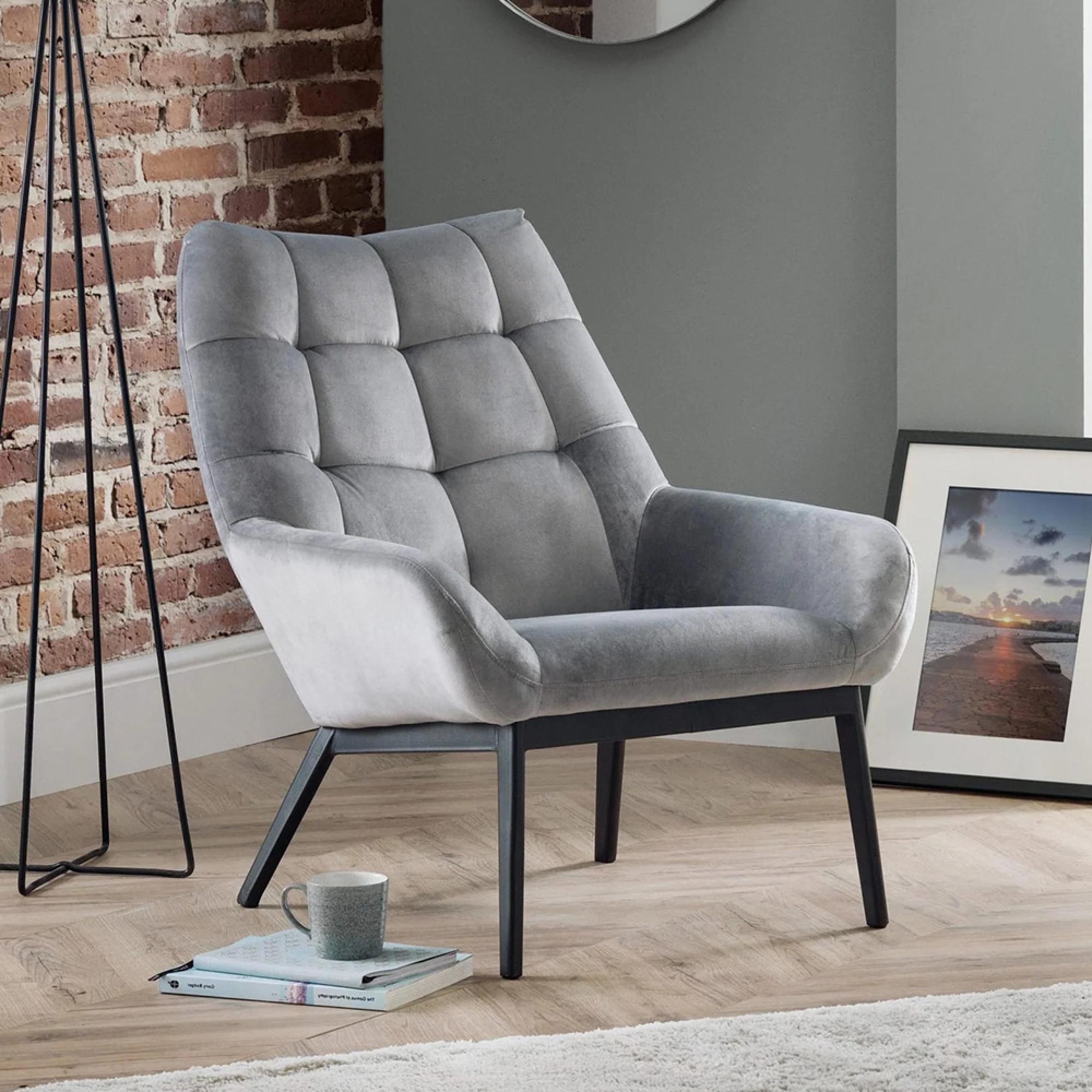
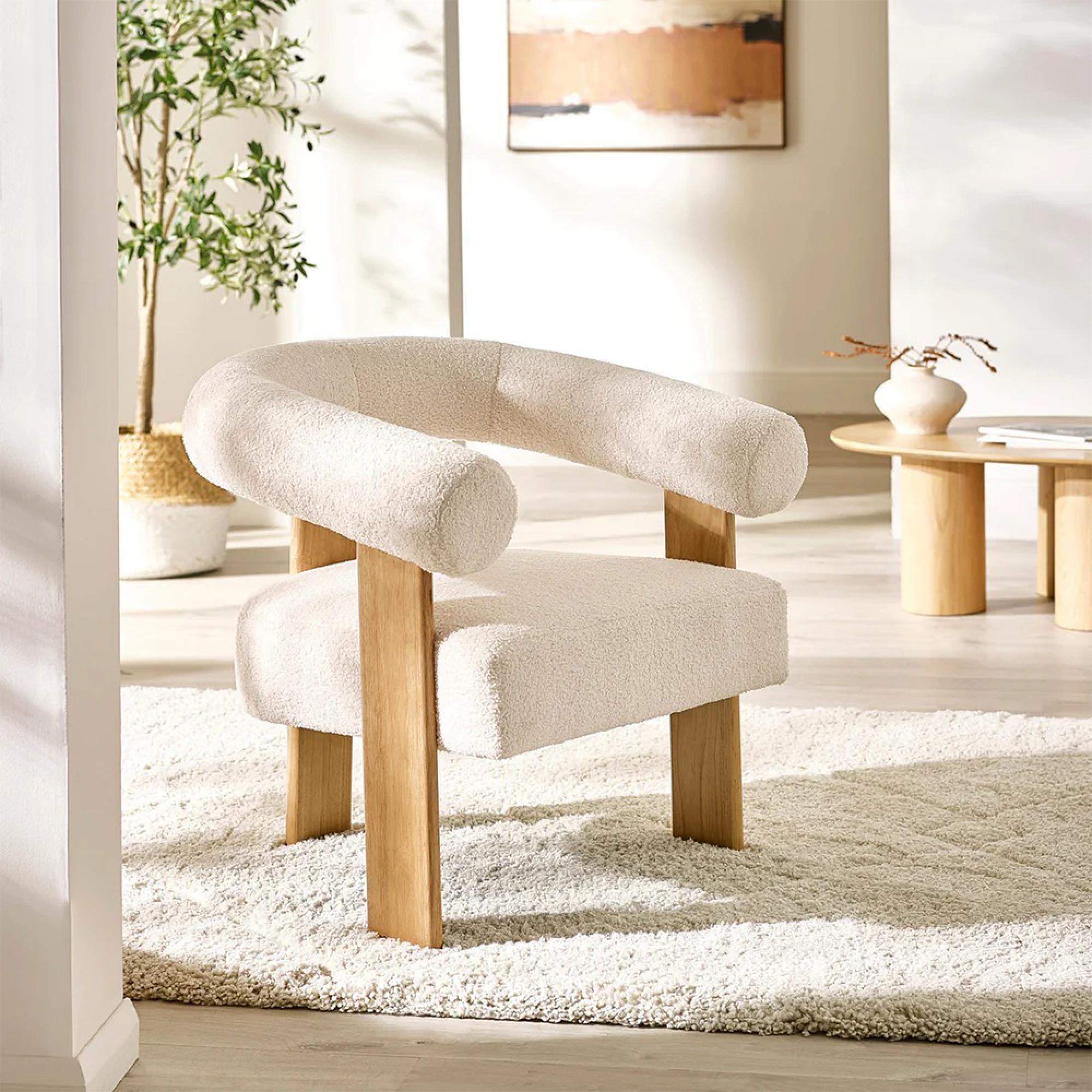
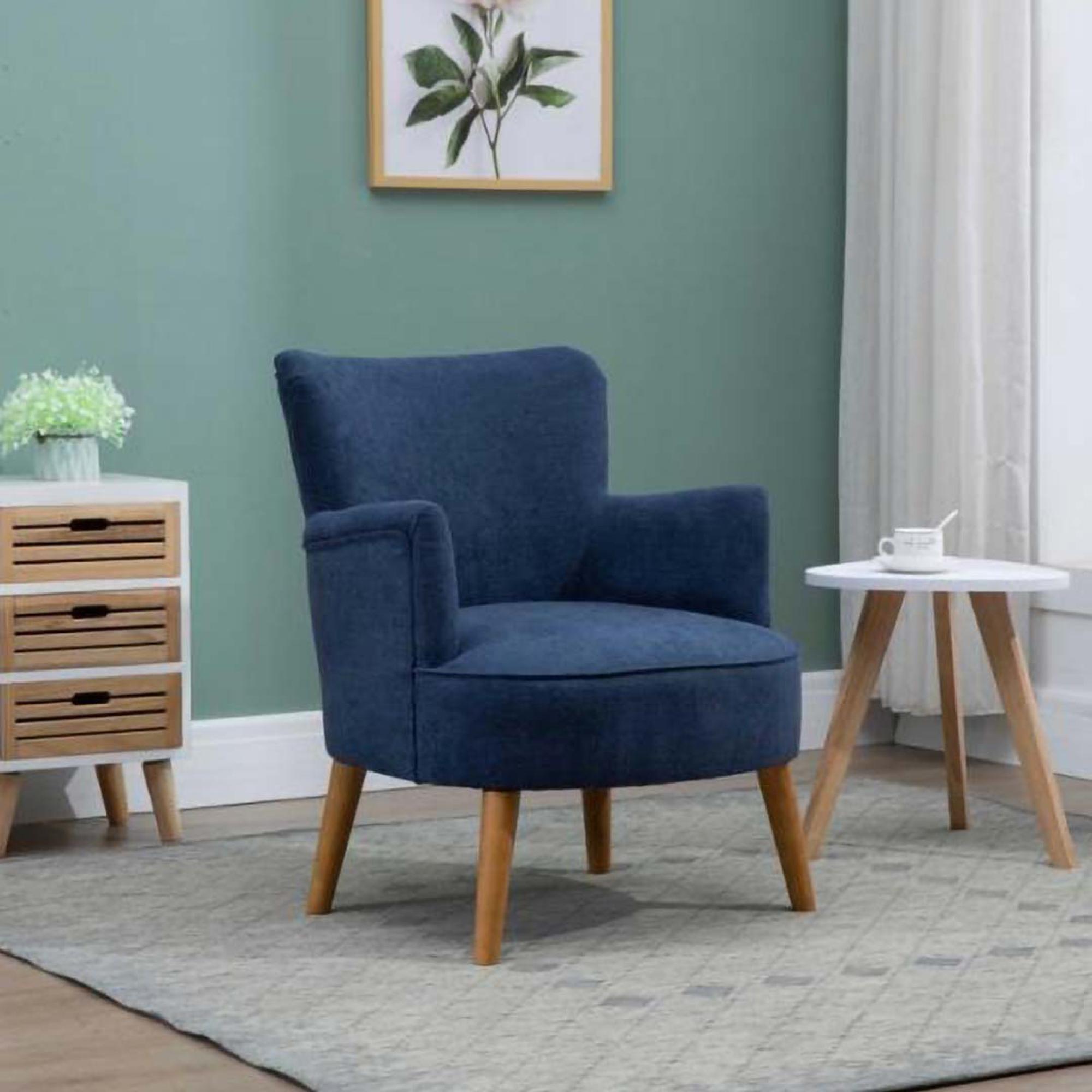
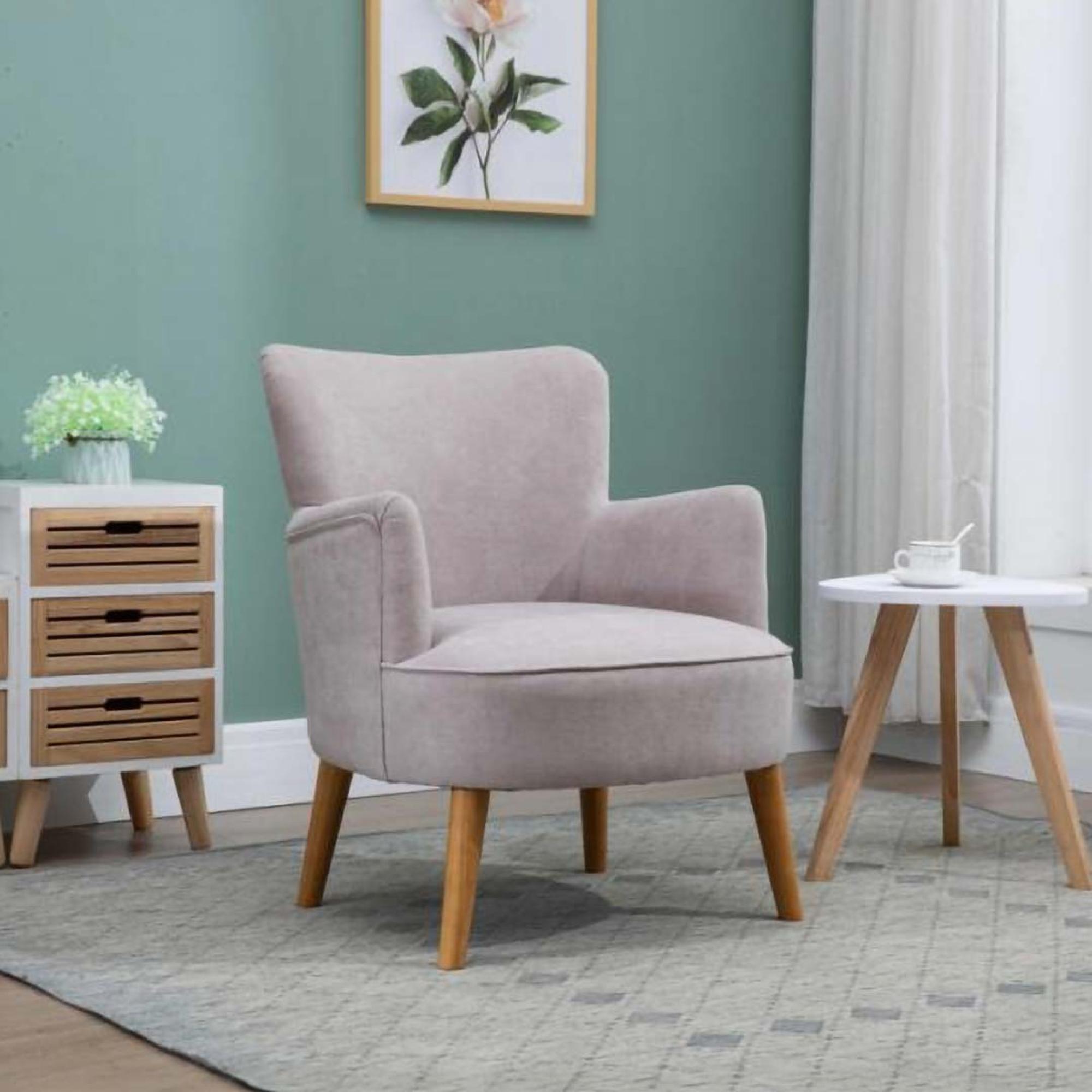
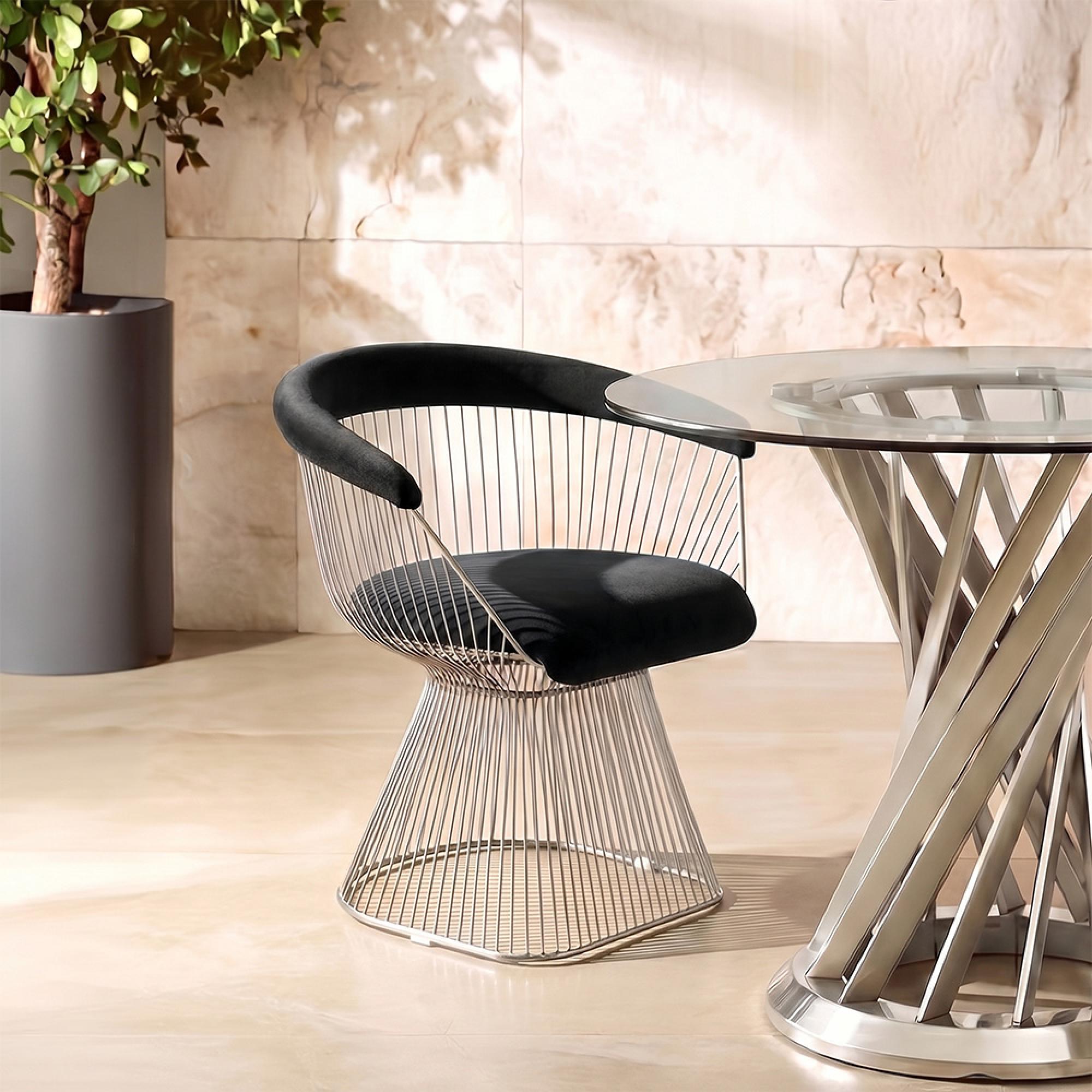
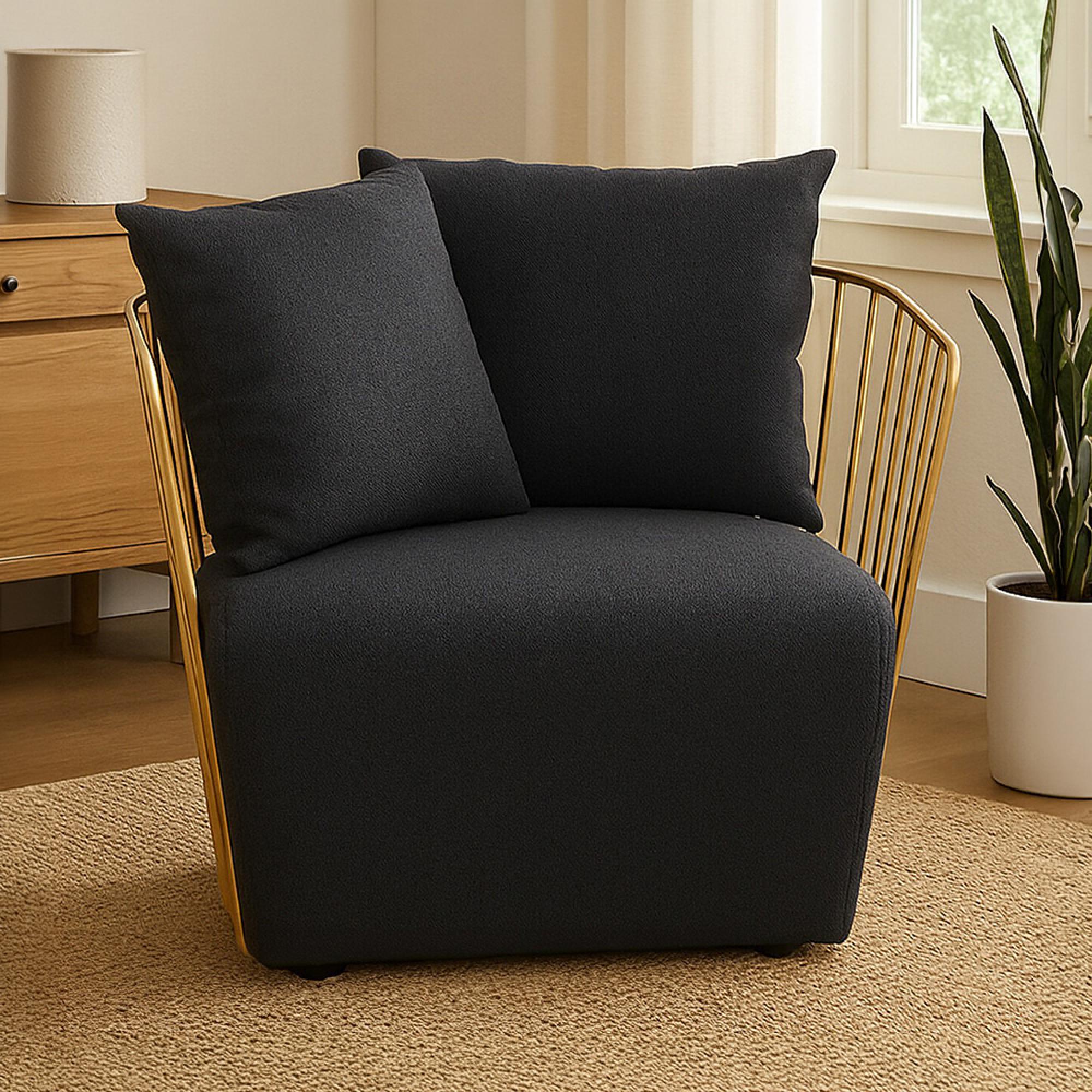
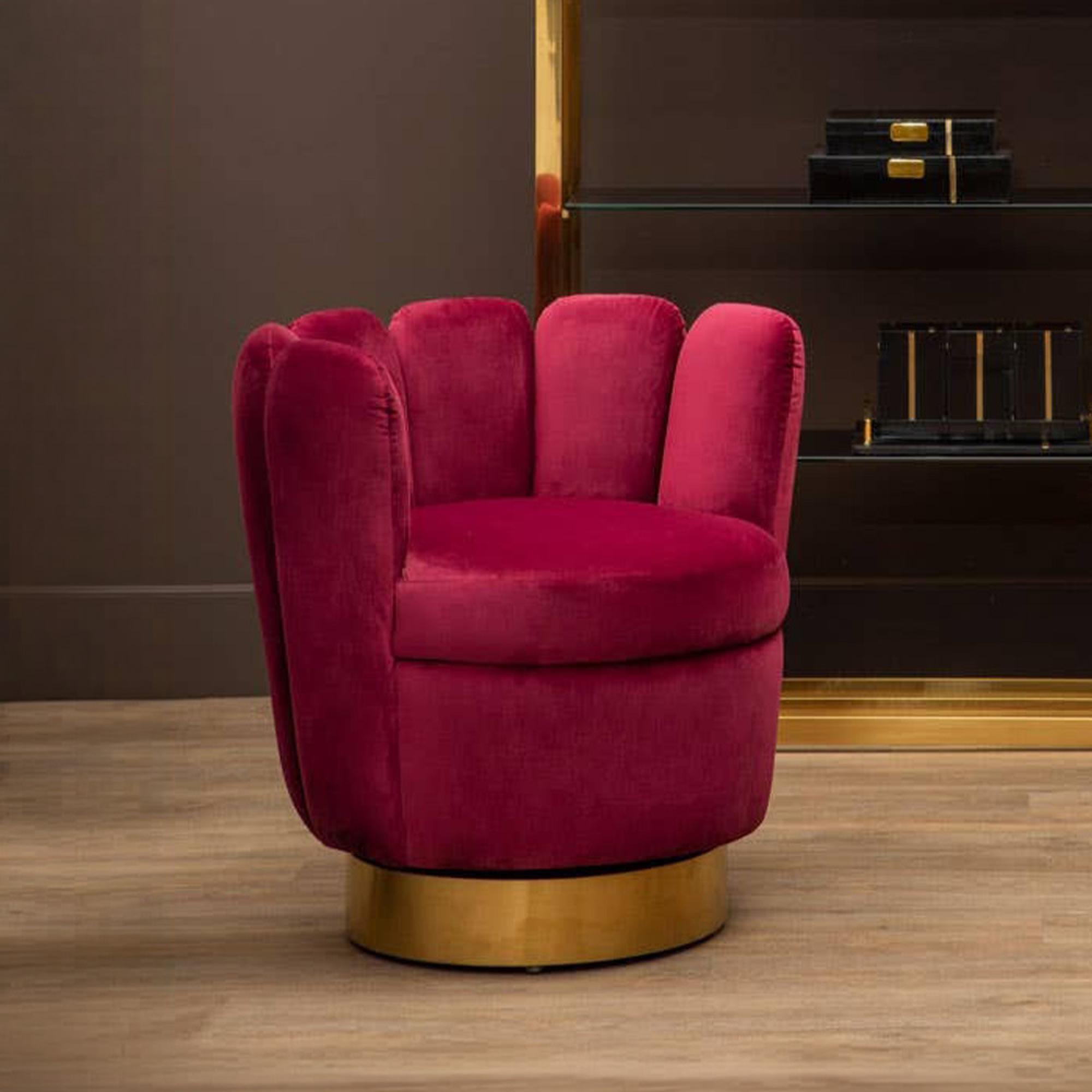
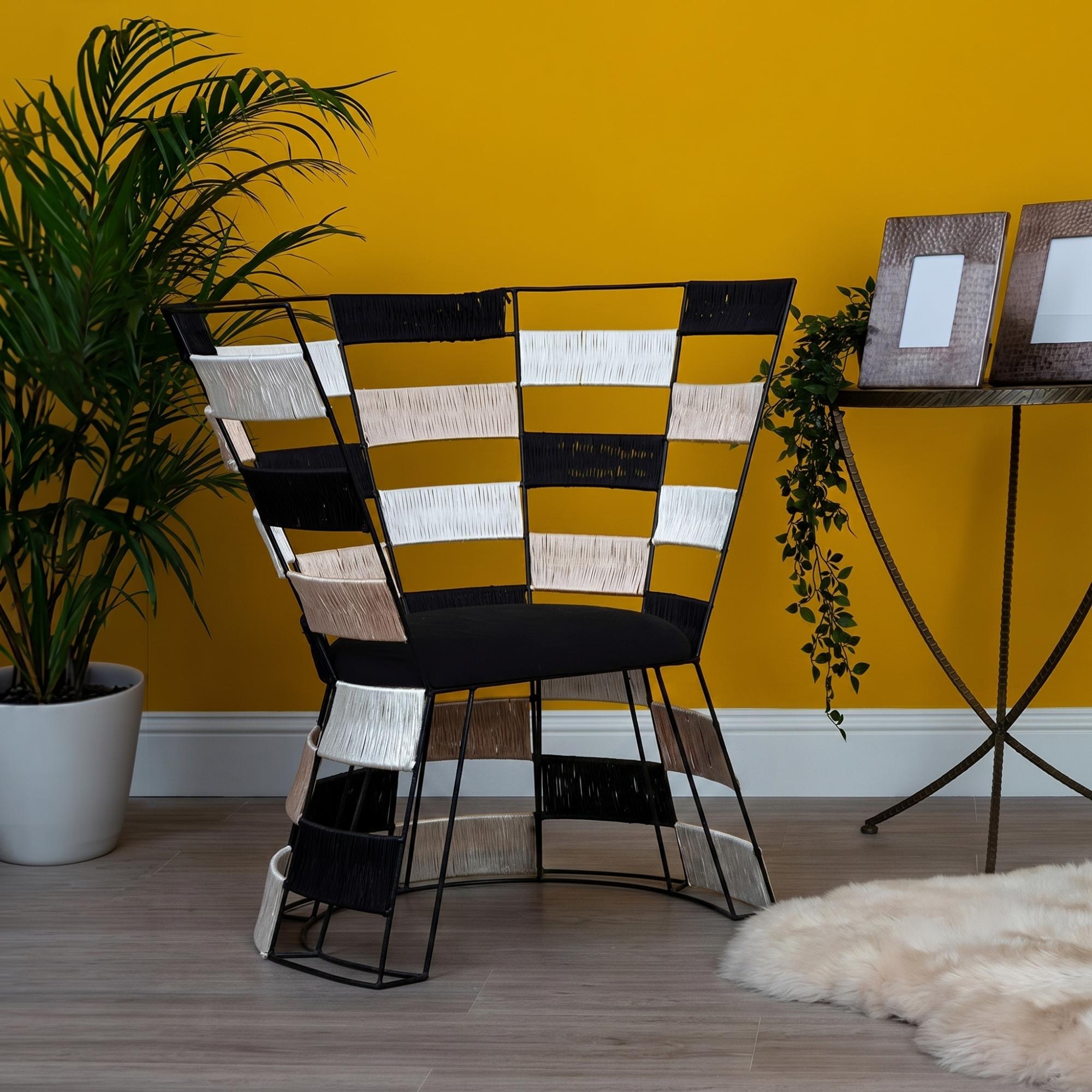
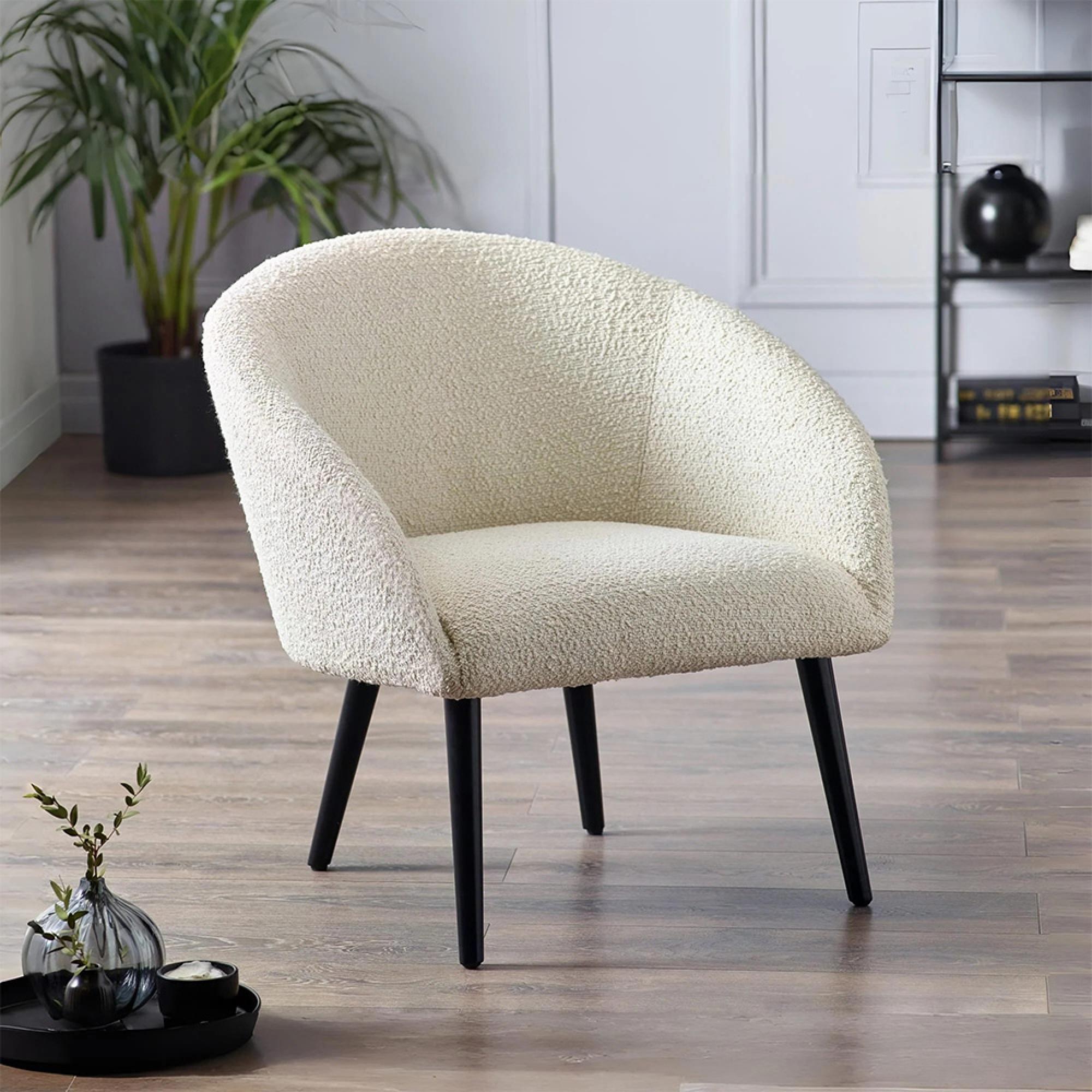
Accent Chairs

Found 157 Items

Choose Accent Chairs with the room, daily routine and intended use in mind. Compare function, dimensions, materials, finish, assembly, care and available space to identify the right balance of appearance and function. Use the individual product specification to confirm every measurement and requirement before ordering. Check each product page for exact dimensions, construction, finish, assembly and care information before making a final choice.
Read more X Close

Price

Material

Colour

  • Beige
  • Black
  • Blue
  • Brown
  • Cream
  • Green
  • Grey
  • Orange
  • Pink
  • Red
  • Taupe
  • White
  • Yellow

39 Products of 157

Load More..

Choosing Accent Chairs

This category focuses on Accent Chairs that can support the room's function while contributing to a coordinated interior. Start with the room layout and daily use, then compare function, dimensions, materials, finish, assembly, care and available space. Function and visual balance both matter, so compare the complete specification rather than choosing on appearance alone. This keeps the decision focused on practical suitability as well as style.

Plan the space before choosing

Use the individual product specification to confirm every measurement and requirement before ordering. Record the available width, depth and height, including clearance for doors, drawers, reclining parts or extensions where relevant. Account for skirting boards, radiators, sockets and walking routes, then check the access route through doors, halls and stairs.

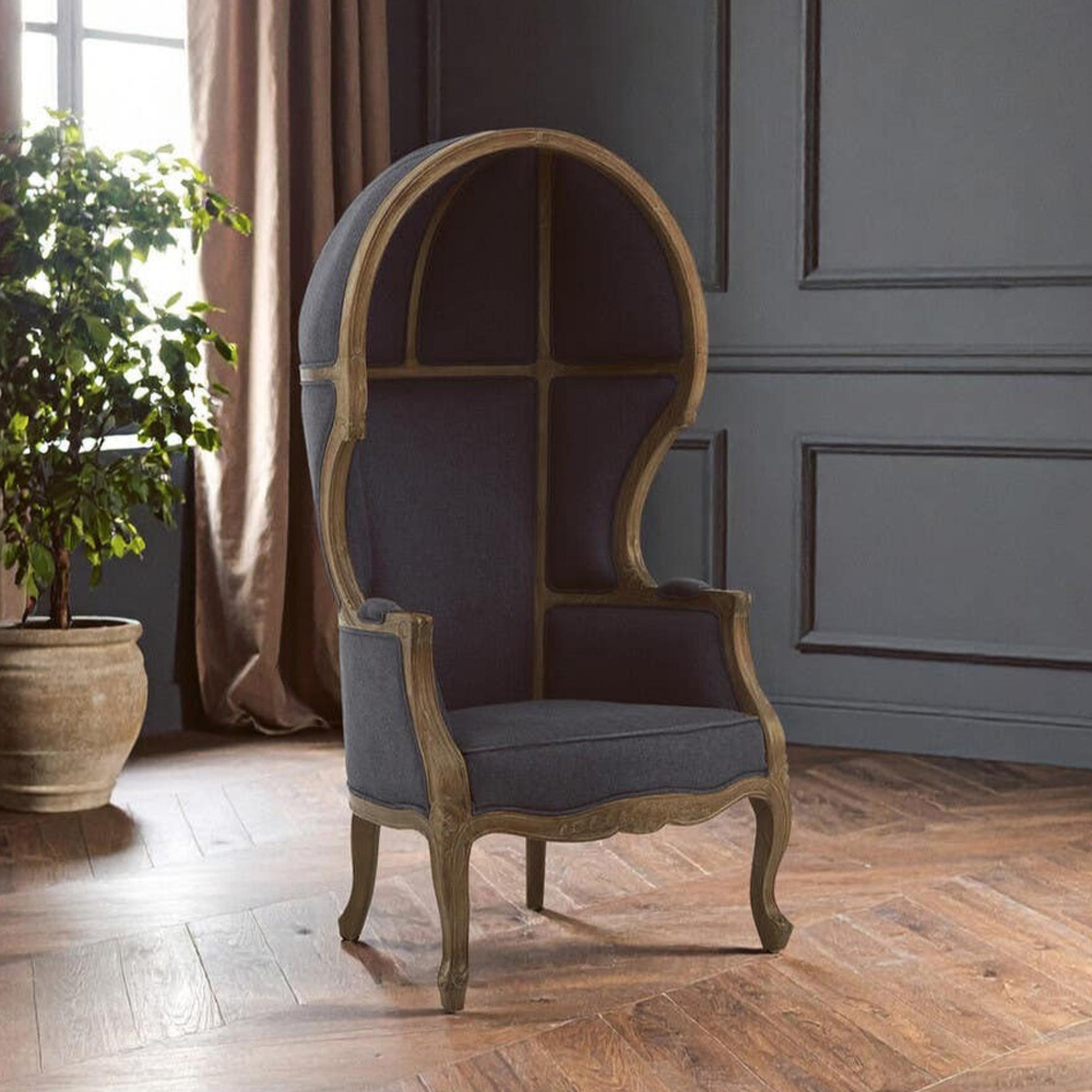
For adjacent choices, explore Living Room Chairs, Beige Accent Chairs and French Style Chairs. Use these comparisons alongside the specifications on each product page.

Accent Chairs for considered interiors

The Accent Chairs category focuses on choices intended to support the room's function while contributing to a coordinated interior. A suitable option should respond to the room's proportions, surrounding furniture and practical demands of everyday use. Use the category wording as a starting point, then verify the exact material, finish and features shown on each product page.

Material, finish and construction

When comparing furniture and home accessories, look closely at function, dimensions, materials, finish, assembly, care and available space. Materials influence appearance, weight and maintenance, while finish affects colour coordination and day-to-day care. Use the written specification to confirm construction and care requirements.

Function and room planning

Use the individual product specification to confirm every measurement and requirement before ordering. Mark out the footprint and consider how people move around it. Where a product opens, extends, swivels or reclines, include that working clearance. For storage, seating or sleeping products, match the layout, support and capacity to the needs of regular users.

Creating a coordinated result

Build the room around a clear relationship between scale, colour and material. Matching every finish is not essential, but repeating one or two elements can connect separate pieces. You can also compare Living Room Chairs, Beige Accent Chairs and French Style Chairs for closely related room and product choices. Use the individual listing to confirm dimensions, included components, assembly and suitability.
Read more X Close

FAQs on Accent Chairs

What makes an accent chair different from a standard armchair?

Accent chairs prioritise visual impact and style, often featuring bold colours, distinctive patterns, or unusual shapes that draw attention. Standard armchairs focus on comfort and blend into a rooms background. Accent chairs work as statement pieces in any space, whereas armchairs serve as everyday seating without standing out.

Measure your available floor space first—aim for a chair no wider than 80cm to avoid overcrowding. In small rooms, choose chairs with tapered legs rather than skirted bases, as this creates visual lightness. Check doorway widths to ensure delivery access. A compact wingback or barrel chair typically works well in tight spaces.

Faux leather and microfibre are the easiest to maintain—both wipe clean with a damp cloth and resist staining. Velvet and linen require more care and professional cleaning for spills. If you have pets or children, avoid delicate fabrics like wool. Check manufacturer care labels before purchasing to match upholstery durability with your household needs.

Yes, accent chairs work excellently in bedrooms as reading nooks or statement pieces at the foot of the bed. Choose styles that complement your headboard and colour scheme—a mid-century modern chair suits contemporary bedrooms, whilst a velvet wingback suits traditional spaces. Ensure theres at least 60cm clearance around the chair for comfortable movement.

Match your accent chair to existing décor by picking up colours from artwork, curtains, or cushions rather than duplicating them exactly. A contrasting chair creates impact; a coordinating one provides subtle interest. Layer with throw pillows and a blanket to soften the look. Position near a lamp or window to make it a functional focal point, not just decoration.

Velvet has a luxurious sheen, richer colour depth, and feels soft but shows footprints and dust more visibly. Fabric (cotton, linen) is more durable, easier to clean, and hides marks better. Velvet suits formal living rooms; fabric suits high-traffic family spaces. Velvet costs more and requires professional cleaning; fabric responds well to regular vacuuming and spot-cleaning.

Quality accent chairs deliver both function and style—they provide genuine extra seating whilst adding visual interest. Cheaper versions prioritise appearance over comfort and durability. Invest in a well-made chair with good padding, sturdy frames, and quality upholstery if youll use it regularly. If purely decorative, a budget option works, but comfort usually justifies the expense.

Mid-century modern, contemporary, and industrial styles suit modern living rooms. Look for clean lines, tapered legs, and neutral or bold solid colours. Materials like faux leather, linen, or velvet pair well with glass side tables and chrome accents. Avoid ornate details or floral patterns unless youre aiming for eclectic maximalism. The chair should echo your sofas colour palette or contrast deliberately.

Budget options start at £150–300, mid-range chairs cost £300–700, and designer pieces exceed £1,000. Spending more typically means better frame construction, higher-quality upholstery, and longer durability. For occasional use, budget chairs suffice; for daily sitting, invest £400–600 minimum to ensure comfort and longevity. Compare fabric durability ratings and warranty length across price points.

Yes, a single accent chair works well in a dining room corner as a statement piece or alternative to a bench. Choose upholstery that coordinates with your dining chairs but stands out visually. Ensure it doesnt block pathways—position it at least 120cm from the dining table. A wingback or barrel chair adds formality; a modern shape brings casual sophistication.

Charcoal grey, navy, and chocolate brown hide dust and minor stains effectively. Medium tones work better than light colours like cream or pale pink, which show marks immediately. Patterned fabrics disguise stains better than solids. If you have pets, avoid black (shows hair) and light colours entirely. Test swatches in your homes lighting before committing, as colour appearance varies significantly.
Top