Free Delivery All Over UK*
close
Top products
SHOW ALL PRODUCTS

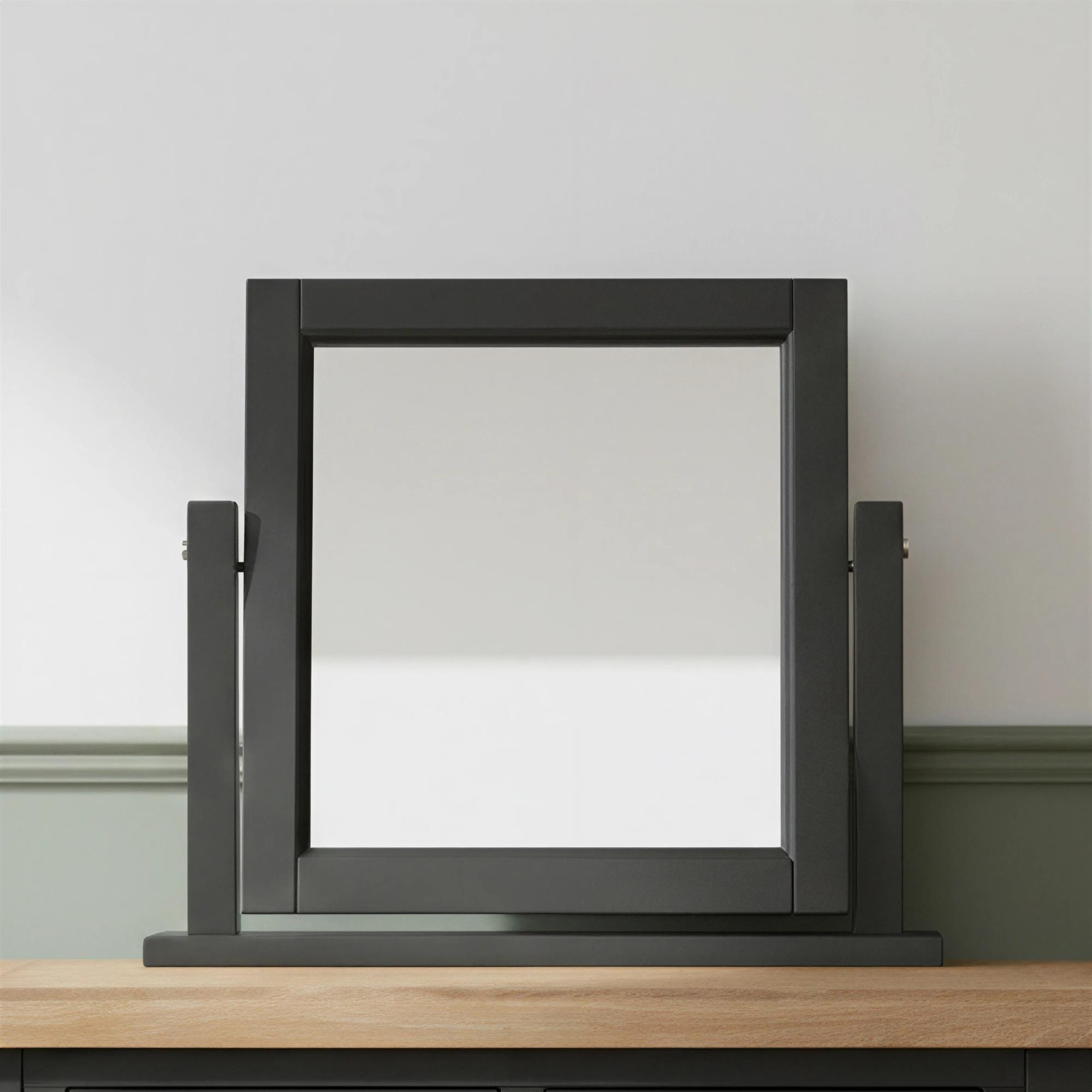
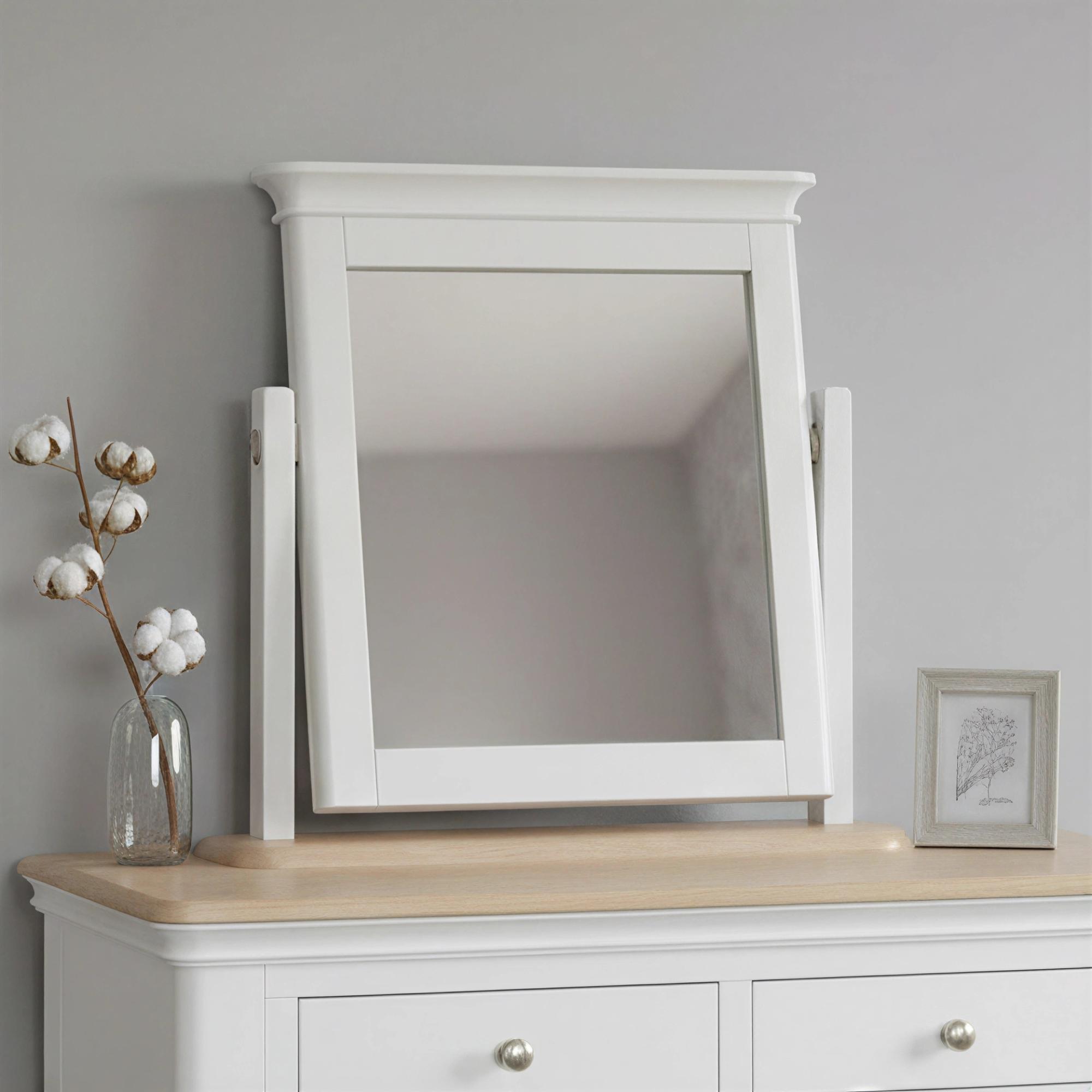
Painted Bedroom Mirrors

Found 22 Items

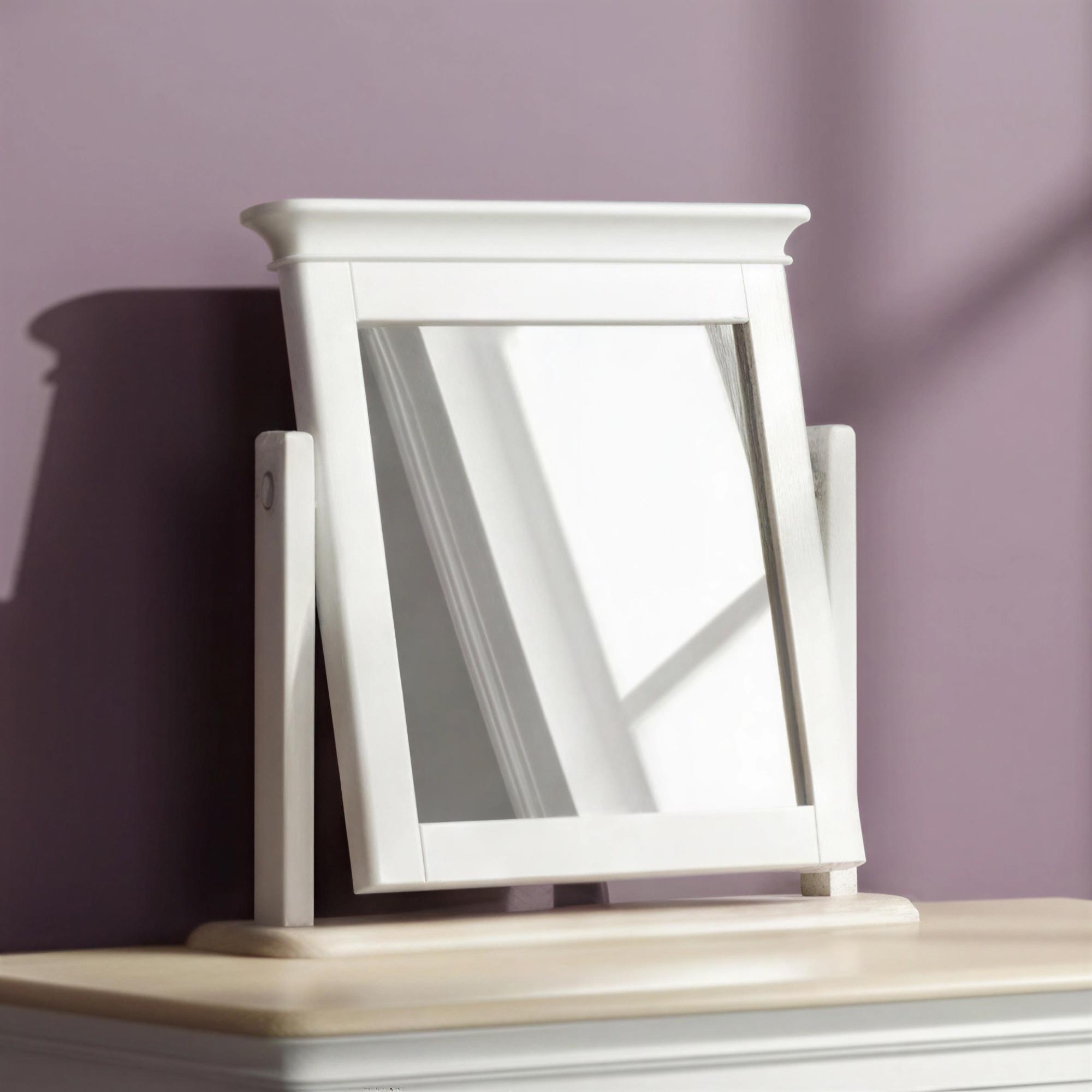
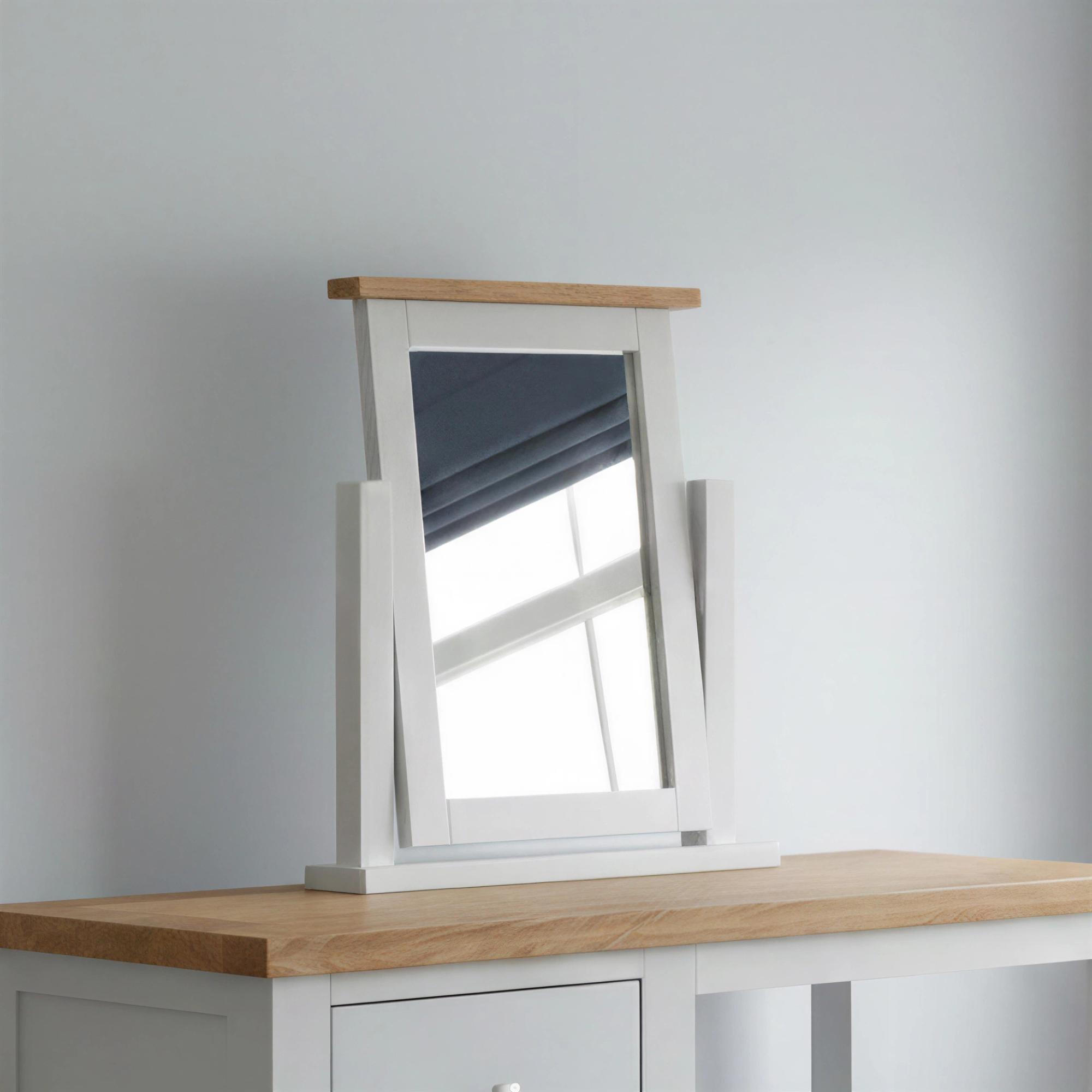
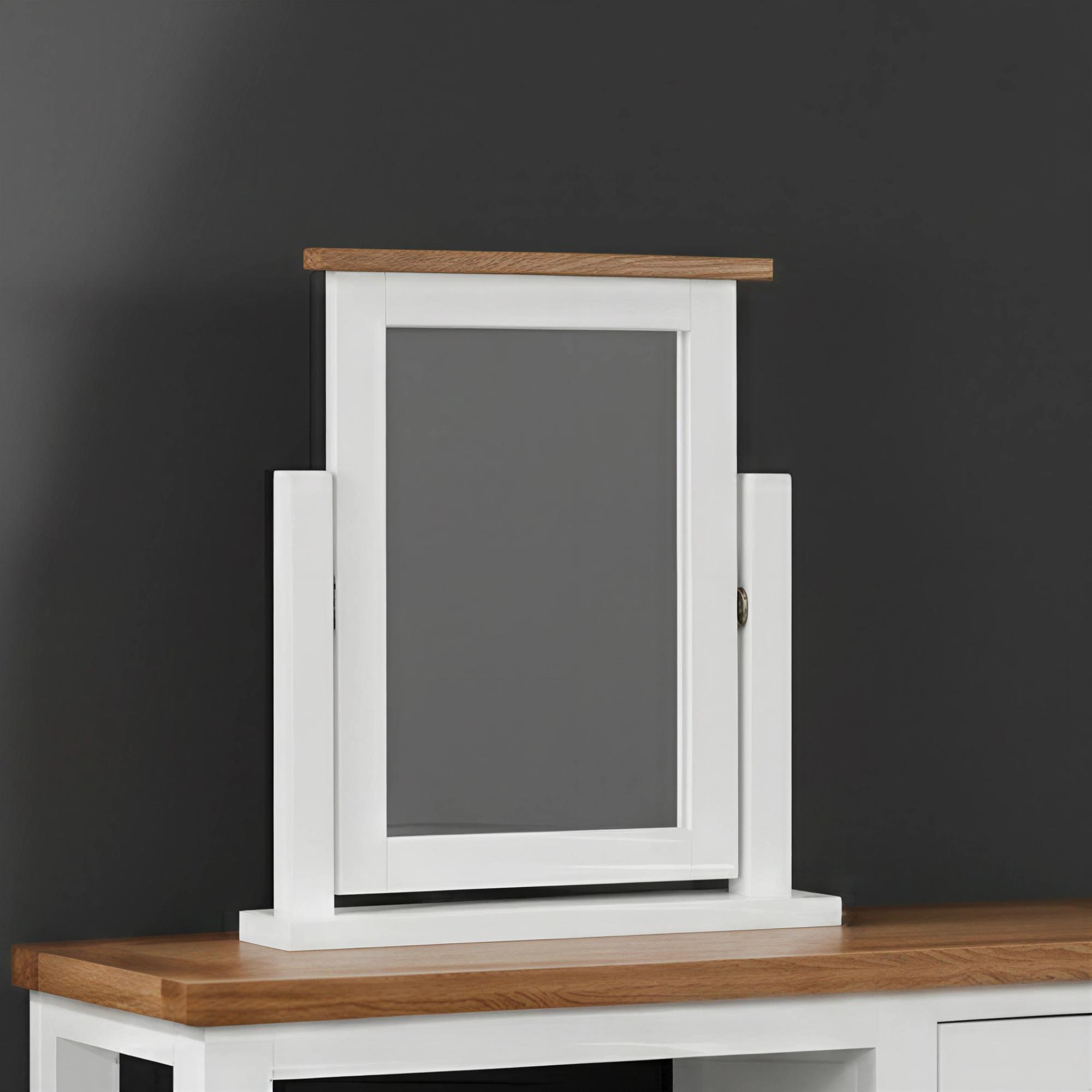
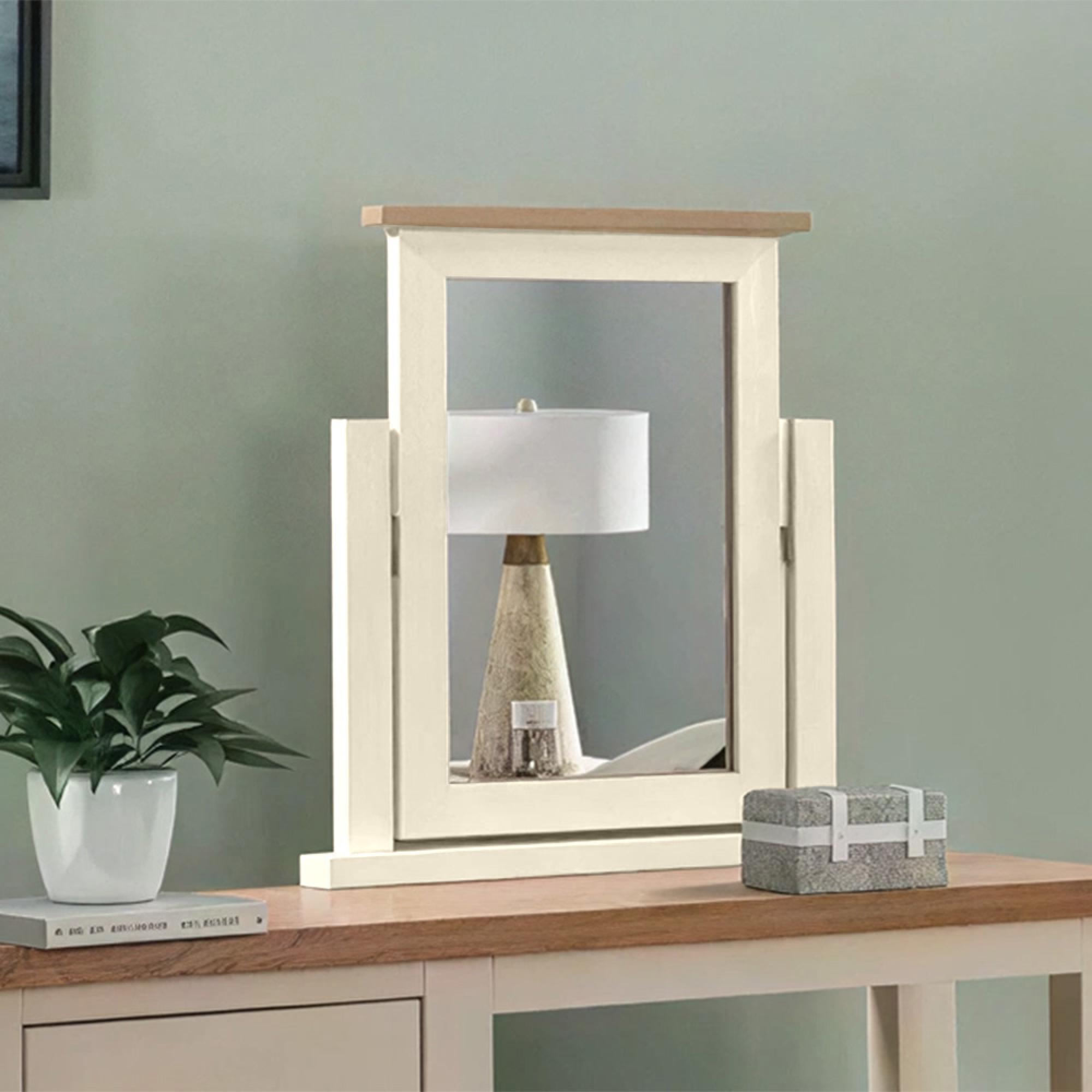
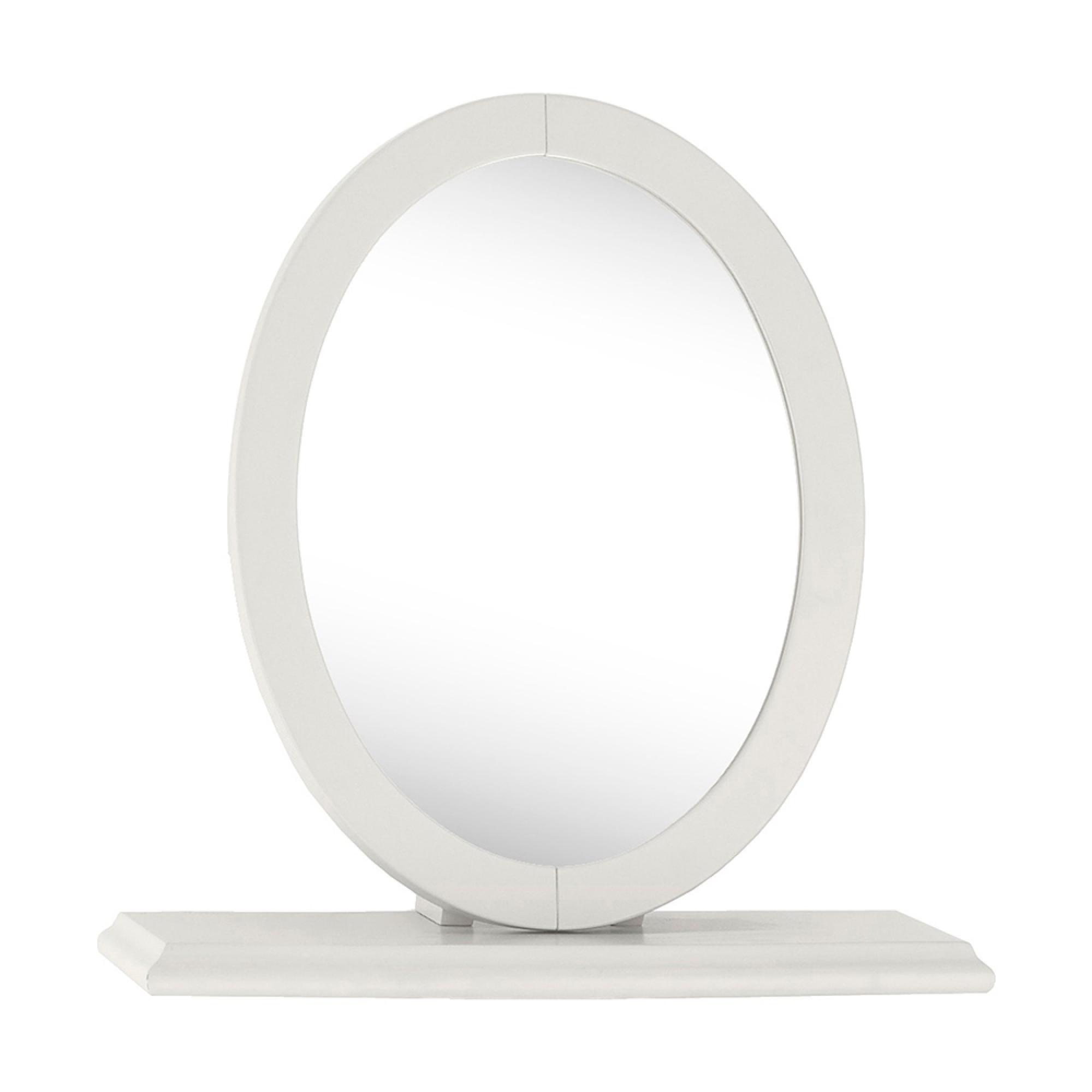
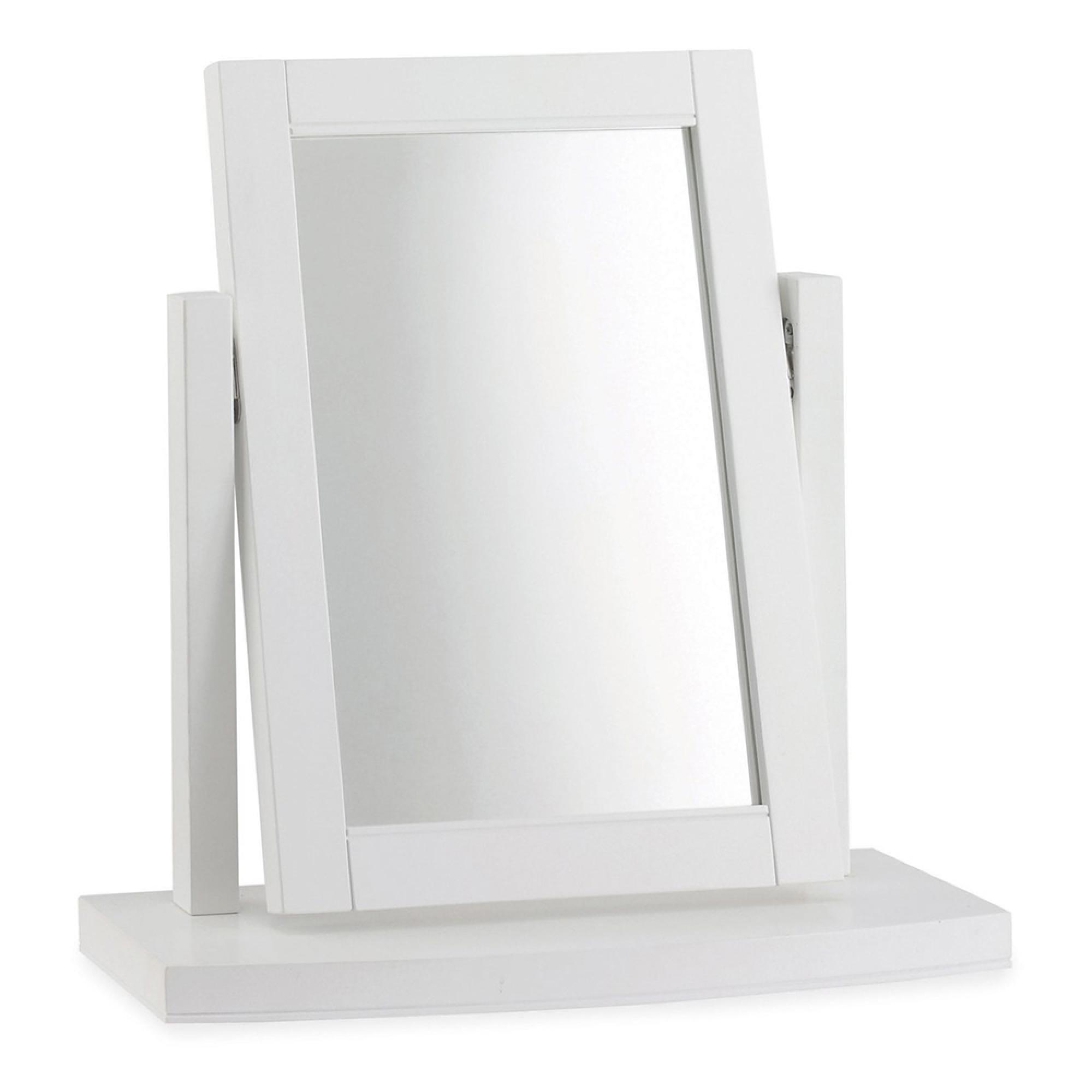
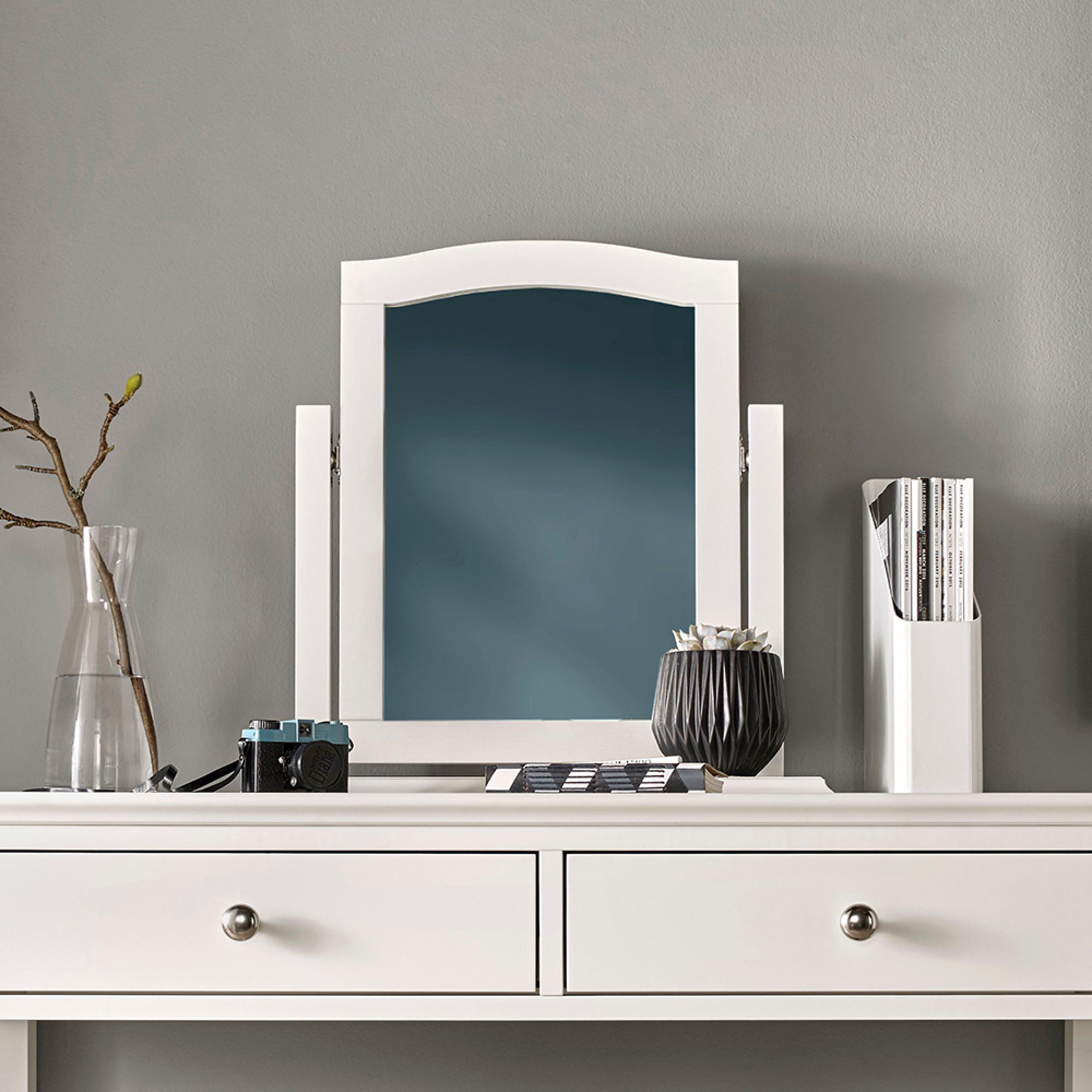
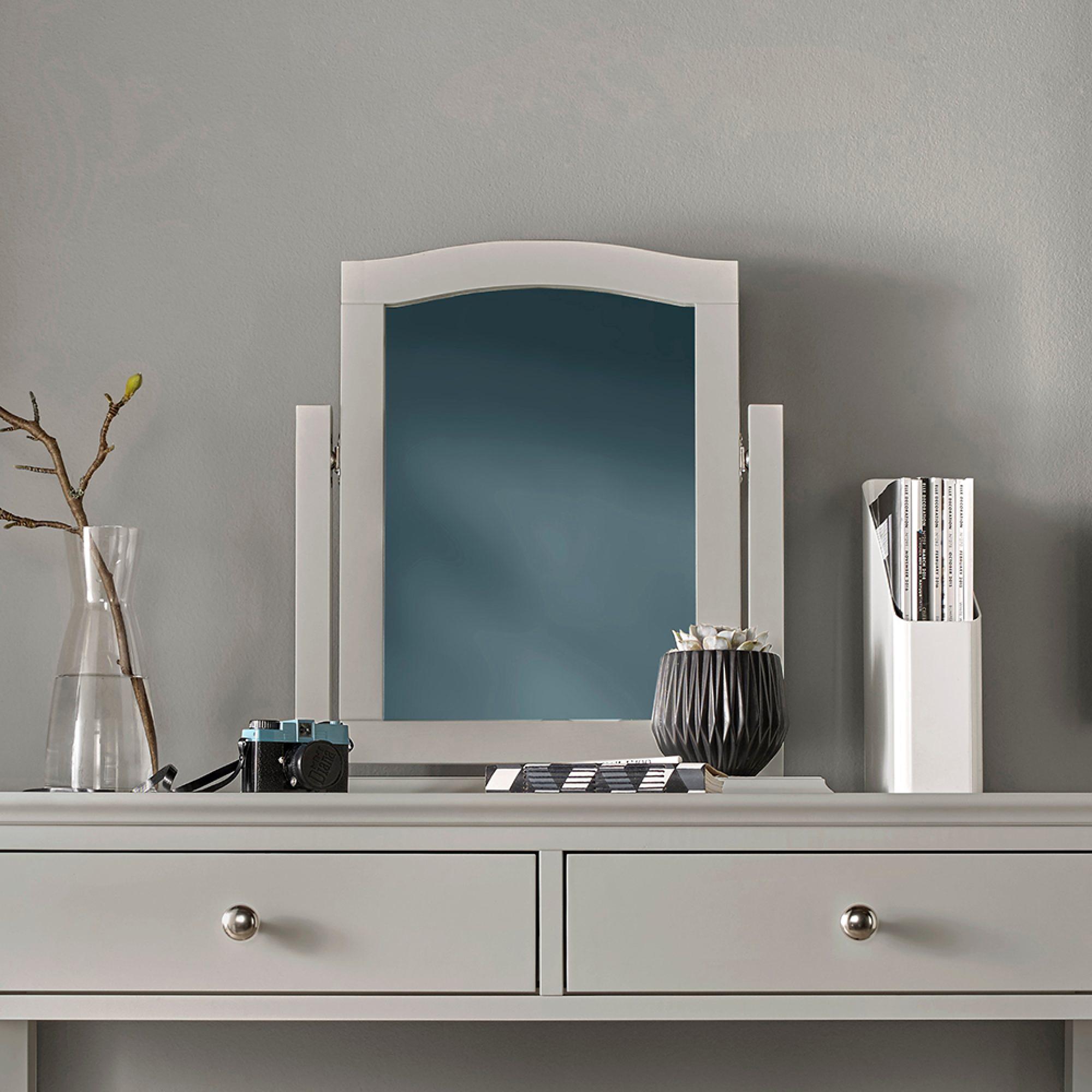
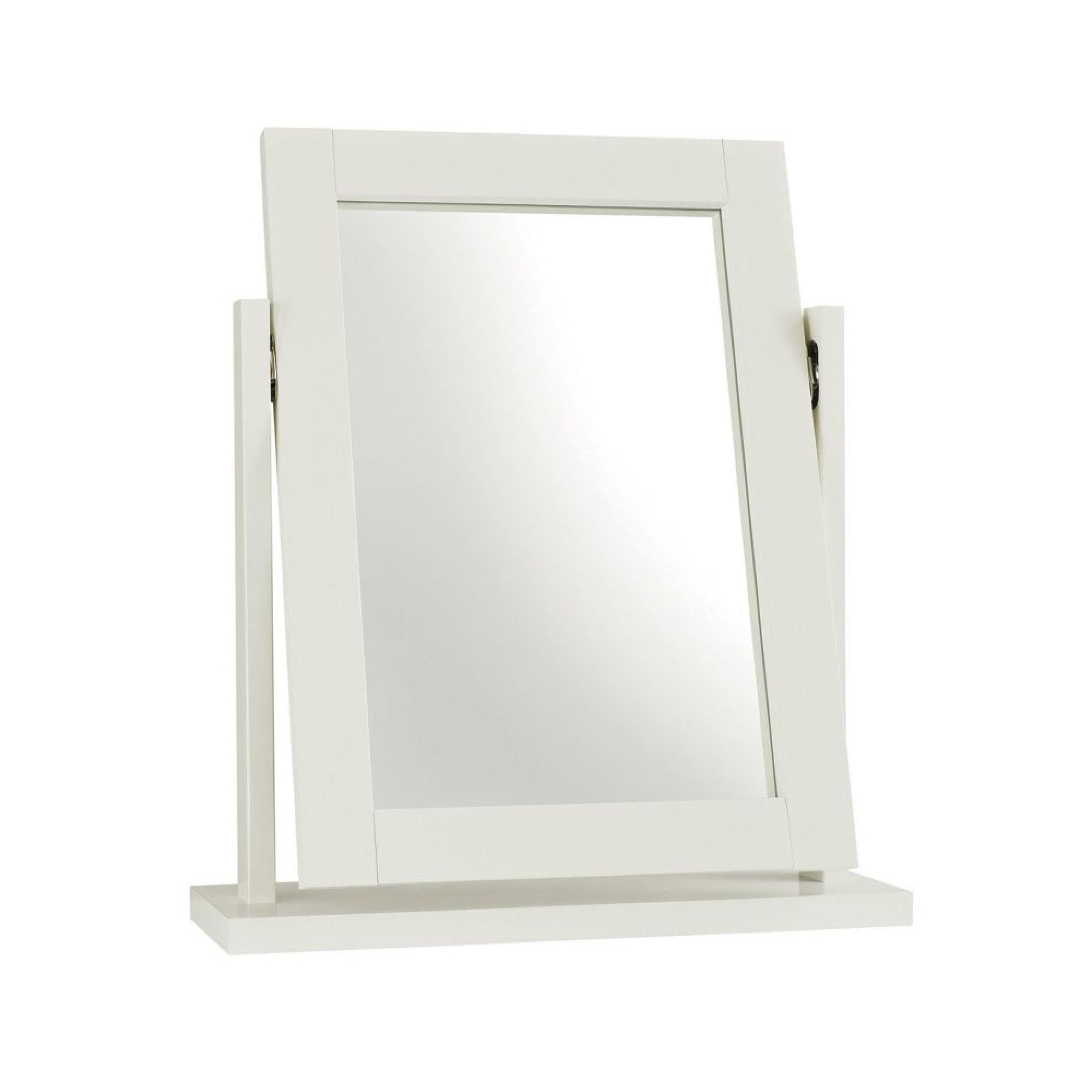
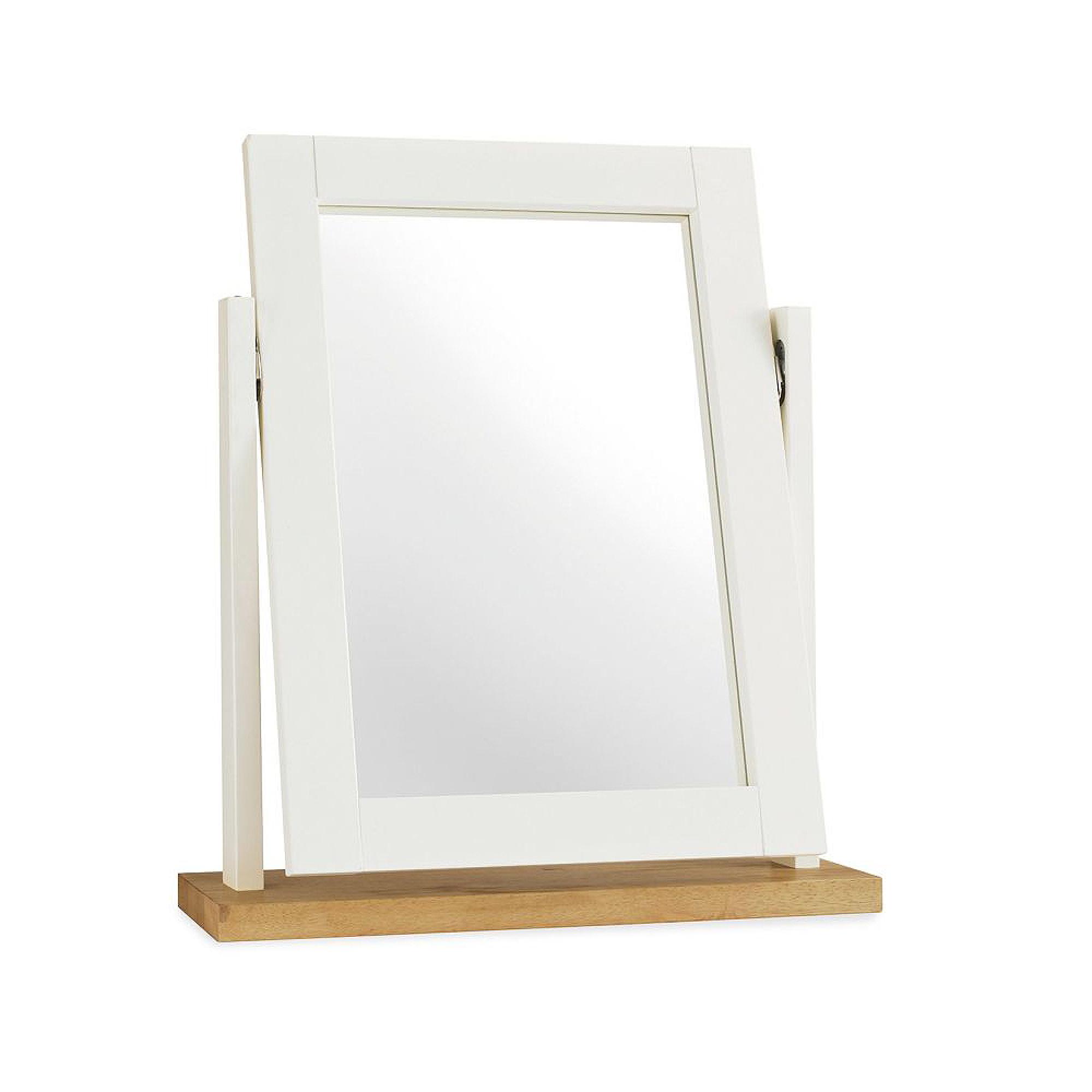
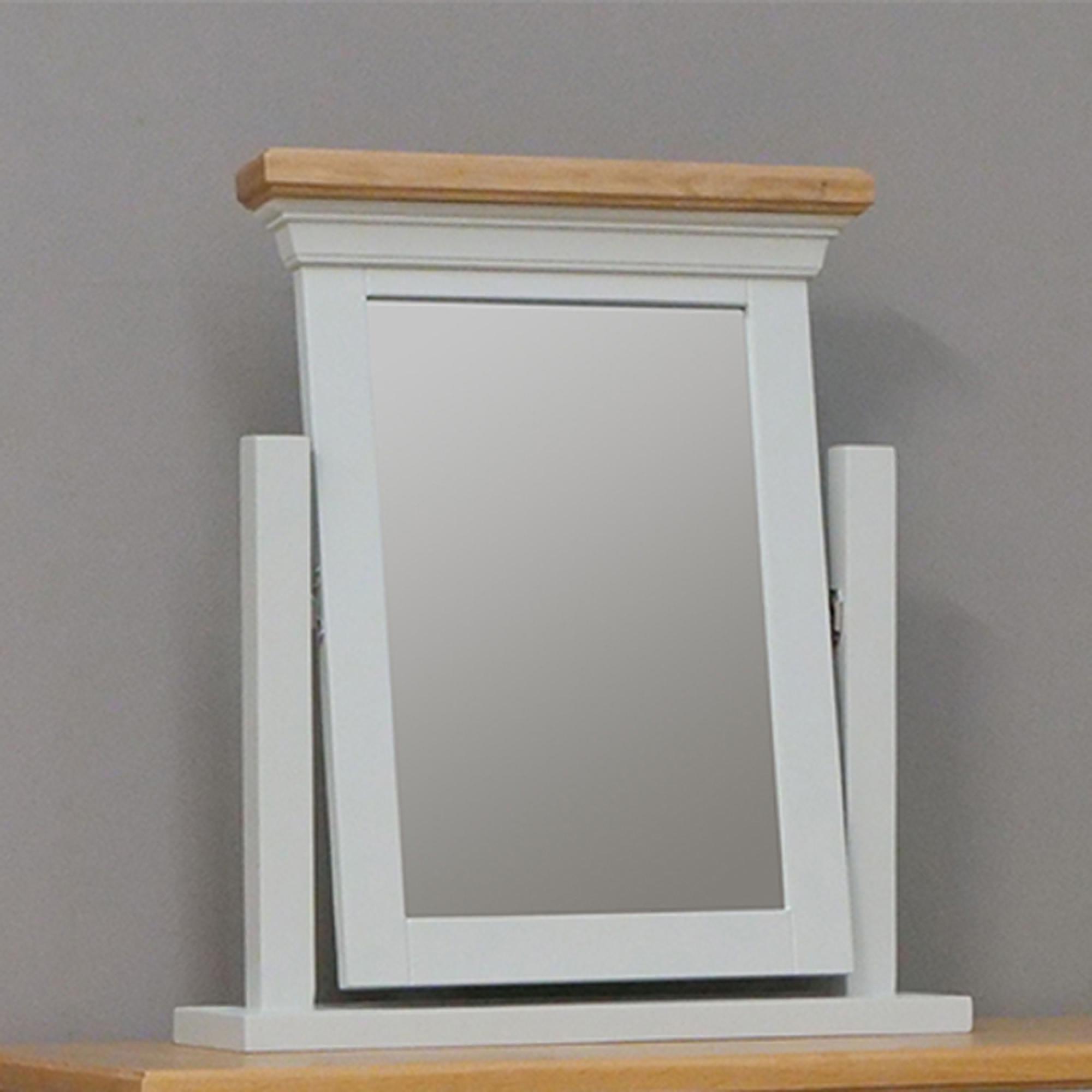
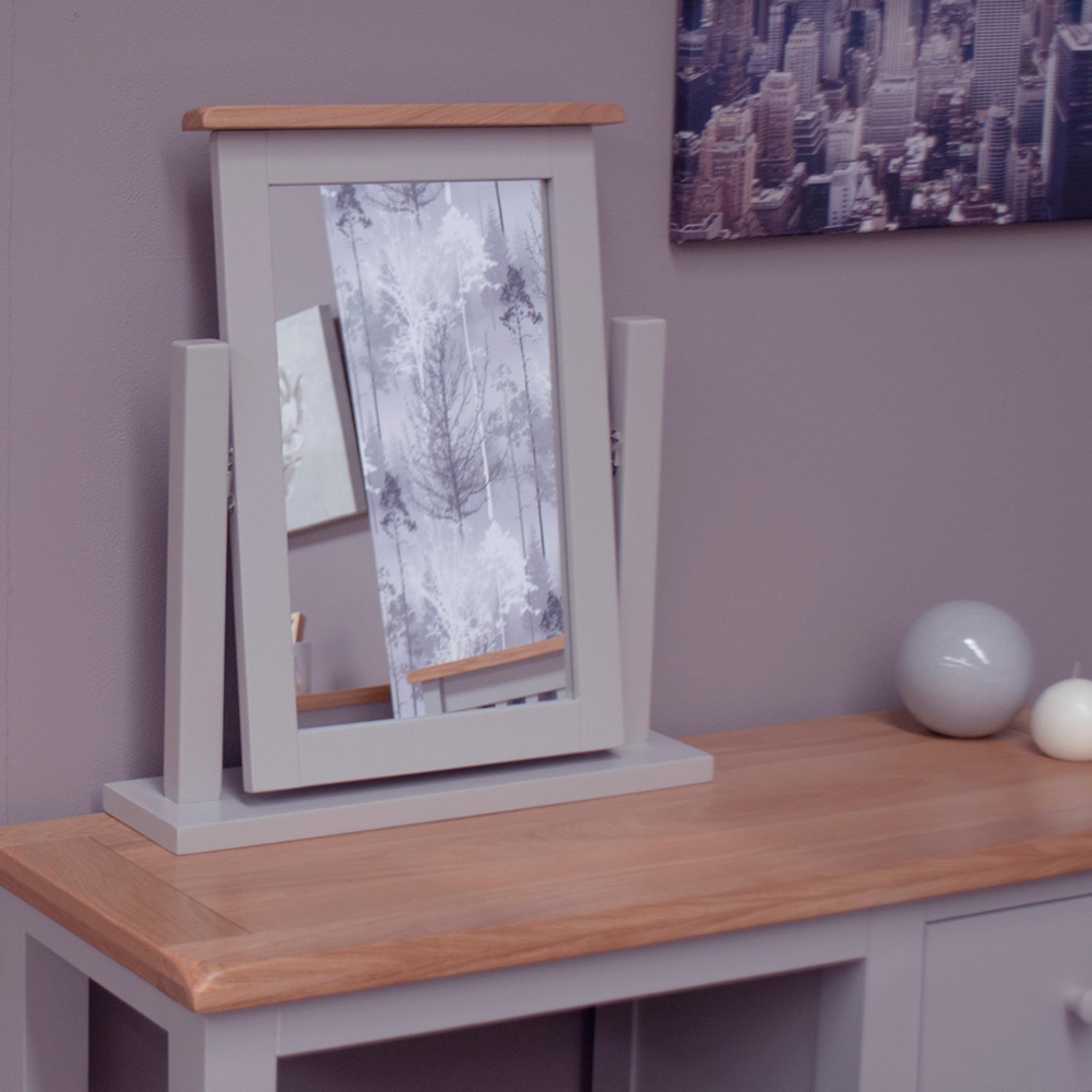
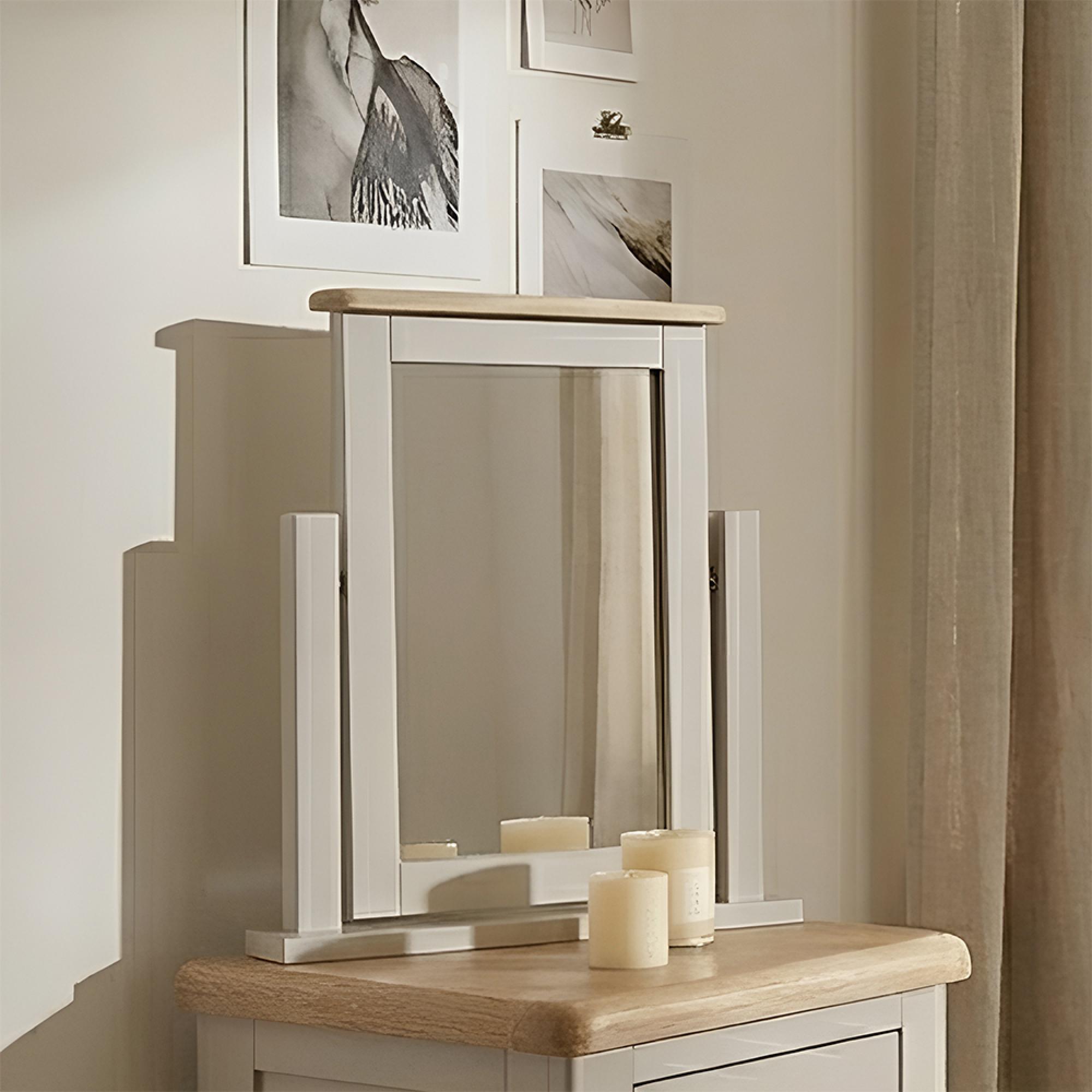
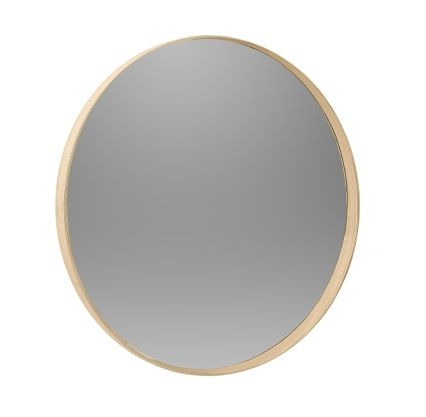
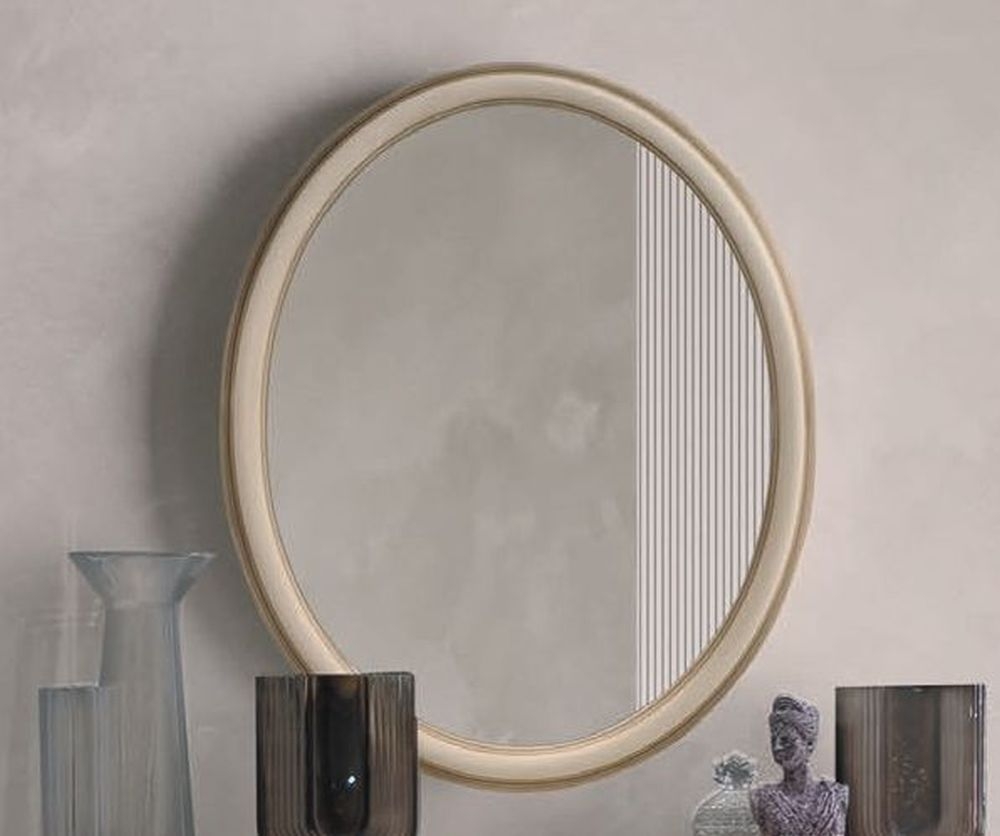
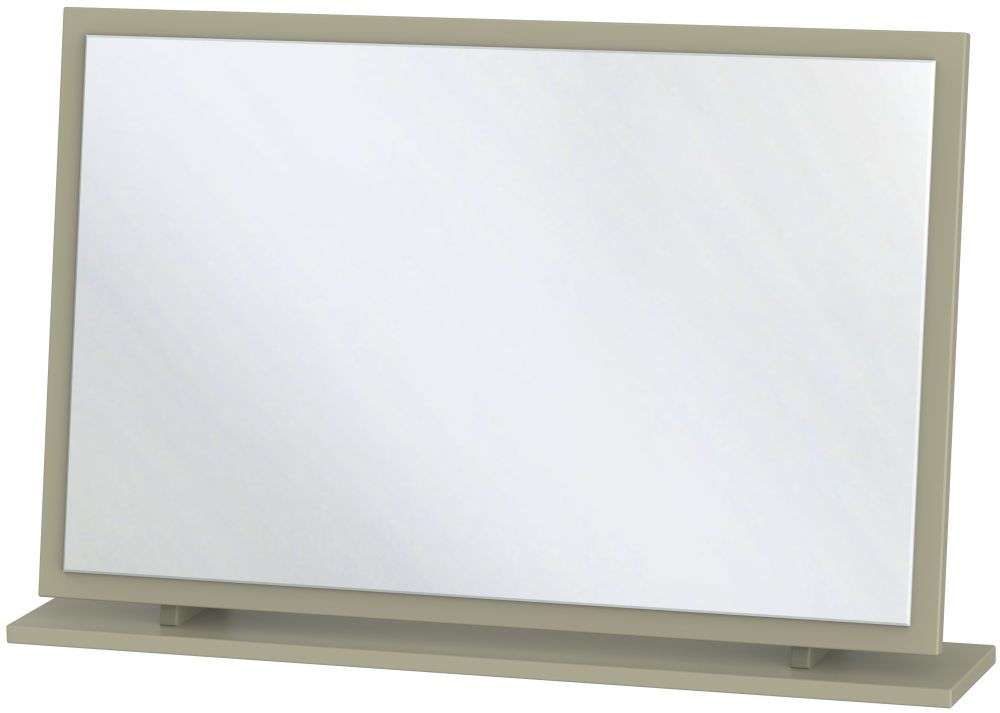
Explore Painted Bedroom Mirrors designed to provide a useful reflection while helping light move around the room. Compare shape, frame material, mounting orientation, overall scale and fixing requirements to identify the right balance of appearance and function. The painted focus makes material, finish and care especially important when comparing products. Position the mirror to reflect useful light or a considered view rather than visual clutter.
Read more X Close

Price

Shape

Material

Finish

Colour

  • Black
  • Cream
  • Green
  • Grey
  • White

Choosing Painted Bedroom Mirrors

This category focuses on Painted Bedroom Mirrors that can provide a useful reflection while helping light move around the room. Start with the room layout and daily use, then compare shape, frame material, mounting orientation, overall scale and fixing requirements. The painted focus makes material, finish and care especially important when comparing products. This keeps the decision focused on practical suitability as well as style.

Plan the space before choosing

Position the mirror to reflect useful light or a considered view rather than visual clutter. Record the available width, depth and height, including clearance for doors, drawers, reclining parts or extensions where relevant. Account for skirting boards, radiators, sockets and walking routes, then check the access route through doors, halls and stairs.

For adjacent choices, explore Bedroom Mirrors, Oak Bedroom Mirrors and Pine Bedroom Mirrors. Use these comparisons alongside the specifications on each product page.

Painted Bedroom Mirrors for considered interiors

The Painted Bedroom Mirrors category focuses on choices intended to provide a useful reflection while helping light move around the room. A suitable option should respond to the room's proportions, surrounding furniture and practical demands of everyday use. The painted focus makes material, finish and care especially important when comparing products.

Material, finish and construction

When comparing mirrors, look closely at shape, frame material, mounting orientation, overall scale and fixing requirements. Materials influence appearance, weight and maintenance, while finish affects colour coordination and day-to-day care. Use the written specification to confirm construction and care requirements.

Function and room planning

Position the mirror to reflect useful light or a considered view rather than visual clutter. Mark out the footprint and consider how people move around it. Where a product opens, extends, swivels or reclines, include that working clearance. For storage, seating or sleeping products, match the layout, support and capacity to the needs of regular users.

Creating a coordinated result

Build the room around a clear relationship between scale, colour and material. Matching every finish is not essential, but repeating one or two elements can connect separate pieces. You can also compare Bedroom Mirrors, Oak Bedroom Mirrors and Pine Bedroom Mirrors for closely related room and product choices. Use the individual listing to confirm dimensions, included components, assembly and suitability.
Read more X Close

FAQs on Painted Bedroom Mirrors

What size painted bedroom mirror should I buy?

Choose based on your space and purpose. For dressing tables, aim for 60–80cm width at seated eye level. Above a chest of drawers, 70–100cm works well. In small rooms, a single large mirror (120cm+) reflects light effectively. Measure your wall space first and leave 15–20cm clearance from adjacent furniture.

Light colours like white, ivory and cream reflect more light, making rooms feel larger and airier. Grey and mushroom tones add calm without overwhelming small spaces. Avoid dark colours in tight rooms, as black or deep finishes can feel heavy. Pair your choice with your existing bedding and furniture.

Rectangle mirrors are classic and practical above dressing tables or chests. Oval designs soften a rooms angles and suit traditional schemes. Arch shapes feel contemporary and work as statement pieces. Consider your bedroom style: modern rooms suit arch and rectangle; traditional rooms favour oval and rectangle finishes.

Use appropriate wall fixings for your wall type—plasterboard needs cavity wall anchors, solid walls need masonry plugs. Position the mirror centre at eye level when seated (around 150–160cm from the floor). Secure it with two sturdy brackets or a quality mirror hanging kit. Check weight limits before installation.

No. Clean the glass with glass cleaner and a soft cloth, but wipe the painted frame with a dry or slightly damp cloth only. Avoid spraying cleaner directly on paint as it damages the finish. For stubborn marks, use a barely damp cloth then dry immediately to prevent water damage.

No, brush marks and subtle texture variations on hand-painted frames are intentional features that show genuine craftsmanship. Theyre not factory faults but desirable character details. Each mirror has unique, slight variations which add individuality and prove its quality-made rather than mass-produced.

Painted mirrors have a smooth, colour-matched finish that suits modern and traditional décor equally. Wooden-frame mirrors show natural grain and texture, suiting rustic or traditional schemes. Painted frames offer more colour choice, hide grain variation, and coordinate easily with painted bedroom furniture sets.

Yes. Quality painted mirrors last 10+ years, coordinate with bedroom furniture, and enhance light reflection. Compared to budget alternatives, they offer superior frame durability and finish consistency. With 0% finance available, larger statement mirrors become affordable. Free UK delivery and stock availability add value.

Painted mirrors work in bathrooms if the finish is quality and moisture-resistant. However, bathrooms experience high humidity which can damage paint over time. Ensure proper ventilation and avoid direct water spray on the frame. For bathrooms, consider frameless or moisture-resistant alternatives instead.

Above a dressing table, position the centre at seated eye level (around 150cm from floor). Opposite a window reflects natural light and opens the space. Behind the door maximises wall space without dominating the room. Avoid positions facing directly into bright light, which creates glare.

Choose a bold colour like black, mushroom or deep grey to anchor the wall. Frame it with lighter bedding and accessories for contrast. Hang it centrally above the bed or opposite the bed for impact. Add matching painted furniture like a chest or wardrobe to create a coordinated look.
Top