Free Delivery All Over UK*
close
Top products
SHOW ALL PRODUCTS

Walnut Sideboards

Found 41 Items

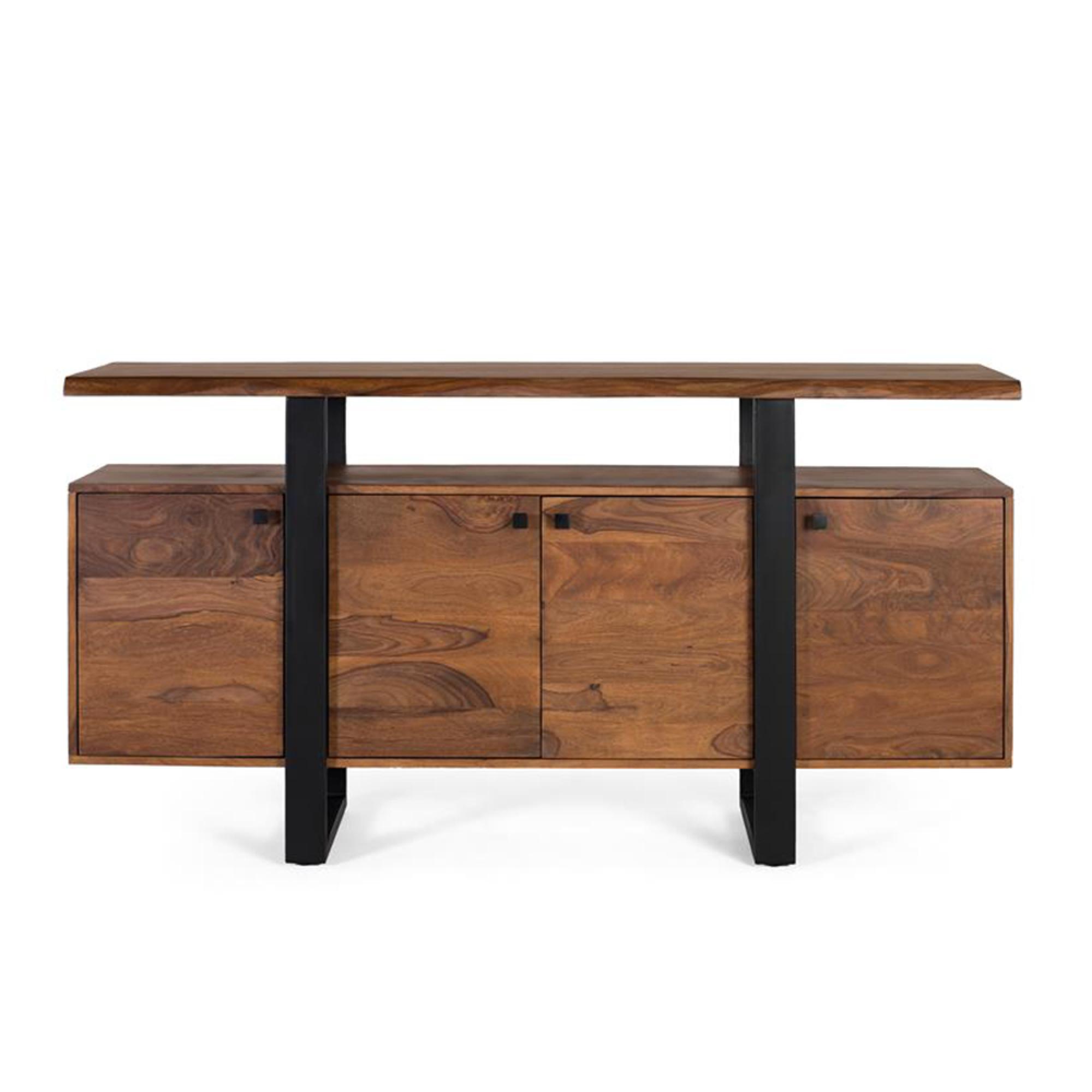
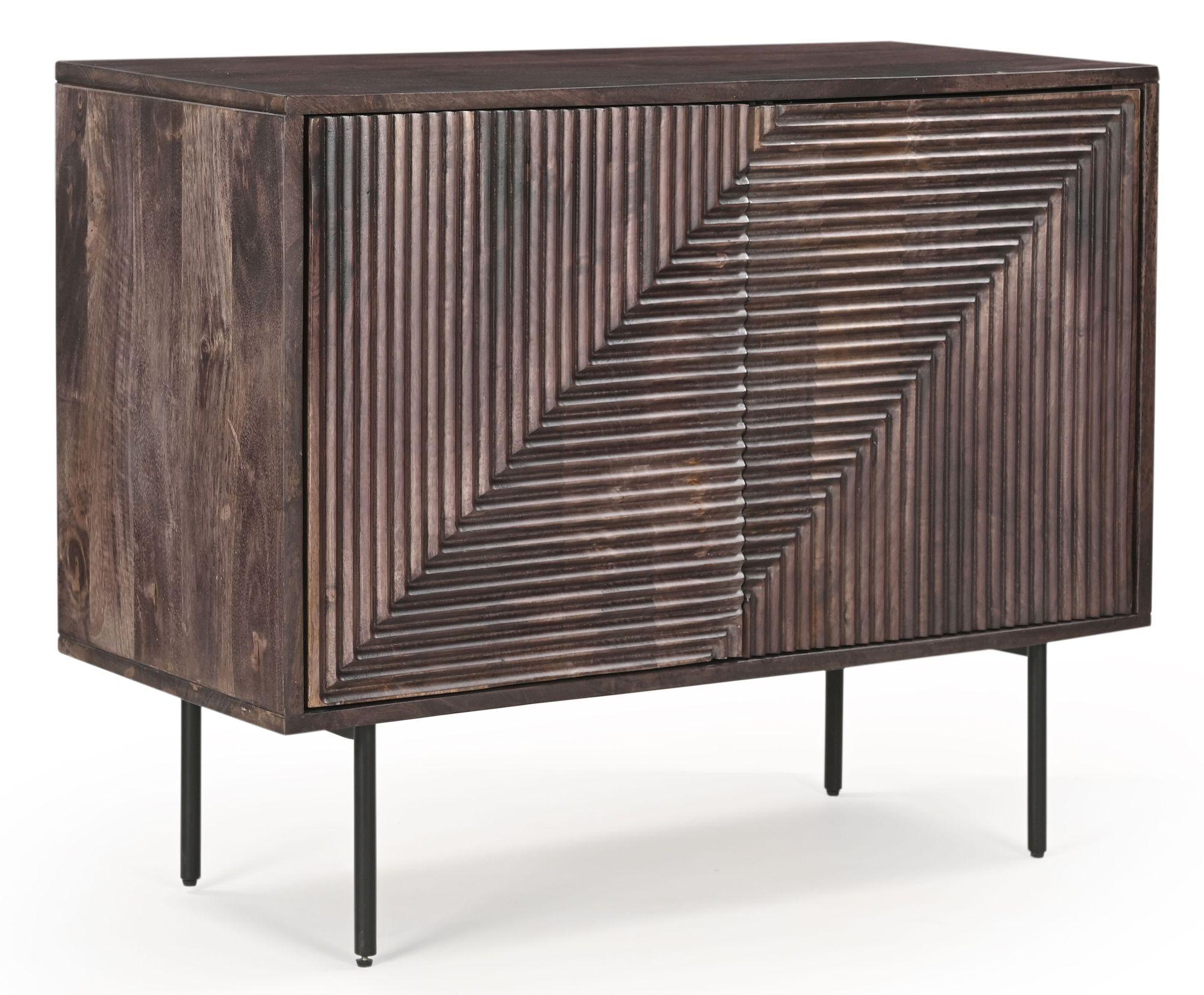
Use the Walnut Sideboards category to compare choices that combine useful enclosed storage with a surface for serving or display. Compare door and drawer layout, internal shelving, width, depth, handles and finish to identify the right balance of appearance and function. The walnut focus makes material, finish and care especially important when comparing products. Plan enough clearance for doors and drawers to open without obstructing walkways.
Read more X Close

Price

Type

No. of Doors

No. of Drawers

Material

39 Products of 41

Load More..

Choosing Walnut Sideboards

This category focuses on Walnut Sideboards that can combine useful enclosed storage with a surface for serving or display. Start with the room layout and daily use, then compare door and drawer layout, internal shelving, width, depth, handles and finish. The walnut focus makes material, finish and care especially important when comparing products. This keeps the decision focused on practical suitability as well as style.

Plan the space before choosing

Plan enough clearance for doors and drawers to open without obstructing walkways. Record the available width, depth and height, including clearance for doors, drawers, reclining parts or extensions where relevant. Account for skirting boards, radiators, sockets and walking routes, then check the access route through doors, halls and stairs.

For adjacent choices, explore Sideboards, Indian Sideboards and Italian Sideboards. Use these comparisons alongside the specifications on each product page.

Walnut Sideboards for considered interiors

The Walnut Sideboards category focuses on choices intended to combine useful enclosed storage with a surface for serving or display. A suitable option should respond to the room's proportions, surrounding furniture and practical demands of everyday use. The walnut focus makes material, finish and care especially important when comparing products.

Material, finish and construction

When comparing sideboards, look closely at door and drawer layout, internal shelving, width, depth, handles and finish. Materials influence appearance, weight and maintenance, while finish affects colour coordination and day-to-day care. Use the written specification to confirm construction and care requirements.

Function and room planning

Plan enough clearance for doors and drawers to open without obstructing walkways. Mark out the footprint and consider how people move around it. Where a product opens, extends, swivels or reclines, include that working clearance. For storage, seating or sleeping products, match the layout, support and capacity to the needs of regular users.

Creating a coordinated result

Build the room around a clear relationship between scale, colour and material. Matching every finish is not essential, but repeating one or two elements can connect separate pieces. You can also compare Sideboards, Indian Sideboards and Italian Sideboards for closely related room and product choices. Use the individual listing to confirm dimensions, included components, assembly and suitability.
Read more X Close

FAQs on Walnut Sideboards

What size walnut sideboard should I buy for my dining room?

Measure your wall width first, allowing 15cm clearance each side for doors. A 120–150cm sideboard suits most dining rooms. Check depth (40–50cm) against your floor plan, and height (75–85cm) for comfortable serving access. Smaller spaces work with compact 90–110cm designs.

Walnut sideboards combine cupboard doors, drawers, and shelving in various layouts. Many include wine racks, LED interior lighting, or adjustable shelves for flexible organisation. Check the product description for the specific internal configuration before ordering to match your storage needs.

Yes, walnut sideboards suit modern spaces well. Choose cleaner-lined designs for contemporary settings—the warm grain adds character without clashing with minimal schemes. Pair with neutral walls and modern lighting for a cohesive look that bridges traditional and contemporary styles.

Absolutely. Walnut sideboards work equally well in living rooms as dining spaces. Use them for media storage, display, or general organisation. Select a style matching your existing furniture—modern or traditional designs both integrate seamlessly into living room schemes.

Dust regularly with a soft cloth and use a slightly damp cloth for marks. Apply wood polish or wax every few months to nourish the timber. Avoid harsh chemicals, abrasive sponges, and direct sunlight, which can fade colour and dry the wood.

Compact designs typically weigh 40–60kg, while large four-door units reach 80–120kg or more. Weight depends on timber density and construction quality. Youll need two people to position larger sideboards safely. Check product specifications for exact weight before ordering.

Walnut has a darker, richer grain with deeper brown tones, while oak is lighter with more pronounced grain patterns. Walnut suits contemporary and traditional schemes; oak leans traditional. Both offer excellent durability. Choose based on your interior colour scheme and aesthetic preference.

Smaller sideboards arrive fully assembled and ready to use. Larger three or four-door designs typically require assembly using included fittings and instructions. Two people make assembly quicker. Check your product page for specific assembly requirements before delivery.

Standard delivery takes 3–7 working days with free UK shipping on all orders. Larger models may require two-person delivery, confirmed at checkout. Check product availability on your chosen item, as some stock ships faster than special orders.

Yes. Walnut sideboards offer excellent durability and timeless style, lasting decades with proper care. The natural timber develops character over time. Our Trustpilot rating reflects strong customer satisfaction with quality and longevity, making them sound long-term furniture investments.
Top