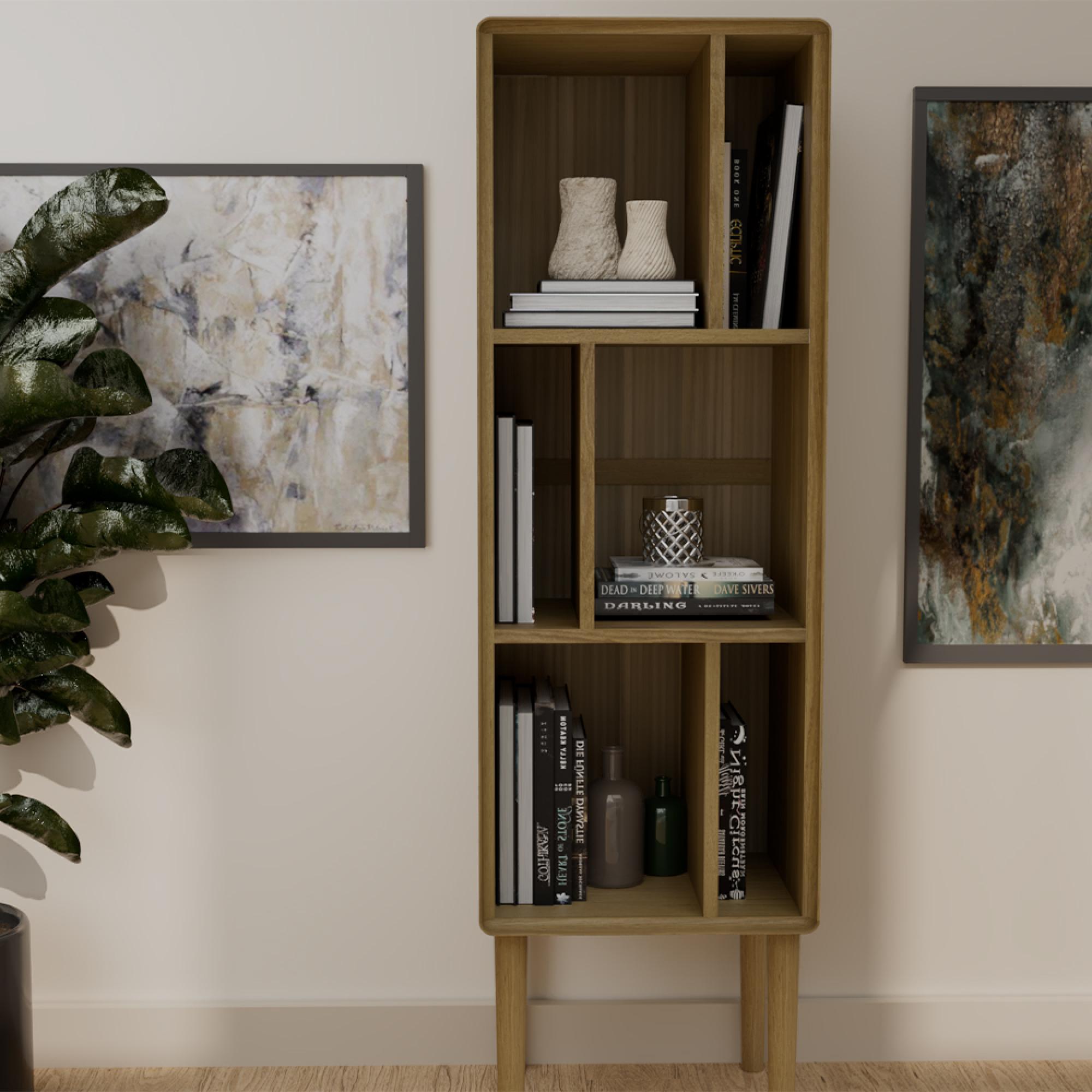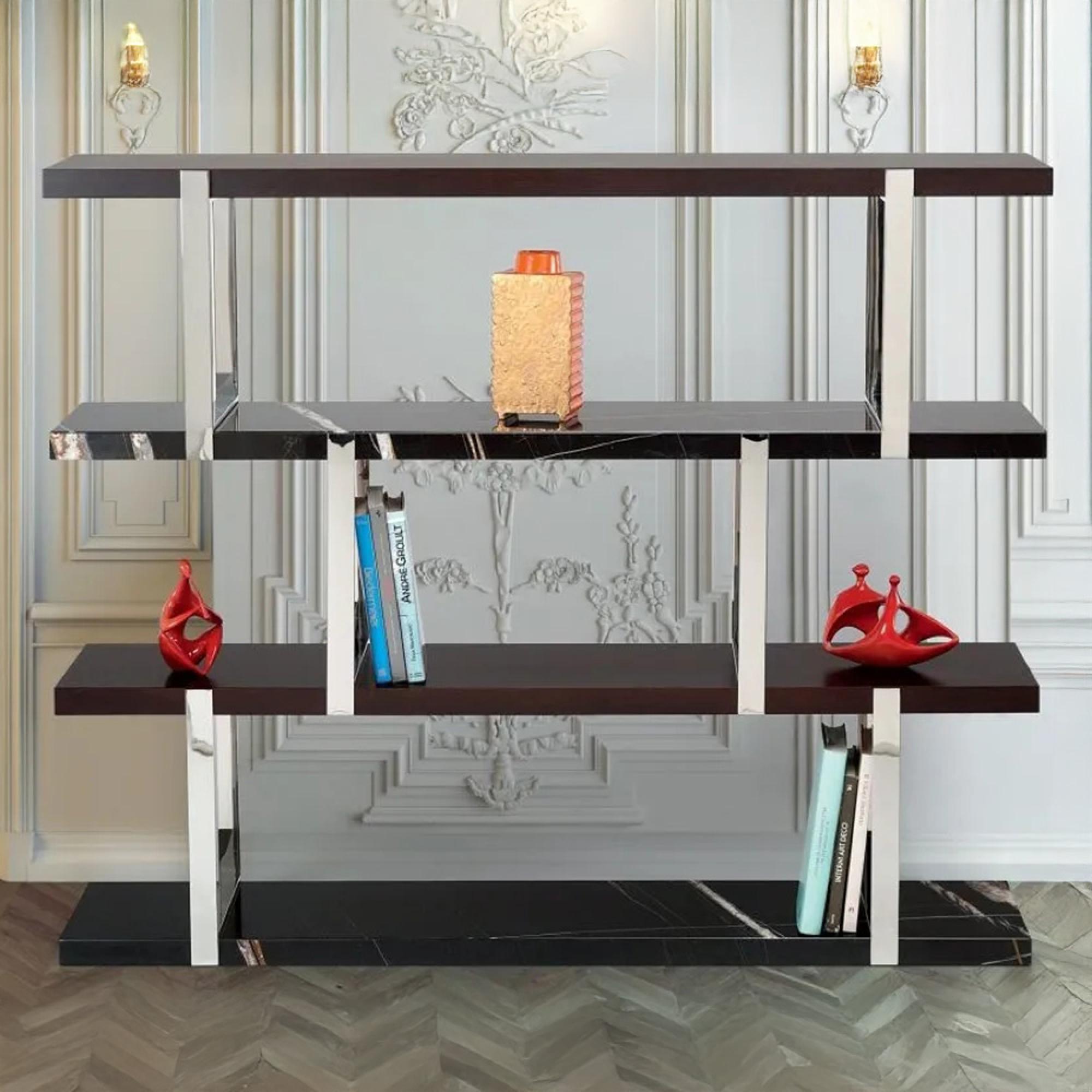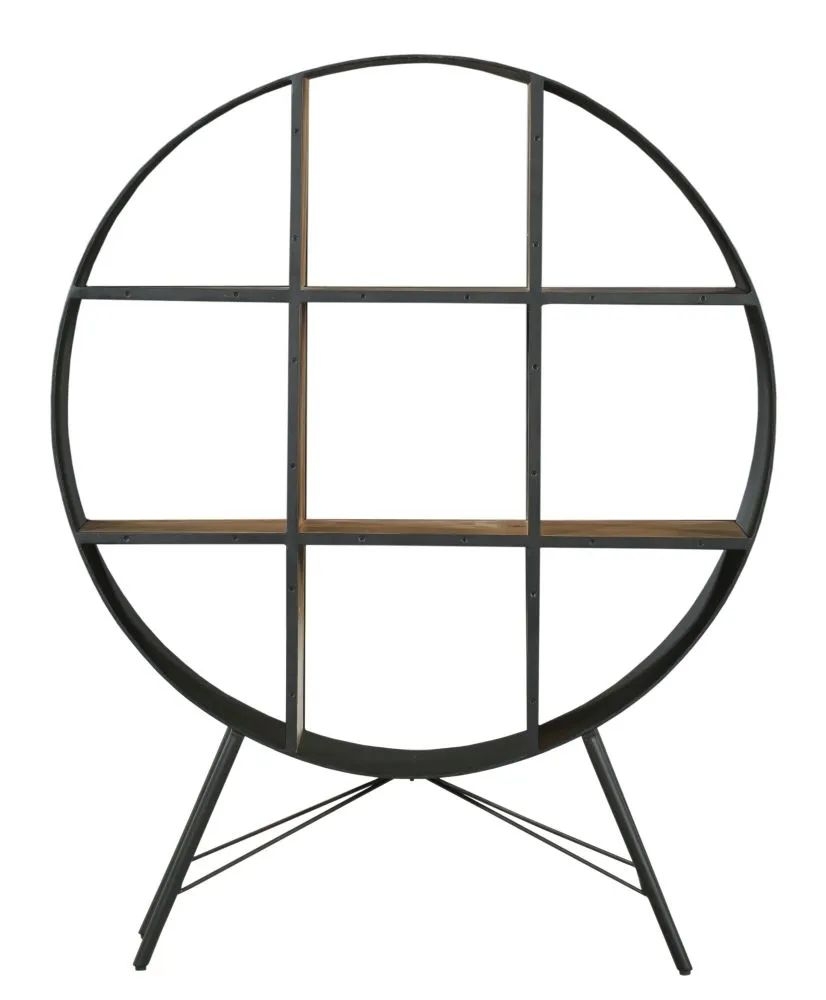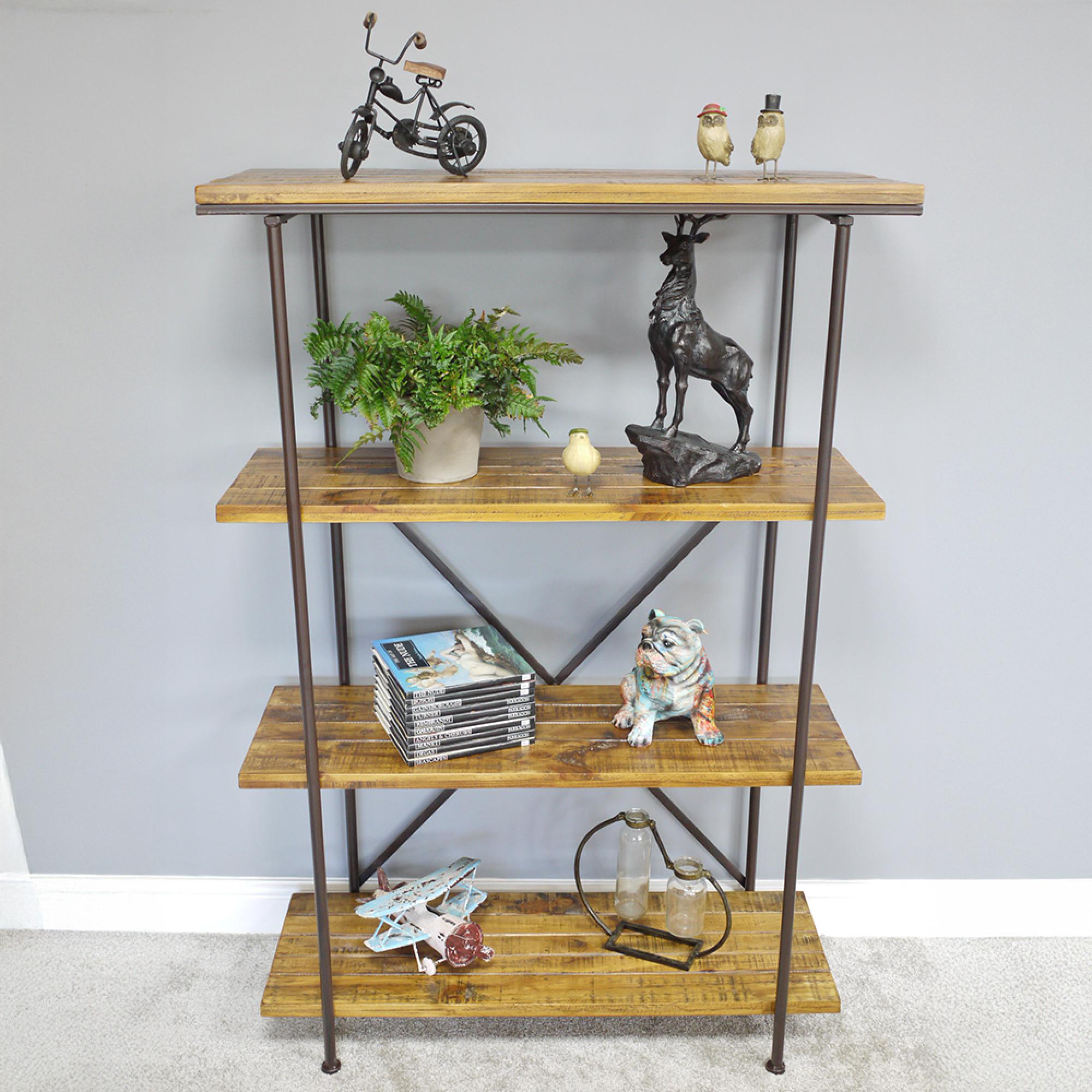
Free Delivery All Over UK*
close
Top products
SHOW ALL PRODUCTS

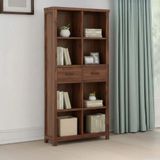
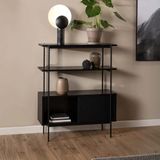
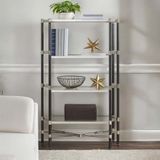
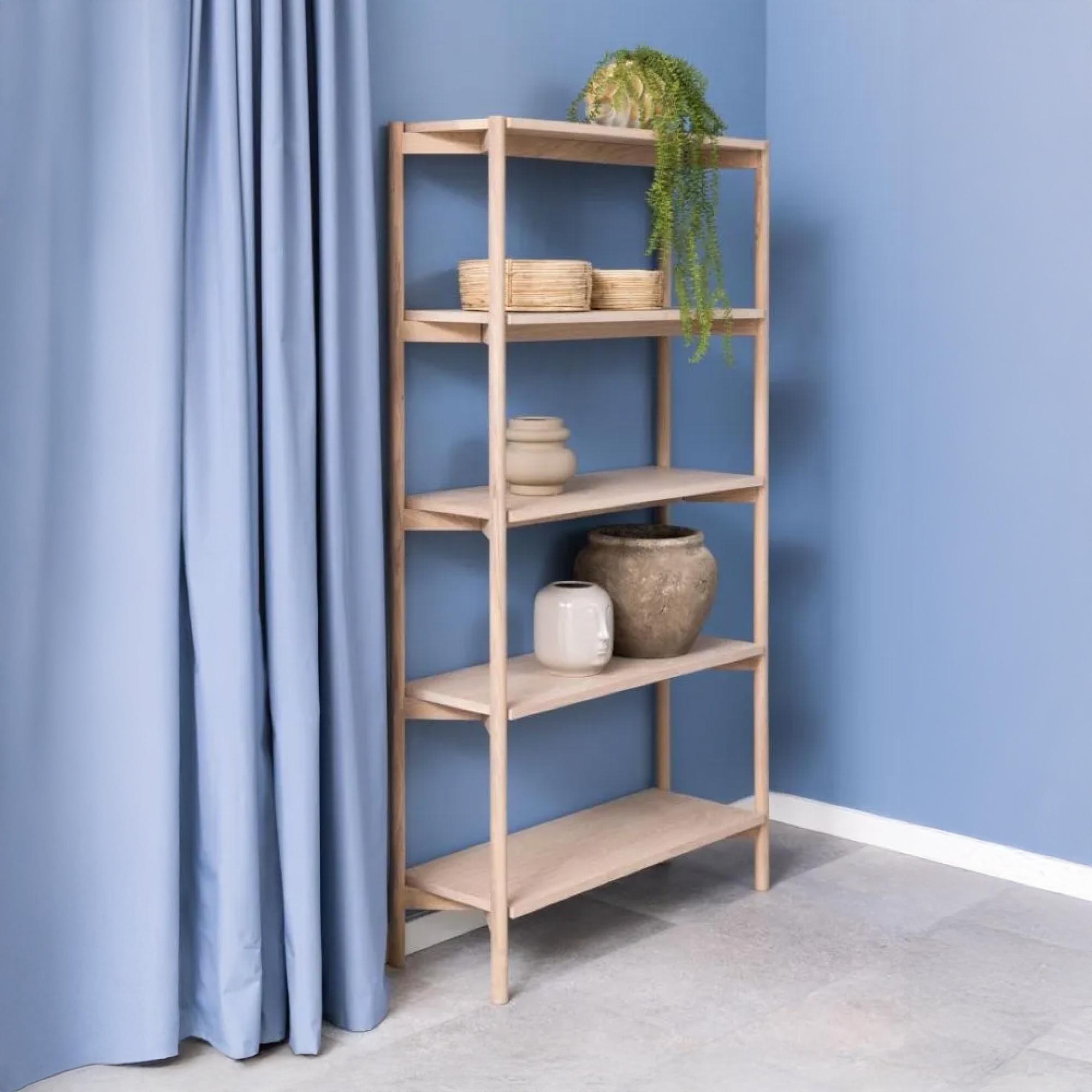
Bookcase 140cm to 160cm High

Found 28 Items

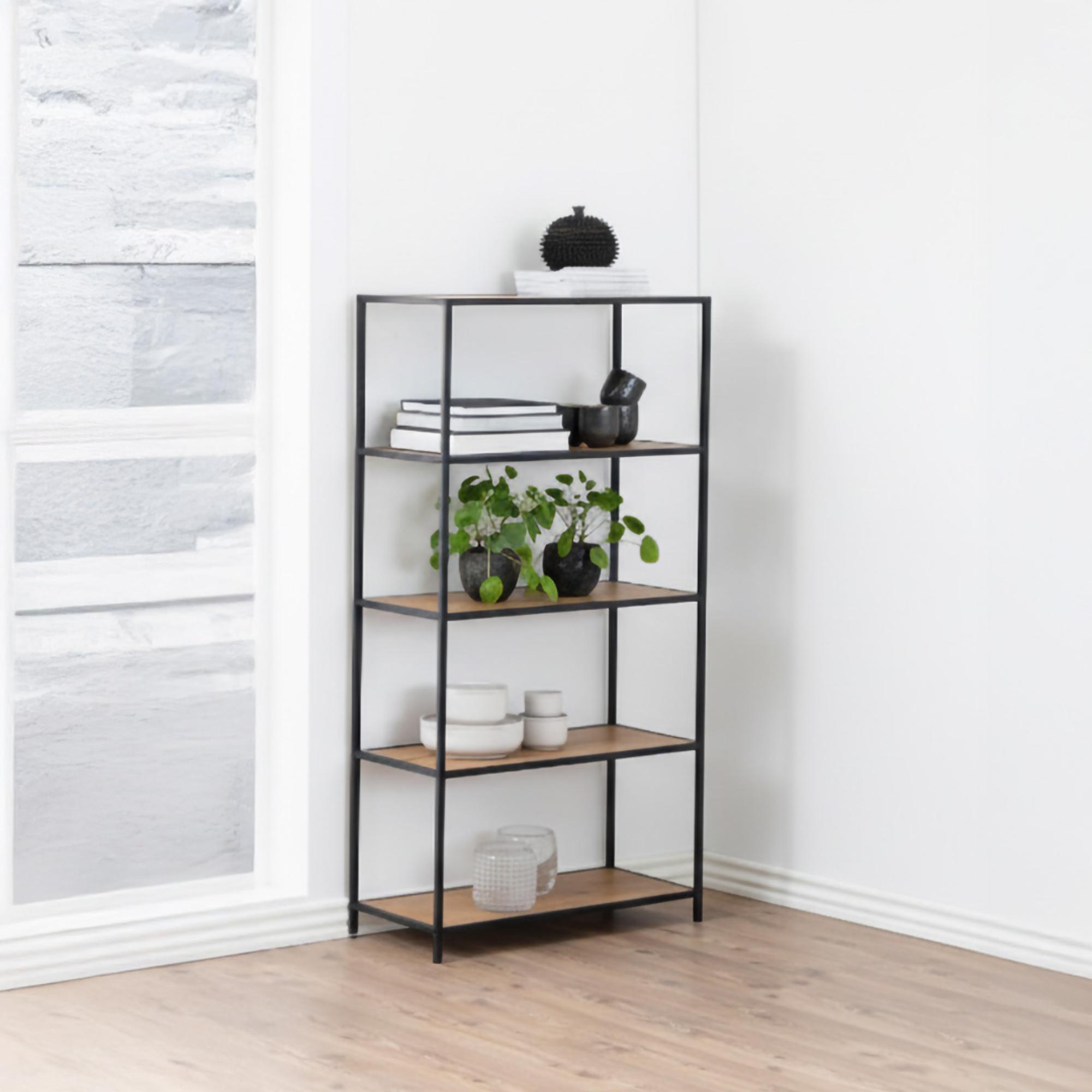
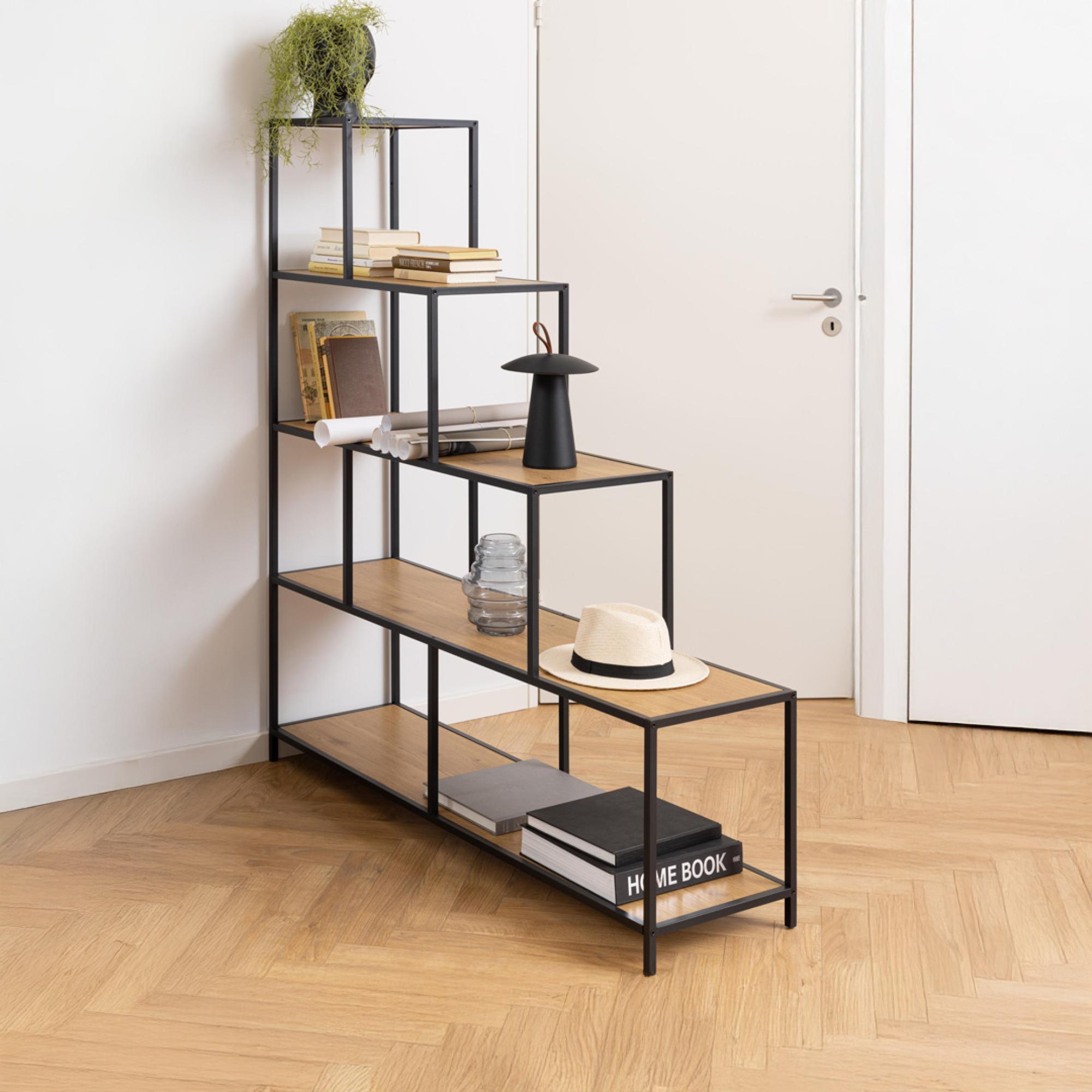
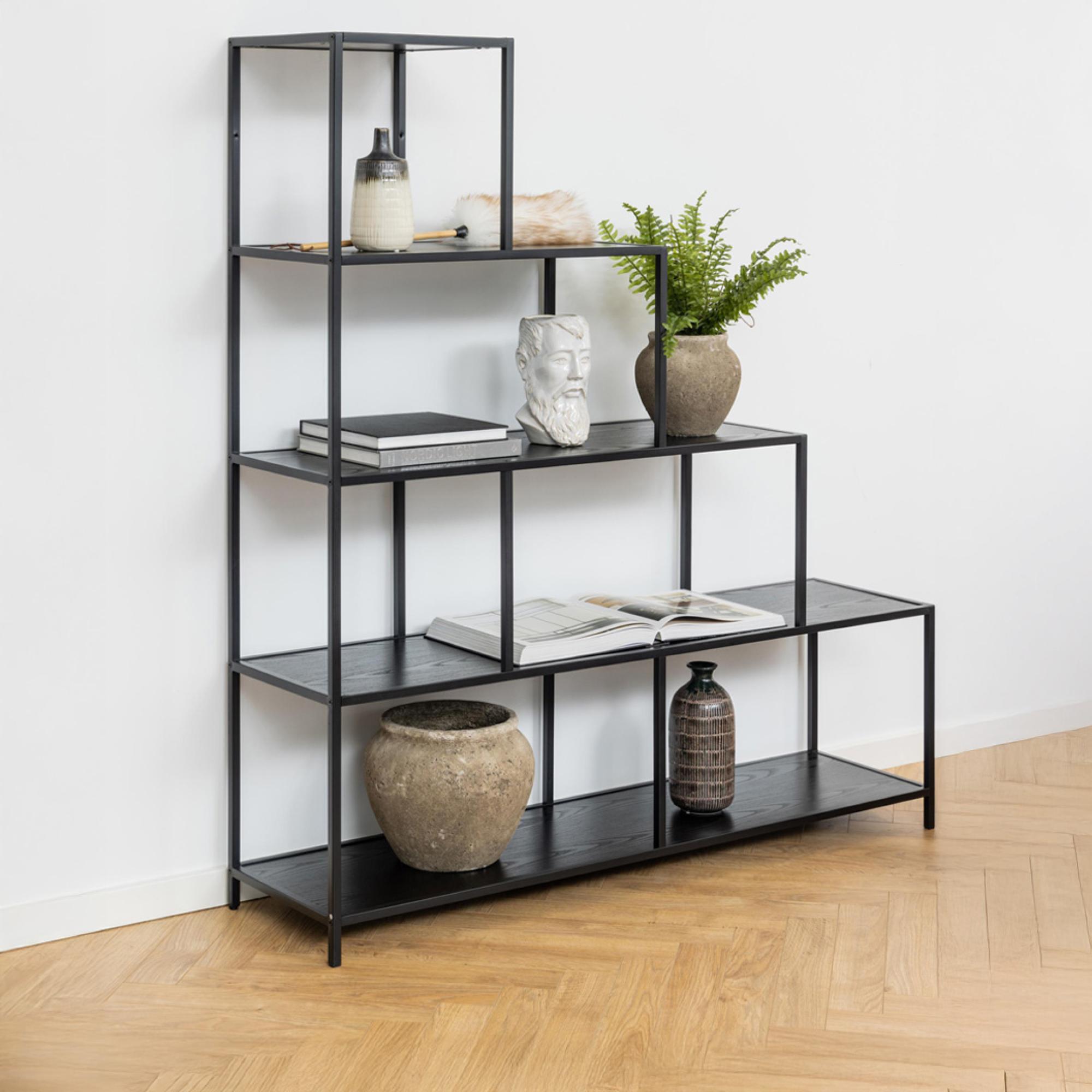
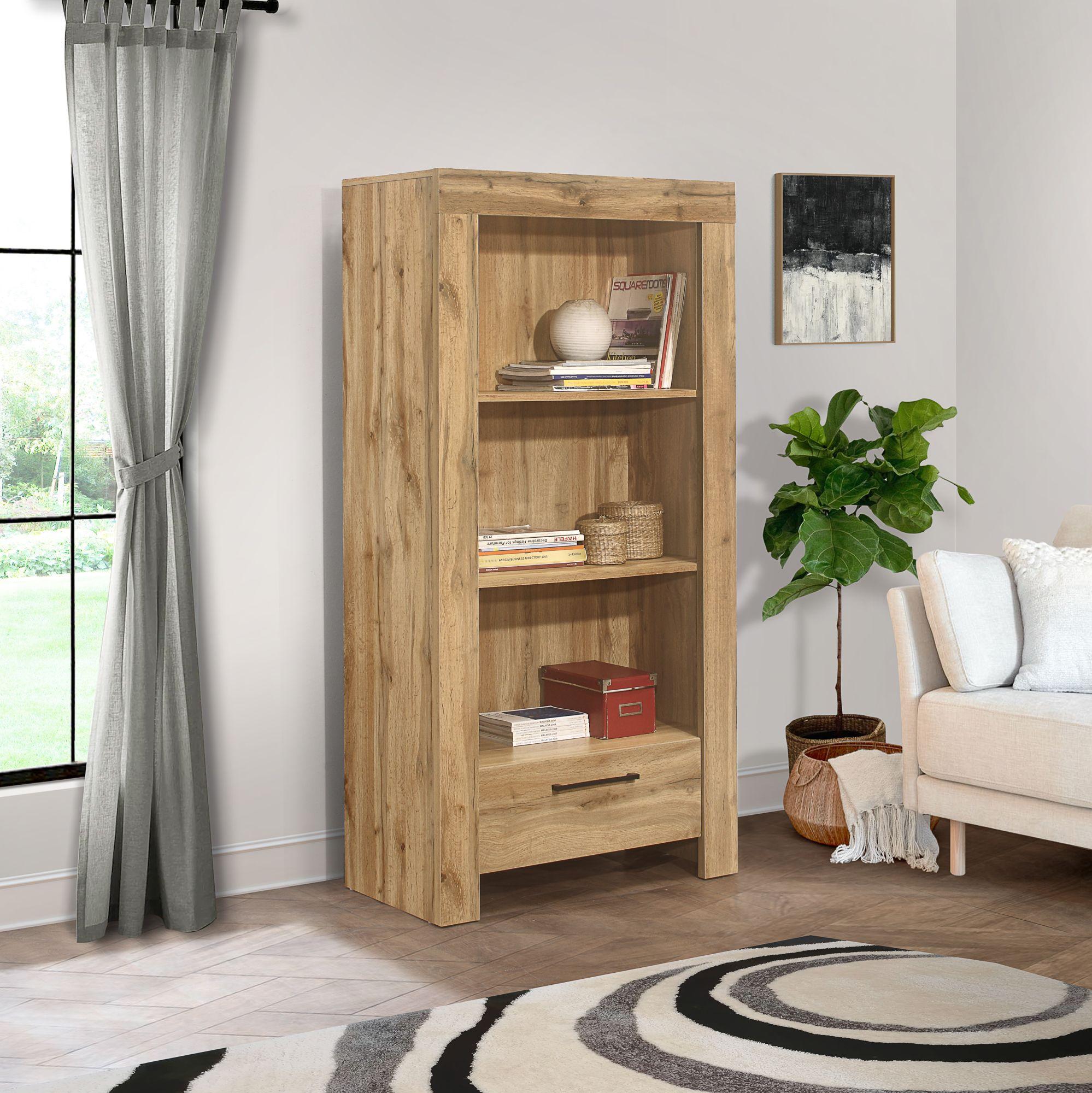
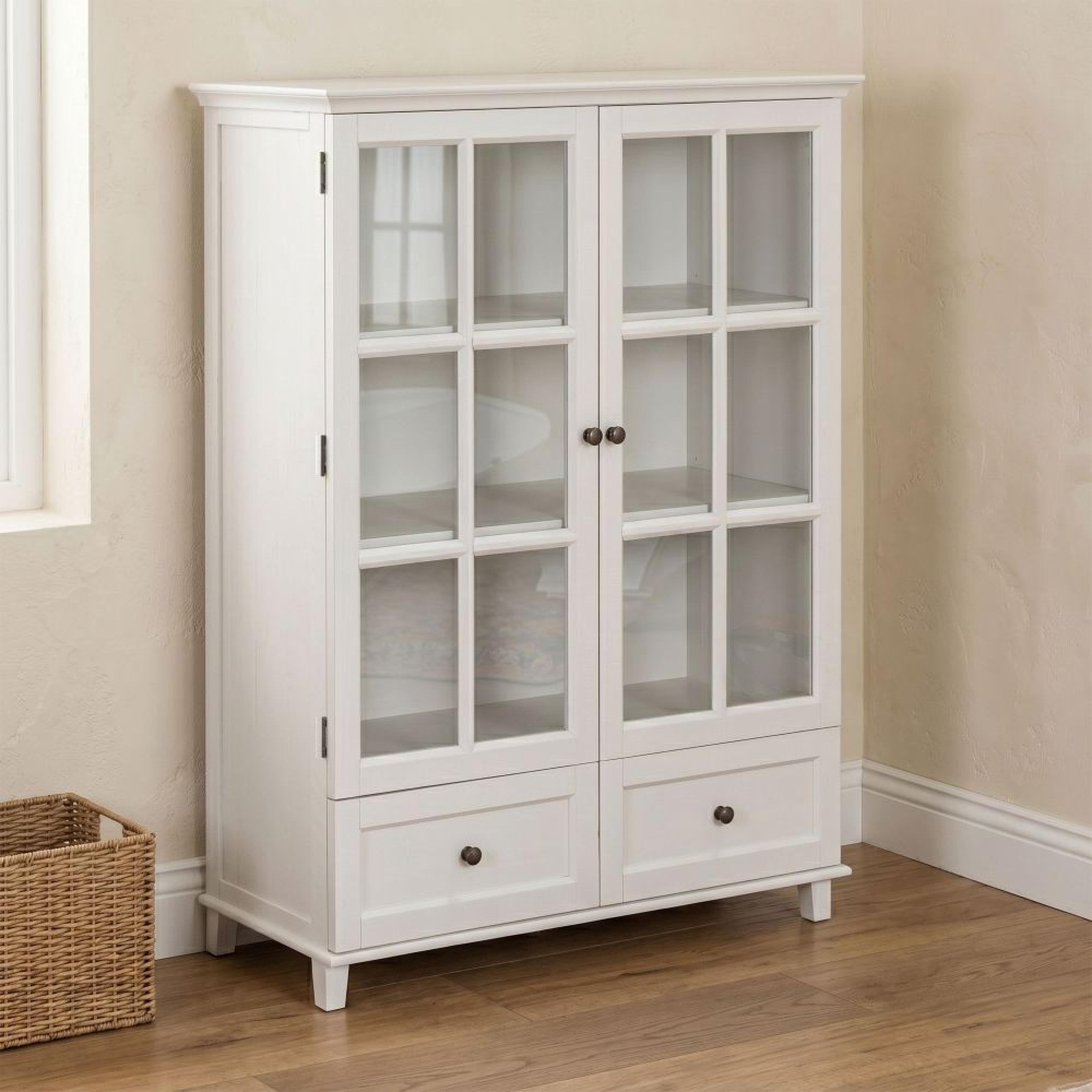
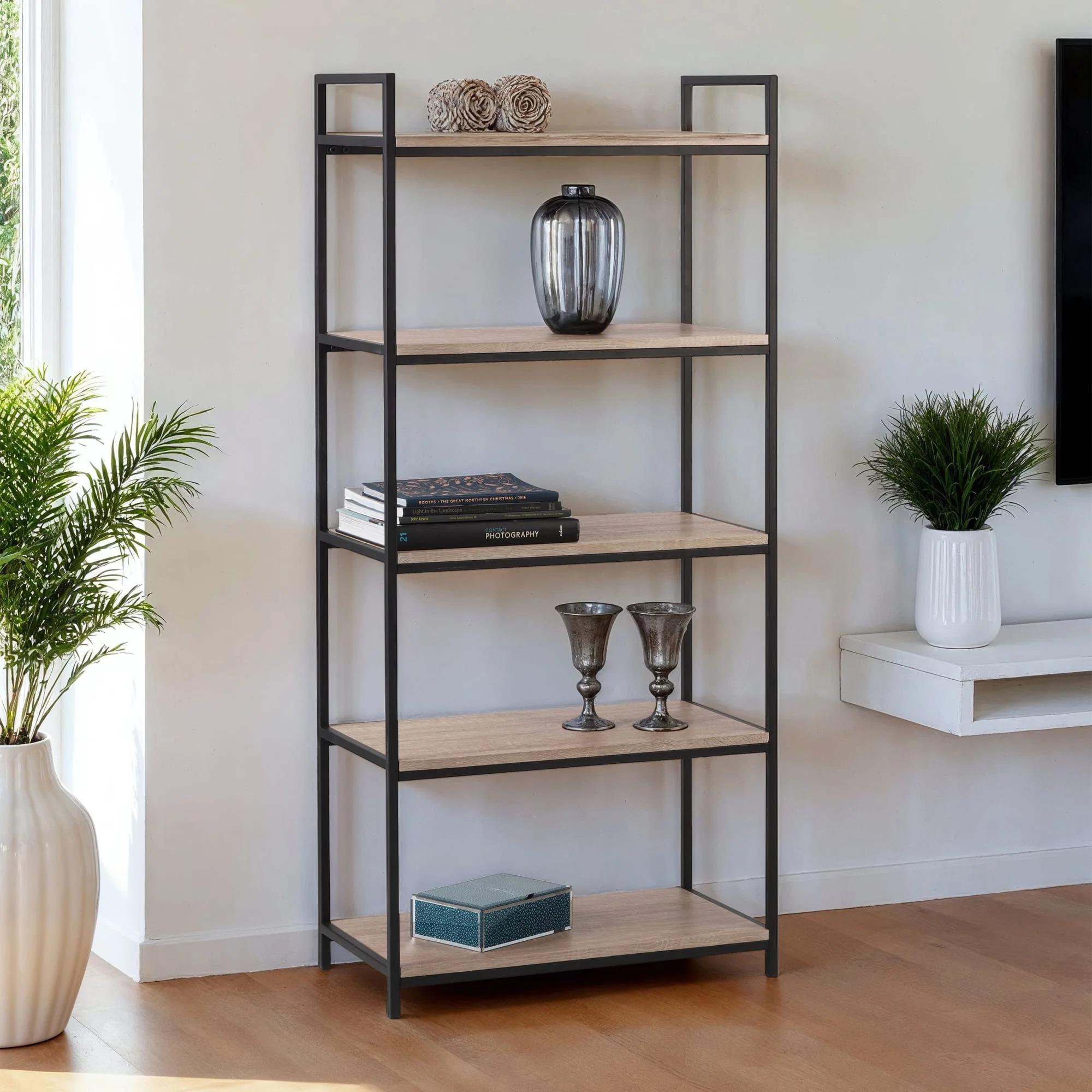
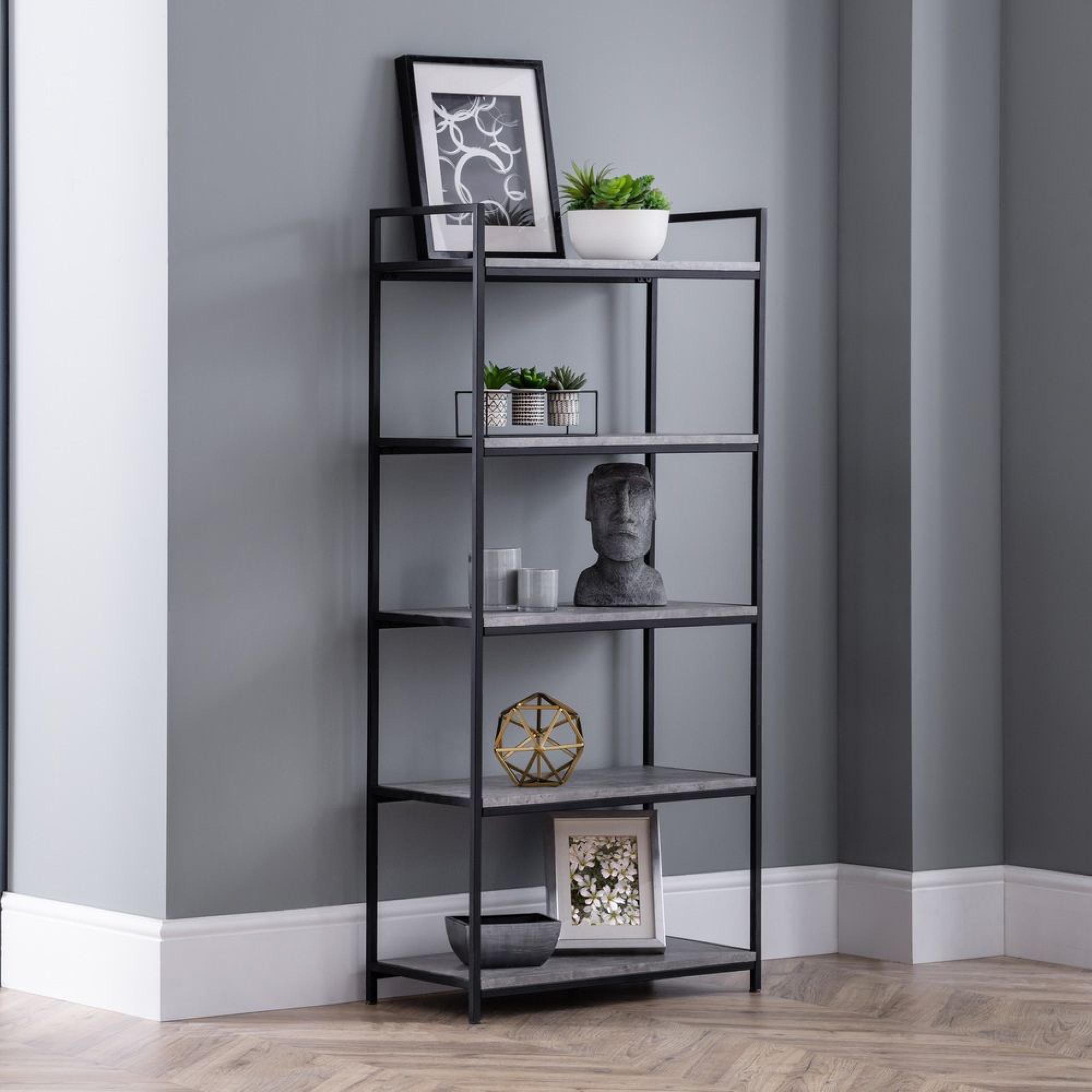
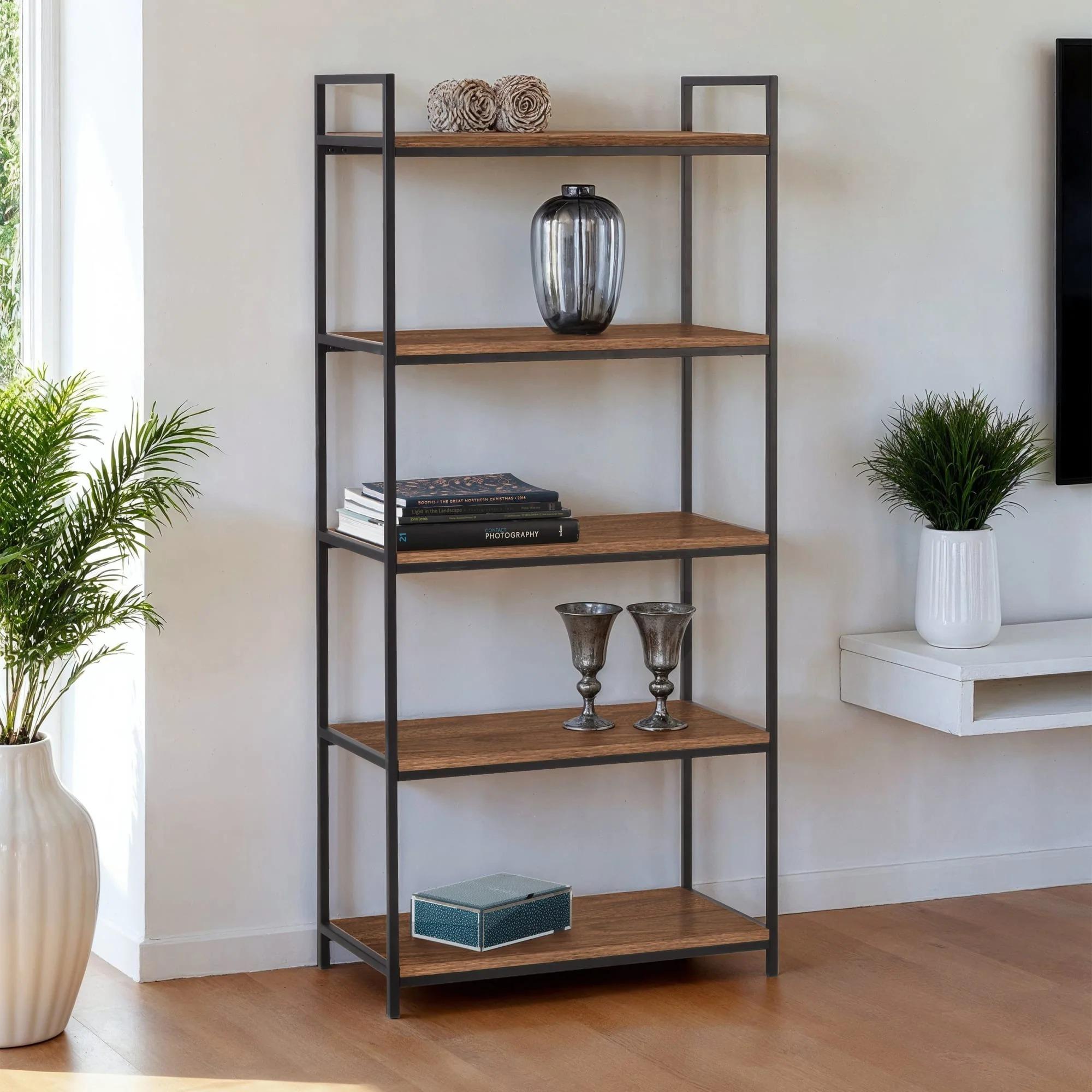
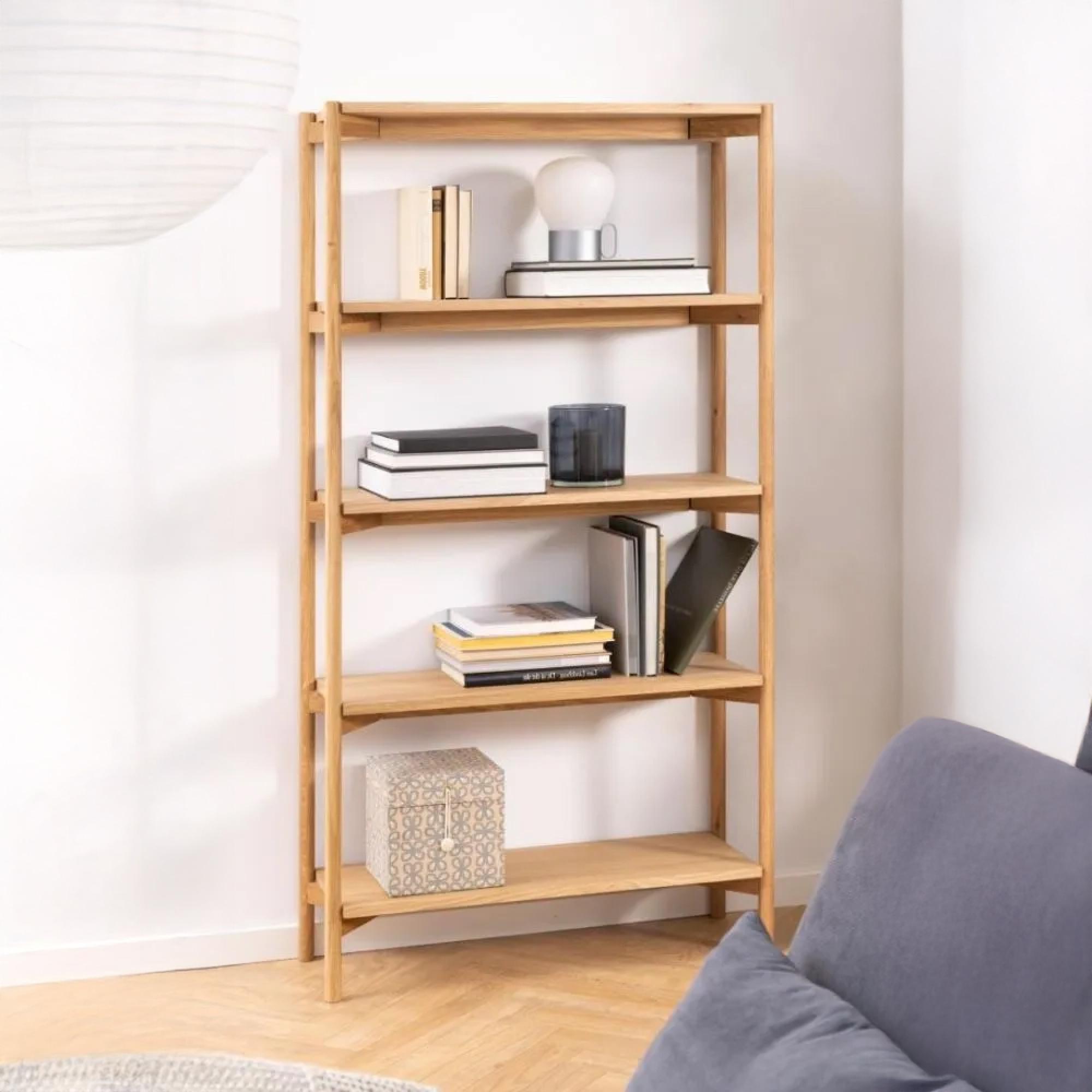
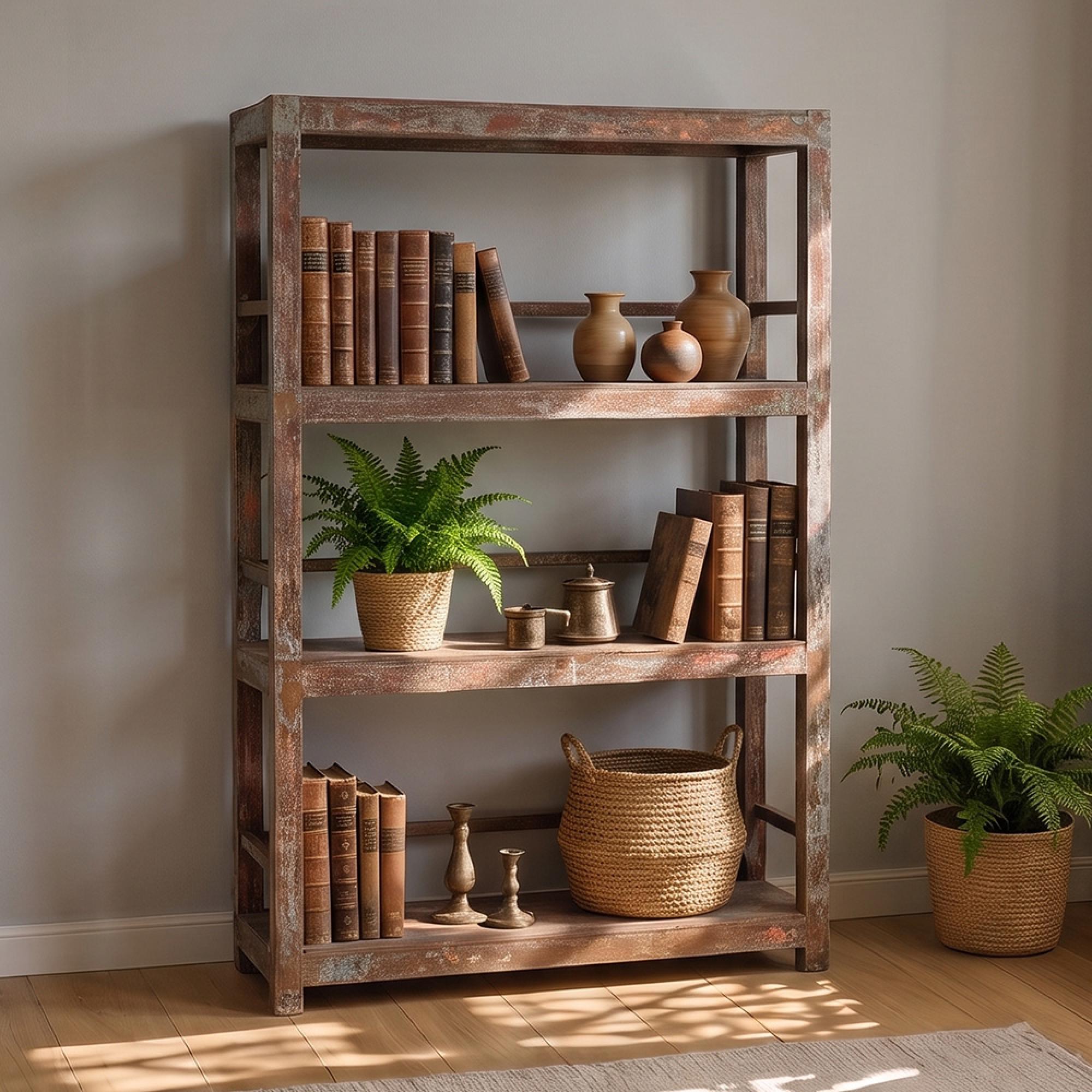
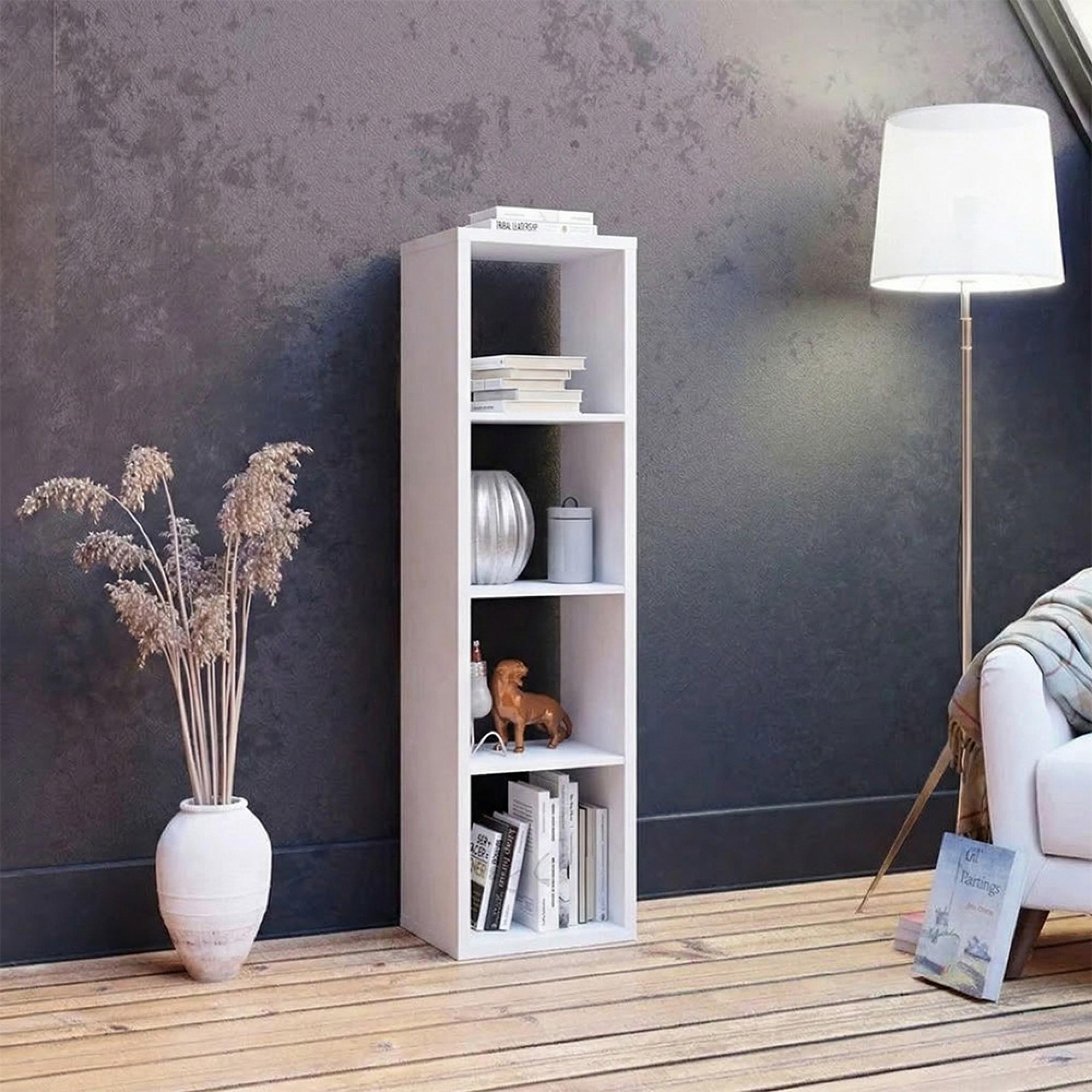
Explore Bookcase 140cm to 160cm High designed to organise books while creating display space for decorative objects. Compare shelf spacing, fixed or adjustable shelves, depth, height, stability and finish to identify the right balance of appearance and function. The size-led focus makes accurate room measurements and usable clearance central to the decision. Secure taller units as recommended and check shelf depth for the items you plan to store.
Read more X Close

Price

Features

No. of Drawers

Material

Finish

Colour

  • Black
  • Brown
  • Grey
  • White
  • Yellow

Choosing Bookcase 140cm to 160cm High

This category focuses on Bookcase 140cm to 160cm High that can organise books while creating display space for decorative objects. Start with the room layout and daily use, then compare shelf spacing, fixed or adjustable shelves, depth, height, stability and finish. The size-led focus makes accurate room measurements and usable clearance central to the decision. This keeps the decision focused on practical suitability as well as style.

Plan the space before choosing

Secure taller units as recommended and check shelf depth for the items you plan to store. Record the available width, depth and height, including clearance for doors, drawers, reclining parts or extensions where relevant. Account for skirting boards, radiators, sockets and walking routes, then check the access route through doors, halls and stairs.

For adjacent choices, explore Bookcase, Bookcase 120cm to 140cm High and Bookcase 160cm to 180cm High. Use these comparisons alongside the specifications on each product page.

Bookcase 140cm to 160cm High for considered interiors

The Bookcase 140cm to 160cm High category focuses on choices intended to organise books while creating display space for decorative objects. A suitable option should respond to the room's proportions, surrounding furniture and practical demands of everyday use. The size-led focus makes accurate room measurements and usable clearance central to the decision.

Material, finish and construction

When comparing bookcases, look closely at shelf spacing, fixed or adjustable shelves, depth, height, stability and finish. Materials influence appearance, weight and maintenance, while finish affects colour coordination and day-to-day care. Use the written specification to confirm construction and care requirements.

Function and room planning

Secure taller units as recommended and check shelf depth for the items you plan to store. Mark out the footprint and consider how people move around it. Where a product opens, extends, swivels or reclines, include that working clearance. For storage, seating or sleeping products, match the layout, support and capacity to the needs of regular users.

Creating a coordinated result

Build the room around a clear relationship between scale, colour and material. Matching every finish is not essential, but repeating one or two elements can connect separate pieces. You can also compare Bookcase, Bookcase 120cm to 140cm High and Bookcase 160cm to 180cm High for closely related room and product choices. Use the individual listing to confirm dimensions, included components, assembly and suitability.
Read more X Close

FAQs on Bookcase 140cm to 160cm High

What size room is a 140-160cm bookcase suitable for?

A 140-160cm tall bookcase works well in medium to large rooms, fitting standard wall spaces and creating visual height. For rooms under 3 metres wide, choose a narrower depth (20-25cm) to avoid overwhelming the space. In smaller rooms, position it in a corner or alongside other furniture.

Measure your wall width, available floor space, and ceiling height. Ensure 10-15cm clearance from ceiling for visual balance. Check doorways and hallways the bookcase must pass through during delivery. Note any radiators, sockets, or architectural features that might affect placement.

Wooden bookcases suit traditional and warm interiors, offering durability and classic appeal. Metal-framed models work better in modern or industrial spaces and are typically lighter. Wood provides better weight capacity; metal offers sleeker aesthetics. Consider your décor style and load requirements when deciding.

Most 140-160cm bookcases hold 15-25kg per shelf, varying by material and construction. Solid wood models typically support heavier loads than particleboard versions. Check individual product specifications before purchasing. Distribute weight evenly and avoid concentrating heavy items on single shelves to maintain stability.

Mix books with decorative objects like plants, vases, and framed photos for visual interest. Vary book spine colours and orientations. Leave some shelves less dense to avoid clutter. Add lighting beneath shelves or place the bookcase near a window for better display impact and functionality.

Taller bookcases maximise vertical storage and draw the eye upward, making rooms feel larger. Theyre ideal for book collections and homes with high ceilings. Shorter units work better in compact spaces or as additional storage. Choice depends on room layout, storage needs, and ceiling height.

Most are freestanding and dont require wall fixing, offering flexibility to move them. Some models include wall-mounting hardware for stability, particularly important for tall, heavily-loaded units. Check your walls can support the weight if mounting. Freestanding options suit rental properties better.

Dust weekly with a soft cloth to prevent accumulation in grooves. Clean spills immediately to avoid water damage. Use furniture polish monthly to maintain finish and protect against scratches. Keep away from direct sunlight and radiators to prevent warping and colour fading over time.

Yes, tall bookcases offer excellent storage efficiency per pound spent compared to multiple shorter units. Quality wooden models last 10+ years with proper care, justifying the investment. Compare price per shelf across brands for best value. Mid-range options balance durability and affordability effectively.

Open bookcases display contents openly, suit decorative styling, and cost less. Closed cabinets hide clutter, protect items from dust, and work better for non-display storage. Open shelves suit living rooms; closed cabinets suit studies or bedrooms. Height differences affect which suits your space best.
Top