Free Delivery All Over UK*
close
Top products
SHOW ALL PRODUCTS

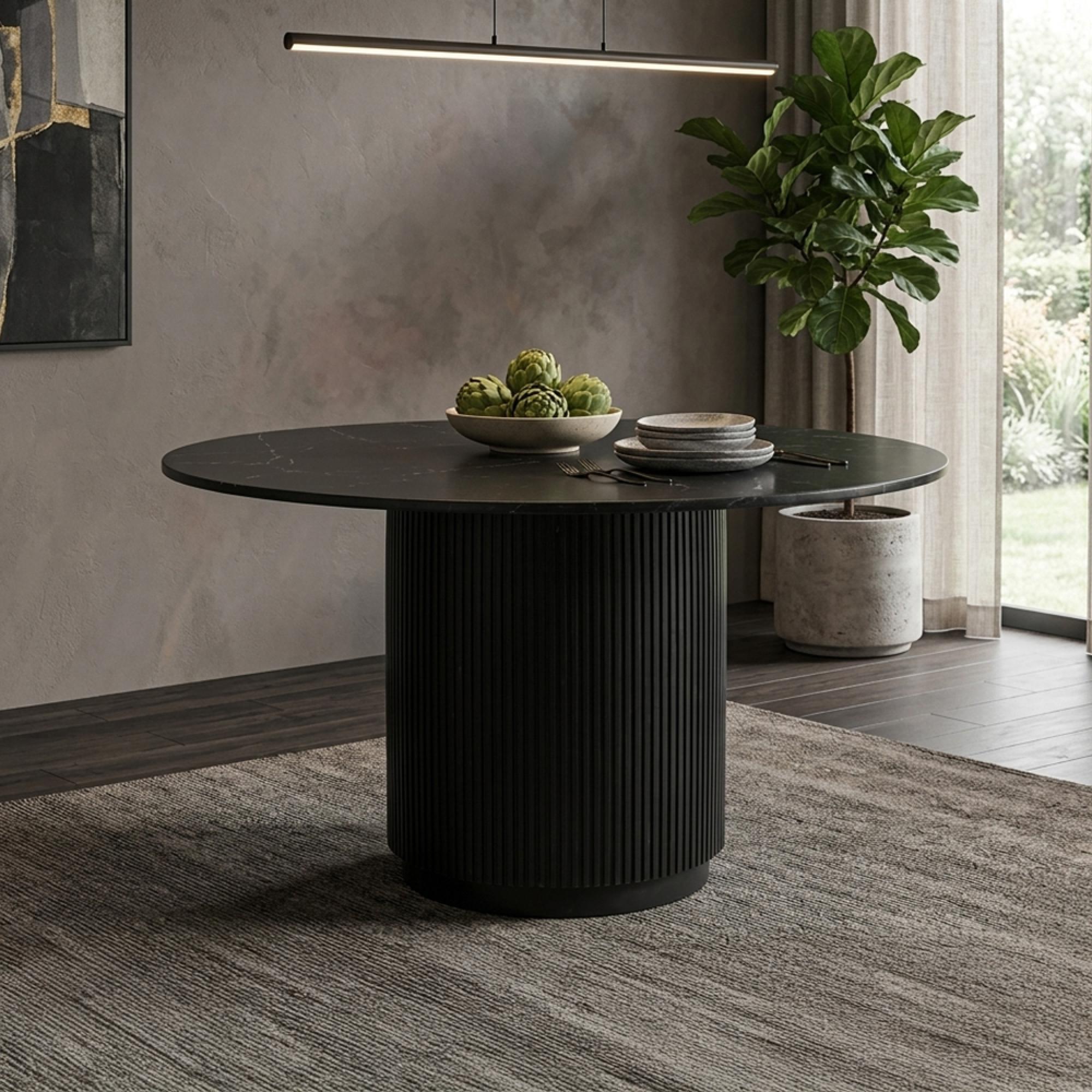
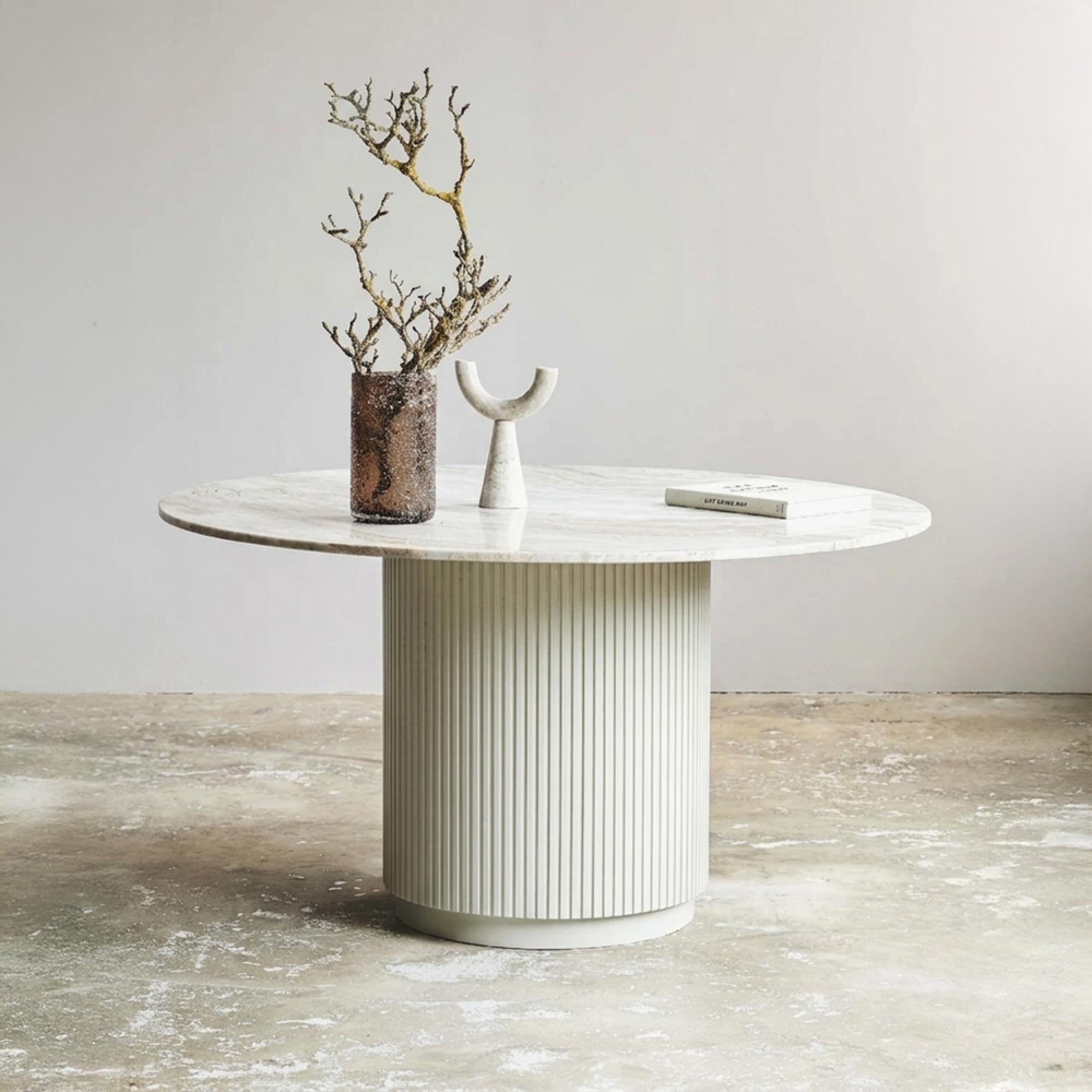
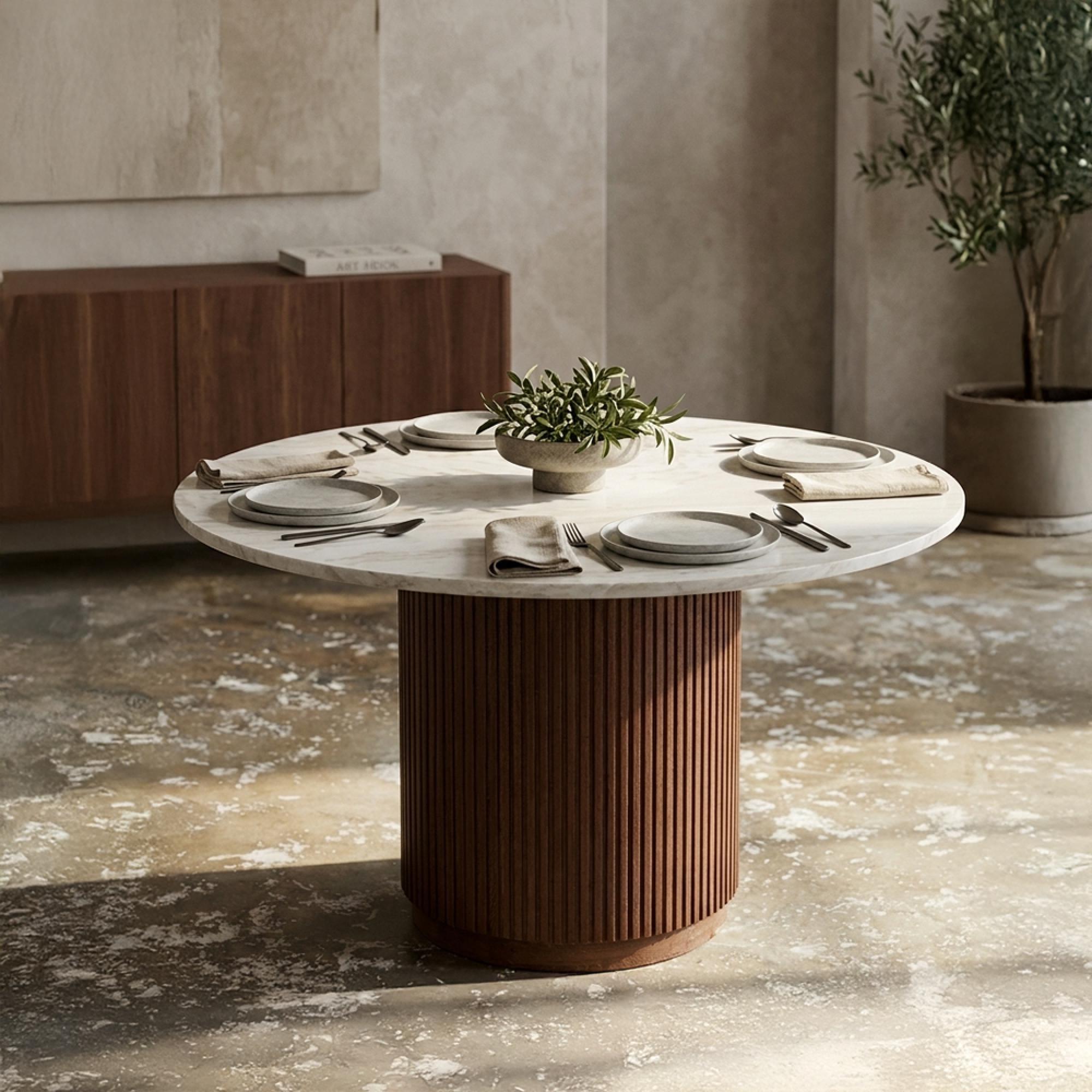
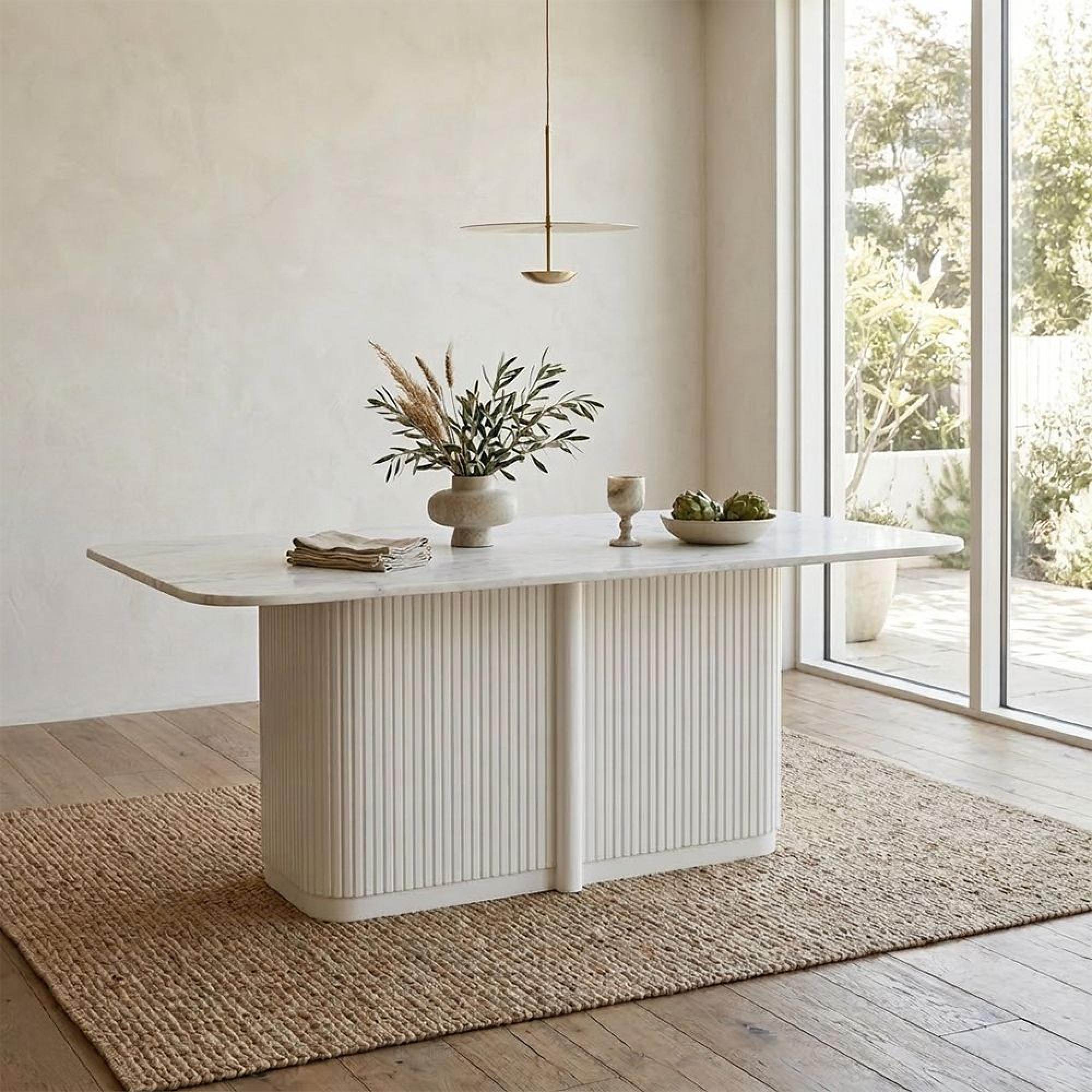
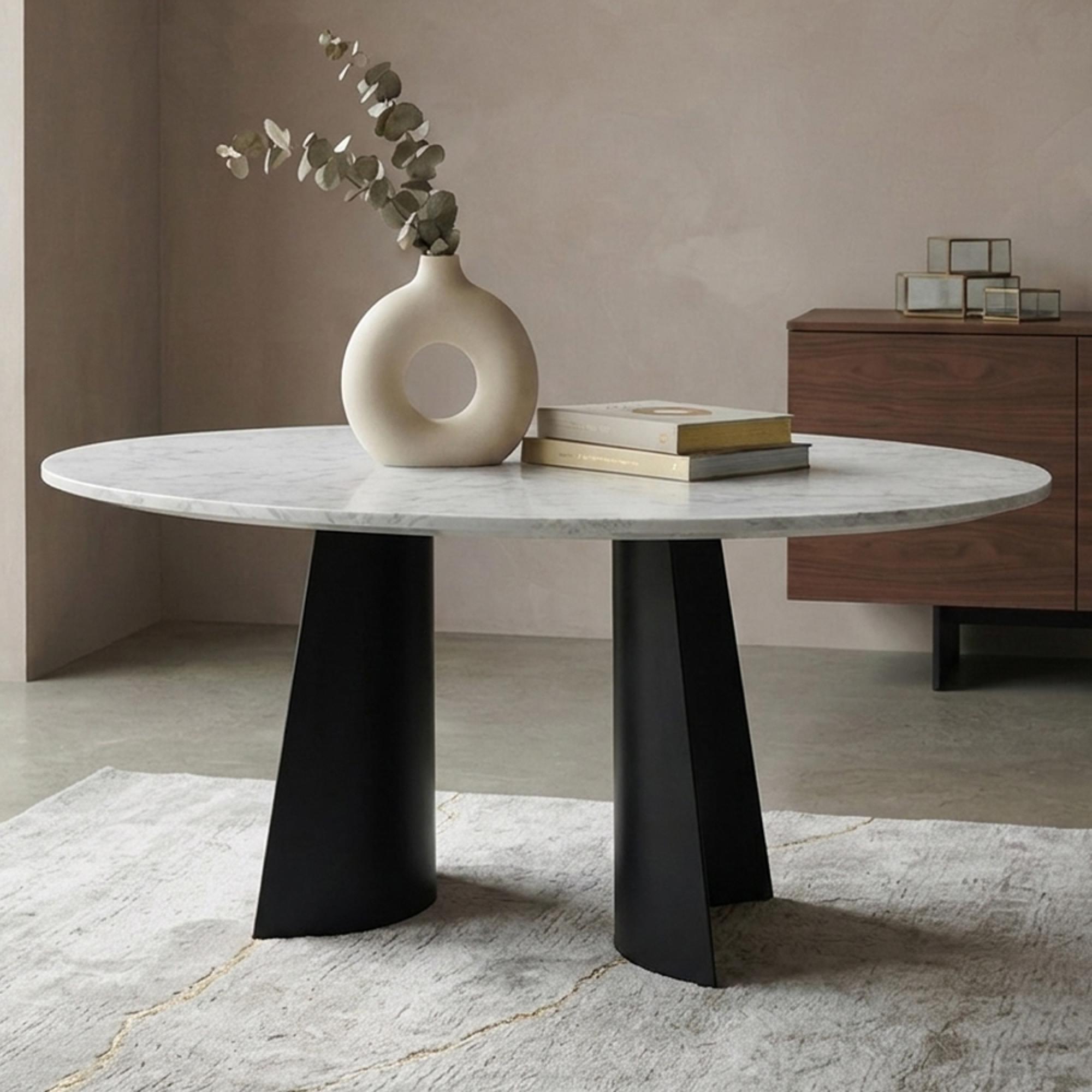
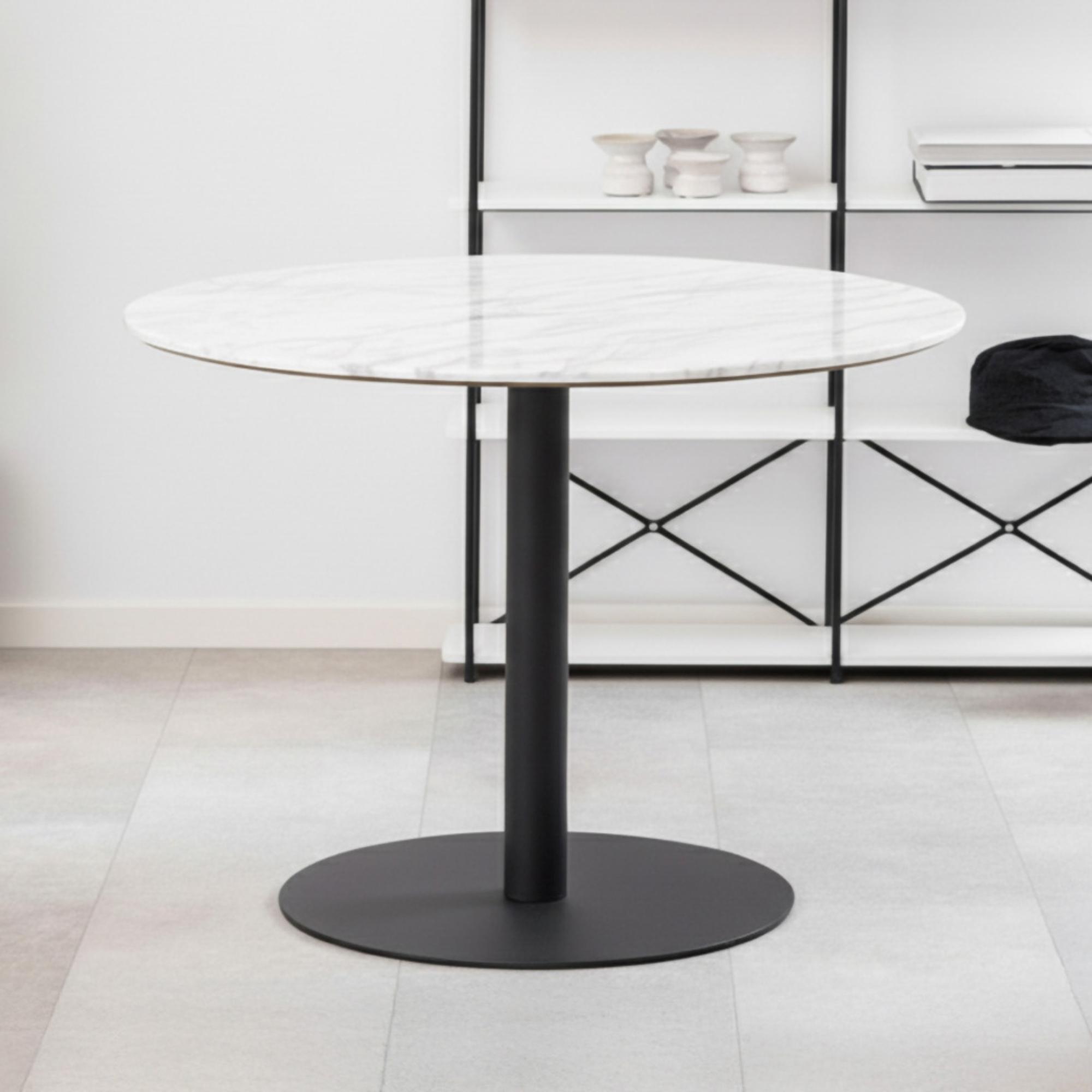
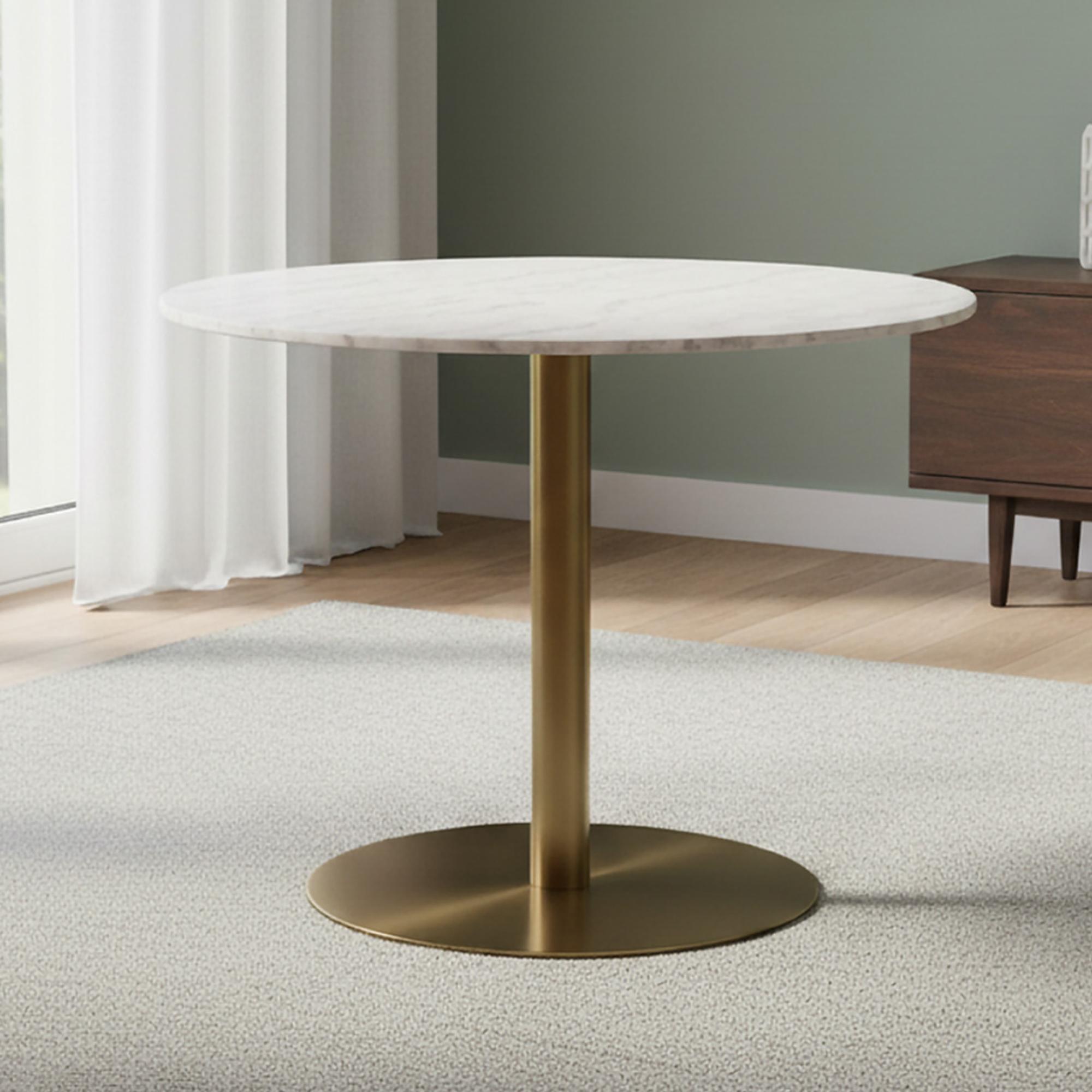
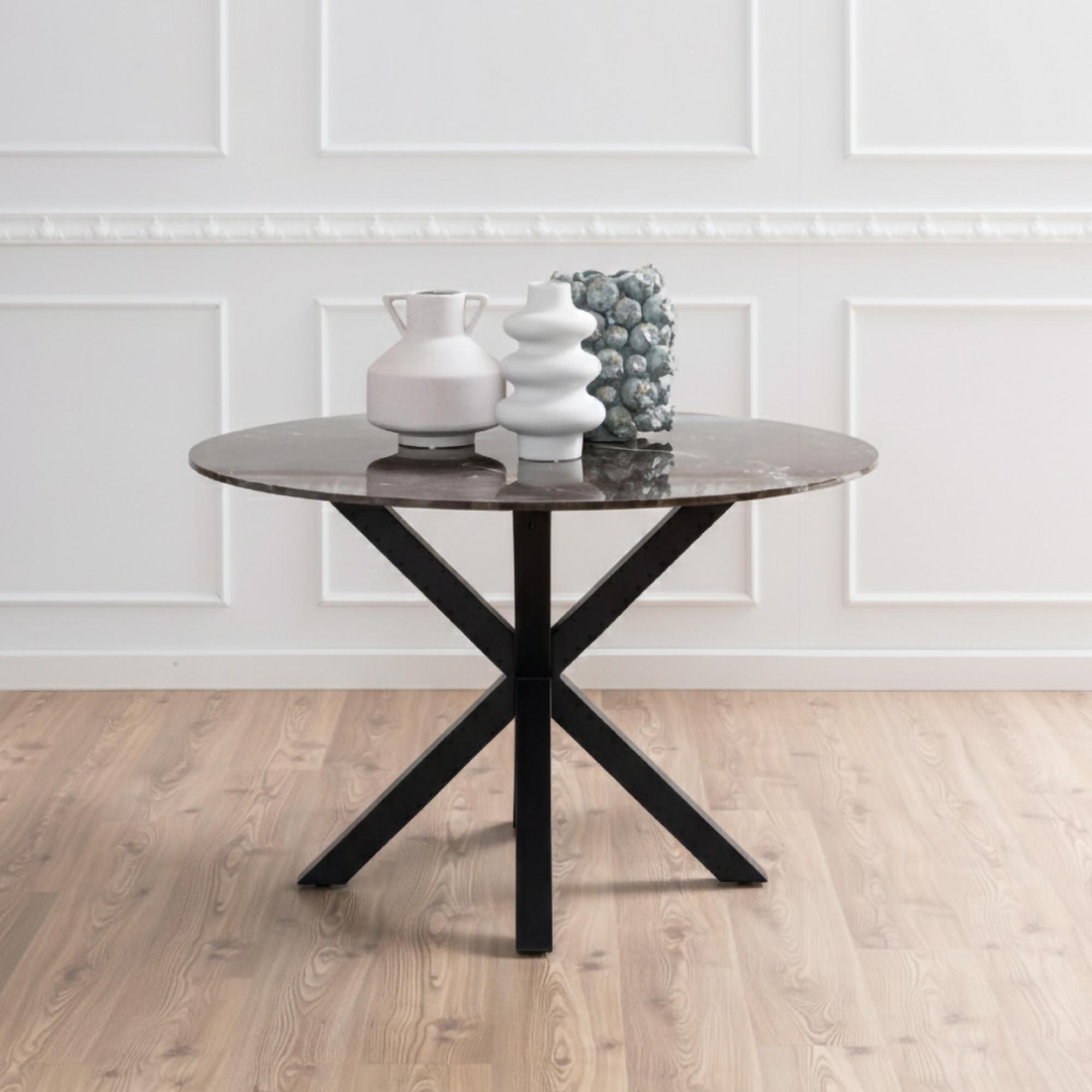
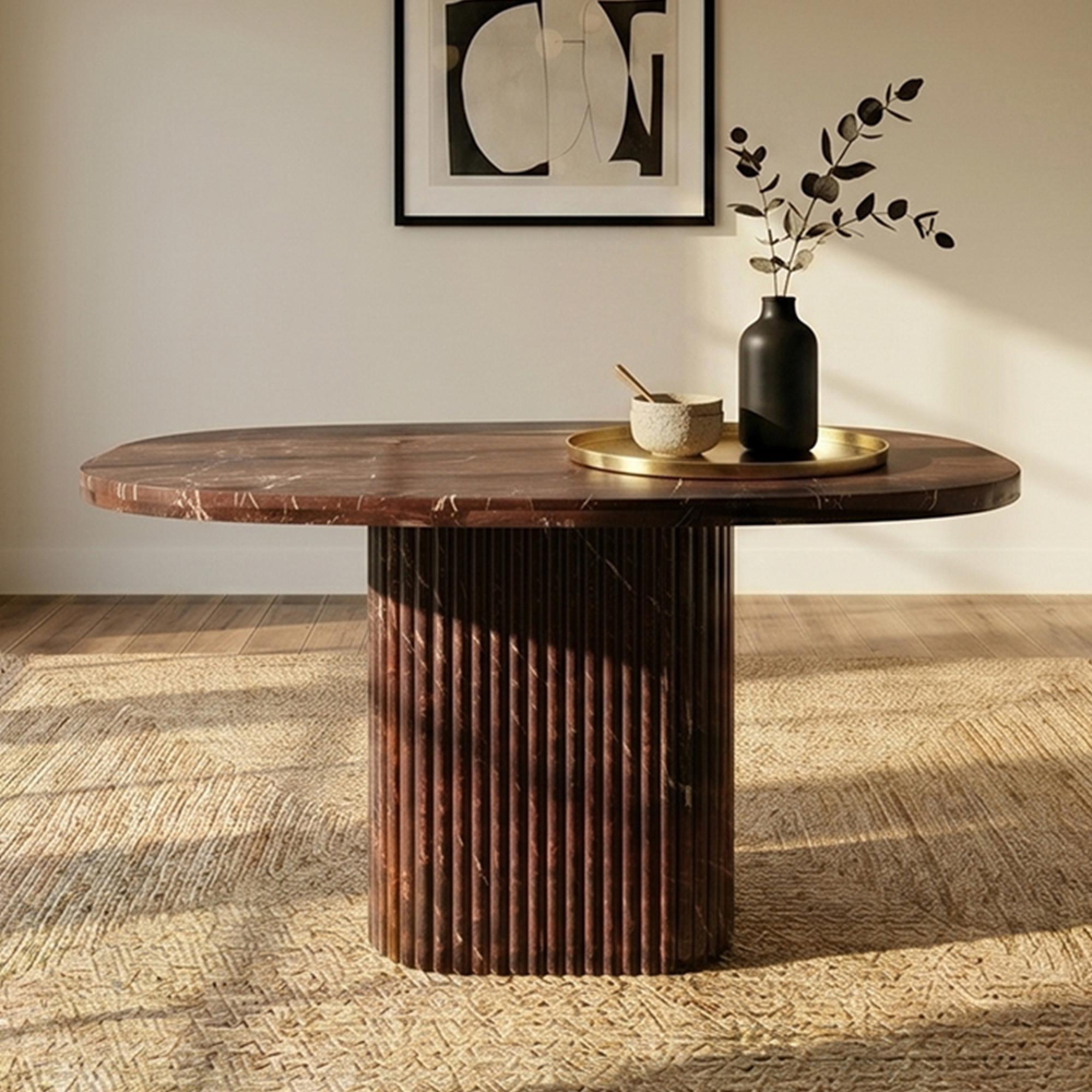
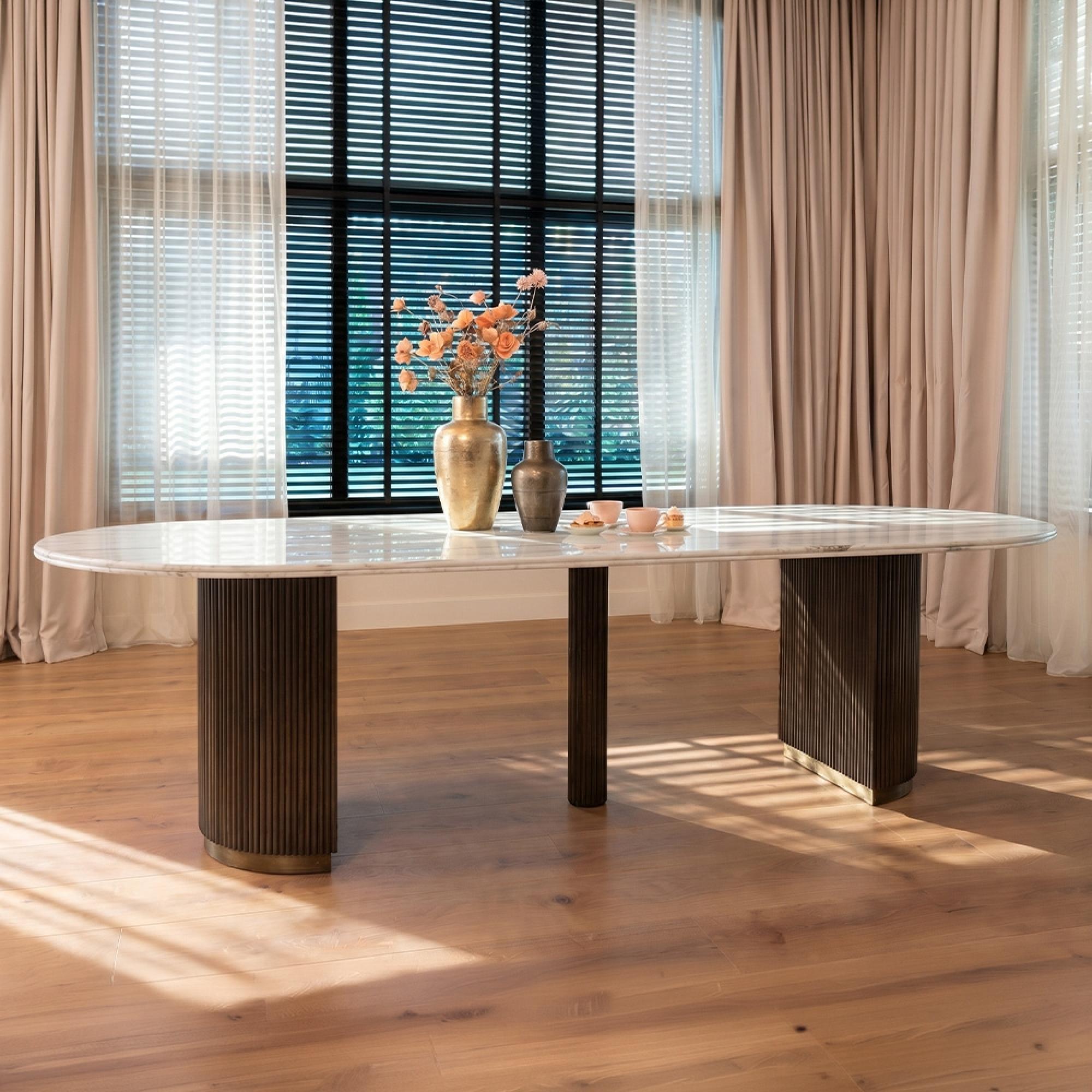
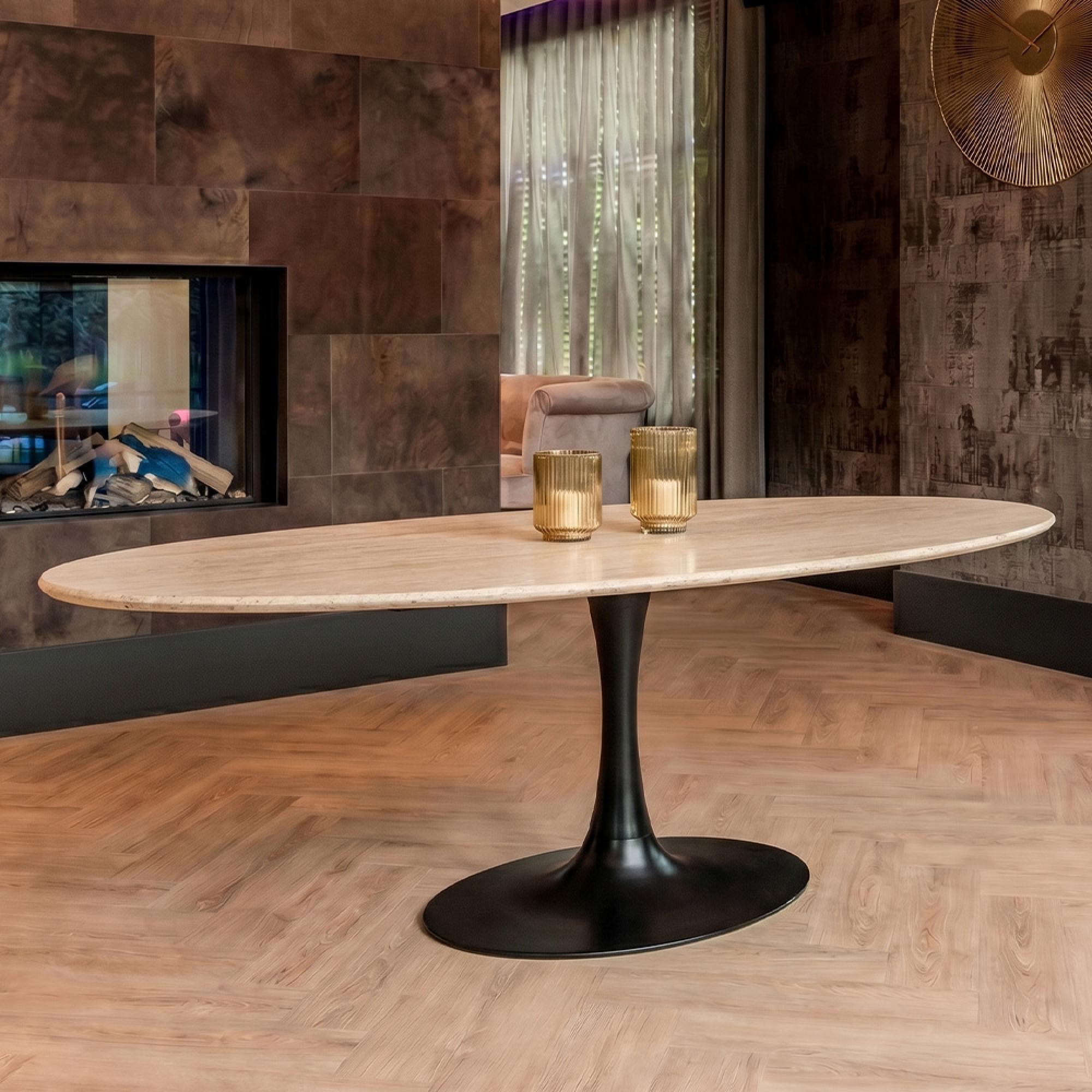
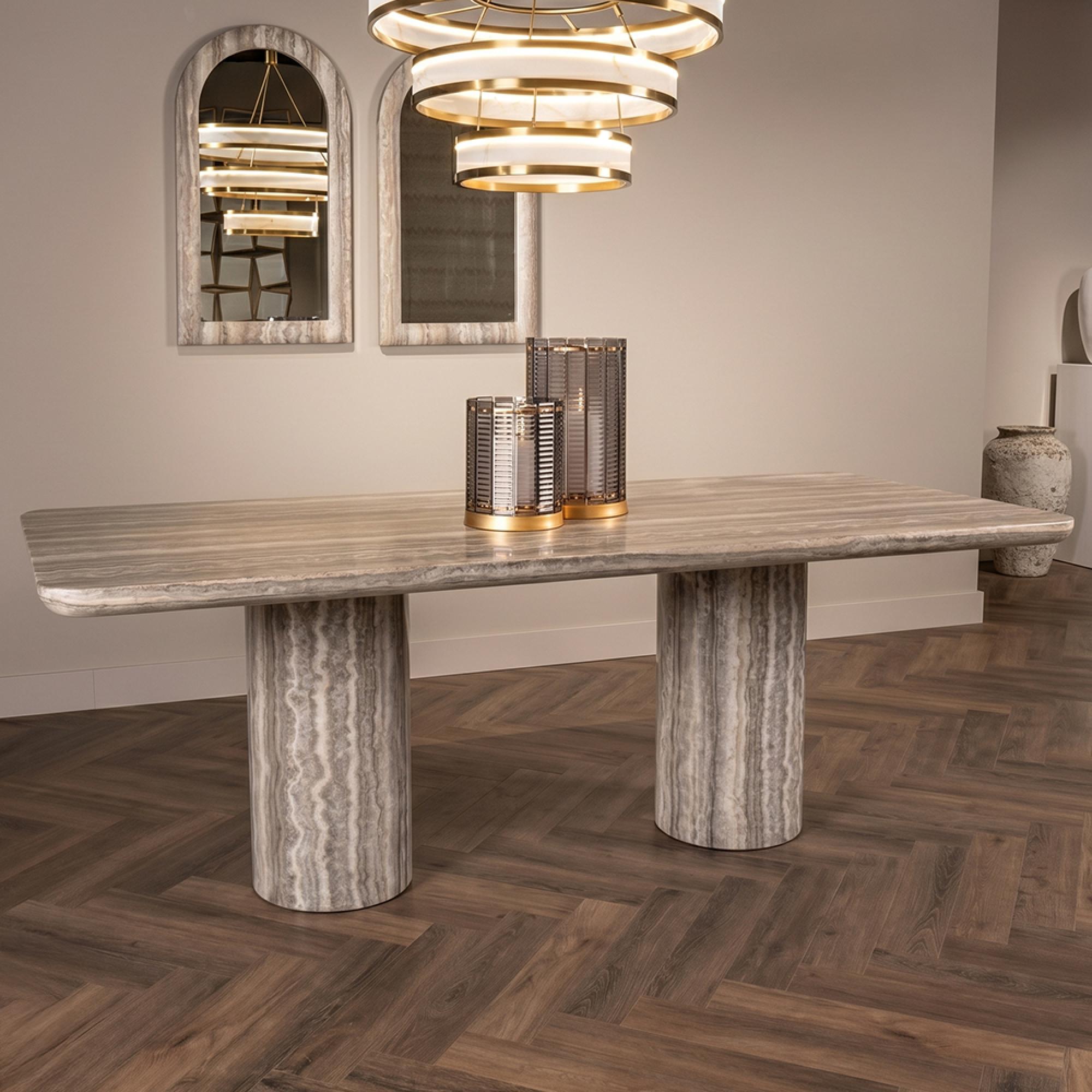
Marble Dining Tables

Found 164 Items

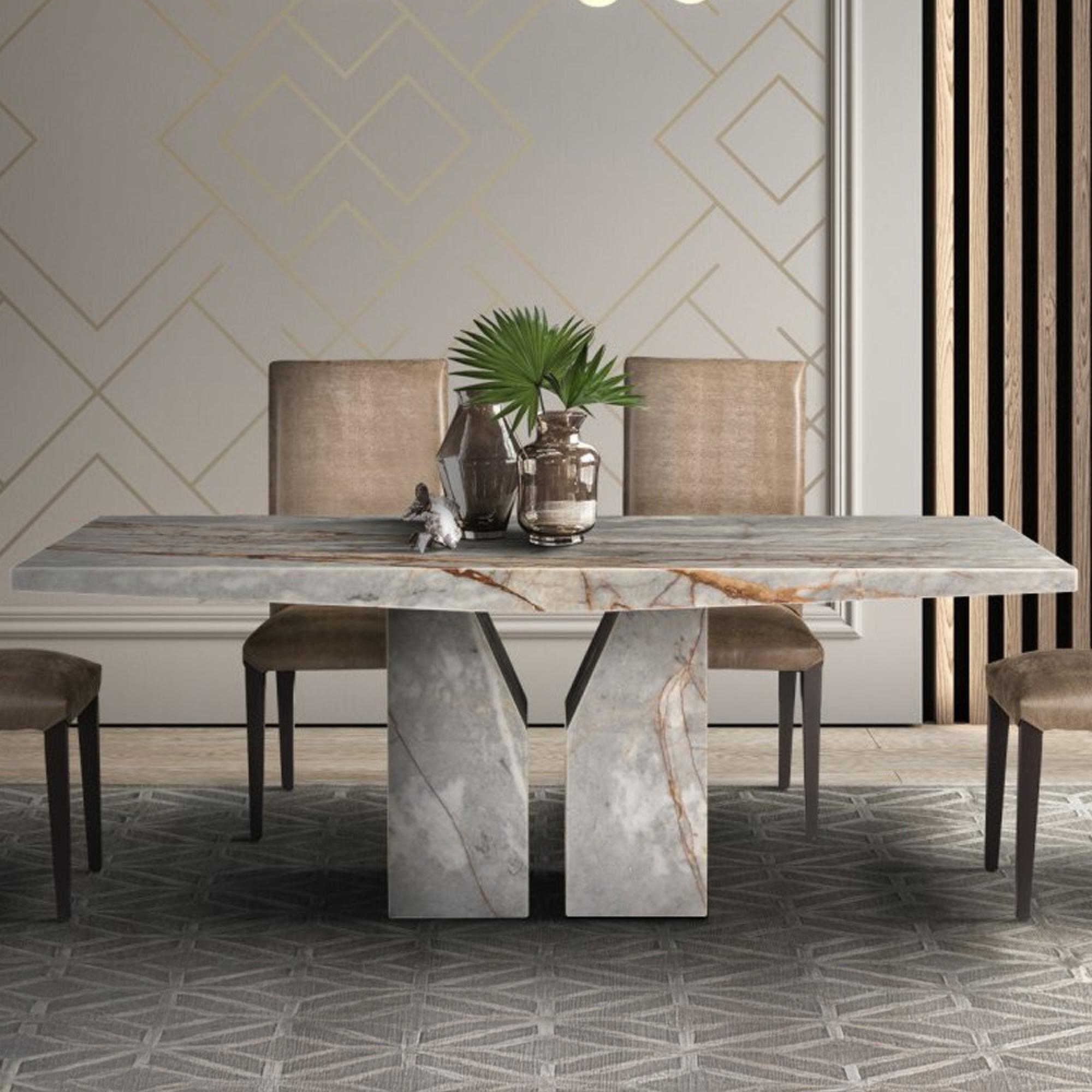
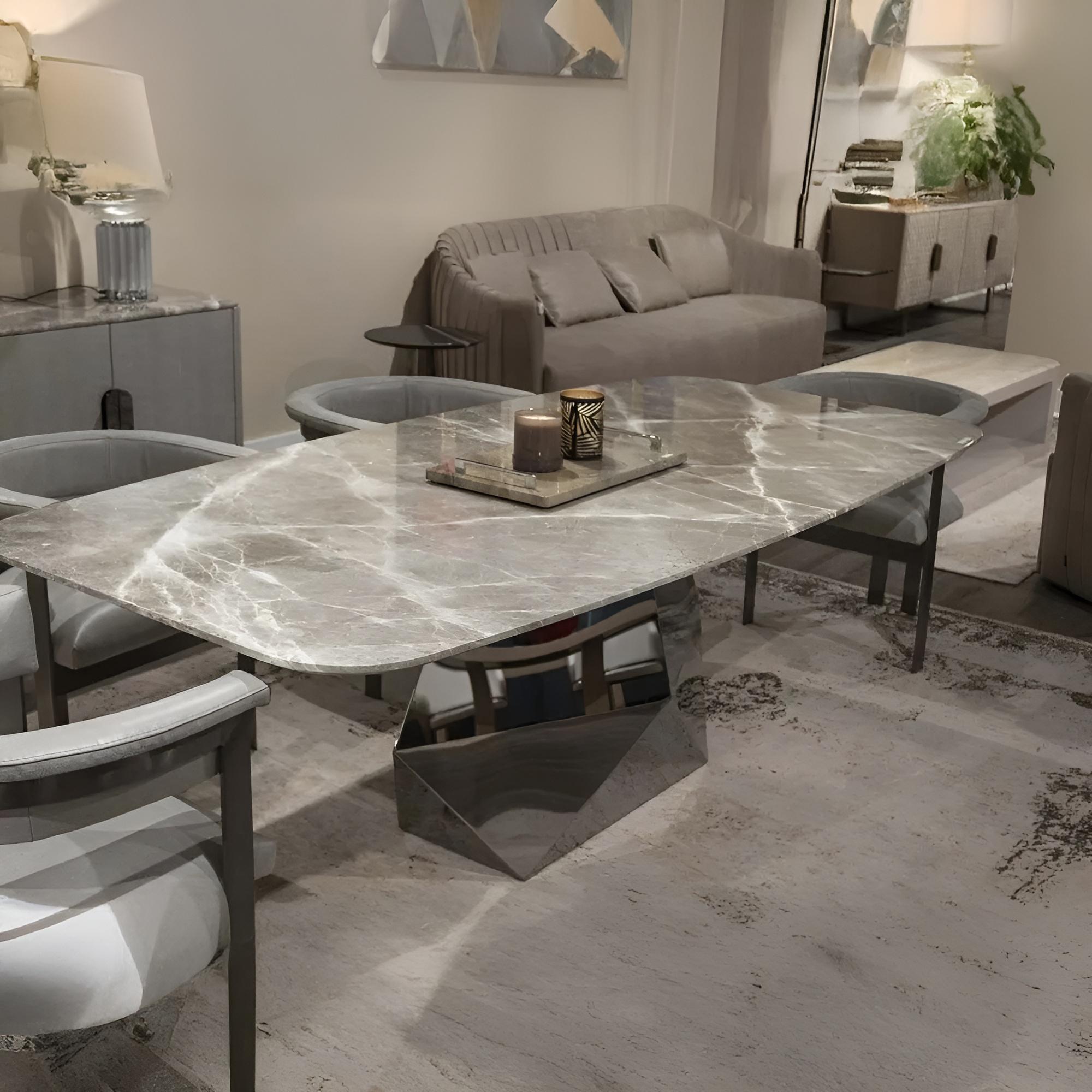
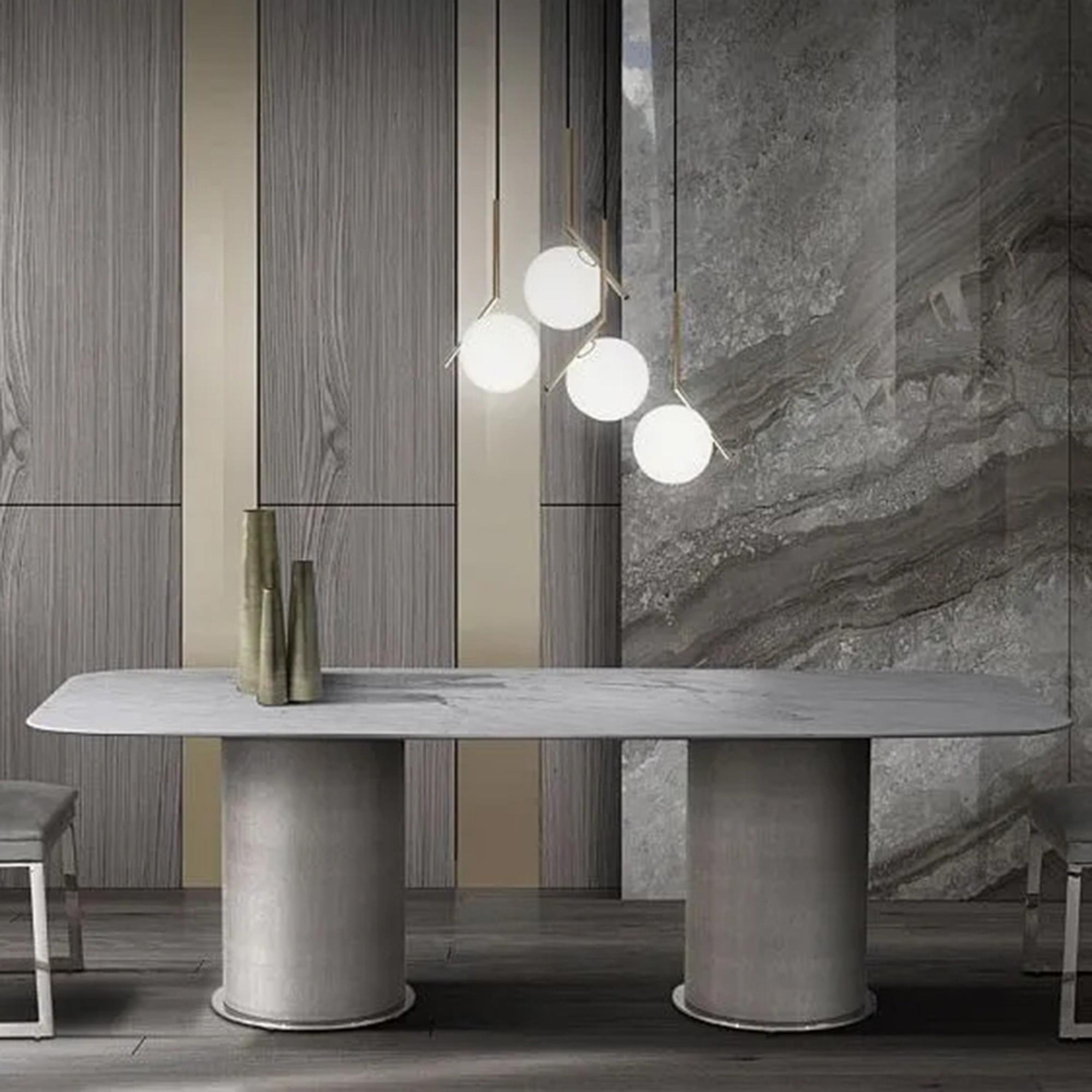
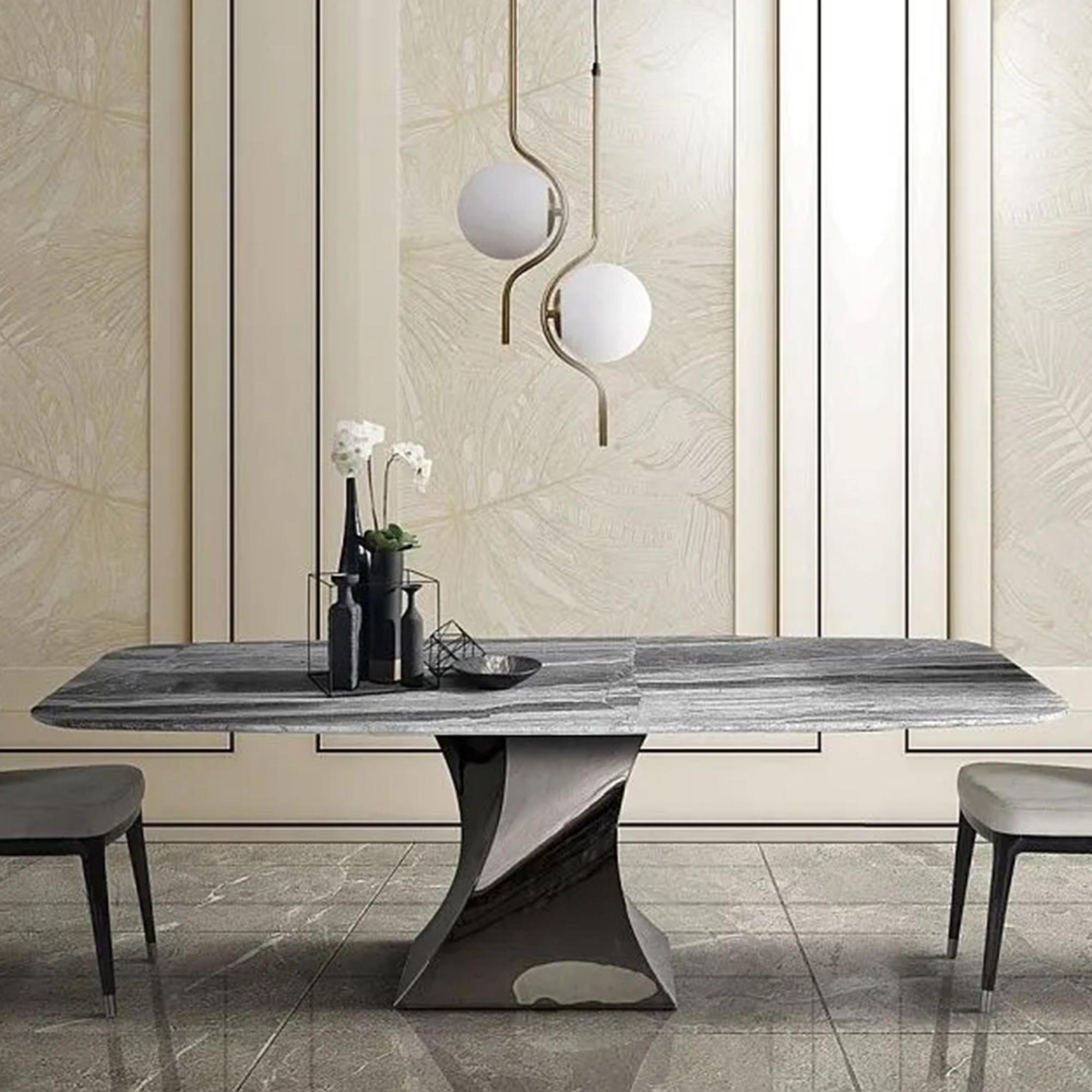
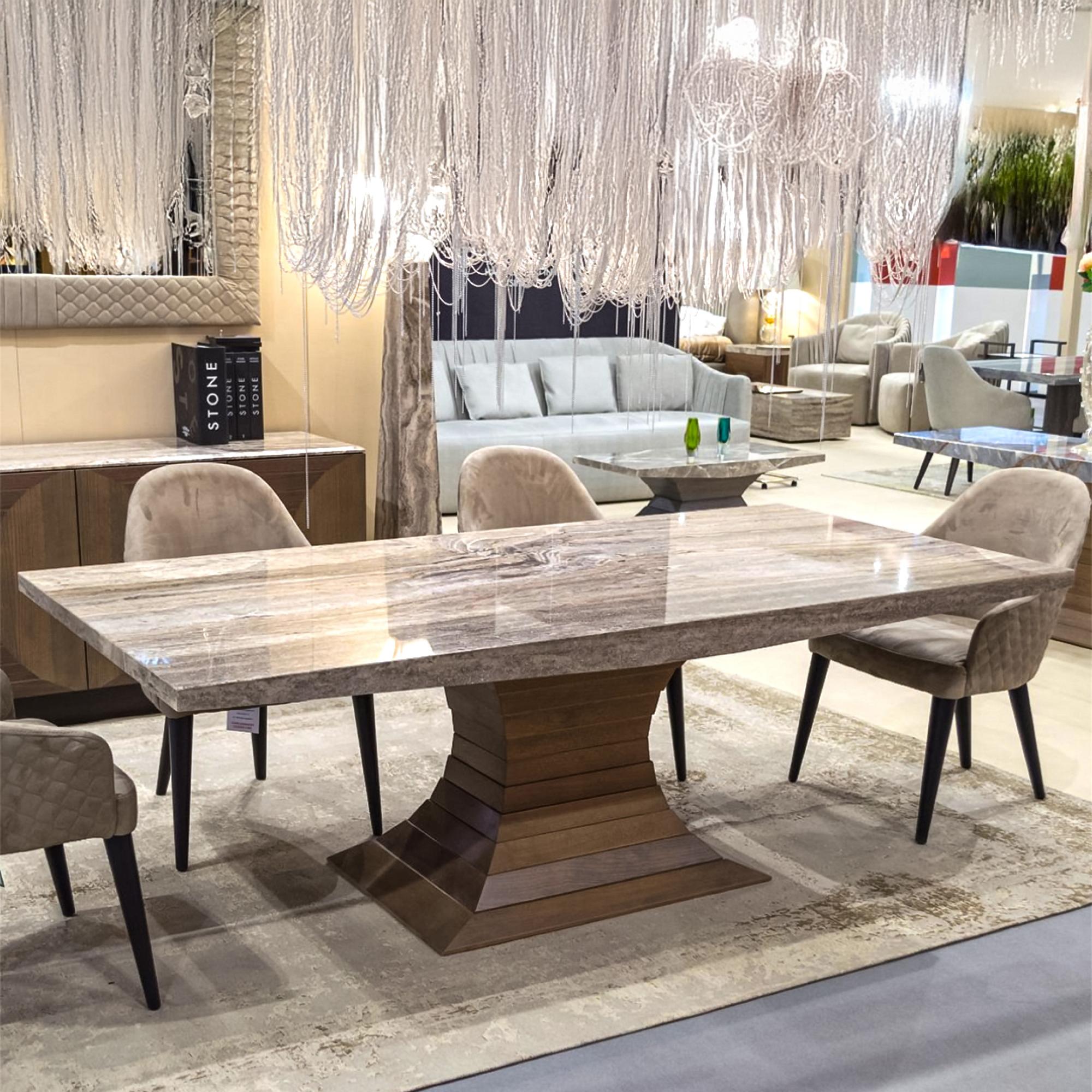
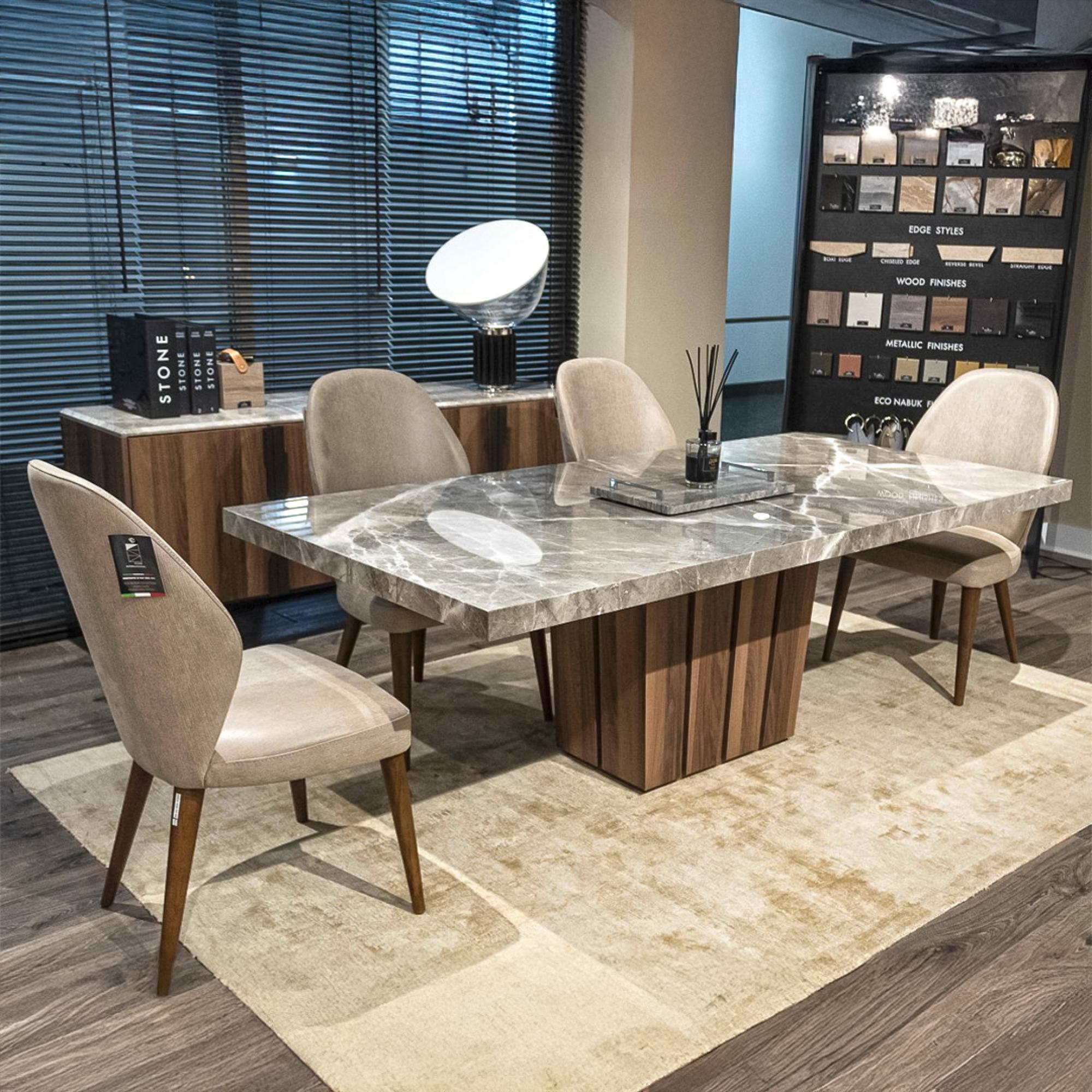
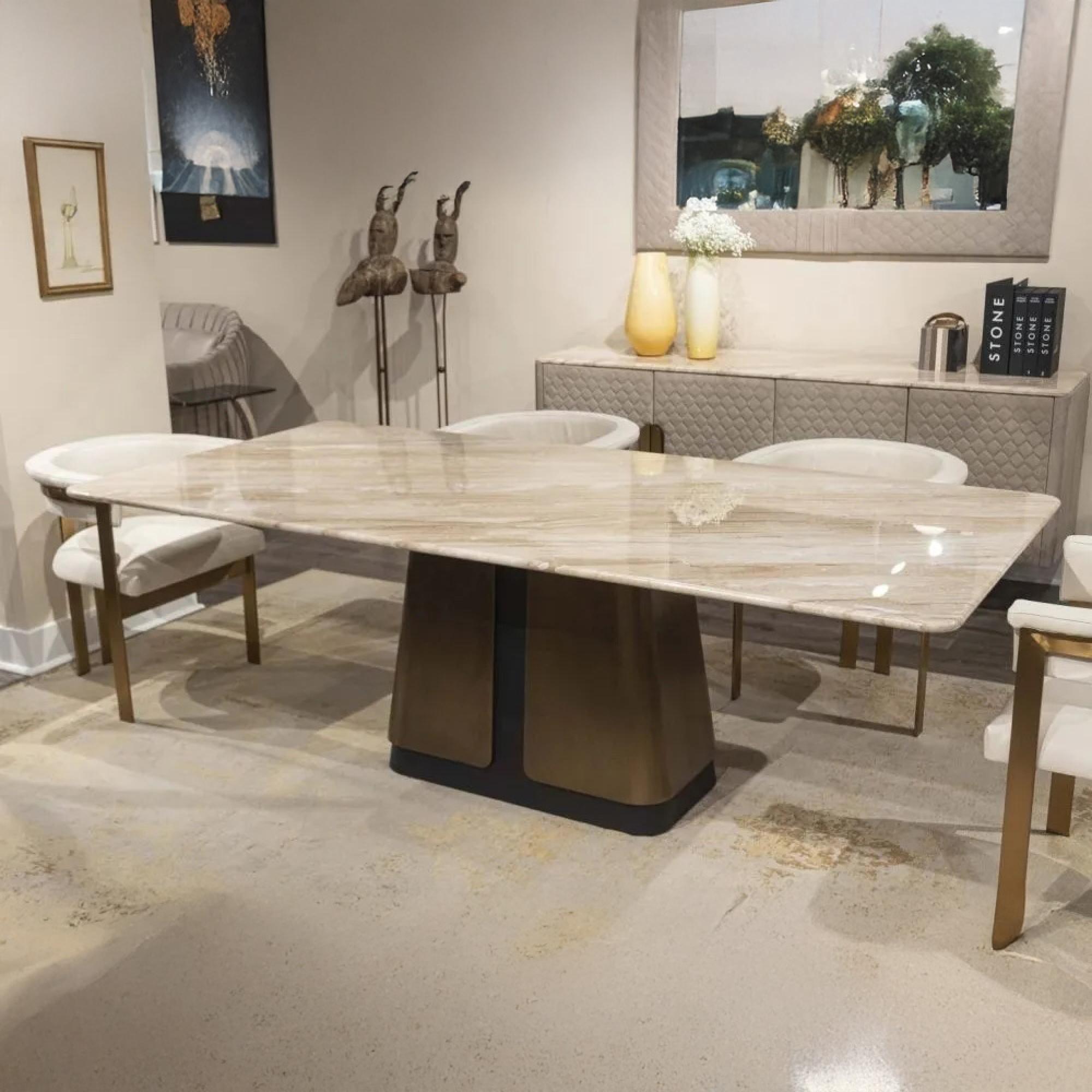
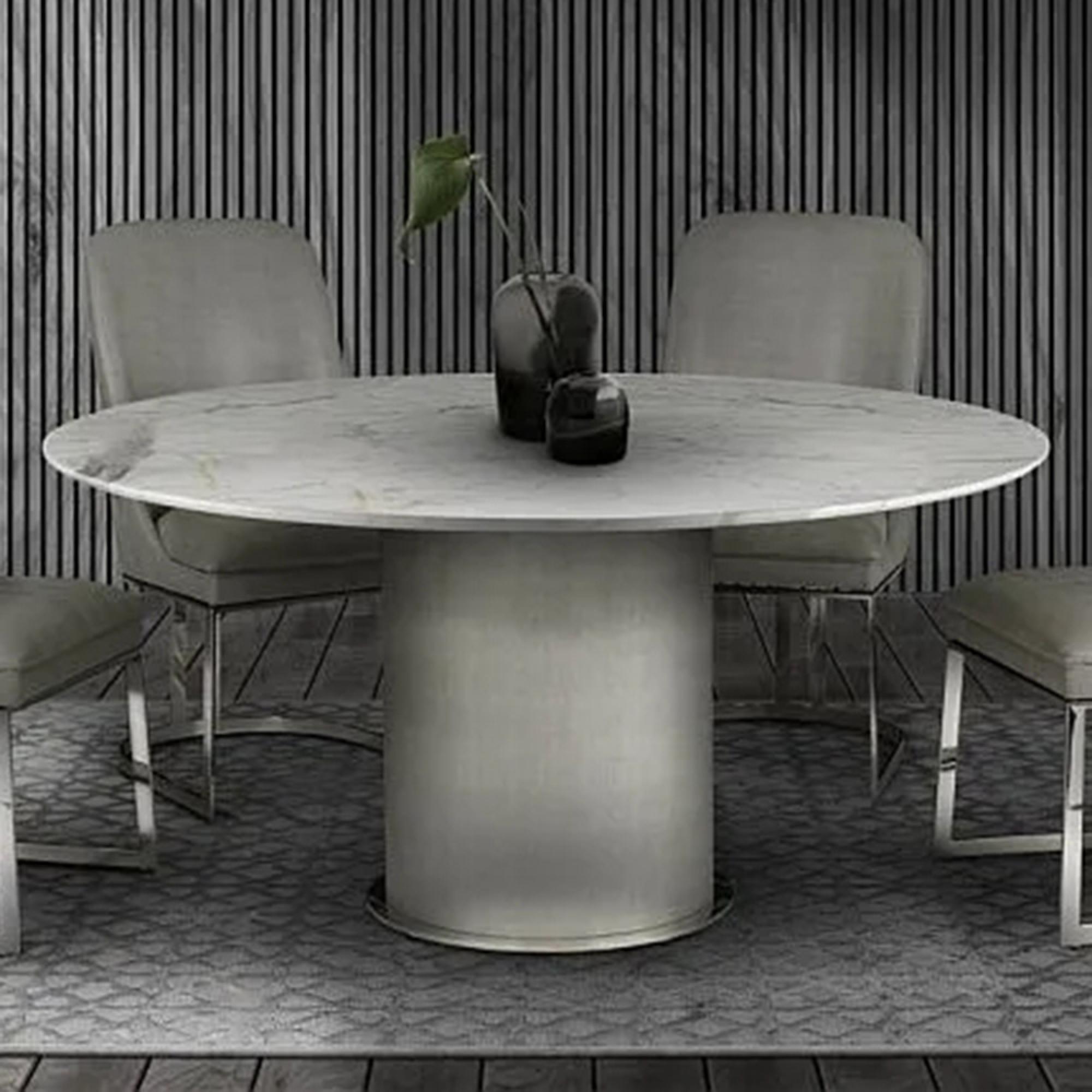
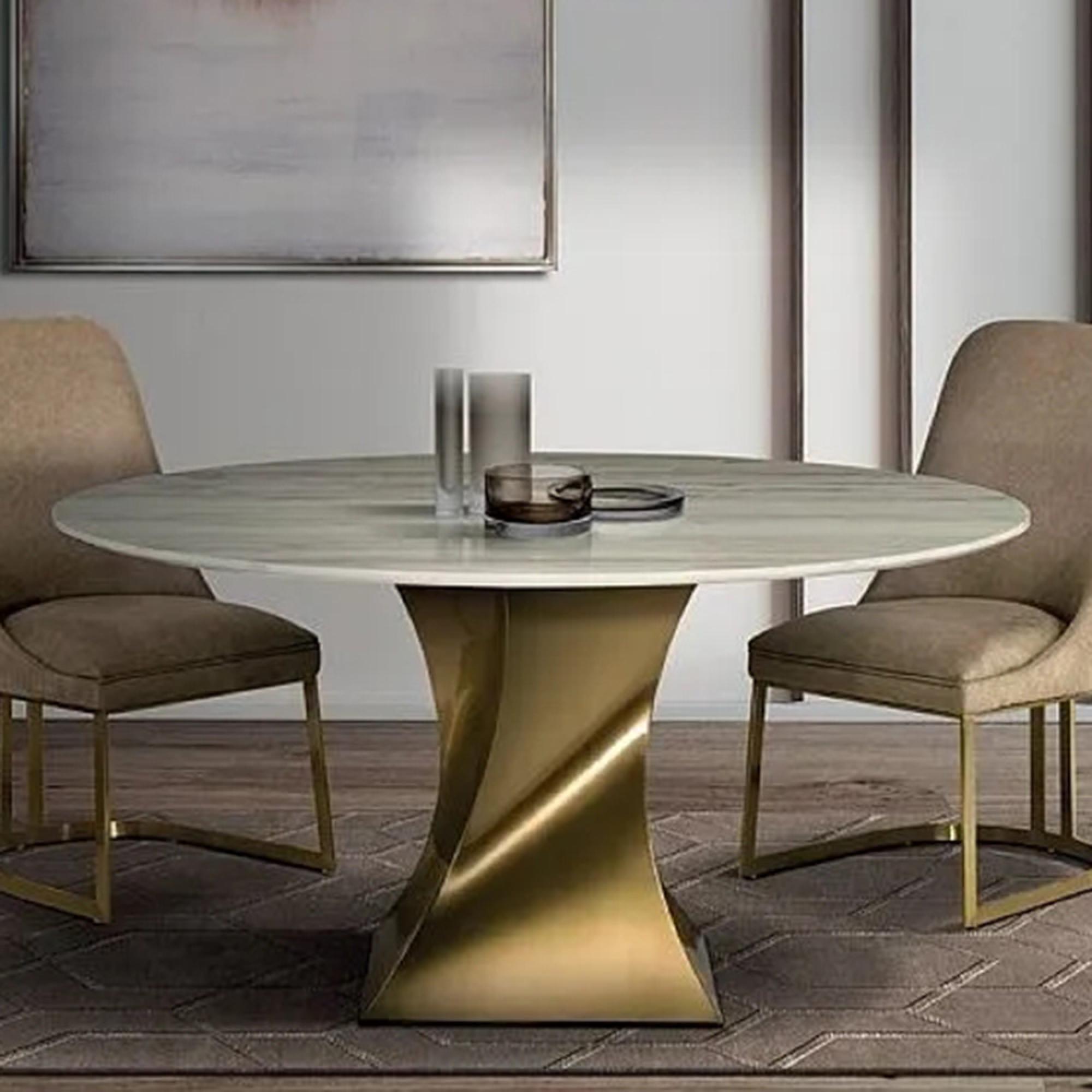
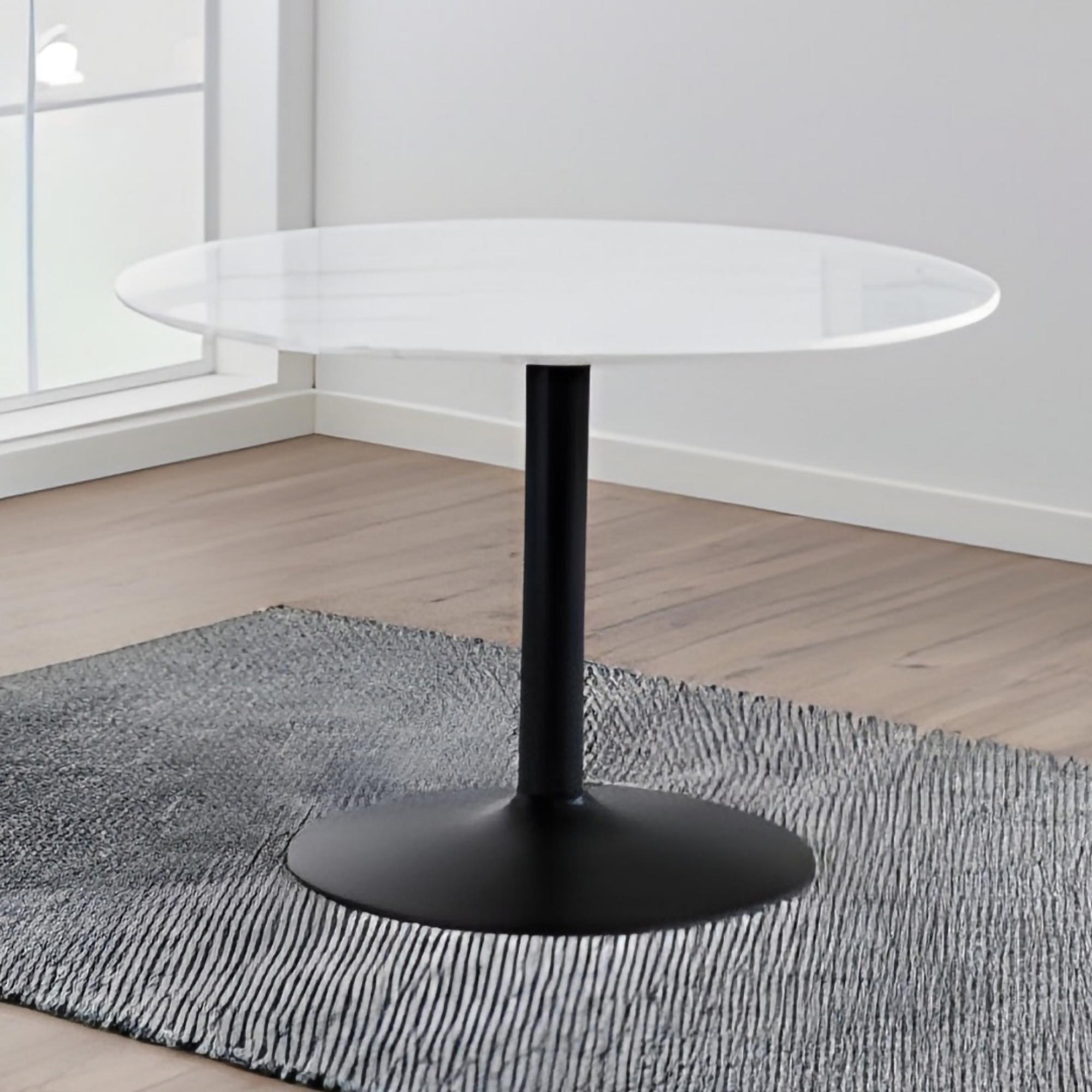
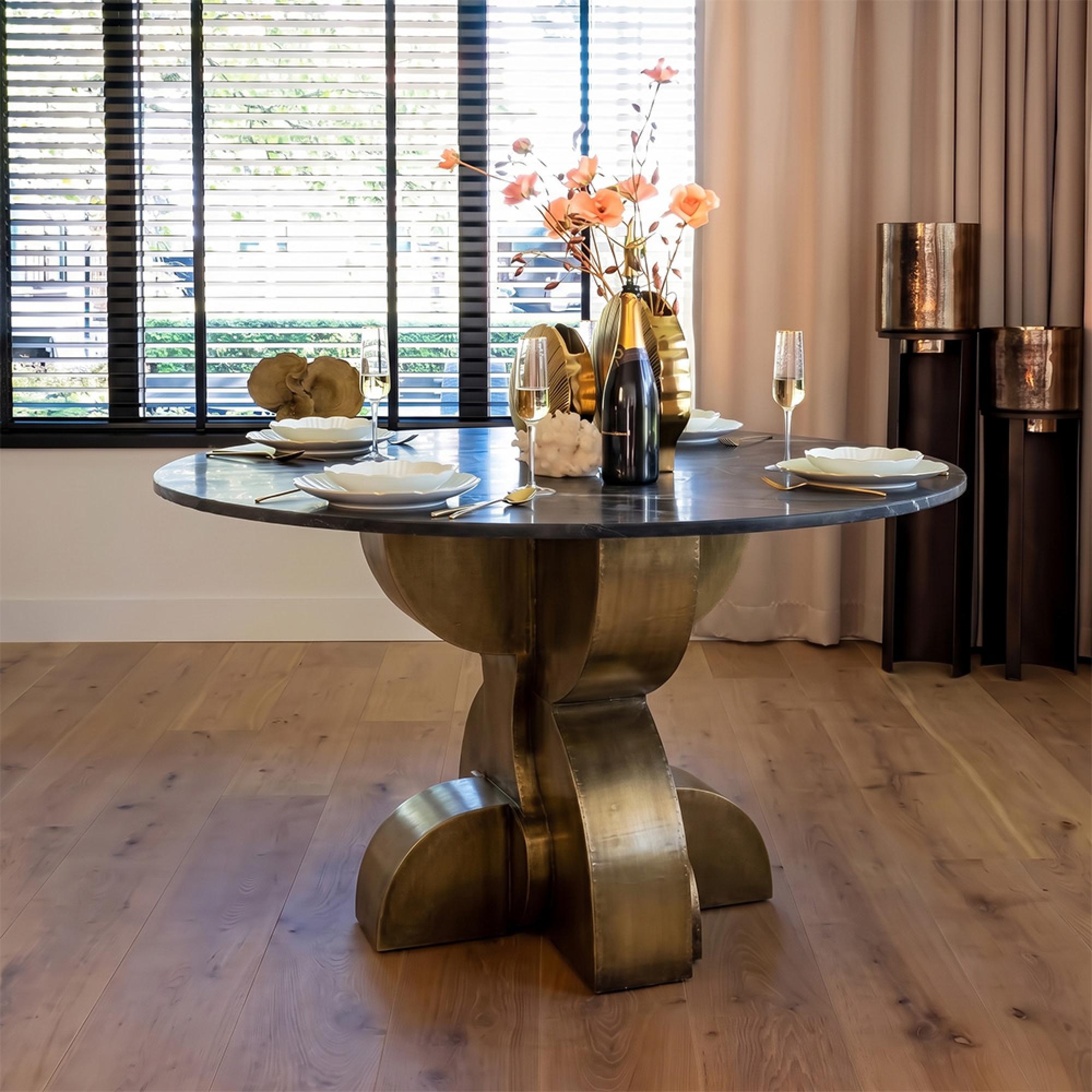
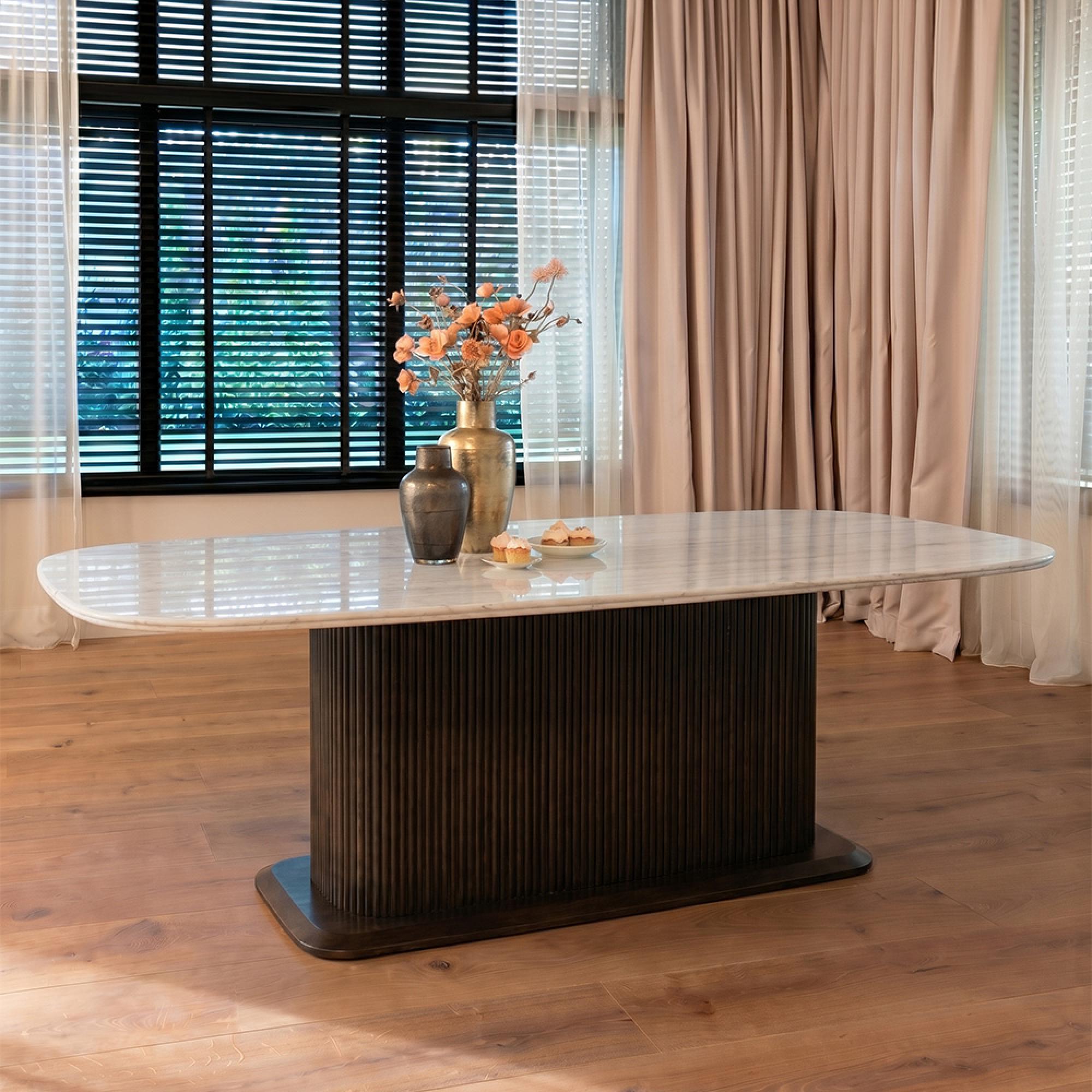
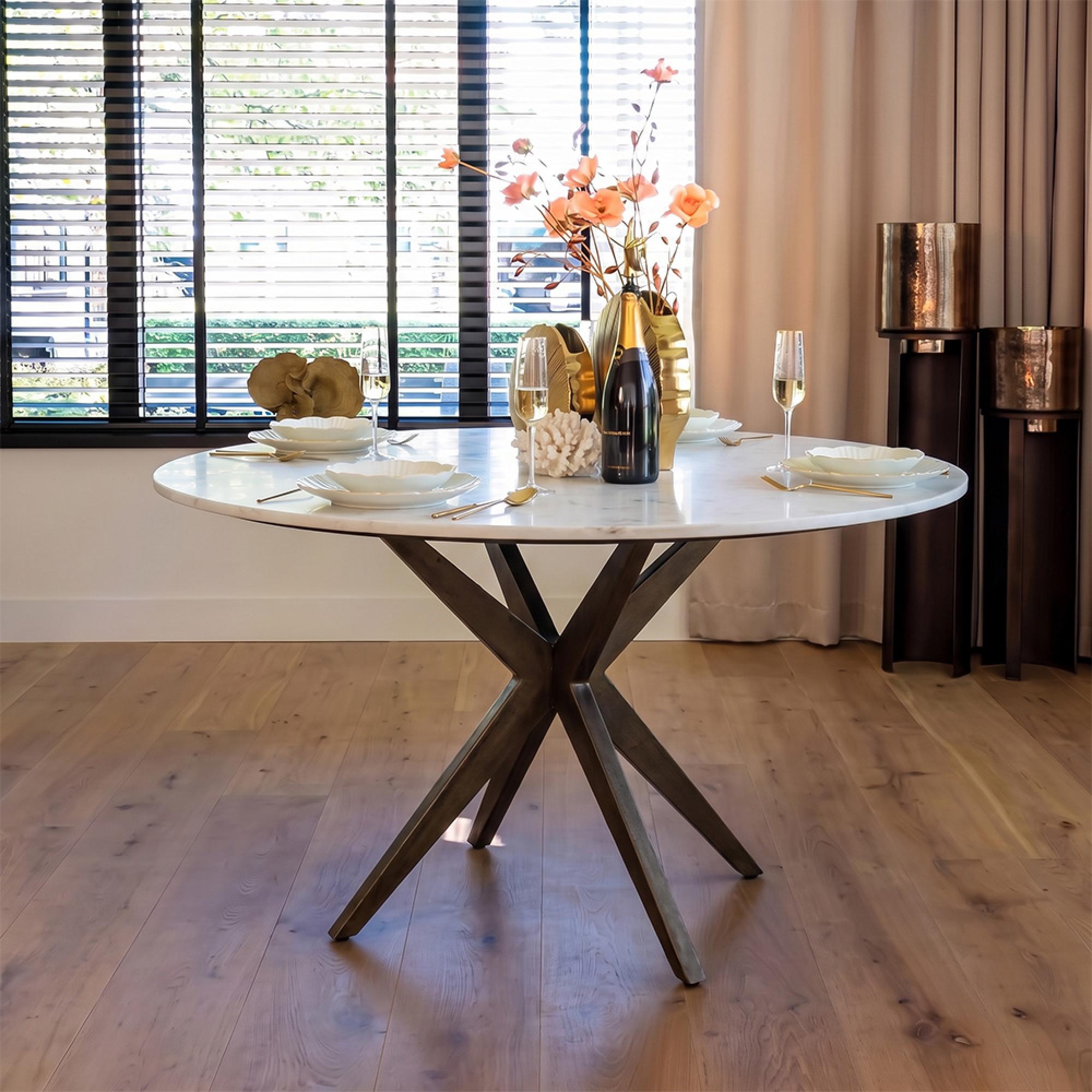
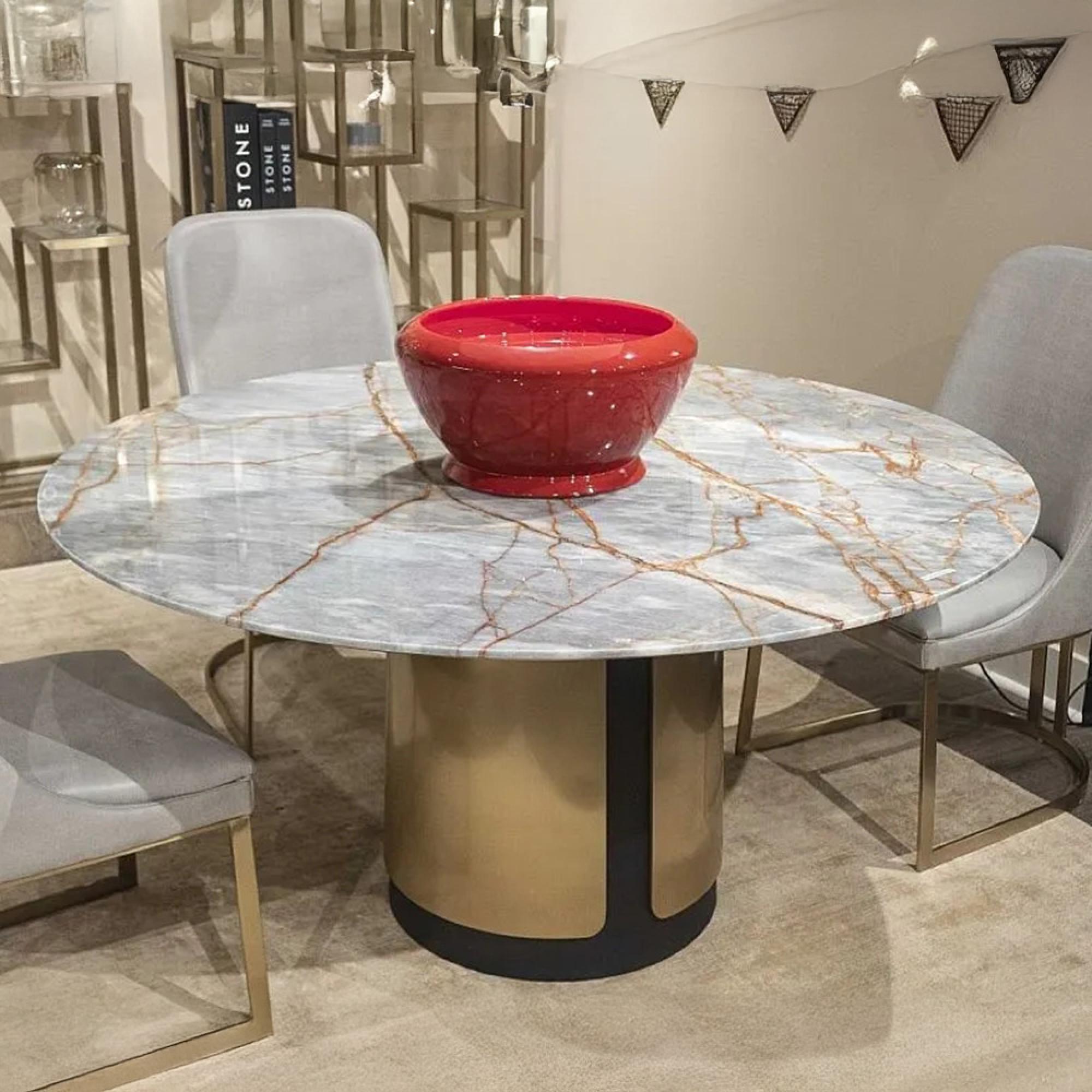
Choose Marble Dining Tables with the room, daily routine and intended use in mind. Compare shape, surface material, base design, seating capacity and any extending mechanism to identify the right balance of appearance and function. The marble focus makes material, finish and care especially important when comparing products. Plan for chair clearance as well as the tabletop footprint, especially in a busy dining area.
Read more X Close

Popular Categories

Price

Features

Shape

Seat

Material

Finish

Colour

  • Beige
  • Black
  • Brown
  • Cream
  • Grey
  • White

39 Products of 164

Load More..

Choosing Marble Dining Tables

This category focuses on Marble Dining Tables that can create a practical focal point for meals, conversation and entertaining. Start with the room layout and daily use, then compare shape, surface material, base design, seating capacity and any extending mechanism. The marble focus makes material, finish and care especially important when comparing products. This keeps the decision focused on practical suitability as well as style.

Plan the space before choosing

Plan for chair clearance as well as the tabletop footprint, especially in a busy dining area. Record the available width, depth and height, including clearance for doors, drawers, reclining parts or extensions where relevant. Account for skirting boards, radiators, sockets and walking routes, then check the access route through doors, halls and stairs.

For adjacent choices, explore Dining Tables, Black Marble Dining Tables and Small Marble Dining Tables. Use these comparisons alongside the specifications on each product page.

Marble Dining Tables for considered interiors

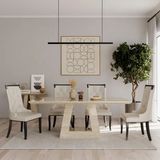
The Marble Dining Tables category focuses on choices intended to create a practical focal point for meals, conversation and entertaining. A suitable option should respond to the room's proportions, surrounding furniture and practical demands of everyday use. The marble focus makes material, finish and care especially important when comparing products.

Material, finish and construction

When comparing dining tables, look closely at shape, surface material, base design, seating capacity and any extending mechanism. Materials influence appearance, weight and maintenance, while finish affects colour coordination and day-to-day care. Use the written specification to confirm construction and care requirements.

Function and room planning

Plan for chair clearance as well as the tabletop footprint, especially in a busy dining area. Mark out the footprint and consider how people move around it. Where a product opens, extends, swivels or reclines, include that working clearance. For storage, seating or sleeping products, match the layout, support and capacity to the needs of regular users.

Creating a coordinated result

Build the room around a clear relationship between scale, colour and material. Matching every finish is not essential, but repeating one or two elements can connect separate pieces. You can also compare Dining Tables, Black Marble Dining Tables and Small Marble Dining Tables for closely related room and product choices. Use the individual listing to confirm dimensions, included components, assembly and suitability.

Read more X Close

FAQs on Marble Dining Tables

Will a hot pan crack my marble dining table?

Direct heat from hot pans can cause thermal shock and crack marble. Always use trivets or heat-resistant placemats. Engineered marble and sintered stone are more heat-resistant than natural marble. Even so, protecting the surface extends its lifespan significantly.

Natural marble scratches easily because its porous and soft. Sealing it every 6 months helps, though scratches still occur with regular use. Engineered marble and sintered stone are far more scratch-resistant and require minimal maintenance, making them better for family dining.

Seal natural marble every 6–12 months if used daily, or every 3–6 months with heavy use. Engineered marble and sintered stone dont require sealing at all. A good sealant protects against stains and etching from acidic spills.

Natural marble is porous, scratches easily, and requires regular sealing. Engineered marble is made from crushed stone bonded with resin—its non-porous, stain-resistant, and maintenance-free. Engineered marble is lighter, more affordable, and better suited to family dining.

For six people, choose a rectangular table at least 160cm long and 80–90cm wide. Allow 60cm width per person on each side, plus 30cm at each head. A round table needs a minimum diameter of 120–130cm to seat six comfortably.

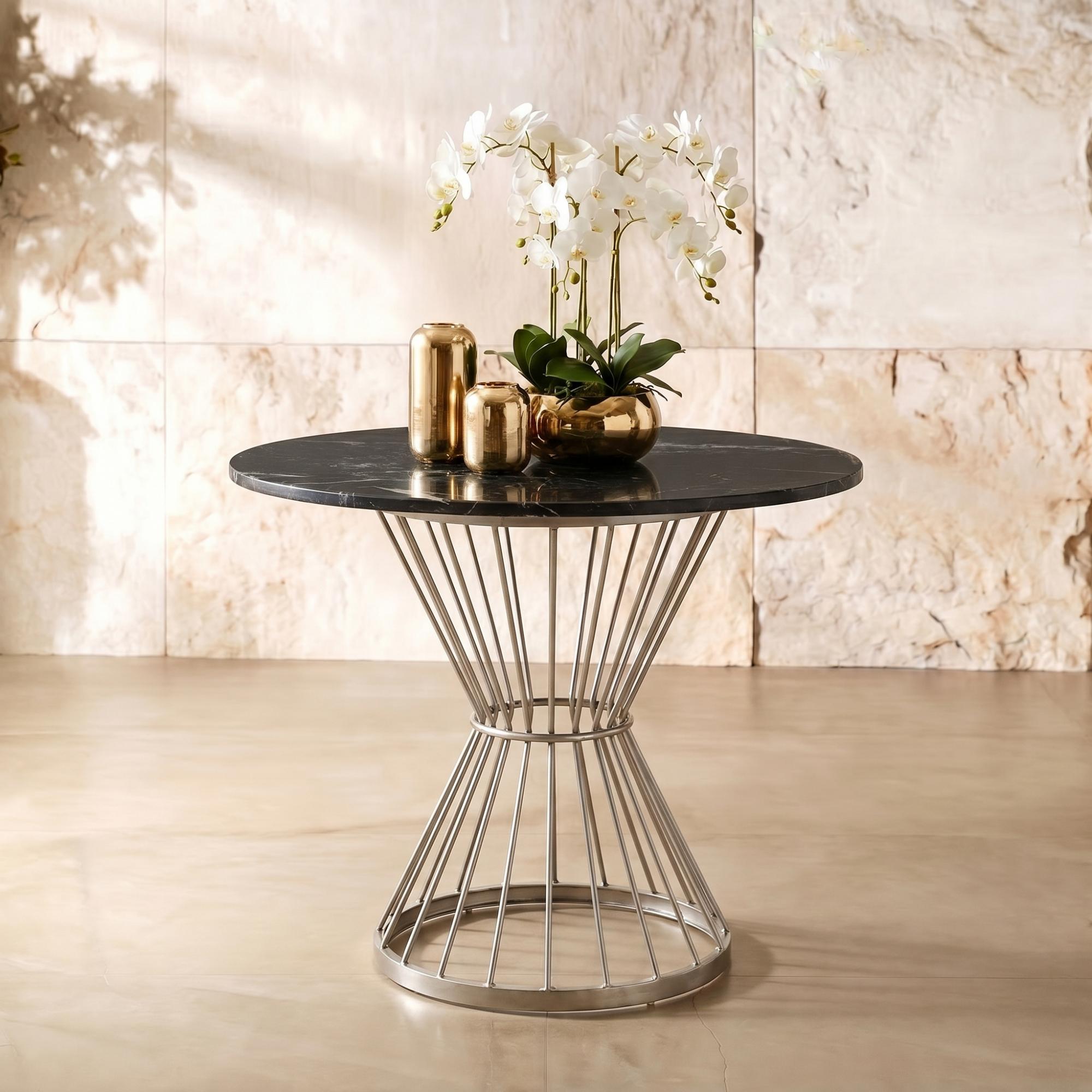
Marble tables work in small spaces if you choose a round or square design with a pedestal base, which takes up less visual space than four legs. Keep the tabletop to 100–120cm wide maximum. Round tables are especially space-efficient for compact dining areas.

Wipe with a soft, damp cloth and pH-neutral cleaner only. Never use vinegar, lemon juice, or abrasive cleaners—they etch the surface. Blot spills immediately, especially red wine and citrus. Seal natural marble every 6–12 months for protection.

Yes. Faux marble (sintered stone or engineered marble) is lighter, affordable, stain-proof, and needs no sealing. The visual difference from genuine marble is minimal. For families and busy households, faux marble is more practical and cost-effective than natural stone.

Metal bases (chrome or steel) offer modern style and are durable. Wooden bases suit traditional or mid-century designs. Pedestal bases maximise legroom and work well in small spaces. Choose based on your décor style—all bases support marble effectively when properly constructed.

Yes, many marble-topped tables come with extending mechanisms. These typically expand from six to eight seats. Check the extension length and storage space before buying. Extending tables with engineered marble tops are lighter and easier to extend than solid natural marble.

Avoid acidic foods and drinks: citrus, wine, vinegar, and fizzy drinks etch the surface permanently. Dont use abrasive cleaners, toothpaste, or scouring pads. Always use coasters, placemats, and trivets. These precautions prevent stains and scratches.

Natural marble tables weigh 80–200kg depending on size and thickness, making delivery planning essential. Engineered marble and sintered stone tops are significantly lighter (30–80kg) while offering similar aesthetics. Lighter options are easier to move and reposition if needed.
Top