Free Delivery All Over UK*
close
Top products
SHOW ALL PRODUCTS

Storage Cabinets

Found 43 Items

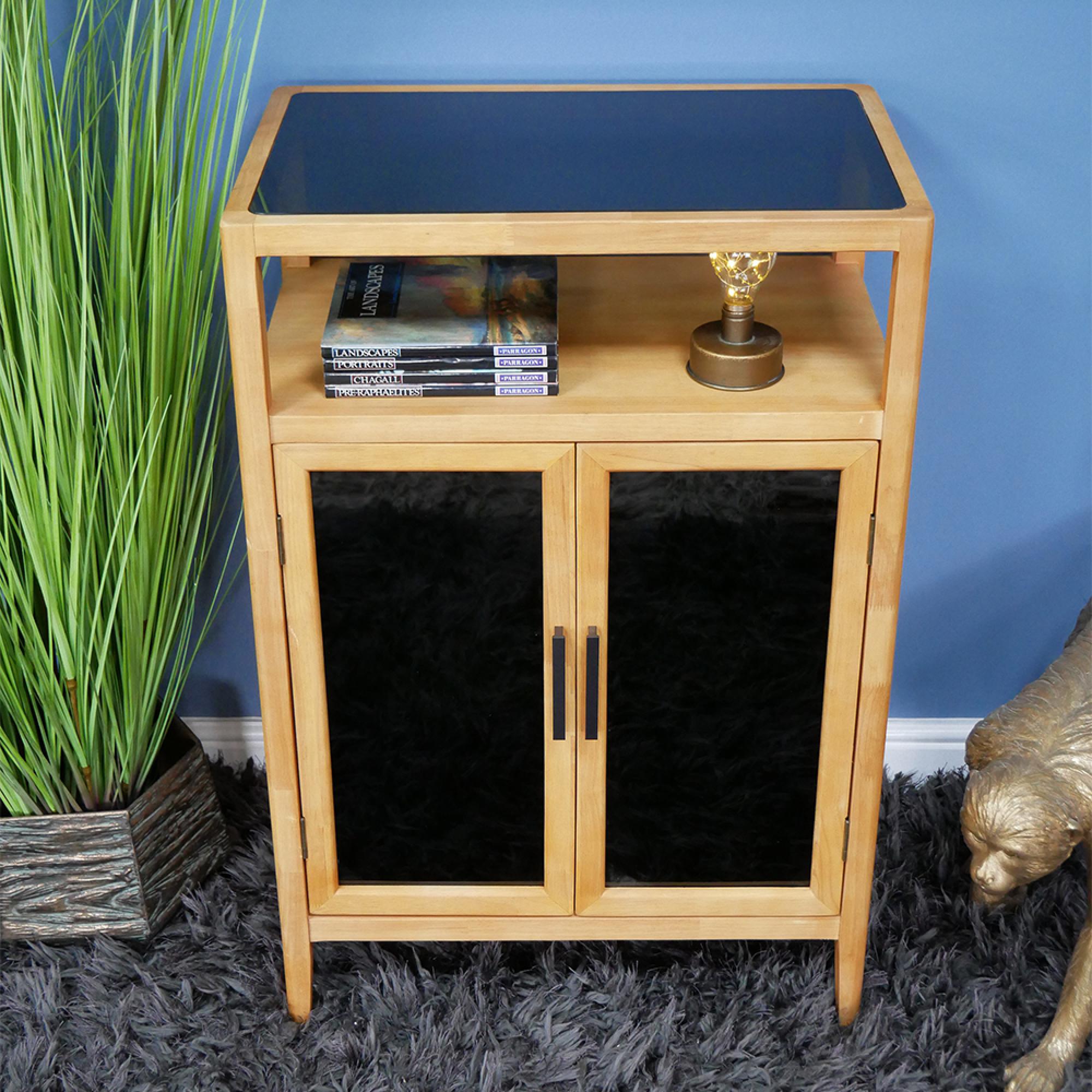
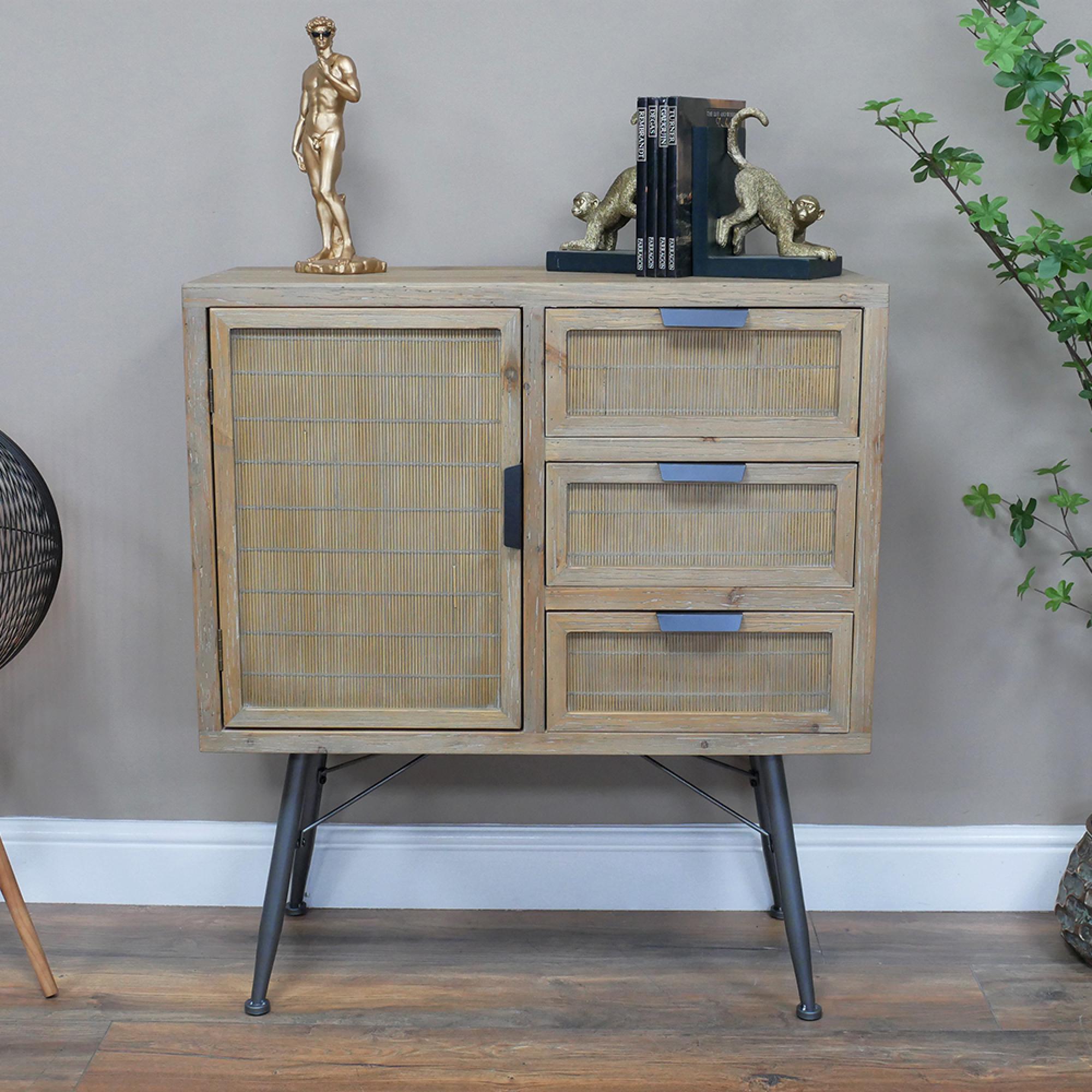
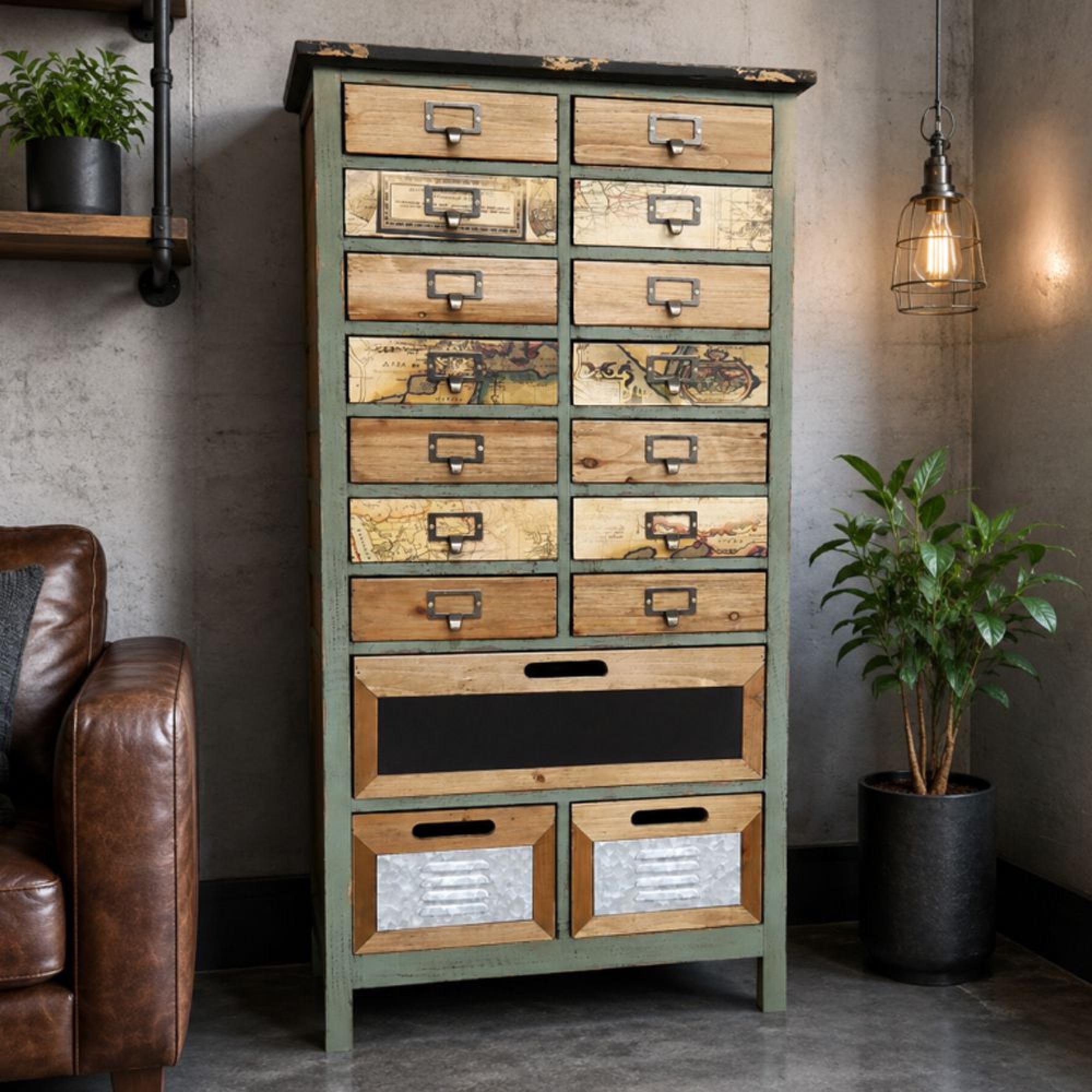
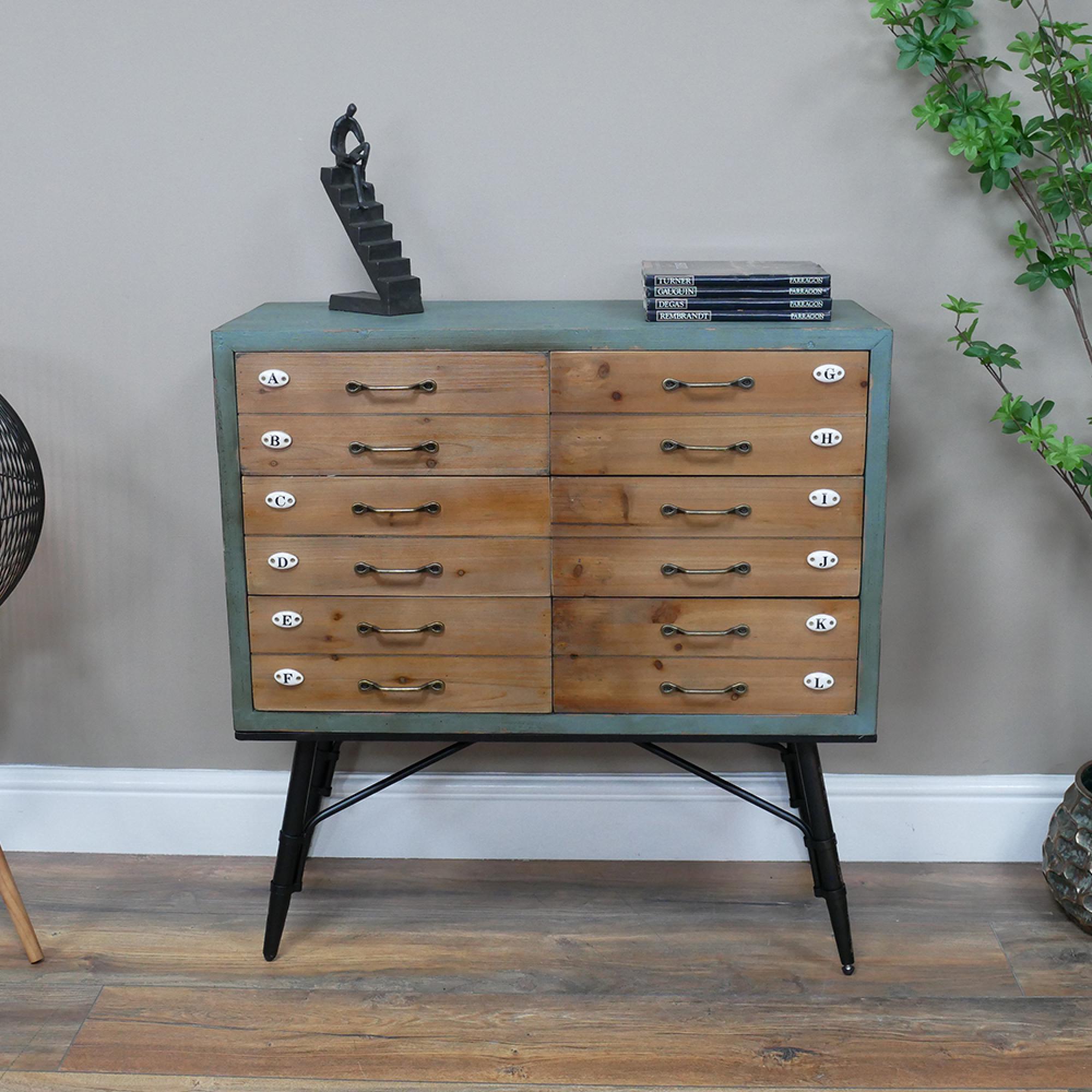
Use the Storage Cabinets category to compare choices that keep everyday items organised while supporting a clearer room layout. Compare internal layout, doors, drawers, shelves, footprint, access and finish to identify the right balance of appearance and function. Start with what needs storing, then choose compartments that match those items. Check each product page for exact dimensions, construction, finish, assembly and care information before making a final choice.
Read more X Close

Popular Categories

Price

No. of Doors

No. of Drawers

Material

Finish

Colour

  • Black
  • Brown
  • Green
  • Grey
  • Pink
  • Red
  • White

39 Products of 43

Load More..

Choosing Storage Cabinets

This category focuses on Storage Cabinets that can keep everyday items organised while supporting a clearer room layout. Start with the room layout and daily use, then compare internal layout, doors, drawers, shelves, footprint, access and finish. Function and visual balance both matter, so compare the complete specification rather than choosing on appearance alone. This keeps the decision focused on practical suitability as well as style.

Plan the space before choosing

Start with what needs storing, then choose compartments that match those items. Record the available width, depth and height, including clearance for doors, drawers, reclining parts or extensions where relevant. Account for skirting boards, radiators, sockets and walking routes, then check the access route through doors, halls and stairs.

For adjacent choices, explore Bedroom Storage, Underbed Storage and Blanket Boxes. Use these comparisons alongside the specifications on each product page.

Storage Cabinets for considered interiors

The Storage Cabinets category focuses on choices intended to keep everyday items organised while supporting a clearer room layout. A suitable option should respond to the room's proportions, surrounding furniture and practical demands of everyday use. Use the category wording as a starting point, then verify the exact material, finish and features shown on each product page.

Material, finish and construction

When comparing storage furniture, look closely at internal layout, doors, drawers, shelves, footprint, access and finish. Materials influence appearance, weight and maintenance, while finish affects colour coordination and day-to-day care. Use the written specification to confirm construction and care requirements.

Function and room planning

Start with what needs storing, then choose compartments that match those items. Mark out the footprint and consider how people move around it. Where a product opens, extends, swivels or reclines, include that working clearance. For storage, seating or sleeping products, match the layout, support and capacity to the needs of regular users.

Creating a coordinated result

Build the room around a clear relationship between scale, colour and material. Matching every finish is not essential, but repeating one or two elements can connect separate pieces. You can also compare Bedroom Storage, Underbed Storage and Blanket Boxes for closely related room and product choices. Use the individual listing to confirm dimensions, included components, assembly and suitability.
Read more X Close

FAQs on Storage Cabinets

What should I look for when buying a storage cabinet?

Consider weight capacity, internal shelf arrangement, material durability, and whether you need locking doors. Measure your space first, then assess what items youll store. Check door swing clearance and ensure the cabinets height doesnt obstruct sightlines in your room.

Measure the wall space width, height, and depth in centimetres. Account for door swing—allow 90cm clearance in front. Note any obstacles like skirting boards or electrical outlets. Compare measurements against the cabinets overall dimensions before purchasing.

Wooden cabinets suit living spaces and offer warmth; metal cabinets are more durable in garages or commercial settings and resist moisture. Wood requires regular maintenance and can dent; metal is harder-wearing but may rust without protective coating. Choose based on your room type and durability needs.

Choose tall, narrow cabinets under 60cm wide to maximise vertical space without dominating the room. Mirrored or light-coloured doors visually expand the space. Ensure the cabinet fits through your doorway and leaves walking space clear.

Yes, kitchen storage cabinets work well for crockery, glassware, and non-perishable items. Ensure the cabinet is moisture-resistant and positioned away from direct heat sources. Avoid areas above cookers or near steam to prevent damage to wood or laminate finishes.

For wood, use a damp microfibre cloth and dry immediately. Metal cabinets can handle gentle soapy water; dry fully to prevent rust. Laminate and plastic tolerate damp cloths well. Avoid abrasive cleaners and excessive water, particularly on wood or particle board doors.

Lockable cabinets are essential if youre storing valuables, confidential documents, or hazardous items like tools or medicines. The added cost is justified for security and peace of mind. Standard cabinets suffice for general household storage in low-risk settings.

Most domestic cabinets hold 20–50kg per shelf depending on material and construction. Check your cabinets manufacturer specifications—cheap particle board units may hold less; solid wood or metal cabinets typically support more. Distribute weight evenly across shelves to avoid sagging.

Fully assembled cabinets require no assembly—simply position and level. Flat-pack units typically take 20–45 minutes with basic tools if instructions are clear. Larger cabinets or those requiring wall-mounting may take longer. Many customers find assembly straightforward.

Wardrobes are designed specifically for hanging clothes with rails and rods. Storage cabinets have shelves for stacking items like books, files, or kitchen goods. Both offer enclosed storage, but wardrobe depth (typically 60cm) accommodates coat hangers, while cabinets vary in purpose and configuration.

Metal and sealed laminate cabinets resist moisture; ideal for kitchens, bathrooms, or garages. Solid wood and particle board absorb moisture and warp over time in damp areas. For wet rooms, ensure any wooden cabinet has a protective finish or moisture-resistant coating.
Top