Free Delivery All Over UK*
close
Top products
SHOW ALL PRODUCTS

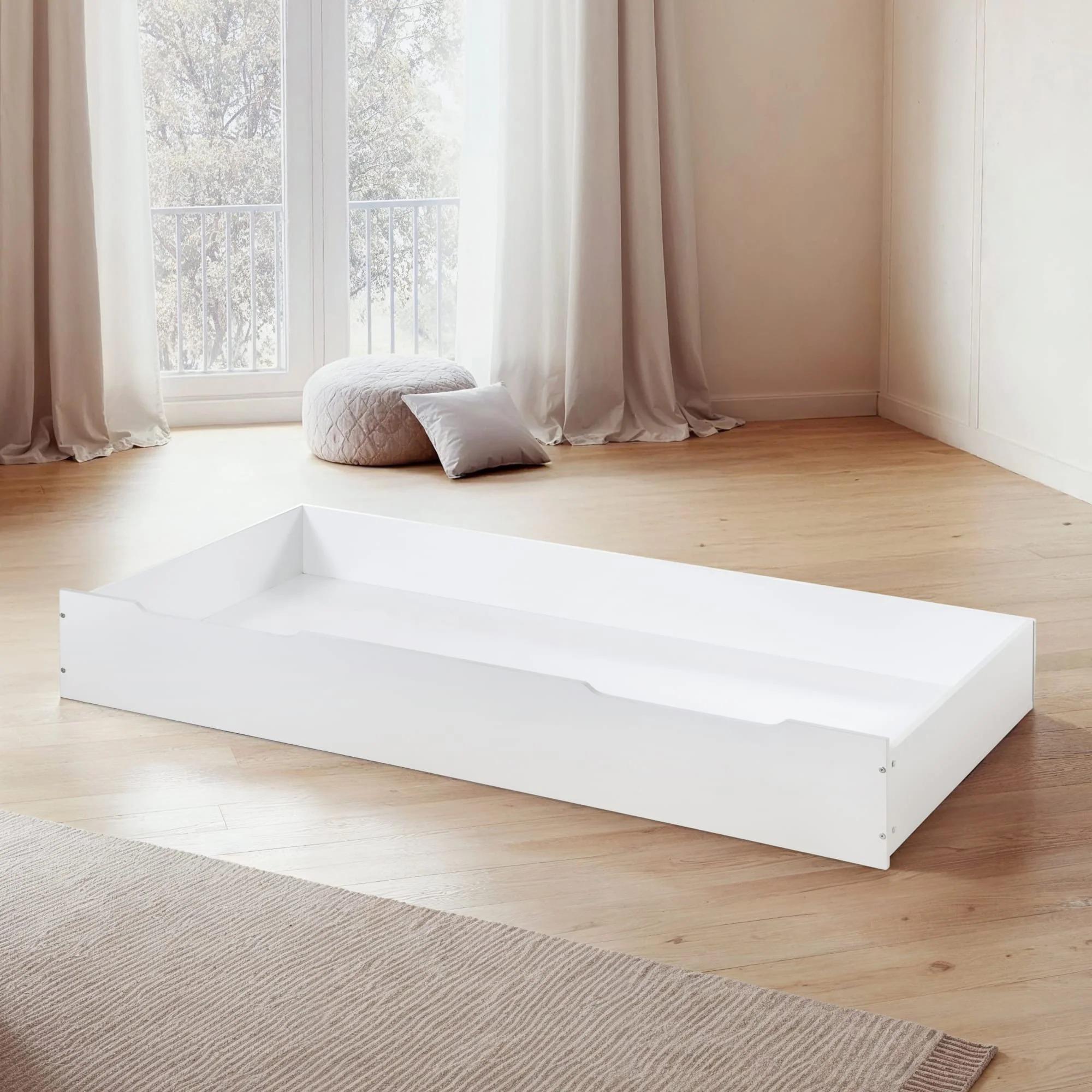
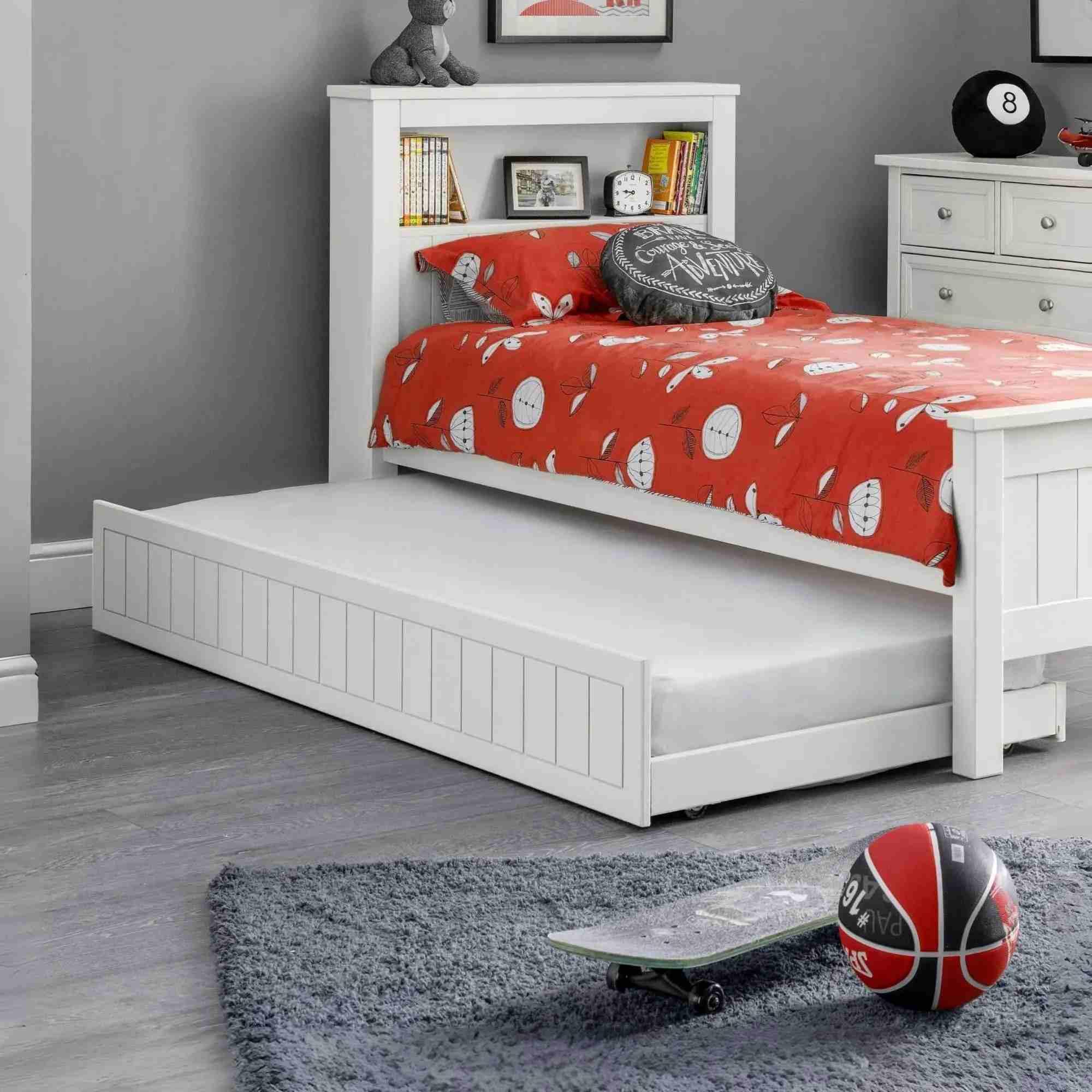
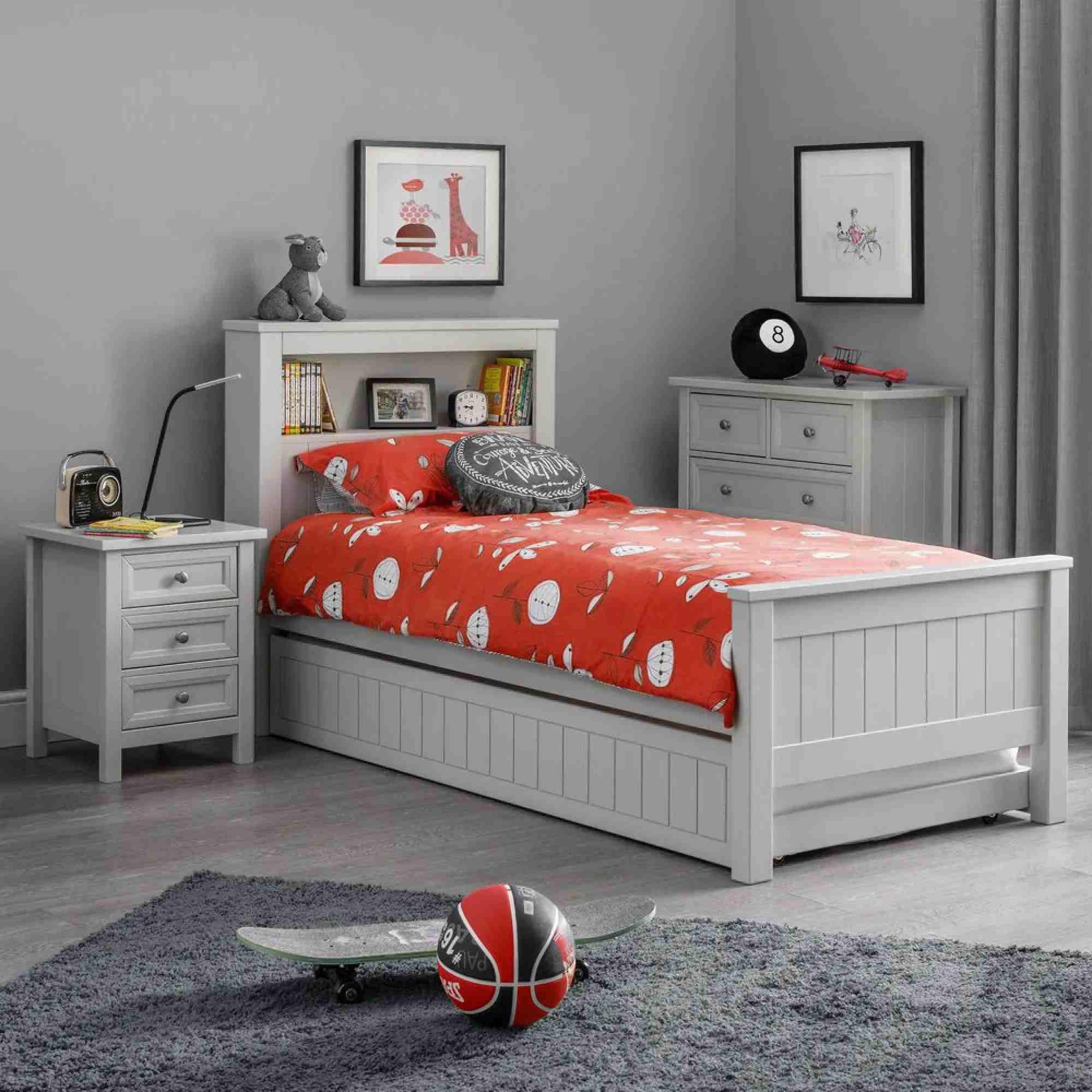
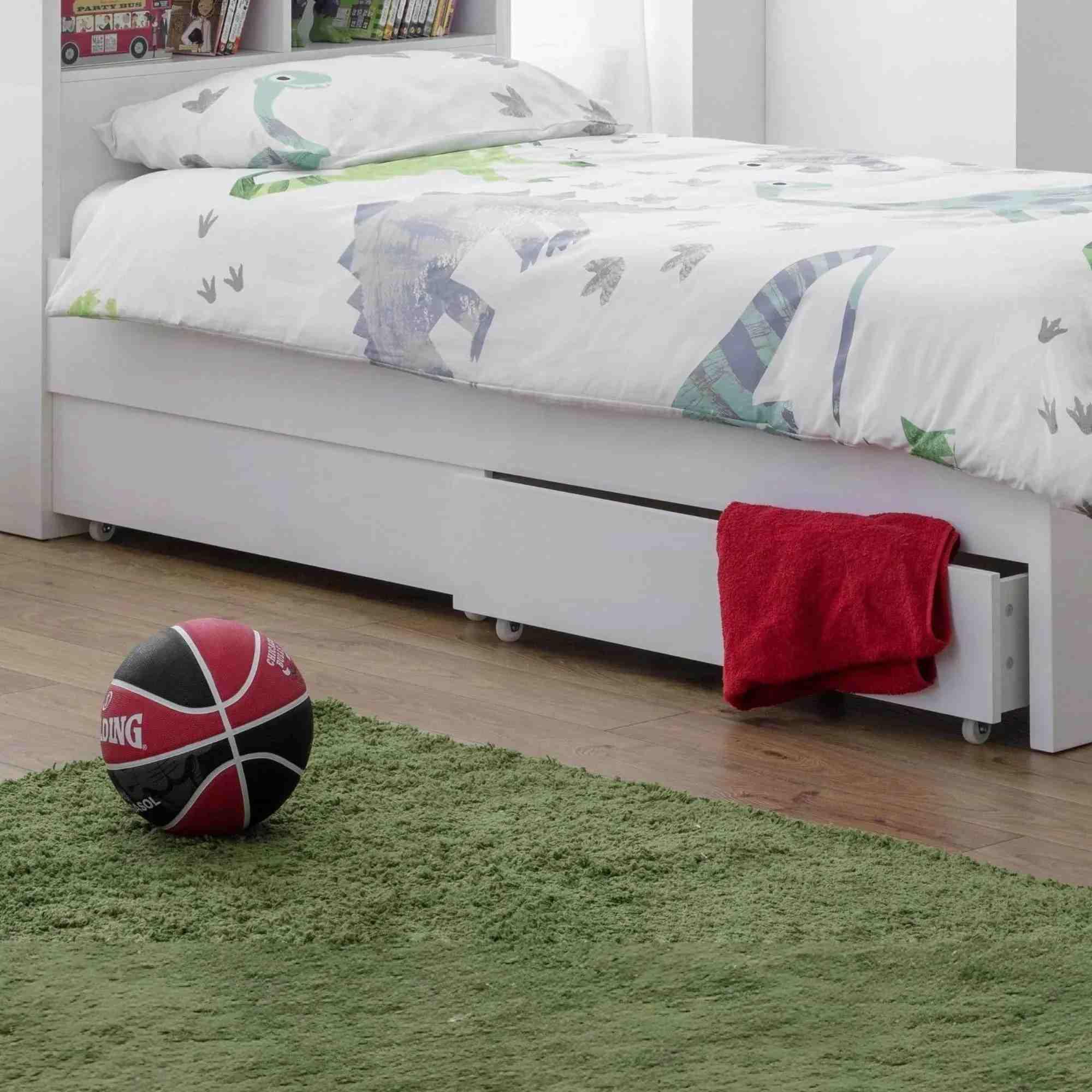
Underbed Storage

Found 10 Items

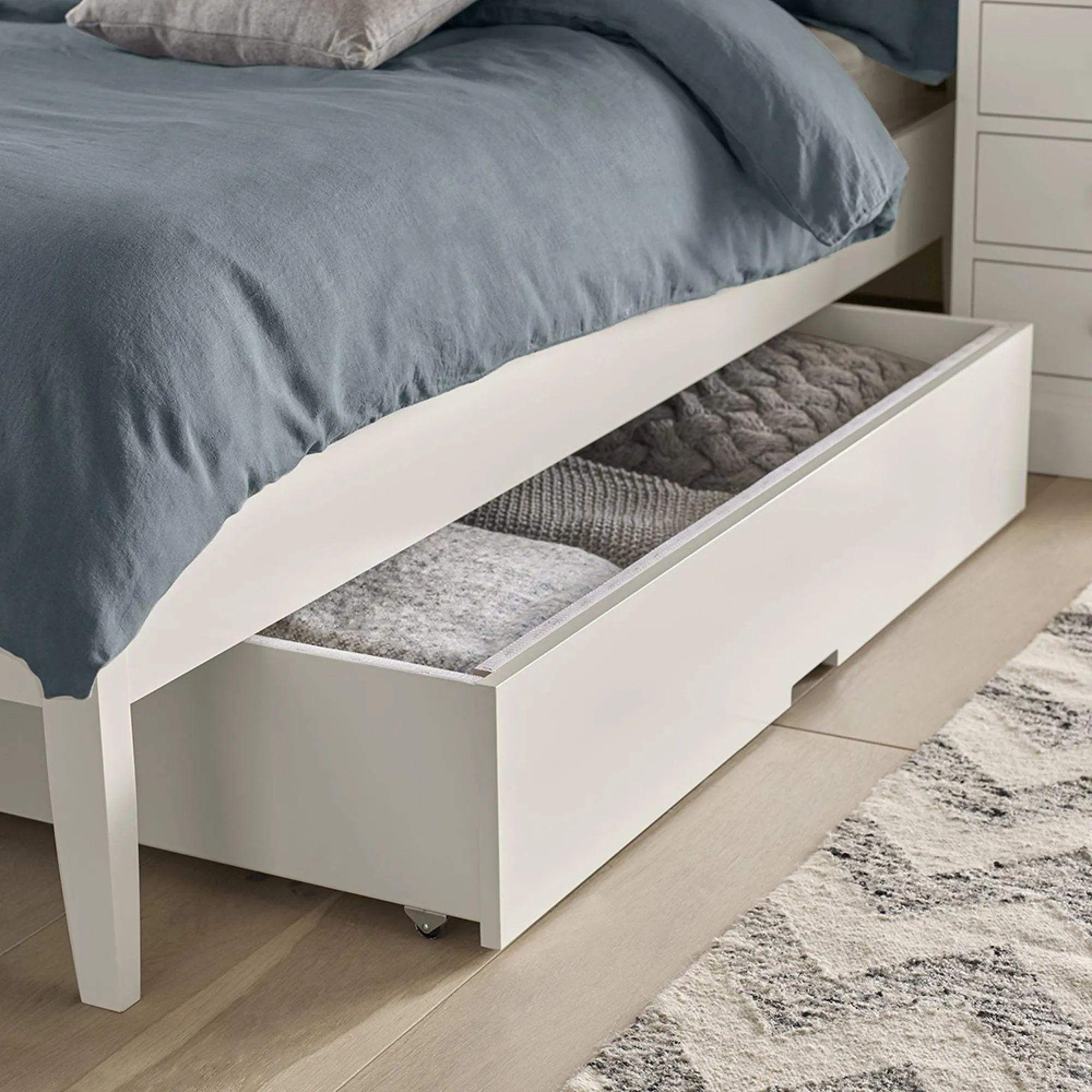
The Underbed Storage category brings together choices intended to keep everyday items organised while supporting a clearer room layout. Compare internal layout, doors, drawers, shelves, footprint, access and finish to identify the right balance of appearance and function. Start with what needs storing, then choose compartments that match those items. Check each product page for exact dimensions, construction, finish, assembly and care information before making a final choice.
Read more X Close

Popular Categories

Price

Colour

  • Grey
  • White

Choosing Underbed Storage

This category focuses on Underbed Storage that can keep everyday items organised while supporting a clearer room layout. Start with the room layout and daily use, then compare internal layout, doors, drawers, shelves, footprint, access and finish. Function and visual balance both matter, so compare the complete specification rather than choosing on appearance alone. This keeps the decision focused on practical suitability as well as style.

Plan the space before choosing

Start with what needs storing, then choose compartments that match those items. Record the available width, depth and height, including clearance for doors, drawers, reclining parts or extensions where relevant. Account for skirting boards, radiators, sockets and walking routes, then check the access route through doors, halls and stairs.

For adjacent choices, explore Bedroom Storage, Storage Cabinets and Blanket Boxes. Use these comparisons alongside the specifications on each product page.

Underbed Storage for considered interiors

The Underbed Storage category focuses on choices intended to keep everyday items organised while supporting a clearer room layout. A suitable option should respond to the room's proportions, surrounding furniture and practical demands of everyday use. Use the category wording as a starting point, then verify the exact material, finish and features shown on each product page.

Material, finish and construction

When comparing storage furniture, look closely at internal layout, doors, drawers, shelves, footprint, access and finish. Materials influence appearance, weight and maintenance, while finish affects colour coordination and day-to-day care. Use the written specification to confirm construction and care requirements.

Function and room planning

Start with what needs storing, then choose compartments that match those items. Mark out the footprint and consider how people move around it. Where a product opens, extends, swivels or reclines, include that working clearance. For storage, seating or sleeping products, match the layout, support and capacity to the needs of regular users.

Creating a coordinated result

Build the room around a clear relationship between scale, colour and material. Matching every finish is not essential, but repeating one or two elements can connect separate pieces. You can also compare Bedroom Storage, Storage Cabinets and Blanket Boxes for closely related room and product choices. Use the individual listing to confirm dimensions, included components, assembly and suitability.

Read more X Close

FAQs on Underbed Storage

How do I choose the right underbed storage for my bed?

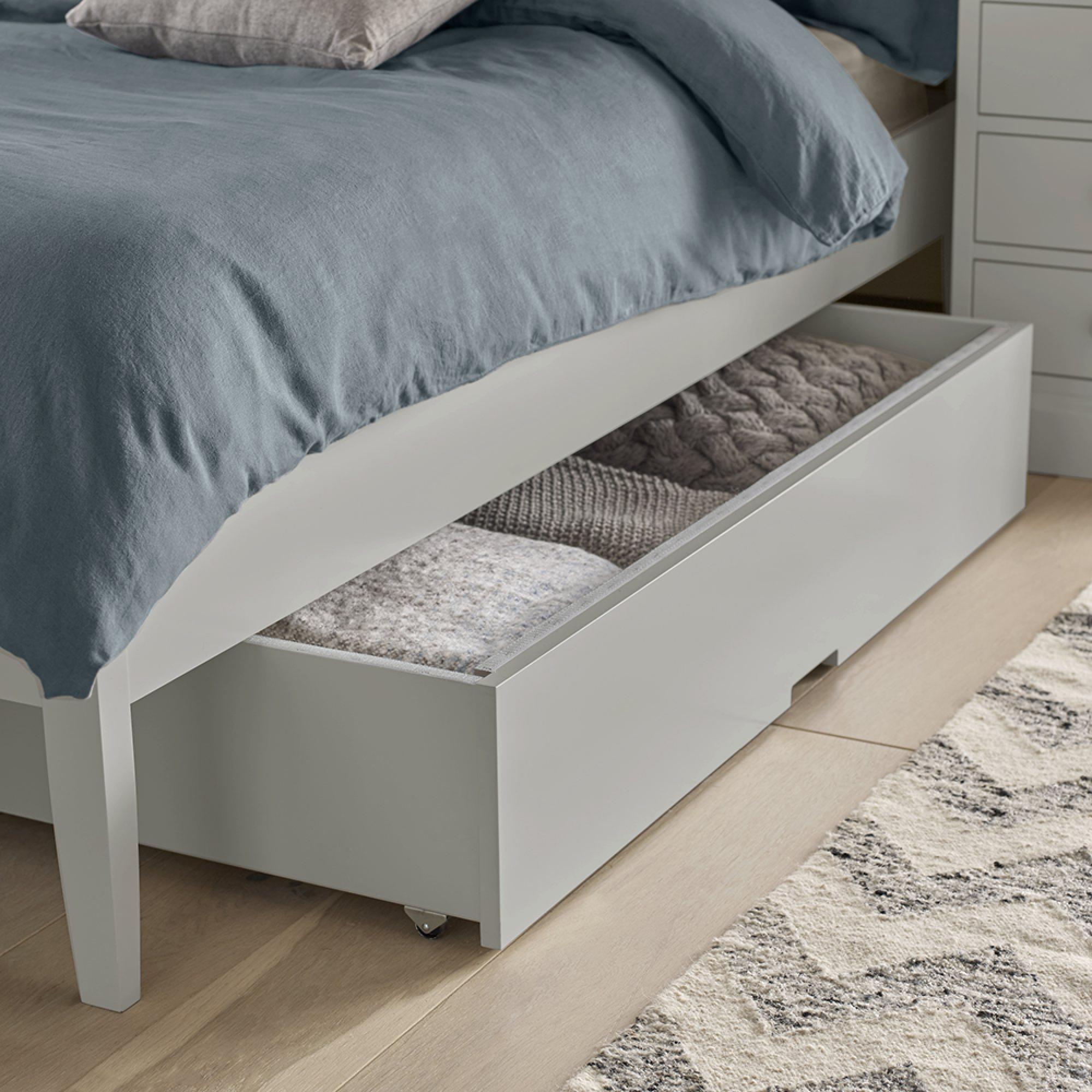
Measure your beds clearance height first—most beds offer 25-35cm. Check weight capacity if storing heavy items like winter duvets. Select shallow containers for low beds, or deep drawers for queen and king sizes. Consider wheels for accessibility and breathable fabric to prevent moisture buildup.

Storage boxes are stationary containers with handles, ideal for items accessed infrequently. Rolling drawers have wheels for smooth access and suit frequently-used items. Rolling options work better in tight spaces where you cant pull items out manually. Choose boxes for seasonal storage, drawers for everyday rotation.

Yes, most underbed storage fits under divan beds if clearance height permits. Divan beds typically offer 20-30cm underneath. Measure the exact space before purchasing. Low-profile containers or flat storage bags work best. Avoid wheels on carpet as they may snag; handles are preferable for easy retrieval.

Most quality underbed containers hold 20-50kg, depending on construction and materials. Plastic containers with reinforced bases typically support 25-35kg. Wooden-framed drawers hold 40-50kg. Distribute weight evenly and avoid overloading single containers. Check manufacturer specifications—exceeding limits risks damage and makes sliding difficult.

Choose water-resistant or breathable fabric containers with ventilation holes to prevent moisture and mould. Plastic boxes with drainage features work well in bathrooms or basements. Add moisture-absorbing packets inside. Avoid cardboard boxes entirely in damp conditions. Open-weave containers allow air circulation, protecting stored clothing and bedding effectively.

Measure three dimensions: length (head to foot), width (side to side), and clearance height from floor to bed base. Most UK beds need containers under 35cm tall. Subtract 5cm from each dimension for easy sliding. Account for wheels if needed—add 5-7cm to height. Note your bed size: single, double, queen, or king.

Yes, underbed storage is genuinely cost-effective for space-limited rooms. A single container can store 15-20kg of items, eliminating need for wardrobes or shelving. Costs range from £20-100 versus £200+ for furniture. It maximises unused space and improves organisation. For flats and studio rooms, its an essential solution.

Store seasonal clothing, spare bedding, shoes, books, and winter coats safely. Avoid electronics, important documents, or anything moisture-sensitive in damp areas. Dont store items you need frequently—accessibility matters. Keep heavy boxes away from bed supports. Never store paint, chemicals, or flammable materials. Ensure stored items wont attract pests.

Wipe plastic containers monthly with a damp cloth to prevent dust buildup. Vacuum fabric containers regularly. Check for moisture or odours quarterly. Air out contents seasonally, especially bedding. Inspect wheels for debris and clean tracks. Store containers empty during summer in damp climates. Replace worn handles or wheels promptly to maintain functionality.

Platform beds often have minimal clearance, typically 10-20cm, limiting standard storage options. Measure first—some platforms sit higher and accommodate shallow containers. Flat storage bags work better than rigid boxes. Alternatively, use side tables or wall shelving instead. Platform design sometimes makes underbed storage impractical or unnecessary.

Polypropylene plastic offers durability, water resistance, and affordability (£15-40). Fabric containers breathe well but absorb moisture (£20-50). Wood-framed drawers provide strength for heavy items (£60-150). Metal frames suit industrial styles and hold significant weight (£50-120). Choose plastic for damp areas, fabric for breathability, wood for longevity and style.

Yes, underbed storage removes visible clutter by hiding seasonal items and bulky goods. Keeps wardrobes, shoes, and spare bedding organised and accessible. Clear bedroom floors create spacious, calming environments. Using underbed space reduces reliance on overcrowded wardrobes. Paired with labelled containers, it supports long-term organisation and prevents re-cluttering.
Top