Free Delivery All Over UK*
close
Top products
SHOW ALL PRODUCTS

Concrete Dining Tables

Found 10 Items

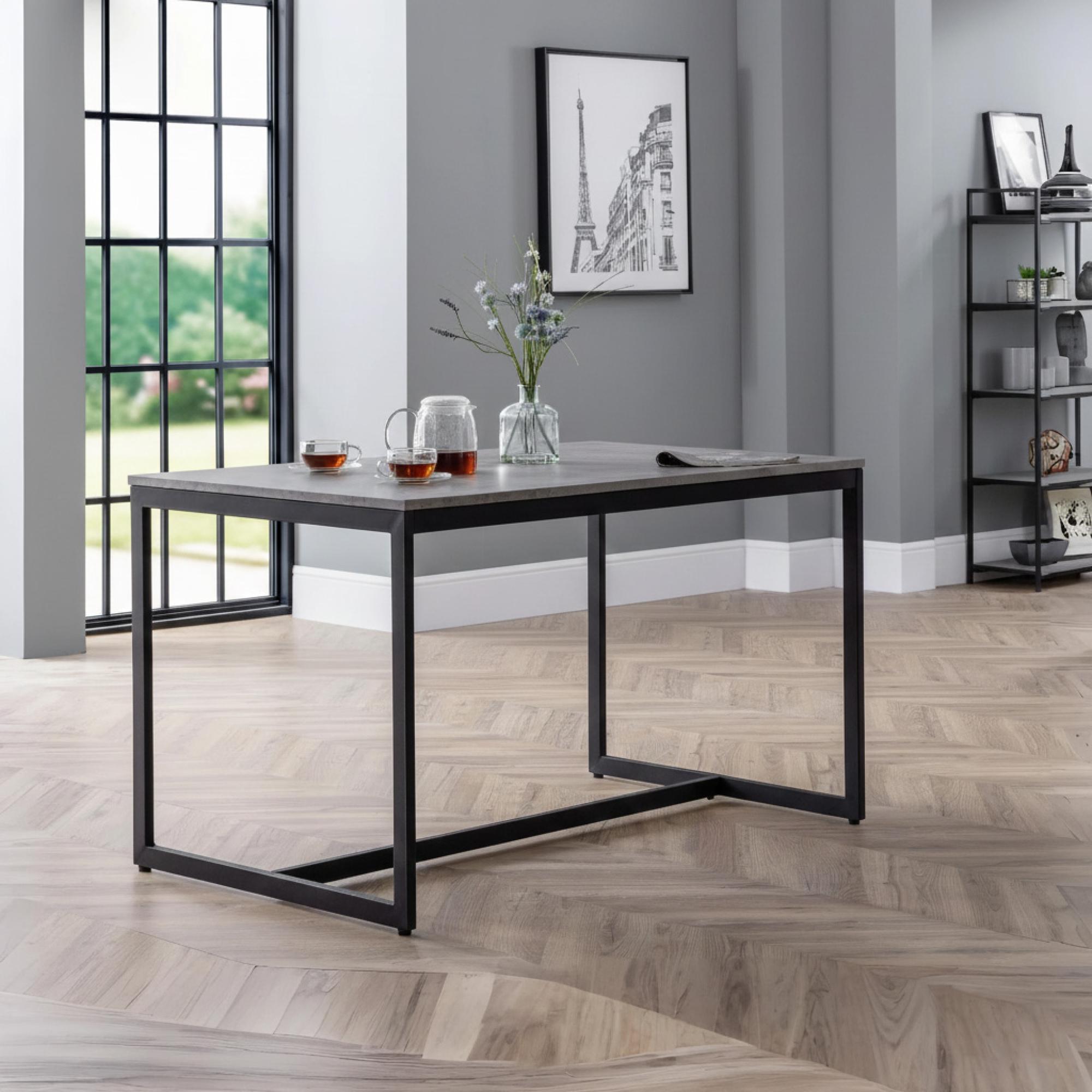
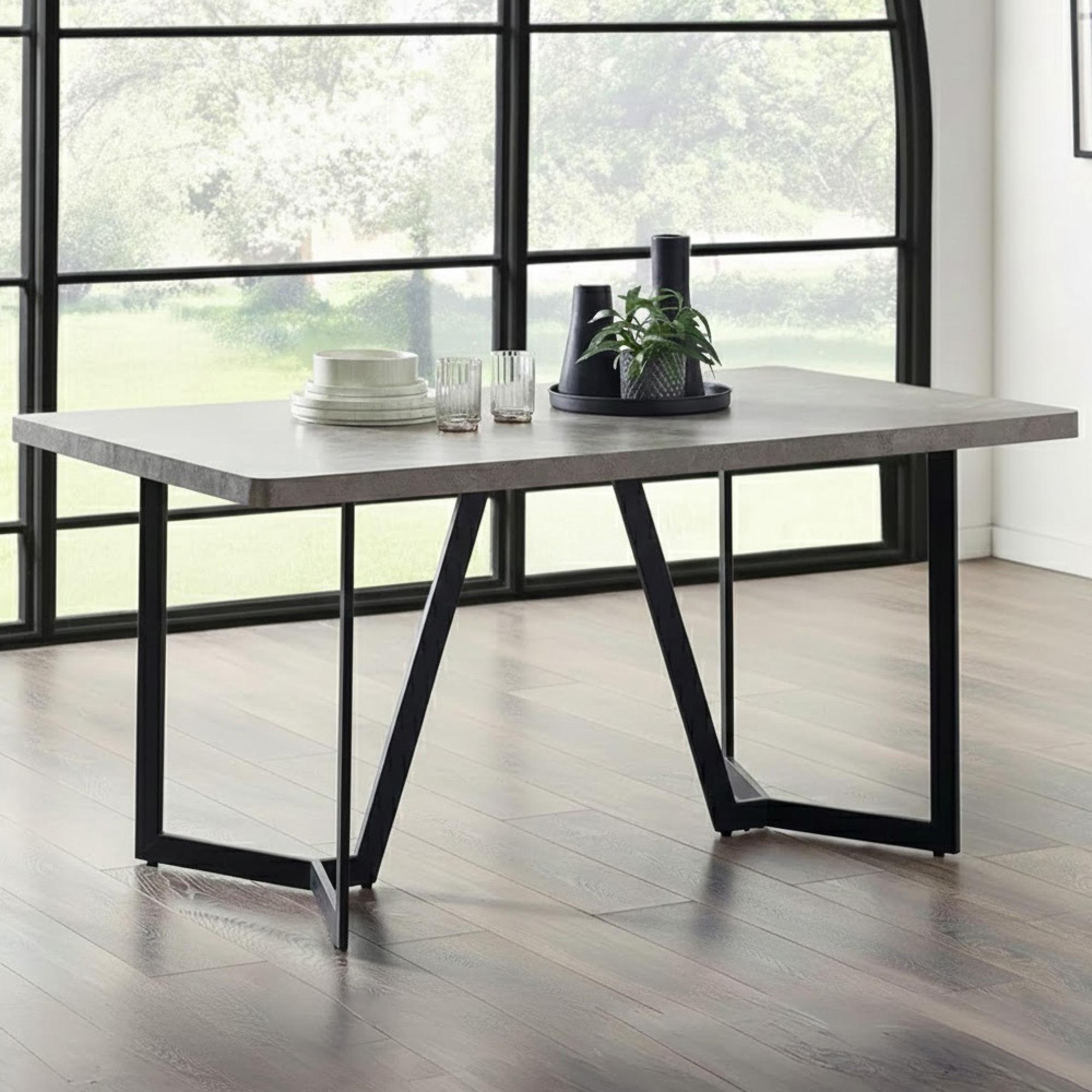
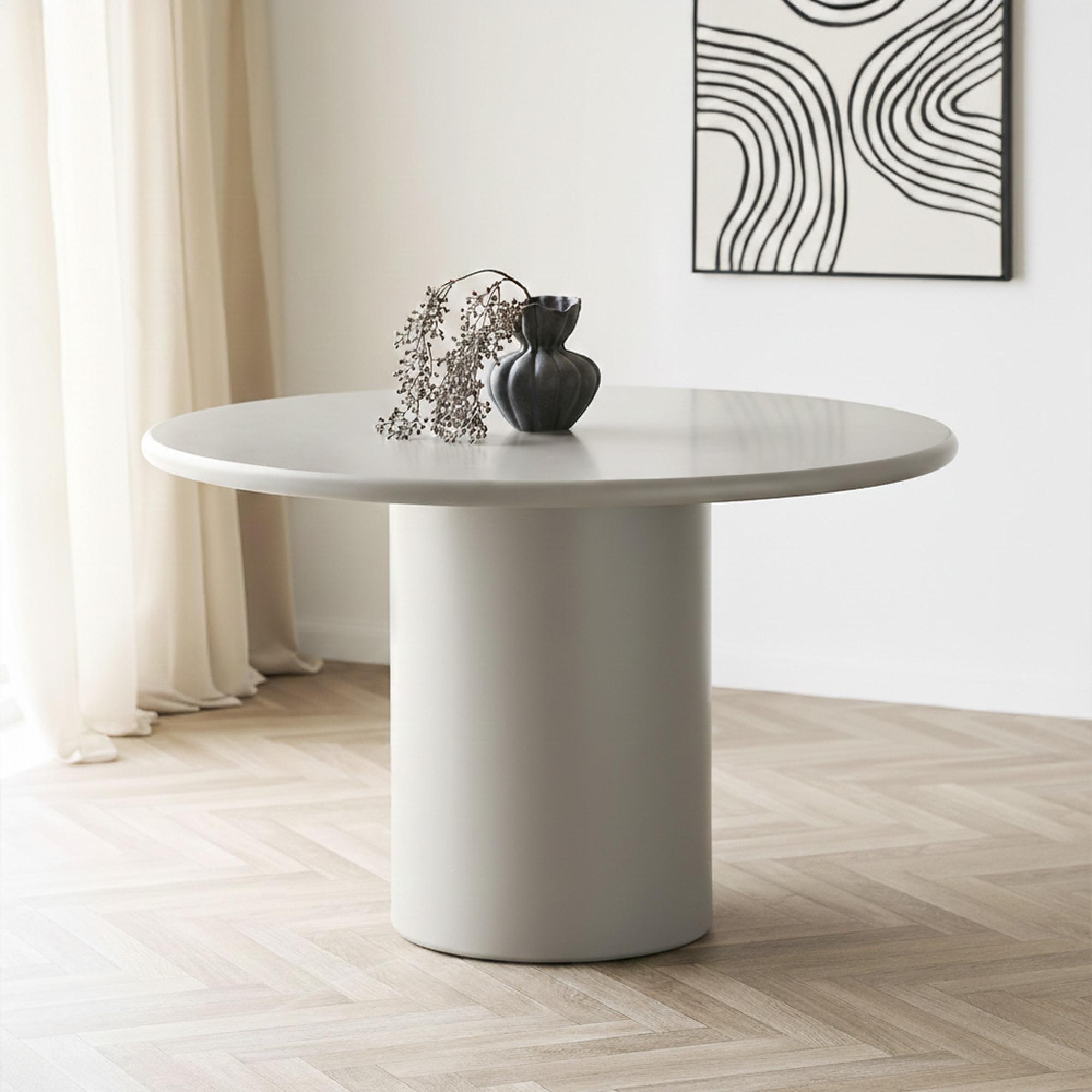
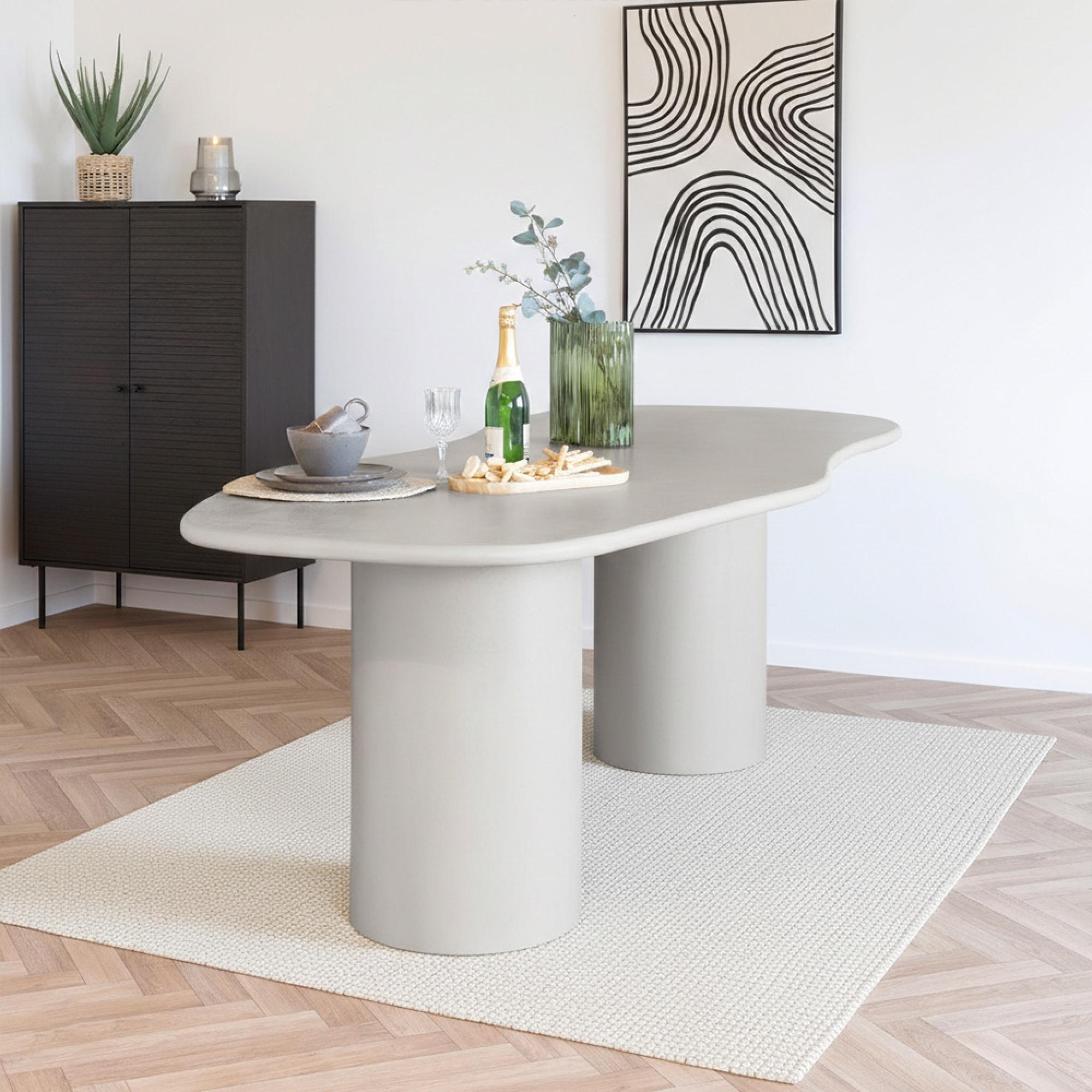
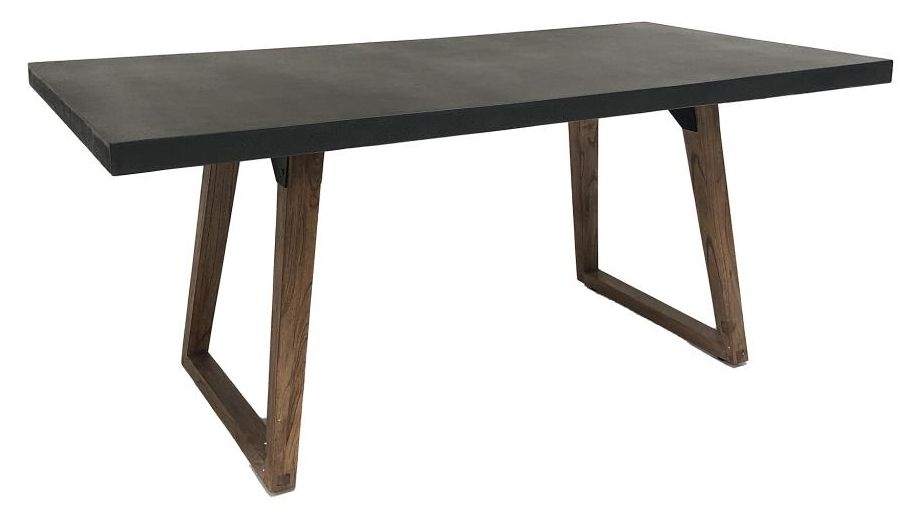
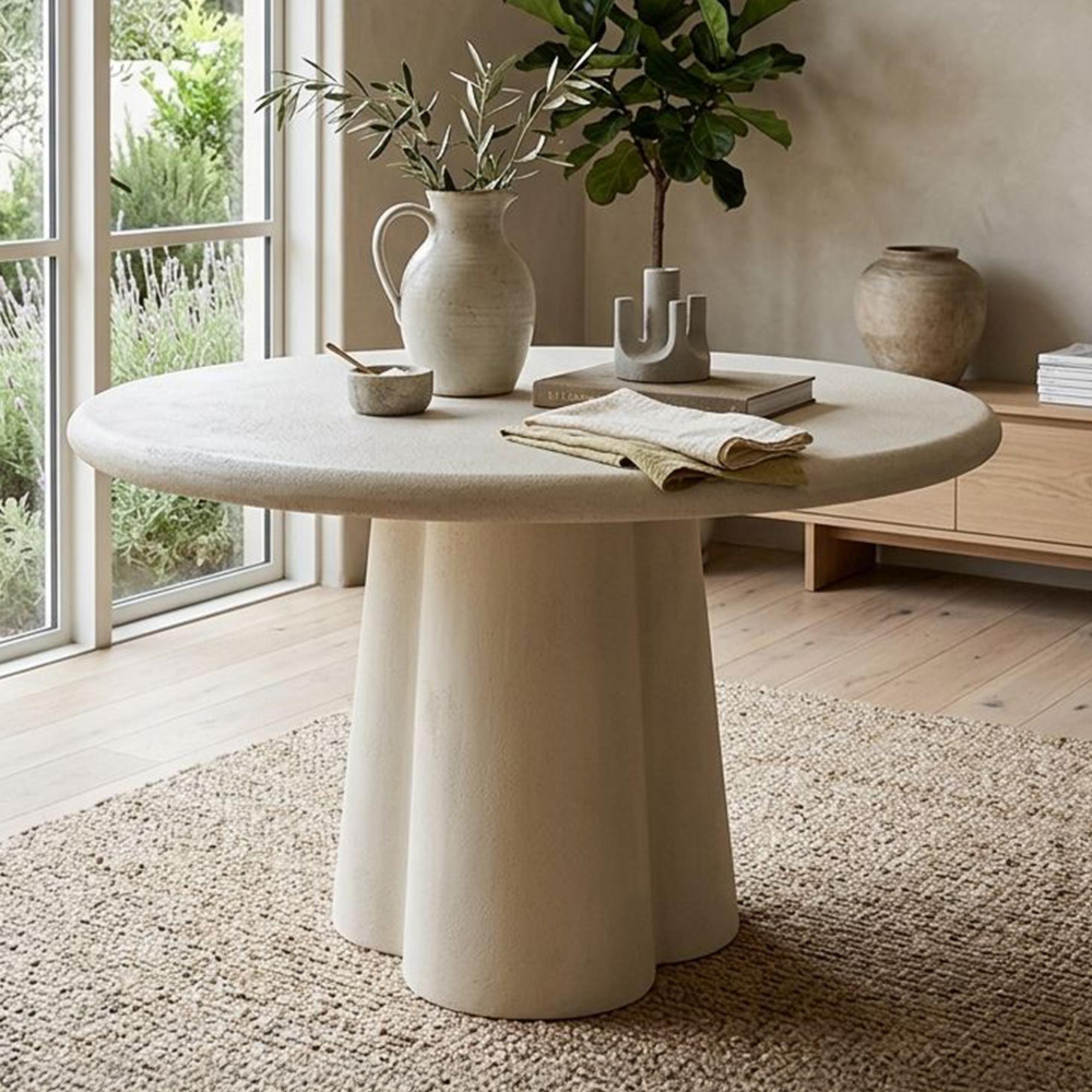
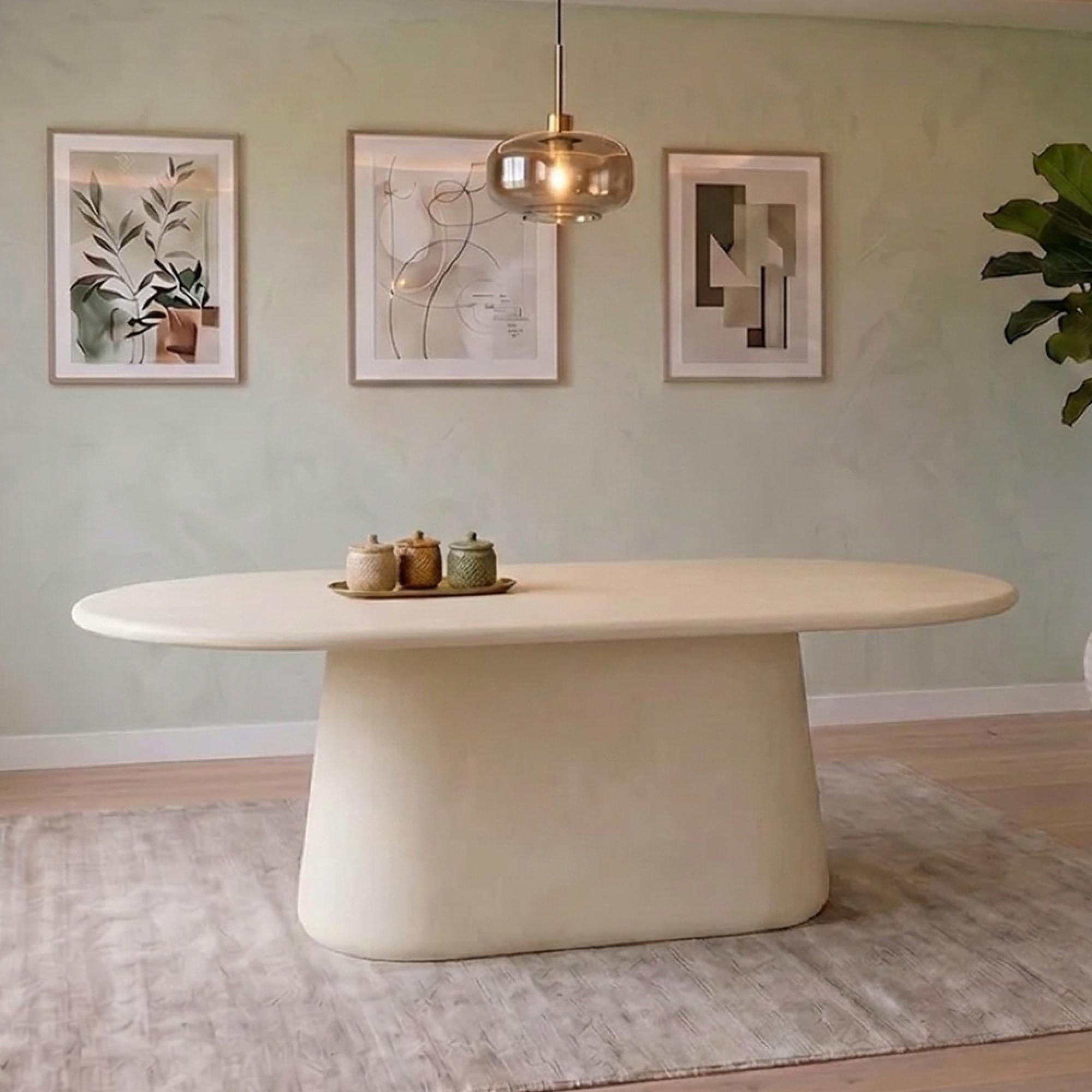
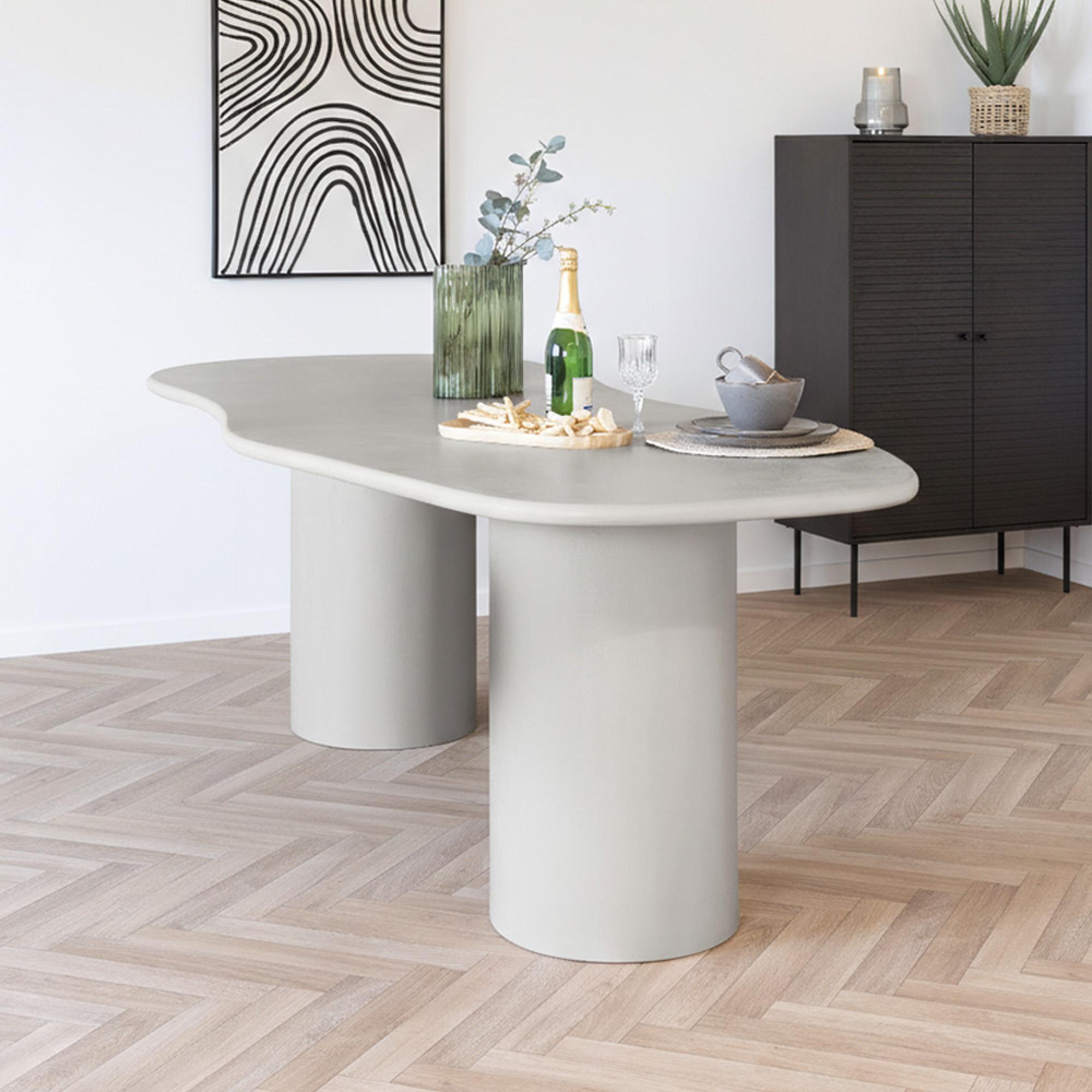
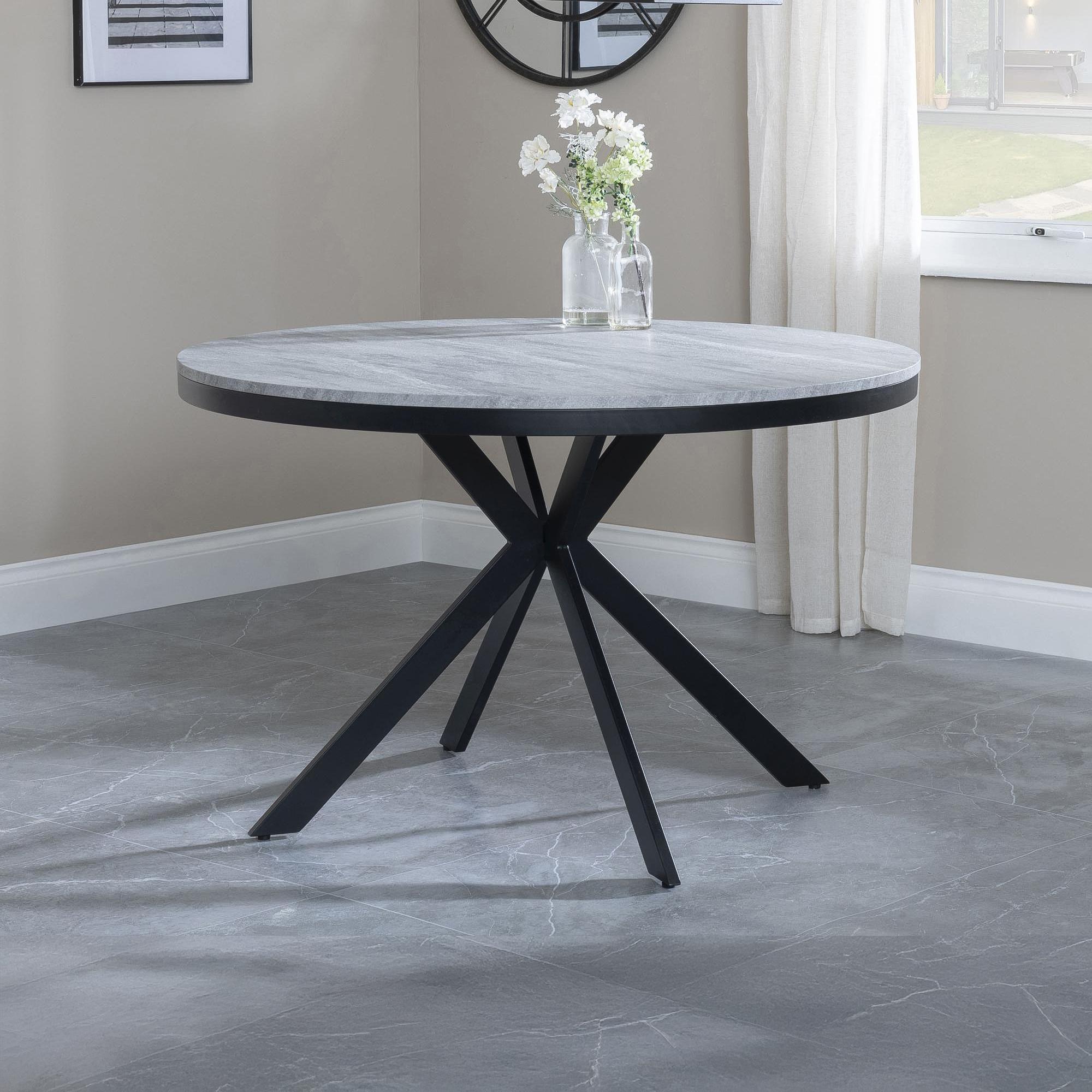
Use the Concrete Dining Tables category to compare choices that create a practical focal point for meals, conversation and entertaining. Compare shape, surface material, base design, seating capacity and any extending mechanism to identify the right balance of appearance and function. Plan for chair clearance as well as the tabletop footprint, especially in a busy dining area. Confirm dimensions, materials, assembly and care on the individual product page.
Read more X Close

Popular Categories

Price

Shape

Seat

Colour

  • Black
  • Cream
  • Grey

Choosing Concrete Dining Tables

This category focuses on Concrete Dining Tables that can create a practical focal point for meals, conversation and entertaining. Start with the room layout and daily use, then compare shape, surface material, base design, seating capacity and any extending mechanism. Function and visual balance both matter, so compare the complete specification rather than choosing on appearance alone. This keeps the decision focused on practical suitability as well as style.

Plan the space before choosing

Plan for chair clearance as well as the tabletop footprint, especially in a busy dining area. Record the available width, depth and height, including clearance for doors, drawers, reclining parts or extensions where relevant. Account for skirting boards, radiators, sockets and walking routes, then check the access route through doors, halls and stairs.

For adjacent choices, explore Dining Tables, Round Concrete Dining Tables and Grey Concrete Dining Tables. Use these comparisons alongside the specifications on each product page.

Concrete Dining Tables for considered interiors

The Concrete Dining Tables category focuses on choices intended to create a practical focal point for meals, conversation and entertaining. A suitable option should respond to the room's proportions, surrounding furniture and practical demands of everyday use. Use the category wording as a starting point, then verify the exact material, finish and features shown on each product page.

Material, finish and construction

When comparing dining tables, look closely at shape, surface material, base design, seating capacity and any extending mechanism. Materials influence appearance, weight and maintenance, while finish affects colour coordination and day-to-day care. Use the written specification to confirm construction and care requirements.

Function and room planning

Plan for chair clearance as well as the tabletop footprint, especially in a busy dining area. Mark out the footprint and consider how people move around it. Where a product opens, extends, swivels or reclines, include that working clearance. For storage, seating or sleeping products, match the layout, support and capacity to the needs of regular users.

Creating a coordinated result

Build the room around a clear relationship between scale, colour and material. Matching every finish is not essential, but repeating one or two elements can connect separate pieces. You can also compare Dining Tables, Round Concrete Dining Tables and Grey Concrete Dining Tables for closely related room and product choices. Use the individual listing to confirm dimensions, included components, assembly and suitability.
Read more X Close

FAQs on Concrete Dining Tables

How do you clean a concrete dining table?

Wipe spills immediately with a damp cloth. Use pH-neutral cleaners and a soft sponge—avoid acidic or abrasive products that damage the sealant. For stubborn marks, use a mild dish soap solution. Clean regularly to prevent staining and maintain the protective seals effectiveness.

Yes, concrete tables are highly durable and resistant to scratches, heat, and everyday wear. They handle family life well but arent indestructible—sharp impacts or dragging objects can cause damage. With proper sealing and care, they typically last 20+ years.

Reseal your concrete table every 12–18 months to maintain stain and scratch resistance. Many arrive pre-sealed, but resealing protects against moisture penetration and everyday damage. Check your manufacturers instructions for specific product recommendations and resealing timescales.

Solid concrete is heavy, authentic, and develops character over time. Concrete effect uses tiles, paint, or resin to mimic concretes look on lighter materials. Effect tables are easier to move and cheaper, but solid concrete offers superior durability and unique patina.

Measure your space and allow 90–120 cm clearance around the table for chairs and movement. For six people, aim for 150–180 cm length; eight people need 200+ cm. Check doorways during delivery. Consider your rooms proportions—oversized tables overwhelm small spaces.

Concrete tables can work in small spaces if sized correctly. A 120–140 cm table suits tight rooms without overwhelming them. The industrial aesthetic actually complements compact spaces well. Ensure adequate clearance around the table and pair with space-saving seating for best results.

Concrete is harder-wearing and lower maintenance than wood—it resists scratches and wont need refinishing. However, wood offers warmth and can be easier to repair. Concrete costs more upfront but requires less maintenance over 20 years, making it better value long-term.

Clean regularly with pH-neutral products and avoid placing hot items directly on the surface. Reseal every 12–18 months, wipe spills immediately, and use placemats under hot dishes. Avoid dragging objects or placing heavy weights asymmetrically to prevent cracks.

Avoid placing very hot dishes directly on concrete—use trivets or placemats instead. While concrete handles heat well, thermal shock from extreme temperature changes can cause damage or discolouration. Sealant can also be compromised by prolonged heat exposure.

If you want durability and low maintenance, yes. They cost more than wood initially but last 20+ years with minimal upkeep. Their versatile industrial style suits multiple décor themes. Theyre worthwhile for families, busy households, and those prioritising longevity over short-term savings.
Top