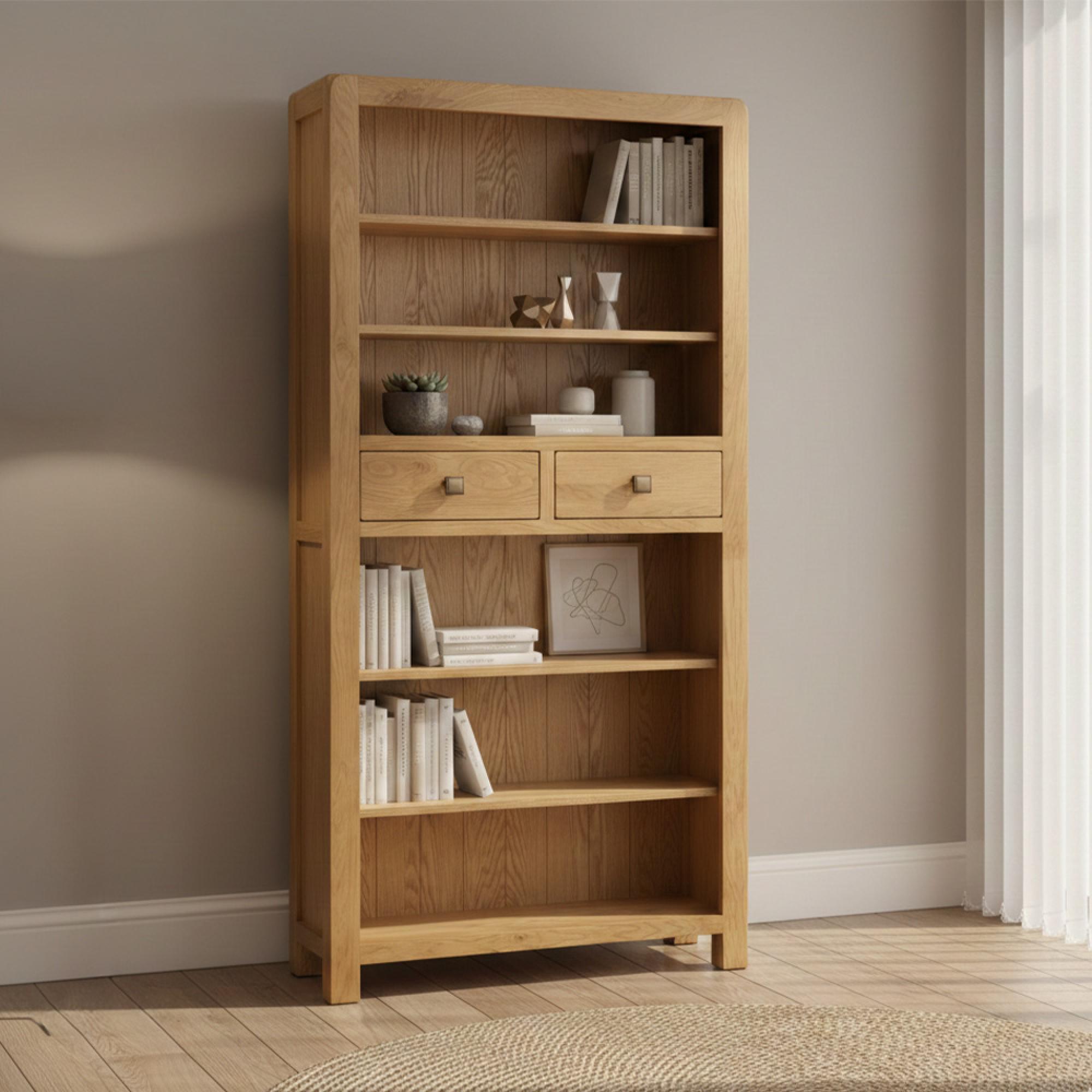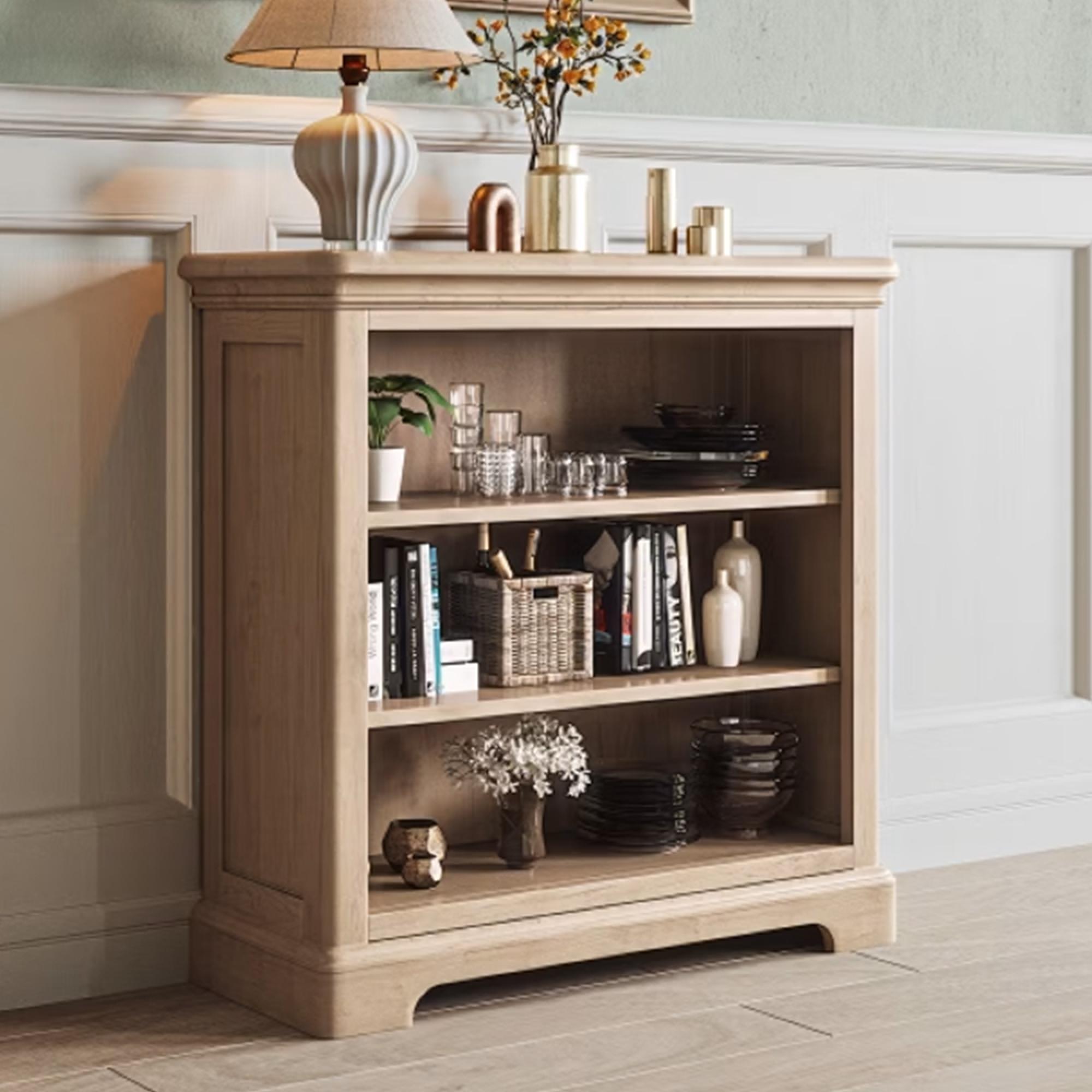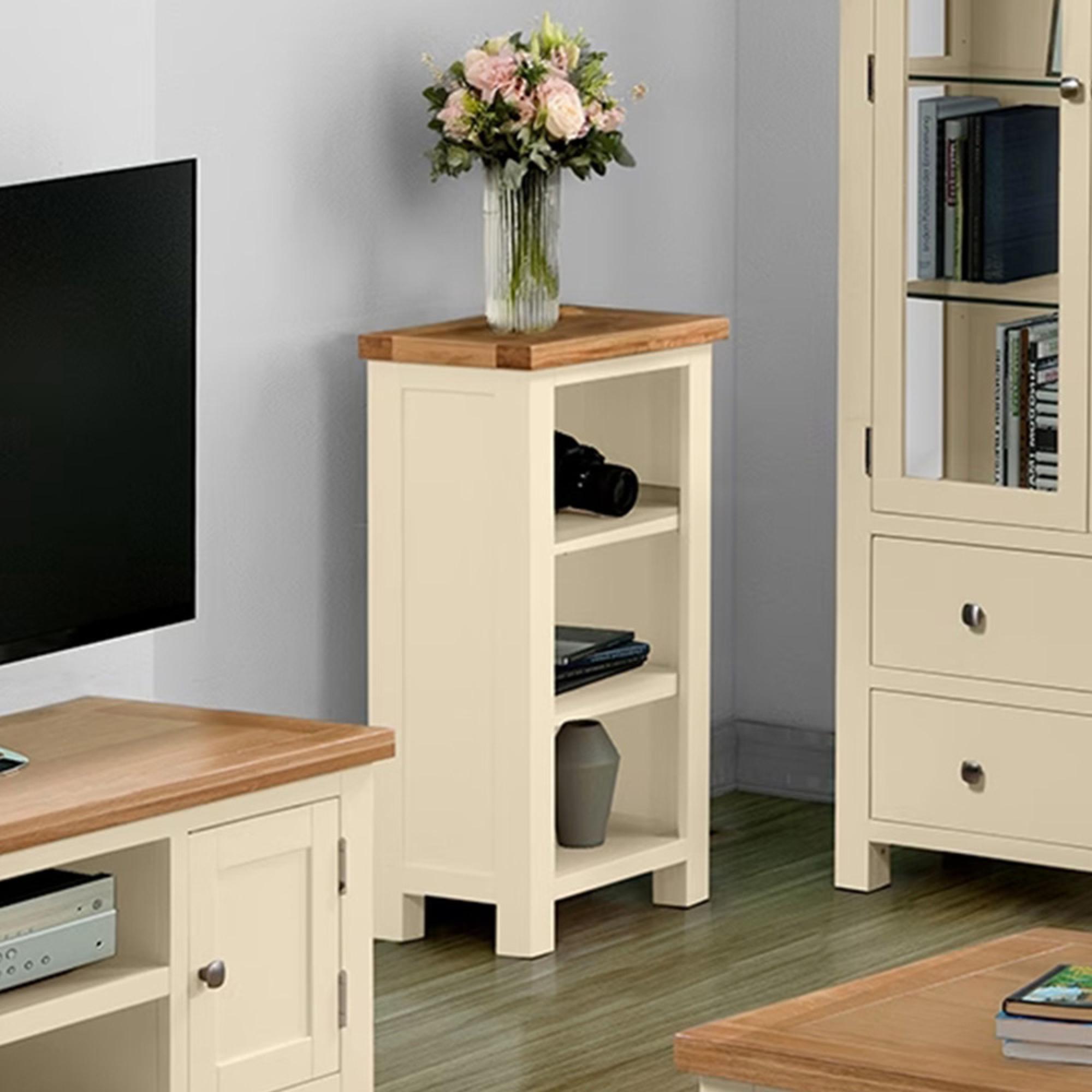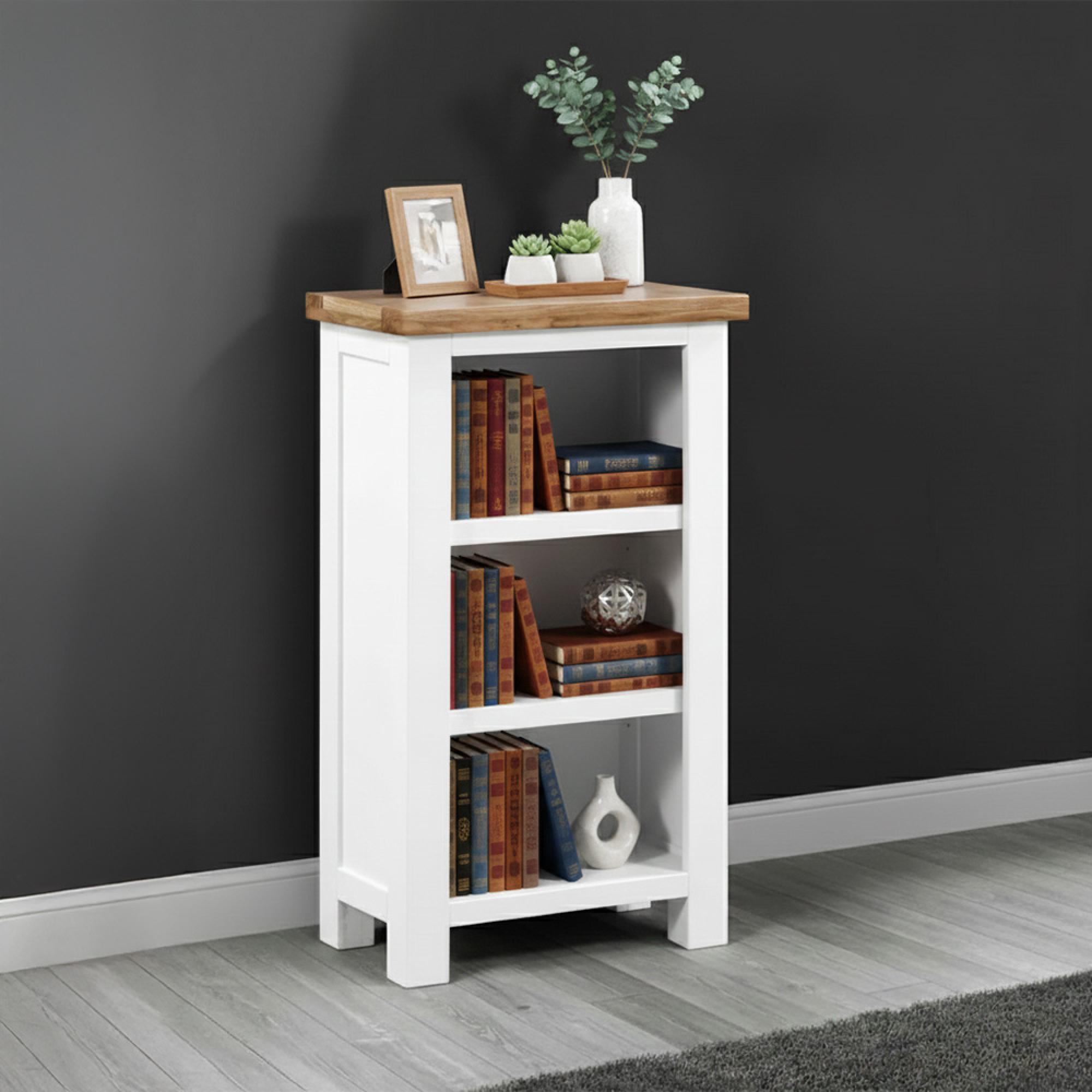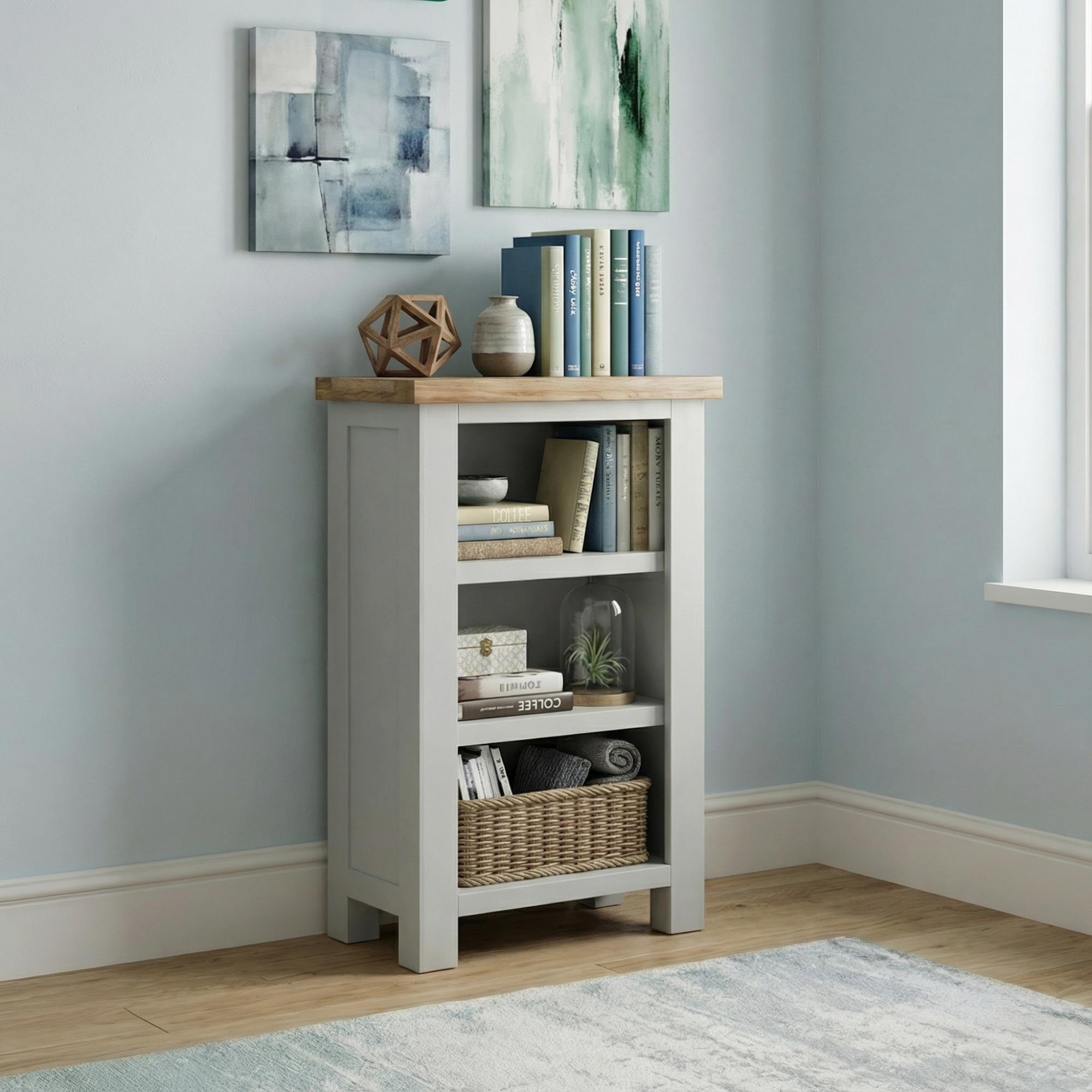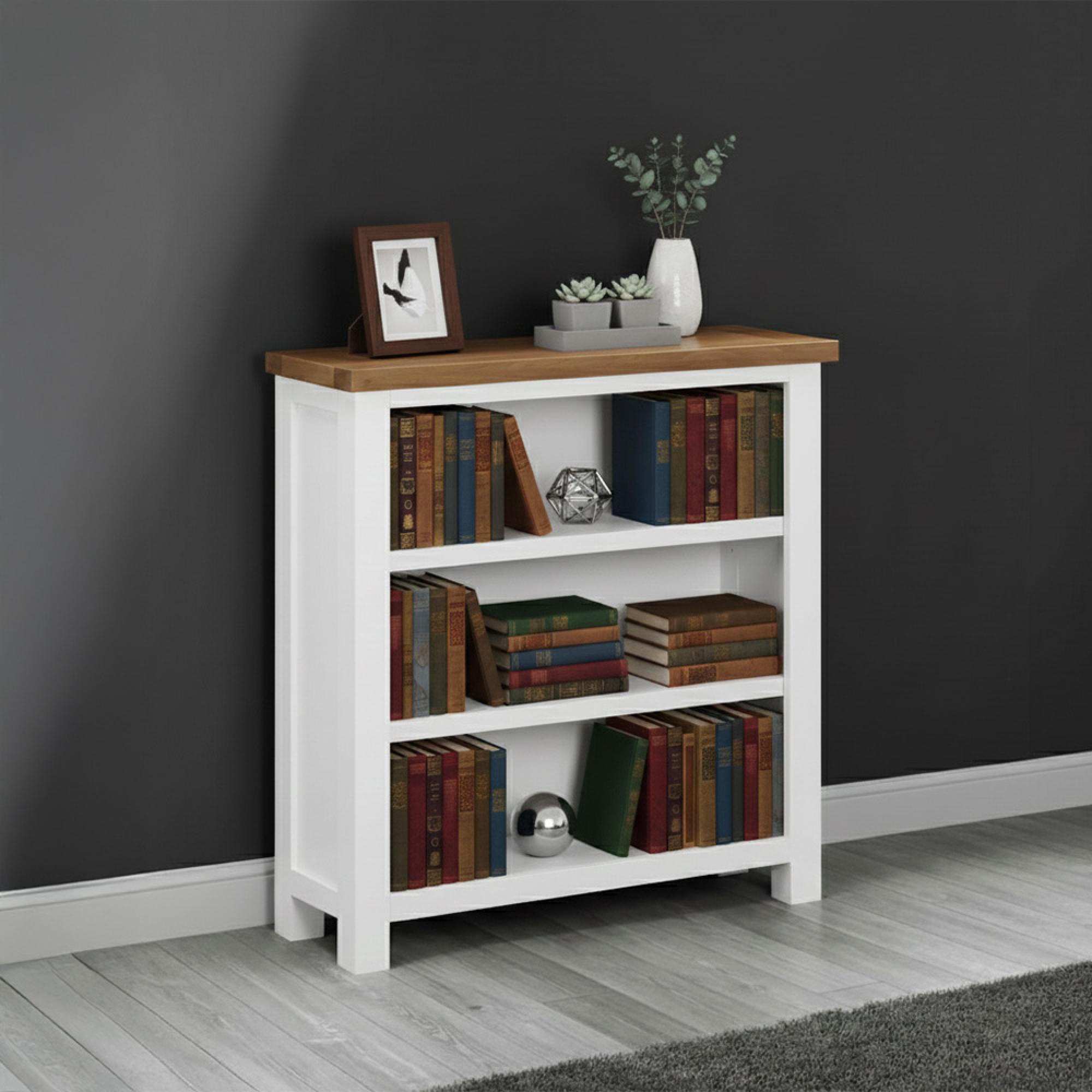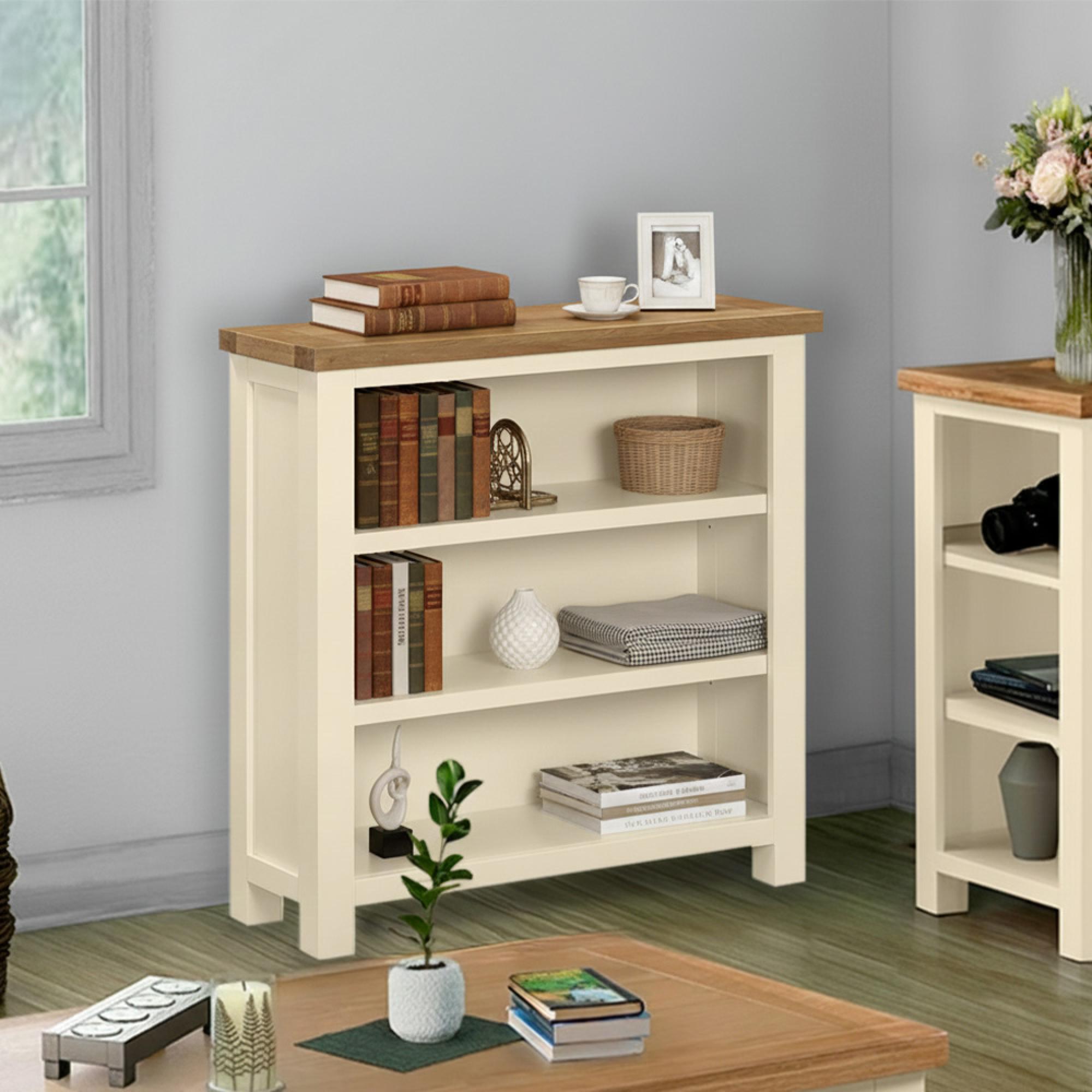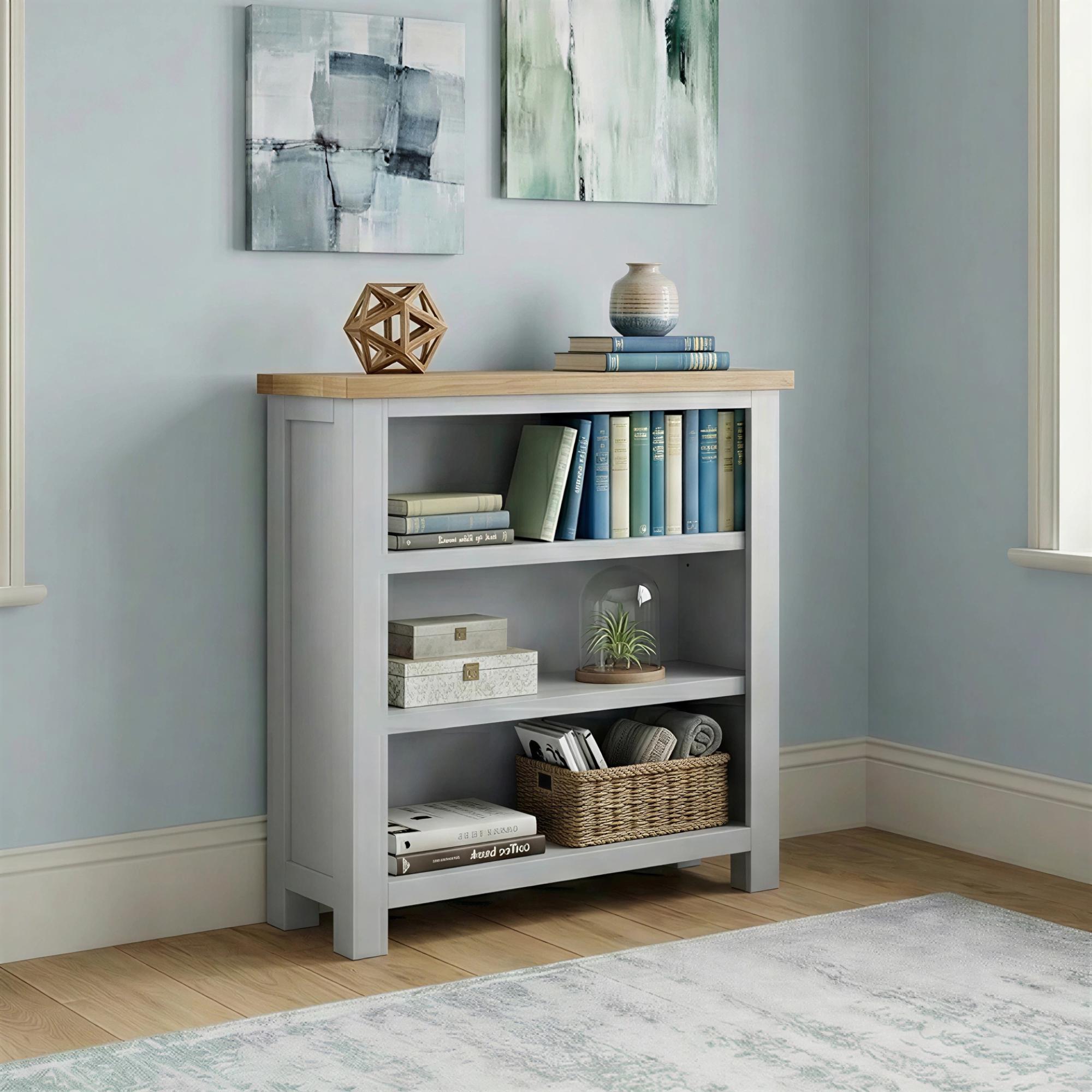
Free Delivery All Over UK*
close
Top products
SHOW ALL PRODUCTS

Bookcase

Found 421 Items

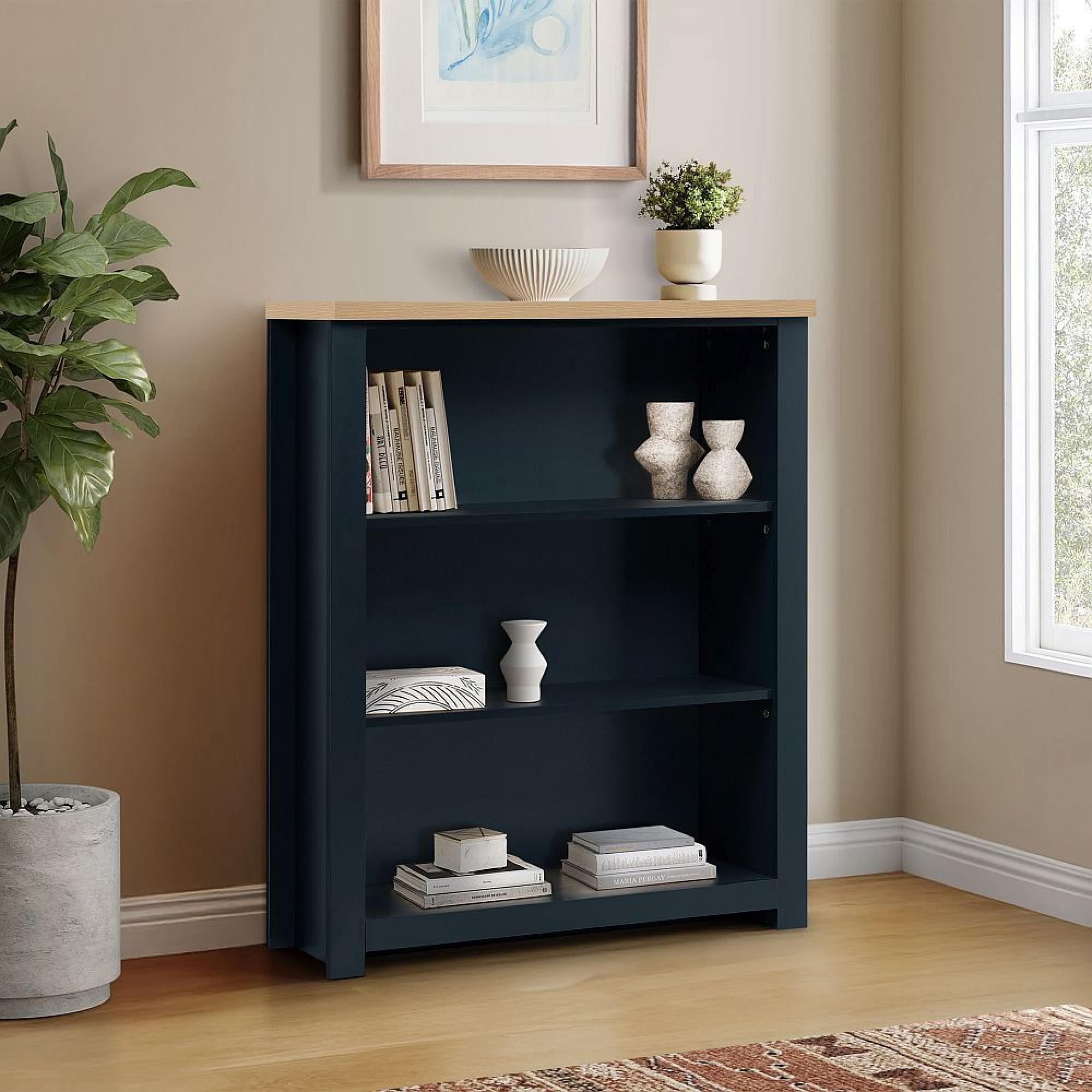
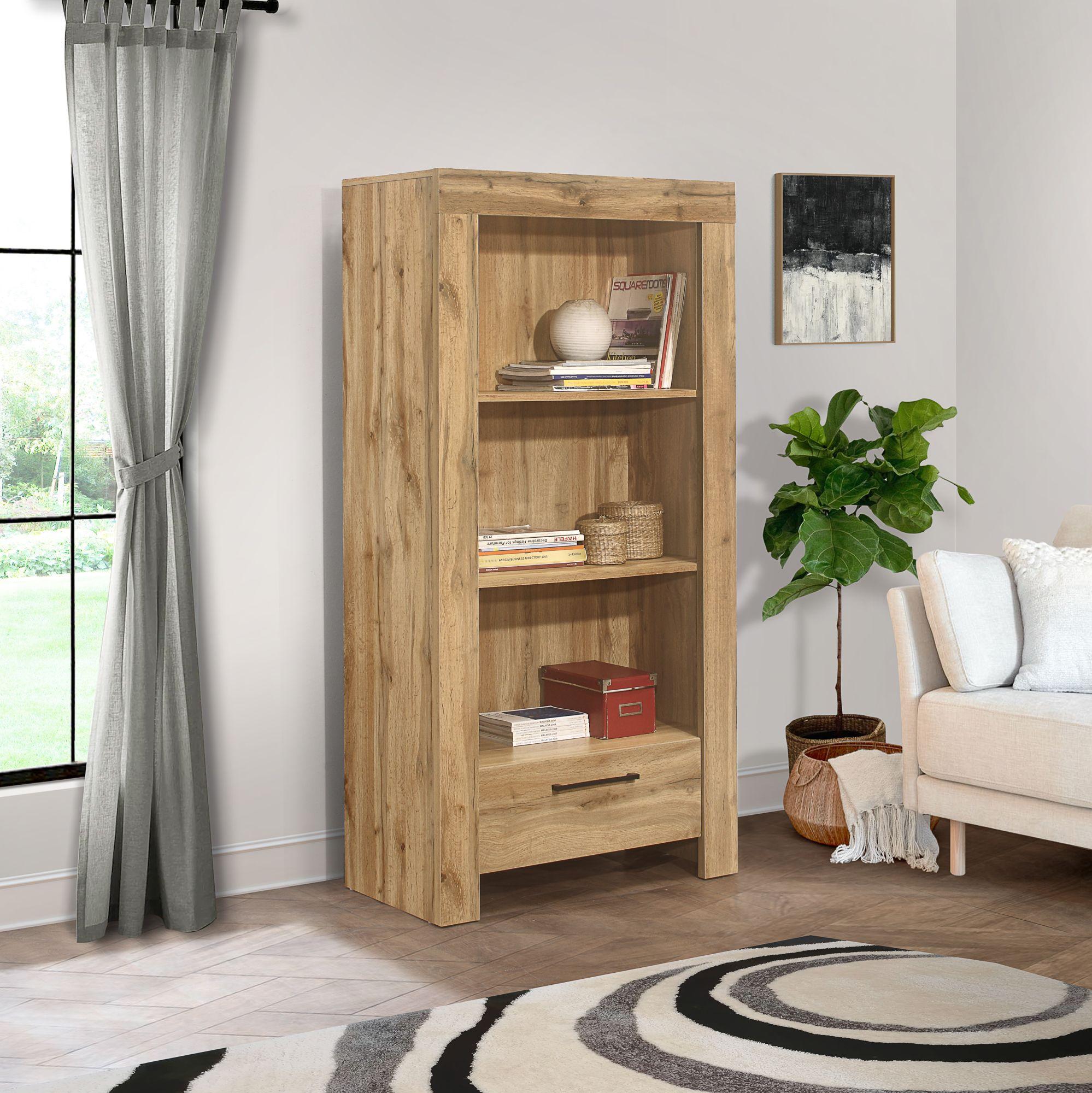
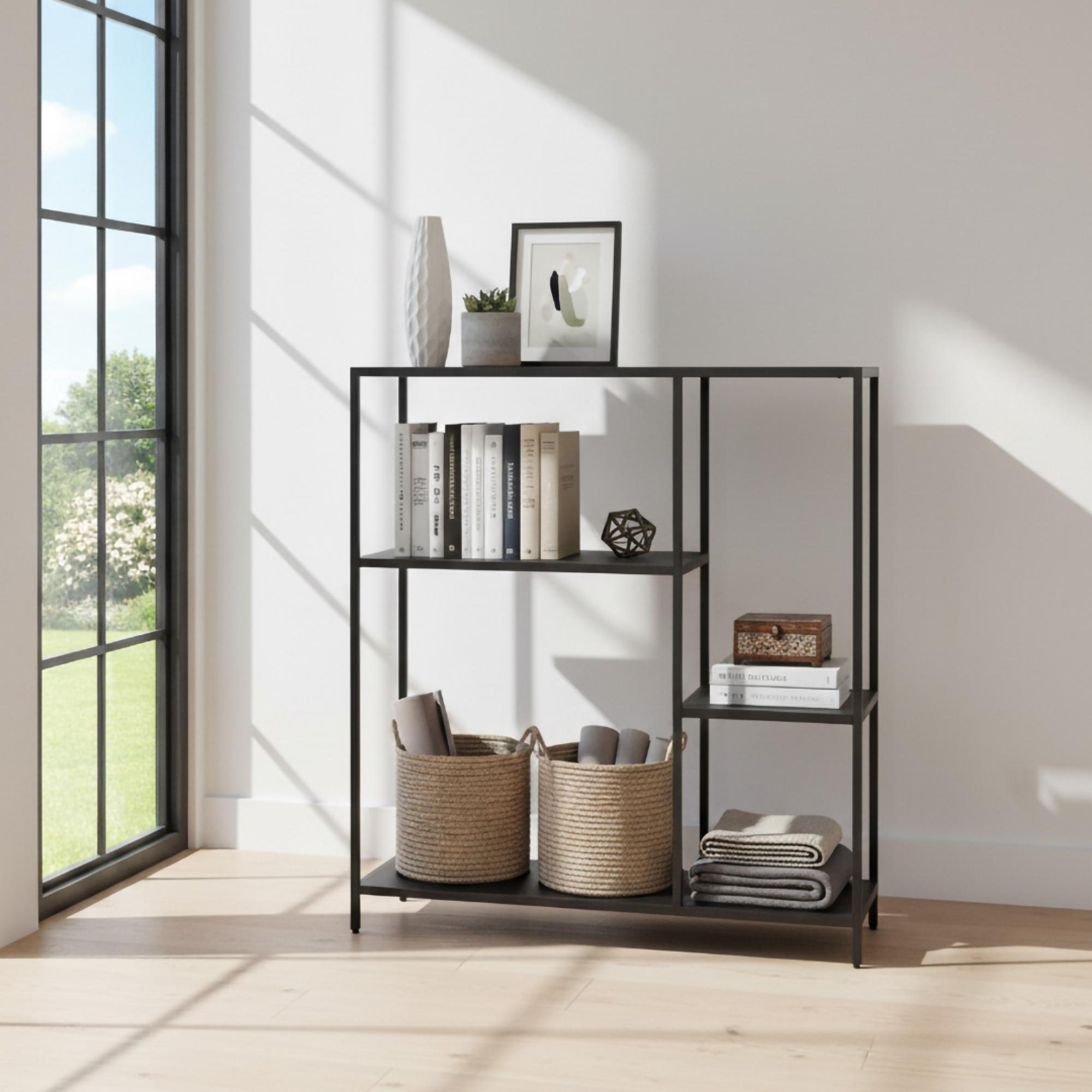
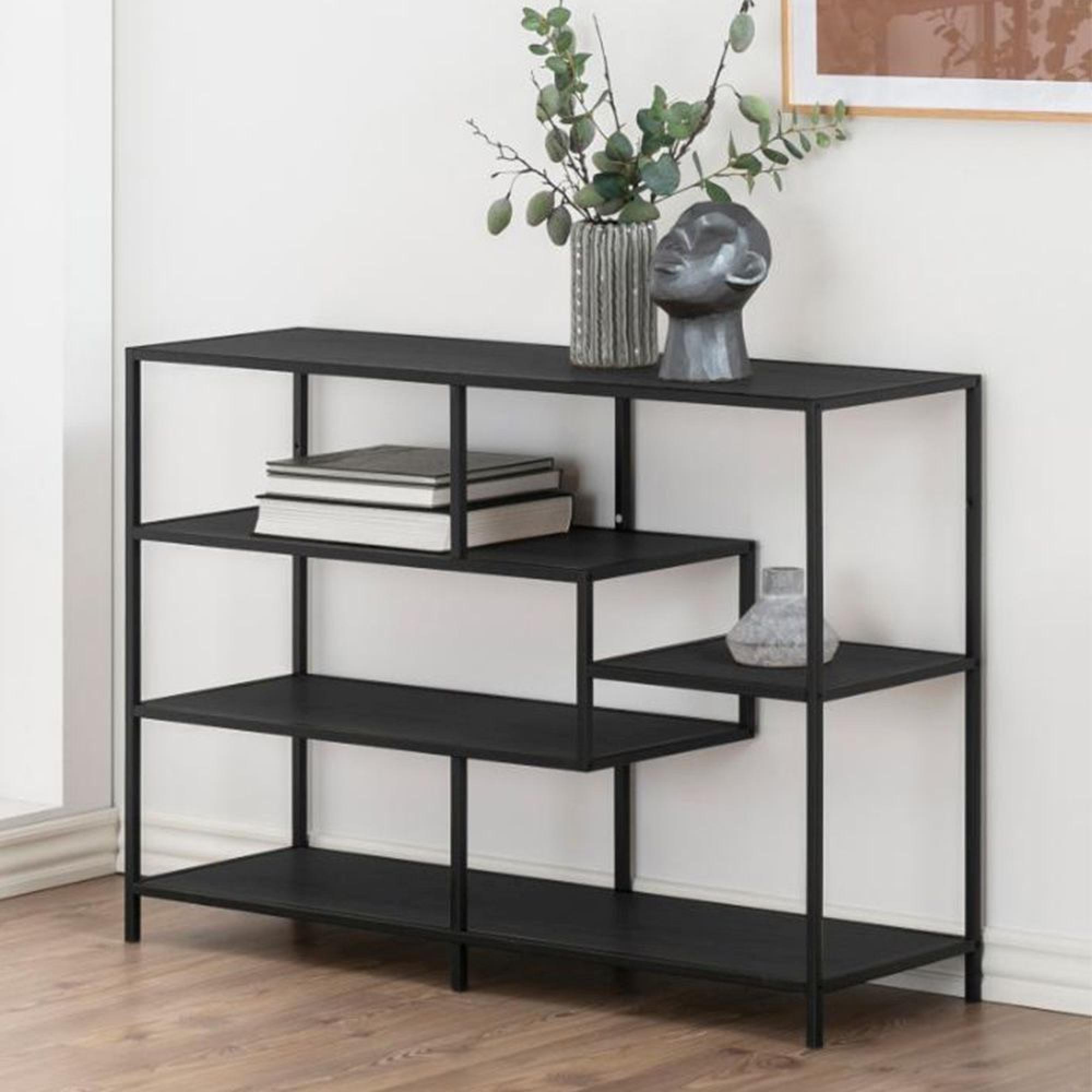
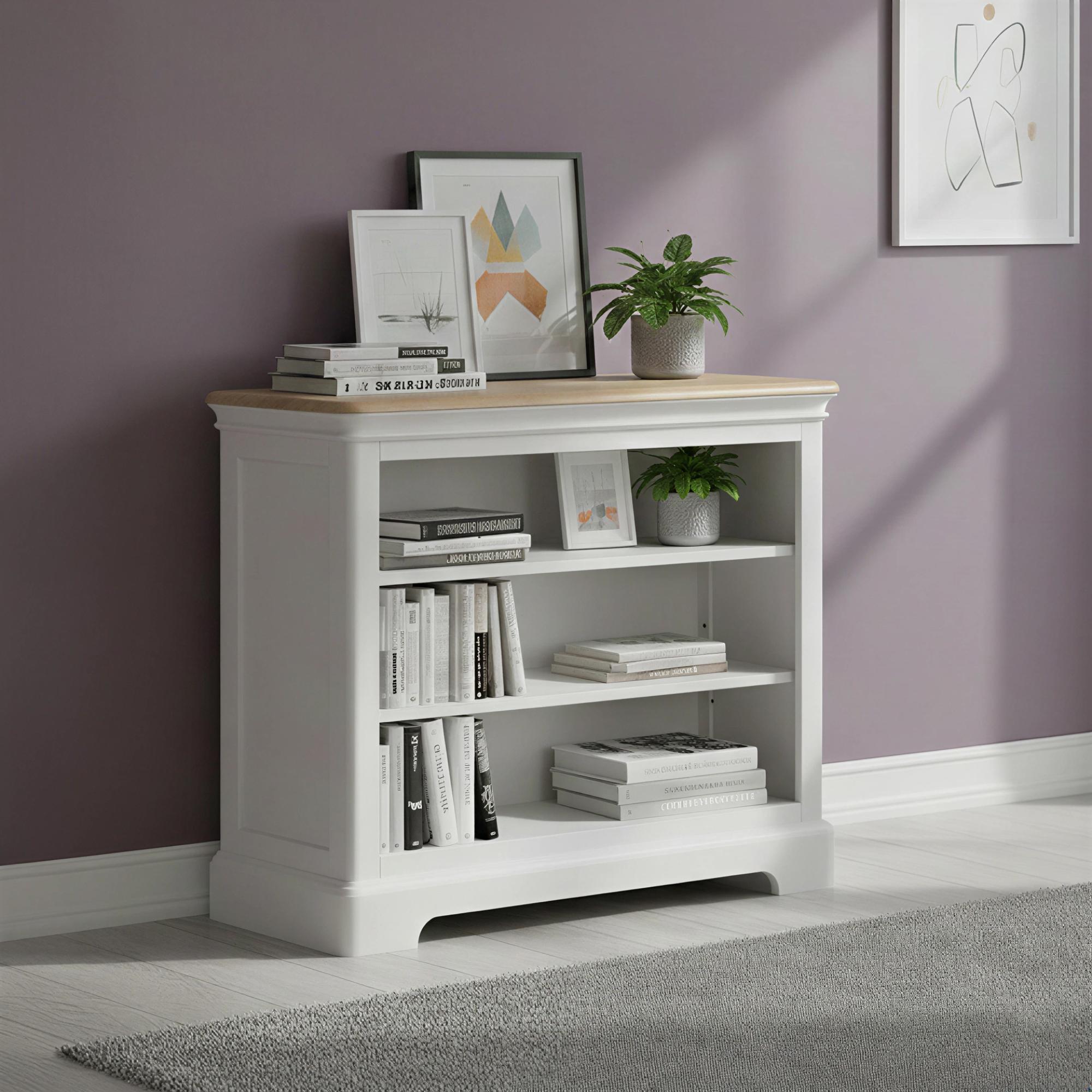
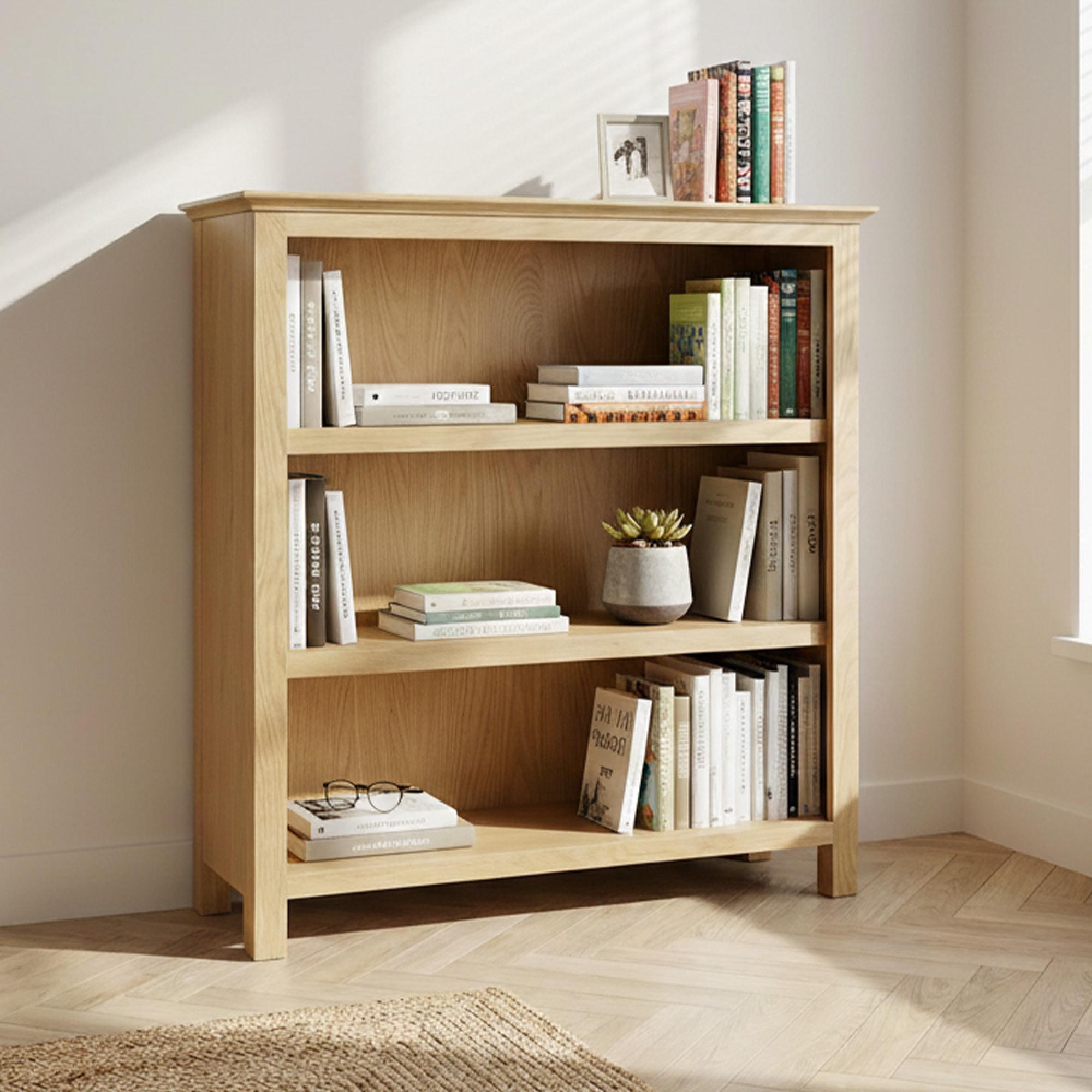
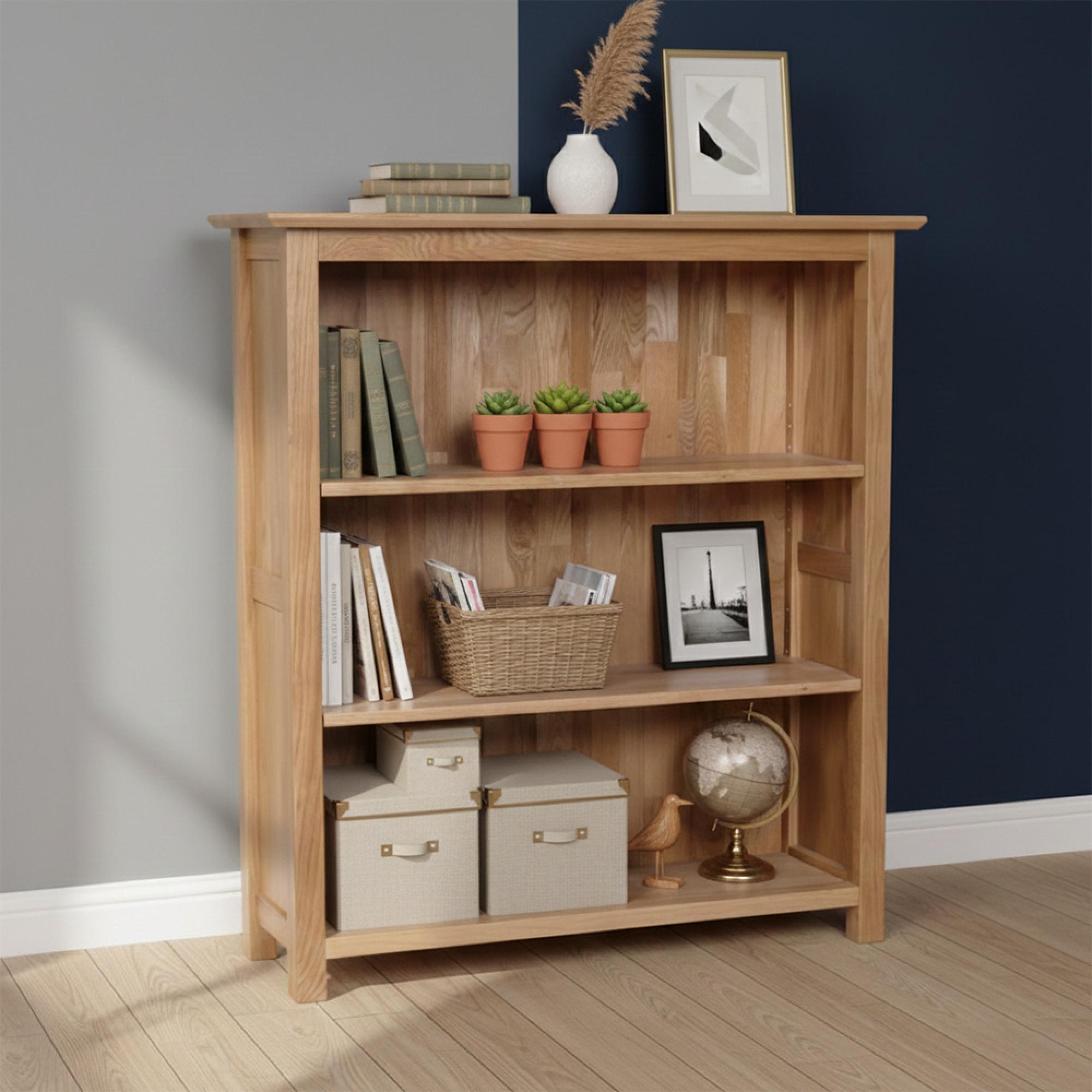
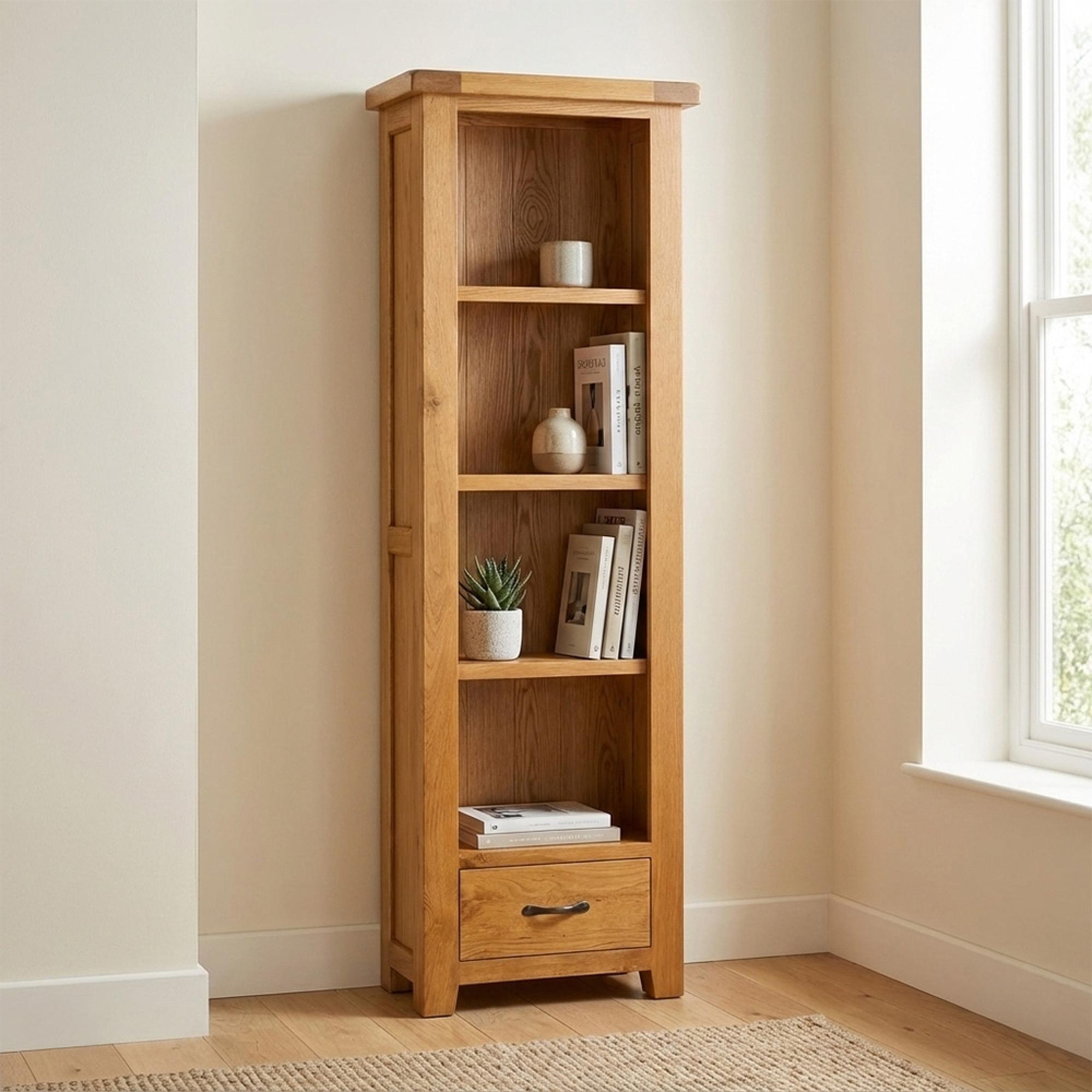
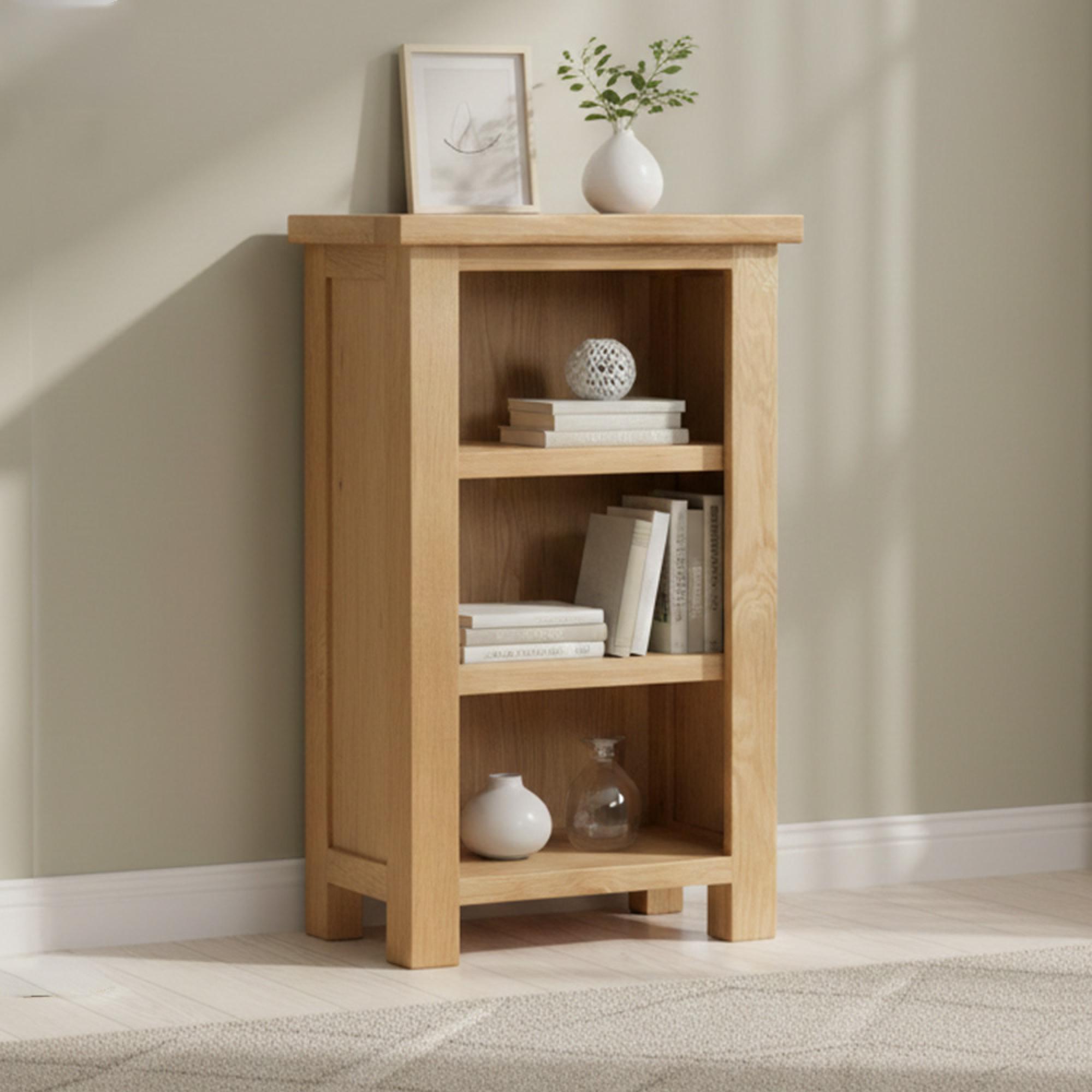
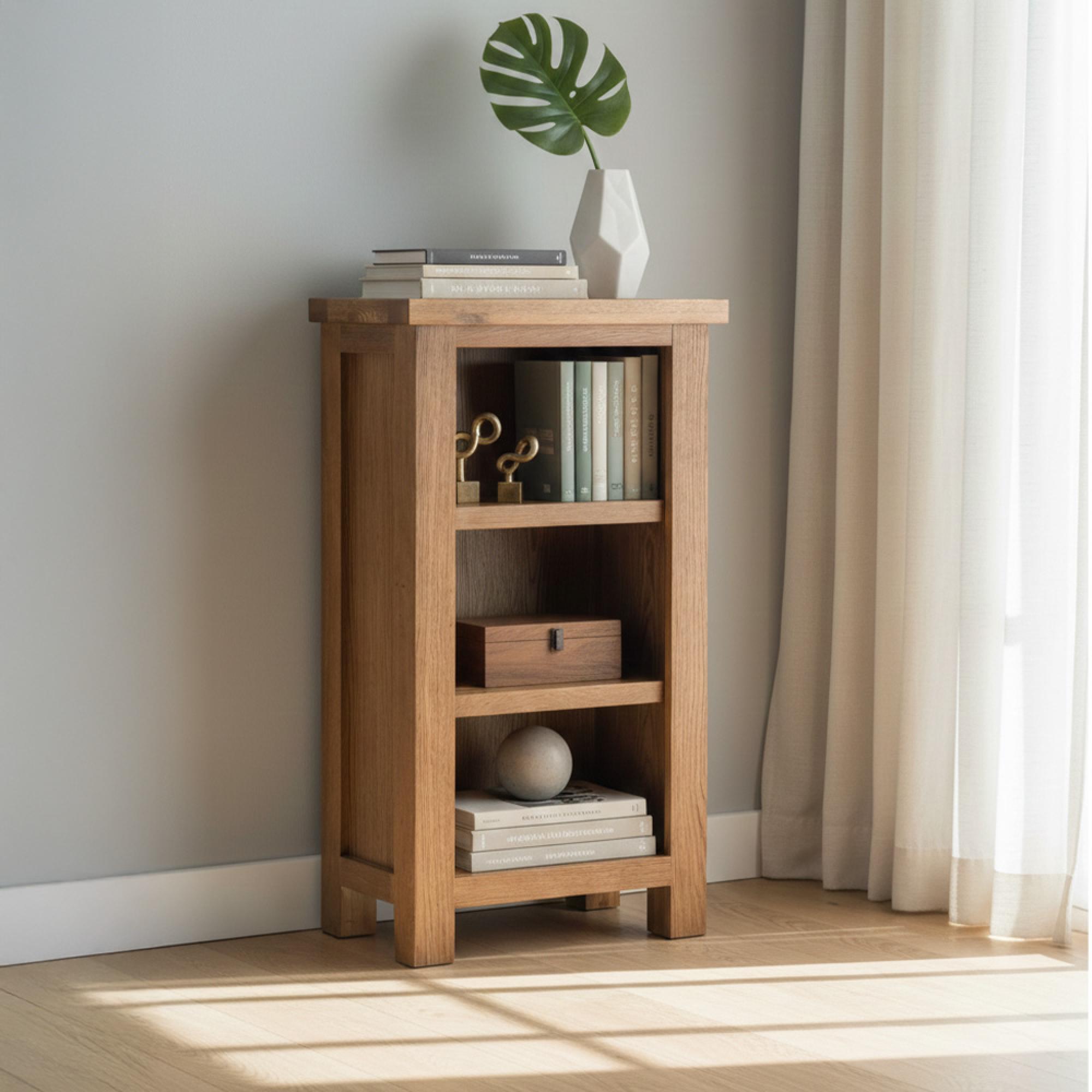
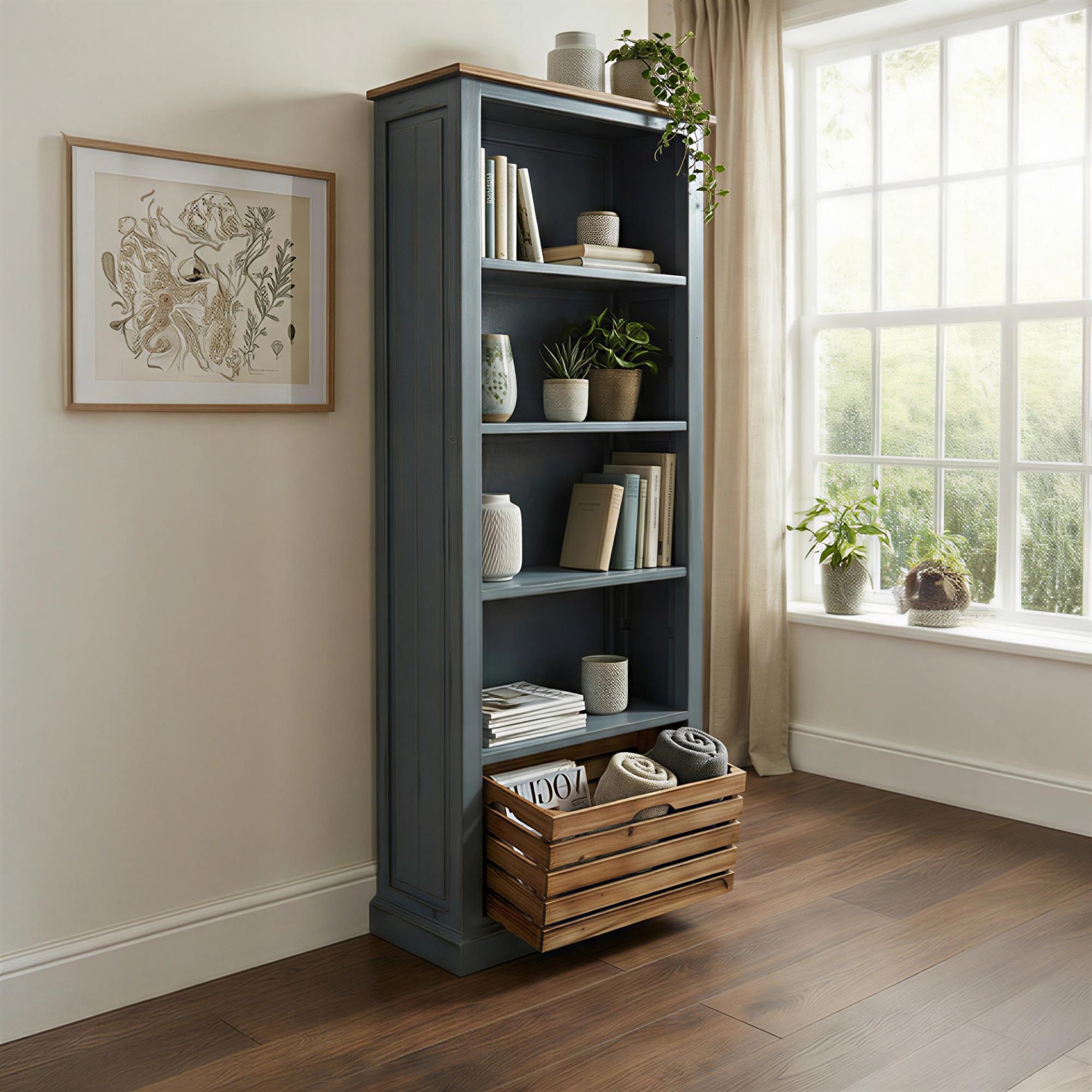
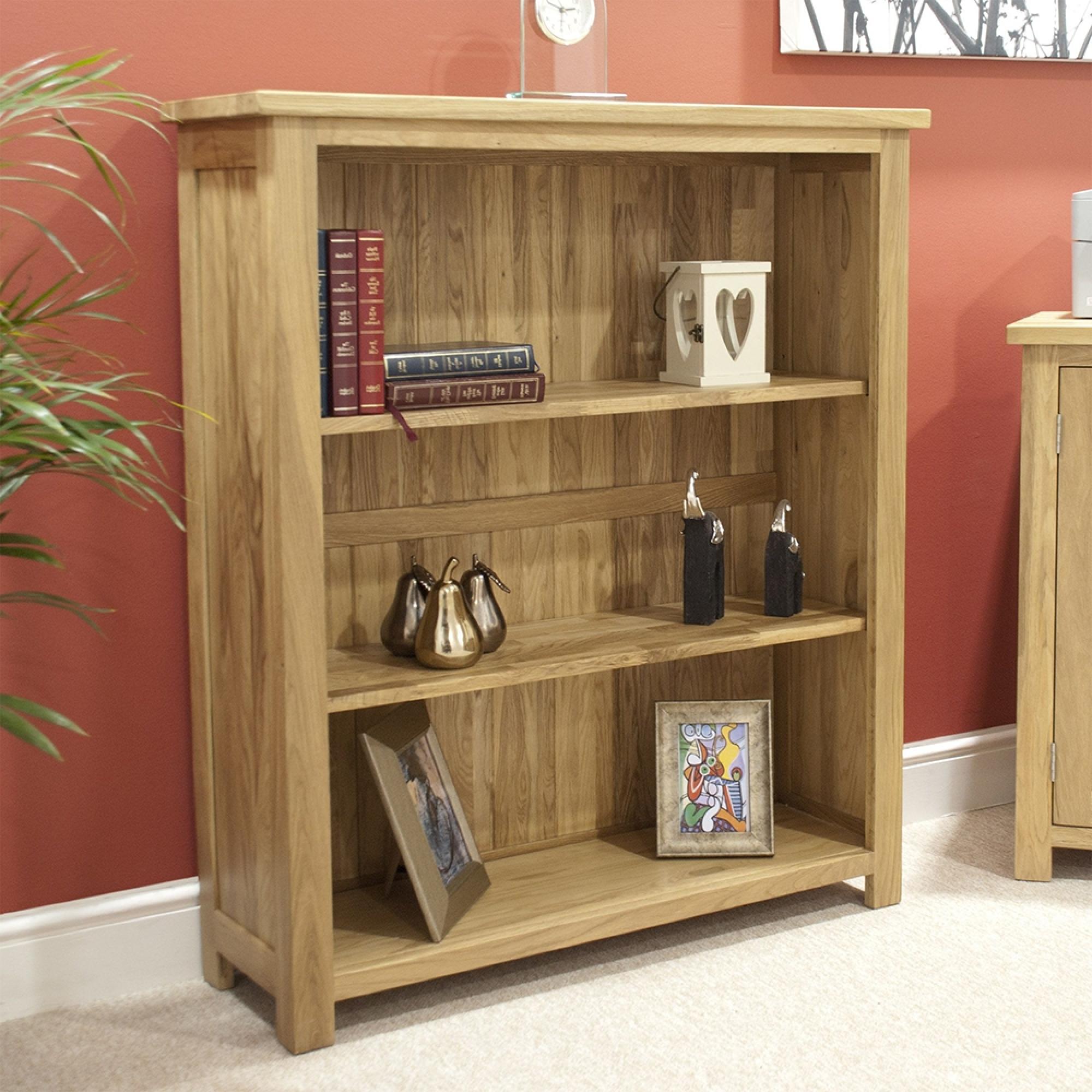
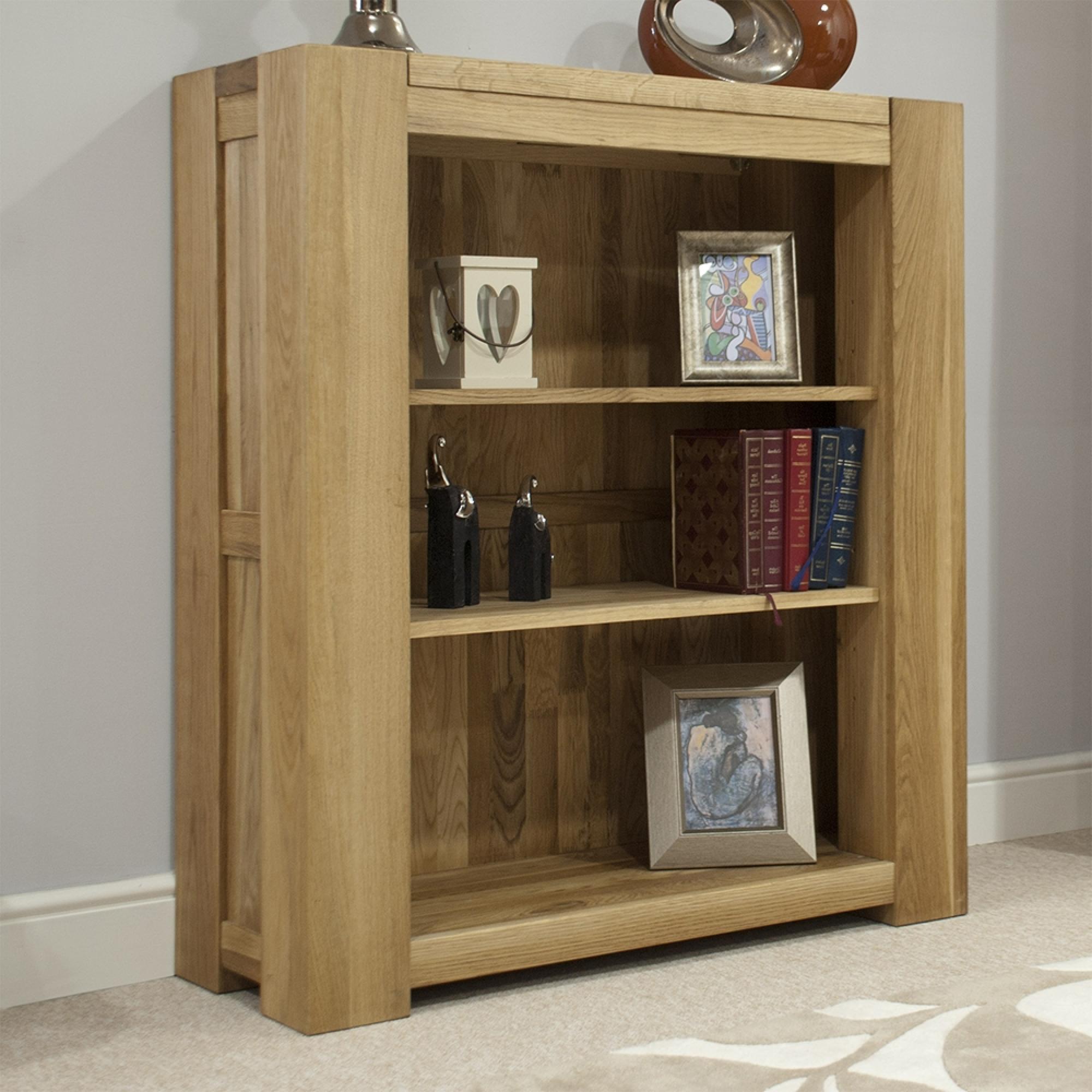
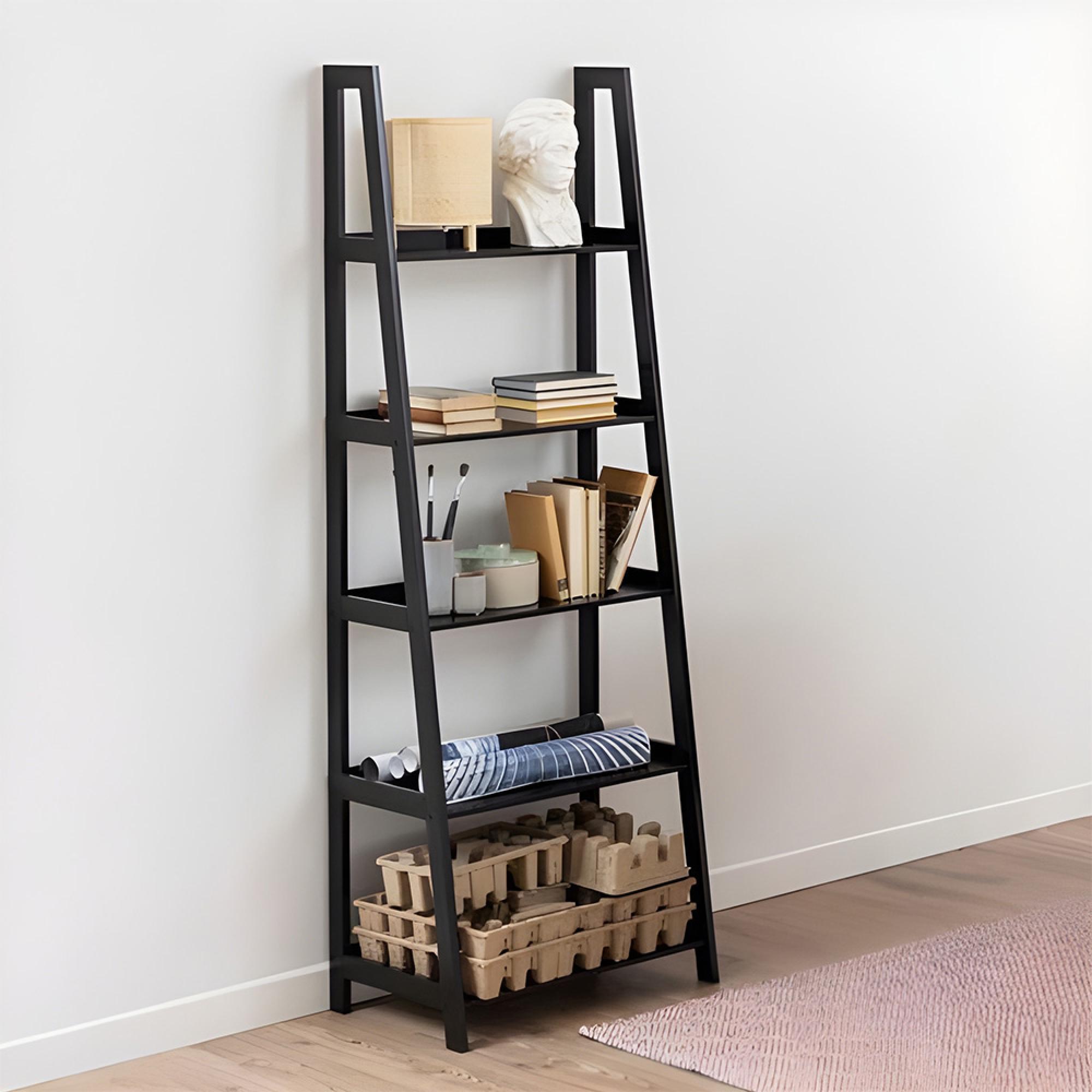
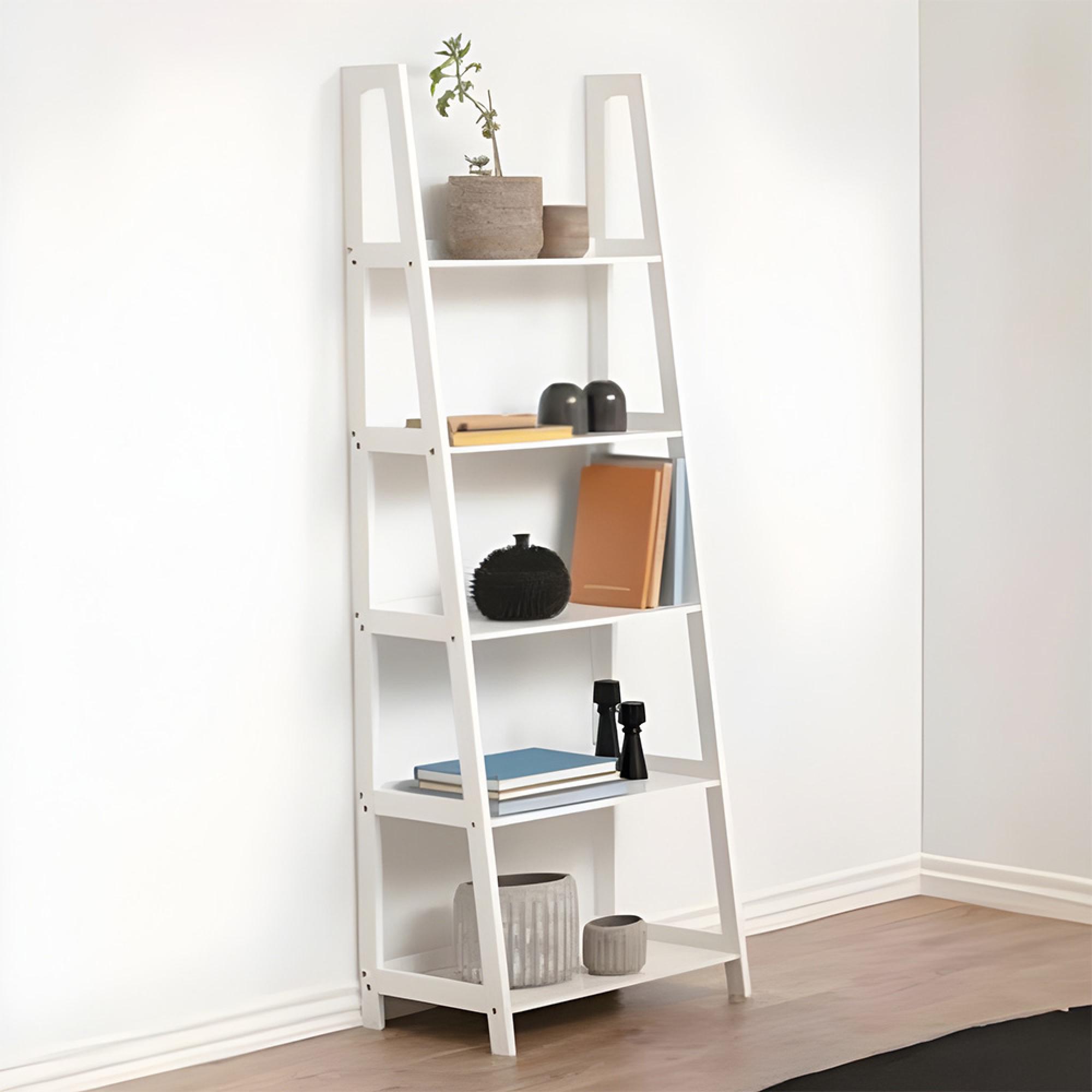
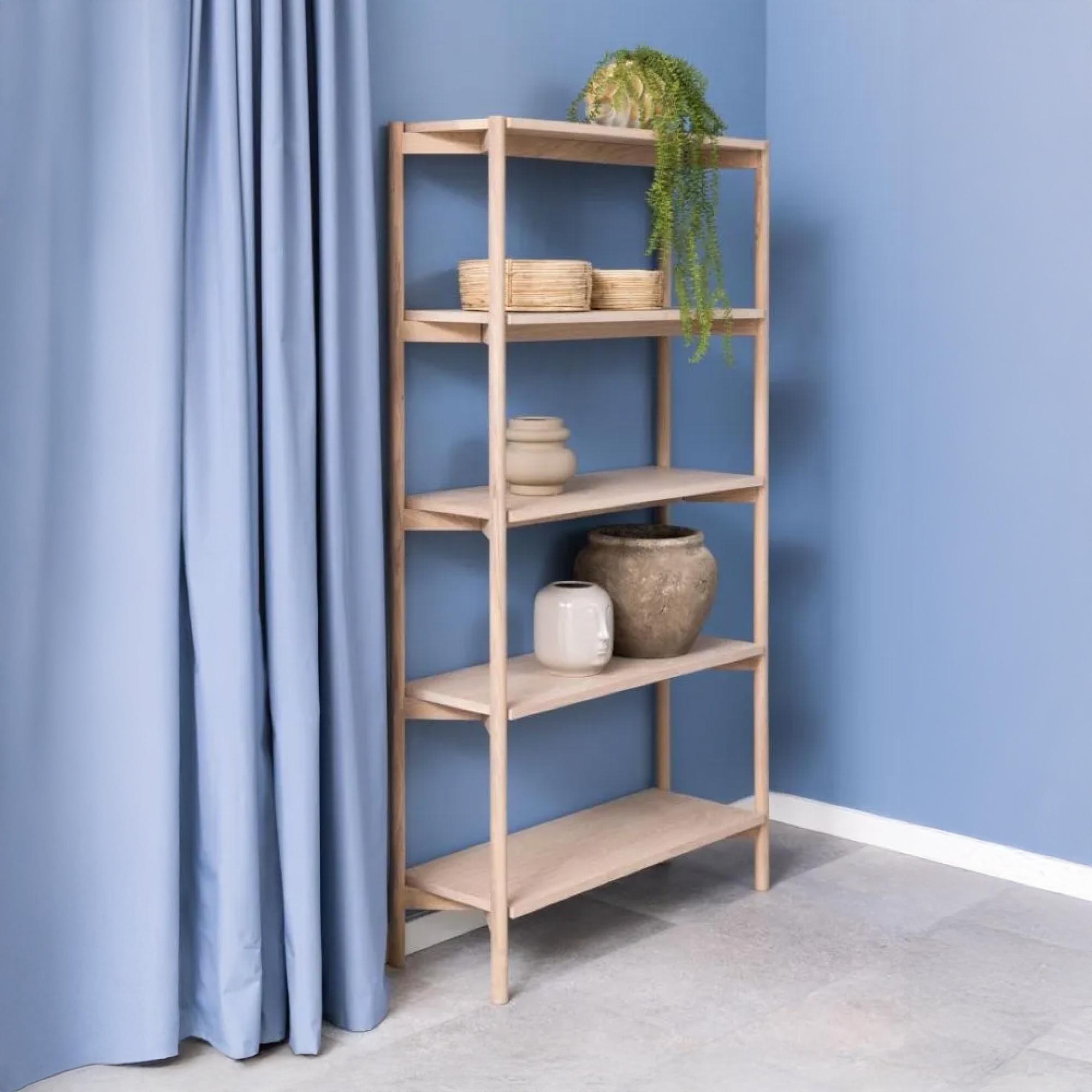
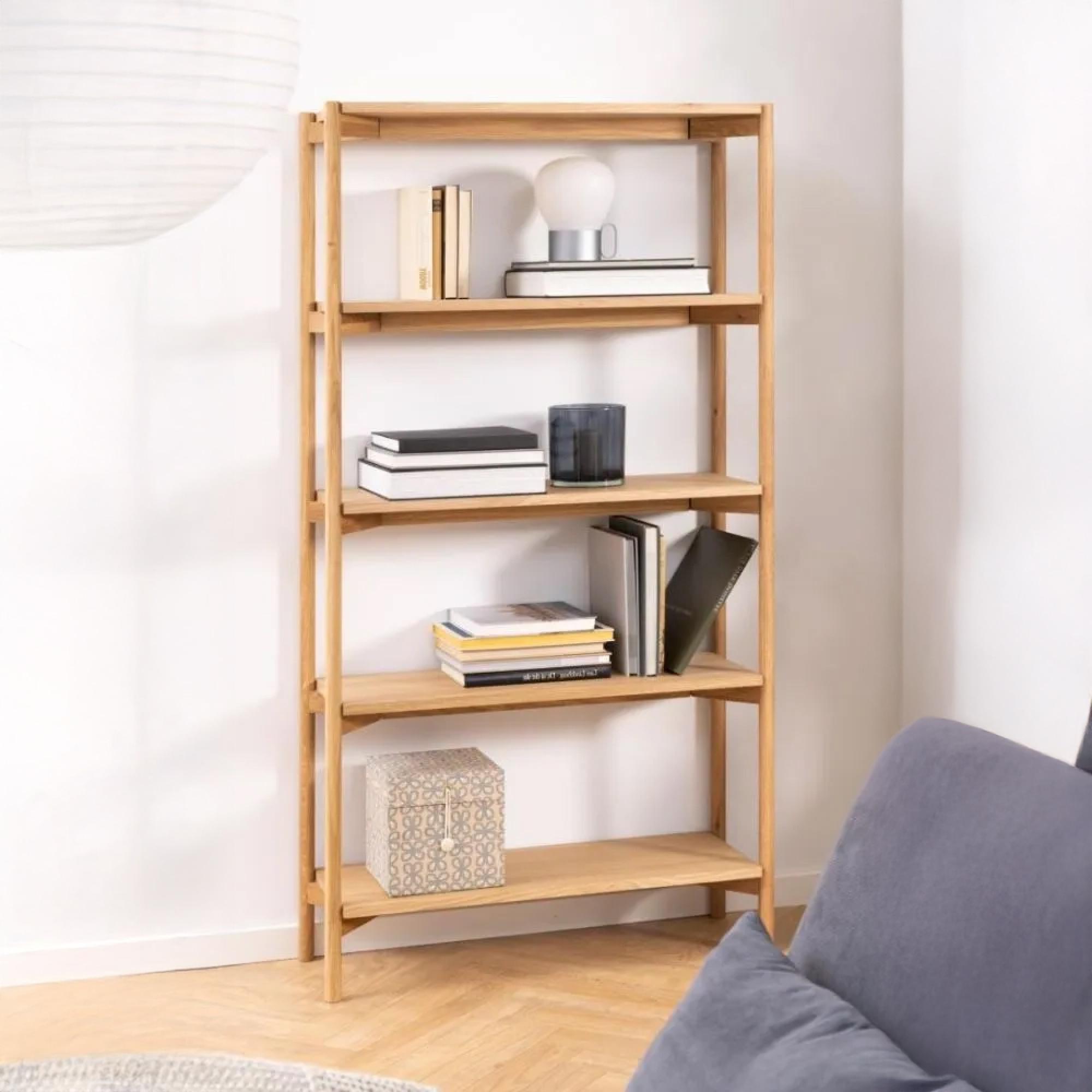
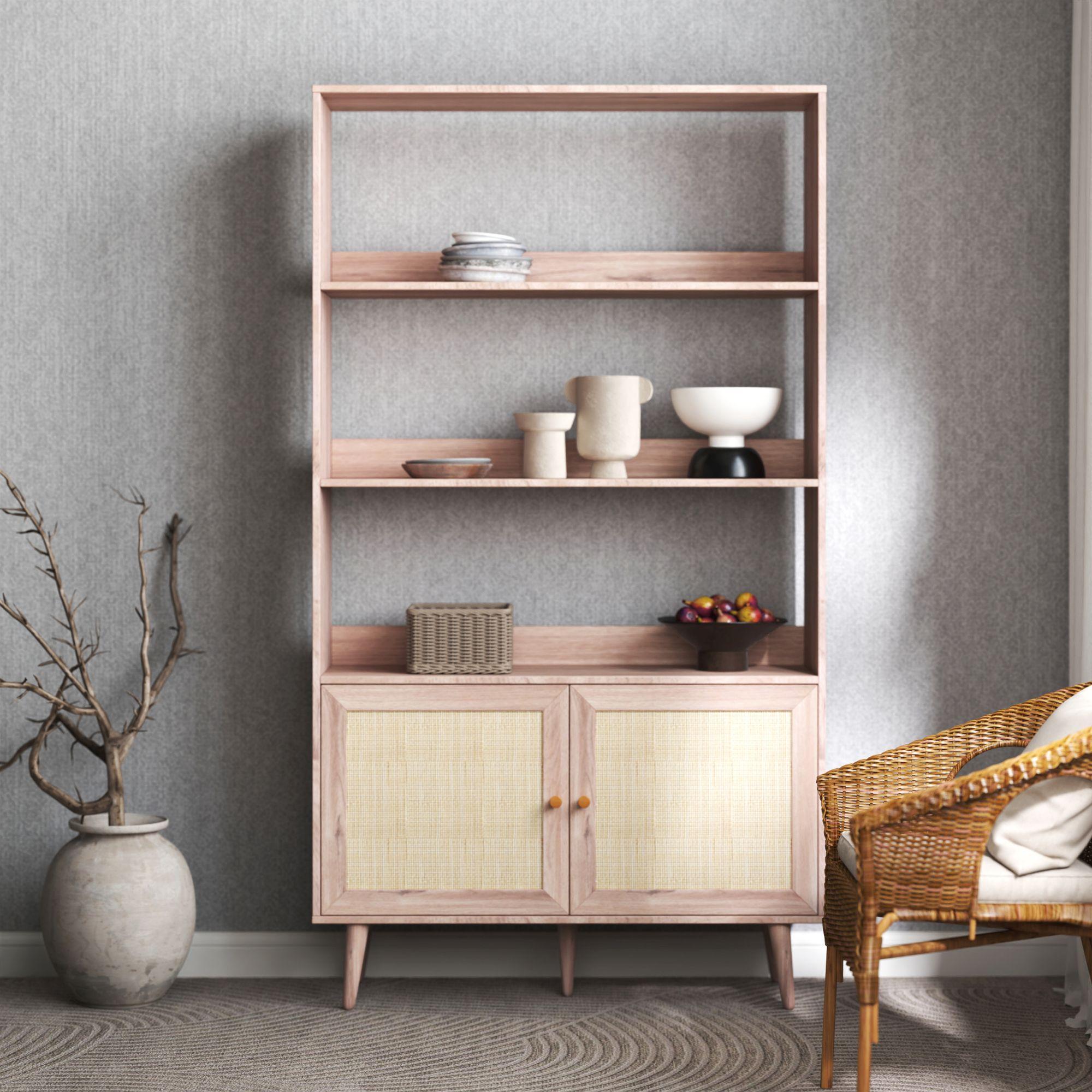
Explore Bookcase designed to organise books while creating display space for decorative objects. Compare shelf spacing, fixed or adjustable shelves, depth, height, stability and finish to identify the right balance of appearance and function. Secure taller units as recommended and check shelf depth for the items you plan to store. Check each product page for exact dimensions, construction, finish, assembly and care information before making a final choice.
Read more X Close

Popular Categories

Price

Features

No. of Doors

No. of Drawers

Material

Finish

Colour

  • Beige
  • Black
  • Blue
  • Brown
  • Cream
  • Grey
  • White
  • Yellow

39 Products of 421

Load More..

Choosing Bookcase

This category focuses on Bookcase that can organise books while creating display space for decorative objects. Start with the room layout and daily use, then compare shelf spacing, fixed or adjustable shelves, depth, height, stability and finish. Function and visual balance both matter, so compare the complete specification rather than choosing on appearance alone. This keeps the decision focused on practical suitability as well as style.

Plan the space before choosing

Secure taller units as recommended and check shelf depth for the items you plan to store. Record the available width, depth and height, including clearance for doors, drawers, reclining parts or extensions where relevant. Account for skirting boards, radiators, sockets and walking routes, then check the access route through doors, halls and stairs.

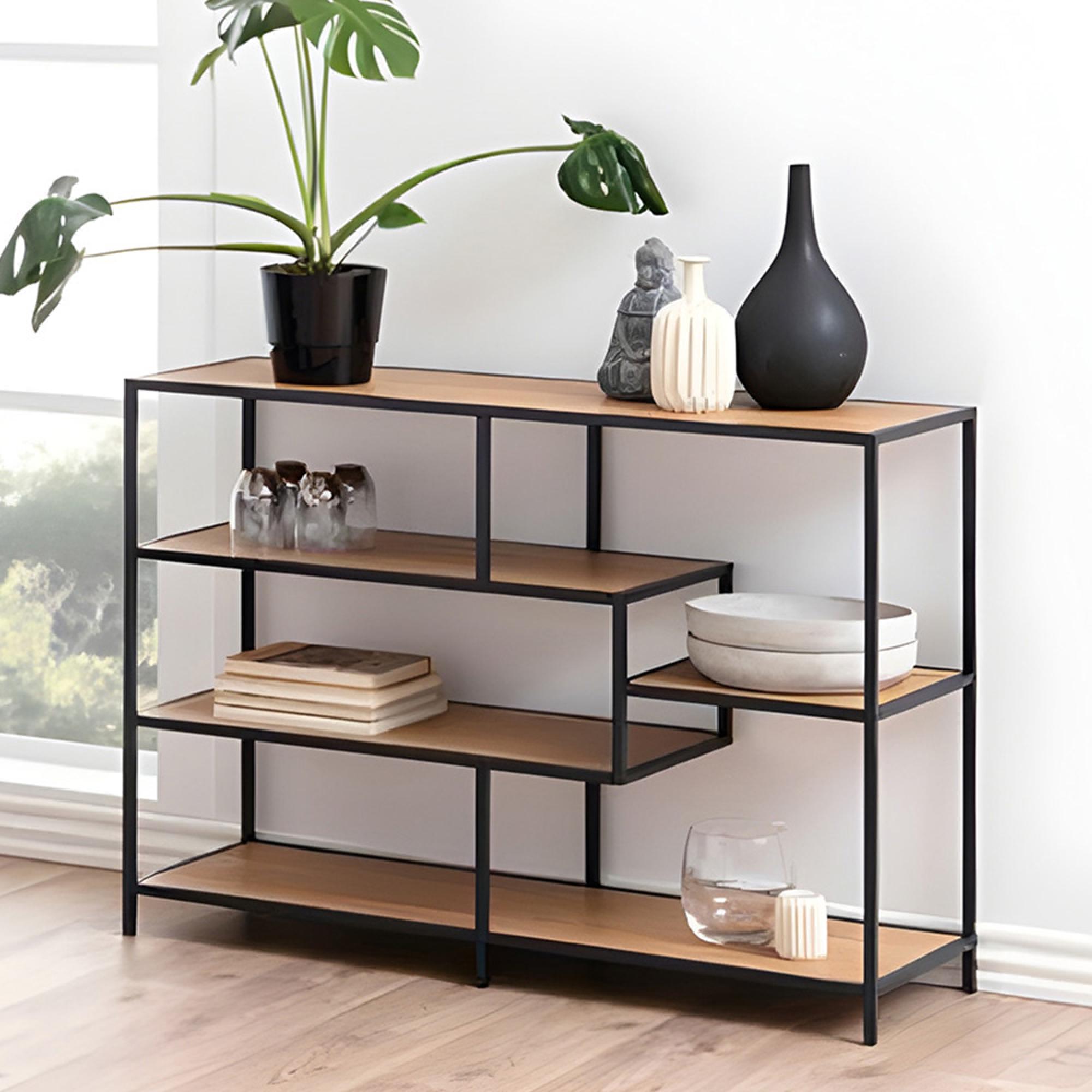
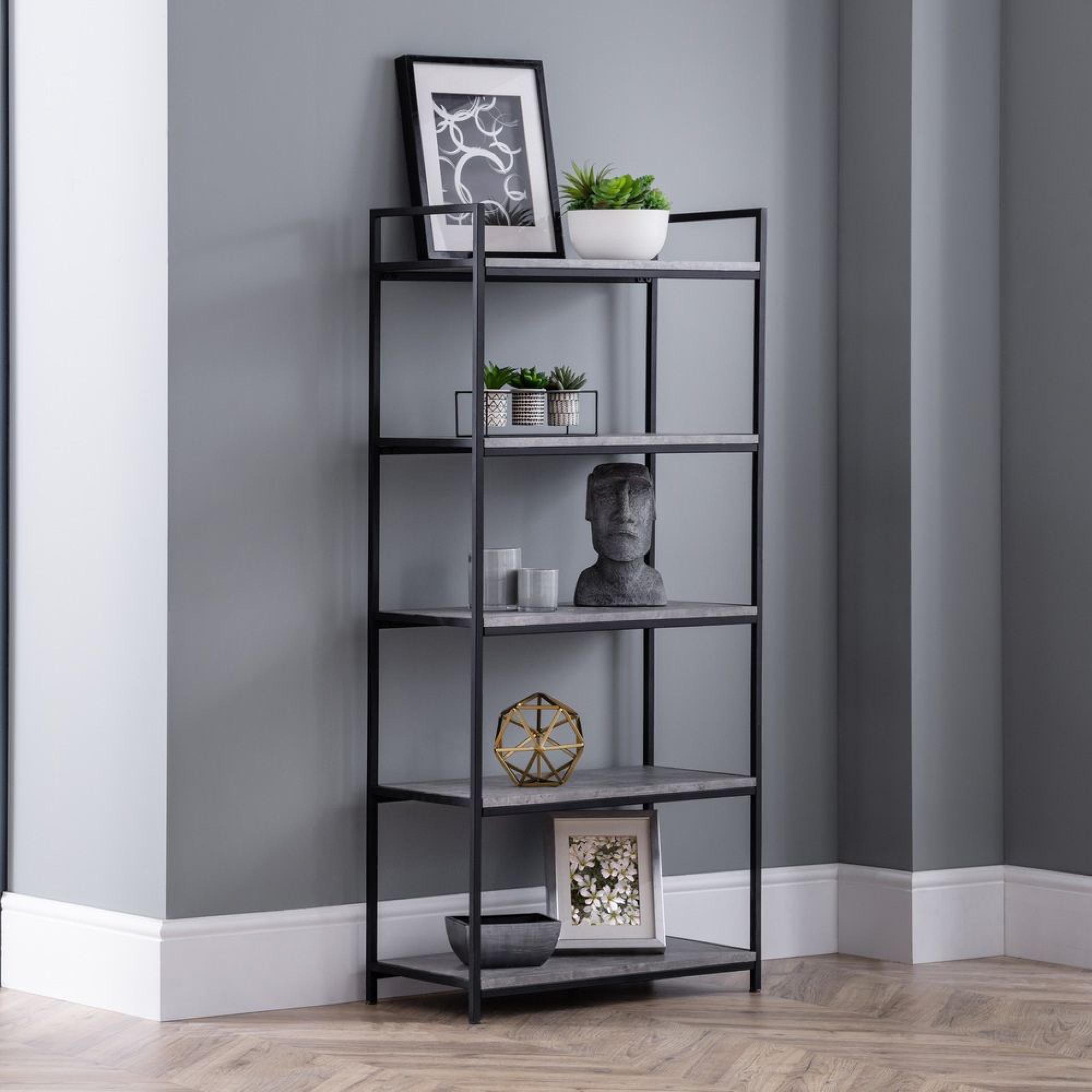
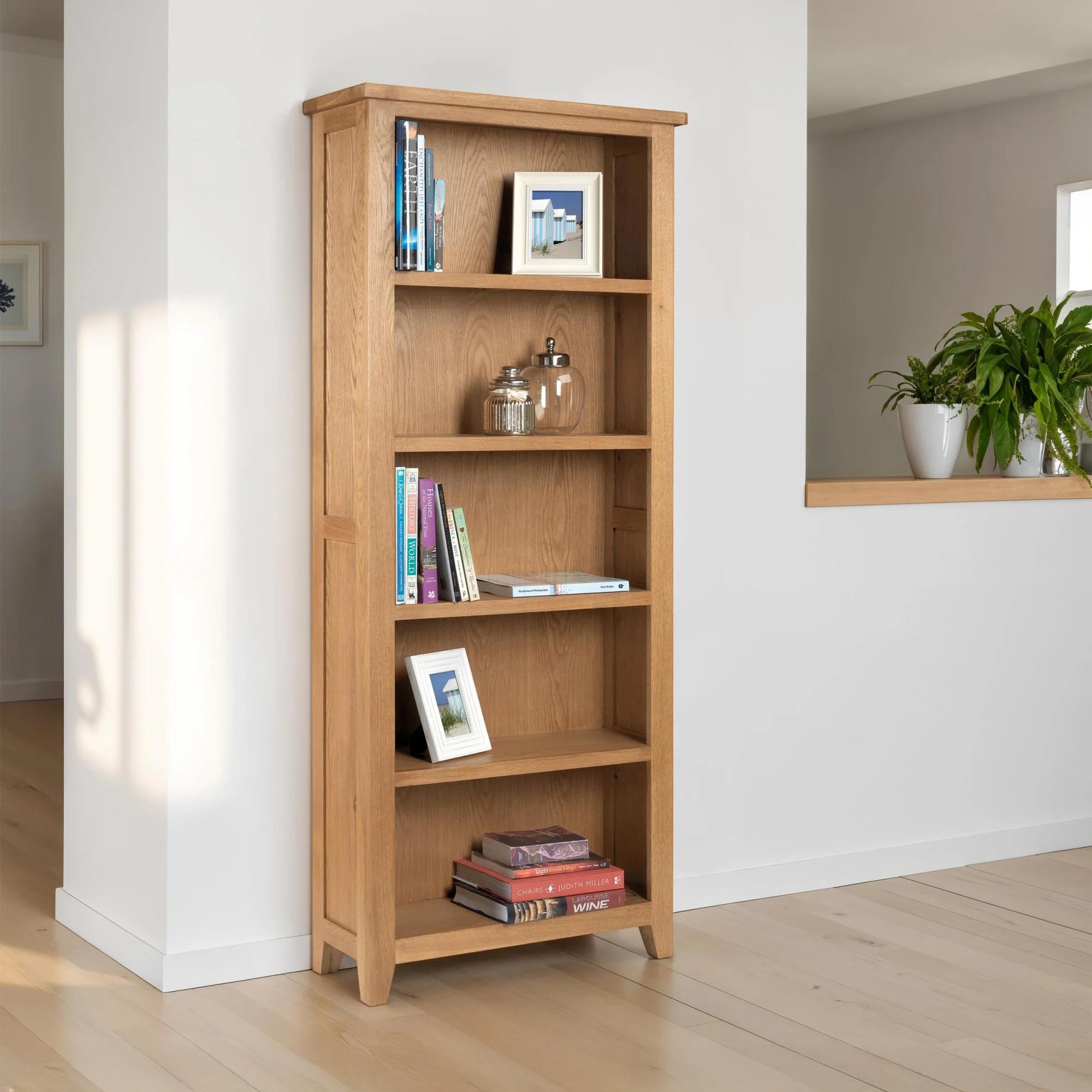
For adjacent choices, explore Living Room Furniture, Wooden Bookcase and Industrial Bookcase. Use these comparisons alongside the specifications on each product page.

Bookcase for considered interiors

The Bookcase category focuses on choices intended to organise books while creating display space for decorative objects. A suitable option should respond to the room's proportions, surrounding furniture and practical demands of everyday use. Use the category wording as a starting point, then verify the exact material, finish and features shown on each product page.

Material, finish and construction

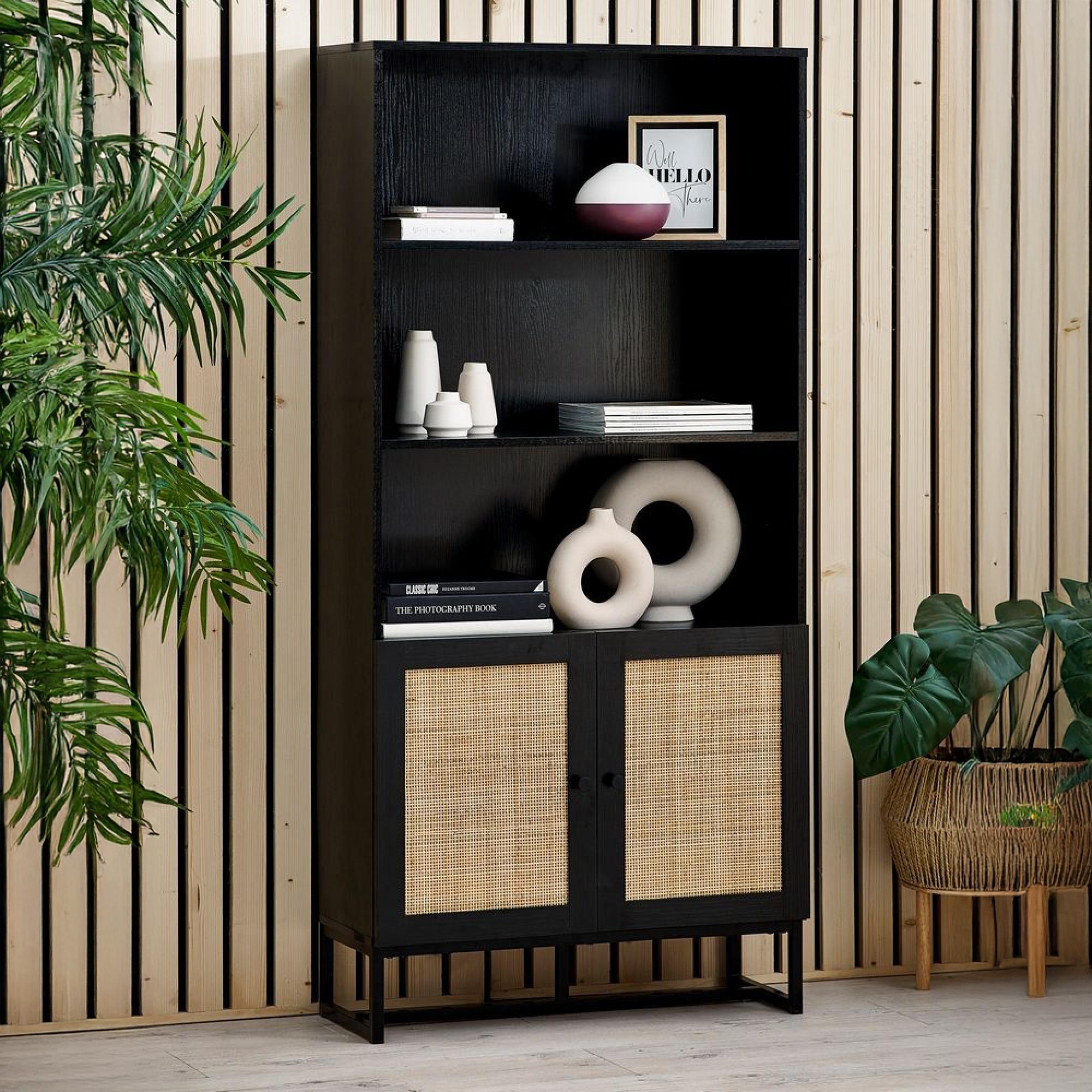
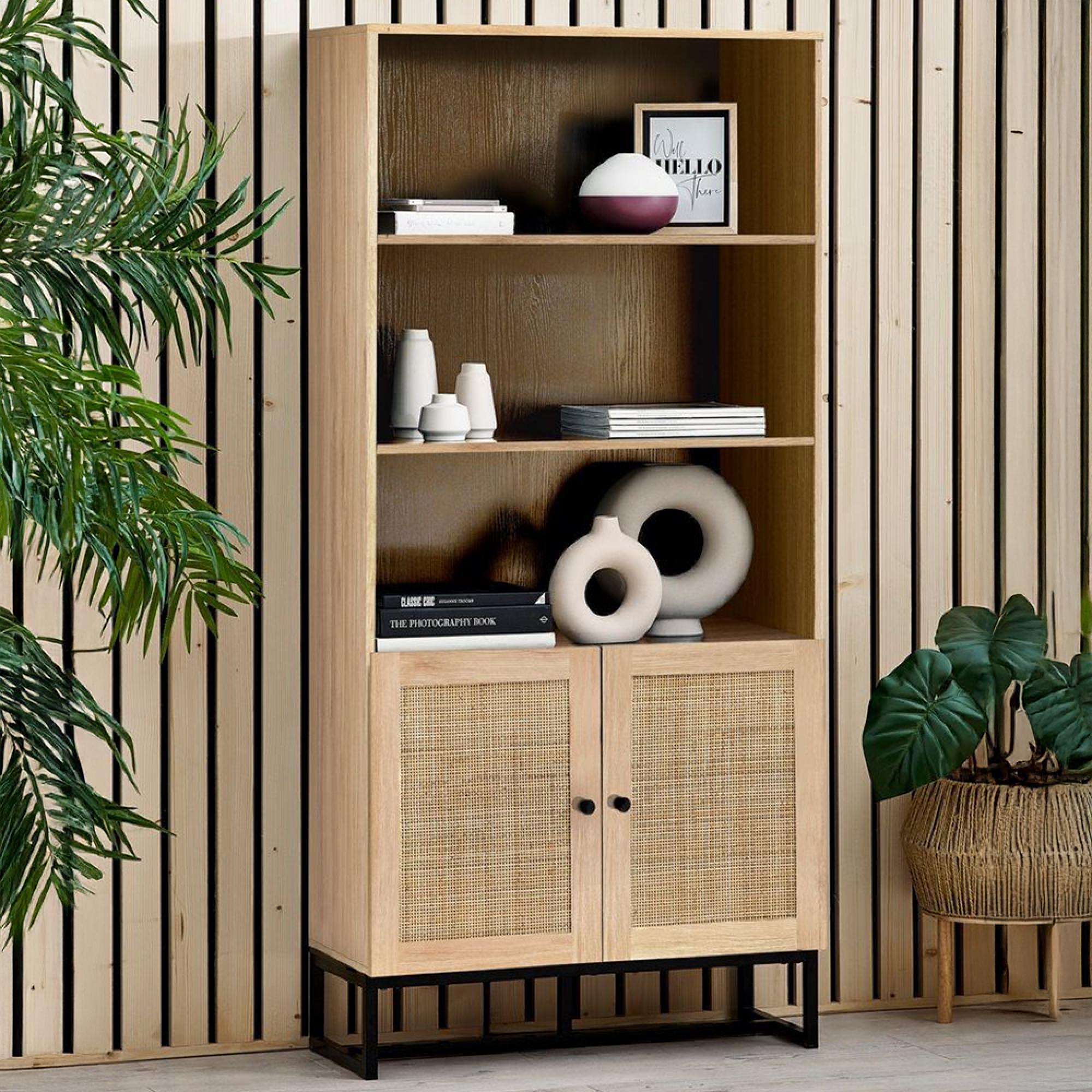
When comparing bookcases, look closely at shelf spacing, fixed or adjustable shelves, depth, height, stability and finish. Materials influence appearance, weight and maintenance, while finish affects colour coordination and day-to-day care. Use the written specification to confirm construction and care requirements.

Function and room planning

Secure taller units as recommended and check shelf depth for the items you plan to store. Mark out the footprint and consider how people move around it. Where a product opens, extends, swivels or reclines, include that working clearance. For storage, seating or sleeping products, match the layout, support and capacity to the needs of regular users.

Creating a coordinated result

Build the room around a clear relationship between scale, colour and material. Matching every finish is not essential, but repeating one or two elements can connect separate pieces. You can also compare Living Room Furniture, Wooden Bookcase and Industrial Bookcase for closely related room and product choices. Use the individual listing to confirm dimensions, included components, assembly and suitability.
Read more X Close

FAQs on Bookcase

What size bookcase do I need for my room?

Measure your wall space first. Standard depths are 20–30cm, heights from 80cm (small) to 200cm (floor-to-ceiling). For most living rooms, 150–180cm height works well. Consider doorways, windows, and existing furniture. Narrow rooms suit slim 20cm-deep units; larger spaces can handle 30cm depth for books and décor.

Alternate stacked and standing books, leaving 20% empty space per shelf. Introduce 3–5 decorative items like plants, framed photos, or sculptures. Group books by colour for visual flow. Keep heavier items on lower shelves. Balance tall and short pieces across shelves to create rhythm without overcrowding.

Hardwoods like oak, maple, and mahogany resist sagging under weight. Avoid softwoods; they deform easily. Sheesham and teak are durable and add warmth. For longevity with heavy book collections, choose solid wood with internal bracing or metal reinforcement. Check weight ratings before buying.

Wooden bookcases offer warmth and traditional style; oak and maple suit most interiors. Metal units provide a modern, industrial look and handle heavy loads well. Wood is better for cosiness; metal suits contemporary spaces. Your choice depends on room style, weight capacity needs, and whether you want classic or contemporary design.

Standard depth is 20–25cm, ideal for most books and small décor. Deeper shelves (30cm) suit larger collections and decorative items but take up more floor space. Narrower shelves (15cm) work for small rooms but may feel cramped. Check book widths and your intended décor before choosing.

Bookcases are freestanding furniture units with a frame and backing. Bookshelves are typically wall-mounted with no back or sides. Bookcases suit any room and are moveable; bookshelves maximise wall space and appear lighter. Both hold books and décor. Choose bookcases for flexibility, bookshelves for space-saving in small rooms.

Measure your wall width, height from floor to ceiling or desired top point, and available floor depth. Account for skirting boards (add 10cm to width). Note doorway and window positions. Consider furniture placement and traffic flow. Standard widths are 60–120cm; jot down exact measurements before shopping online.

Dust regularly with a soft cloth. Avoid direct sunlight to prevent fading. Wipe spills immediately to prevent water damage. Use furniture polish every 3–6 months for hardwoods like oak. Keep away from radiators and damp areas. Check shelves annually for sagging; redistribute weight if needed to extend lifespan.

Choose a narrow unit (60–90cm wide) or tall, slim design (150–180cm high) to maximise vertical space without dominating the room. 20cm depth keeps it from jutting out. Corner units work well too. Avoid dark finishes; lighter wood or white units make small spaces feel larger. Ensure clearance for doors.

Budget £50–£200 for a solid mid-range bookcase in oak or maple. Premium hardwood or bespoke units cost £300–£800. Built-in bookcases range £800–£2,000+ depending on size and materials. Balance cost with durability and style. Invest more if you have a heavy book collection; lightweight units suit occasional storage.

Avoid traditional wooden bookcases in bathrooms due to moisture and humidity damage. Kitchens work if shelves are far from cooking heat and steam. Use sealed hardwood or metal units instead. Consider glass shelves with stainless steel frames for durability. Ensure ventilation and avoid direct water exposure for longest lifespan.
Top