Free Delivery All Over UK*
close
Top products
SHOW ALL PRODUCTS

TV Units

Found 628 Items

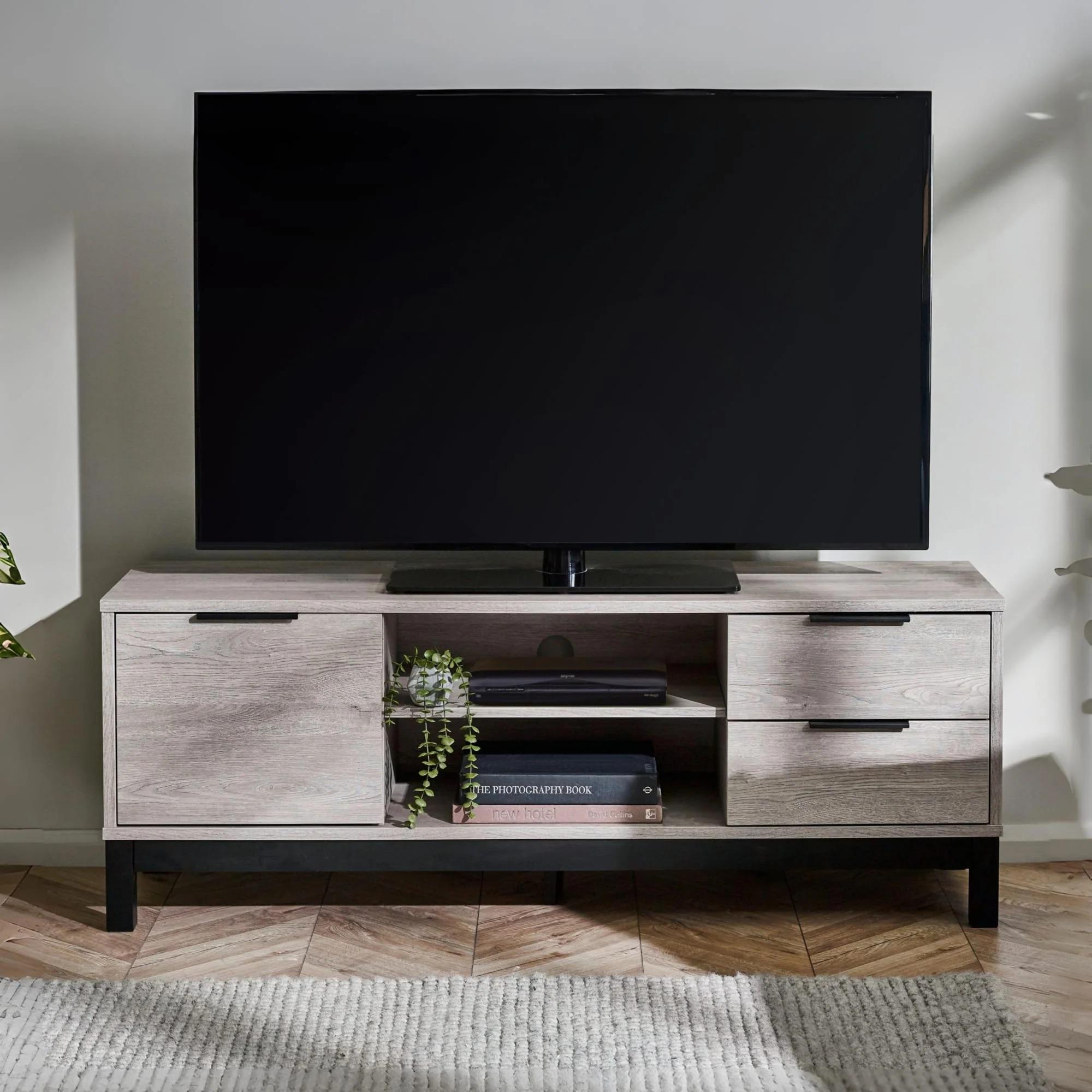
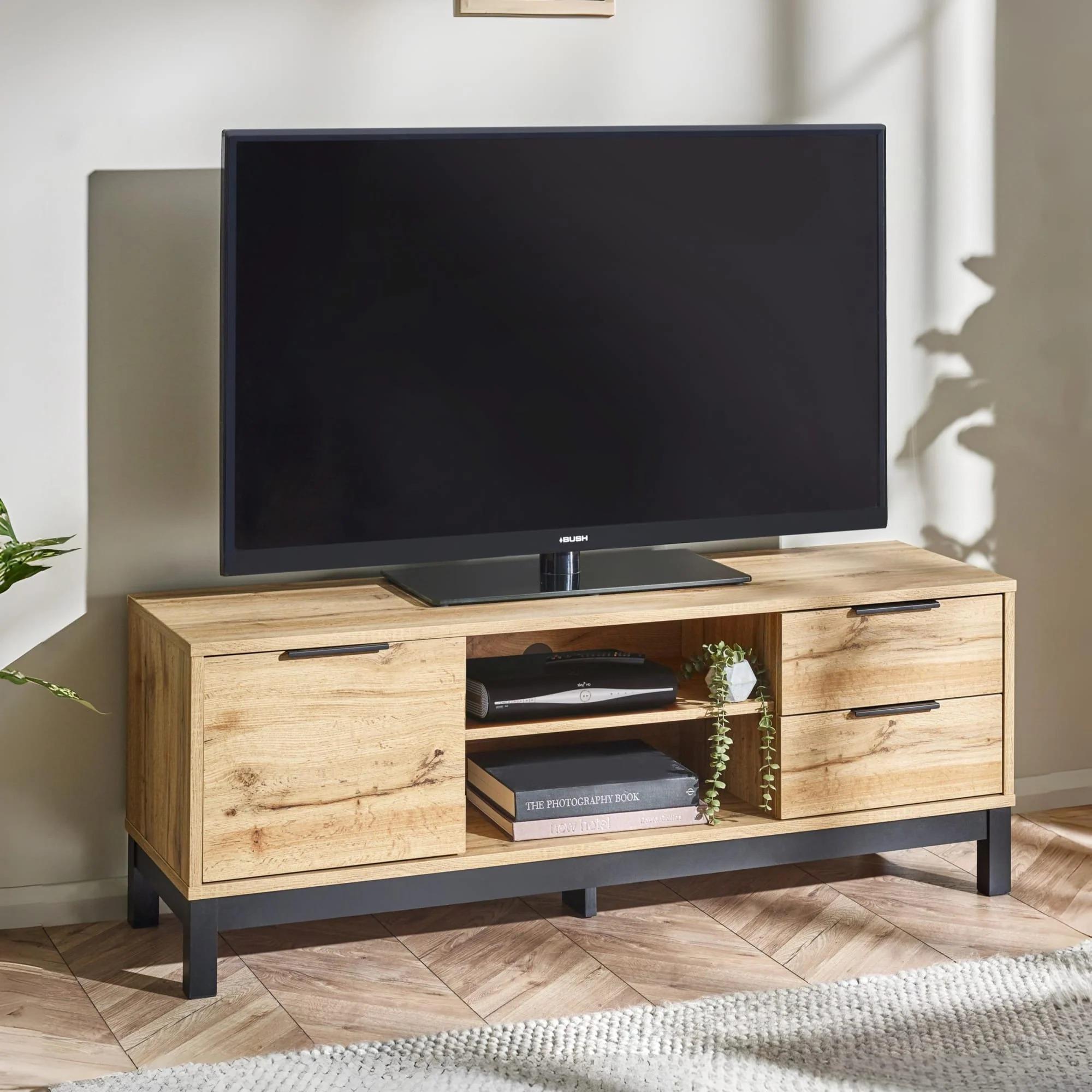
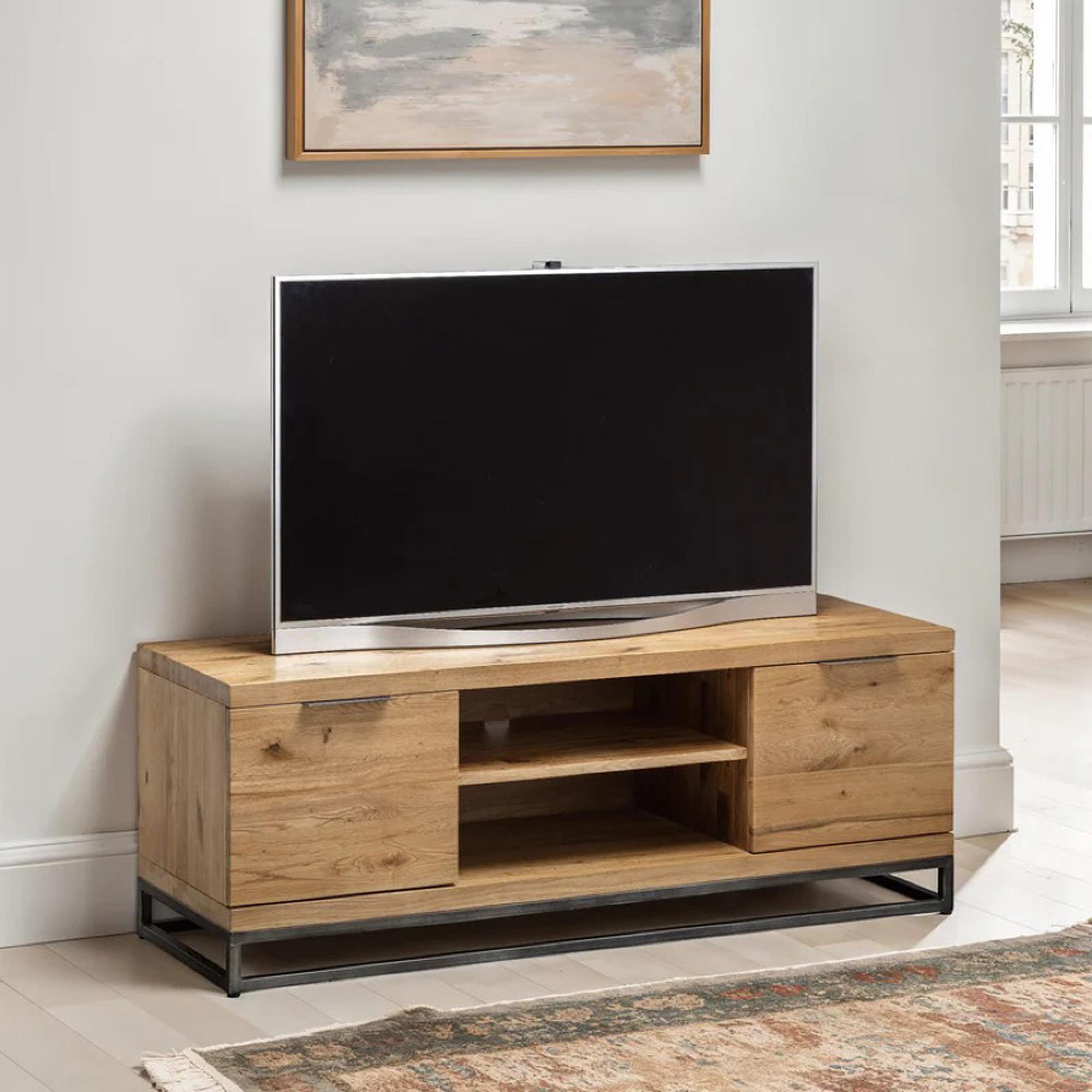
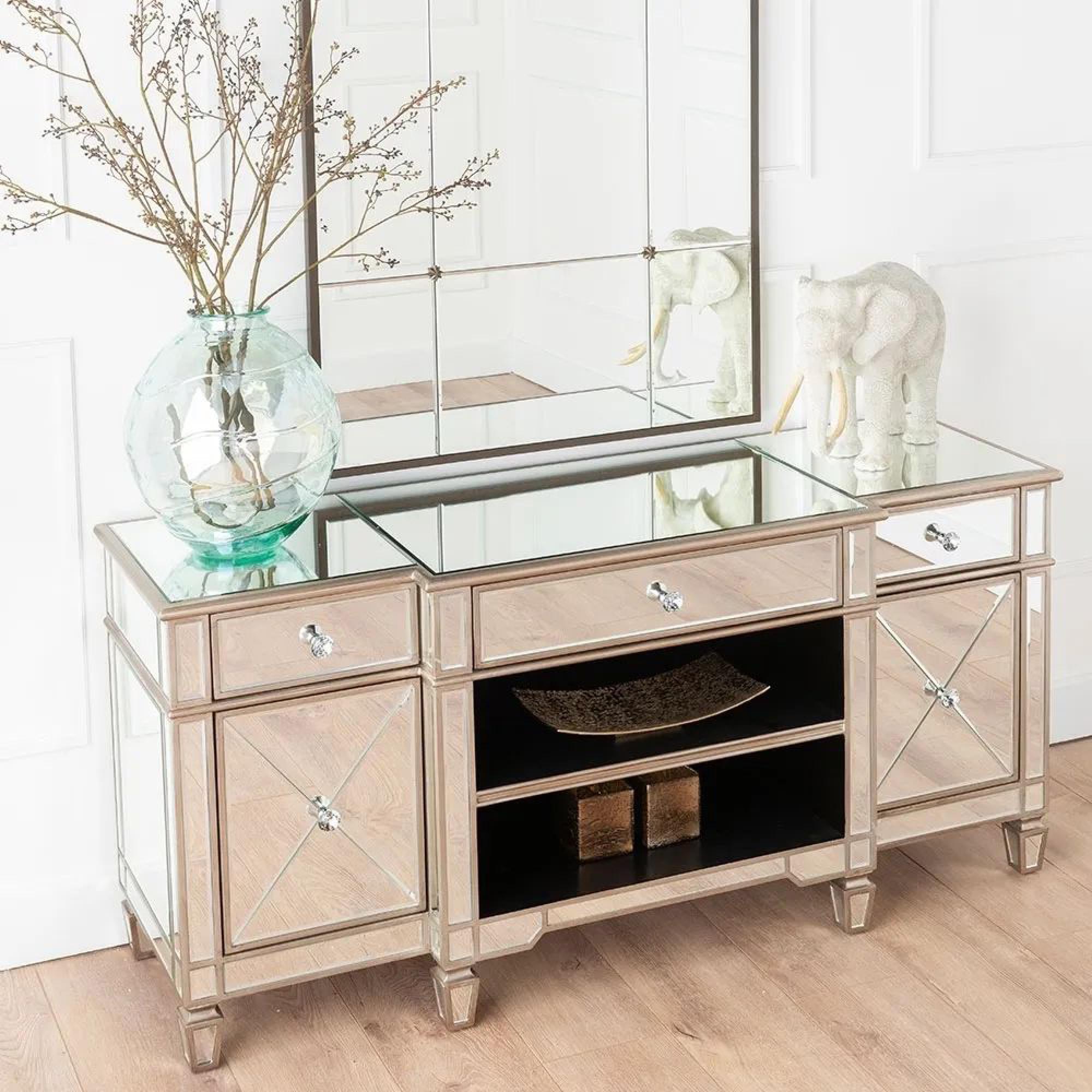
Explore TV Units designed to give the television and media equipment an organised, defined base. Compare screen compatibility, shelf layout, cable access, ventilation, storage and width to identify the right balance of appearance and function. Allow ventilation around equipment and check cable routes before positioning the unit. Check each product page for exact dimensions, construction, finish, assembly and care information before making a final choice.
Read more X Close

Price

Type

Features

No. of Doors

No. of Drawers

Material

Finish

Colour

  • Beige
  • Black
  • Blue
  • Brown
  • Cream
  • Green
  • Grey
  • Taupe
  • White
  • Yellow

39 Products of 628

Load More..

Choosing TV Units

This category focuses on TV Units that can give the television and media equipment an organised, defined base. Start with the room layout and daily use, then compare screen compatibility, shelf layout, cable access, ventilation, storage and width. Function and visual balance both matter, so compare the complete specification rather than choosing on appearance alone. This keeps the decision focused on practical suitability as well as style.

Plan the space before choosing

Allow ventilation around equipment and check cable routes before positioning the unit. Record the available width, depth and height, including clearance for doors, drawers, reclining parts or extensions where relevant. Account for skirting boards, radiators, sockets and walking routes, then check the access route through doors, halls and stairs.

For adjacent choices, explore Living Room Furniture, Oak TV Units and Corner TV Units. Use these comparisons alongside the specifications on each product page.

TV Units for considered interiors

The TV Units category focuses on choices intended to give the television and media equipment an organised, defined base. A suitable option should respond to the room's proportions, surrounding furniture and practical demands of everyday use. Use the category wording as a starting point, then verify the exact material, finish and features shown on each product page.

Material, finish and construction

When comparing TV units, look closely at screen compatibility, shelf layout, cable access, ventilation, storage and width. Materials influence appearance, weight and maintenance, while finish affects colour coordination and day-to-day care. Use the written specification to confirm construction and care requirements.

Function and room planning

Allow ventilation around equipment and check cable routes before positioning the unit. Mark out the footprint and consider how people move around it. Where a product opens, extends, swivels or reclines, include that working clearance. For storage, seating or sleeping products, match the layout, support and capacity to the needs of regular users.

Creating a coordinated result

Build the room around a clear relationship between scale, colour and material. Matching every finish is not essential, but repeating one or two elements can connect separate pieces. You can also compare Living Room Furniture, Oak TV Units and Corner TV Units for closely related room and product choices. Use the individual listing to confirm dimensions, included components, assembly and suitability.
Read more X Close

FAQs on TV Units

What size TV unit do I need for my living room?

Measure your TV width, then choose a unit at least 5cm wider for balance and stability. For a 55-inch TV (140cm wide), select a unit between 145–150cm. Account for your room layout, wall space, and viewing distance. Larger rooms suit deeper units; compact spaces need slimline designs.
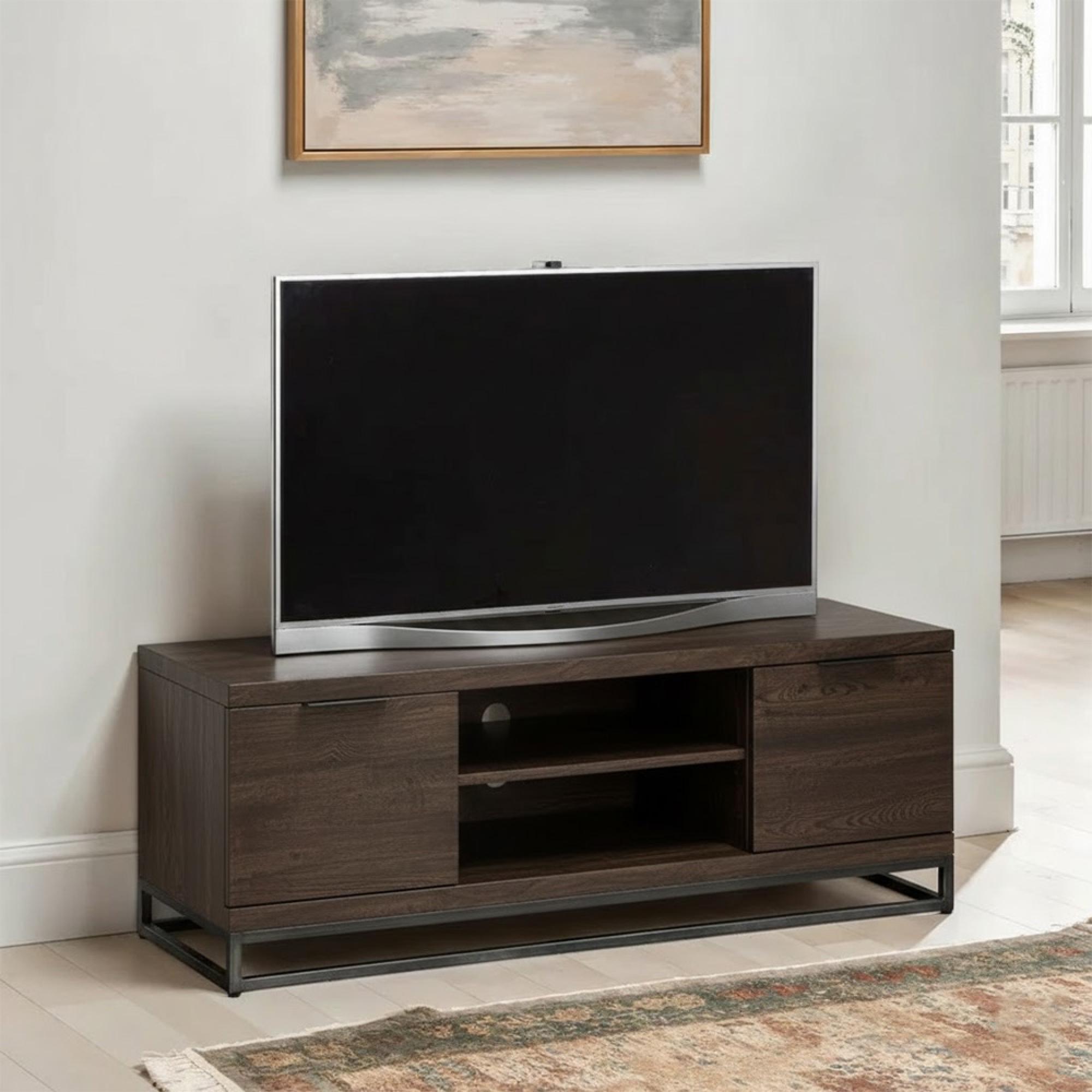
Yes, your TV unit should be slightly wider than your TV for visual balance and structural safety. A minimum of 5cm overhang on each side is ideal. Undersized units create instability and look disproportionate. The unit width should complement both your TV and room dimensions.

Choose based on your lifestyle and décor. Solid wood offers durability and warmth; glass provides modern elegance but requires regular cleaning. Metal frames suit industrial styles; marble works for luxury interiors. Consider maintenance time, scratch resistance, and how the material coordinates with existing furniture.

Balance the TV with symmetrical accessories: plants, candles, or framed art on either side. Keep the top surface uncluttered and layer heights using different-sized objects. Match the units colour and material to your sofa and side tables. Use the shelving for books, storage boxes, and decorative pieces.

Wall-mounted units maximise floor space and create a floating effect, ideal for compact rooms. Choose narrow, tall designs (under 100cm wide) that dont dominate the space. Open shelving rather than solid bases improves sightlines. Lighter colours and minimal styling prevent a cramped feel.

Measure your TV width in centimetres, then add 10cm minimum for overhang. Measure the wall space where youll place it, accounting for skirting boards and adjacent furniture. Measure viewing height from floor to eye level when seated (typically 60–100cm to the TV centre). Check room depth for unit clearance.

A TV stand is a simple frame with minimal storage, ideal for temporary setups. A TV unit offers integrated shelving, drawers, and cable management for long-term use. Units are typically wider, heavier, and more decorative. Choose a unit for permanent living rooms; a stand for flexibility or rental properties.

Dust weekly with a soft cloth to prevent buildup. Use a wood-specific cleaner monthly; avoid excessive water. Polish annually with furniture wax for protection and shine. Wipe spills immediately to prevent water rings. Keep away from direct sunlight and heat sources to avoid fading and warping.

Yes, if you value space-saving and modern aesthetics. They cost more upfront due to installation and wall reinforcement requirements, but eliminate floor clutter and improve room flow. Ideal for small homes and contemporary décor. Traditional floor units are more affordable and flexible if you move frequently.

The TV centre should be at eye level when seated, typically 60–100cm from the floor depending on sofa height and viewing distance. Measure from your sofas sitting position to determine the ideal TV height. Allow 30–60cm above the unit if wall-mounted. Standard units are 45–60cm tall; adjust with stands if needed.

Most TV units have a solid top surface to safely support modern TVs without additional brackets. Check the weight capacity (usually 30–50kg) against your TVs weight. For larger TVs or wall-mounted setups, use a VESA-compatible bracket. Ensure the surface is level and stable before placing your TV.

This depends on your media consumption and décor style. Open shelves suit displayed books and decorative items; closed drawers hide cables, remotes, and gaming equipment. Plan for at least one shelf or drawer per person in the household. Minimalist spaces need less storage; family rooms benefit from deeper shelving and multiple compartments.
Top