Free Delivery All Over UK*
close
Top products
SHOW ALL PRODUCTS

Small Desks

Found 154 Items

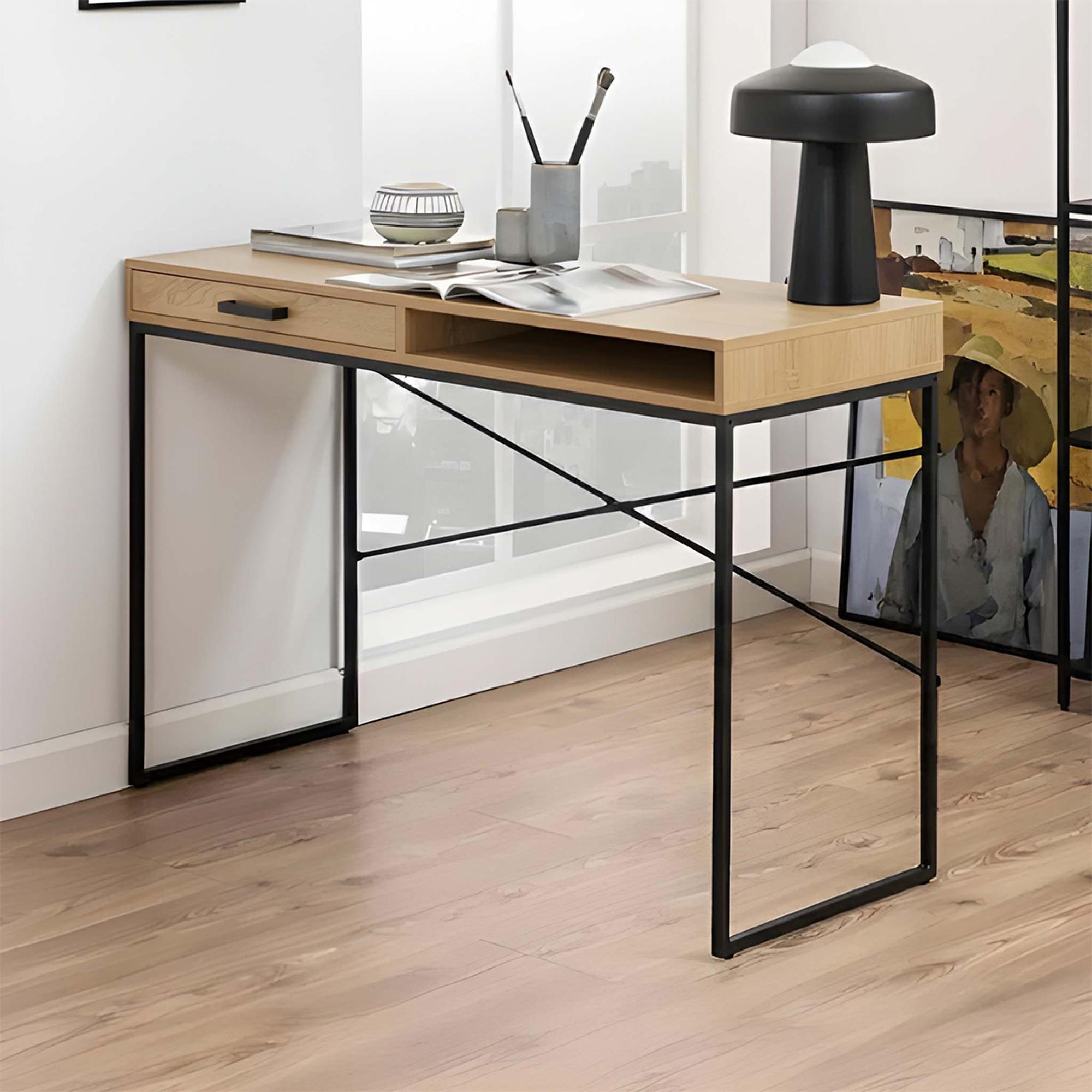
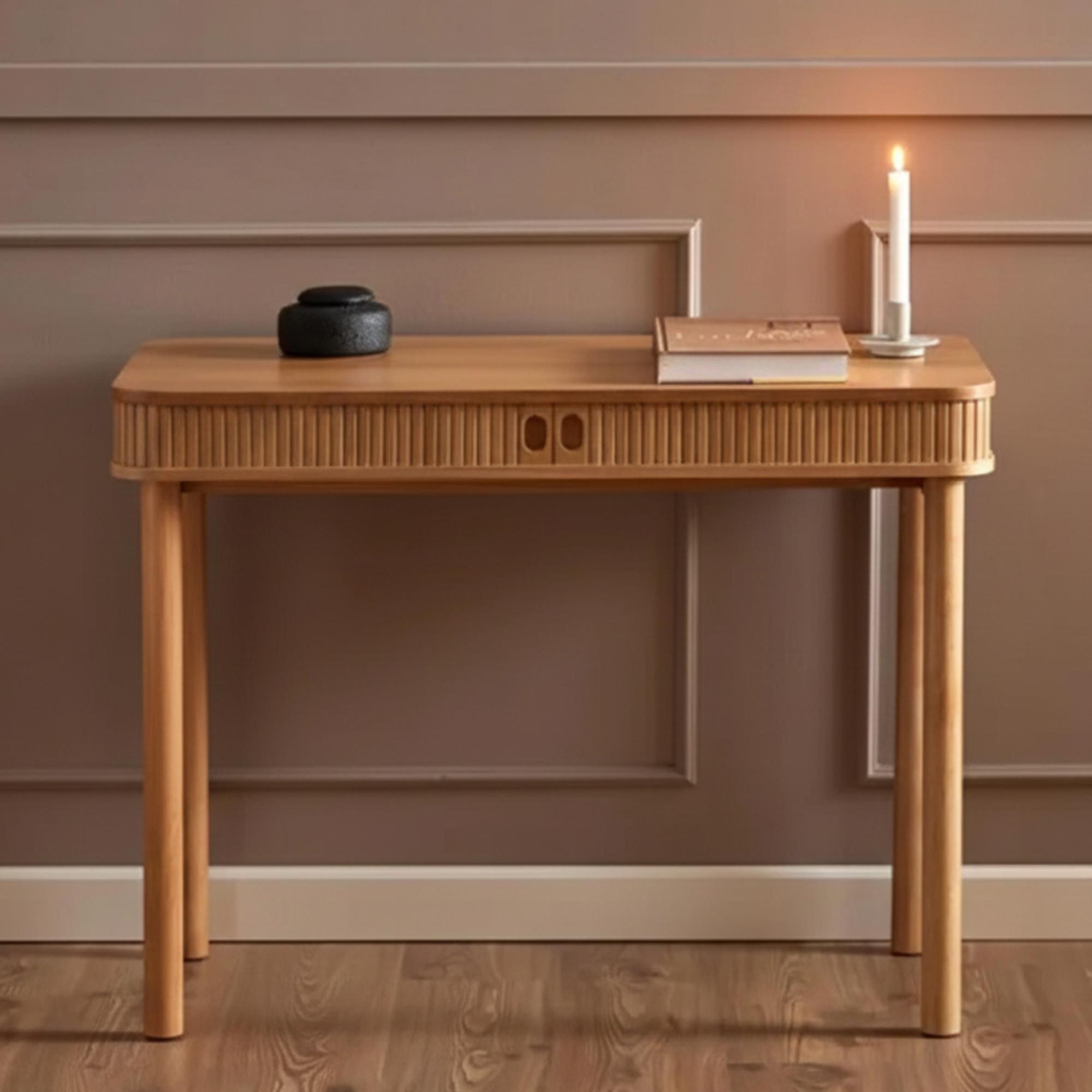
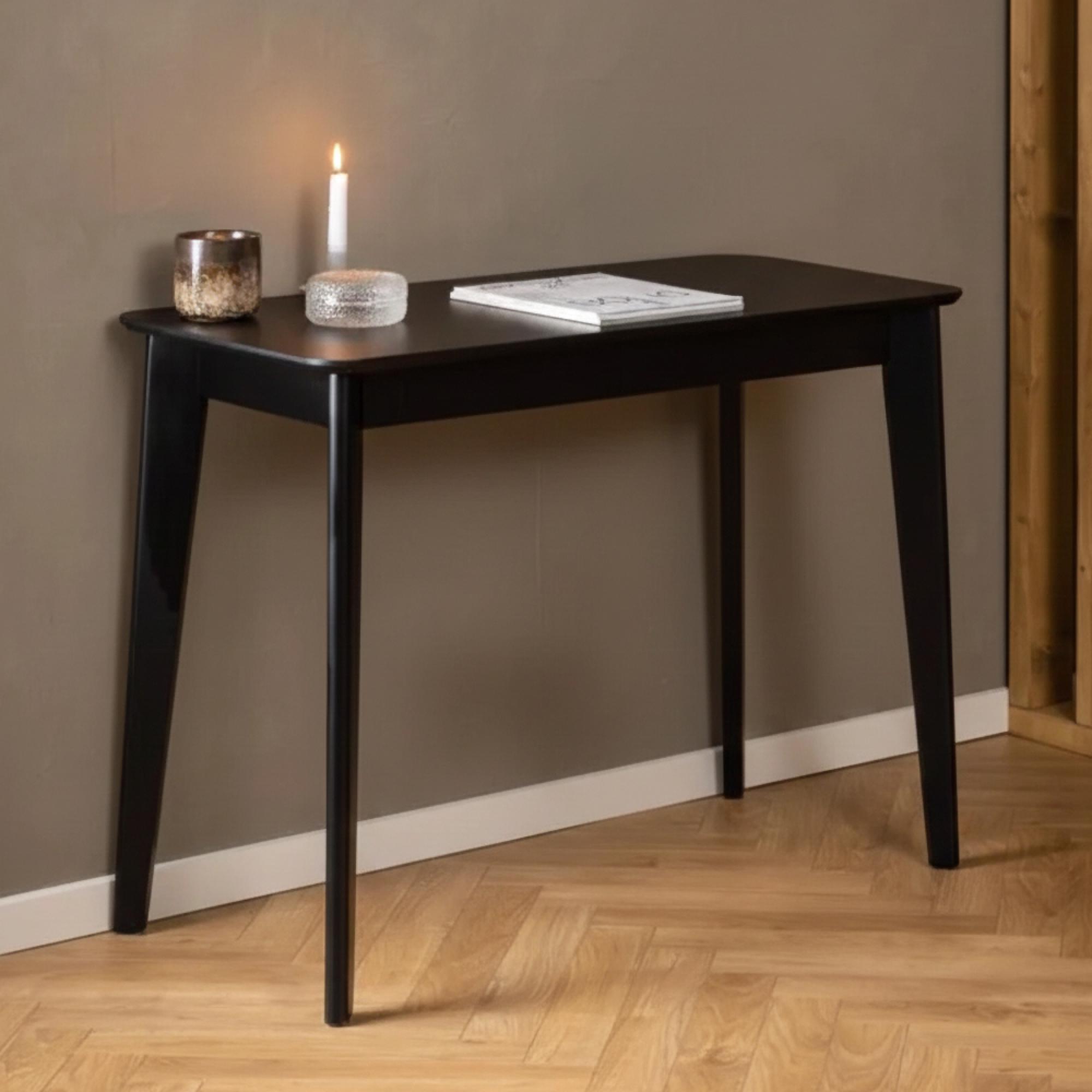
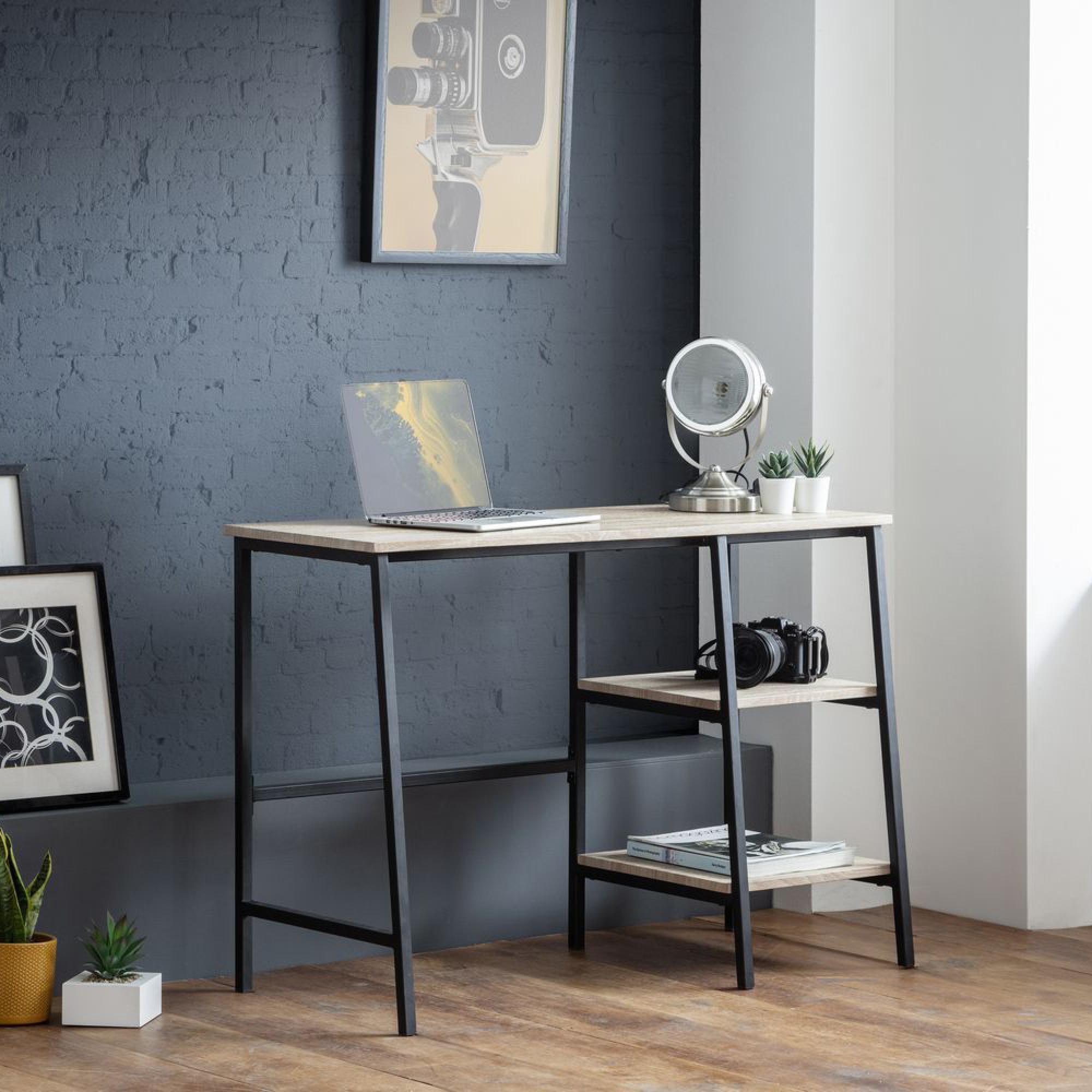
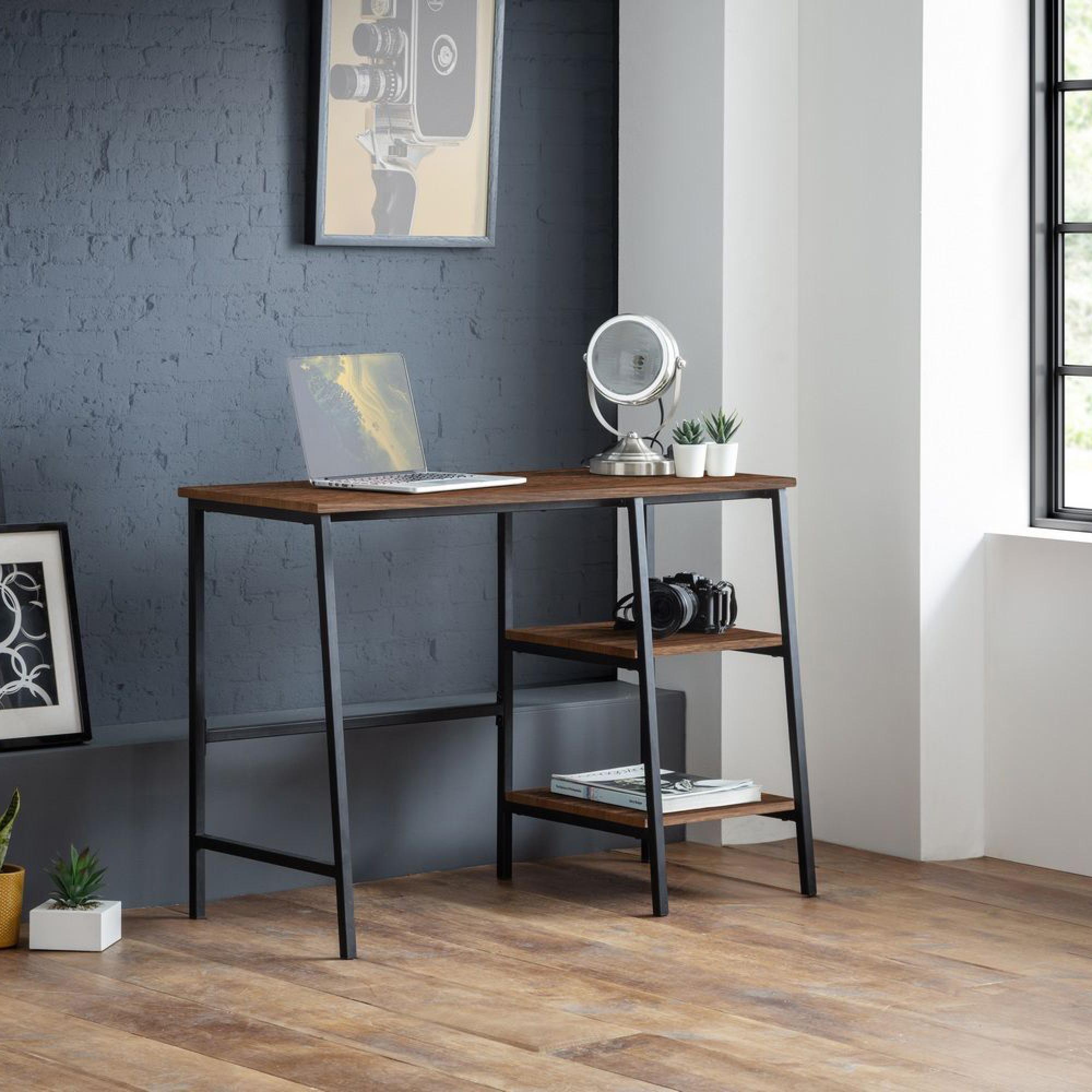
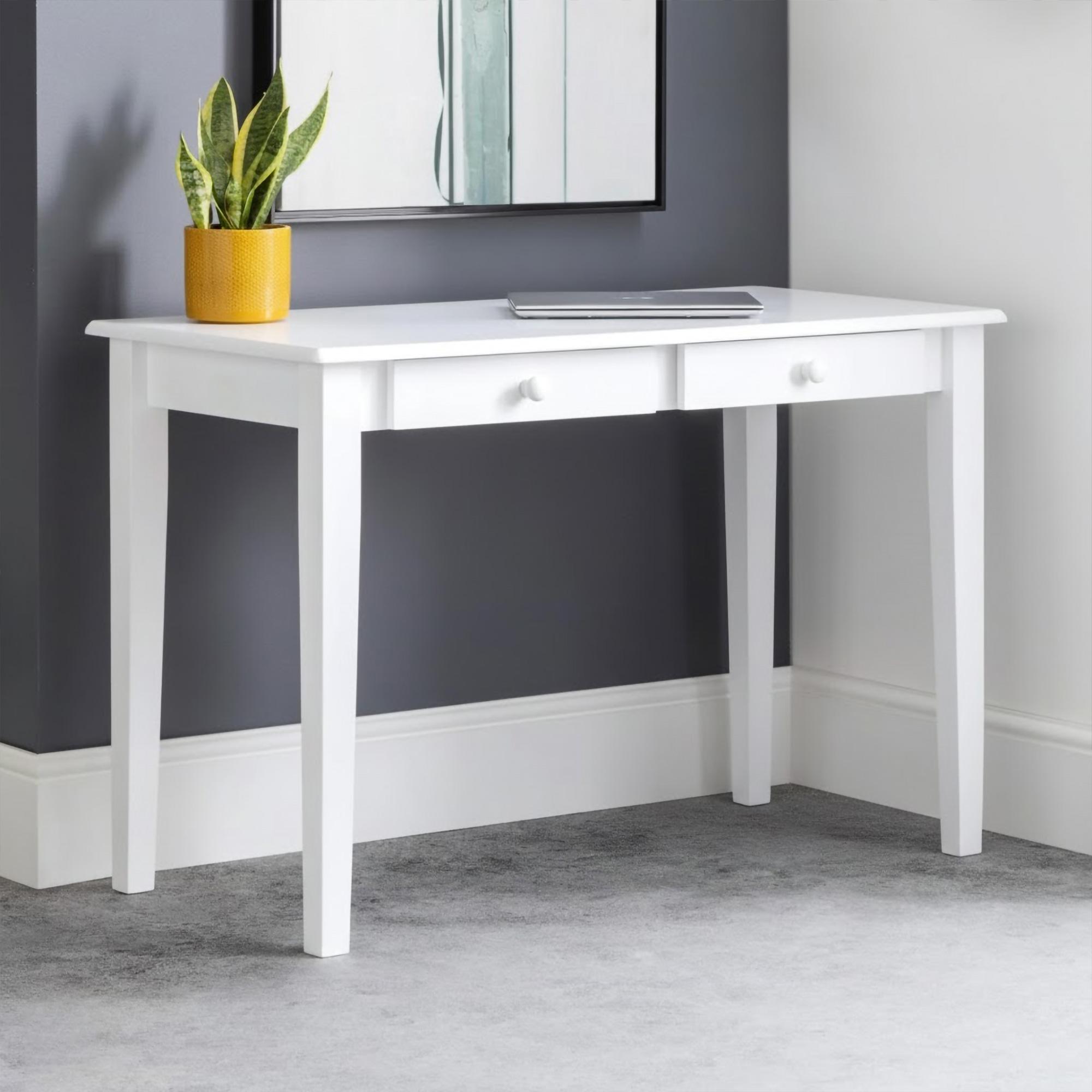
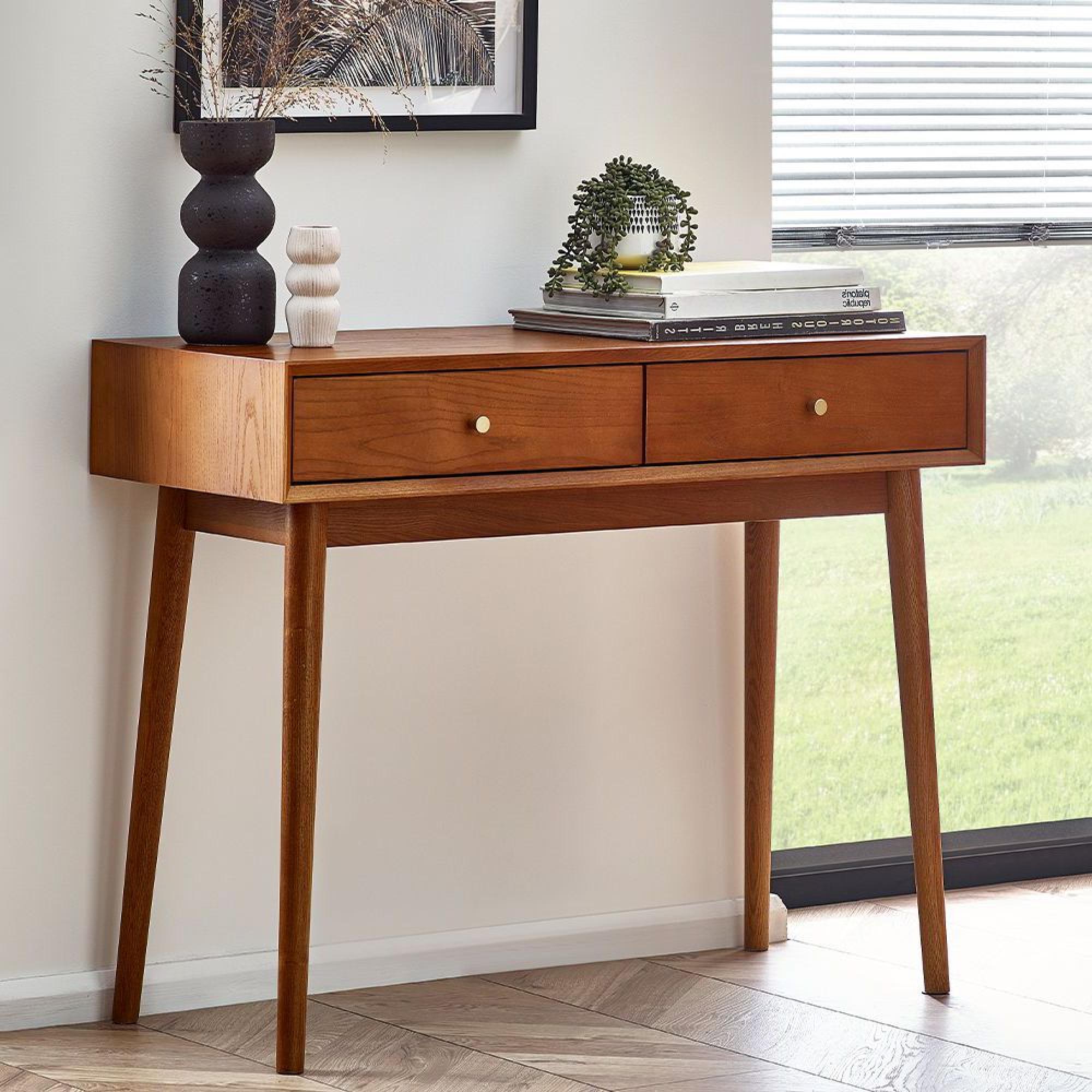
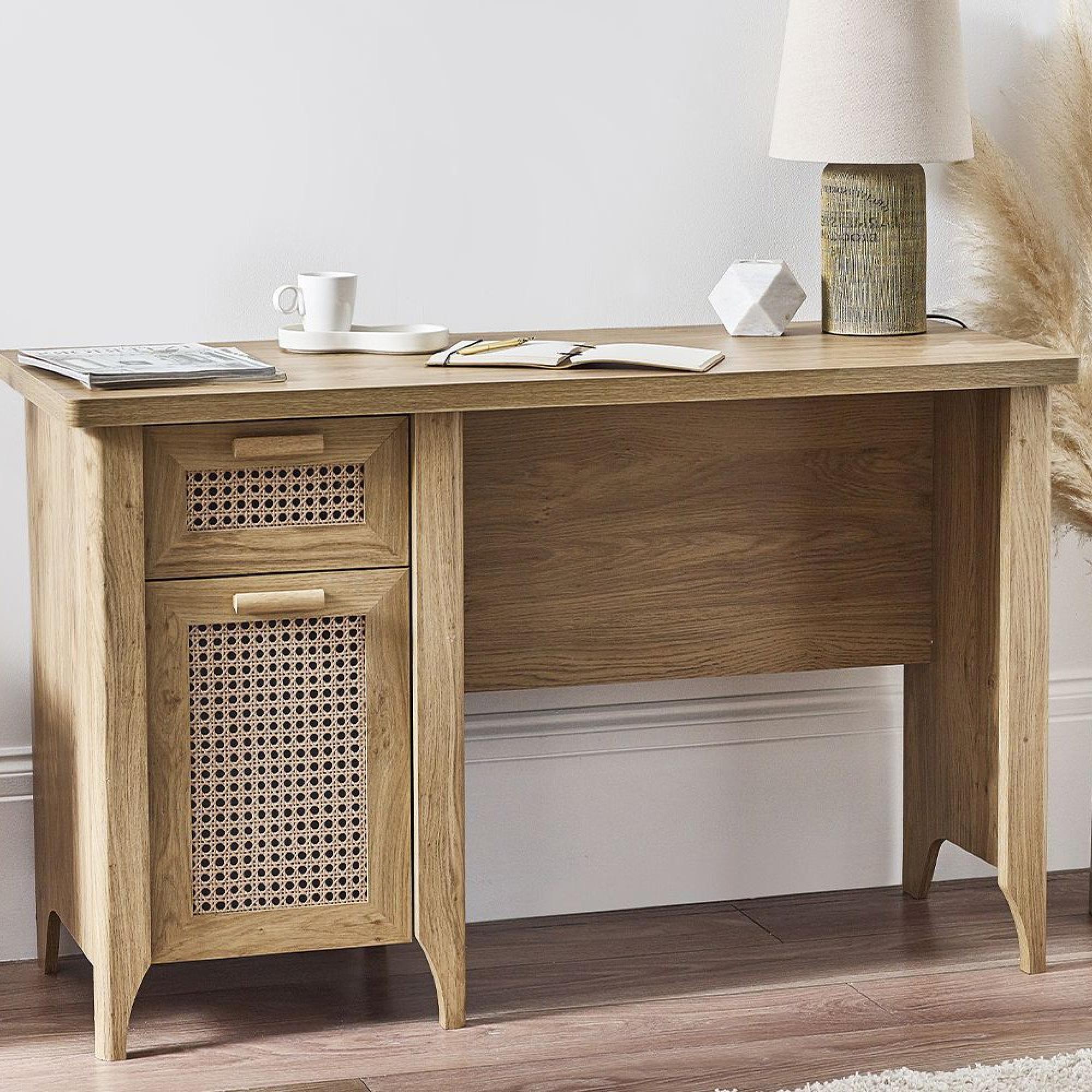
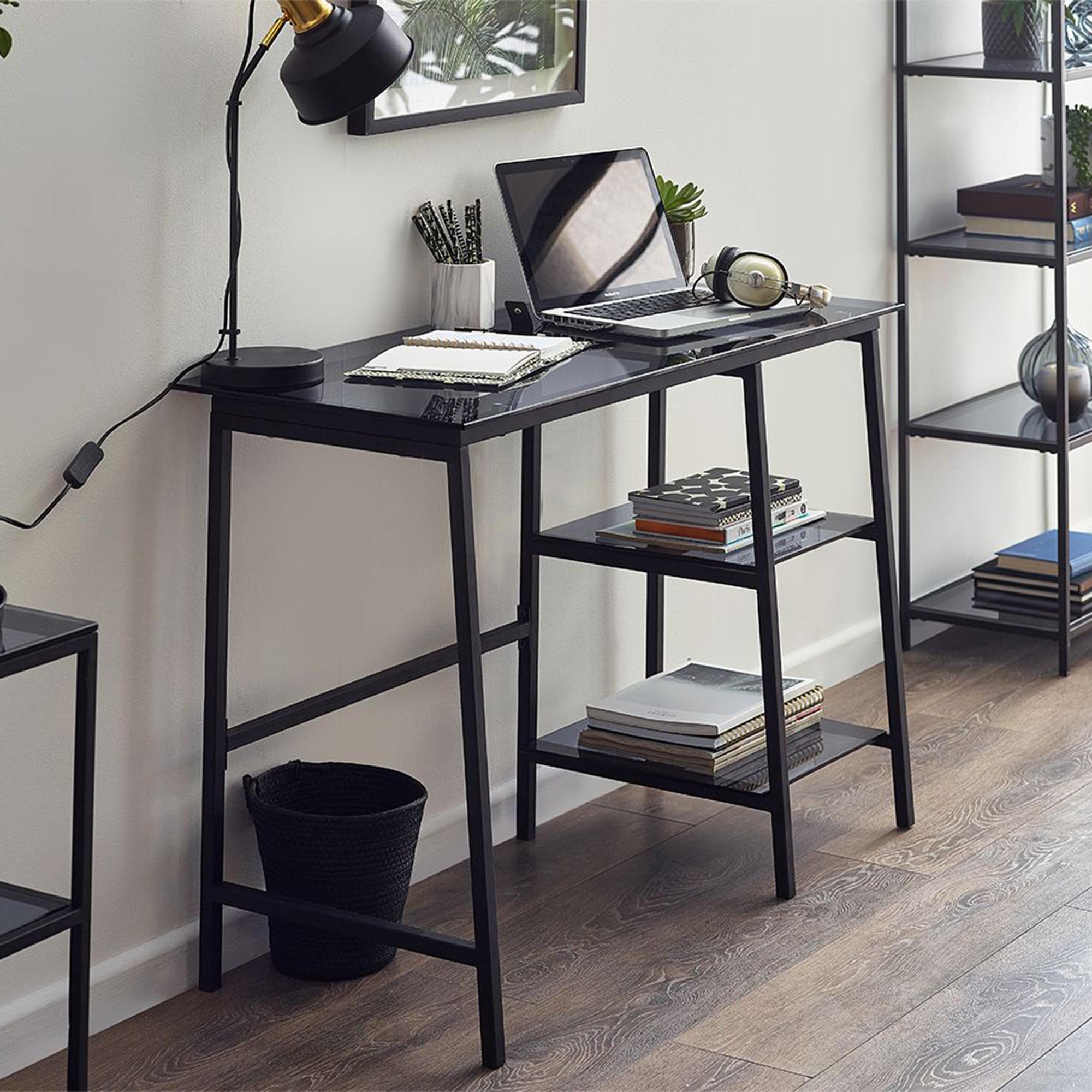
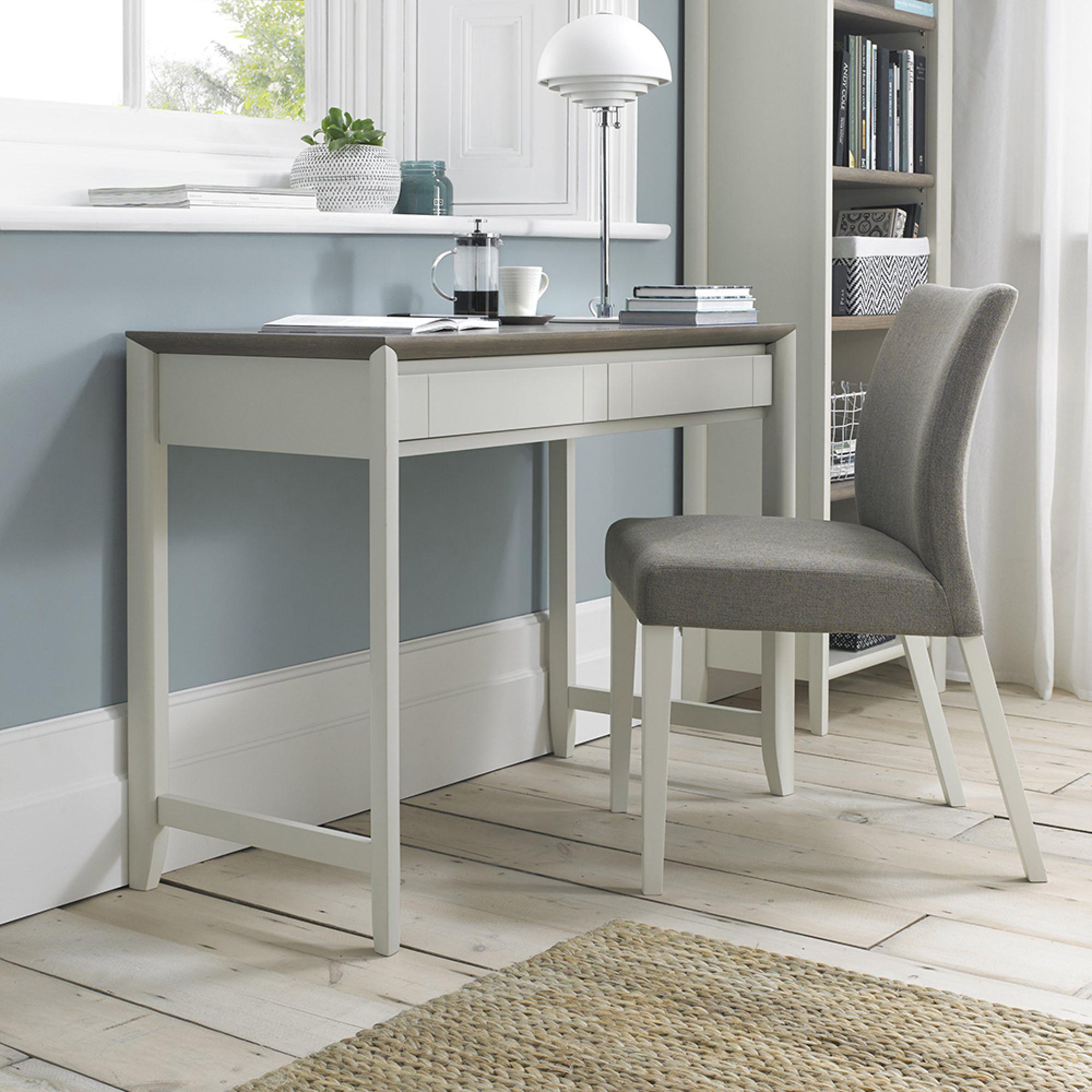
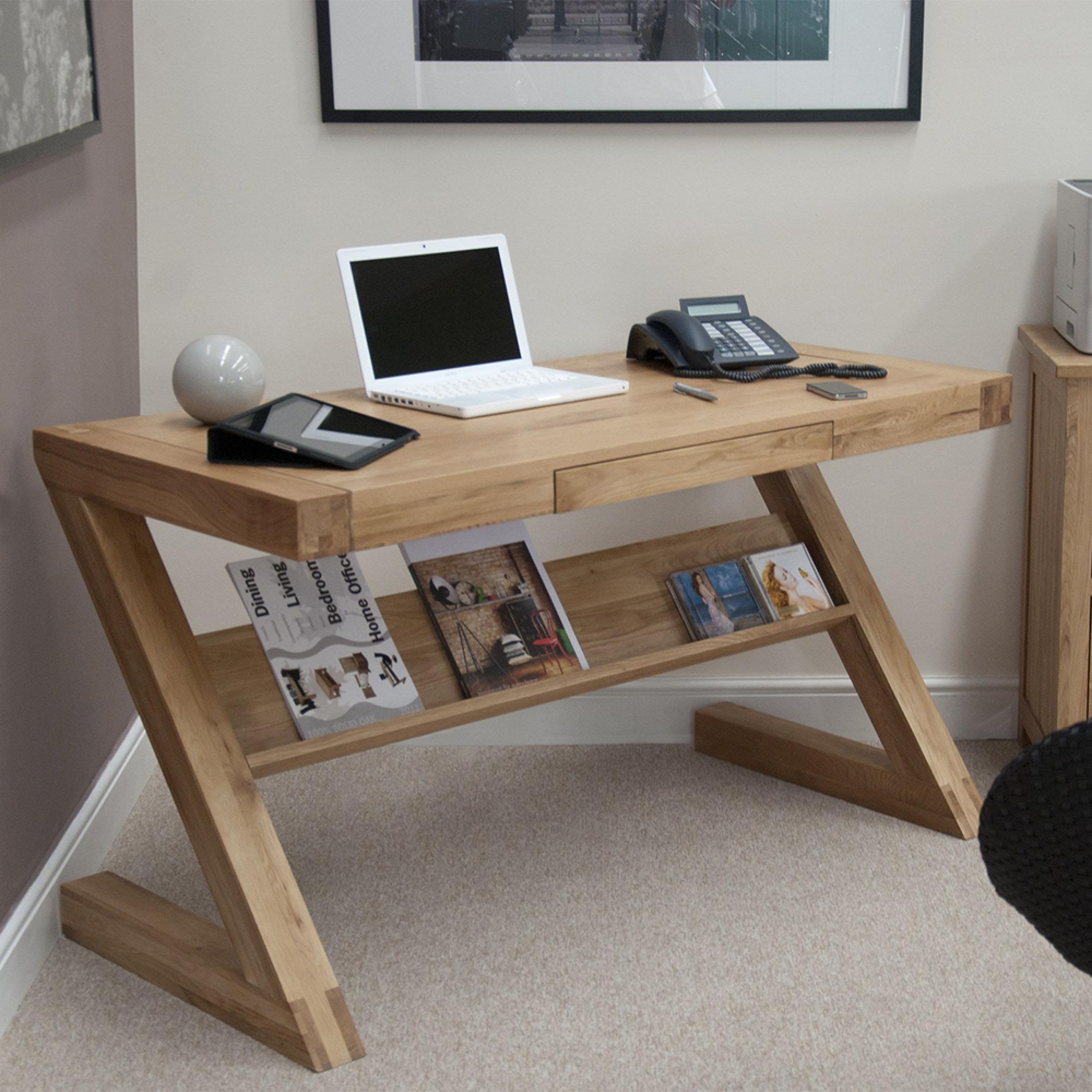
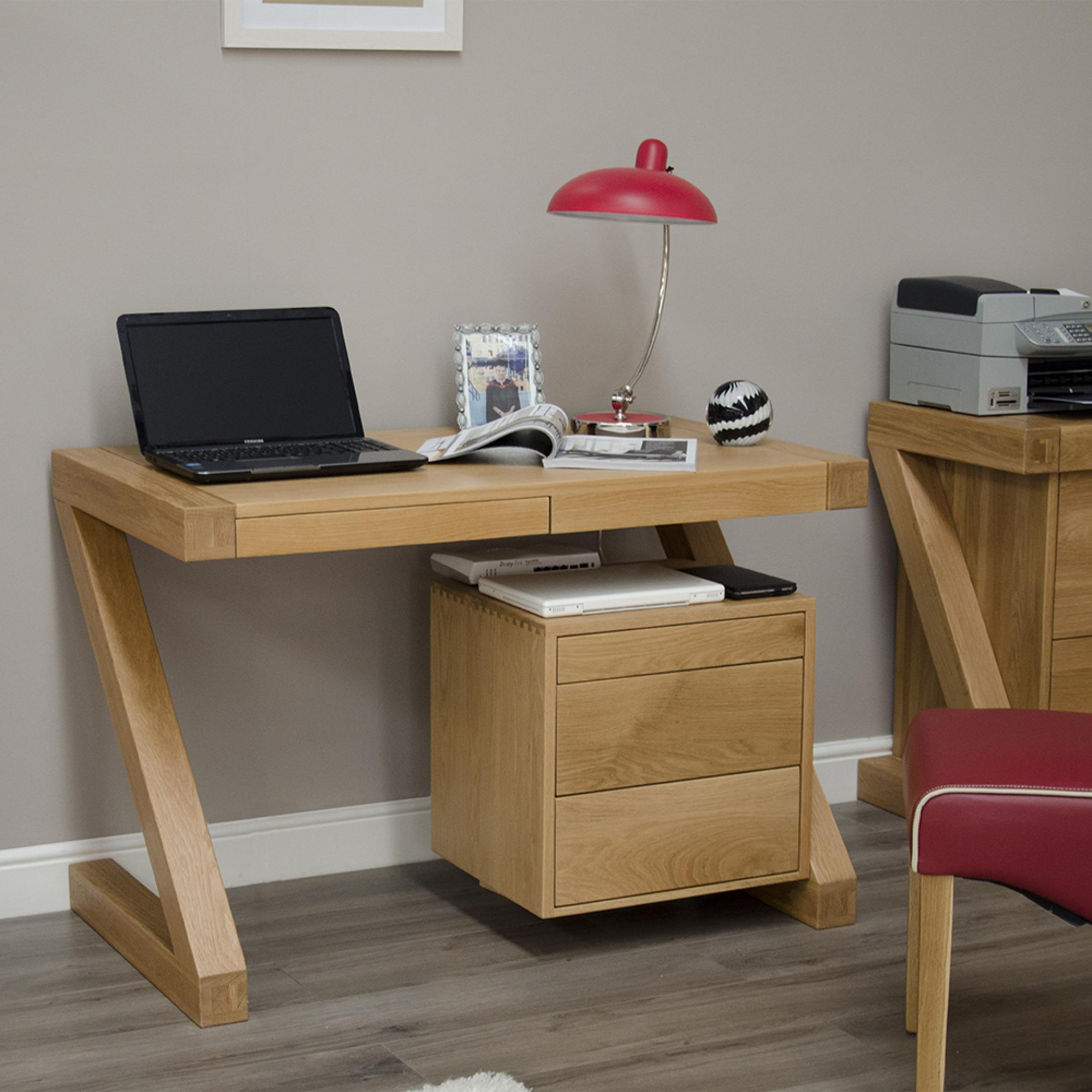
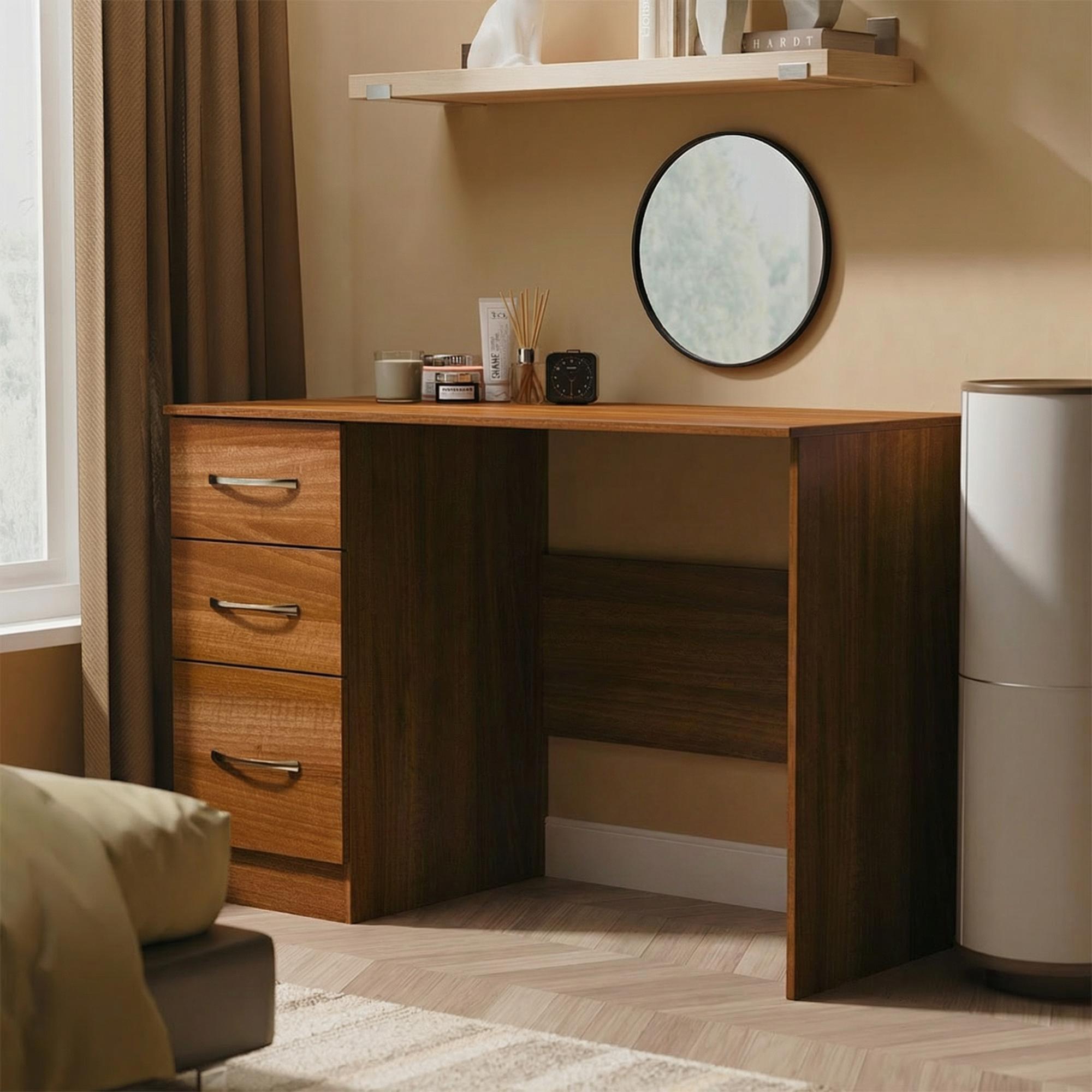
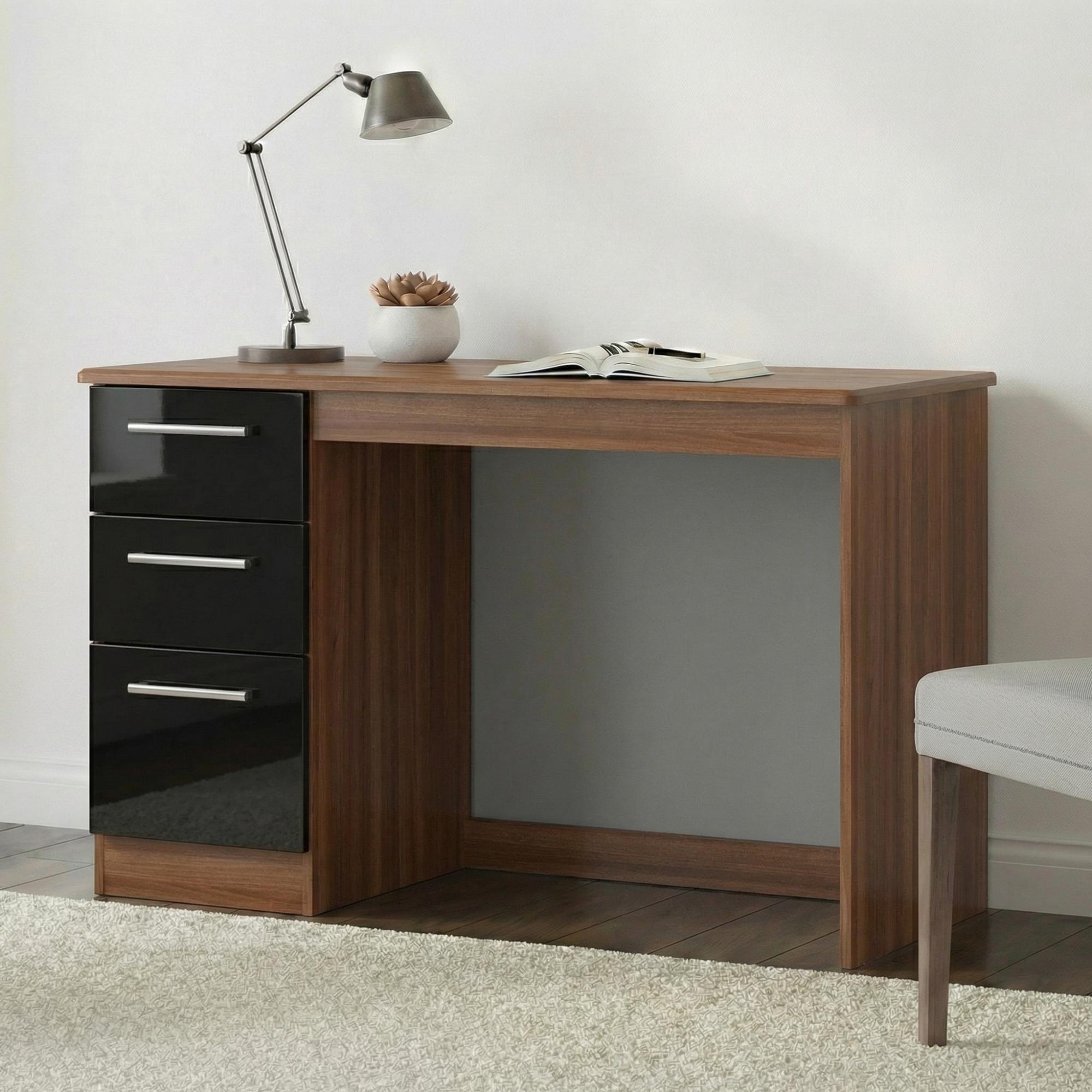
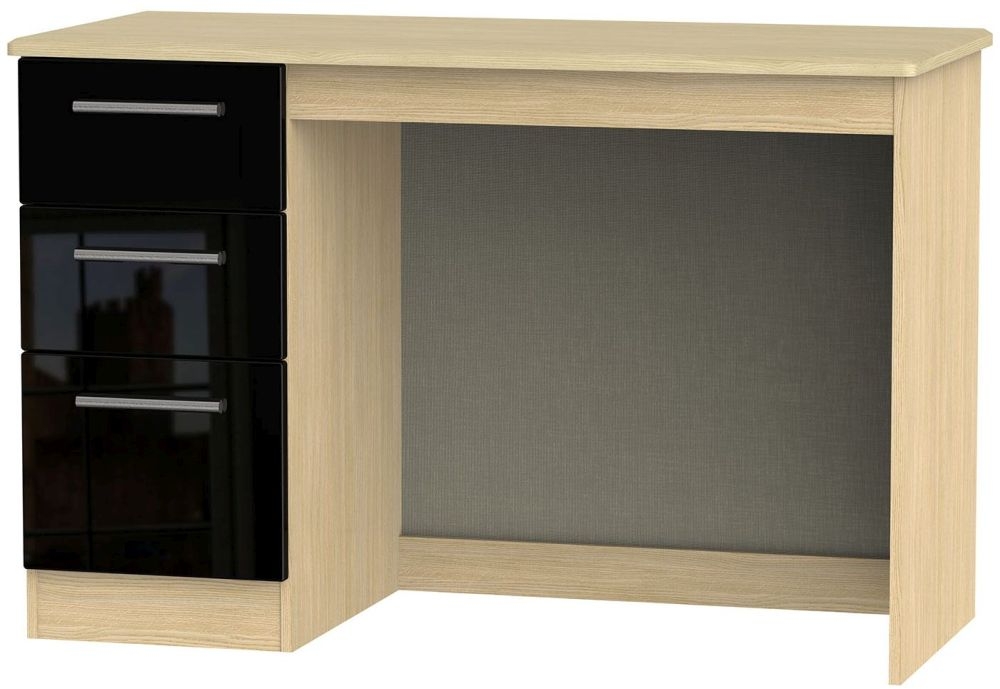
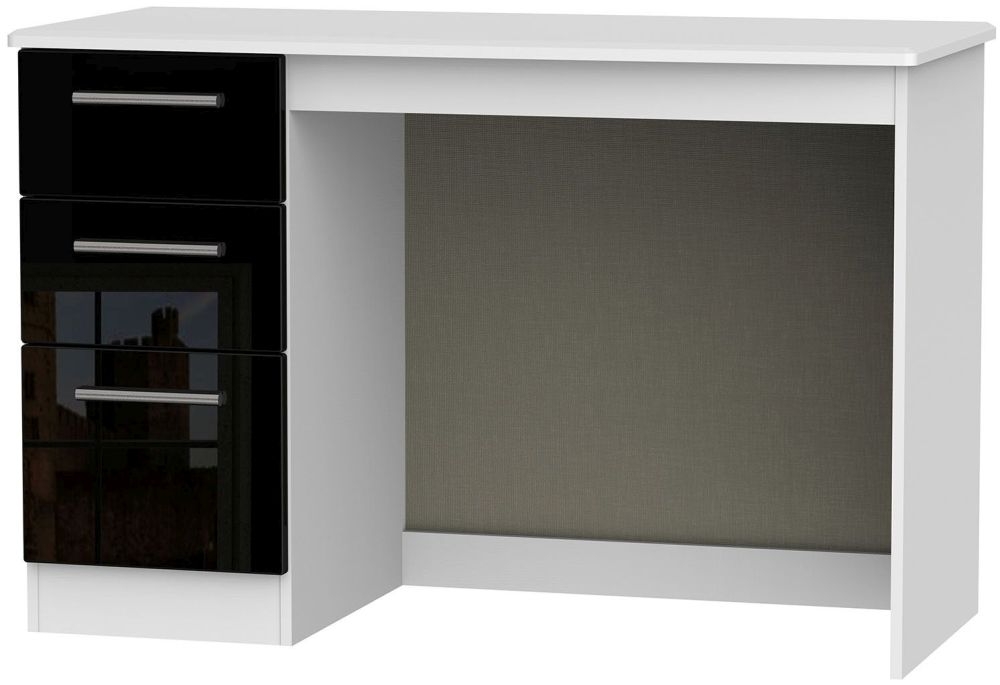
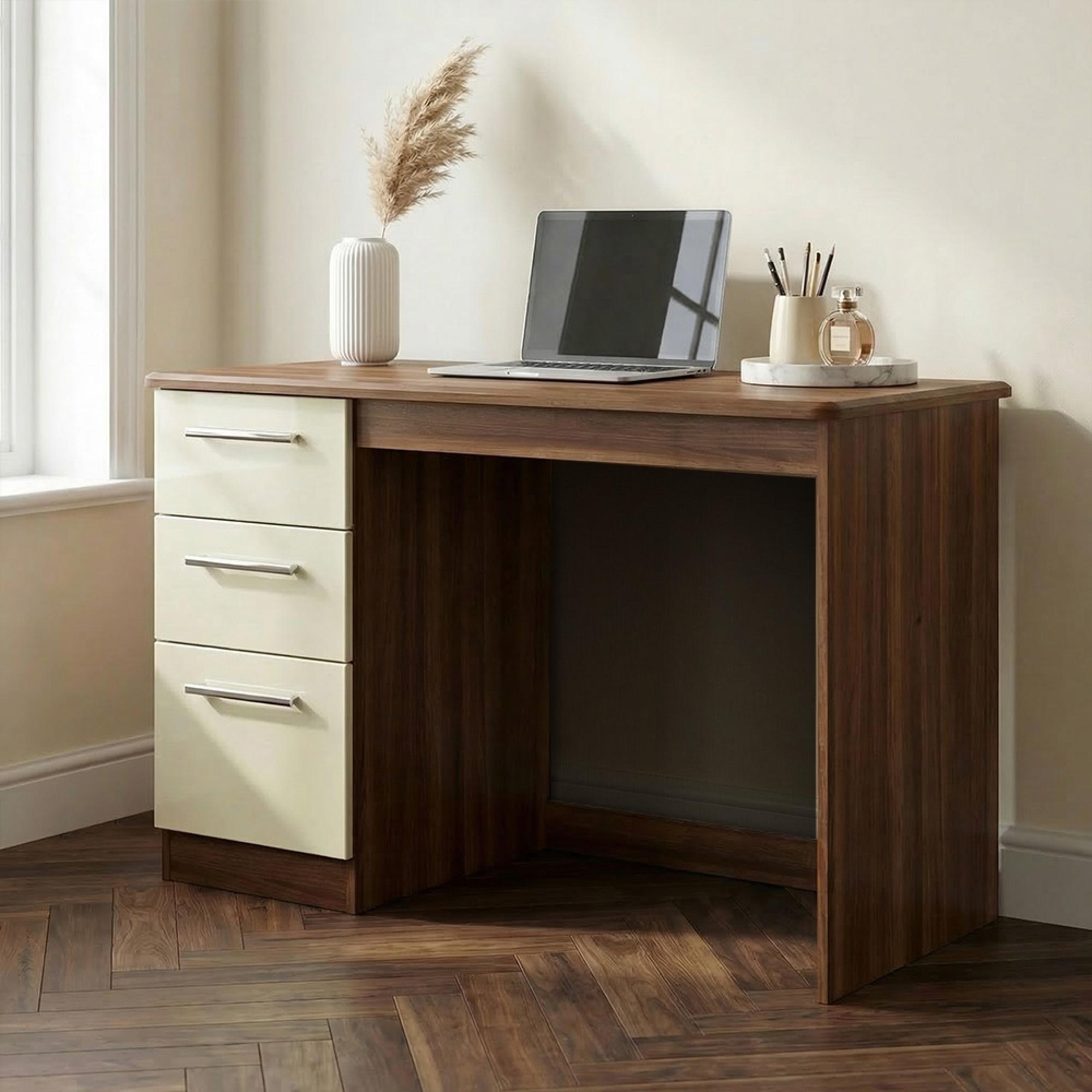
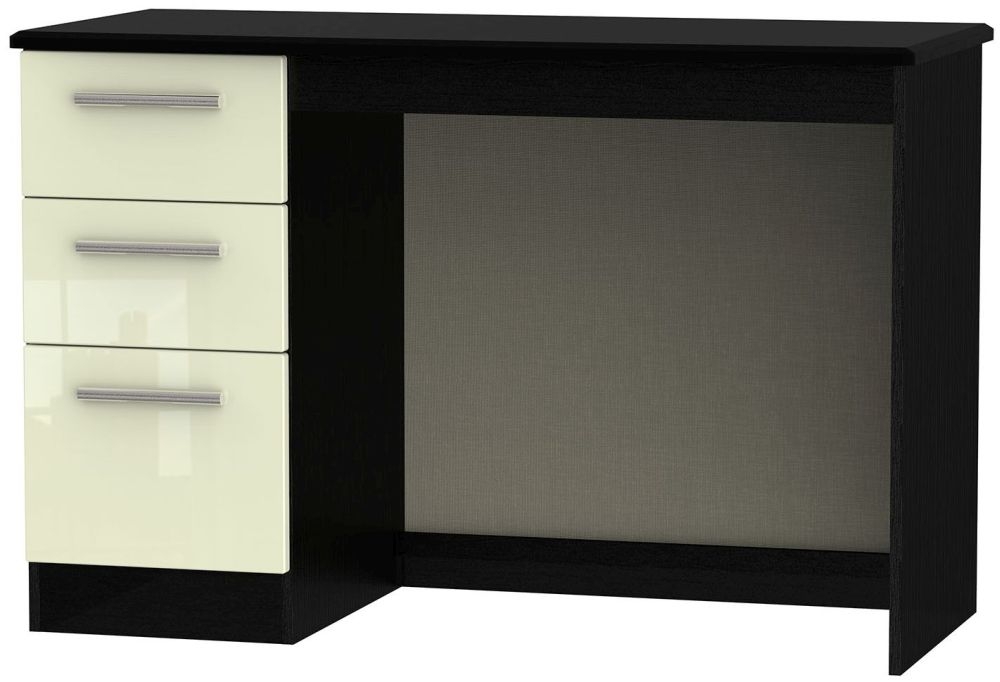
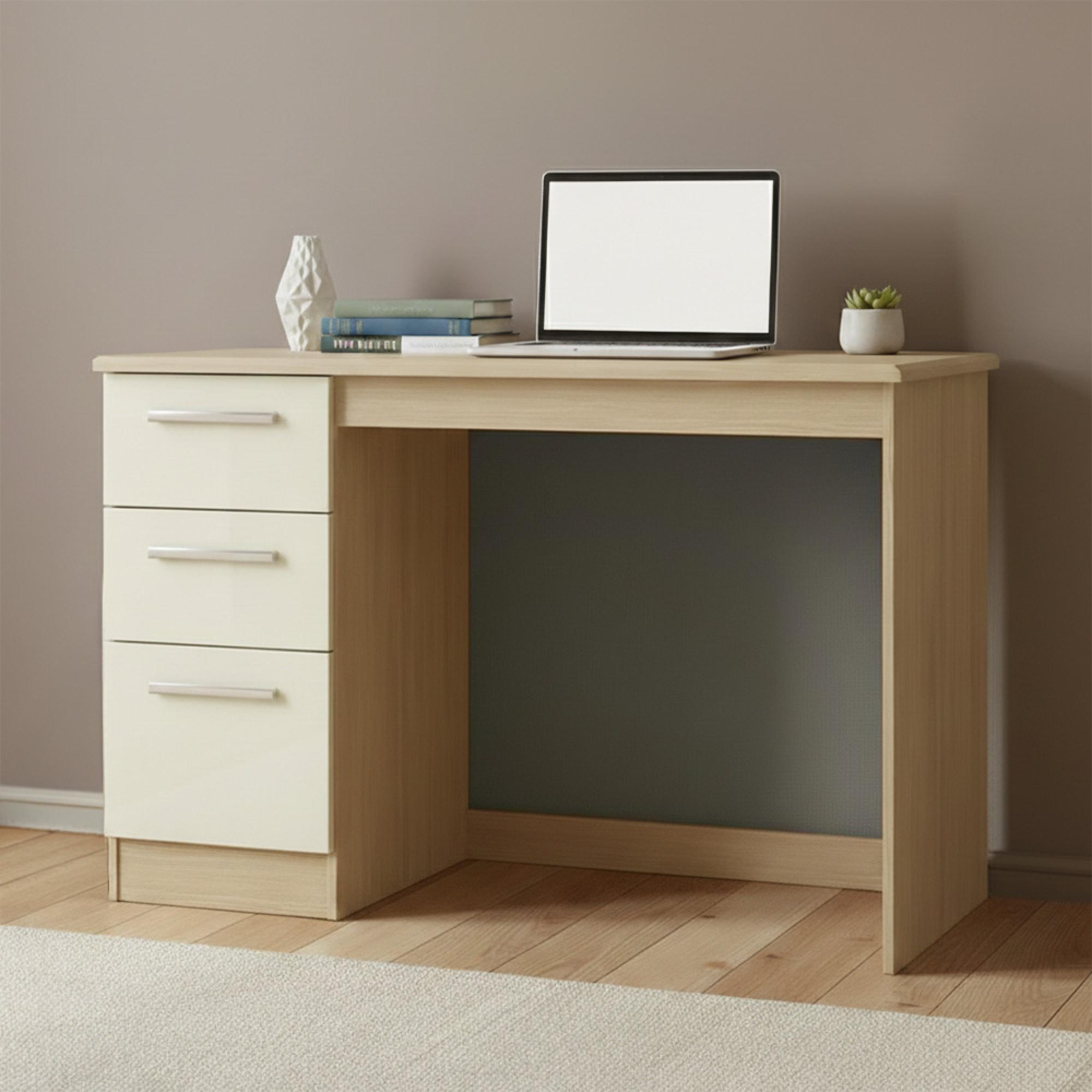
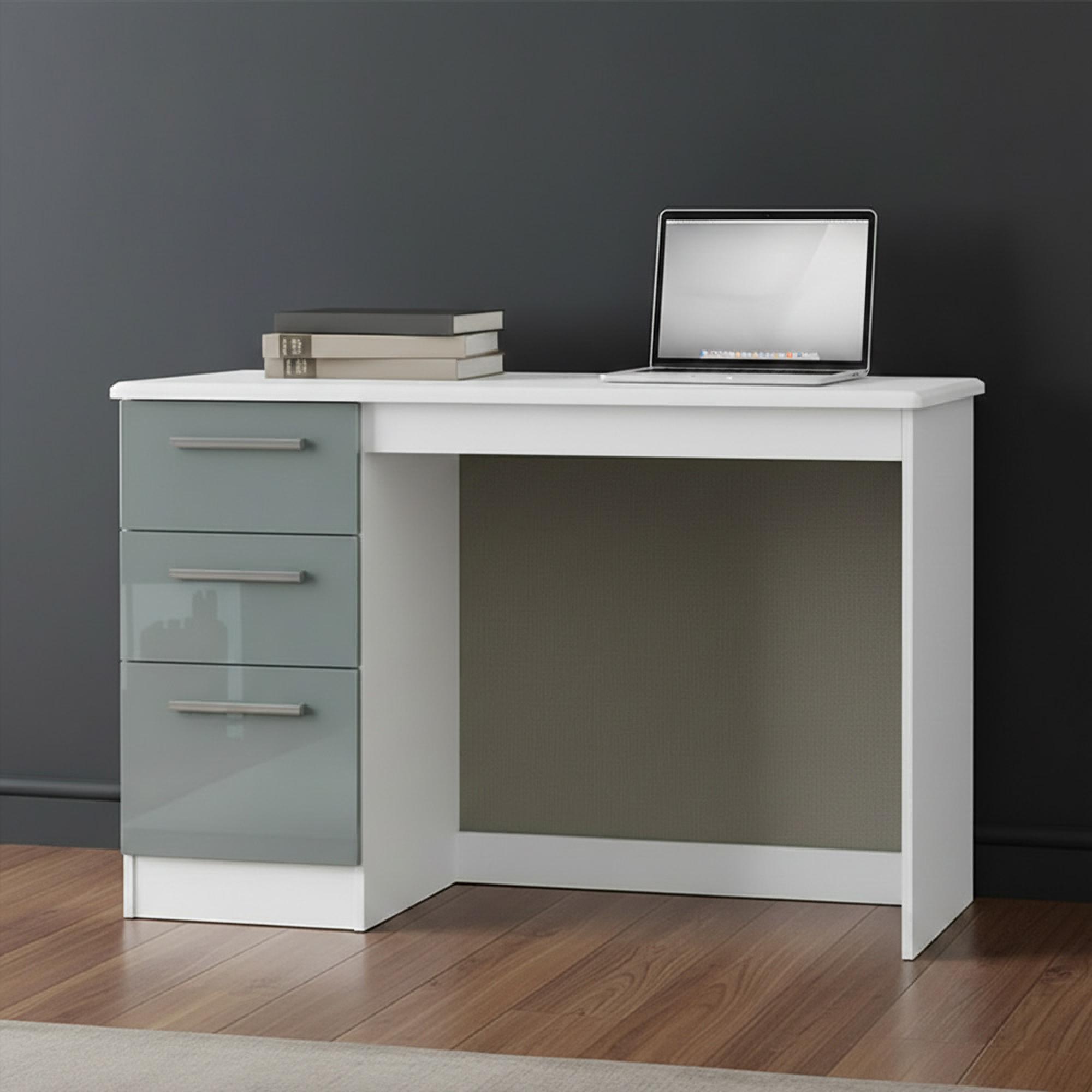
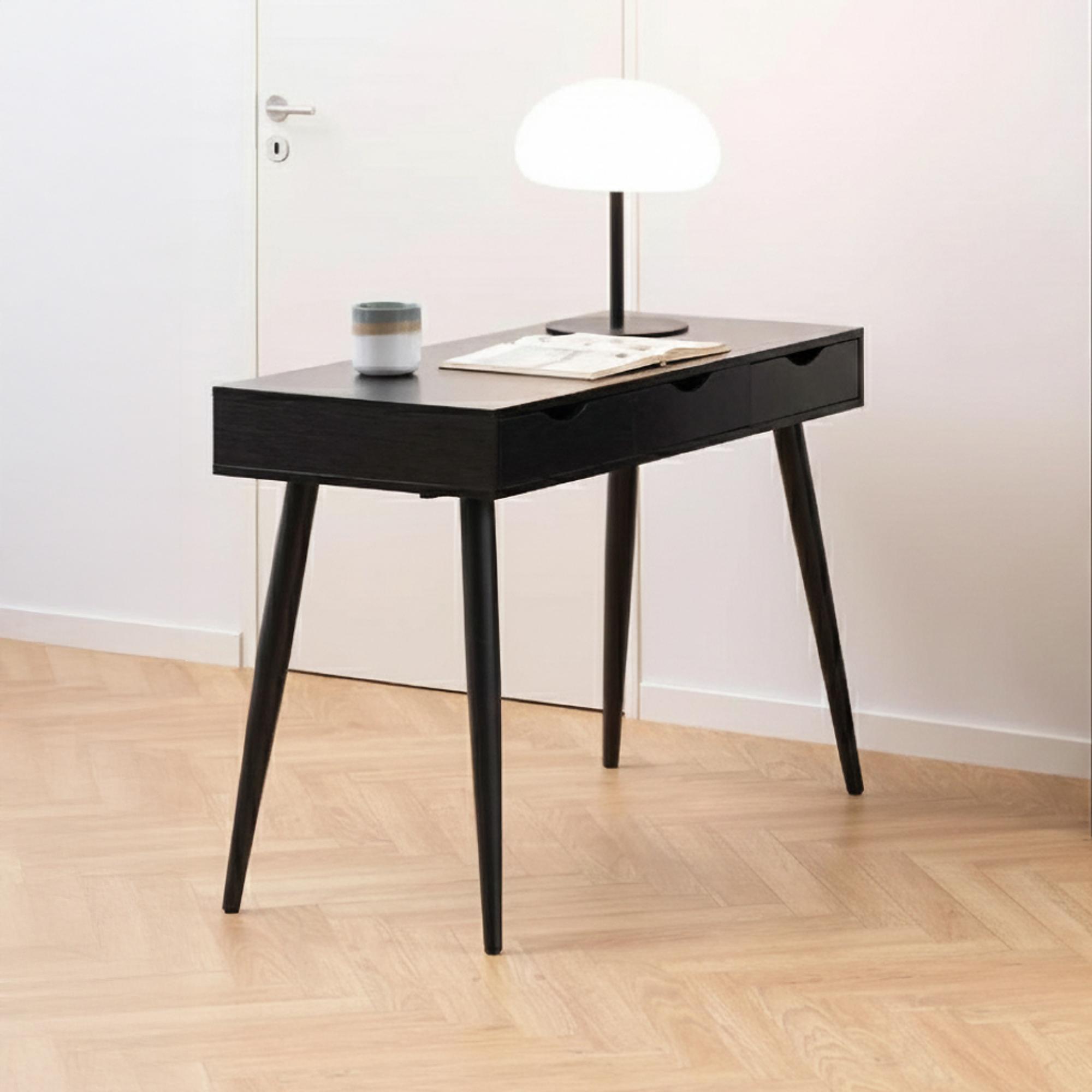
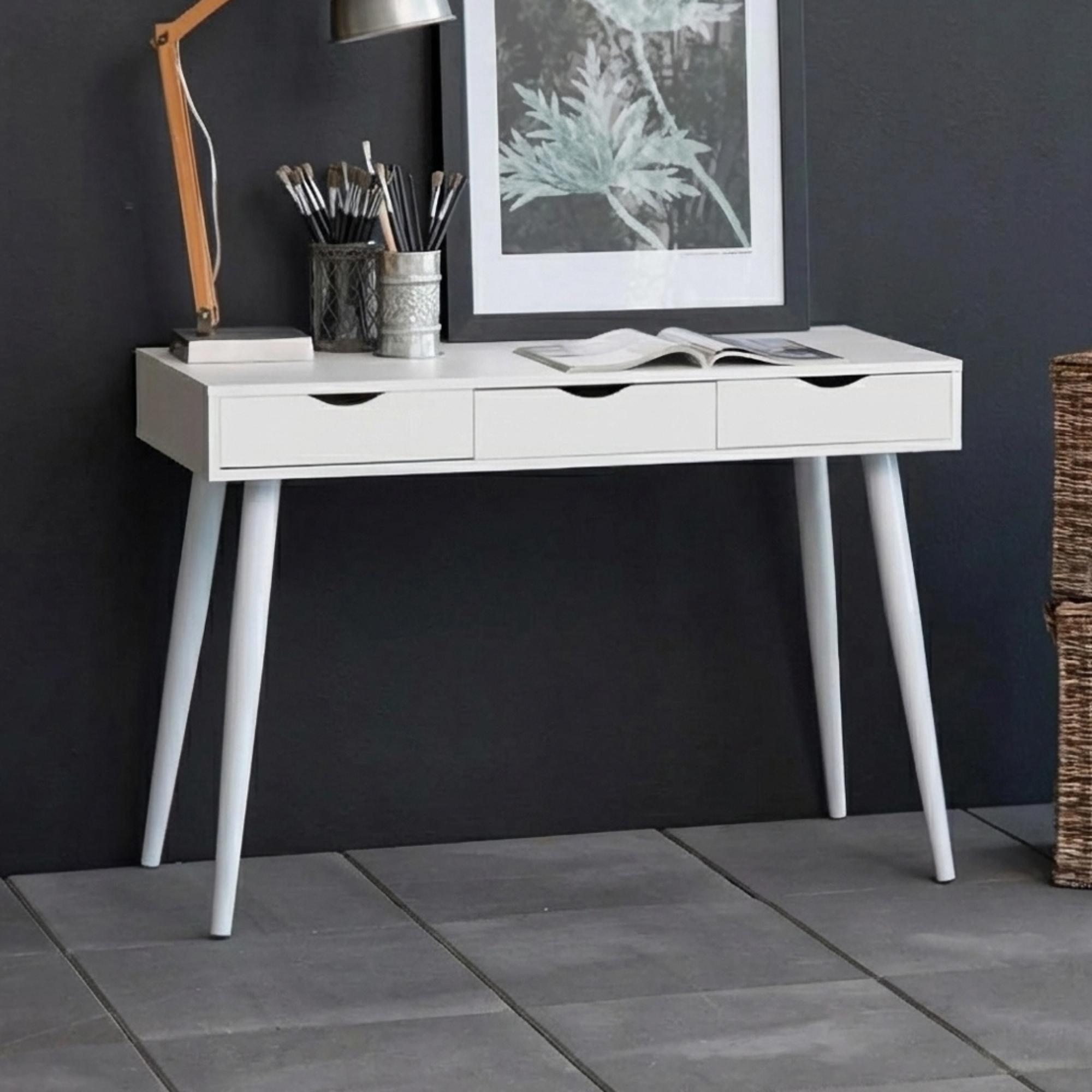
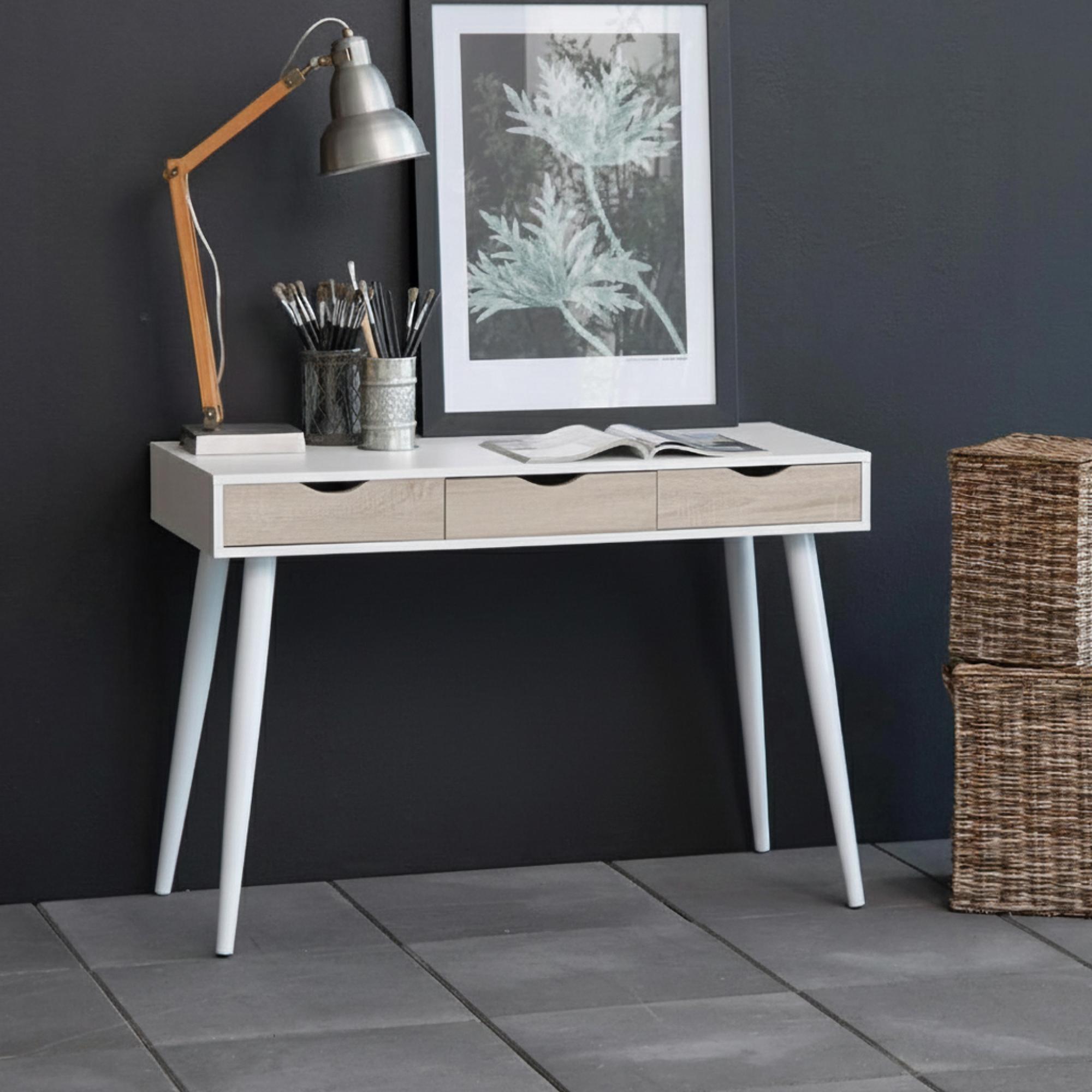
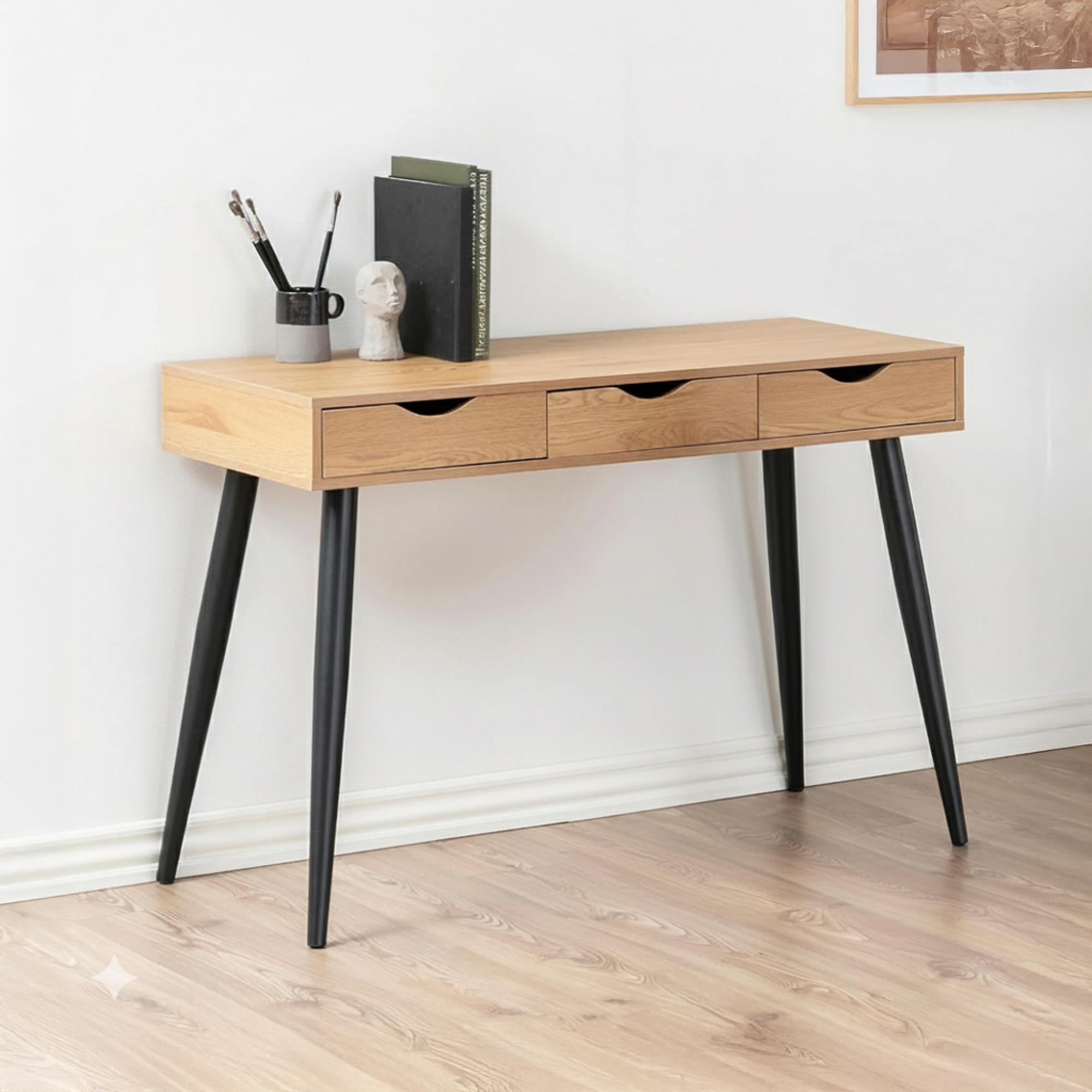
The Small Desks category brings together choices intended to create an organised surface for focused work, study or creative tasks. Compare desktop area, storage, cable access, leg room, material and room footprint to identify the right balance of appearance and function. The size-led focus makes accurate room measurements and usable clearance central to the decision. Allow comfortable chair movement and place screens at a practical viewing distance.
Read more X Close

Popular Categories

Price

Features

No. of Doors

No. of Drawers

Material

Finish

Colour

  • Black
  • Blue
  • Cream
  • Green
  • Grey
  • White

39 Products of 154

Load More..

Choosing Small Desks

This category focuses on Small Desks that can create an organised surface for focused work, study or creative tasks. Start with the room layout and daily use, then compare desktop area, storage, cable access, leg room, material and room footprint. The size-led focus makes accurate room measurements and usable clearance central to the decision. This keeps the decision focused on practical suitability as well as style.

Plan the space before choosing

Allow comfortable chair movement and place screens at a practical viewing distance. Record the available width, depth and height, including clearance for doors, drawers, reclining parts or extensions where relevant. Account for skirting boards, radiators, sockets and walking routes, then check the access route through doors, halls and stairs.

For adjacent choices, explore Desks, Oak Desks and Pine Desks. Use these comparisons alongside the specifications on each product page.

Small Desks for considered interiors

The Small Desks category focuses on choices intended to create an organised surface for focused work, study or creative tasks. A suitable option should respond to the room's proportions, surrounding furniture and practical demands of everyday use. The size-led focus makes accurate room measurements and usable clearance central to the decision.

Material, finish and construction

When comparing desks, look closely at desktop area, storage, cable access, leg room, material and room footprint. Materials influence appearance, weight and maintenance, while finish affects colour coordination and day-to-day care. Use the written specification to confirm construction and care requirements.

Function and room planning

Allow comfortable chair movement and place screens at a practical viewing distance. Mark out the footprint and consider how people move around it. Where a product opens, extends, swivels or reclines, include that working clearance. For storage, seating or sleeping products, match the layout, support and capacity to the needs of regular users.

Creating a coordinated result

Build the room around a clear relationship between scale, colour and material. Matching every finish is not essential, but repeating one or two elements can connect separate pieces. You can also compare Desks, Oak Desks and Pine Desks for closely related room and product choices. Use the individual listing to confirm dimensions, included components, assembly and suitability.
Read more X Close

FAQs on Small Desks

What size small desk should I buy for a bedroom?

For a bedroom desk, 80–100cm wide works well. Measure your wall space first, then check depth—50cm is standard but 40cm suits tight corners. Ensure clearance from the bed and allow space to pull your chair back comfortably without obstruction.

Choose desks 60–80cm wide and 40cm deep to maximise floor space. Wall-mounted or corner desks save area effectively. Check product depth carefully and position near a window if possible to brighten a compact space without bulky storage.

Drawers keep clutter hidden and organised, ideal if you work full-time at home. Open-leg designs feel lighter and suit small rooms visually. Consider your work style: frequent file access favours drawers; minimal desk work suits open designs better.

Small desks have cable management, proper work height (72–76cm), and surfaces designed for daily use. Console tables are narrower, decorative, and lack features for extended work. Choose a desk if you use it regularly; a console if you need flexible occasional workspace.

Measure wall width, depth from wall to door or window, and height to shelves above. Note radiator or outlet positions. Account for chair depth—add 60cm minimum behind the desk for comfortable seating and movement. Take photos to compare with product images online.

Glass desks feel lighter and less cramped visually, suiting tiny spaces. Wooden desks offer warmth and durability, hiding dust better. Glass requires regular cleaning; wood ages well. Choose based on your décor style and maintenance tolerance rather than space alone.

Use a chair with seat height 38–45cm to pair with standard 72–76cm desks. Your elbows should sit at 90 degrees when typing. Measure your current chair or test in-store. Adjustable chairs suit most heights and prevent posture problems during long work sessions.

Use drawer organisers, desk risers with shelves underneath, and wall-mounted shelving above. Vertical storage maximises small spaces. Choose a desk with cable clips or grommets to manage wires. Regularly declutter and keep only active work items on the surface.

Yes, if its 80cm+ wide and 50cm+ deep with good lighting space. Ensure the height suits seated use—standard 72–76cm works fine. Add a mirror and keep the surface clear for daily use. Drawers help separate work and beauty items easily.

Small desks suit bedrooms, student halls, or narrow home offices where full-size desks wont fit. They cost less and suit minimal work routines. Only buy if your space genuinely wont accommodate standard 120cm+ desks, or your work genuinely needs limited surface area.
Top